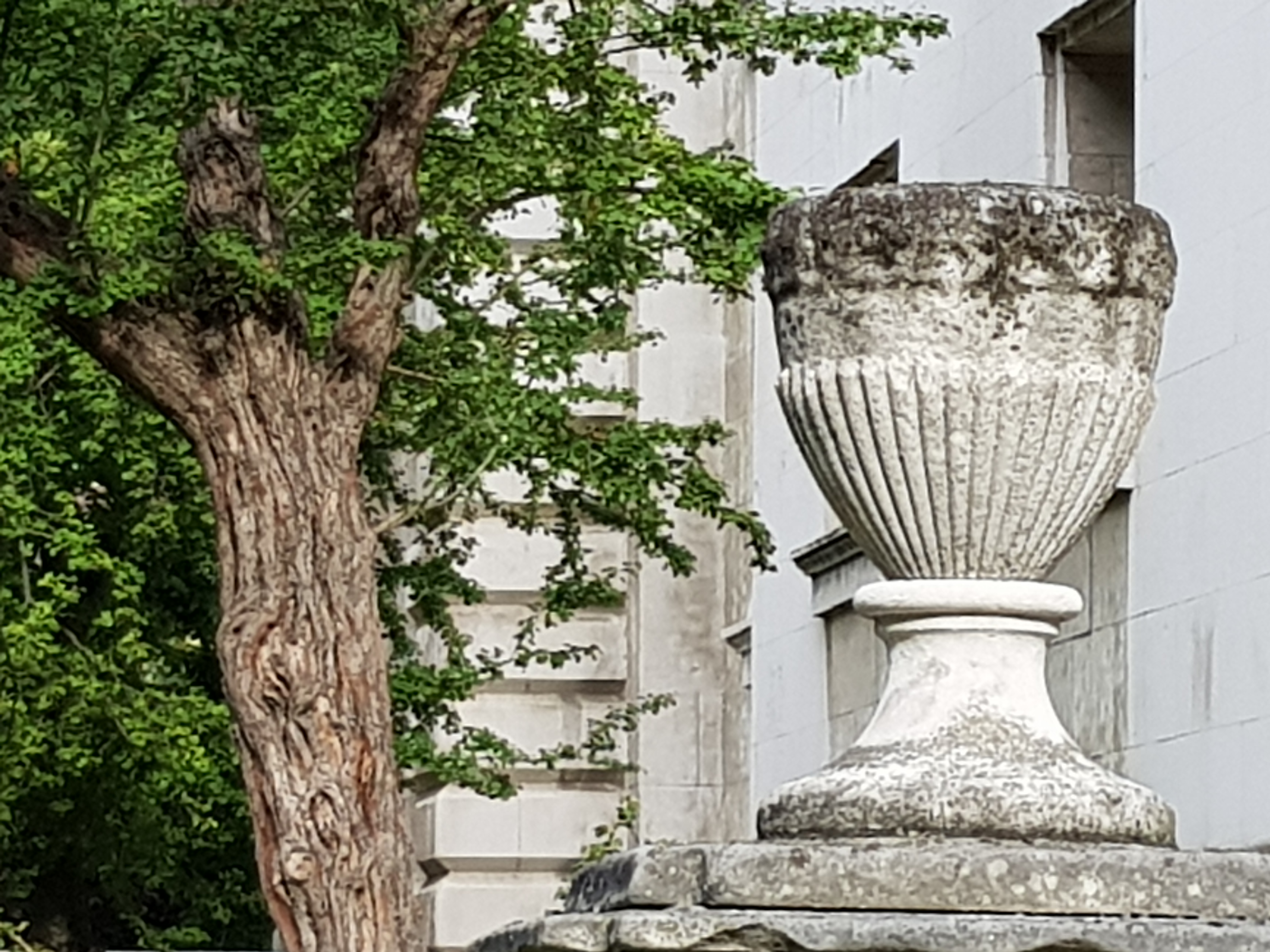
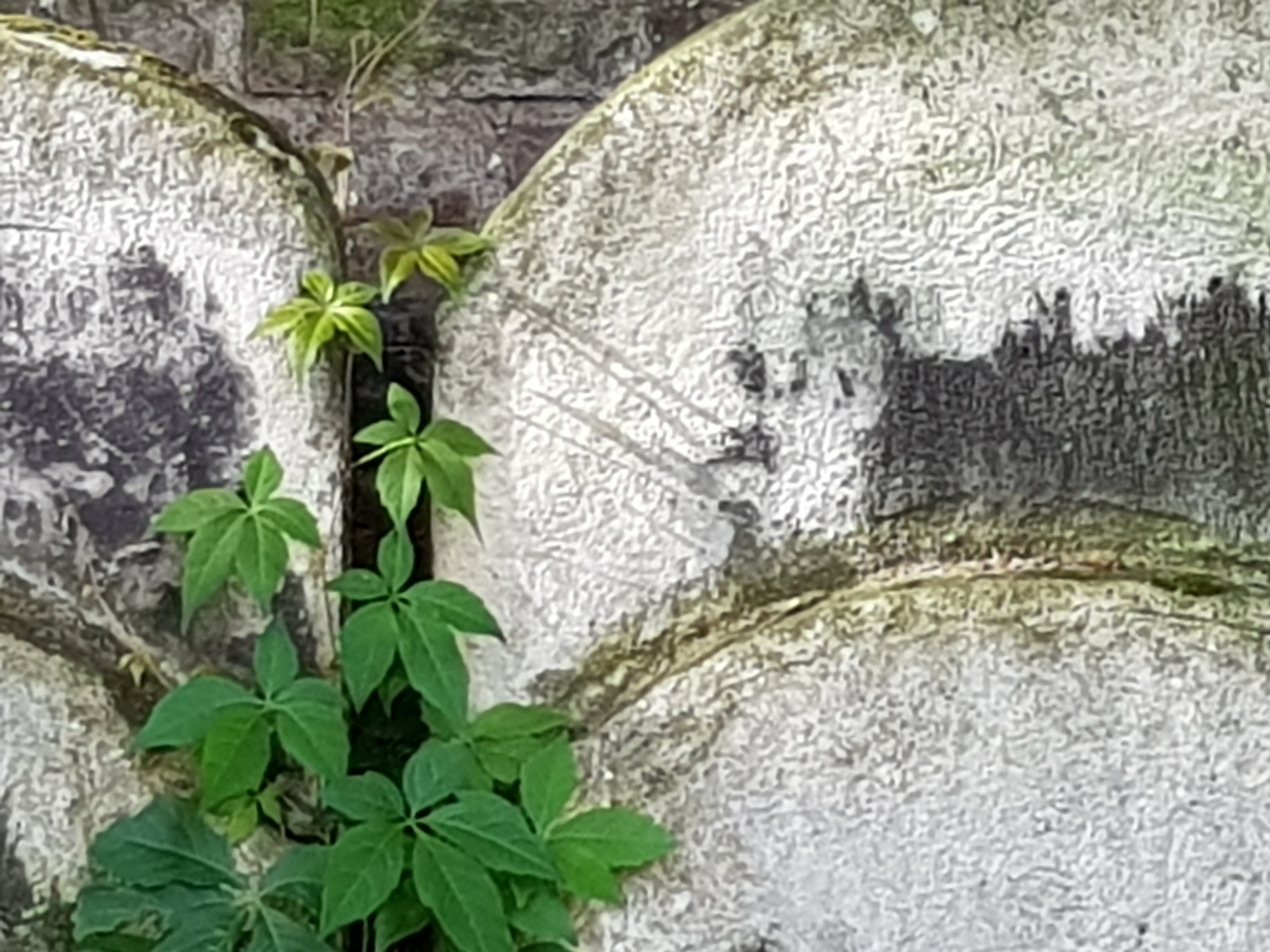
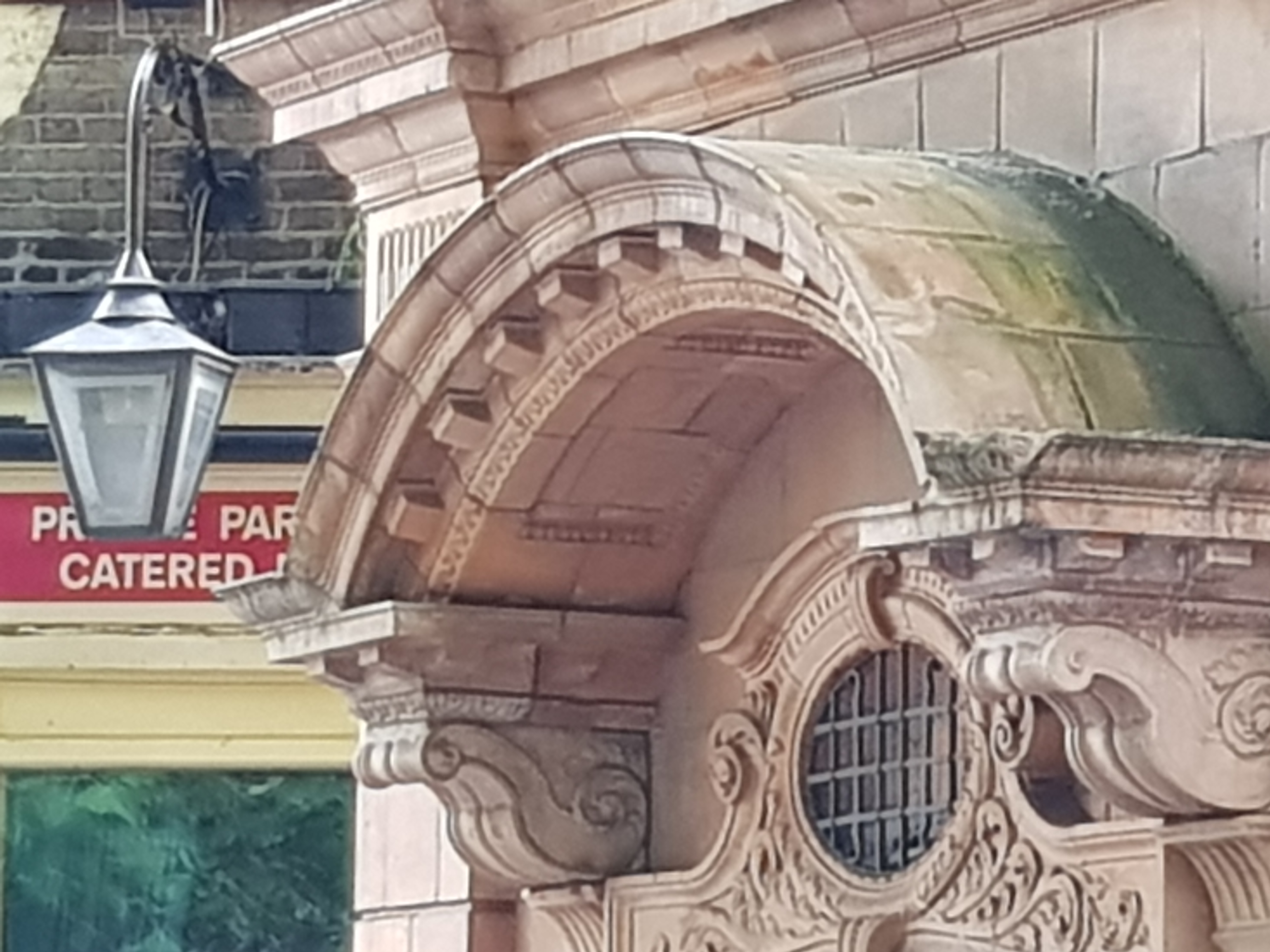
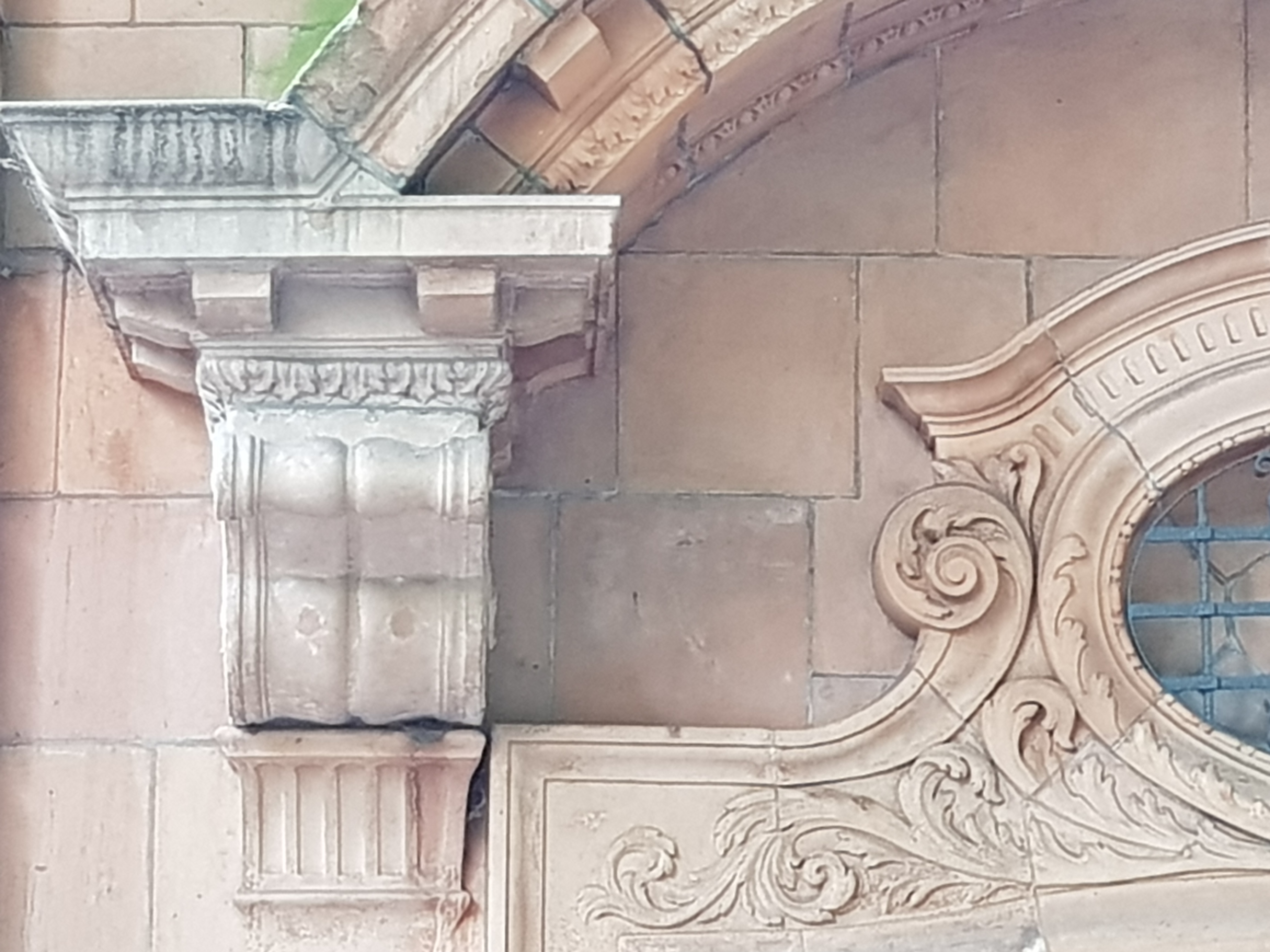
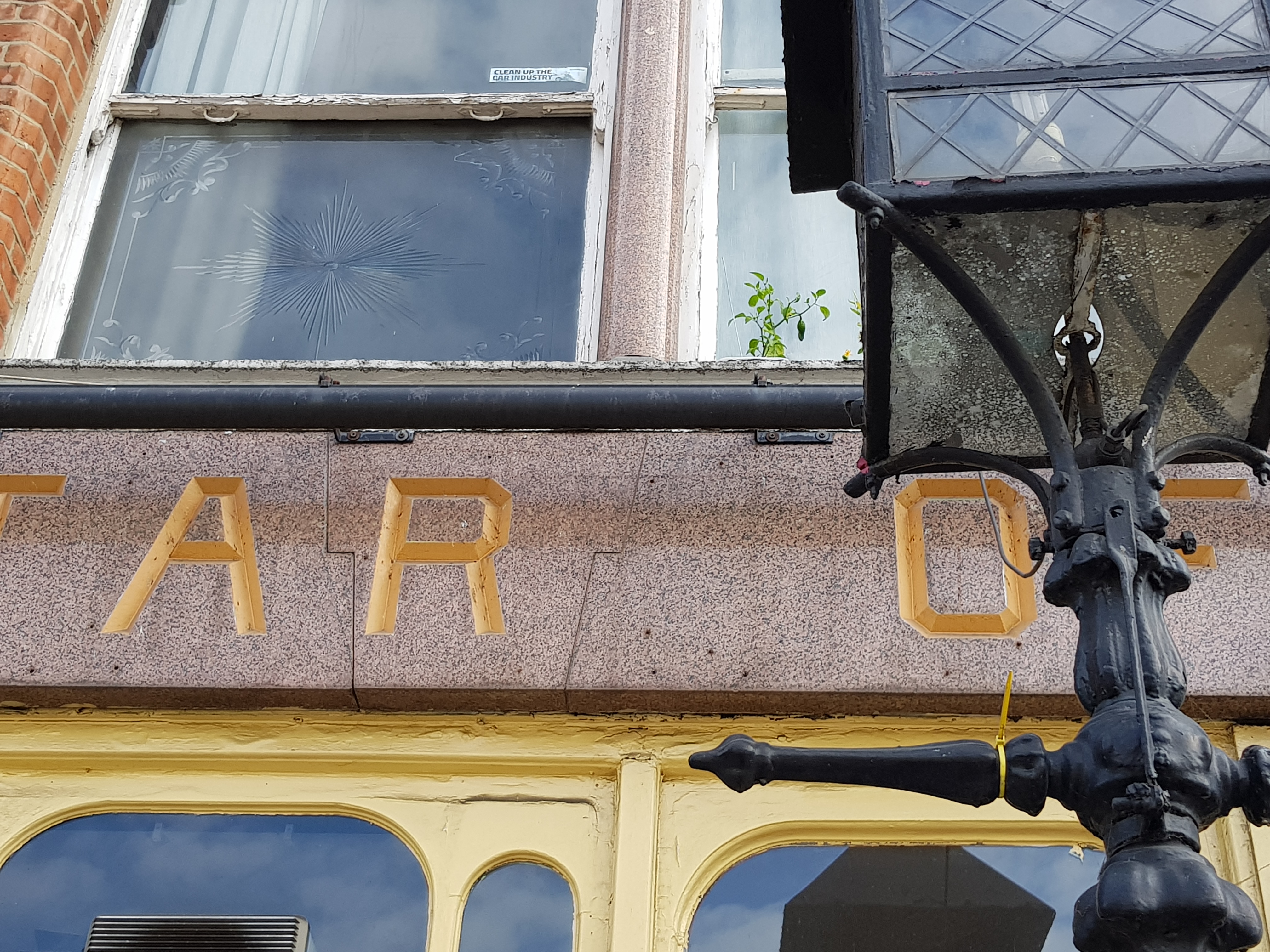
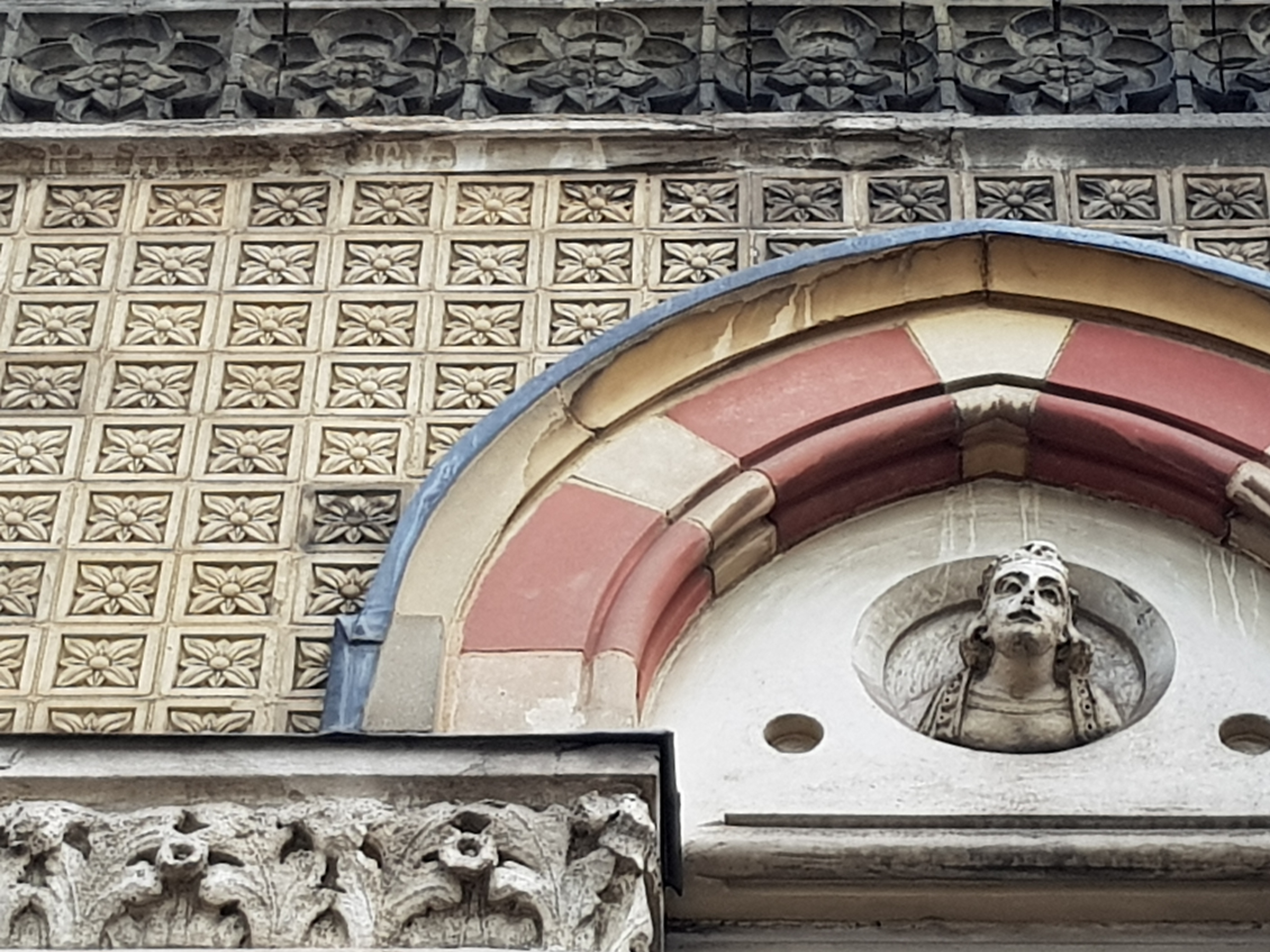
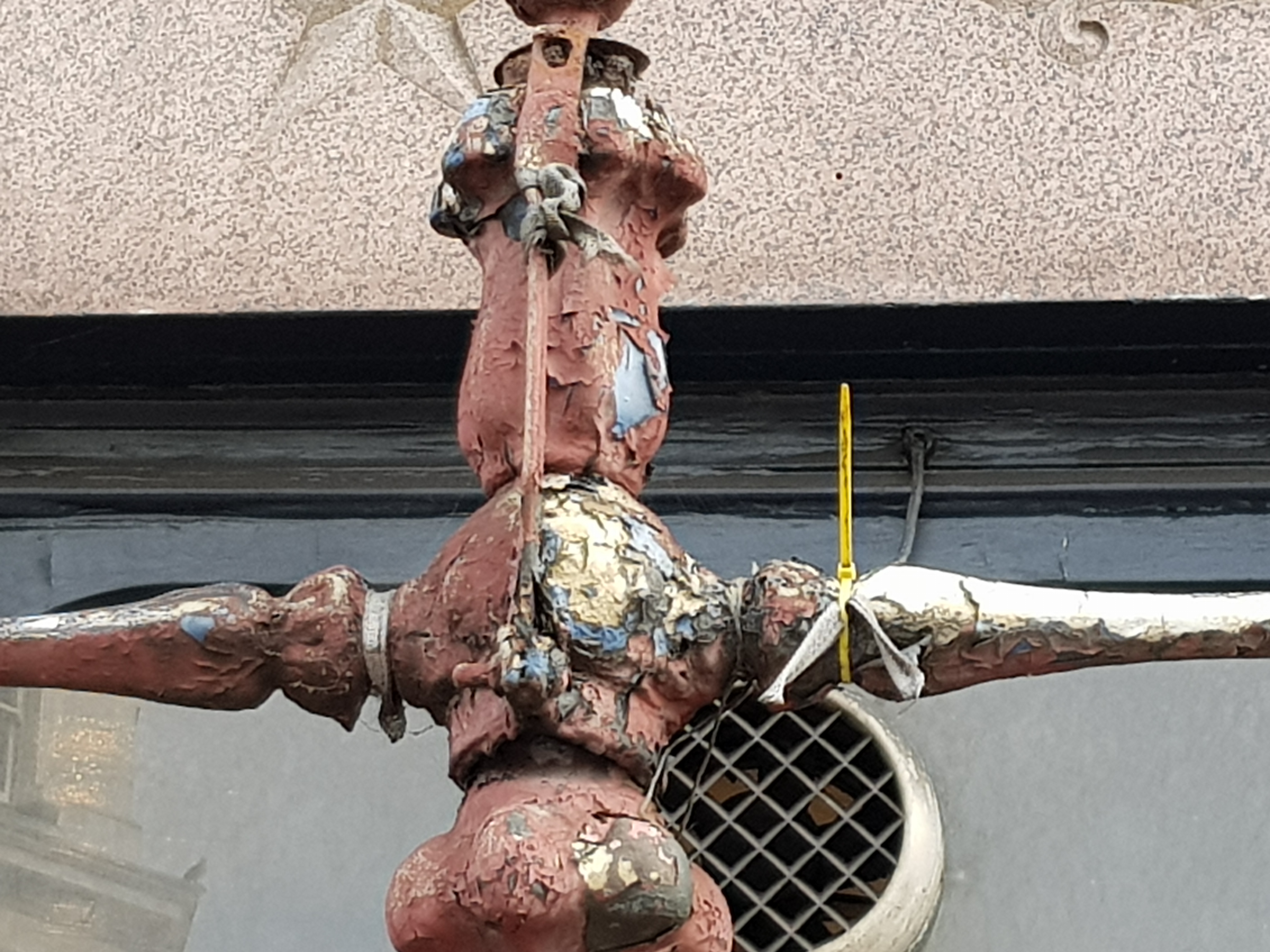
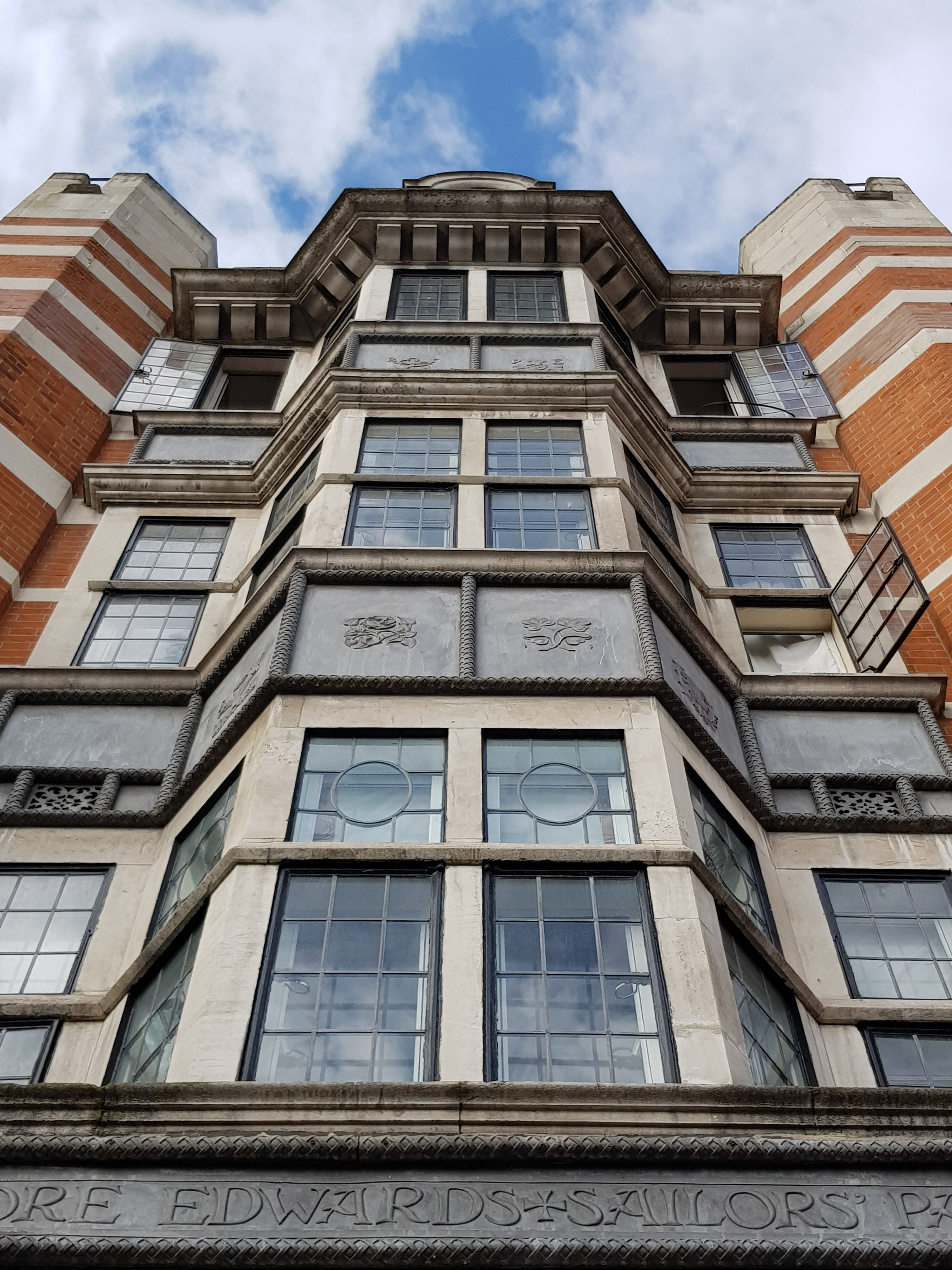
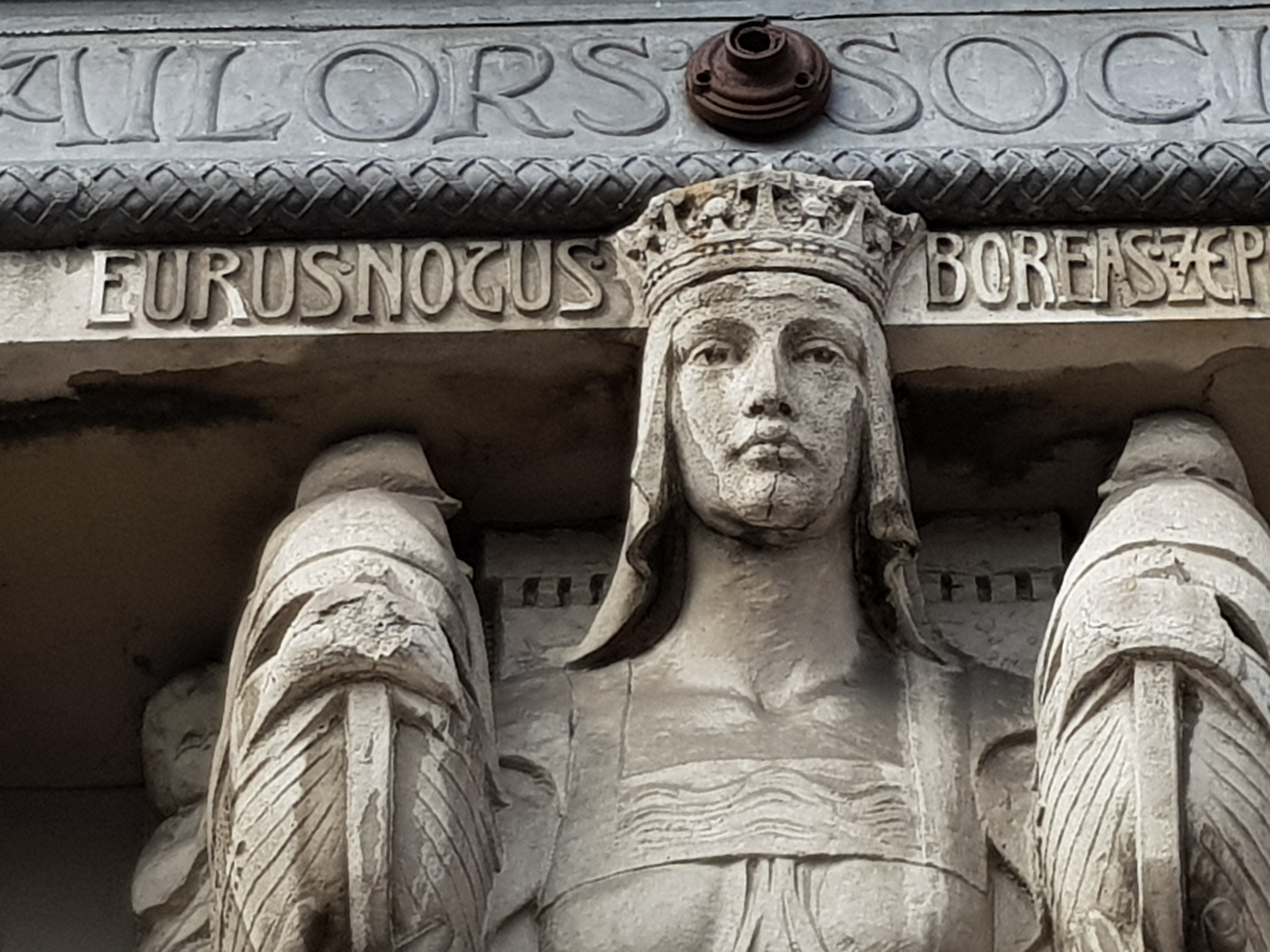
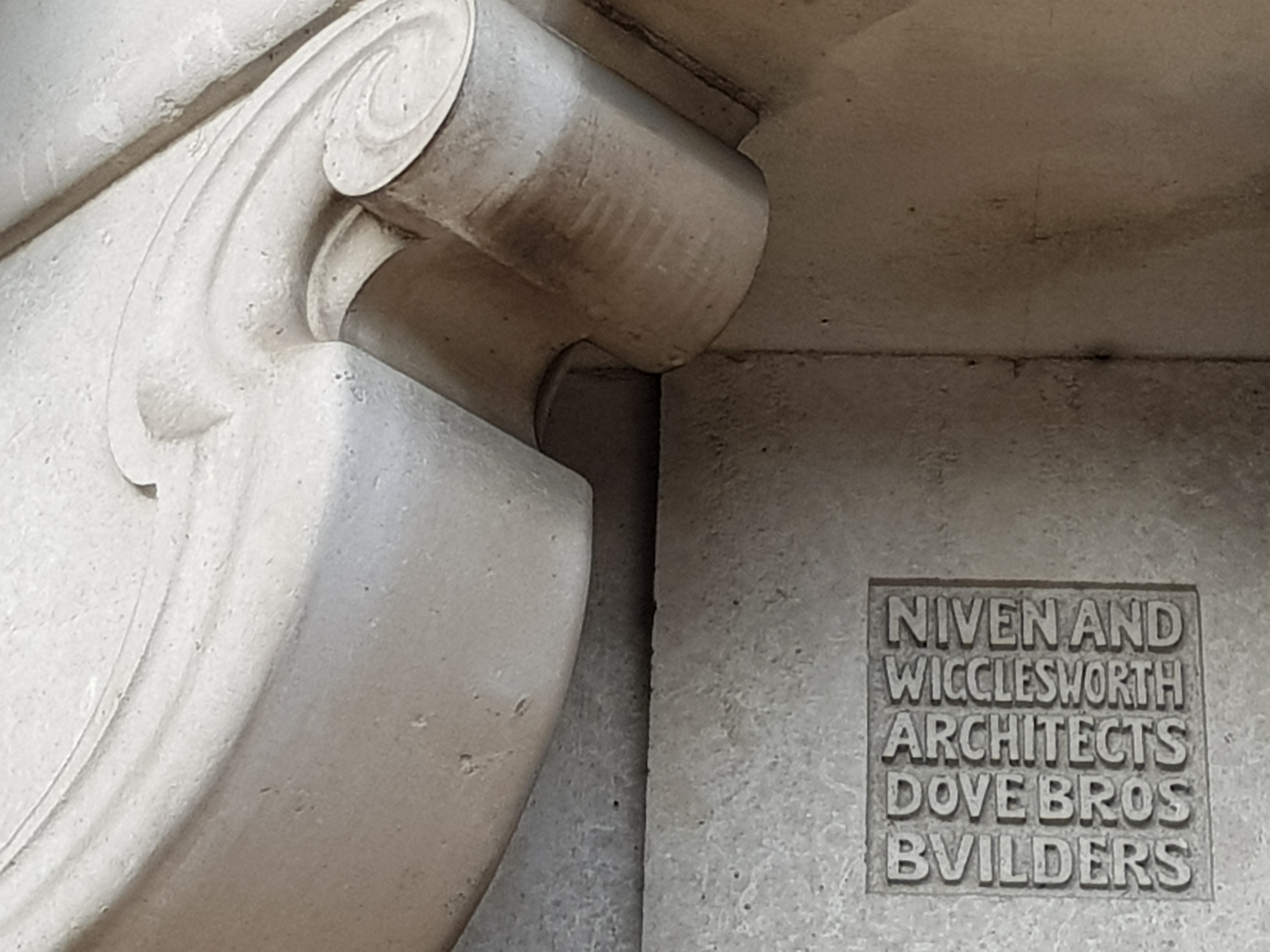
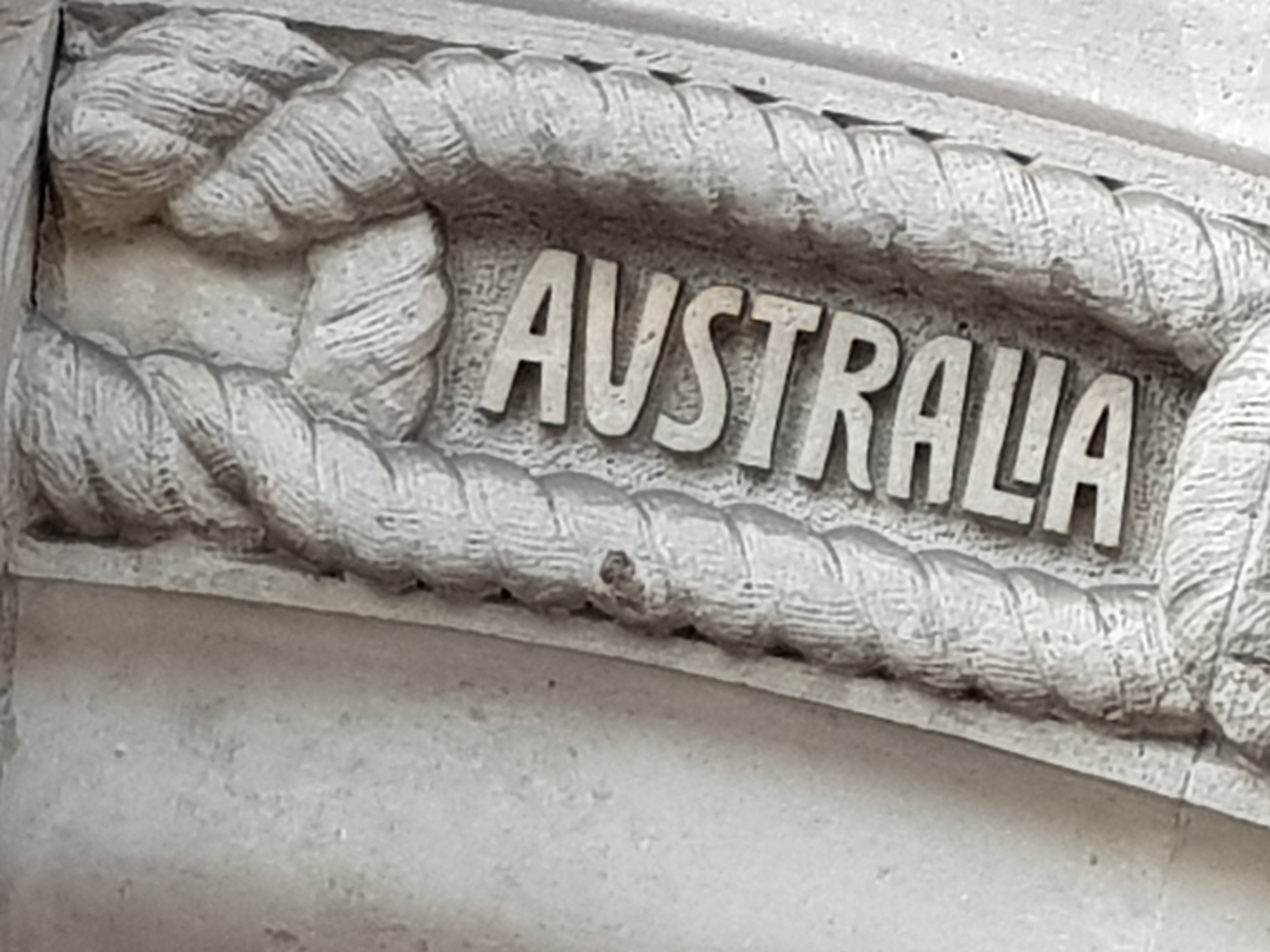
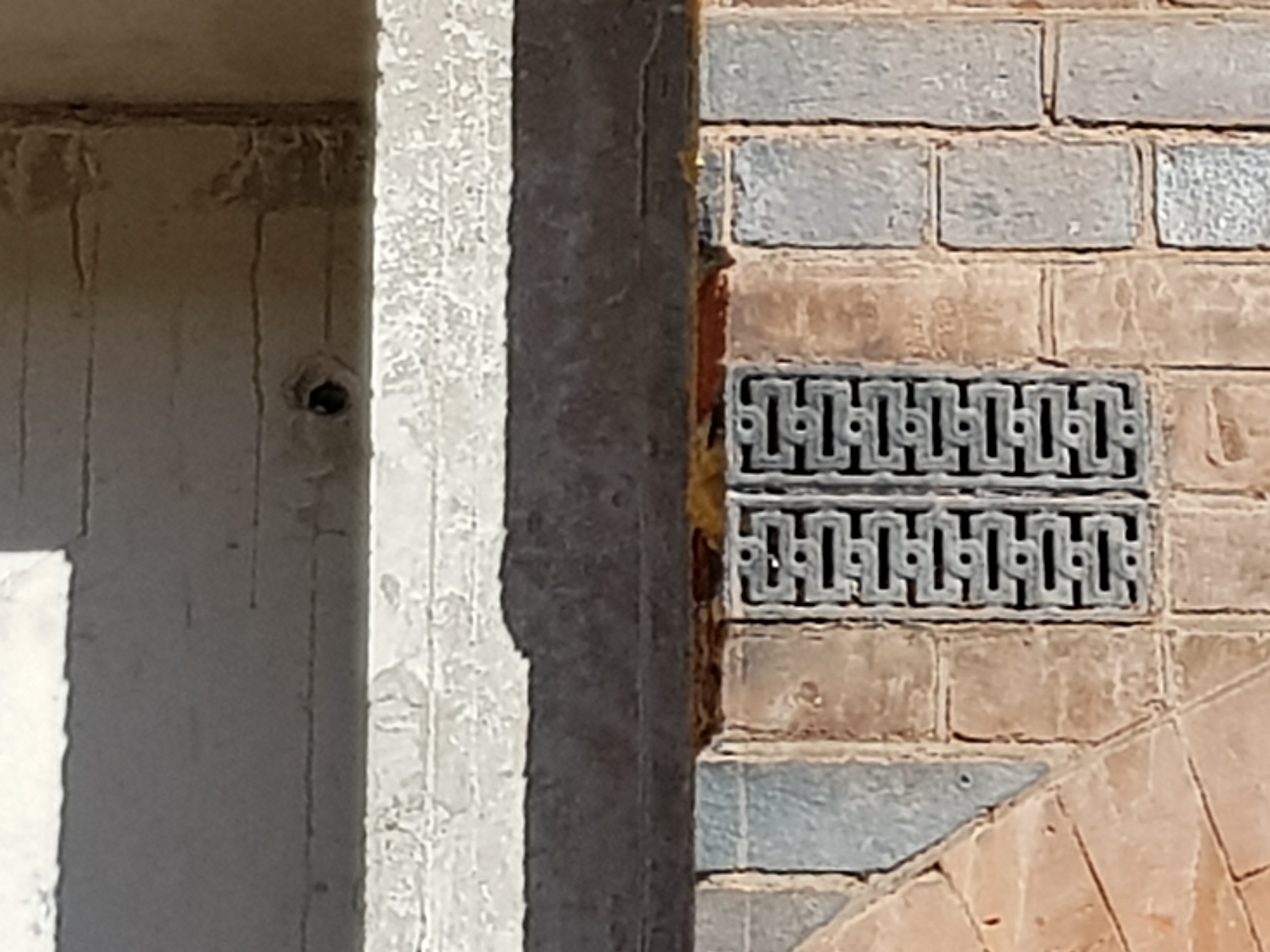
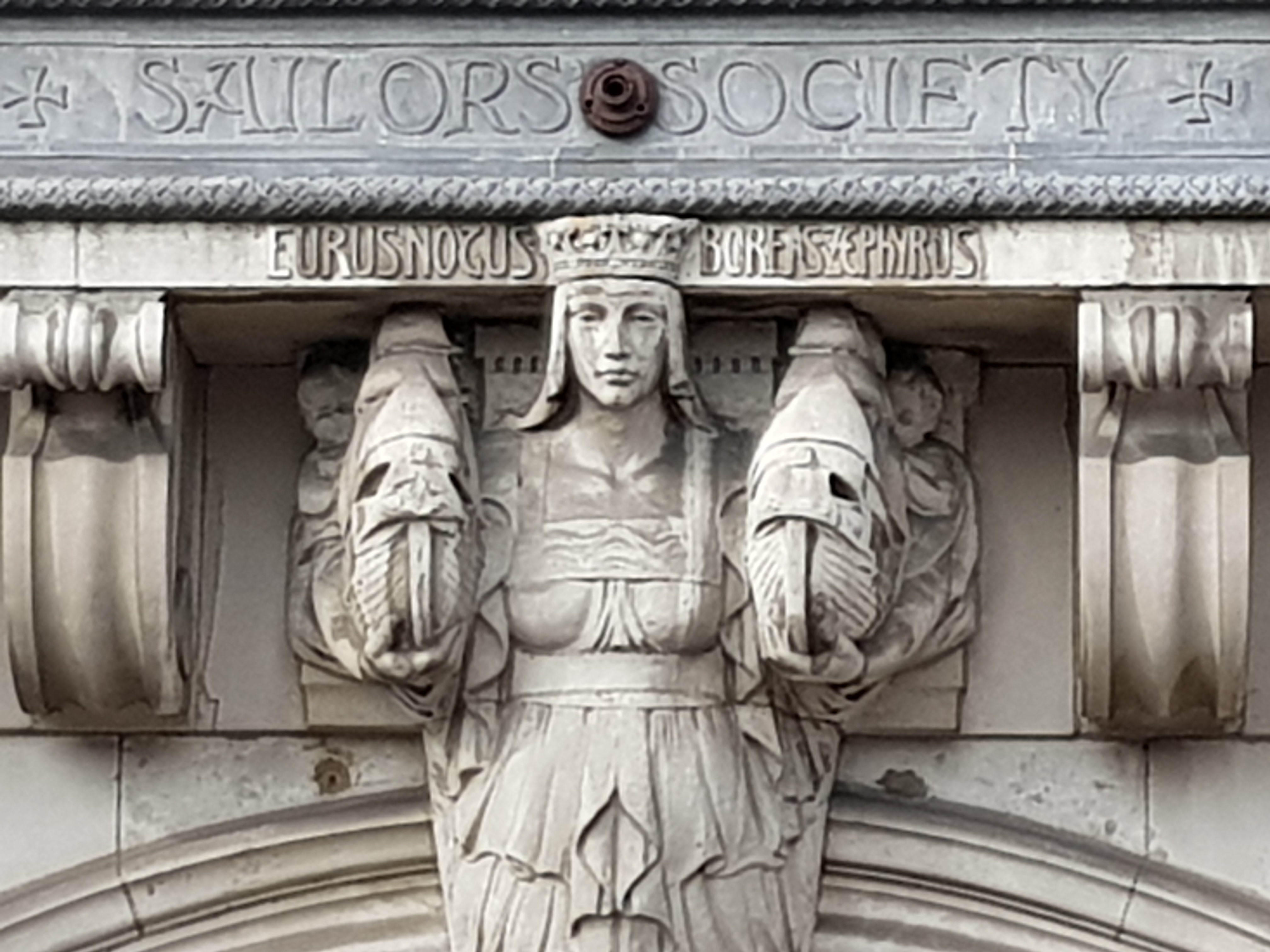
I hadn’t come across the firm of Niven and Wigglesworth until I saw their inscription on the Passmore Edwards Sailors Palace at the top end of the West India Dock Road (they also worked on a baroque palace for the Scandinavian Sailors Temperance Home). I now realise, as Martin Hopkinson has suggested, that they are extremely interesting arts-and-crafts architects. Like so many of their generation, they were Scots, coming south to find work. David Niven came from Dundee, was trained at the Royal Academy Schools and worked in the office of Aston Webb. Herbert Hardy Wigglesworth was born in Belfast before moving to Dundee and, like Niven, was trained in the Royal Academy Schools, while working in the office of Ermest George and Harold Peto. They presumably joined forces at the RA and became brothers-in-law when Niven married Wigglesworth’s sister, Sarah. Niven lived in Farnham, Surrey and together they designed a number of timber framed, tudorbethan houses in places like Walton-on-Thames and Byfleet. After the war, they designed the Hyde Estate in Enfield as Homes for Heroes. An interesting pair:-
Monthly Archives: July 2017
Pudding Mill Lane
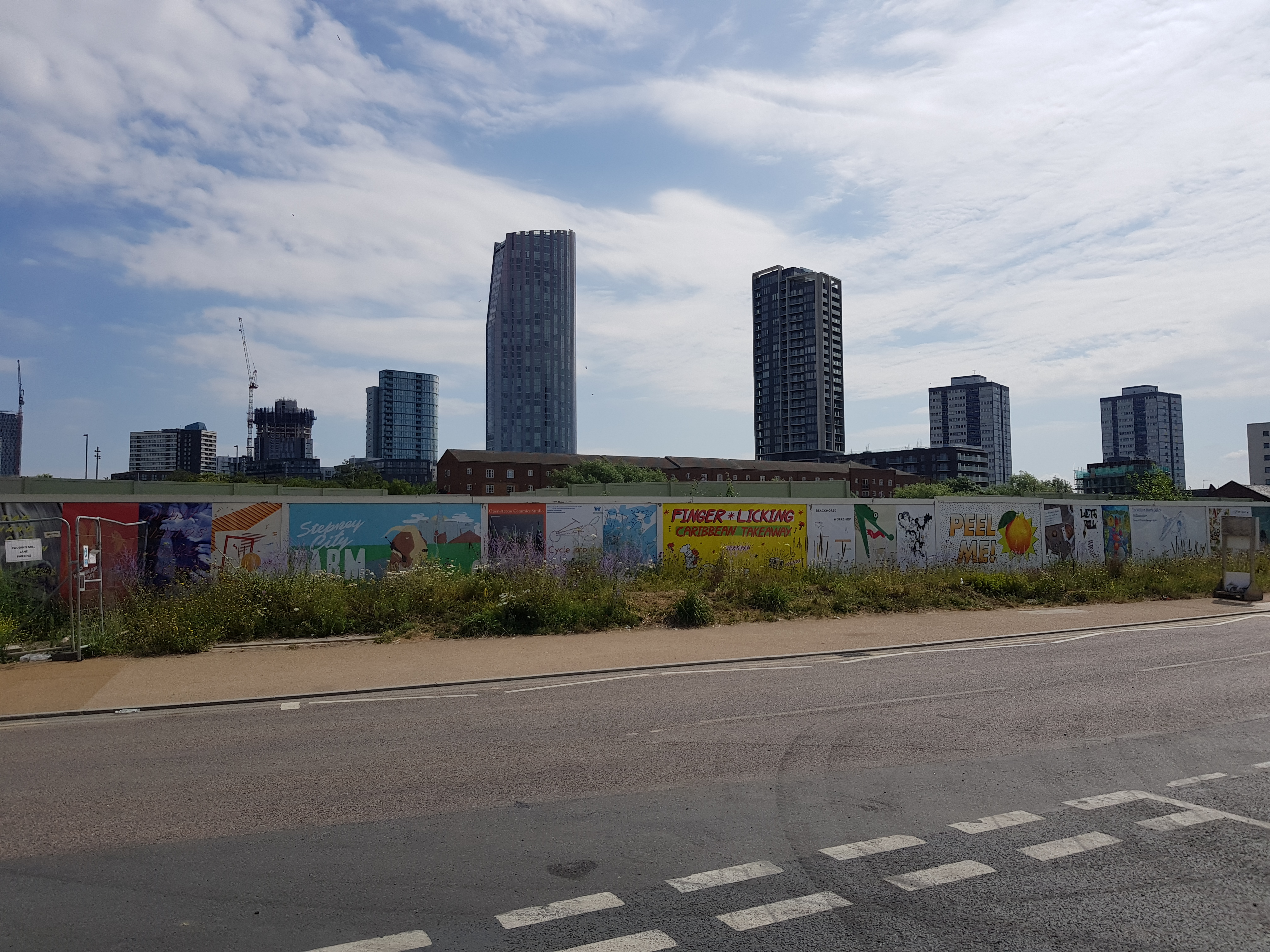
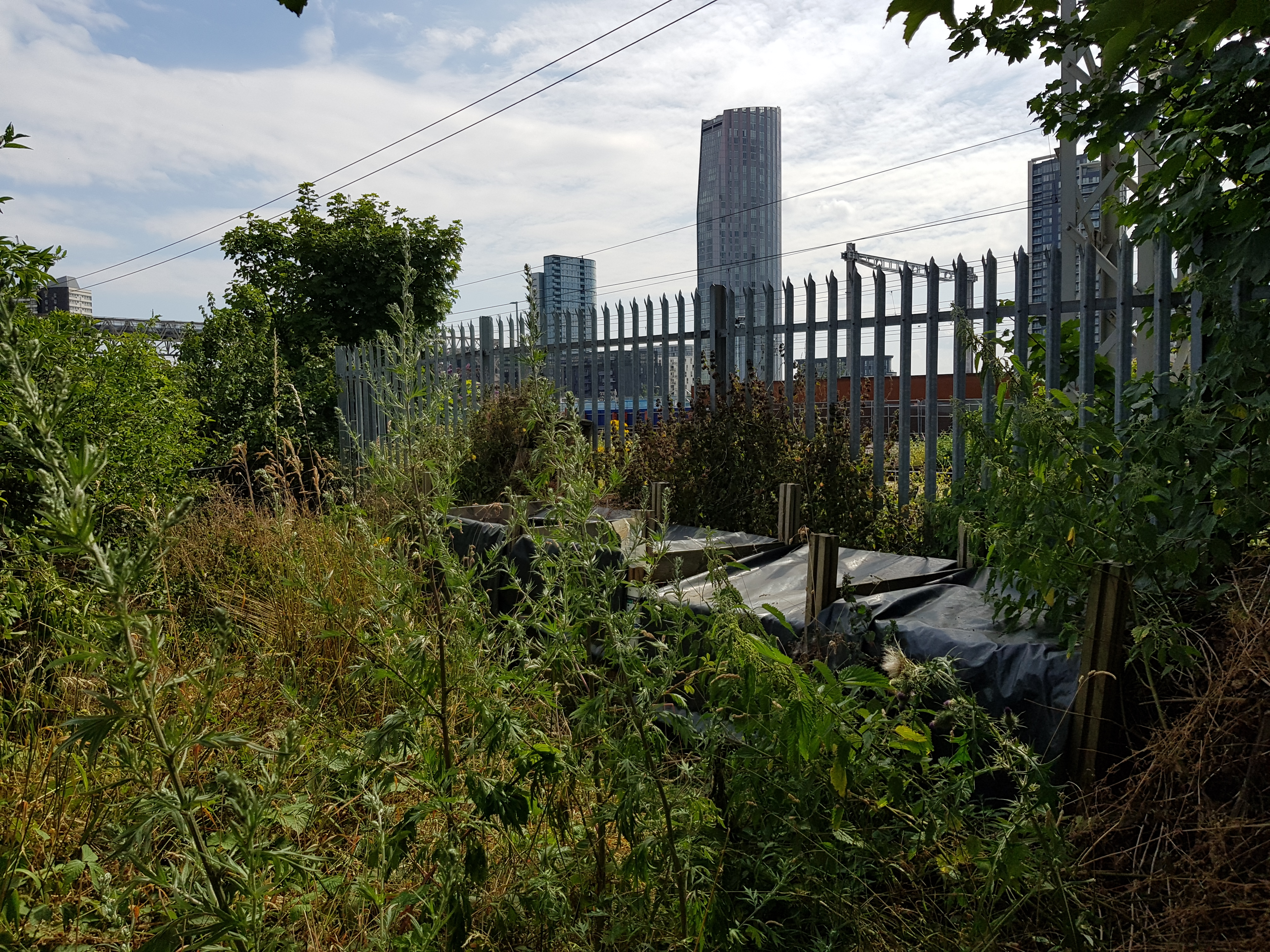
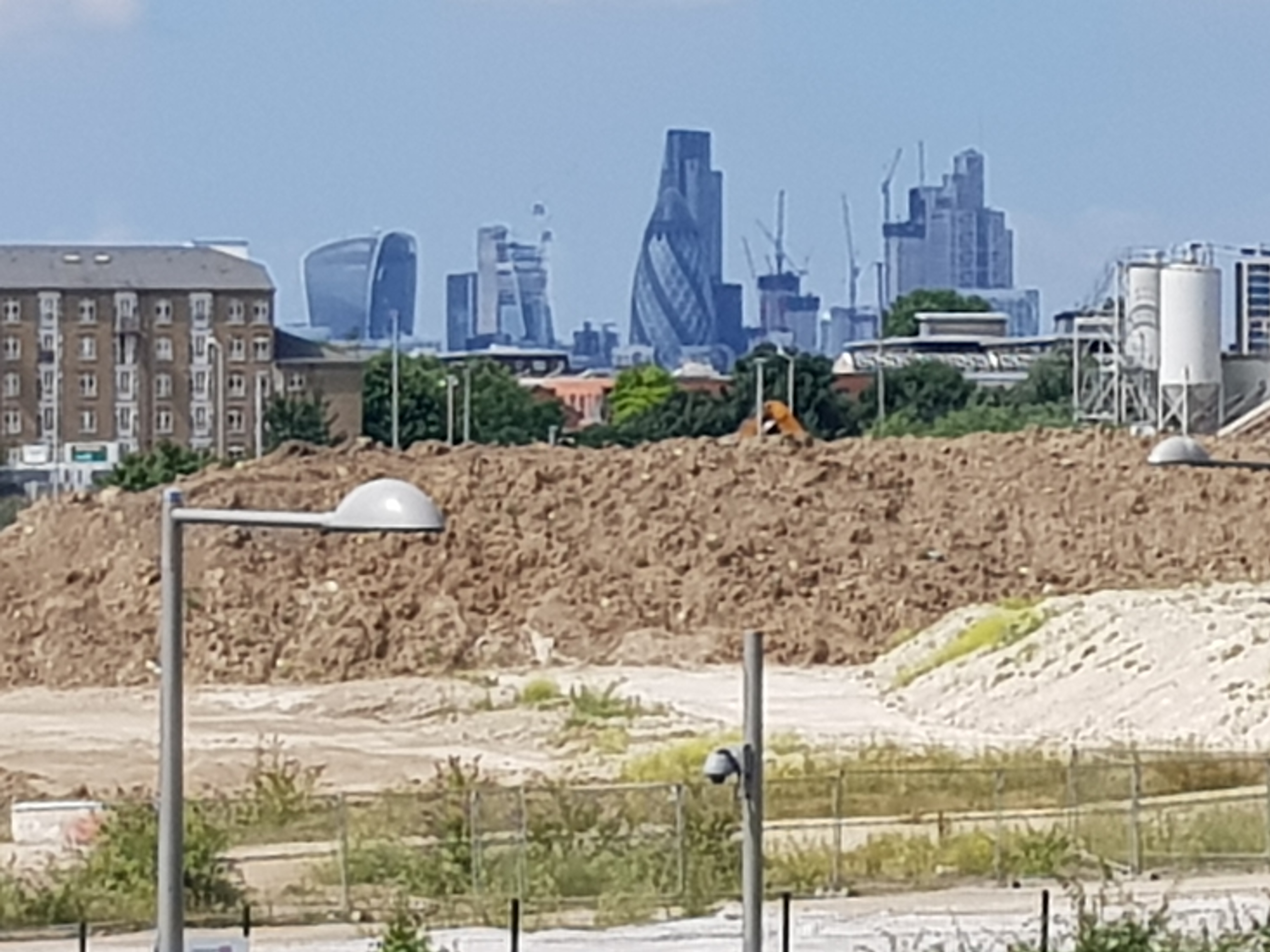
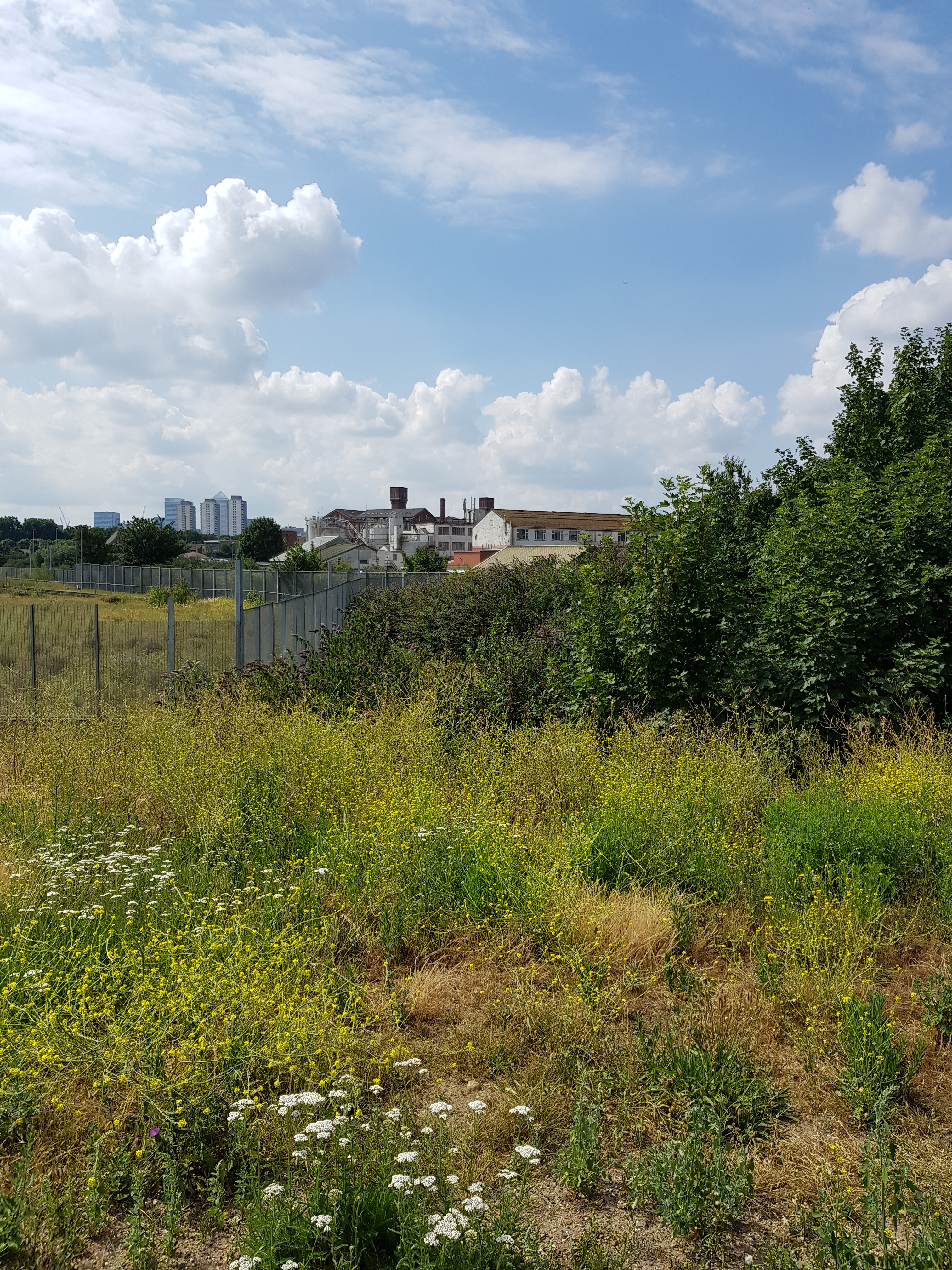
I wanted to take a photograph for my lecture which might show the radical transformation in the docklands from when I first knew it in the 1980s, overgrown and semi-derelict and in some places quite dangerous, and how it is now – half-improved and manicured, but still an odd mixture of new developments and the still wild. I went to onvestigate the new station at Pudding Mill Lane which I guessed correctly would have plenty of juxtapositions between the old topography of Joseph Bazalgette’s sewer pipe, now fertile with wild flowers, and the new tower blocks which line Stratford High Street:-
Limehouse (again)
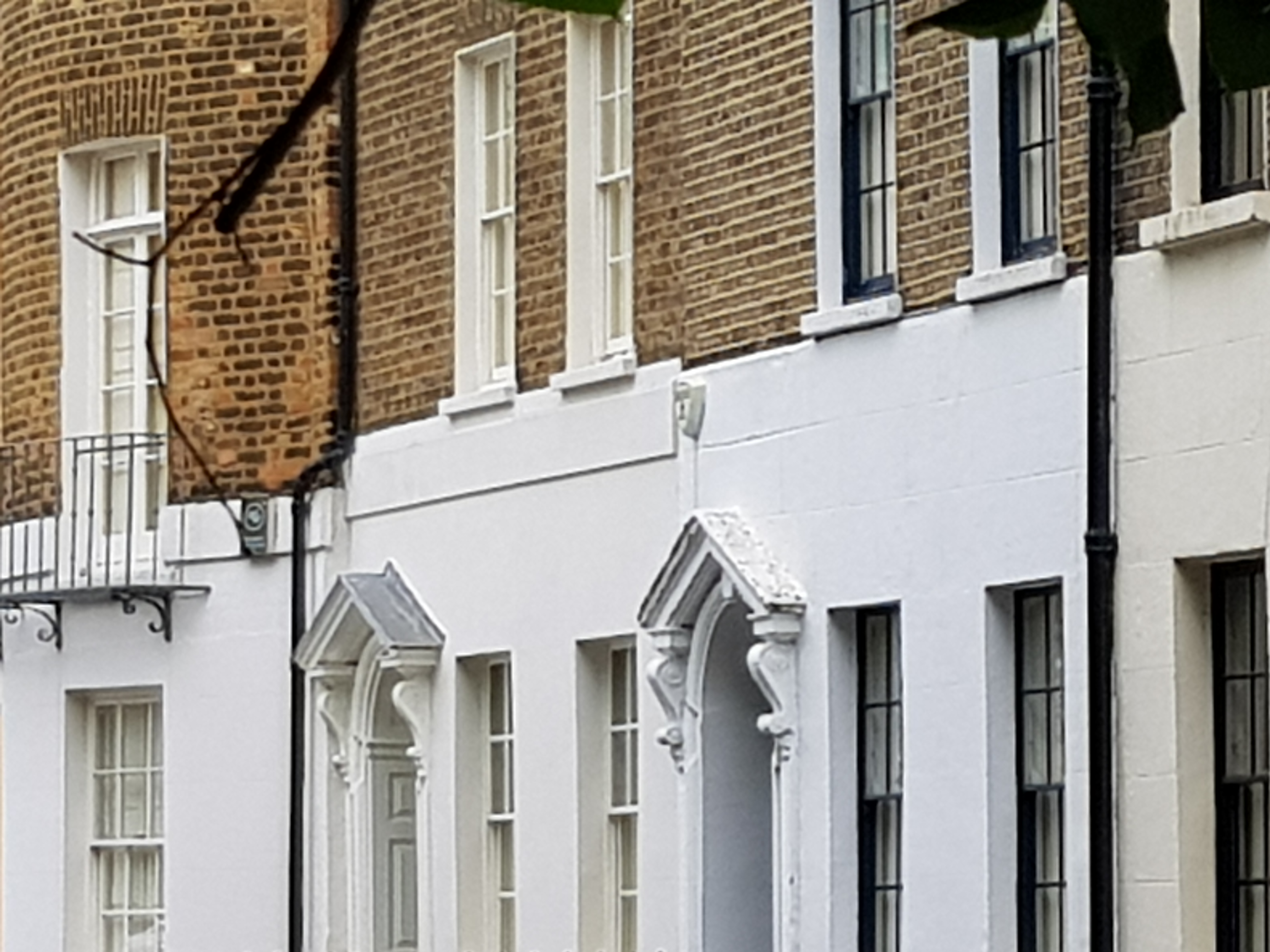
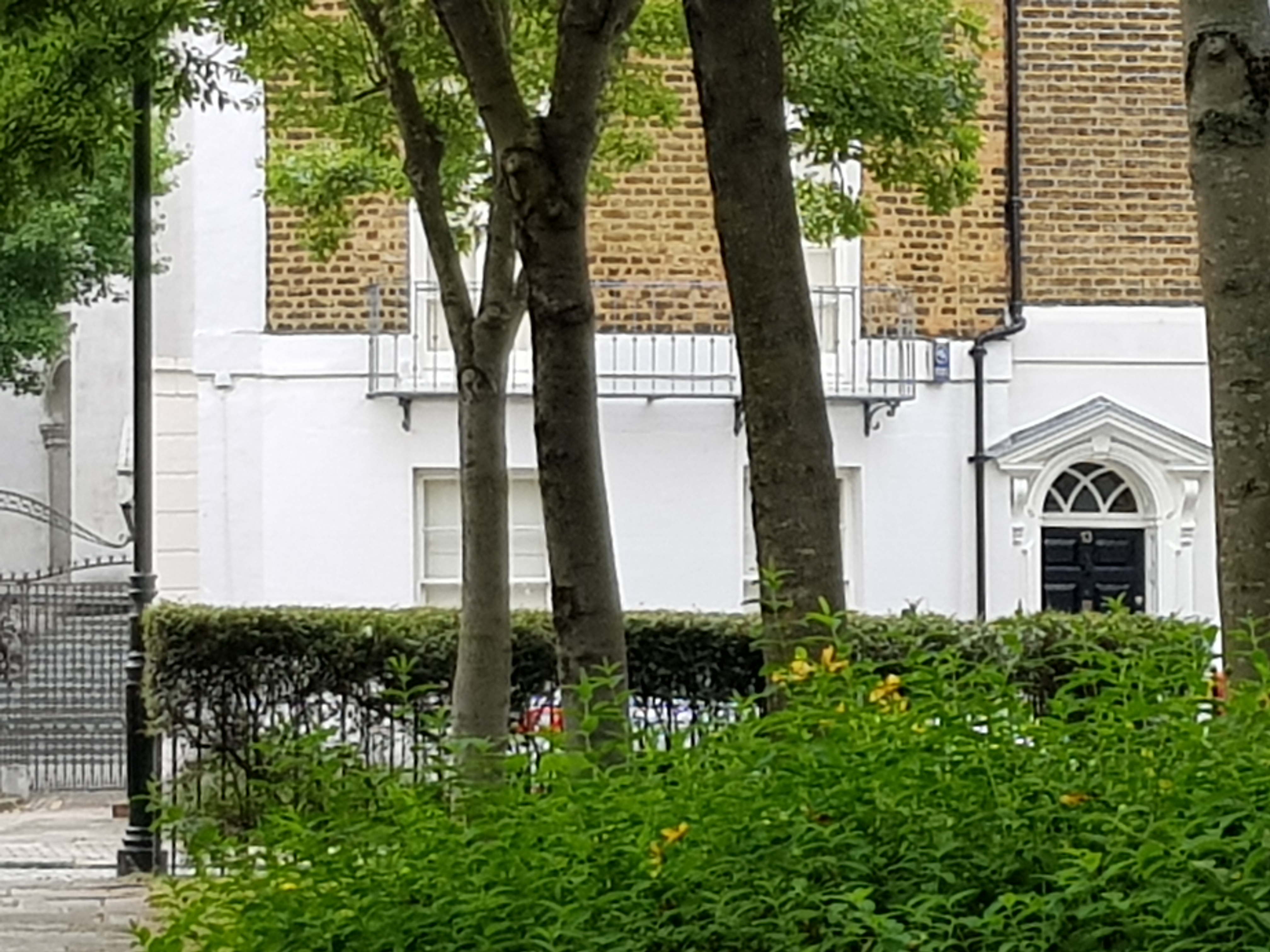
I had to take a photograph of the street where we used to live for a lecture I am giving tomorrow to the Art Fund, so I got up early to take the photographs before any of my former neighbours spotted me:-
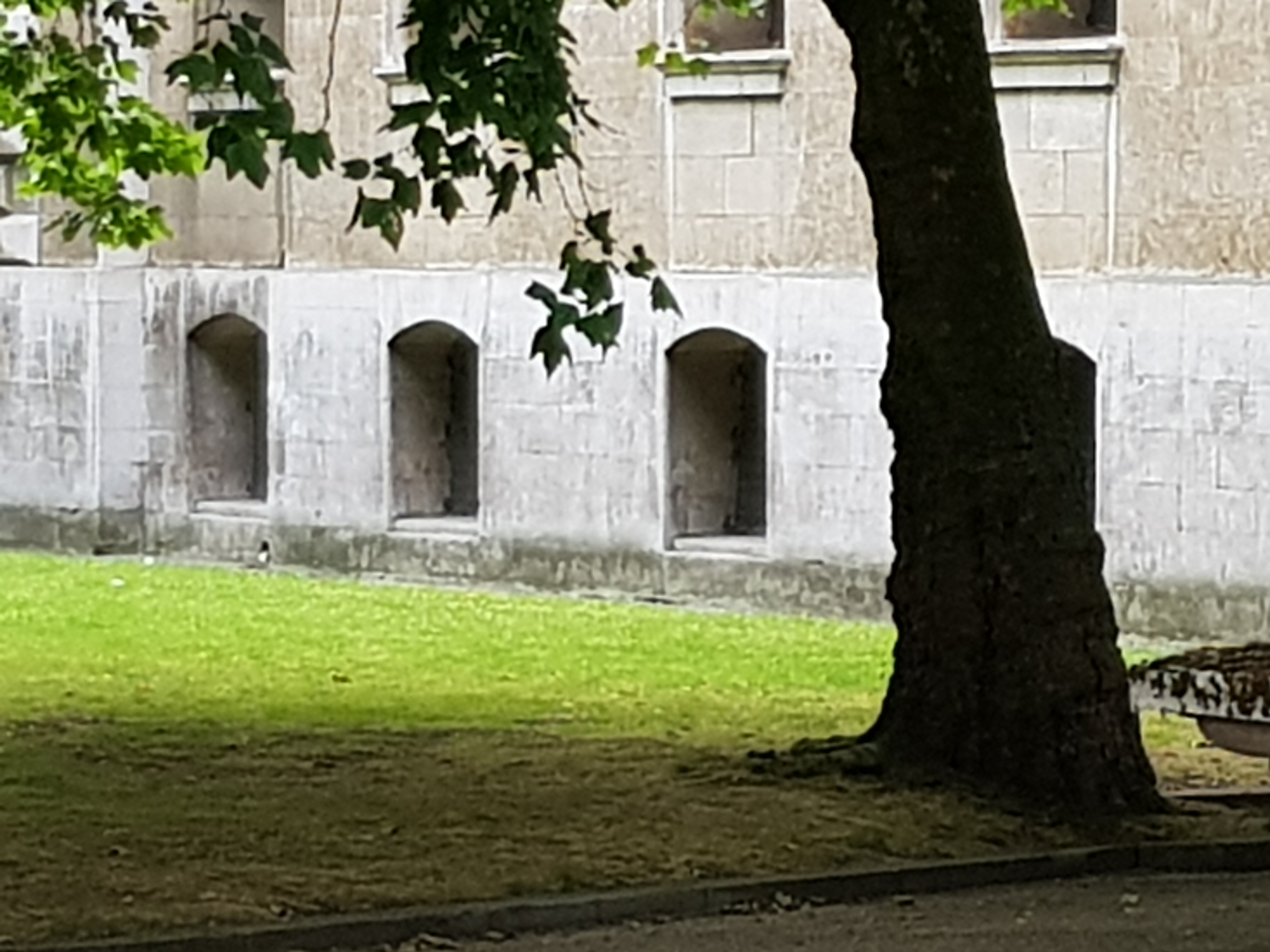
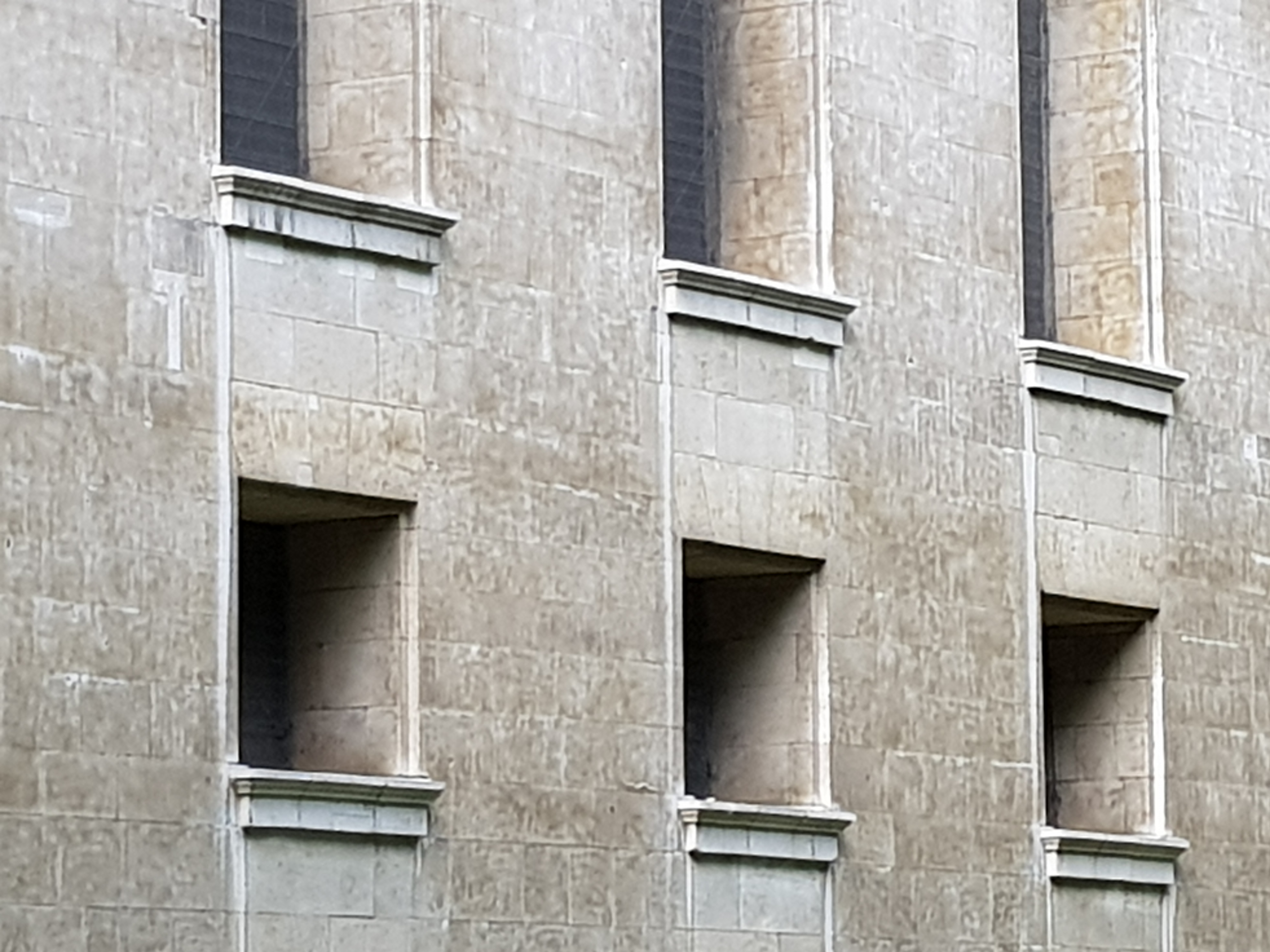
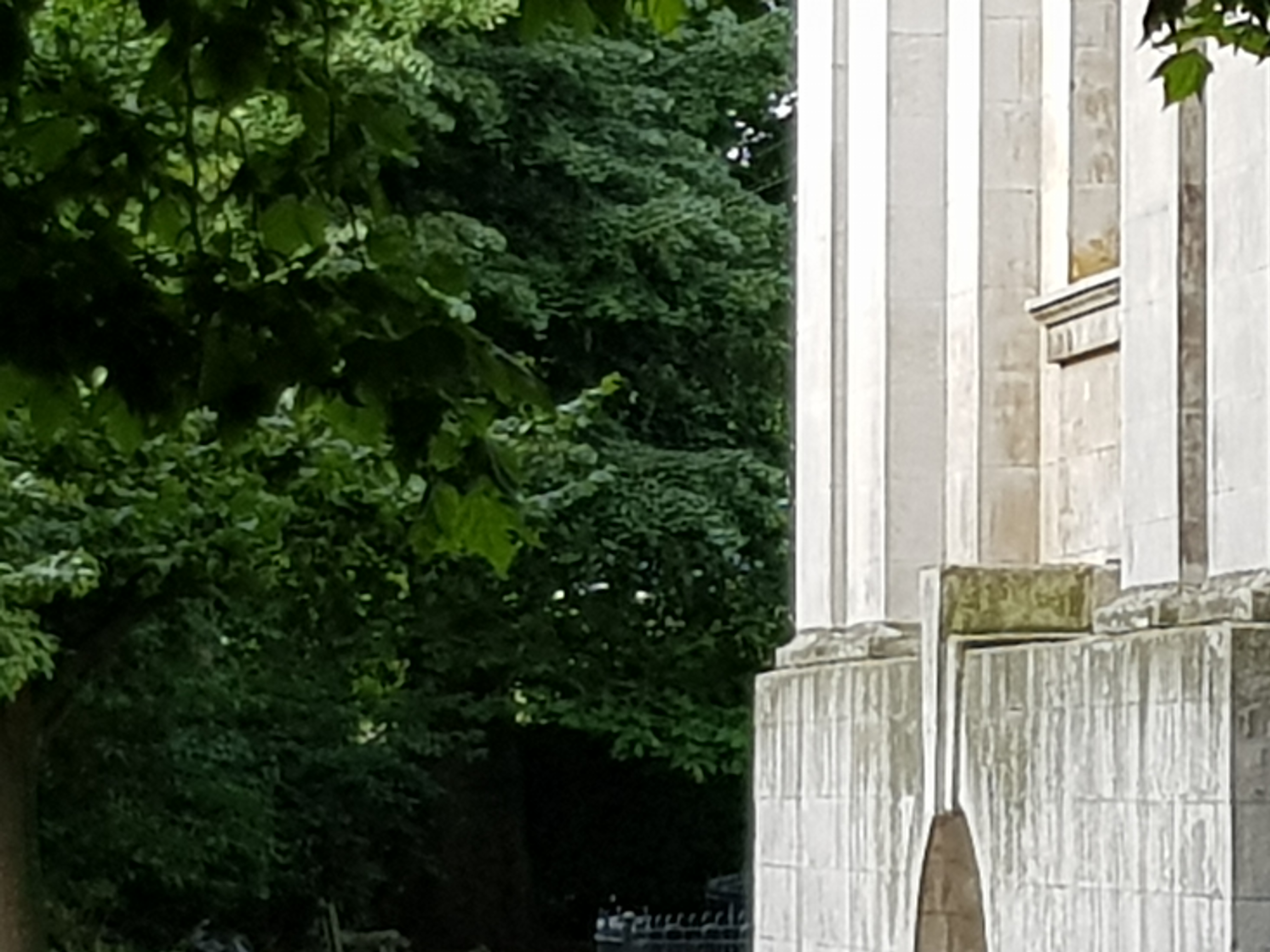
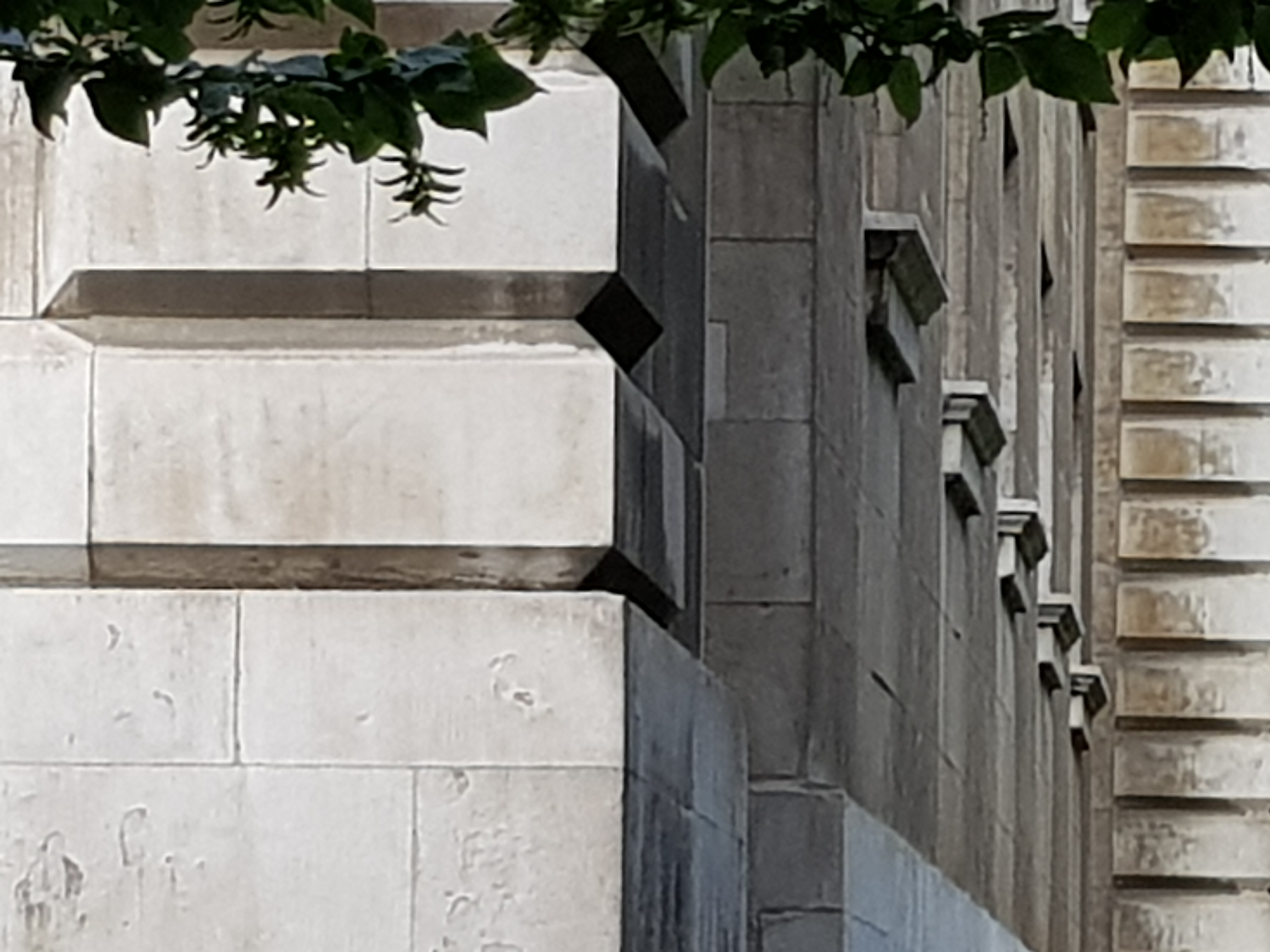
Since the churchyard was open, I pottered round the churchyard, admiring, as always, Hawksmoor’s abstract geometry:-
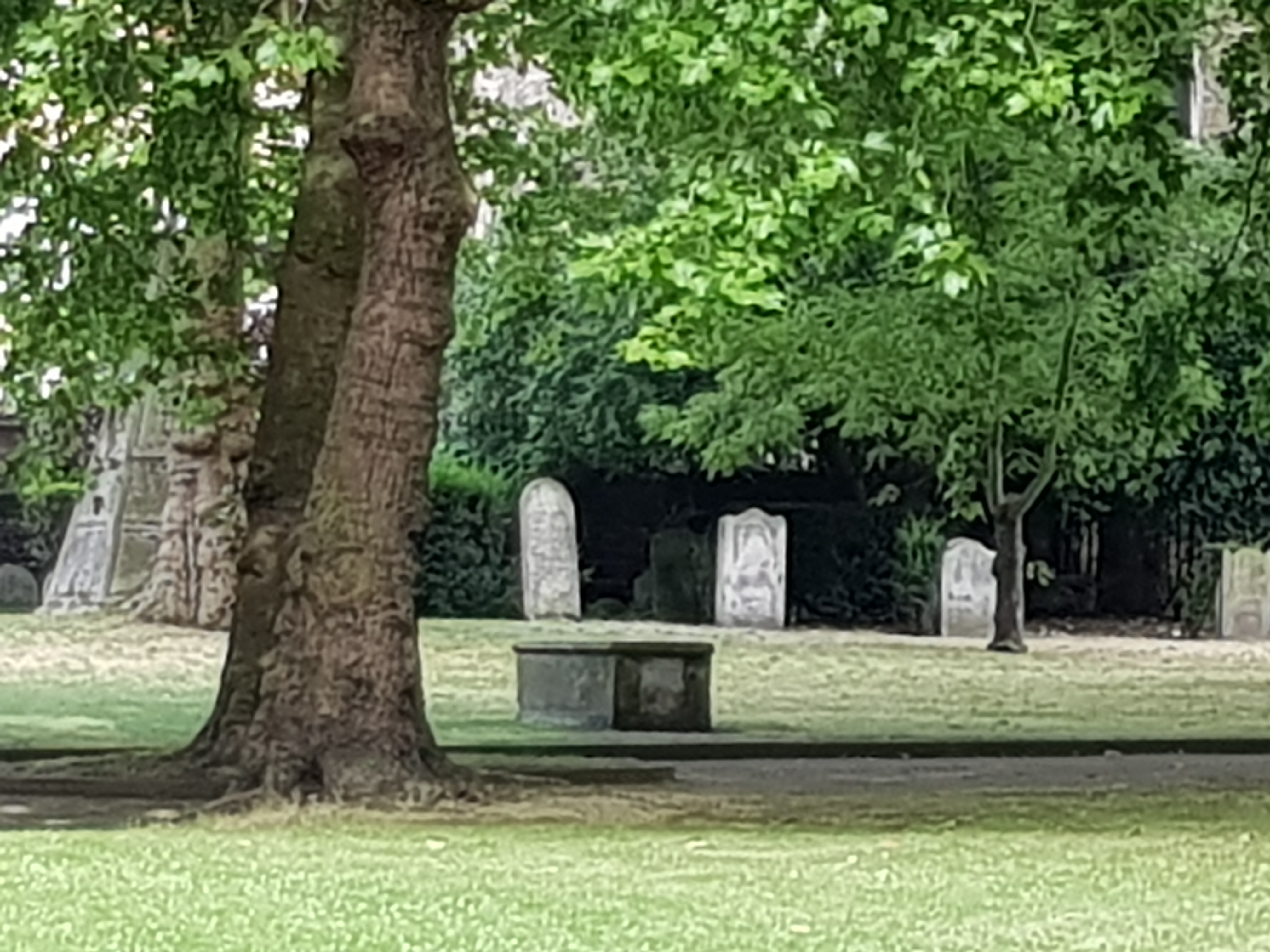
And the tombs in the churchyard:-
Beyond is the Limehouse Church Institute:-
And the Star of the East:-
Last of the Limehouse landmarks is the old Passmore Edwards Sailors Palace, which was built as the headquarters of the British and Foreign Sailors Society in 1901:-
The bridge
This is, in its way, a historic photograph:-
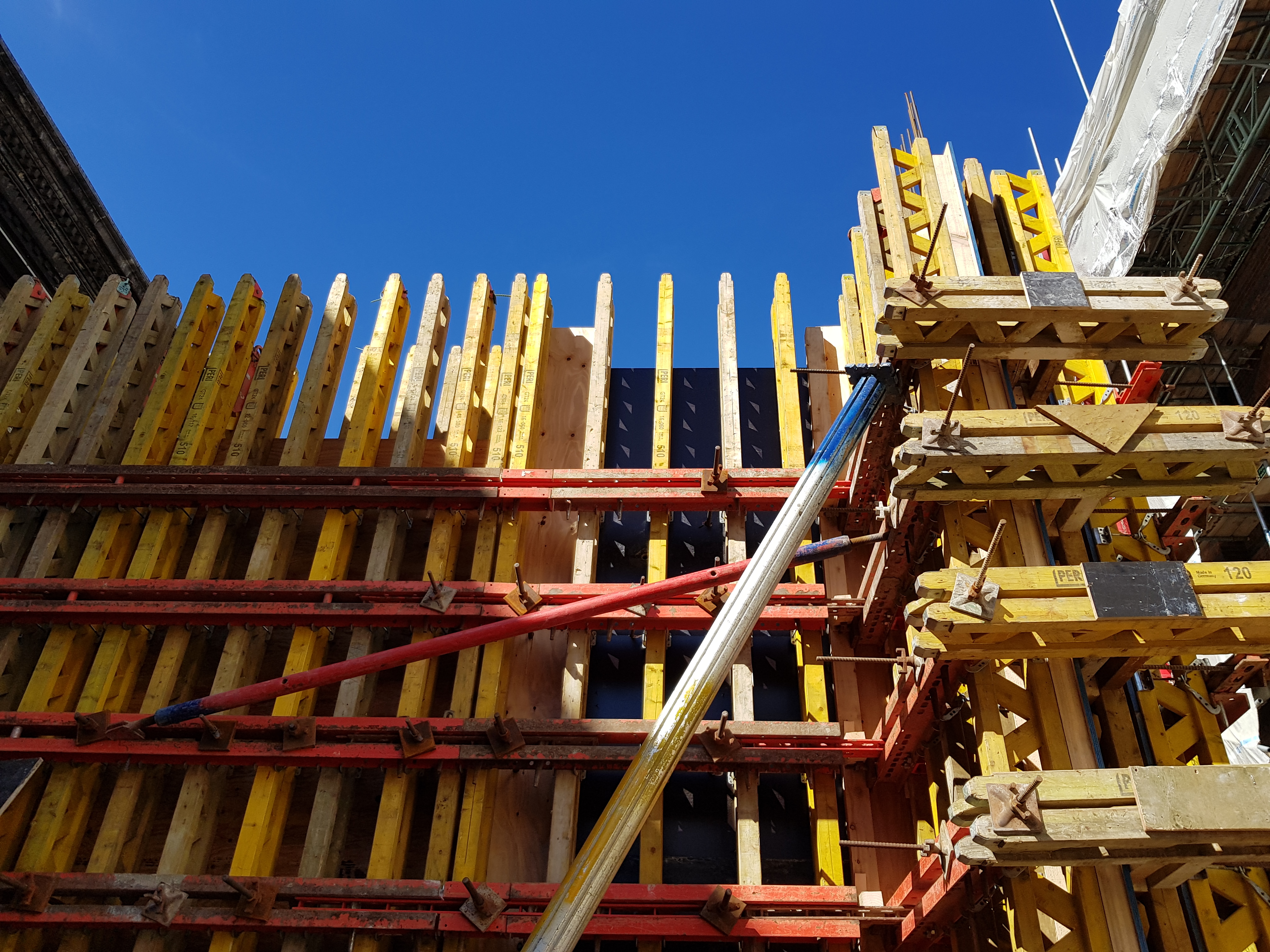
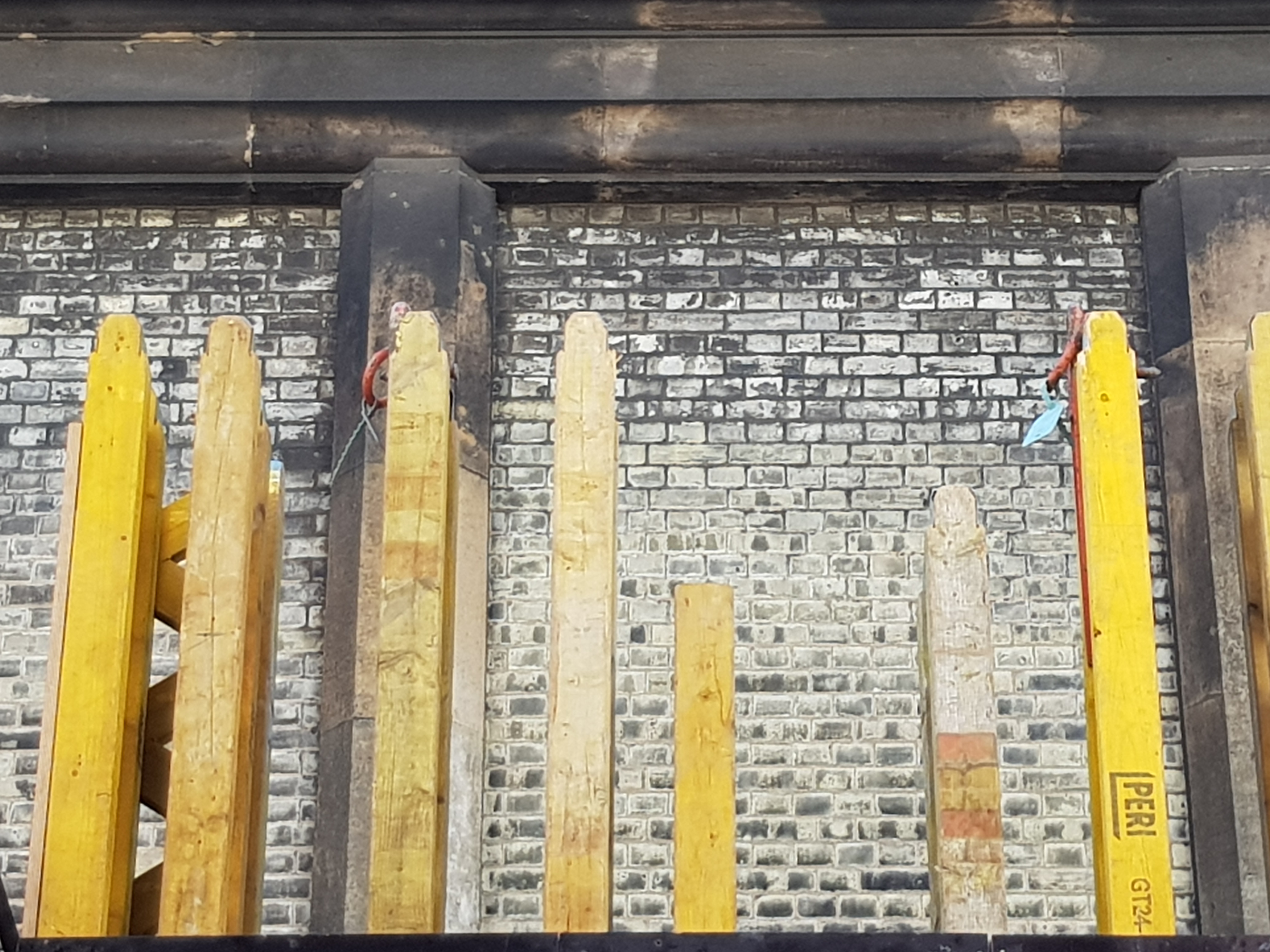
It’s the bridge over the courtyard at the back of Burlington Gardens, now under construction, and will be the public link between the two buildings. How much will it be used as a public route between Mayfair and Piccadilly ? Nobody knows. How will the two buildings work in tandem ? It is made possible by the bridge:-
Romilly Saumarez Smith
For anyone who didn’t hear Woman’s Hour yesterday morning (I didn’t), I strongly recommend listening to it on iplayer (http://www.bbc.co.uk/programmes/b08wmk5l).
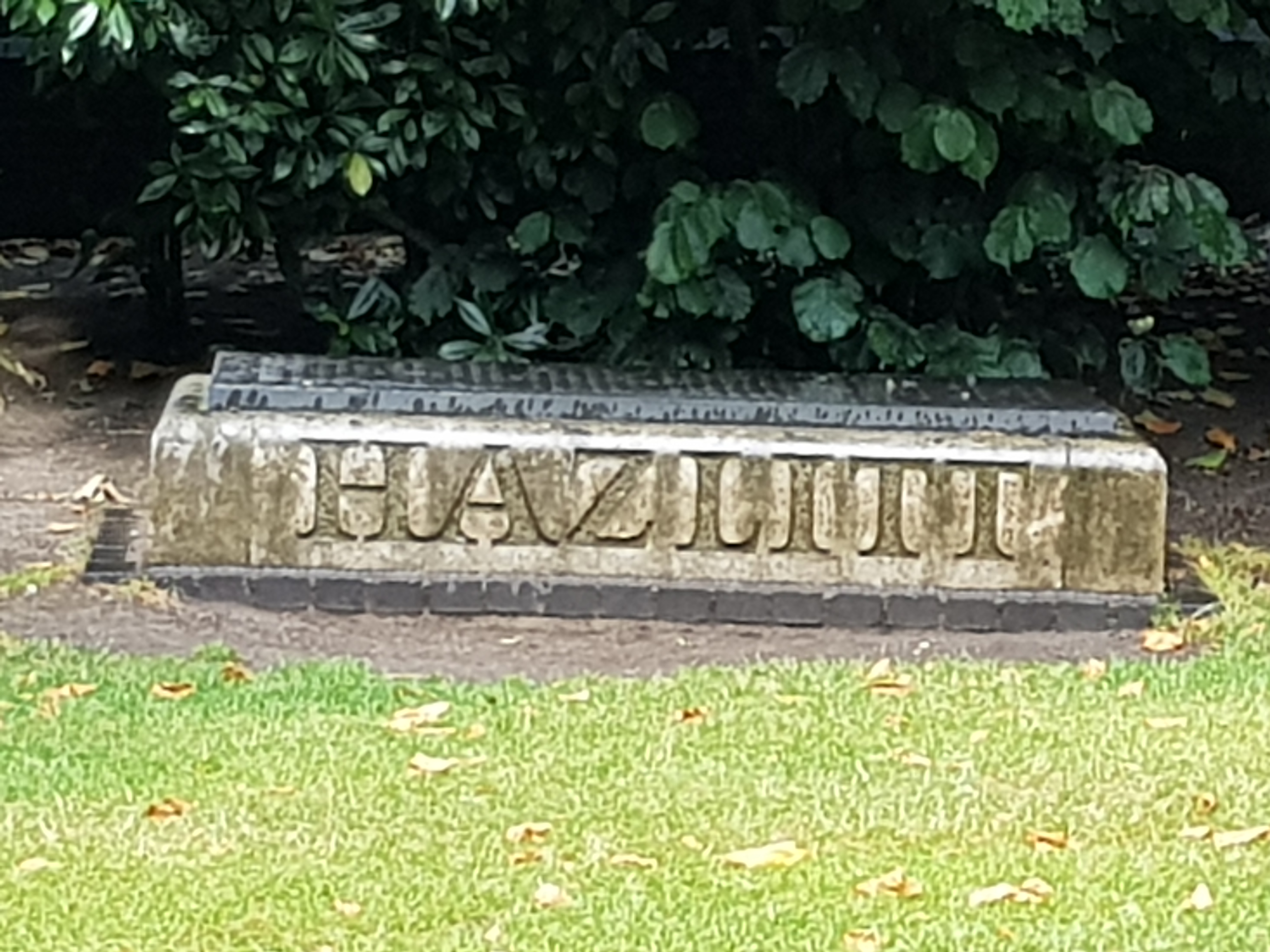
Hazlitt’s grave
I was walking past the chuchyard of St. Anne’s, Soho on my way to lunch when I noticed a large memorial to Hazlitt:-
I assumed it was original, but, on the contrary, it is by Lida Kindersley, replaced an earlier tomb which was destroyed in 1870 in case it was the cause of social unrest, was funded by the Guardian, and unveiled in April 2003.
Lloyd Dorfman Gift
We had a press event this morning to celebrate a major gift from Lloyd Dorfman to the RA, partly to support our capital project, but also, more especially, to help the visibility and public profile of architecture at the RA, including the establishment of two major architectural prizes. Architecture has been part of the RA from the beginning. William Chambers, an architect, was its first Treasurer. John Soane was one of the early students in the Schools. Lutyens, Albert Richardson, Hugh Casson, Philip Dowson and Nicholas Grimshaw have all been President. But since the foundation of the RIBA as architecture’s professional organisation, many people think of the RA in terms of painting and sculpture. Lloyd Dorfman’s gift will help change this.
Hepworth Wakefield (2)
I was very pleased that Hepworth Wakefield won this year’s Museum of the Year Award: a building and project of the utmost moral seriousness – intelligent, thoughtful, democratic. Simon Wallis, its Director, gave a powerful speech acknowledging the award, thanking, first of all, the support of Wakefield’s civic leaders who have understood and believed in the role of art in civic life, not just in recent years, but stretching back to the idealism of the 1930s and 1950s which led to their support for the collection and for the work of Barbara Hepworth and Henry Moore. He also – rightly – recognised the support of the Bowness family in their gift of the Hepworth Estate to the Museum and of David Chipperfield for the quality of its building. A good choice.
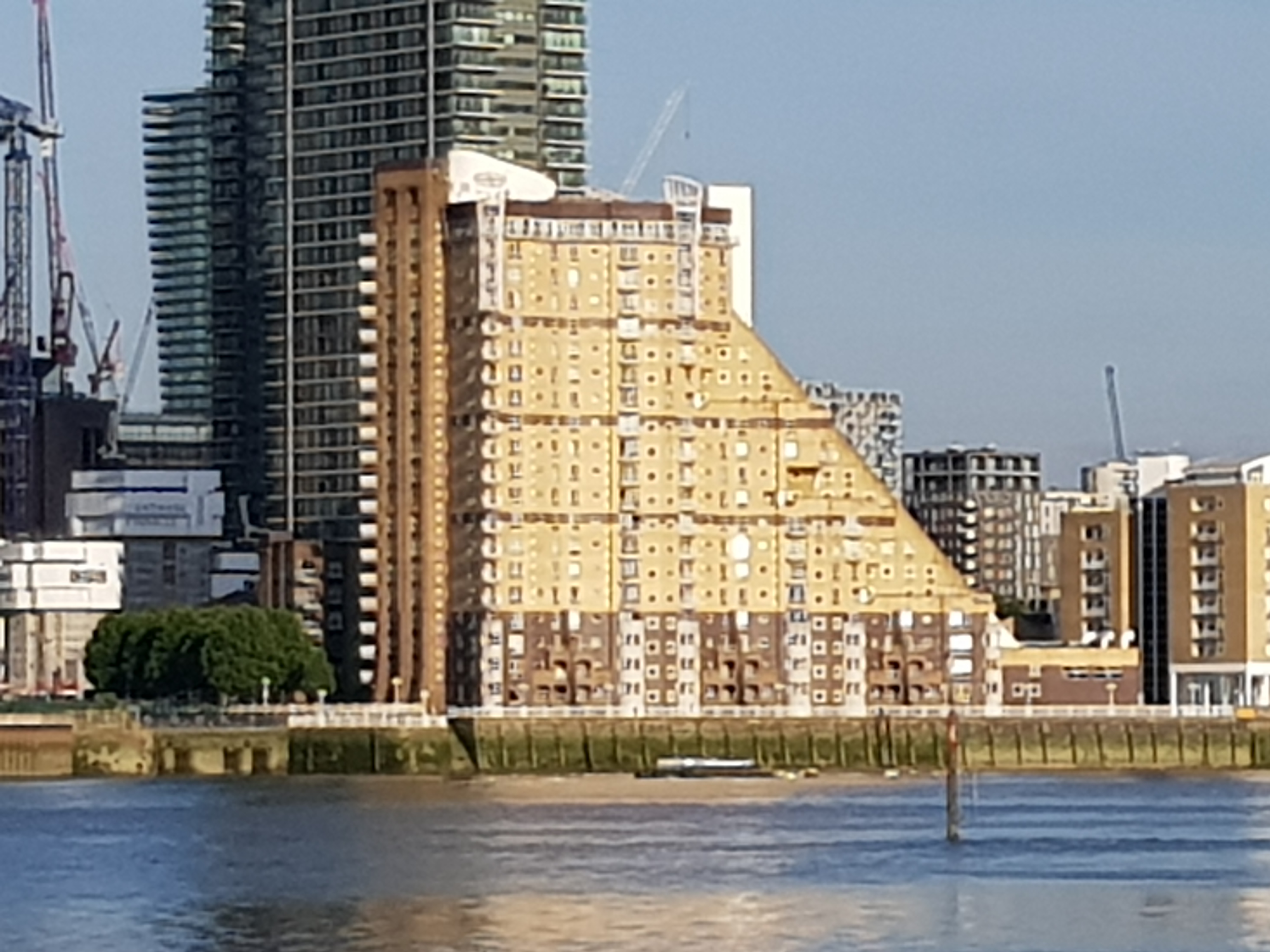
Cascades
I have been corrected in my attribution of Cascades to Piers Gough by Roger Zogolovitch who was the Z in CZWG (Piers was the G). Roger says that the key person in the design was Rex Wilkinson (the W), who based the design on apartment blocks in Miami – hence its jazzy, seaside air. I seem to remember that the Prince of Wales was very rude about it (it appeared on the cover of A Vision of Britain), but it now looks attractively racy and re-established the idea of apartment living in tower blocks which had been discredited by social housing:-
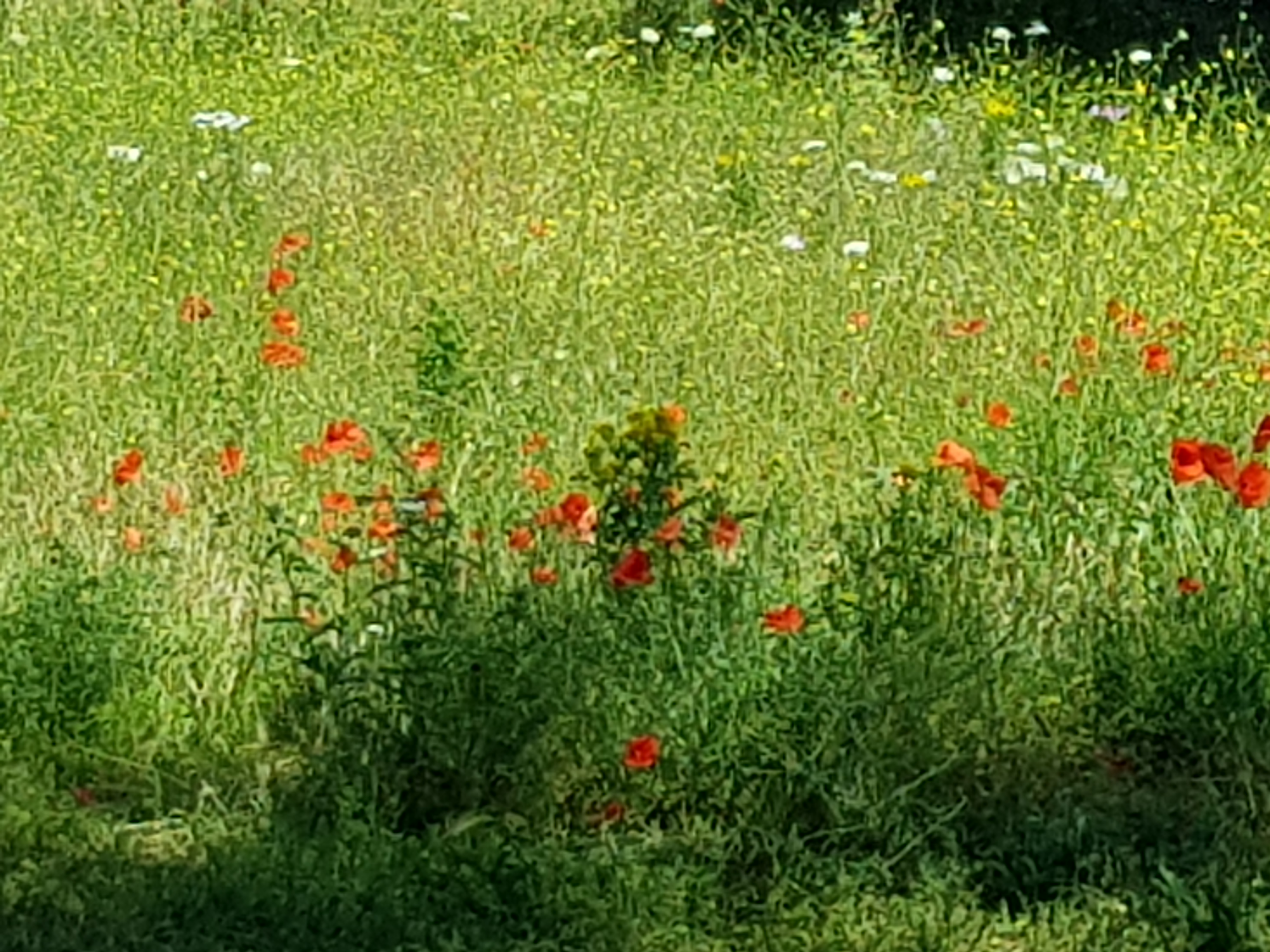
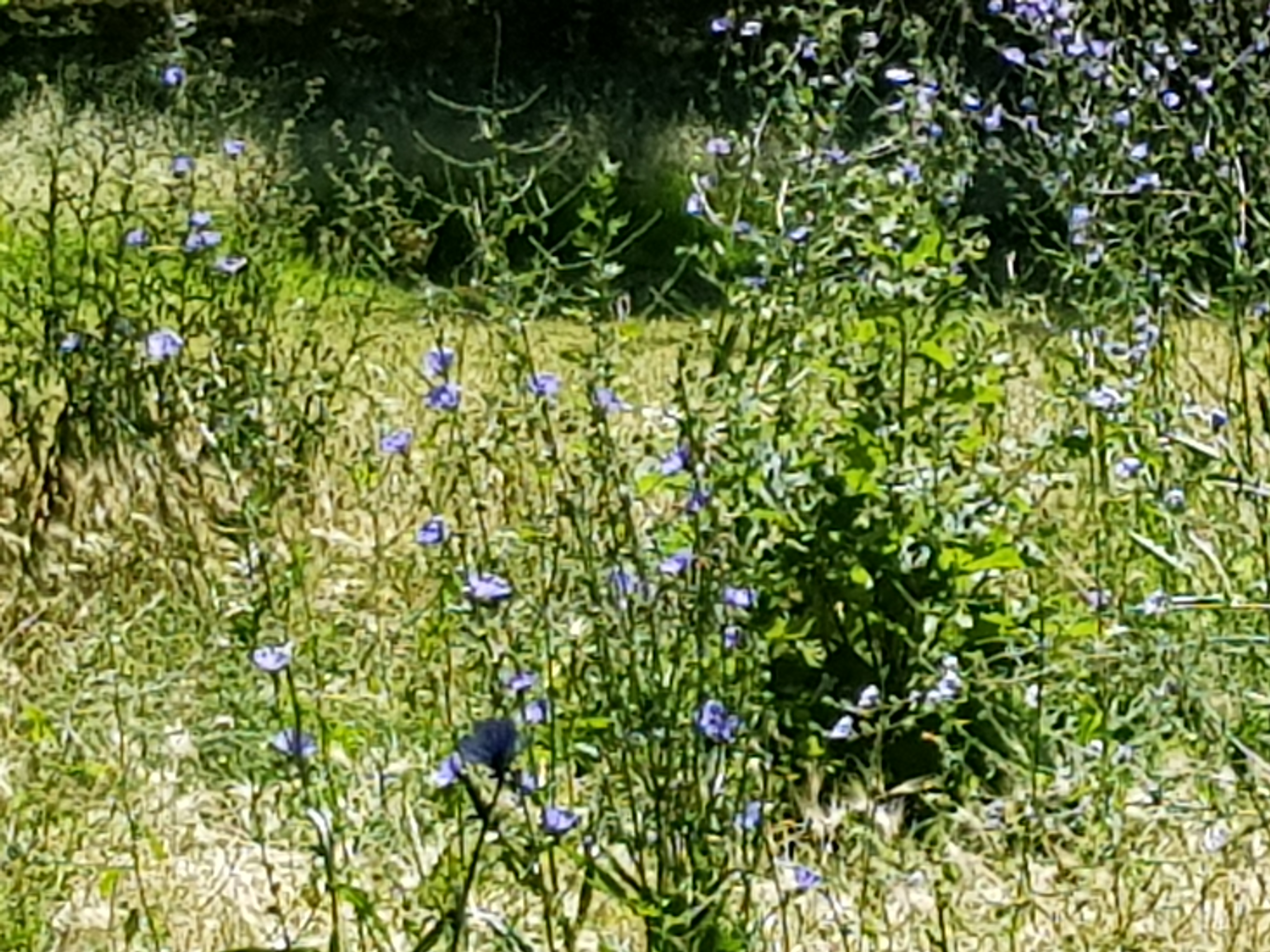
Miriam Rothschild
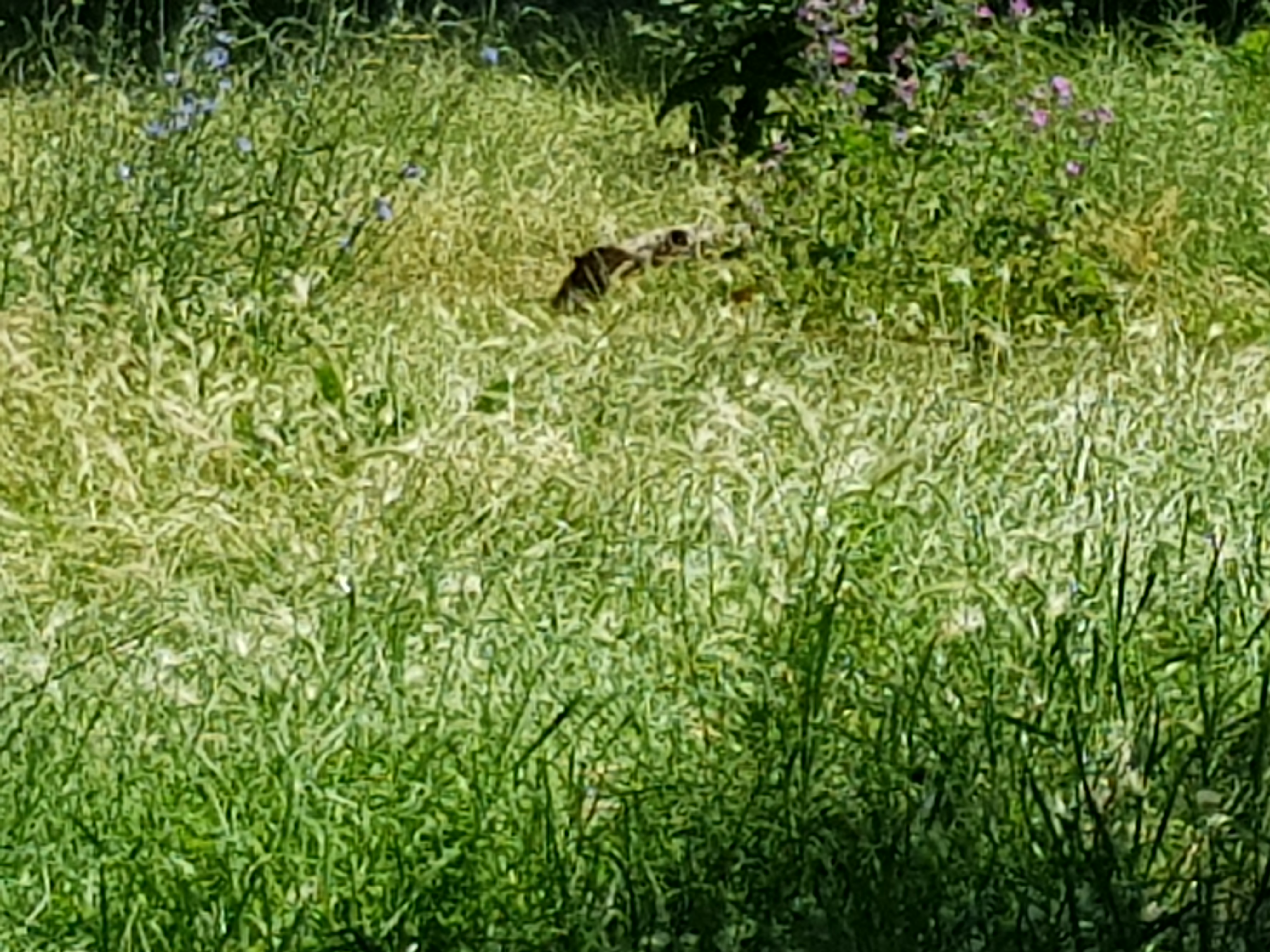
I learned at the weekend that it was Miriam Rothschild, the great student of fleas who, after the war, converted her lawn at Ashton Wold into a wild flower meadow, who later persuaded the Department of Transport not to cut the verges of main roads in order to allow species of wild flower to flourish. In her honour, I am posting pictures from some local parks which have been allowed to grow wild:-


You must be logged in to post a comment.