It’s been pointed out that it’s a bit pointless for me to post photographs of Romilly’s work at the Goldsmith’s Fair because the exhibition is just about to close, but I’m showing examples of her work nonetheless:-


It’s been pointed out that it’s a bit pointless for me to post photographs of Romilly’s work at the Goldsmith’s Fair because the exhibition is just about to close, but I’m showing examples of her work nonetheless:-
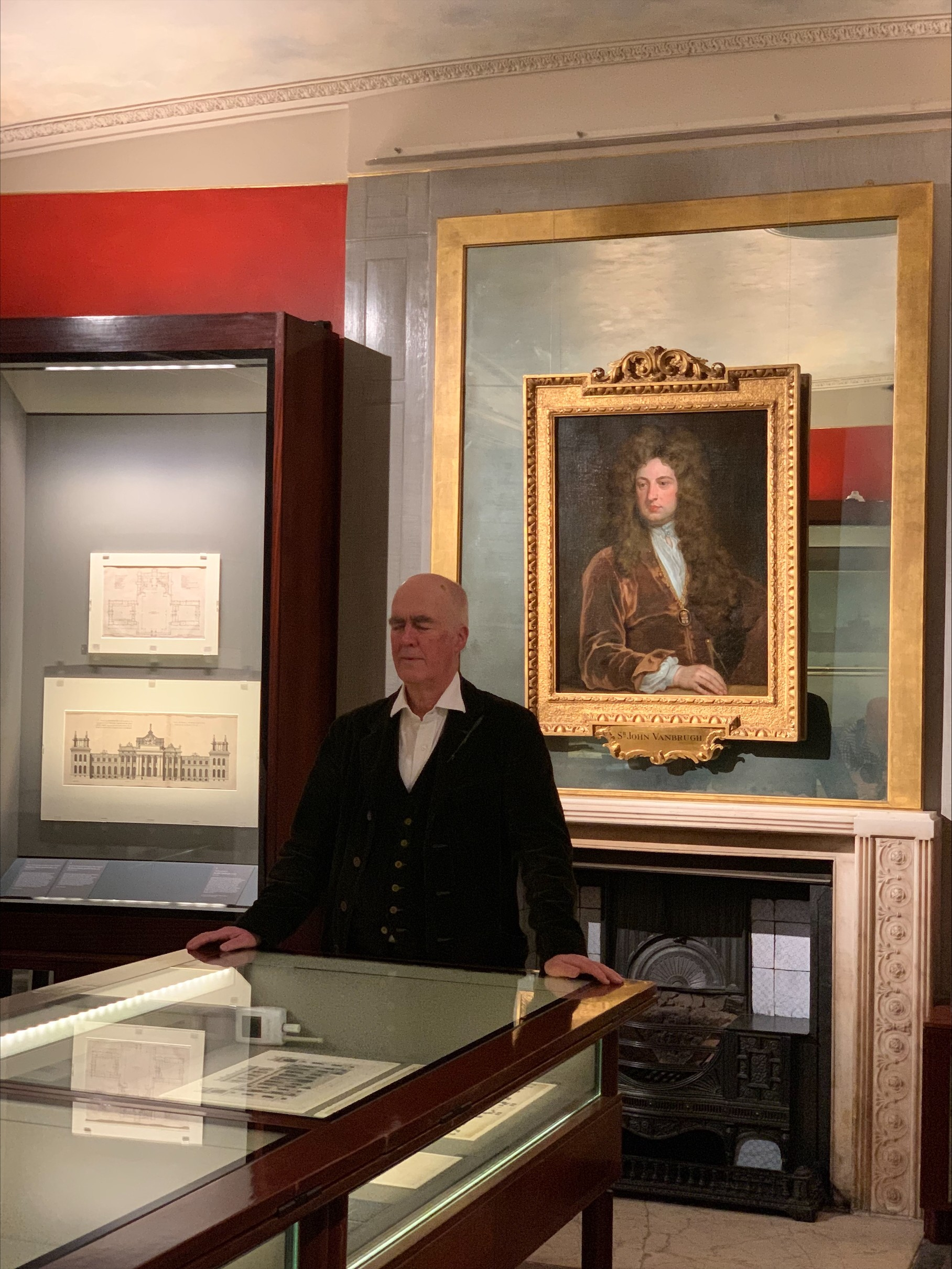
A day trip to Leicestershire for my cousin’s ninetieth birthday party in a house which is nicely unchanged, first built in 1703 for the Rev. Edward Wells and lived in for many generations by a family of Marriott squarsons – a Queen Anne rectory where the last major changes (apart from the addition of a Victorian nursery and servants’ hall) were made not long after 1759 when the Marriotts first moved in:-

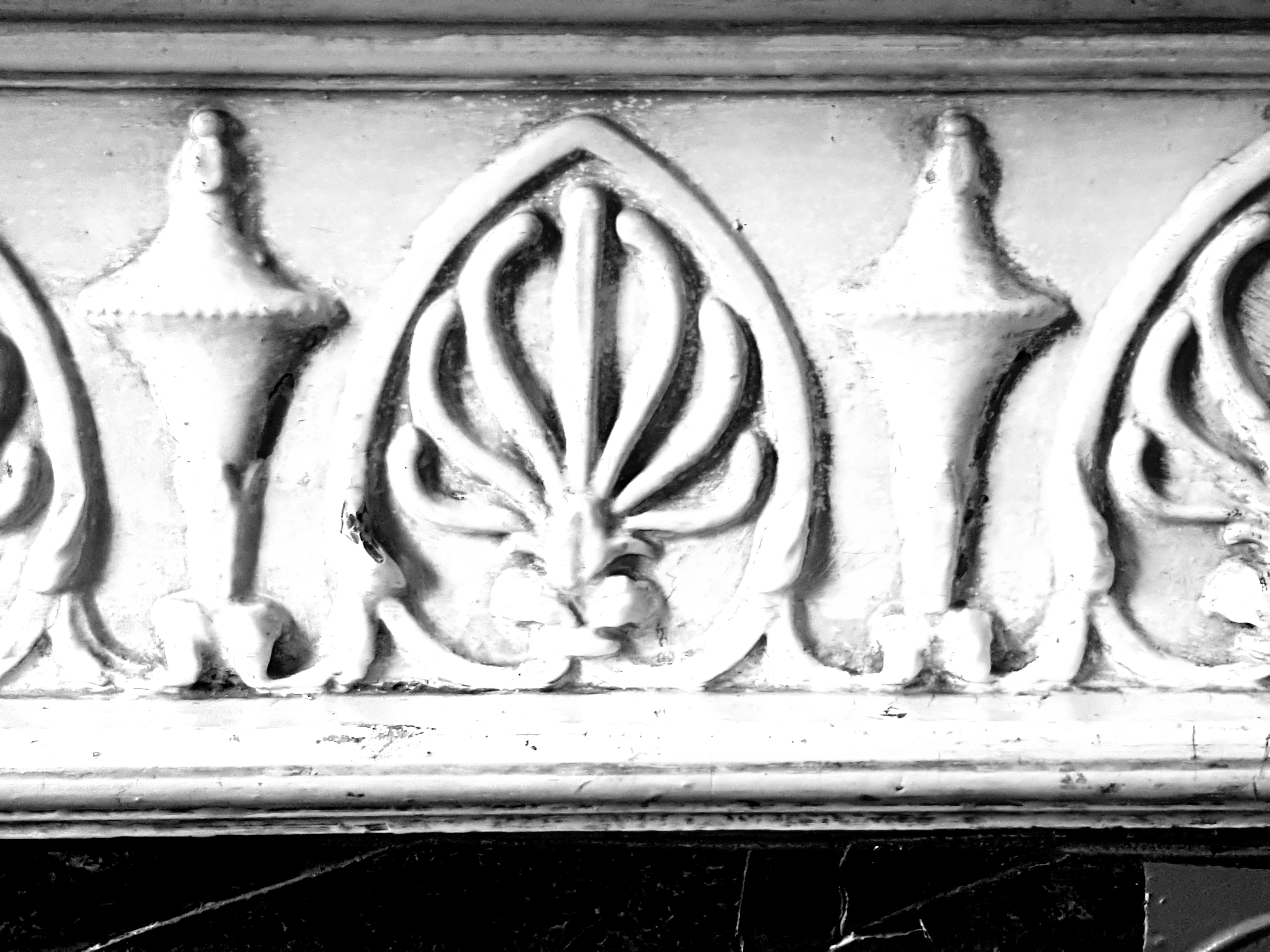

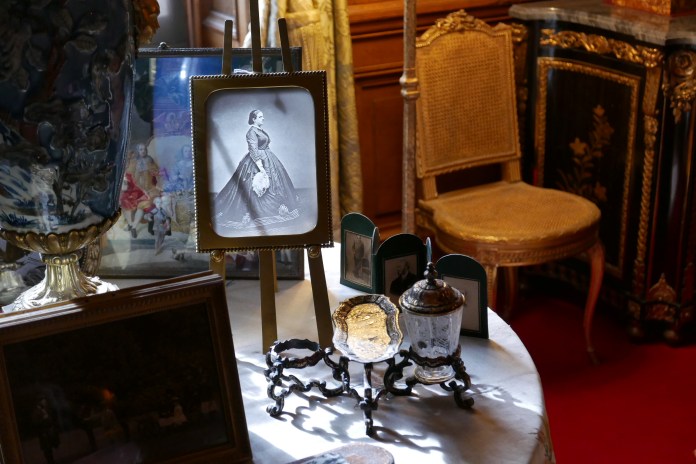
I spent the afternoon going through the collections at Waddesdon more carefully than I have done previously, desperately trying to remember the sequence of Rothschilds who owned the house from 1880 when Baron Ferdinand de Rothschild first moved in to his massive neo-French chateau in what was known apparently as Rothschild-shire (first, Tring, built in 1848 for Lionel, who had a private zoo, then Aston Clinton, built in 1850, Mentmore in 1855 for Baron Mayer de Rothschild, then Waddesdon in 1880). I only took photographs in one room, the Morning Room, at the end of the sequence on the ground floor, and added to the house between 1889 and 1891 (Ferdinand’s architect apparently advised ‘one always builds too small’), because I liked the way that the light fell on the backlit photograph of – I think – Alice, who was Ferdinand’s older sister, who inherited the house on Ferdinand’s death in 1898 and lived until 1922:-
Then, I could scarcely help but admire the immaculate precision with which the Dutch paintings are hung, including the Cuyp:-

And The Pink Boy, companion and, for some reason, less well known than Blue Boy:-

These are taken with the Leica, as I’m not sure that the cameraphone could manage interiors so well.
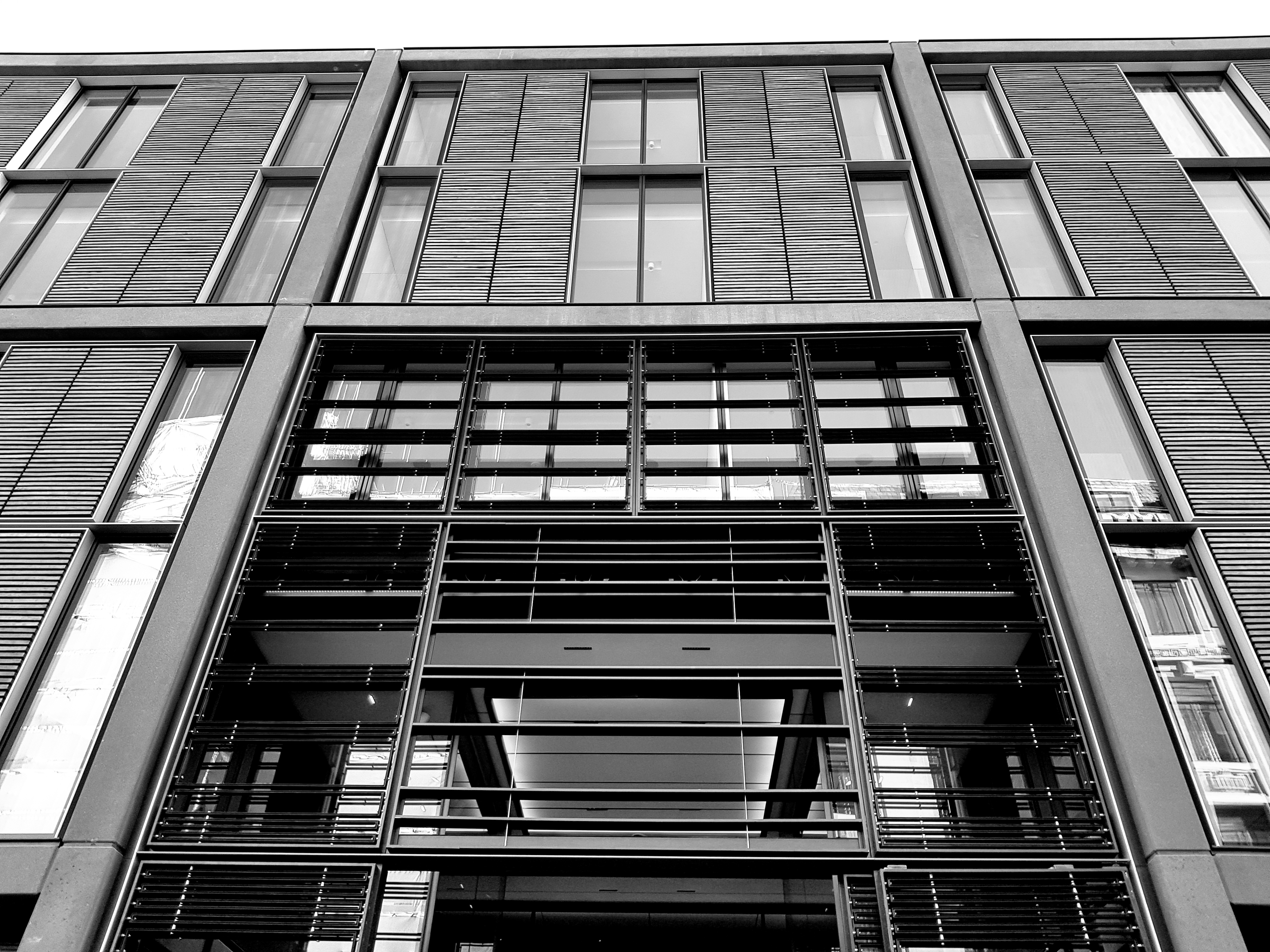
While on the subject of Bond Street, I should point out that the redevelopment of Cork Street is nearing completion. This was originally controversial because it involved the eviction of some long-standing small galleries. But the buildings themselves were of no significance and they have been replaced by Rogers Stirk Harbour in a scheme which is admirably and perhaps surprisingly well mannered, a gentlemanly intervention complete with the first arcade for maybe eighty years. The question is whether Pollen Estate can attract the big international galleries. I very much hope so.
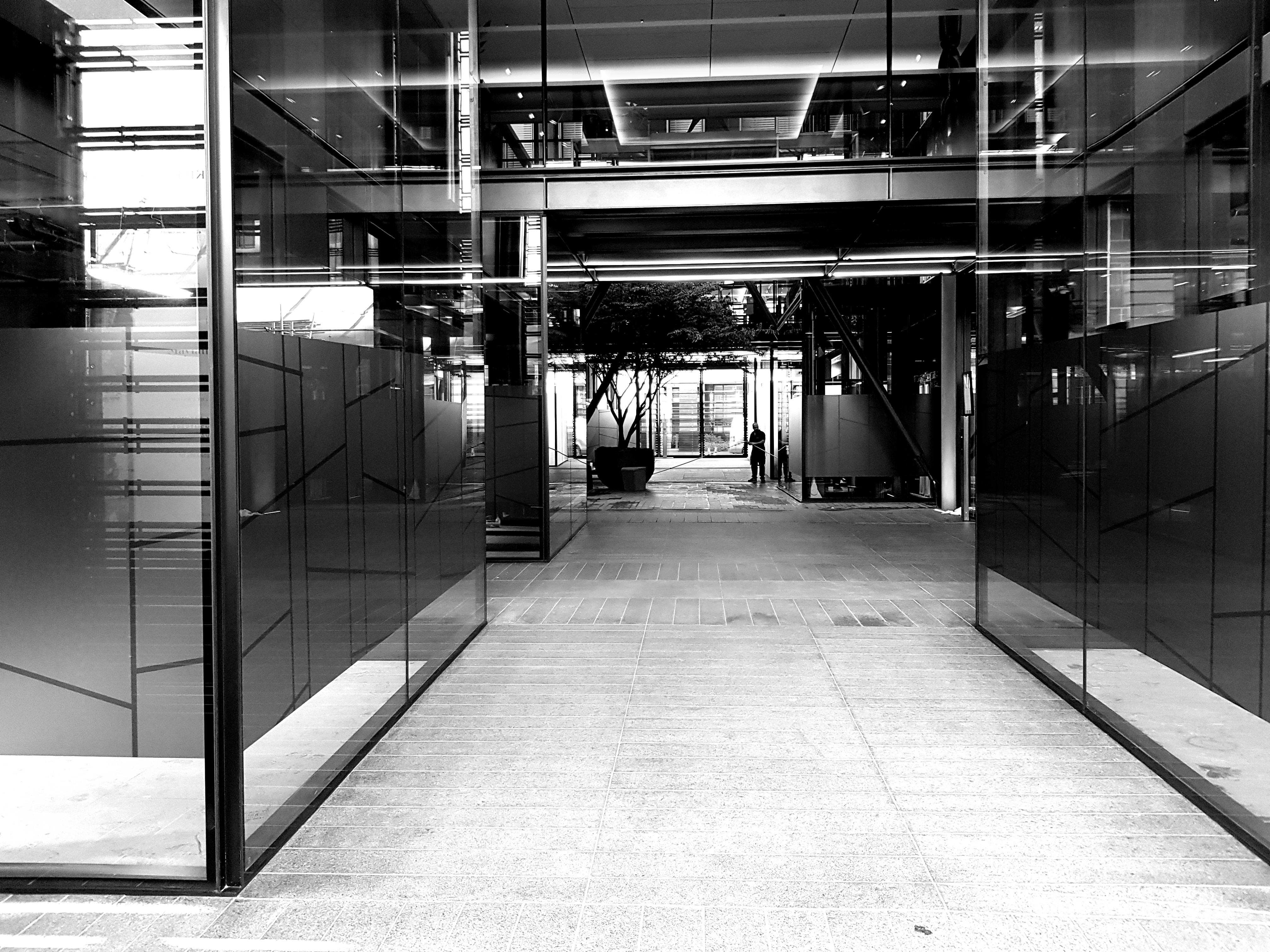
Having sat in meetings in recent years as a member of the Bond Street Advisory Board, I’m pleased to see that its policy is bearing fruit in the much wider pavements currently visible in the stretch outside Louis Vuitton, but also being extended southwards towards Piccadilly:-
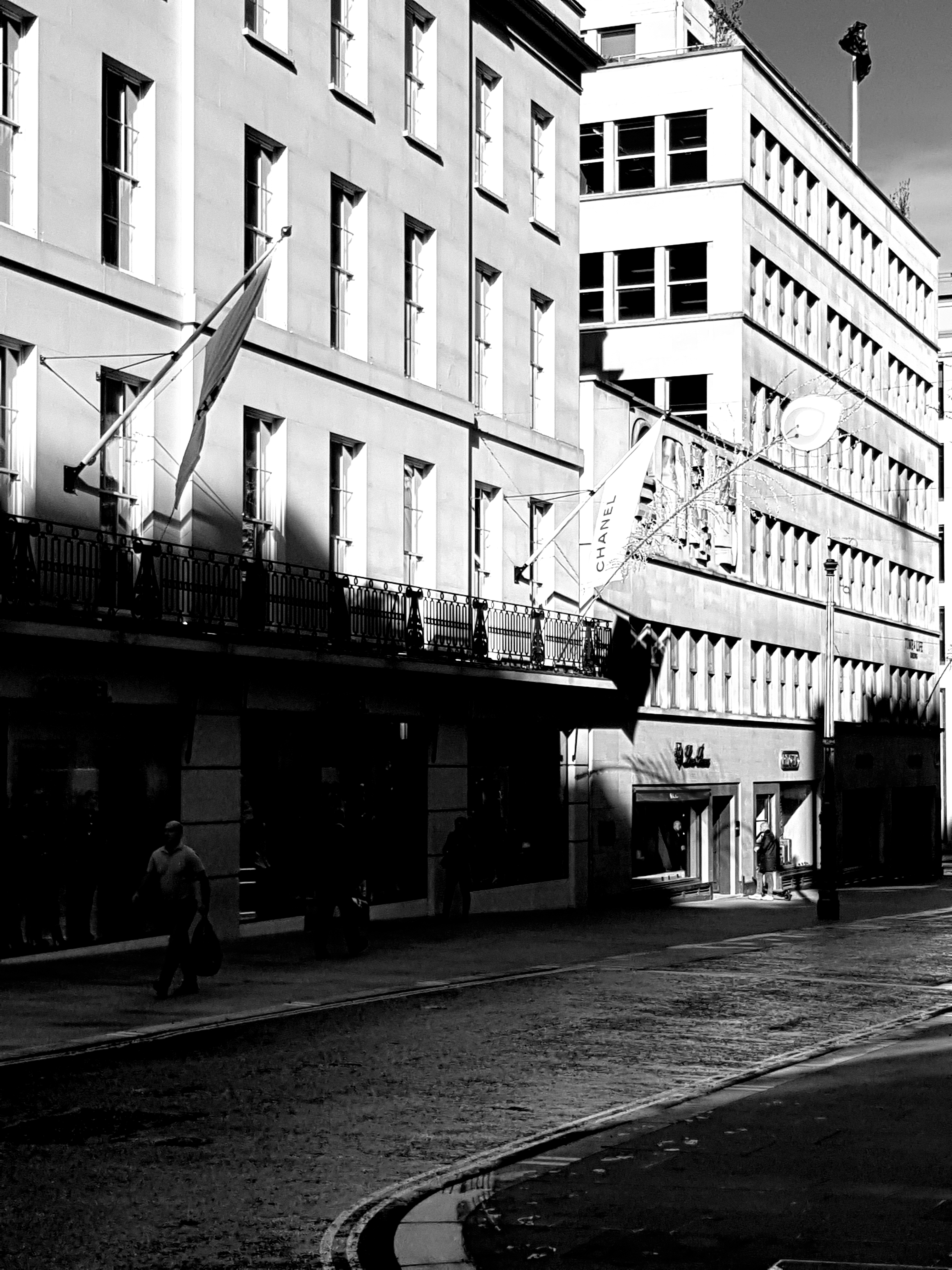
It encourages one to look upwards and admire the streetscape of grandly ornate, late nineteenth-century, Francophile façades up past Aspreys to Cartier and to the square which is being created by the entrance to Burlington Gardens:-
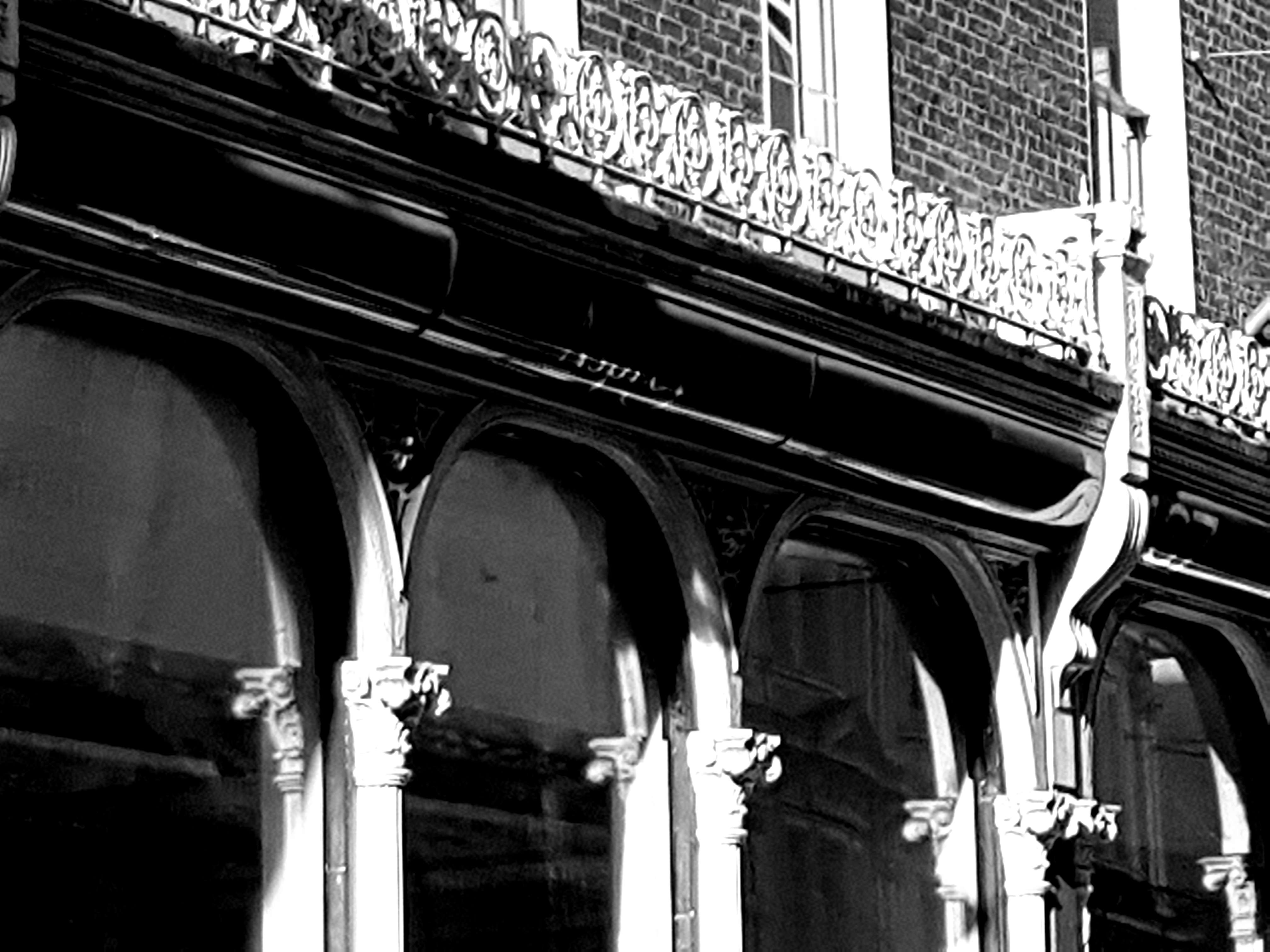
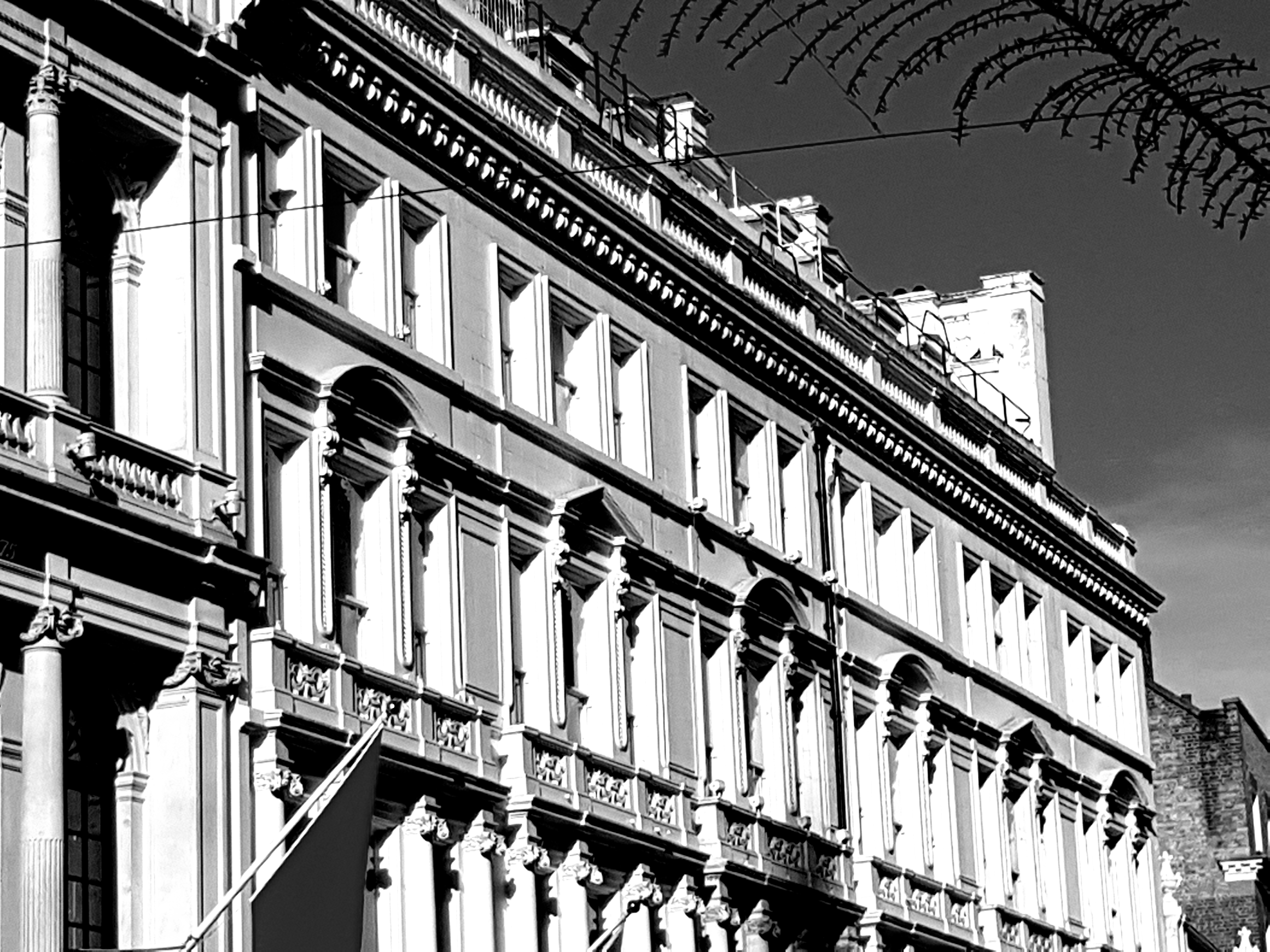

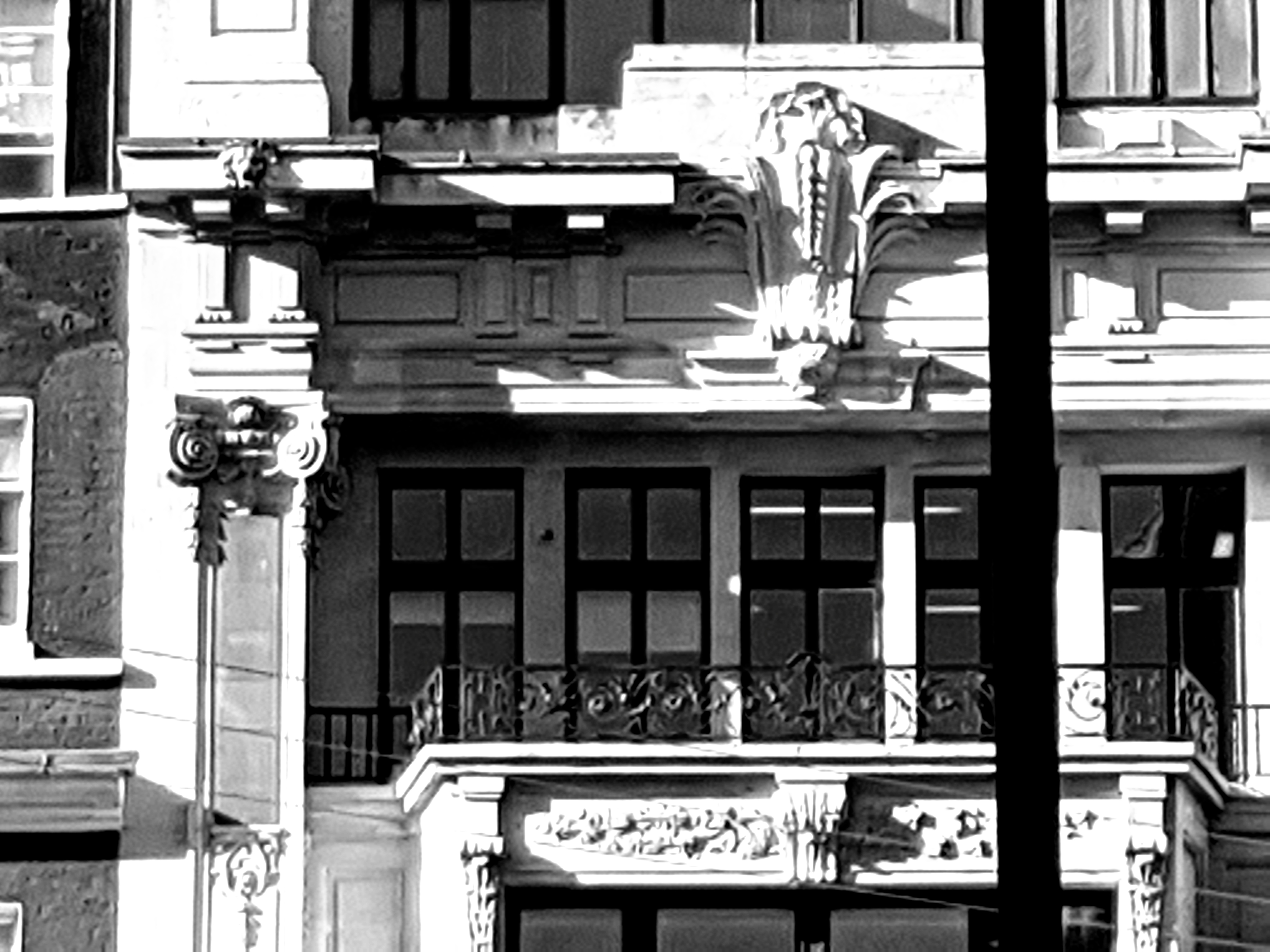

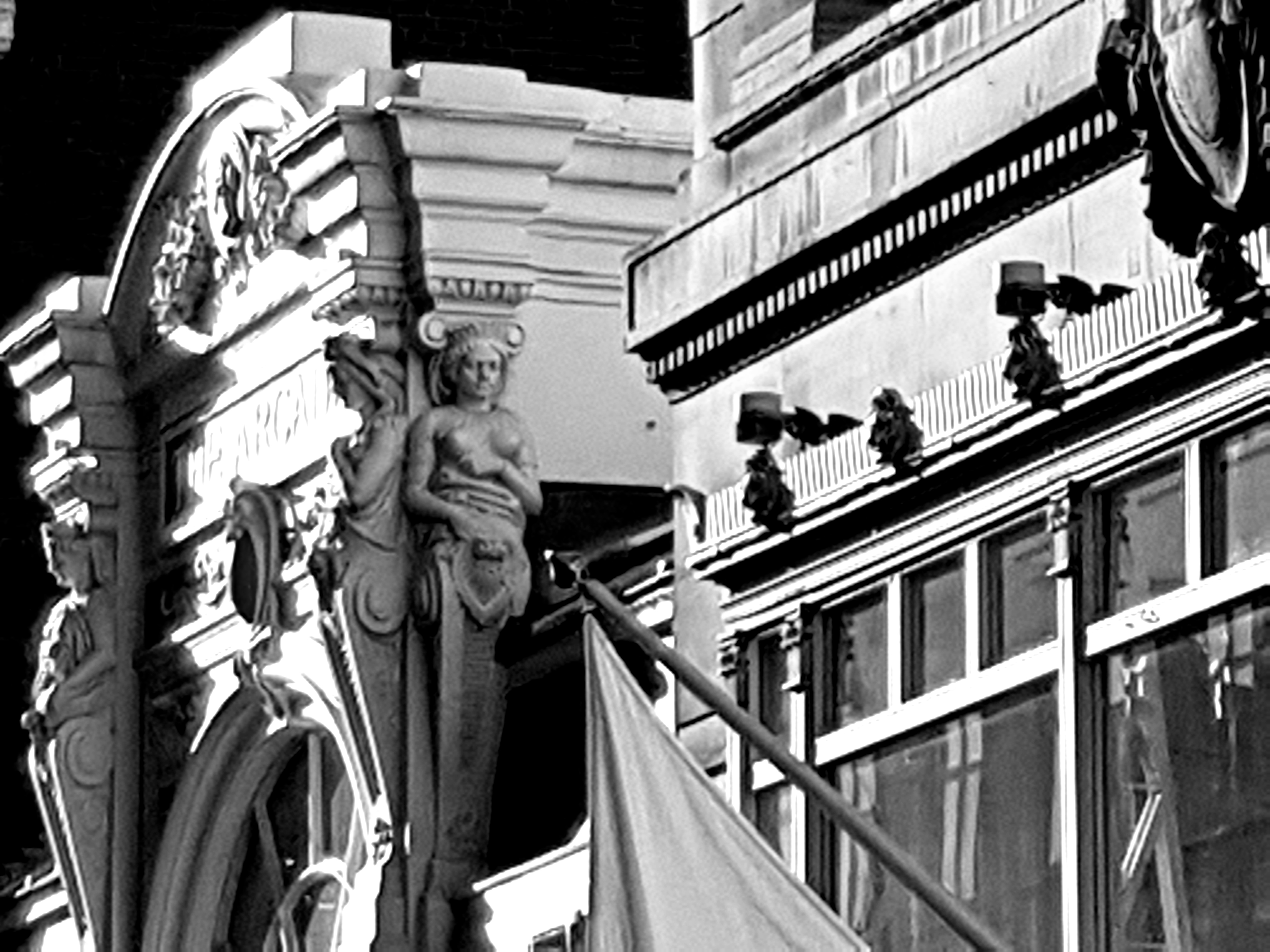
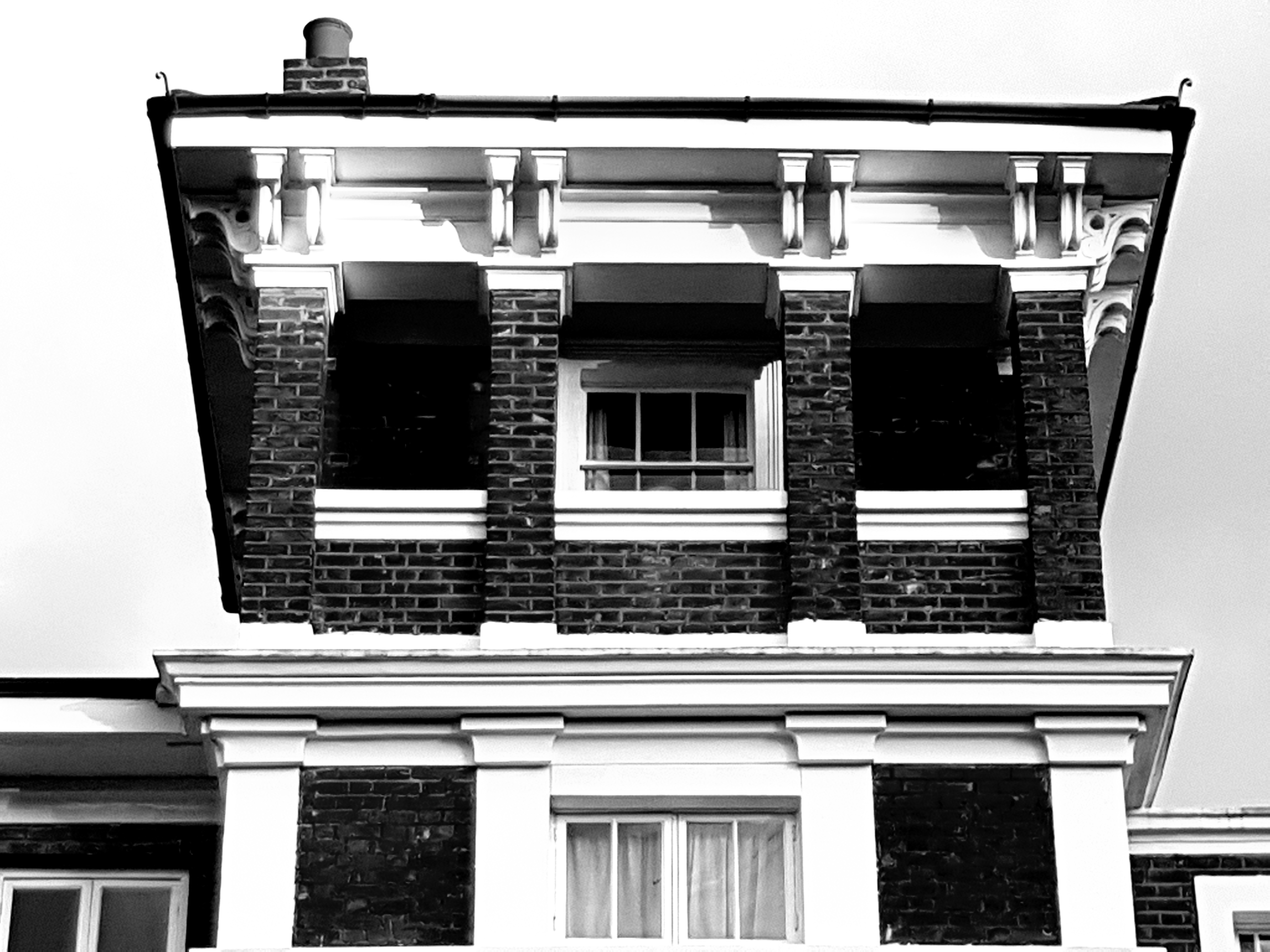
I walked back from Frieze Masters by way of Gloucester Crescent, partly because it plays such a large part in Claire Tomalin’s autobiography, not to mention the life of Alan Bennett (he lived in no.23), and partly because I’ve never actually seen it in daylight with its fine Italianate detailing:-
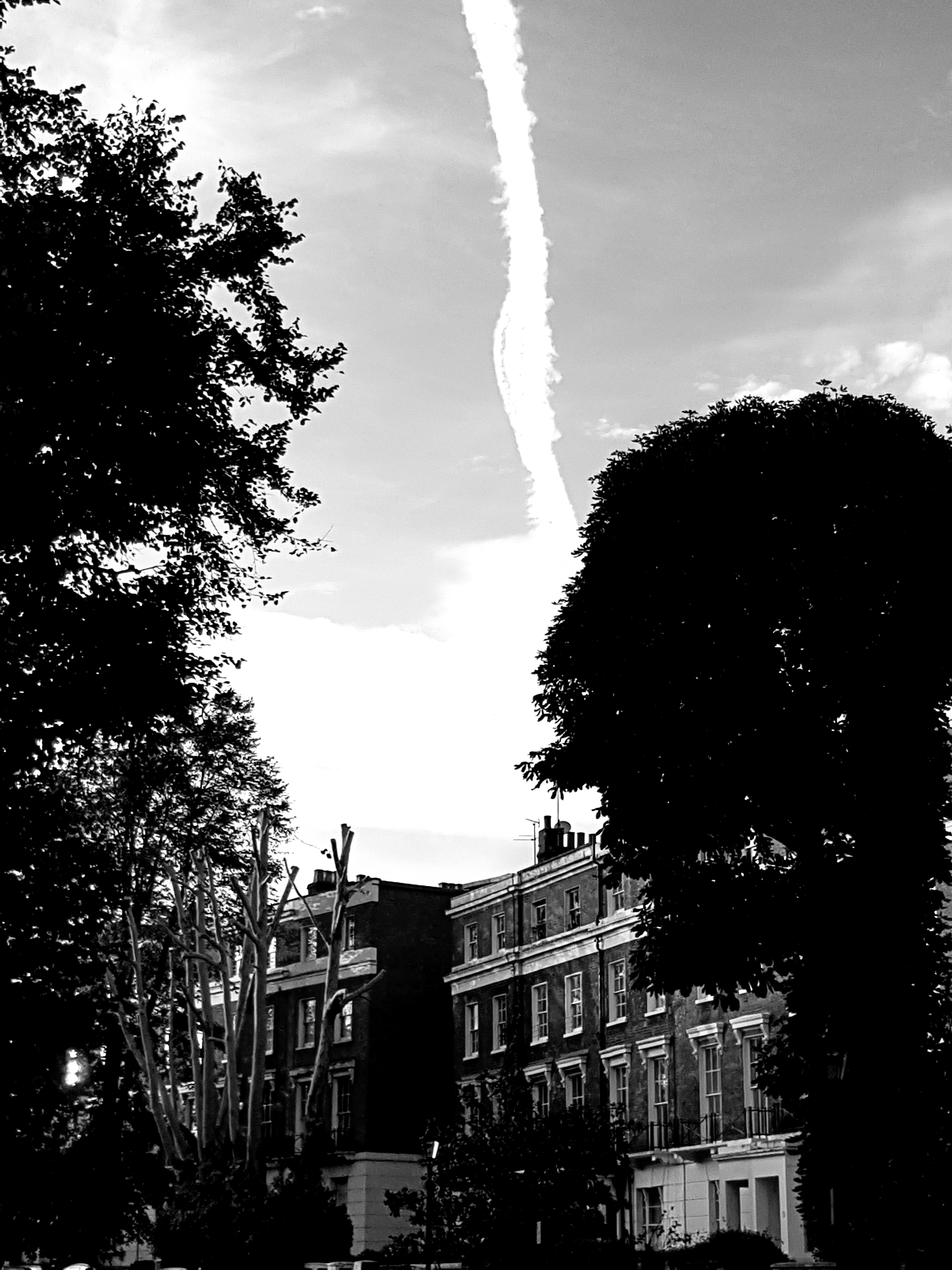
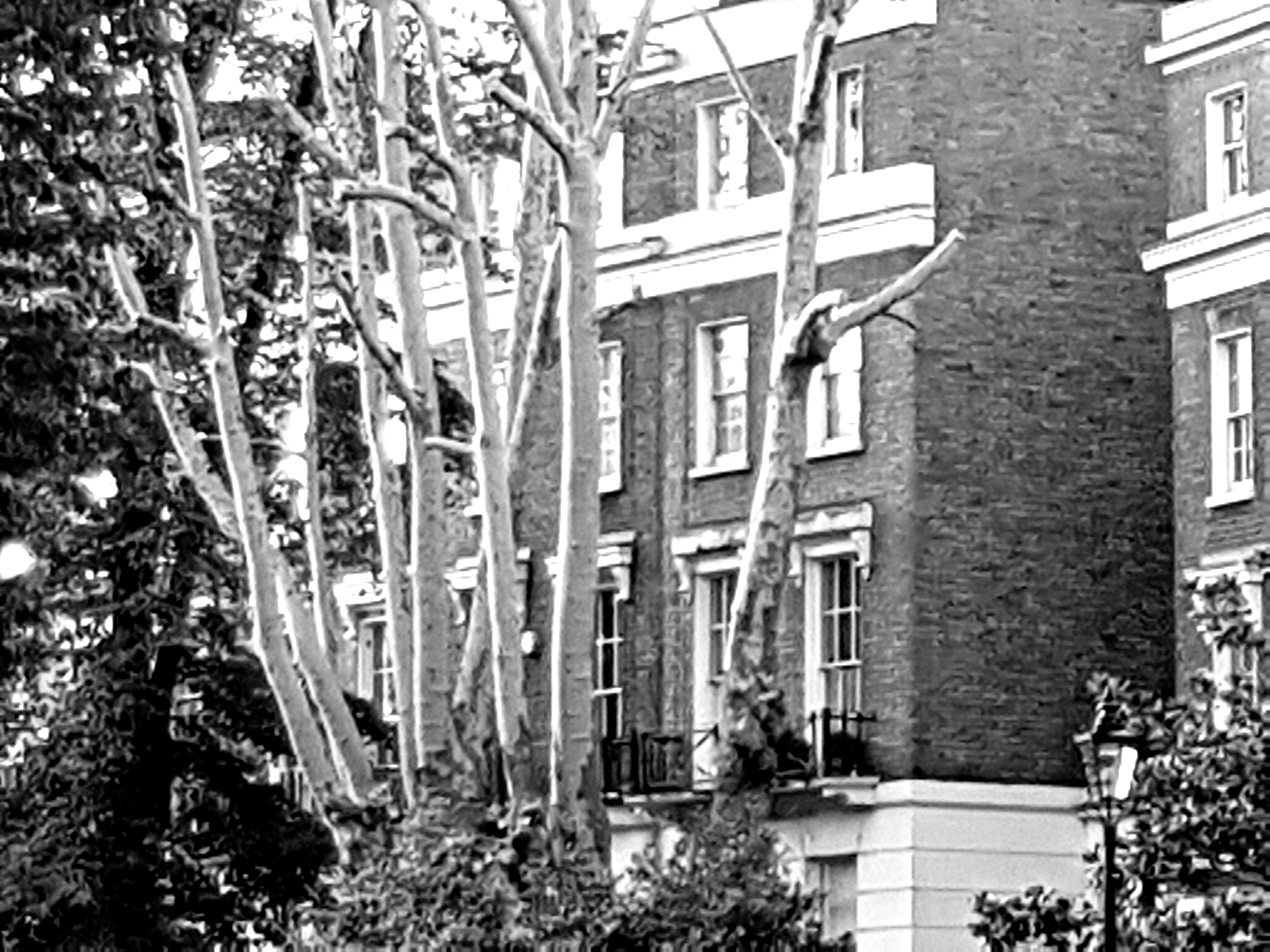

Seeing the fine pre-first world war portrait by Henry Lamb RA on the Offer Waterman stand at Frieze Masters reminded me that my predecessor but five was Sir Walter Lamb, who took office as Secretary of the Royal Academy in 1913 and served until 1951, service of very nearly forty years, through two world wars. He was born in Adelaide, the son of Sir Horace Lamb FRS, a pure mathematician who became Professor of Mathematics in Manchester in 1885. In his youth, he was a friend of Clive Bell, in love with Virginia Woolf and rejected as a suitor. Bespectacled and bald and author of a book about the history of the Royal Academy published after his retirement, Walter Lamb was, I assume, an effective administrator because it was in the 1920s that the Royal Academy began its programme of major international exhibitions. He was Henry Lamb’s older brother.
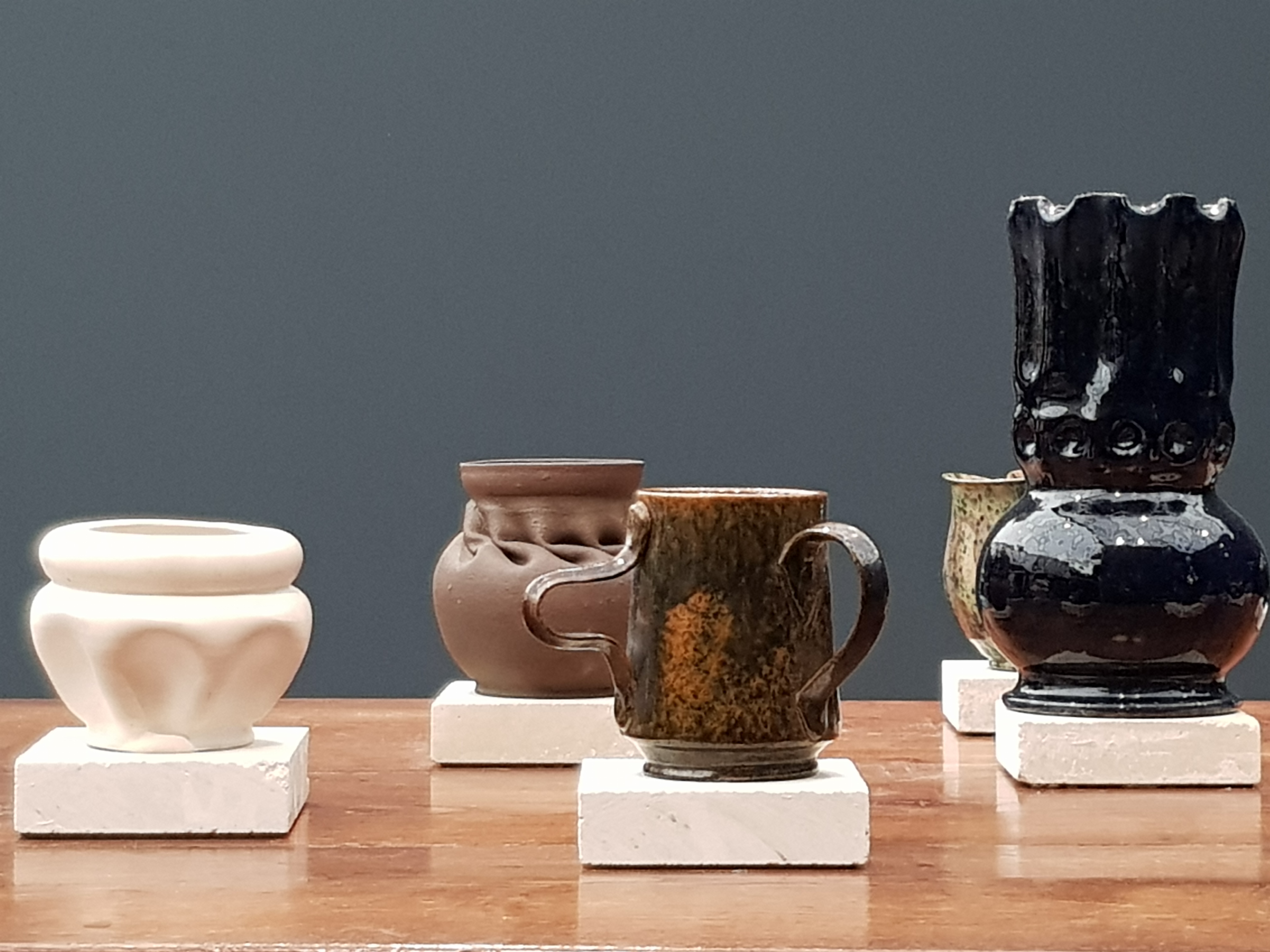
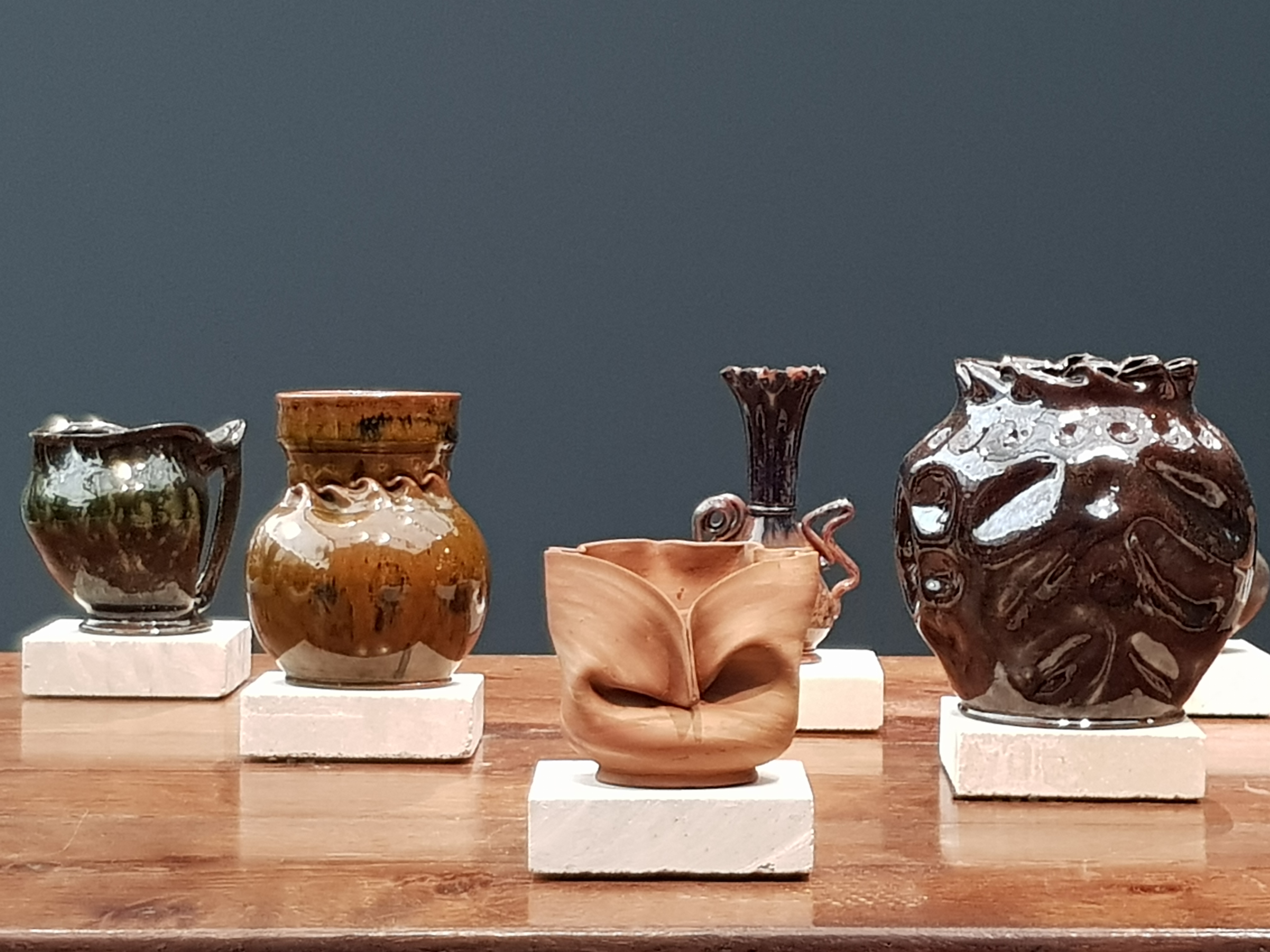
After coffee, I wandered up the aisle with galleries selected by Norman Rosenthal, including The Gallery of Everything in Chiltern Street which is showing rather fascinating late nineteenth-century pots by George E. Ohr, a potter from Mississipi who was rediscovered in the sixties by an antique dealer called Jim Carpenter and sold to the likes of Jasper Johns, who depicted them prominently in his paintings:-
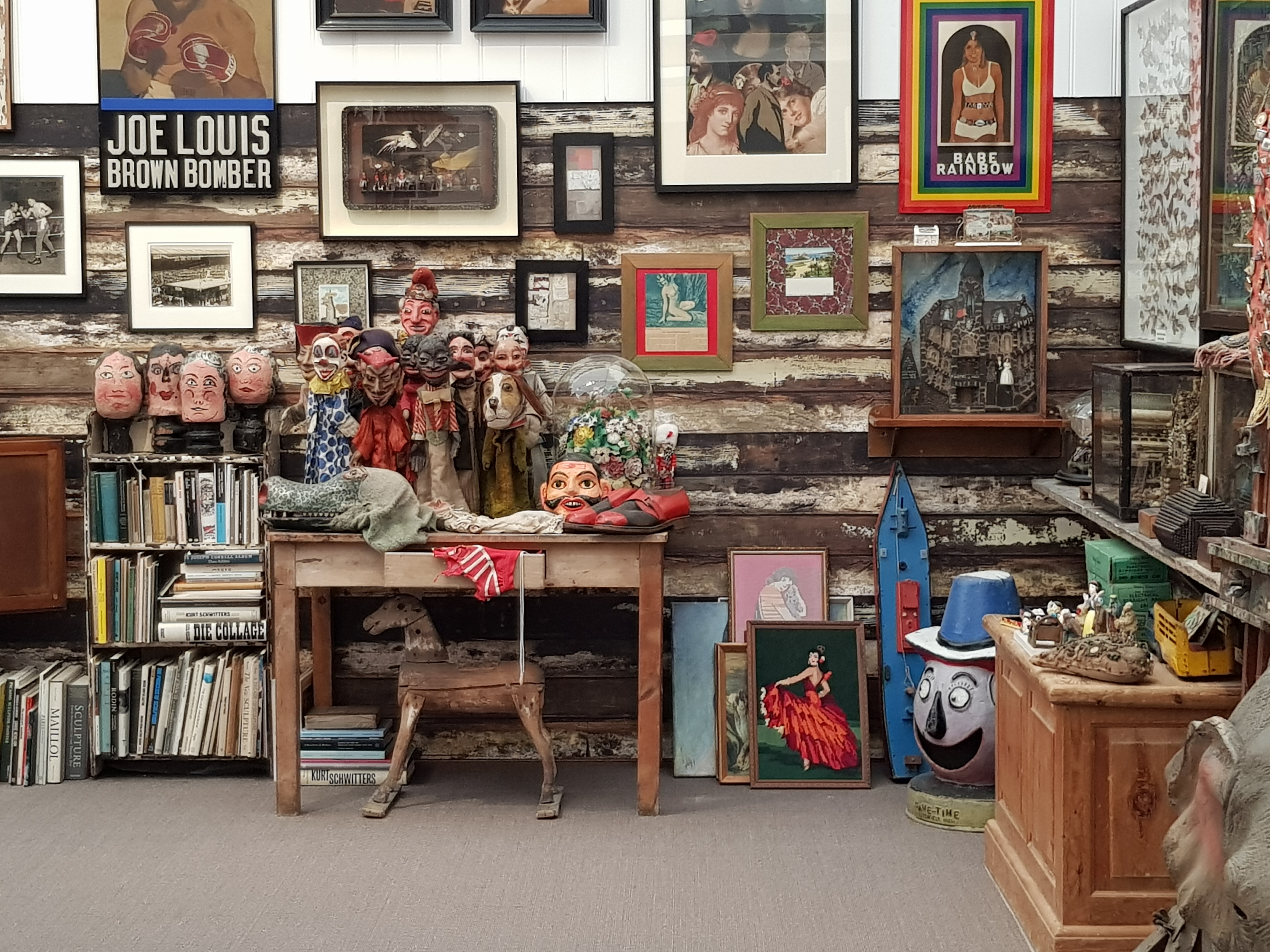
Next door is Waddington’s wonderful reconstruction of Peter Blake’s studio showing the rich cornucopia of his obsessive collecting:-
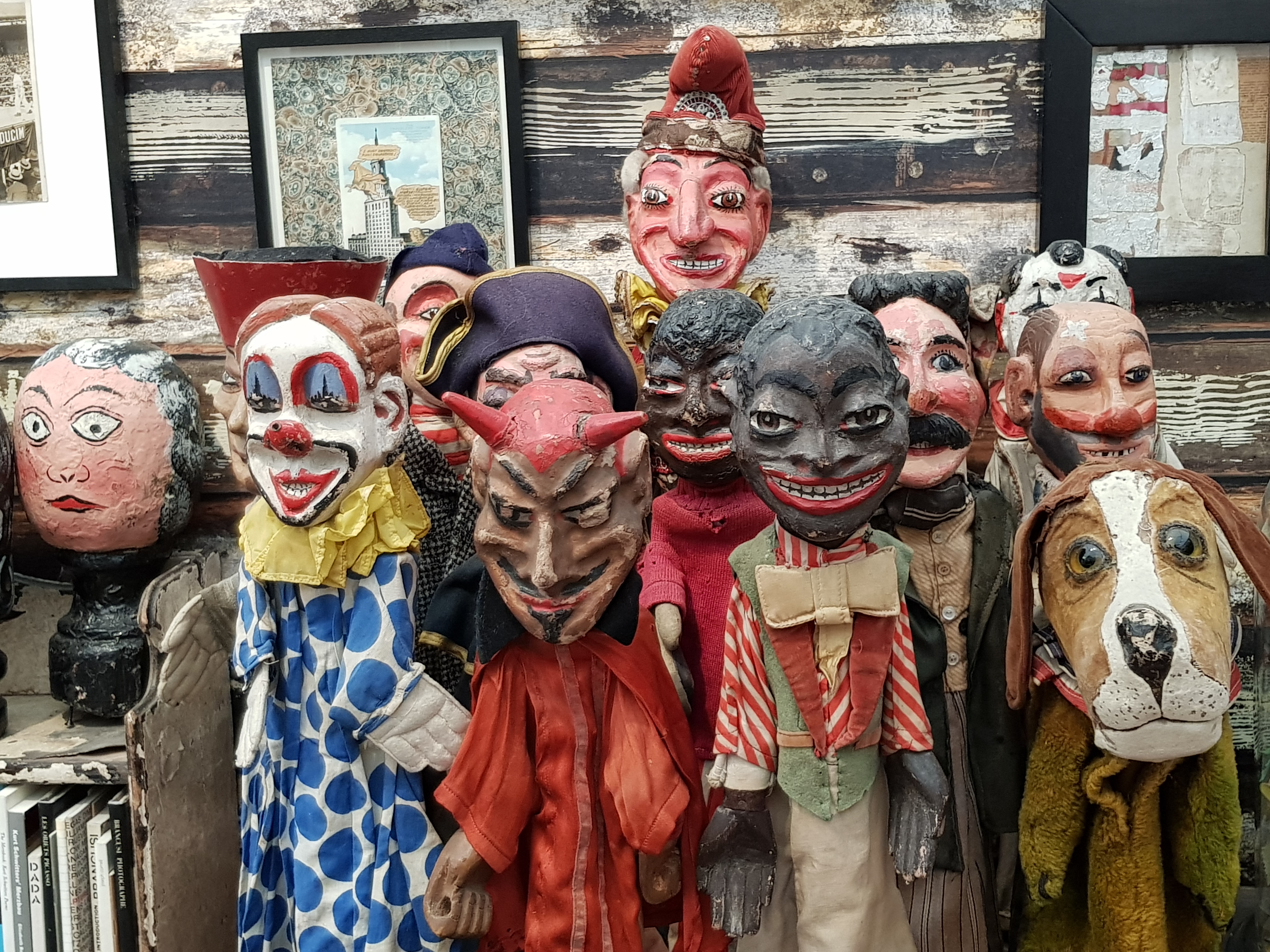
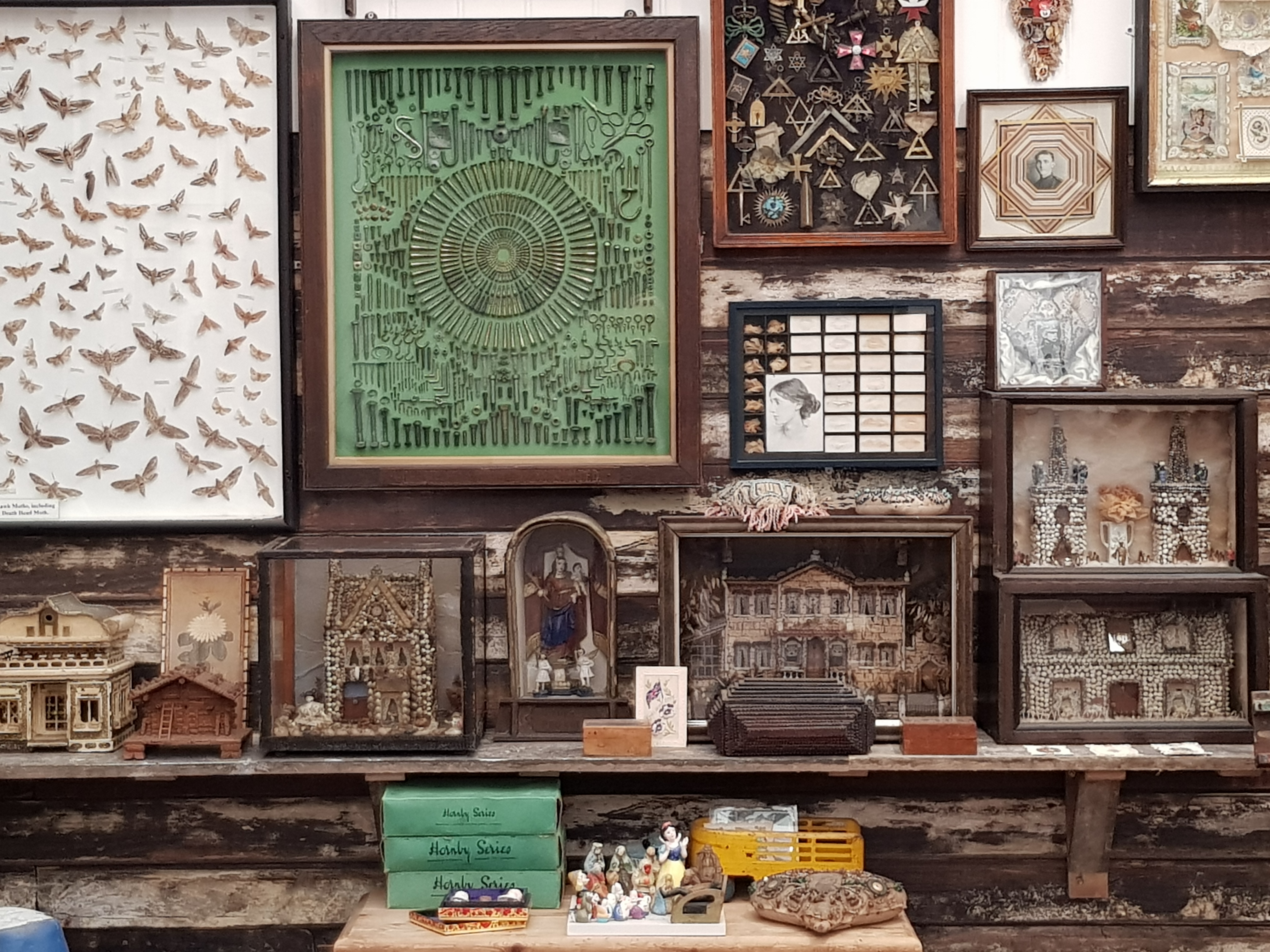
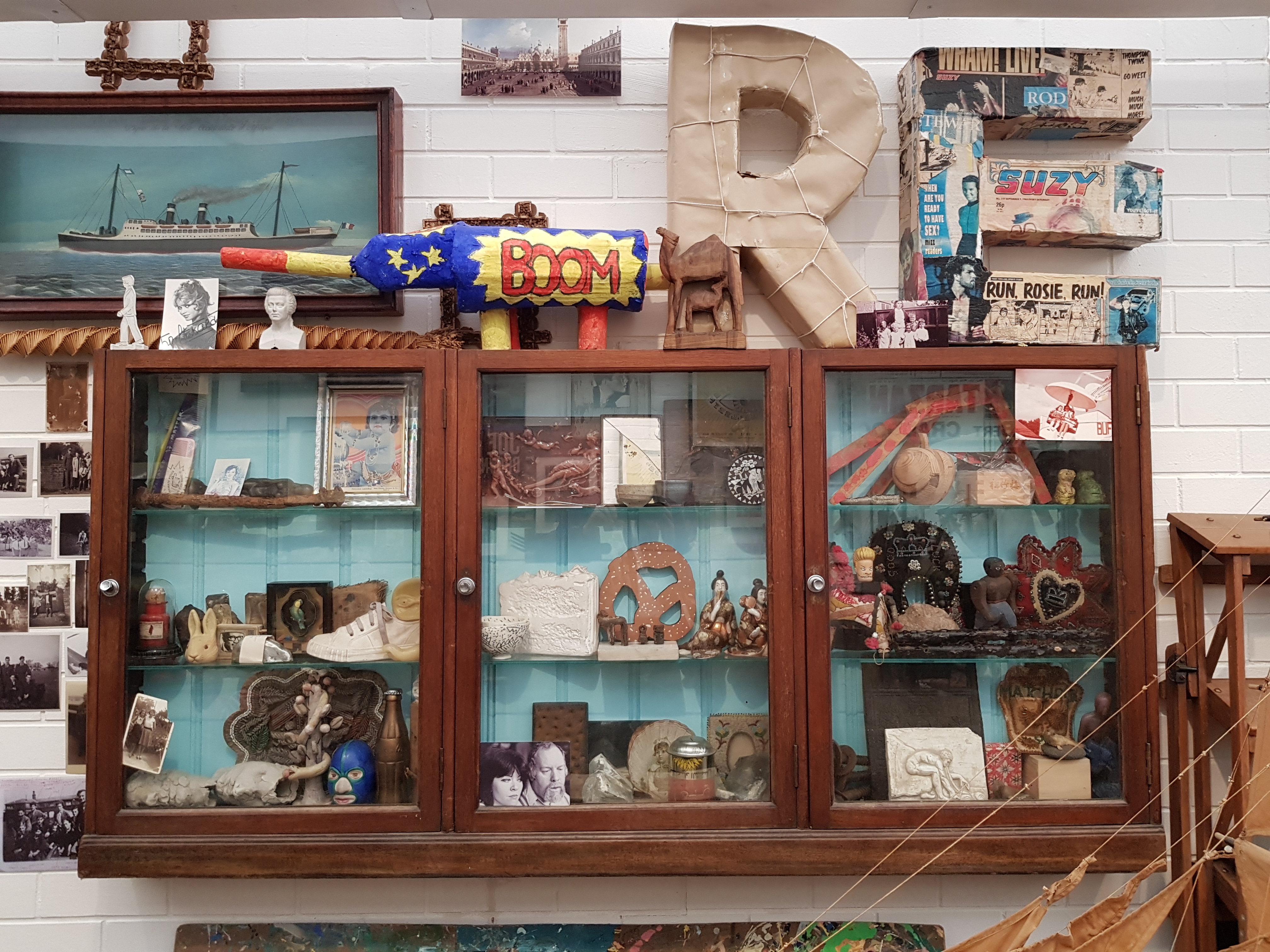

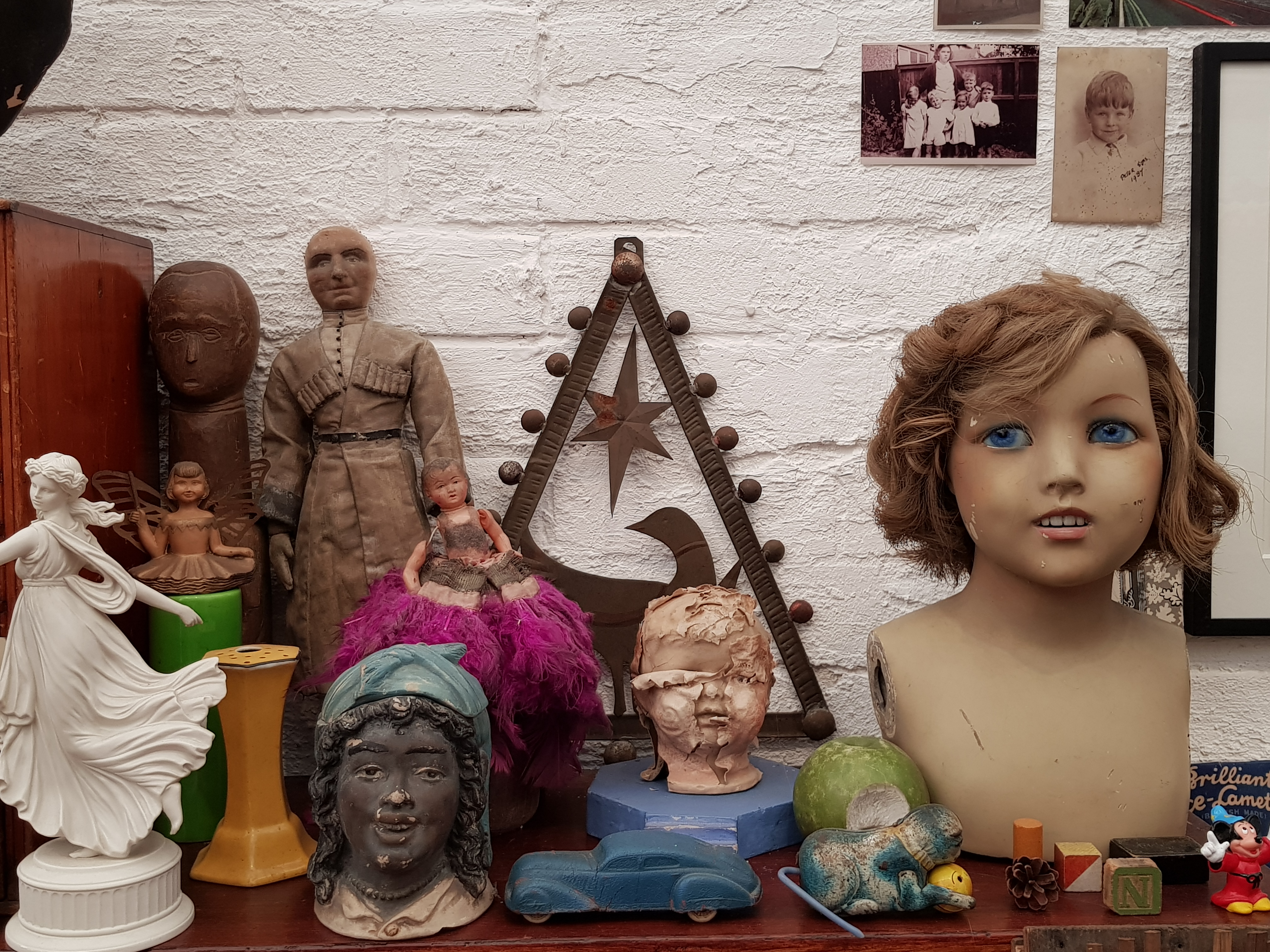
We’re doing an exhibition of Oceanic art next year, so I was pleased to see the work shown by Galerie Meyer in Paris. A Kapkap:-
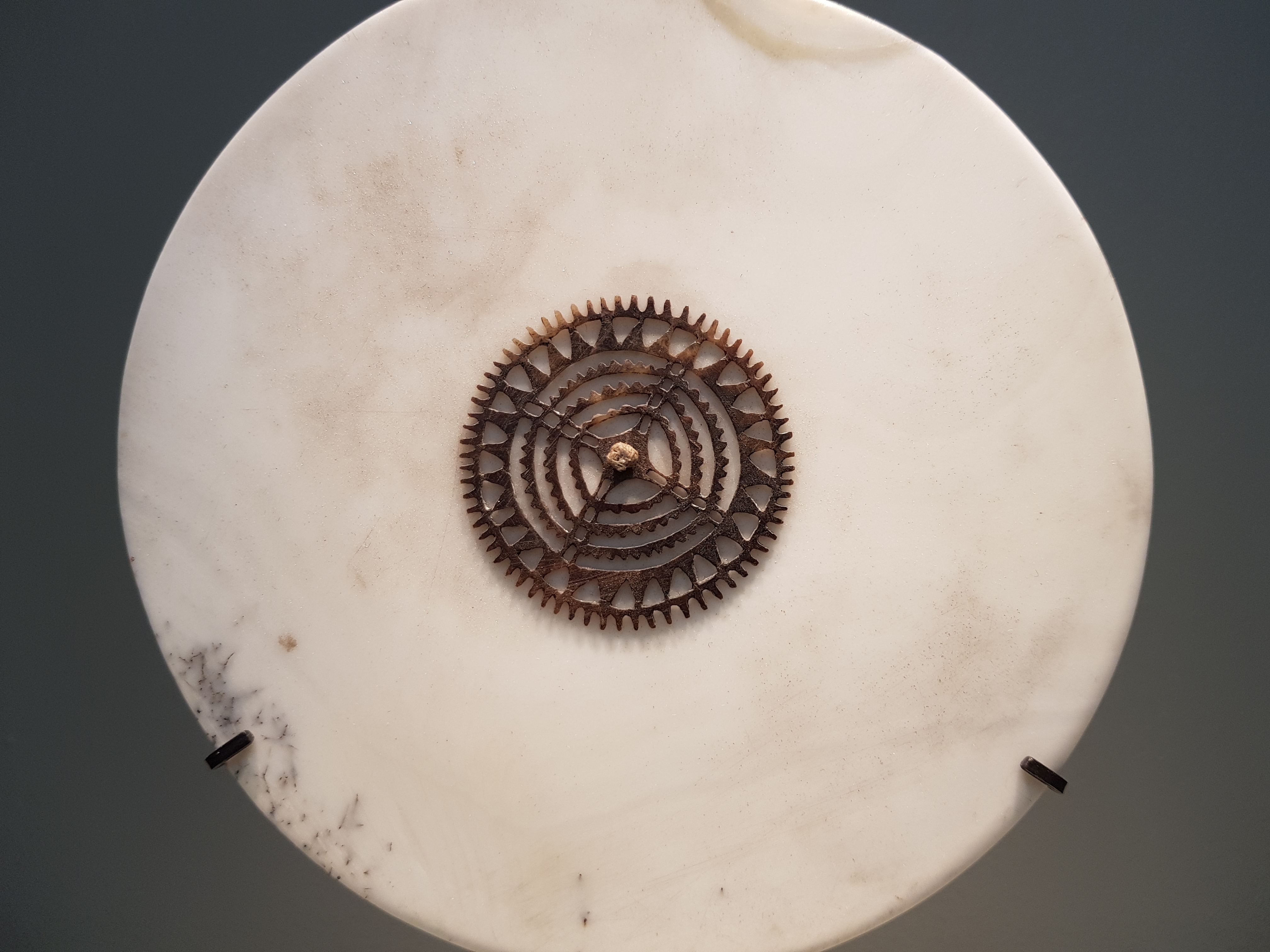
I hadn’t known (nor is it apparently referred to in our exhibition) that Matisse went to French Polynesia in 1930.
Before I sign off, I strongly recommend Emanuel von Baeyer’s stand which this year, as last, is exemplary, including such unexpected pleasures as a picture of Georges Braque in his studio in September 1944 and – I’m fascinated to see – the preparatory drawing by Philip Core of his Chance Meeting of Andy Warhol and Marcel Duchamp which is in the Arts Council Collection:-
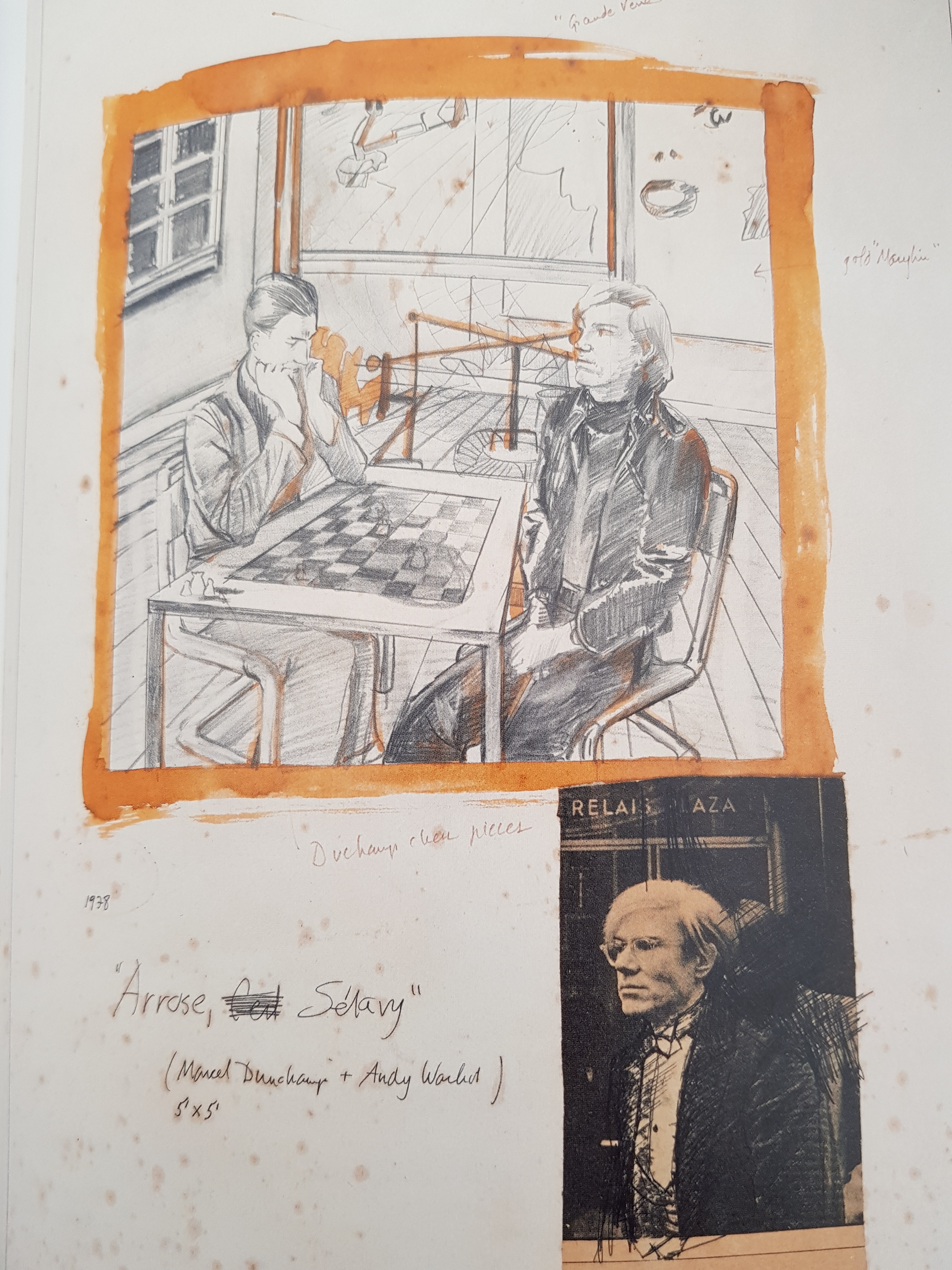
It’s my annual day at Frieze Masters, scouting round in the morning in order to be able to do an introductory tour for RA Patrons in the afternoon.
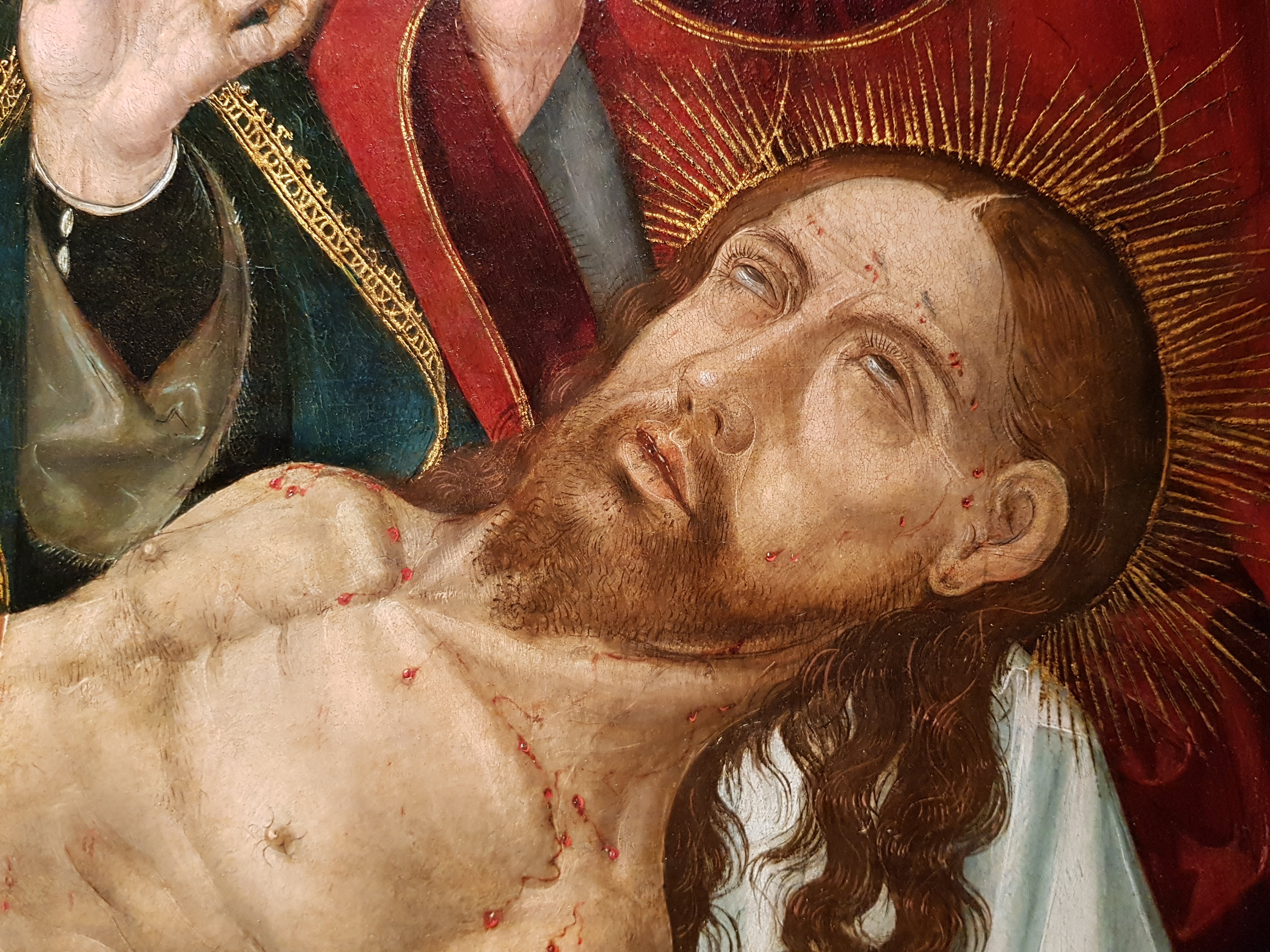
Sam Fogg always has my favourite stand right by the entrance, where one can see medieval works which in theory I could see in Cork Street, but in practice don’t. I start with a late fifteenth-century Spanish Lamentation:

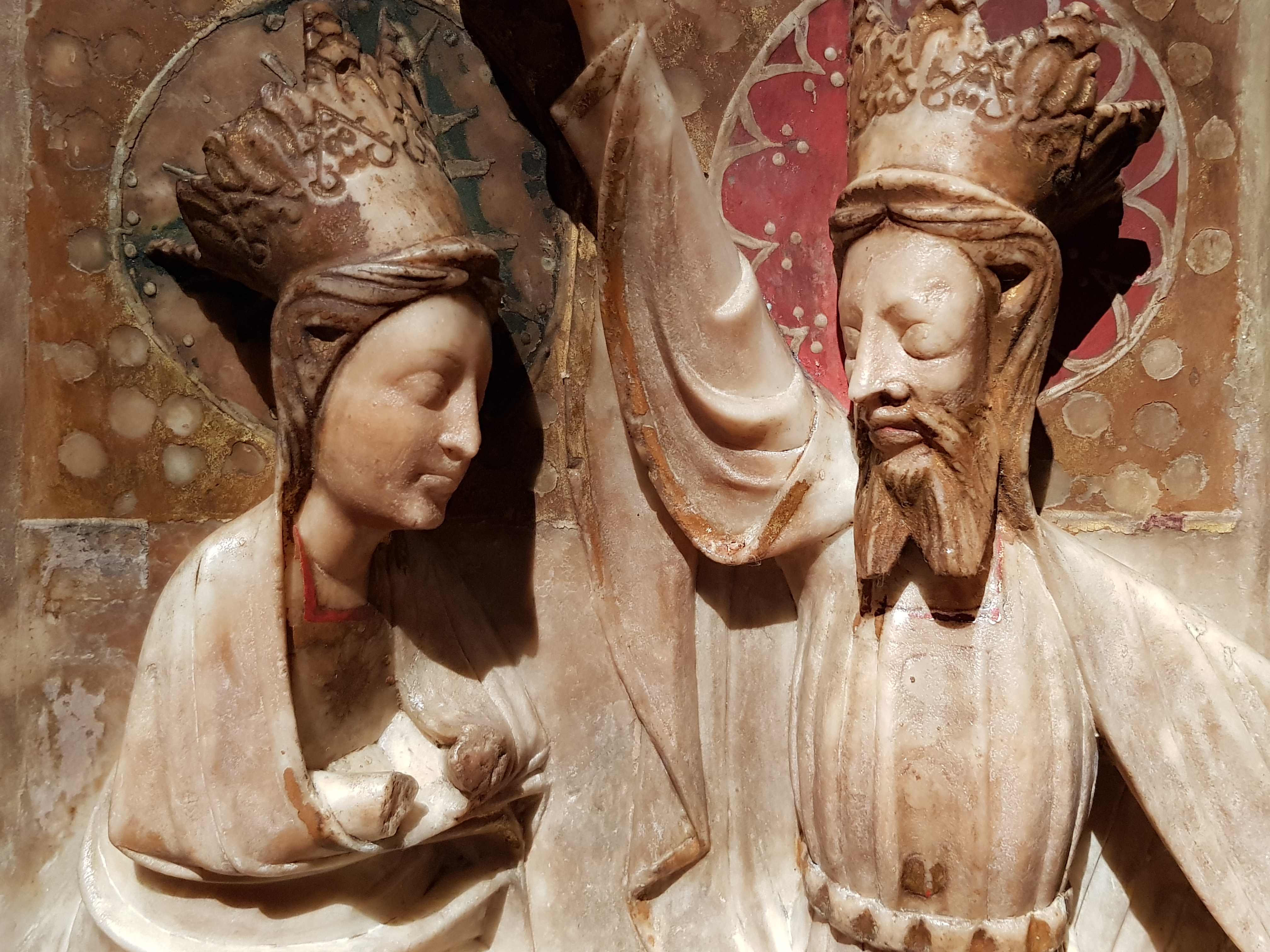
There’s a very beautiful English alabaster of the Coronation of the Virgin:-
And I like the more primitive thirteenth-century Head of an Apostle:-
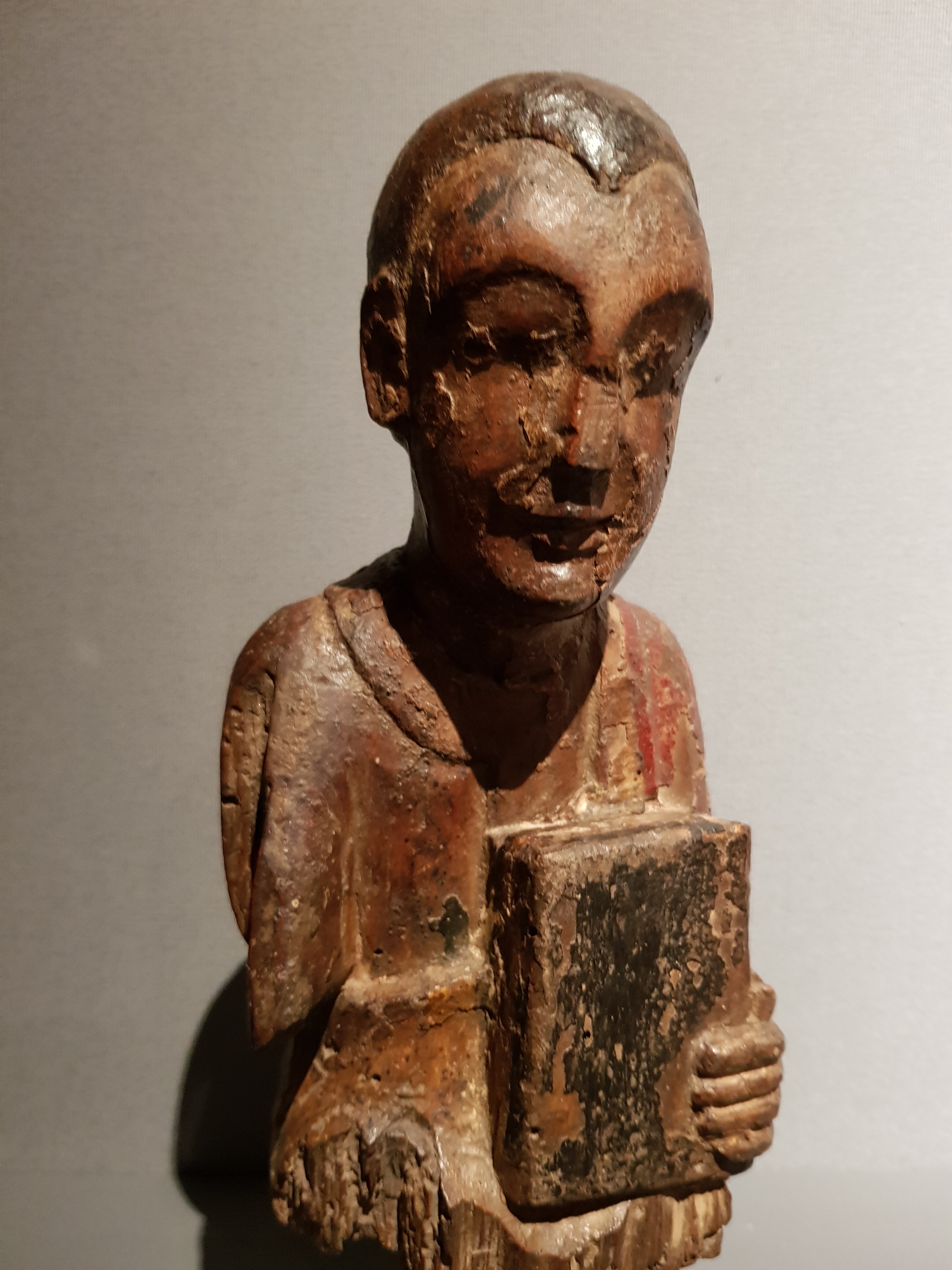
I’m keen on the work of Axel Vervoordt, ever since I saw his installation at the Palazxo Fortuny in the summer. He does exactly what Frieze Masters is supposed to encourage – the juxtaposition of old and new, including an Egyptian palette (c.3100 BC):-
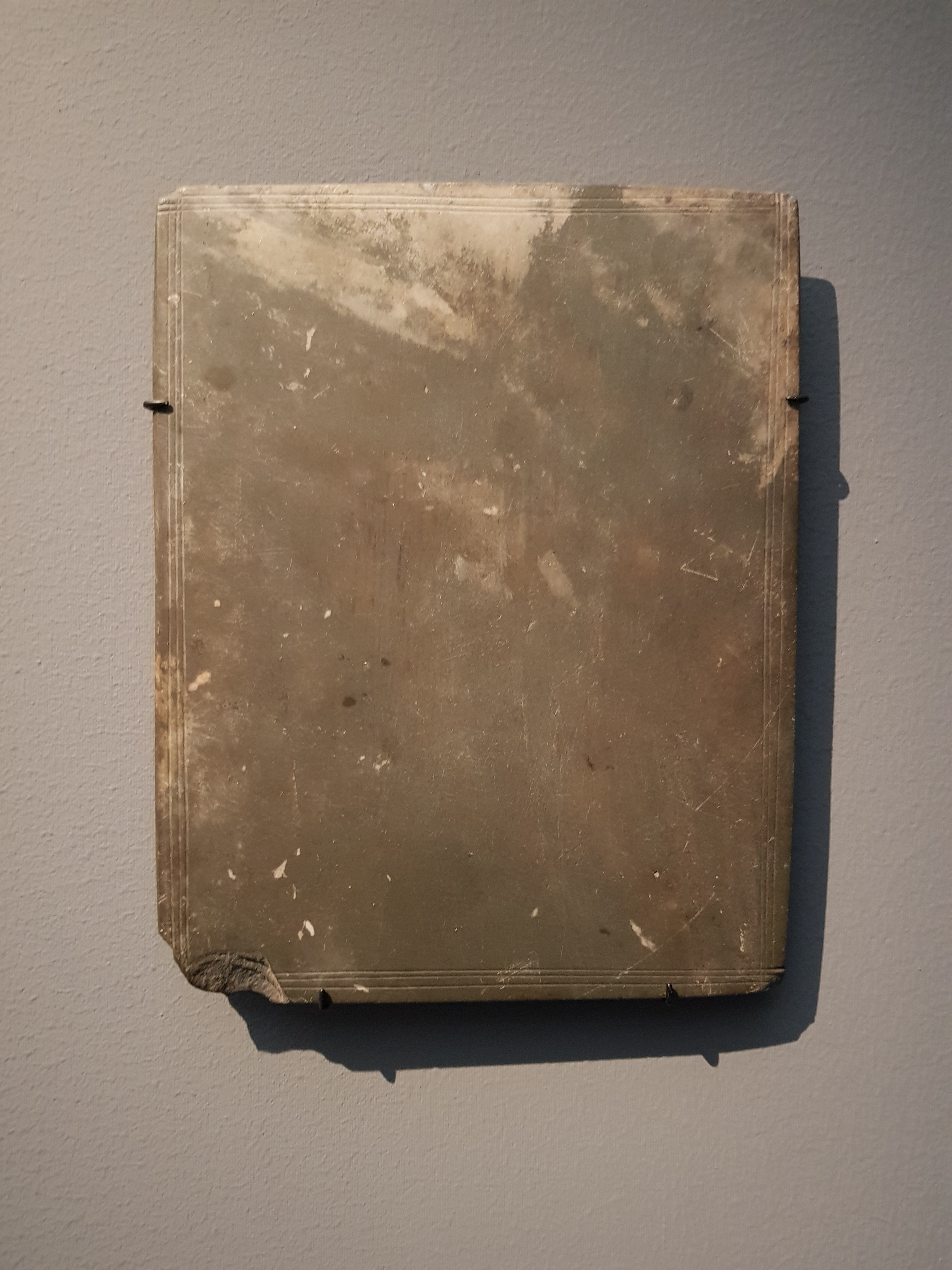 On Bernheimer’s stand, there’s a terrific Horst P. Horst of Salvador Dalí:-
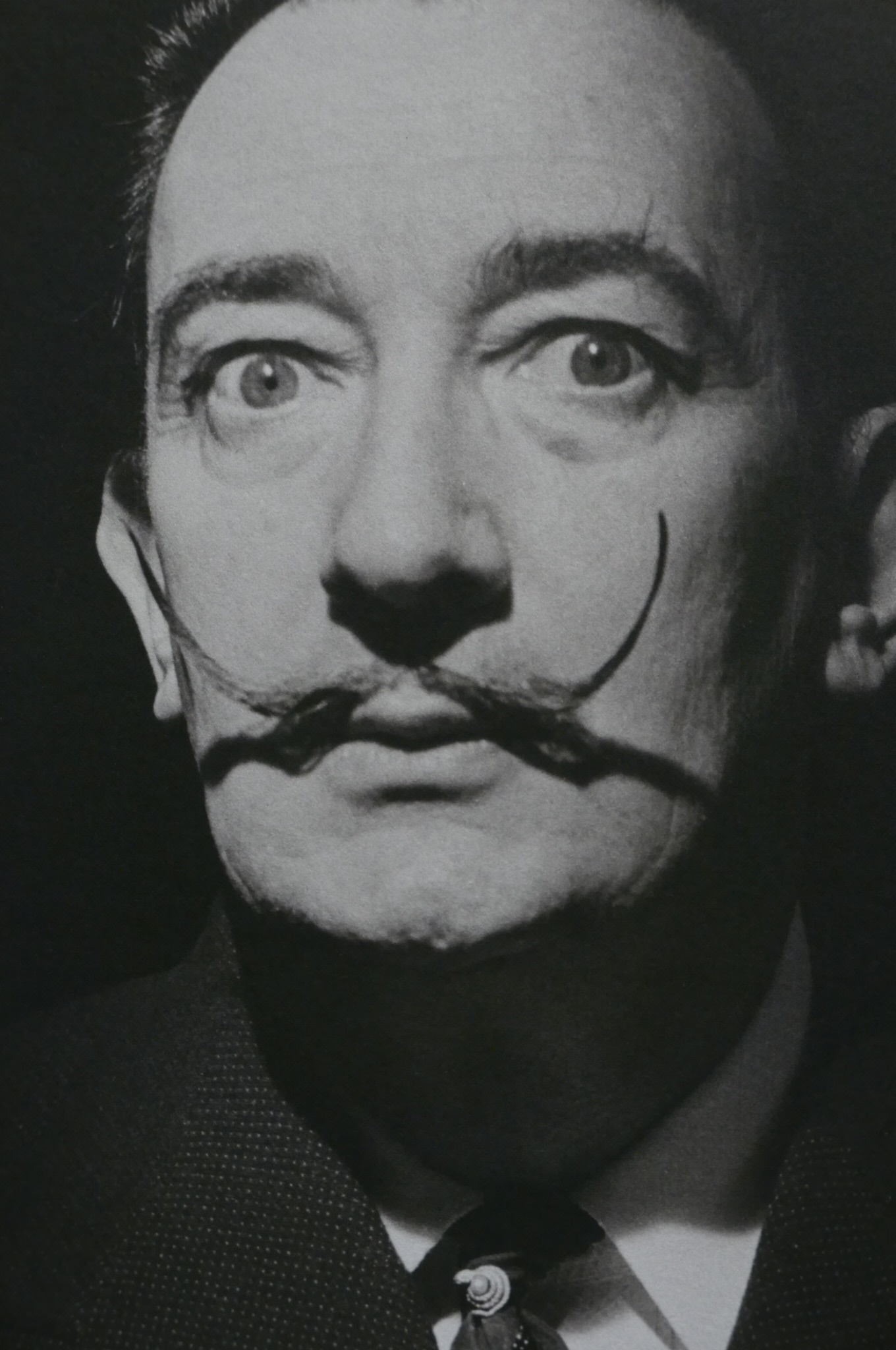 I’m always impressed by the quality and range of antiquities which are still available, not too expensively, in spite of the strict rules on provenance eg (on the Kallos Gallery stand) A Roman Marble Hand 2nd. century AD:-
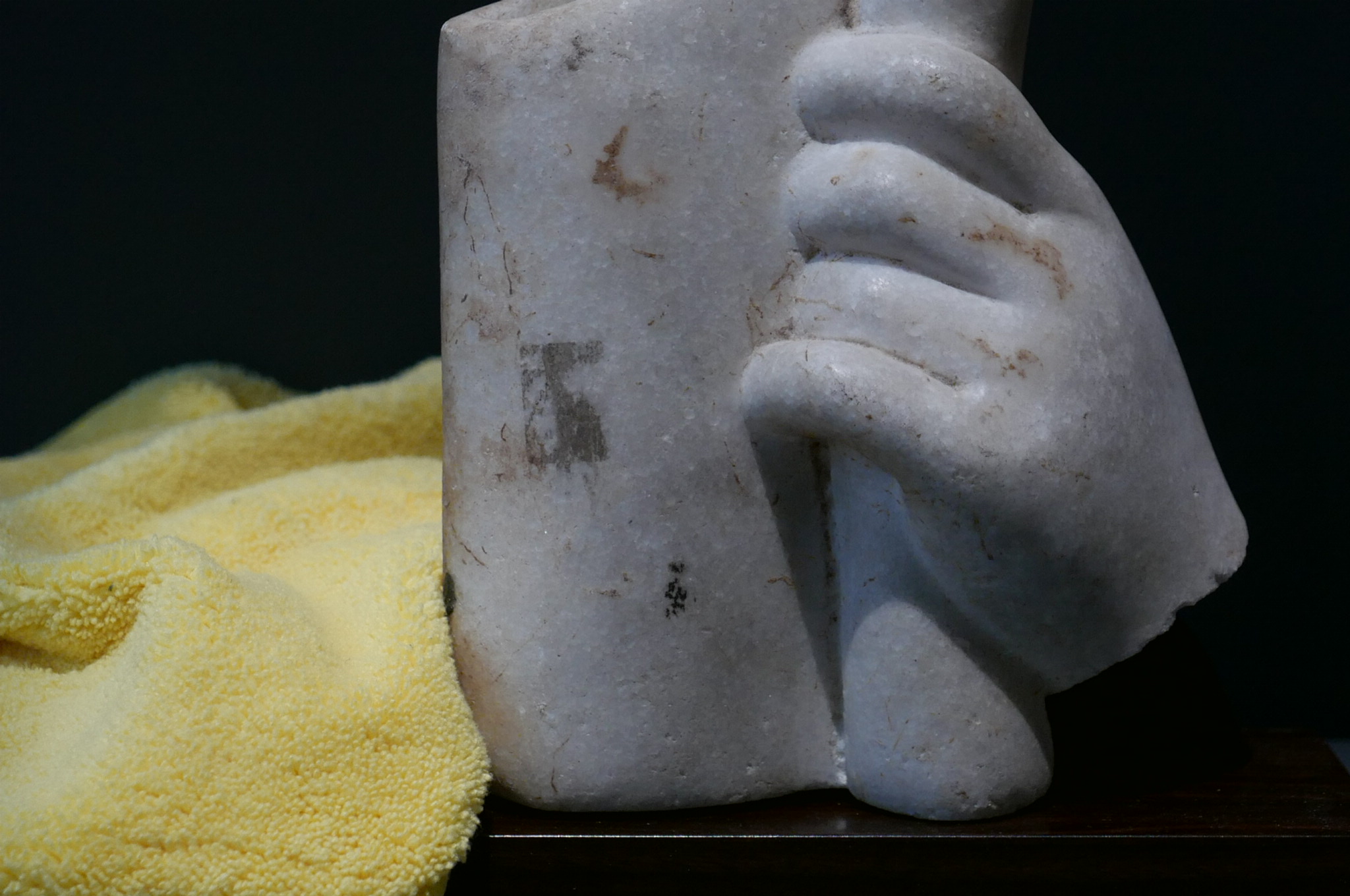 A Limestone Model of a Ptolomaic King:-
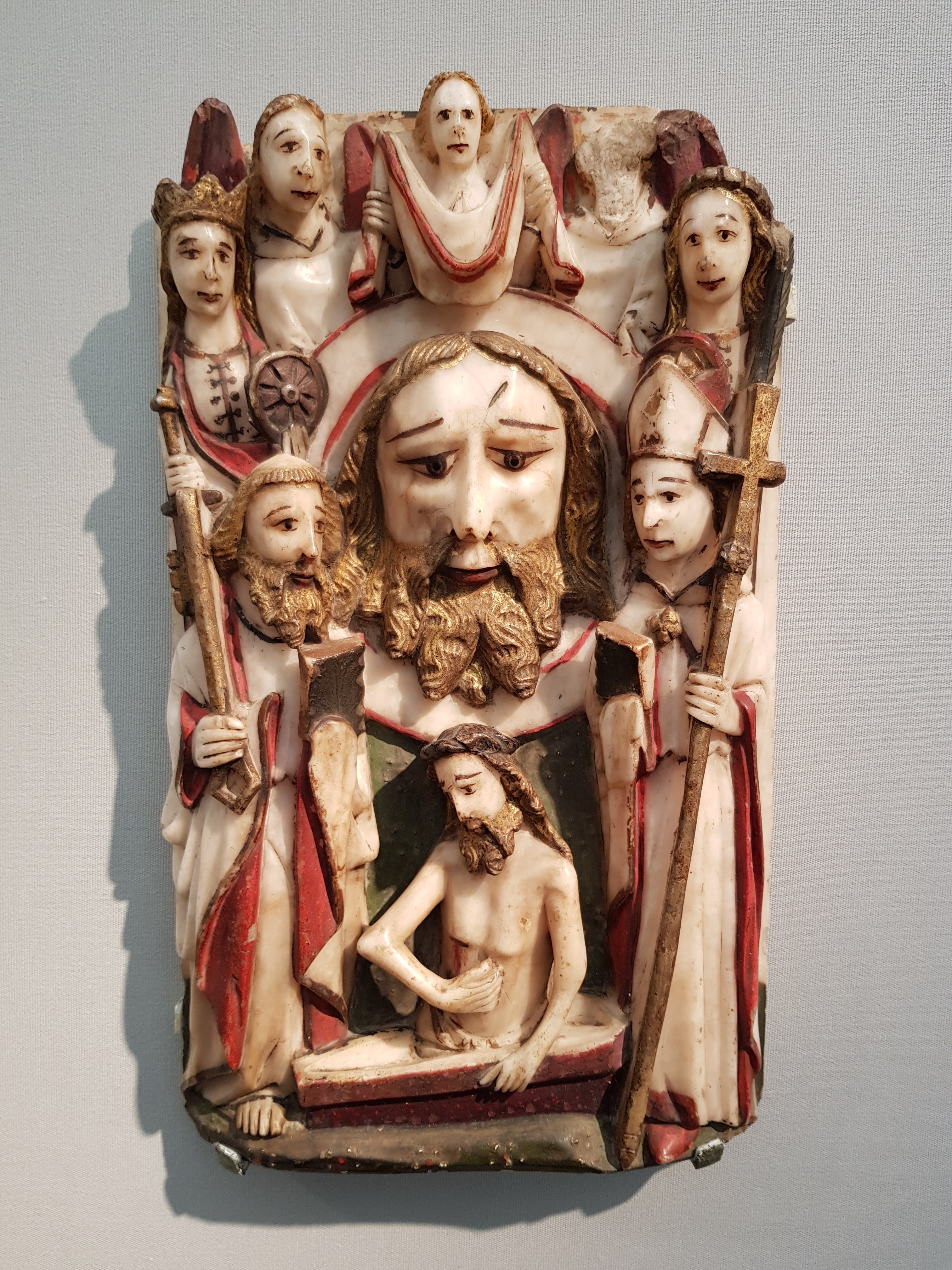
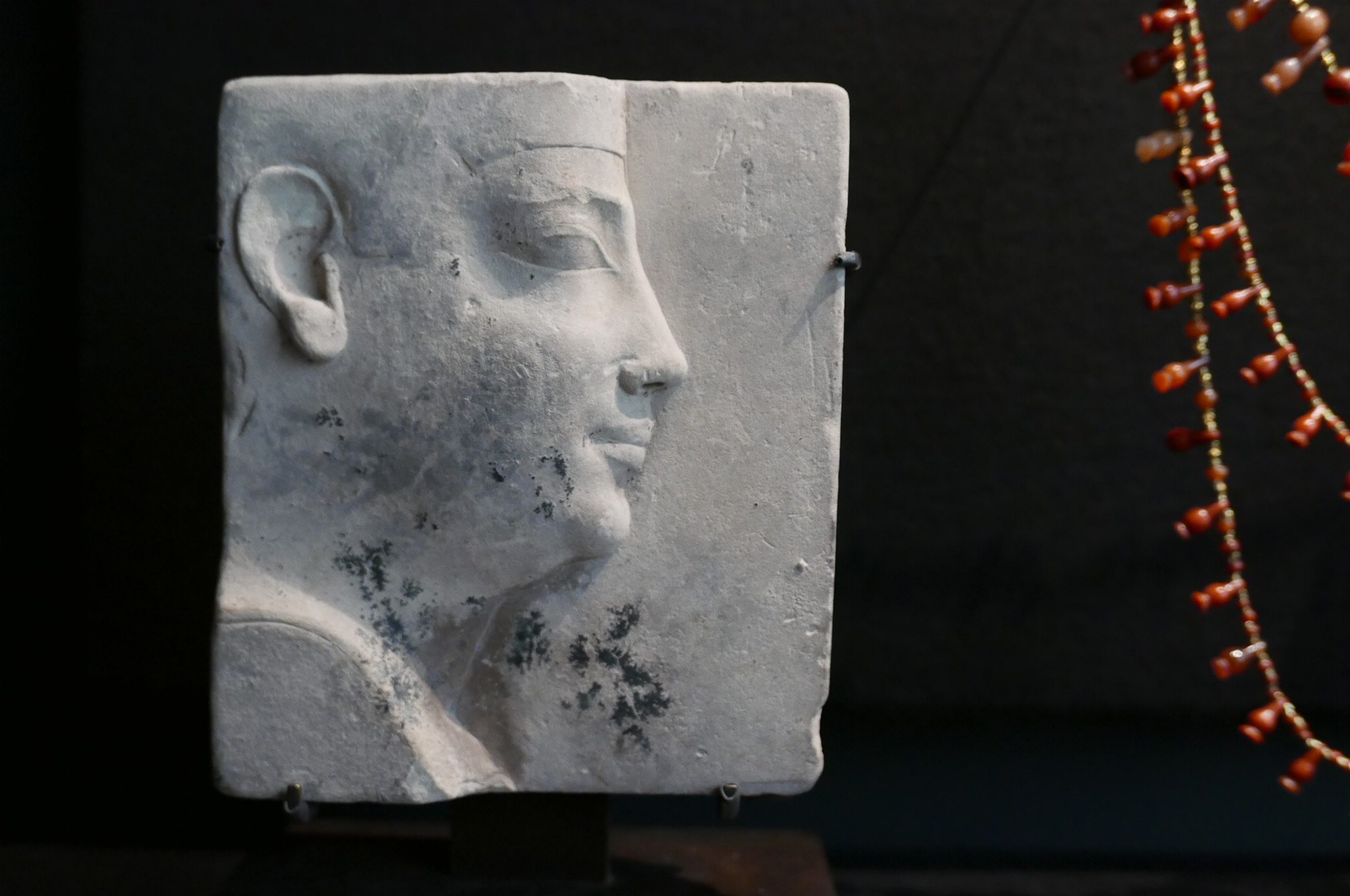 Next door, Georg Laue has another 14th. century alabaster:-
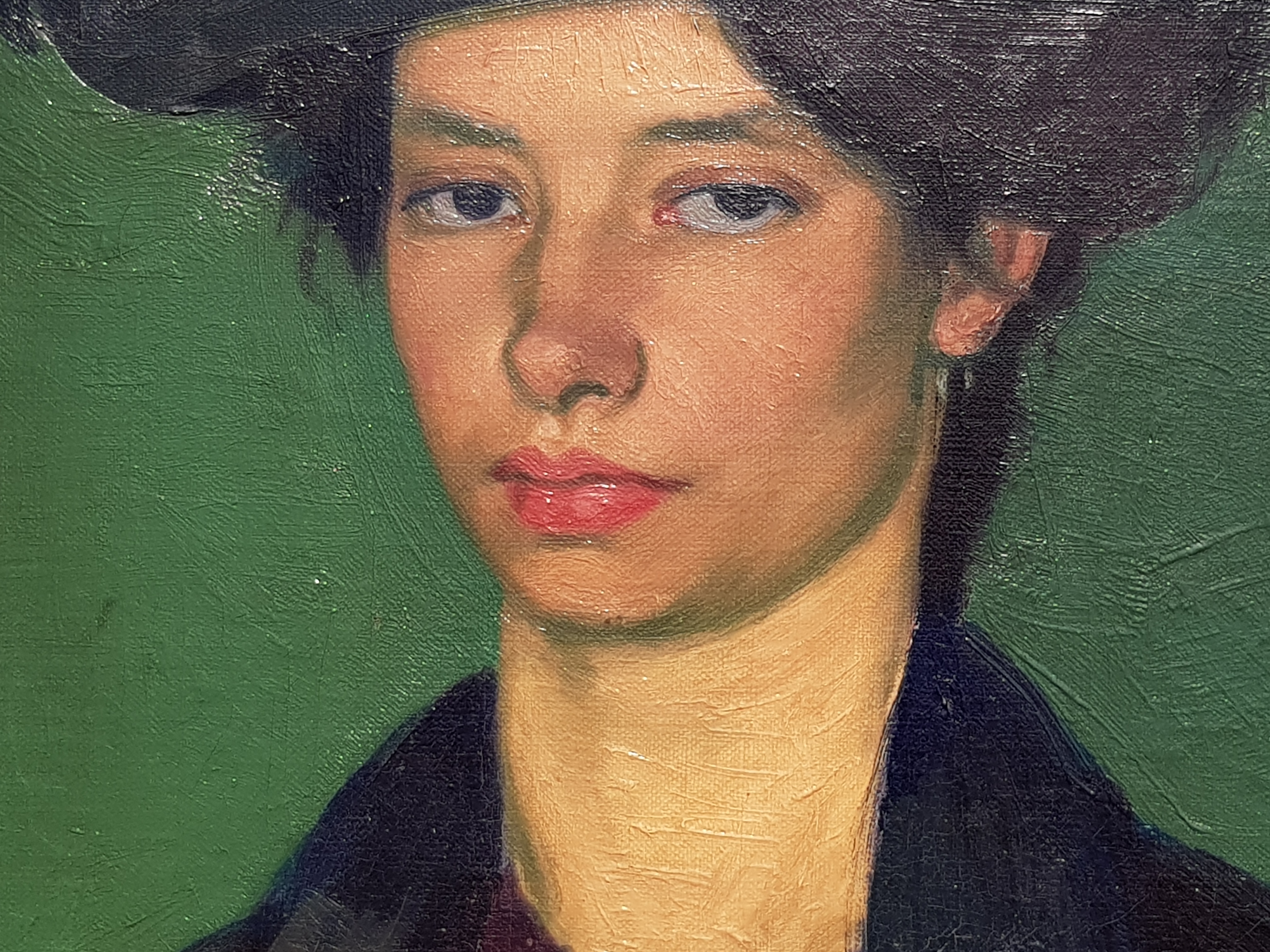
 Offer Waterman has very good twentieth-century British: an unexpectedly good Henry Lamb, dated 1909:-
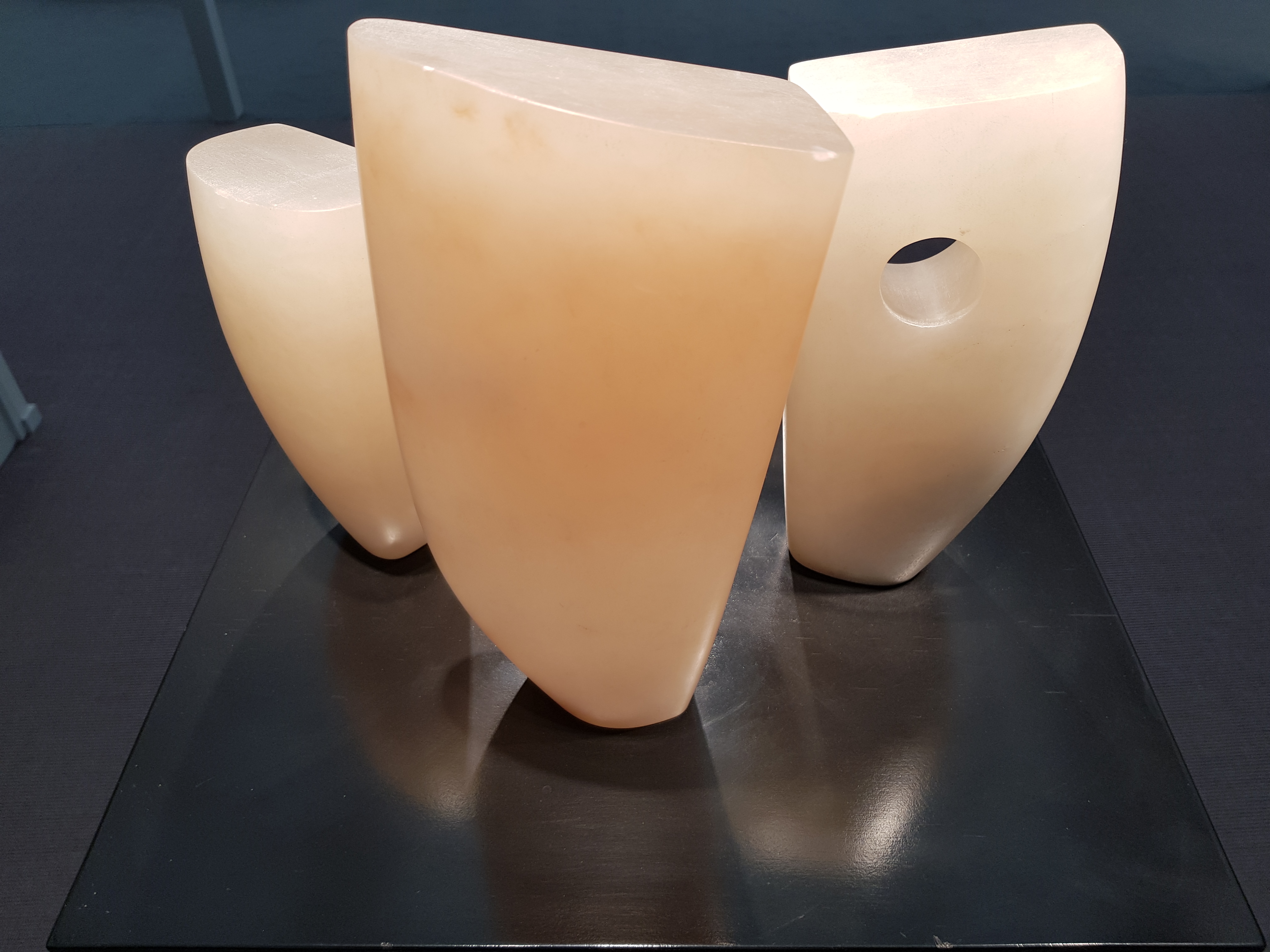
And a wonderful Barbara Hepworth (1963):-
I’m now desparate for a cup of coffee.
I had my first comprehensive tour of Burlington Gardens – basement storage space and rooftop offices. I found it more encouraging than expected, given that we’re planning to move into the new offices early in the New Year.
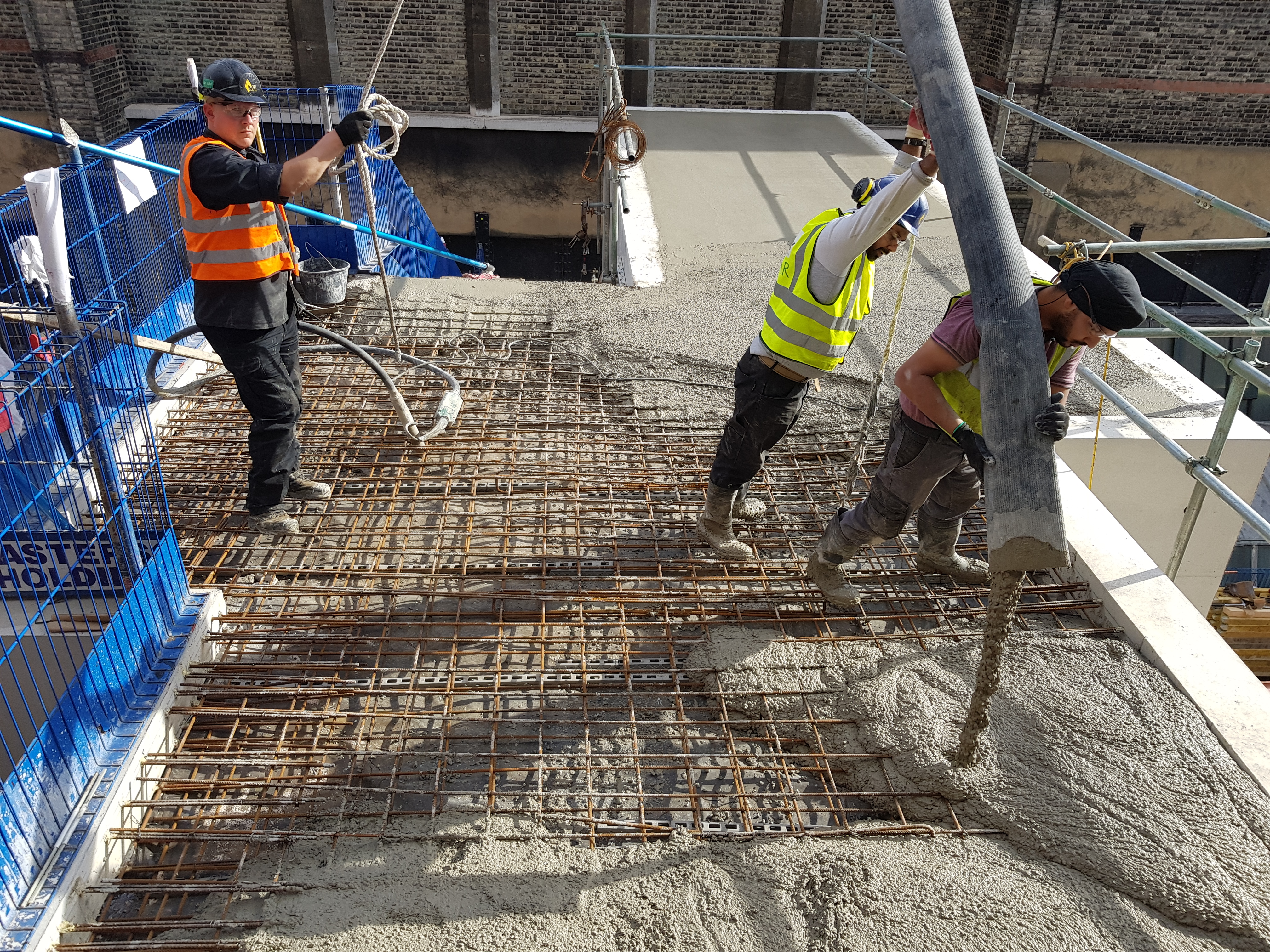
They’re pouring the concrete on the bridge:-
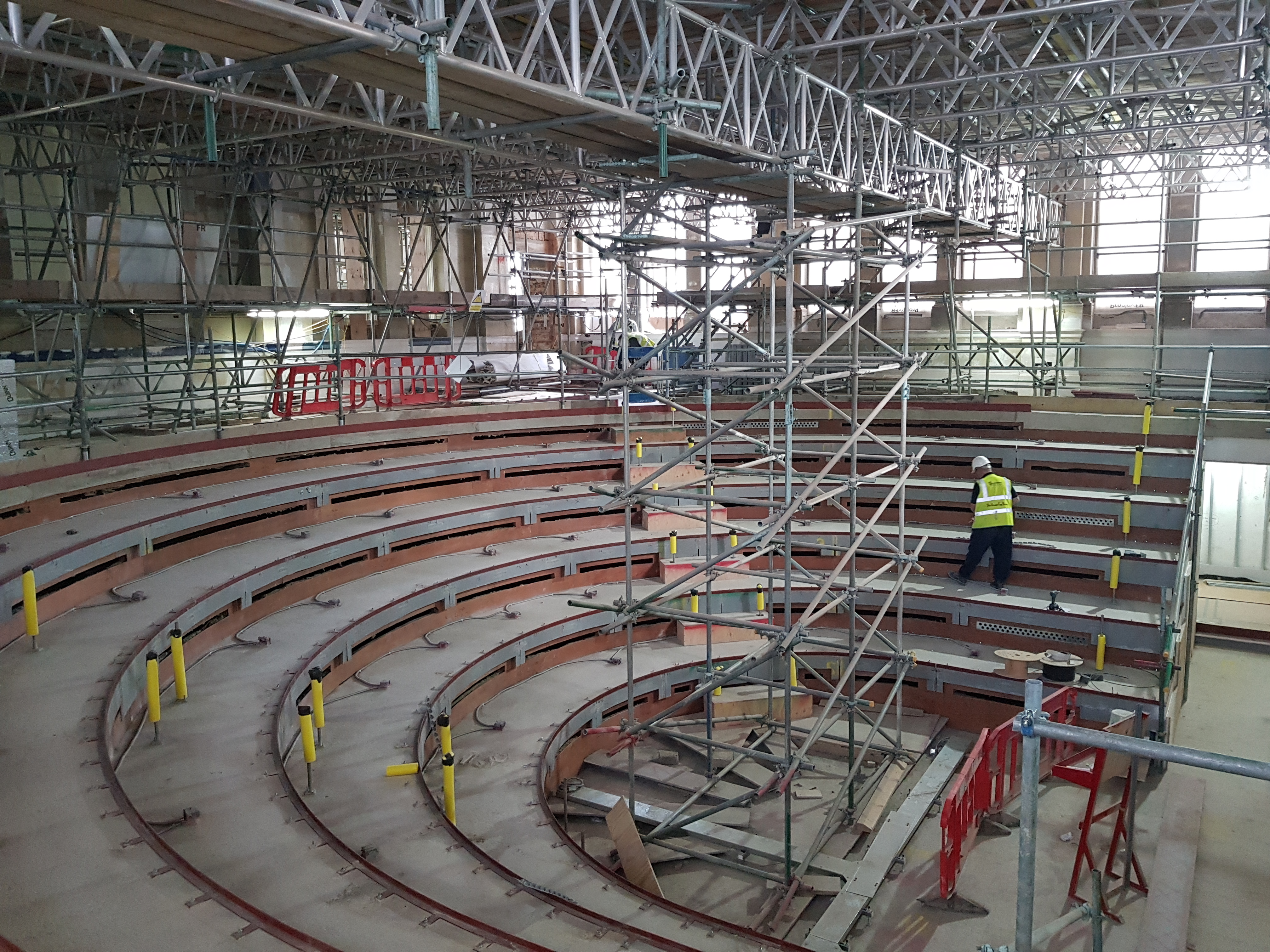
One can appreciate the full and generous volume of the Lecture Theatre:-
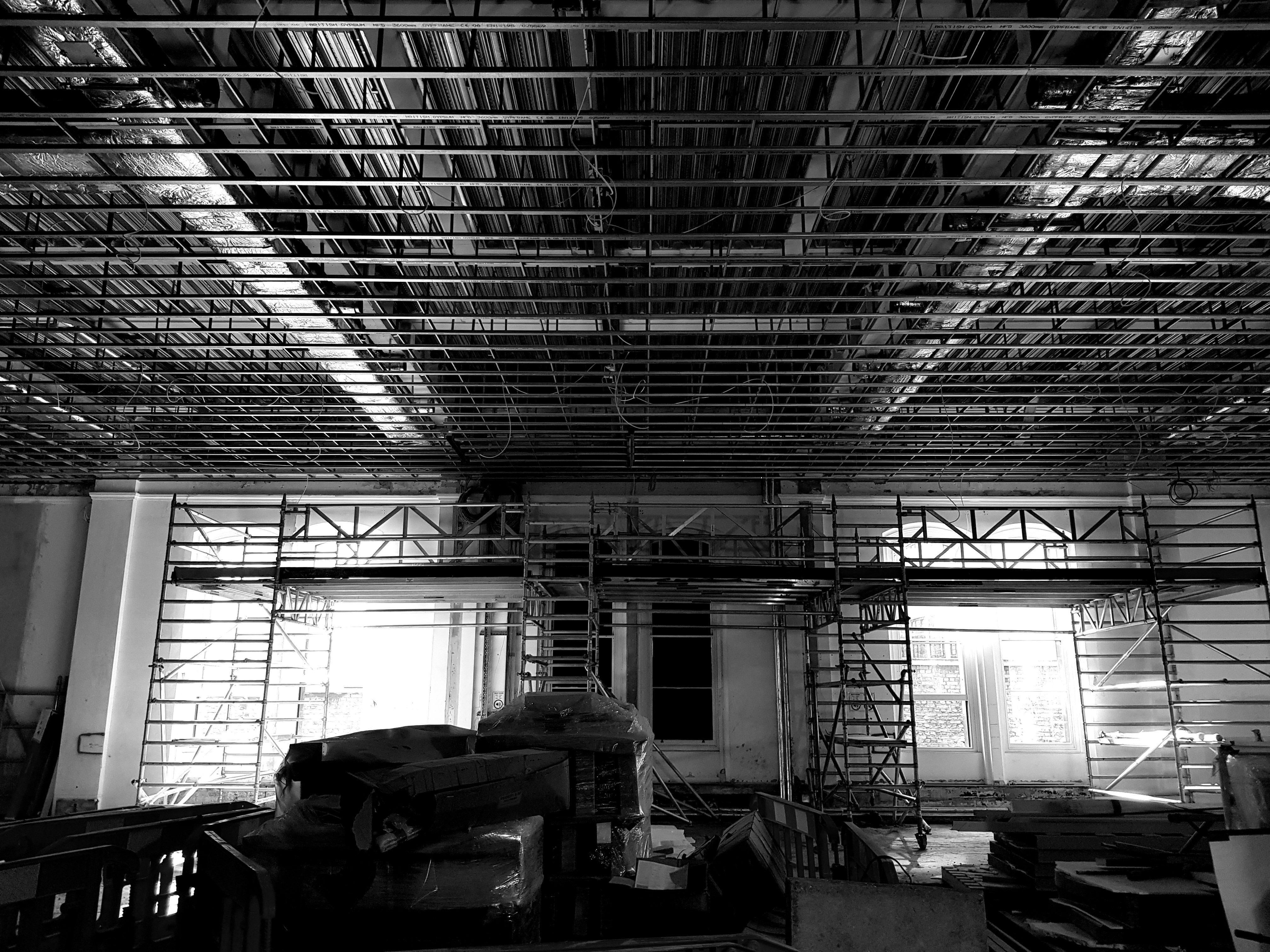
This will be the Collections Gallery:-
 | Charles | Saumarez | Smith |
You must be logged in to post a comment.