Antwerp (1)

I’ve always loved Antwerp ever since we came on a day trip to Ghent and were encouraged to visit the Rubenshuis.   We used (hard now to imagine) to drive through the tunnel to have lunch in Antwerp on my birthday, see Rubens’s Descent from the Cross and buy chocolate hands.

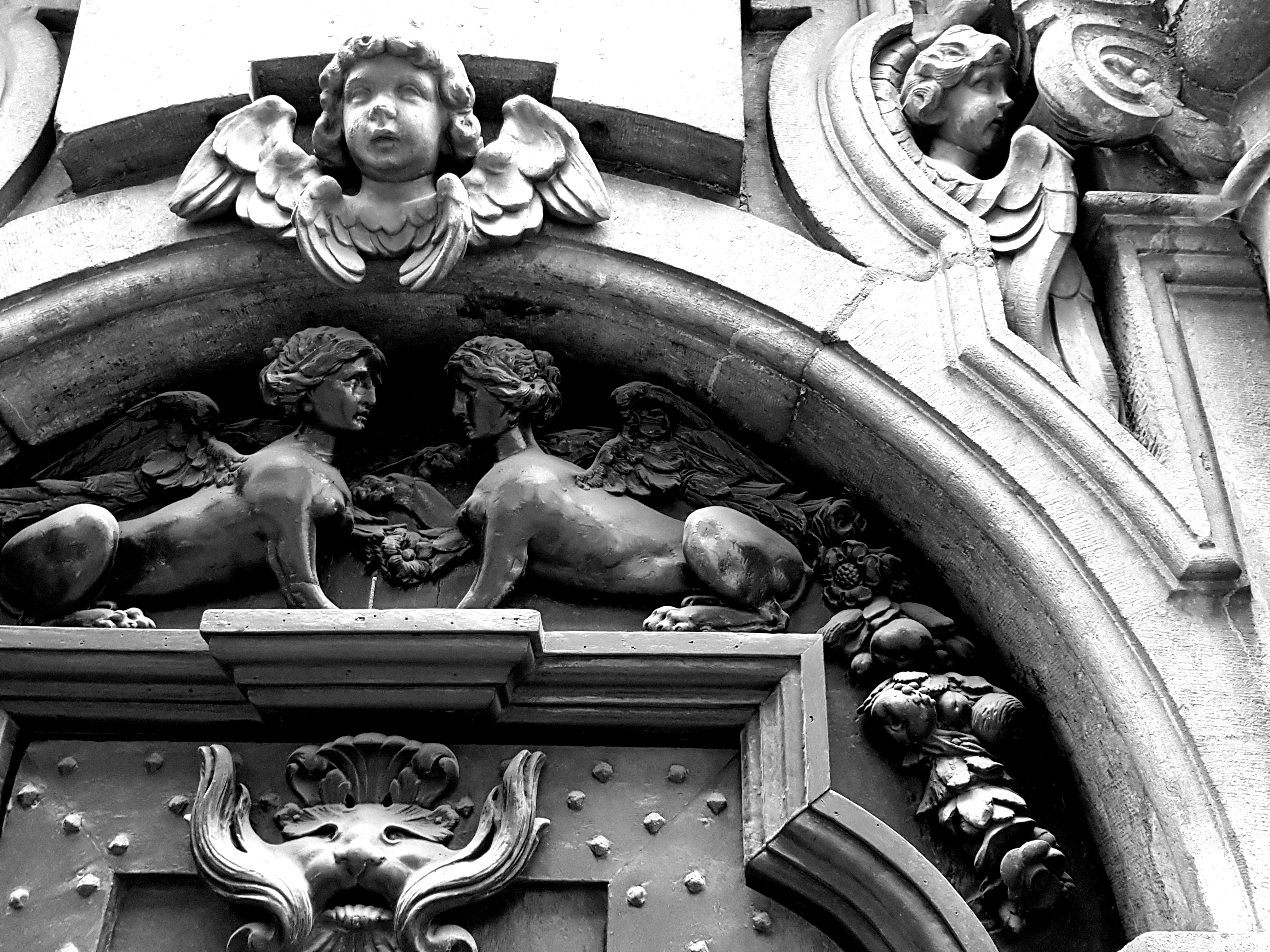
I stayed next door to the disused Sint Annagodshuis with its elaborate baroque portal:-

image

image

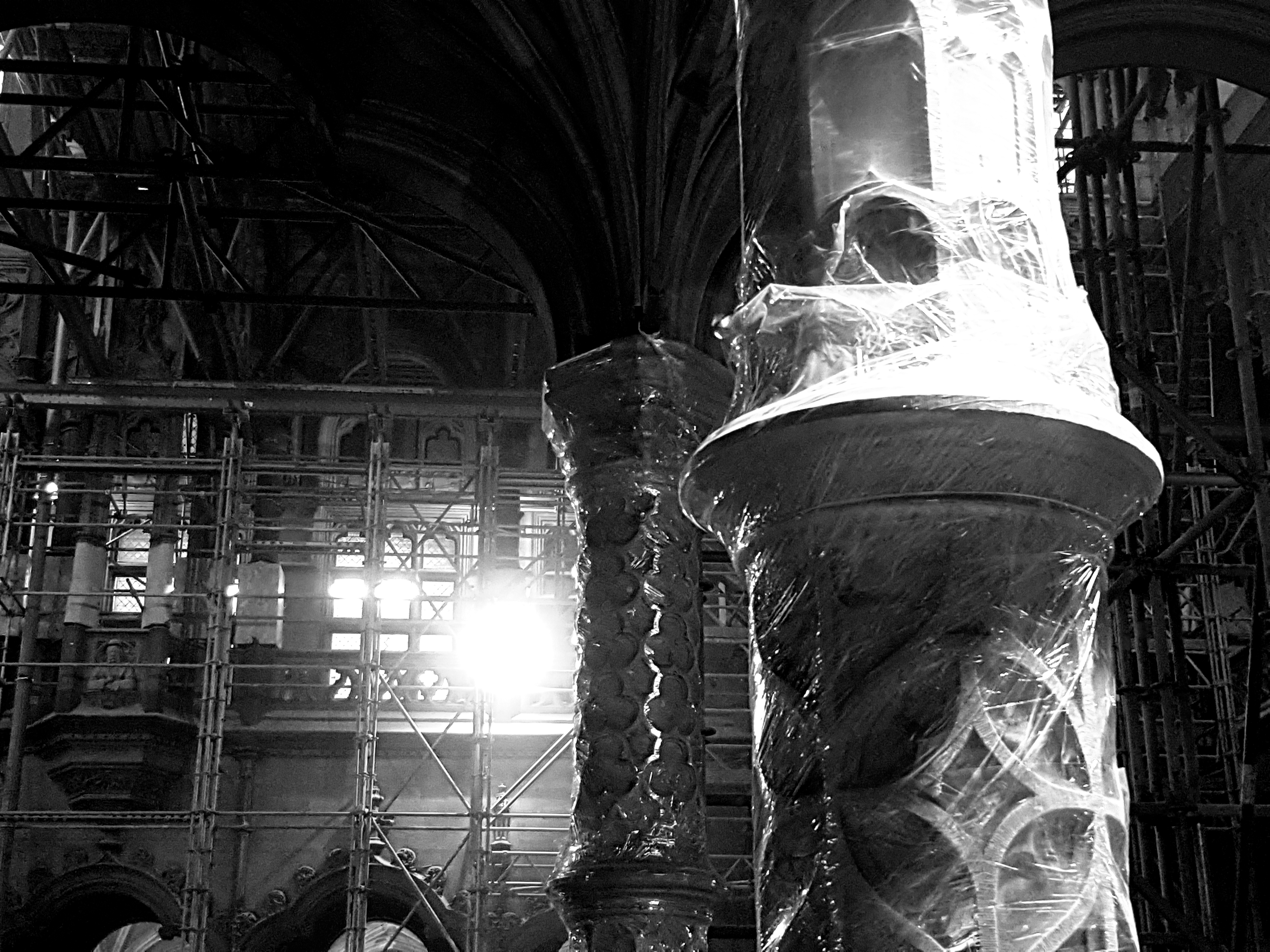
They are reconstructing the nineteenth-century Stock Exchange:-

image

Sint-Jacobskerk is up a side street beyond:-

image

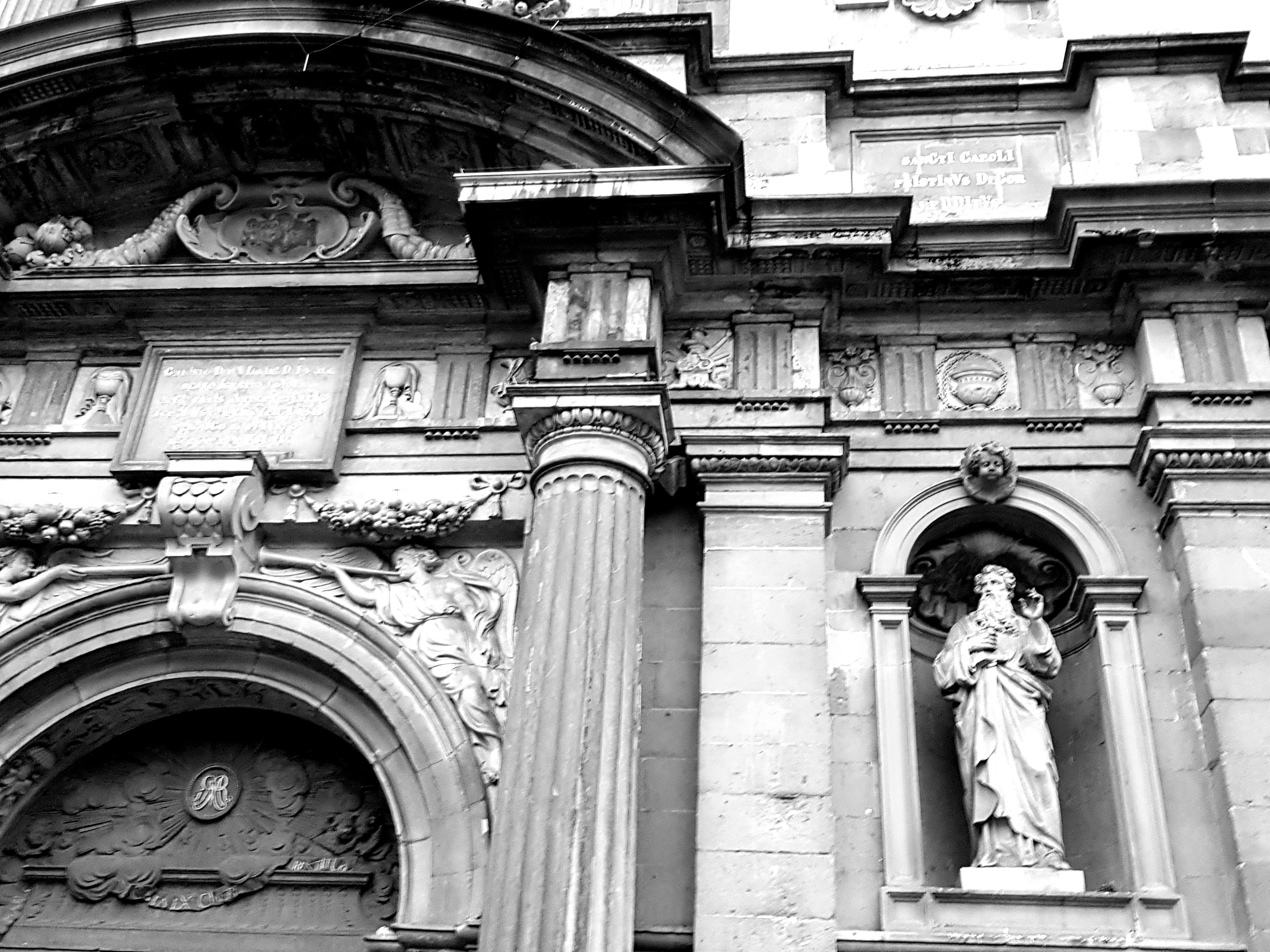
Back to Sint-Carolus Borromeuskerk:-

image

image

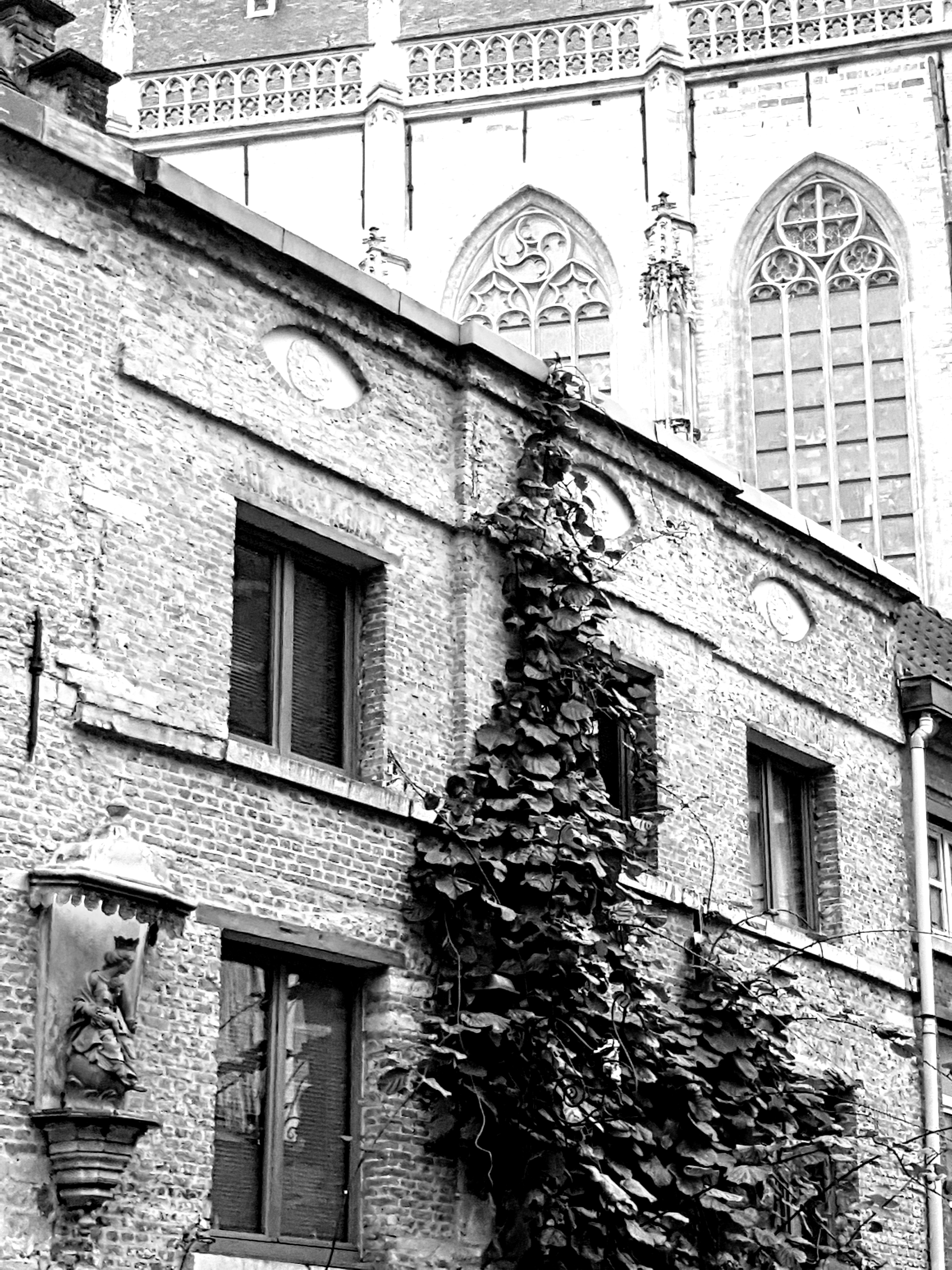
And the Cathedral:-

image

image

This didn’t leave much time for shopping:-

image

image

image

image

Standard

Antwerp Station

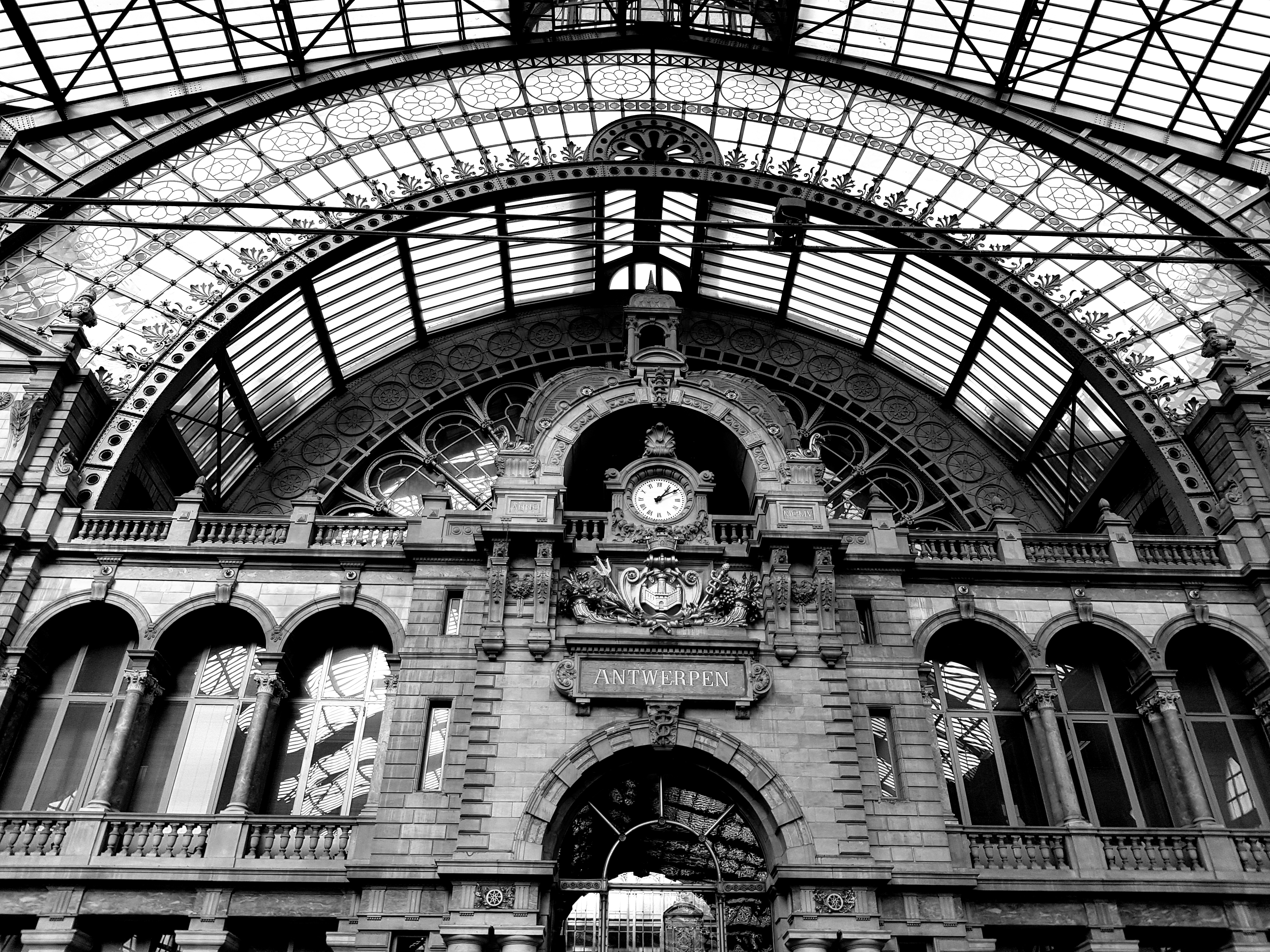
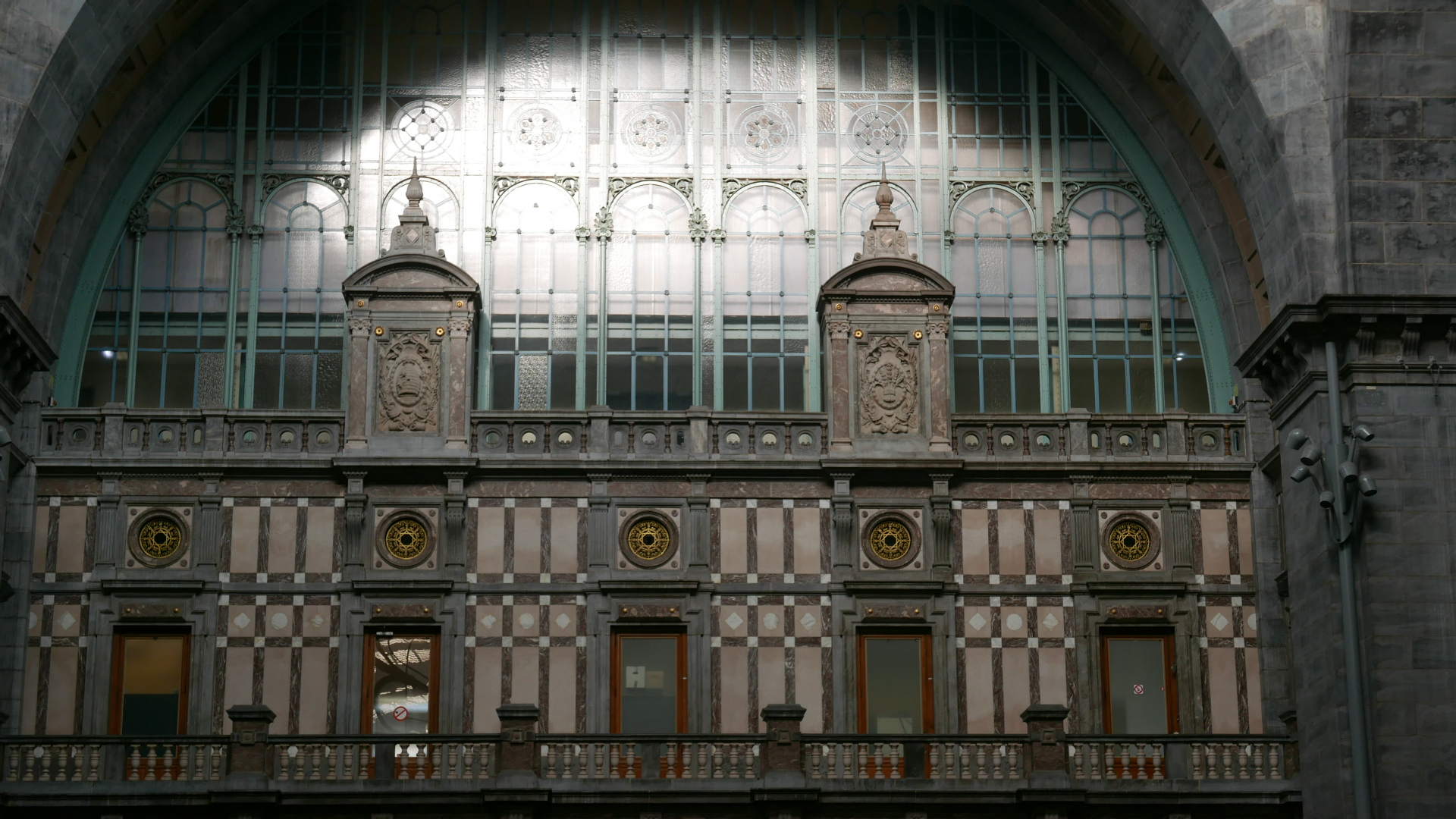
The necessity of travelling to Antwerp gave me a chance to see the railway station which I have not visited since I first read Austerlitz not long after its first publication in 2000.   It is where the narrator, presumably Sebald himself, first meets Austerlitz, the architectural historian ‘who then, in 1967, appeared almost youthful, with fair, curiously wavy hair of a kind I had seen elsewhere only on the German hero Siegfried in Fritz Lang’s Niebelungen film.   Austerlitz tells Sebald the history of the station:  ‘One of the projects thus initiated by the highest authority in the land was the central station of the metropolis where we were sitting now, said Austerlitz;  designed by Louis Delacenserie, it was inaugurated in the summer of 1905, after ten years of planning and building, in the presence of the King himself’.

It is indeed a magnificent point of arrival:-

image

image

image

Standard

Inspiratum

I went to a chamber concert in an industrial complex in Wijnegem, on a canal west of Antwerp.   It was wonderful listening to works by Mendelssohn, Haydn and C.P.E. Bach played in such improbable, but acoustically excellent surroundings, performed by Alina Ibragimova, a young Russian violinist, and il pomo d’oro, a small international orchestra.   I was castigated for Brexit, but find it hard to take personal responsibility for the madcap actions of the British electorate:-

image

Standard

John Ward RA

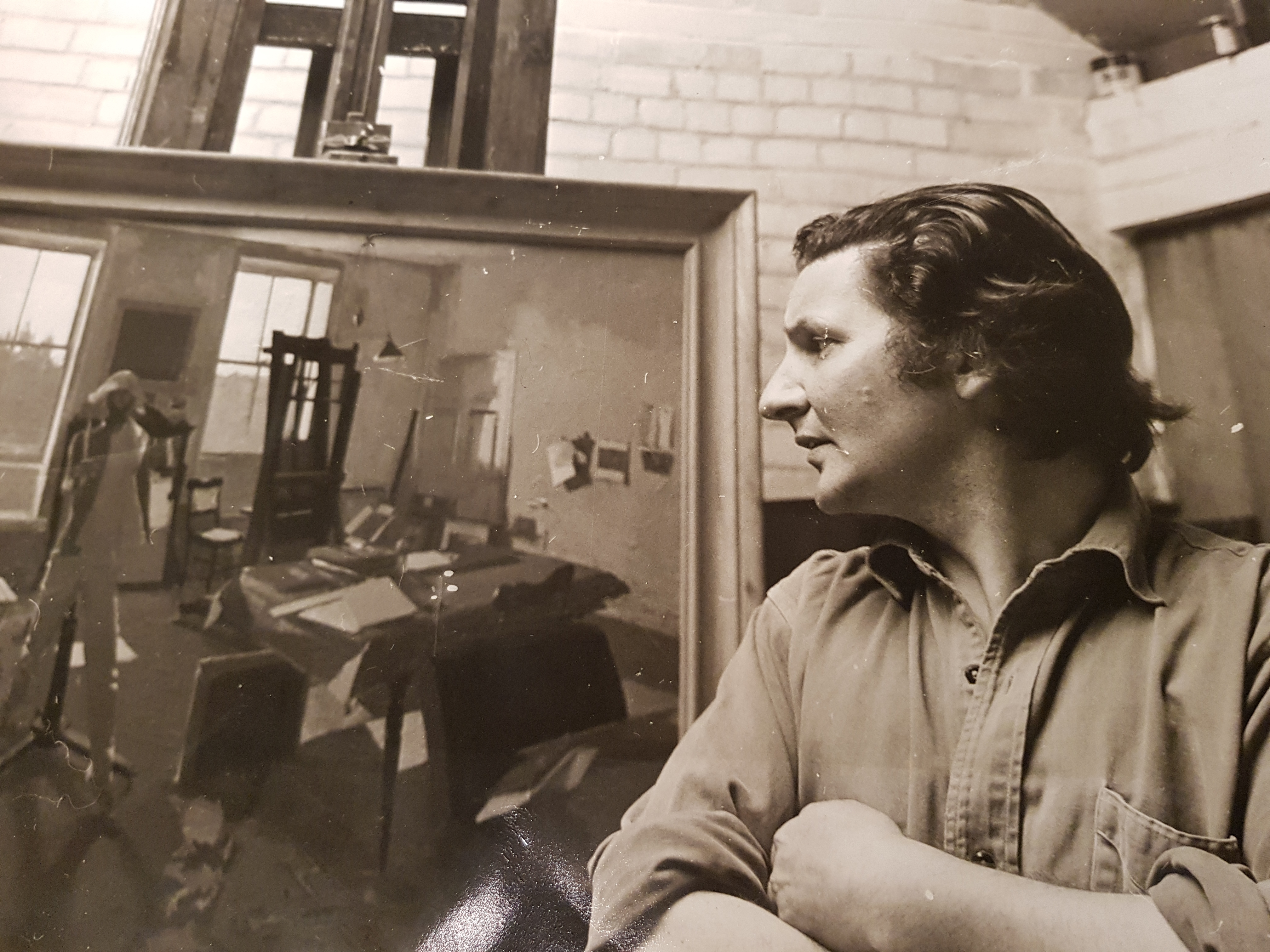
I called in on the Maas Gallery to see his exhibition of John Ward and the East Kent School. Ward was a deliberately conservative artist, interested in the primacy of drawing. He resigned from the RA at the time of the Sensation exhibition; but I’ve always liked and admired his work ever since he was asked to make a record of the Royal Opening of the NPG’s Ondaatje Wing and appeared at very short notice with his easel, assistant and in his overalls and set up to paint several very lively oil sketches in situ in the middle of the crowd. Alongside Ward’s work are drawings by John Sergeant, a friend and protegé of Ward’s and a fellow member of the so-called East Kent School. He was a student of the Royal Academy Schools in the late 1950s and there is a portfolio of vigorous drawings of the Life Room as it was then and is now:-

image

This is Ward in a painting by Paul Wyeth, a fellow student at the RCA:-

image

And this is a photograph of John Sergeant:-

image

Standard

Woman’s Hour Craft Prize

Well, of course, I had hoped that Romilly would win, but am nonetheless pleased and proud that she was on the longlist and am posting some photographs I took of her most recent work in her honour:-

image

image

image

image

Standard

Benjamin West PRA

I spent part of a meeting this morning staring at Benjamin West’s Self-portrait over the fireplace on the other side of the room and realising how little I know about him, other than the fact that he came from Philadelphia, was trained as a painter in Italy, came to London in 1763, and was the longest serving President of the Royal Academy, taking over from Joshua Reynolds in 1792, resigning in 1805, reinstated in 1806, and serving until his death in office in 1820.

What sort of person was he ?  His Self-portrait in the RA suggests someone rather smoothly worldly, wearing a cravat, sitting in the President’s chair (it was painted in 1793, the year after he was elected President), with his hand wrapped over a pile of books, and with the river facade of Somerset House behind.   I know that he was a successful artist.   I didn’t know that he was a successful dealer as well, buying Titian’s Death of Actaeon at auction in 1785 for 20 guineas and appointed Surveyor of the King’s Pictures in 1791, the year before he became President of the RA.

Although he was much admired and supported as an artist by George III, becoming official historical painter to the king in 1772 and commissioned to supply history paintings to both Buckingham Palace and Windsor Castle, this did not prevent him from supporting the French Revolution and visiting Paris in 1802 in order to pay his respects to Napoleon.

PL000417.jpg

© Royal Academy of Arts, London; Photographer: John Hammond

Standard

The Bridge

Following my reference last week to the earlier competition for Burlington Gardens, David Chipperfield’s archivist kindly located what must have been his entry for it – or, at least, his notes for his presentation which are dated 6 February 1998 (I must have got the date of the competition wrong).  

What is interesting is how many of the characteristics of his subsequent architectural design are – as I had half expected and is probably inevitable with an architect dealing with the same set of issues – already evident in the earlier competition entry.   The sketches show his sense of the beaux arts relationship between Burlington House and Burlington Gardens, which he illustrates in a tripartite arrangement – house, courtyard, gardens;  his understanding of the whole site as a single unified campus;  the dilemma of a second front door to Pennethorne’s Burlington Gardens;  his acknowledgement that the issues to be solved were as much organisational as physical;  and the requirement for what he describes as a NEW LINK.  

He asks rhetorically HOW TO LINK THE TWO BUILDINGS;  and answers his own question by illustrating an AXIAL LINK, the only difference to the final solution being that he shows it as a link from the ground floor of Burlington Gardens to the main floor of Burlington House, as opposed to, as has now been built, its basement.  

The reason I’m especially interested in these drawings is that the bridge (oddly given this history) only made its appearance relatively late in the gestation of the current scheme, since the 2008 competition was about Burlington Gardens on its own, and, when a link was originally proposed, the idea was to have a grand reverse staircase in the space now occupied by the McAulay Gallery taking one from the ground floor of Burlington Gardens to the basement and then across the courtyard sans bridge.   

It is now a key feature – if not the key feature – of the design:-

image

Standard

Eric de Maré

I have been trying to find out more about Eric de Maré, the 1950s architectural photographer whose fascination for industrial buildings was such a formative influence on a number of architects in the late 1950s, including Norman Foster and Michael Hopkins, who learned about the idea of anonymous architectural form in the photographs he supplied for The Functional Tradition as shown in Early Industrial Buildings, first published as a special issue of the Architectural Review in July 1957 and reissued the following year as a book supplemented by a few additional photographs by John Piper and Richards himself.  

De Maré was the son of a Swedish timber merchant, educated at St. Paul’s and the Architectural Association, and worked for a period as an architect before becoming editor of the Architect’s Journal in 1943.   After the war, he went freelance and wrote a book on Canals which demonstrated his fascination for the industrial vernacular, with a chapter on ‘Sculpture by Accident’ and photographs of lock valves, balance beams, and bollards.   He described this as a form of functionalism:  ‘its constiuent elements are geometry unadorned, and it owes its effects to the forthright, spare and logical use of materials’.

Michael Hopkins paid for the acquisition of de Maré’s photographic archive by the Architectural Association in 1990 and his book inspired the construction of the barge-boarded lift inserted into (or onto) the back of our house not so long ago:-

image

Standard

St. Alfege, Greenwich (1)

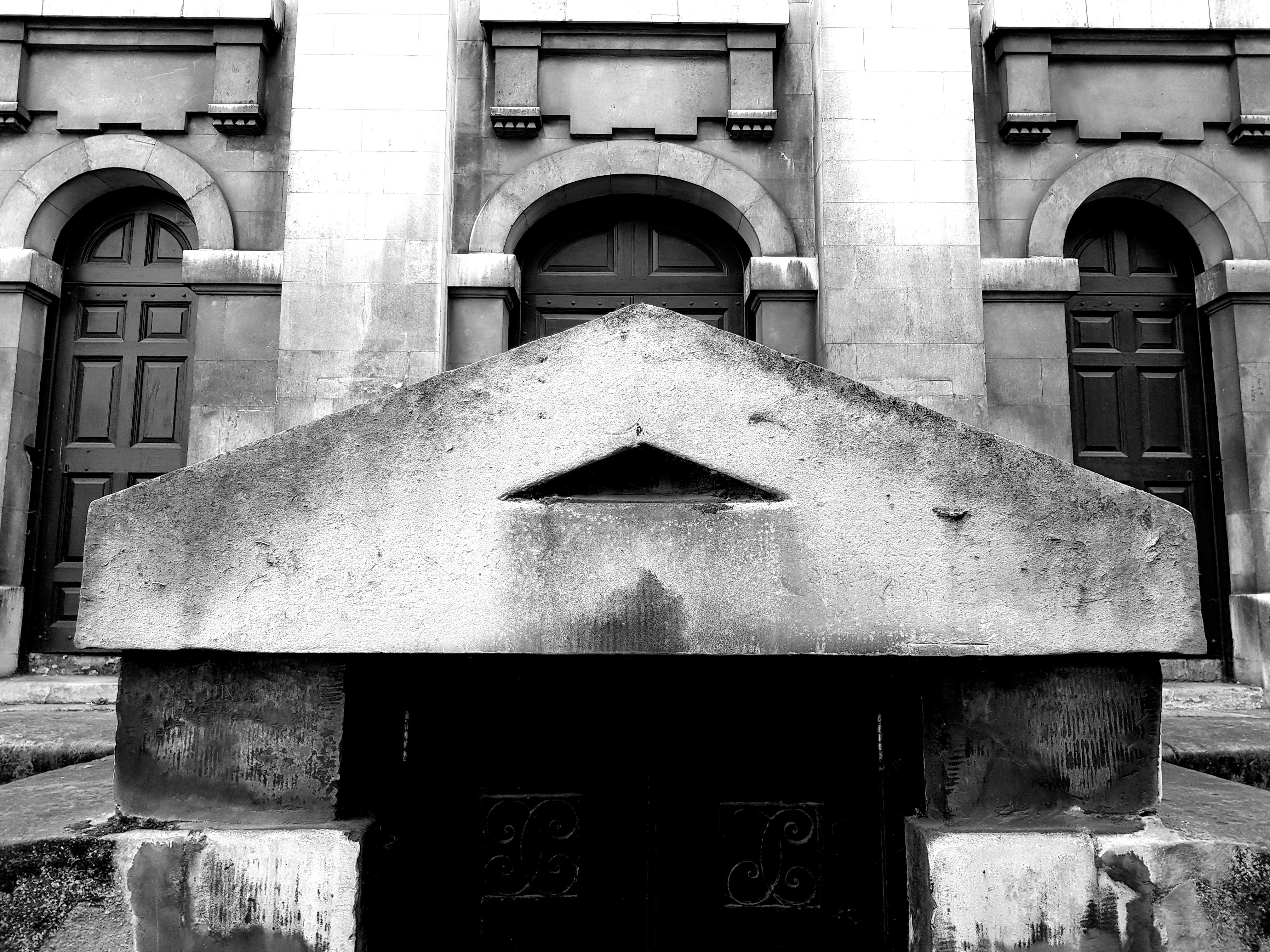
St. Alfege, Greenwich is the Hawksmoor church I know least well.   It was the first to be built following the passing of the Fifty Churches Act in 1711.   Hawksmoor produced two alternative designs.   The smaller of the two was chosen on 6 August 1712 and it was agreed that it was ‘To be proceeded upon with all convenient speed’.   By September, the bricklayers were at work in laying the foundations.   It was consecrated in 1718.   Because it was an adaptation of an existing medieval church, it lacks the originality of Hawksmoor’s east London churches, but it still has plenty of characteristically monumental detailing.   The tower was later and by John James:-

image

image

image

image

Standard

Royal Exchange

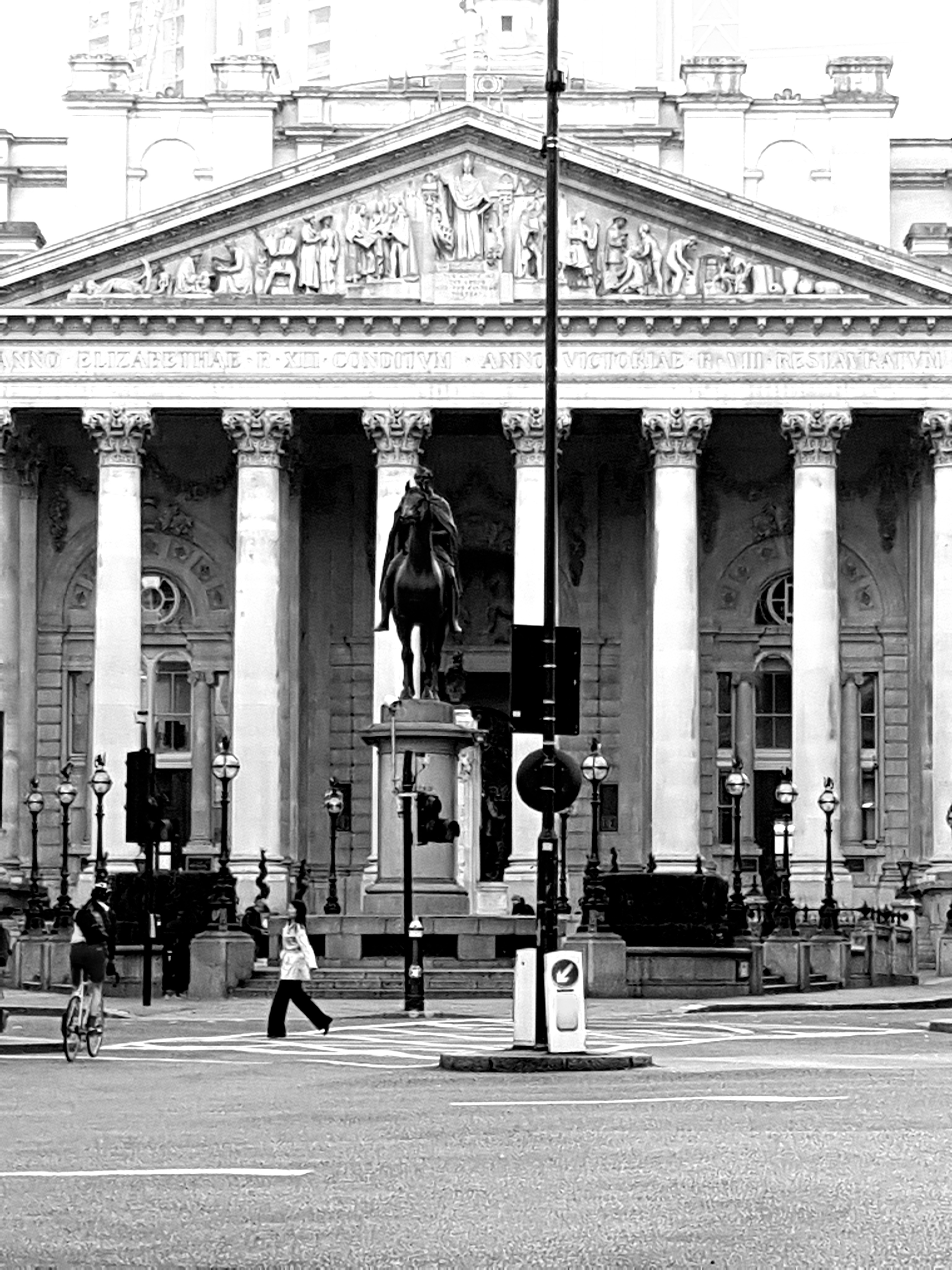
An early morning breakfast in the City allowed me to see the Royal Exchange building oddly and unusually without traffic in front.   The original Royal Exchange by Queen Elizabeth I on 23 January 1571.   It burnt down in the Fire and a replacement was designed by Edward Jarman.   It burnt down in 1838. Its replacement was designed by William Tite who mainly designed railway stations, but won the second competition for a grand, classical building against Cockerell, Smirke and Barry:-

image

Beyond it is the Cheesegrater, the Gherkin and an as yet unnamed tower block currently under construction:-

image

And the Walkie-Talkie hovers in the early morning smoke:-

image

Standard