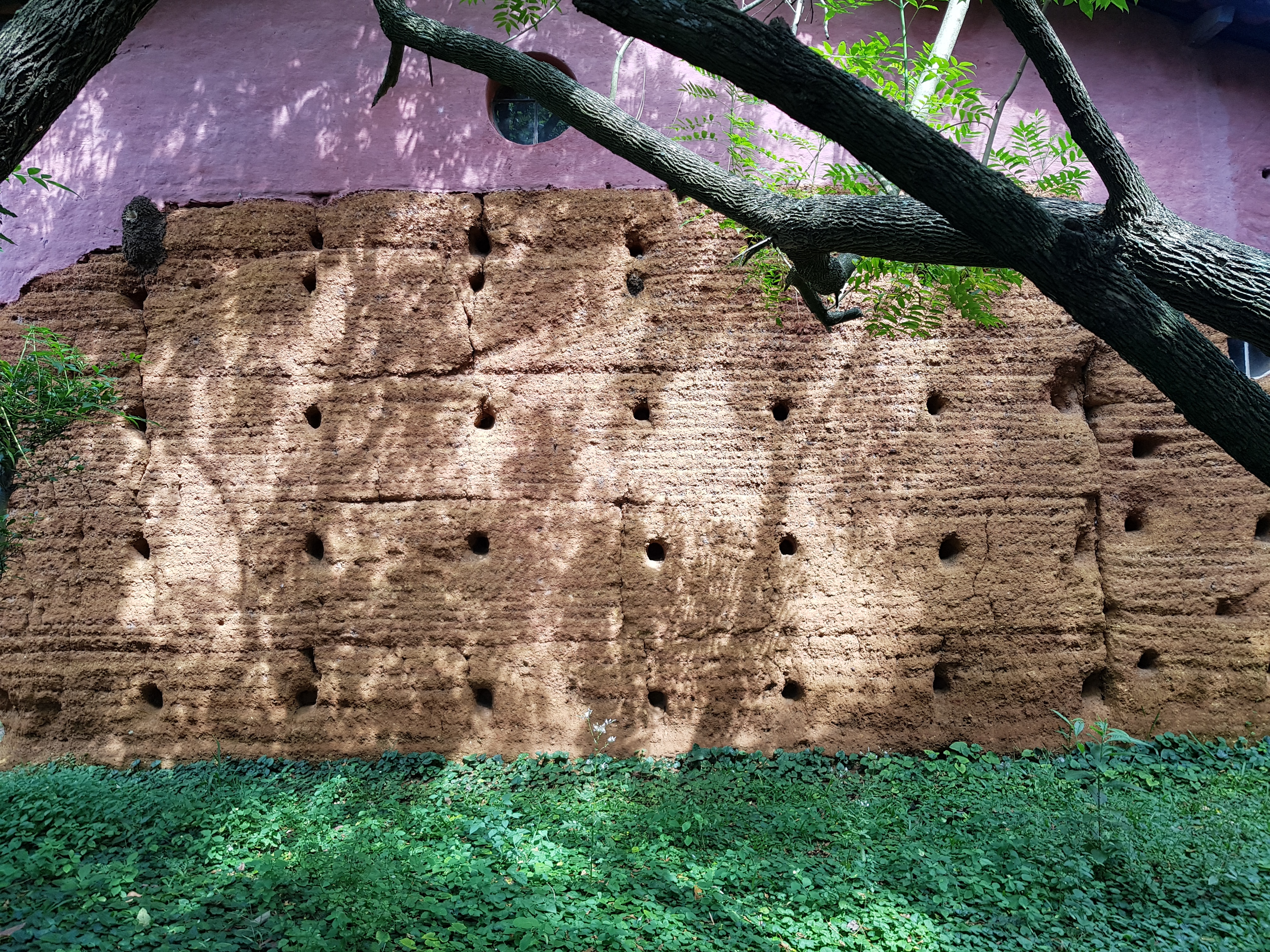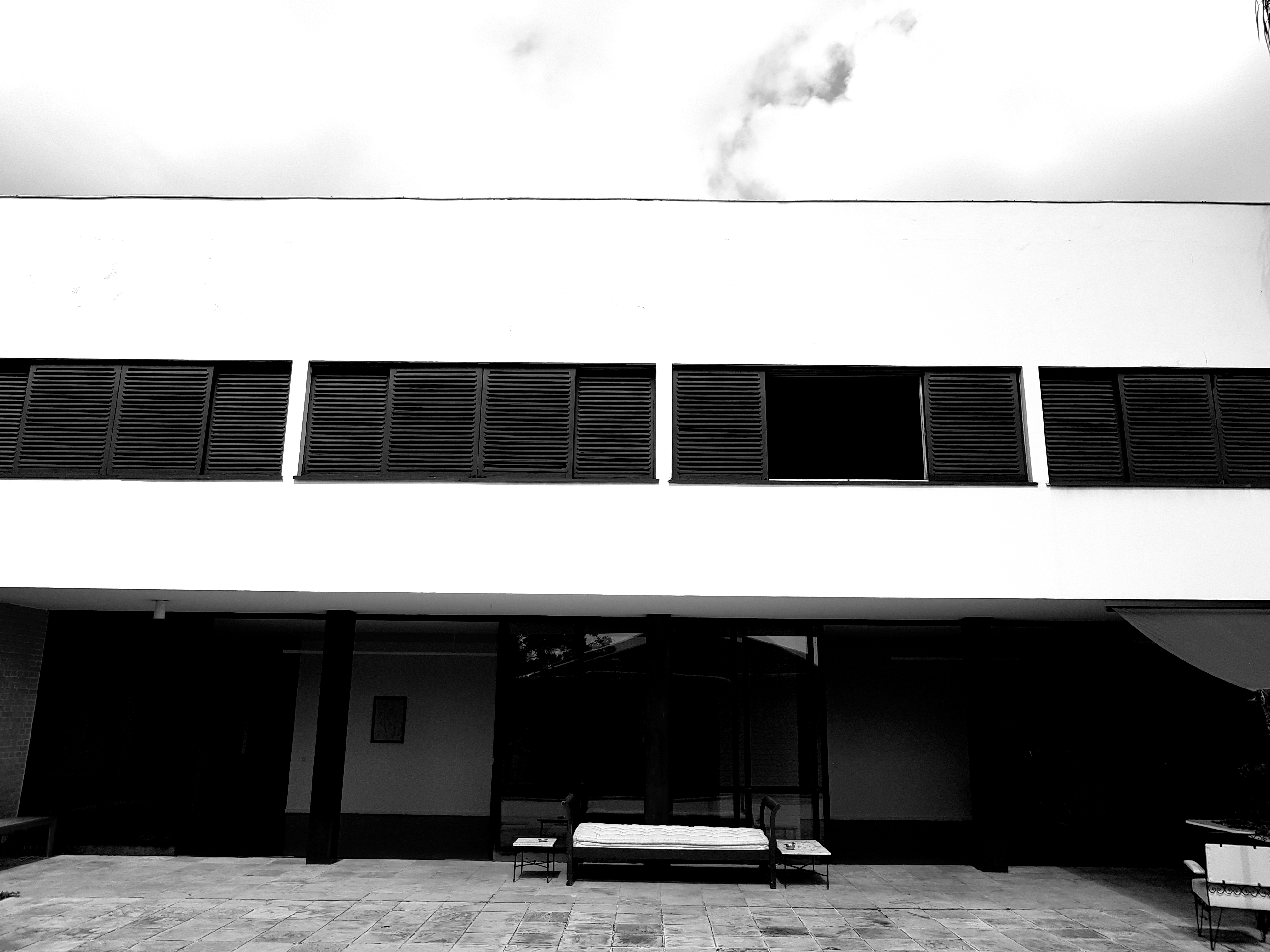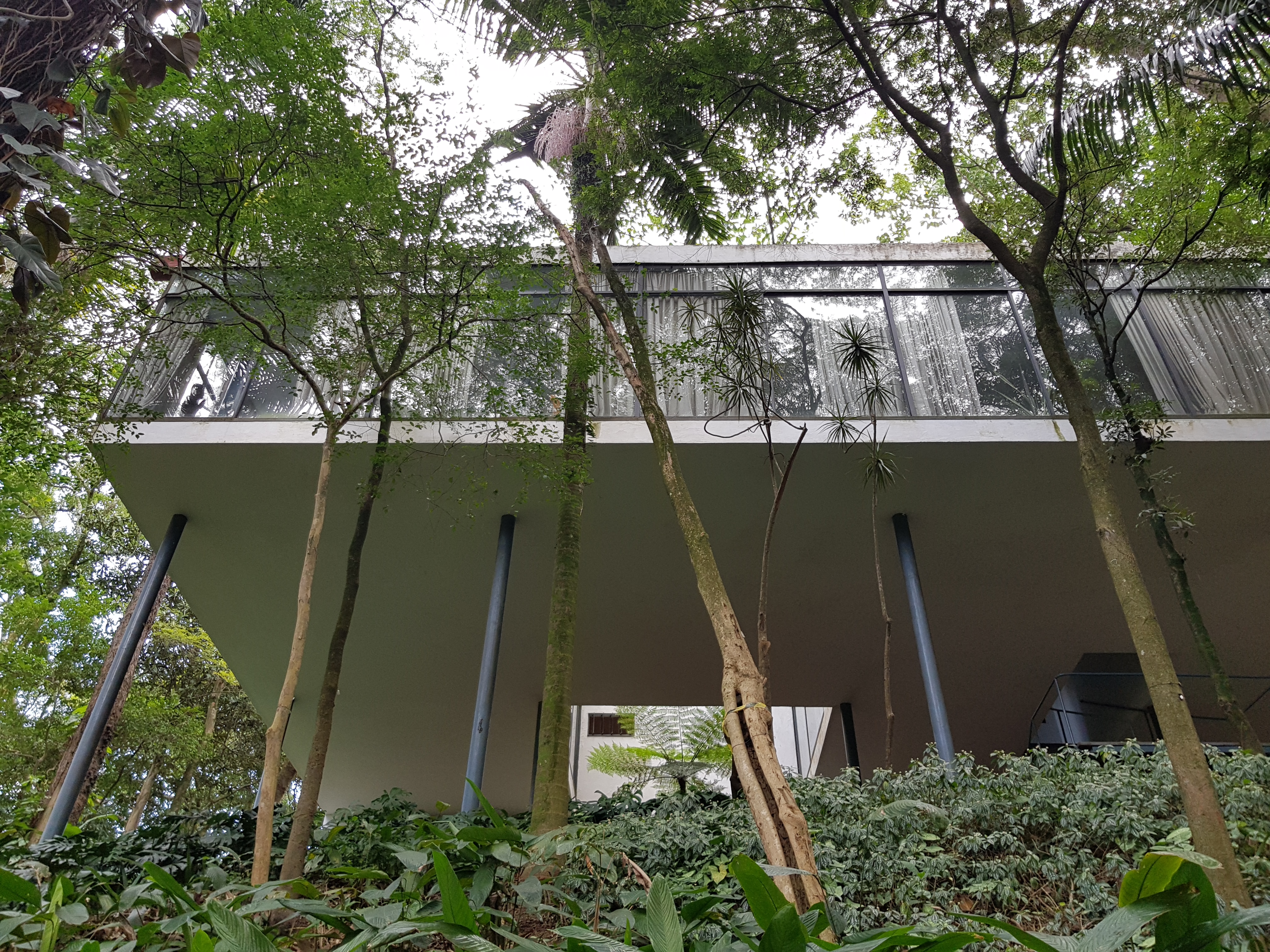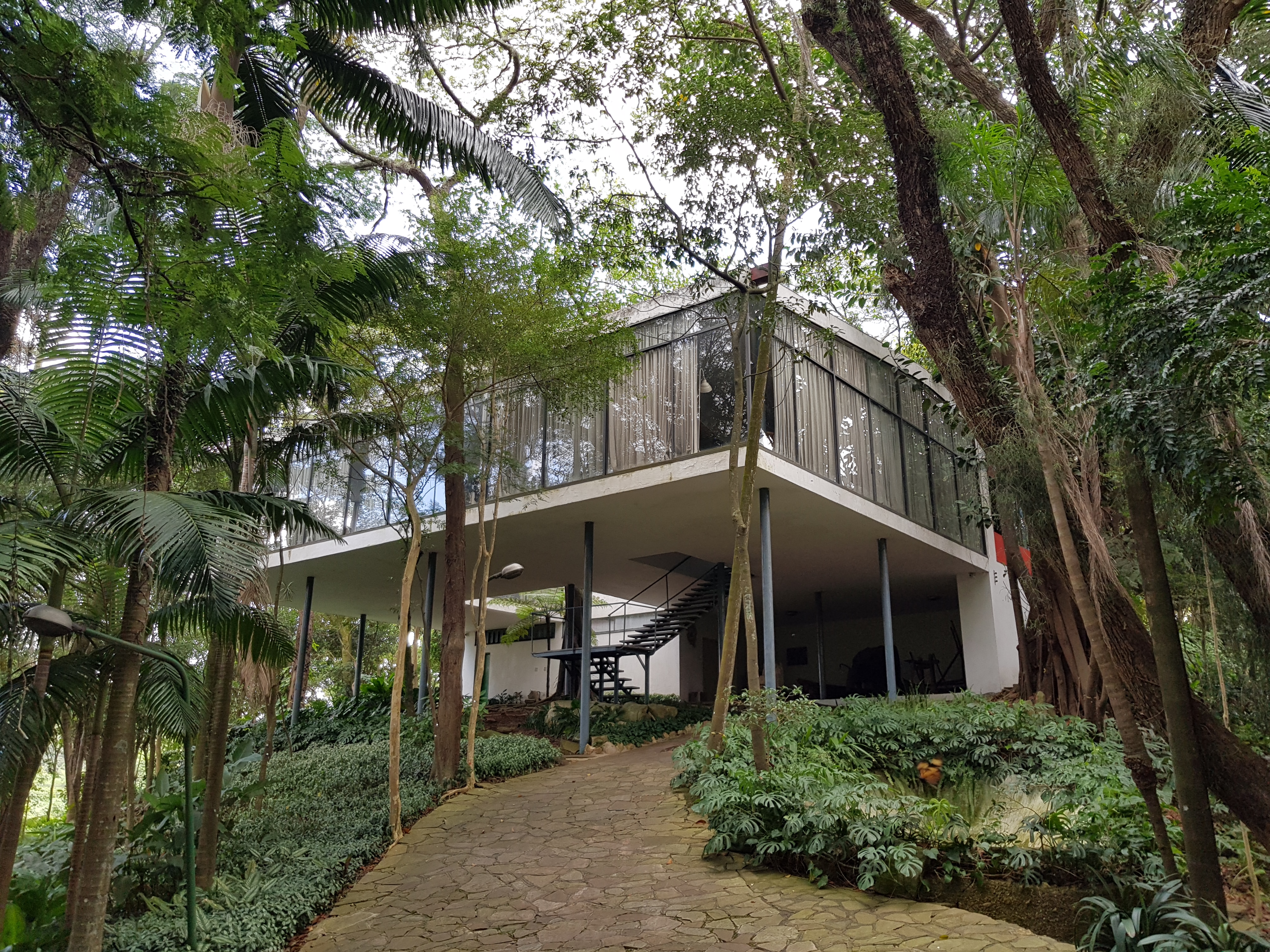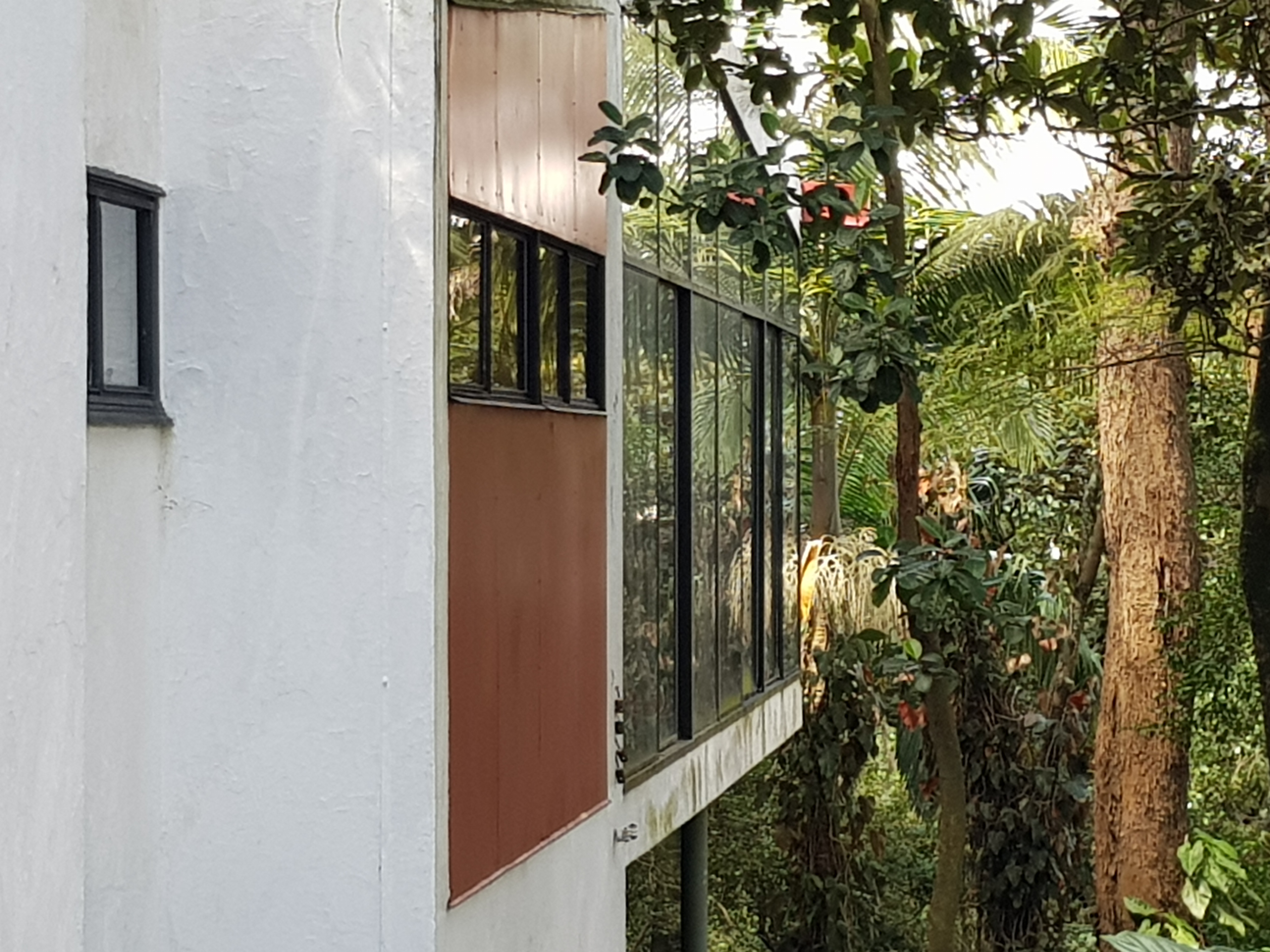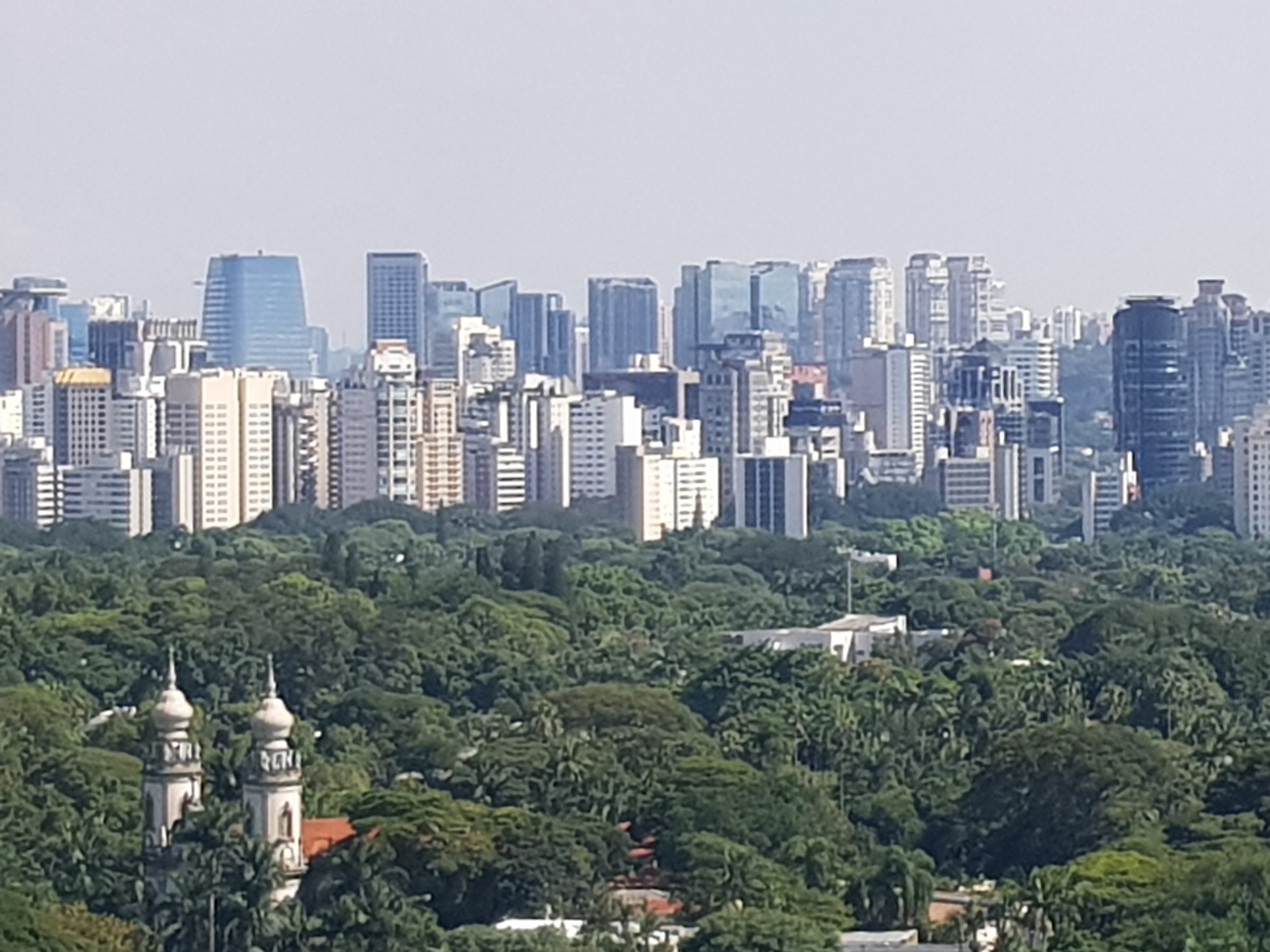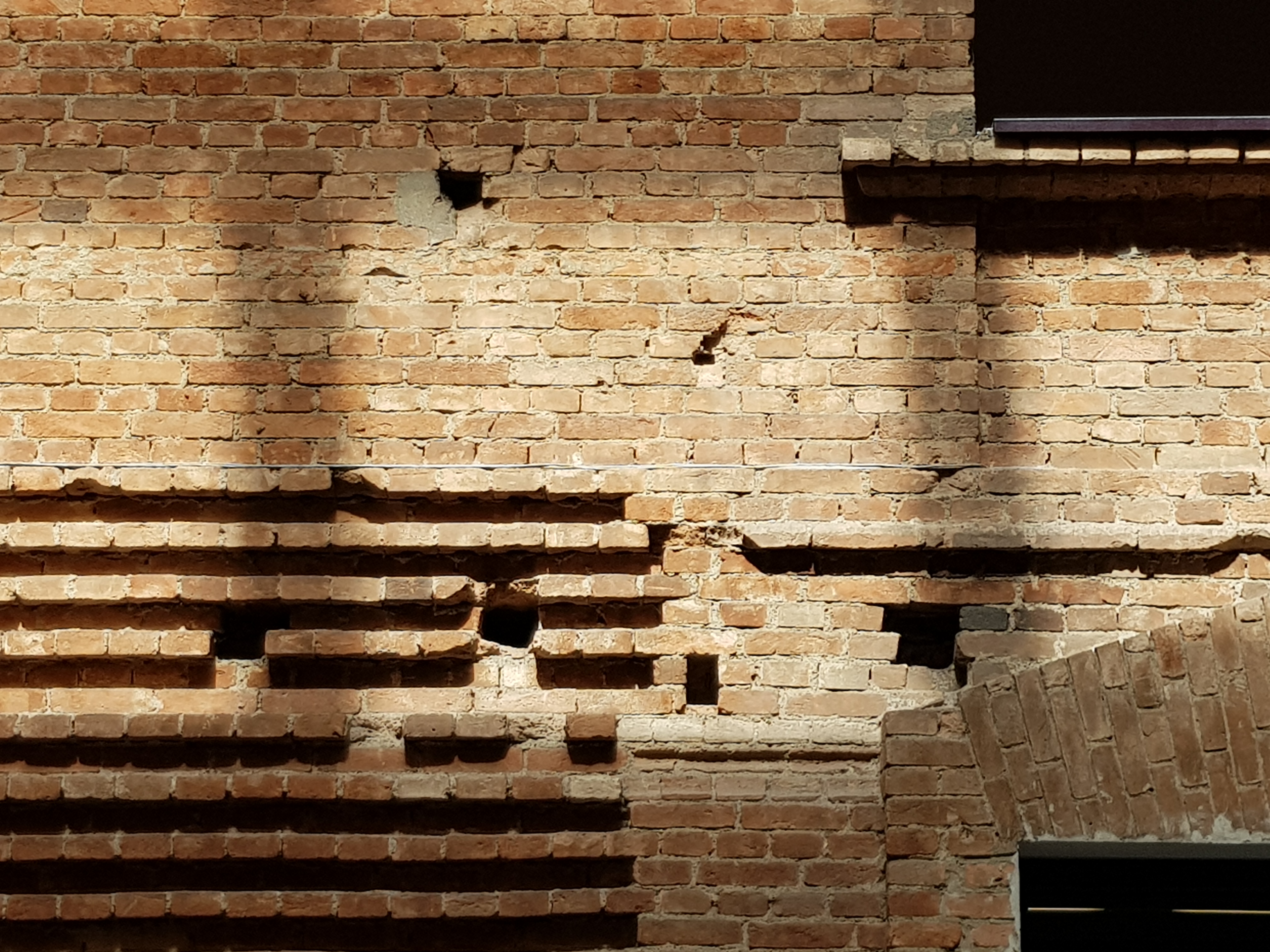
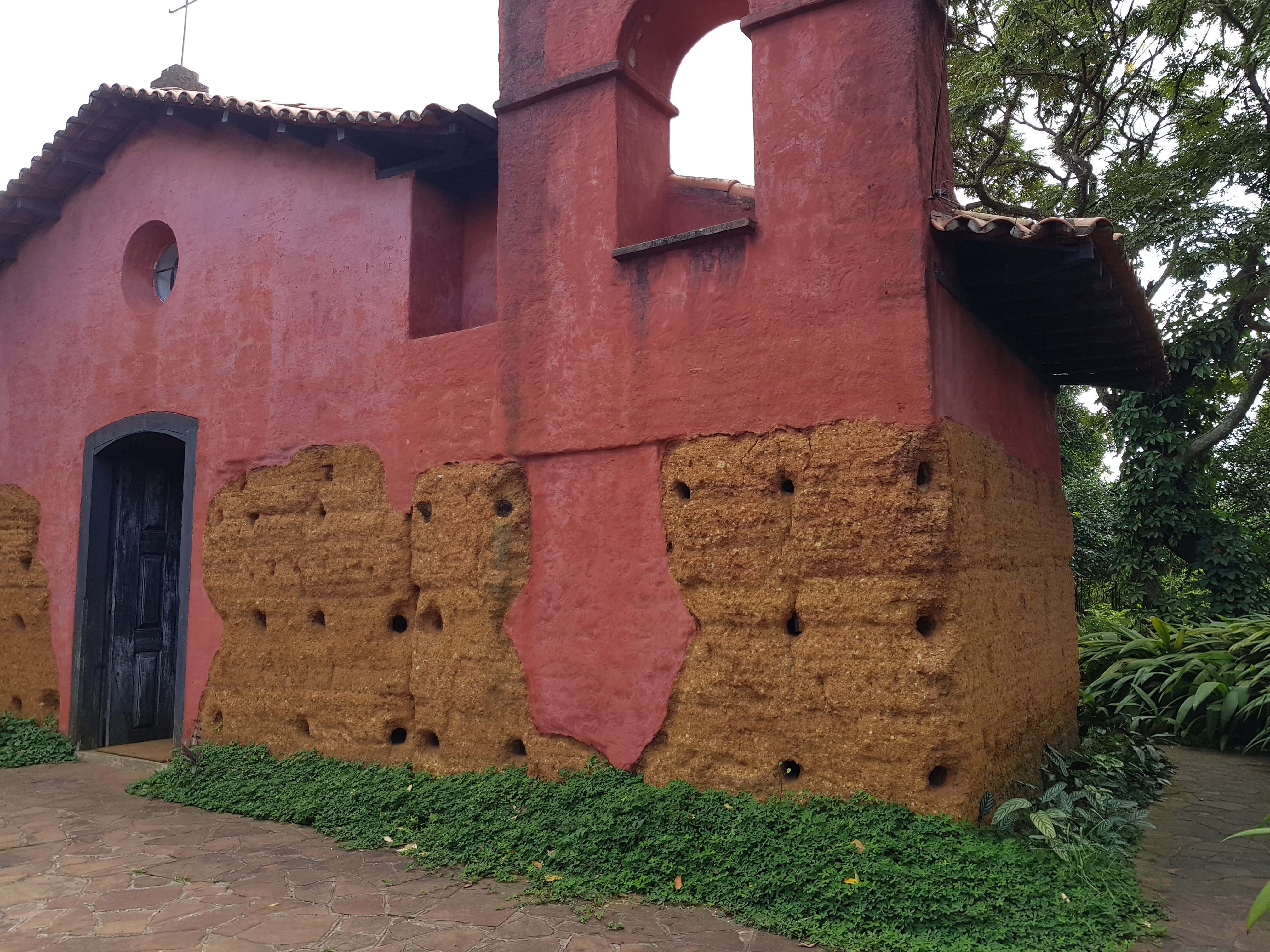
Just up the hill from the Glass House is the Capelo de Morumbi, which we were encouraged to visit while waiting for a guided tour. Weirdly – I can scarcely believe it – it was built in 1950 to the design of Gregori Warchavchik, a Ukrainian who was trained in Rome and arrived in Brazil in 1923 full of the joys of Le Corbusier and Mies van der Rohe and where he published a manifesto on ‘Futurism ?’ in 1925. In 1927, he designed the first modernist house in São Paulo. So, what is it ? A piece of radical historical revivalism ? A jeu d’esprit ?
Monthly Archives: April 2018
Auroras
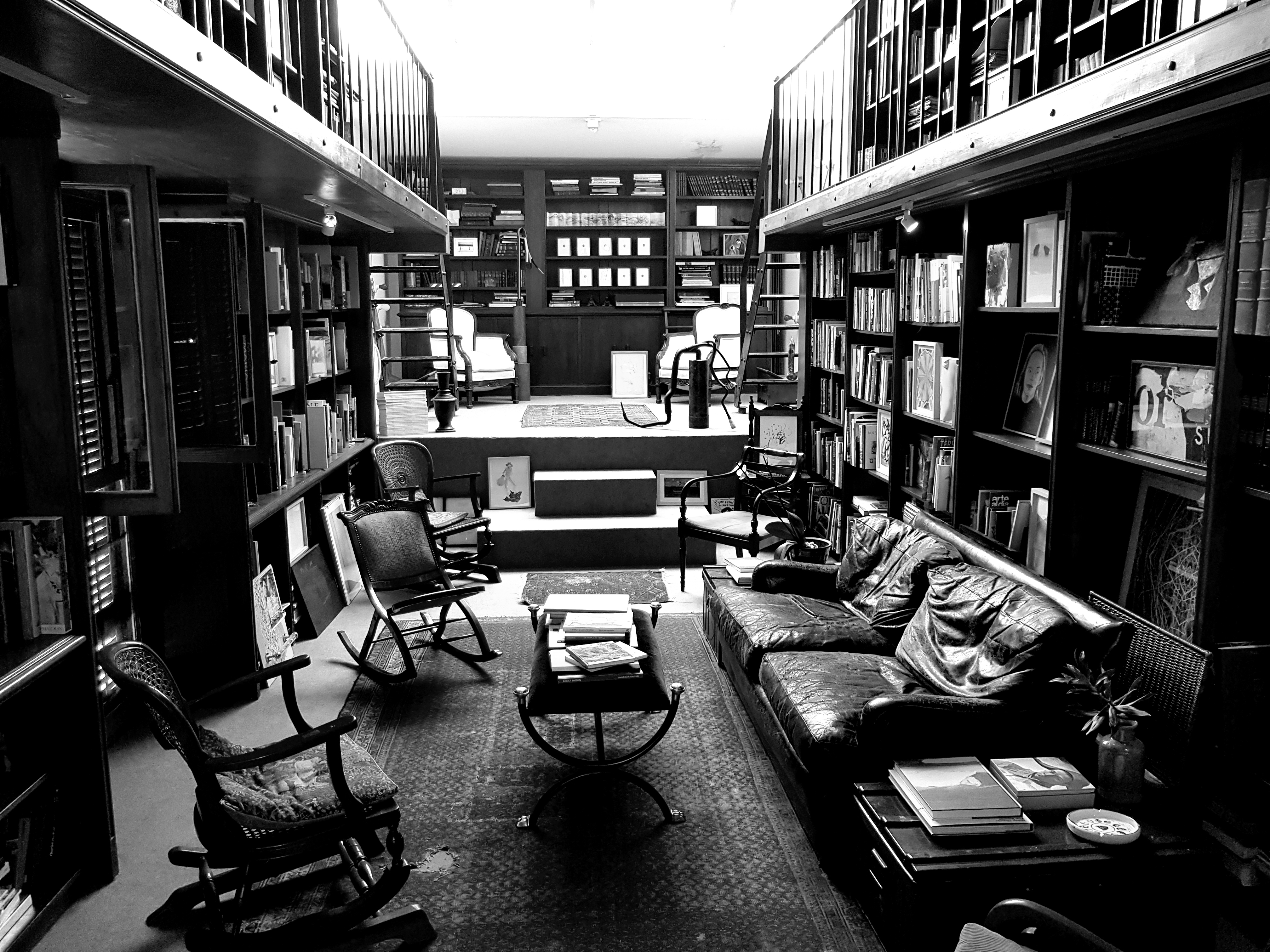
My first stop today was a project space in a well-preserved modernist house designed by Gian Carlo Gasperini in 1957 in the foothills of Morumbi en route to the Glass House. It was showing work by Tunga and Cecily Brown. I was envious of the library:-
The Glass House
Having missed several tours of Lina and Pietro Maria Bardi’s Glass House during the week, I came at the weekend for one of the formal tours.
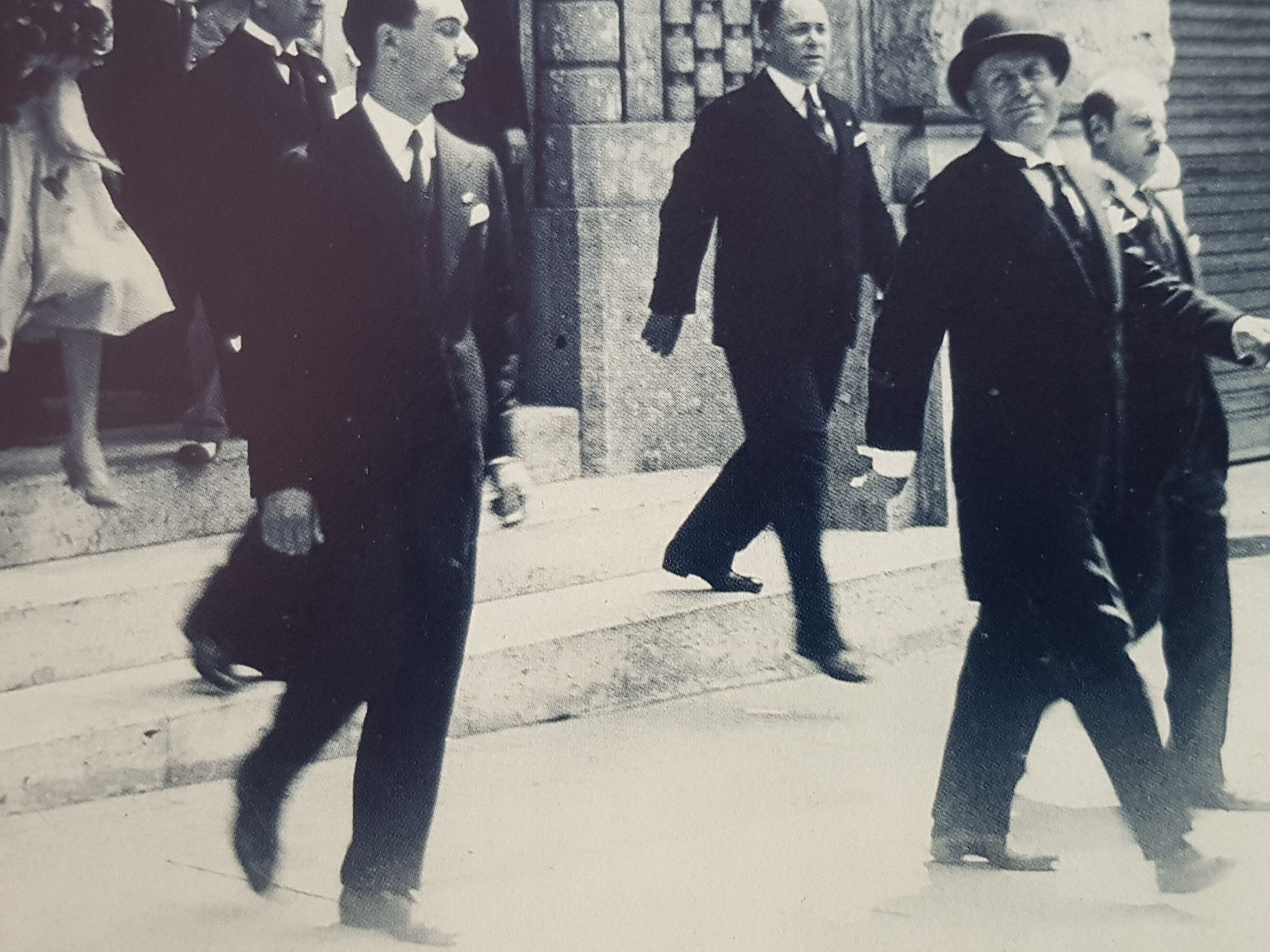
The house was designed in 1951 by Lina Bo Bardi, not so long after she and her husband had emigrated to Brazil. While she was a communist, he had been a member of the National Fascist party, so they may have had to leave (he had also just divorced). I was shown a picture of him accompanying Mussolini:-
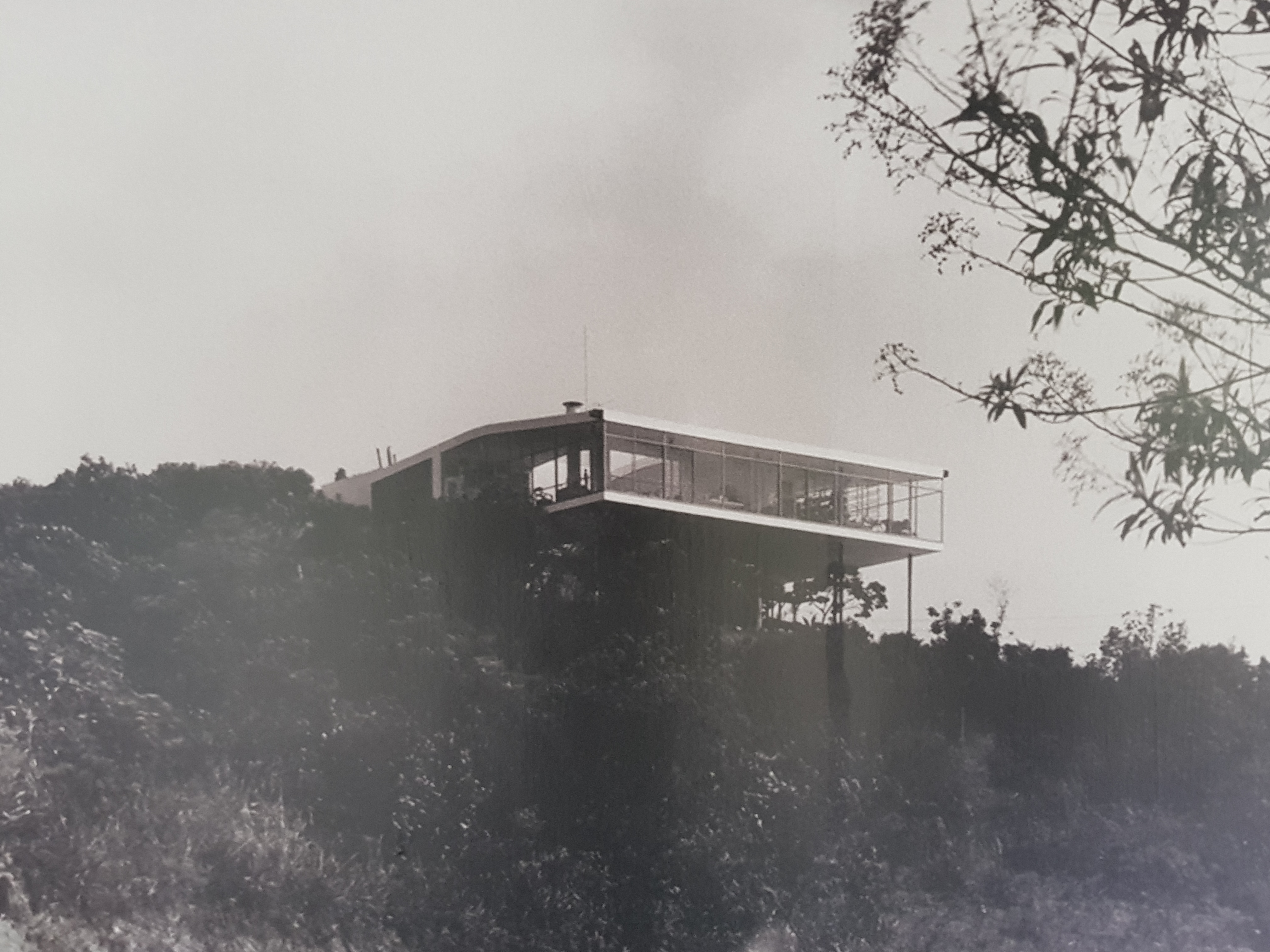
At the time, the area was still apparently rain forest, but is now a posh, hill-top suburb, not so far out. An early (1951) photograph shows the house on bare hill-side, projecting on stilts:-
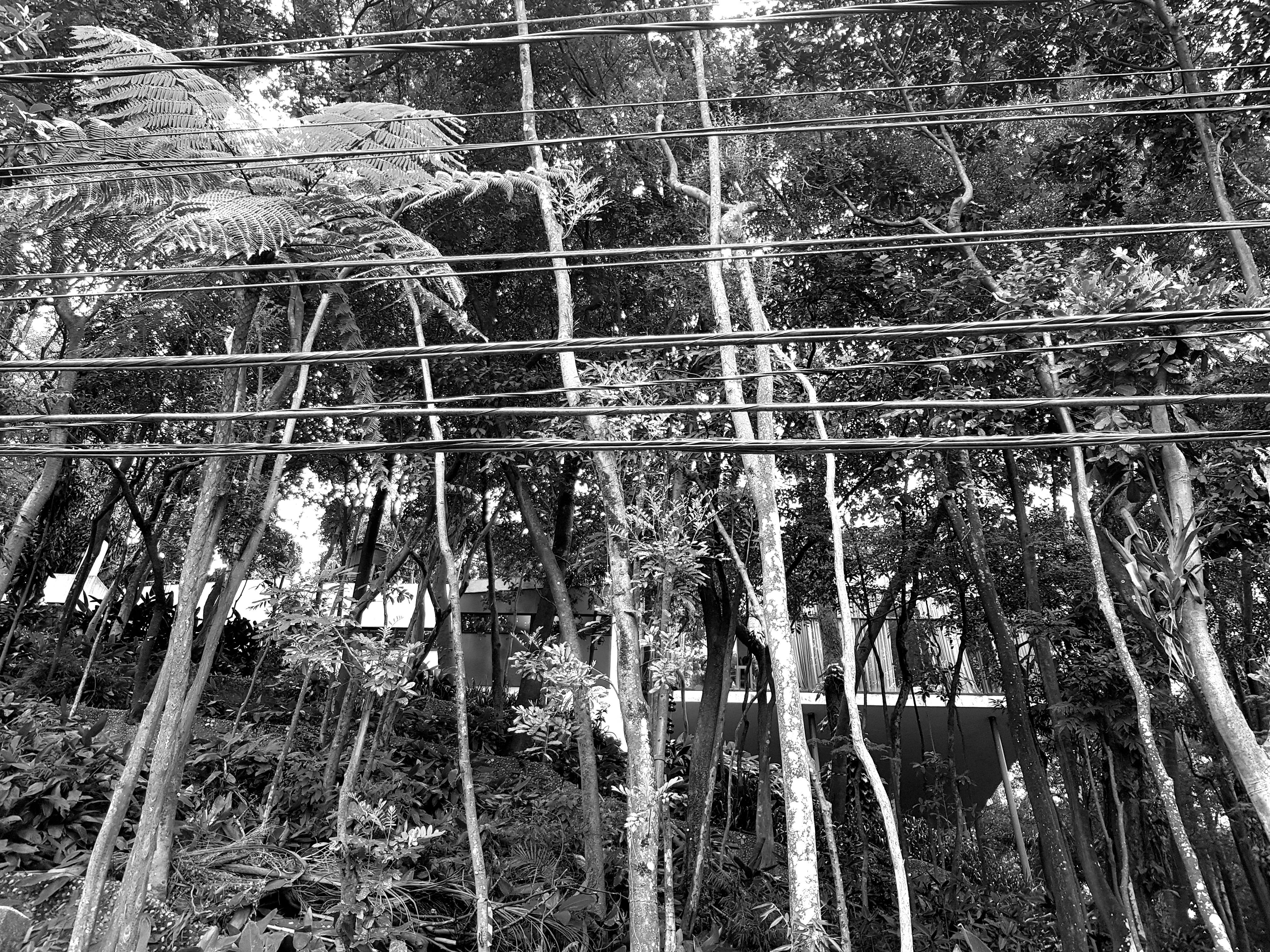
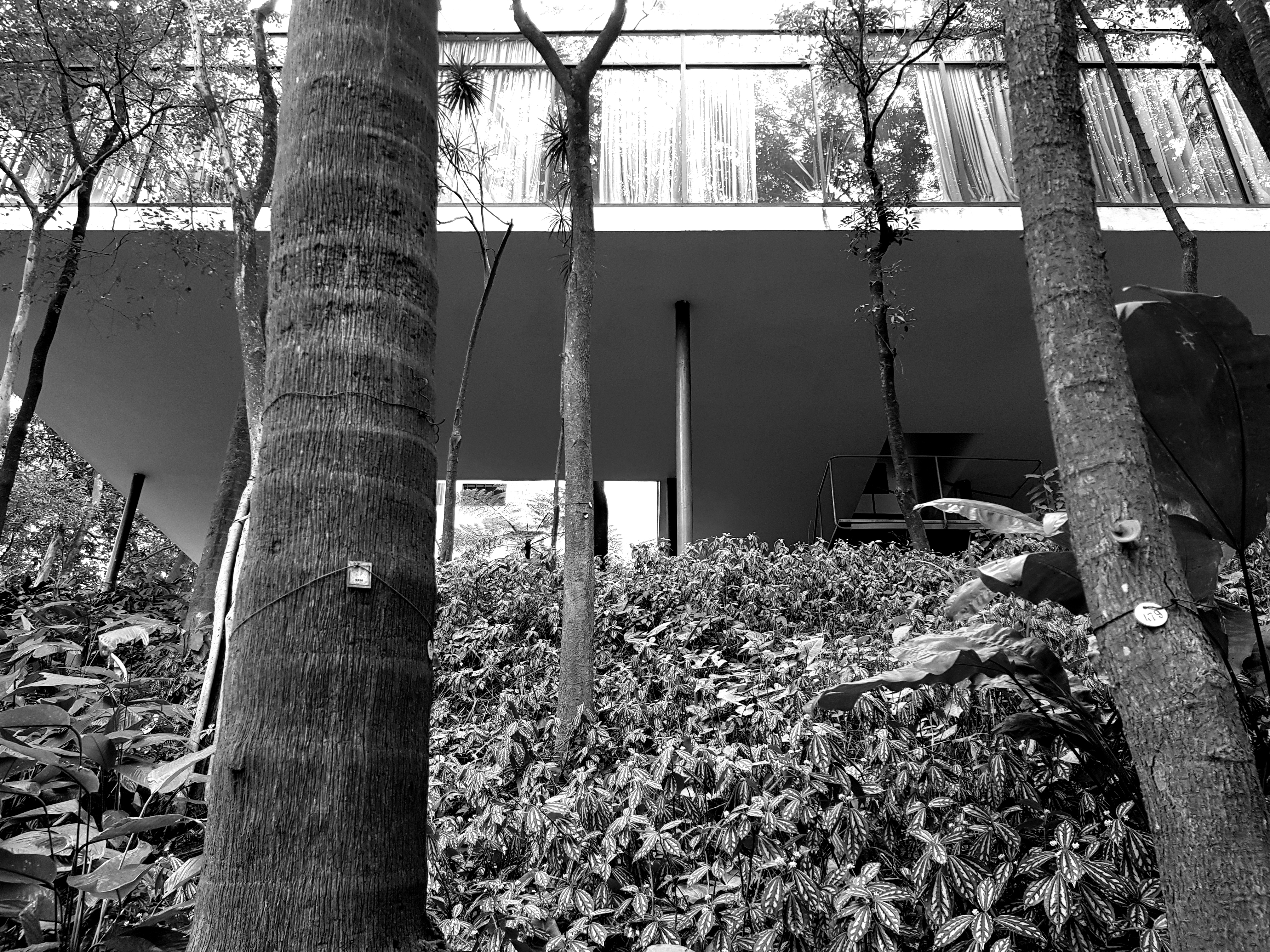
It’s now overgrown:-
Unfortunately, one isn’t allowed to take photographs of the interiors, which are perfectly preserved – one large room with the view, a huge, industrial sized kitchen and small bedrooms and – I guess – servants’ quarters at the back. He lived there and she worked there. They held parties there. He died in 1999.
Brazilian Modernism (3)
Just to complete these posts on attitudes to Brazilian modernism, I was intrigued to read in Richard Williams’s now out-of-print book on Brazilian architecture that Colin Buchanan, the town planner and author of Traffic in Towns, visited Brazil in 1967 and published an article on Brasilia in the RIBA Journal under the title ‘The Moon’s Backside’ (a reference to an apocryphal city described by Jean-Paul Sartre) in which he inveighed against the problems of the newly built city, with raw sewage pouring into newly built apartments and flats looking like prison cells: a dislillusionment with the modern from an arch modernist, which antedates the attacks of the early 1970s.
Brazilian Modernism (2)
Much more influential in forming attitudes to Brazilian Modernism than the exhibition of paintings in London in 1944 was the exhibition Brazil Builds at the Museum of Modern Art in 1943, curated by Philip Goodwin, a beaux arts architect who had worked with Edward Durrell Stone on the design of the new MOMA, and with accompanying photographs by G.E. Kidder Smith, a fellow architect from Birmingham, Alabama who seems to have travelled round Brazil while serving in the US Navy. The exhibition opened on 13 January 1943 and filled the whole ground floor of the museum with models, prints and sketches which brought an awareness of new Brazilian building, including the work of Niemeyer, to the world.
Brazilian Modernism (1)
I have been startled to discover, which I probably should have known, that there was an exhibition of Brazilian paintings held at the Royal Academy in 1944 under the title Exhibition of Modern Brazilian Paintings, with an exhibition catalogue whose preface was written by Sacheverell Sitwell. The authorities seem not to have bern particularly enthusiastic about the project, since the Tate, the National Gallery and the V&A all turned the exhibition down even in spite of the fact that all three had acres of empty galleries and Munnings, the then PRA, insisted on a statement in the catalogue to the effect that ‘no responsibility for its quality will rest on the Royal Academy’. But this did not prevent over 100,000 people visiting the exhibition, including the Queen.
São Paulo (2)
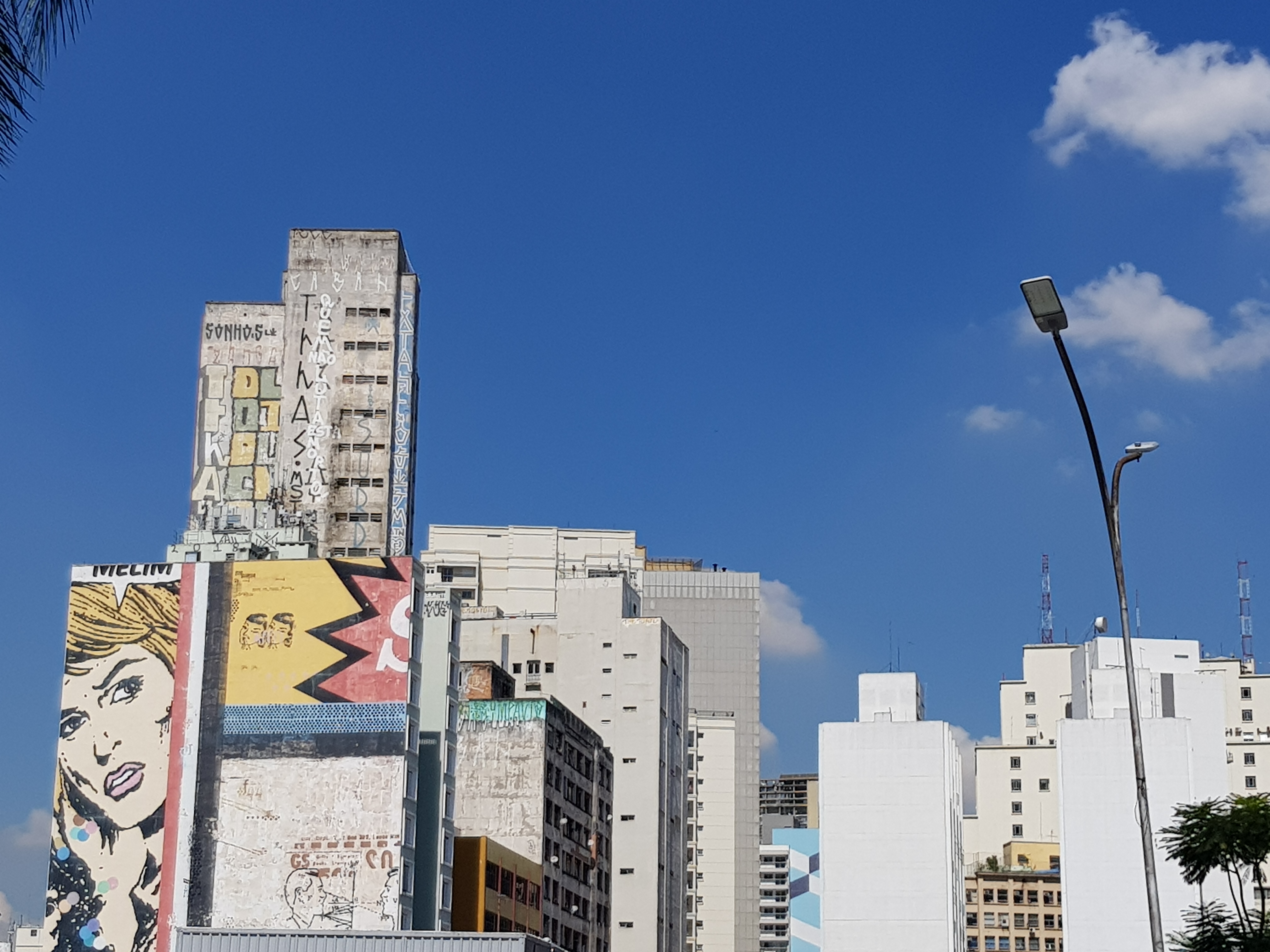
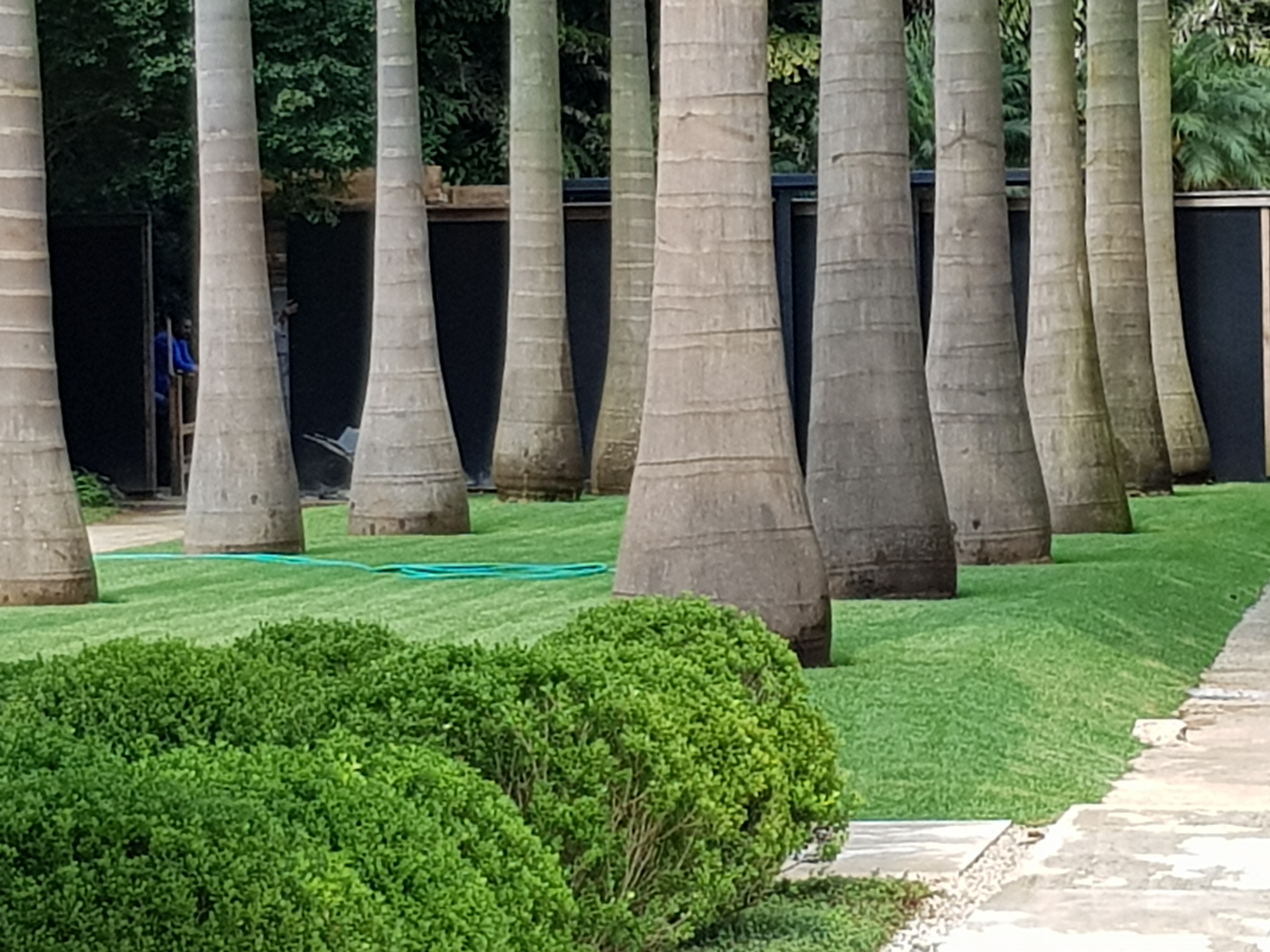
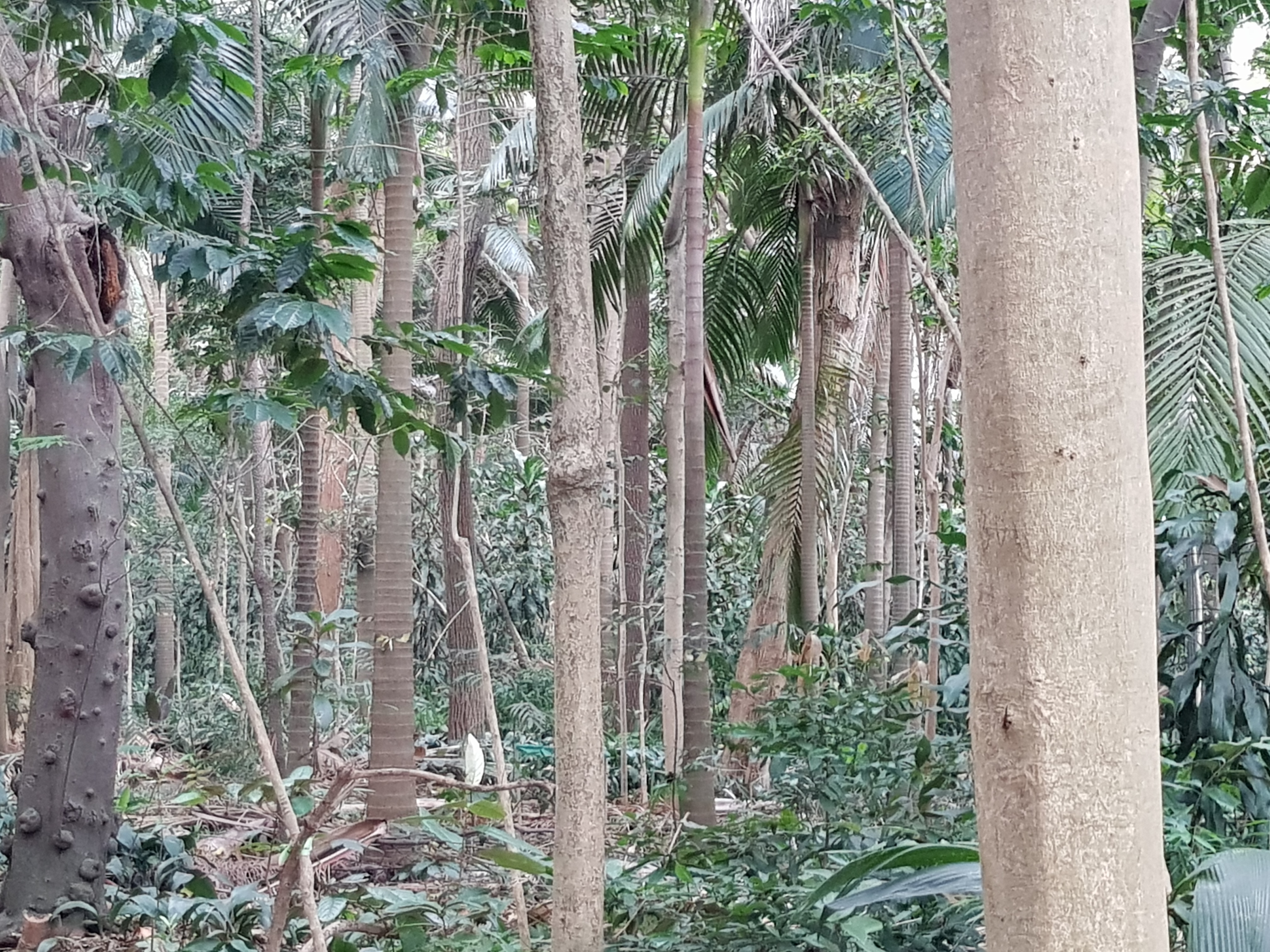
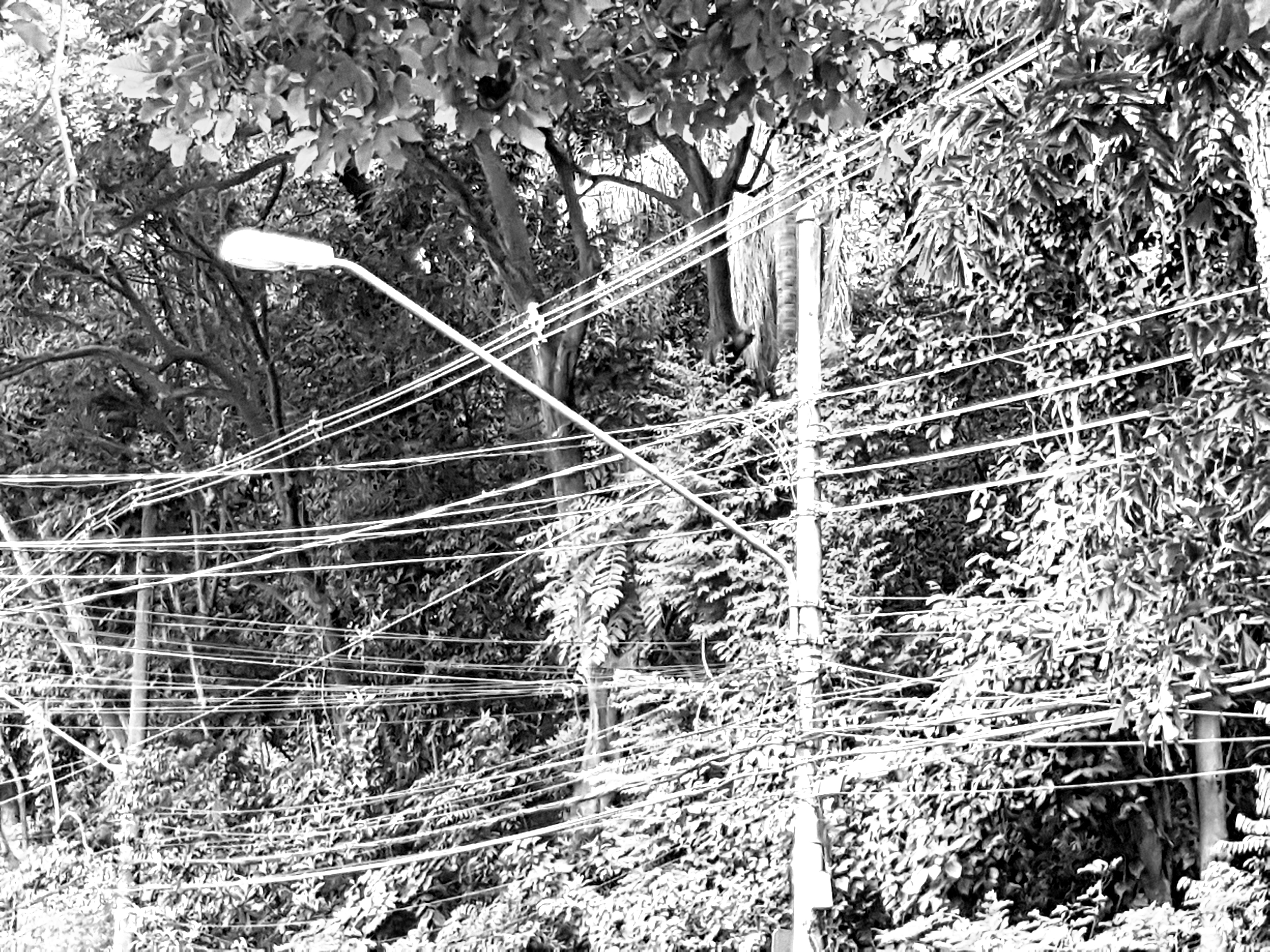
Most of what I have seen of São Paulo has been from the back (or, occasionally, the front) of a minibus.
A city of infinite extent, it goes without saying:-
Much graffiti:-
Smart gardens:-
Urban forest:-
Telegraph poles:-
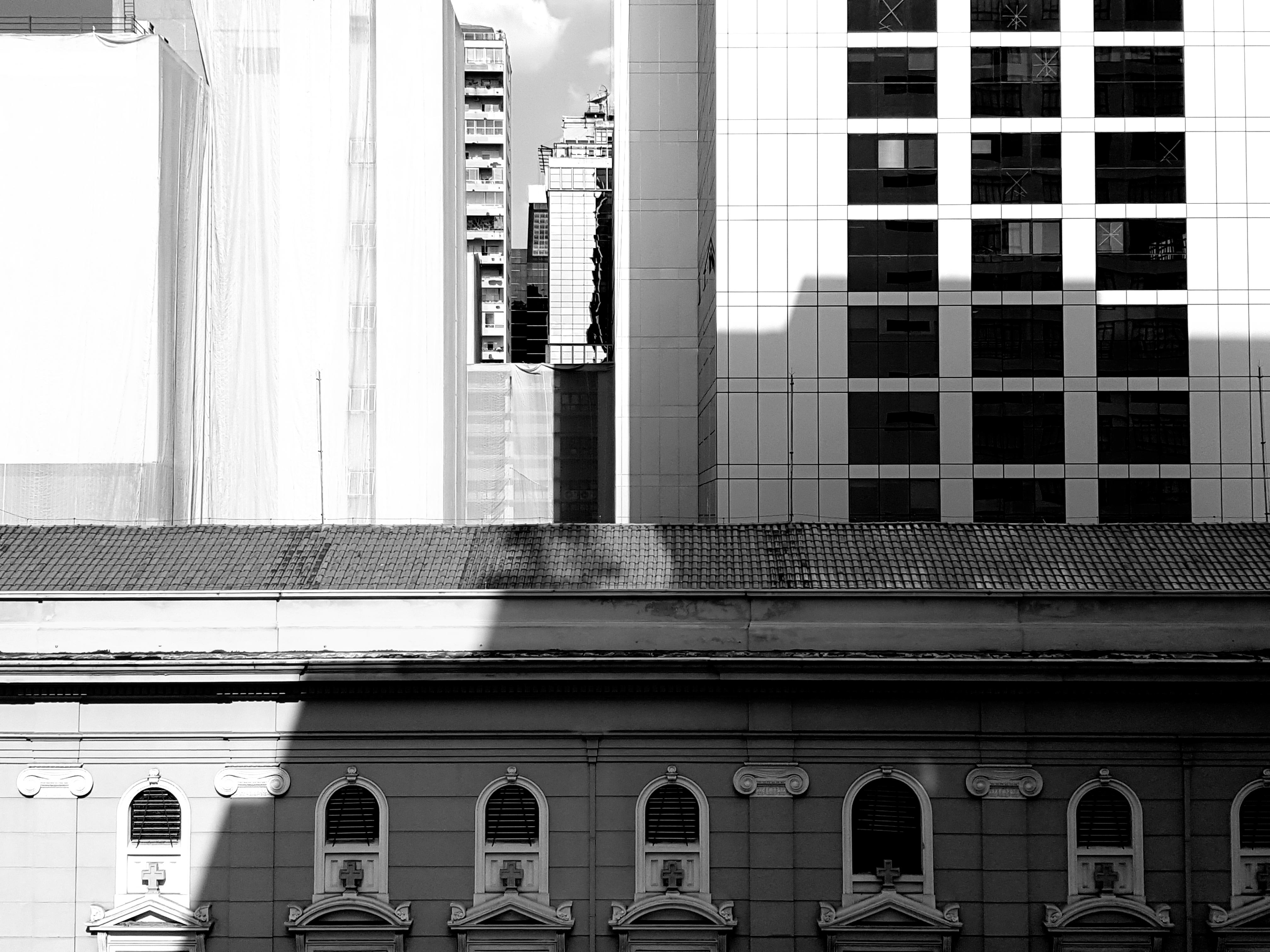
And unexpected juxtapositions:-
Pinacoteca de São Paulo
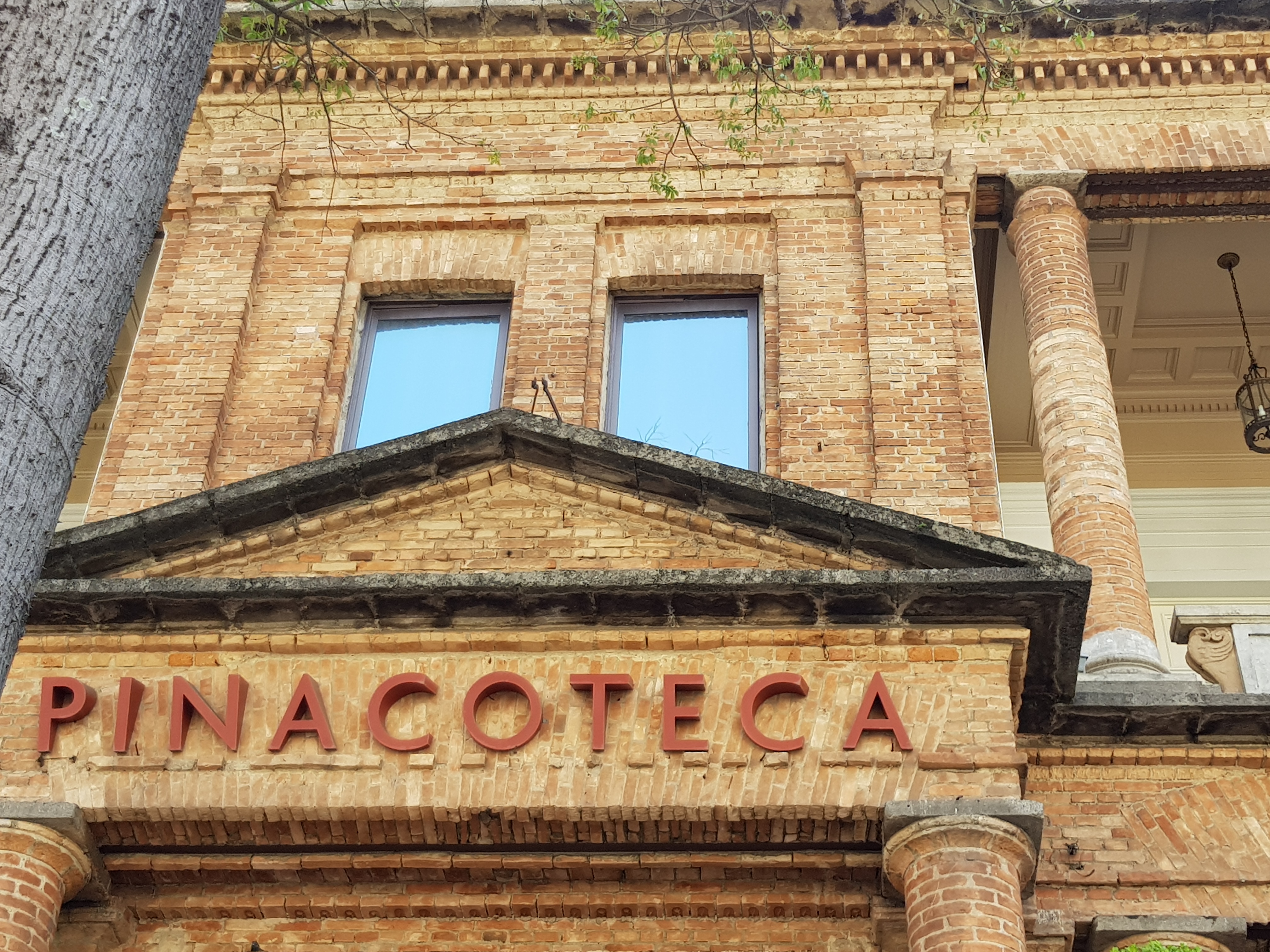
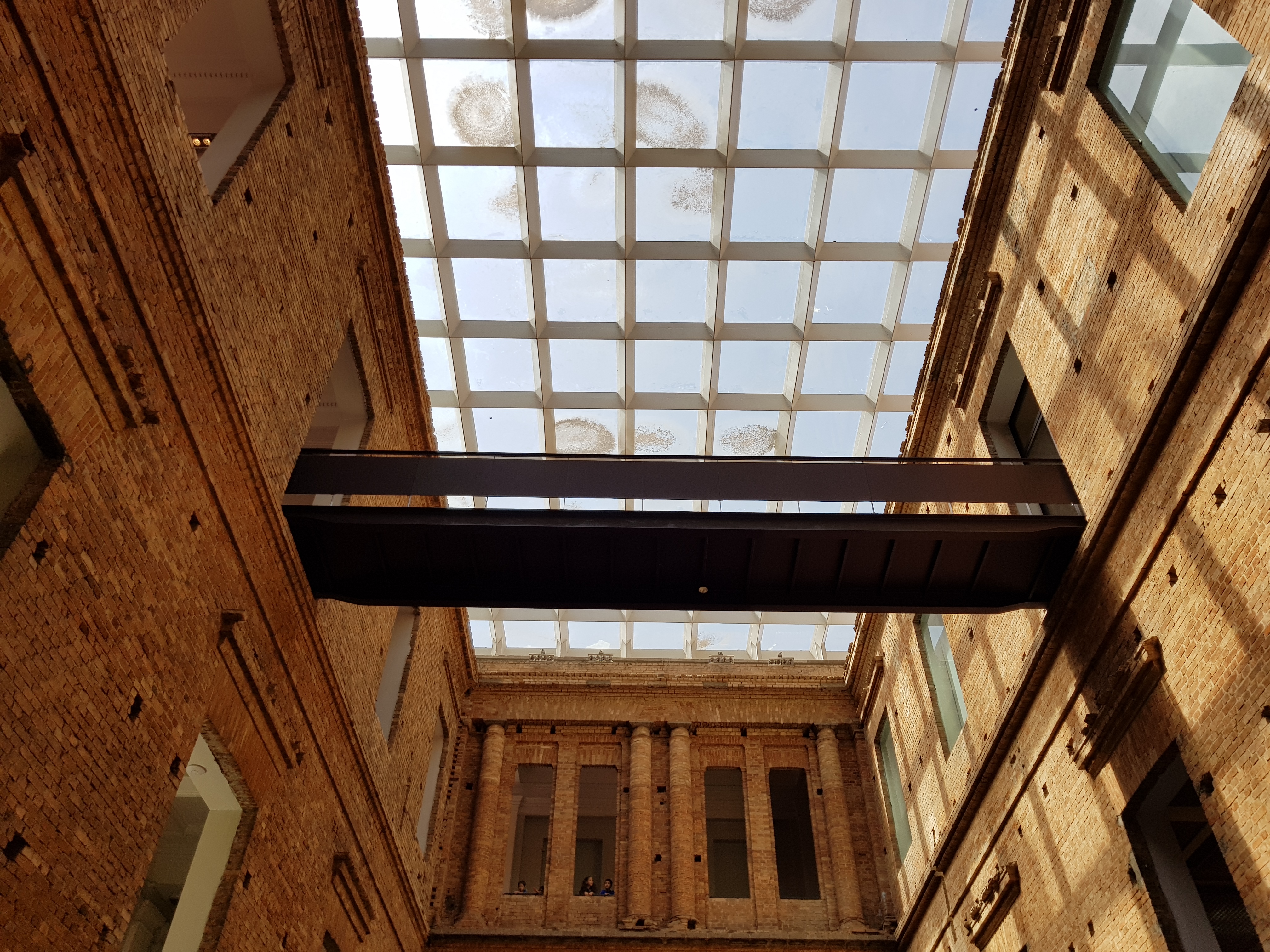
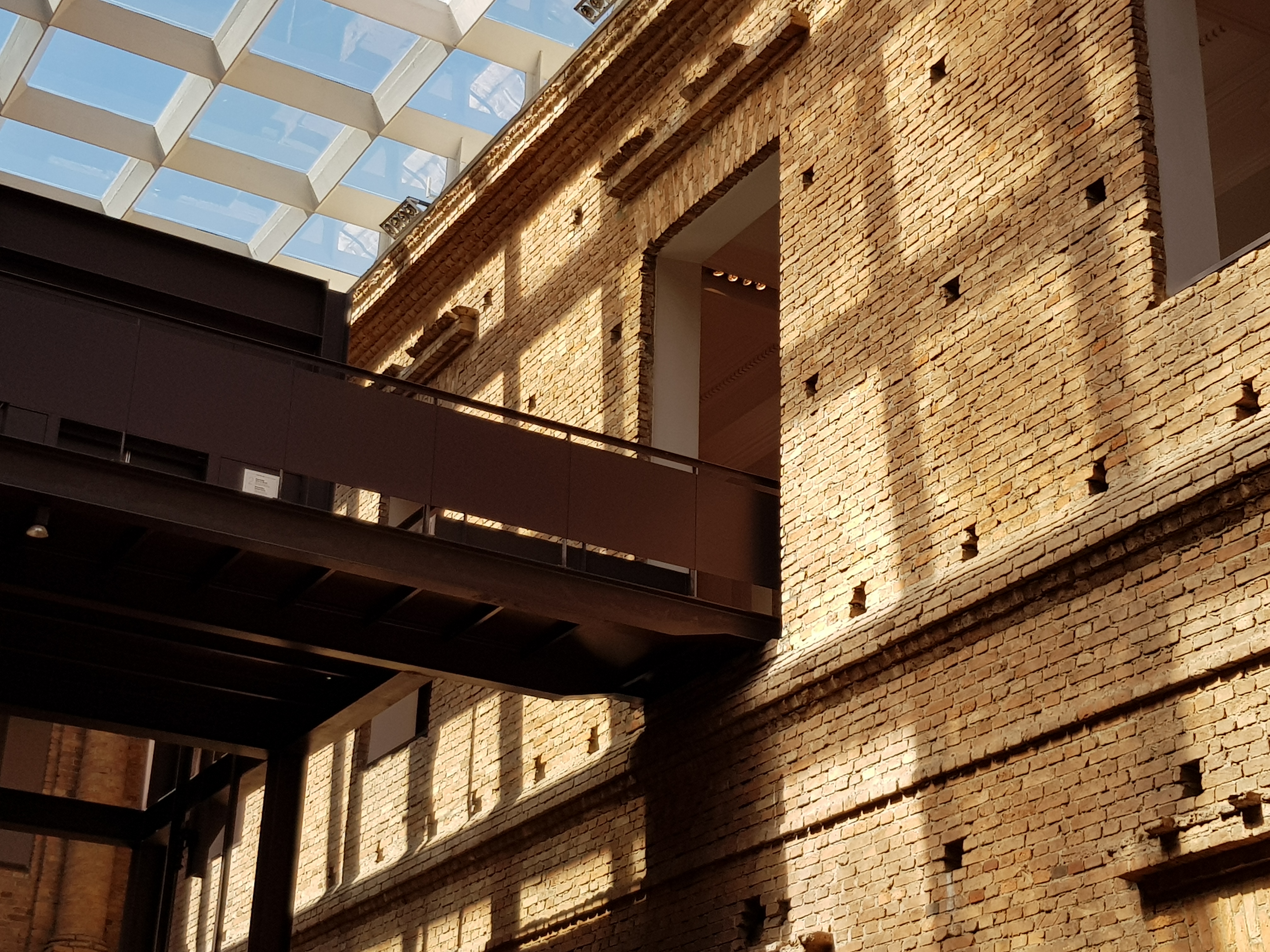
We started the day at the Pinacoteca, which was originally attached to the art school, founded in 1905, and is located in an older building, designed as the headquarters of the Lyceum of the Arts and Crafts. In the late 1990s, it was radically renovated by Paulo Mendes da Rocha in a style which preserved the fabric of the original building, but roughly – an idea which goes back to Carlo Scarpa and has been used to particularly good effect in the Neues Museum by David Chipperfield and Julian Harrap:-
It’s now in the heart of Cracolândia, one of the more dangerous bits of São Paulo.
The Oca
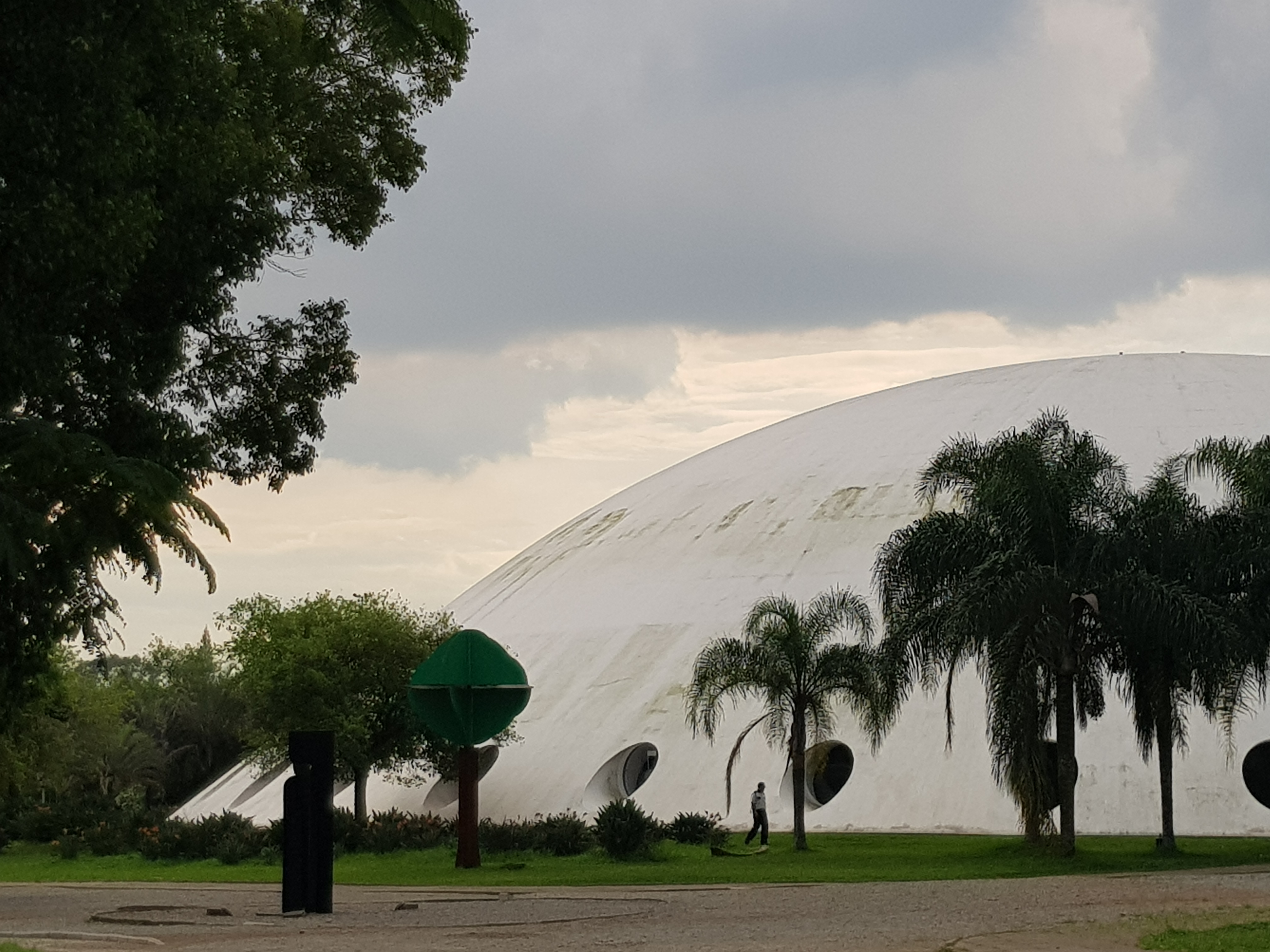
The last of my posts from Brazil today is of the Pavilhão Lucas Nogueira Garces, commonly known as the Oca, designed by Oscar Niemeyer in 1951 for the Ibirapuera Park, originally as a Museum of Folklore, now used as a venue for exhibitions, and looking otherworldly in the afternoon light:-
Museu de Arte de São Paulo (2)
The amazing quality of the collection is owing to the fact that Lina Bo Bardi was married to Pietro Maria Bardi, an Italian journalist and art critic, who established the museum in 1947 and only died in 1999.
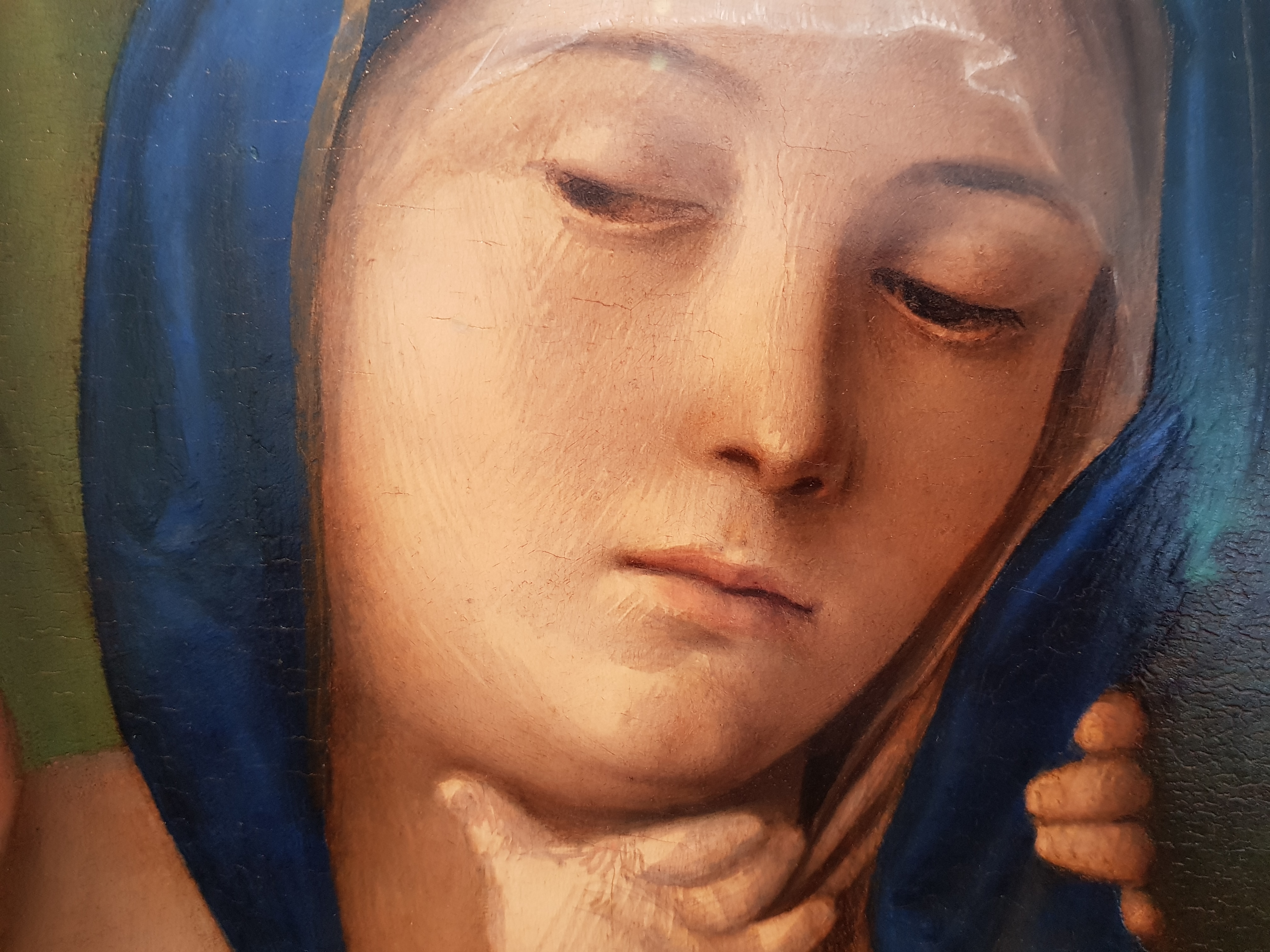
Bellini, Madonna with Standing Child (1480-90):-
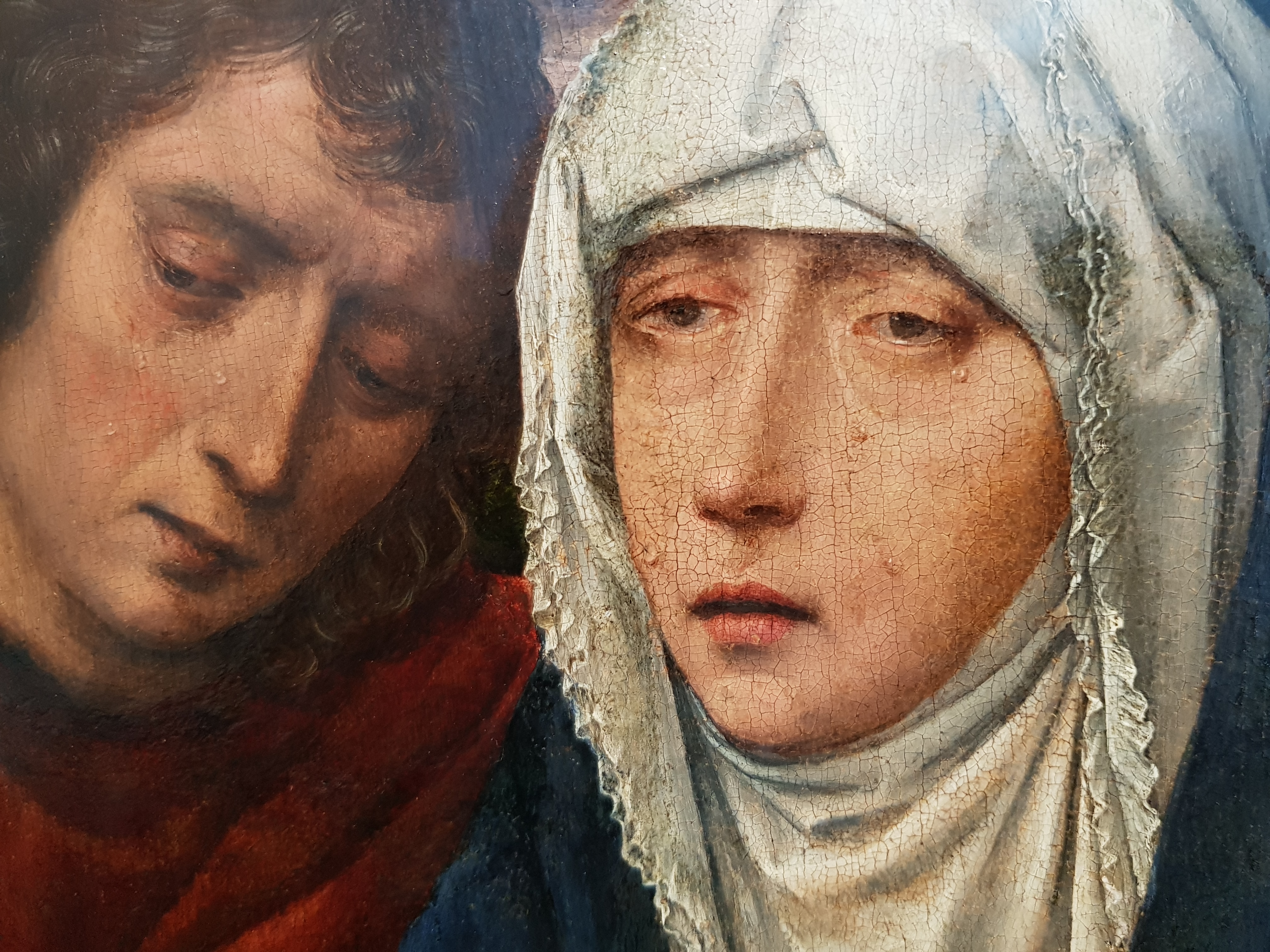
Memling, The Virgin Lamenting (1485-90):-
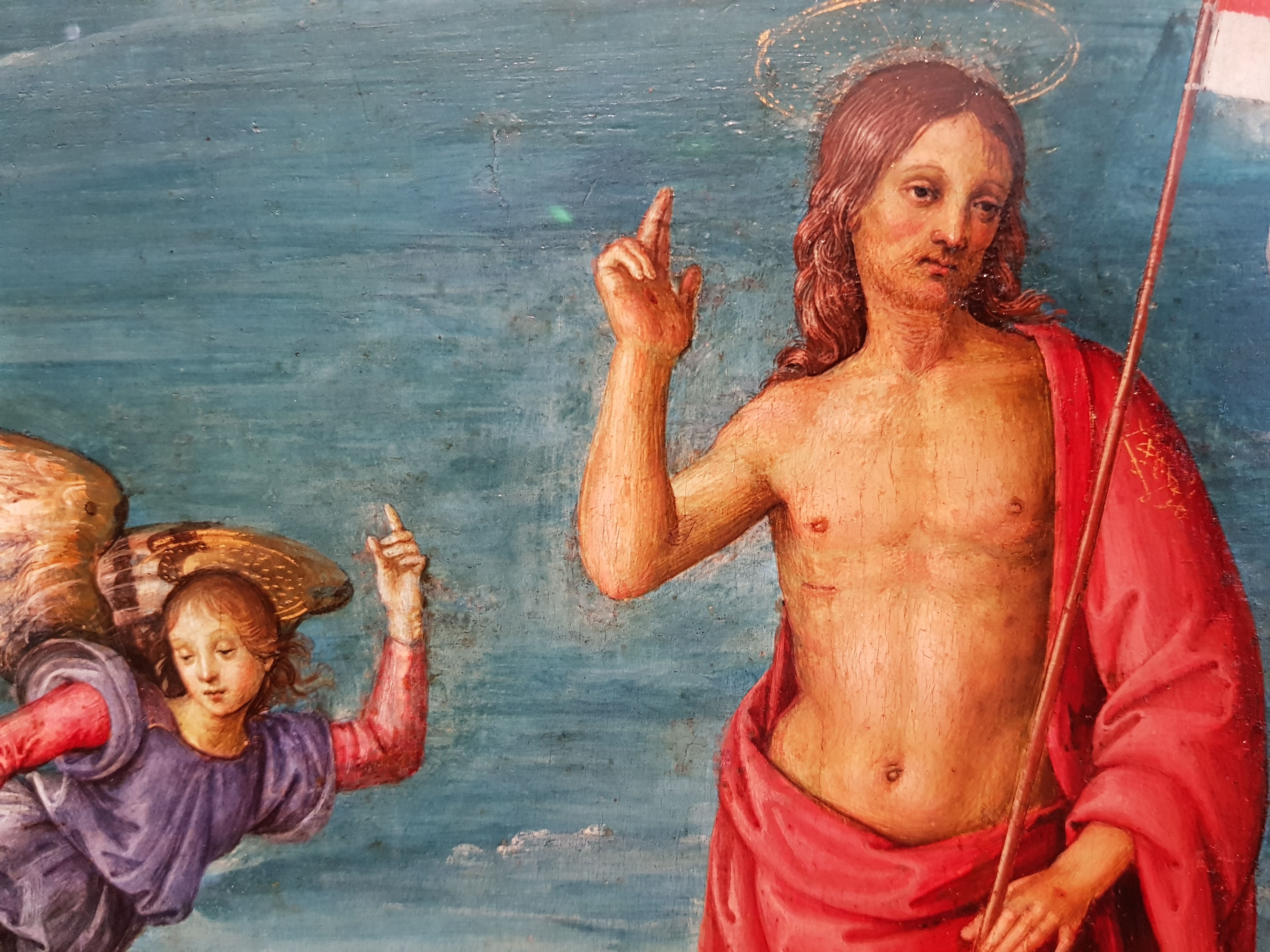
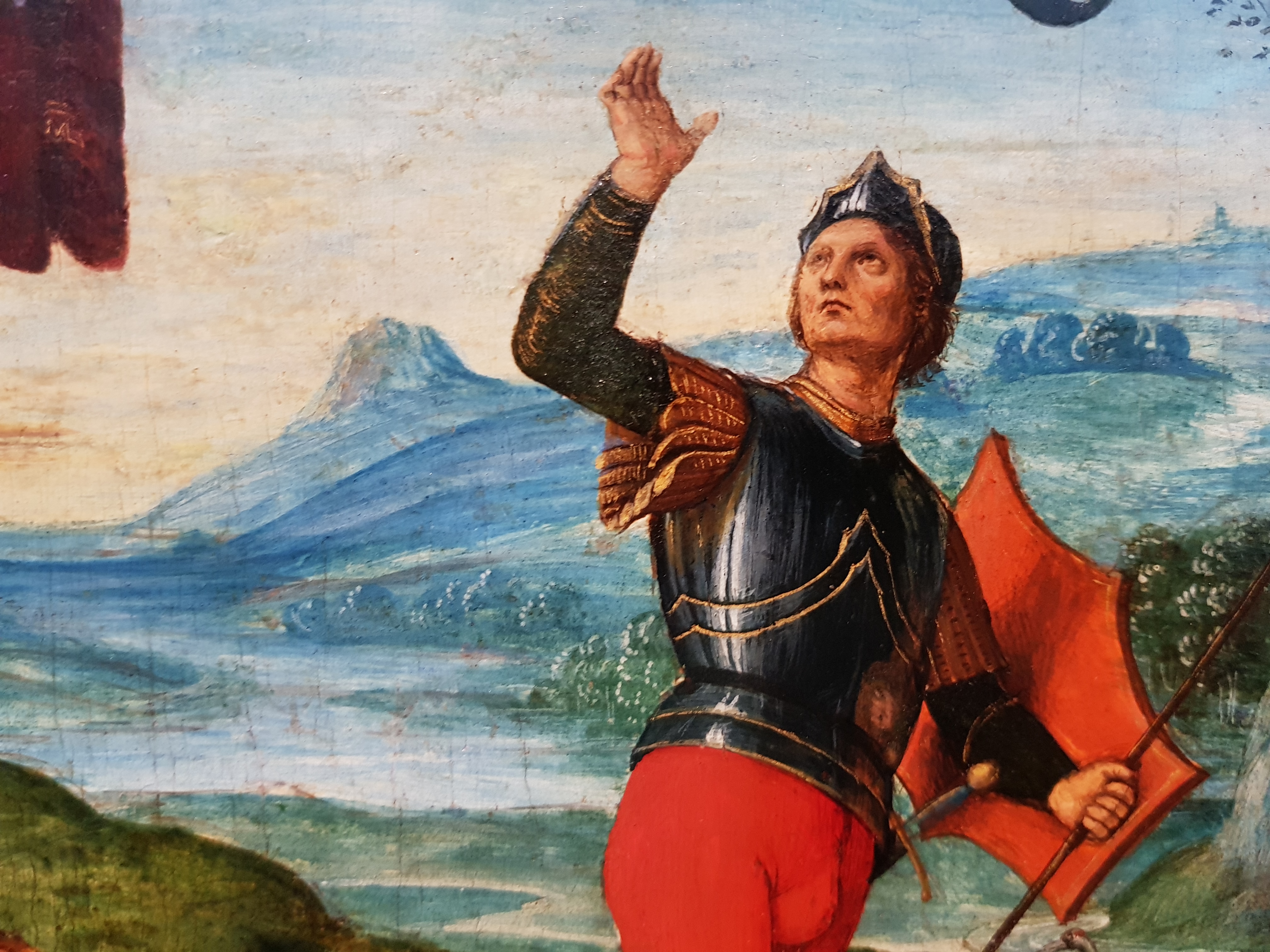
A very early Raphael Resurrection, painted just after he had left the workshop of Perugino:-
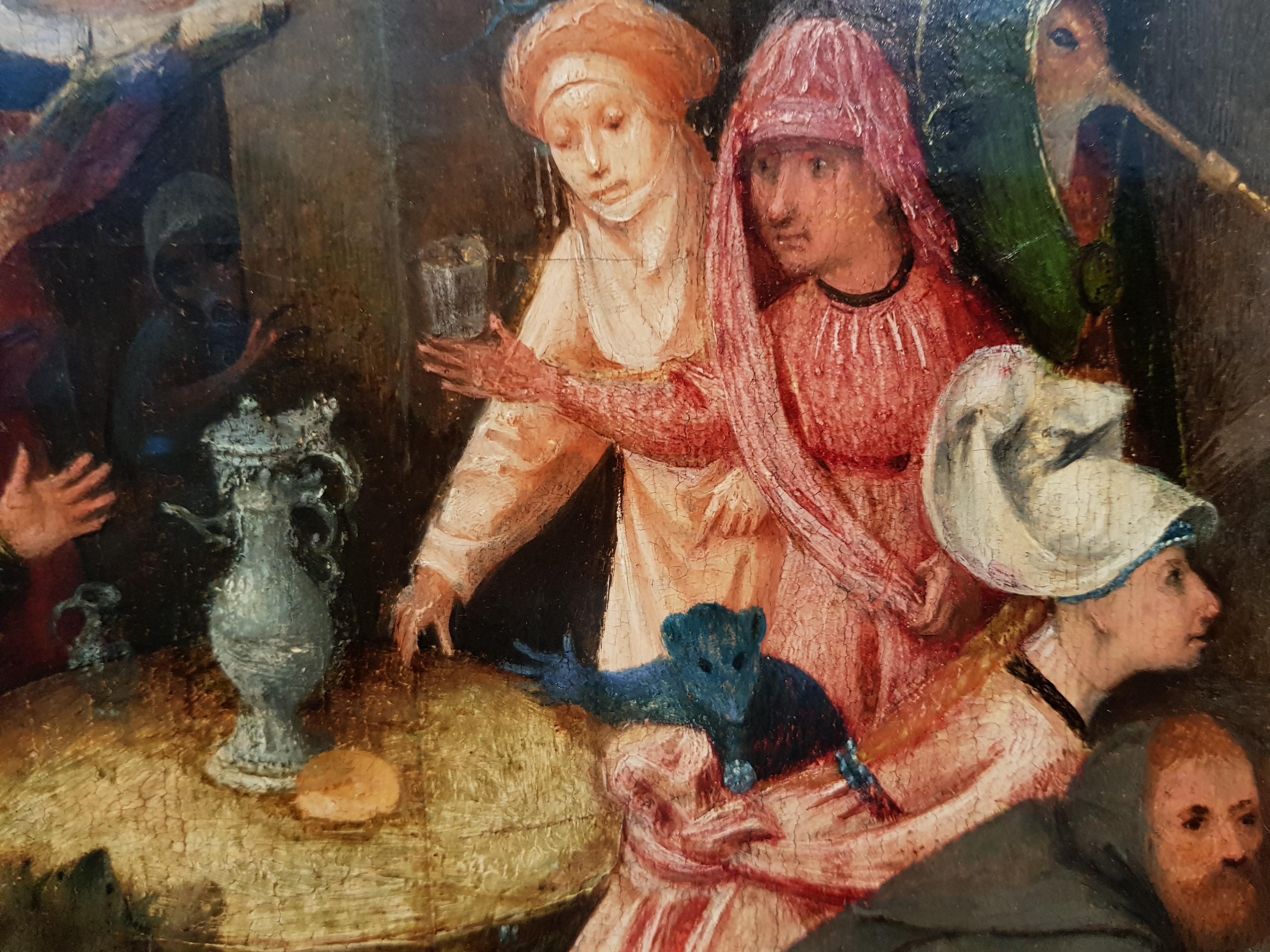
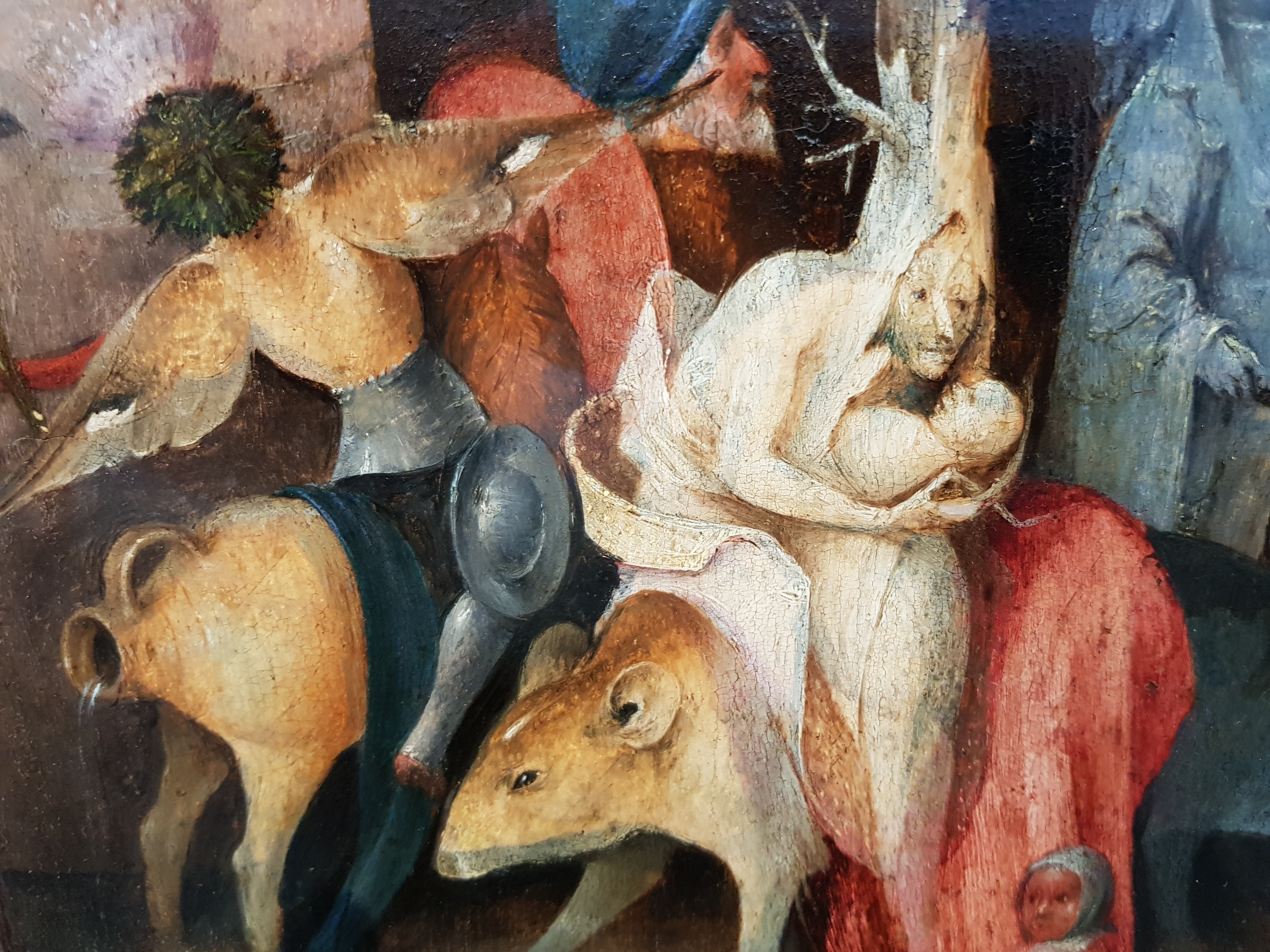
A Bosch Temptation of St. Anthony:-


You must be logged in to post a comment.