250th. Summer Exhibition

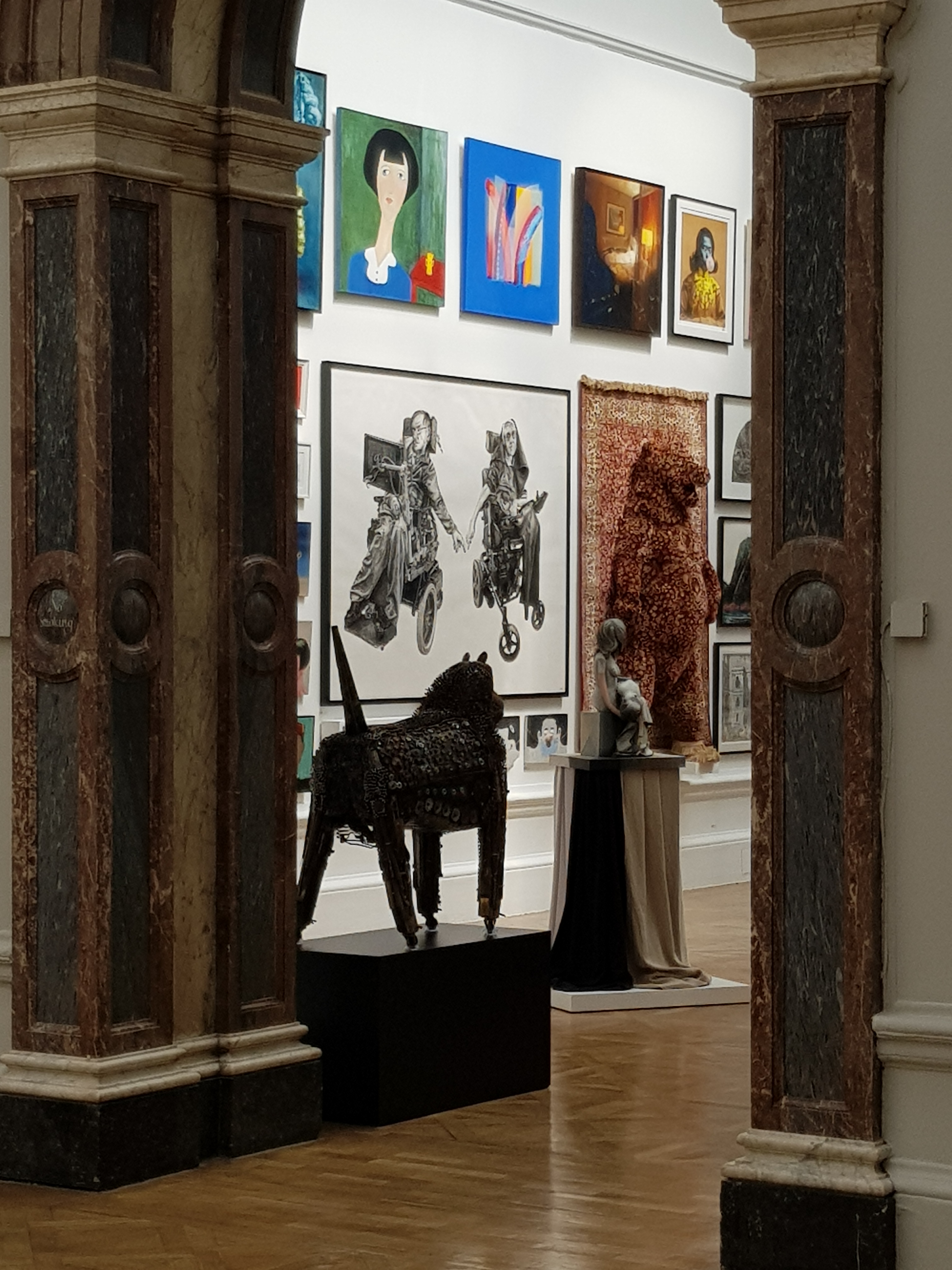
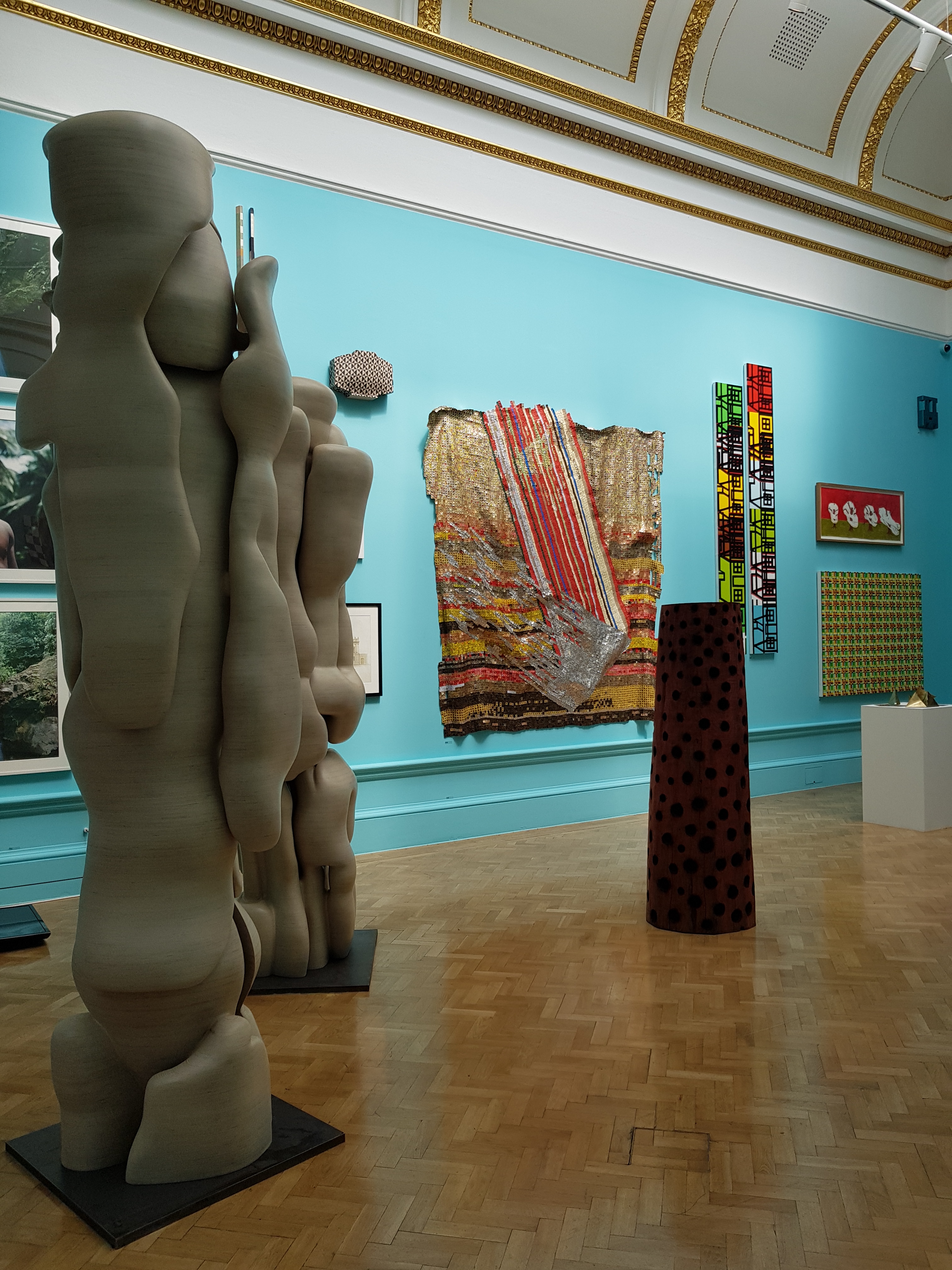
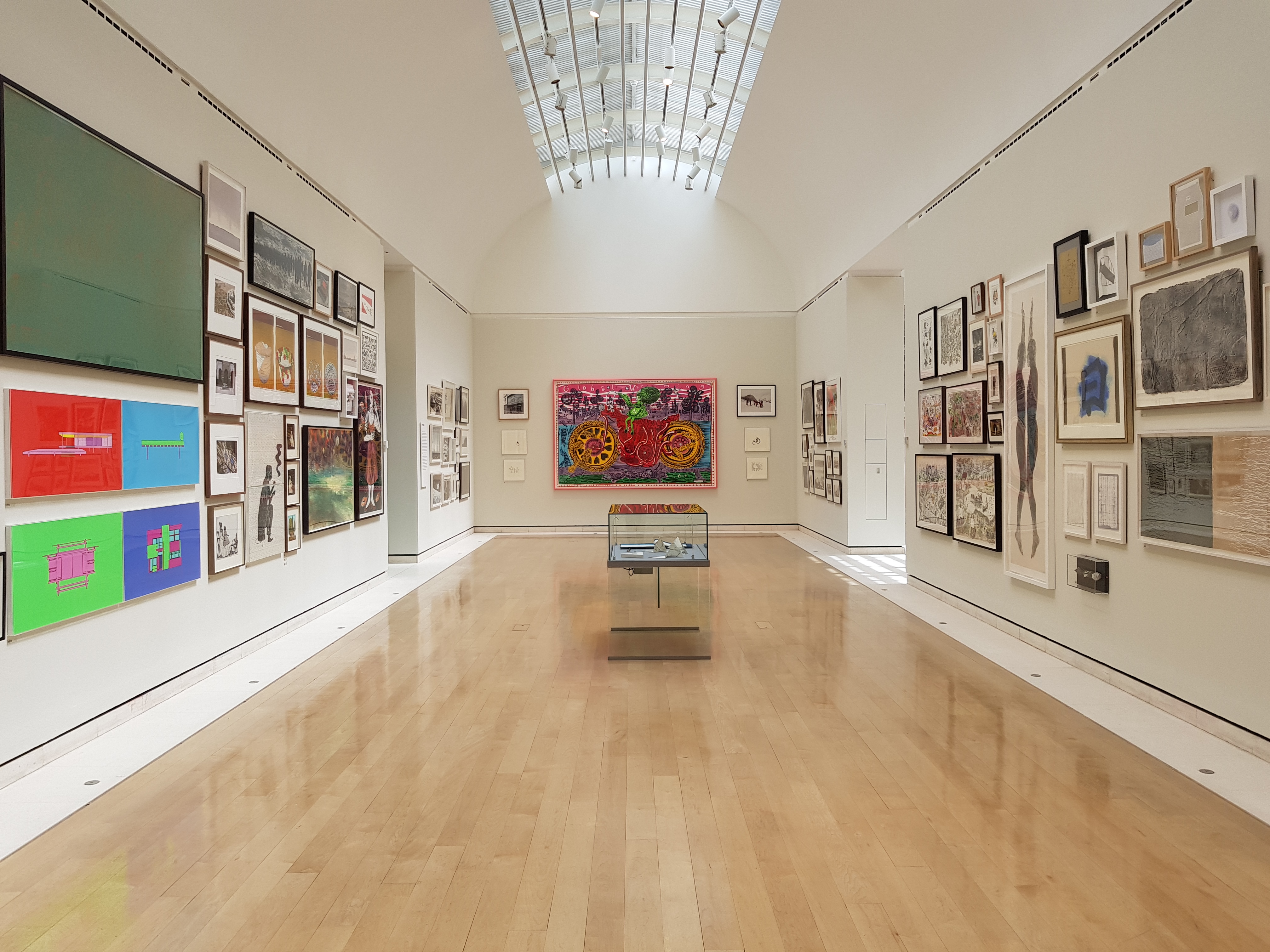
One of the great things about the Summer Exhibition is the ability to show works of art in natural daylight.   This year prints are being shown in the Sackler Galleries and the space looks particularly beautiful, restored to its pristine form and allowing the prints a greater individuality, slightly less densely hung.   I just hope that visitors will find their way up there:-

image

I show a couple of other galleries, too, V hung by David Mach:-

image

And VII hung by Phyllida Barlow:-

image

Standard

Joana Vasconcelos

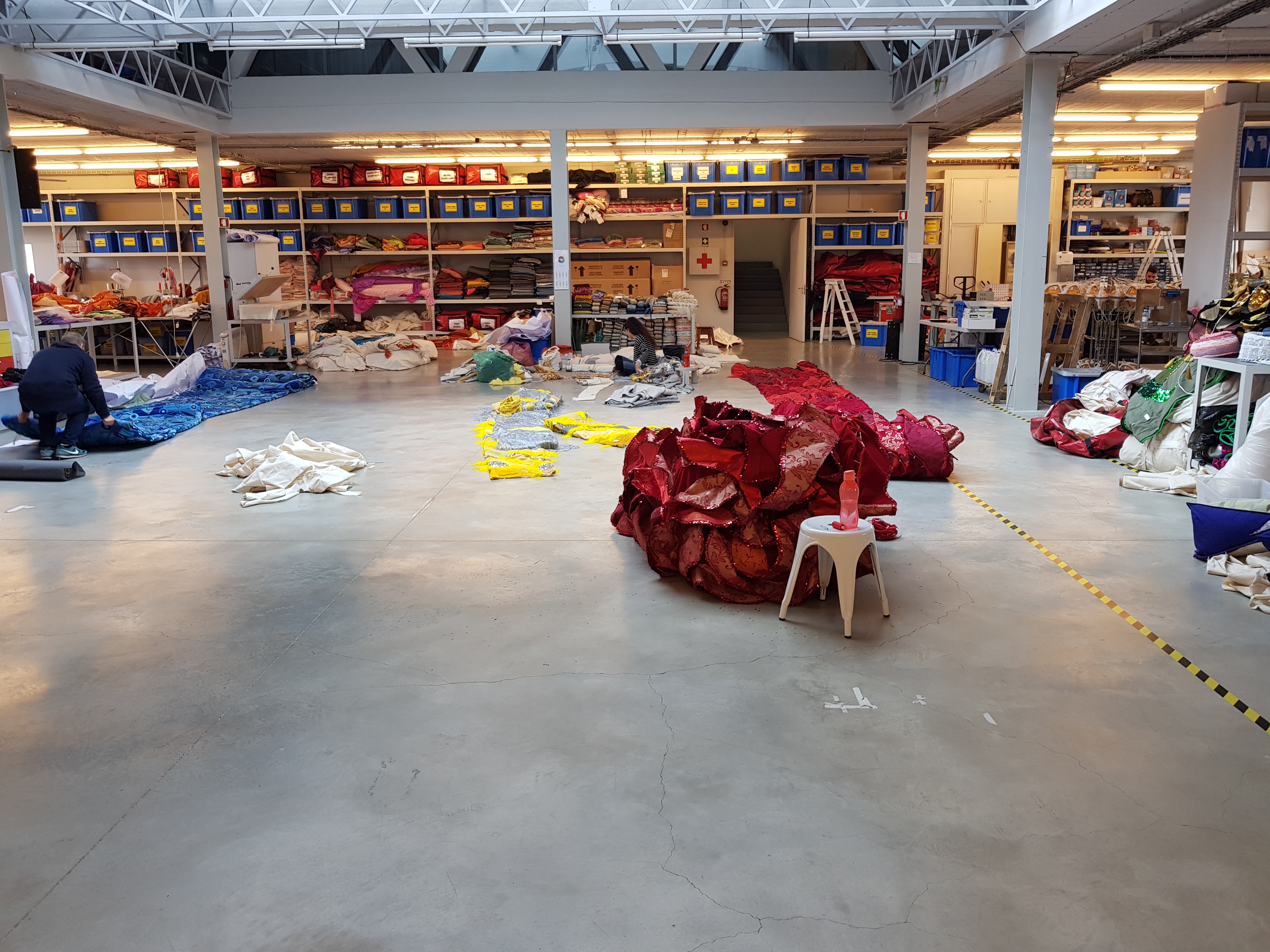
When we were in Lisbon, we went to see Joana Vasconcelos in her immense industrial space down by the docks:-

image

image

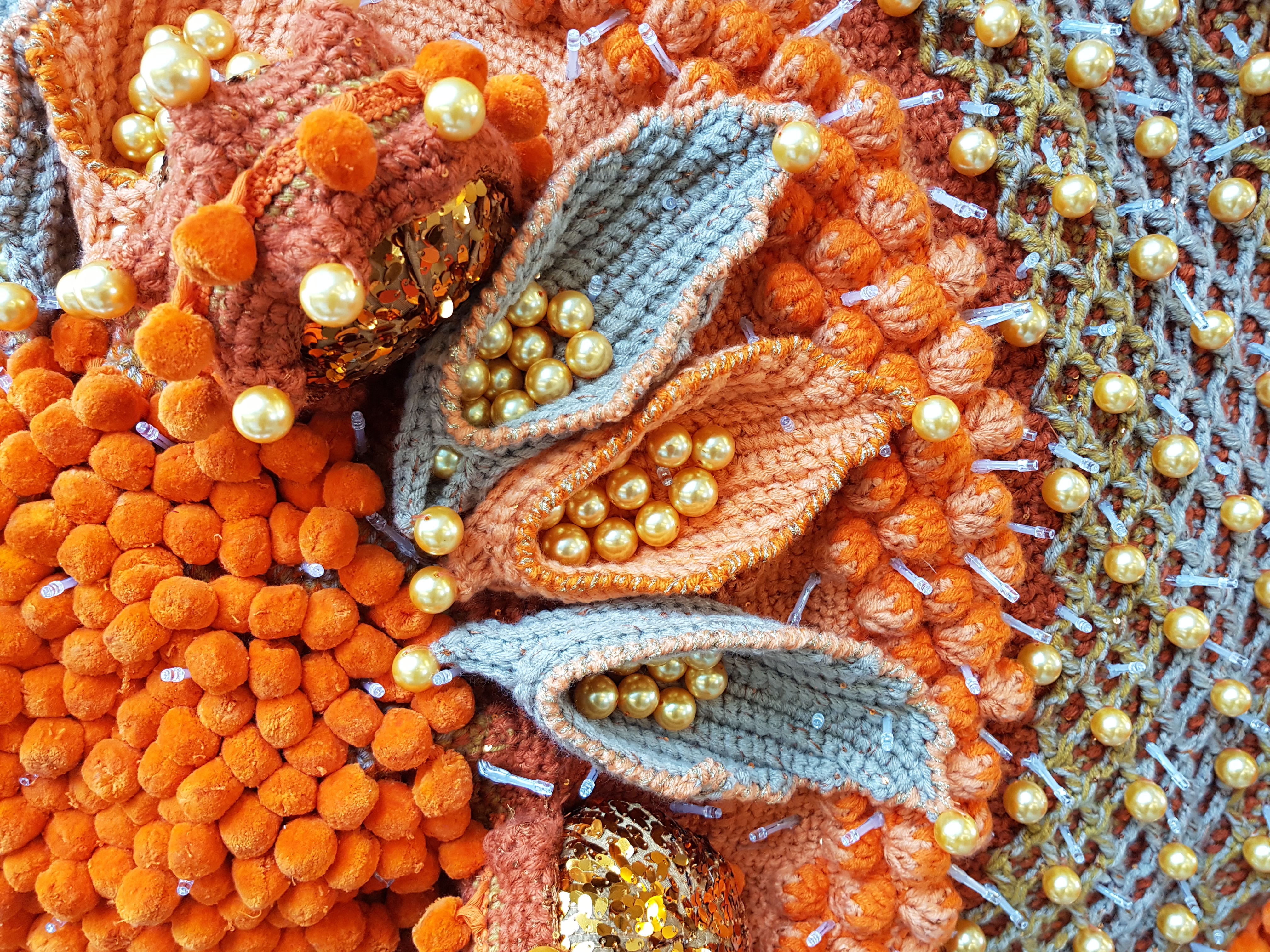
Over lunch, she mentioned that she was making preparations for showing in the Summer Exhibition.   She was invited to show work by Grayson Perry and her large floating fabric sculpture dominates the Octagon as one enters in a way that very much reflects the spirit of the exhibition as a whole:  freely creative, colourful and full of unexpected surprises:-

image

Standard

Jeremy Thorpe

Like half of Britain, I was glued in front of the television last night watching the third episode of A Very English Scandal as it went out live.   I have found that absolutely everybody has a view on it – generally about the awfulness of Thorpe, his appalling hypocrisy, dishonesty, and general smarminess, so beautifully and persuasively enacted by Hugh Grant,   So, it was a pleasure to sit next to someone tonight who knew Thorpe in the House of Commons before he was outed and remembered him only for his charm, compassion and generosity to a fellow MP, even of another party.

Standard

The Great Spectacle

We had the private view for The Great Spectacle this evening, our survey exhibition of the last 250 years of an exhibition which each year was jam packed from floor to ceiling with works of art.

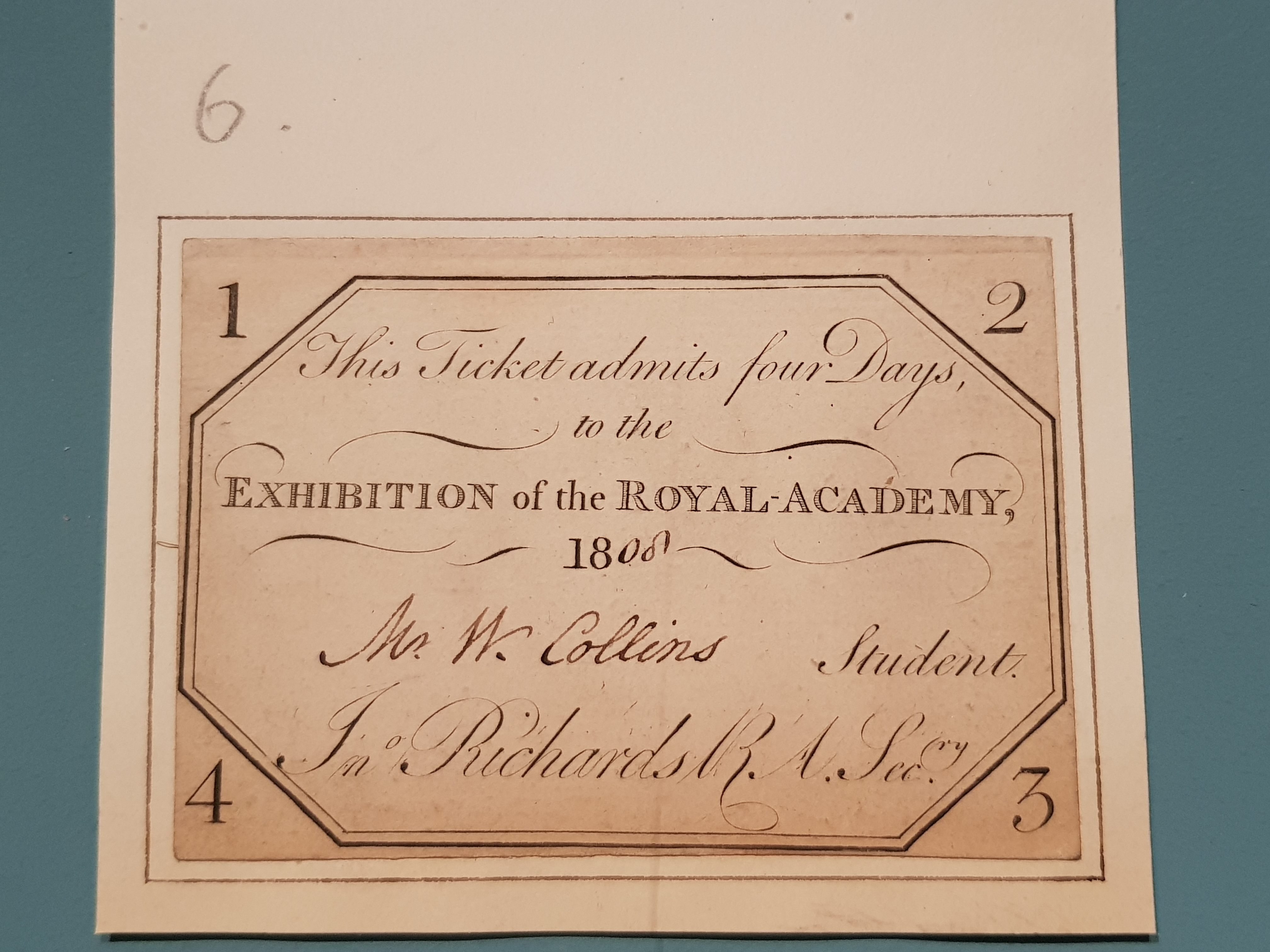
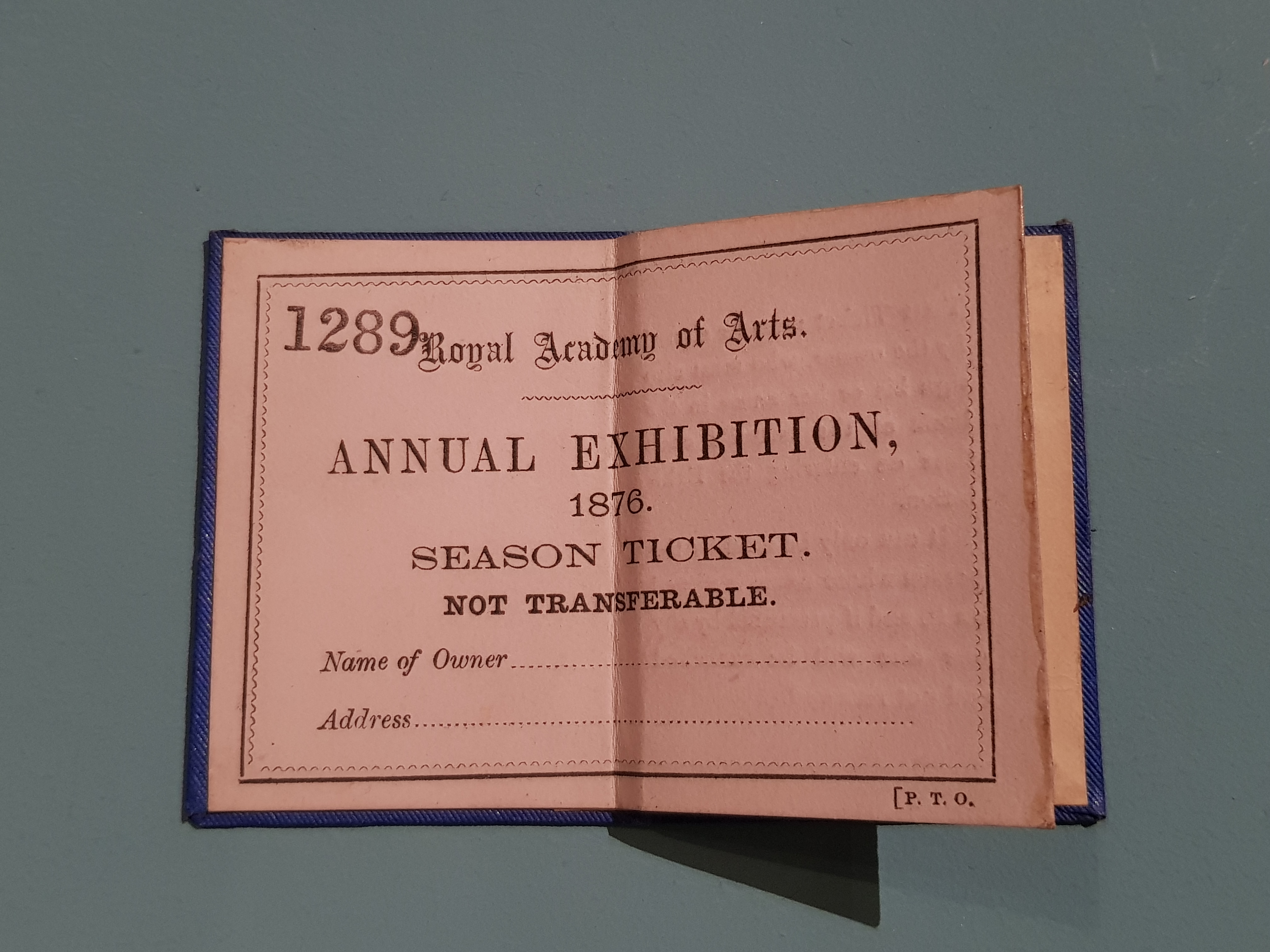
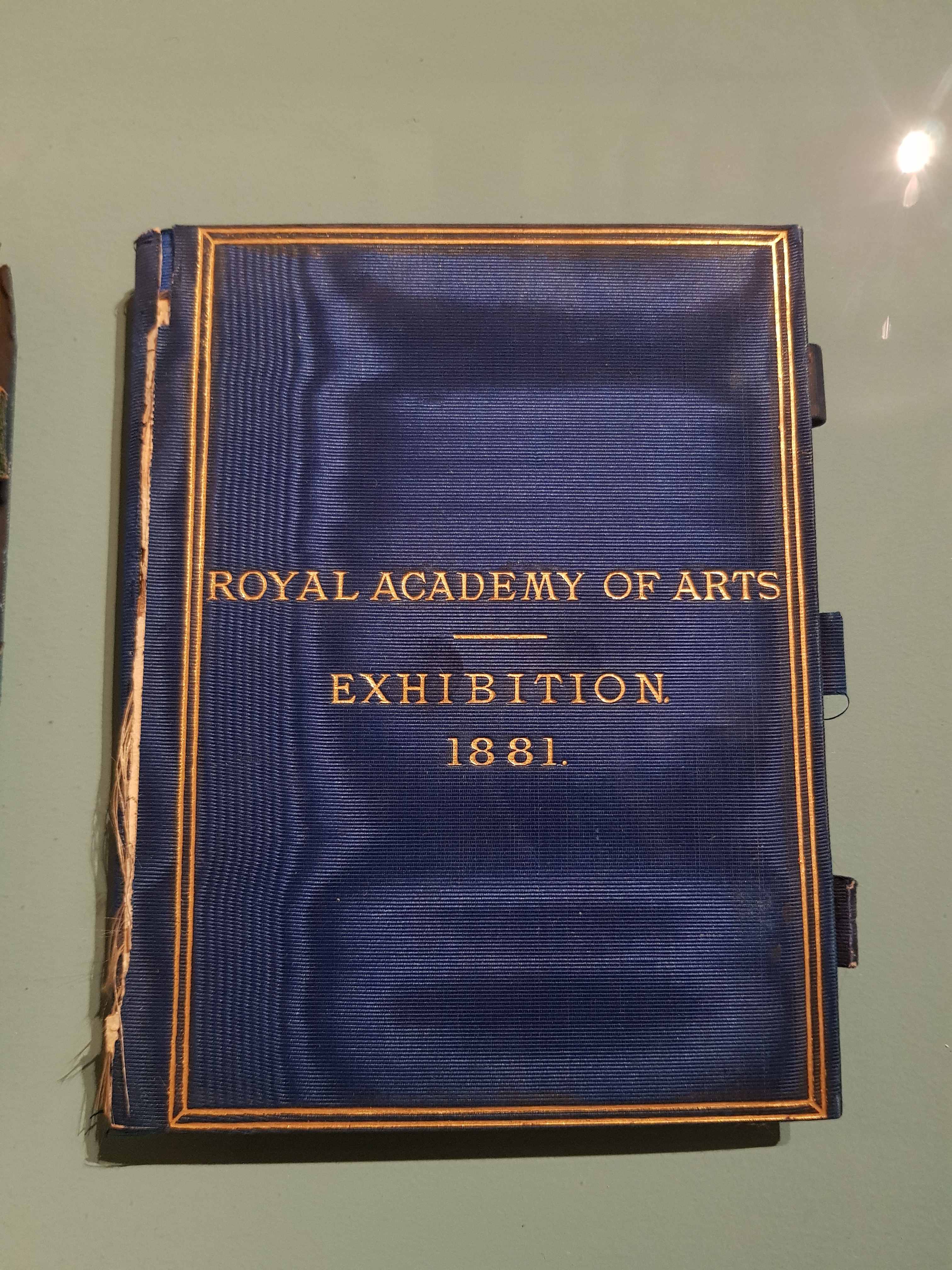
The only thing I was allowed to photograph was the fascinating ephemera in a long display case in the Reynolds Room (now painted blue).

A season ticket for one of the students, dated 1808:-

image

A bundle of correspondence relating to the exhibition (do we throw nothing away ?) during the 1830s:-

image

A season ticket from 1876:-

image

And the luxury edition of the 1881 handbook:-

image

Standard

Non-members’ Varnishing Day

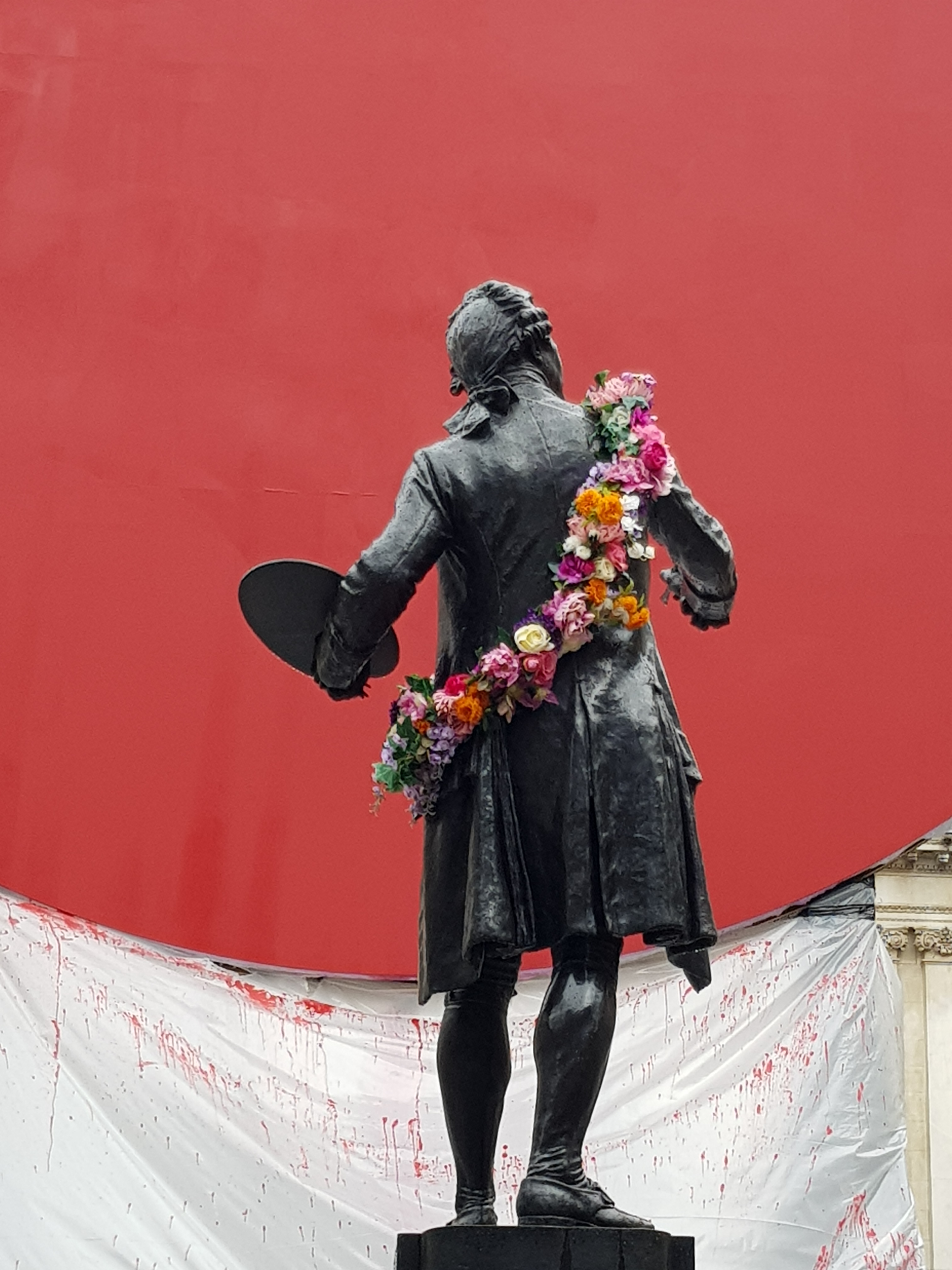
It’s Non-Members’ Varnishing Day today when those who have had work accepted into this year’s Summer Exhibition come to process down Piccadilly, attend a church service in St. James’s if they feel so inclined, eat strawberries and cream, meet friends, and admire the works on display.   This year they are greeted by banners in Piccadilly by Grayson Perry and a huge work by Anish Kapoor in the courtyard like a majestic space station:-

image

image

Standard

Moss (2)

I’ve now finished Murray and Franklin’s often very funny account of the operation of Moss.   It all went wrong when they opened in LA:  different city;  different attitude to design;  different attitude to shopping;  and to parking;  then there was a recession.   It’s hard to imagine anyone else having quite such an adventurous and buccaneering attitude to the display of design objects as works of art.

Standard

Moss (1)

I have now got hold of a copy of please do not touch (and other things you could not do at the design store that changed design) by Murray Moss and his partner, Franklin Getchell.   It’s a funny, fascinating and beautifully illustrated account of Murray’s decision to open a design store on Greene Street in SoHo which disobeyed all the normal rules of retail:  it displayed objects as if they were works of art in a museum;  they were behind glass;  they had provenance,  and you had to be brave, as well as rich, to buy them.   I used to visit whenever I was in New York, admiring the introduction of new designers, the sense of display, and the wonderful impracticality of it.   It makes a good story.

Standard

Diploma Works

I was asked at Hay what was the earliest diploma work in the RA’s Collection. The answer was that I didn’t know. Depositing a work of art was a requirement of the original Instrument of Foundation, according to which no-one was to receive their Letter of Admission ’till he hath deposited in the Royal Academy, to remain there, a Picture, Bas-Relief, or other Specimen of his Abilities, approved of by the then sitting Council of the Academy’. The requirement was reiterated in 1771 – ‘That it is proper for present Academicians to give a picture or some other specimen of their abilities to remain in the Academy’ – which suggests that the early Academicians were ignoring it. It transpires that the first person to give a diploma work was Edward Burch, a very skilled gem engraver, who resigned from the Society of Artists in 1769 to enrol at the Royal Academy Schools, was made an ARA on 27 August 1770, and a full RA on 11 February 1771. He presented a small, framed gemstone, engraved with a neoclassical figure of Neptune, goddess of the Sea, as his diploma work on 11 June 1771, presumably as a token of his gratitude to his fellow Academicians.

Standard

The Private Life of the Royal Academy

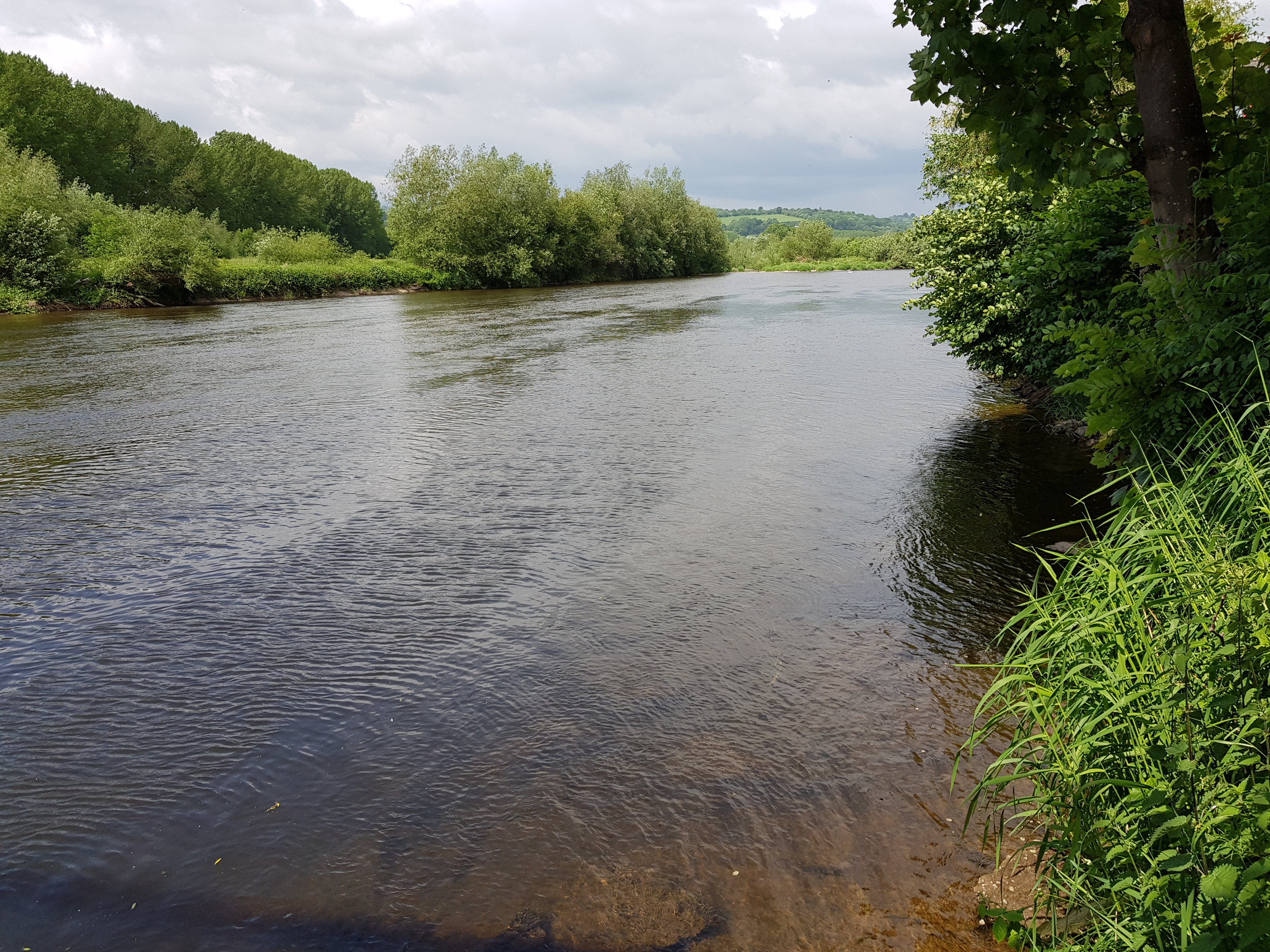
The BBC arranged for a special screening of The Private Life of the Royal Academy at the Hay Festival, prefaced by a discussion chaired by Mark Bell, the BBC’s Commissioning Editor for Arts Programmes.   When I first saw the programme, I wasn’t sure what the response was, but it has become increasingly clear to me that people appreciate its honesty and warmth, that it is not trying to whitewash the institution, nor necessarily to promote it, but to depict it in depth and with humanity.   It was a long way to go, but worth it, if only for lunch at the other River Café:-

image

Standard