
I have just been to an event at the RA in which Antony Gormley talked to Rowan Williams and vice versa about the spiritual and aesthetic experience of art: something which most artists and art historians are now wary of discussing; and most theologians don’t necessarily have the interest. The discussion was centred round some of Gormley’s sculptures, beginning with his work Transport made from iron nails removed from the roof of Canterbury Cathedral and followed by his naked figures disappearing into the horizon on Crosbie Beach. Then, they discussed the more abstract installations in Gormley’s current exhibition in Kettle’s Yard. What was impressive was that both were willing to discuss the essential nature and unknowability of deep artistic experience, its abstract symbolism, even when, although seldom, entirely divorced from meaning.
Monthly Archives: July 2018
Lloyd Dorfman Architecture Awards
We had the first Lloyd Dorfman Architecture Awards yesterday afternoon. The Benjamin West lecture theatre was used to good effect for presentations by five architectural practices from around the world: Go Hasegawa from Japan; Rahel Shawl from Ethiopia; Architectura Expandida from Colombia; Alireza Taghaboni from Iran; and Anne Holtrop, who was stuck on Eurostar, so his work was presented by someone else. They were admirably thoughtful presentations of work grappling with very different political and ideological circumstances. However beautiful and intelligent Go Hasegawa’s work was in its use of materials and stretching of small-scale architectural space, it could not quite match the impressive dignity with which Alireza Taghaboni presented the work he has designed in the difficult political circumstances of Iran. He was a deserving winner for the first year of these new architectural awards.
Christopher Le Brun PRA
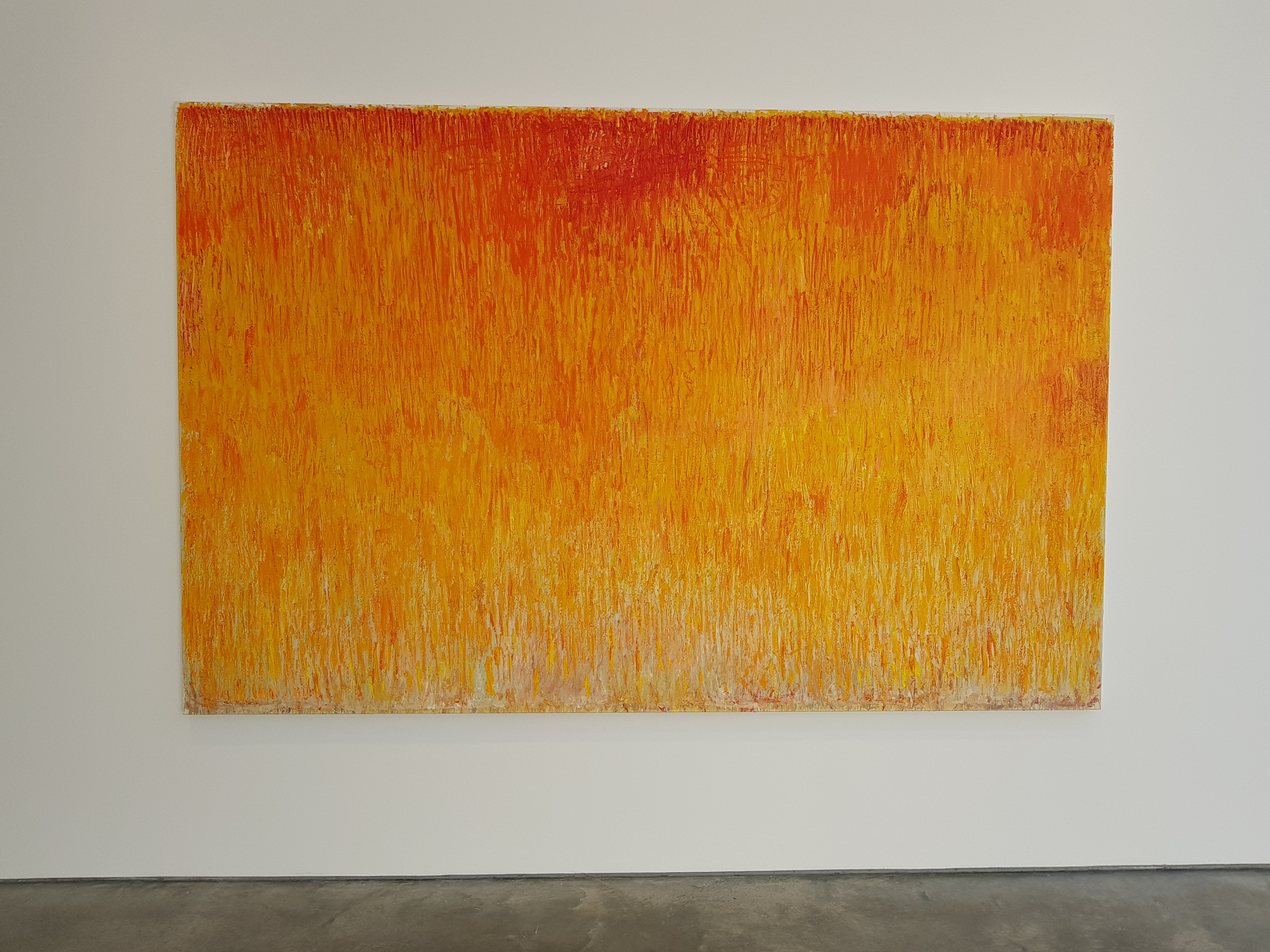
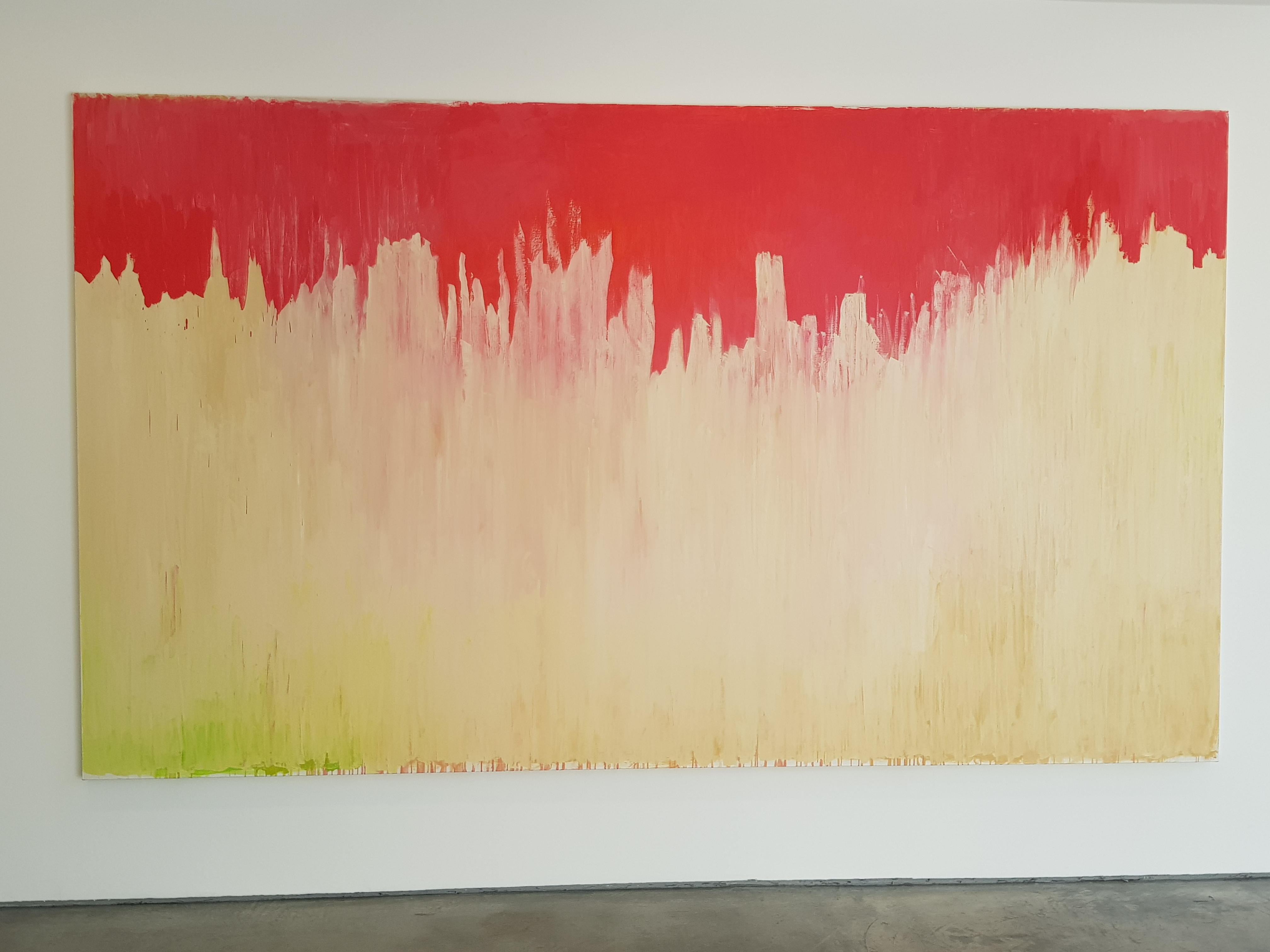
We went to the opening of the PRA’s exhibition at Lisson: big, bold, free painting, with aspects of late Turner and Clyfford Still.
Siren (2016):-
Scene (2017):-
Leighton House
I was invited behind-the-scenes of Leighton House in advance of their HLF development scheme which will place all the offices and services in the adjacent 1920s Halsey Ricardo wing, thereby preserving the original Victorian interiors of the George Aitchison house, including the Arab Hall, intact:-
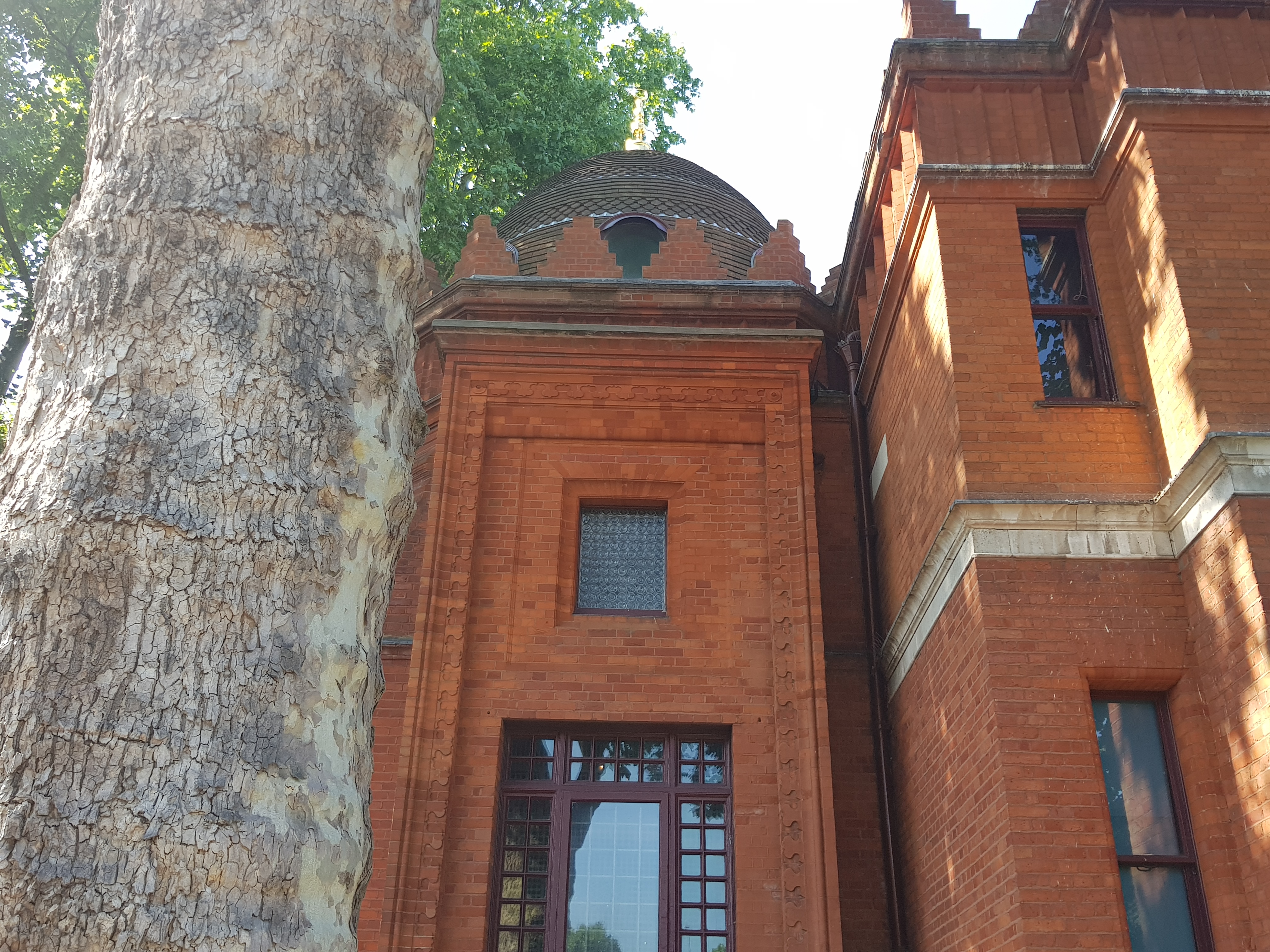
And the Winter Studio:-
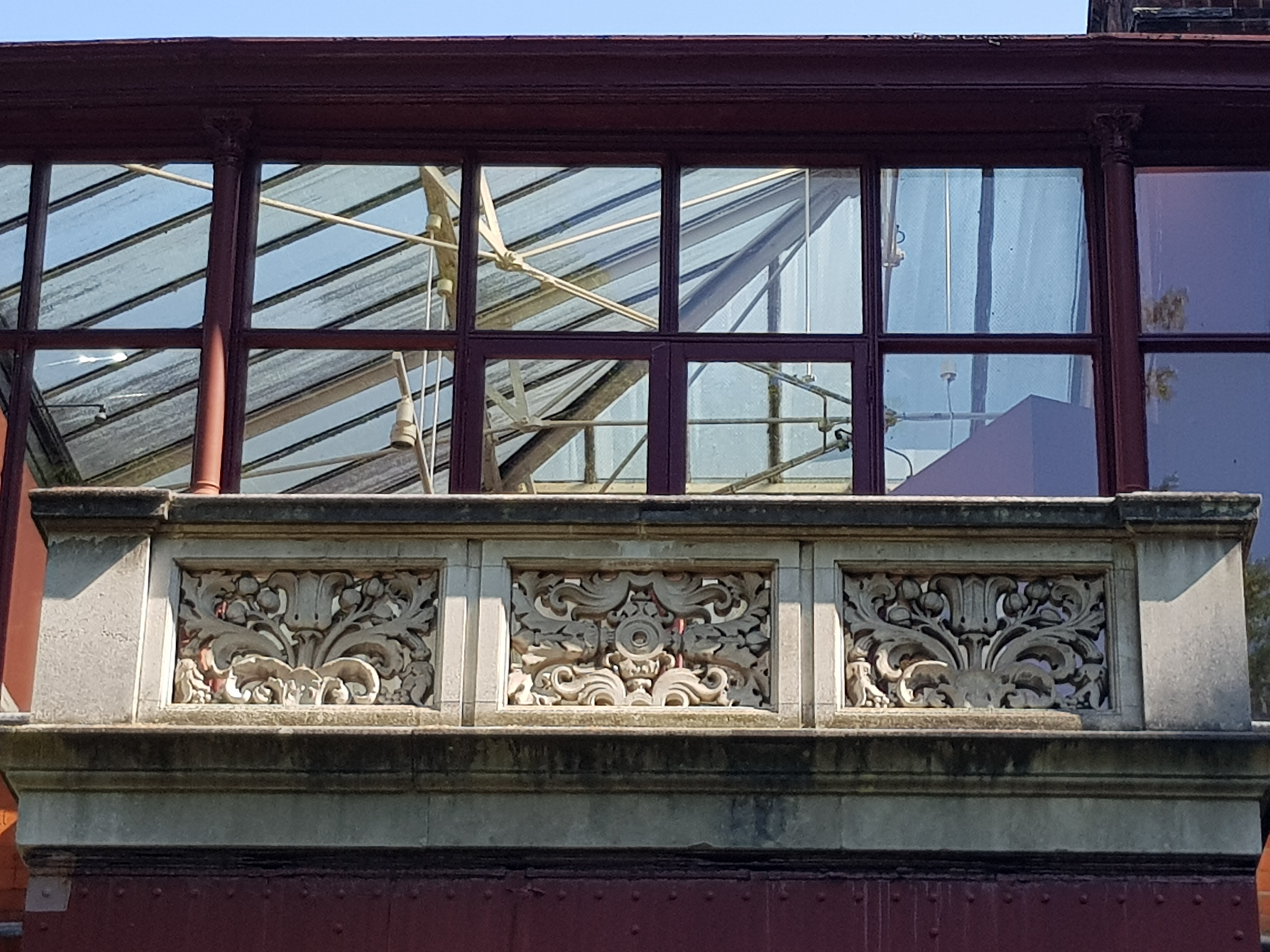
I knew that G.F. Watts had lived next door in New Little Holland House (they used to chat about RA politics over the garden wall), but I didn’t know that New Little Holland House, designed by Frederick Pepys Cockerell, was demolished in 1964, Watts being regarded then as of so little public interest.
Green Park
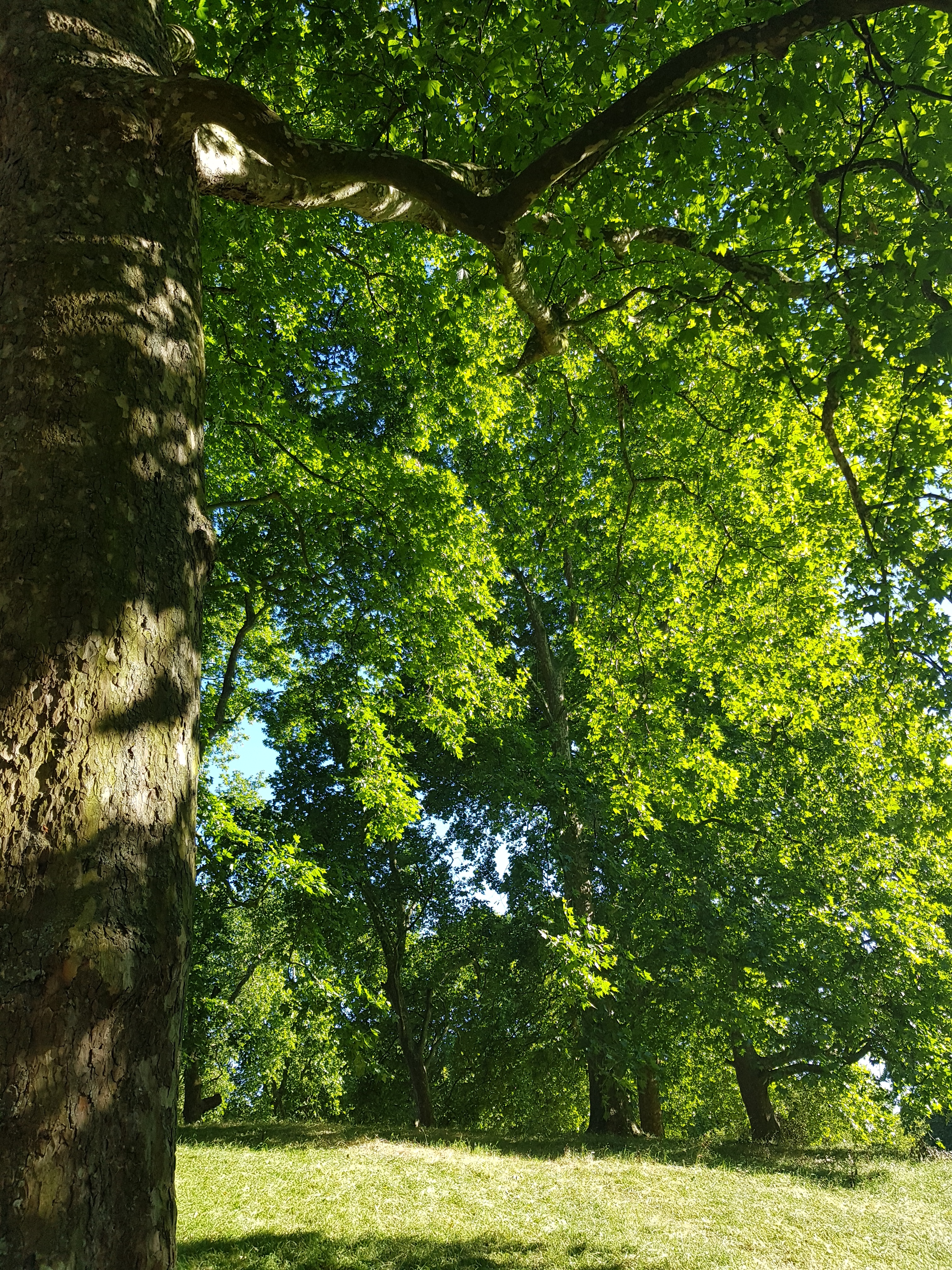
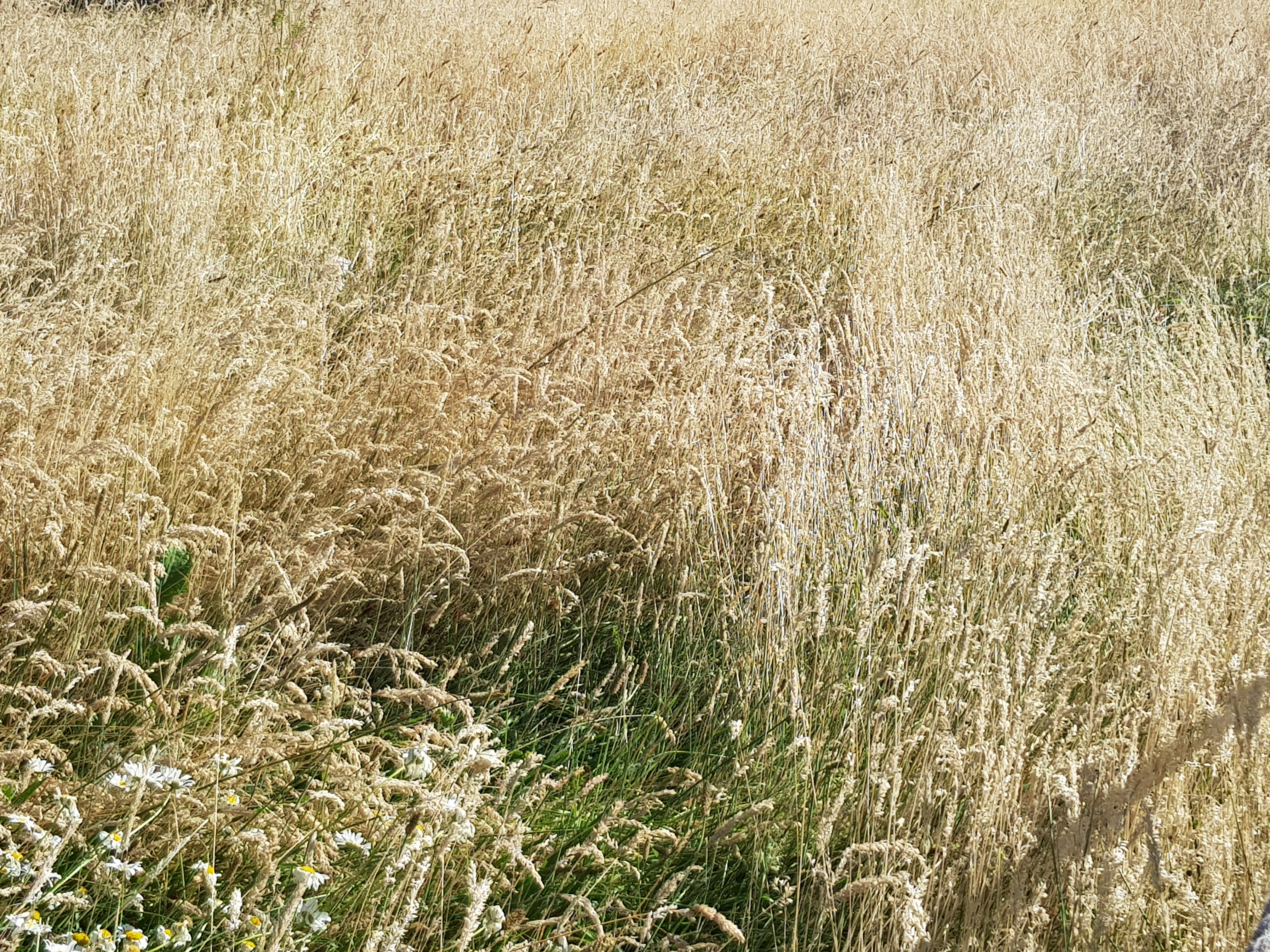
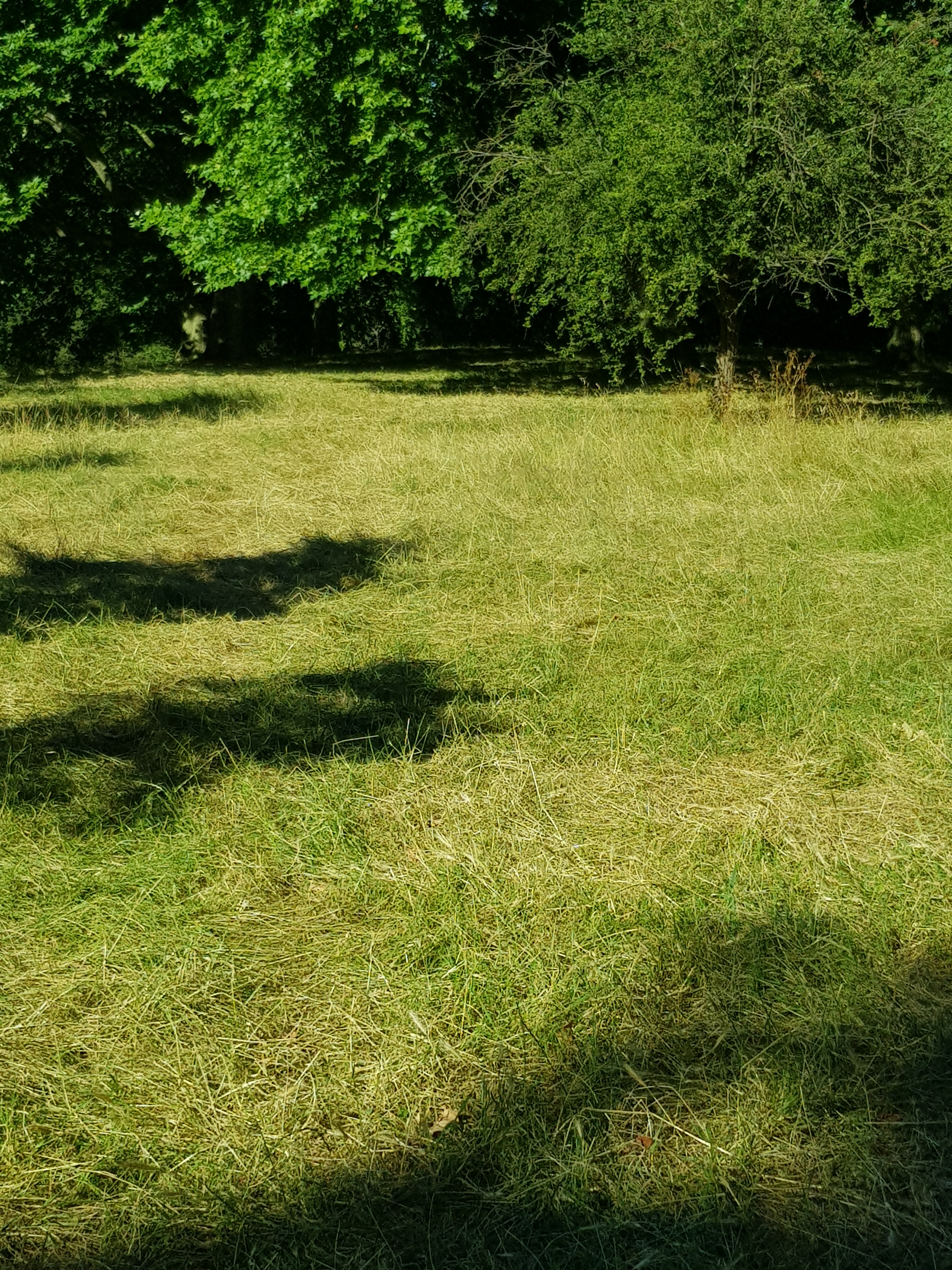
It’s not often that I walk across Green Park, but did so this evening at the height of this odd, hot summer and found that parts of it are now left unmown as a summer meadow, attractively unkempt:-

Whitechapel Bell Foundry (7)
In the interests of those people interested in the planned redevelopment of the Whitechapel Bell Foundry, I am providing a link to the proposals, which were posted earlier in the week:-
It shows that the plans have been drawn up with care and with the help and advice of the Hughes, the previous owners.
But it also demonstrates that it is a purely commercial hotel development, based on the Hughes’s belief that it is no longer possible to operate a working foundry in Whitechapel and therefore asking for change of use.
Since there is now a well developed alternative proposal, this argument should be rejected.
Mayfair Art Weekend
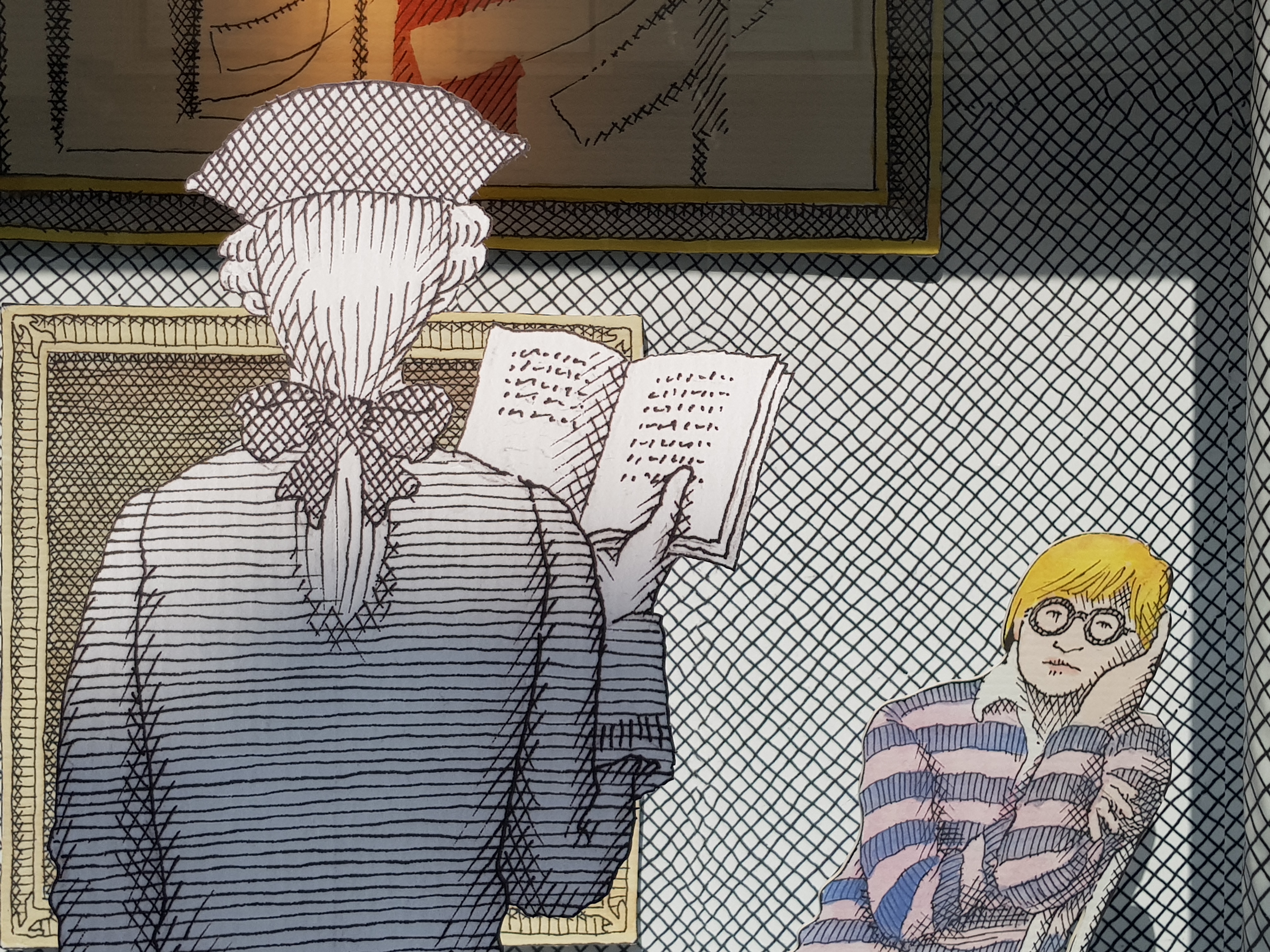
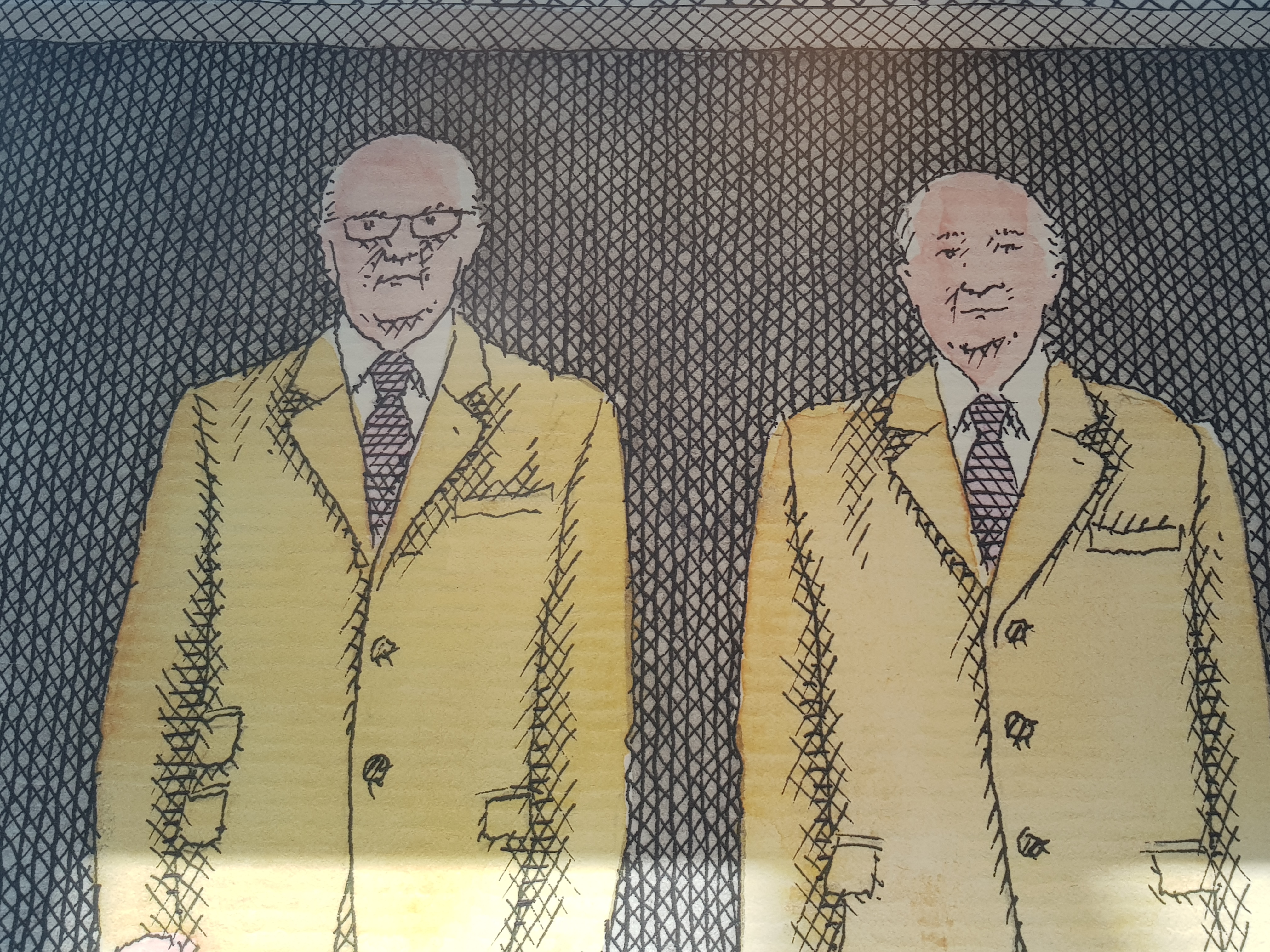
After lunch at the Art Workers’ Guild, I headed off to Mayfair Art Weekend. It gave me a chance to enjoy the many shop windows celebrating the Royal Academy’s 250th. anniversary, most especially that of Fenwick which includes illustrations by Pierre Le-Tan of the Michelangelo Tondo:-

Henry Moore, who never was an RA:-

David Hockney:-
And Gilbert and George:-
John Claridge
Alongside John Claridge’s book of photographs of the Whitechapel Bell Foundry, I have also acquired a copy of his book of photographs of the East End, published in 2016 by Spitalfields Life. They are amazingly atmospheric. He was brought up in Plaistow and acquired his first camera, an Ilford Sportsman, as a child. He got a job aged fifteen working in the photographic department of McCann Erickson, an advertising agency, and, aged seventeen, he took his photographs to show Bill Brandt. All through the 1960s, he documented the old East End in grainy, moody photographs of an area which was still war ravaged, poor, and still with a strong sense of working class community, which he depicts with affection.
Nevill Holt
From Boughton, we went over the border to Leicestershire, where David Ross has constructed a spectacular, small opera house in the old seventeenth-century stables attached to a large, sprawling manor house, which was previously a naughty prep school:-
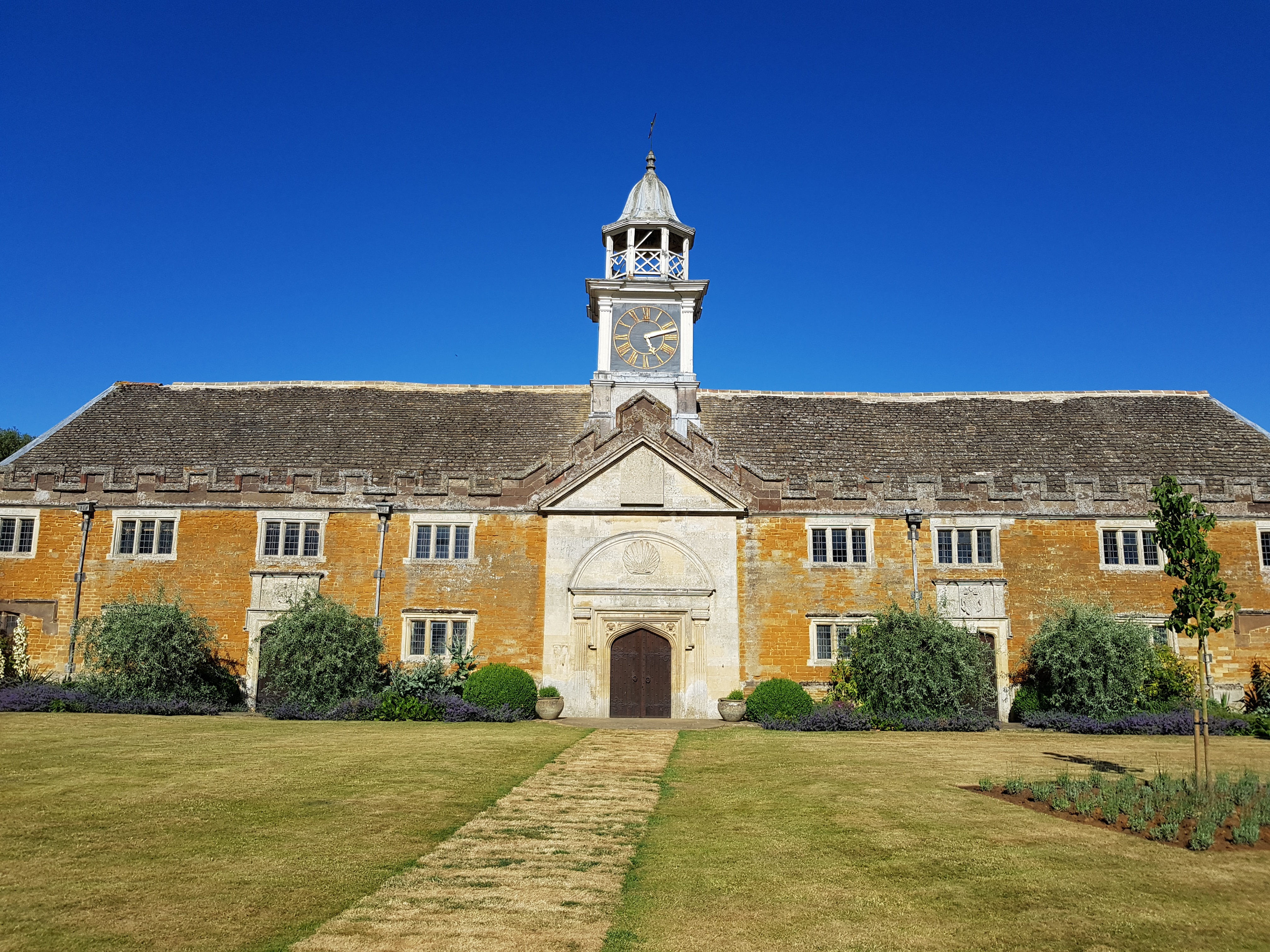
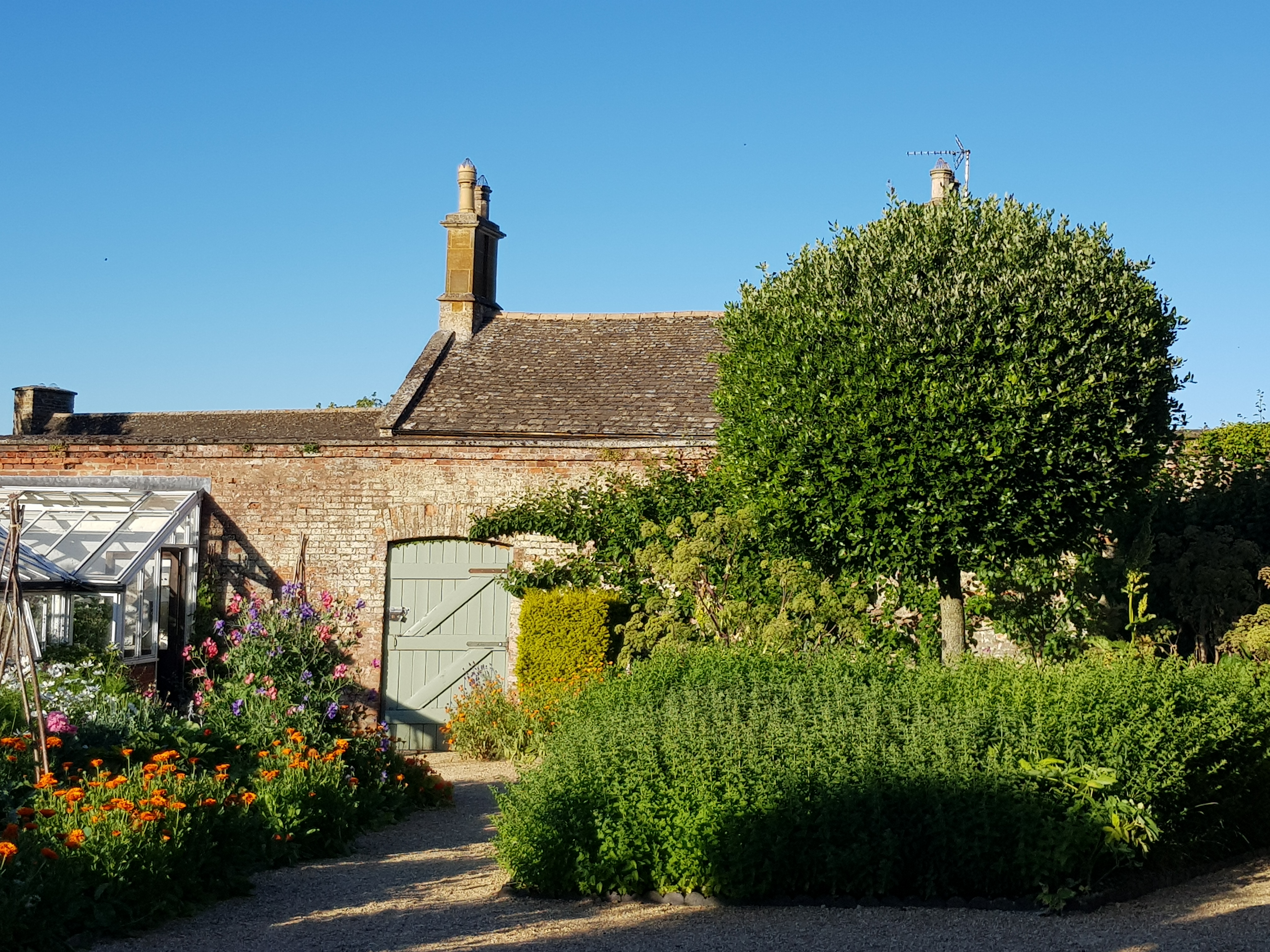
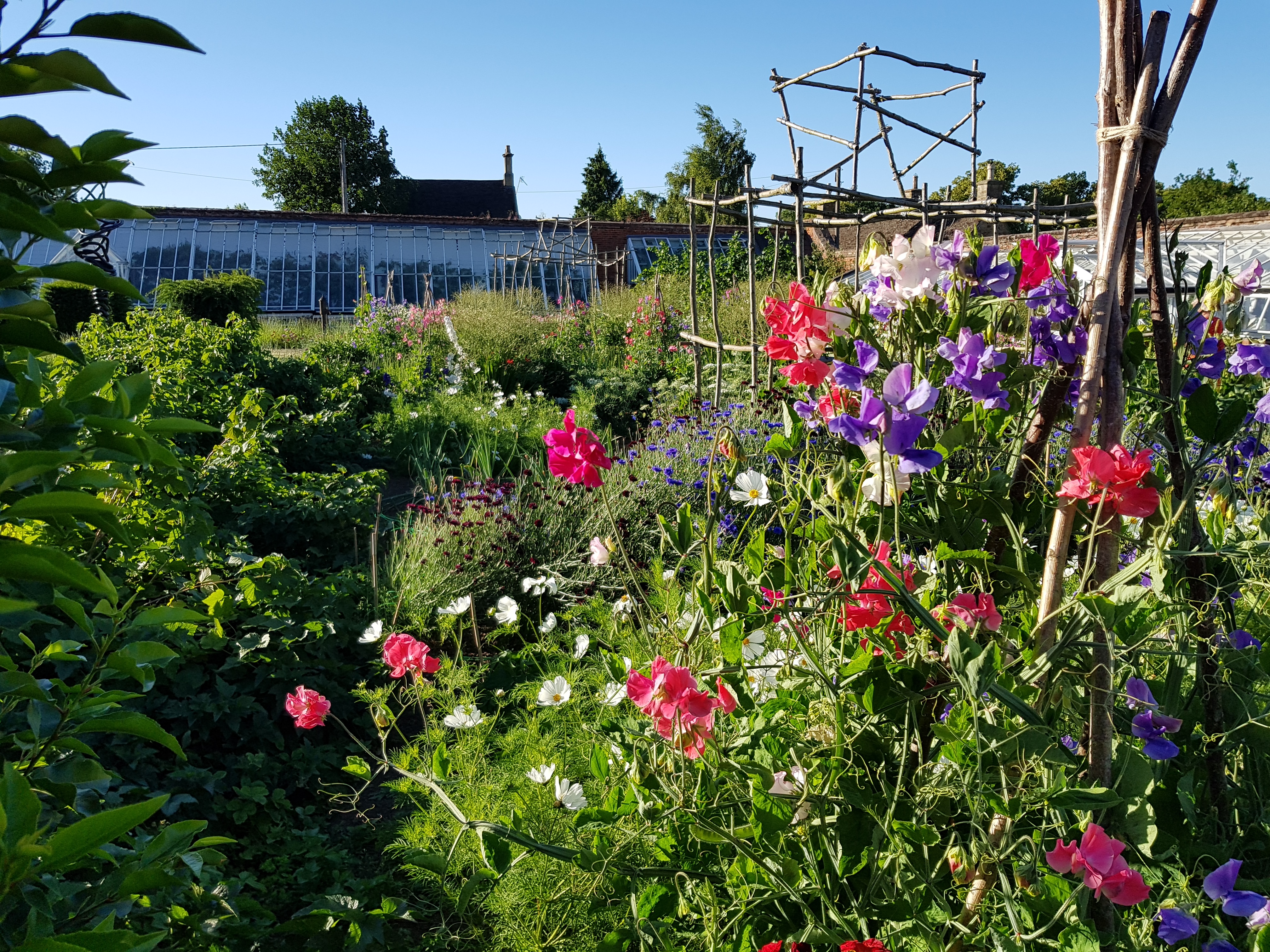
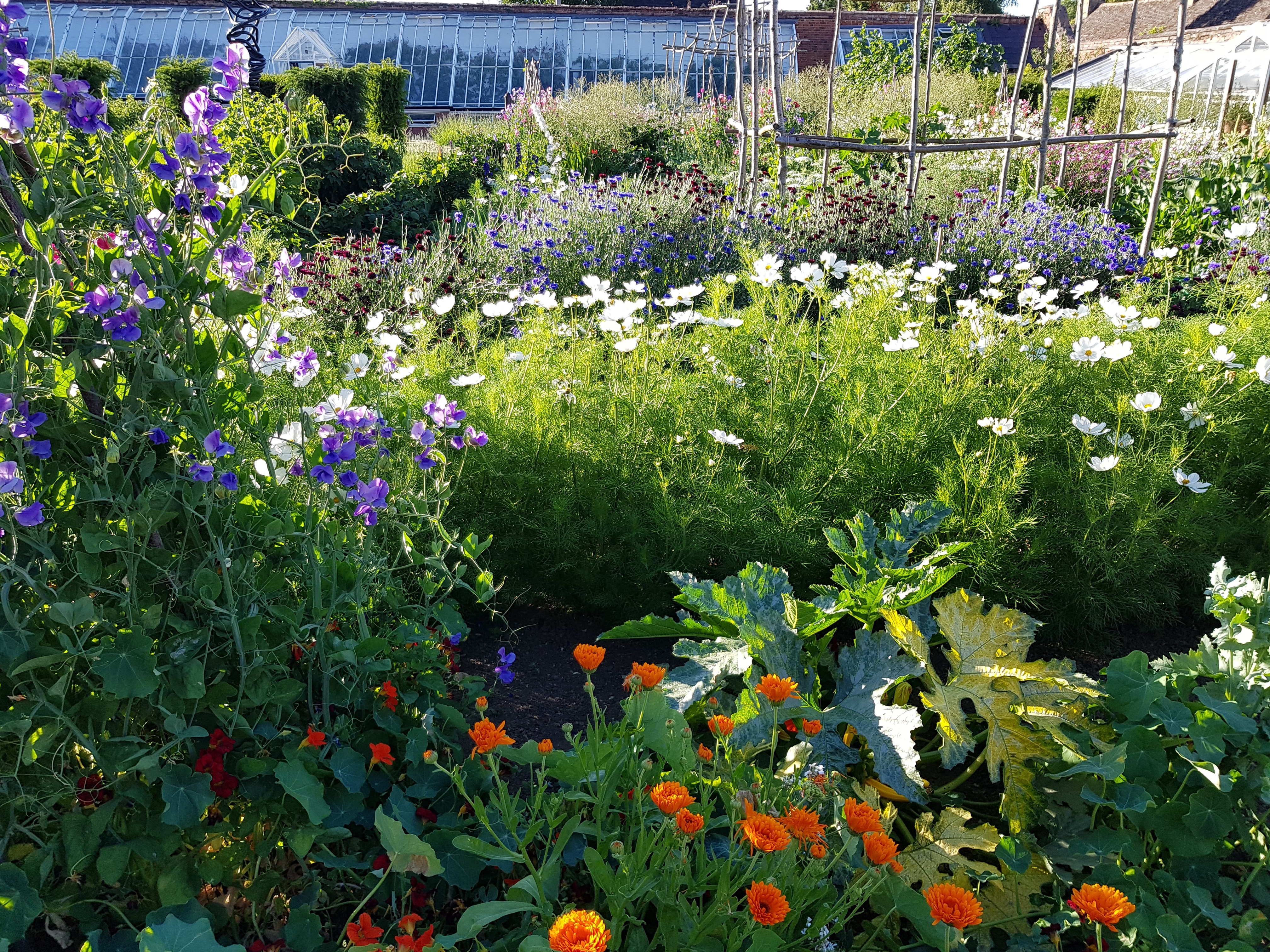
The opera house has been designed – beautifully – by Witherford Watson Mann, intimate and heavily wooded. We saw Antony McDonald’s stylish production of Thomas Adès’s Powder My Face and had supper in the kitchen garden:-

Boughton House (3)
We went on our annual expedition to Boughton, this time to an event about Memory and the importance of music to those suffering dementia, often the only thing that people can remember when everything else is forgotten, hard wired into the brain.
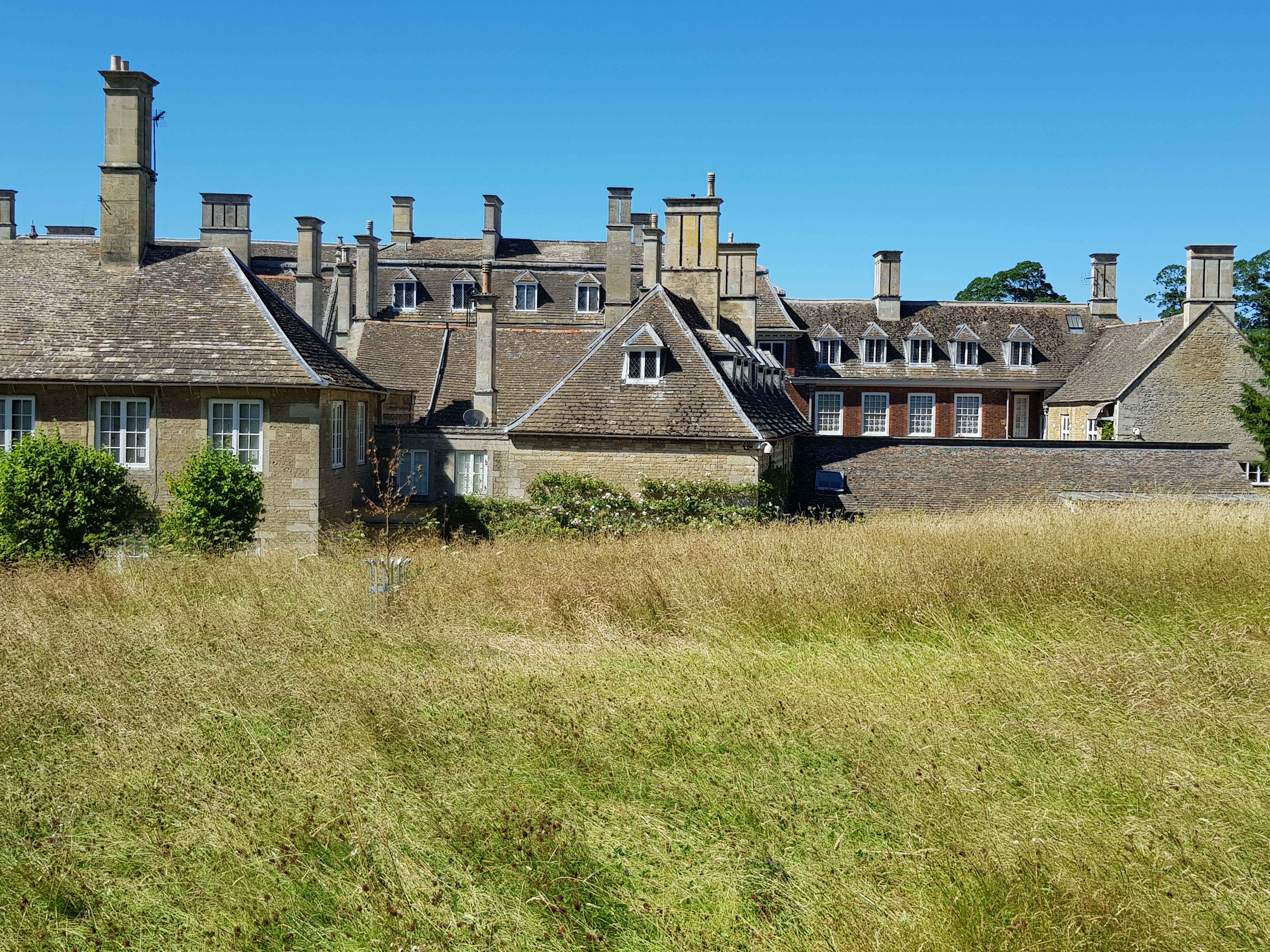
The house was as beautiful as ever, floating across the Northamptonshire fields, dreaming of northern France:-


We went round the back where one can see the remains of an older house, monastic, bought in 1528 by Sir Edward Montagu, a Henrician lawyer. Pevsner says, rather harshly, that it ‘does not call for study’:-
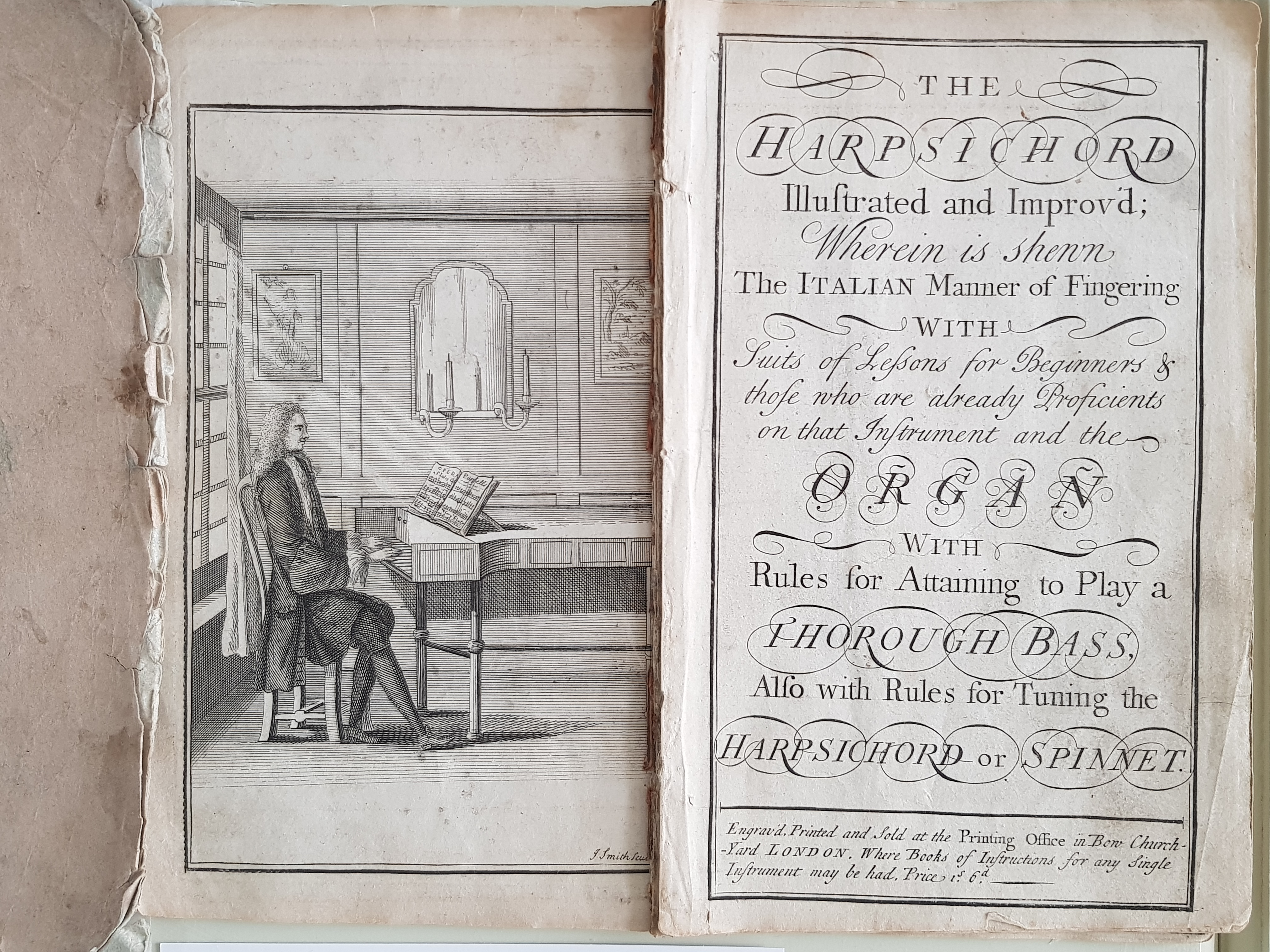
Inside were some items from the collection, including a copy of Peter Prelleur’s A Modern Music Master (London, 1730):-
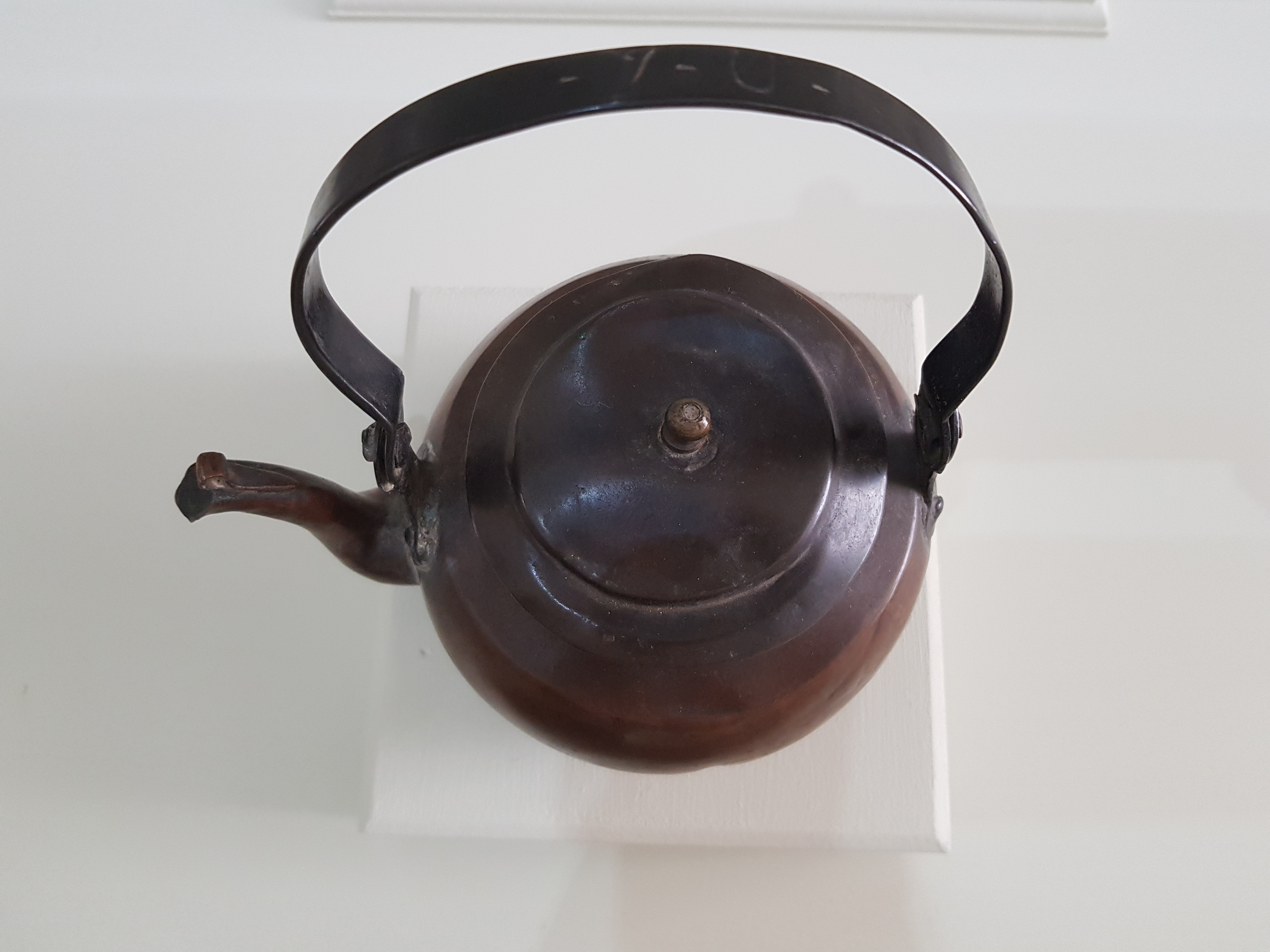
And Bonnie Prince Charlie’s camp kettle:-
Best of all was Mozart’s 40th. Symphony, performed by the Aurora Orchestra in the Great Hall from memory. Not having scores gave it a different mood: lighter, less rigid, more authentic, as if performed for the first time in 1788.
 | Charles | Saumarez | Smith |