Bodorgan

I have always been fascinated by Bodorgan, a house which stands prominent on the Malltreath Estuary, but is very severely secret, closely guarded from all forms of public access by the fierceness of its gamekeepers.

The house was apparently designed by Samuel Cooper, who moved to Beaumaris in 1776 and worked as assistant and clerk of works to Samuel Wyatt at Baron Hill, the other big house on the island. After finishing work at Bodorgan in 1783, he drew up designs for Plas Newydd.

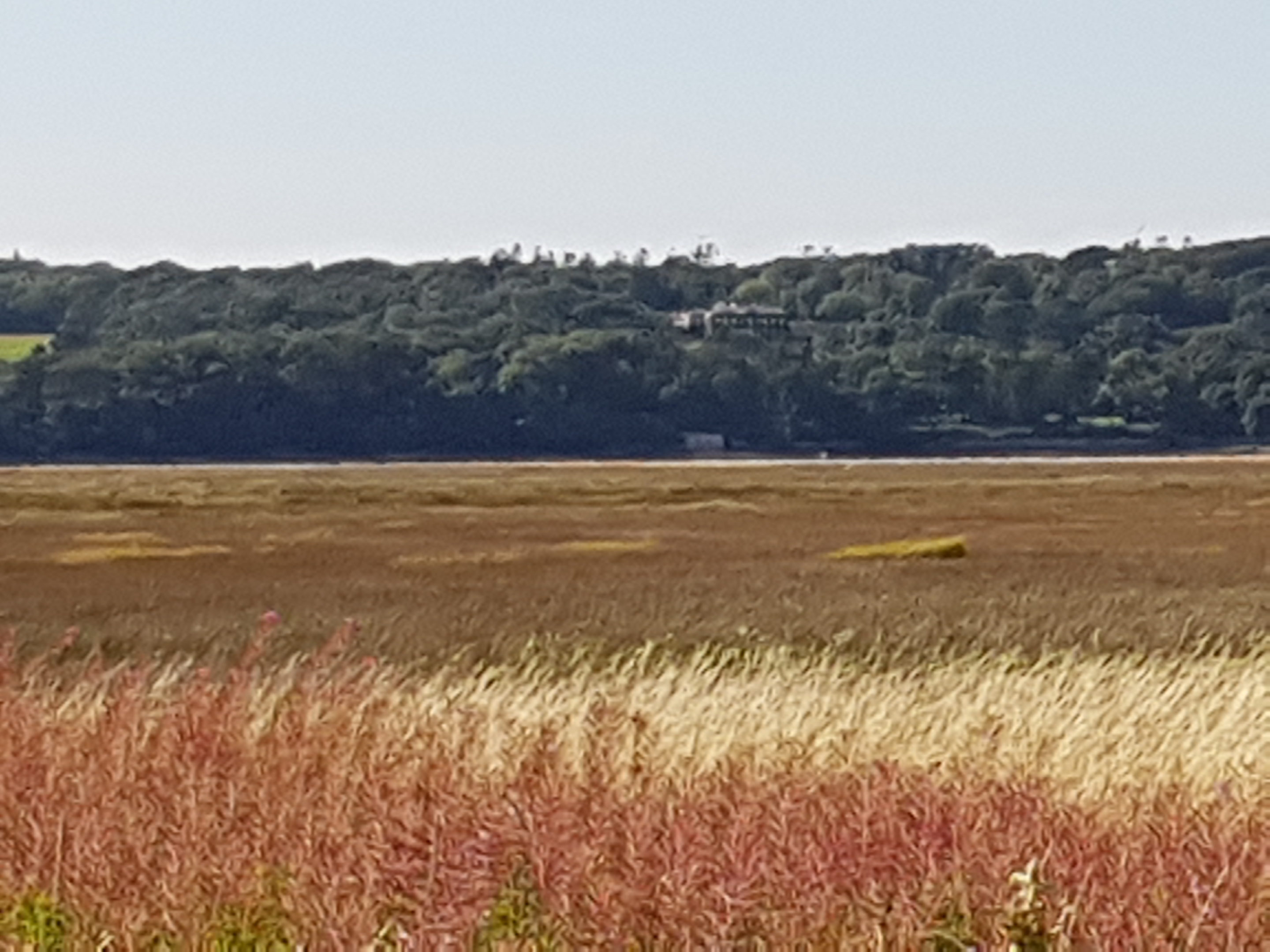
I had been told that one gets a good view of the house from the footpath on the other side of the estuary. This is not strictly true. There is a gap in the trees from which one gets a very distant view of the garden façade and the boathouse on the shore below, but this view leaves one not much the wiser as to the character of the house (and this is taken with the nearest I have to a telephoto lens):-
image

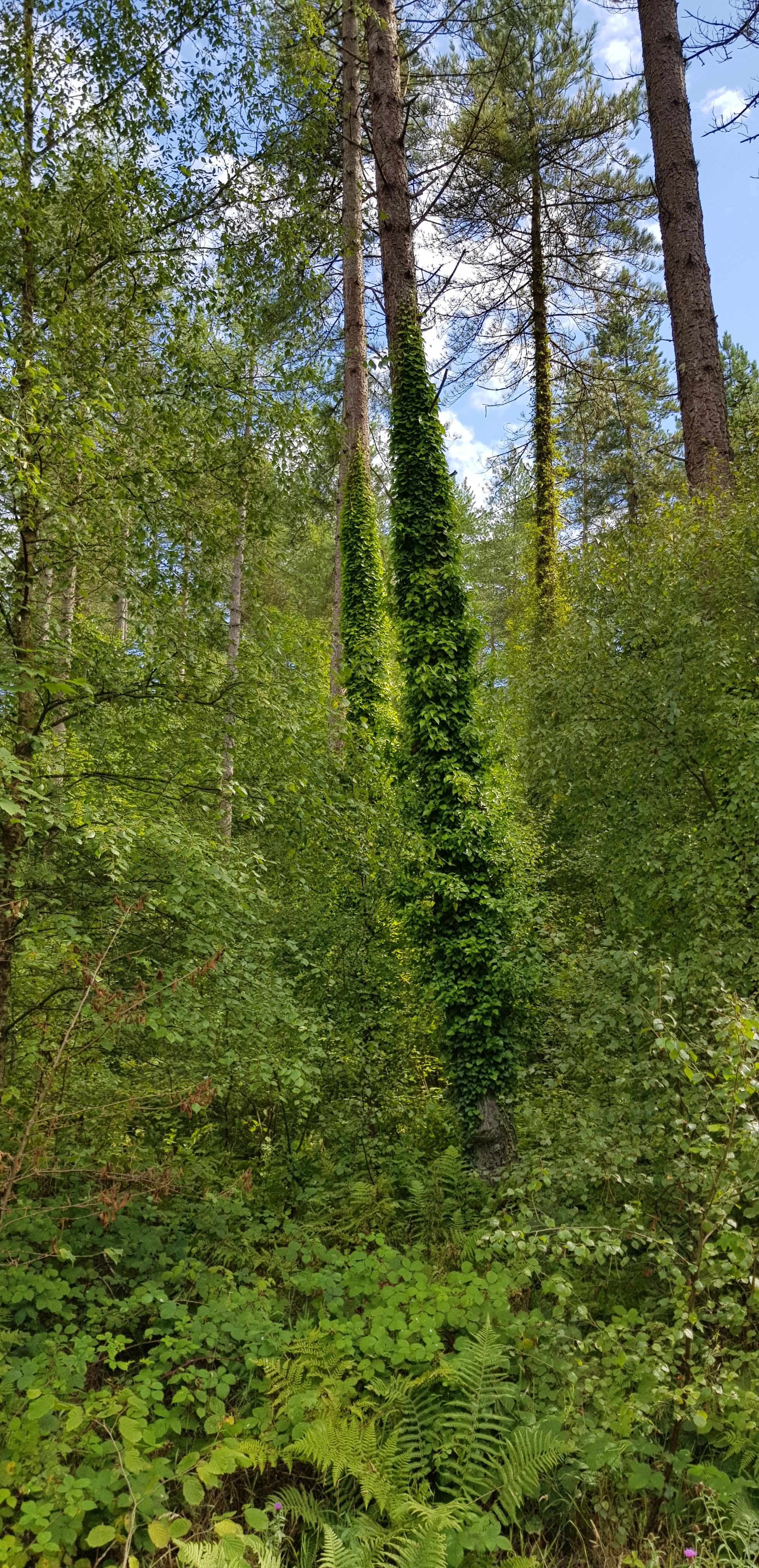
But at least we had a nice walk through the woods:-

image

image

And got a good view of the estuary itself:-

image

Standard

Caspar Purdon Clarke

I have been reading about Caspar Purdon Clarke, the fourth Director of the V&A, who took over from John Henry Middleton in 1896 and left in 1905 to become – unsuccessfully – the Director of the Metropolitan Museum.

I hadn’t realised that he began life as a student of the National Art Training School in South Kensington before joining the Office of Works as an architect, working on the Houses of Parliament before transferring to the Works Department of the South Kensington Museum and travelling to Egypt to help on the construction of James Wild’s Church of St. Mark in Alexandria. In June 1874, he went as Superintendent of Works on the Legation in Teheran, where he was able to act as an agent for the acquisition of Persian objects for Christopher Dresser and recommending the creation of plaster reliefs of the Achaemenid stone reliefs at Persepolis. In 1876, he applied for a post as Assistant Keeper, but was turned down. It was only in 1883 that he became Keeper of the Indian Museum, transferring to the art collections in 1892.

He was interested in inherited design traditions and how they are passed down within the building profession through practice and word-of-mouth (this was part of the philosophy of the National Art Trining School), which, not surprisingly, made him a popular figure as a Freemason on both sides of the Atlantic.

Standard

Jan Morris

One of the things that I have done on holiday is to listen to Jan Morris, aged 91, talking about her attitude to the British Empire, which she has written about in her great trilogy of books on the subject and describes as equivocal in her role as a journalist and historian, but is actually deeply romantic and suffused with the experience of Empire, now increasingly remote and nearly impossible to recover, except through her voice and choice of accompanying music.

I strongly recommend it:-

https://www.bbc.co.uk/programmes/b0b7fps6

Standard

Newborough

The weather is not so good in Anglesey, so I thought that I would walk to the local village to buy some bread and see what had changed since we were last here.

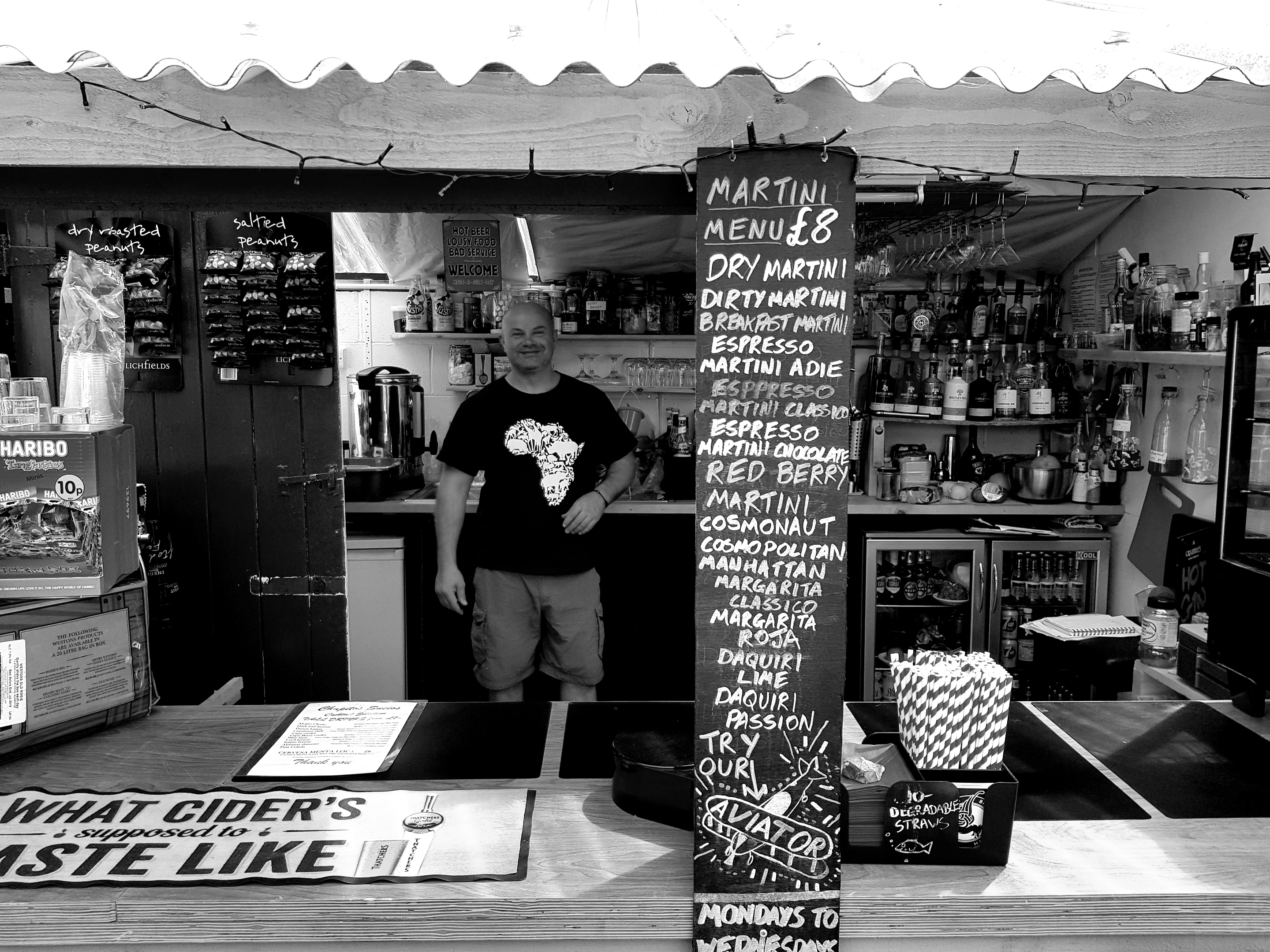
I stopped at the Marram Grass, the restaurant in the local caravan park, which is now listed in the Good Food Guide.   It’s acquired its own pop-up potting shed with a home distillery and bar:-

image

On the other side of the road is their farm project, where you can see what you eat:-

image

image

Then, I walked up the road past the Wesleyan Chapel, which says 1785 on the front, but was rebuilt in 1861:-

image

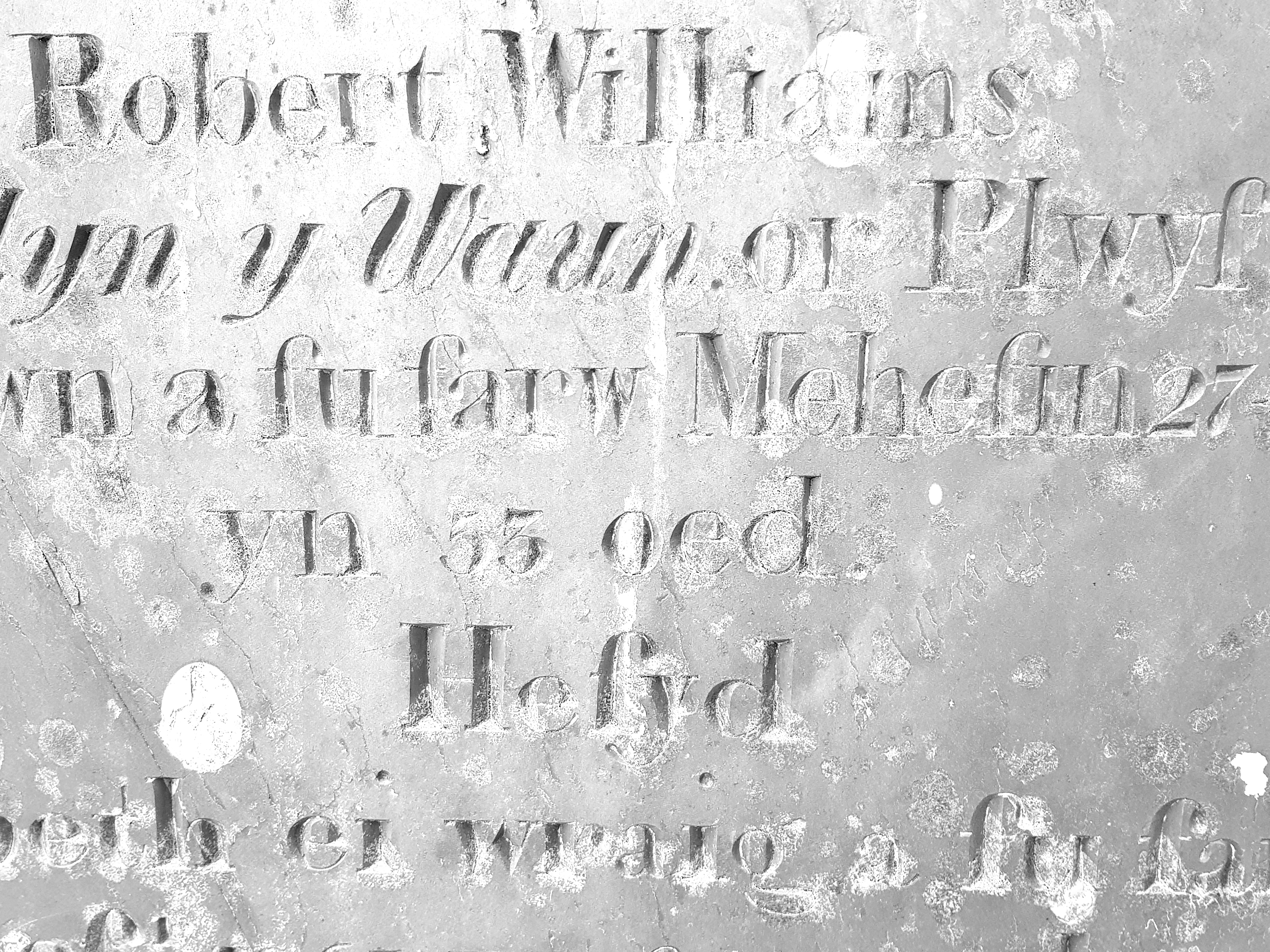
The cemetery at the back has good slate tombs:-

image

image

But the house next door is now unoccupied:-

image

image

The great Prichard Jones Institute, too, is closed:-

image

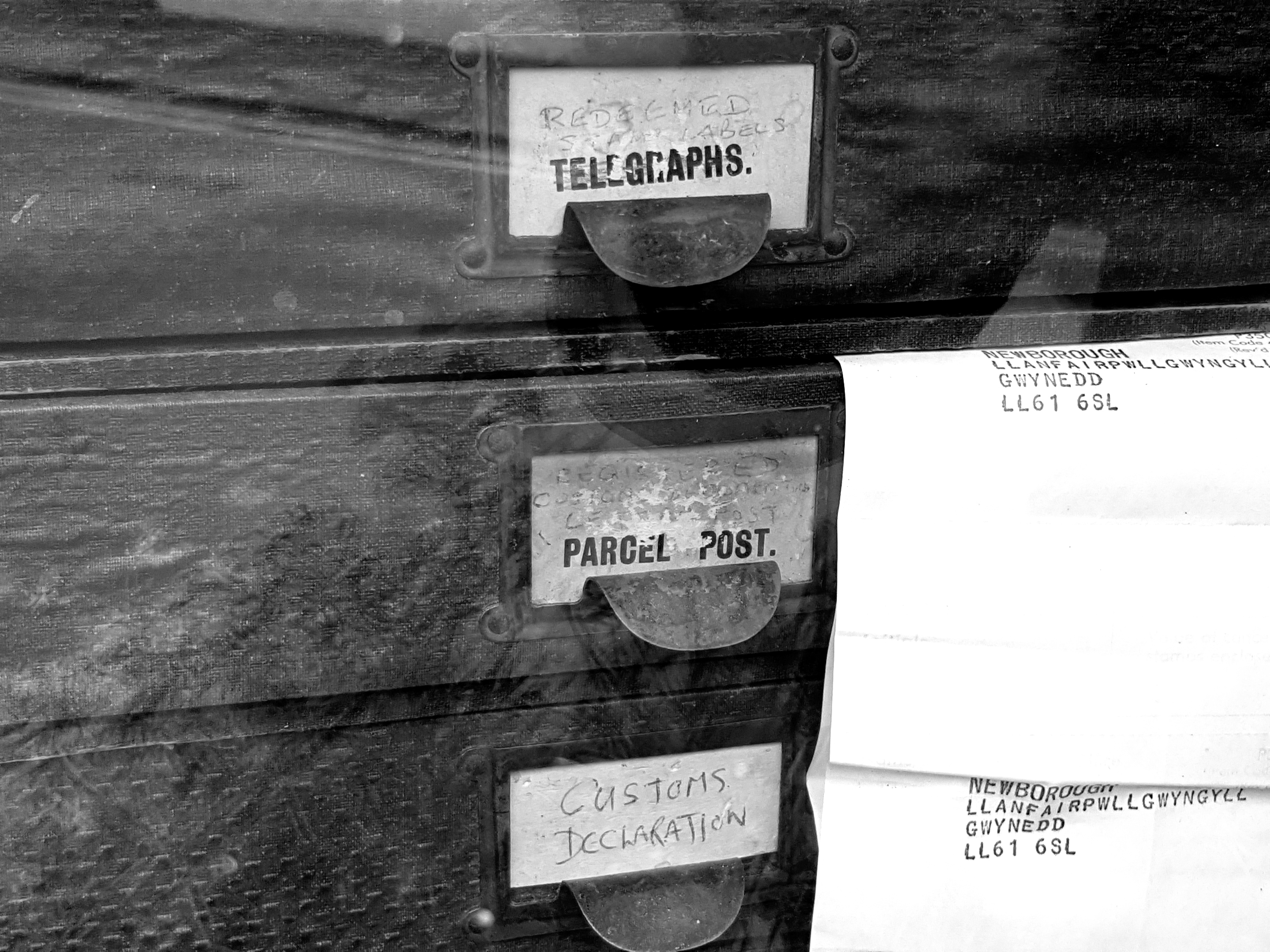
And the little post office is now a café:-

image

Standard

Llanddwyn Beach (1)

We went down to the beach at the end of the day.   Llanddwyn Island was apparently a place of pilgrimage in the fifth century, when young lovers came to pay their respects to St. Dwynwen, the patron saint of lovers (the Welsh apparently now celebrate St. Dwynwen’s Day on 25th. January instead of St. Valentine’s Day in February):-

image

image

image

Standard

The Stepping Stones

We walked down to the Stepping Stones, said to be Roman in origin, but renewed for the coastal path a few years ago, to watch the birds on the river – peewits and flocks of geese, two egrets and in the distance the hills of the Lleyn Peninsula:-

image

Standard

The Dovey Valley

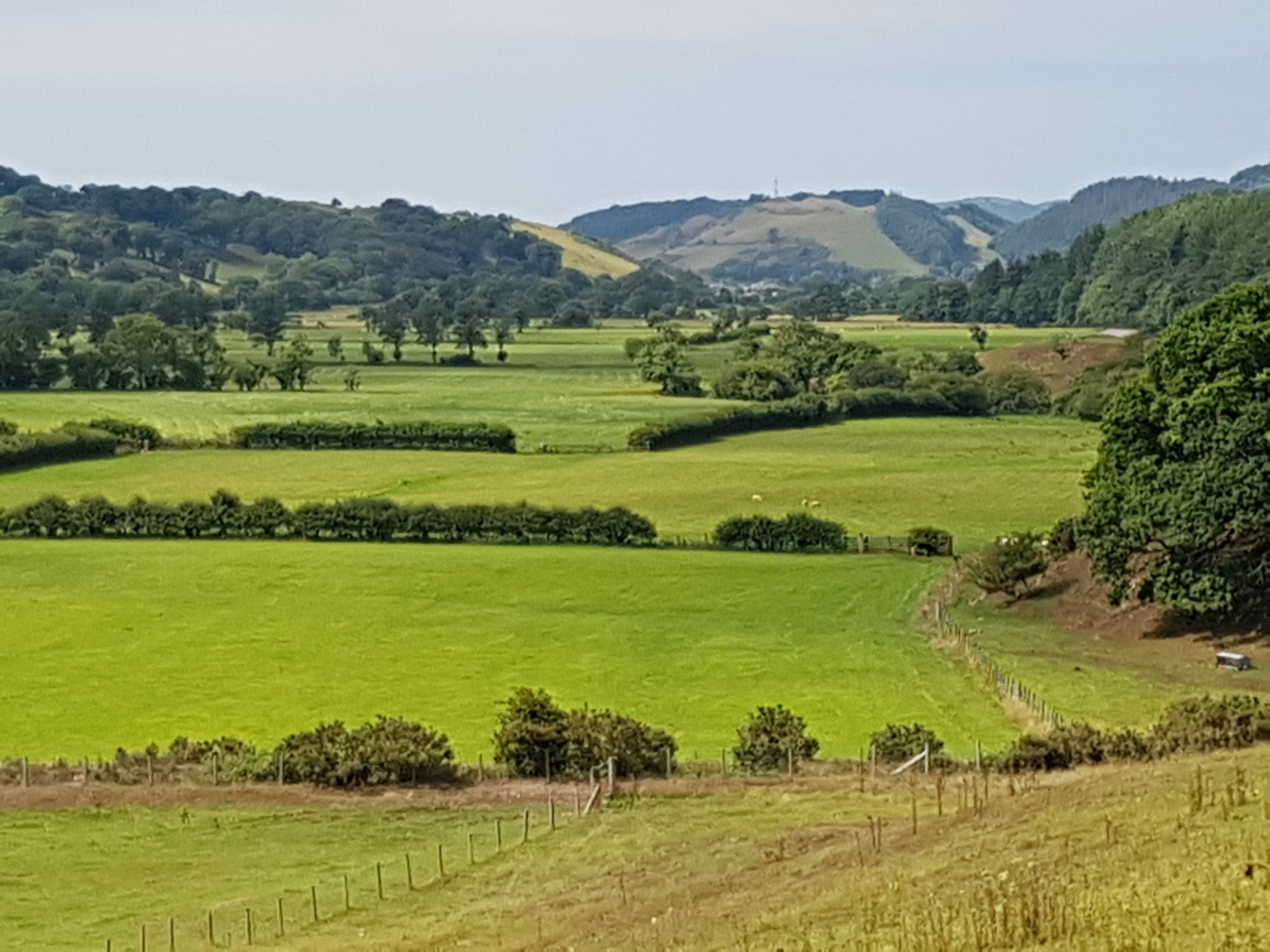
I stopped on the way back from the Centre for Alternative Technology to take a photograph of the green fields of the Dovey Valley, looking across the valley towards Penegoes, where Richard Wilson was born in 1714, son of the rector and taken off to London when he was fifteen by his uncle, Sir George Wynne:-

image

Standard

Centre for Alternative Technology

I’ve always planned to visit the Centre for Alternative Technology and finally succeeded, driving over a steeply wooded mountain road from Aberangell to Corris.

It’s a 1970s project, founded in November 1973 by Gerard Morgan-Grenville on a disused slate quarry, inspired by writings like Small is Beautiful and The Limits to Growth, full of hippy zeal to explore alternative technologies, including wind farms and solar power, which were once marginal and are now mainstream.

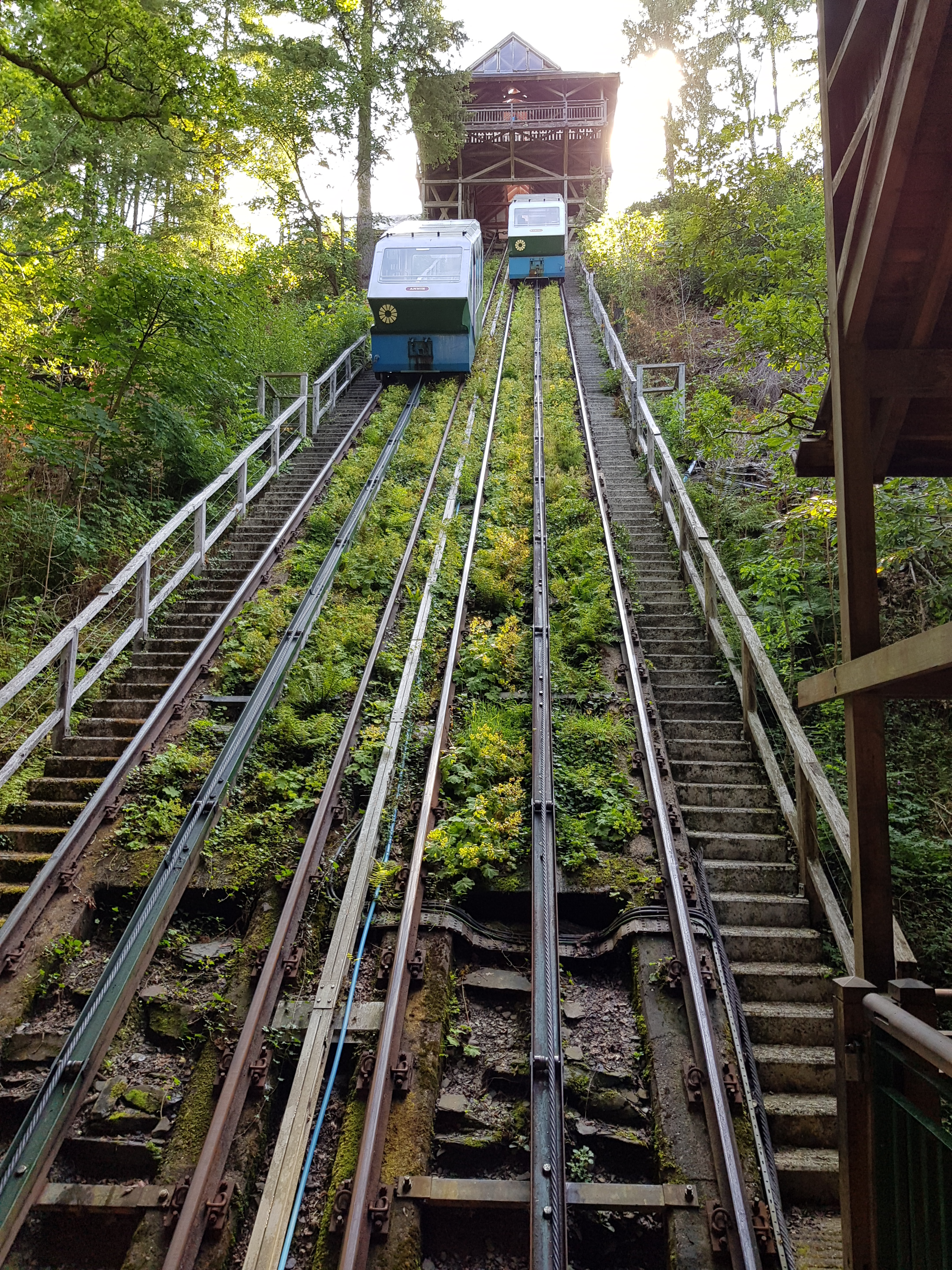
One approaches by a water-powered funicular:-

image

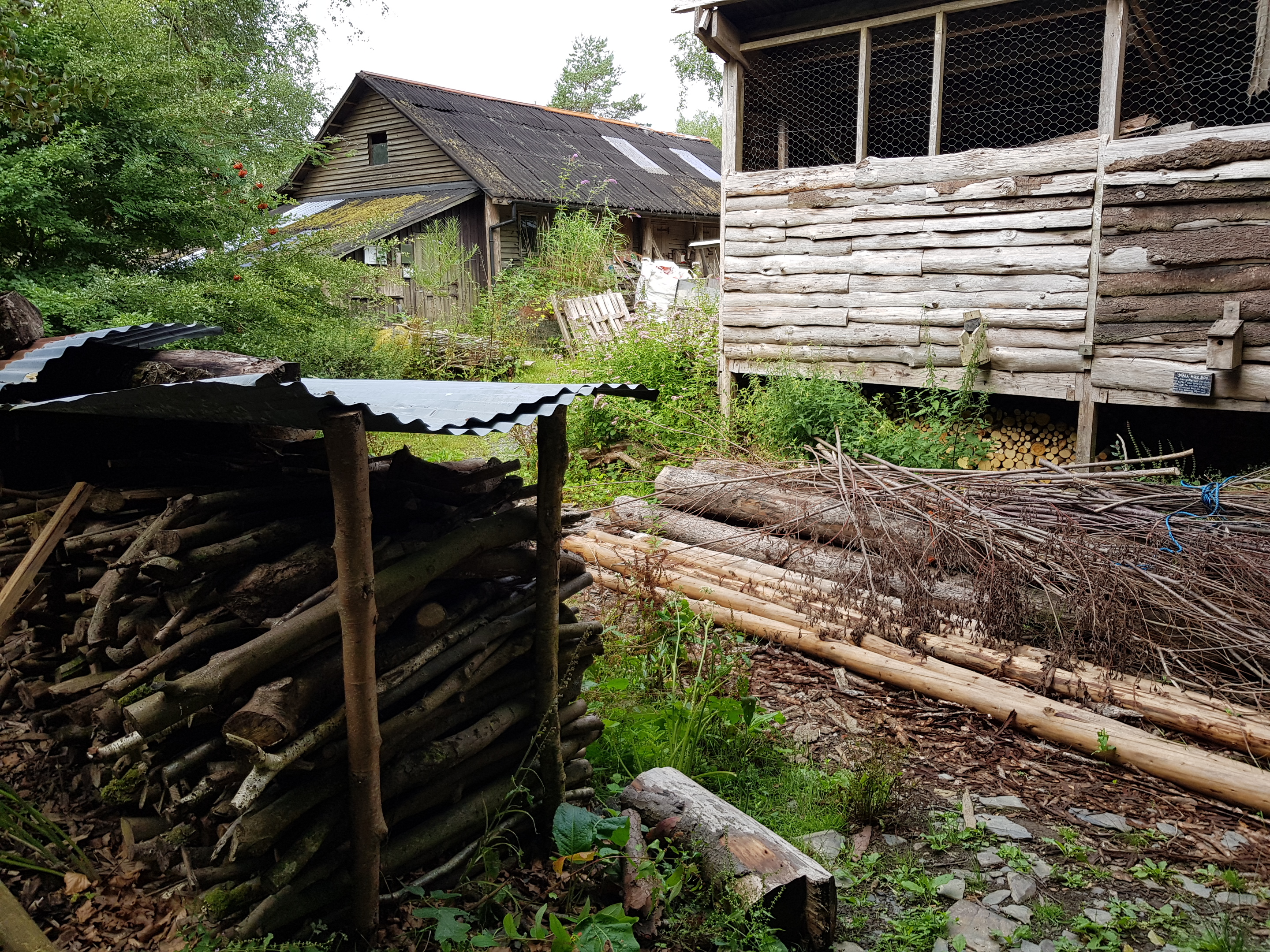
There is a faint whiff of Hobbit-land:-

image

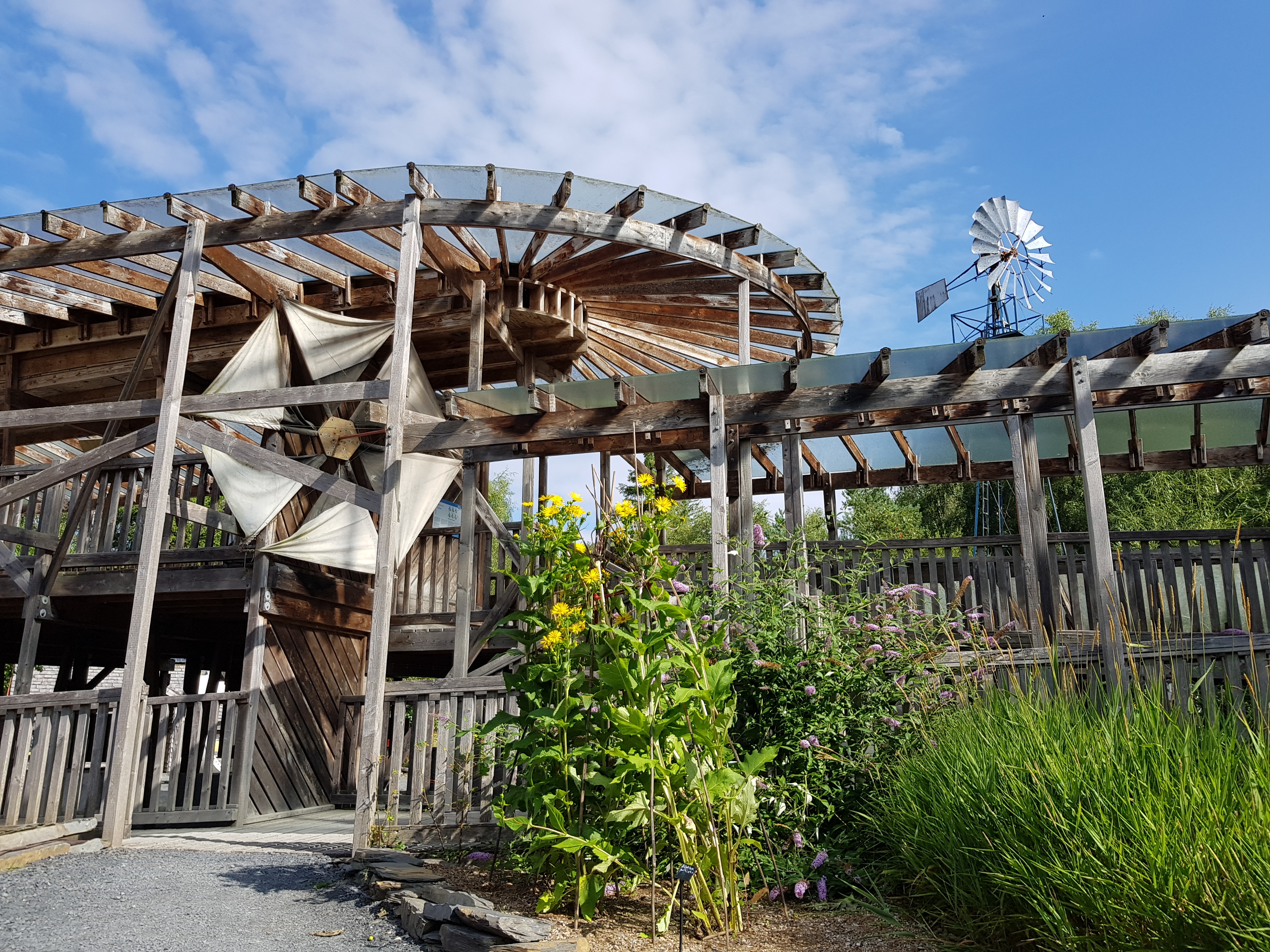
Plus the remains of experiments in wind power:-

image

image

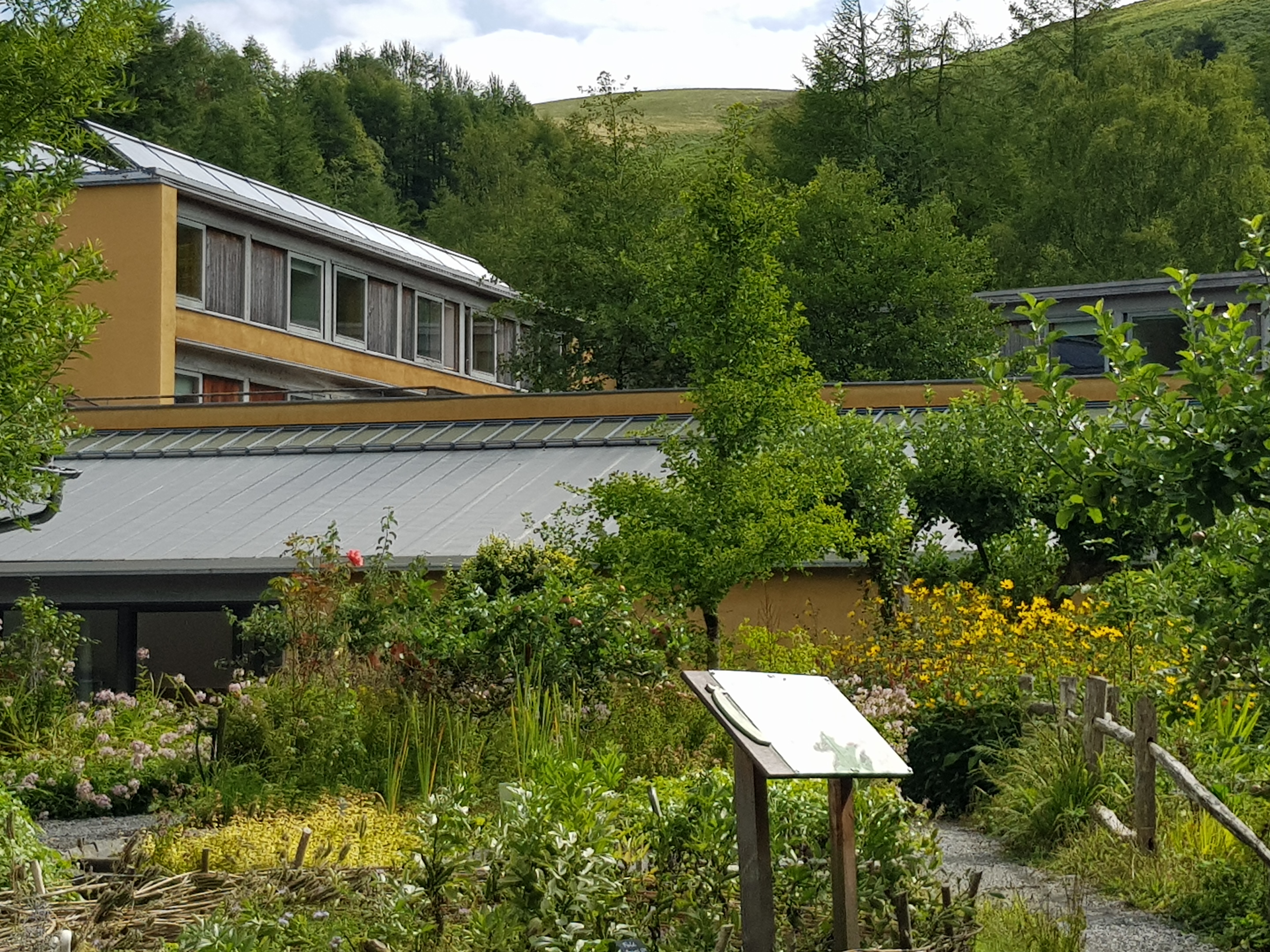
The most impressive part of the project is WISE, their graduate school and conference centre, which was designed by Pat Borer and David Lea, a student of Leslie Martin, an intelligent piece of ecological design, built out of rammed earth and timber on an ambitious scale:-

image

image

Standard

Machynlleth (1)

No sooner had I arrived in Anglesey than I set off for a weekend retreat in the hills north of Machynlleth:  still Snowdonia, but its southern reaches, across the pass south of Dolgellau and much afforested after the war.

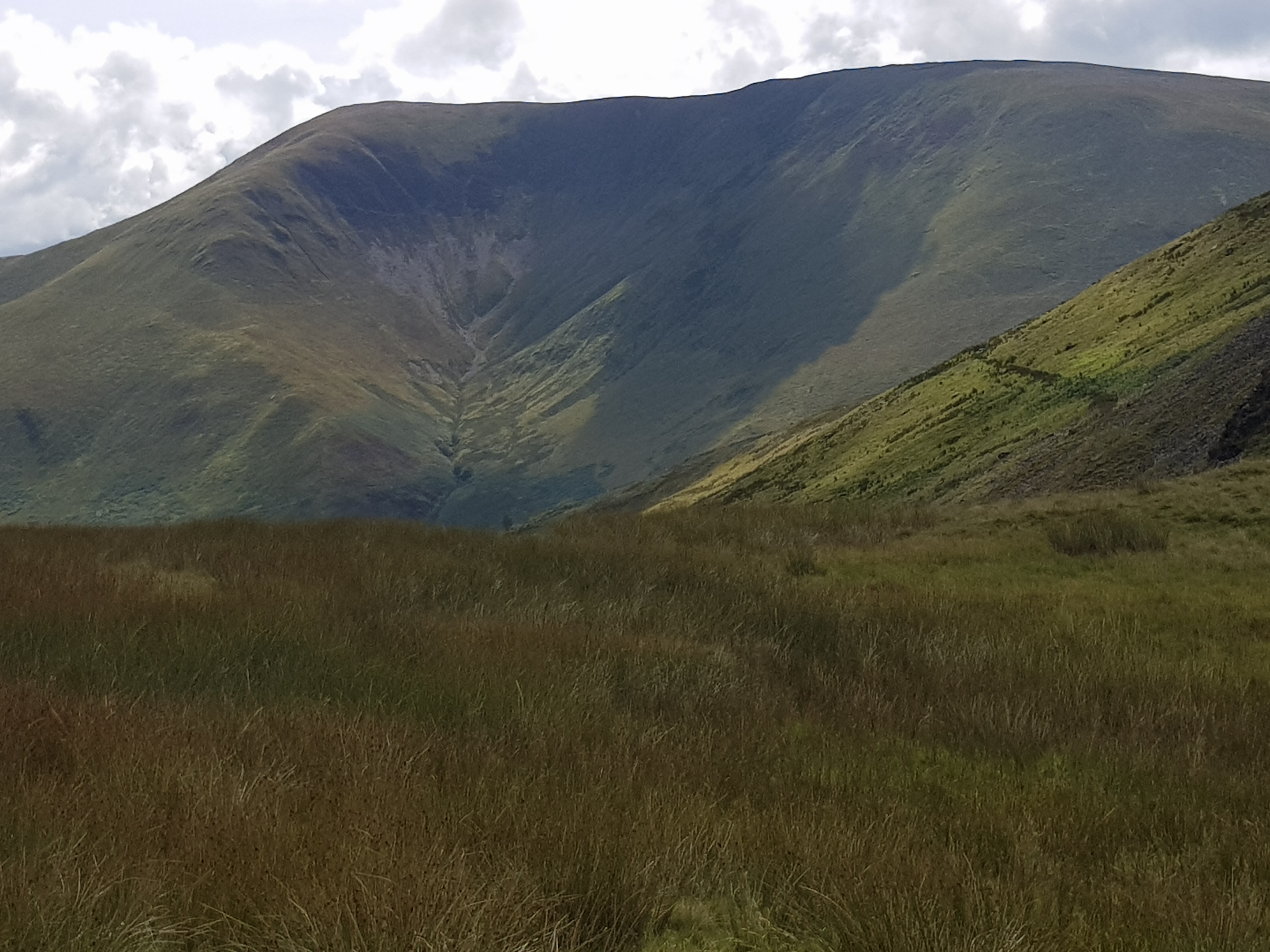
This is the pass over the hills:-

image

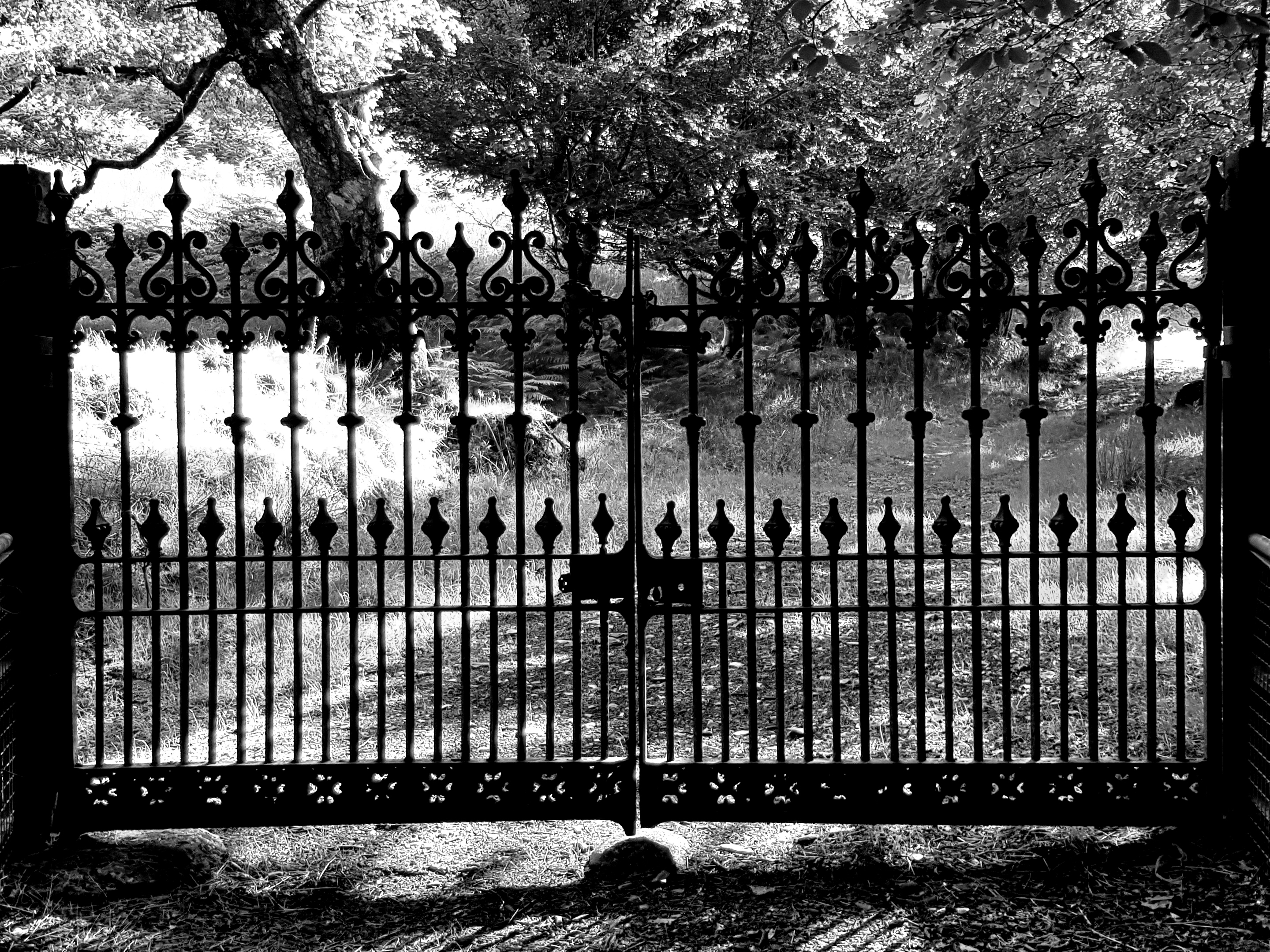
The gate into the estate:-

image

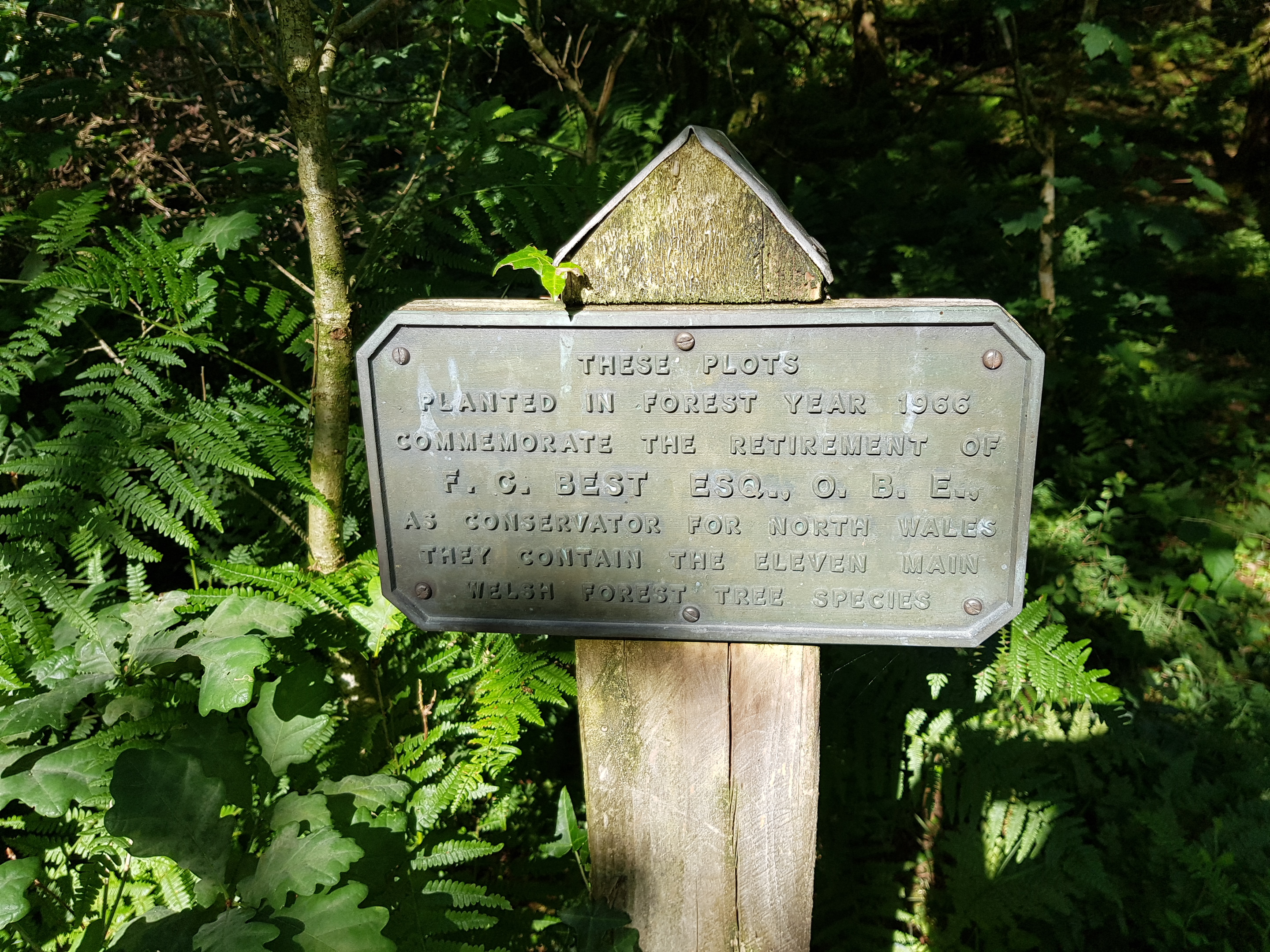
A sign of some of the planting:-

image

Old outhouses:-

image

The woods:-

image

And the lake:-

image

Standard

The Whitechapel Bell Foundry

I’ve just been tipped off by a contact in Hong Kong about the appearance of a very full and even-handed article about the Whitechapel Bell Foundry in this morning’s Financial Times by James Pickford, who has managed to interview all those involved.   Historic England, who have apparently acted as paid consultants to the new owners (this surely makes it difficult for them to maintain statutory impartiality), should now press them to retain the historic parts of the foundry, which is still in a good state of preservation, as a working foundry not an ersatz wine bar:-
https://www.ft.com/content/fb9d4f78-9579-11e8-b747-fb1e803ee64e

Standard