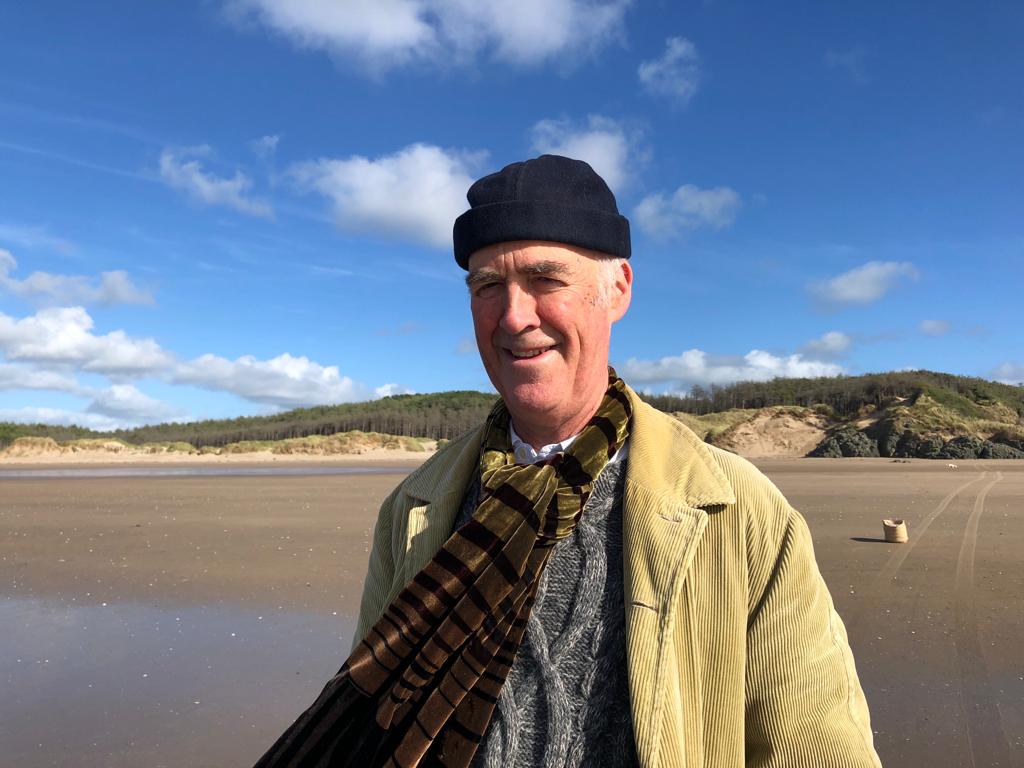
For those who don’t have convenient access to Twitter, I am posting my recent account of the benefits of the website Art UK, which provides convenient online access to every painting, and now sculpture, in a British public collection, except, sadly, a small number of steadfast refuseniks, including my old college, King’s, which continues to insist, in contrast to nearly every other Oxbridge college, that it does not want to participate in this wonderful intellectual and scholarly resource:
Monthly Archives: April 2019
Rochelle Canteen
I have been pondering the fact that after having a rather delicious breakfast (poached eggs and bacon) at the Rochelle Canteen in Arnold Circus, I was approached by a man who asked me if the Rochelle Canteen provided breakfast for the homeless. So, the questions I have been pondering are, was he homeless ? And did he think I was too ?

Molly Harrison
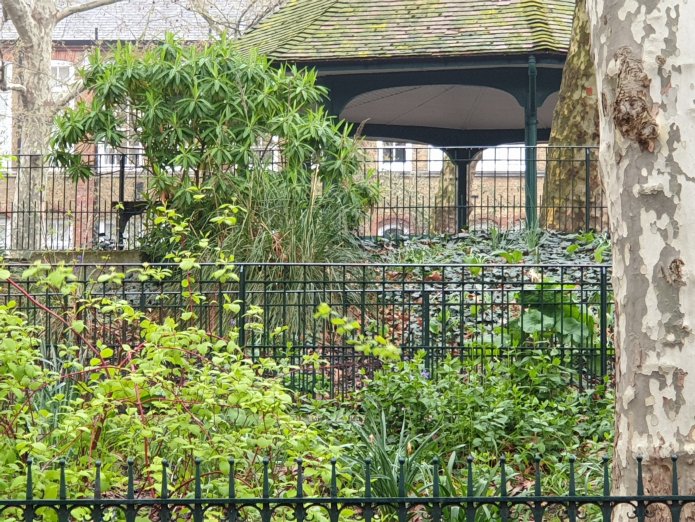
I left out of my abbreviated account of the Geffrye Museum (there is surprisingly little information online) that Molly Harrison took over from Marjorie Quennell as its curator in 1946 and ran it with great passion and enthusiasm till 1969, turning it into a resource for children and education, battling the officials in County Hall in high heels and a pink hat. She wrote a book about her work called Museum Adventure, the Story of the Geffrye Museum (1950). At a time when there is much discussion about how much attention to pay to visitor numbers, it is worth remembering her view that ‘reputation is a fickle guide and notoriety a poor indication’.
Geffrye Museum
I went to see the new building project at the Geffrye Museum, which I like to think of as our local museum – founded as a museum of the furniture trade by the London County Council in 1910 and run by Marjorie Quennell in the 1930s, following the model of A History of Everyday Things in England. A new wing was added in 1998 by Nigel Coates, an early HLF project, and it’s now being totally redone from top to bottom by Wright and Wright, good architects to be doing it, with their arts-and-crafts orientation.
I look forward to seeing the new displays, both period rooms and thematic in the basement, when it re-opens next year:-


The Hermitage
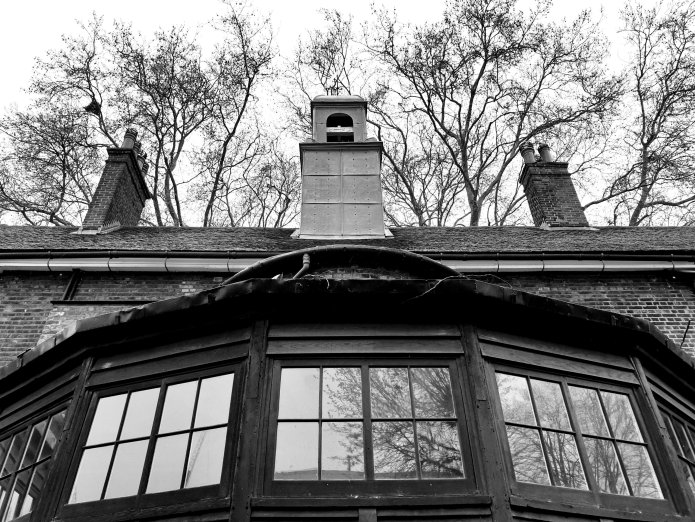
We went to a special screening of the long version of Margy Kinmonth’s film about the Hermitage, in which she was given special access to its curators and, most of all, to its Director, Mikhail Piotrovsky, who is the low-key hero of the film, showing off Catherine the Great’s collection of gems, talking about the work of his father Boris, who was Director before him, its history, how he has made it into a global force, all with such obvious pride. The heroine is Larissa Haskell, who was a curator of paintings at the Hermitage from, I think, 1955 to 1965, who describes with great vividness how her family had to eat, first, her father’s leather belt and, then, the family cat during the privations of the Second World War. Through the ups and downs of its extraordinary history, the curators managed to preserve the great treasures of the collection, apart from the forced sales of great paintings by Joseph Stalin to Andrew Mellon.

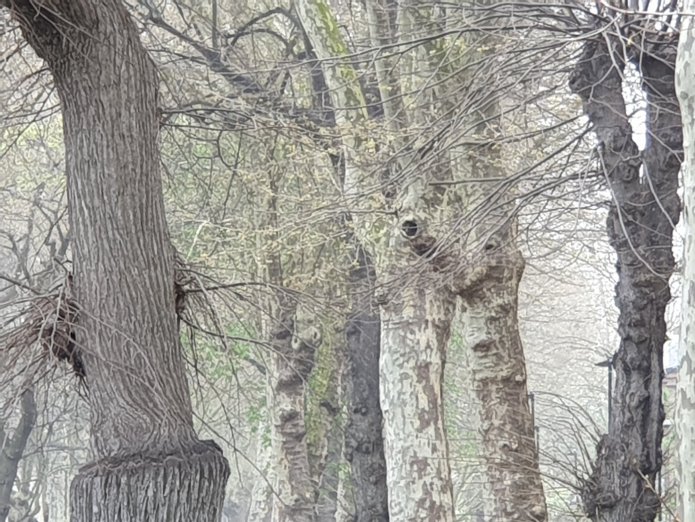
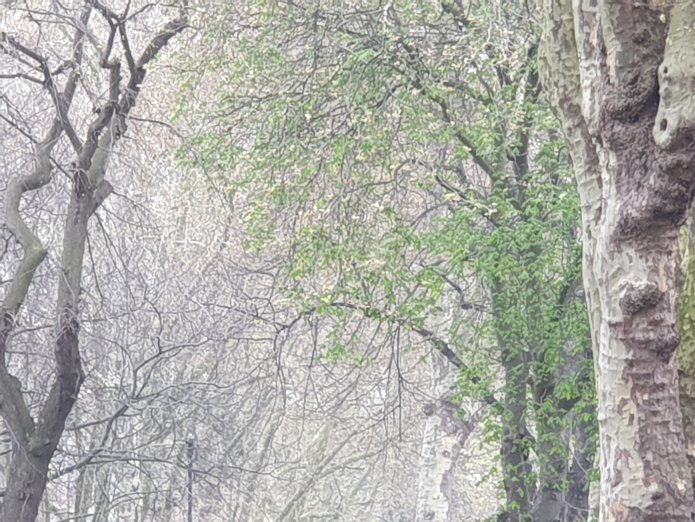
Rottingdean
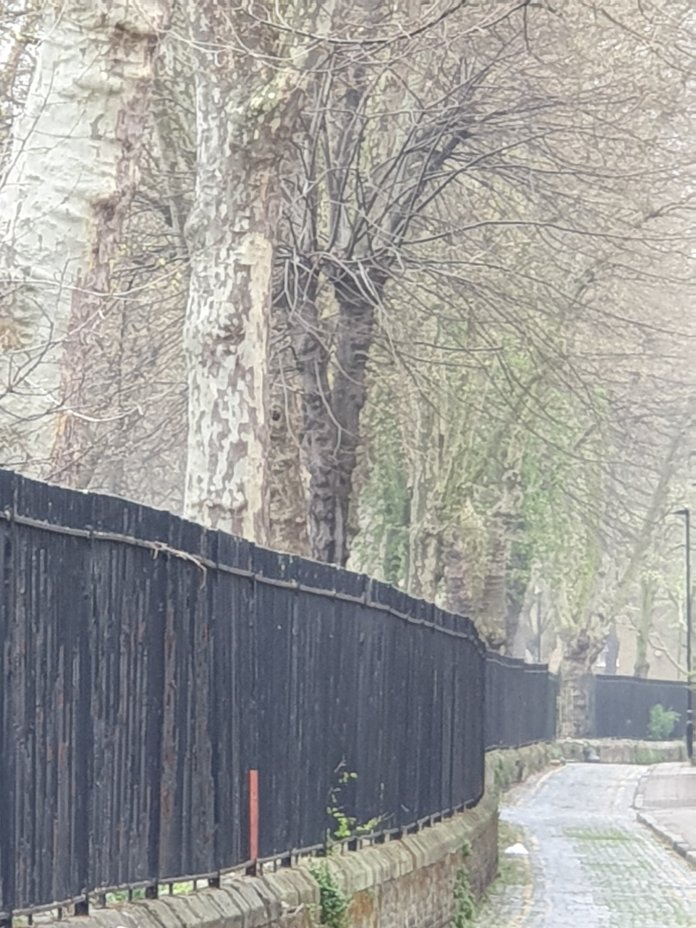
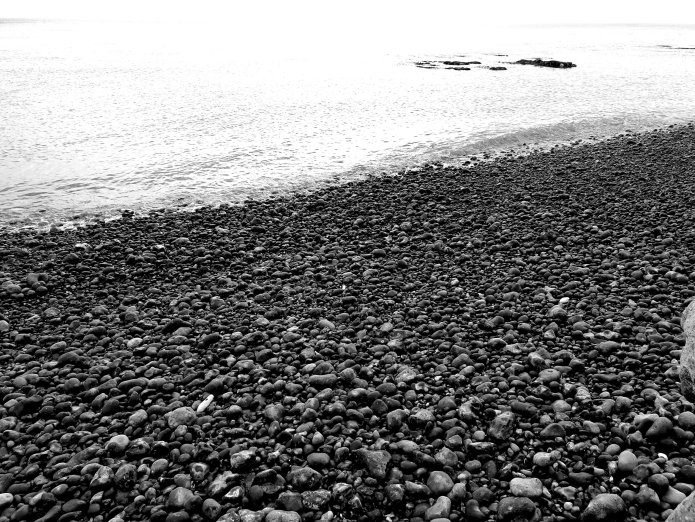
We walked by the sea in Rottingdean, which I have not visited since playing away matches at St. Aubyns (they dropped the apostrophe in 1940), one of those prep schools, which chose the bracing sea front to stiffen the sinews of its pupils, although I read that it has now been closed, in spite of having educated Vaughan Williams, no doubt for the huge commercial value of its site:-

Charleston (2)
An additional pleasure not to be missed in Jamie Fobert’s new gallery at Charleston is Cressida Bell’s beautiful and highly appropriate exhibition on Colour: Sickert to Riley. Her work is genetically imbued with her grandparents’ escape from the safety of English art. She has painted the galleries in fierce and intense, bright colours. And she has made an intelligent selection of partly Bloomsbury-era art, including Roger Fry’s The Farm Pond at Charleston, borrowed from Hepworth, Wakefield, and a bold Portrait of Eve Kirk by Augustus John, and partly post-Bloomsbury, including a beautiful Howard Hodgkin and a Bridget Riley whose colours dominate the third room.
The exhibition is unorthodox in the ways that it has been selected and hung, but all the better for it.
Charleston (1)
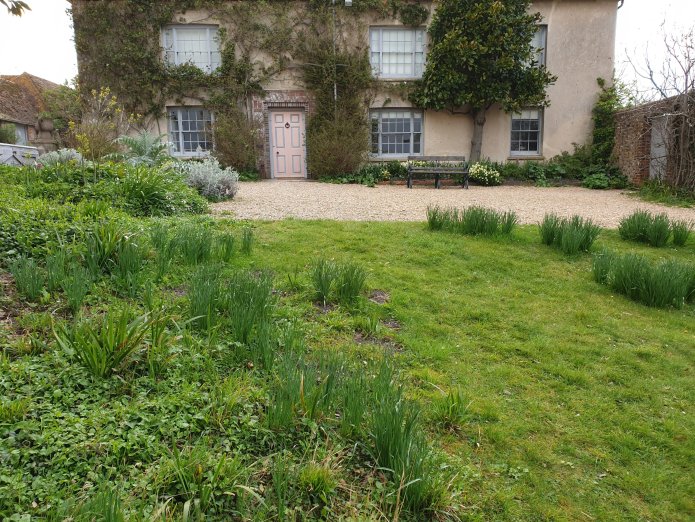
We went to a magical evening in the newly refurbished barn at Charleston in which Melvyn Tan played music which was in some way redolent of the Bloomsbury group, who were early twentieth century, freeform and all so passionately Francophile – Poulenc, Debussy, Eric Satie – interwoven by texts selected by Virginia Nicholson and Paul Boucher and performed with great spirit and equal brio by Eve Best, who was Vanessa Bell in Life in Squares and Wallis Simpson in The King’s Speech. It was the purest, high-minded synaesthesia, apart from the occasional birdsong and passing aircraft: T.S. Eliot, Virginia Woolf and Proust.



Great Yarmouth (2)
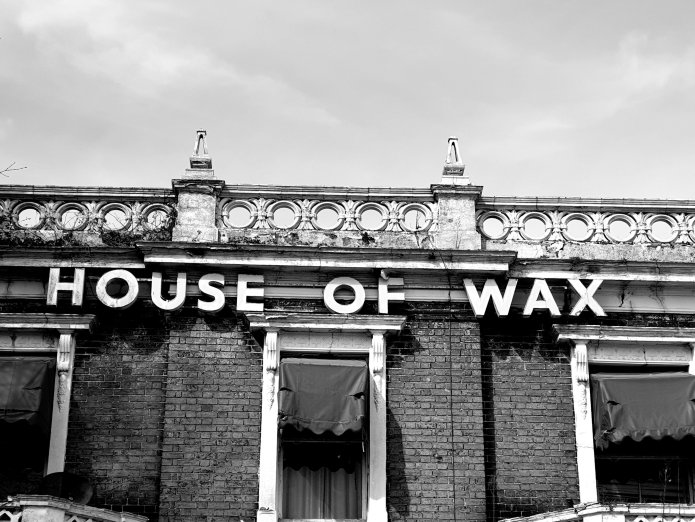
After lunch (The Courtyard – highly recommended), we walked down to the sea front.Past the old Wax Museum:-
The old Regent Cinema (1914):-

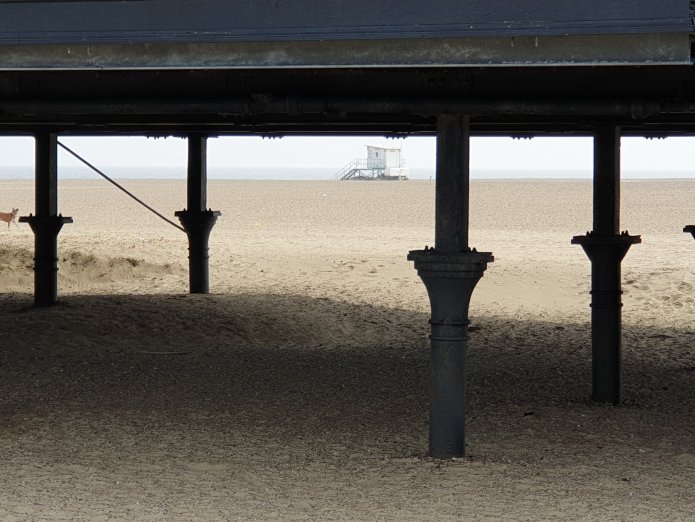
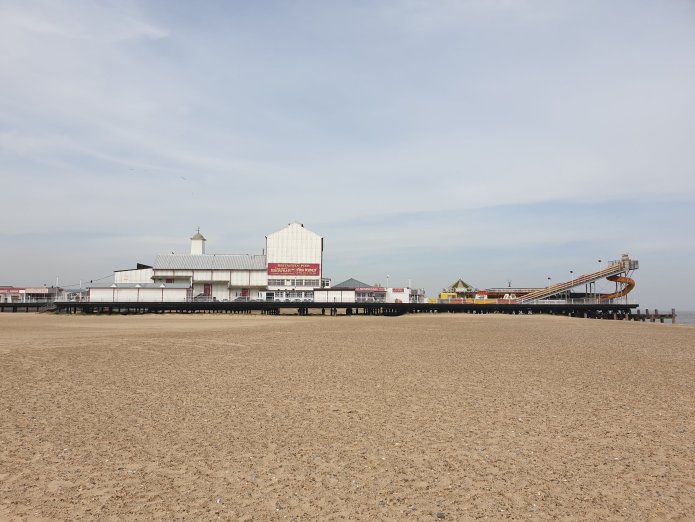
To Britannia Pier, much rebuilt:-

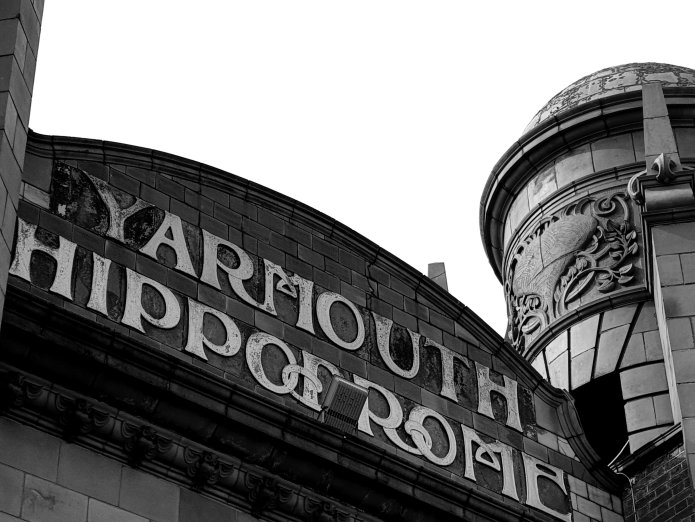
We wanted to get into the Hippodrome (1903), but couldn’t:-


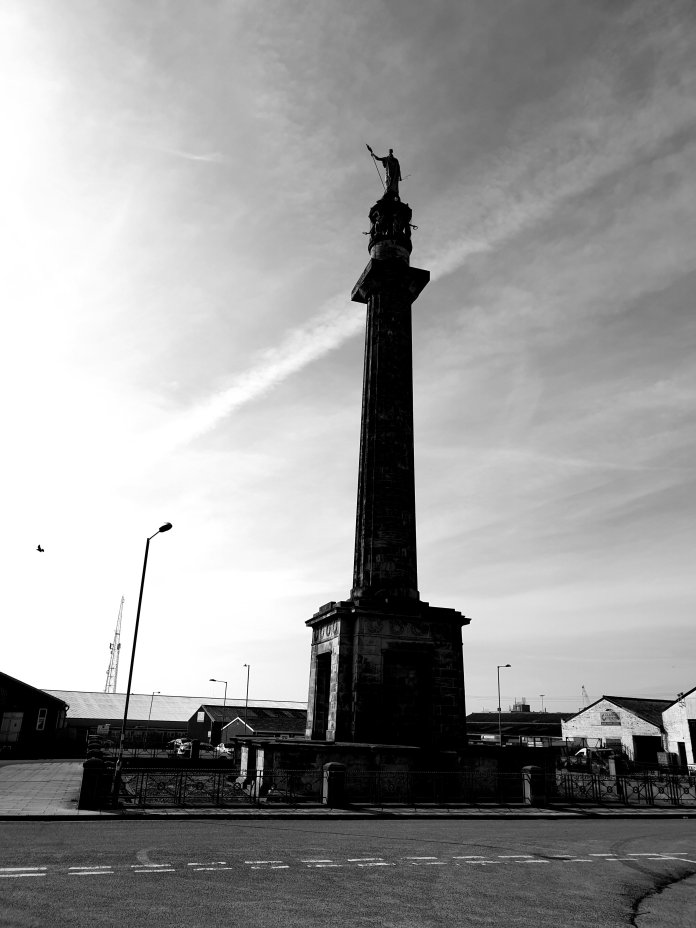
Wilkins of the National Gallery designed a grand commemorative monument to Admiral Nelson in 1817, long before Trafalgar Square. I knew lots of such grandiose designs were exhibited at the RA, but not that this was completed:-

Then on to St. Nicholas’s Hospital, another monument to the Napoleonic Wars, designed by William Pilkington:-


Last stop the Winter Garden, re-erected from Torquay:-
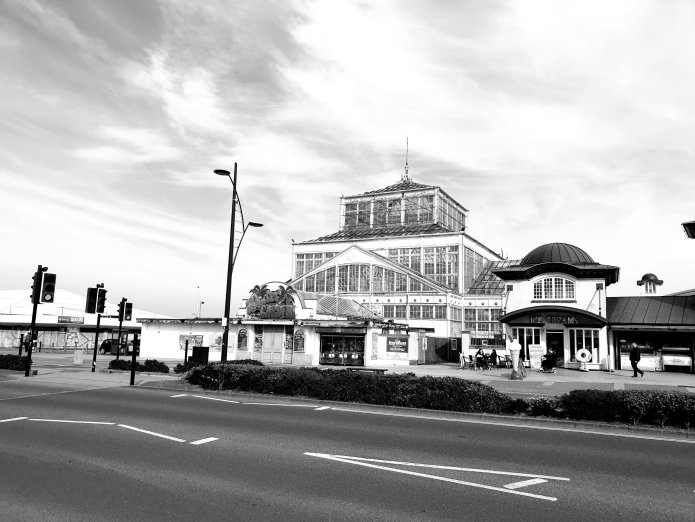
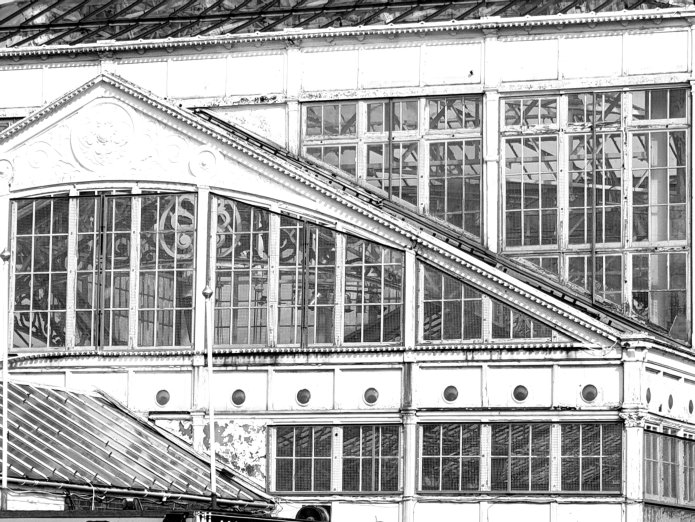
What a great city !
 | Charles | Saumarez | Smith |
You must be logged in to post a comment.