
One of the best things about last night was seeing Roy Strong semi-presiding at dinner as the longest standing representative of British art scholarship, stretching back to The English Icon: Elizabethan and Jacobean Portraiture which the Paul Mellon Foundation for British Art, as it was then called, published in a lavish piece of book production in 1969; and, very impressively, about to publish a new investigation of Elizabethan art, The Elizabethan Image, going back to issues of late Tudor visual aesthetics which he first studied under Gombrich and Frances Yates sixty years ago.
Monthly Archives: May 2019
Amy Meyers
There was an event last night to celebrate the long tenure of Amy Meyers as Director of the Yale Center for British Art.
It demonstrated – not that the demonstration was needed – what amazing close links she has maintained with all elements of the British art world: scholars, through her close involvement with the Paul Mellon Centre in London and its programme of publications; museum directors, with whom she has worked on joint exhibitions (the RA did a Paul Mellon exhibition in 2008); and artists, some of whom, like Rebecca Salter, Keeper of the Royal Academy Schools, and now Eileen Hogan have been better recognised on the other side of the Atlantic than in the UK.
I have been particularly admiring of how she has mounted major scholarly exhibitions on relatively unexpected topics, like the recent exhibition of British Studio Pottery, and how supportive she has been of digital ventures, like the recently launched Watercolour World.
She started in July 2002, so it’s the end of an era.
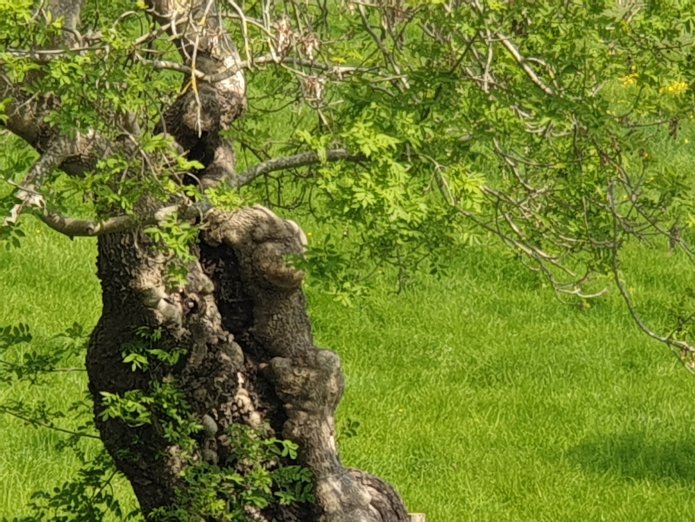


St. Paul’s, Knightsbridge
I don’t think I have ever previously been in to St. Paul’s, Knightsbridge. Why would I have been ? From outside, it’s a not especially distinguished piece of early Victorian gothic, dated 1843, by Thomas Cundy the Younger who succeeded his father as Surveyor of the Grosvenor estates in 1825 and produced flimsy gothic in a sea of stucco. So, I had no idea that inside there is the most wonderful G.F. Bodley reredos and rood screen, installed in 1892 (screens were back in fashion after Pugin had published his Treatise on Church Screens and Rood Lofts in 1851).
Outside:-

Inside:-

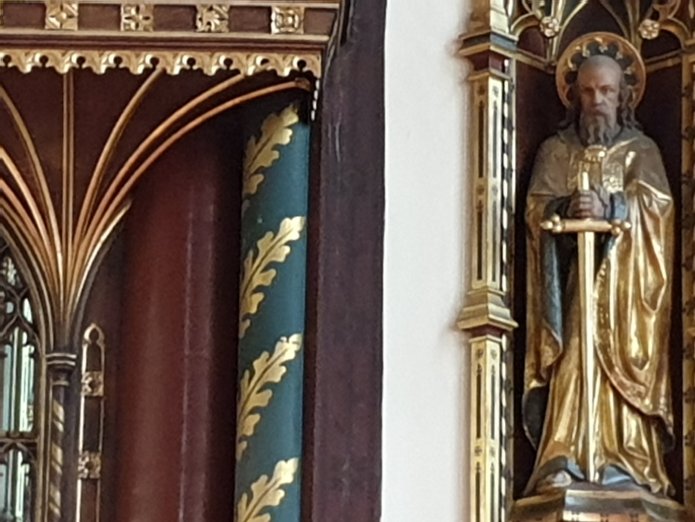
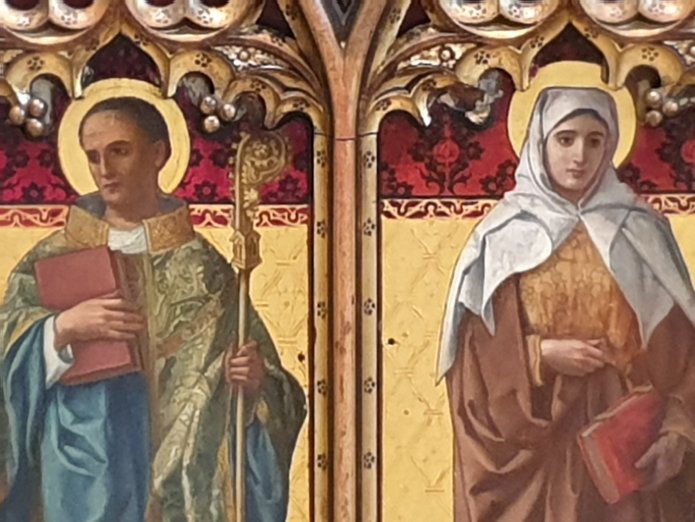
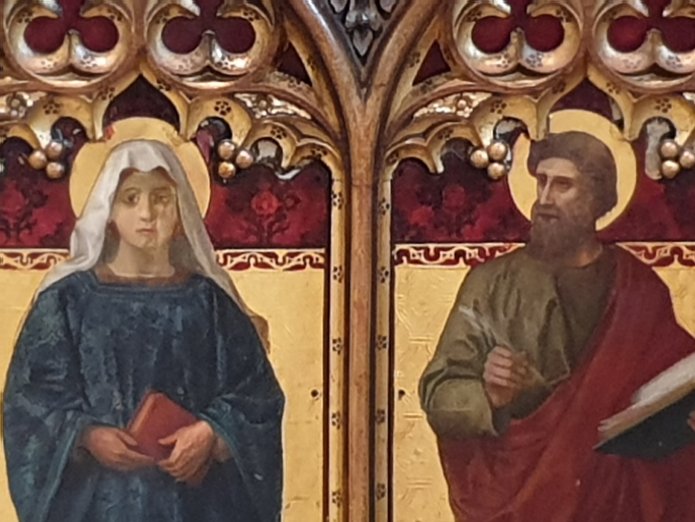
Photo London
I spent the afternoon at Photo London. The thing I liked best were the photographs of Luigi Gherri, which I’m sure I should have known, but have never consciously seen, so beautifully dead pan, wide angle, slightly surreal, as if life has been drained out of them, views of Versailles from the 1970s. I tried to photograph them, but failed.
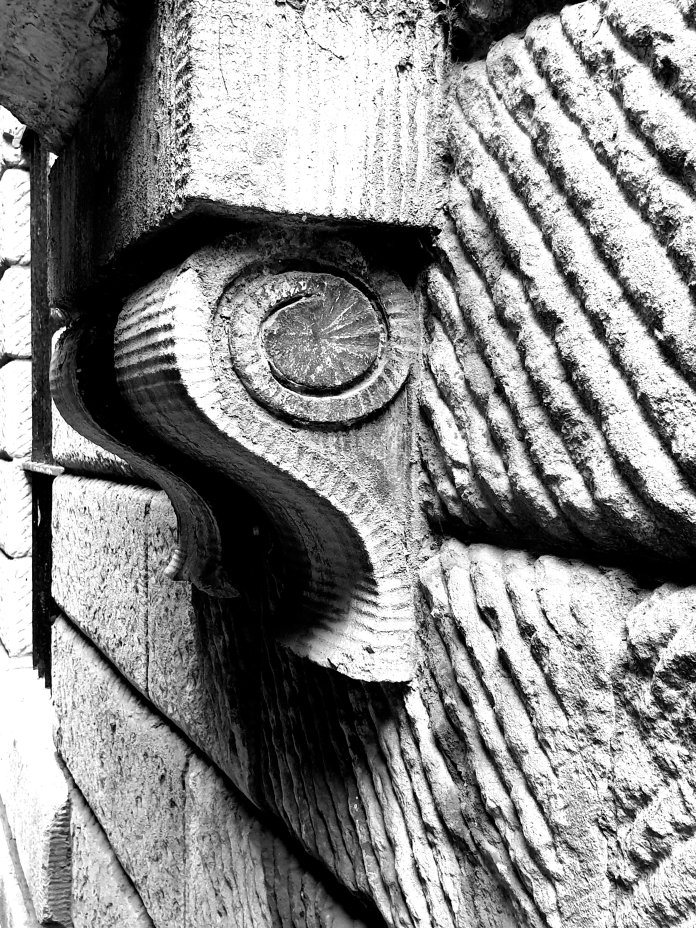
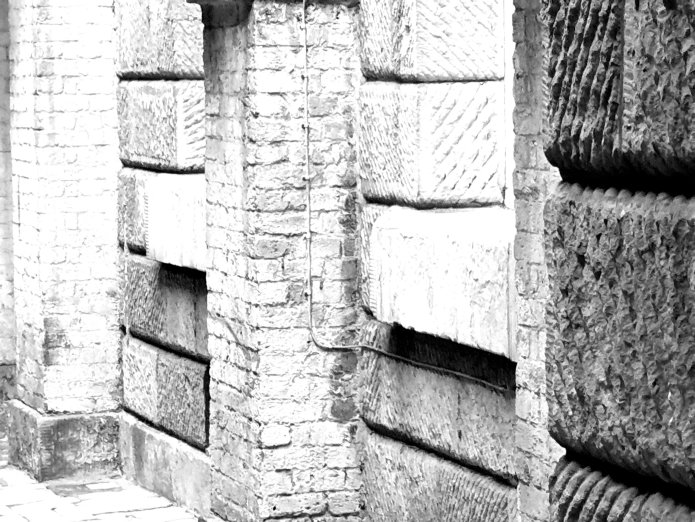
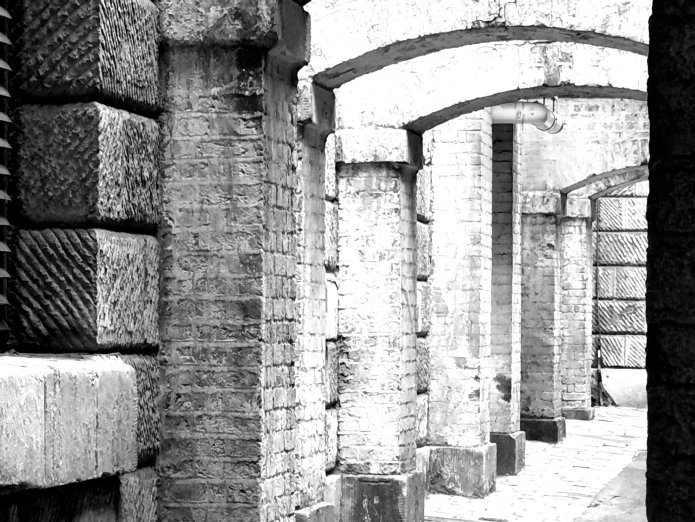
Then, I always like exploring the subterranean vaults of Somerset House which show William Chambers backstage, rough hewn, the eighteenth-century city underground:-


Ondaatje Prize
I went last night to the dinner celebrating the Ondaatje Prize, now in its fifteenth year: a good prize ‘for a distinguished work of fiction, non-fiction or poetry evoking the spirit of a place’, won in the past by Rory Stewart, Adam Nicolson and Edmund de Waal. This year the subjects were mostly global. It was won by Aida Edemariam for her book The Wife’s Tale about her Ethiopian grandmother.
Zumthor
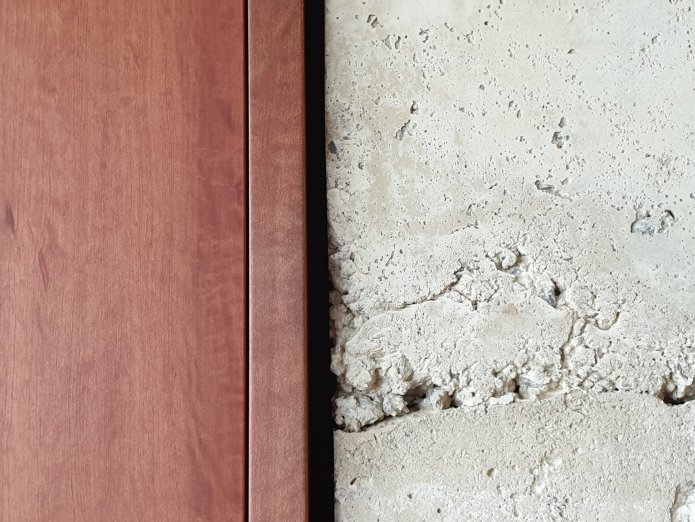
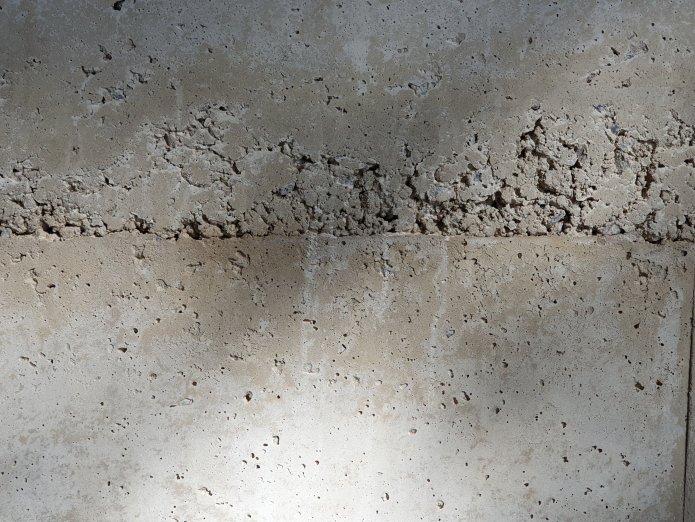
After three days of staying in The Secular Retreat, I have been reading Peter Zumthor’s book Atmospheres, based on a lecture he gave in Wendlinghausen in 2003. It has made me look more closely at the materials and textures with which the house is built: the fall of afternoon light on raw concrete:-



Chivelstone (2)
We admired Chivelstone so much as an example of unrestored, rustic, religiosity that we returned to examine it more carefully, particularly since it is so little written about in the relevant topographical literature and is the subject of an HLF application for lottery funding:-


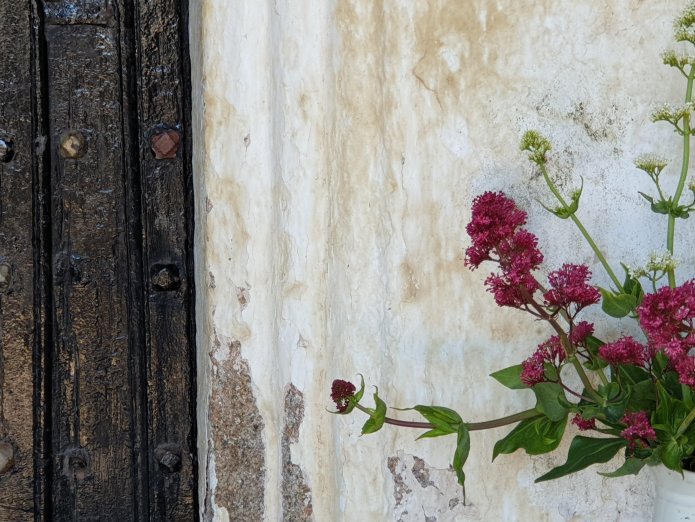
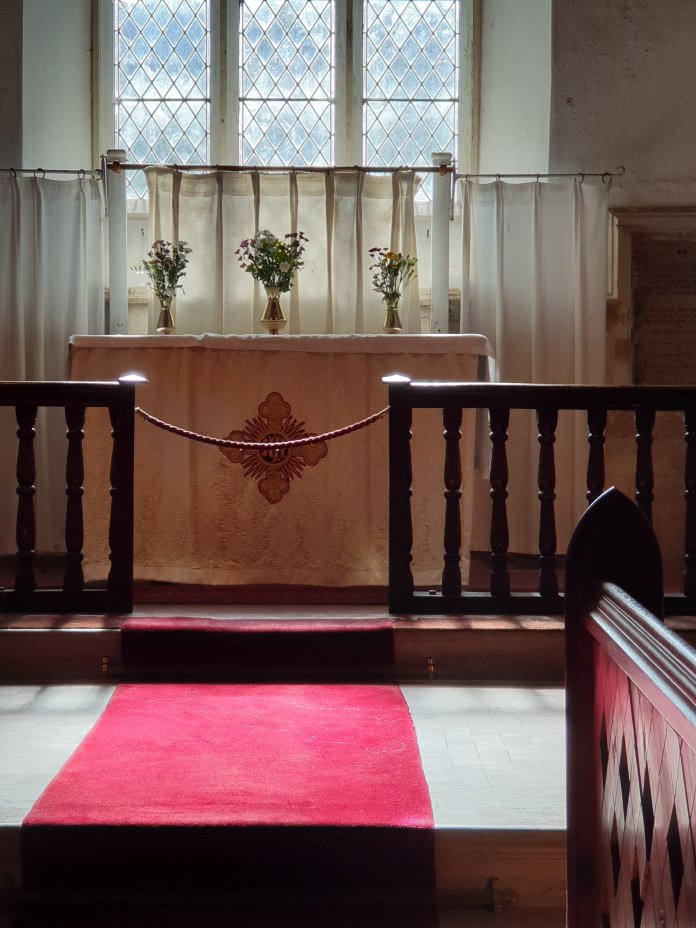
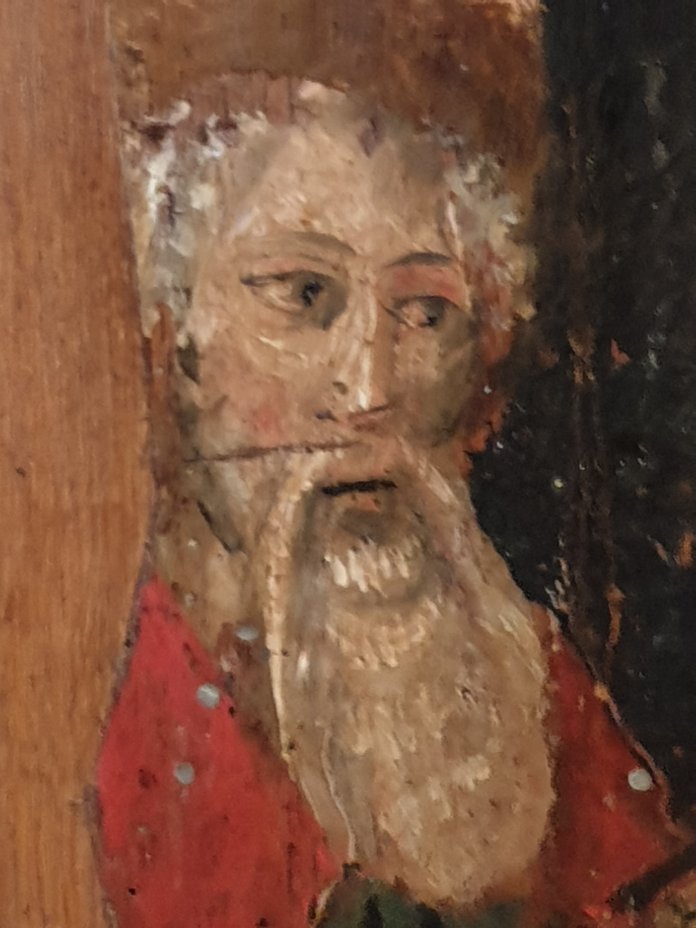
The screen is, as I had thought, pre-Reformation, thought to be c.1460, and although presumably quite heavily restored, still gives a sense of Catholic iconography before Henry VIII and Cromwell got to work.
One of the figures on the outer screens, thought to be post-Reformation:-
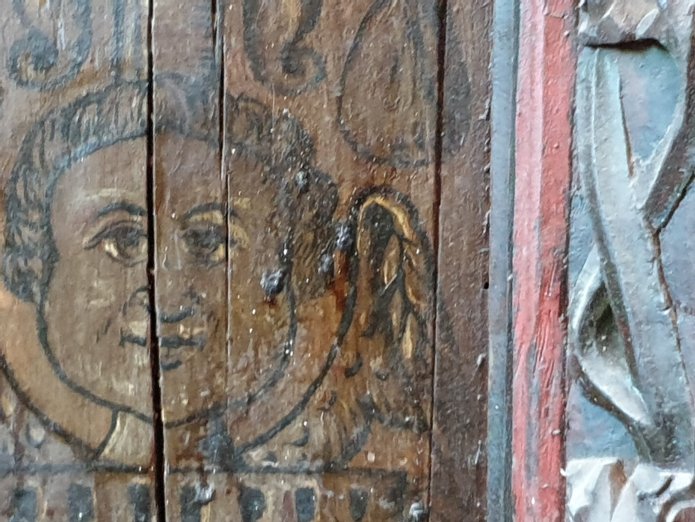
St. Sylvester (or Gregory the Great):-

St. Matthew:-
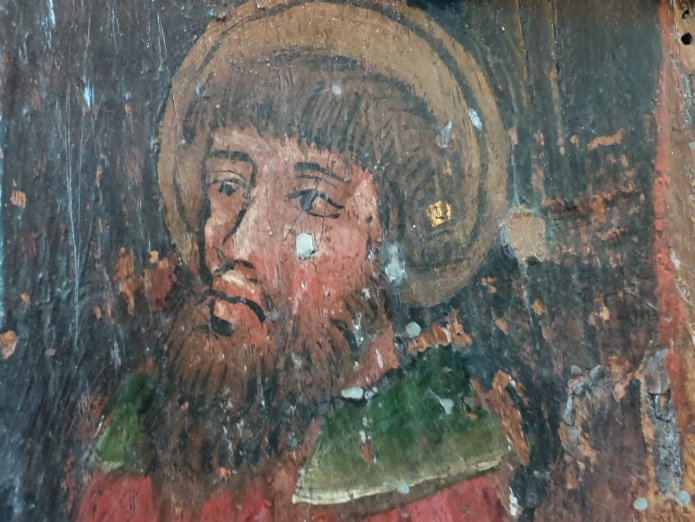
St. Mark:-

St. Jude:-

St. Andrew:-
Outside there is a hillside cemetery with beautiful slate tombs:-


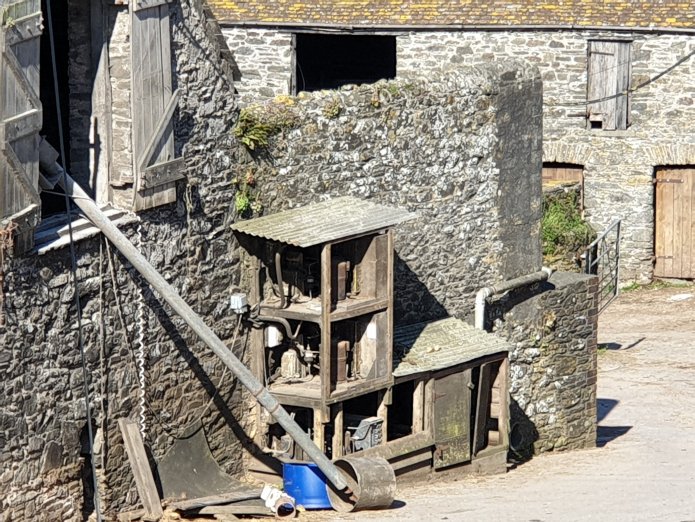
And the farmyard:-
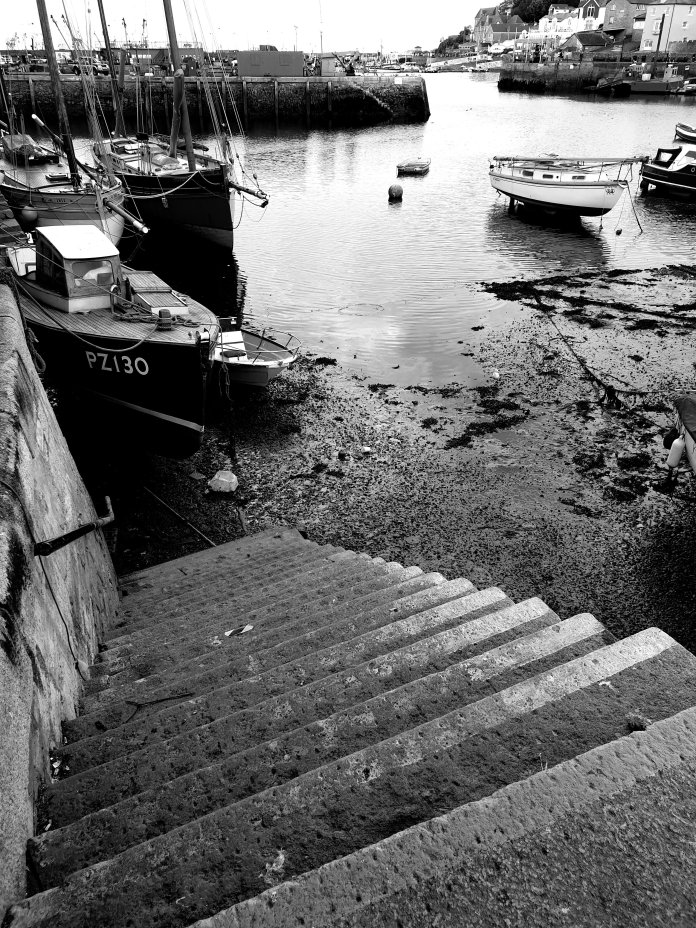
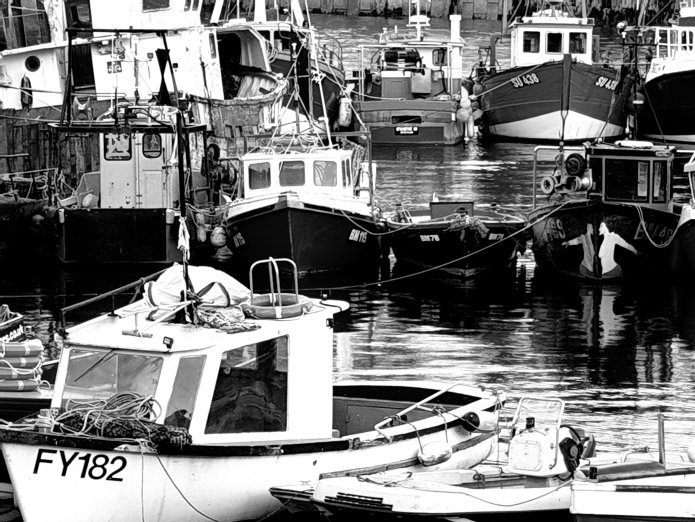

Coleton Fishacre
We went to Coleton Fishacre, a National Trust house in a spectacular position on headland between Dartmouth and Brixham on land acquired by Rupert D’Oyly Carte, owner of the Savoy Hotel, and his wife, Dorothy. They employed Oswald Milne, a protégé of Lutyens, as their architect, and he designed a house in a suburban version of the Lutyenesque – not large, still well preserved, and with a wonderful 1920s garden stretching down to Pudcombe Cove:-


 | Charles | Saumarez | Smith |
You must be logged in to post a comment.