Bunhill Fields

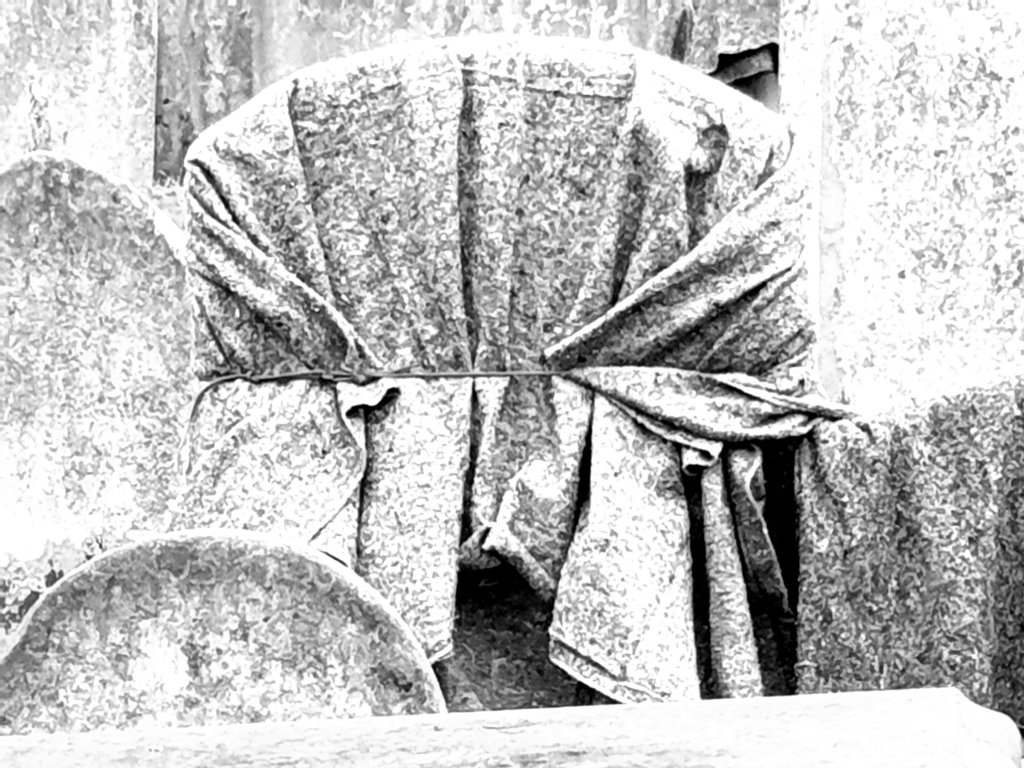
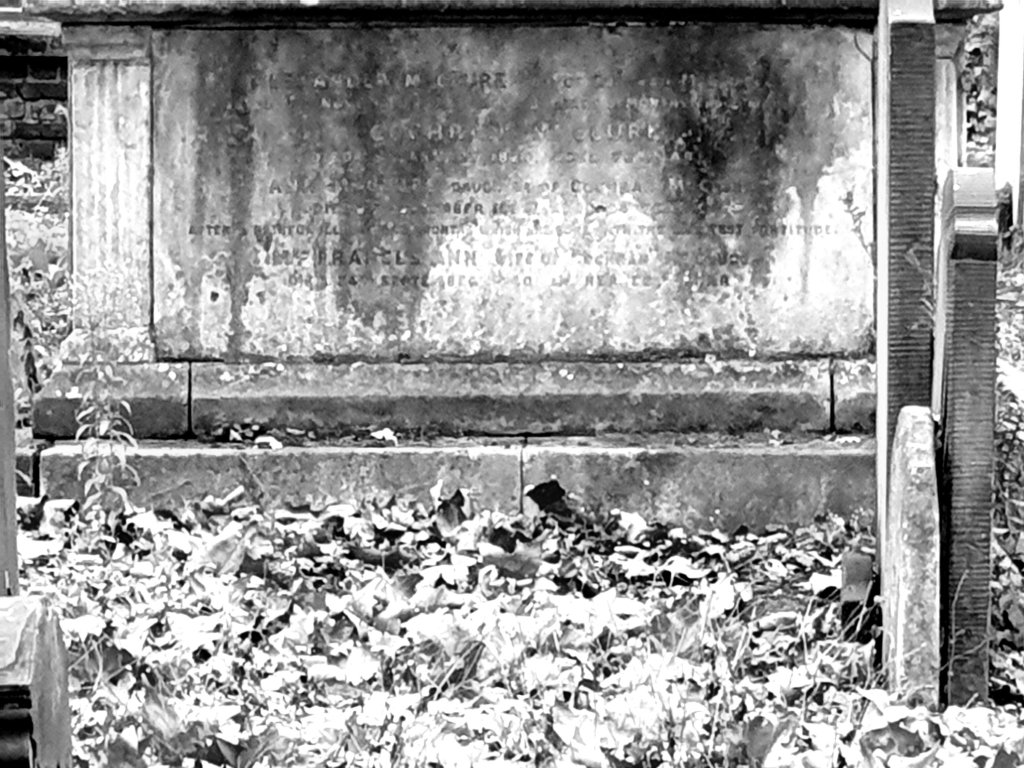
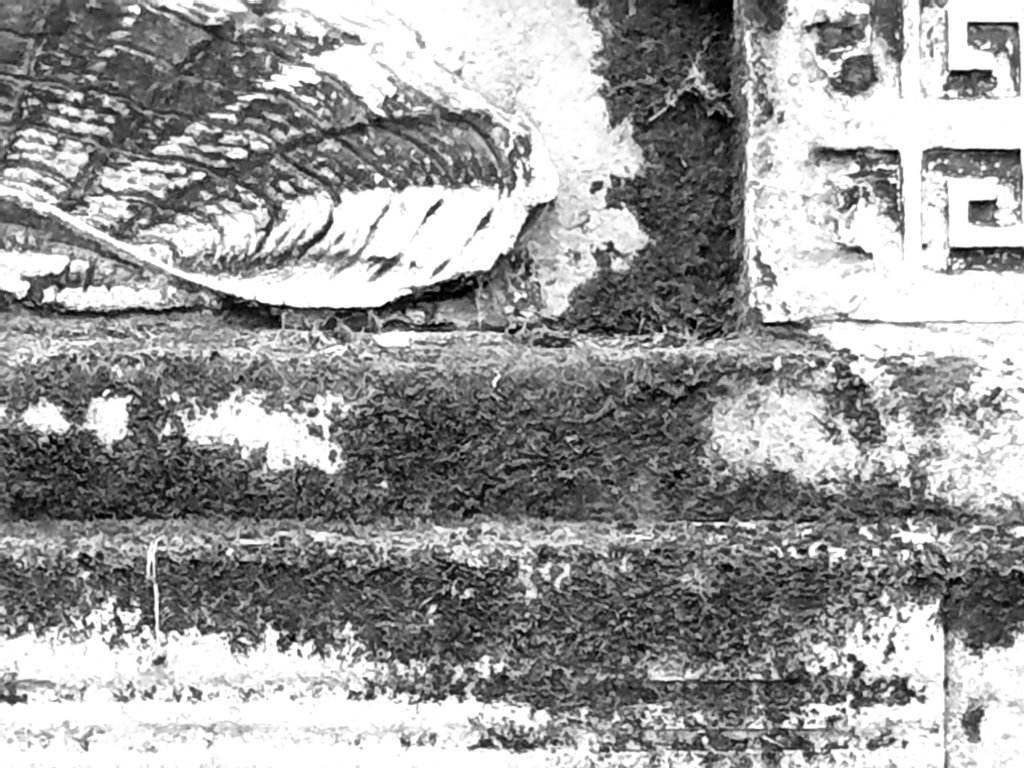
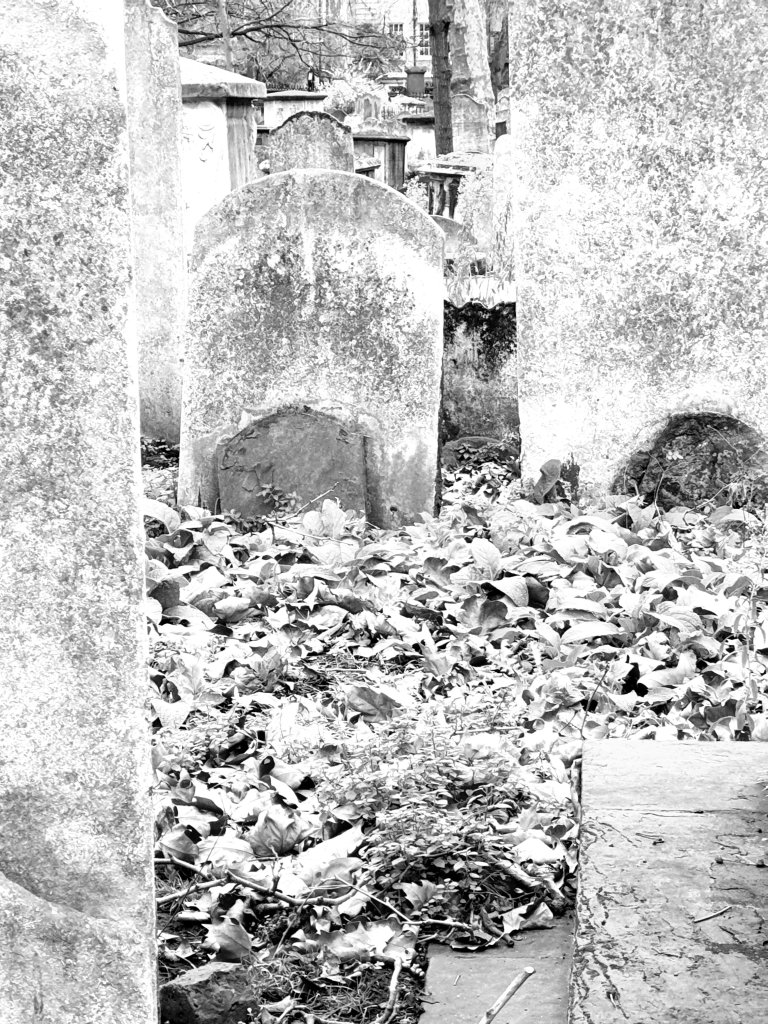
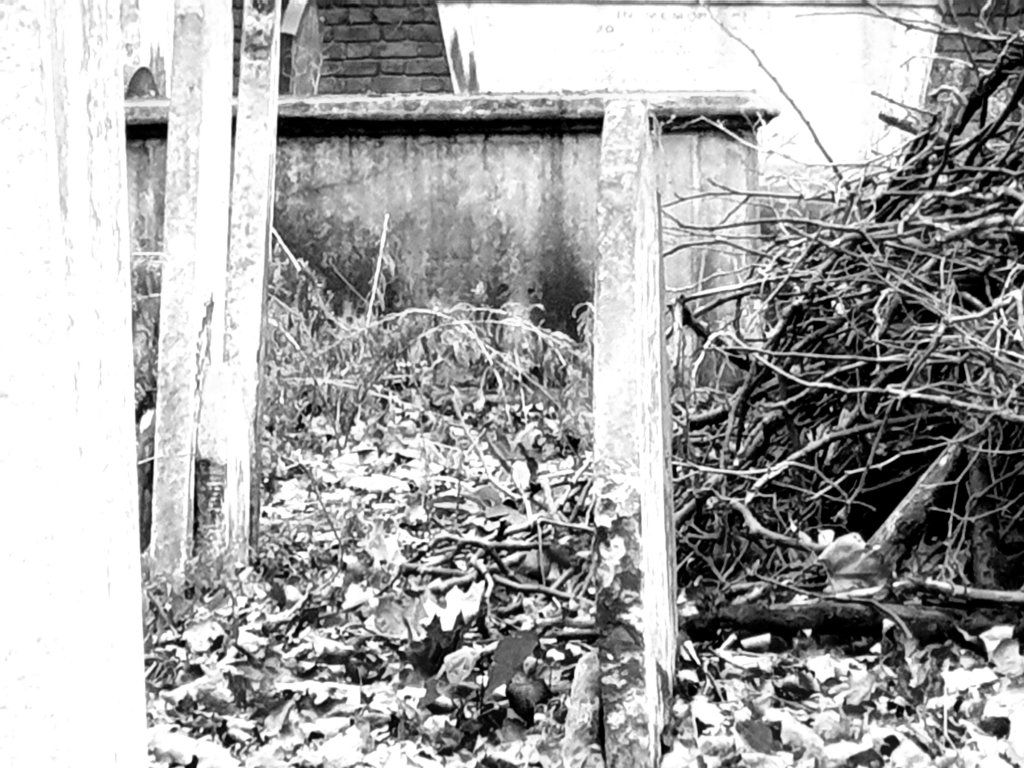
I walked back from the Charterhouse this morning by way of Bunhill Fields, that melancholy burial ground which was outside the City’s walls and the care of the church of England – in the eighteenth century, it was known as Tindal’s burial ground after Mr. Tindal who held the lease – and so was the site of burial of many prominent nonconformists, including John Bunyan, Daniel Defoe and William Blake. It was municipalised in the 1960s by Peter Shepheard of Shepheard Epstein after bombing in the war and some of the gravestones have been wrapped in blankets to protect them from the frost:-
Standard

The British Library

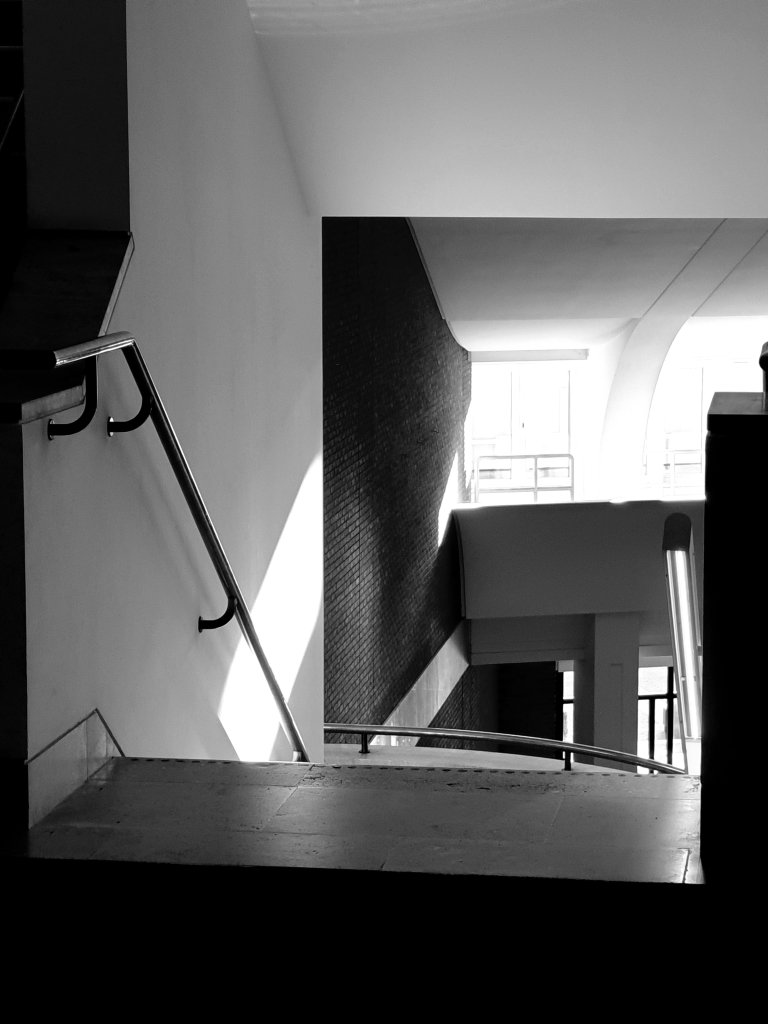
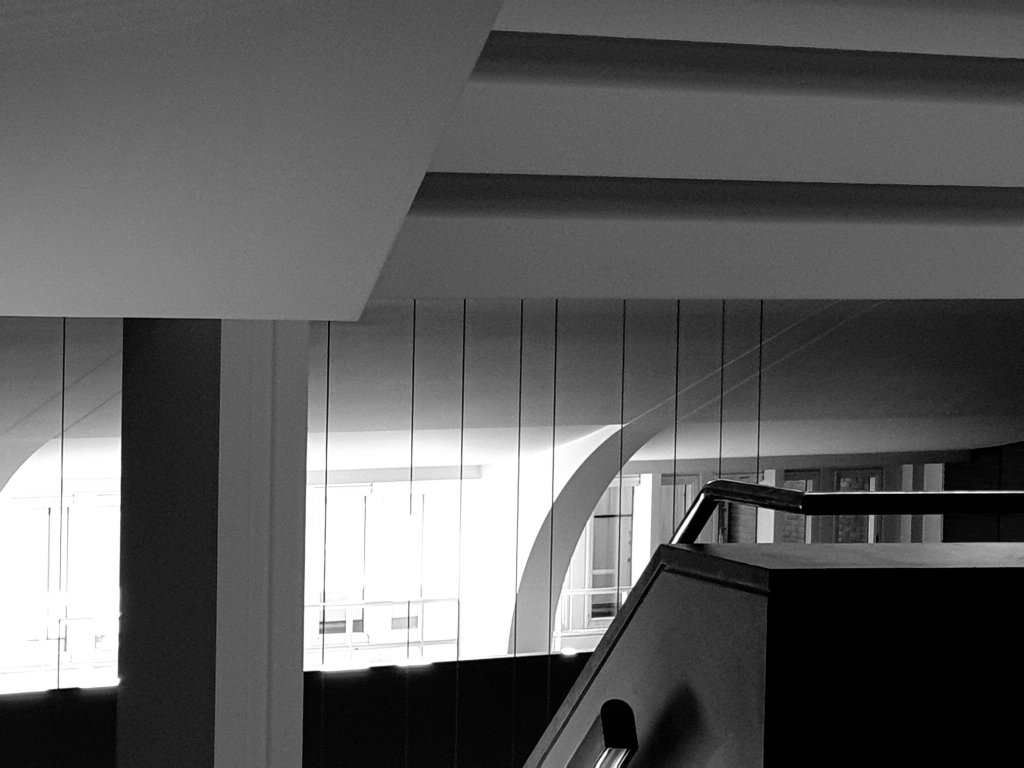
I’ve been closeted in the British Library, enjoying long days reading which I haven’t done for years, and freedom from the telephone and interruptions, the benefit of collective single-minded concentration on what is essentially a wholly solitary and impersonal task, with the strange experience that some of the people I knew as readers thirty years ago are still there thirty years later, unchanged:-

Standard

Iran (2)

I have, not surprisingly, been preoccupied by memories of visiting Iran in the summer of 1973 and of those monuments which Trump has so casually and brutally threatened to bomb out of existence, now only half retracting because it is so obviously contrary to international law, not because he accepts that it is an appalling proposal. Most especially, I got out of the library a copy of Robert Byron’s Road to Oxiana, which is what inspired the trip, together with the contacts of Peter Avery, the great Persianist. I was trying to remember where it was that we stopped en route between Tabriz and Tehran and realise that it must have been at Soltaniyeh, with its great fourteenth-century mosque or mausoleum, which Byron shows as a ruin, but has been at least half reconstructed. Only one of so many great and memorable and culturally important monuments. I wish I had been taking photographs then or, if I did, had kept them.

Standard

Iran (1)

I’m so pleased that the V&A is taking such a vocal and principled stand against Trump’s insane threat to attack Iran’s cultural monuments, the clearest evidence, if evidence were needed, of his invariable tendency to shoot from the hip, irrespective of the consequences.

I’m also glad that they are going ahead with their Iran exhibition in the autumn which will be such a great opportunity to be reminded of the wealth and depth of Iran’s culture. I still regret that we pulled the RA’s Syrian exhibition. It seemed essential at the time, but not in retrospect.

https://www.theartnewspaper.com/amp/comment/iran-heritage?__twitter_impression=true

Standard

J.H. Plumb (2)

I have been thinking about McKendrick’s biography of Jack Plumb. It describes, but doesn’t sufficiently explain Jack’s remarkable transmogrification from an unconfident, unsuccessful and, by his own admission, not very brilliant, solitary PhD. student of G.M. Trevelyan in 1930s Cambridge, who went back to Leicester, his home town, for friendships, affairs and weekend drinking and going for long, gloomy walks with Trevelyan in Northumberland, into, already by the late 1940s, the super-confident author of England in the Eighteenth Century. What exactly happened to him, either as the lodger of Anthony de Rothschild at Tring or as a worker at Bletchley Park on de-coding or as the Ehrman Research Fellow at King’s to give him his carapace of sometimes excessive social confidence, his autocratic demands as a teacher and mentor, and the zest and brilliance of his prose style ? He thought of these as wasted years, but they don’t seem wasted if they were an opportunity for his own re-invention.

Standard

J.H.Plumb (1)

I have spent the day reading the bizarre, fascinating and ultimately macabre, warts-and-all biography of Jack Plumb, which has been written by Neil McKendrick, an early pupil, life-time protégé and long-term friend, ally and supporter, even when towards the end of Plumb’s life it became nearly impossible. I was just about aware of the extent to which he lost all sense of restraint in the last years of his life as I witnessed his voluble and intolerable abuse of his successor-but-one as Master, whose election I’m pleased to discover he had supported. It’s a sad tale because it obviously clouded his many and remarkable achievements as a writer, teacher and historian.

There is a chapter which defends his record as Master of Christ’s. I certainly owe Jack an immense debt of gratitude for establishing the Christie’s Research Fellowship in the Decorative Arts to which I was appointed not long after he became Master and for being a deeply supportive and life-enhancing friend and ally for the time that I was a fellow there and thereafter.

Standard

John Dancy (1)

I have only just found out that my old headmaster, John Dancy, died last week aged 99. For some reason, he was rather prejudiced against me, even in spite of the fact that I sat at his feet to study Religious Knowledge A level, where he taught us about the Book of Daniel. In retrospect, he was a remarkable and admirable person, a scholarly and very donnish headmaster, who had indeed been a fellow of Wadham before becoming a schoolmaster at Winchester, headmaster of Lancing aged 33 and of Marlborough from 1961 to 1972. And he was a liberal and reforming headmaster, responsible for the introduction of co-education while I was at school. My last contact with him was quite recent when he wrote me a letter expressing astonishment that I had appeared in a television programme and even more astonishment that my views were apparently treated with respect, something he couldn’t disguise that after 50 years he thought very odd.

https://images.app.goo.gl/8eNEuM7RGpwh1UTc8

Standard

Winter Woodland

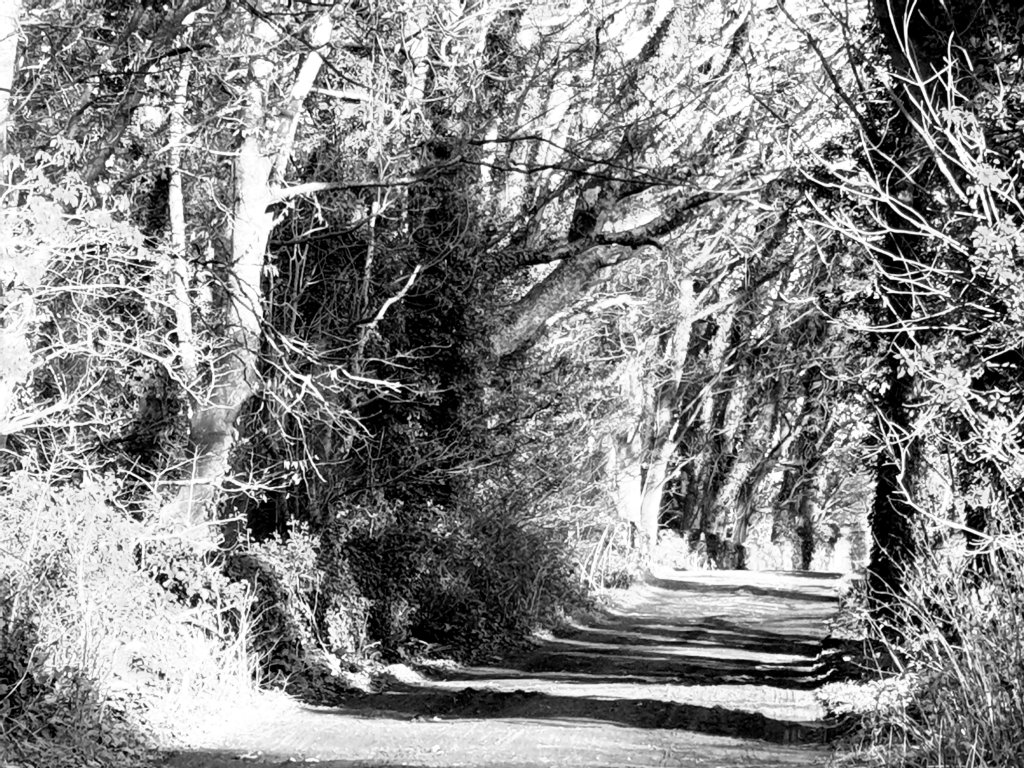
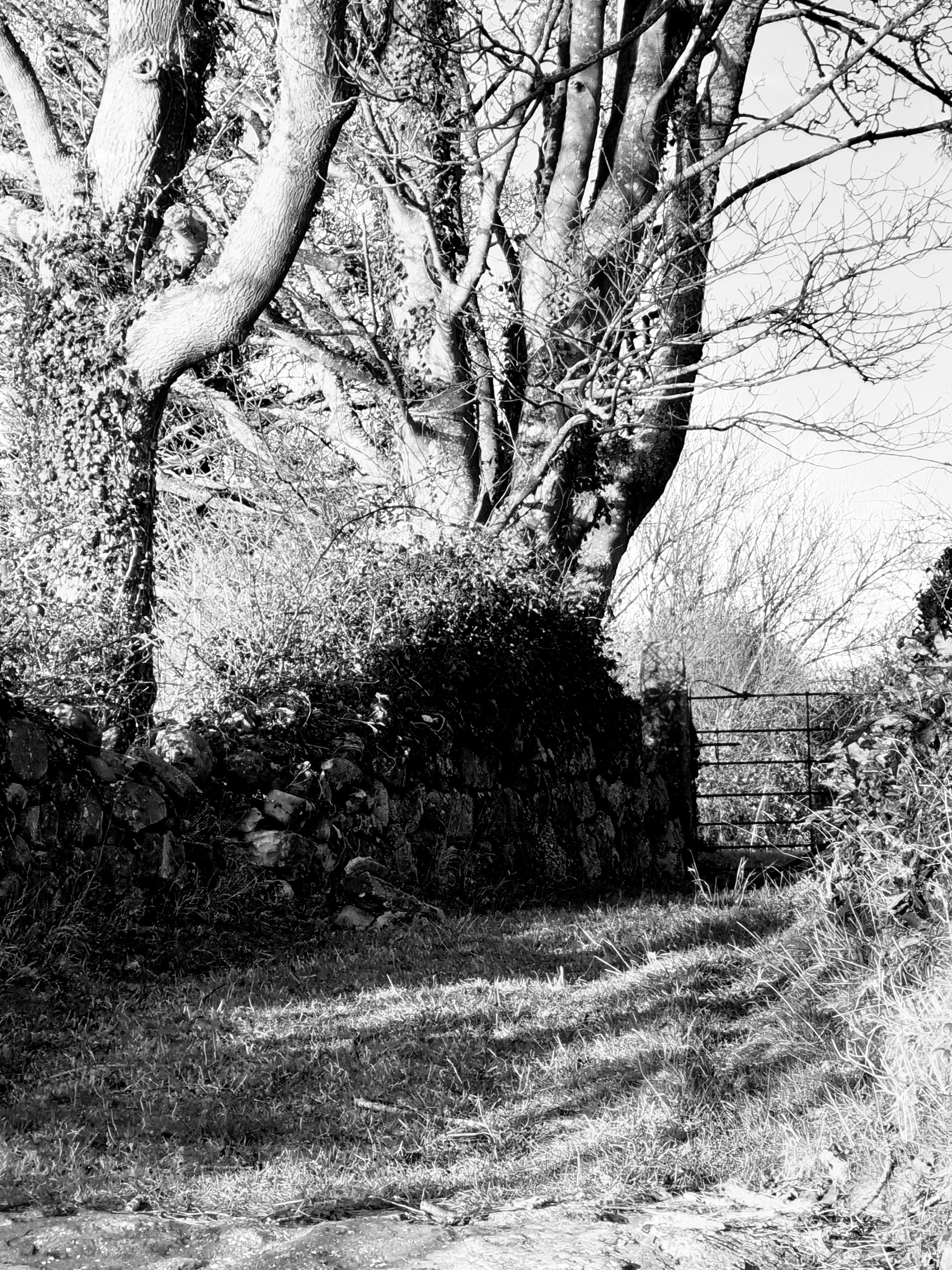
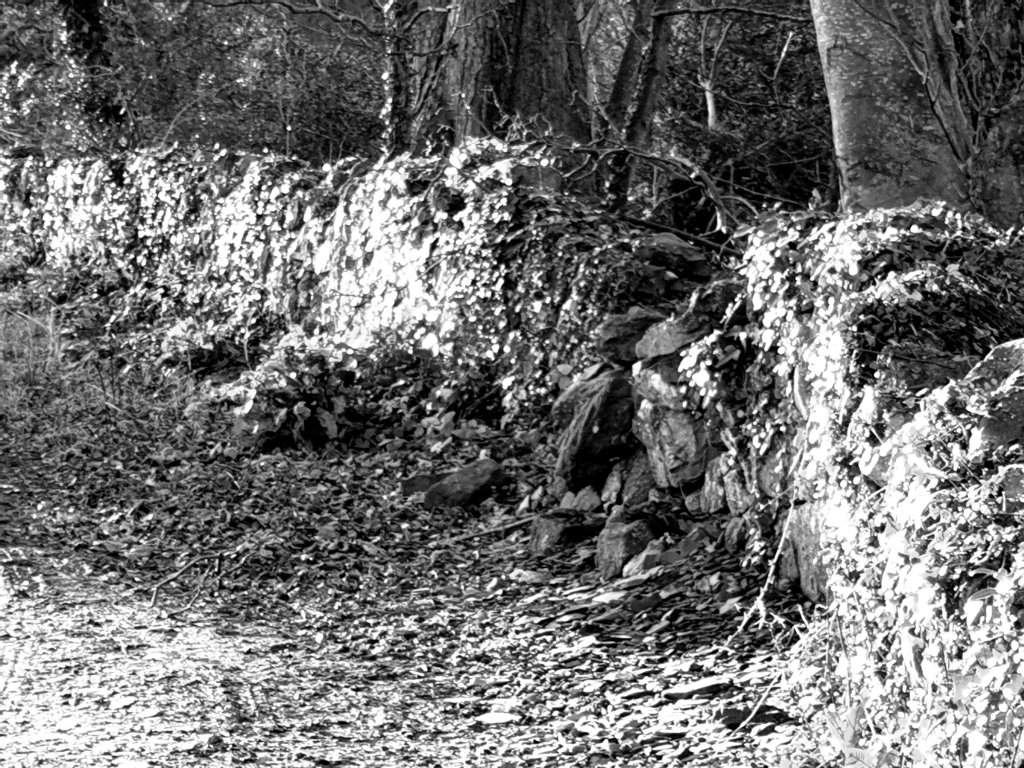
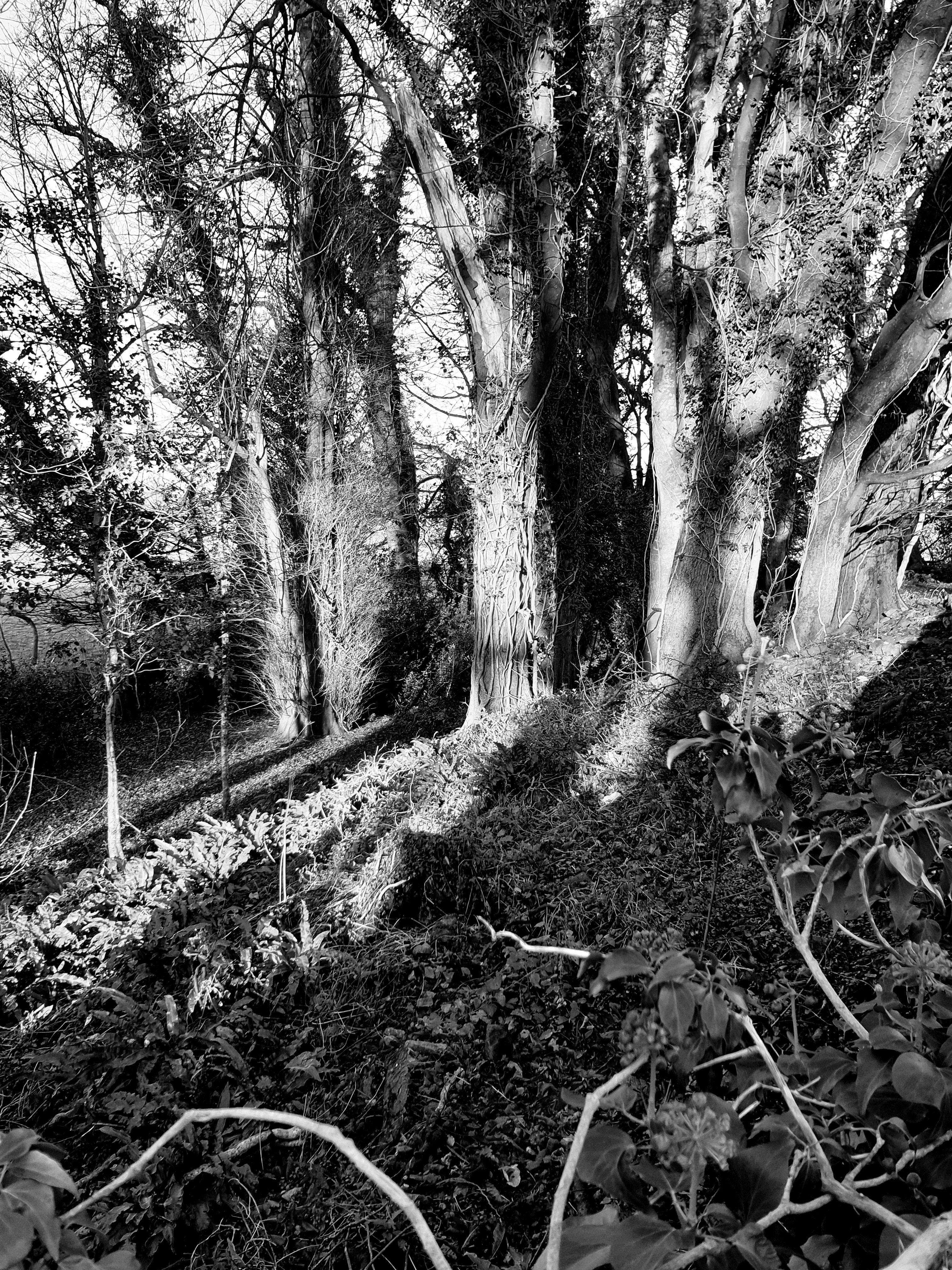
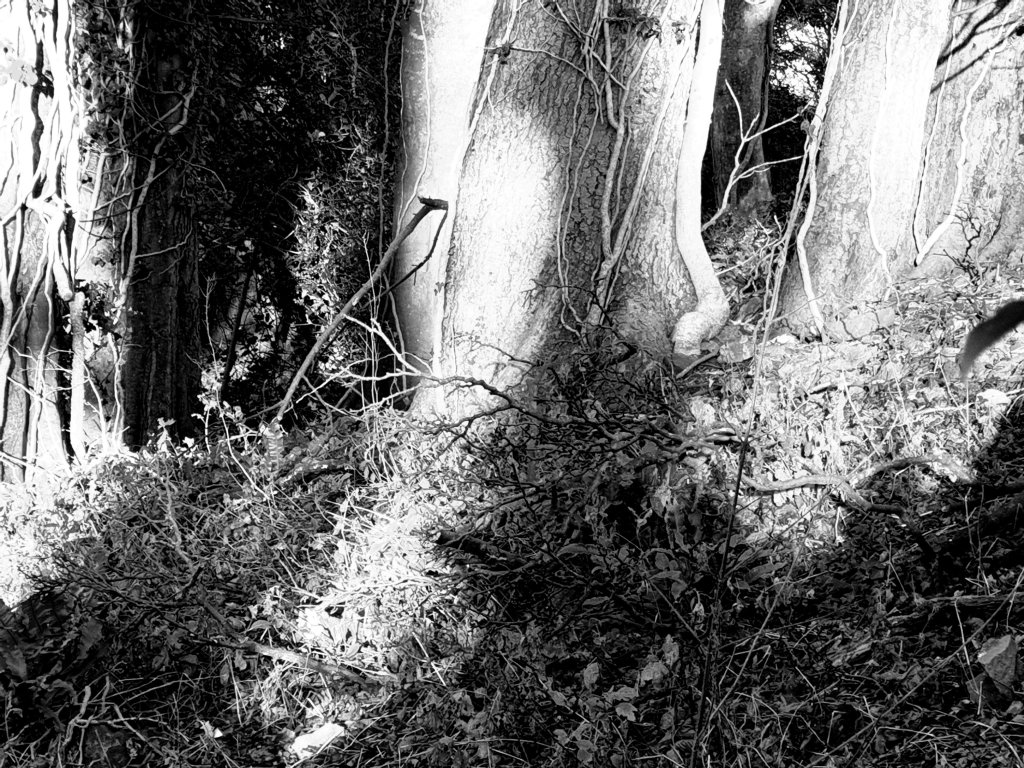
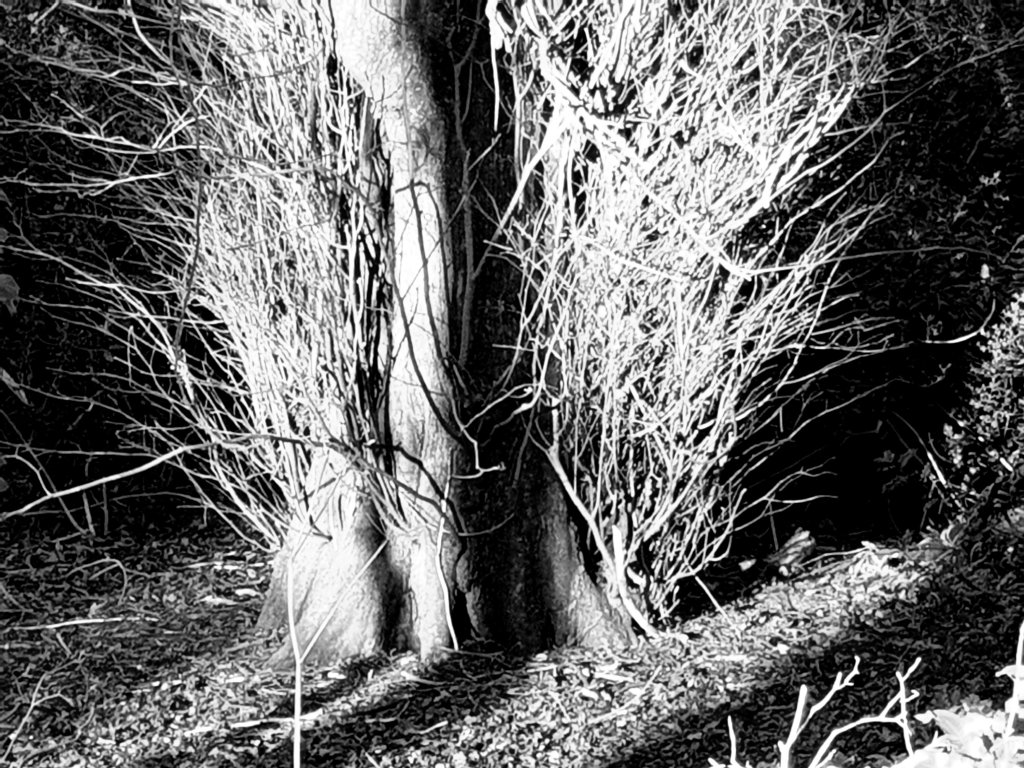
Now that we are back in London, the quality of winter light in the trees of Anglesey is all the more precious, particularly as we missed a beautifully sunny New Year’s Day, nearly the only people on the M1:-

Standard