There is a good analysis of some of the immediate effects of Brexit on the art market, as attached. Of course, it is possible that things will settle down and we will all get used to filling out all the necessary new forms, but at the moment it feels like a huge added set of problems and burdens on top of COVID, not getting rid of red tape, but adding it:-
The return of my copy of David Brownlee’s excellent book about the Philadelphia Museum of Art, published in 1997, has made me pay more attention to the identity of the person who took the remarkable early photographs of the Museum, first when it was under construction for publication in the Architectural Record in 1926 and then when it opened in 1928, although even then many of the surroundings seems yet to have been completed. It was Sigurd Fischer. They are unusually powerful, taken presumably with a plate camera, so shows up the amazing quality of the detailing in the polychromatic sculpture and stone carving. Fischer was himself an architect, as well as an architectural photographer, and came from a family of Danish painters. Modern photographs don’t seem to have quite the same quality, and I can’t figure out whether this is just the aura of time or the eye of a photographic artist in their composition:-
More scenes from my walk back from the local Baker.
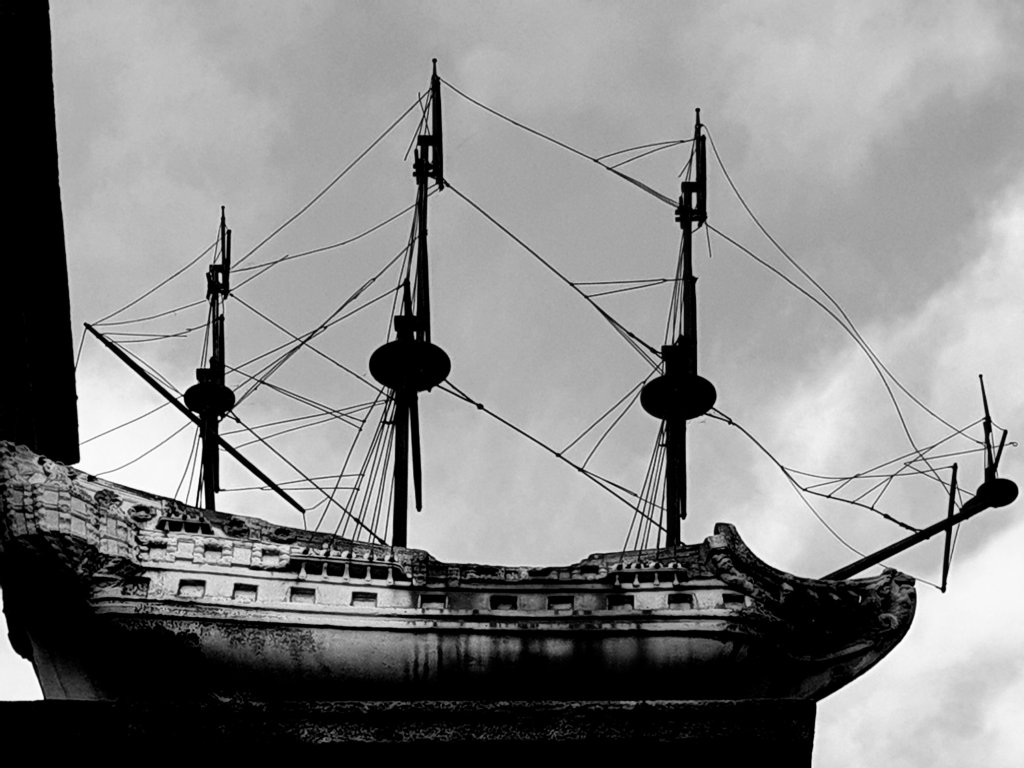
I have always liked the fact that the mariners – decay’d Masters & Commanders of Ships’ – who were housed so comfortably in almshouses paid for by a legacy of Captain Henry Mudd, should have been consoled by stone models of ships on entry:-
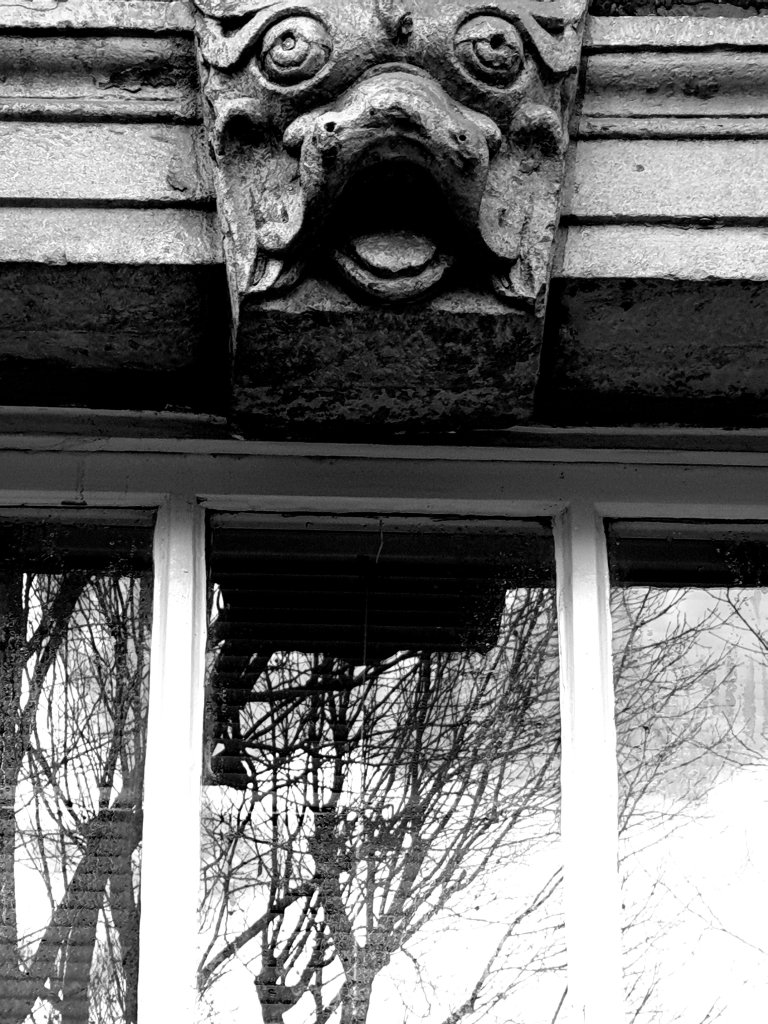
And I like also the detailing of the stone carving on the side buildings facing out onto the street:-
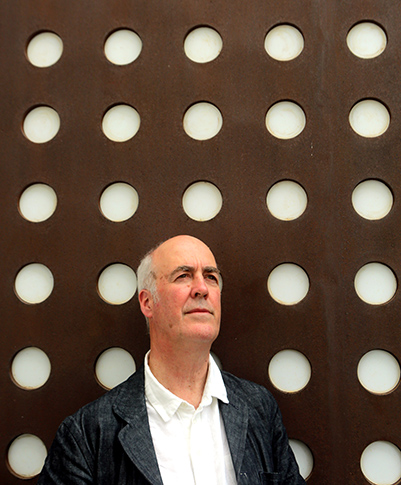
Here is the Art Newspaper’s list of forthcoming books with – I’m pleased to see – a more accurate description of what my book is about than the FT’s and a photograph of Richard F. Brown, who is one of the minor heroes of the book, who left the Los Angeles County Museum because he was not allowed to hire Mies van der Rohe as architect for the new museum – they got William L. Pereira instead – and arrived at the Kimbell with a list of potential architects, including Mies, Marcel Breuer, Pier Luigi Nervi and Louis Kahn, with whom he worked both critically, in a good way, and creatively, as the photograph, a late addition, suggests.
Talking of Vivaldi, for some reason I periodically am sent a link to a Norwegian violinist, Mari Samuelson, playing a mixed repertoire of music from Thomas Tallis to Max Richter. This evening, she played two movements from the Four Seasons, which I now find nearly impossible to listen to because it has become so impossibly hackneyed, but which she somehow managed to revitalise, playing it as if for the first time, with great and admirable intensity, as if everything this year will be a new discovery.
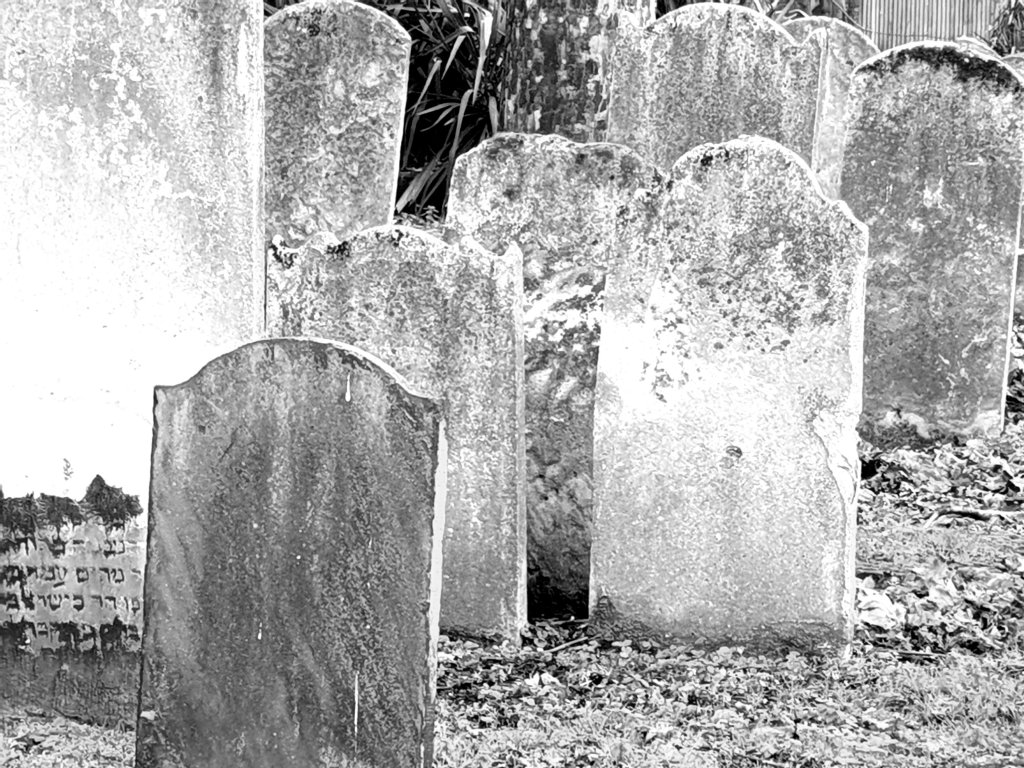
I thought I had found a short cut back from Breid, the local bakery where I go to buy their delicious cakes, but I found myself instead in a total cul-de-sac, blocked by the high wall of the Brady Street Cemetery. It was a strange moment – a moment of total silence, more silent than ever normally experienced in a city, but for the rooks raucous overhead:-
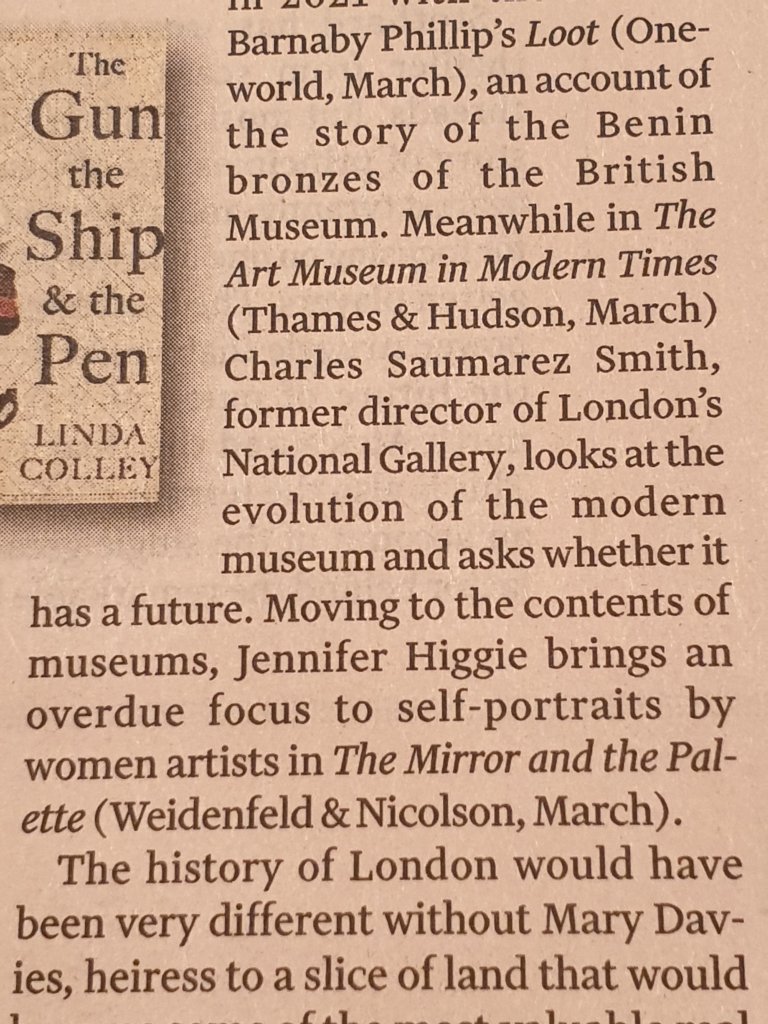
For those who were unable to open the link to the article in the FT which I posted yesterday on reading matter for the next phase of COVID, I am now posting the paragraph which most caught my eye which reappears in today’s Life & Arts.
I’d love to think the book was about the future of museums, but it’s about their history in the post-war period, as based on 42 new or reconstructed museums from the Museum of Modern Art onwards, with a few reflections in the Conclusion about the problems they face post-COVID. Not that they don’t have a future, but it’s not clear yet exactly what that future will be:-
I’m very grateful to a comment on my blog, pointing out, which I did not know, how recent the interest and enthusiasm for Vivaldi is and that its origins lie in concerts promoted by Ezra Pound in Rapallo, together with his lover, Olga Rudge, an American violinist. I presume this fact is well known to musicologists, but, after many years as a Vivaldi enthusiast, I did not know that it was only in the 1920s that his manuscript library was acquired in two chunks by the National Library in Turin and only in the 1930s that it began to be performed as part of an Italian cultural revival, closely associated to fascism. I don’t know if this should affect my enjoyment of the Nisi Dominus. I hope not.
I have only just been tipped off that my museums book appeared in the FT’s description of which books to read in 2021. This has, of course, cheered me up no end, particularly when I see what company I am keeping: Peter Ricketts on the world of diplomacy; Linda Colley’s The Gun, The Ship and the Pen; Lucasta Miller on Keats. The book I’m particularly looking forward to is Rosemary Hill’s The Time’s Witness: History in the Age of Romanticism, published by Allen Lane in 2021. Much to look forward to !

 | Charles | Saumarez | Smith |
You must be logged in to post a comment.