David Chipperfield

I’m so delighted that David Chipperfield has been made this year’s Apollo Personality of the Year at more or less the same time that he has also been awarded the CH:  both so well deserved for his longevity, his perseverance, and the admirable quality of his architecture and its respect for both history, as at the Neues Museum in Berlin and at the Royal Academy, and for greatly enhancing the local cultural environment, as in Margate and Wakefield. Edwin Heathcote provides an admirably succinct encapsulation of his career (see below), including his recent restoration of the Neue Nationalgalerie in Berlin and his new building for the Kunsthaus in Zürich, but not his Inagawa Cemetery Chapel recently completed in Japan. His work is always elegant, always thoughtful, always restrained. I see the James Simon Galerie is also one of three finalists for the RIBA International Prize today. Bravo !

https://www.apollo-magazine.com/personality-of-the-year-winner-apollo-awards-2021/?s=09
Standard

The Tulip Tower (2)

I have been digesting the news that Michael Gove has turned down planning permission for the Tulip Tower, a proposed monstrous development right next door to the Gherkin which looked as if it had been designed in 1955 in the pages of Dan Dare.

The fact that planning permission has been turned down could mean a number of things, all good:-

1) that Michael Gove has a mind of his own and is not necessarily going to be flattened by the army of planners, developers and consultants who think that all development is good, willy nilly, regardless of its urban and environmental consequences.

2) that planners might now pay proper attention to the costs of demolition and its environmental consequences, long overdue.

3) that the public mood may be turning against the hideousness of the new City. I note for example that Edwin Heathcote described in the FT that he could not think of a single new office development which was better than what it replaces, a pretty appalling indictment of recent office design.

Let’s hope !

https://www.bdonline.co.uk/news/tulip-carbon-decision-could-change-how-big-projects-are-assessed/5114690.article?utm_medium=email&utm_campaign=Daily%20Building%20Design%20%20Daily%20news&utm_content=Daily%20Building%20Design%20%20Daily%20news+CID_ec3191a249a8afa572c8bf35a2836d94&utm_source=Campaign%20Monitor%20emails&utm_term=Tulip%20carbon%20decision%20could%20change%20how%20big%20projects%20are%20assessed

Standard

Whitechapel Bell Foundry (101)

In case you think I have entirely given up on the Whitechapel Bell Foundry, I was pleased to discover a post about the sound recordings of bells cast by the Foundry held by the London Metropolitan Archive (Both Sides Now – The Curious Case Of The Whitechapel Bells – London’s Sound Heritage (wordpress.com)). Robert Jenrick may think that no-one now cares about the fact that he gave accidental permission to the redevelopment of the Bell Foundry as a hotel (two hotels have opened in the vicinity during the last year, one immediately opposite), but I hope that it will remain a blot on his escutcheon and forever associated with this government’s lack of care for the historic environment and general air of total incompetence.

Standard

Gerard Hoffnung

While I am posting about obscure websites, I am pleased to see that one has just been launched to document the work of Gerard Hoffnung, whose work, I realise, was very much a feature of my childhood, along with Flanders and Swann:-

https://gerardhoffnung.com/?s=09

Standard

The London Sound Survey

I’ve just been introduced to the London Sound Survey (https://www.soundsurvey.org.uk/index.php/survey/about), a website I feel I should have known about, but didn’t, with hundreds – probably thousands – of recordings of street life in London mapped according to their location. It turns out that it was a private initiative by Ian Rawes, who died recently aged only 56, so that there is a question mark round whether or not the website can be maintained (https://www.standard.co.uk/culture/london-sound-survey-ian-rawes-field-recording-b964561.html).

I would hate to think that I had just found out about an invaluable resource for understanding history just at the moment when it might cease to exist.

Standard

Poussin and the Dance

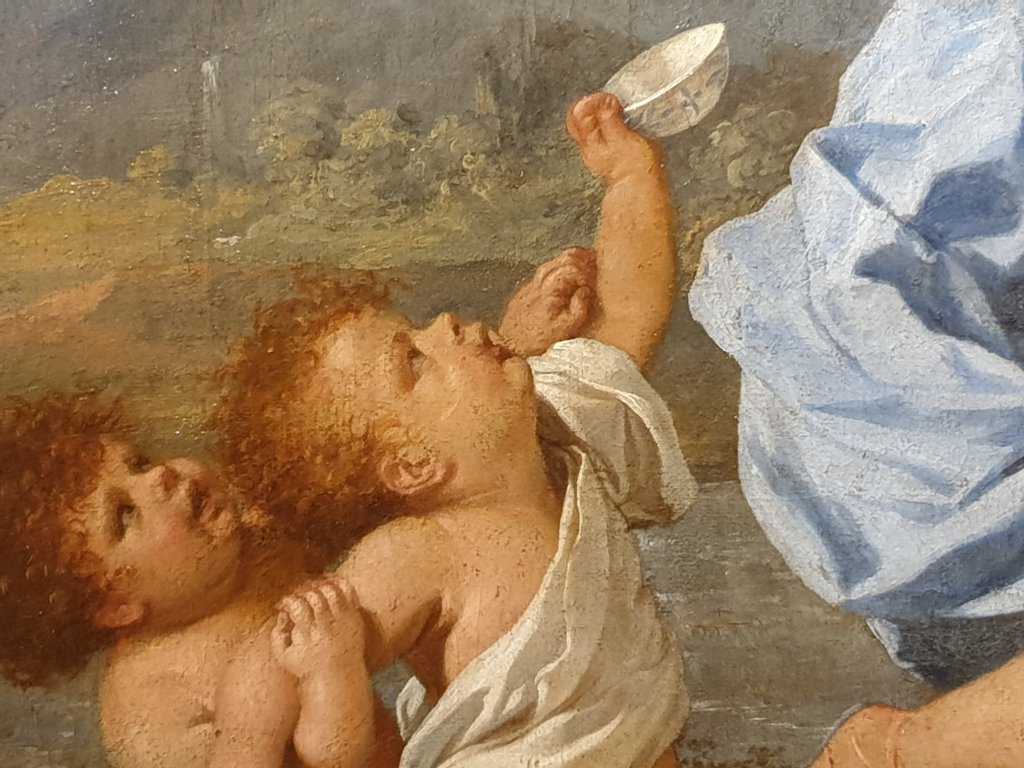
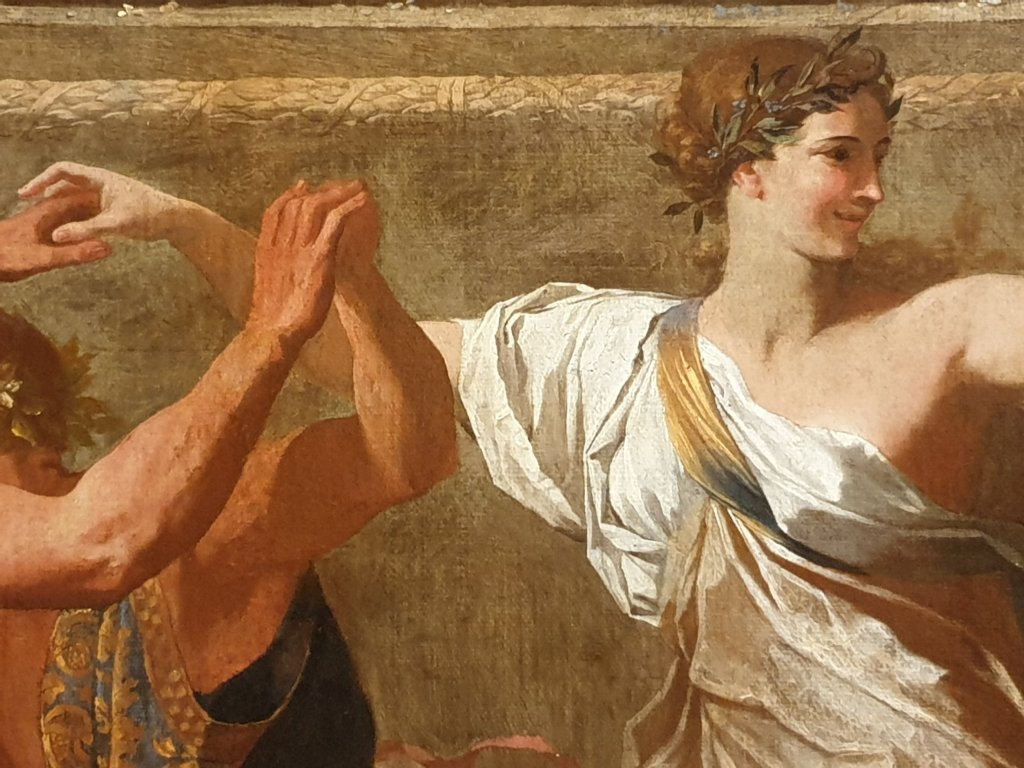
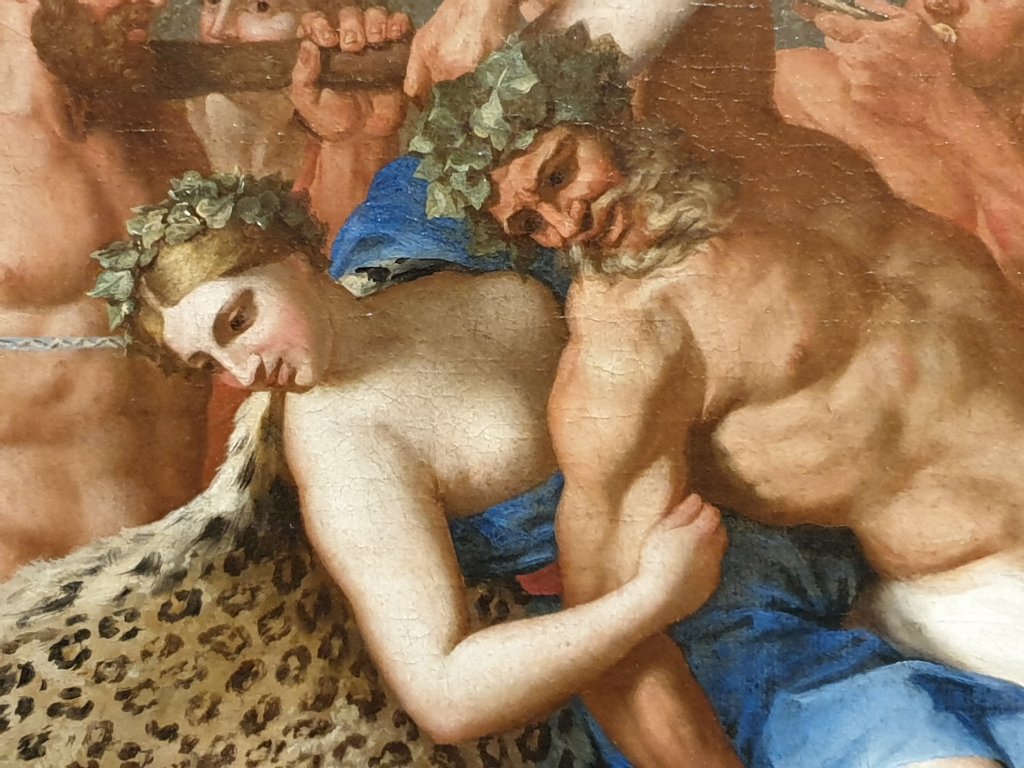
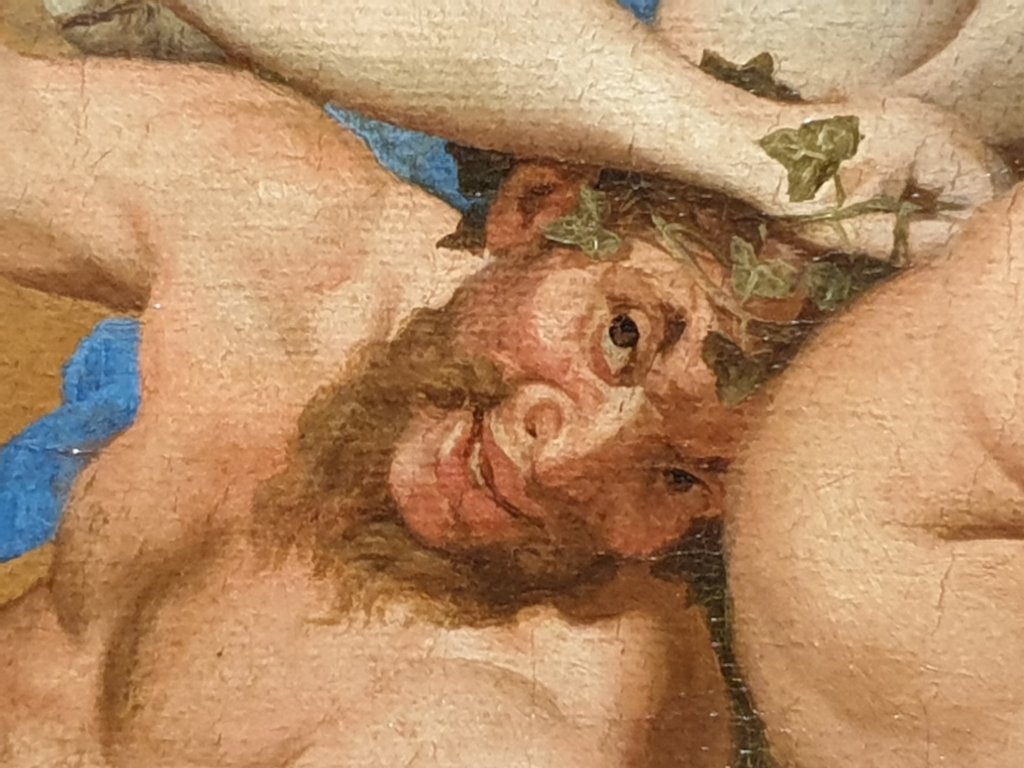
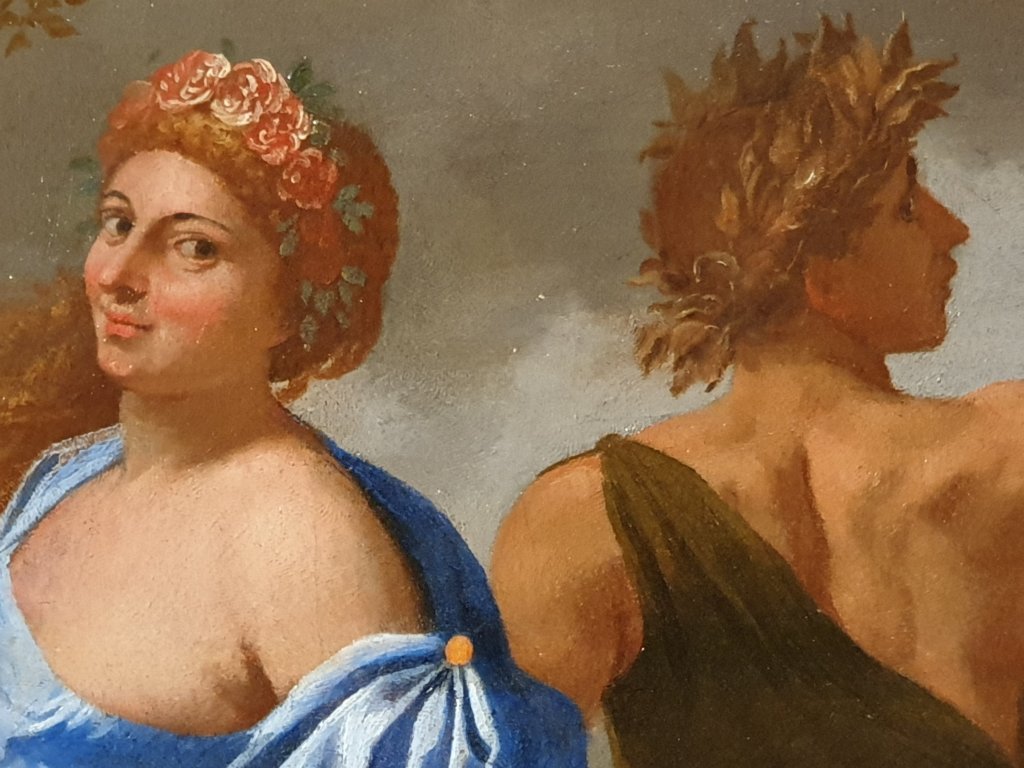
We went to Poussin and the Dance:  more sensual and much more bacchanalian than the conventional (Bluntian) view of Poussin as cool and calculating. Maybe that came later. A very choice exhibition for which the downstairs galleries at the National Gallery work well.

A Bacchanalian Revel before a Term (c.1632);-

The Adoration of the Golden Calf (1633-4):-

The Triumph of Bacchus (1635):-

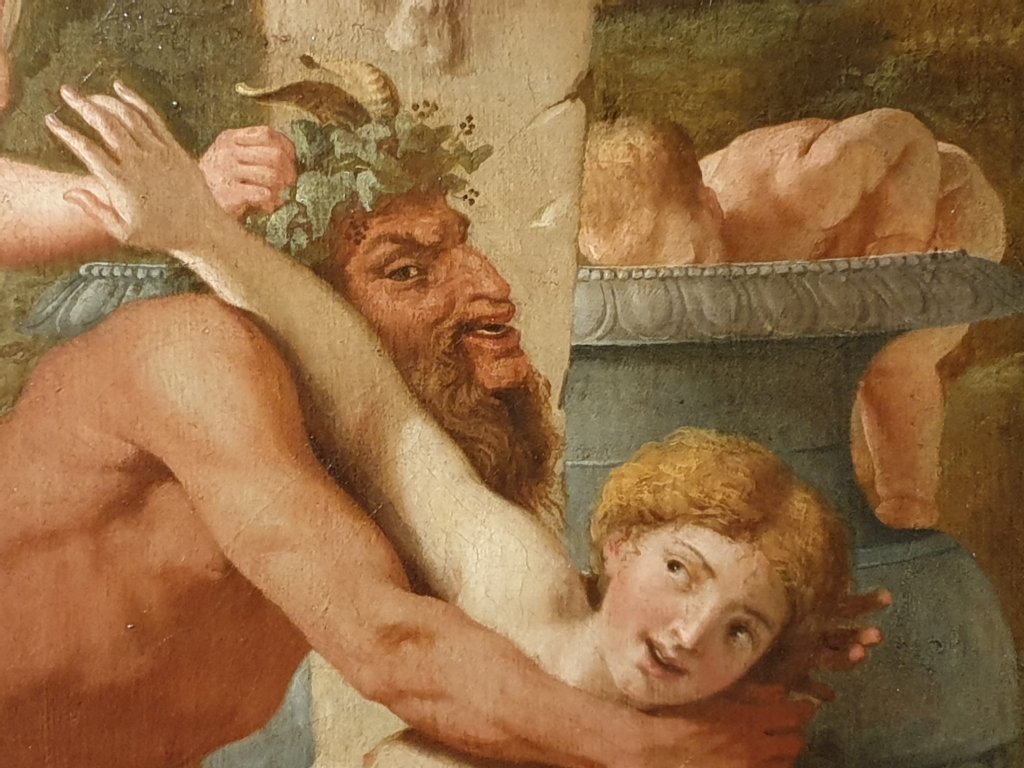
The Triumph of Pan (1636):-

A Dance to the Music of Time (c.1634):-

Standard

The role of the police

In reading the many stories about low-level or high-level corruption in today’s papers – the reports from Jennifer Arcuri’s diaries of her relationship with Boris Johnson, Jacob Rees-Mogg failing to report £6 million in loans from his company registered in the Cayman Islands, the sale of honours to former treasurers of the Conservative Party, the endless reports of double standards – it is invariably stated that the police have decided not to pursue further inquiries or decided there is not enough evidence to prosecute (as in Operation Lansdowne). One increasingly wonders why not: not just now, but in the past as well. They presumably thought that the cases were too political and did not want to upset their paymasters. But what is the police there for if not to uphold the rule of law ? Jennifer Arcuri seems to have been happy to hand over her diaries to someone making a television programme. So, did no-one think to talk to her when they were investigating his behaviour, rather than just sending her a questionnaire (and they didn’t think it ‘appropriate’ to interview Johnson, who was himself the subject of the investigation) ? Why is corruption not a police matter ? There is a law against Misconduct in Public Office and it is surely the police’s role to ensure it is upheld.

Standard

Hughie O’Donoghue (2)

For those who missed my conversation with Hughie O’Donoghue, it has now been reposted online on a New York website, The Daily Plinth. It coincides with the opening of Hughie’s exhibition, which I have yet to see, but I saw some of his recent work in his studio and thought it was incredibly impressive:-

http://dailyplinth.com/videos/hughie-odonoghue-in-conversation-with-charles-saumarez-smith/

Standard

Scratching the Surface

Over the last six months, I have done quite a few podcasts about my book on art museums; but few have been as thought-provoking as the most recent, recorded on September 1st, in which Jarrett Fuller quizzes me in detail about how and why I wrote the book, how it relates to my career as an ‘administrator’, the politics of museums, what it’s like to be a museum director, and the intersection between scholarship and administration. Jarrett Fuller assumes that he’s the only person interested in these issues. I hope he’s not right.

https://scratchingthesurface.fm/201-charles-saumarez-smith

Standard

The Cosmic House (2)

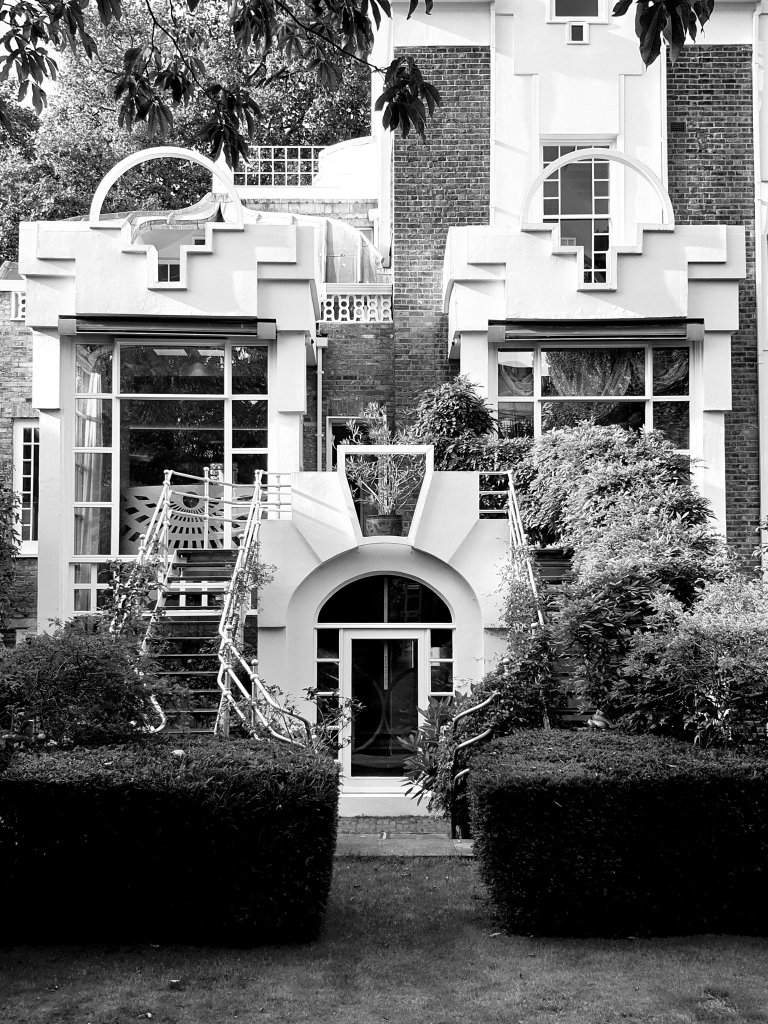
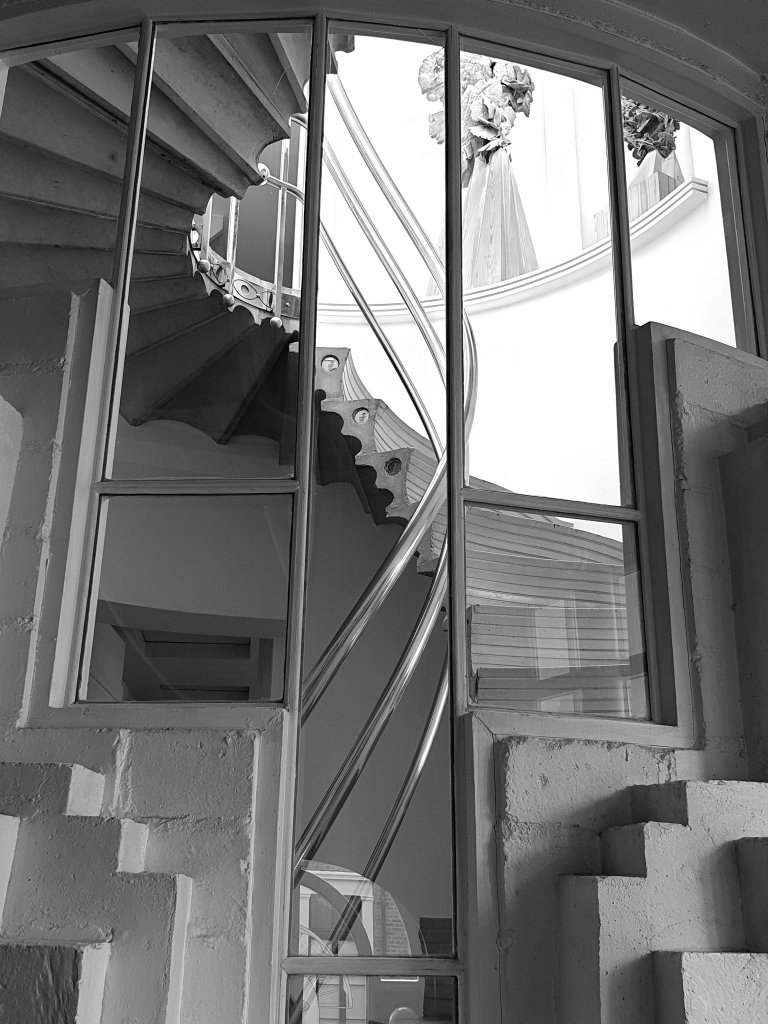
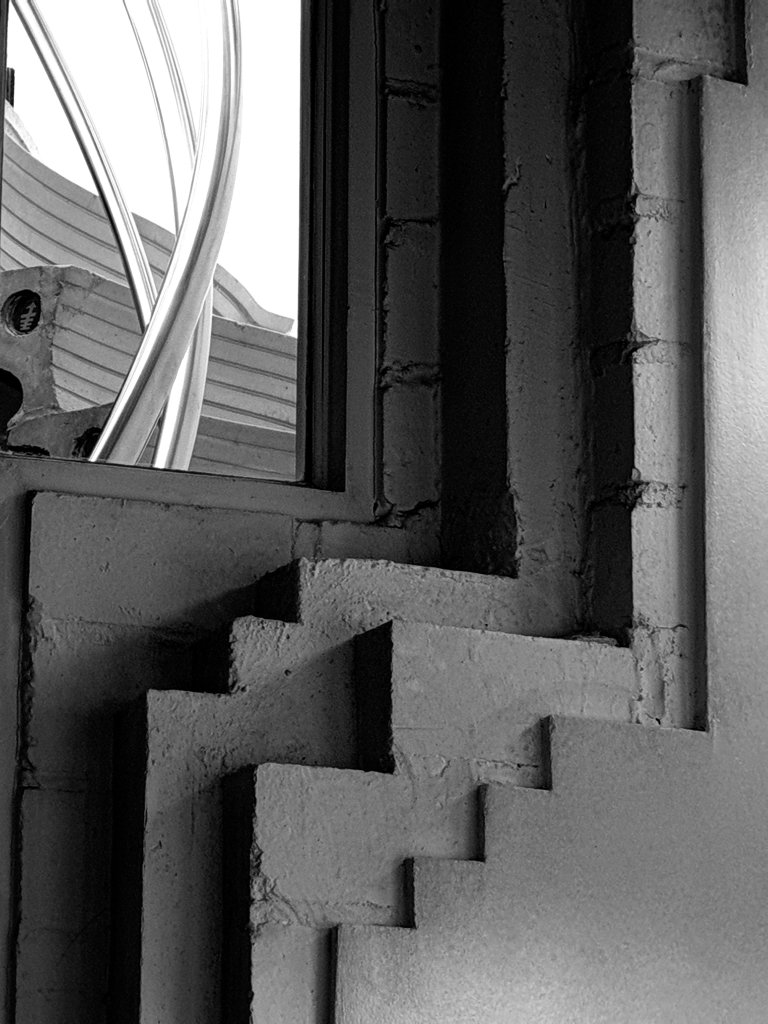
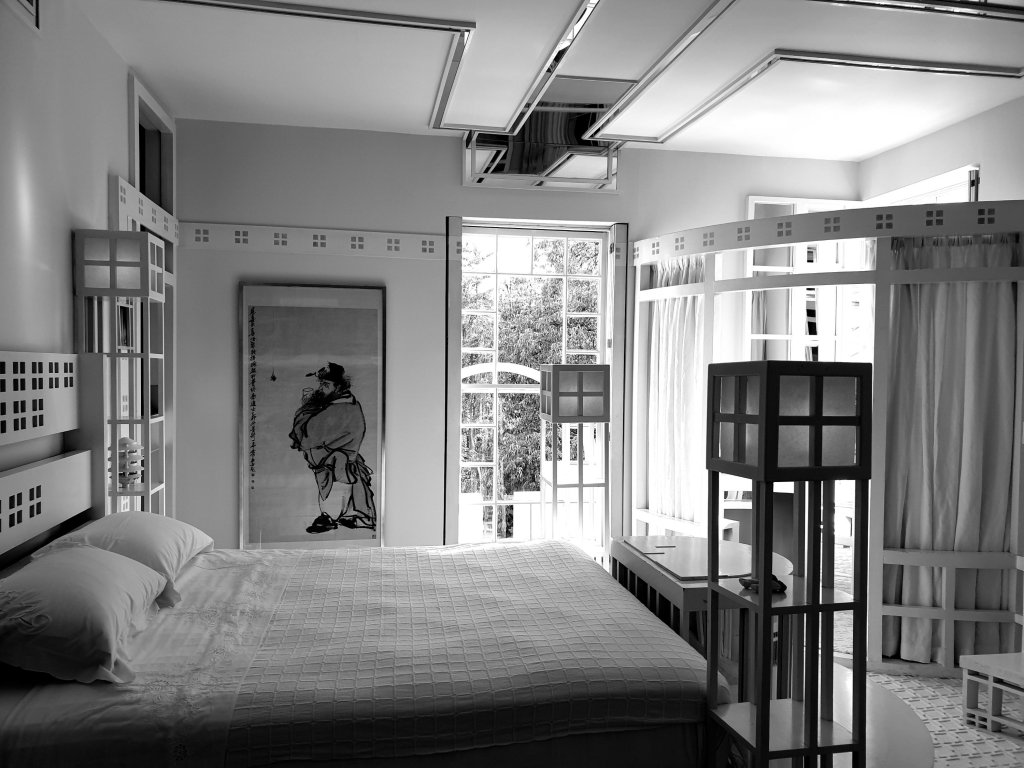
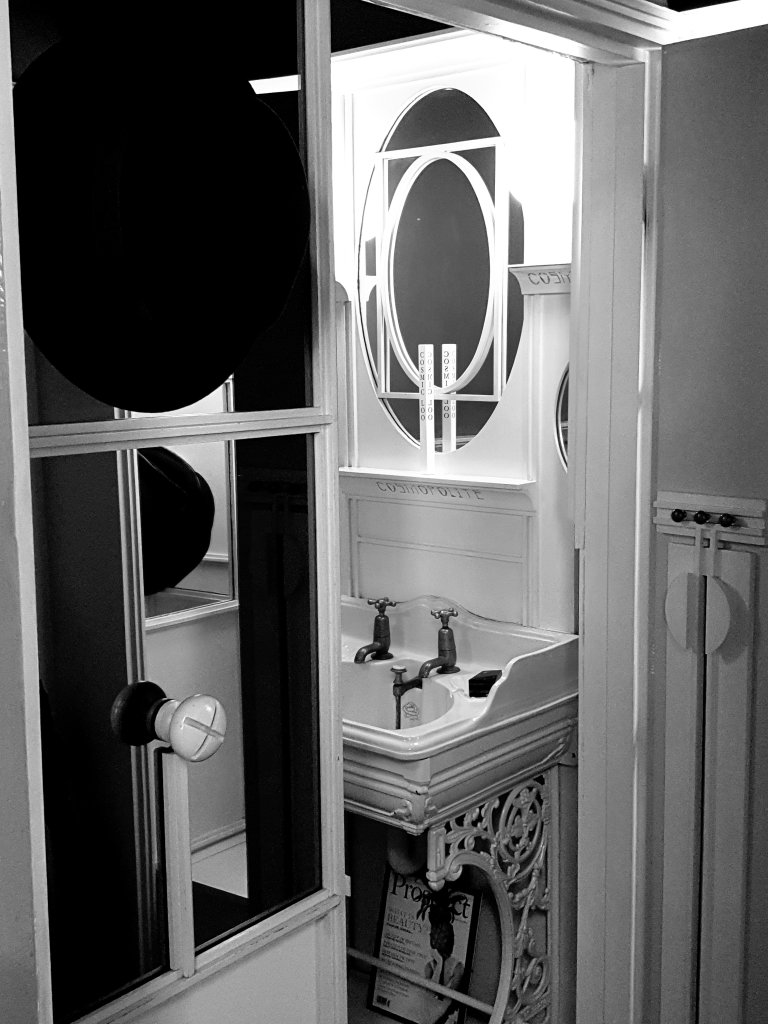
Now that my article on the Cosmic House is out, I can publish the photographs I took at the time of my visit, documenting the character and some of the amazing detail of Charles Jencks’s and Maggie Keswick’s Cosmic House.

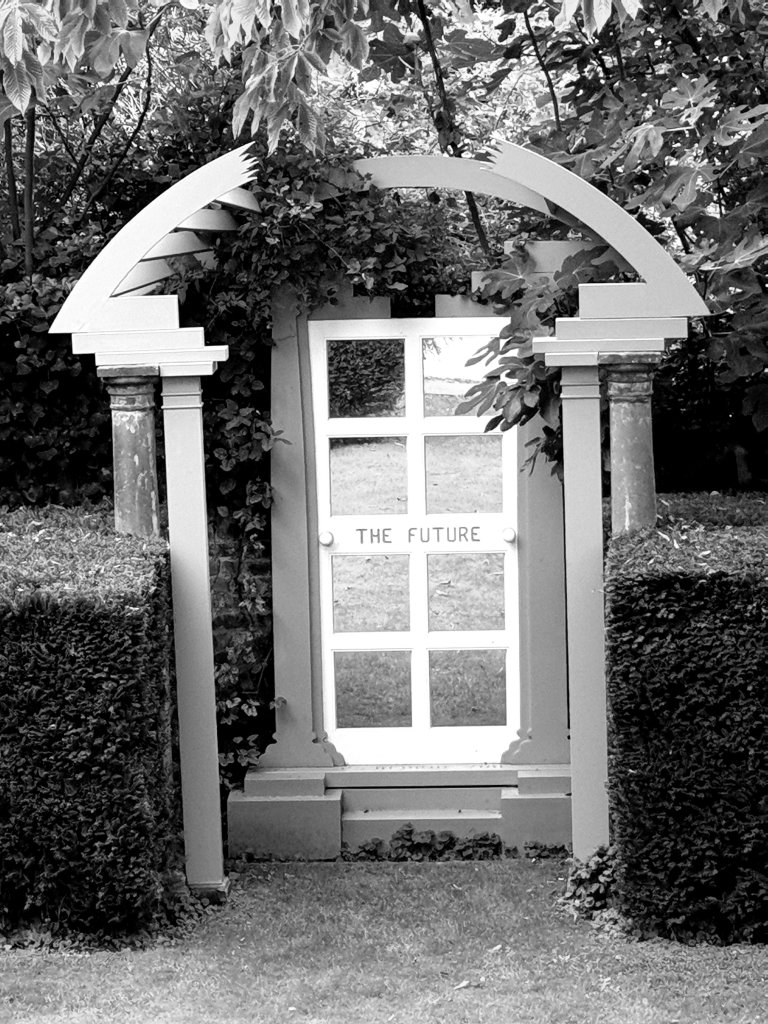
The house announces its peculiarities more from its garden than the street:-

The staircase in the middle of the house is a key feature:-

I only photographed two rooms. The bedroom:-

And the downstairs lavatory:-

It’s part art nouveau, part Arts-and-Crafts, part free invention.

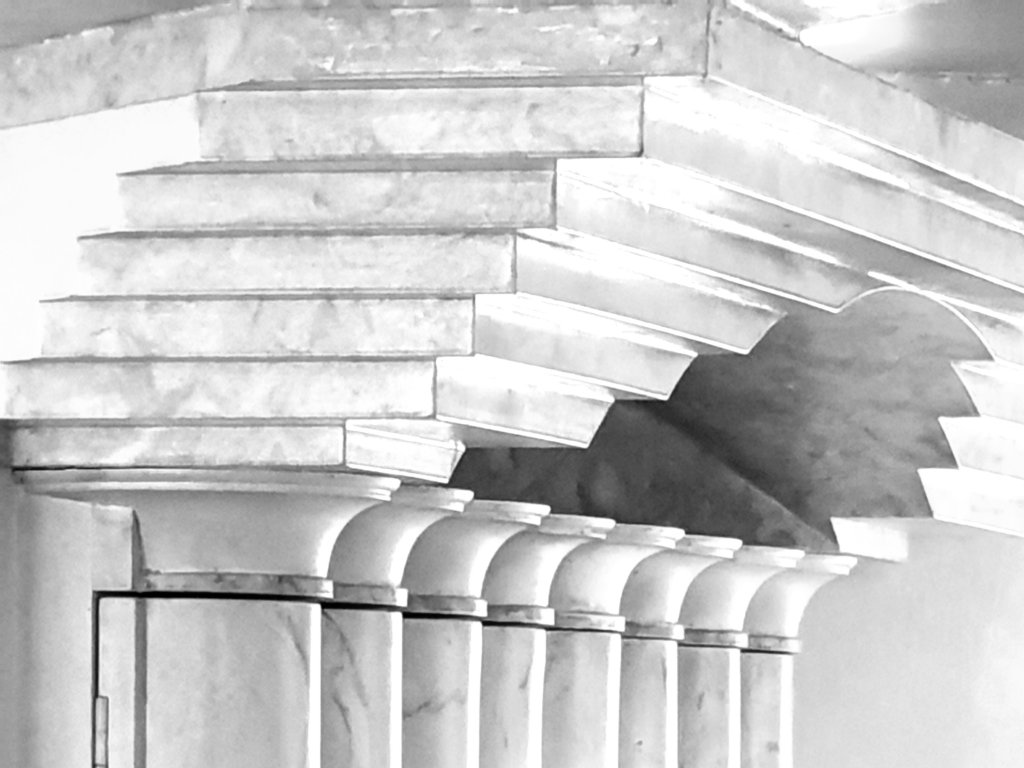
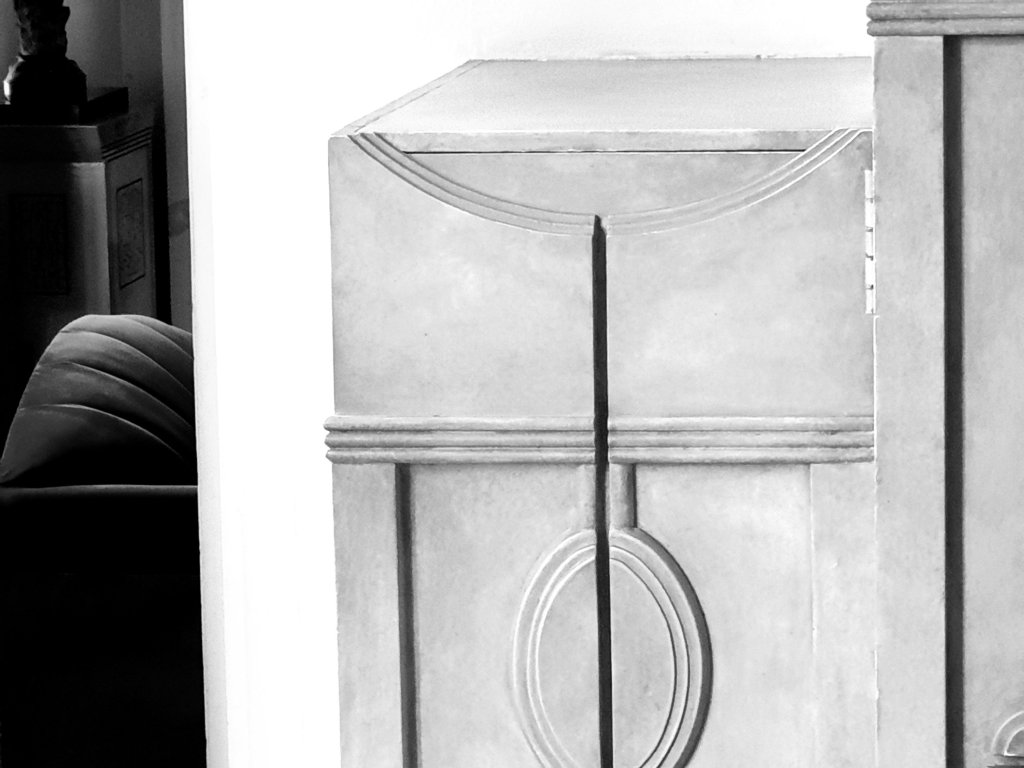
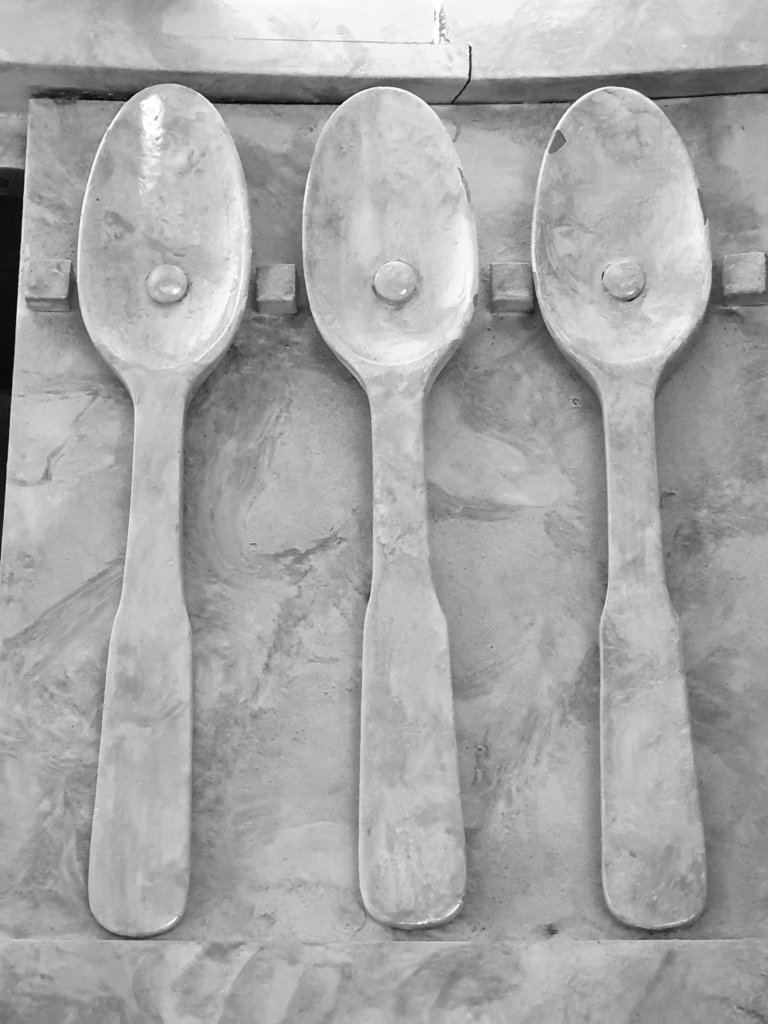
I liked some of the classical detailing:-

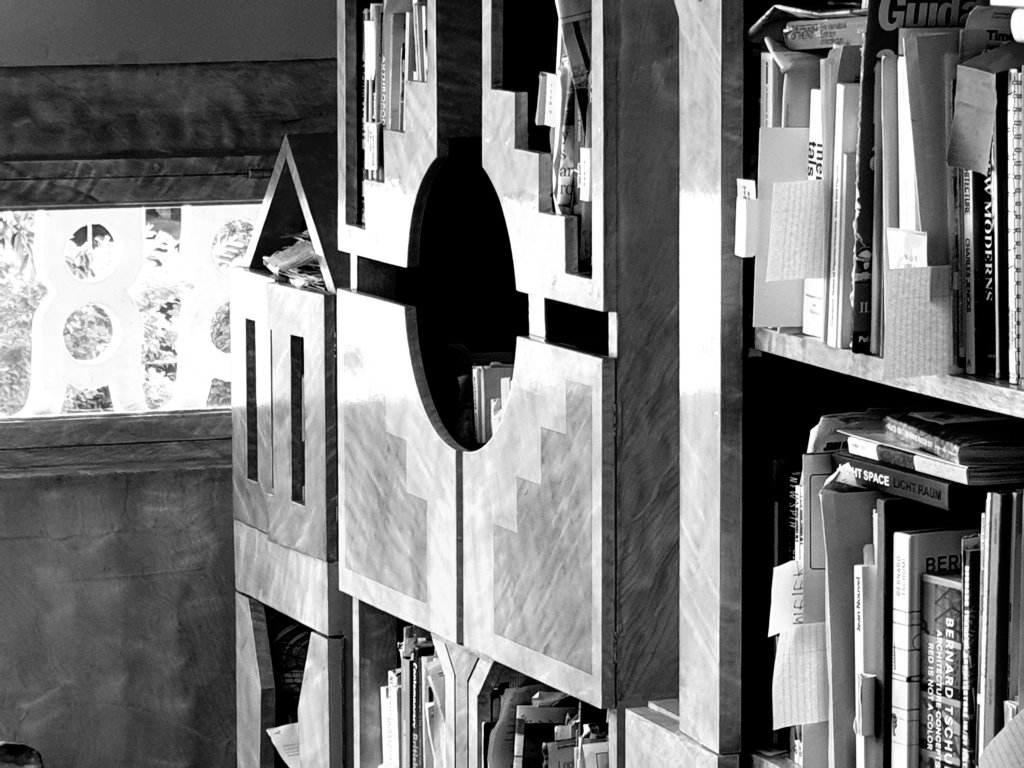
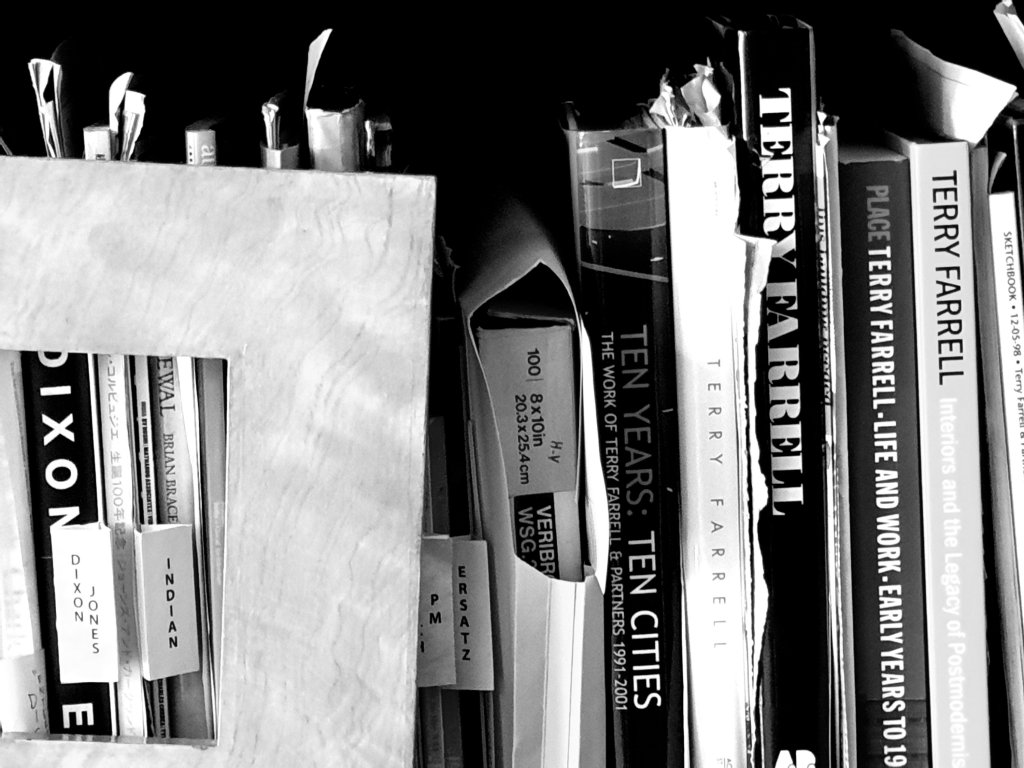
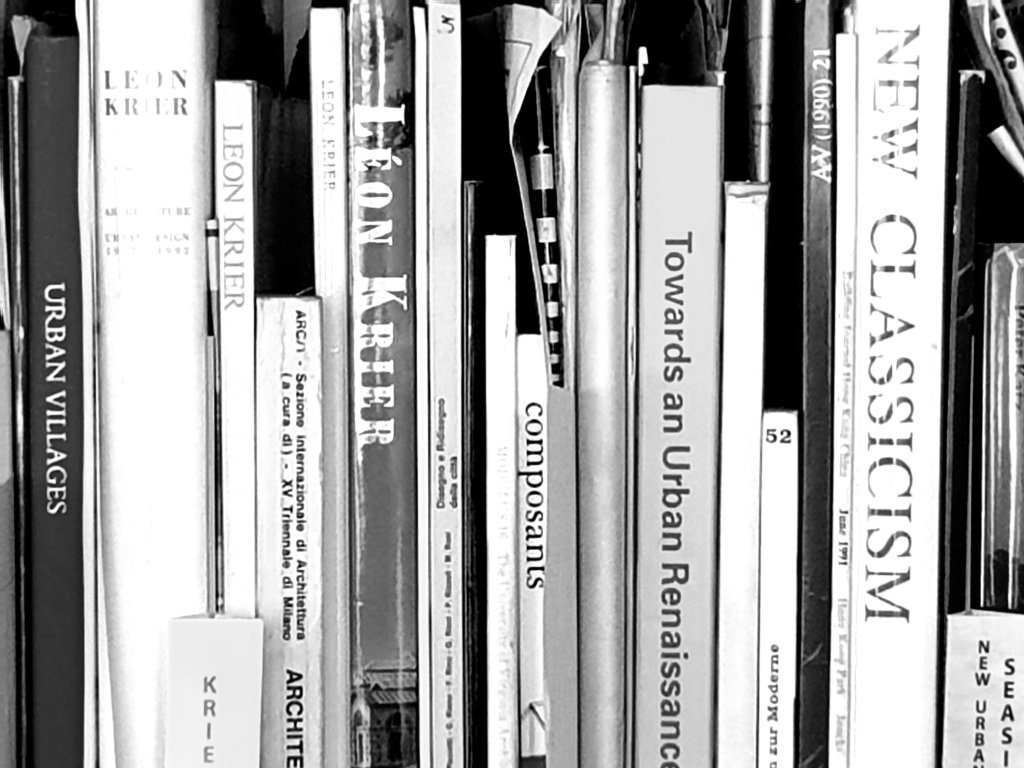
I was also fascinated by his library and what he had been reading:-

I strongly recommend a visit:-

Standard