I was slightly surprised to see a man standing inside a clock at Paddington Station, even more so when I realised that he was painting on the time which could be a full-time job:-
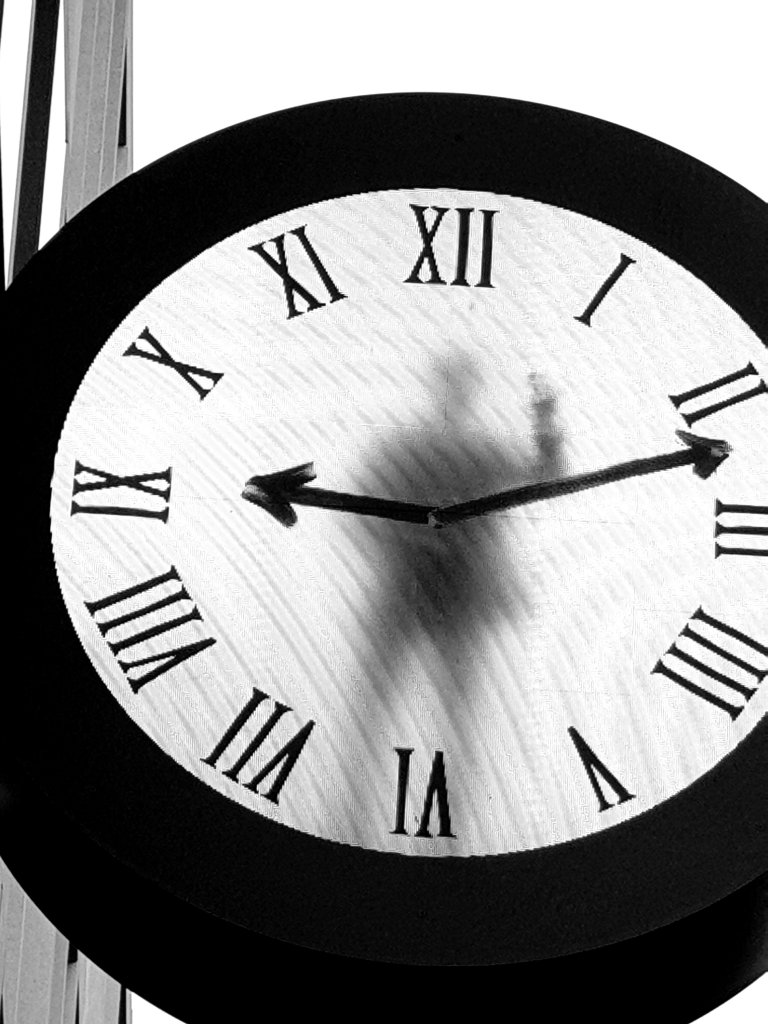
I was slightly surprised to see a man standing inside a clock at Paddington Station, even more so when I realised that he was painting on the time which could be a full-time job:-
I am re-posting the article on the front of the FT”s Life and Arts section a) because it’s free to read and b) because I found it a helpful and historically well-informed account as to why Putin has acted as he has, which otherwise is nearly impossible to comprehend. It helps make sense of the long history behind his actions, not that he is just bonkers.
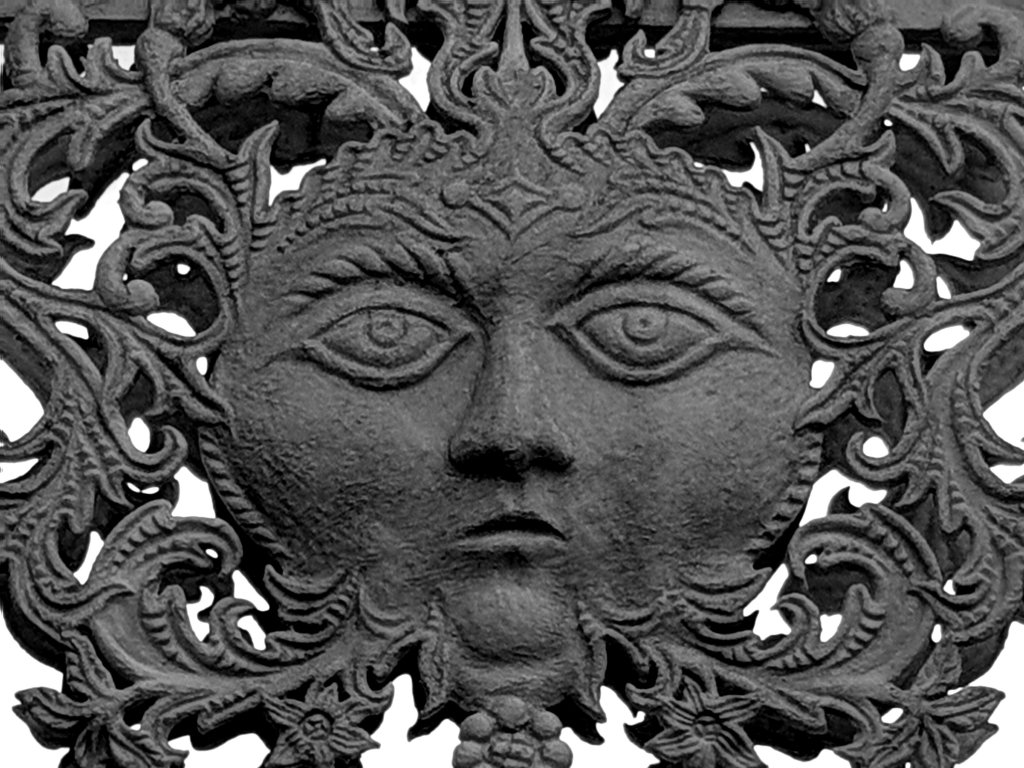
We ate our sandwiches in front of the amazing gates to Chirk Castle – a tour-de-force of cast and wrought ironwork by the Davies brothers who lived locally and produced the gates originally for the entrance forecourt to the Castle. Quite something;-


In the mass of news coverage of the war in Ukraine, I found the attached article by Lawrence Freedman very helpful: because it is not merely about the problems that Kyiv and Mairupol face, but about the broader issues that the Russians face – the scale of Ukraine as a whole and the fact that their massed armies are essentially so far only nibbling at the frontiers, however devastating and destructive that clearly is. Also, it’s relatively dispassionate at a time of ferocious emotion.
https://samf.substack.com/p/space-and-time?utm_campaign=post&utm_medium=web&s=09
I have just been sent a long and thoughtful review of my museums book which appeared last week in Hyperallergic by David Carrier, a philosopher who has himself written about museums in Museum Slepticism: A History of the Display of Art in Public Galleries (2006). It suggests a dichotomy in the book between the historical narrative, which takes the story of museums from the Museum of Modern Art to the present and is, as he rightly says, generally optimistic about the role of museums and the ways in which they have changed and adapted to new demands; and the Concluding section, called Key Issues, which strikes a more pessimistic note.
Of course, he’s right. For most of their history in the last seventy years, museums have been confident in their sense of purpose – liberalising and modernising and attracting new audiences. But I added my final, more pessimistic Conclusion in April 2020, when it felt much harder to be so optimistic. I had not included much about restitution against the advice of my editor. I had lived through an era of generous philanthropy, but people were increasingly criticising the sources of such funding, although I never did make much headway in raising money from the Russian oligarchs. The confidence in the tradition western canon was being undermined.
I felt at the time, and have felt since, that I was describing the state of museums in a liberal, postwar, democratic era, when they were expanding their audiences through radical architectural experimentation and rethinking how collections should be presented and interpreted. But they feel less confident and more cautious now, as was so evident in the series of very good programmes about the Metroplolitan Museum on the BBC, where Daniel Weiss and Max Hollein exhibited not so much confidence as anxiety and guilt. And this seems to be the mood of the times.
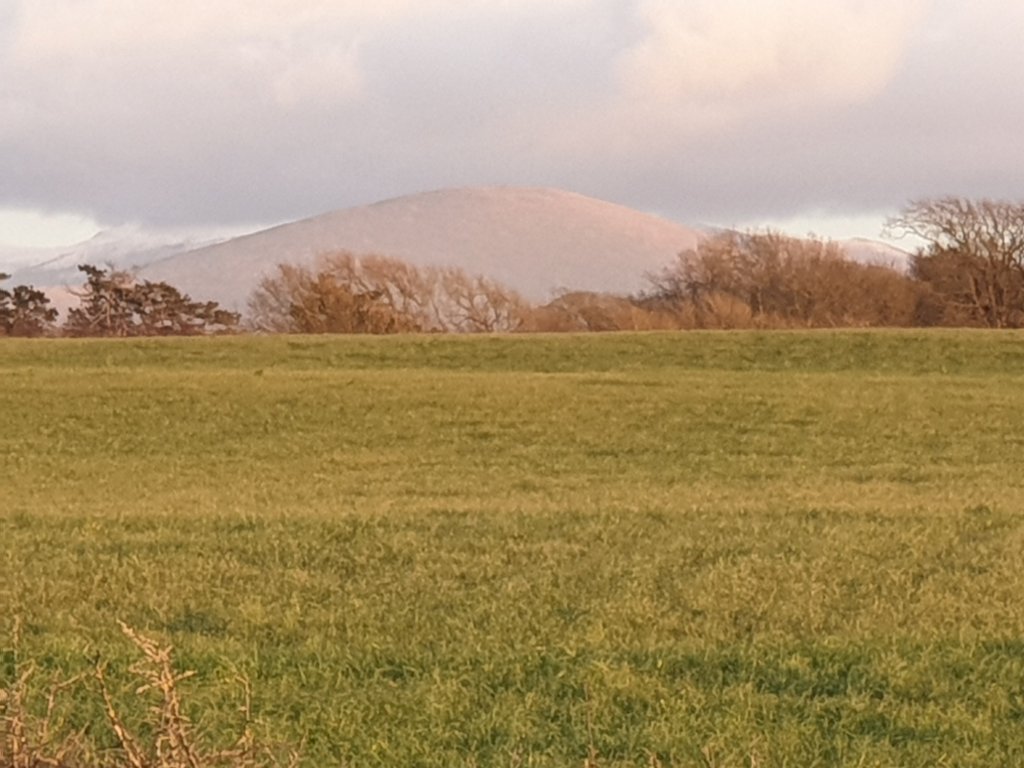
Two years ago, we escaped from the extreme anxieties of East London at the time of the outbreak of Coronavirus and before lockdown to North Wales and spent what in retrospect was an unreal time when the world felt on the verge of total collapse looking out to the mountains. Now we are here again and the situation of the world feels at least as bad, if not worse, as we sit listening to the radio reports of bombing and people fleeing, the apparently total powerlessness of the West owing to the very real threat of nuclear attack and the fear that it will all escalate, which it may anyway. So, what would we do if the tanks rolled into Estonia ? Or Finland ? We would be similarly powerless in the face of an aggressor who doesn’t respect the idea of a nuclear deterrent and is prepared to use what feel like very old-fashioned tactics of land war and siege, not worrying about the enormous loss of life on both sides, as well as being prepared to bomb cultural monuments, not respecting any of the conventions of modern war.






 | Charles | Saumarez | Smith |
You must be logged in to post a comment.