
Attached are some reflections, not just mine, on the benefits of royal support and patronage, which I have experienced not just at the Royal Academy, but, more recently, at the Royal Drawing School, which the Prince of Wales established in 2000 and has continued to support very actively (videlicet my recent post about the printmaking studio at Dumfries House):-
Daily Archives: 9 September 2022
Dumfries House (3)
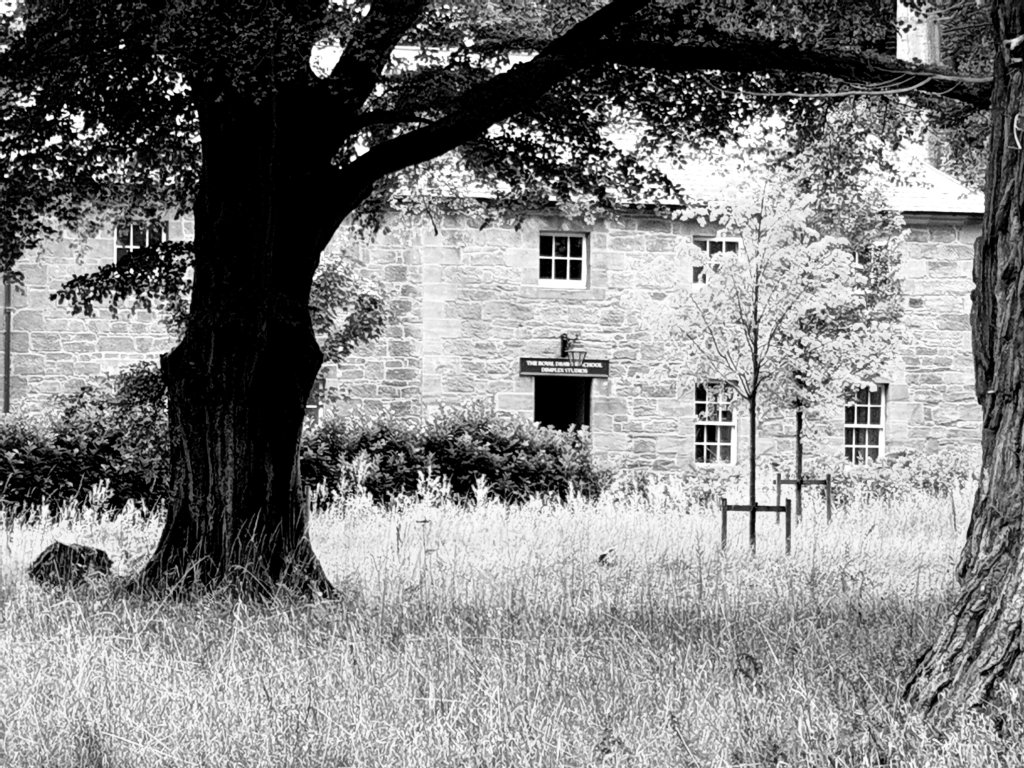
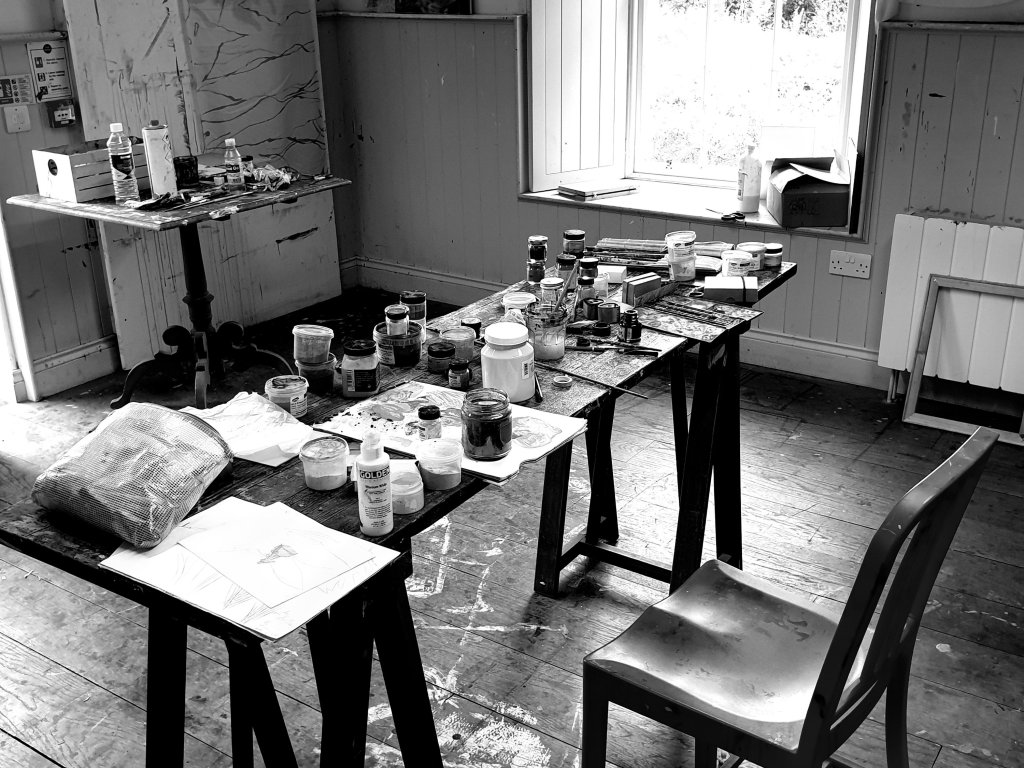
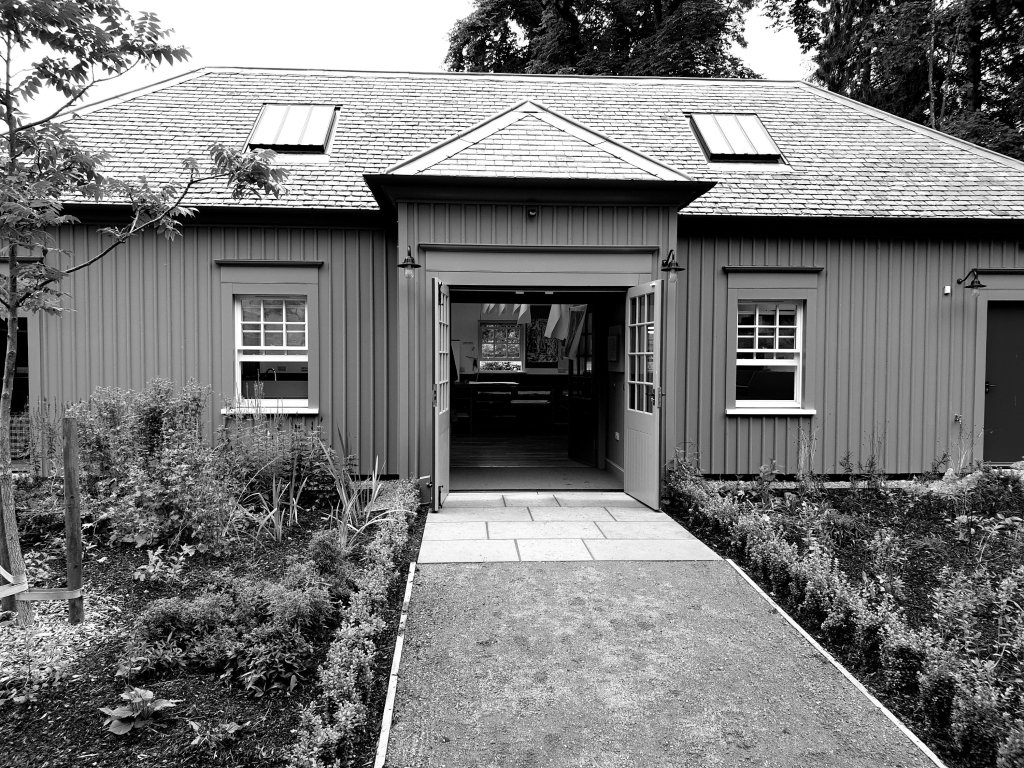
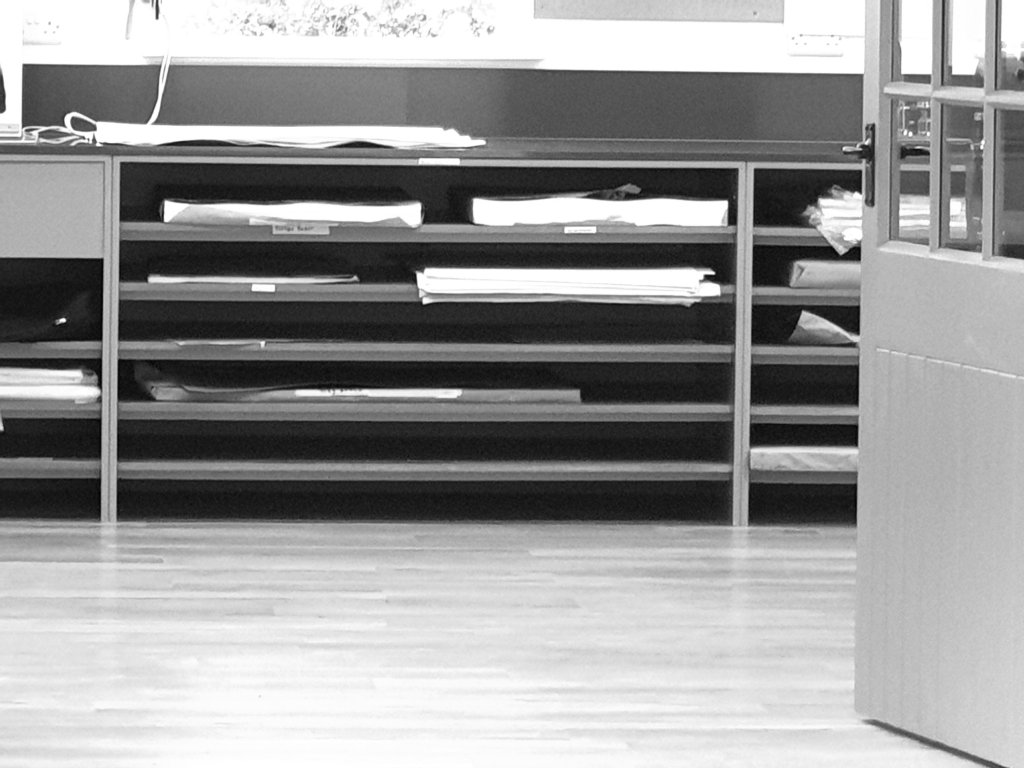
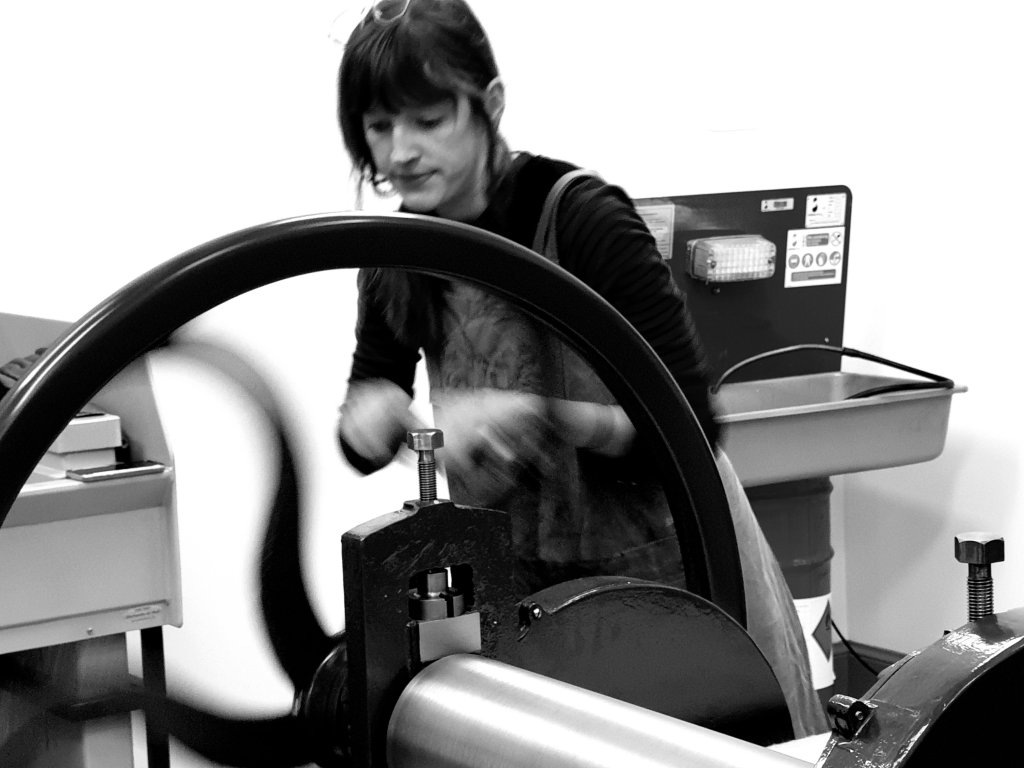
My final post about Dumfries House is the reason why I was there: the opening of the new Printmaking Studio, a beautiful and incredibly well-equipped facility for print makers who are on short visiting fellowships administered by the Royal Drawing School. It was designed by Keith Ross – so convincingly part of the surroundings that I did not initially realise that it was brand new, right next door to the old laundry which has been converted into drawing studios.
These are the Glen Dimplex Drawing Studios:-
This is the new Printmaking Studio:-
Portraits of the Queen
Not surprisingly, I have been thinking of the big John Wonnacott painting of the Royal Family, done for the Queen Mother’s 100th. birthday in 2000, commissioned as a way of showing the different generations of the Royal Family – a sense of their interaction, their family relationships and of the succession, which didn’t seem such an issue then.
In retrospect, I wonder if it should have been done in Clarence House, not Buckingham Palace, but it was a self-conscious updating of John Lavery’s The Royal Family at Buckingham Palace (1913). I notice that pictures acquire a different aura of significance long after the event:-
https://www.apollo-magazine.com/the-many-faces-of-the-queen/?s=09
Dumfries House (2)
Readers may legitimately wonder what the mood was like yesterday in the grounds of Dumfries House. The answer is that I remember hearing the noise of a helicopter in the distance, maybe at about 10 o’clock. It was. When we learned that it was the Prince of Wales summoned to Balmoral, I think we all knew instinctively what that was likely to mean; but it was a long wait through the course of the day, in which I was the least well informed. Everyone else seemed to have vastly much better access to the rumour mill. At 5 o’clock, I got a call in the Entrance Hall (use of phones is forbidden) to ask if the news was true. I asked as I left the house half an hour later, but it was unconfirmed. So, I only learned when I switched on the tv – very unusual for me – at 6.25 in the hotel bedroom. The end of an era. And the beginning of a new one.
Stratford vs. Hackney Wick
As readers of my blog will know, I got very interested earlier in the summer in the development of Hackney Wick which is changing very fast, but in a way which I think has been pretty successful, although the artists who have had to move out because of changing property prices will not agree (I met one last week).
I also started exploring the former Olympic Village. At the time, I wasn’t aware that both were a result of large-scale planning by the London Olympic Development Corporation under the chairmanship of, first, Ken Livingstone, then Boris Johnson and are a perfect exemplification of recent policies towards urban planning and that, over the summer, a lot of other people were going to write about the success or otherwise of the London Olympic Legacy Development Corporation, its successor body, including Oliver Wainwright in the Guardian very negatively and Rowan Moore in the Observer more positively.
My analysis, based on bicycling more than reading, apart from Grindrod’s admirable recent Iconicon, has just gone live:-
 | Charles | Saumarez | Smith |
You must be logged in to post a comment.