Very beautiful winter light as I walked past Christ Church today:-

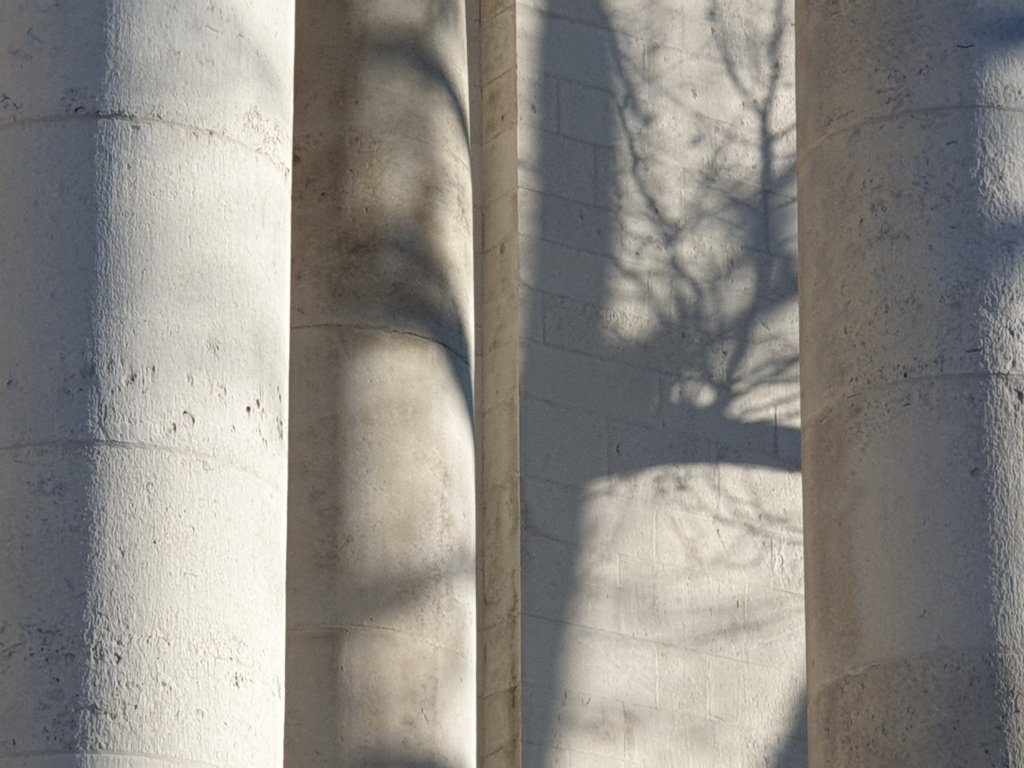
Very beautiful winter light as I walked past Christ Church today:-
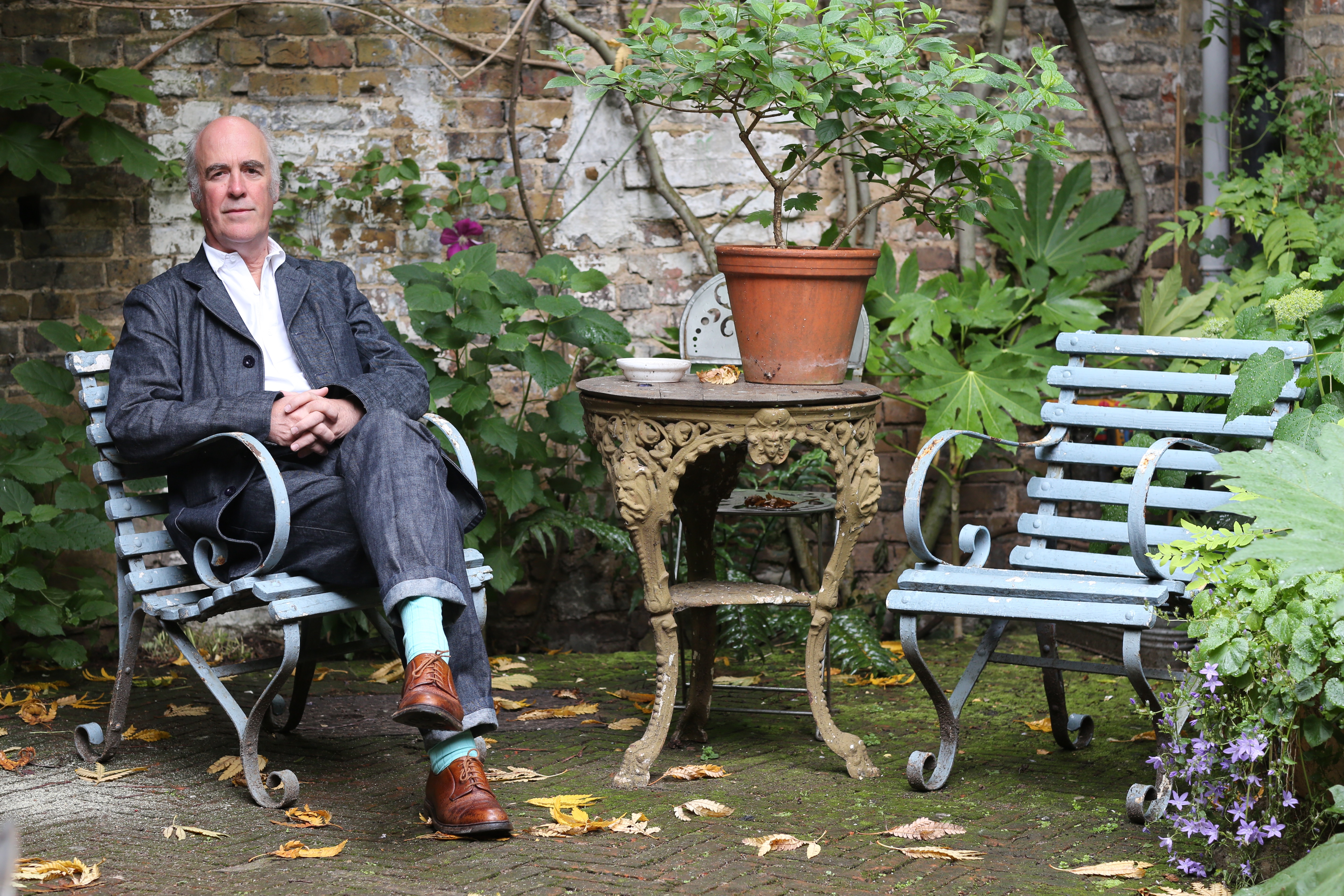
Following my brother’s recent, unexpected death, I wrote a short obituary of him for the Guardian as a way of documenting his life. The odd thing was that it got longer as they asked me to fill in the gaps in my account. As follows.
https://www.theguardian.com/education/2023/feb/07/richard-saumarez-smith-obituary
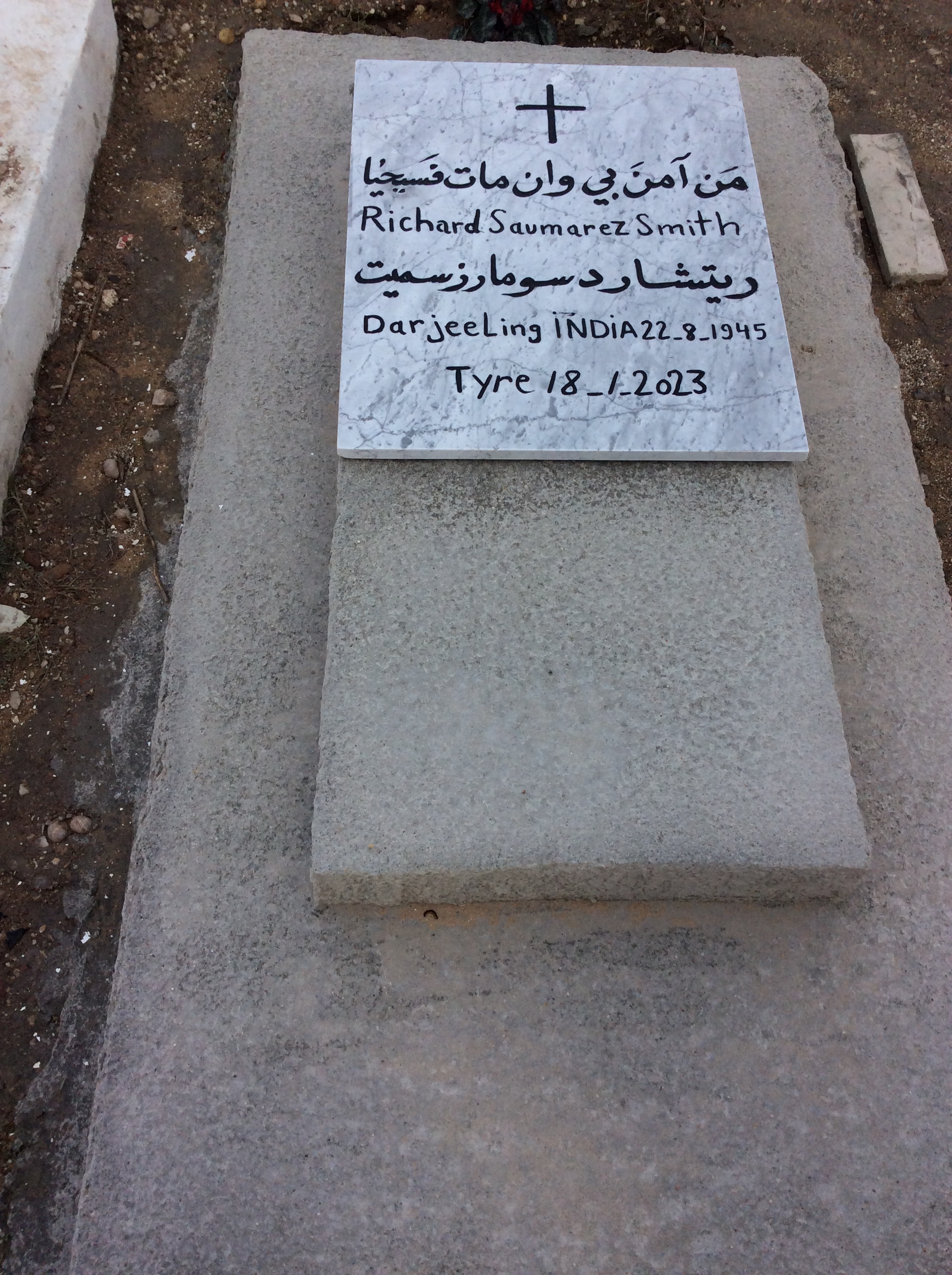
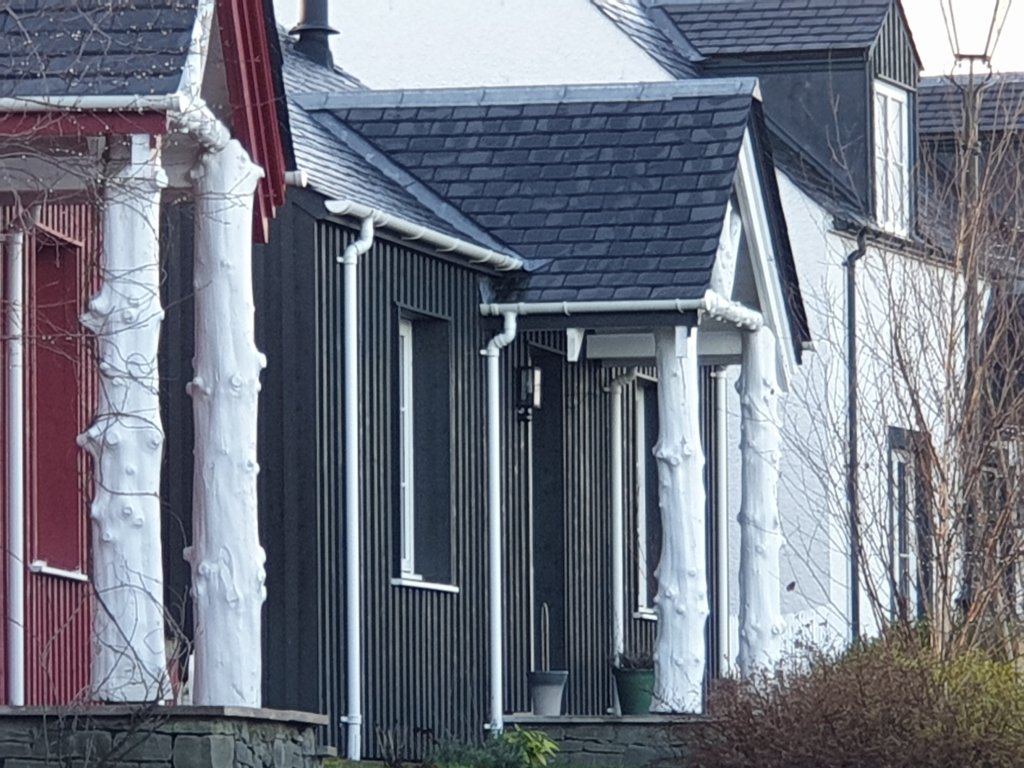
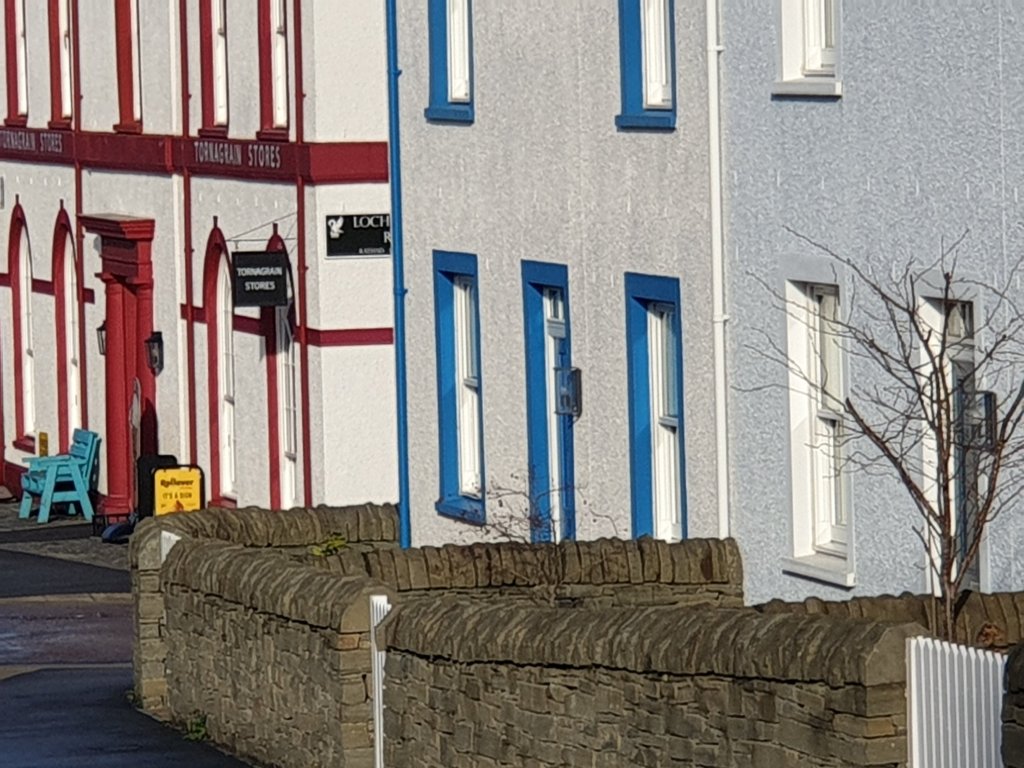
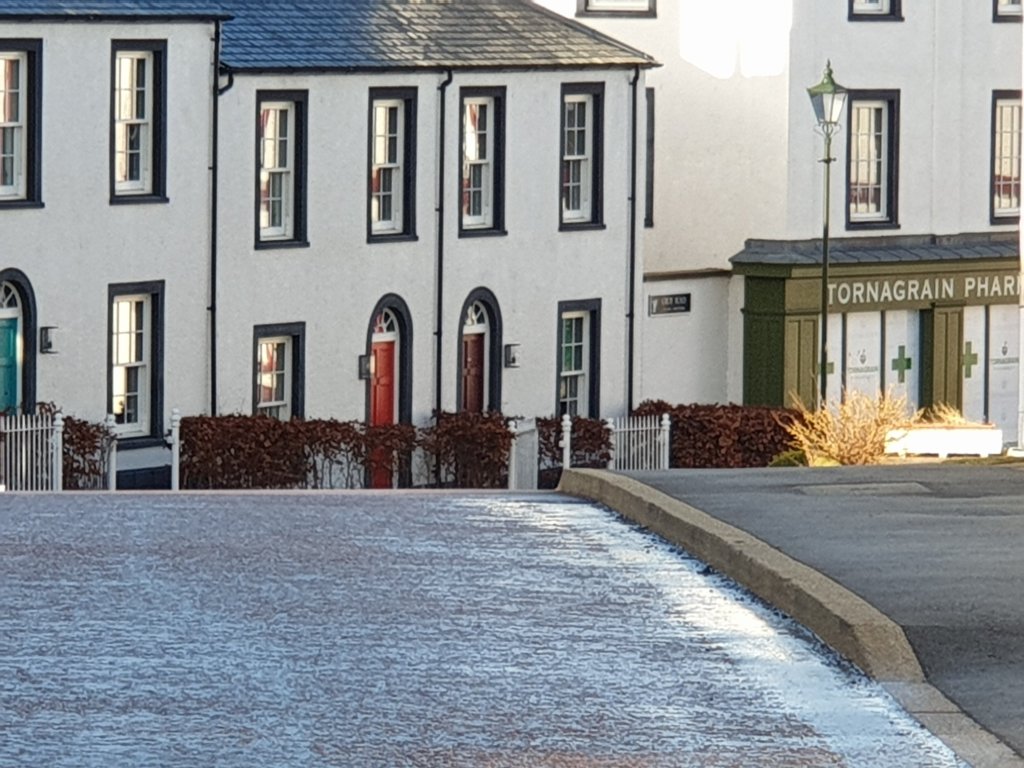
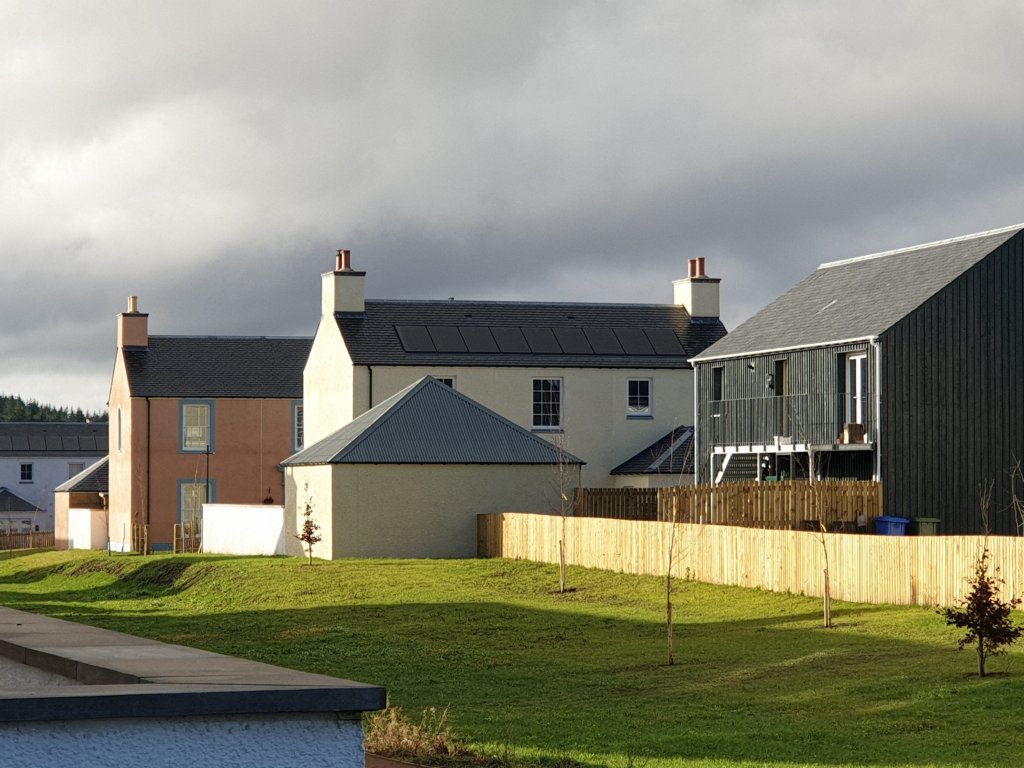
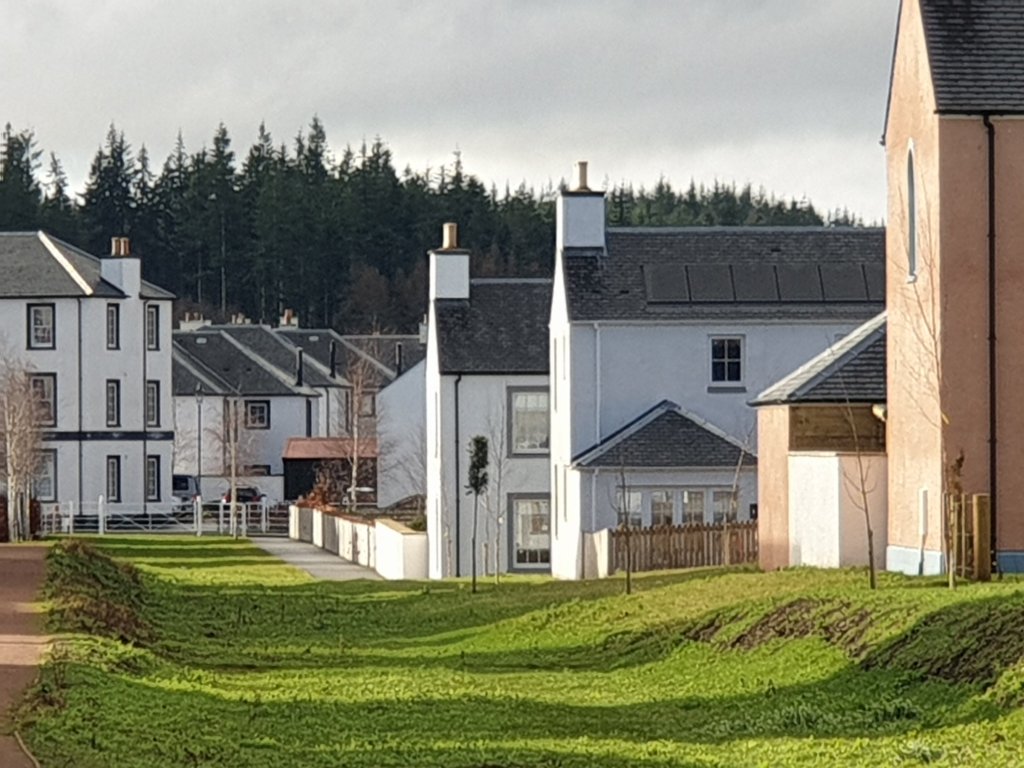
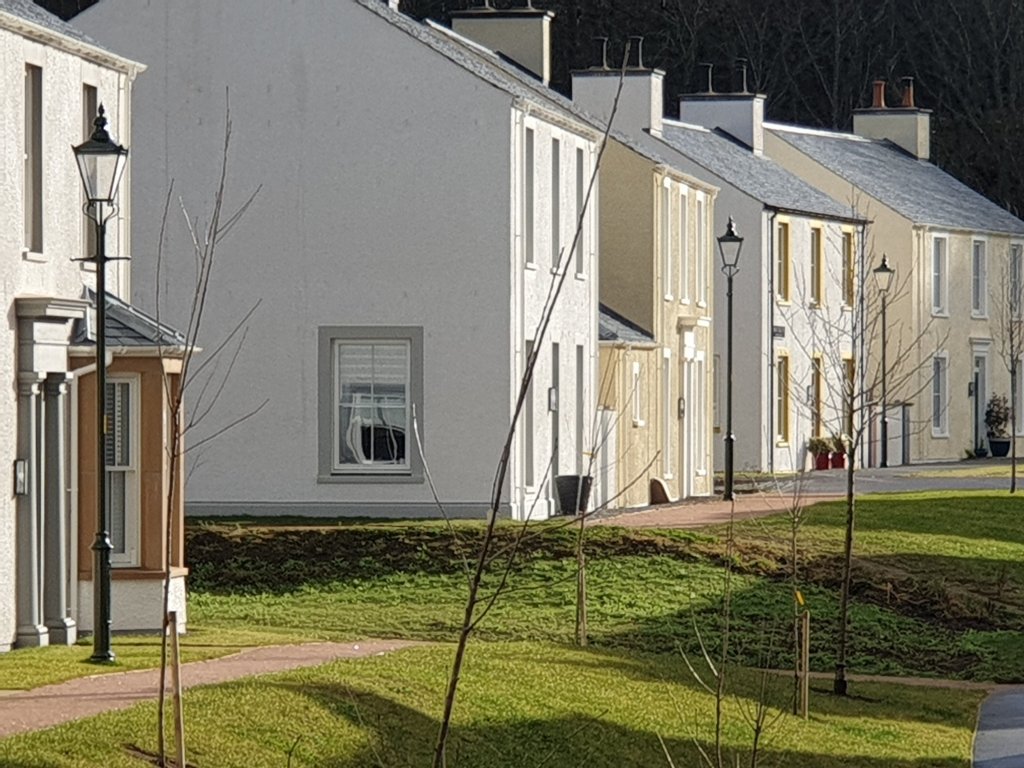
I spent a fascinating morning being shown Tornagrain, a new town being built east of Inverness. It looks deliberately as if it has been there for 150 years, using a form of early nineteenth-century vernacular. But it only started being built in 2018:-


We went to the Hispanic exhibition at the R – a great experience. I have been to the Hispanic Society several times over the years – the first time making the mistake of changing subways lines in Haarlem – but have never properly registered how rich and systematic the collection is, including wonderful ceramics.
My reference photographs are a bit idiosyncratic, more for Romilly than me:-
Andrea de Mena, Mater Dolorosa:-

Andrea de Mena, Ecce Homo:-

Eagle Pendant (c.1600):-

Pendant with the Virgin of Trapani in in Niche:-

A Black Book of Hours:-

I have just read that the developers of Liverpool Street Station think that the Victorian station no longer exists. I would urge everyone, including the developers, to go to Liverpool Street Station, and go onto the Platform – I think it is Platform 17 – which allows you to look up at the original roof decoration. It looks to me pretty well preserved, although I’m sure it could benefit from a bit of refurbishment:-
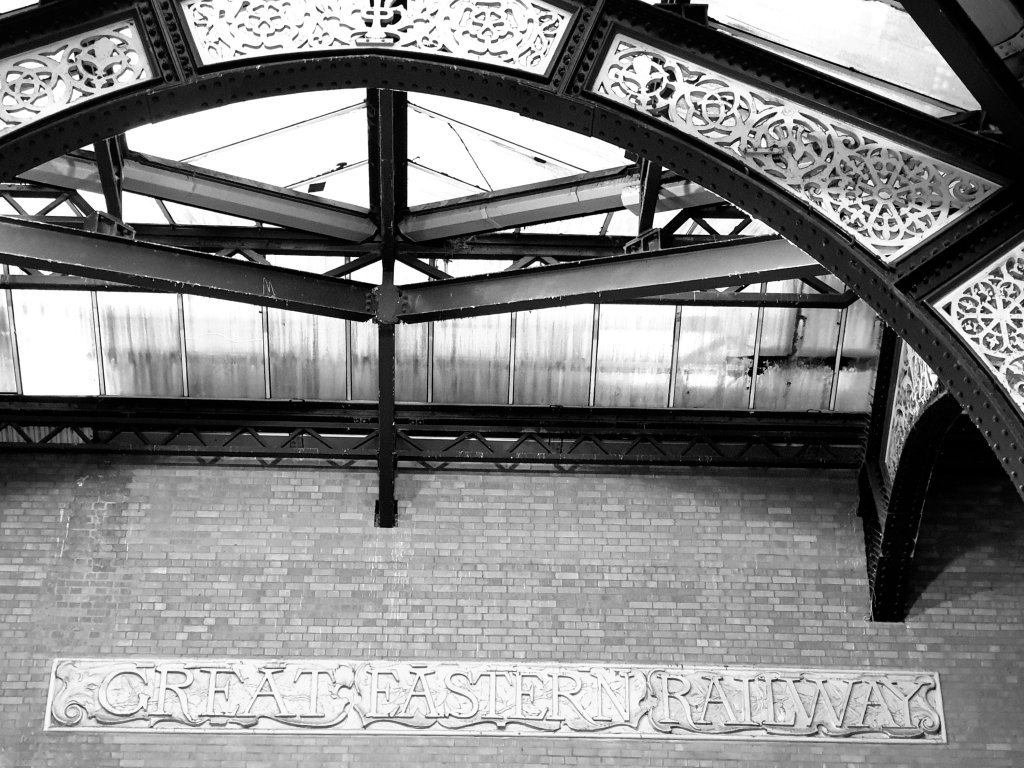


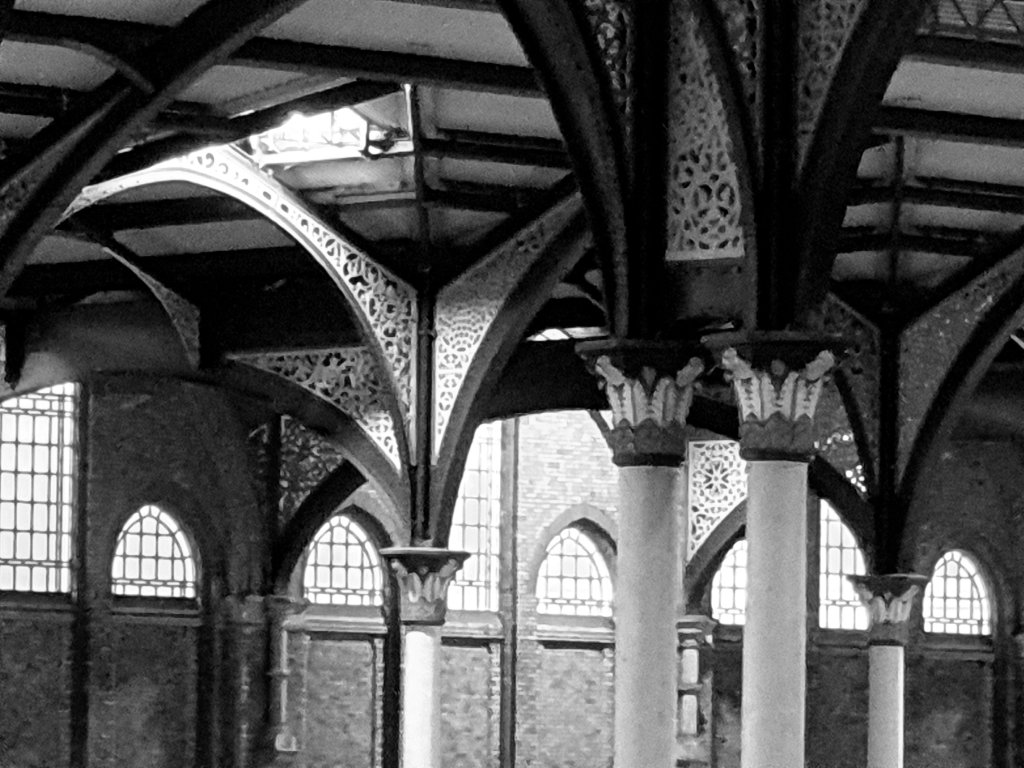
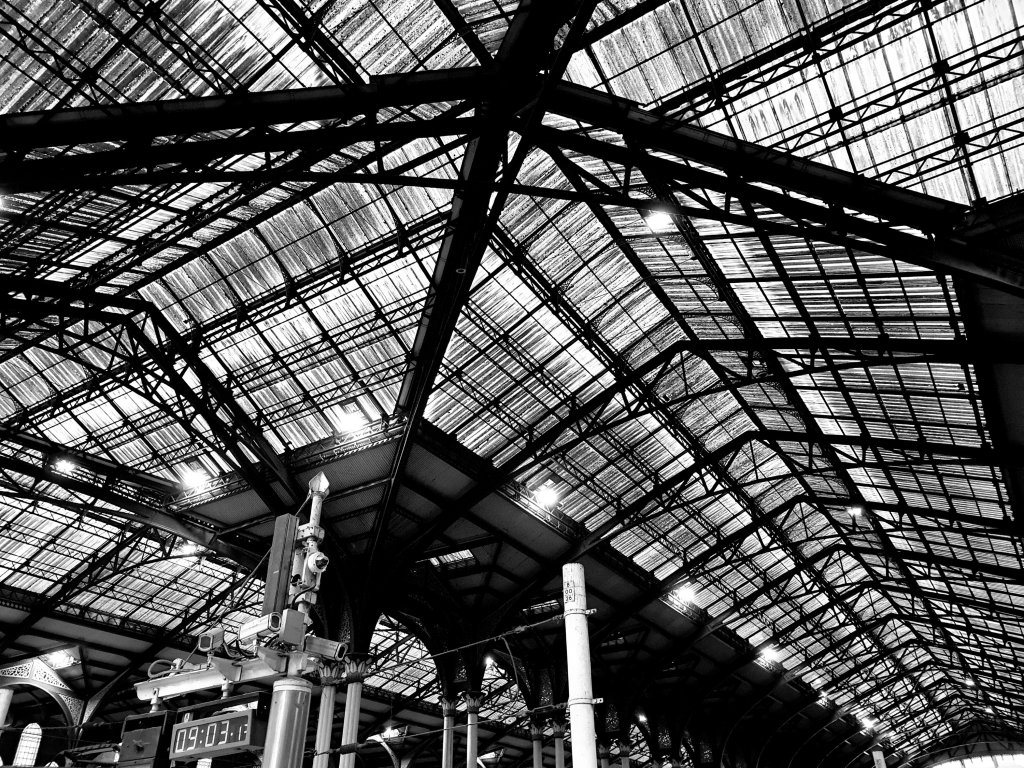
It always seems to take quite a bit of time for heritage campaign to get going, but the announcement this morning of the revival of the Liverpool Street Station Campaign, which managed to save the station in the 1970s, suggests the campaign is now properly underway, uniting all the various heritage bodies, including Historic England. I hope they can blow the proposals out of the water.
More on Liverpool Street Station from the Gentle Author, who alerted me to what’s proposed:-
I have been sent an image of the linocut done by Edward Bawden in 1962 of Liverpool Street Station:-

It was in the dying days of steam trains, but shows the cathedral-like magnificence of the railway sheds, which can still be seen if you go beyond the unattractive 1960s shopping mall which blocks the view. It remains one of the better preserved great railway stations of London. The plan to plonk a monster tower block on top of it and another next door will block out all the daylight and destroy the whole sense of scale of the building. Betjeman campaigned in the 1970s to stop Liverpool Street Station being replaced by the ‘slabs and cubes of high finance’. Poor Betjeman must be turning in his grave.
In case you haven’t seen what is planned for Liverpool Street Station, here it is:-
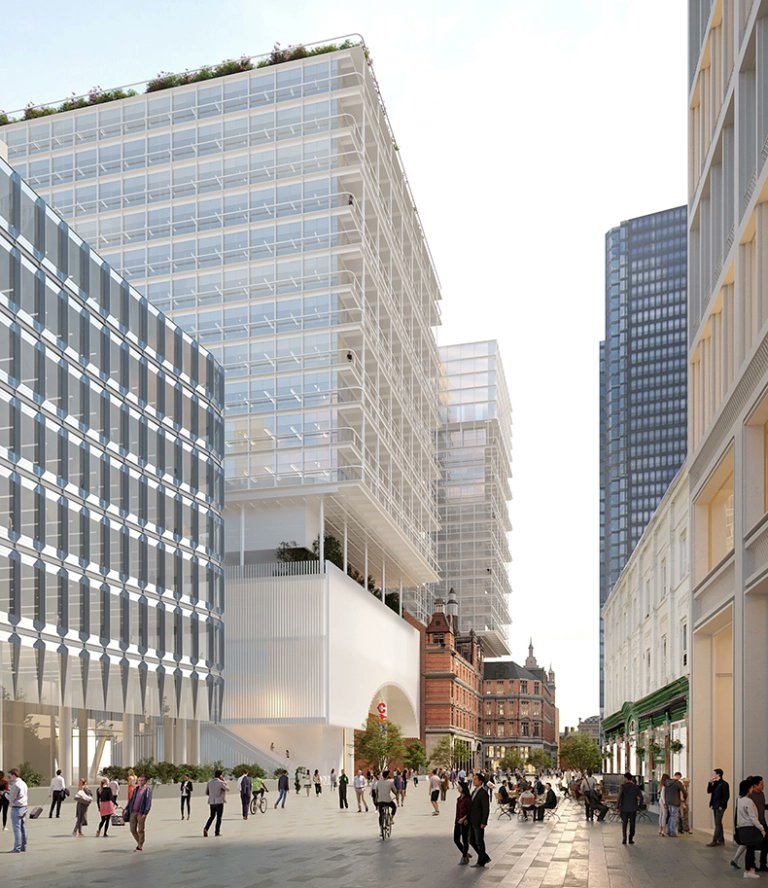
Just take a look at the difference in scale between the old Victorian railway station and the Herzog and de Meuron tower blocks, one of which is actually on top of the Grade 2* listed station.
This is at a time when the evidence points to fewer people wanting to work in the City, many of them working a three-day week, and the City planners wanting to make the City a better environment to work in.
This is an interesting way to start.
I have just received the Coronation Issue of the Westminster Abbey Review which includes an interview with me about the brief period when I taught maths and English at Westminster Abbey Choir School from January to July 1972 when I left to go travelling in Italy. I was astonished that anyone remembered it.
It required me to dredge up my memories of my late youth, before I went to University, when I lived for seven months on the top floor of the school in Dean’s Yard and taught the four forms into which the School was divided. My memories were partly prompted by two of my former pupils who remember it all far better than I do, including what I was like before I was bald.
There were a few memorable figures:-
The Headmaster was called Francis Tullo, a nice, very decent figure.
Latin was taught by Jack Lodge, who was said to be some sort of champion at bridge, taught some of the pupils to play bridge, and apparently showed silent films in a Film Club which the better pupils would accompany on the piano (some of them were brilliantly talented musicians).
Science was taught by Mr. Bennett, who I met not so long ago. All I could remember was that he drove a Morris Minor.
Art was taught by Allan Johnston, who was and remains a very interesting Scottish minimalist who was a student at the Royal College of Art, presumably only teaching as a way of making some pocket money. He was the first artist I ever met and introduced me to the studios of the Royal College which were still then next door to the V&A. We would have dinner together after his teaching and became friends, although I haven’t seen him in a long while.
The main thing I remember is walking the boys across Lambeth Bridge to play cricket on the lawns of Lambeth Palace. I also took them, probably as a break from their maths, to the Tate – and, although I had forgotten, also to the National Gallery. It was my first experience of the London museums and I got to know them reasonably well.
I was asked what I thought of the School. It had its eccentricities, some of them owing to the fact that the pupils were professional singers. But they were interesting. And the teaching, including mine, was possibly a bit erratic. But it was no hardship living right in the heart of Westminster next to the Abbey.
 | Charles | Saumarez | Smith |
You must be logged in to post a comment.