I was pleased, if that is the word, to read the attached article about the funding cuts to the Fitzwilliam because I had tried to find out about how badly it had been cut after the ACE round was first announced, but unsuccessfully because the focus was so much on the dramatic cut to ENO. I can’t help but mourn what has happened, although I don’t envy the task that Nicholas Serota faced in having to choose where to wield his axe. He apparently protected Kettle’s Yard – good; but has slashed the University Museums – bad.
Oddly, we were in Fitzwilliam’s ceramics galleries a week or so ago for the Hazel Press display and I thought how good they looked – traditional yes, but traditional museum cases means that the whole history of ceramics is on display. I suspect the V&A is about to re-invent this type of display in V&A East in order to show off what it has in store, as in its new ceramics galleries on the top floor.
There is a very nice obituary of Tom Phillips by Charles Darwent in this morning’s Guardian (https://www.theguardian.com/artanddesign/2022/nov/29/tom-phillips-obituary). Two things strike me in reading about him. One is the quality of state education in the 1950s, which encouraged him to learn about art at his primary school, Bonneville Road Primary School in Clapham, and then learn several musical instruments including the violin and bassoon at his secondary school, Henry Thornton Grammar School, Clapham. The other is the extent to which he was an intellectual as much as an artist, attending Edgar Wind’s lectures on iconography when he was at Oxford and in some ways a conceptual artist in the 1960s. He describes himself as ‘painter, writer, composer’ in Who’s Who, spent time at the Institute of Advanced Study in Princeton, was Slade Professor in 2006 and a judge of the Man Booker Prize in 2017. He was also very good at ping pong.
I have just heard the very sad news that Tom Phillips, the polymathic painter and much else, has died – as I understand it, very peacefully after all his systems had begun to pack up. He was 85.
I always admired him. He was one of the first artists I got to know in the mid-1970s and he became one of my trustees at the National Portrait Gallery where he was an incredible fount of knowledge about sitters, including especially musicians, as he was nearly equally knowledgeable about music as he was about art.
He read English at St. Catherine’s College, Oxford, where he was an honorary fellow, and then went to Camberwell School of Art, where he did evening classes with Frank Auerbach. While teaching at Ipswich School of Art, he met Brian Eno and, in the 1960s, he was involved in a great number of avant garde musical events of one sort or another, including writing an opera and showing his paintings at the Ikon Gallery in Birmingham.
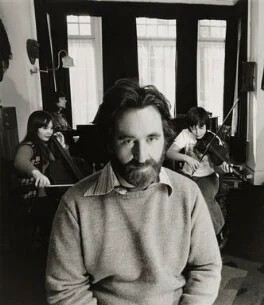
This is what he looked like in 1976, which is more or less when I first met him (copyright NPG):-
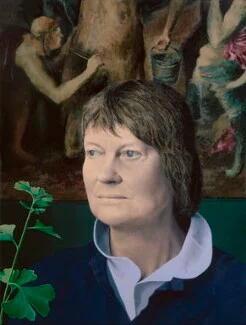
By the time I got to the NPG in 1994, he was already very well established as a portrait painter, one of the best, partly because he had such wide-ranging intellectual interests. For example, he painted Iris Murdoch for the NPG which I hope I am allowed to reproduce (copyright NPG):-
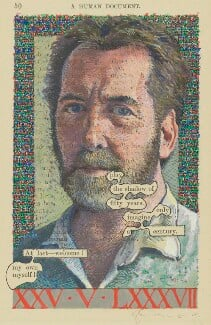
He was asked to paint my portrait for the NPG and so my first year at the National Gallery involved going for early morning sittings once a week in his studio in Peckham, an experience which was filmed by Bruno Wollheim and documented in the attached article (https://www.theguardian.com/artanddesign/2004/jan/14/art).
He was also a big figure at the Royal Academy as a long-standing chairman of its Exhibitions Committee, invaluable for his encyclopedic knowledge and himself curator of the 1995 exhibition Africa: The Art of a Continent:-
He was an important artist from the 1960s who was a big figure in his time, but has not been nearly so visible in the last two decades. He deserves a proper retrospective.
This is how I remember him in his studio, surrounded by objects with a little kitchen off it where we would stop at half-time during the sittings and chat:-
A long railway journey to Bishop Auckland has given me a chance to settle into James Stourton’s new and invaluable book on Heritage: A History of How We Conserve Our Past (London: Head of Zeus, 2022).
I’m pleased to find reference both to the long-running battle over the Whitechapel Bell Foundry – if the Bell Foundry had come onto the market in the 1970s when there was such an appetite for industrial archaeology, it might have been saved – and Jonathan Ruffer’s project to save the Bishop’s Palace in Bishop Auckland, together with the set of Zurbaran’s owned by Bishop Trevor, and buying the local railway, and establishing a Gallery of Spanish Painting. It’s altogether a model of creative heritage-led regeneration – the product of individual will, rather than political process, one of Stourton’s themes.
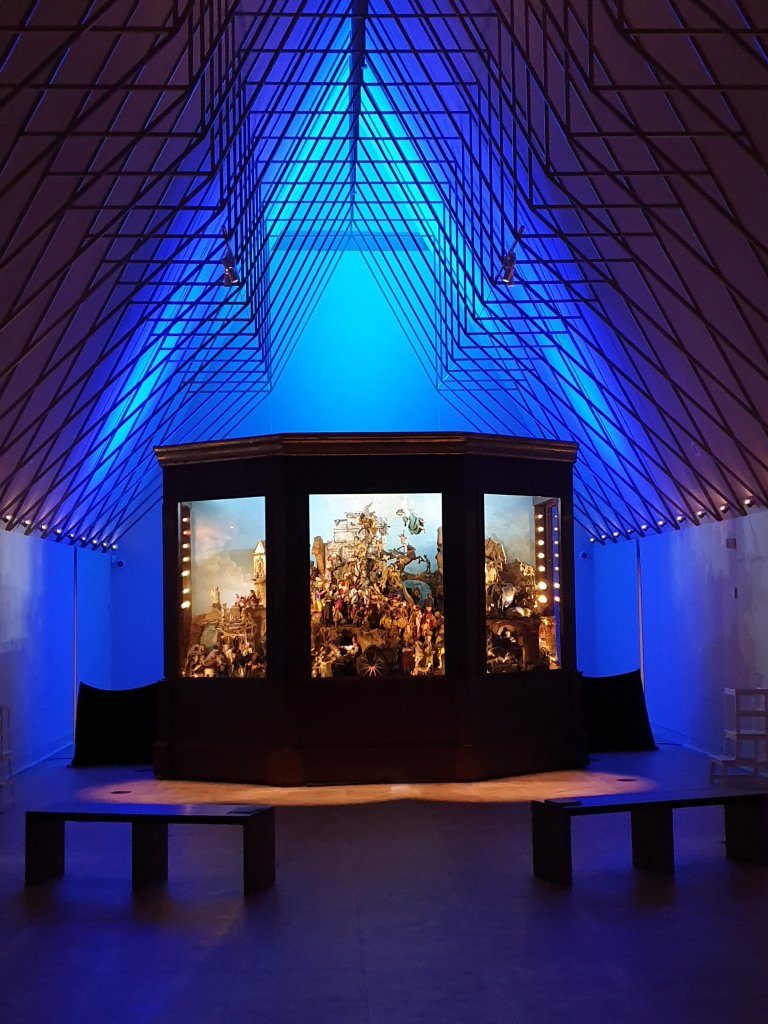
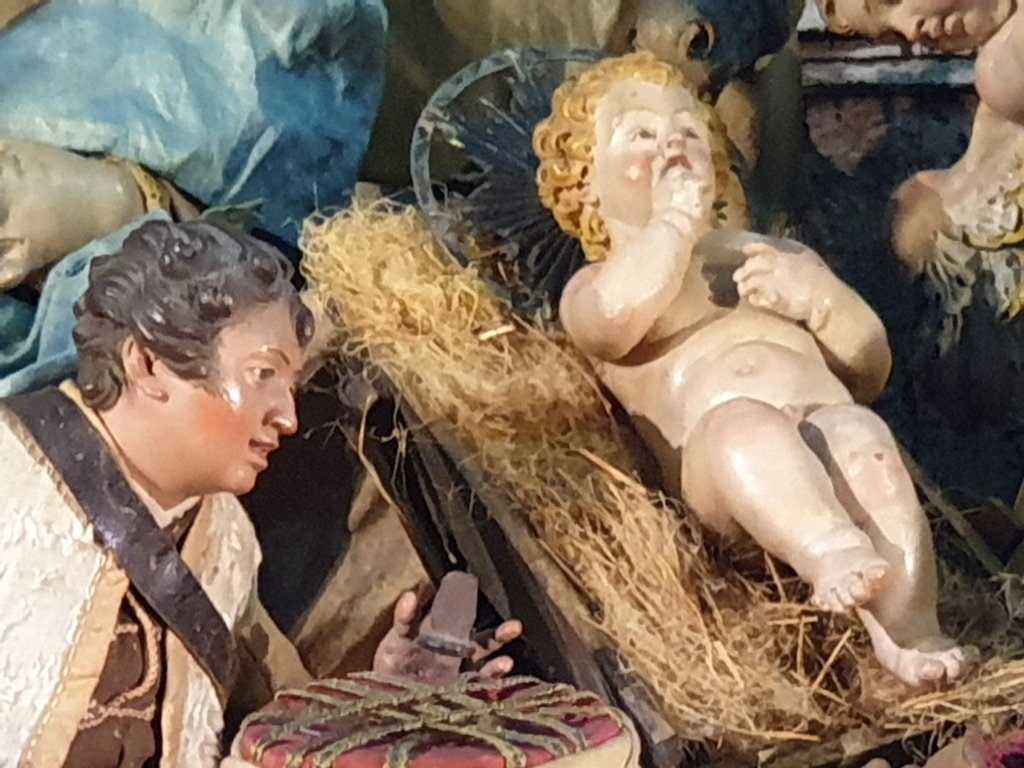
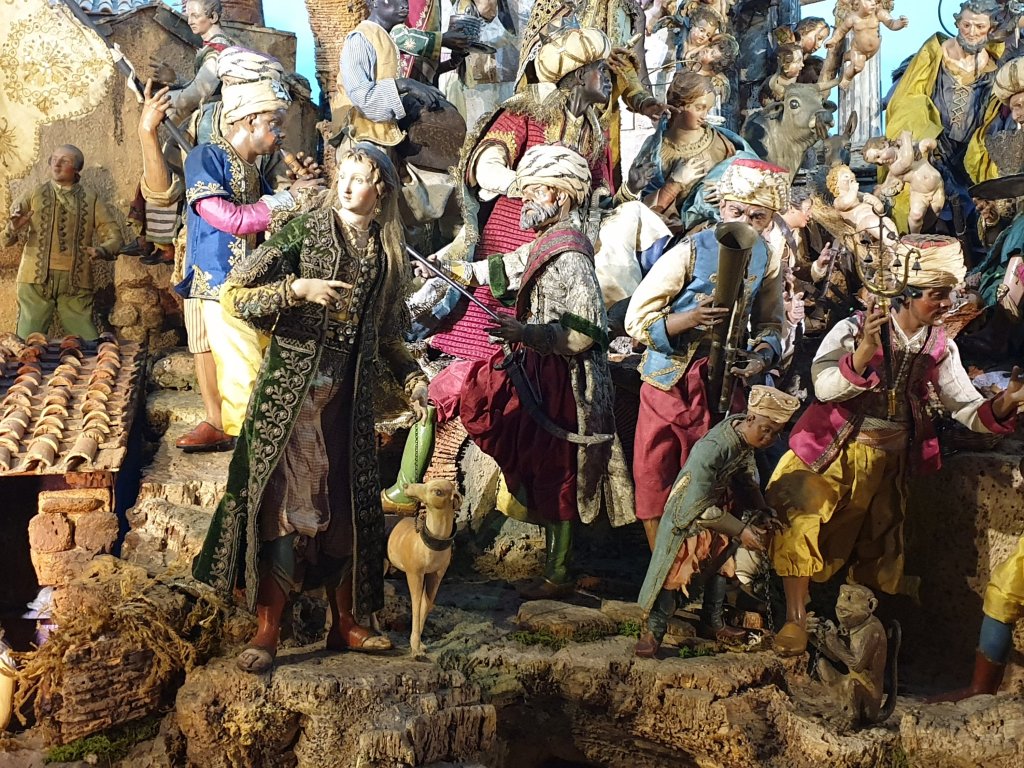
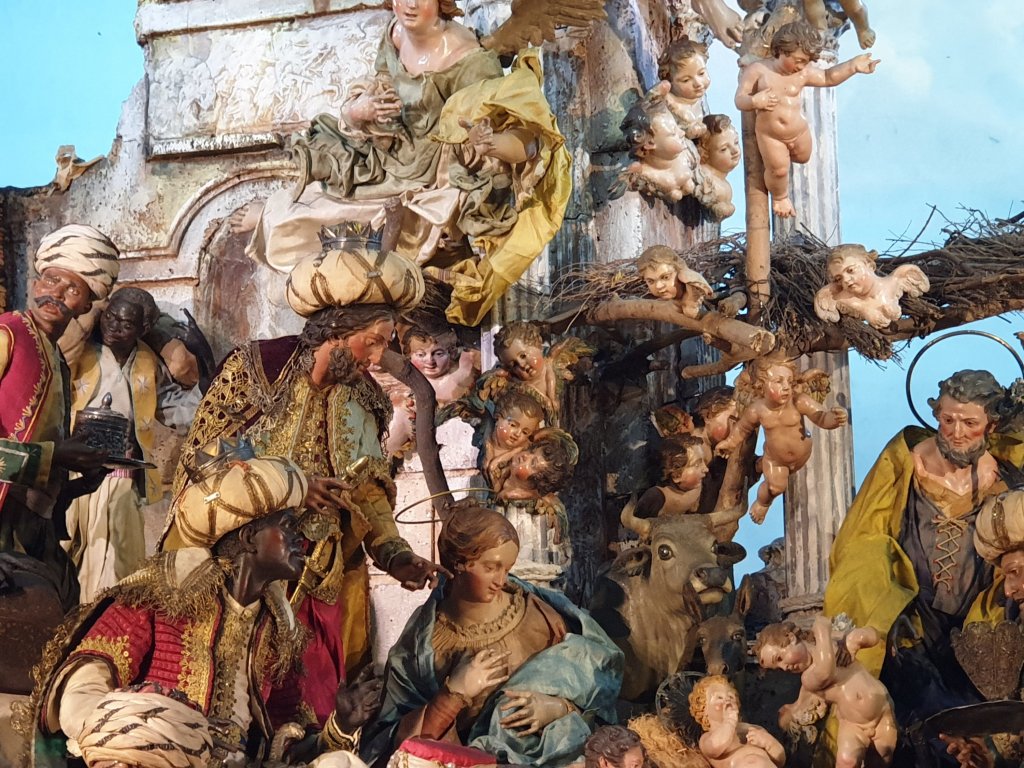
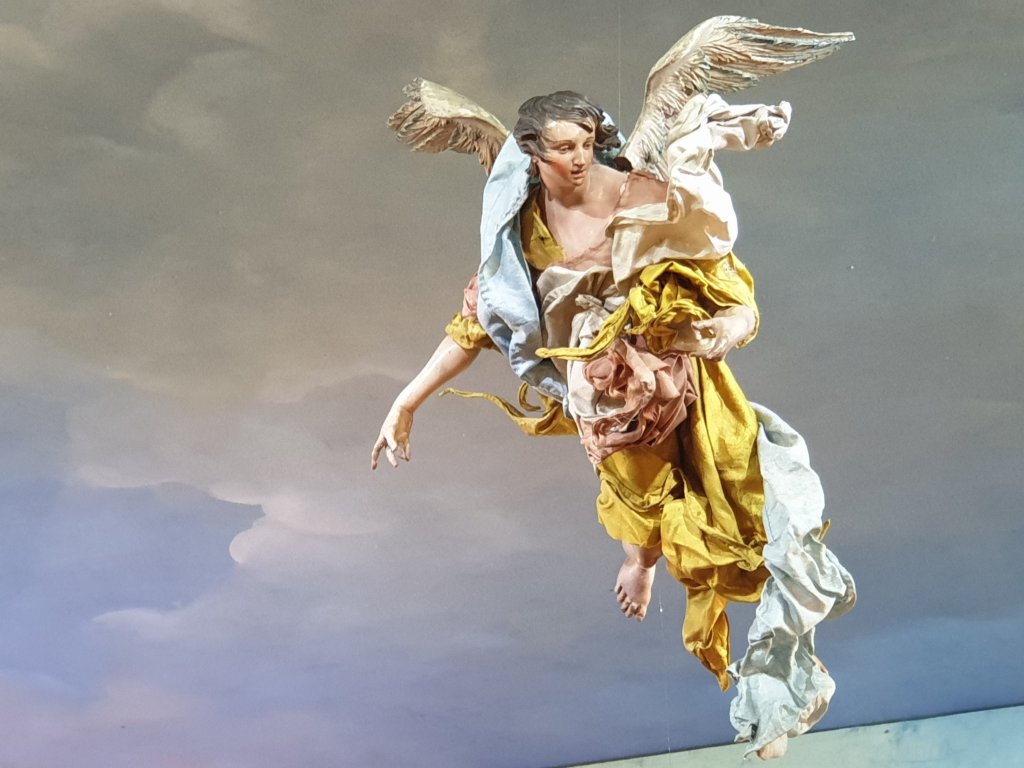
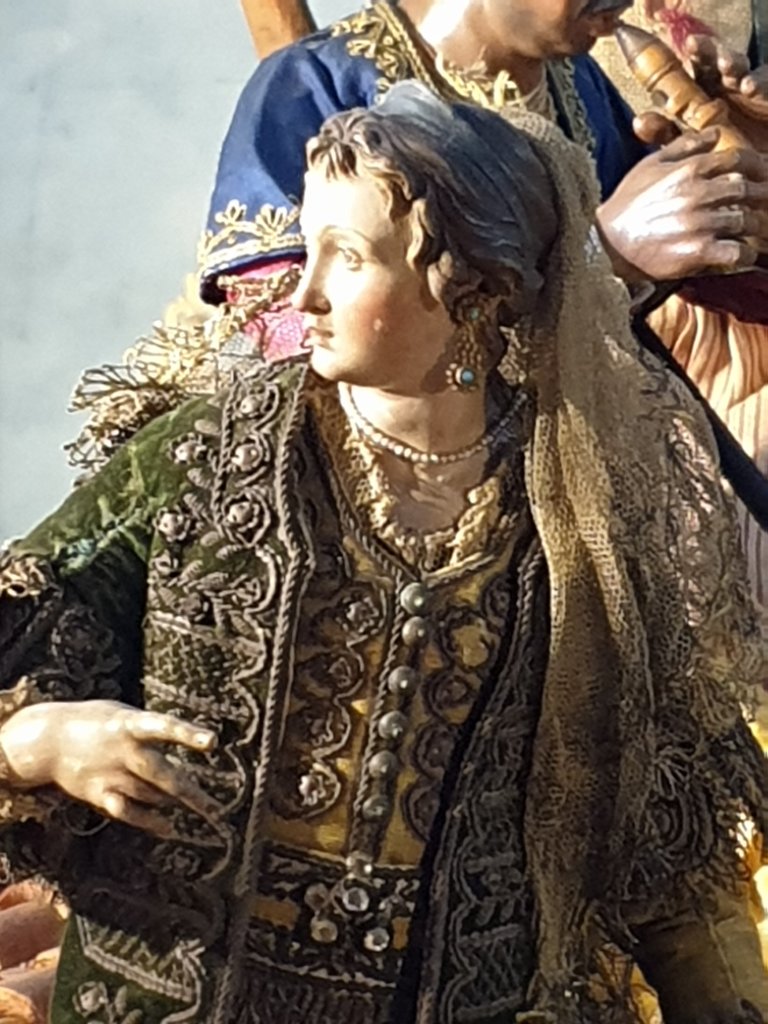
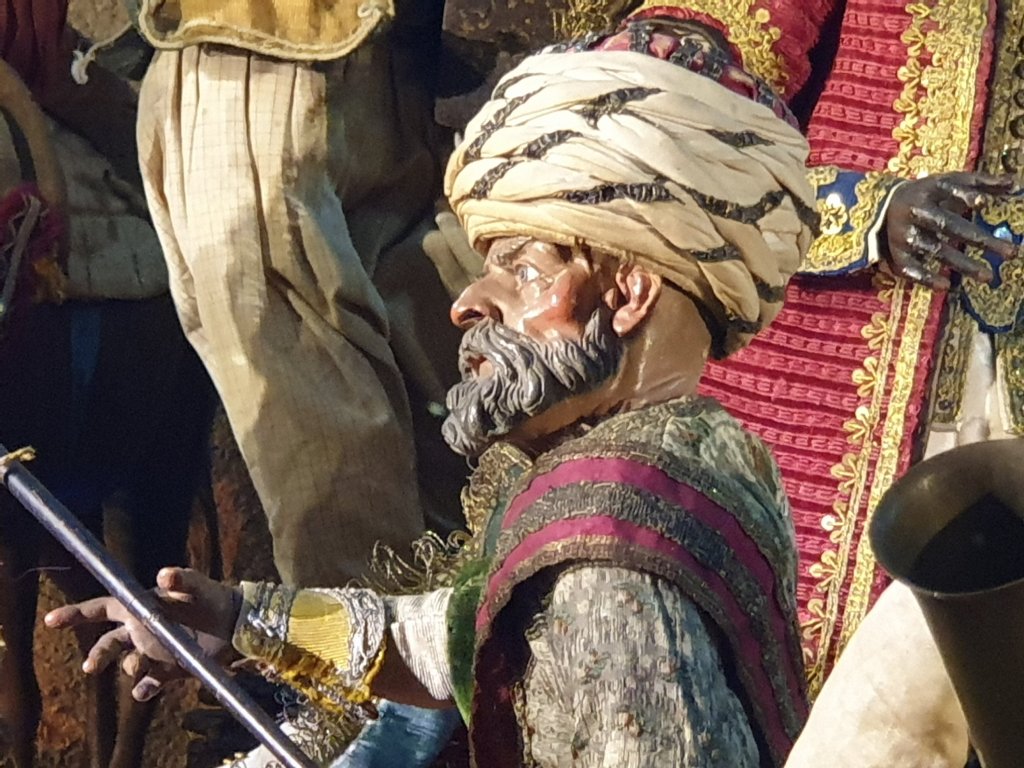
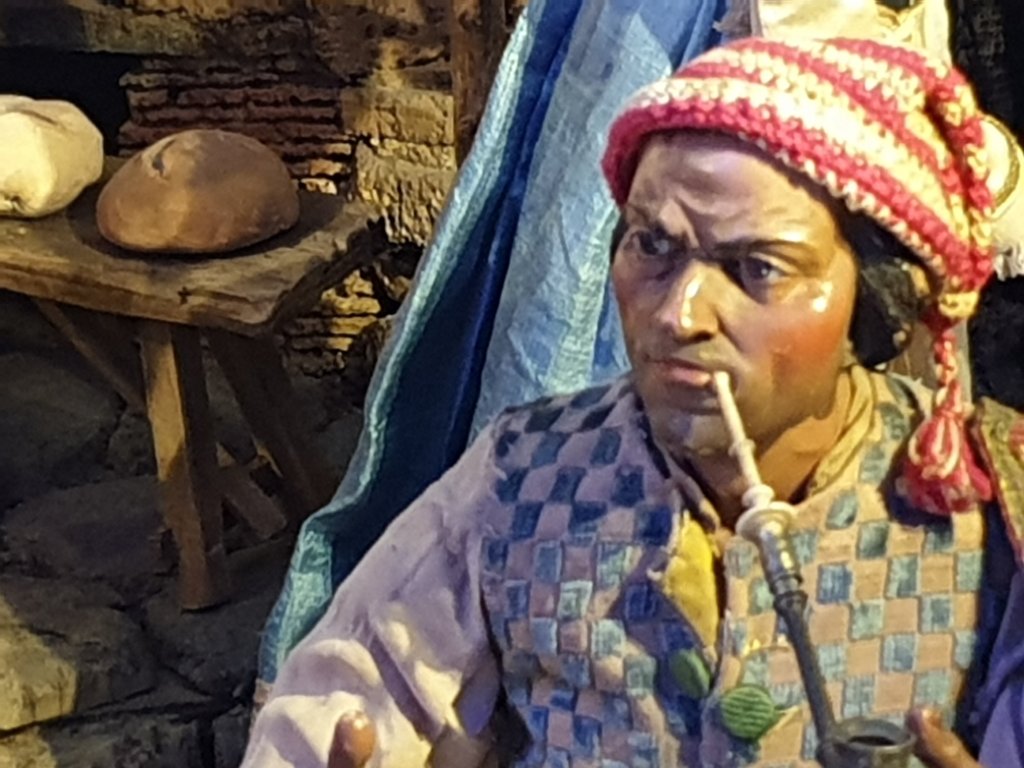
The latest acquisition at Bishop Auckland is an astonishing, immense Neapolitan presepe which is on display in Niall McLaughlin’s building, due to be turned later in the year into a Faith Museum.
There are no doubt others in Naples. There is a large collection of crèche figures in the Metropolitan Museum which are displayed every Christmas. Likewise in Chicago. And there’s another in the Carnegie Museum in Pittsburgh. But it is hard to imagine anything more elaborate than this colossal installation of biblical figures:-
The Nativity itself is dimly distinguishable in the general melée:
Otherwise, it is a fascinating mixture of complex pandemonium:-
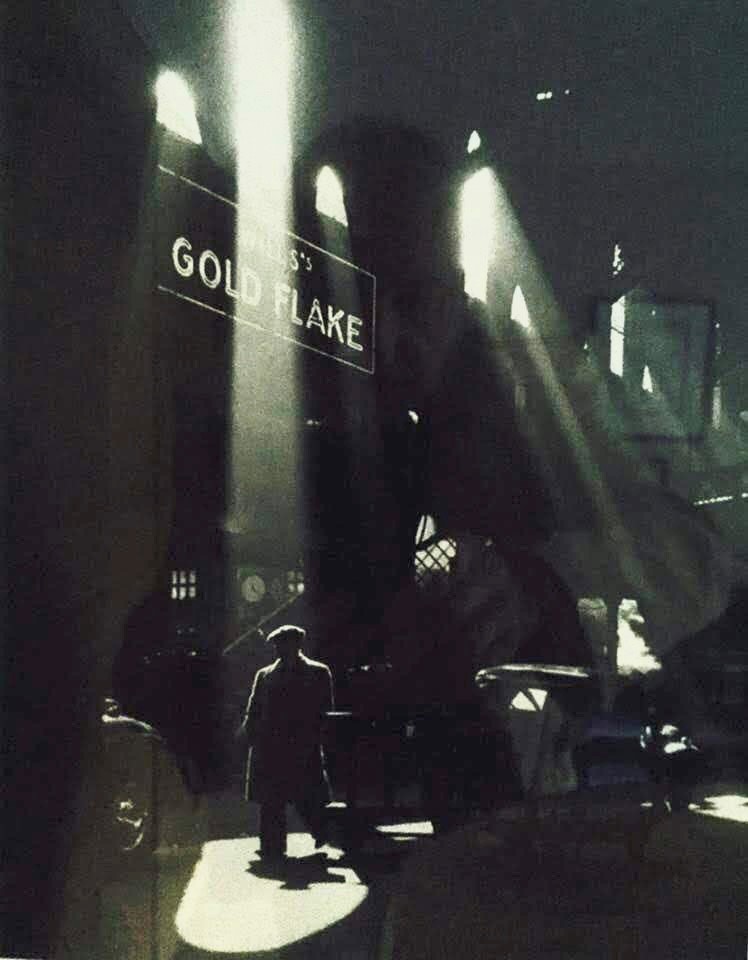
In response to my posts about Liverpool Street Station, I have been sent a photograph of the station, taken apparently in the late 1950s or early 1960s by an amateur photographer called Margaret Gilbert (née Johnson) who was the sister of a friend of the person who sent it to me – and who rightly admires it. It shows the station as it was in another, more sooty era, when the Great Eastern Hotel was black with grime and steam engines billowed smoke into the roof. Very dramatic, as the photograph shows:-
In trying to find the displays of the proposed redevelopment of Liverpool Street Station, I found myself exploring the various rooms of the adjacent former Great Eastern Hotel, something I had never done previously en route to Norwich or Colchester.
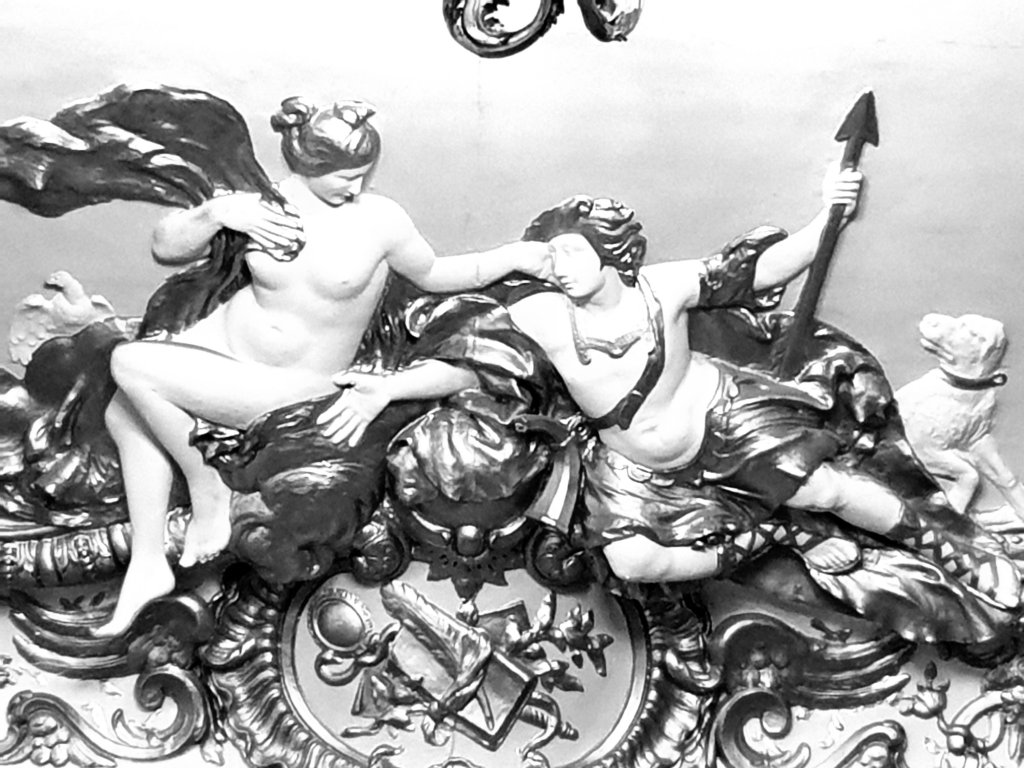
I was perplexed by the decoration in the so-called Hamilton Hall, immediately next door to the station, with its late nineteenth-century plasterwork:-
The reason for this was that the hotel – originally designed by Charles Barry father and son, and opened with a great banquet in May 1884 – was extended at the end of the century by Colonel Edis (he was the Commanding Officer of the Artists’ Rifles) who developed Hamilton Hall following the model of the Palais Soubise in Paris – hence the pseudo-Rococo plasterwork.
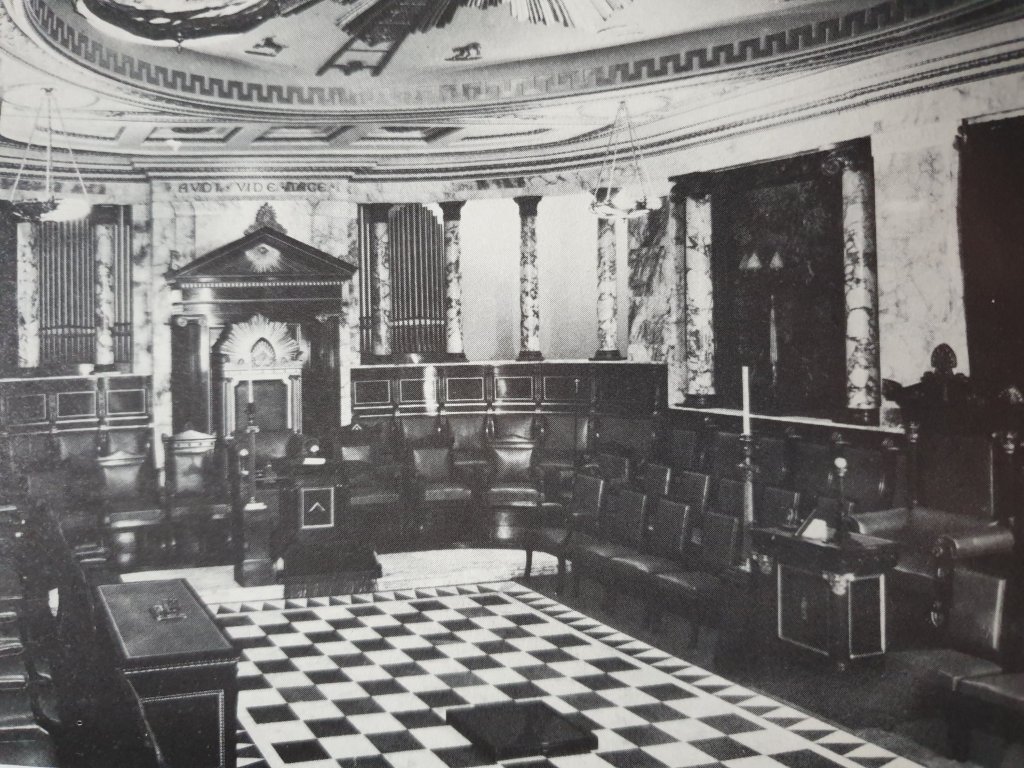
There is also somewhere in the hotel, although, for obvious reasons, not available to the casual visitor, a magnificent Masonic Temple:-
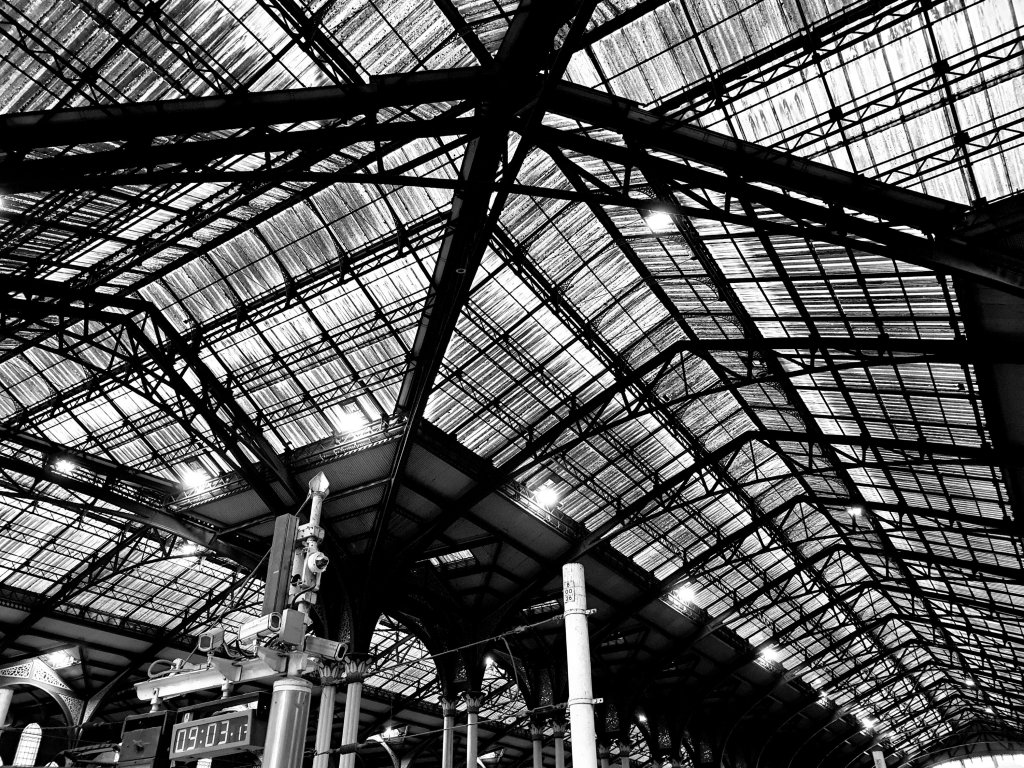
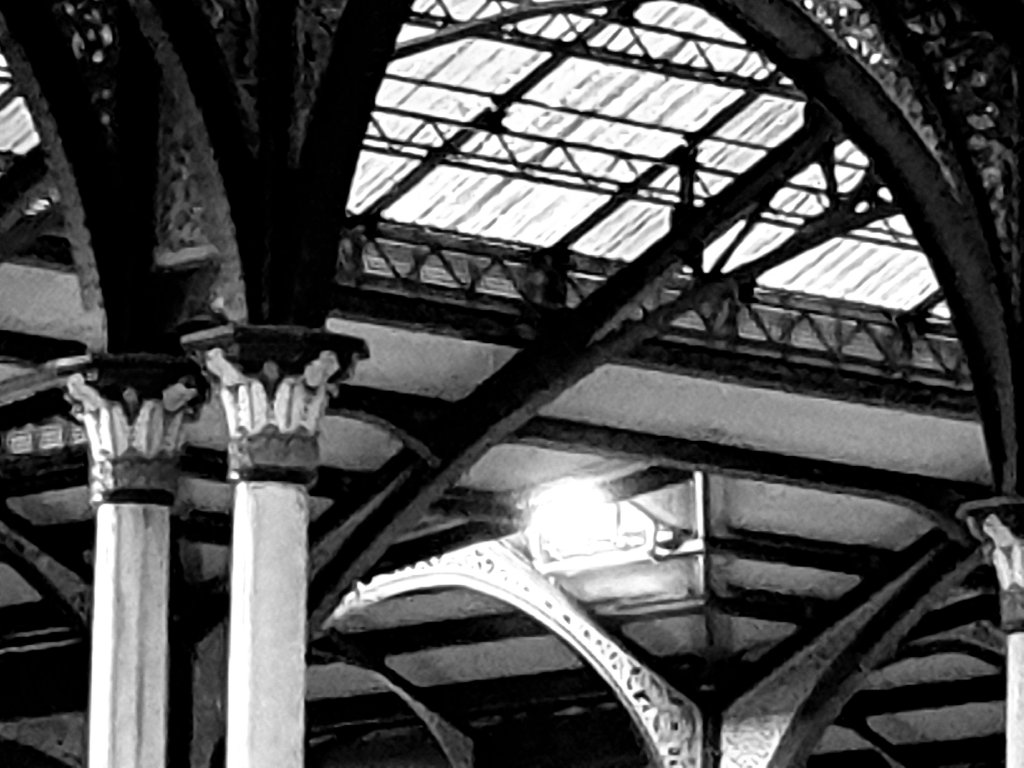
My conclusion from looking round is that the station could probably benefit from some TLC, including the restoration of the wonderful railway shed, but this stops short of putting two office blocks on top which will block out the daylight which give the station its character.
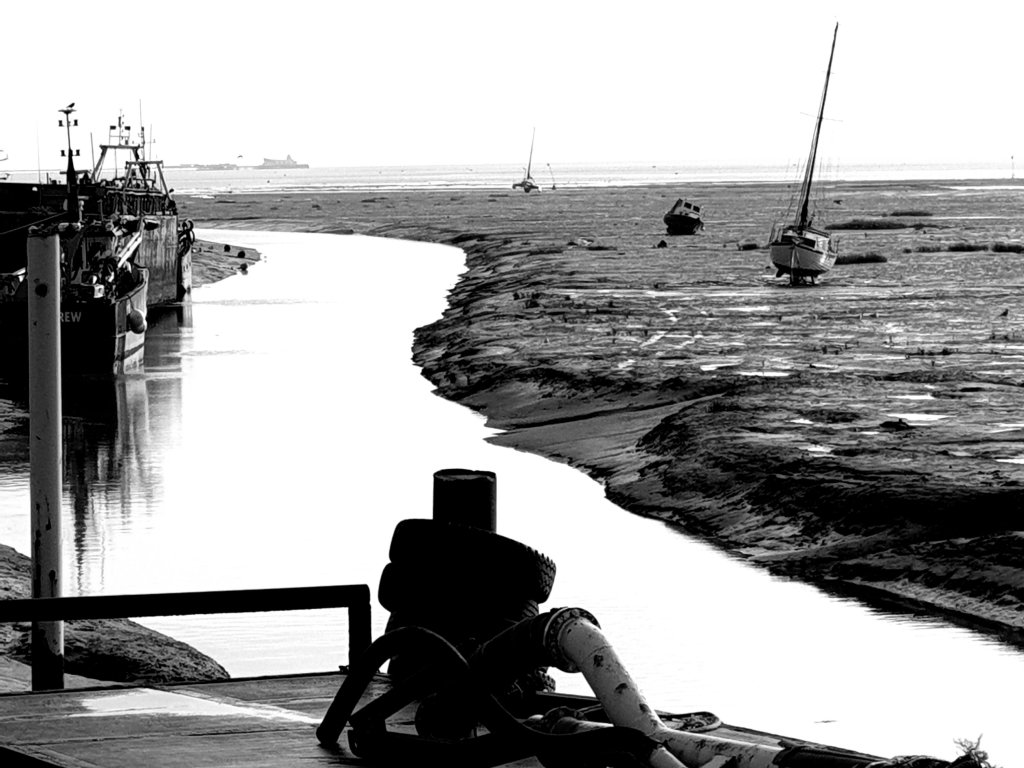
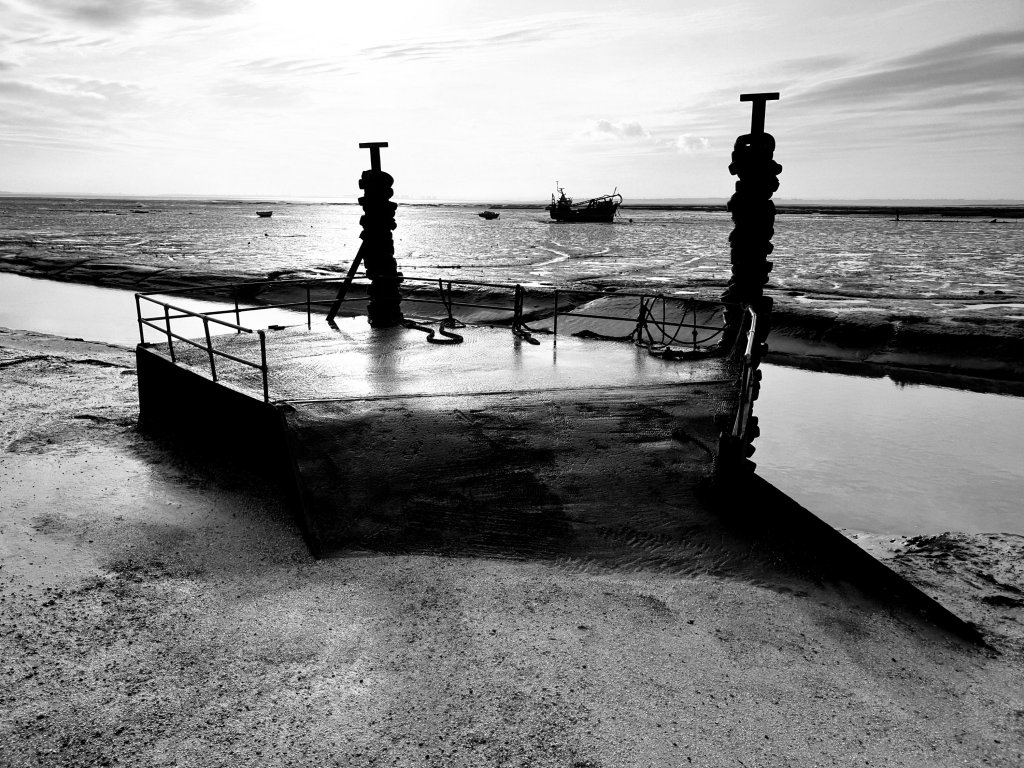
I drove down to Leigh-on-Sea to return the pictures to John Wonnacott which we showed when his book was published. I like going there because every view is like one of his paintings – the sea front, Marine Parade, the mud flats:-
I went this morning to see the plans for the redeveloped Liverpool Street Station which I had read were being exhibited in a private room at the adjacent Andaz Hotel for two days. It turned out that the notice was published on Wednesday evening and Wednesday was one of the two days, so the plans have already been taken down. I suppose this is what the developer regards as a process of public consultation where in effect nobody has a chance to see and comment on what is proposed.
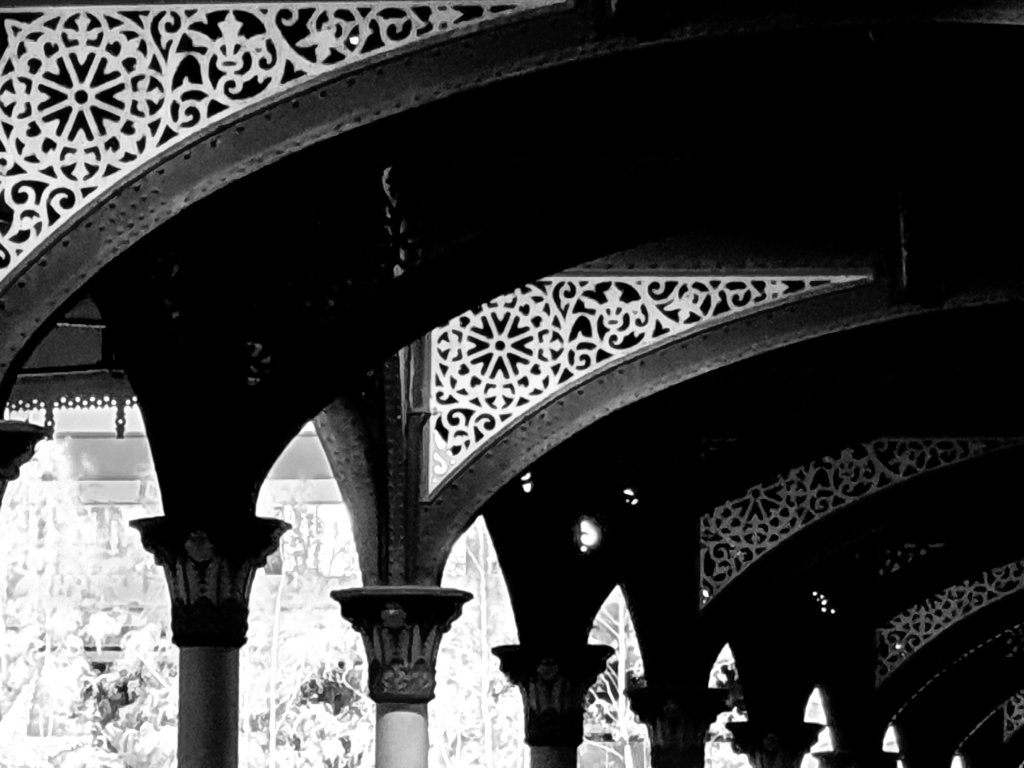
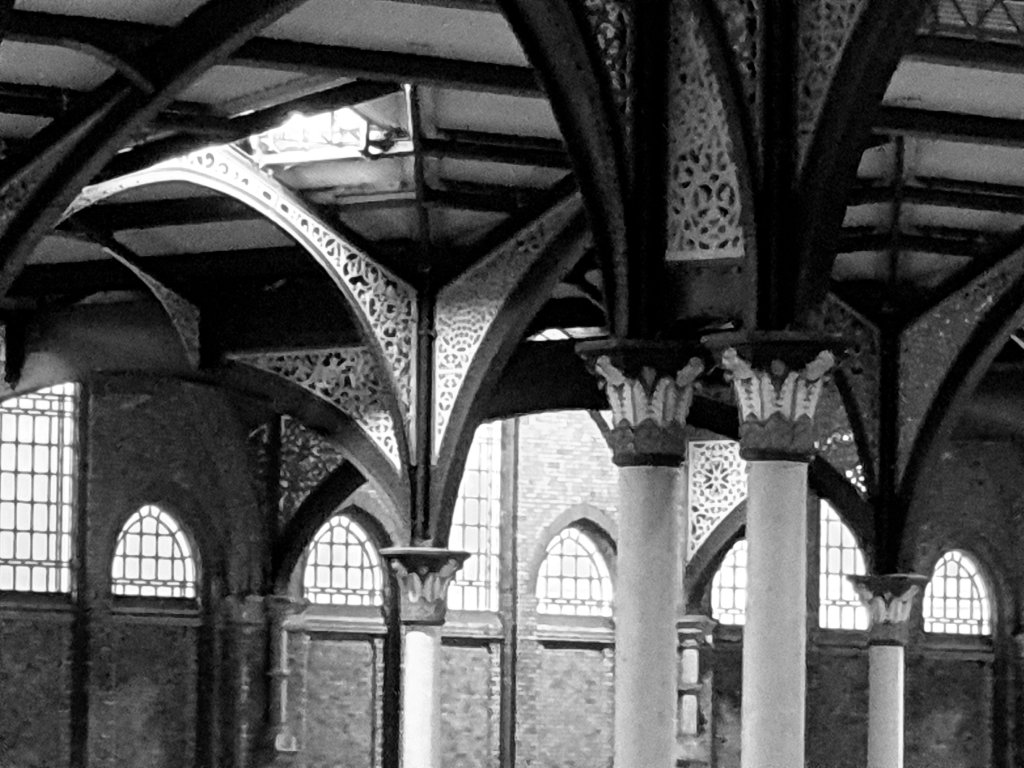
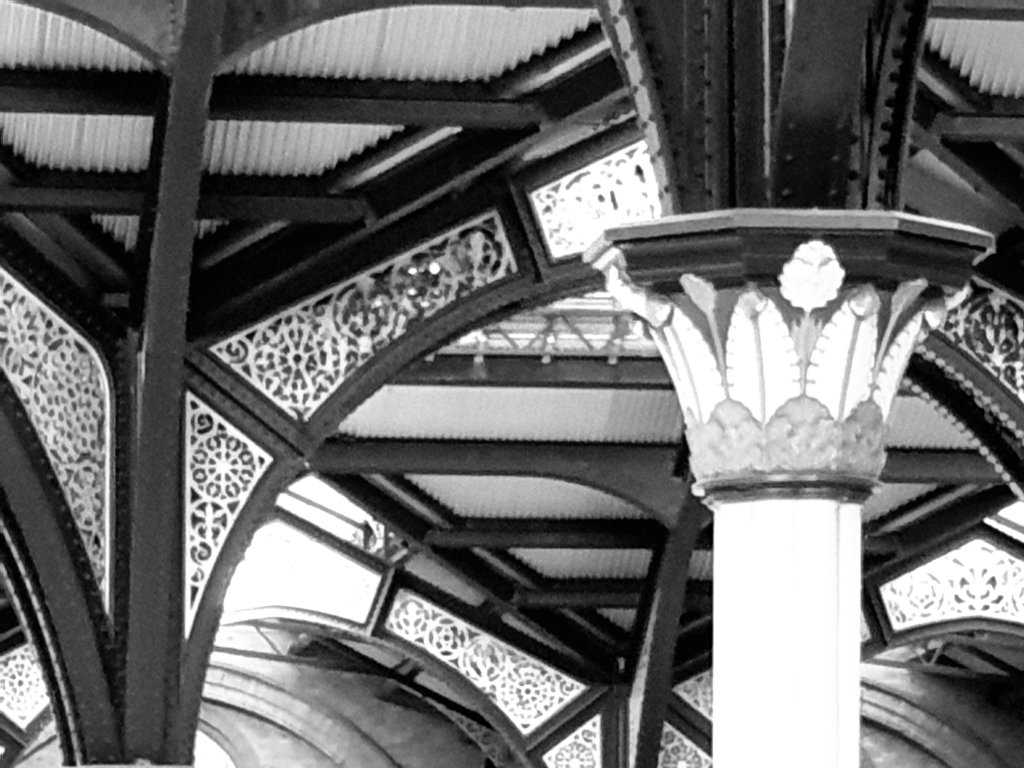
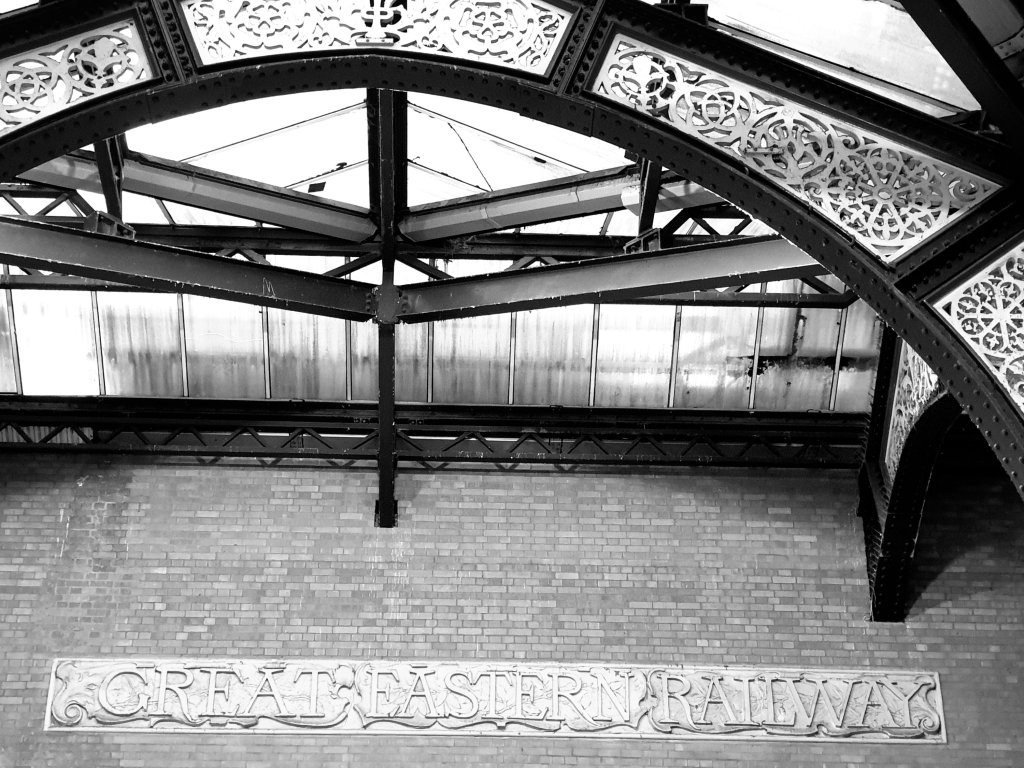
But I did manage to see and photograph the surviving railway sheds which will disappear under a tower block. They are spectacular and I urge you to go and look while you can:-
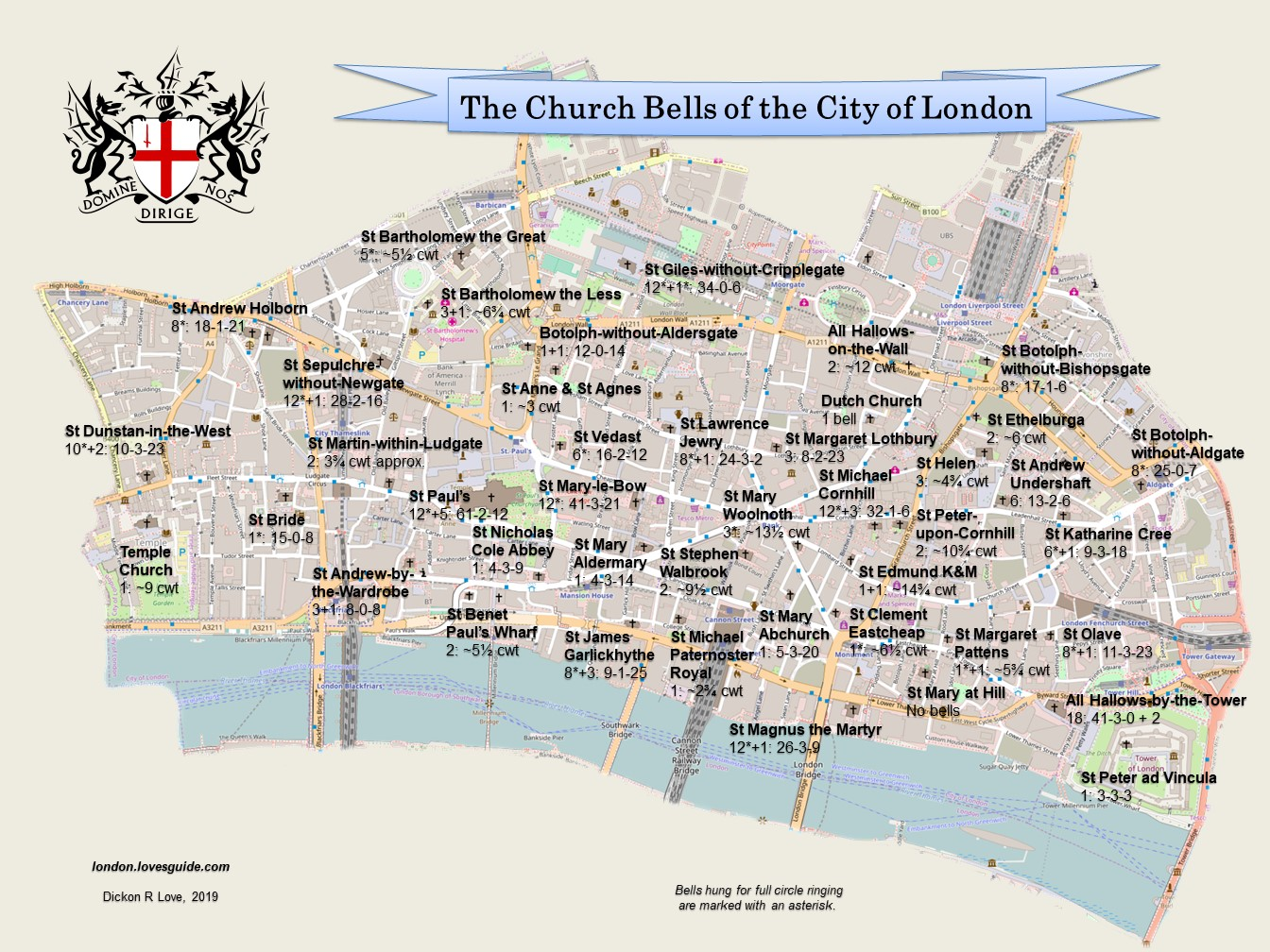
I did a talk last night at the London Salon alongside Dickon Love, the King of the London Bell Ringers. He talked movingly about bell ringing. I had not fully realised the extent to which quite a number of the most important bells in the City Churches are actually quite recent, all of them made by the Whitechapel Bell Foundry, which was extraordinarily important to the manufacture of bells in London not just in the eighteenth and nineteenth century, but also more recently, in the post-war period when so many city churches were bombed or their bells had been taken down and they then had to be re-cast or re-hung. Dickon made the point very clearly that the Bell Foundry was responsible not just for the casting of bells, but for the craft of installing them. He has a website ‘Love’s Guide to the Church Bells of London’ (http://london.lovesguide.com/) which has a map of all the church bells of the City:-
Someone made the point during the discussion afterwards, which is right, that we should have involved the City more in the effort to save the Bell Foundry, which is such an important part of its history, as well as of Whitechapel’s.
Then, I talked about what in retrospect was the tragedy of the failed campaign to save it – except that there is now hope that it could be saved after all. I realised that it was the first time that I had talked about it publicly because so much of the campaign was online during COVID. Some points emerged as I talked:-
It may seem a small point, but it was probably significant that neither the original edition of Pevsner, nor the more recent edition, pays much attention to the Bell Foundry, because by itself it is not a building of conventional architectural importance. Its extraordinary interest was in the fact that it is a vernacular building which preserved its original use intact since it first opened as a Bell Foundry in 1744. John Summerson recognised this when he published Georgian London after the war. It is a part of the fabric of London’s history. So did Ian Nairn.
Historic England made a decision to support its conversion to a hotel very early on in the process in early February 2017, before the campaign to save it had got going and once the decision had been made by the London Advisory Committee, it was apparently irreversible, never discussed by the Commissioners who had ultimate responsibility for its fate. The decision was made before it was clear that there was a viable alternative plan to keep it as a working foundry put forward by Factum Foundation and Re-Form who are capable of operating a foundry by widening the operation from church bells only. Historic England’s statutory responsibility should have been to preserve the existing use, instead of encouraging the developer’s plan to turn it into a hotel.
I showed the scheme which was put forward by 31:44 to make a hotel next to the Bell Foundry in a style which sort of copied it. Unprompted by me, everyone laughed because the scheme was, in some way, ridiculous: there was no way that you preserved the character of the Bell Foundry by building a massive hotel sort of in the style of the original building with a bell on its top which could have been rung annually to mourn its loss.
The Minister in charge of approving the redevelopment was Robert Jenrick. He was to sign its death warrant in spite of the fact that he had posted on twitter that he thought it was a really bad idea.. It needed a Minister who was better versed in the procedure of how to save it.
But, there is now an opportunity to reinstate the Bell Foundry as a Foundry and I hope the current Secretary of State, Michael Gove, might address it.
The hotel scheme is dead. The land on which it was going to be built is no longer available. The building has been put on the market (on Right Move) for sale or rent. The London Bell Foundry which has been established to make bells by artists (https://www.thelondonbellfoundry.co.uk/) has a viable business plan and has made an offer to the agents handling the sale either to lease it or to buy it on the recommended commercial terms. The planning inquiry imposed conditions which require any lessee to reinstate a Bell Foundry.
What it now needs is for Bippy Siegal who bought the Bell Foundry in 2017 and his New York investors to recognise that this is the best solution to save the foundry which made the Liberty Bell. They might have to take a small financial loss, but it is possible that there is no alternative.
Someone somewhere must be in a position to persuade him that this would be the best and right thing to do.






You must be logged in to post a comment.