They were filming an Icelandic love story in Alderney Road this morning. Not very Icelandic, but it’s a flashback to their time in London:-


They were filming an Icelandic love story in Alderney Road this morning. Not very Icelandic, but it’s a flashback to their time in London:-
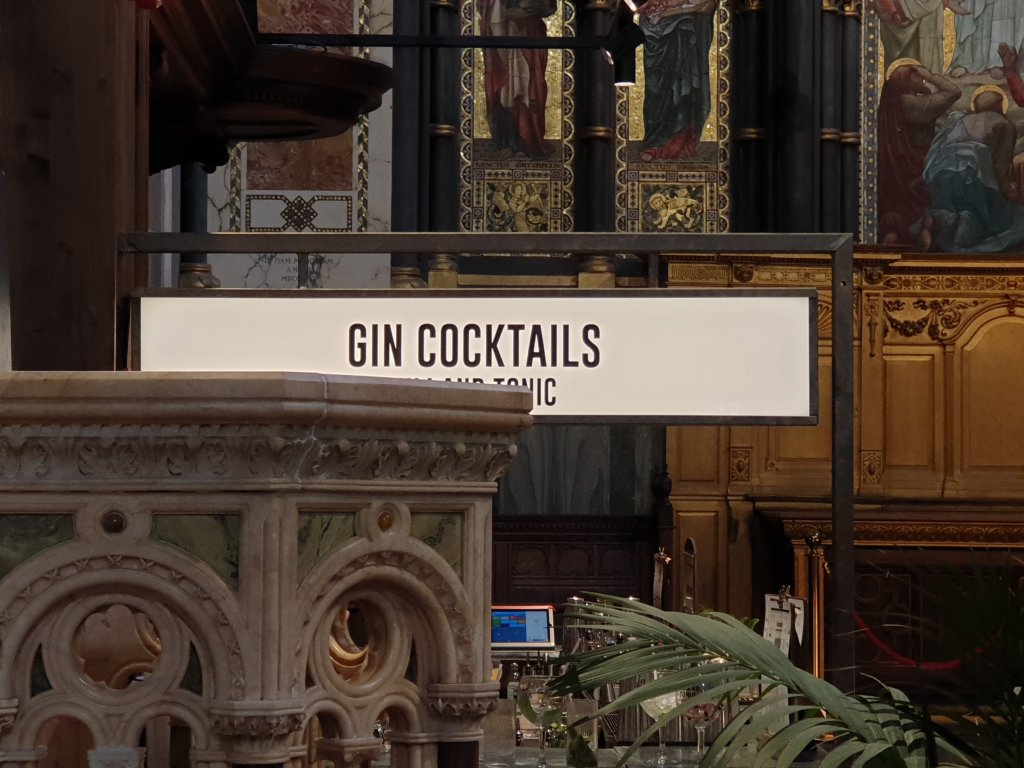
I was told yesterday about the conversion of St. Mark’s, North Audley Street into a food market, so, as I was passing, stopped to look. It’s slightly surreal: a combination of high Anglican fittings – they were added by Arthur Blomfield in 1878 – with food stalls.
This is the Greek Revival exterior, designed by John Peter Gandy, a pupil of Wyatt who travelled to Greece with Sir William Gell in 1811, publishing The Unedited Antiquities of Attica in 1817 and a further volume, Pompeiana, in the same year:-

This is the ornate interior:-

And these are the food stalls:-


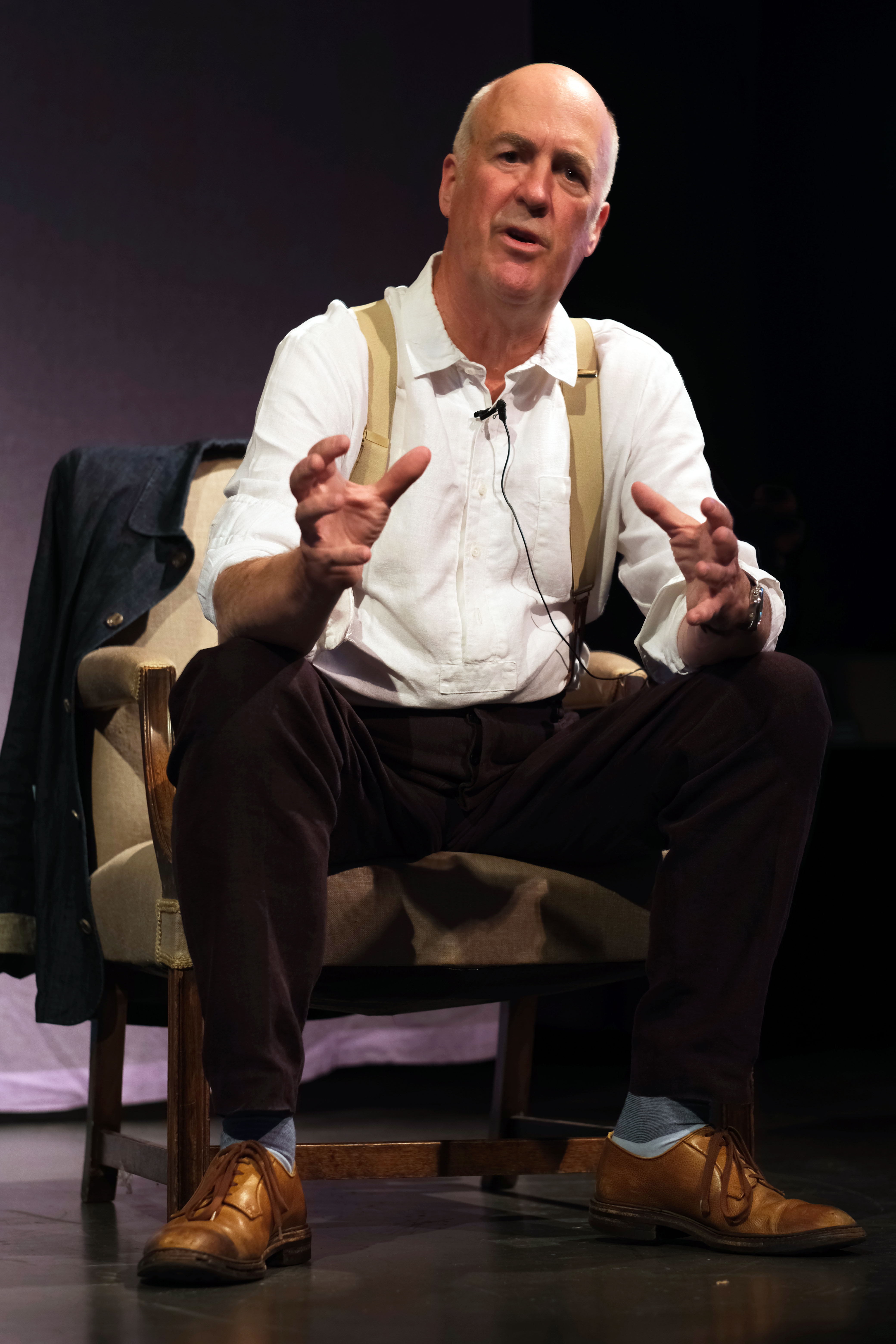
I have been reading about the death of Eamonn McCabe (https://www.theguardian.com/artanddesign/2022/oct/09/eamonn-mccabe-a-consummate-sports-photojournalist) and have realised that the very nice, very efficient photographer who was standing in the wings of last year’s Aldeburgh Literary Festival and took some unusually good action photographs of me on stage was none other than one of the greatest sports photographers of his generation, a brilliant picture editor who transformed the relationship between photography and print when the Guardian was redesigned, and was also, incidentally, the photographer who took a photograph of me when I went to the National Gallery, which the press office thought I should have stopped, thinking that it showed me in a bad light. I realise that he was like Jane Bown who I never met: very fast in summing up the best angle, so fast that the subject didn’t have time to pose, a form of naturalism which meant that it was about the subject, not the photographer, an entirely admirable virtue. I didn’t pay as much attention to the photographs he took in Aldeburgh as in retrospect I should, as it was a great honour to have been photographed by him, and so I post one of the set now in his memory, a tribute to a photographer who stood in the wings, but should have been centre stage:-
Tonight is the night of the full moon. We won’t be able to see it because it’s very cloudy, but last night the sky was clear and we stood at the edge of the fields which were brightly lit and looked out towards the distant hills. I tried to take a photograph of it. It doesn’t quite convey what it was like because it exaggerates the contrast and only shows the moon and the sky:-

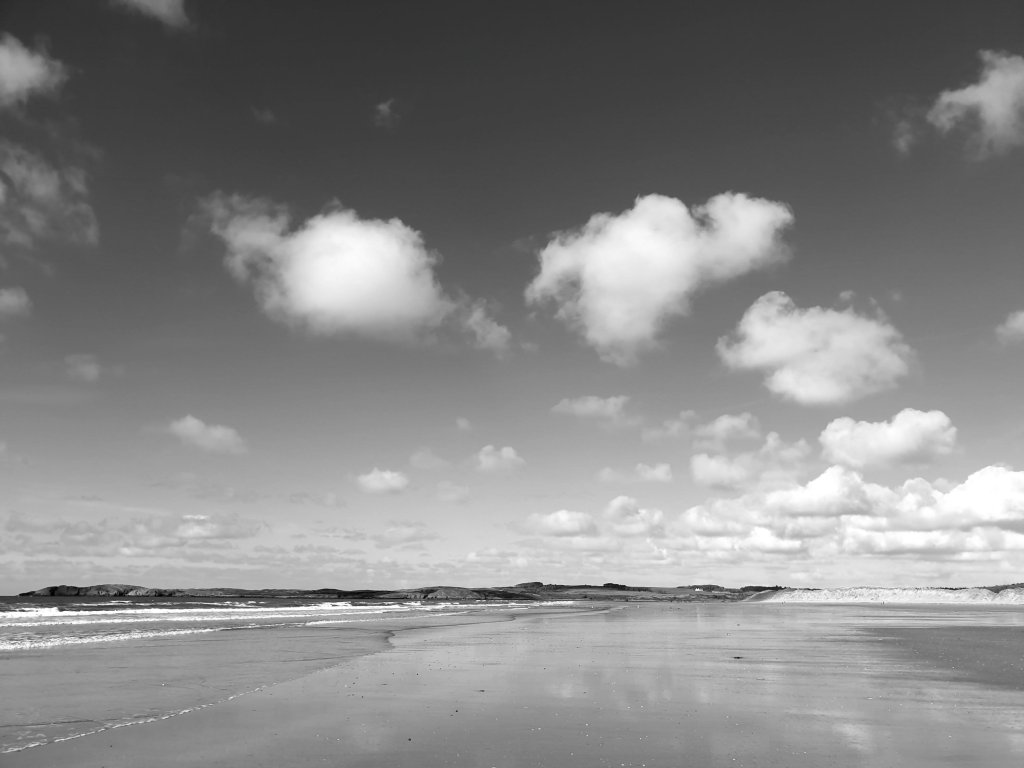
It felt like the end of the summer down on the beach today: large numbers of walkers enjoying the sun and the view out to the distant lighthouse, picnicing under the rocks with a view out across Malltraeth Bay:-

If you are ever in south-west Anglesey, I strongly recommend a visit to Tacla Taid, the Anglesey Transport and Agriculture Museum and café, outside Newborough. It consists mainly of a big shed filled with the cars of one’s youth: Ford Consuls and Zephyrs, a grey Morris 1100 identical to the one my mother had in the late 1960s, a Vanden Plus and Rover, a Hillman Minx and Austin A30 (or maybe it was an A35); they are labelled in a very personal way telling one where they were acquired and their life history; they are all in excellent condition and it sounds as if many are taken out for a periodic spin. There is something deeply evocative, as well as personal, about the way it is displayed. A model of what a museum can be.
I think it is probably worth saying that the group of people who were involved in trying to save the Whitechapel Bell Foundry between 2016 and 2021, including Adam Lowe, who has demonstrated so clearly and brilliantly through Factum Foundation and now the London Bell Foundry that it should be possible to re-establish a working and commercially successful Foundry, have now reconvened. We are constructing a plan to do what should have been done in 2016 ie how to keep it going as a working Foundry. We will need public support and, I hope, this time round will have the support of the relevant public agencies, particularly Historic England and the Department for Levelling Up.
Watch this space.
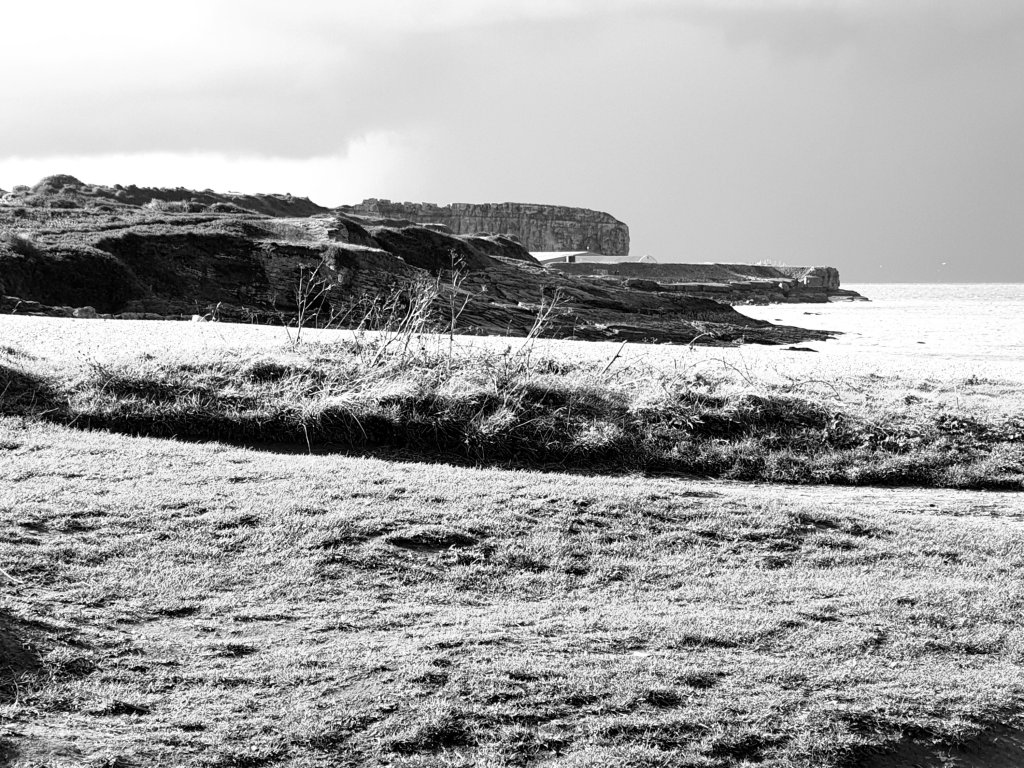
In the intervals of planning how on earth to save the Whitechapel Bell Foundry now that it can be bought, we went out to the old 1835 lighthouse at Penmon Point:

It was stormy weather:
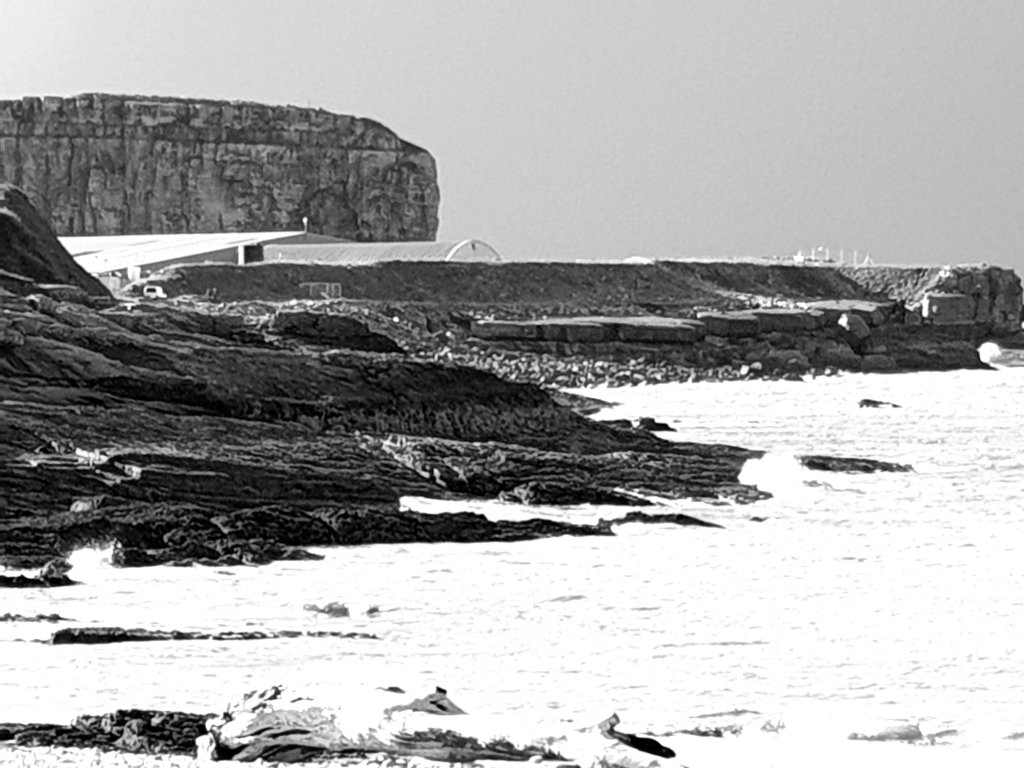

But we were rewarded by a magical rainbow:-

Well, the timing of this is a touch odd.
It was planned as an opportunity to reflect on why the campaign to save the Whitechapel Bell Foundry failed last time round (mainly, I’m afraid, because Historic England decided early on, for somewhat eccentric reasons, to support the plans of the developer).
And now it will be about how to make sure the campaign succeeds second time round – with, I trust, the support of Historic England.
http://salonforthecity.blogspot.com/2022/09/salon-no98-london-bells.html?m=1
I woke up this morning to the news that the Whitechapel Bell Foundry was for sale. I suppose this was inevitable. COVID has changed the economics of development. I can’t help noticing that there are now a vast number of new hotels round Aldgate, including a new Hilton in the Minories, a big new hotel at the bottom of Brick Lane, and a new hotel right opposite the Bell Foundry in Whitechapel Road. The development proposed depended on acquiring the adjacent site, but the option on its sale has now lapsed. So here we are at the beginning of the next phase of trying to preserve it.
I hope the heritage authorities will now come together to help save it. The great irony is that Re:Form and Factum Foundation had an entirely credible, fully costed, alternative plan to preserve it as a working foundry which has now morphed into the London Bell Foundry which is successfully making bells with artists. Let’s hope that Historic England and the National Heritage Lottery Fund can join up to support this plan. The fabric of the Foundry is still in good order. Some of the original equipment survives (ironically some of it was bought by the developer). So, it ought to be possible to reinstate the Foundry as was, its historic fabric reasonably intact. Alan Baxter has drawn up conservation plans.
The battle for its preservation begins again.
https://spitalfieldslife.com/2022/10/05/the-whitechapel-bell-foundry-is-for-sale/


You must be logged in to post a comment.