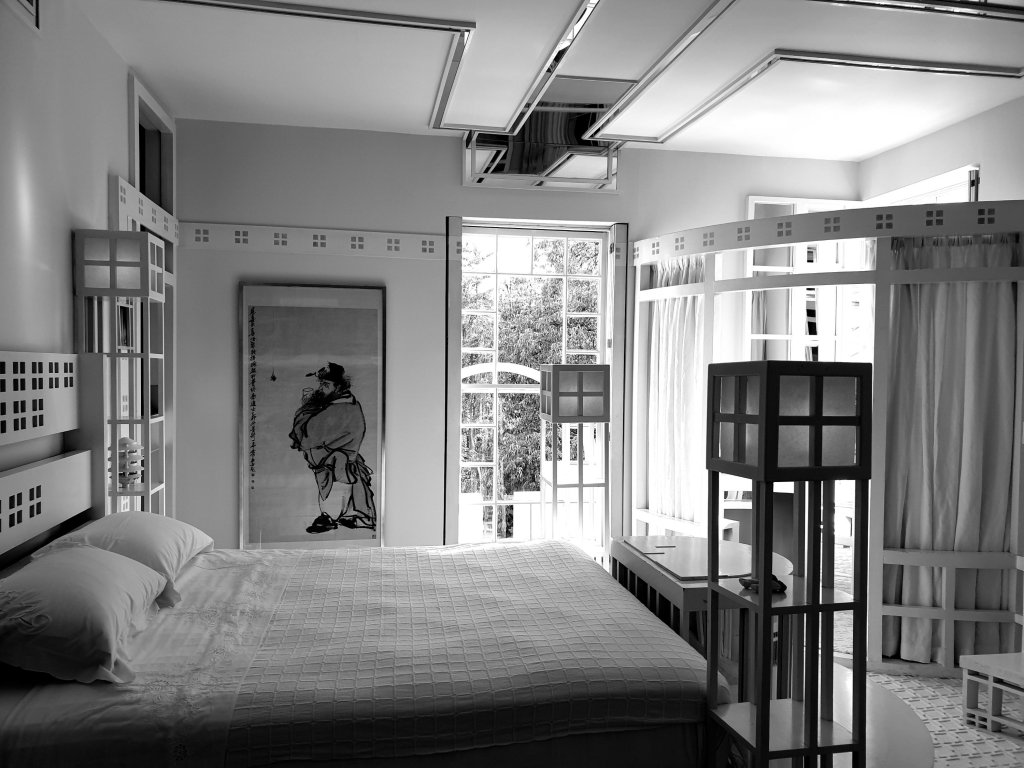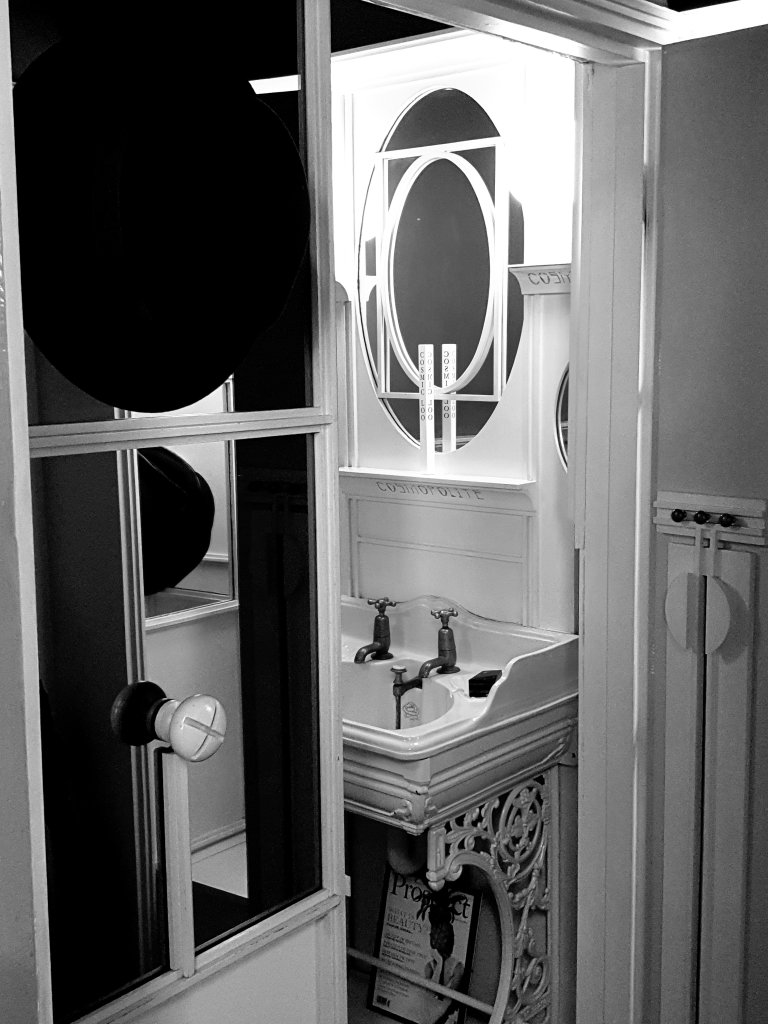
Aldeburgh (1)

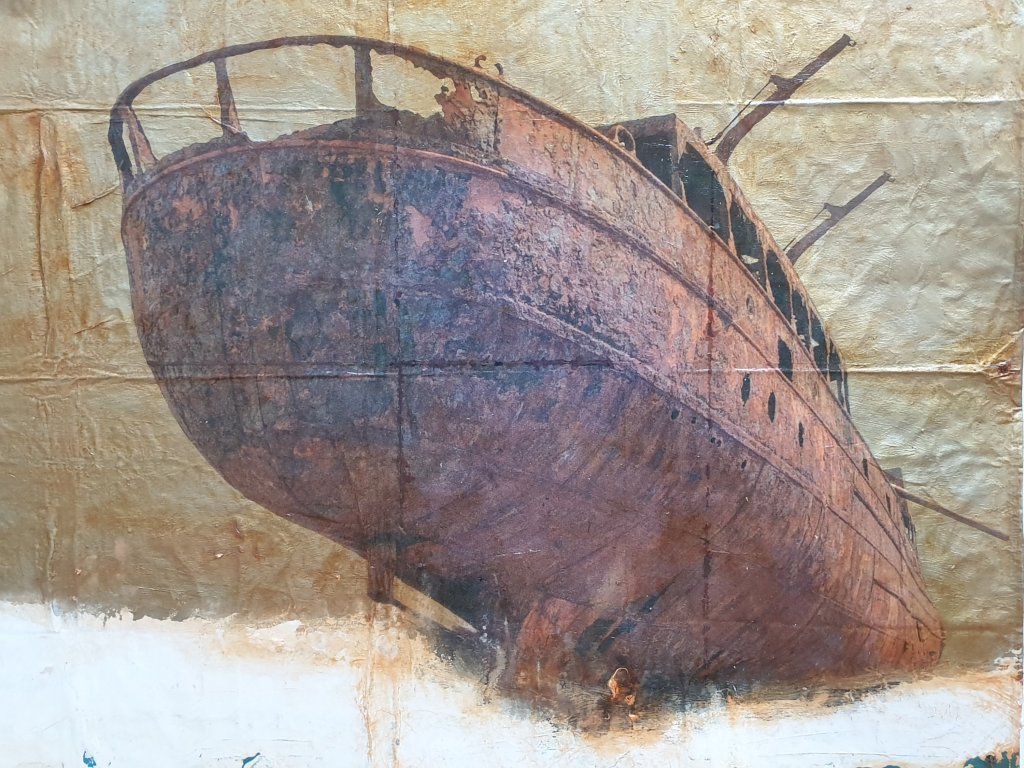
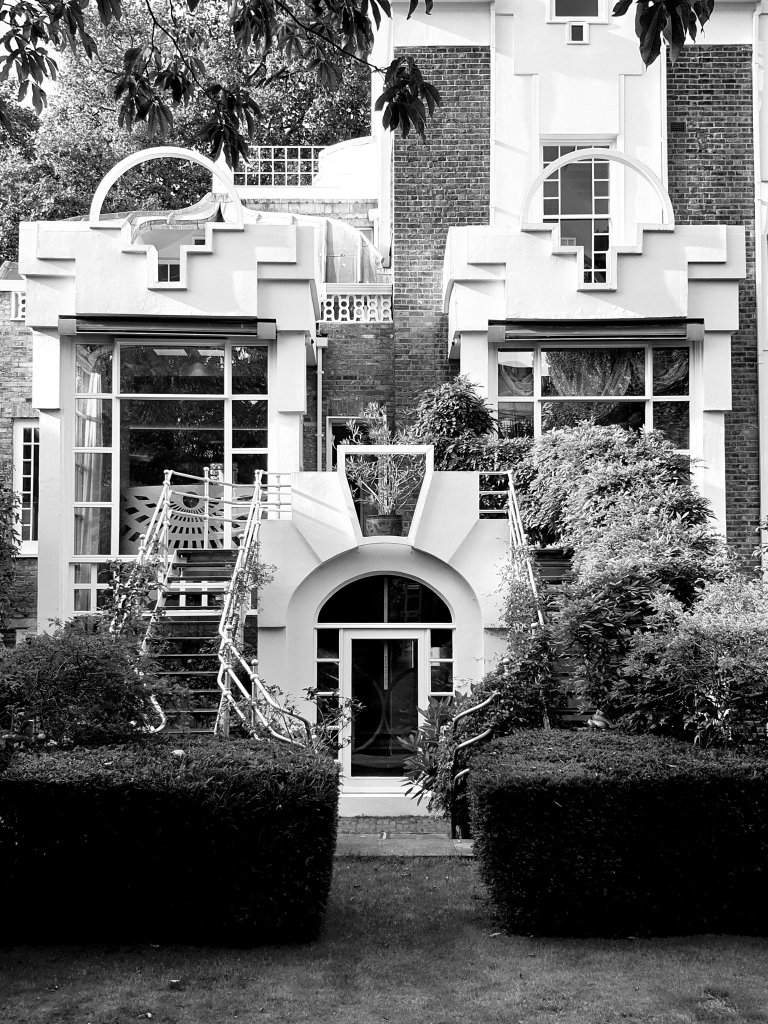
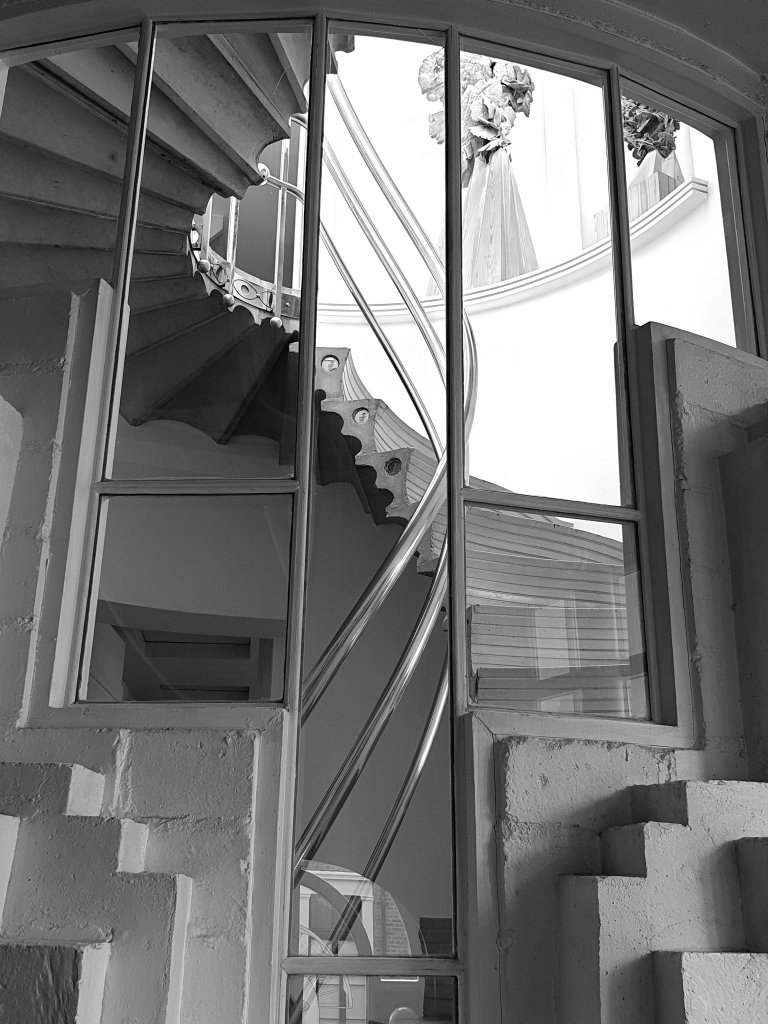
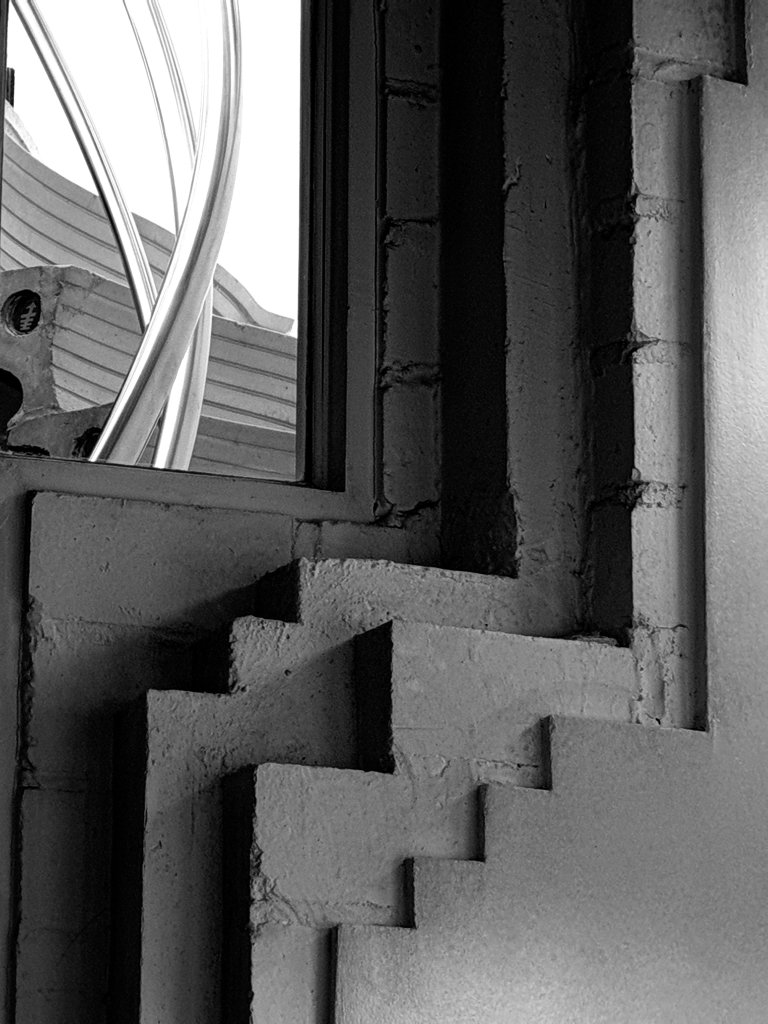
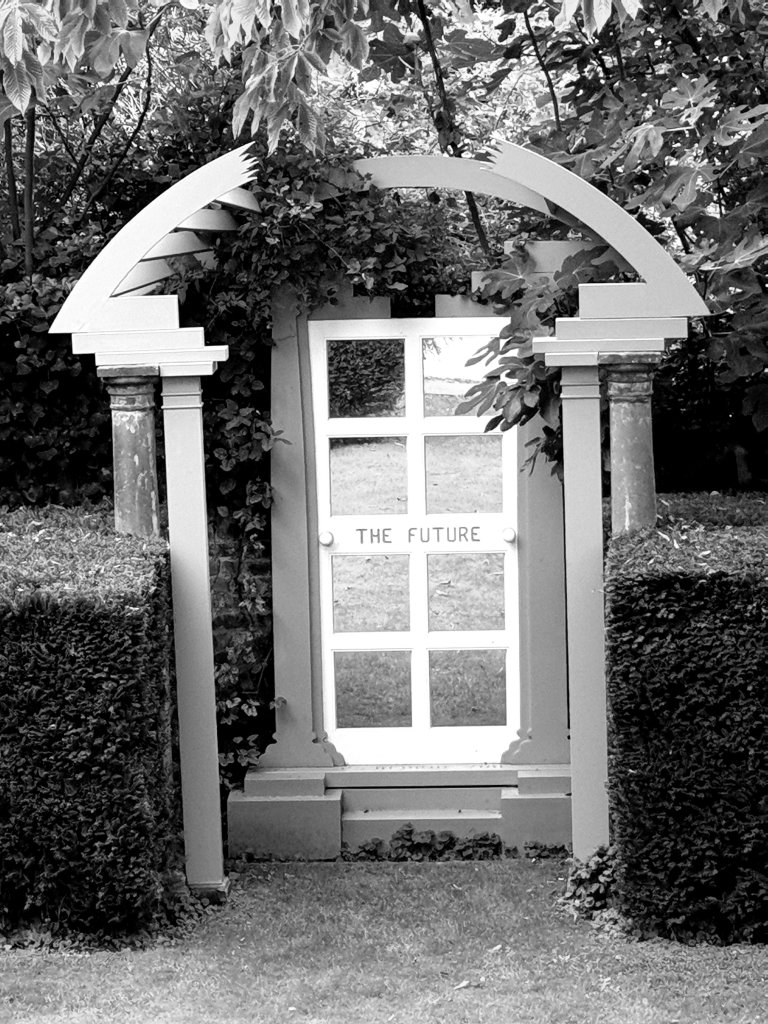
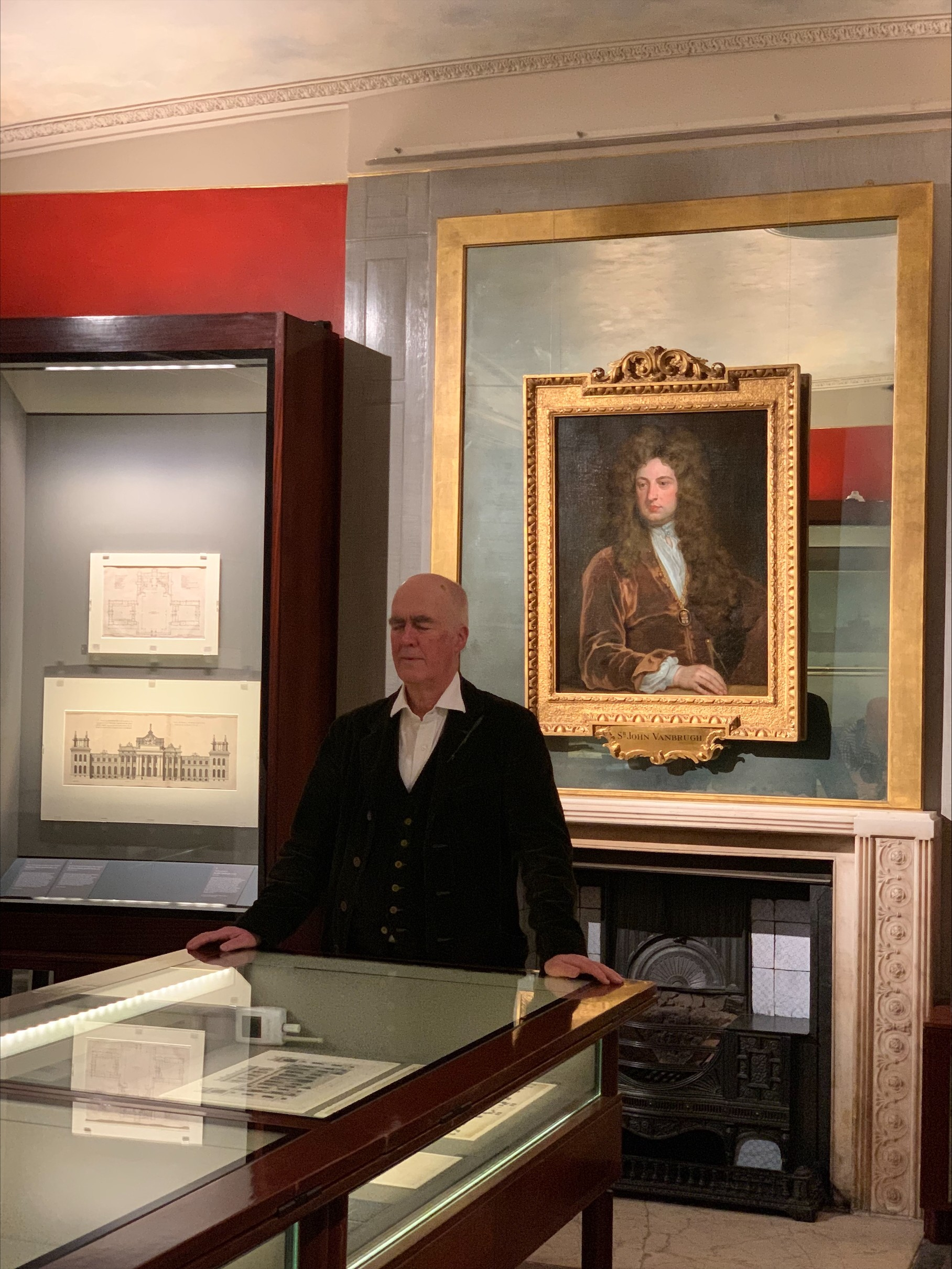
I’ve come to Aldeburgh for a talk this morning about museums. I managed to get here in time for a conversation between Frank Gardner, the BBC’s Defence Correspondent, and Alex Younger, the former ‘Chief’. We are not allowed to say anything about what was said, except I hope I am allowed to say that both of them were extraordinarily impressive, widely and deeply well informed and whatever the mess we may have made in withdrawing precipitately from Afghanistan, it is somewhat reassuring that there are still people close to government who are able to talk about international strategic objectives on the global stage in a way which is convincing. Or it was to me.

Standard

Saving Spitalfields (1)

The Gentle Author is doing a good job trying to save Brick Lane from redevelopment; but, as he makes clear, the problem is wider than a single site on Brick Lane.

Spitalfields as a whole remains – but only just – an incredibly lively, interesting, mixed-use, historic neighbourhood with streets of fine early eighteenth-century Huguenot houses, jammed up alongside the energy of the Indian restaurants and local community in Brick Lane. It is this mix which makes it interesting. It is being developed at great speed with the support of Tower Hamlets, whose councillors are presumably attracted by the excitement of it all, encouraged by the Mayor, John Biggs, who detests conservation. They will destroy the character of Spitalfields and are doing so surprisingly fast.

It’s an area like the North End in Boston which needs a plan on how to protect it creatively and imaginatively, not just allowing piecemeal, out-of-scale commercial shopping malls.

https://spitalfieldslife.com/2021/09/10/save-brick-lane/?s=09

Standard

The Barbican Centre

Isn’t there something slightly odd about the Barbican having ANOTHER competition to refurbish it, for £150 million which is a simply gigantic sum for refurbishment unless the whole place is suffering from some terrible, unmentionable failings of asbestos and concrete disease ?

Some of us will recall an ill-judged commission in the mid-1990s when Theo Crosby installed nine fibreglass muses in 1993 which were removed in 1997. Then it was revamped in 2006 for £12.6 million. The Barbican is growing old gracefully and is surely Grade 1 listed, so the last thing that is needed is a grandiose Diller Scofidio renovation.

On the other hand, £150 million would do very nicely to refurbish the existing Museum of London building as either a Museum of Fashion or a Museum of Photography, both long discussed and both of which would bring visitors into the centre of town.

https://www.architectsjournal.co.uk/competitions/barbican-centre-launches-international-contest-for-major-revamp?s=09

Standard

The City

I know everyone is very anxious to pretend that everything is getting back to normal and the underground is busier than ever, but sitting in the board room of a prominent city firm today felt just short of the Marie Celeste – floors and floors of deserted office space as people have discovered the joys – and the efficiency – of working from home: less time wasted, more time spent with the family, able to avoid the hideous corporate anonymity of all those gigantic office blocks which have destroyed the character of the old City. A bit of me thinks it will serve the City right for their decision to turn London into somewhere now so bleak.

Standard

Elephant and Castle

We used to live just north of the Elephant and Castle. I can’t say that I feel particularly nostalgic for the shopping centre which had a certain dour grimness and at some point long after we left turned pink. Even so, I found it weird walking past it today: all gone. The neighbourhood all poshed up and surrounded by tower blocks, including the hideous Strata. I guess it’s an improvement:-

Standard

First Put on Your Apron

By chance, I was given a copy of Sally Clarke’s beautifully produced and wonderfully informative new cookery book the night before it was written about in today’s Financial Times (see below). It looks just about at my level: a beginner’s guide, made to seem easy, although I’m sure it’s not (there are asterisks to denote the complexity of the menus in the index). Even if it doesn’t improve my cooking, it’s a feast to the eye.

https://on.ft.com/2YcPXj7

Standard

Interesting soup (2)

I continued my search for a copy of the TLS to the west end. The excellent newsagent in Beak Street has closed, presumably as a result of COVID. Waterstone’s in Piccadilly no longer stocks literary magazines, as it used to, in its basement. The London Library hasn’t yet got the latest issue. So, I thought I could rely on the two newsagents in St. James’s Park. W.H.Smith has closed and the other offered me a copy of today’s Times as if it was an adequate substitute. So, the circulation of newspapers and magazines may have suffered as a result of COVID. I can scarcely complain because I used to buy them, but now, like everyone else, have pretty much migrated online, although I still resist Murdoch’s paywall.

Standard

Interesting soup (1)

I happened to spot on twitter that John-Paul Stonard had reviewed my museums book in the current TLS. I am looking forward to reading it, but the question is, where in East London can one buy the TLS ? Nowhere in Stepney, that’s for sure. Queen Mary’s bookstore is closed for good. Liverpool Street station say they used to stock it, but not any more, even in spite of having Aesthetica and the New York Review of Books. Libreria doesn’t stock it, nor the Brick Lane Bookshop. The answer, of course, is to subscribe online, but I’m too mean.

https://www.the-tls.co.uk/articles/the-art-museum-in-modern-times-charles-saumarez-smith-book-review-john-paul-stonard/

Standard

Bevis Marks Synagogue (2)

I’m glad to see that there is publicity in the Guardian to the fate which has befallen the Bevis Marks Synagogue which is unlucky enough to be in the Square Mile which has been designated as appropriate for skyscrapers, which get taller and taller, crowding out the Synagogue and taking away its access to daylight in the most brutal and cavalier way, as if the historic environment and the places where the City worships are of no consequence in its pursuit of Mammon:-

https://www.theguardian.com/uk-news/2021/sep/01/london-skyscraper-plans-threaten-uks-oldest-synagogue?CMP=Share_AndroidApp_Other

Standard

New Road (3)

I’ve been asked the question I’ve been puzzling about: what’s the difference between New Road and Cannon Street Road ? It seems to have been called New Road when it was first developed by the London Hospital in the 1780s and is described as such in the leases for the properties, but it does not surprise me at all that it was also known as Cannon Street Road on early maps.

The answer is provided by the website for St. George-in-the-East, the parish church at the bottom end. Apparently, nineteenth-century century maps and documents show different names for the same stretch of road. Some call the southernmost stretch between The Highway and Cable Street ‘Cannon Street’, and everything north of it, up to Whitechapel Road, either ‘(The) New Road’ or ‘Cannon Street Road’. The Revd. Joseph Nightingale in London and Middlesex (1815) described Cannon Street [Road] as ‘a double line of good houses’. In 1859, the bottom half of the street became ‘Cannon Street Road’ (later including the stretch from The Highway to Cable Street) up to the Commercial Road, once this was developed, and ‘New Road’ beyond.

The best thing about Cannon Street Road used to be the Jewish delicatessen called Roggs, at the corner of Burslem Street, run from 1946 till his death in 2006 by Barry Rogg. I once tried to find a photograph of Roggs without success, so was pleased when a post about it appeared recently on Spitalfields Life (https://spitalfieldslife.com/2021/04/16/barry-rogg-of-roggs-delicatessen/), complete with a good photograph by Irv Kline which I am taking the liberty of reproducing:-

Standard