
Because my computer was down when I woke up, needing to be upgraded which took a surprisingly long time, I started idly browsing the statistics on my blog as the year comes to an end. I have always assumed that the numbers reading my blog would diminish, as, like most people during the last year, I have lead a life of exemplary uninterest, not exactly twiddling my thumbs, but where a trip to the local branch of Sainsbury’s is by far the most exciting part of my day. But I was surprised and pleased to spot that I have had almost exactly the same number of readers, somewhere just north of 200,000 so-called views per annum (being slightly competitive, I only need 601 views today to equal last year’s total of 206,937). But I also, couldn’t help but notice which posts attracted the most interest: the National Trust by far – well, they’ve got over 5 million members; Dominic Cummings a close second; two obituaries, Fiona MacCarthy and John Dancy came third. Most of it is very predictable, a record of the changes of mood and feelings over the course of the last, very complex and long year. I found two things of particular interest. The first was that my first post on Coronavirus was on March 7 (https://charlessaumarezsmith.com/2020/03/07/coronavirus/), so relatively early, when we were all just beginning to learn about the effects of the disease which has ruled our lives. The second was that the actions of Dominic Cummings were a turning point at the time, and have remained so for many people, not just because of what he did, but because of what the Prime Minister didn’t do, which has dogged not just him but all of us ever since (https://charlessaumarezsmith.com/2020/05/25/dominic-cummings-2/).
Author Archives: Charles Saumarez Smith
MONA
First up in my Google newsfeed this morning is a long article about the revamp of MONA: how well Google knows my interests, because MONA plays a prominent part in the last section of my book. It’s such a determined and, I think, successful attempt to break out of the conventions of the traditional museum – underground, no labels, no easy route, so purely exploratory, information provided in different voices on handsets, art that is deliberately provocative, focussed on sex and death, all of it now a very important part of Tasmania’s tourist economy.
So what are his answers to COVID ? Go local, turn up the volume, make himself more the centrepiece, and serve cheaper burgers, all good lessons, I suspect, for other museums.
London Bookstores
To parallel the list of New York bookstores I discovered yesterday, I’ve been thinking about my top ten London ones which specialise in architectural books. It’s a vicarious substitute for being able to visit them, part of life which is now missing.
1. The AA Bookshop
The best by quite a long way is what I still think of as the Triangle Bookshop on the ground floor of the Architectural Association, named after a bookshop in the Triangle in Kennington, invariably well stocked, good on architectural theory, good on city guides, perfect for browsing, with very helpful staff. A great bookshop.
2. The RIBA Bookshop
I used to find the RIBA bookshop a bit too technical for my taste, a few too many engineering manuals, but it’s got much better with a good general stock, including, which I like, a whole section of architectural guides.
3. John Sandoe
I seldom make it to the King’s Road, but when I do am impressed by the way such a small shop manages to be so packed with books I want and it’s very knowledgeable and helpful staff. They were the only shop allowed to sell the special edition of my book on East London and will now take advance postal orders for my book on museums.
4. Daunt’s
I always use the branch at the top of Marylebone High Street, really a travel bookstore, but such a wonderful one, with its Edwardian glass-roofed area at the back, first opened in 1912, where the world is laid out systematically and topographically, so that one can explore the globe.
5. Heywood Hill
I have to include Heywood Hill for my older brother’s sake who gave me my book addiction and sold me the entire reading list for my Cambridge course in architectural history. I used to be an account customer which meant that one never knew how much a book cost until the hand-written bill arrived at a later date. It’s always been strong on architecture and probably still is.
6. Hatchard’s
I have never enjoyed Hatchard’s quite as much as when its art department up on its second floor was run, rather fiercely, by Maureen Boland and Baron Nicolas van den Branden de Reeth, but it still has a very good stock of current architectural books, erring towards the luxurious end of the market and away from the scholarly.
7. Foyle’s
Foyles has been expensively and successfully revamped with its architecture section near the entrance on the ground floor, good just because it is still on such a big scale, so able to stock in depth.
8. Artwords Bookstore
It’s always a pleasure to come across Artwords on Rivington Street in Shoreditch, good on art, but good on architecture too.
9. Broadway Books
I think of it as my local bookstore at the bottom end of Broadway Market, always well and thoughtfully stocked and good for Christmas shopping, but not this year.
10. Page’s of Hackney
Last, a plug for Page’s of Hackney because I admire the fact that there is a proper, well-stocked, local bookshop on the Lower Clapton Road.
I’m sure I’ve missed some, including Ian Shipley who closed some time ago. It makes me realise what an important part bookshops still play in my world beyond the parcel deliveries.
New York Bookstores
I have had unexpected pleasure from finding the attached list of New York architectural bookstores. It gives an opportunity for vicarious browsing, as well as listing stores I don’t already know.
I thought I still had a bookmark from McNally Jackson, his favourite New York store as well as mine, but they only allow one bookmark per purchase which means they are always in short supply, as opposed to the bookmark of University Press Books in Berkeley, California, my second favourite, of which I still have a plentiful supply in spite of not having visited the store since 1991. Also, the Corner Bookstore on Madison at 93rd. which was a benefit of staying in the Hotel Wales.
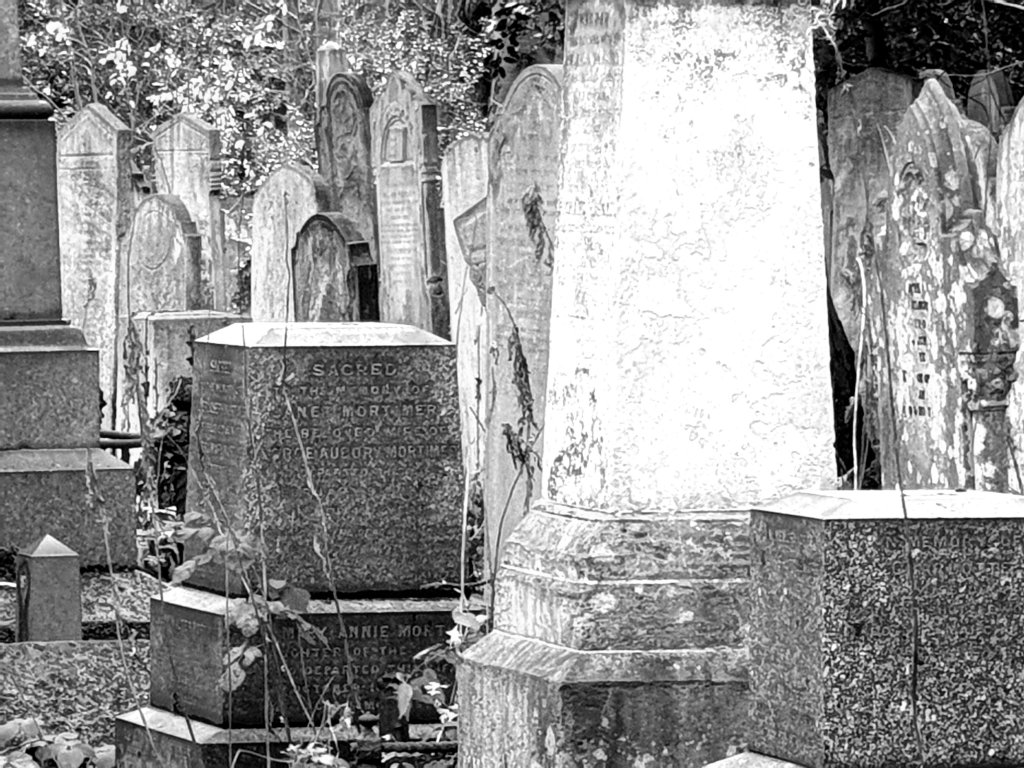
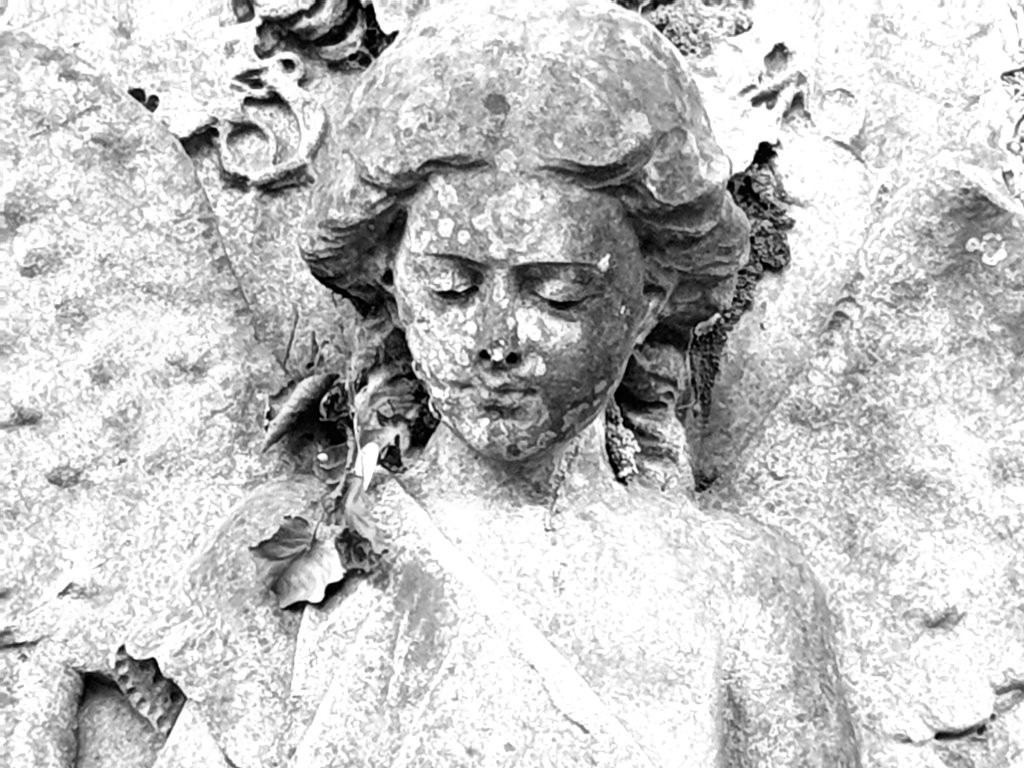
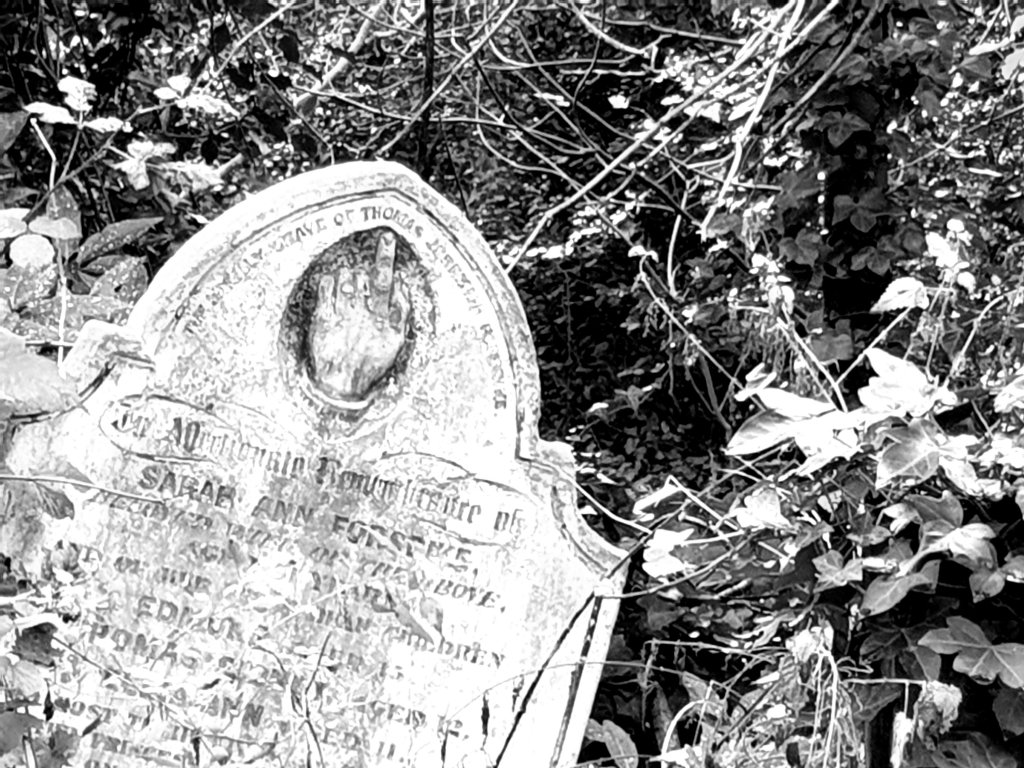
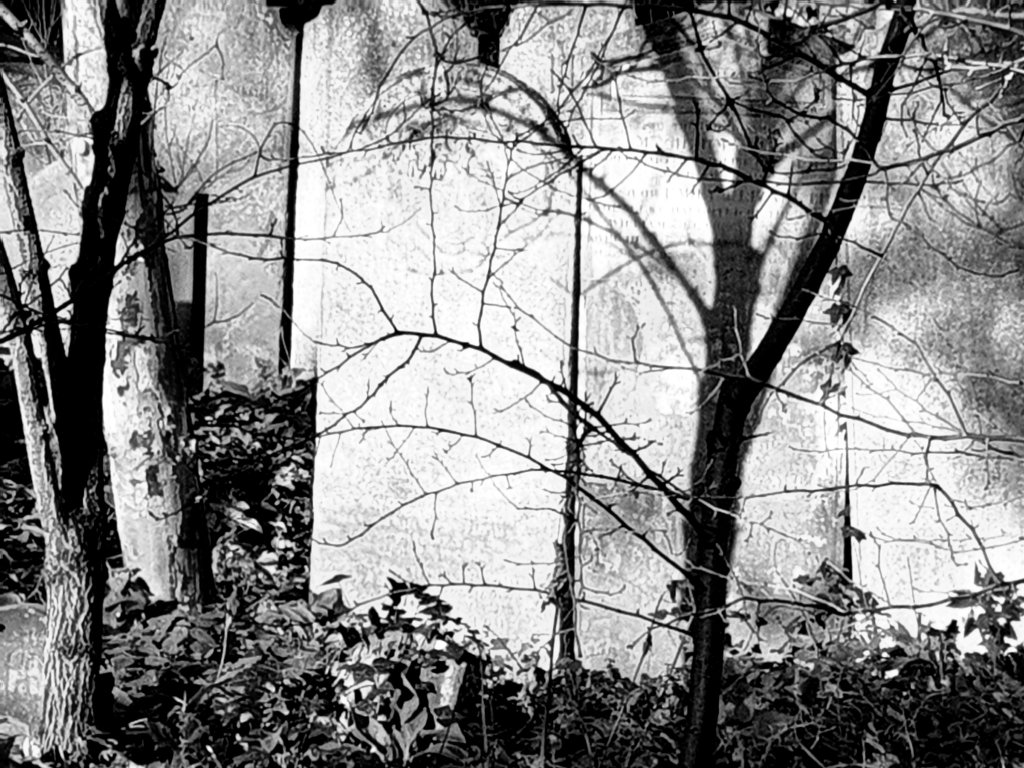
Tower Hamlets Cemetery
I was against the amount of clearance that there’s been in Tower Hamlets cemetery, but it’s certainly opened it up to many more users:-
Museum reflections
Over much of the last year, I have been trying to figure out what the effect of COVID will be on museums, not least as I tweaked the Conclusion to my book on museums, which is being published by Thames and Hudson in March (just in case you’ve forgotten !): budget cuts, of course; less travel; probably fewer blockbusters because they are so expensive to organise.
I was prompted to write the attached by the publication of András Szántó’s very timely interviews with museum directors internationally, which were surprisingly consistent in heralding, and indeed promoting, a move away from their permanent collections:-
https://thecritic.co.uk/issues/january-february-2021/out-with-the-old-masters/
Travel in Europe
I have been trying to figure out what I will need to do in order to travel in Europe which on Friday becomes another place, hedged about with restrictions and lethal bureaucracy, as the Brexiteers apparently wanted and have promised.
I need to check our passports to make sure they are not going to run out in the next six months. Obtain special health insurance which will be very expensive. Get a green card which may take six weeks. Oh, and by the way, my wife’s blue parking badge which used to allow disabled parking in Europe for Brits will no longer work, making travel exponentially much trickier. But this is, of course, the Brave New World we have all been promised. No downside. Only glorious freedom – the freedom of staying at home with the Union Jack flying outside.
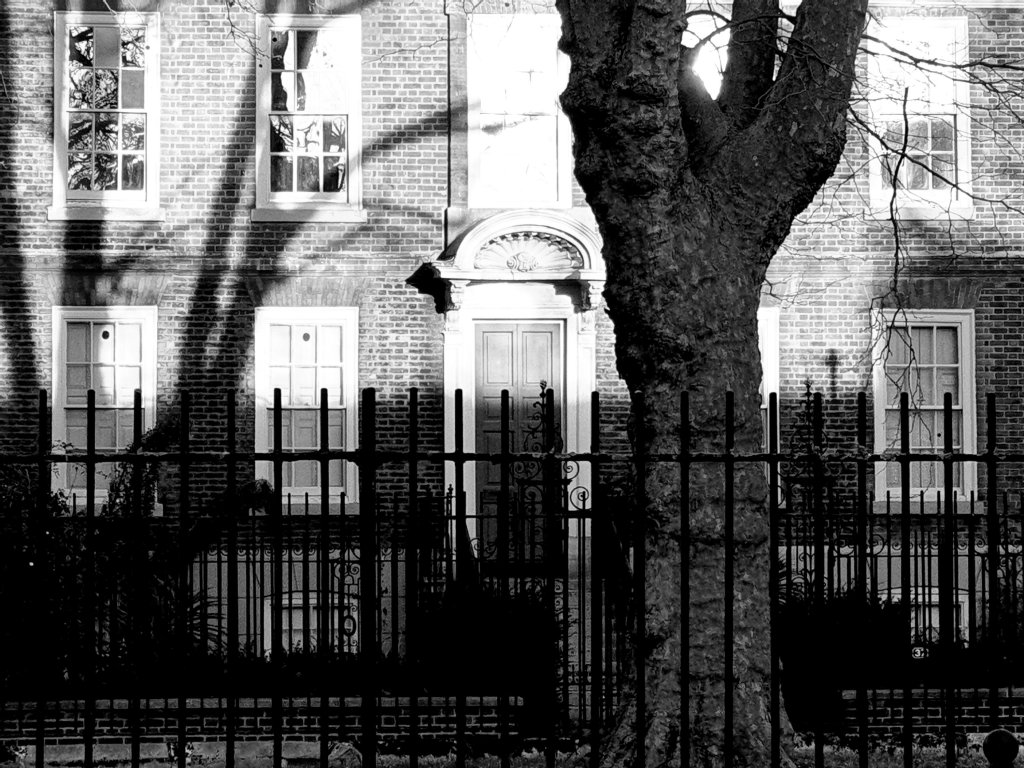
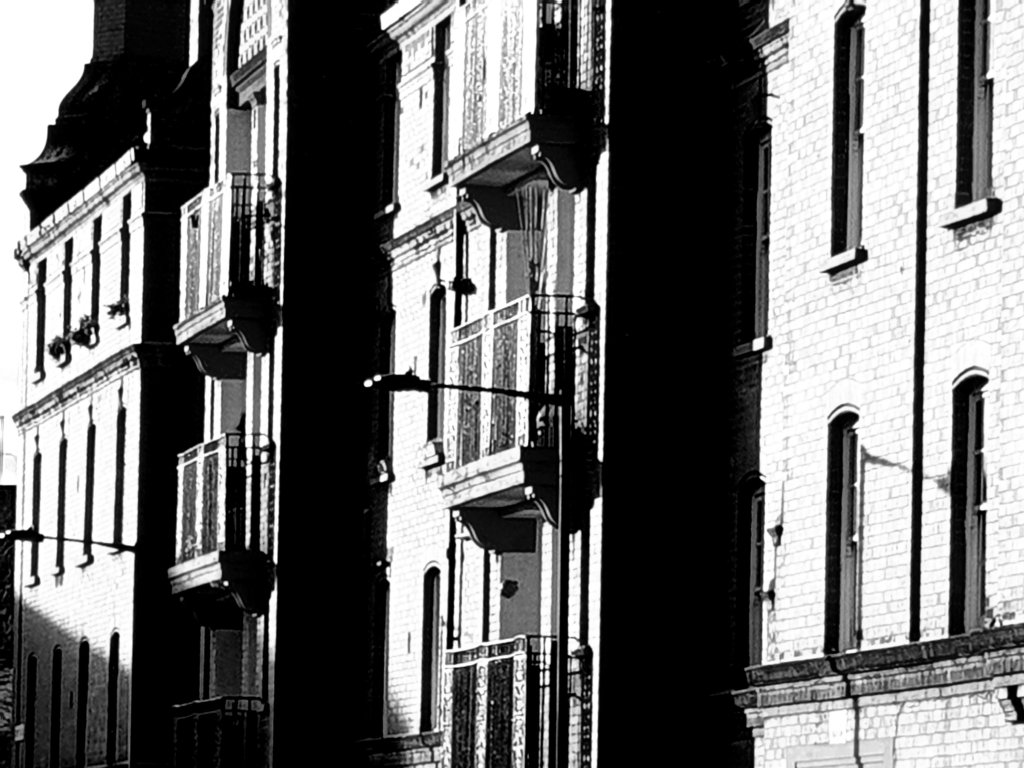
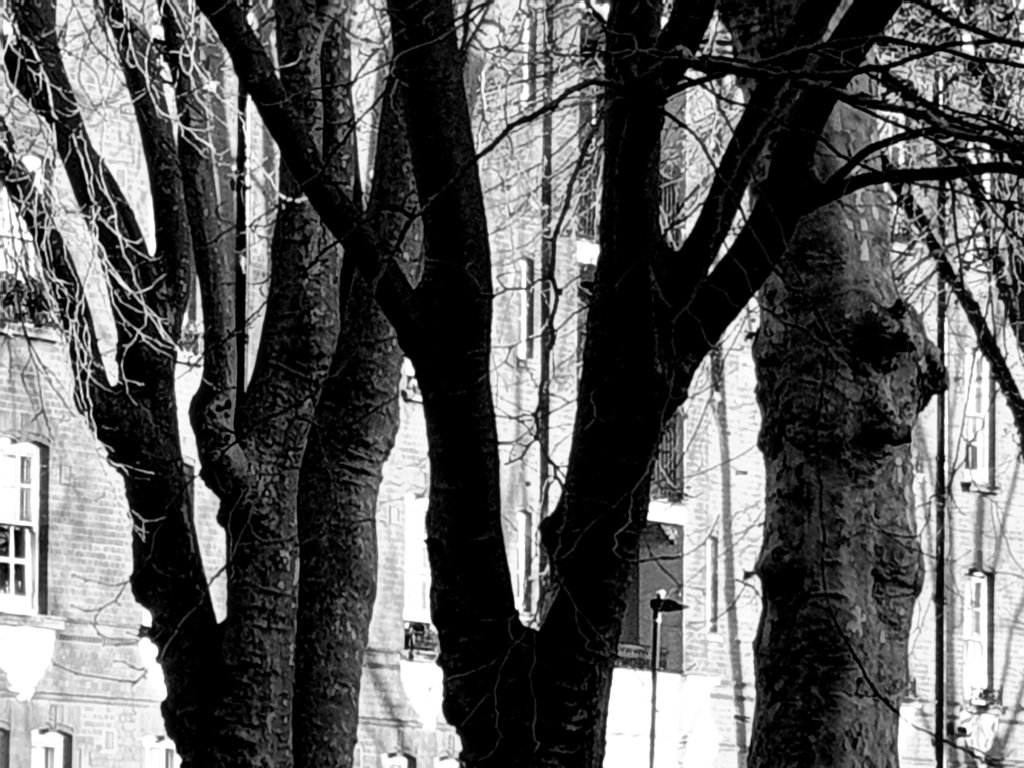
Stepney
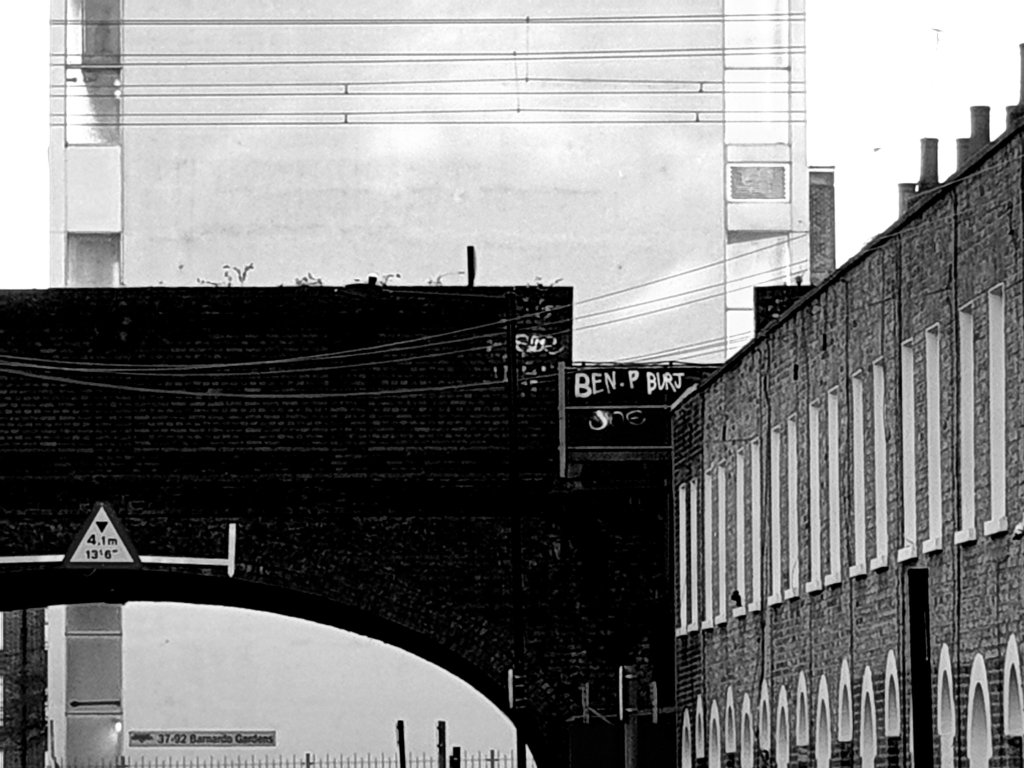
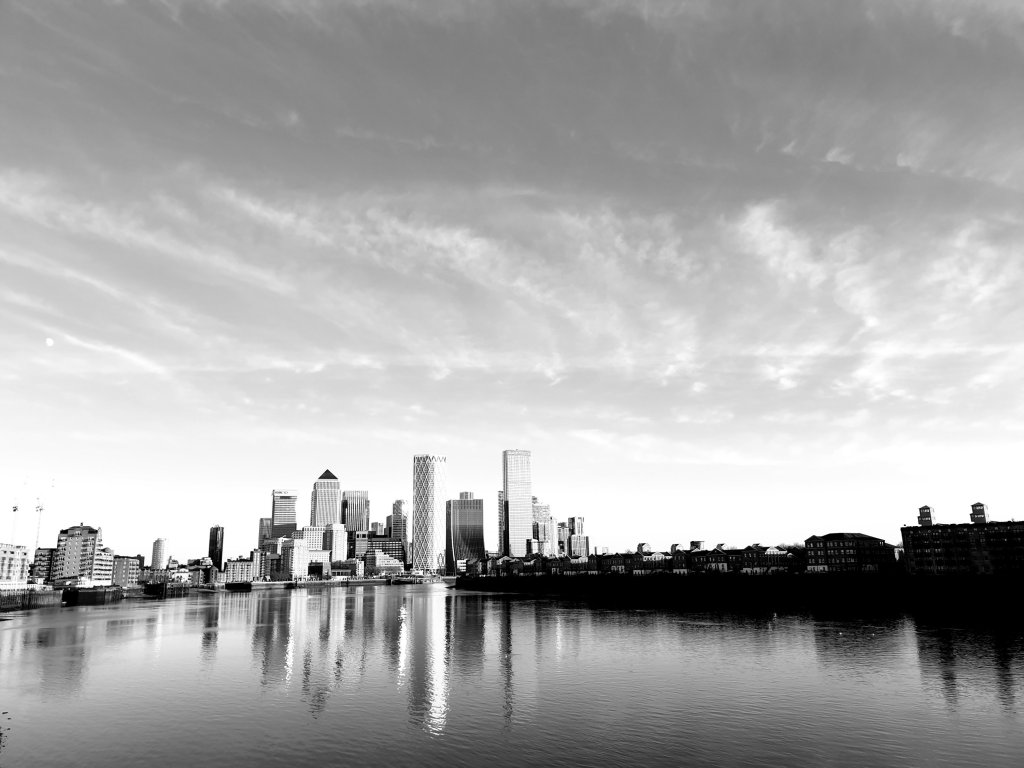
We walked down to the river through the streets of Stepney, not as deserted as we expected, but full of people enjoying the cold Christmas air:-
Christmas morning
It’s Christmas morning and I realise that we are all meant to be whooping with joy at the agreement of a trade deal which allows us to continue trading on much reduced terms and with vastly much greater bureaucracy, as if this is somehow a gigantic achievement rather than a totally needless and self-inflicted wound, the result of an entirely puerile desire for notional independence in an inter-connected world. But, then, I suppose that like most people I feel a small sense of relief that there is at least a deal, not exactly oven ready, nor a piece of cake, but something to study and ponder over what’s left of the turkey.
Happy Christmas !
New pics
Attentive readers of my blog, who look at it on a PC and not a mobile phone, may spot that I have diversified the photographs a bit: partly because it is a bit boring always to have the same ones; partly because I have realised that I am post-corporate and do not have to have a standard image; and partly because COVID means the world has changed. I am grateful to the photographers, some of whom are friends, and most of whom I can identify, hoping that they don’t mind me cannibalising images which they did not necessarily expect to see reproduced in large.


You must be logged in to post a comment.