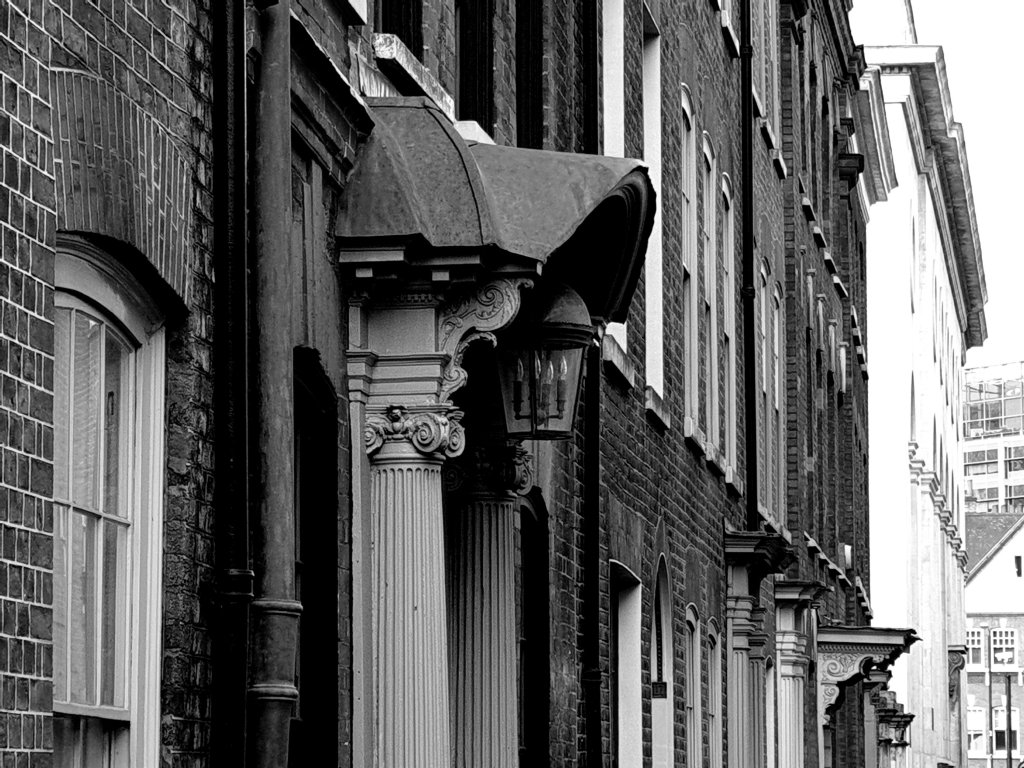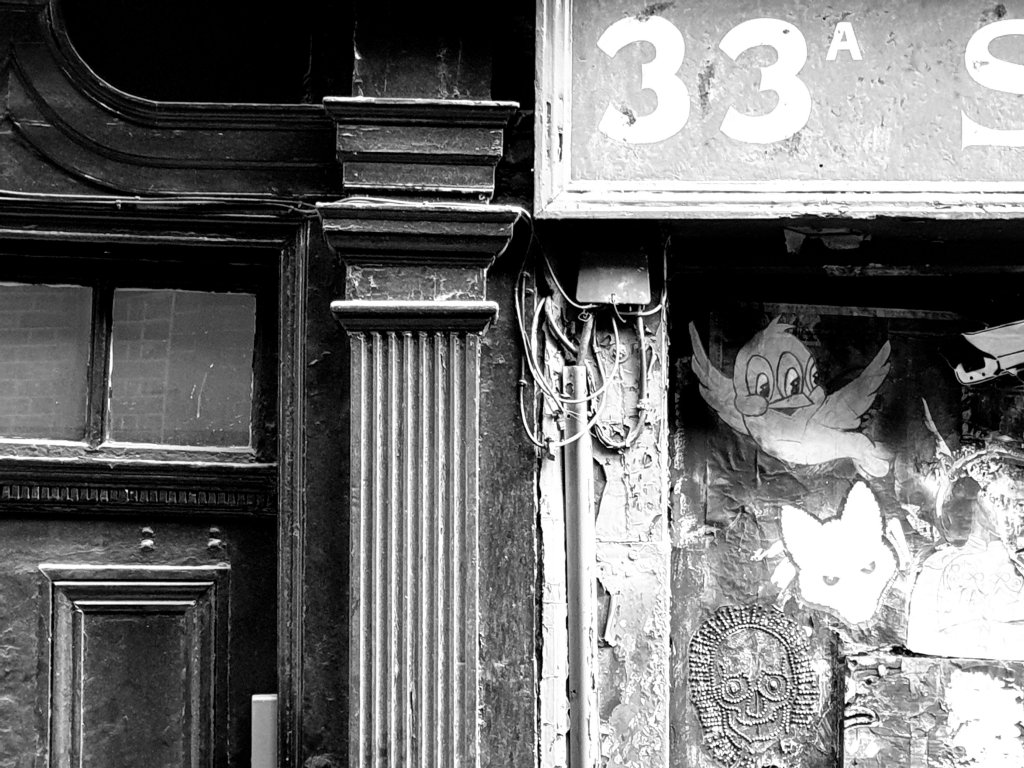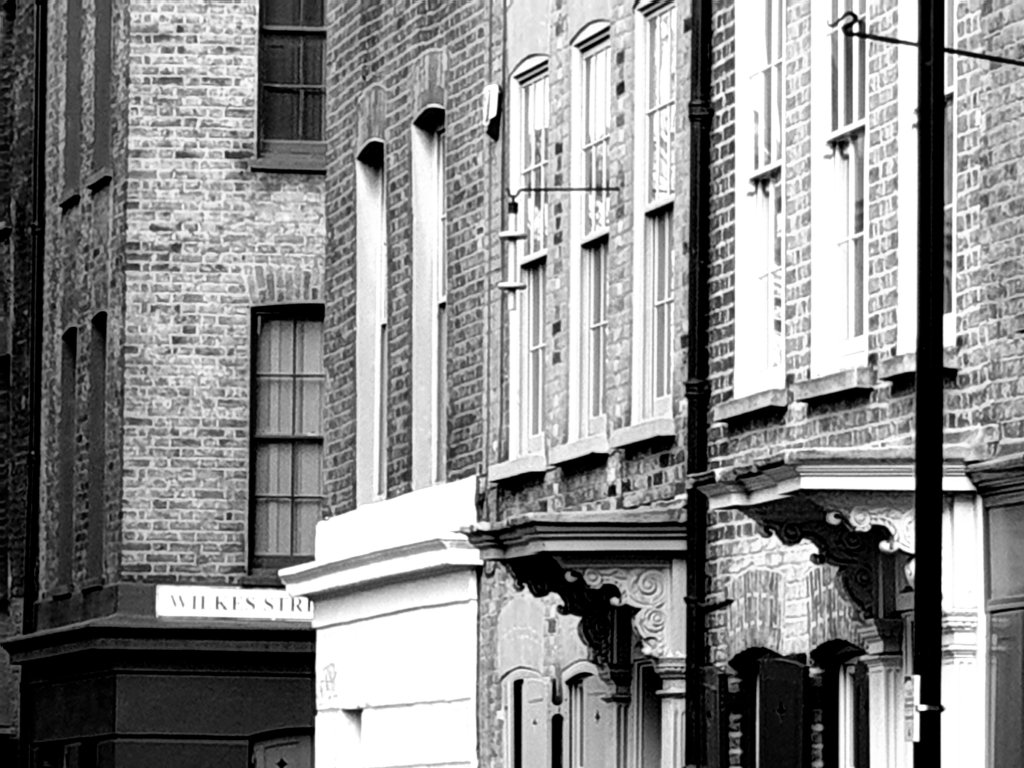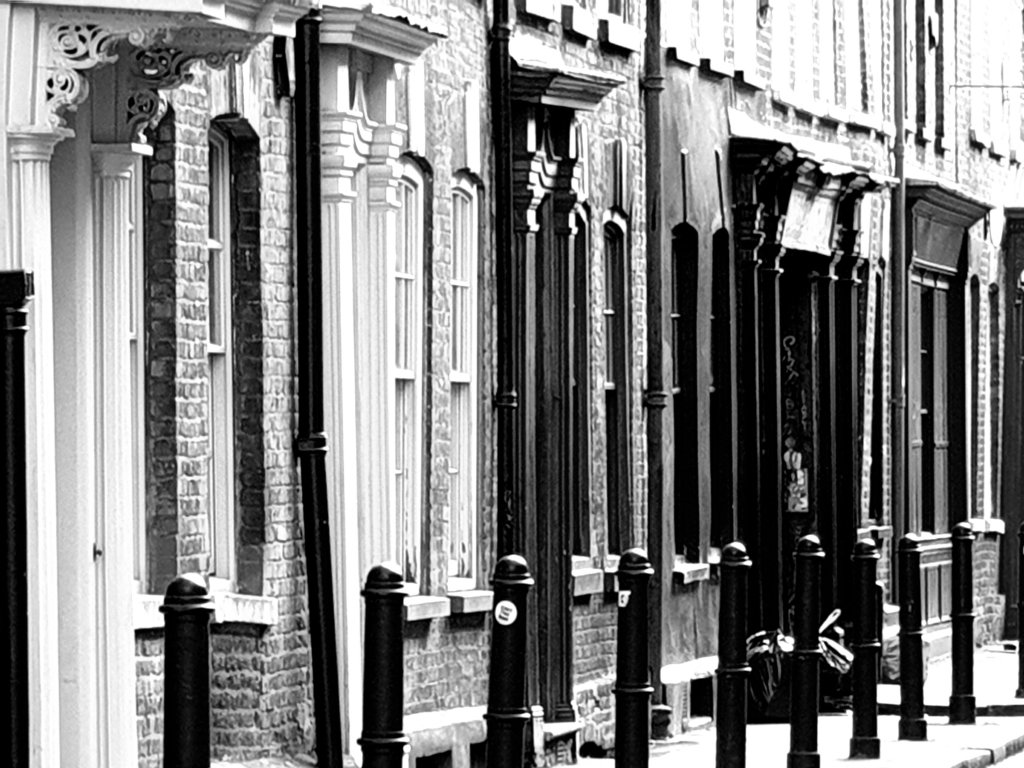
Whitechapel Bell Foundry (19)

Things are hotting up with the Bell Foundry with Rory Stewart visiting at 2.45 tomorrow.

I hope as many people as possible will be there to demonstrate local and national support. It shows that he intuitively recognises the value of traditional industries in the local culture of London communities and that London should not turn its back on small-scale workshop manufacturing as one way to sustain the city’s economy.

I have realised that there is a flaw in Historic England’s argument that it was not able to intervene because its mandate only covers the physical appearance of a building, not its use. The flaw is that English Heritage, the body which has pupped Historic England, made strenuous efforts to get the Bell Foundry turned into a charitable Trust before the Olympics, so that it could attract public funding (I owe this information to a helpful comment on my blog). So, if it was within the mandate of English Heritage, can someone please explain to me why it was not within the mandate of Historic England to intervene in Spring 2017 when it so easily could, and should, have done ?

Meanwhile, we look forward to the verdict of the Secretary of State.

Standard

Queen Mary University

I have just had the great pleasure – and honour – of being awarded an honorary degree by Queen Mary University, with which I have had a 10-year association as a visiting Professor of Cultural History. Julian Jackson, who has been a good friend during my time at Queen Mary, gave the citation and I am posting my response for two reasons. First, it gave me an opportunity to express my gratitude to the late Lisa Jardine, who got me involved there. And, secondly, it was an opportunity to reflect on what the benefits are of studying the humanities at a time when its benefits are maybe not as appreciated as they deserve to be.

• In autumn 2006, I was having a few problems during my time as Director of the National Gallery.   I confided in Lisa Jardine, the wonderful and very charismatic seventeenth-century historian, who was at the time a Professor, not in the history department, but in the English Department, where she attracted both students and other scholars to Queen Mary, running the Centre for Editing Lives and Letters.   Lisa had a very obvious and visible commitment to establishing relationships between scholarship and public life, demonstrated by her own involvement in the activities of the then Arts and Humanities Research Board, chairing the Man Booker Prize and as a Trustee of the Victoria and Albert Museum.   For her, scholarship was a vehicle for the understanding not just of history, but of public life, bringing some the same skills of analysis and interpretation to both and exercising the same sense of morality and judgment in both.   It was Lisa who suggested that I might become a Visiting Professor and I remain forever indebted to her for providing me with an intellectual home and for demonstrating that there can, and should, be an interchange between the university and the responsibilities of public institutions.

• I am not going to pretend that I have made a big contribution to the life of Queen Mary, other than very occasionally giving lectures and seminars, including what was described as my inaugural lecture in which I was able to map out some of the challenges of moving from the National Gallery to the Royal Academy, attending lectures not nearly as often as I would like to have done, and hosting history students taking Amanda Vickery’s third year course Behind Closed Doors: Houses, Interiors and Domestic Life from 1660 to 1830 who come and visit us in our house nearby on the Mile End Road.

• What I want to say today is how valuable I have found the association — the sense of an intellectual relationship, however fragile:  the recognition that there is a life outside and beyond the often narrow constraints of running organisations;  the recognition that while I was struggling with budgets and investments and fund-raising, the everyday world of management, there remains another, parallel world of looking at, thinking about, and analysing the past.

• So, if I have a message to graduating students, it is this.   Do not forget that the skills that you have learned in the past three years are applicable in whatever life you are going on to, whatever organisation you work for, whether it is directly related to what you have studied or not.   You will, or at least should, have learned skills of digesting complex data at speed;  skills of analysis and interpretation;  of seeing human activity in relationship to larger structures of practice;  skills of making an argument, presenting a case, basic skills of communication.   I read everyday of the loss of faith in the virtues of the humanities, most especially from politicians, many of whom are themselves graduates in the humanities, having read history or classics or PPE, suggesting that this is not a form of expertise to be valued.   But I have found the humanities to have been a useful training for other areas of public life, providing a sense of discipline in analysis and a sense of morality in placing one’s activities in the context of the past.   I very much hope that you all will enjoy the same sense of the benefit of three years of study that I have.

Standard

Whitechapel Bell Foundry (18)

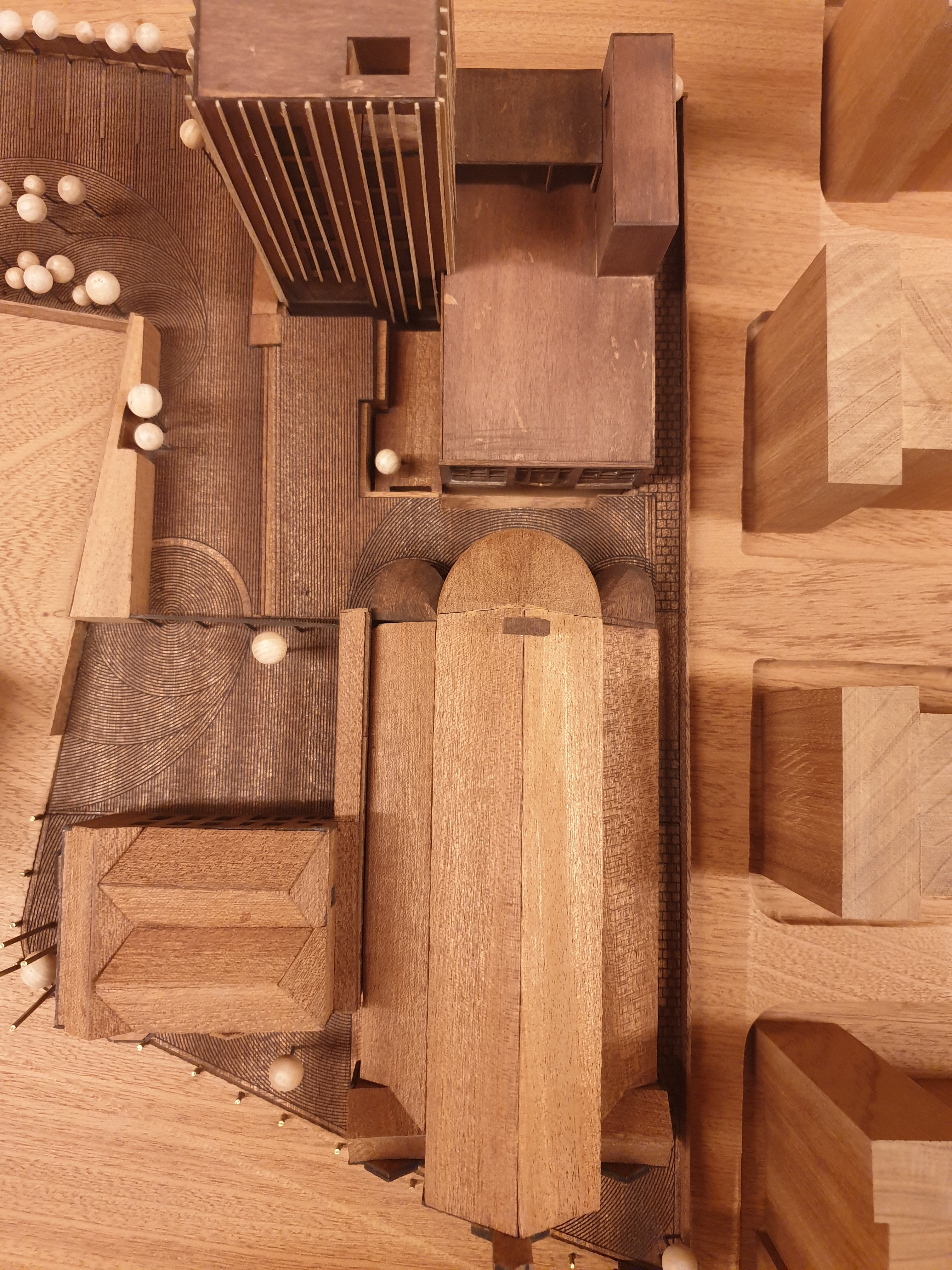
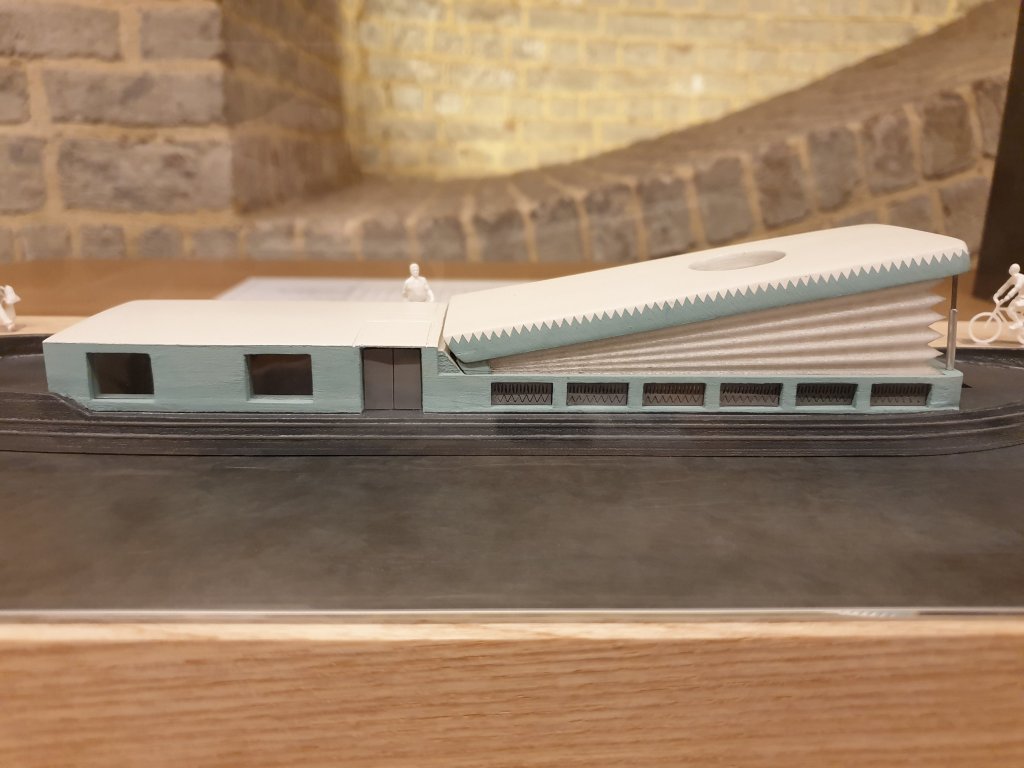
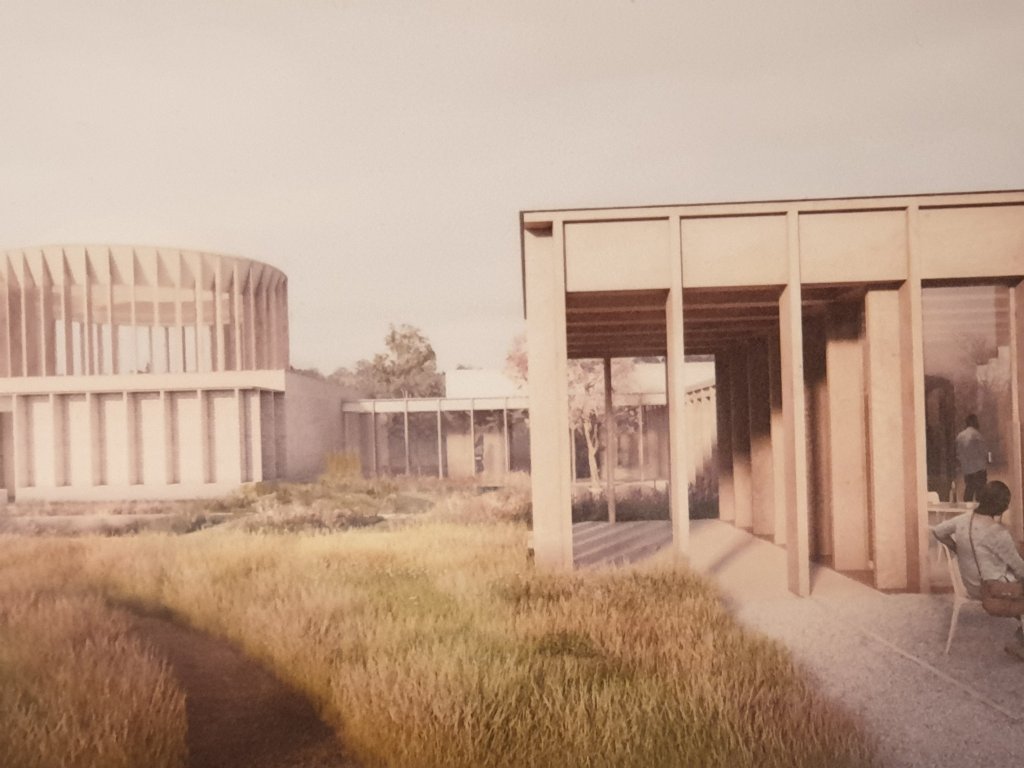
For those of you who, like me, have lost track of the ins and outs of the planning process for the Whitechapel Bell Foundry, I have provided a brief digest of the last three years since news of its impending sale was first announced on 2 December 2017.

What I think the narrative demonstrates is how long it has taken the heritage community to mount an effective opposition to its sale and dismemberment and how odd it was that Historic England, the government agency which has responsibility for the built heritage, did not intervene at once in late 2017 when it had an opportunity to broker its salvation and, instead, have chosen to endorse the vandals.

Thank goodness Robert Jenrick looks likely to call it in and see if there can be a negotiated solution:-

https://www.theartnewspaper.com/comment/the-whitechapel-bell-foundry

Standard

Whitechapel Bell Foundry (17)

I was asked last night for the current situation on the Bell Foundry.

Robert Jenrick, the Secretary of State for Housing, Communities and Local Government, has told Tower Hamlets that planning permission to turn it into a hotel is temporarily suspended whilst he and his officials consider whether or not to call it in. He is now back in office today, so is likely to make this decision sooner rather than later, based on the submissions which have so far been made to the Planning Casework Unit in Birmingham (pcu@communities.gov.uk).

If you have not already written, please do. The decision will be based, as I understand it, on whether or not Tower Hamlets have followed correct procedures in granting permission (they have not tested whether or not the Foundry can be kept as a Foundry), whether or not this can be judged an issue of national and international interest, and the politics of either allowing or refusing permission.

My general view is that in writing you should stress that this is an issue of not merely local, but national and international concern; that there is a perfectly viable and financially sustainable plan for keeping the Foundry as a Foundry, drawn up by the United Kingdom Historic Building Preservation Trust; and that the Foundry is uniquely important in a way that a boutique hotel is not.

Then, light a candle, ring a bell, and pray !

Standard

Friends of Friendless Churches

I was pleased to read this account of the origins of The Friends of Friendless Churches, which I did not know and am not surprised that it was founded by a Welsh MP because its work is particularly valuable in North Wales, including many of the churches I most admire:- St. Mary, Tal-y-Llyn, remote along a deserted road east of Aberffraw; St. Baglan, Llanfaglan, again exceptionally remote, on the coast west of Caernarvon; and the astonishing St. Mark’s, Brithdir, which I finally managed to locate last summer, on a hillside surrounded by rhodendendra near Dolgellau. Friends of Friendless Churches keeps them open as places to admire without song and dance – the best sort of charity.

https://www.theguardian.com/travel/2019/dec/15/rescuing-run-down-churches-friends-of-friendless-churches-england-wales-photo-essay?CMP=Share_AndroidApp_WordPress

Standard

Jakub Józef Orliński

We went last night to hear Jakub Józef Orliński sing at the Wigmore Hall, which he did divinely, singing arias from forgotten Italian operas of the late seventeenth and early eighteenth centuries by Cavalli, who studied under Monteverdi and became organist of St. Mark’s, Boretti, Bononcini, born in Modena, studied in Bologna, moved to Rome, moved to Vienna, Berlin and London, where, in the 1730s, he was a rival of Handel, Predieri, who likewise moved from Bologna to Vienna to be Kapellmeister, Hasse, who was born in Hamburg, but worked in Naples, Venice and Dresden, and Francesco Conti. Music of the courts, as Evelyn described it ‘the most magnificent & expensfull diversion’.

Standard

Baynes Street

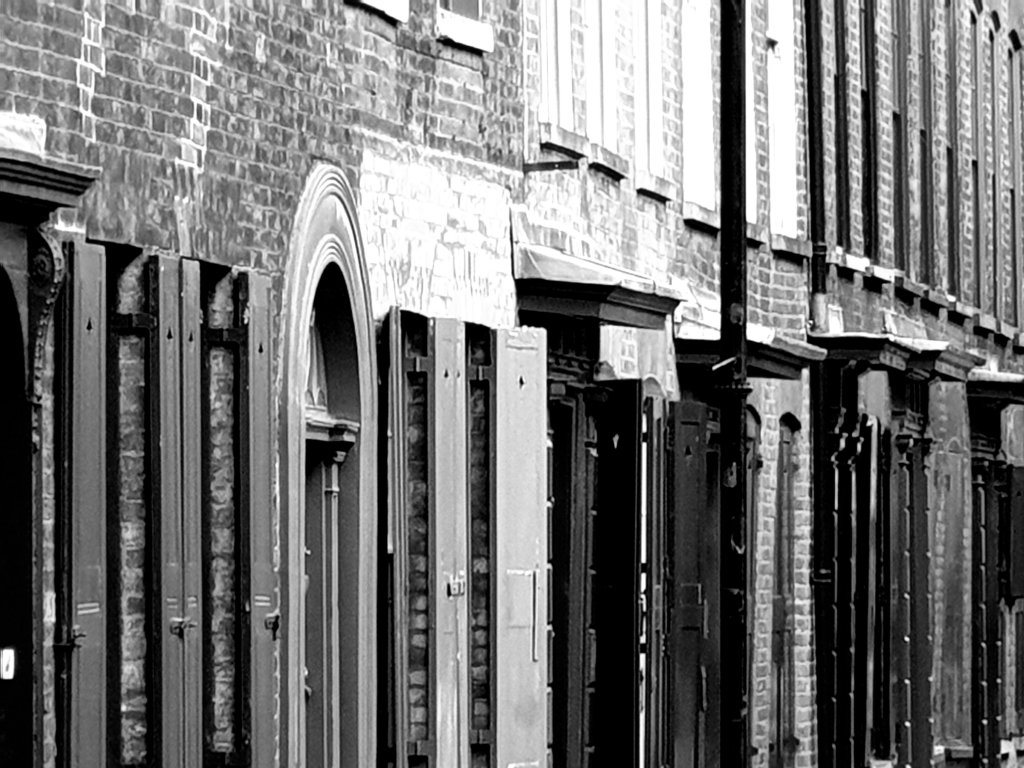
I hadn’t previously spotted the eighteenth-century street sign attached to the wall of the Whitechapel Bell Foundry, which reads ‘This is Baynes Street 1746‘, erected presumably just after the completion of the bell foundry, which took over the so-called Artichoke Inn in 1743, when the Daily Advertiser announced the availability of the lease of The Old Artichoke Alehouse. It’s not even the oldest street sign in Whitechapel:-

Standard

Whitechapel Bell Foundry (16)

I went on a small pilgrimage this morning to see the Whitechapel Bell Foundry with an ardent visiting campanologist. I had learned something of the interest and enthusiasm of campanologists for the fons et origo of bells all over the world, but I hadn’t known that there are 80,000 bell ringers in Britain alone, that they have their own magazine Ringing World, and that they are all as upset as I am at the sale of the Bell Foundry and the loss of its deep rooted skills and historic traditions.

They all hope, as I do, that Robert Jenrick, if he is reappointed Secretary of State as he well may be, will intervene to find a creative solution to its future:-

Standard

E.H. Gombrich (2)

By a strange coincidence (or maybe it wasn’t), there was a long programme on Gombrich’s life last night on Radio 3 in which his grand-daughter talks about the archive: his time in impoverished Vienna in the 1920s where his father, Karl Gombrich, was a lawyer (‘interfering in other people’s affairs’); his upbringing as a Protestant; the growth of anti-semitism; his long and intellectually formative friendship with Karl Popper; his passionate interest in music, in some ways more than art, which he looked at intellectually; arriving in London as a research assistant at the Warburg Institute; monitoring enemy broadcasts in Evesham and developing an interest in the gestalt; turning down a job at the Albertina: dictating The Story of Art; his view of himself as a central European intellectual, his interest in the question of explanation and his belief in the inadequacy of explanations. Above all, it was good to hear his voice, cautious, burred, heavily accented, but with great intellectual authority.

Standard

Ernst Gombrich (3)

Last night I went to a seminar/discussion on the life and work of Ernst Gombrich, the Director of the Warburg Institute from 1959 to 1976, by his two grandchildren, Leonie, who looks after his literary estate, and Carl, who is himself an interdisciplinary historian crossing the boundaries of the arts and sciences.

Two things stick in my mind. The first was Gombrich’s determination not to be described as an art historian, but as a historian tout court. This was a Warburg tradition, the belief that art was only one part of a broader cultural tradition; and he was certainly not, in any way, a connoisseur, the dominant characteristic of art history in the 1950s.

The second was his determination not to be regarded as a refugee, having arrived in London in 1936 of his own volition before the anschluss to join the staff of the Warburg Institute as a research assistant, working on Warburg’s papers, which led ultimately to the publication of Gombrich’s intellectual biography of Warburg, written in spite of Gombrich’s own dislike of biography as a genre.

Standard