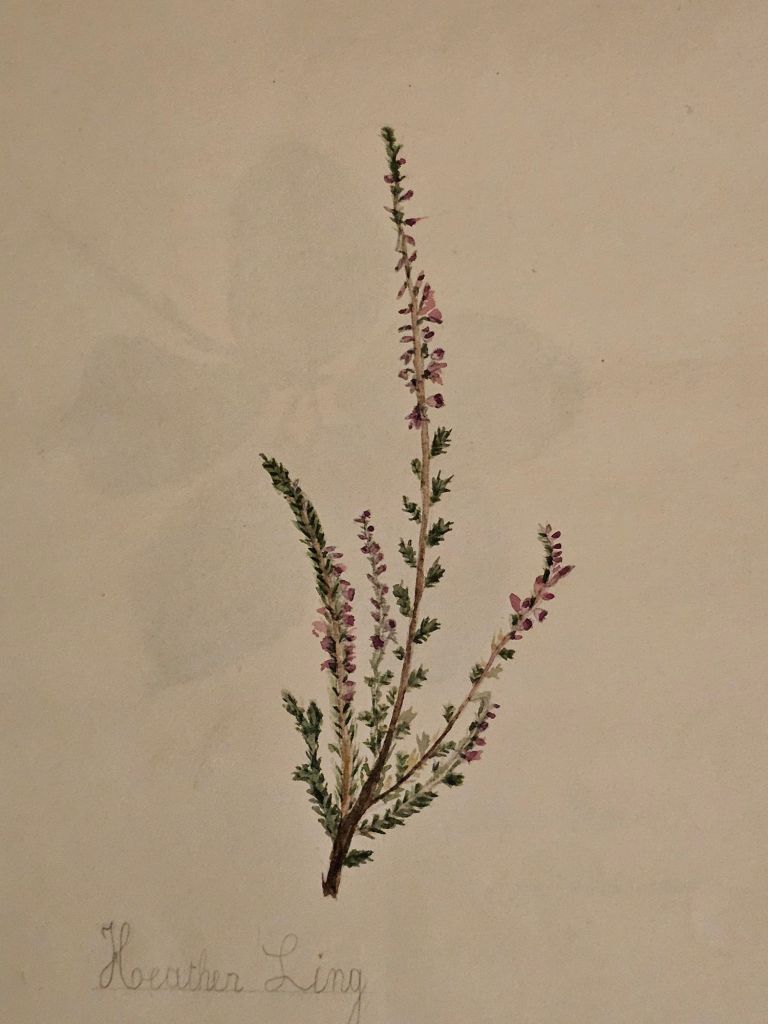
We went to the beautiful exhibition at the Garden Museum of Rory McEwen’s botanical paintings, done on vellum from an early age – the first when he was eight:-
They are very beautiful, sometimes in an abstract way, which is presumably why his work was admired by Jim Dine and Ed Ruscha:-
I realised that we know his work from the book he did for Charlene Garry’s Basilisk Press:-
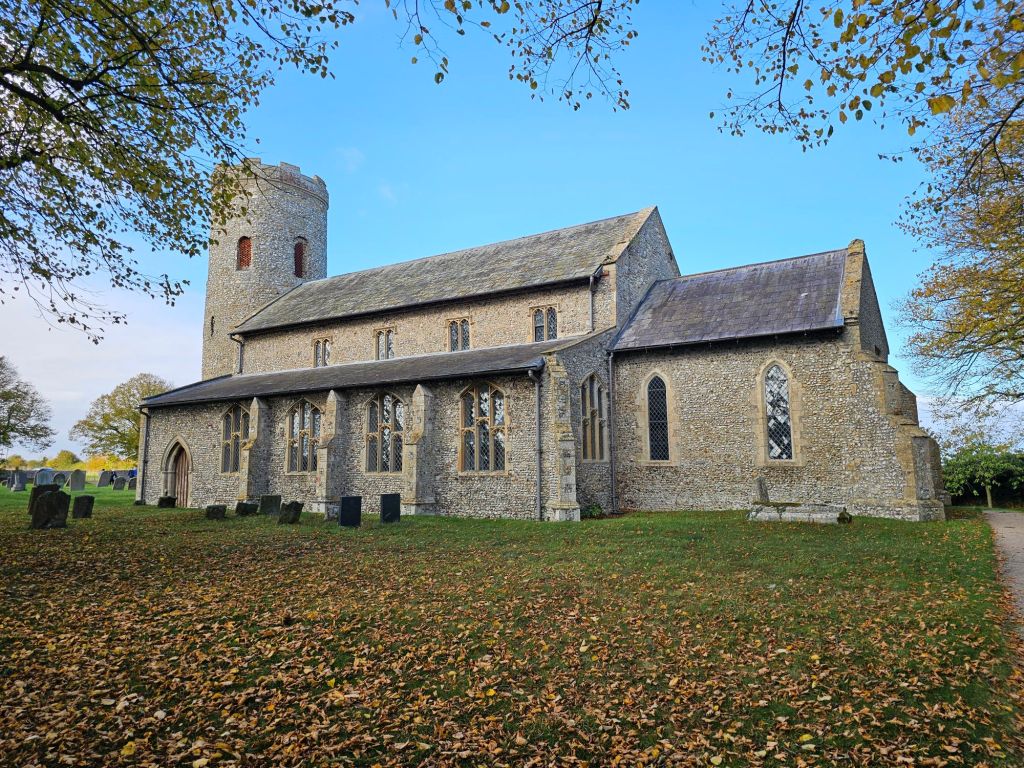
It was a beautiful autumn day for the funeral of Nick Grimshaw in St. Margaret’s, Burnham Norton, a remote Norfolk church in the middle of fields with a distant view of the sea.
What I particularly valued was hearing about what he was like to work for, so trusting and supportive of younger architects in his practice, allowing and encouraging them to flourish, including industrial designers which was a strand in the practice I did not know about. And he obviously treated his practice like an extended family. You don’t often hear what architects are like to work for. Nick was one of the best:-
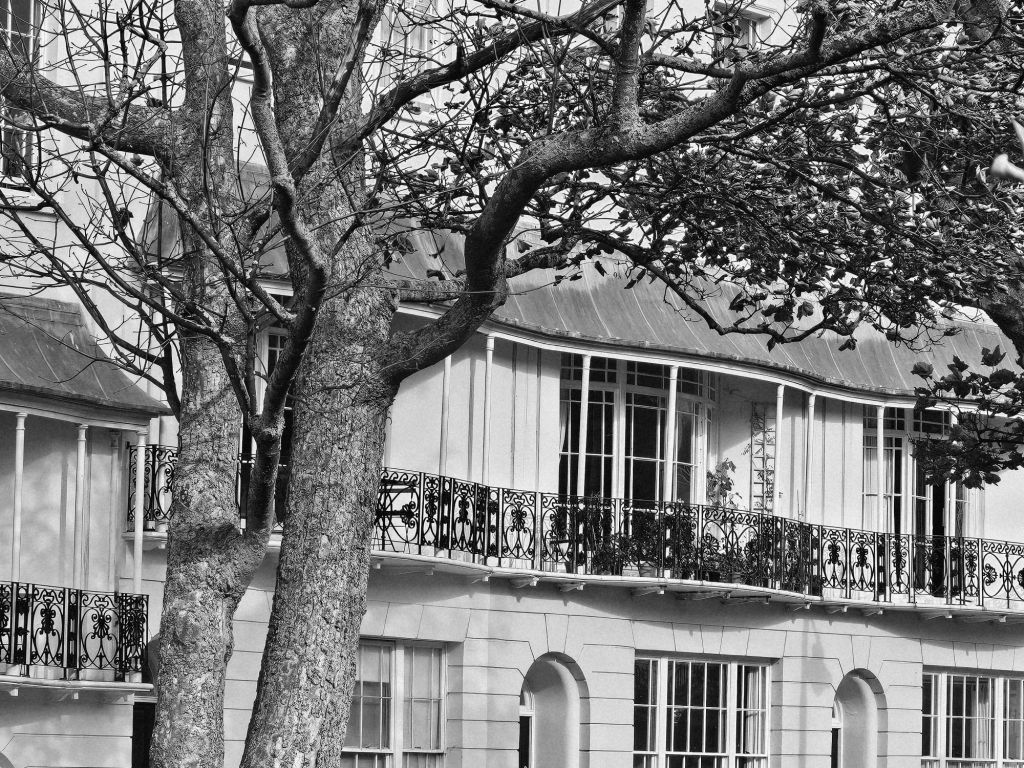
There were other architectural pleasures in Hastings besides the Hastings House.
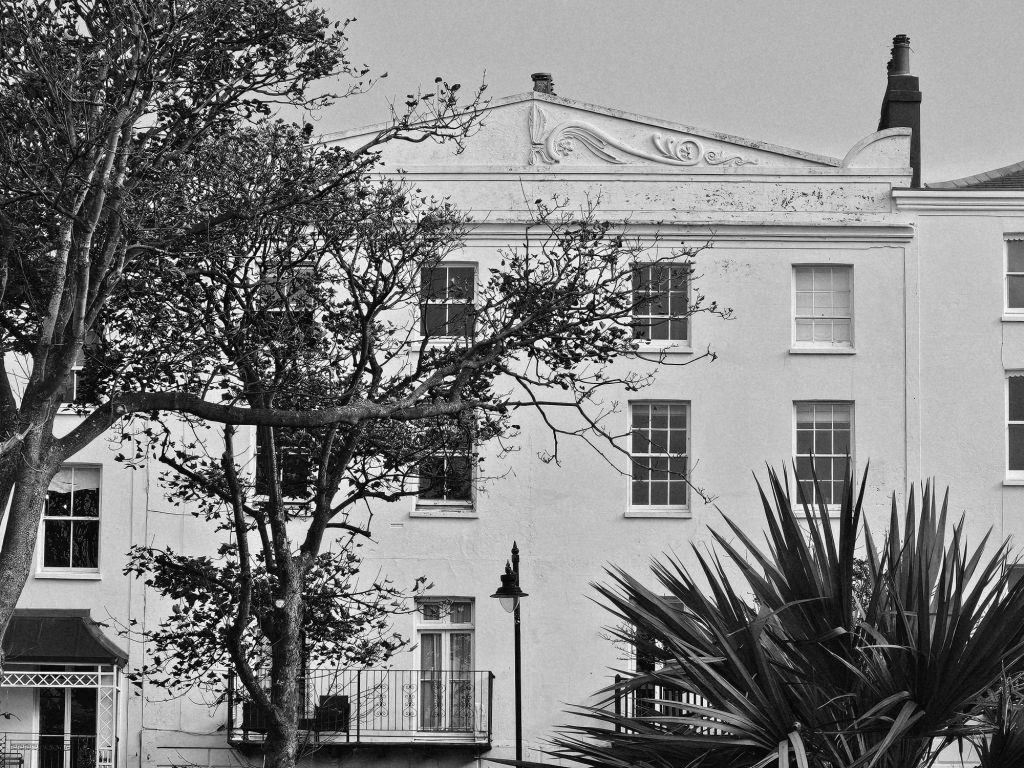
I have always liked Wellington Square which was built, as you might expect, after the Battle of Waterloo and stretches up from the seafront in a slightly disorderly way:-
Then there were good houses on West Hill:-
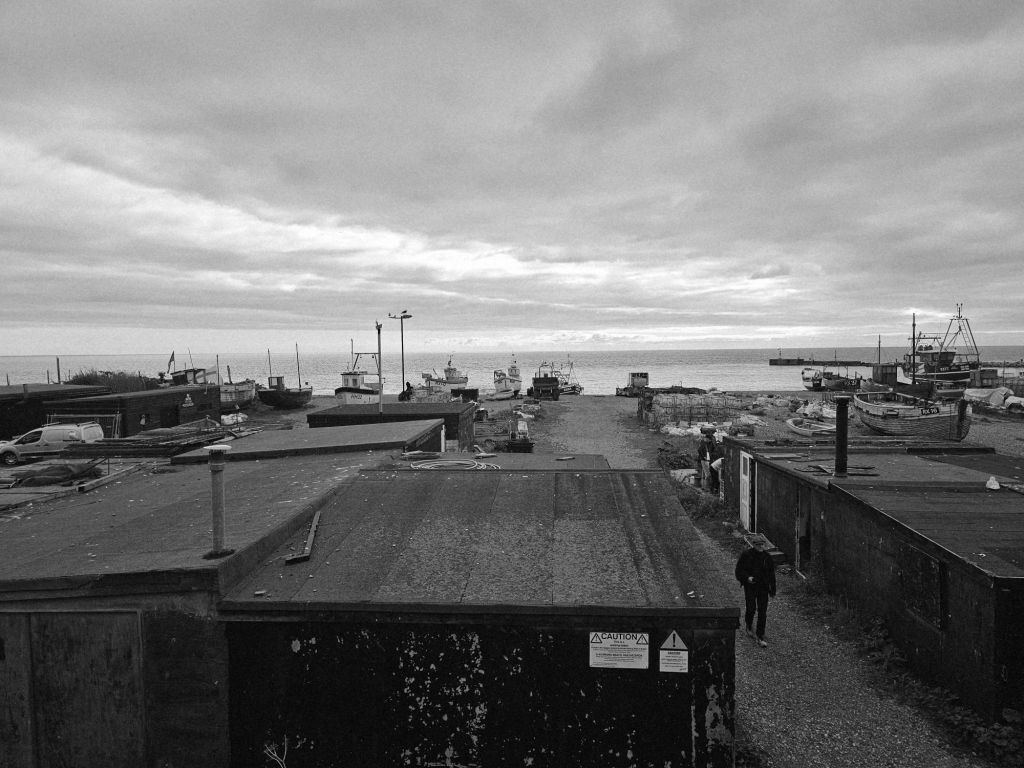
We had fish-and-chips overlooking the beach:-
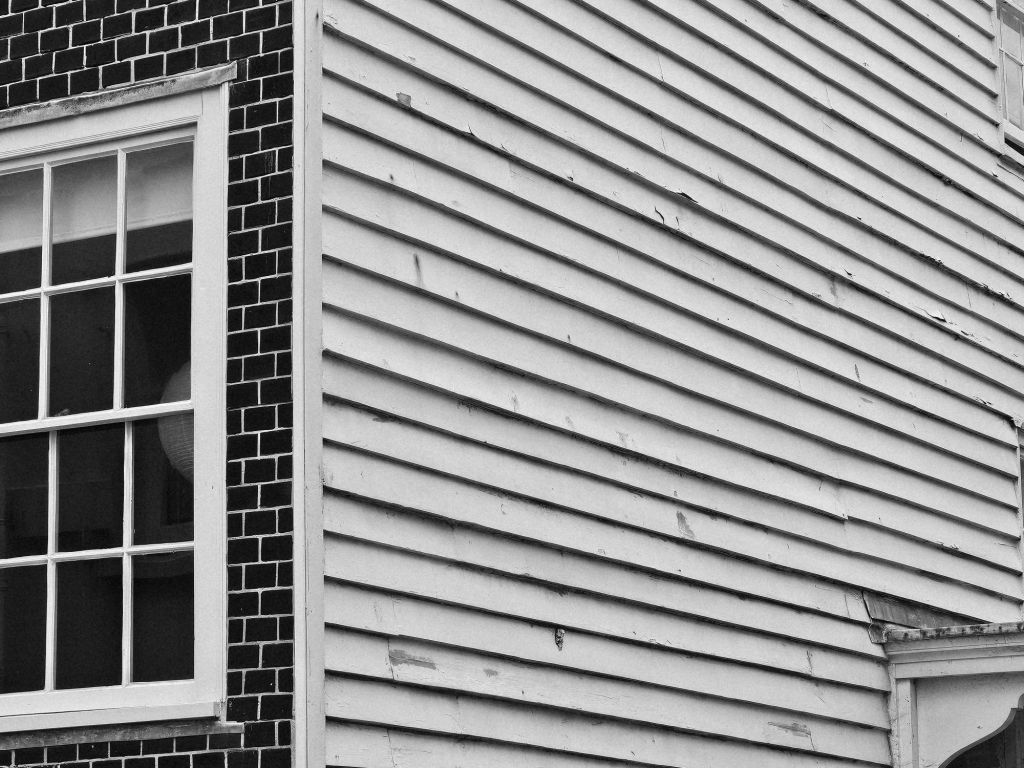
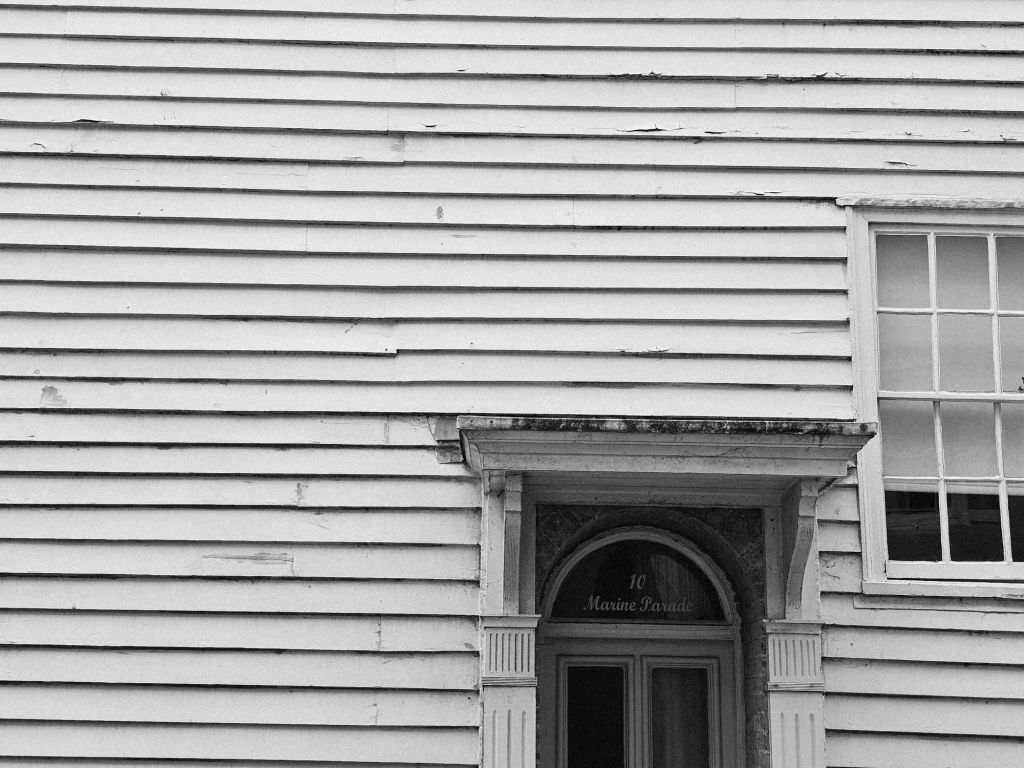
On the way back to the station, we walked down George Street, past 10, Marine Parade, with mathematical tiles on the side and weather boarding on the front:-
Last, Pelham Crescent, but we were getting late for our train:-
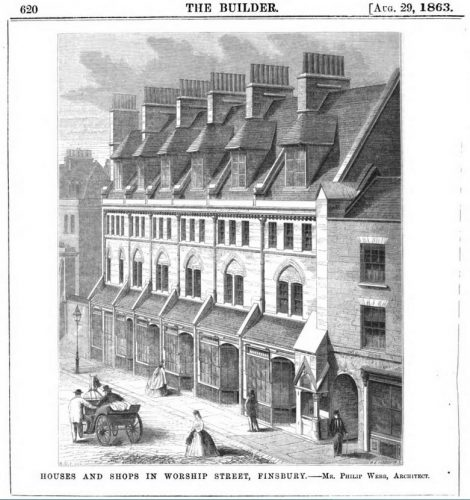
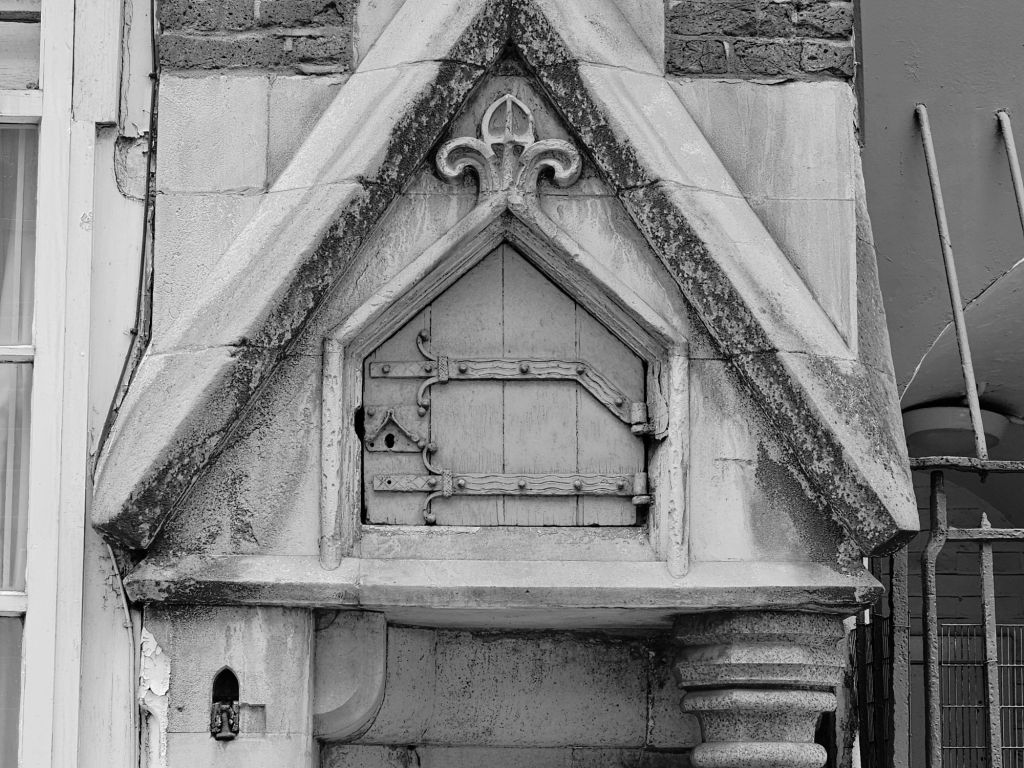
Many is the time that I have walked past Worship Street (originally Hog Lane) in the heart of Shoreditch without realising that the plain and undemonstrative group of buildings on its north side are the work of Philip Webb, friend of William Morris and one of the greatest Arts-and-Crafts architects – indeed one of the progenitors of the arts-and-crafts movement. He designed them for Lieutenant-Colonel William Gillum, with shops in the front, workshops to the rear and flats above:-
I spent the day in Hastings, visiting the Hastings House, a project by Hugh Strange which has been shortlisted for the Stirling Prize.
There is a risk that it will be overlooked as so small scale in favour of bigger and more lumpen projects; but if architecture is about quality of thought on a small scale and the craft of execution, then Hastings House definitely deserves its place on the list.
It’s a set of extensions to a late Victorian terrace house on West Hill in Hastings: from outside nondescript; but one walks through the Victorian hallway into a much larger, modern kitchen-dining room at the back which looks out onto the steep terracing behind the house, to which two additional rooms have been added, making for a geometrically complicated and interesting outlook, a piece of urban bricolage:-
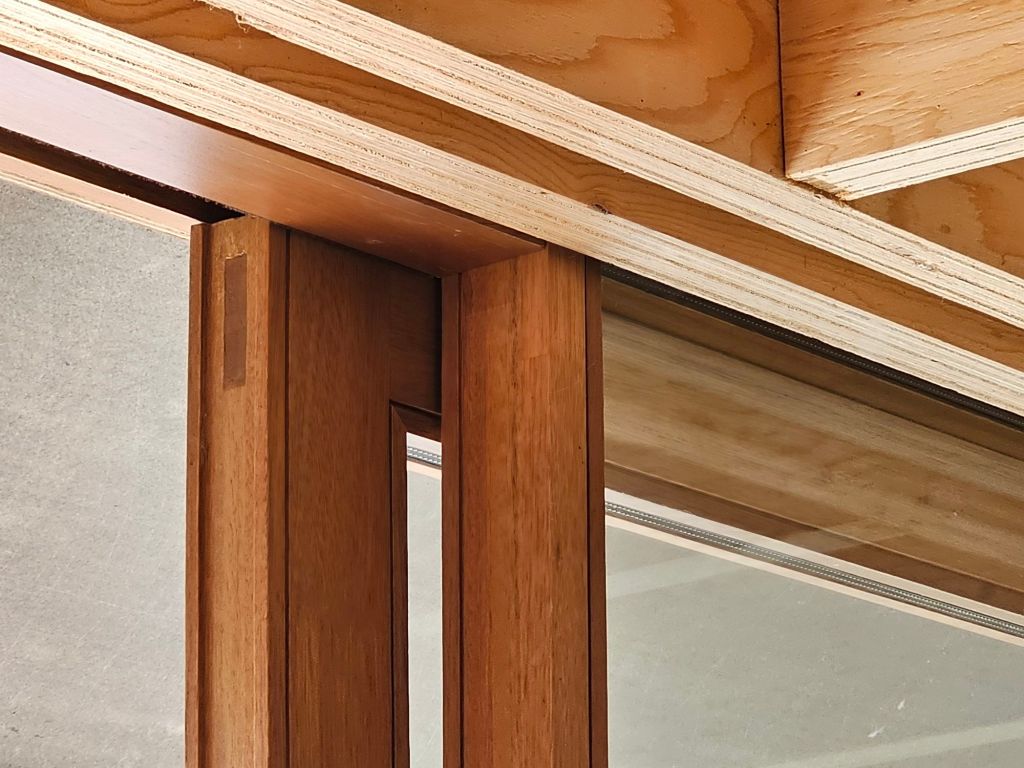
Everything is very carefully and meticulously detailed:-
This is actually much closer to most people’s experience of architecture than the projects juries usually choose.
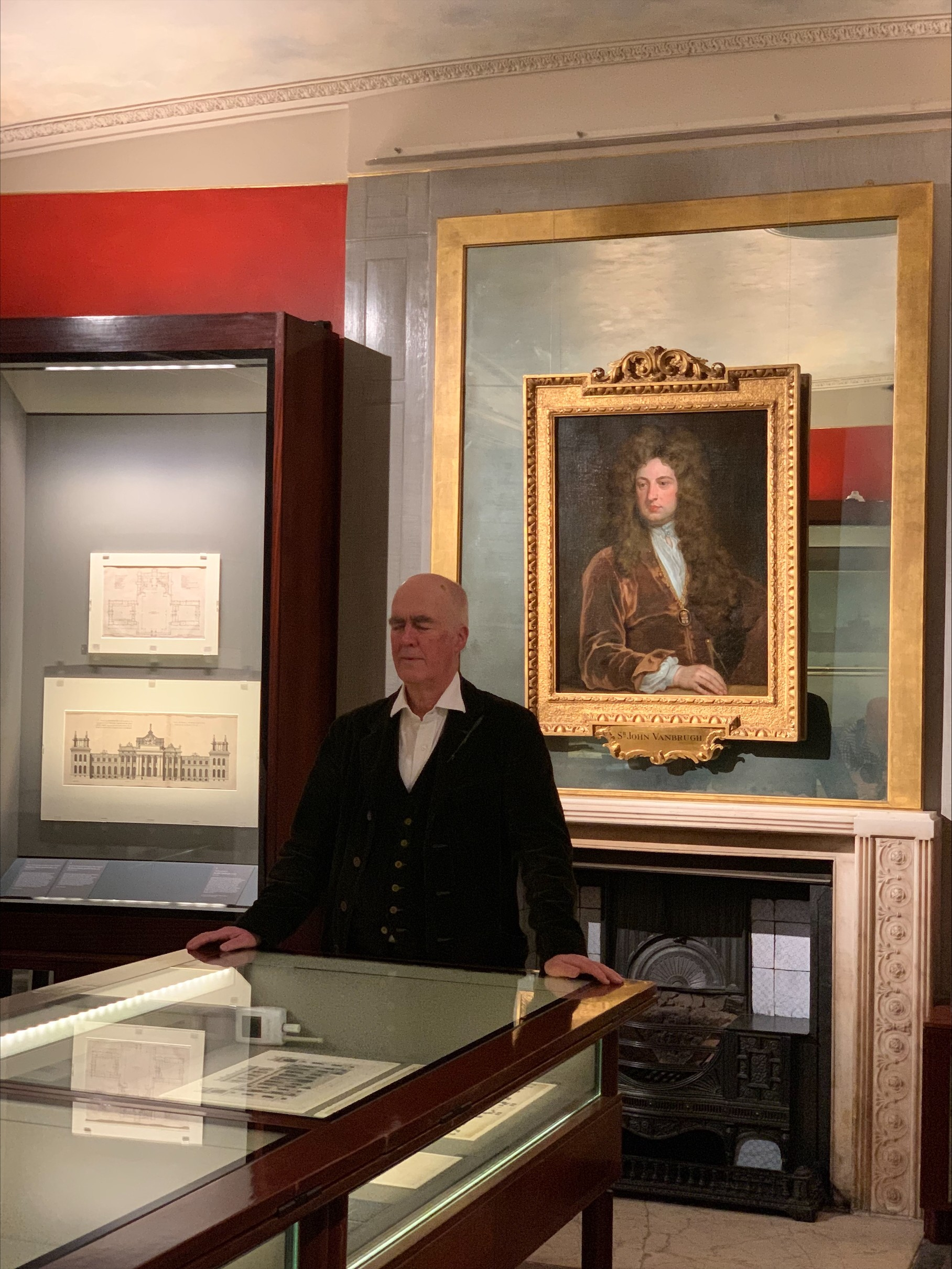
I have been reading Christine Casey’s exemplary new book, Architecture and Artifice: The Crafted Surface in Eighteenth-Century Building Practice which has just been published by the Paul Mellon Centre. It brilliantly explores the role of the craftsmen who worked under the architects, how they were instructed, how much autonomy they were allowed in the details of construction, and how much the quality of early eighteenth-century buildings lies not in the overall design, but their surface quality. Not surprisingly, she uses both Castle Howard and Blenheim as examples where the interaction between Vanbrugh as architect and the host of highly skilled builders, tradesmen, stone carvers and carpenters is relatively well documented and states correctly that, in my monograph on Castle Howard, I did not do enough to explore the role of a craftsman like Henri Nadauld who was responsible for the amazing carved capitals in the Great Hall. It’s a very good book and may encourage others to explore these questions which have been relatively neglected because of the focus of architectural historians on the agency of the architect.
It was the launch last night of Alan Bowness’s Writings 1950-2016, 602 pages of text, including a comprehensive and model bibliography beginning with a letter he wrote in his school magazine, The Gower, in July 1946 in which he wrote how ‘In these days of a general lowering of cultural standards it is a great mistake to suggest that the official magazine of a school which is proud of its progressive tradition should surrender its high standards to curry popularity’. The bibliography ends with the contribution Bowness made to a radio programme about Anthony Blunt in June 2020 (he studied art history under Blunt at the Courtauld in the early 1950s and it was Blunt who hired him to teach there in 1957 which he did up until his appointment to be Director of the Tate in 1980; one of the odd things I learned was that Blunt disapproved of Bowness inviting contemporary artists to talk to the students as if a knowledge of contemporary art practice would corrupt their understanding of history).
The book has been beautifully designed by Mark Thomson, who did a lot of work for Karsten Schubert and his publishing house, Ridinghouse. He has also designed (also beautifully) John Vanbrugh: The Drama of Architecture.
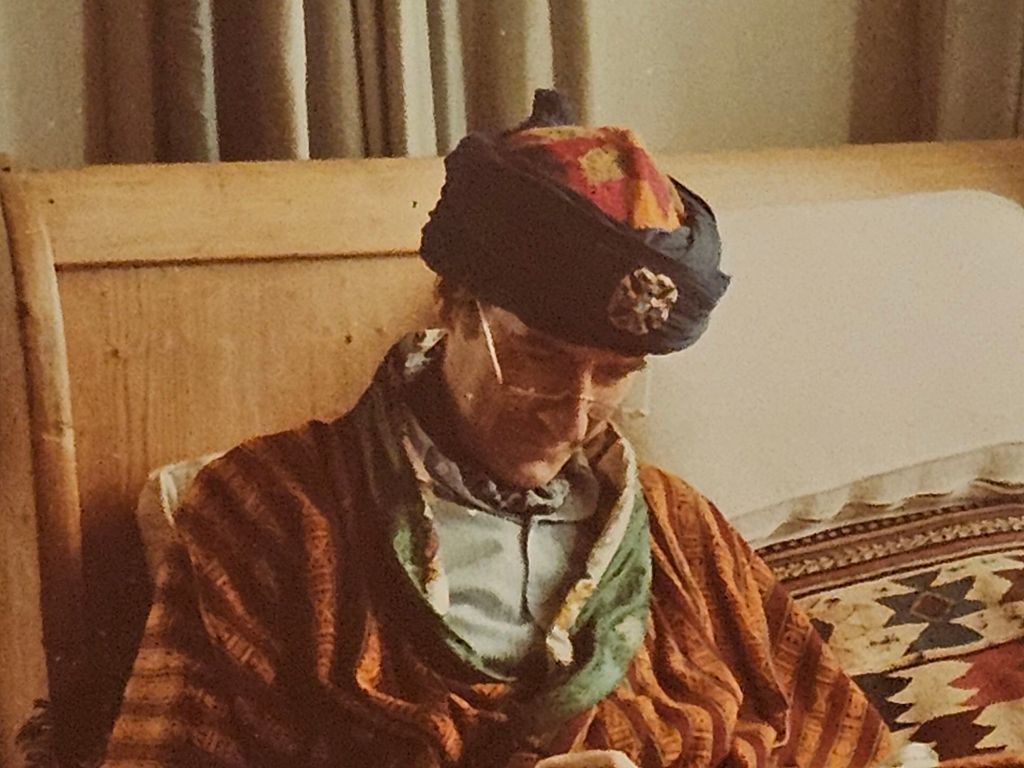
I am intrigued by the cover photograph taken in December 1968 of Bowness in his office at the Courtauld studying what looks like a black-and-white lantern slide. It was taken by a German photographer, Erhard Wehrmann and curiously replicates the photograph of Anthony Blunt by Snowdon:-
Goldsmith’s Fair gives me an annual opportunity to explore unseen bits of the City.
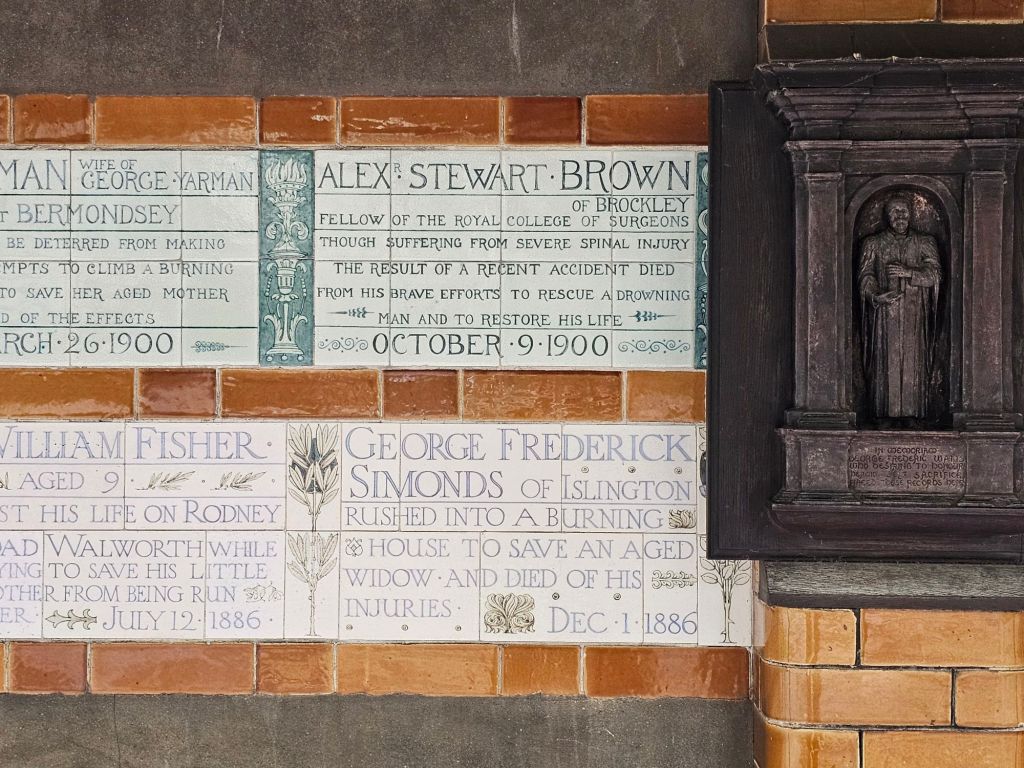
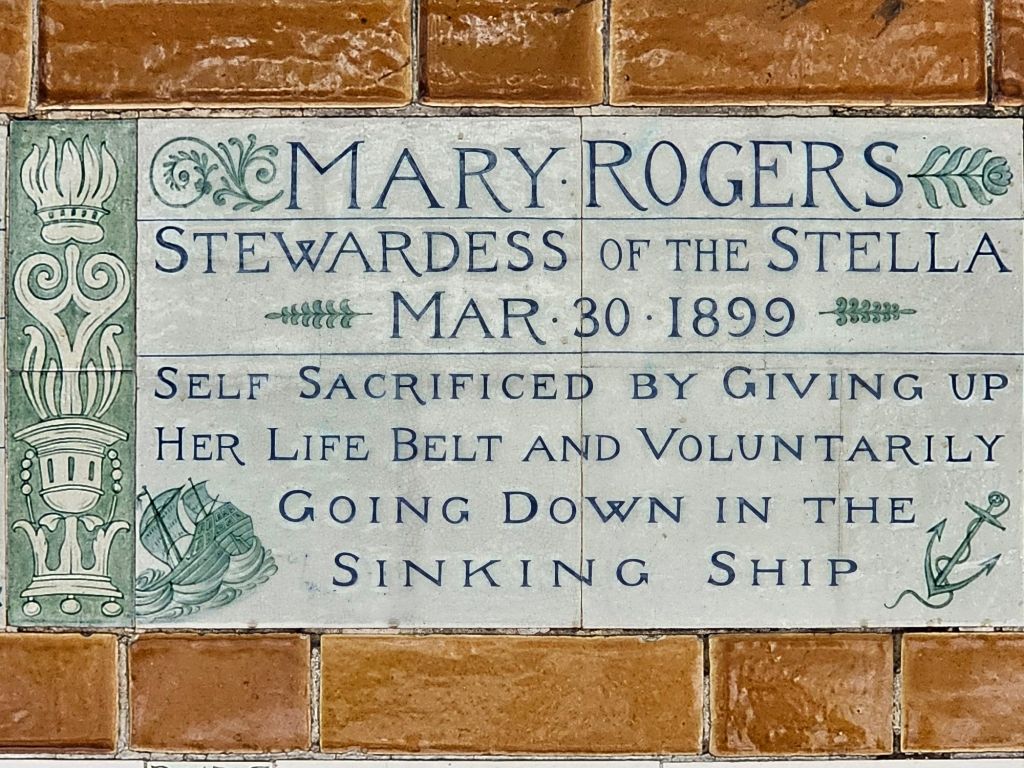
This year, I walked through Postmen’s Park which idiotically I knew about, but had never seen: G.F. Watts’s idea of commemorating the unsung heroes and heroines who lose their lives in saving the lives of others.
It’s just next door to Little Britain, itself a good Victorian streetscape:-
I found the memorials both charming and moving, the unseen.
















You must be logged in to post a comment.