
Goldsmith’s Fair is a bit of a marathon for the exhibitors and Romilly’s exhibition was made possible by Karolina Brodnicka, who is herself a very talented jeweller and was indefatigable in overseeing everything with charm and enthusiasm:-
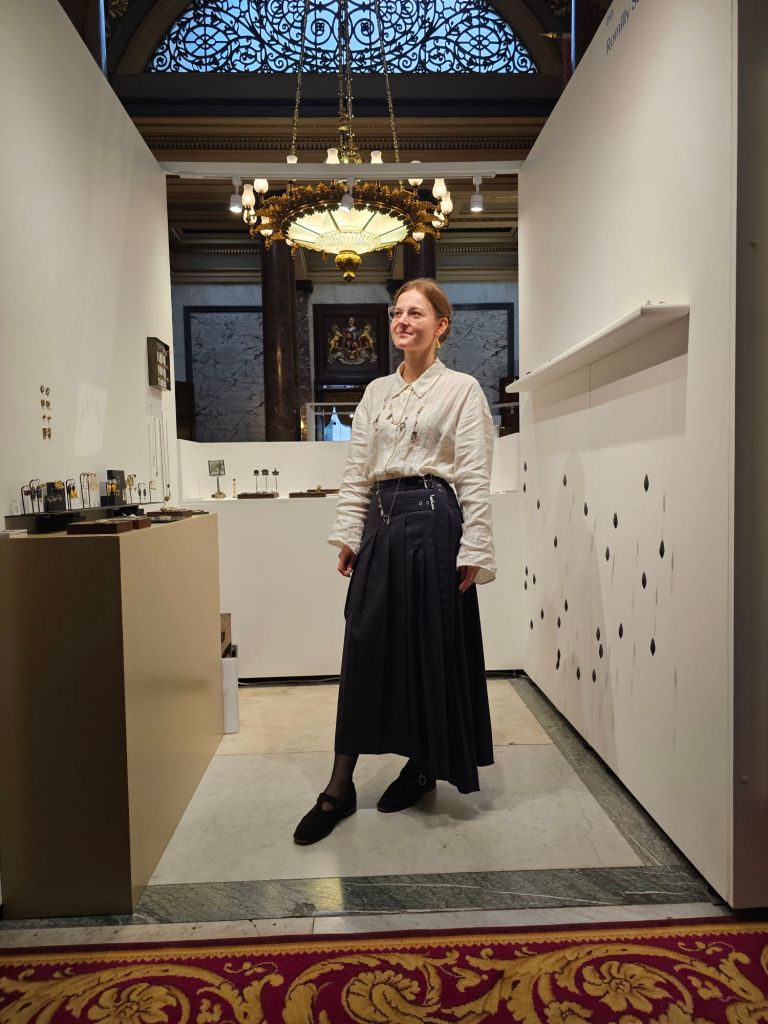
Goldsmith’s Fair is a bit of a marathon for the exhibitors and Romilly’s exhibition was made possible by Karolina Brodnicka, who is herself a very talented jeweller and was indefatigable in overseeing everything with charm and enthusiasm:-
Annette Rubery has now posted her recording of our discussion about Vanbrugh if you want something to listen to while cooking. It’s quite a bit longer than the transcript:-
Back in August, I had a very enjoyable and interesting conversation with Annette Rubery, a writer and literary scholar who is herself writing a book about Vanbrugh and his circle, provisionally entitled British Enchanters: John Vanbrugh, his friends and the theatre which changed a nation.
She has just published a record of our conversation on her Substack called The Lichfield Rambler:-
One of the pleasures of visiting the Stephen Schwarzman Centre for the Humanities is that it enables a good view of the Radcliffe Observatory immediately to its north, a fine a neoclassical building, originally designed by Henry Keene in 1772, who was displaced by James Wyatt the following year who added a free version of the Tower of the Winds on top:-

I spent the morning touring Oxford’s new Stephen Schwarzman Centre for the Humanities which opened to the public a couple of days ago and is already surprisingly well inhabited, full of people making use of its generous ground-floor public space.
The building was designed and planned by Andrew Barnett of Hopkins Architects.
From outside it is pretty reticent, as if it was a homage to Herbert Baker (ie gently classical, trying hard to sit comfortably in Oxford’s classical tradition).
From the south:-
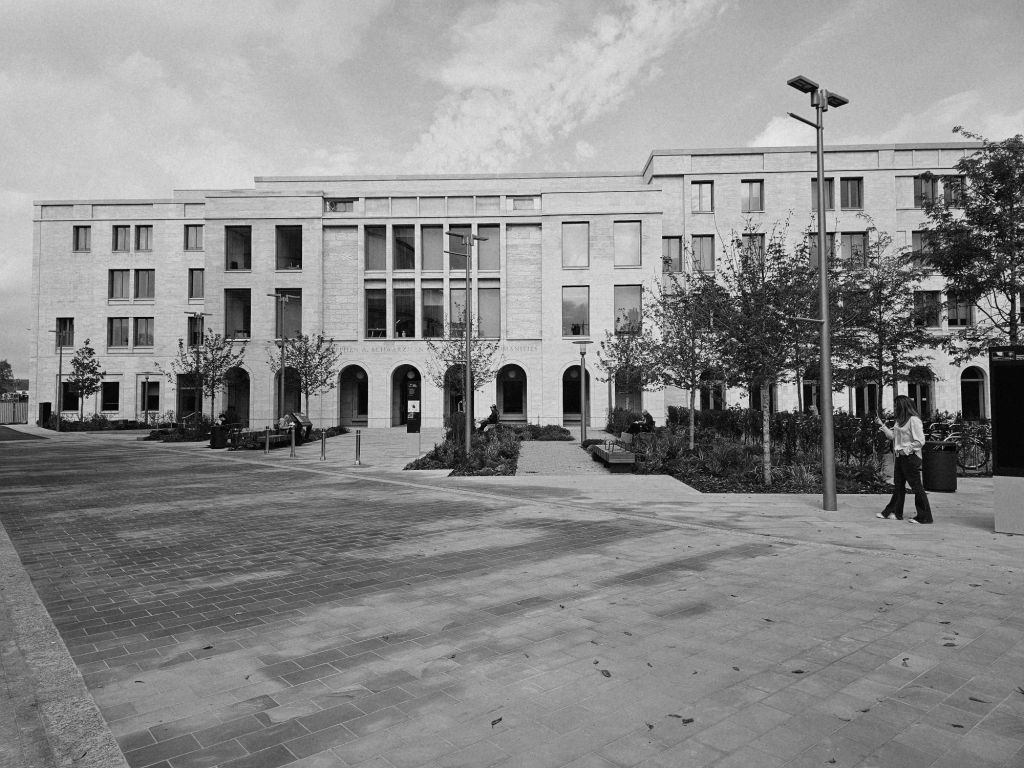
From the north:-

And from the side which demonstrates the depth of the building from north to south:-

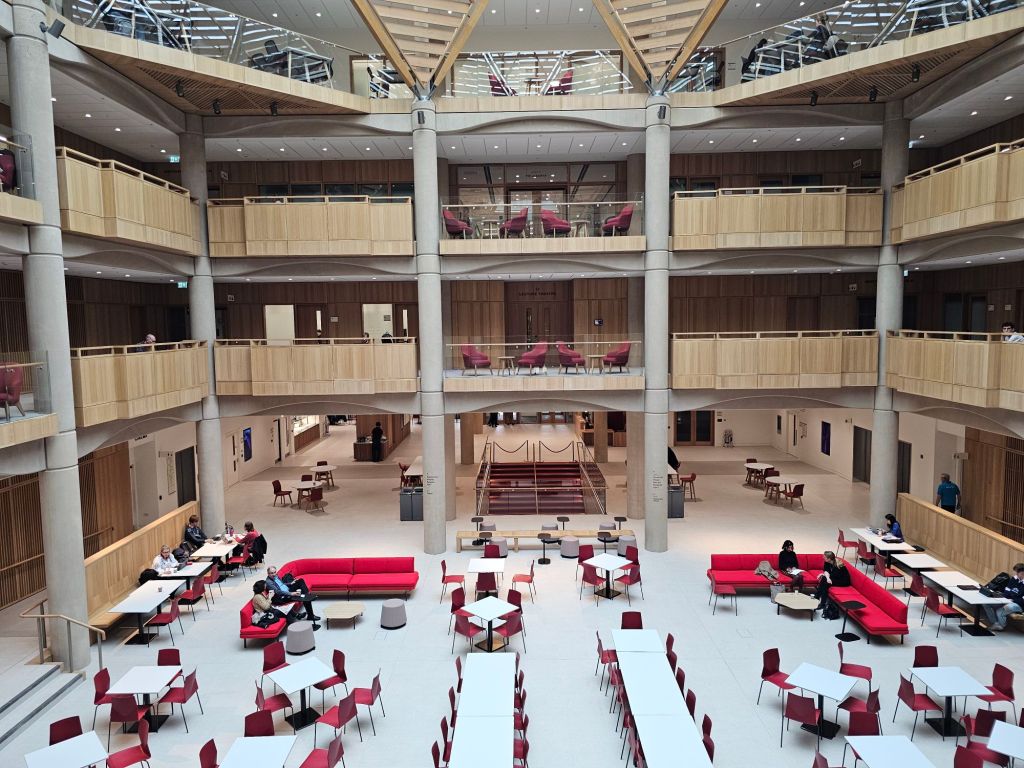
Inside is very different: comfortable and spacious, full of spaces to sit and work, including part of the Bodleian’s humanities collection and space for the Bates collection of musical instruments:-
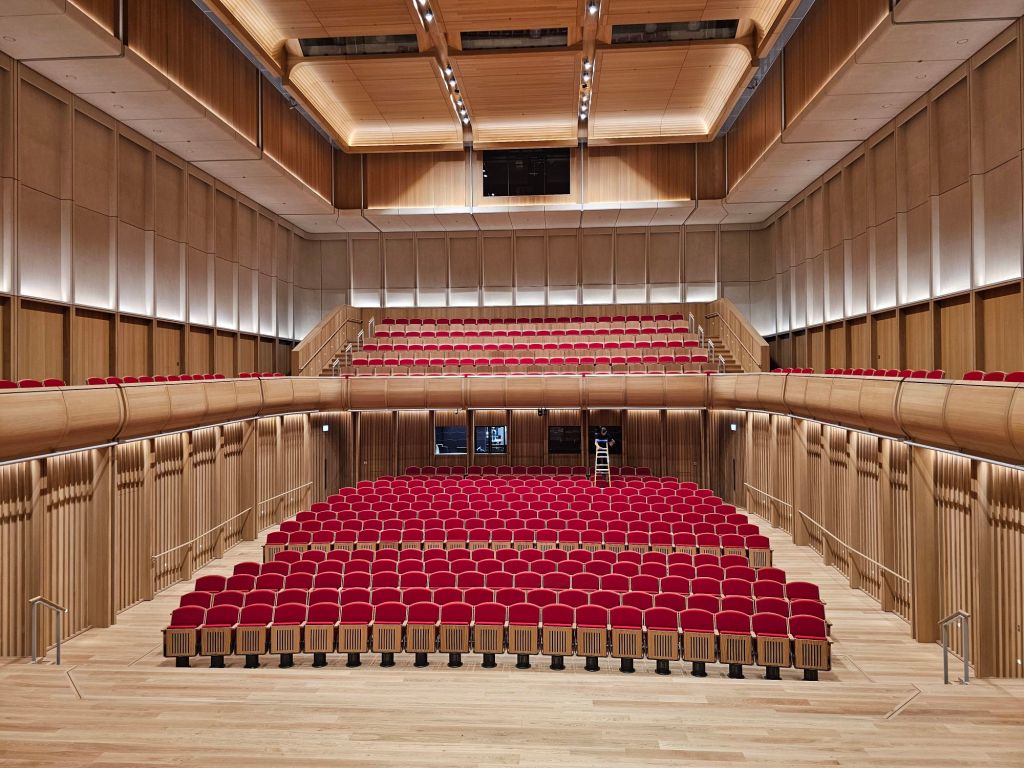
In the basement is an amazing 500-seat concert hall:-
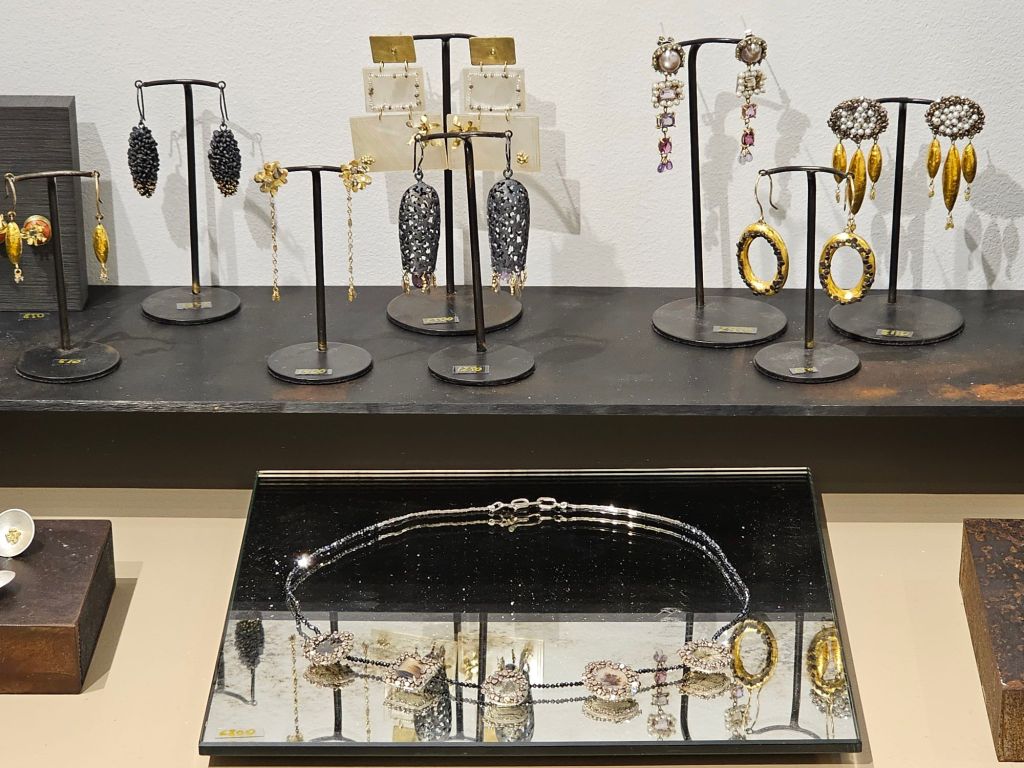
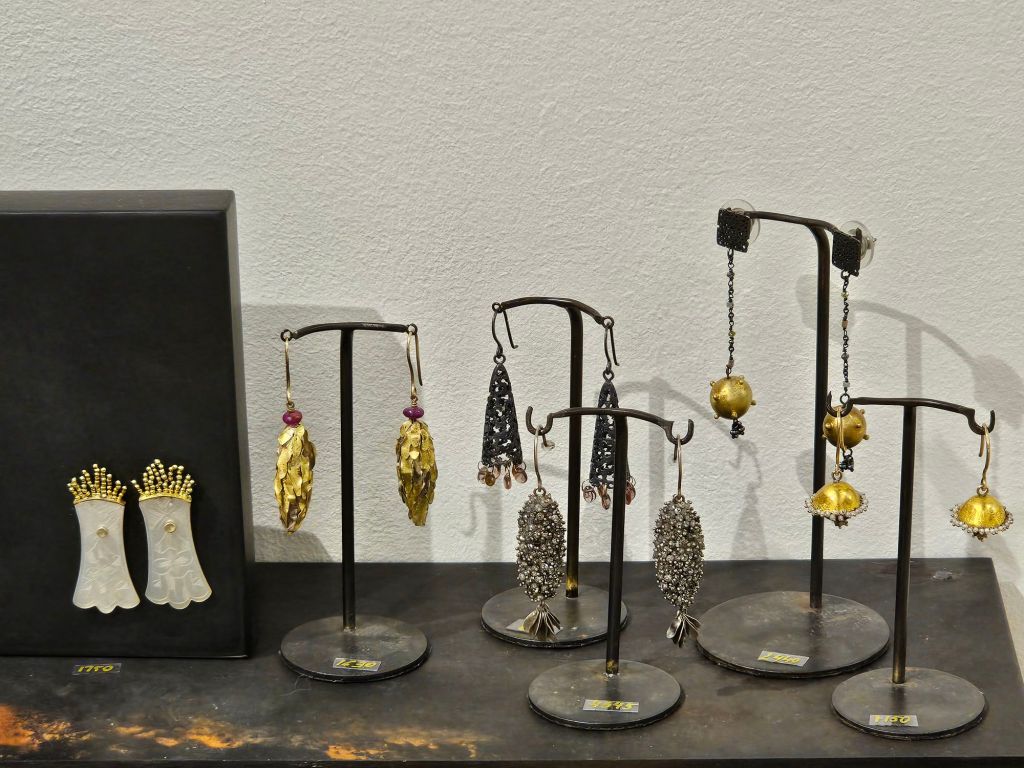
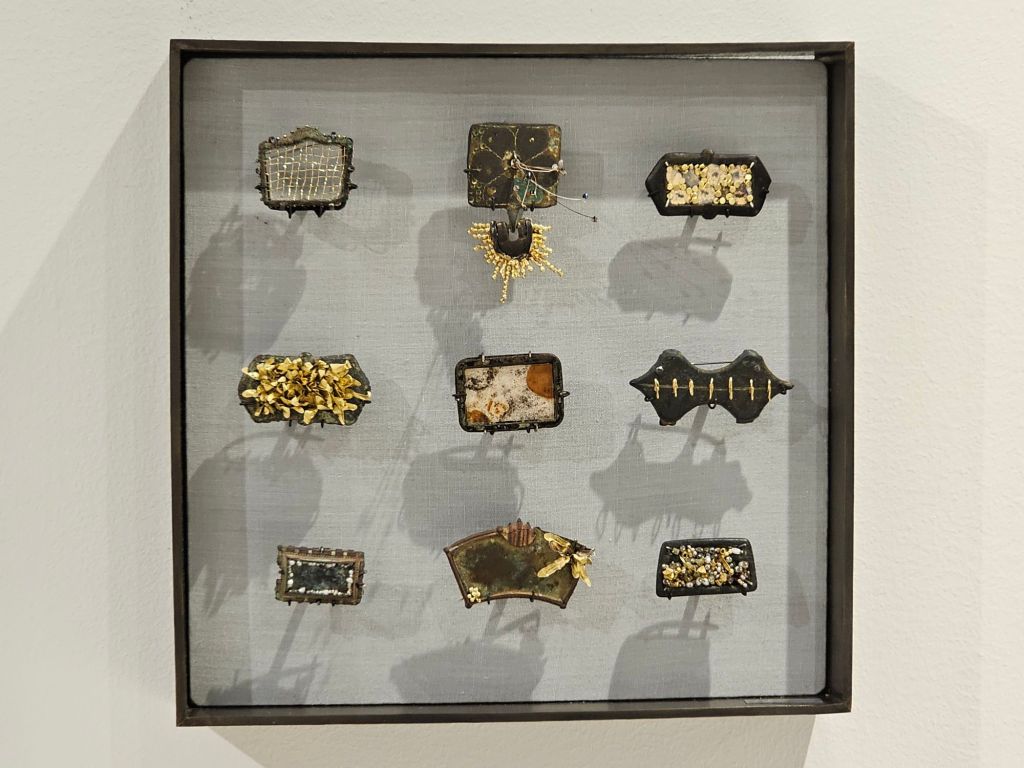
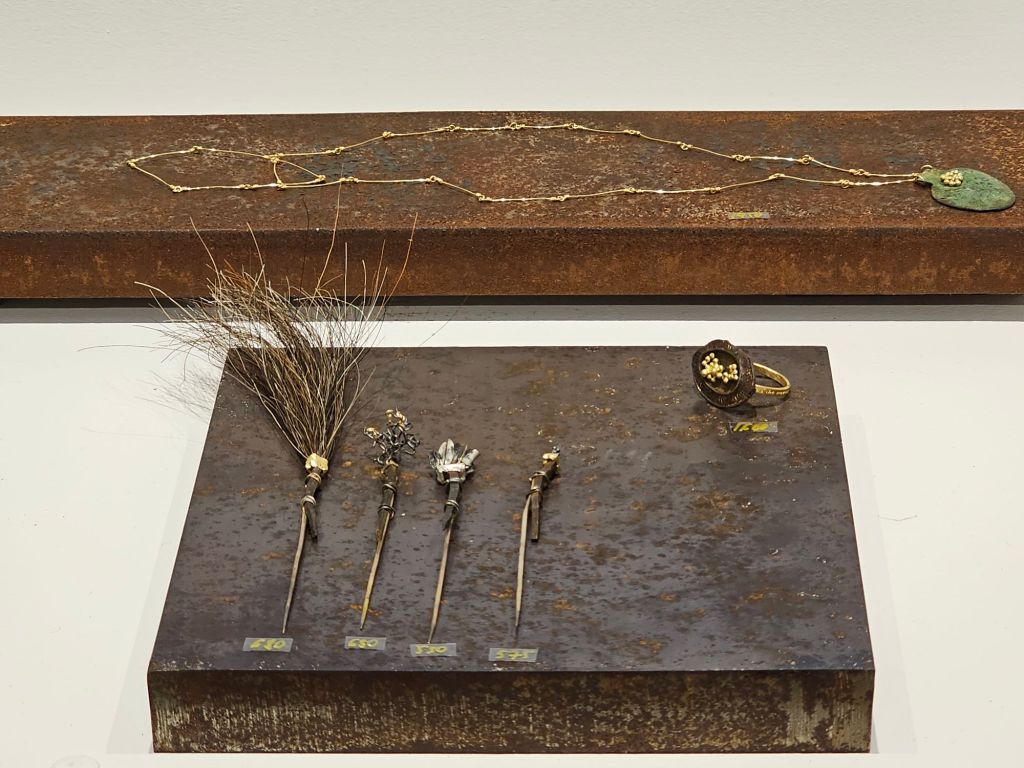
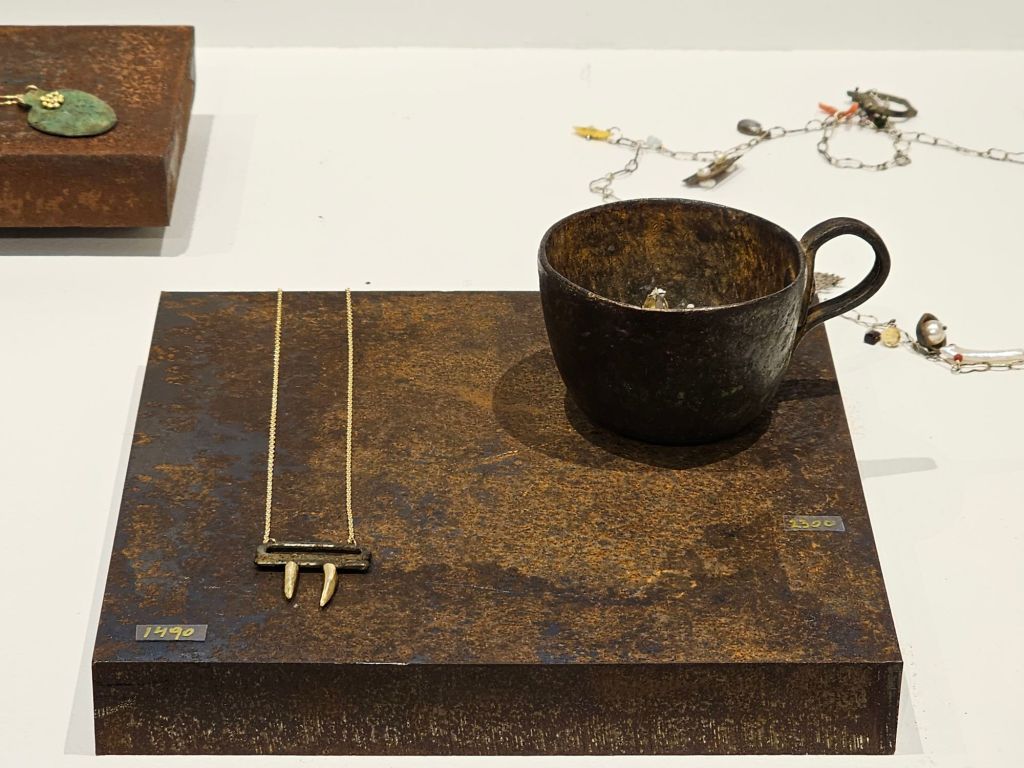
It’s the first public day of the second week of this year’s Goldsmiths’ Fair in which Romilly is showing her work in a small booth (Stand 66) at the top of the left-hand stairs:-
I’m sorry to see that Terry Farrell has died, coincidentally in the same month as Nick Grimshaw, with whom he worked closely for fifteen years, but whose paths diverged very radically thereafter, so much so that it was hard to imagine that they had ever worked together.
In finding out more about Farrell for an article about the Farrell Centre (see below), I found a rather touching quotation about how they had first met in 1961:
For the first few days at the LCC, the architect at the neighbouring desk said not a word to me, nor I to him. Eventually I mentioned my dissatisfaction with the organisation of the office, and he expressed his sympathy and suggested we talk over lunch. That marked the beginning of my close friendship with Nicholas Grimshaw. Together we formed a maverick but pretty insignificant unit within the vast bureaucratic set-up of this local government organisation. Nick was working on the Crystal Palace recreation ground, while I was given a job of my own: the Blackwall Tunnel buildings, which engaged me with the Thames, a new river crossing and the renewal of East London.[1]
https://thecritic.co.uk/issues/june-2023/a-bid-to-inspire-future-architects/
[1] Terry Farrell (London: RIBA Publishing, 2020), p.25.
I have been reading James Fox’s new book Craftland: A Journey Through Britain’s Lost Arts and Vanishing Trades, a wide-ranging and well-written exploration of mostly, but not exclusively rural industries which employ craft skills: dry stone walling: thatching; coppicers; Felicity Irons, a rush weaver; the wheelwrights and tanners of Colyton. Not surprisingly, I was particularly interested in his good account of Taylors, the last remaining bell foundry in England, based in Loughborough; and by the speed and scale of the loss of metal-working trades in Sheffield, which seem to have been allowed to disappear without much effort to protect them. I’m not convinced that Lida Cardozo Kindersley belongs in this company, being much better known and practising a skill which is not about to vanish. But cumulatively the book demonstrates the importance of craft skills and both their economic and social value. But many of them have already pretty well gone.
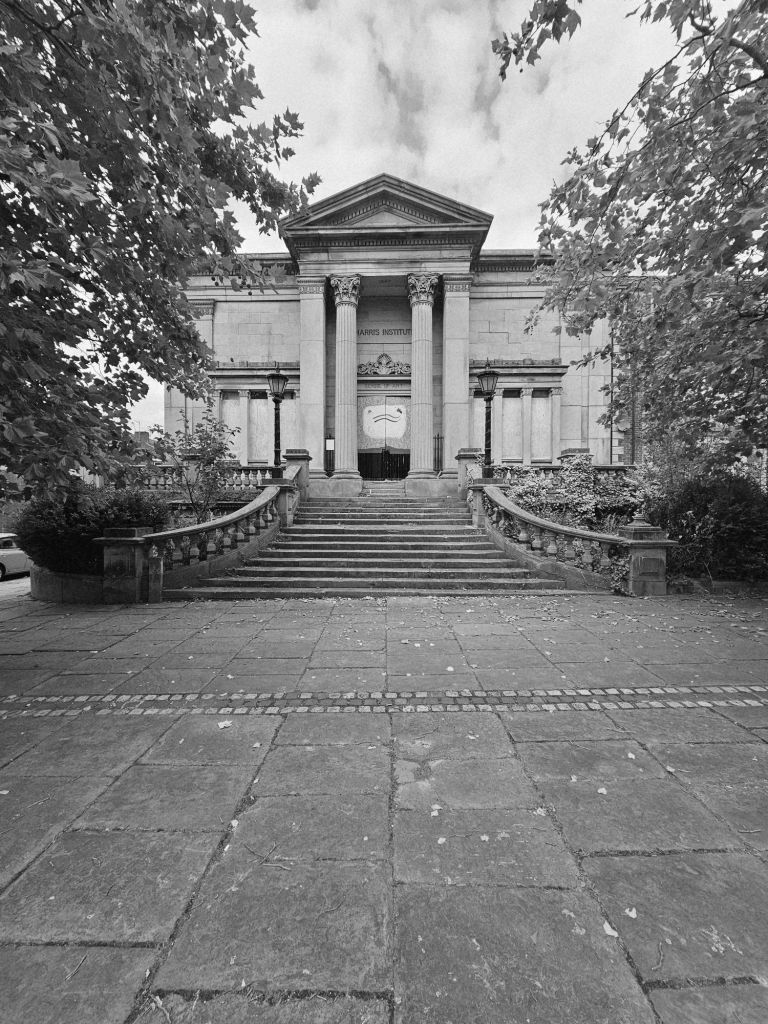
I was in general impressed by the way Preston has retained so much of its Victorian urban fabric, particularly the brick housing round Winckley Square and south to Avenham, including the Harris Institute:-
I was intrigued by a comment by Pevsner – ‘it is curious that some people should have moved on recently to a nostalgia for the grimmer aspects of Victorian architecture’ (p.198 1969 edition).
Look at the entrance to Sainsbury’s, converted from a Victorian bank in 2014:-



You must be logged in to post a comment.