One of the more fascinating bits of recent writing about Brexit was the piece by Andrew Roberts in the Mail on Sunday which compared the supposed heroism of Boris Johnson in his plan to thwart both the law and the will of parliament to the actions of John Hampden in refusing to pay Ship Money, the Sons of Liberty in opposing George III and, most unbelievably, Mahatma Gandhi, as if Johnson belongs to a long line of great opponents of state rule and historic injustice. But he is not an insurgent, nor so far as I can see a rebel. He is Prime Minister of what was Great Britain. I don’t see him as a great defender of injustice, but someone who has been, unlike them, conspicuously and consistently amoral, without very obvious values and almost completely self-interested.
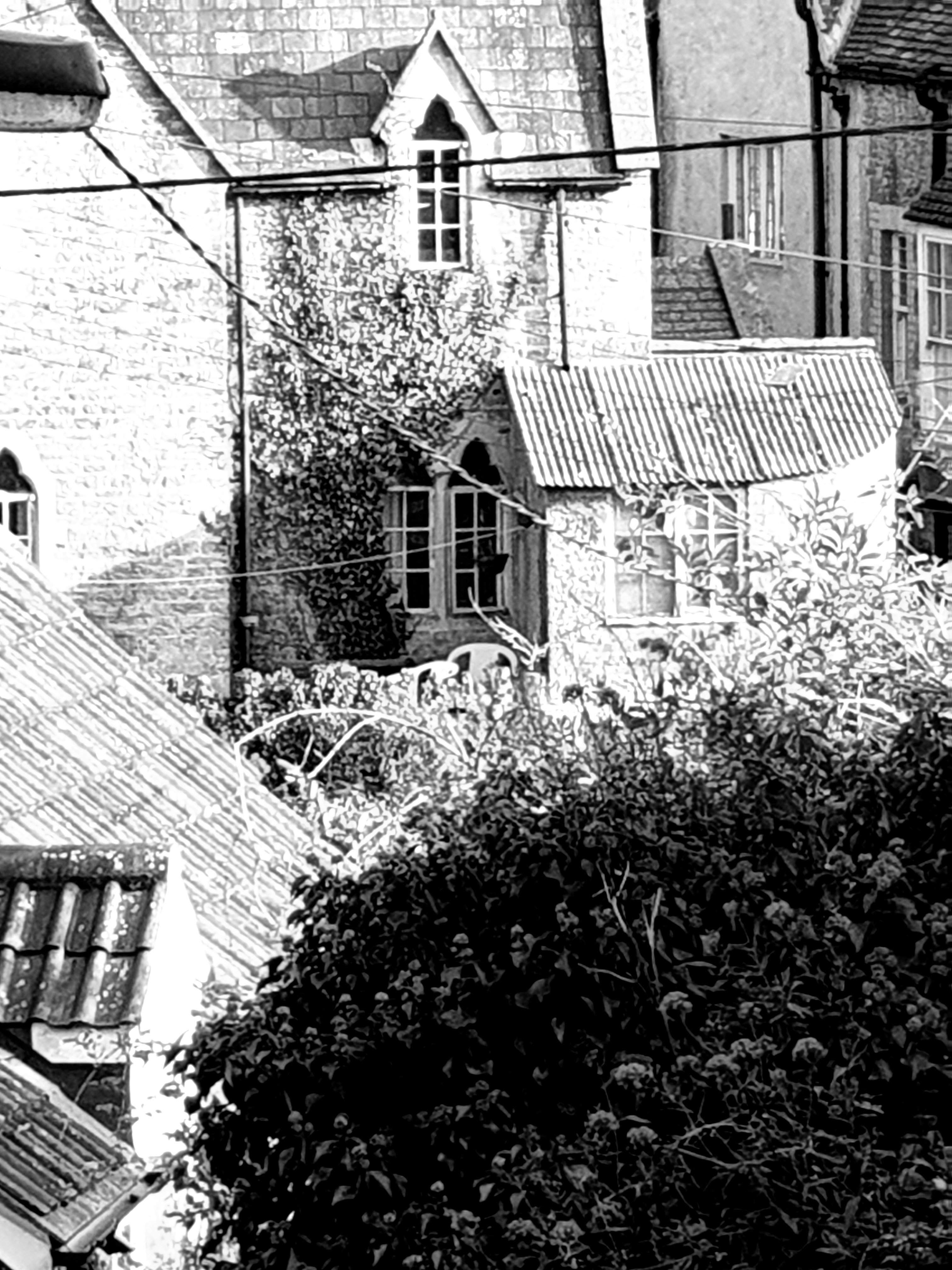
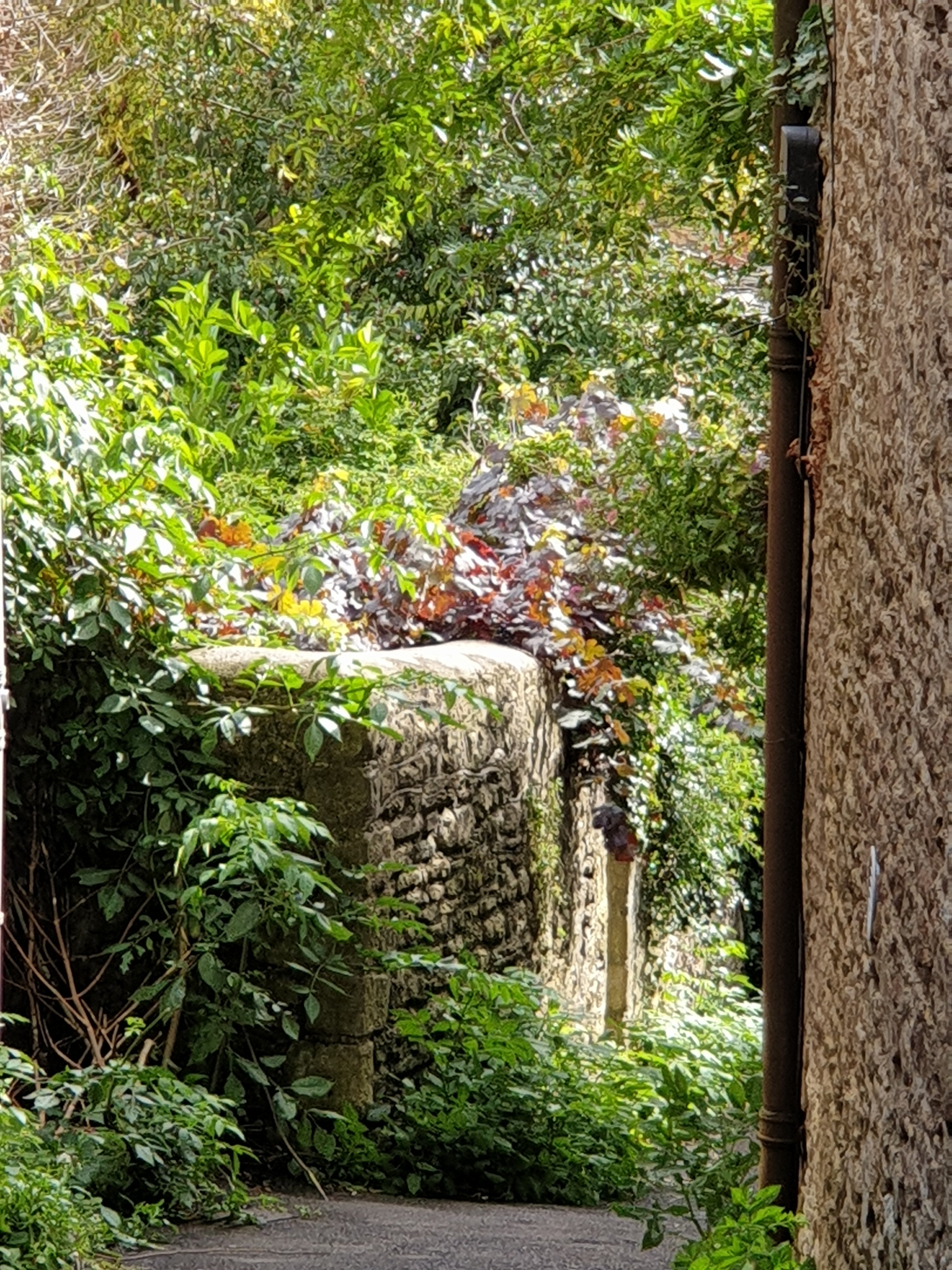
I like Bruton, with its still medieval character thus far surviving the onslaught of metropolitanisation and its long, one way high street with old shops, occasional Georgian houses and a museum that is so seldom open that I have never visited. There are small passageways which lead down steeply to the River Brue:-
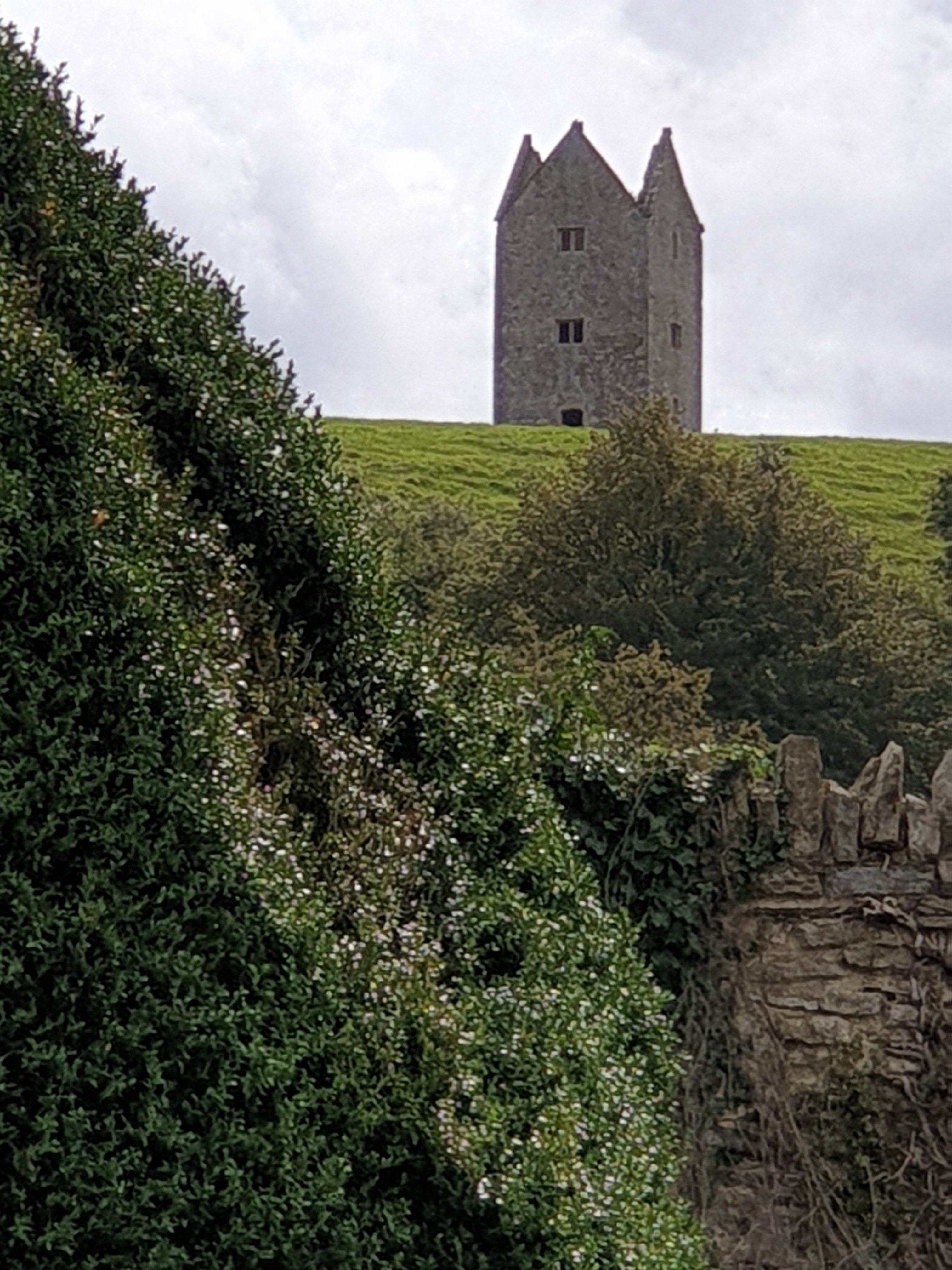
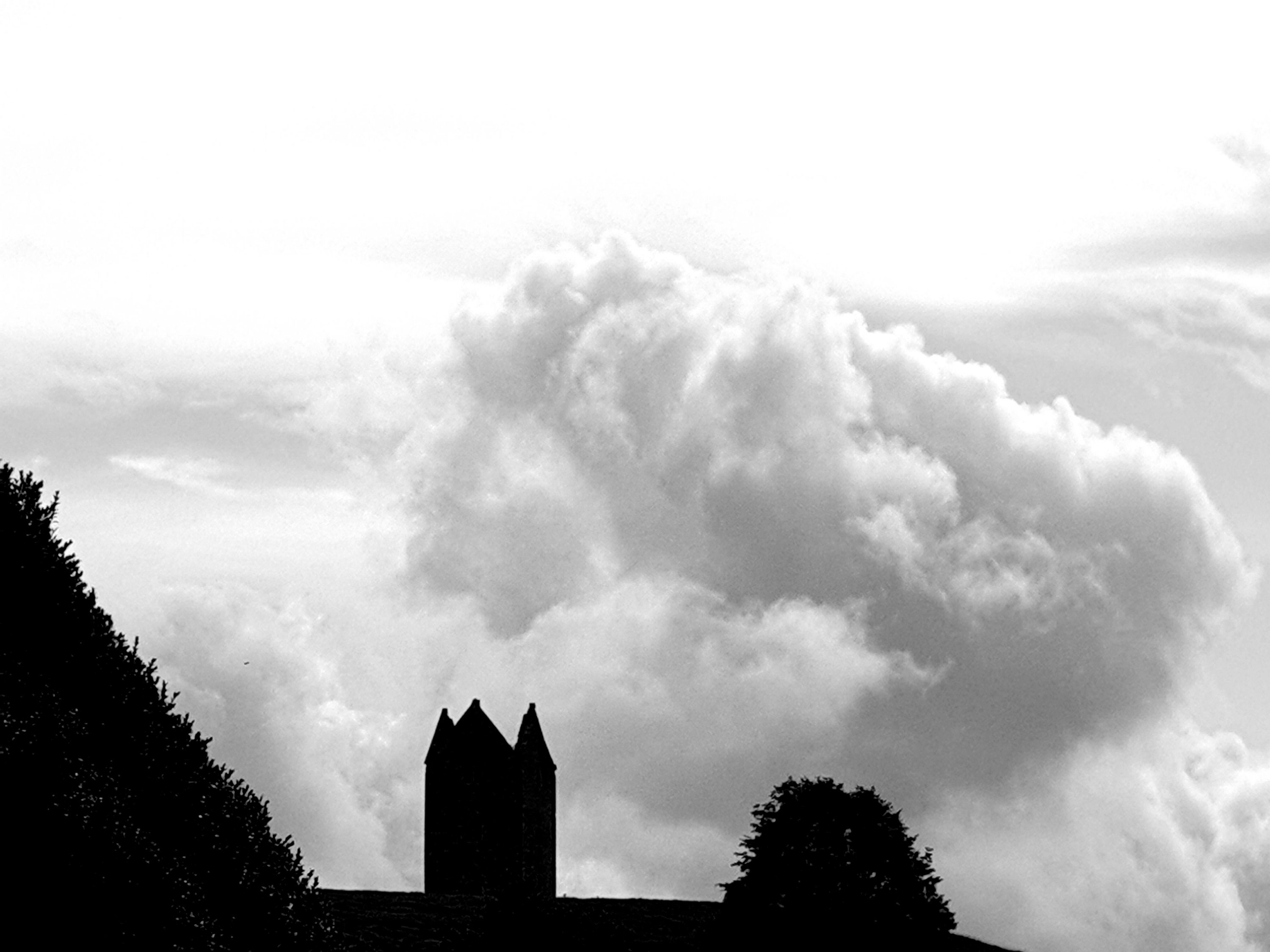
On the skyline is the dovecote, thought to have been built as an eyecatcher for the Berkleys, the local grandees:-
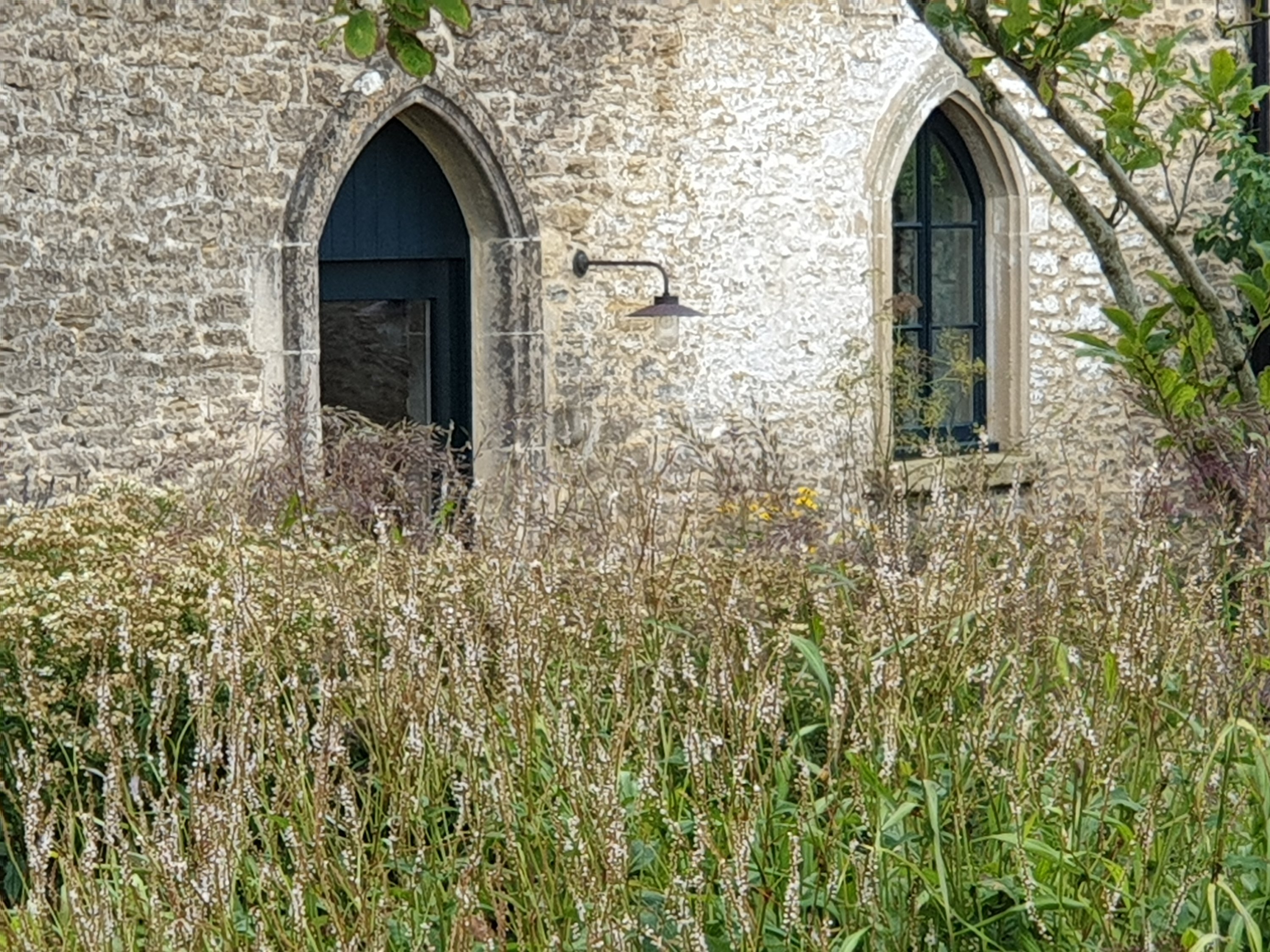
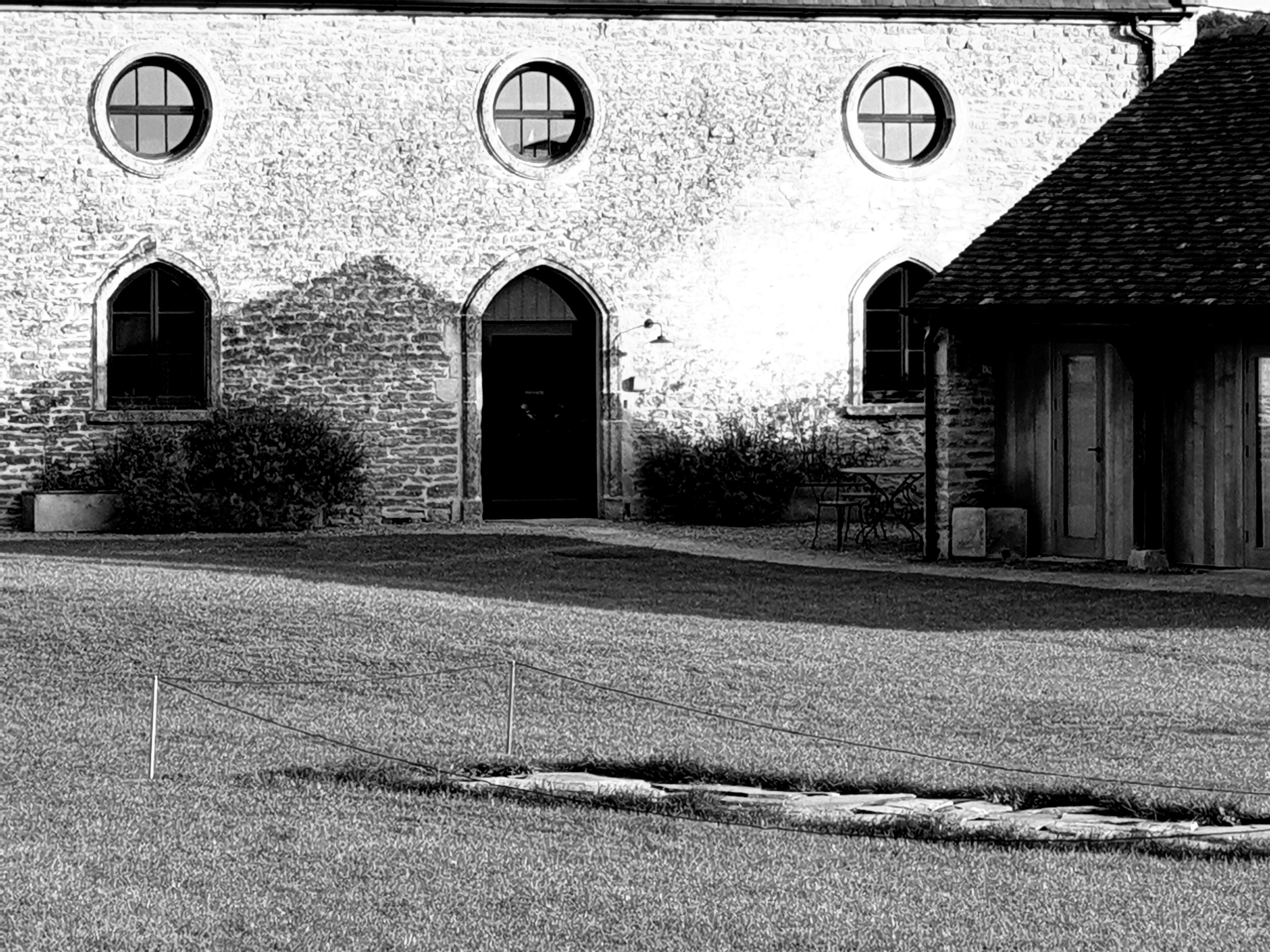
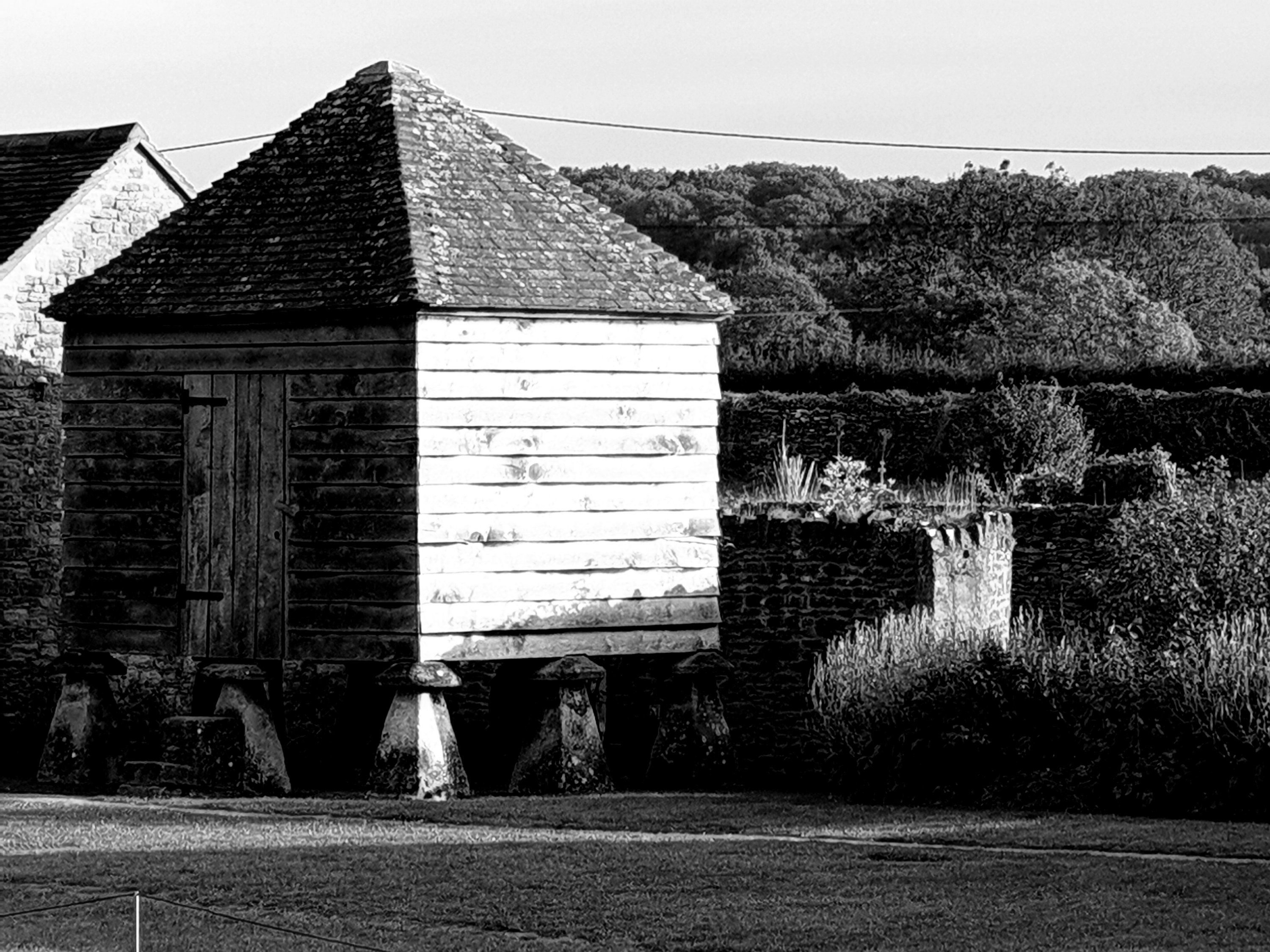
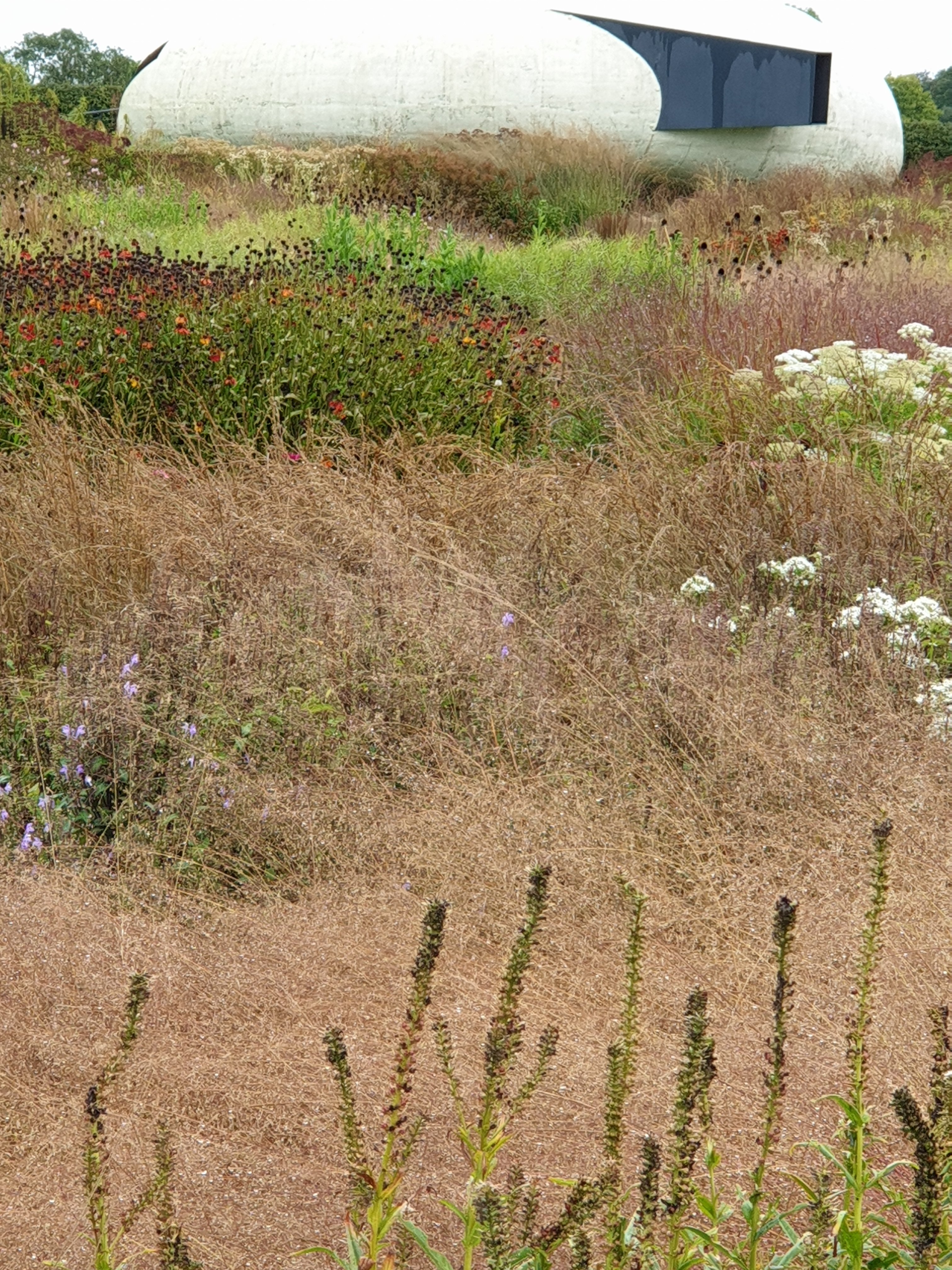
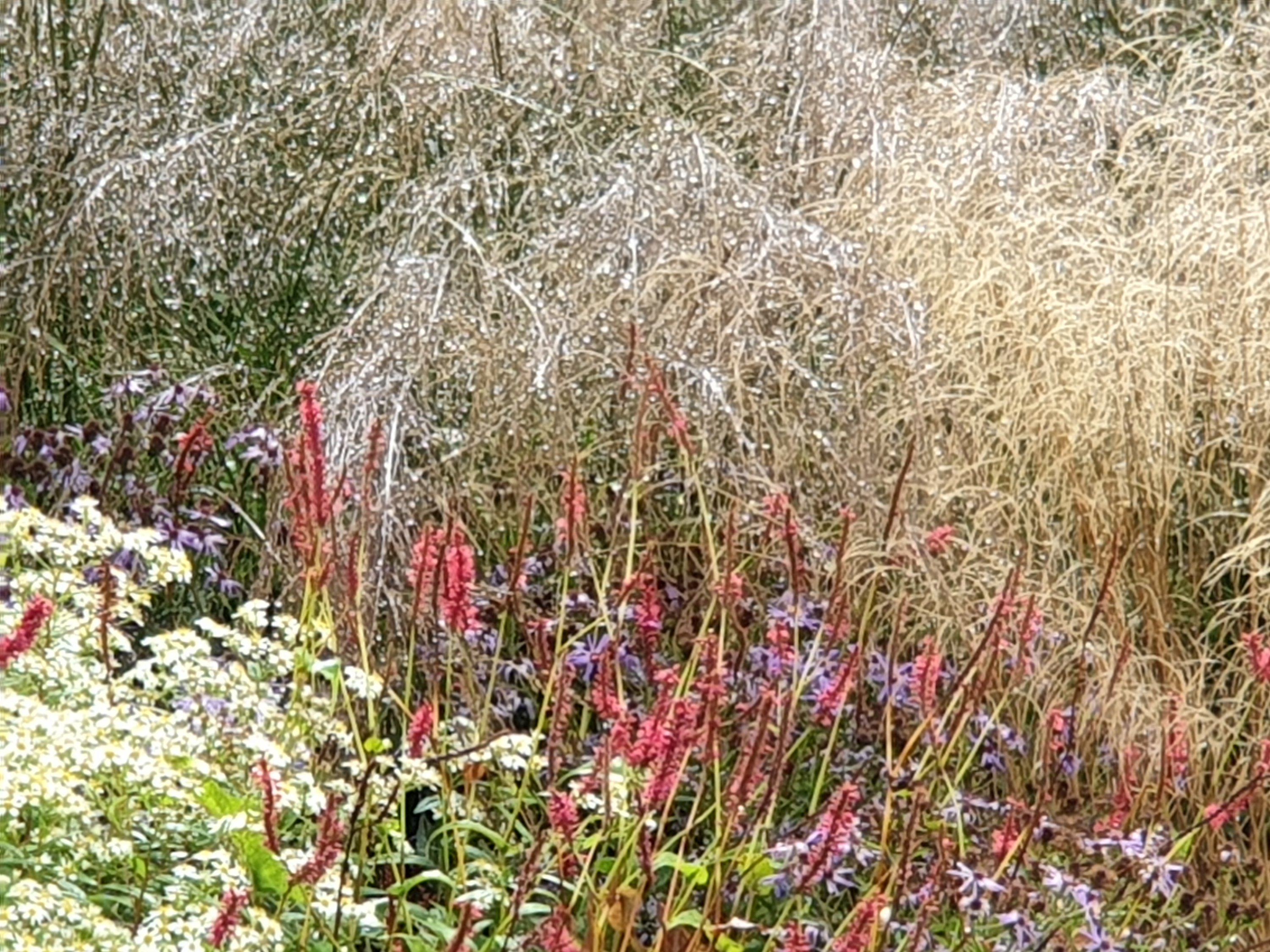
We have stayed in Durslade Farmhouse before, the eighteenth-century farm, although not at all eighteenth-century in style, even in spite of the possible involvement of Nathaniel Ireson. It lies at the heart of Hauser & Wirth’s establishment – gallery, Piet Oudolf garden and Roth Bar and Grill – outside Bruton, with murals in the dining room by Guillermo Kuitca.
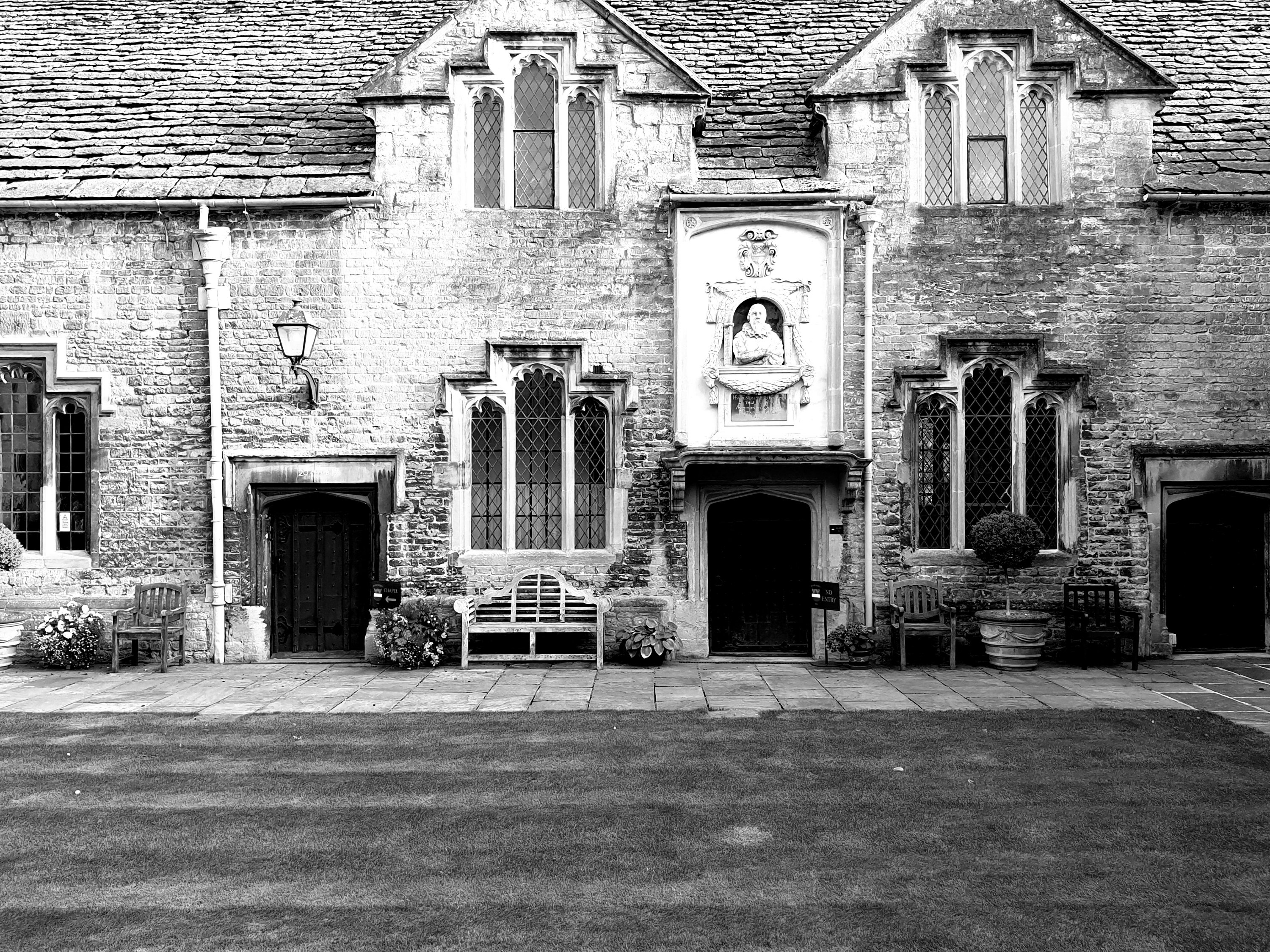
We walked down to the courtyard of Sexey’s Hospital, where they were selling home-grown tomatoes, and were able to admire the fine space of the courtyard, built in 1638 on the instructions of Hugh Sexey’s trustees following his death in 1619. Sexey was a local boy made good, educated at the local Free School, who became a royal auditor in the Exchequer of Queen Elizabeth and King James, thereby accumulating a good fortune through fees, revenues and other property transactions. He is commemorated with a bust and inscription, both now worn:-
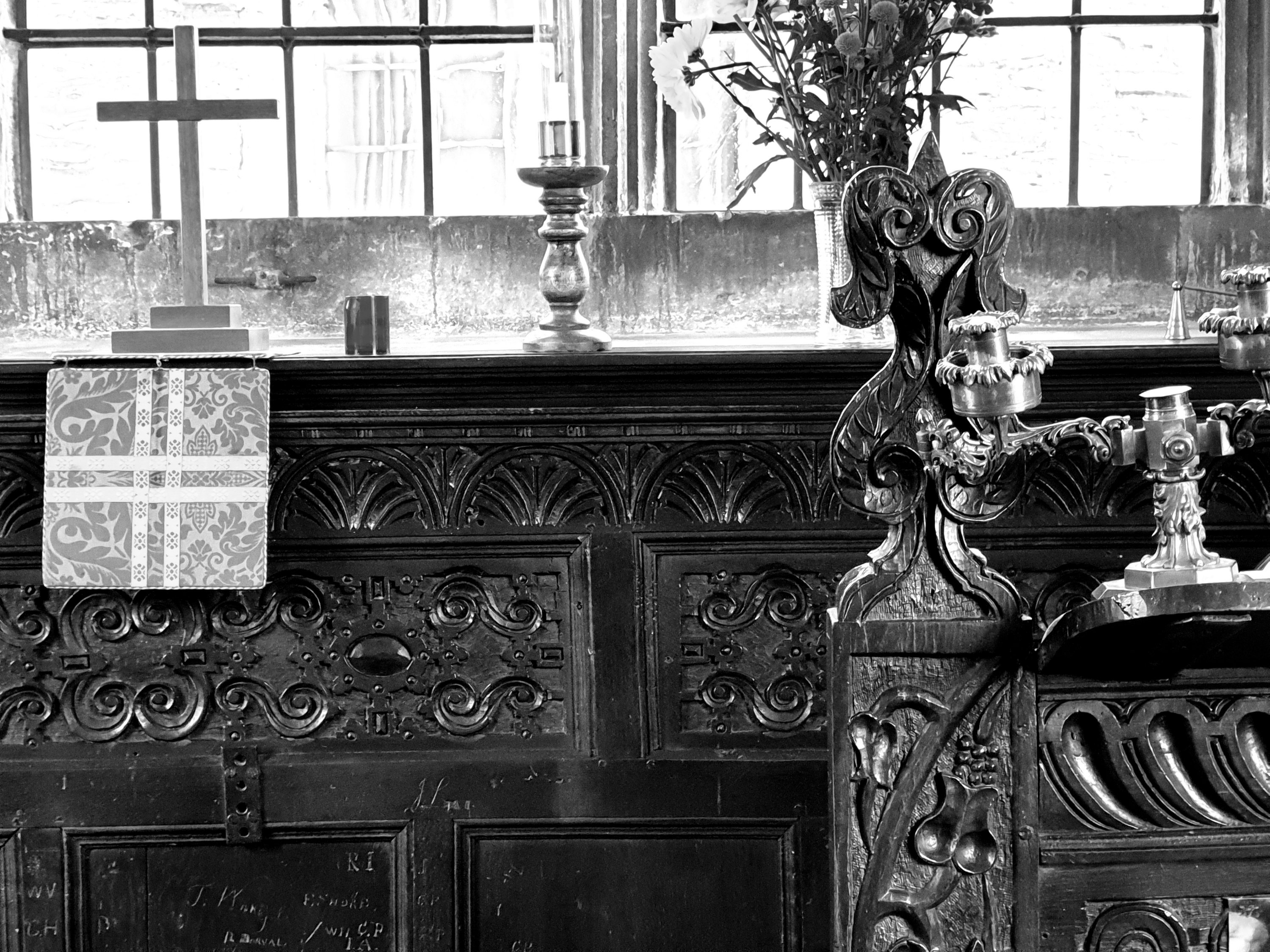
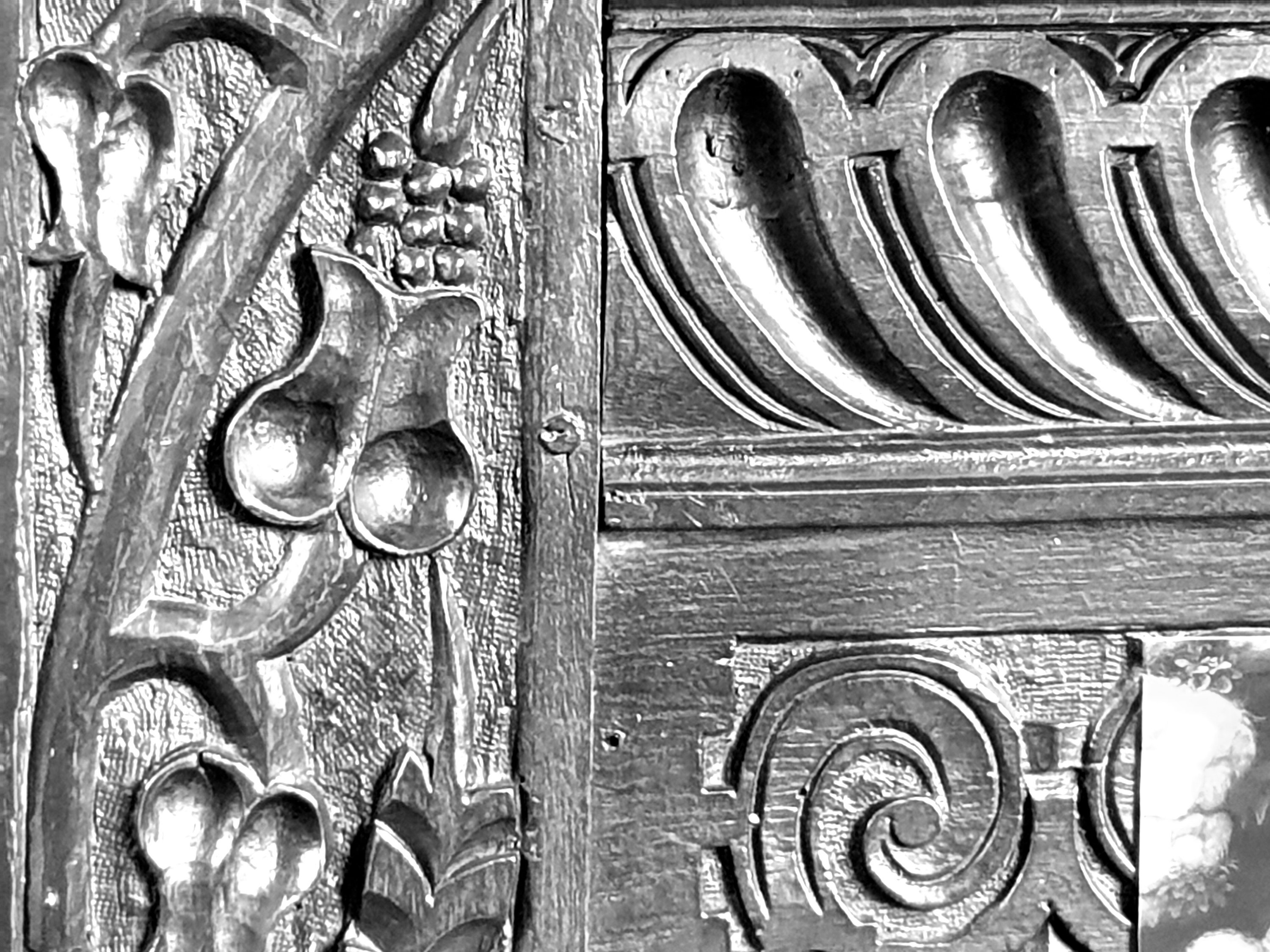
The chapel has wonderful seventeenth-century woodwork:-
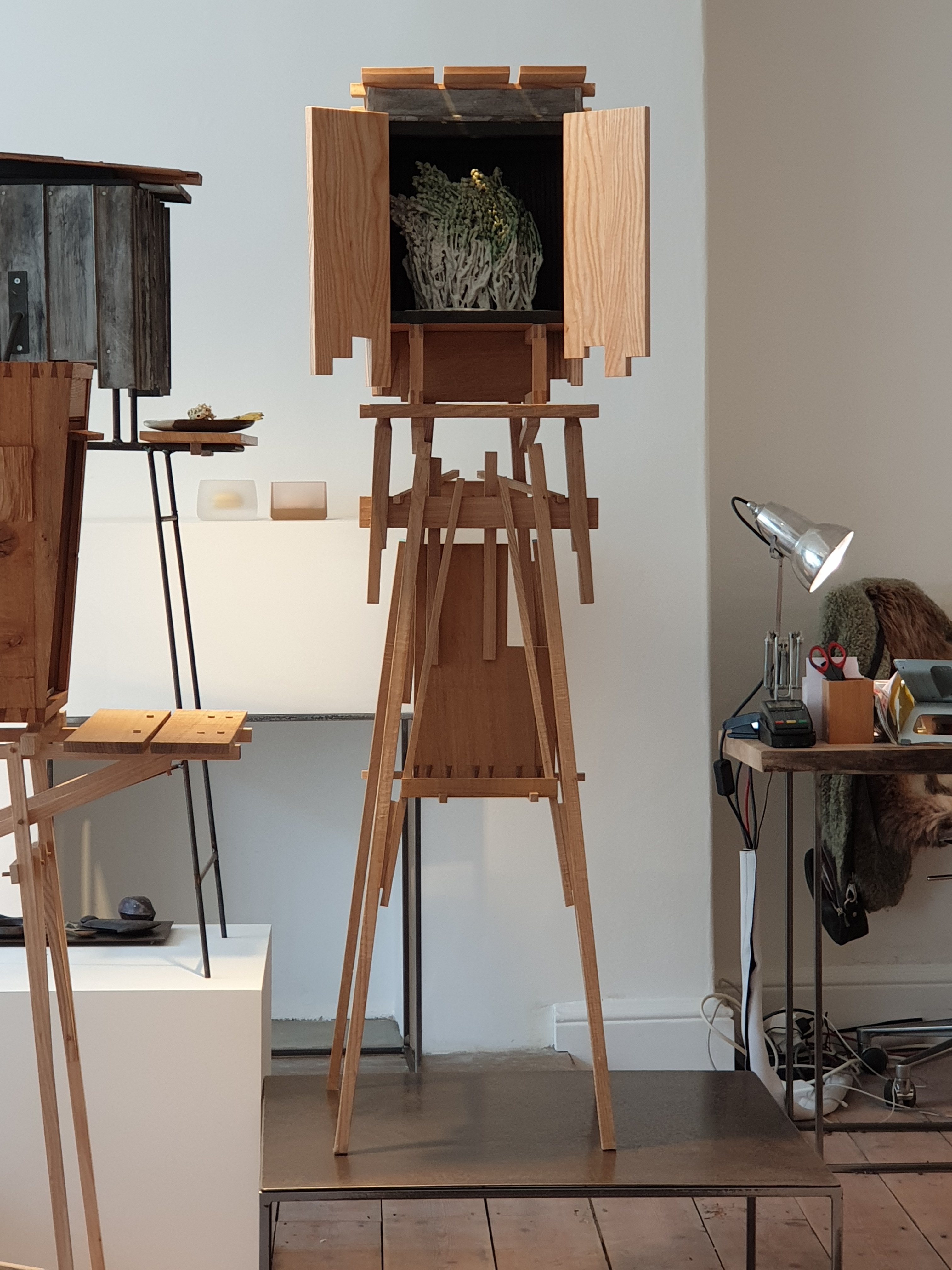
We called in at Make, the Hauser & Wirth gallery in the High Street in Bruton which has an exhibition of deliberately makeshift cabinets by David Gates, half highly finished and detailed, half home-made constructions:-
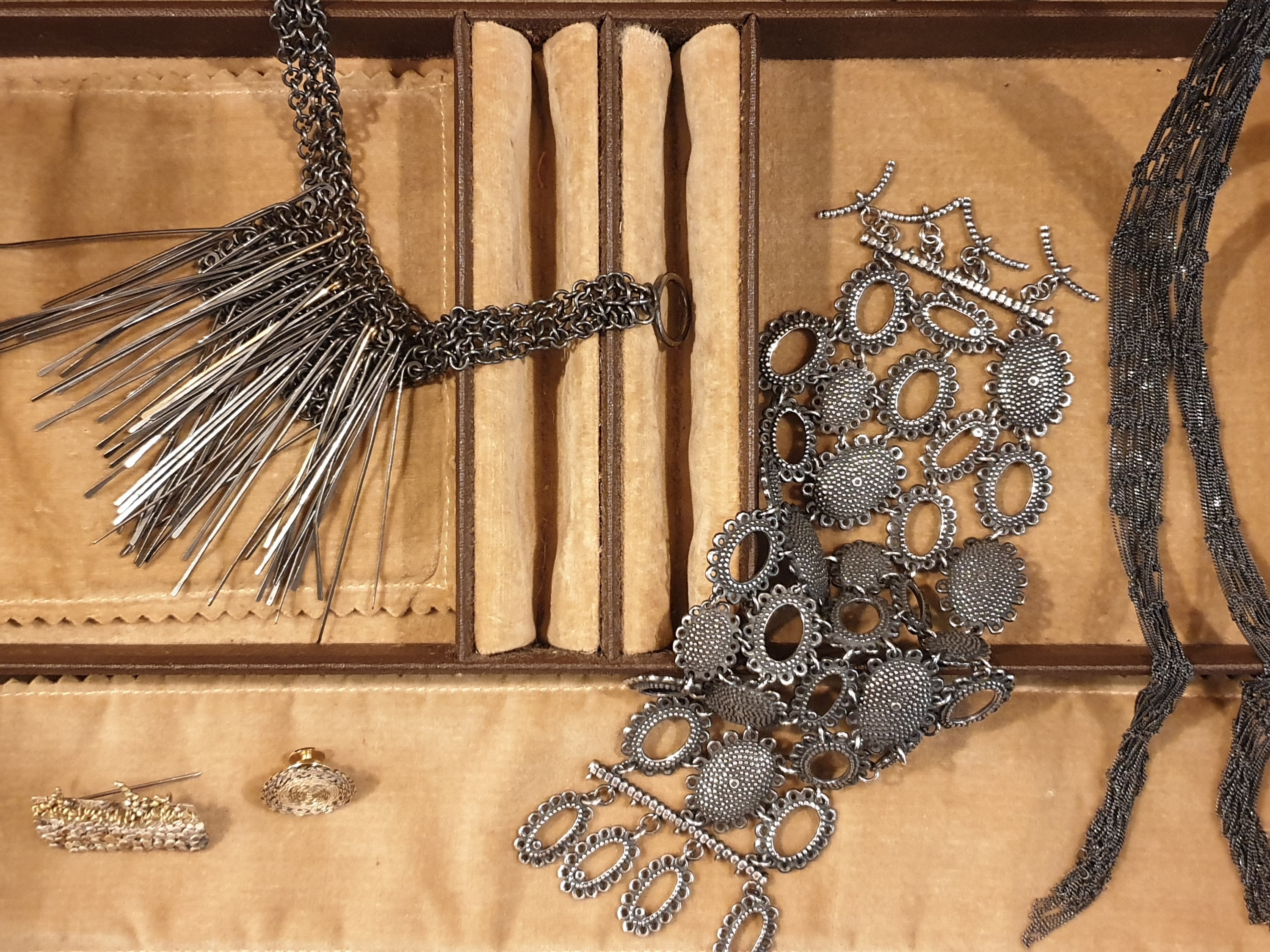
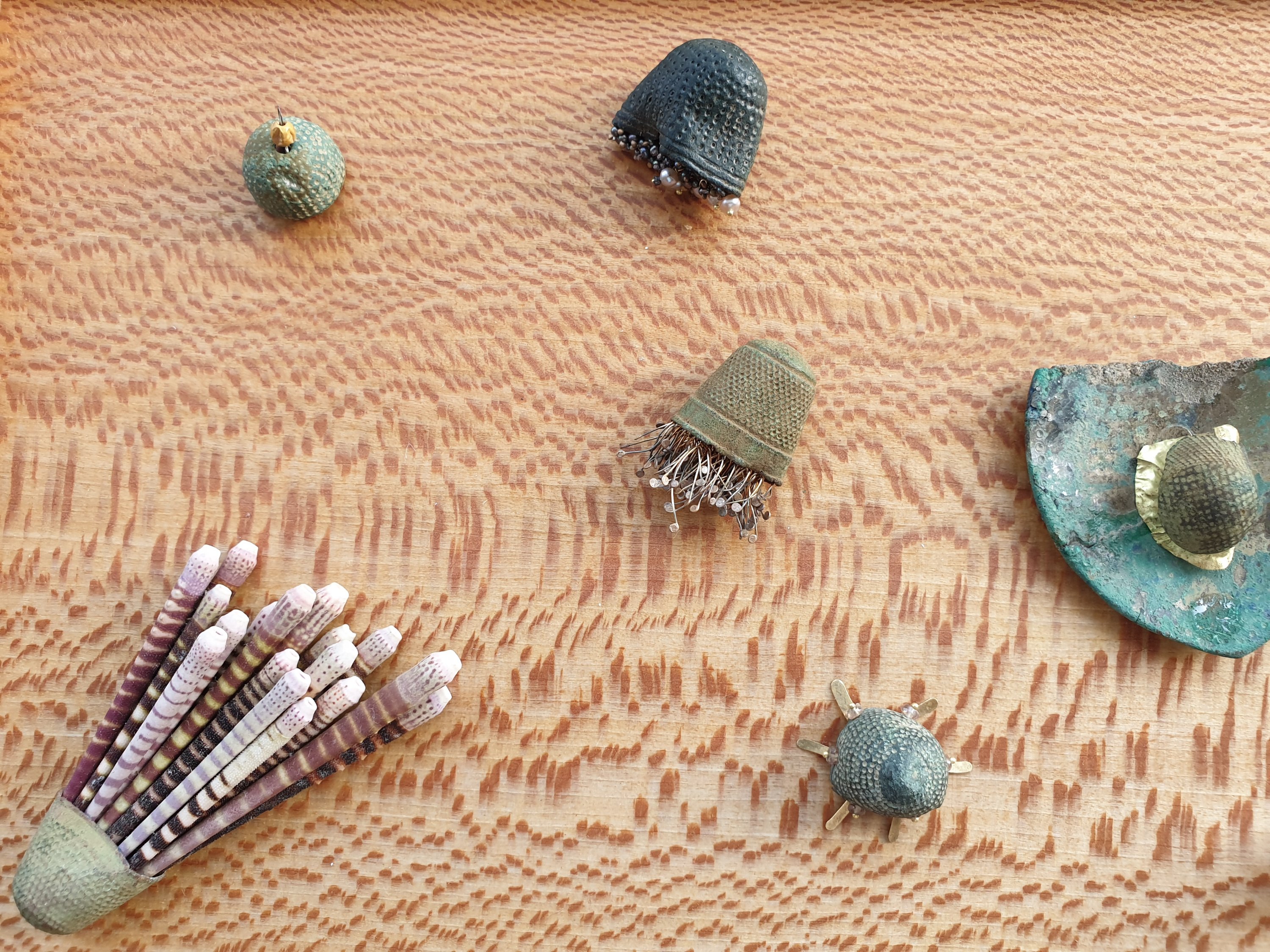
They have been used as storehouses for equivalently ornate craftworks, including trays of thimbles by Romilly Saumarez Smith under the title Thimbellimare:-
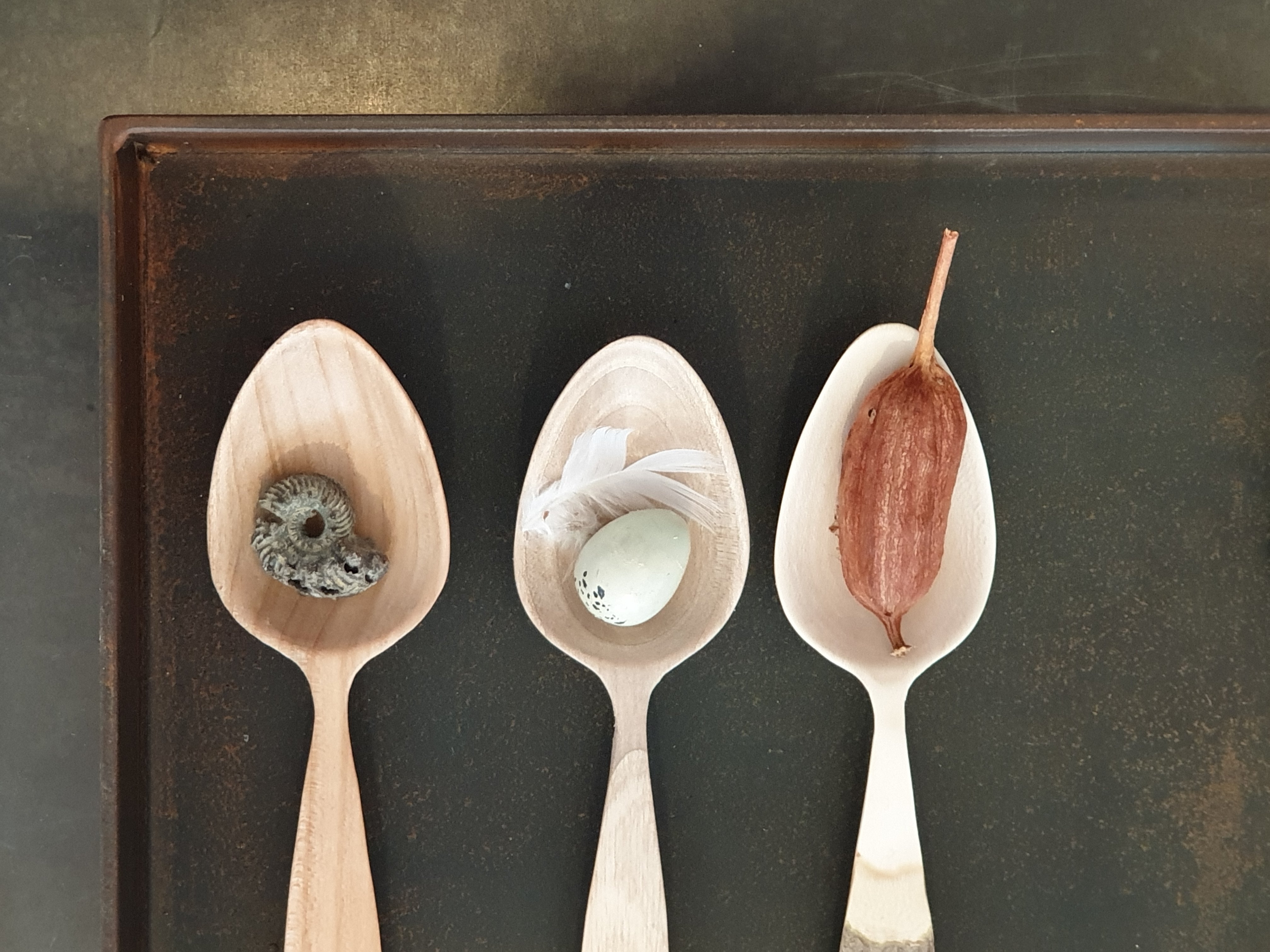
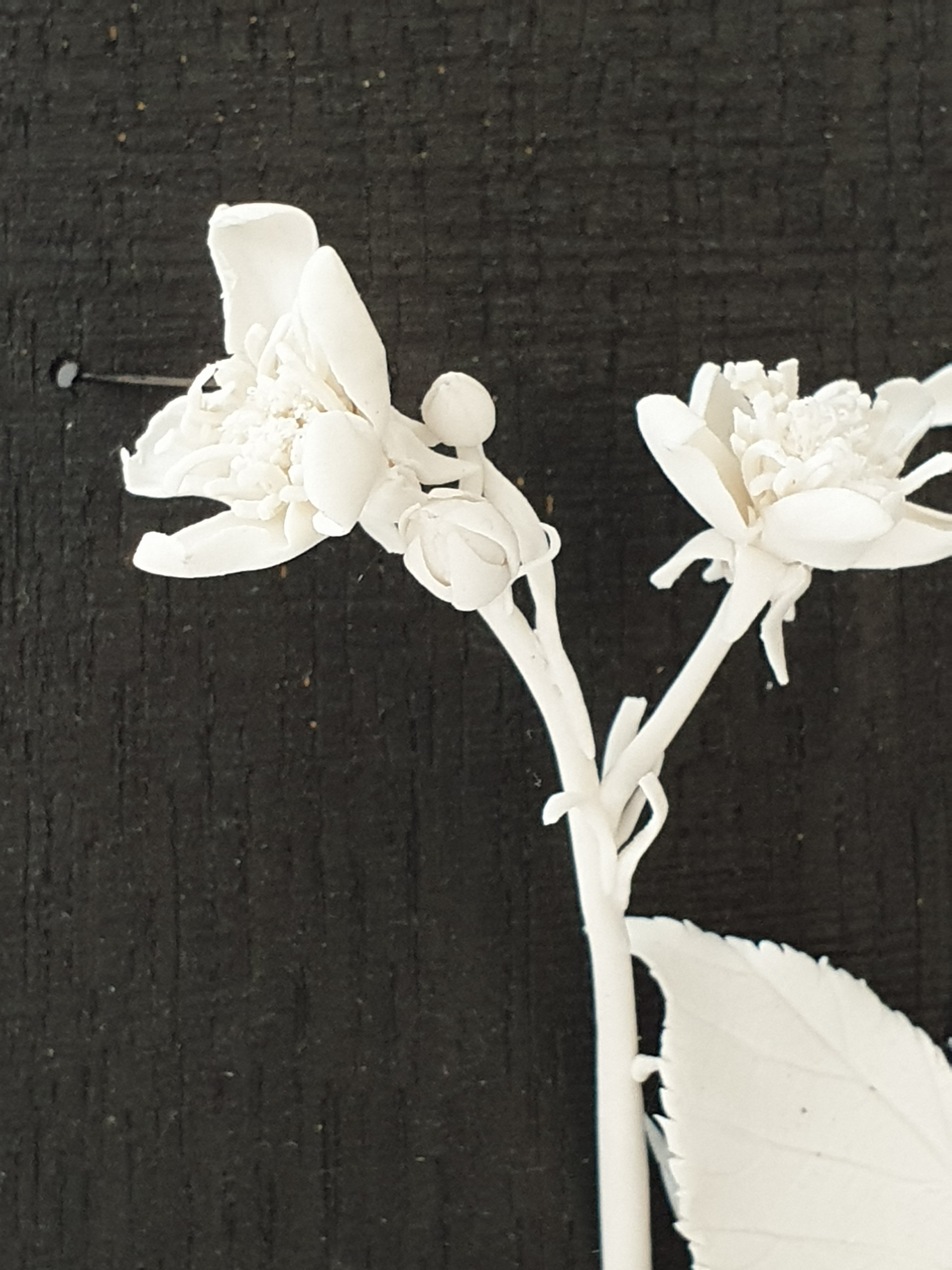
There are beautiful displays/trays of found objects and spoons by Mark Reddy:-
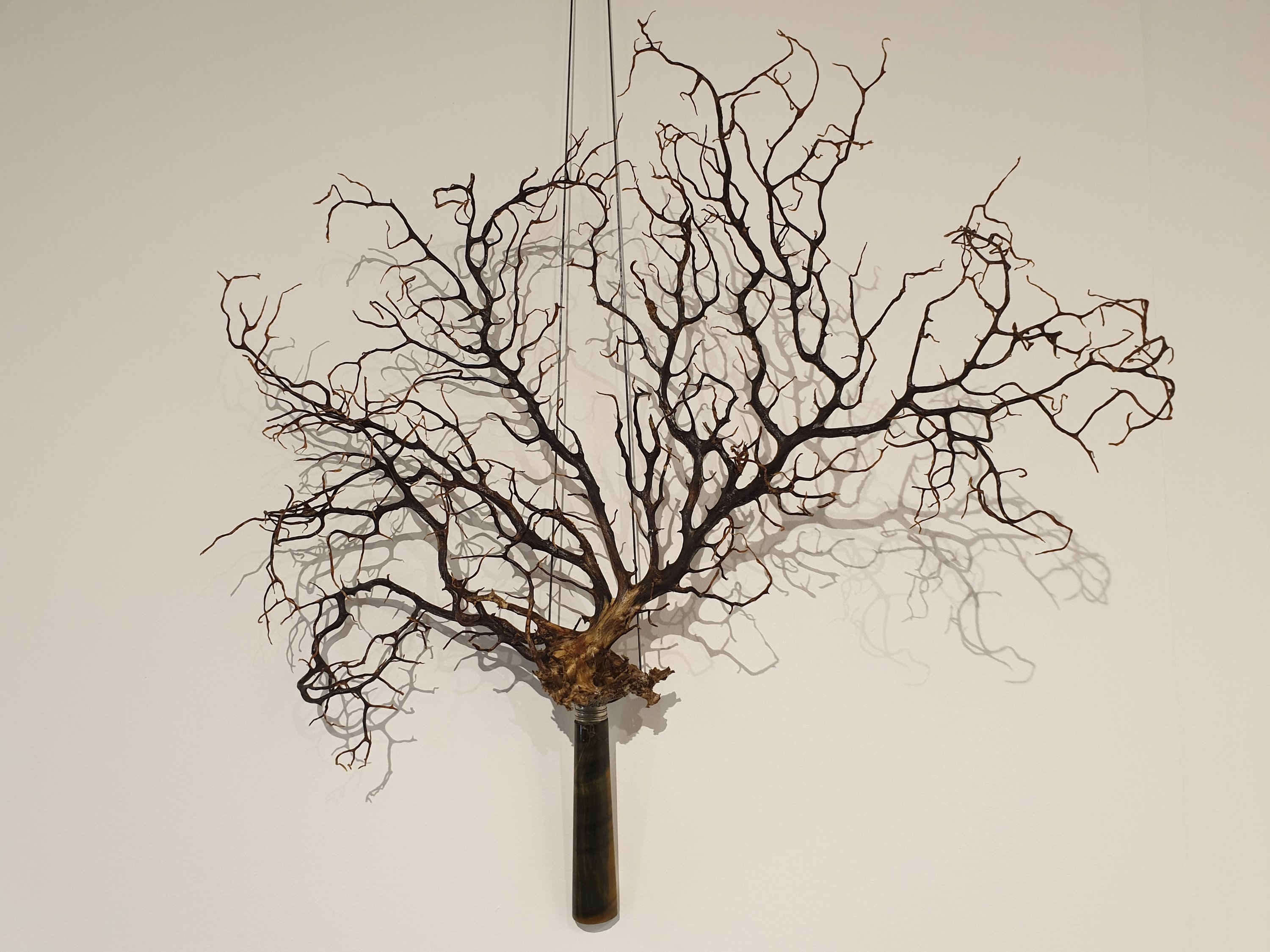
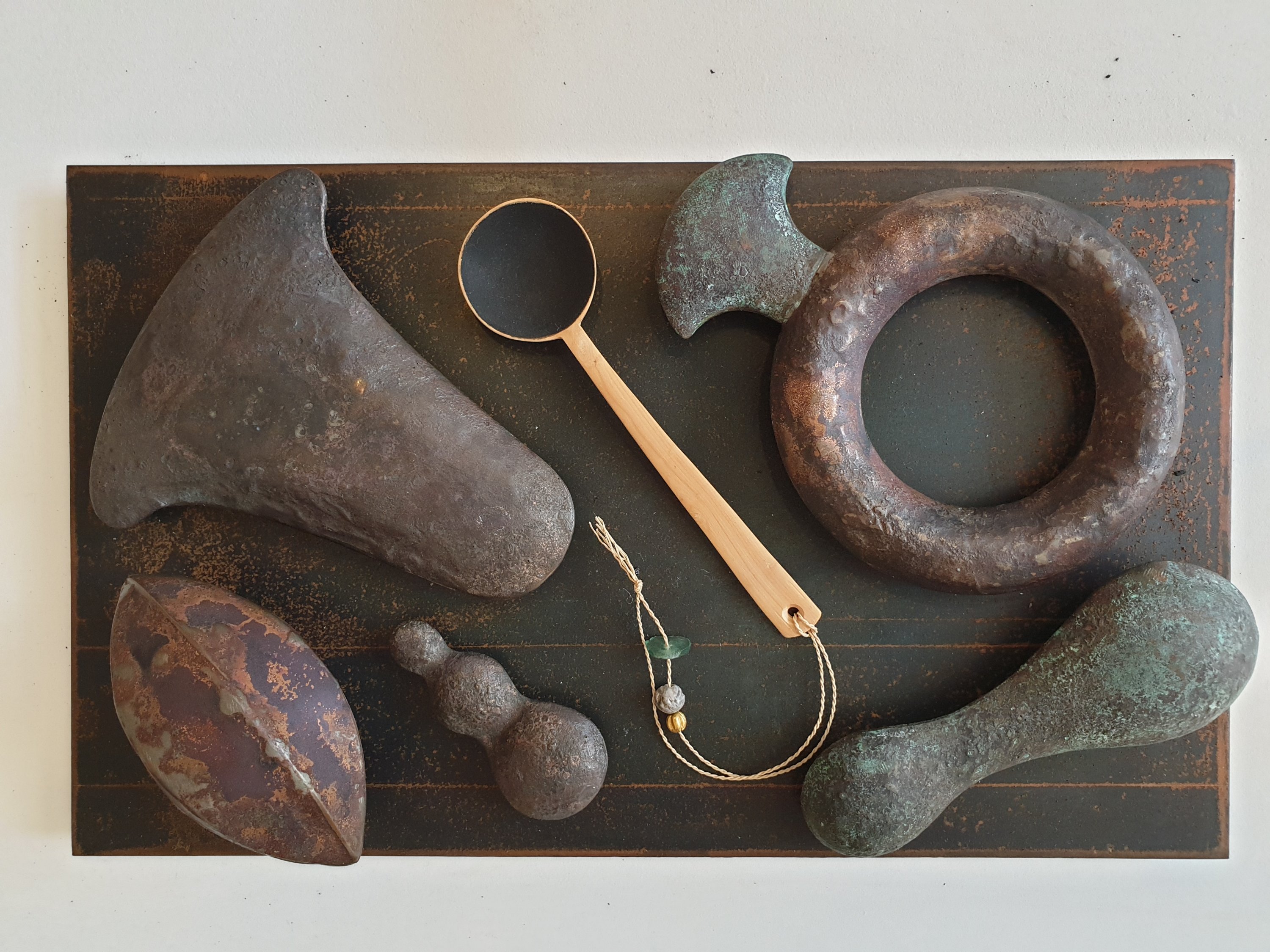
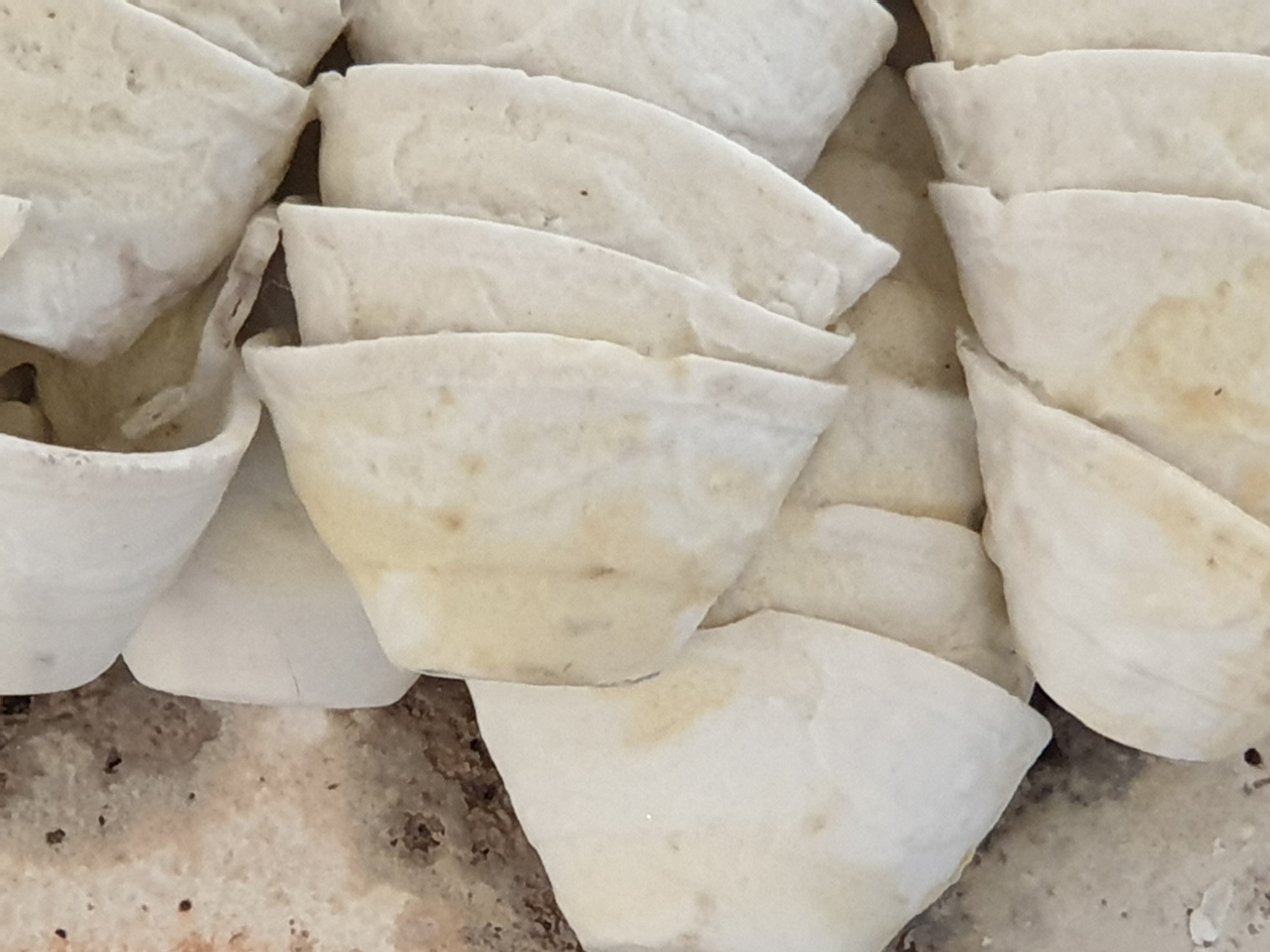
Reconstituted industrial ceramics by Neil Brownsword:-
I have only just heard rather belatedly of the death of Matthew Rutenberg, who was one of the most widely knowledgeable art historians I have ever known. He was brought up in Florida – I once visited there – and claimed that his uncle had tried to buy the paintings off the walls of the National Gallery of Scotland, although, like some of his other stories, this was possibly fictitious. By the time he arrived as a student at Harvard, he had an encyclopedic knowledge of the history of western art, which he combined with taking courses in police studies. I was adopted as a friend and encouraged to go on a tour of every major American art museum accompanied by a guidebook which he supplied. When he came to study at the Warburg Institute, he quickly got to know all the dealers in spite of looking a touch disreputable and stayed for a time at our flat in Southwark reading through the night. I lost touch with him later when he was advising private collectors in New York and now it’s too late to see him again.
It has just come to my attention that Historic England was aware of the proposal to develop the Whitechapel Bell Foundry by United Kingdom Historic Building Preservation Trust, a leading preservation charity with a good track record in preserving working buildings, as at Middleport Pottery in Burslem, in advance of submitting their evidence to Tower Hamlets in support of the rival scheme drawn up by a New York property developer, which turns the bell foundry into a boutique hotel. This raises questions about both due process and how they arrived at their judgment. Did they think the UKHBT proposal not viable ? Did they really think it better to turn a working foundry into a hotel, rather preserve it as is, as a foundry ? Who prepared the evidence ? And did any money pass hands, as has been rumoured, in payments to Historic England and/or its advisors in advance of their advice which led them directly or indirectly to support the property developer’s scheme ?
It’s a long time since I’ve been to Trinity Buoy Wharf, the old industrial site at the junction of the River Thames and River Lea, where the Elder Brethren of Trinity House built a lighthouse in 1852 and used the surrounding site for the storing and construction of the buoys which helped navigation on the Thames. The site was acquired in 1998 from LDDC by Eric Reynolds and Urban Space Holdings as a space for ‘the arts and cultural activities’.
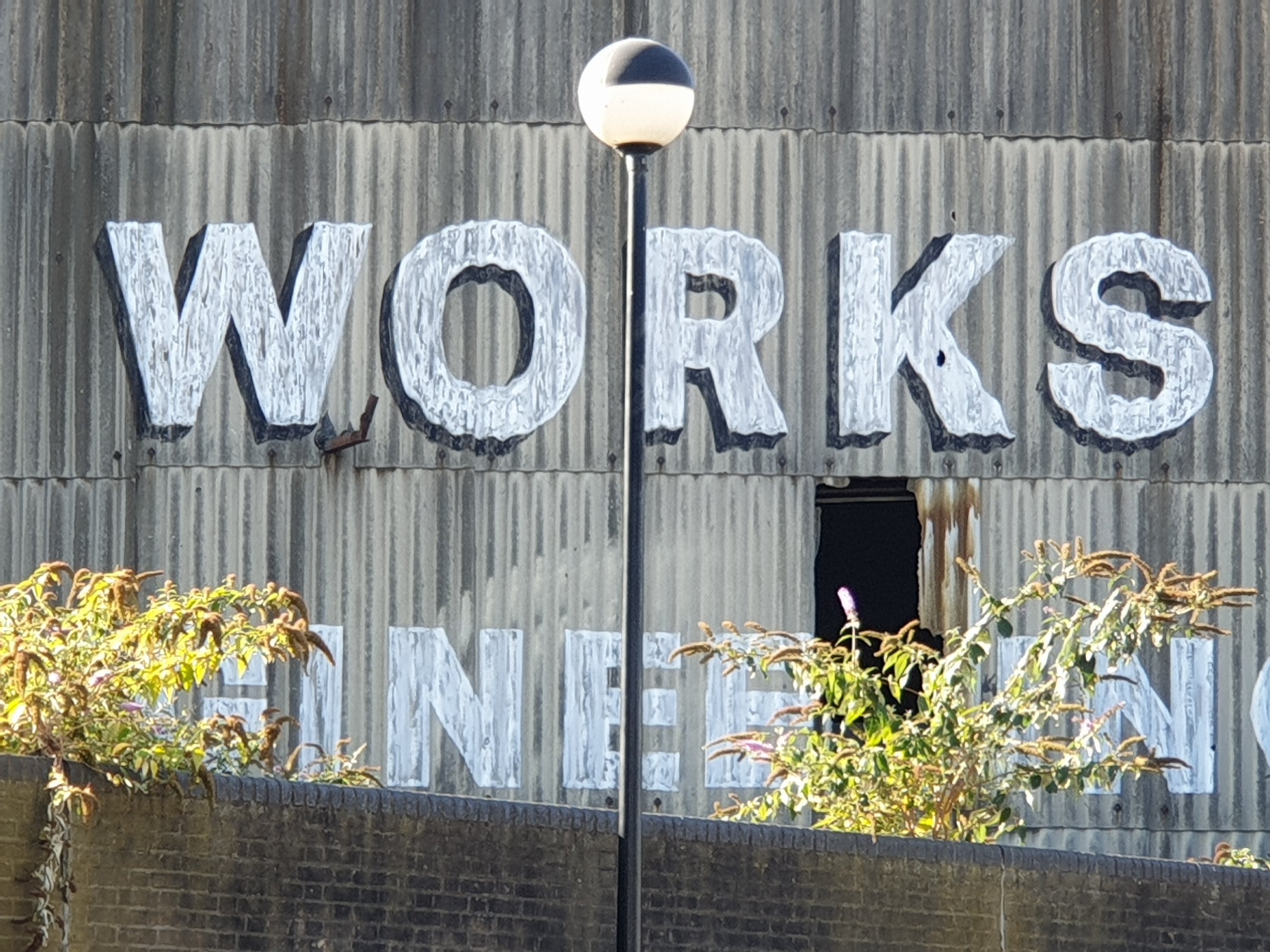
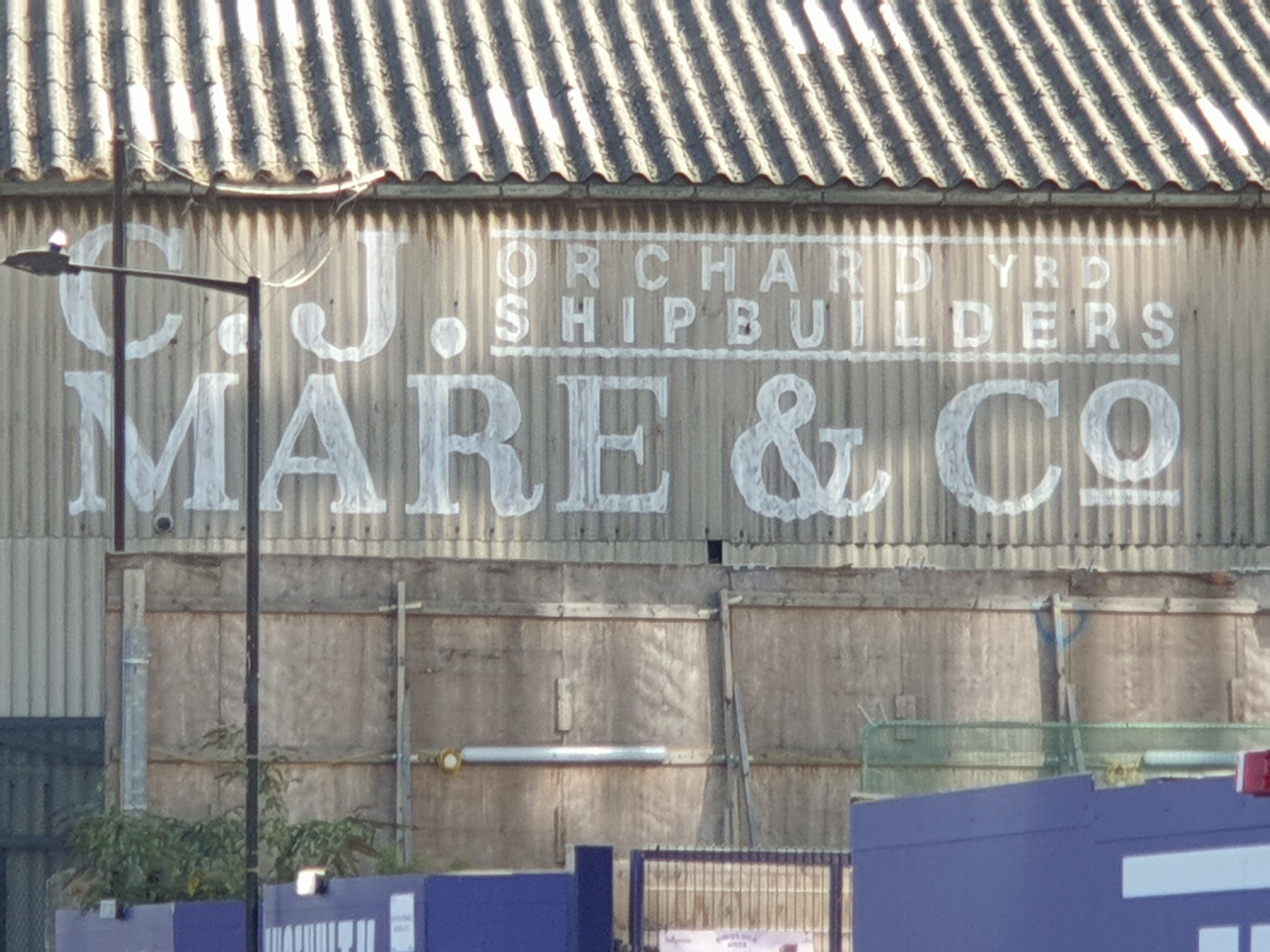
One approaches through the residue of the old light industrial workshops:-
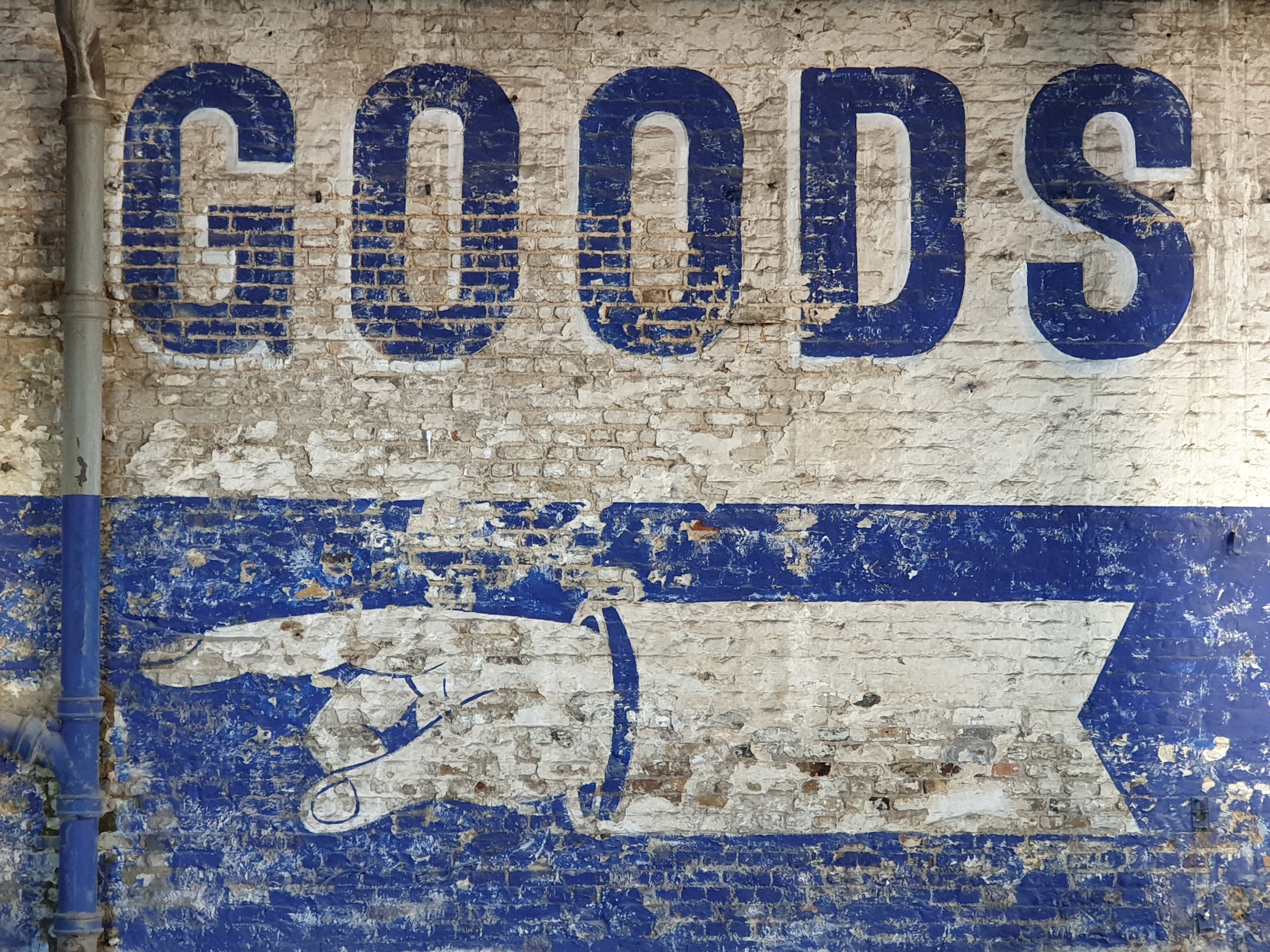
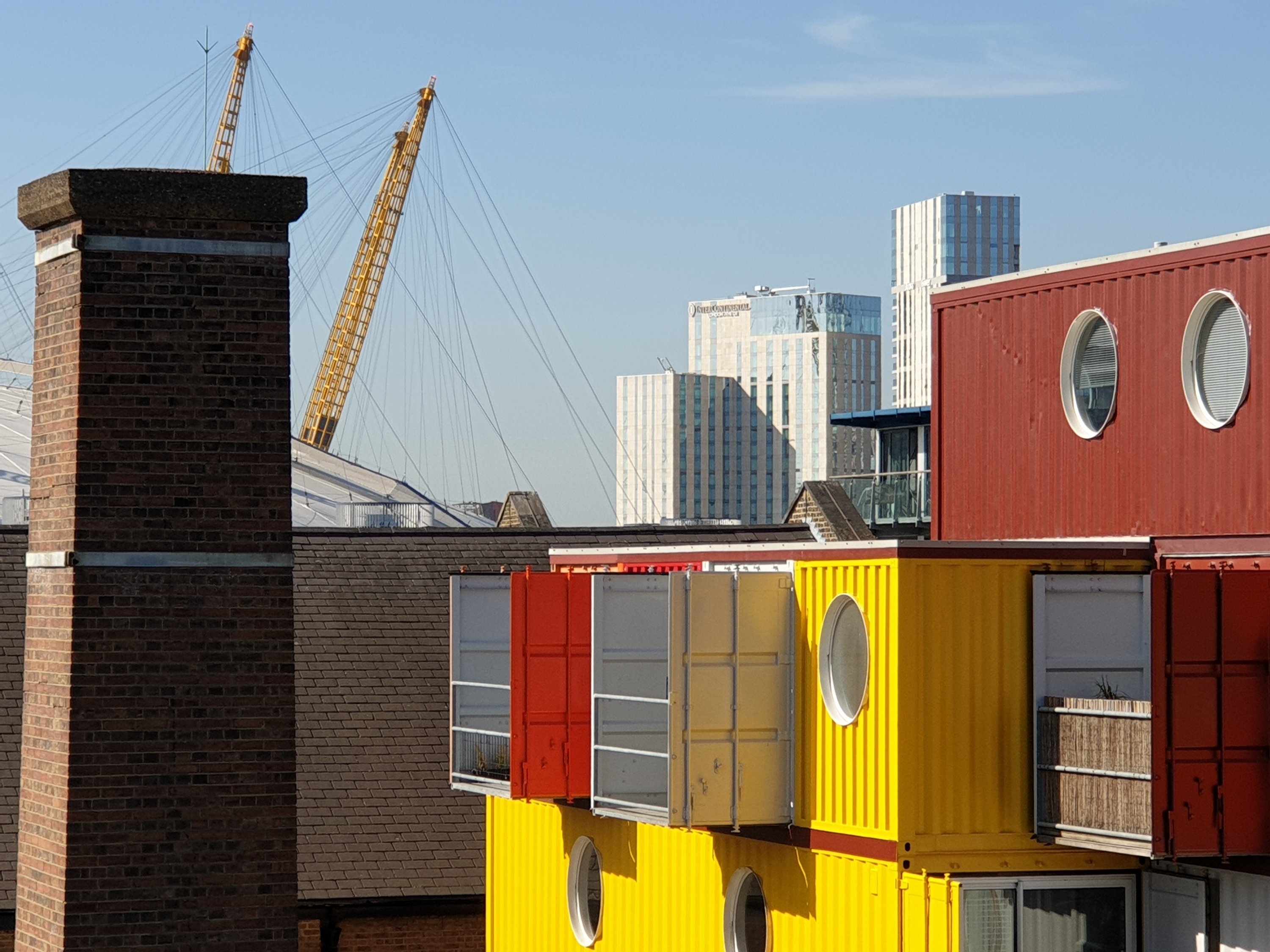
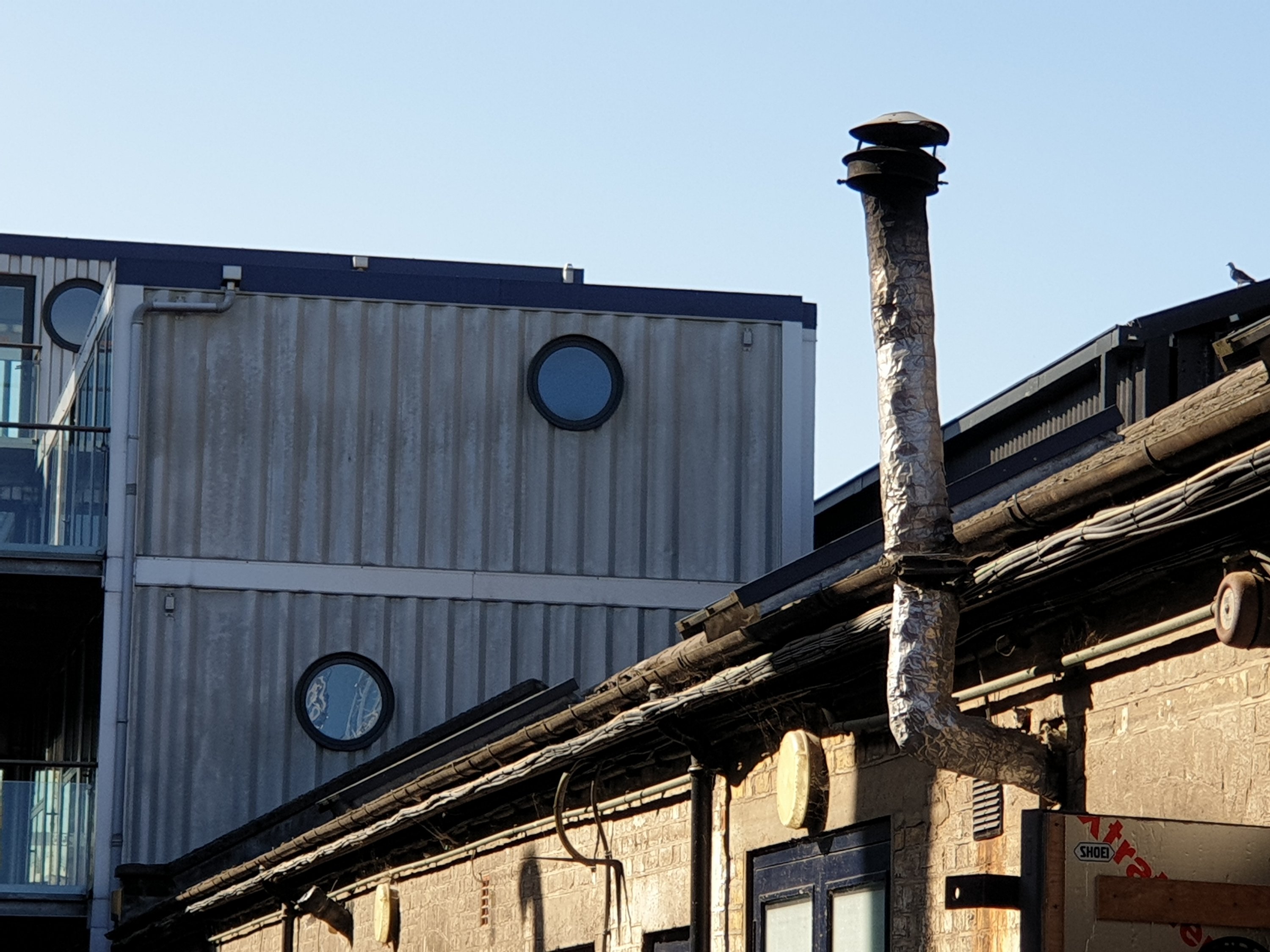
The wharf itself is a mixture of old warehouses and new buildings made out of containers:-
It’s a very lively and impressive setting for the Royal Drawing School’s Foundation Year, where 44 students, some local, go through an intensive programme of teaching from 10 o’clock to 5 o’clock, learning not just about drawing, but about printmaking, sculpture, painting and photography. They’re in Week 3.
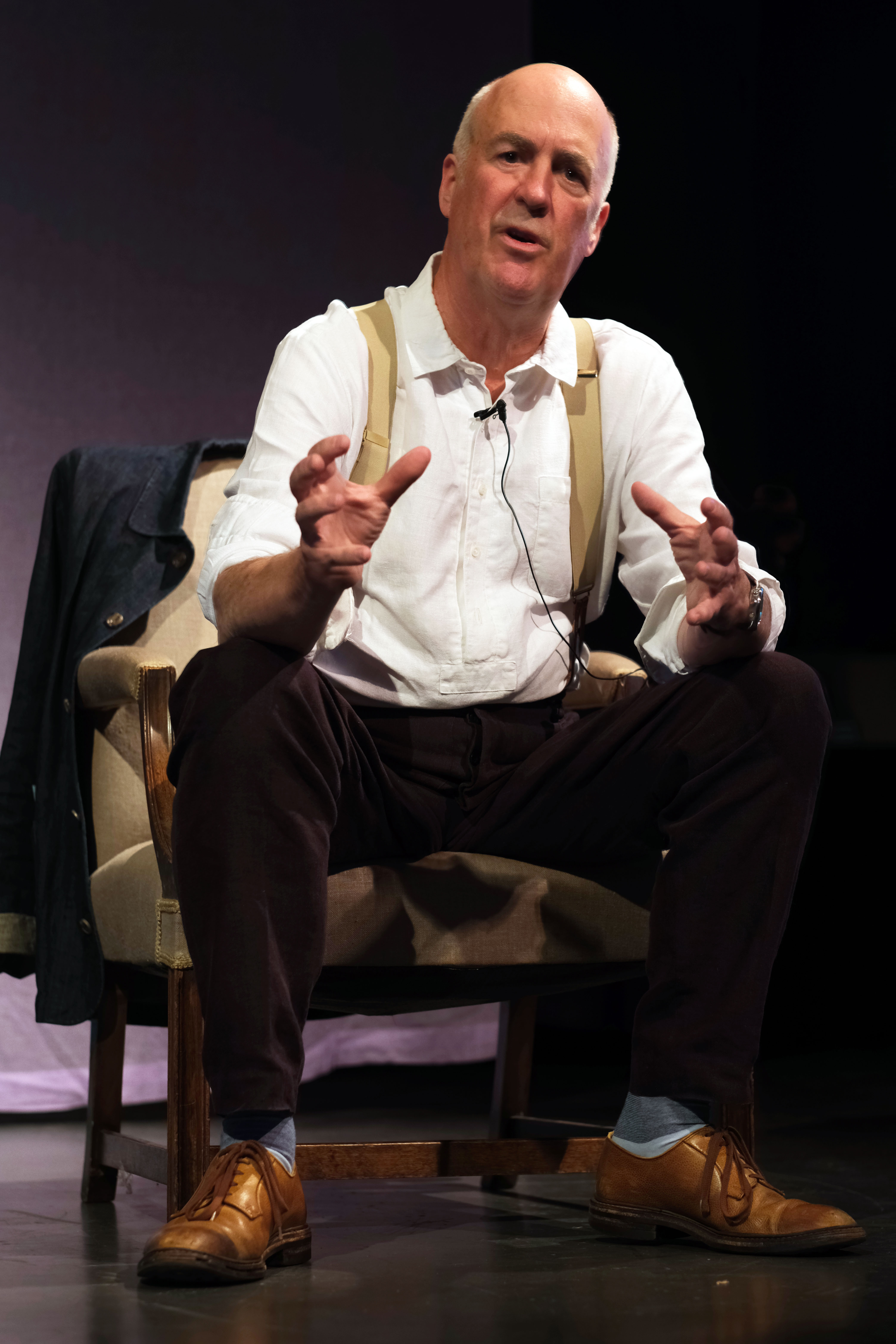
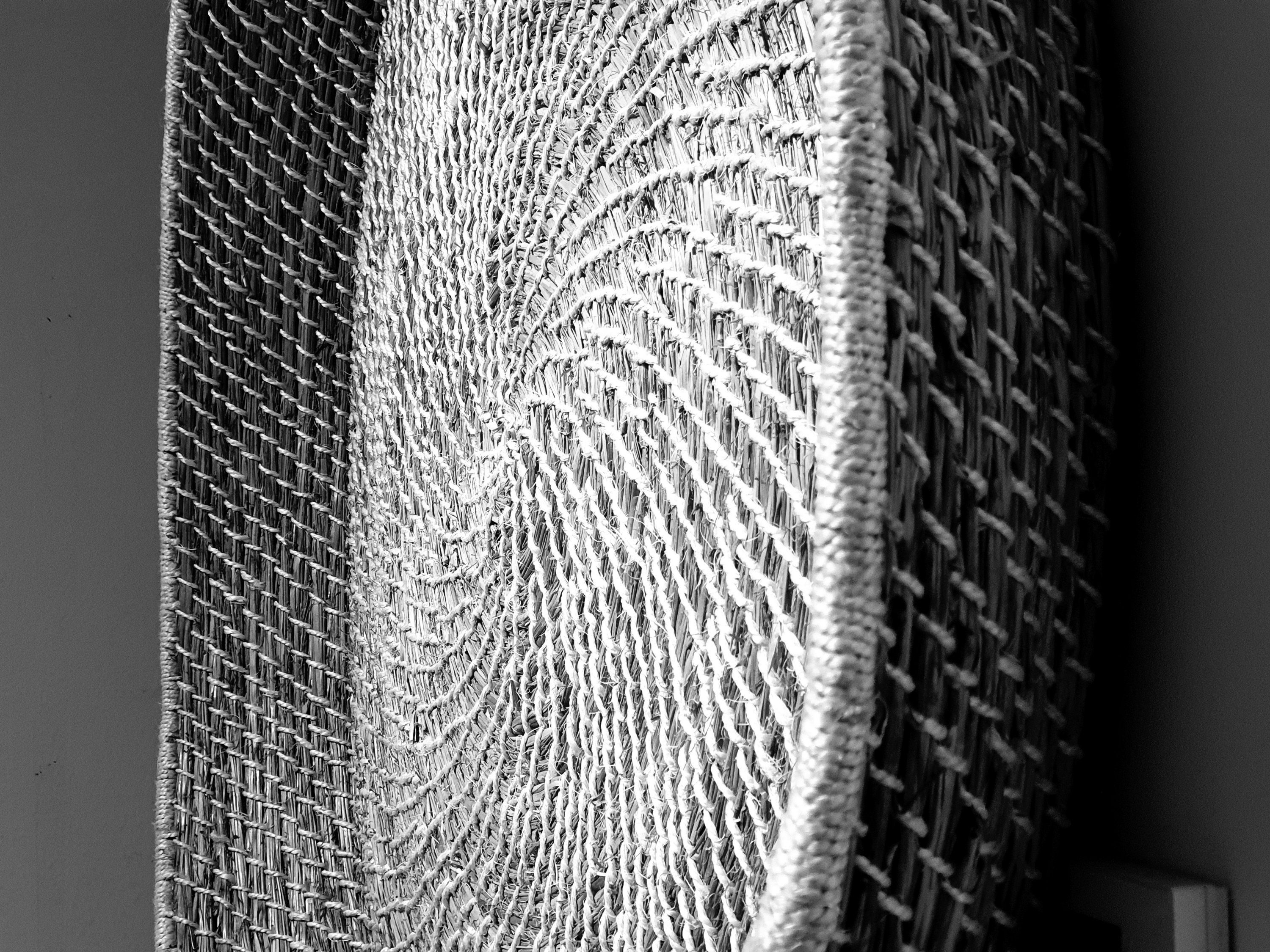
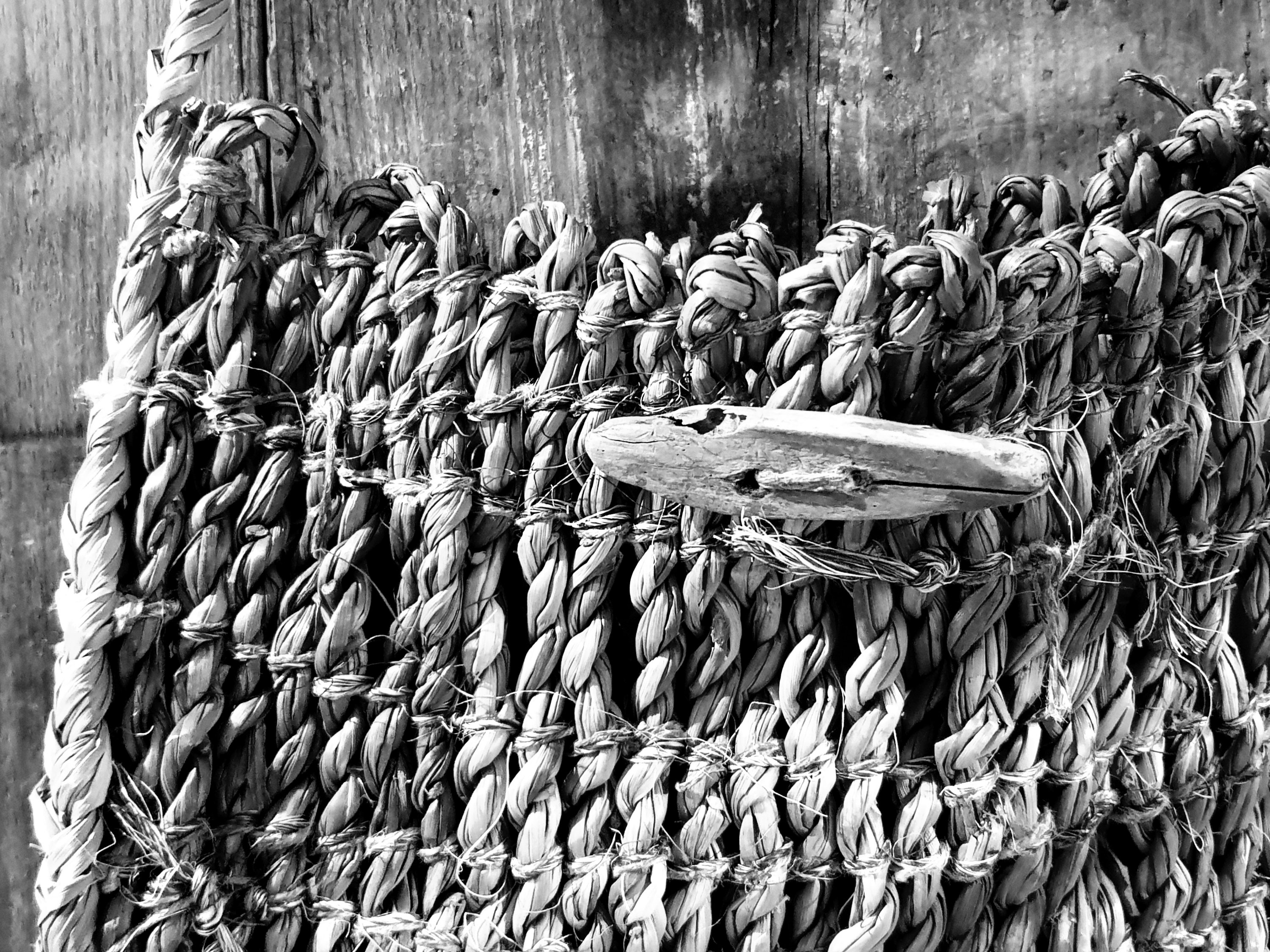
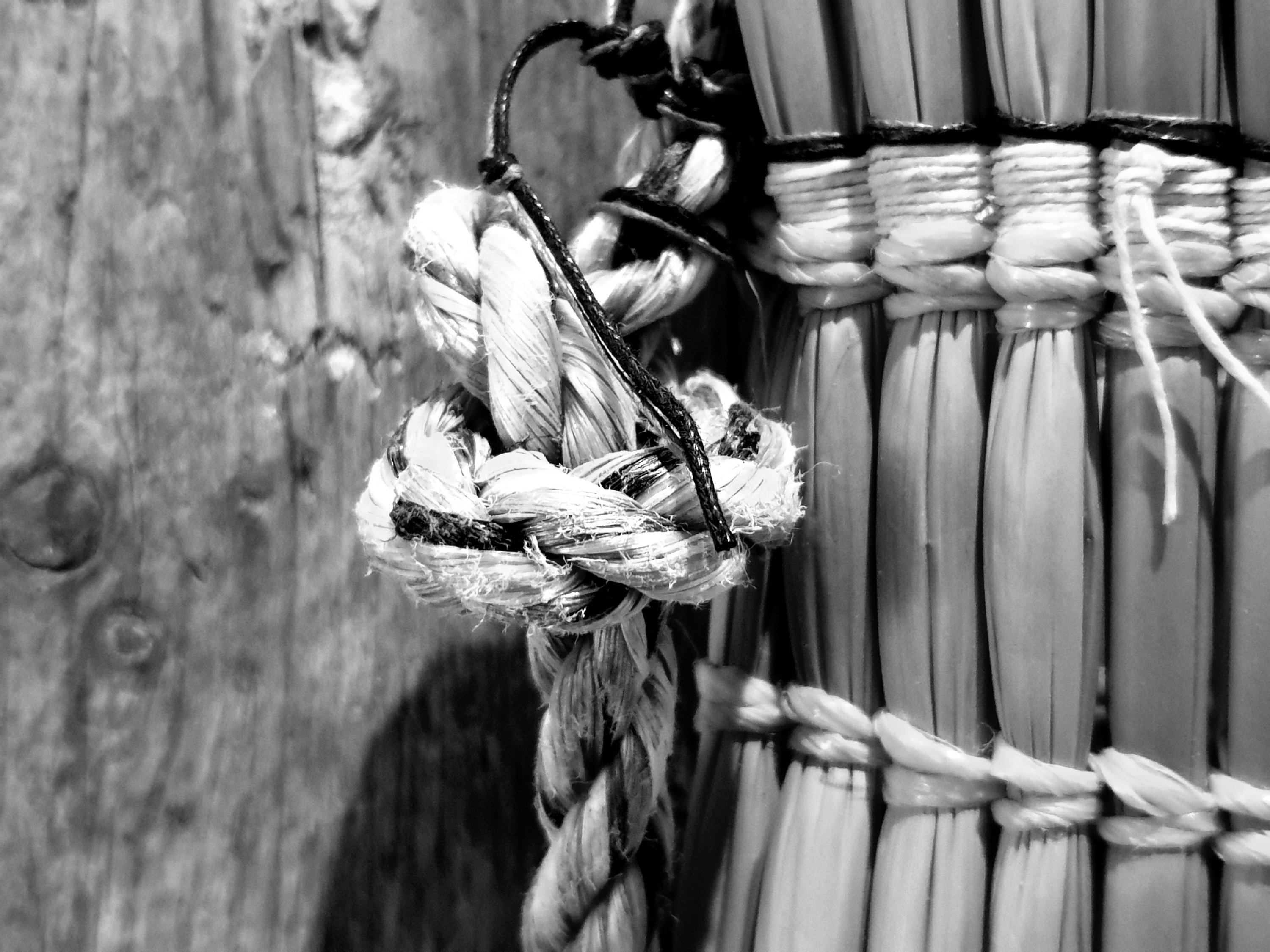
I went back to The New Craftsmen last night to see and admire their collection of work by Orcadian craftsmen, the traditional chairs made by Gareth Neal and Kevin Gauld and the small baskets by Mary Butcher, keeping alive the traditions of basketwork, and to enjoy a Scottish feast cooked – deliciously – by Jeremy Lee of Quo Vadis:-





You must be logged in to post a comment.