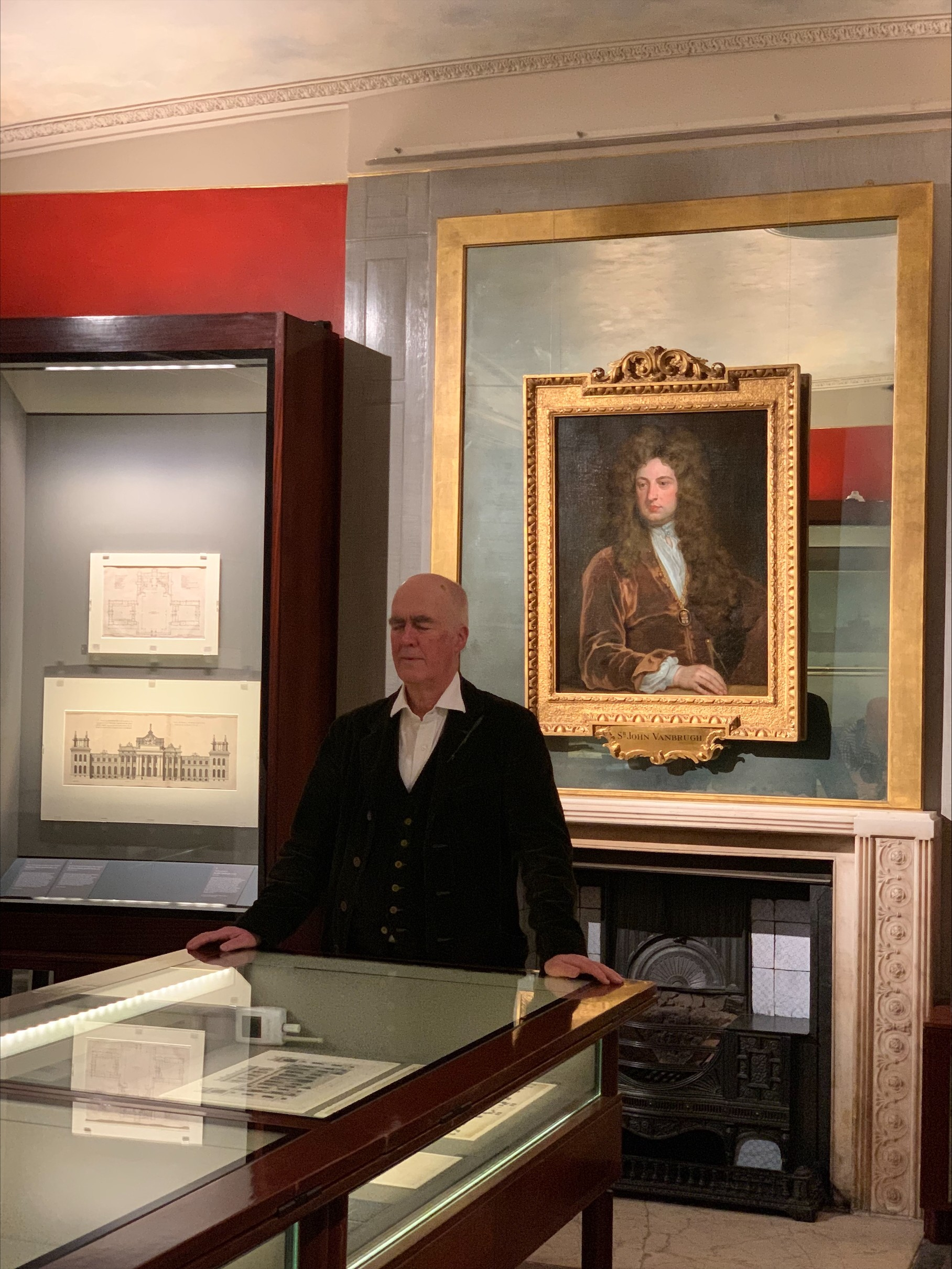
I hadn’t expected it to be so lush on our return after a mere four months away from the green hills of Snowdonia:-
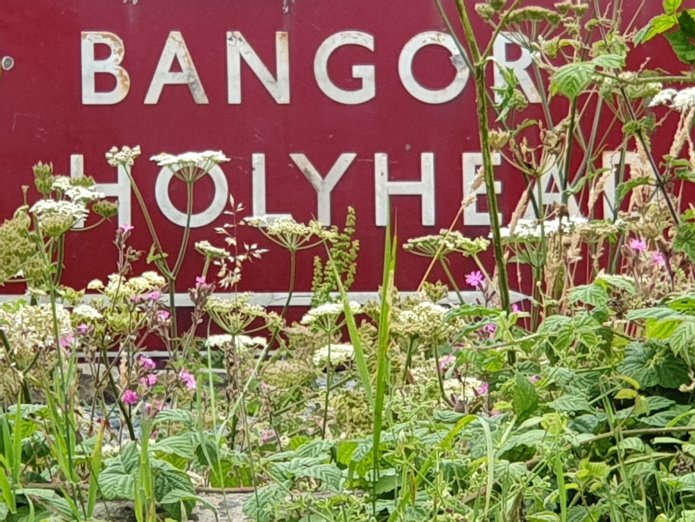
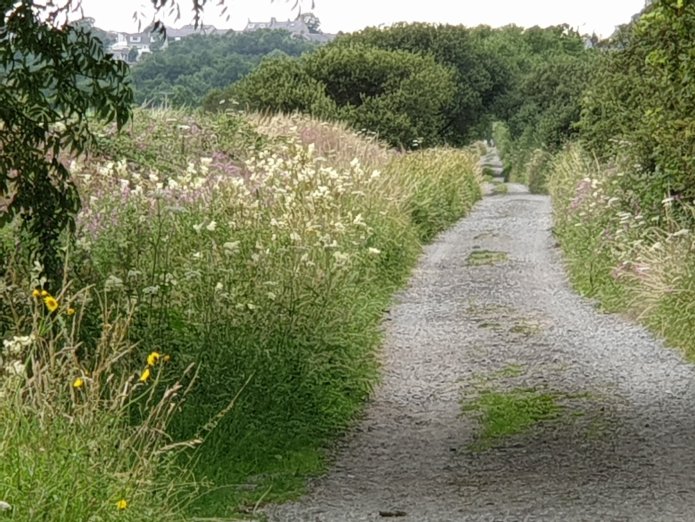
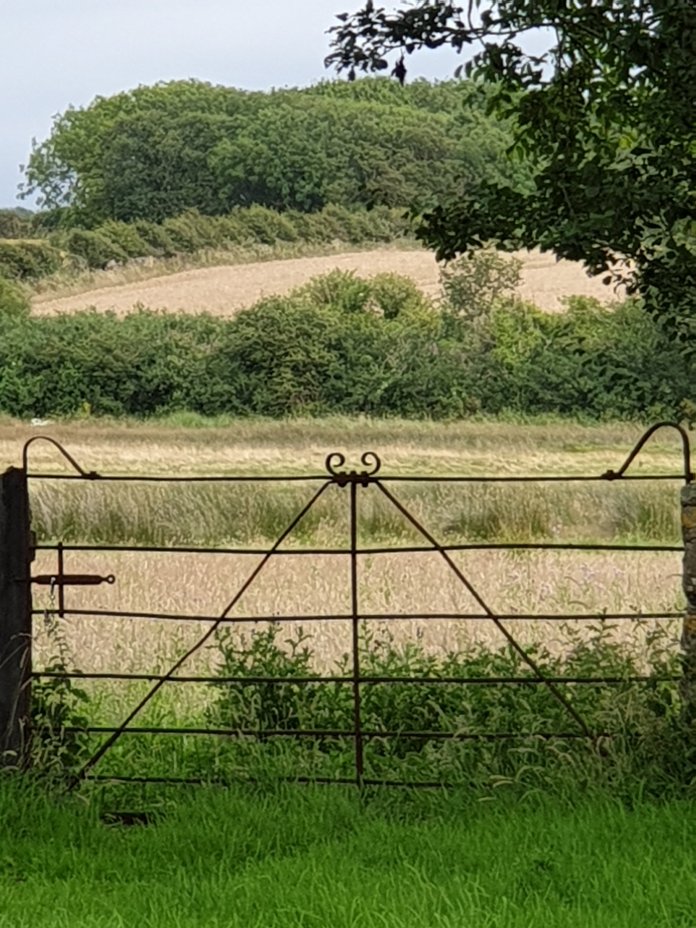
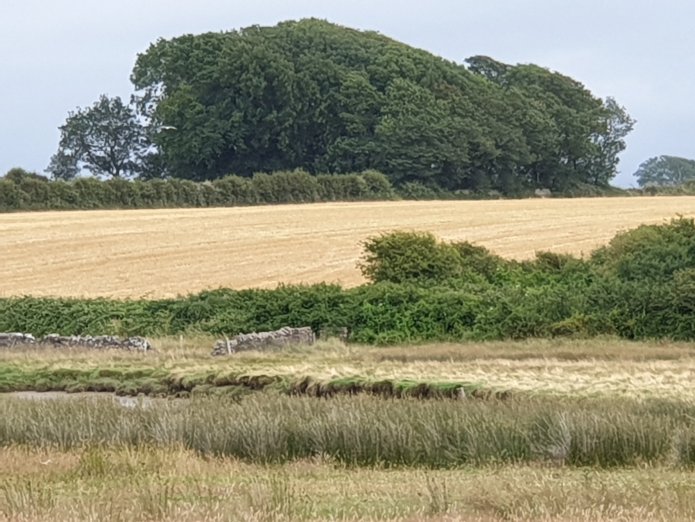
I hadn’t expected it to be so lush on our return after a mere four months away from the green hills of Snowdonia:-
I paid much more attention to the architecture of the Fitzwilliam Museum than I have previously. First, the glories of Basevi’s original, neo-Roman design with its forceful classical detailing:-
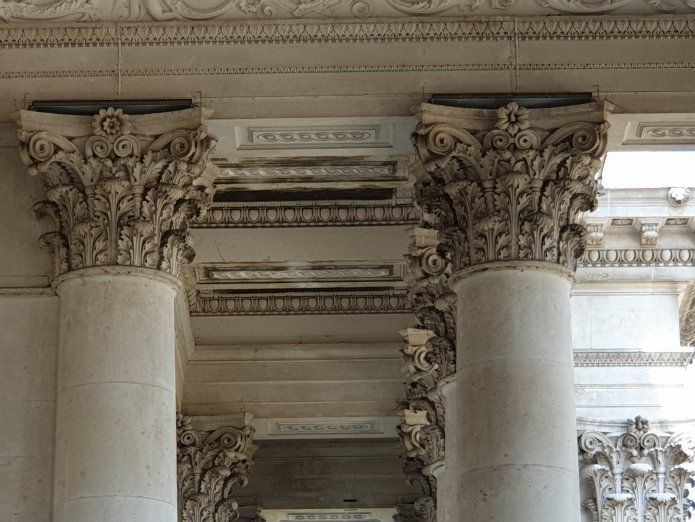
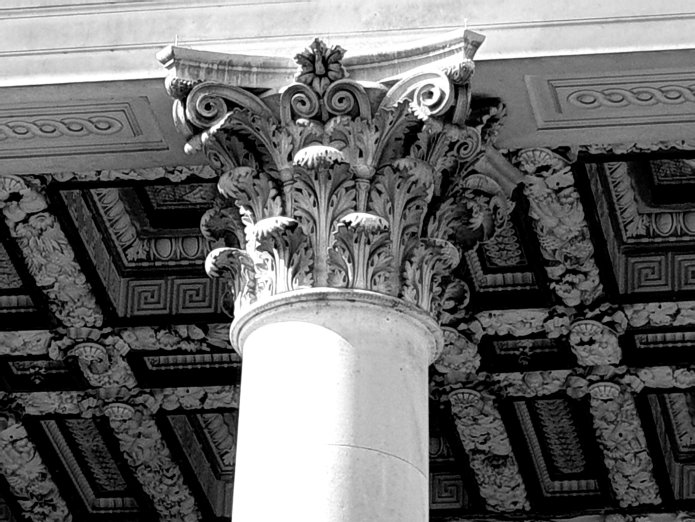
Then, the additions made by Sydney Cockerell, which were only one part of a much larger set of designs, drawn up in 1914-1915 by Smith & Brewer, the architects of the National Museum of Wales and involving a much larger building round a big courtyard than was actually ever built. In 1911, Cecil Brewer had been to the States to study contemporary museum design, which explains its style of stripped back, American neo-classicism. But the first world war put paid to the big project, so initially only the Marlay Gallery was built in the early 1920s and the Courtauld Gallery, including the gallery for Dr. Glaisher’s collection, which opened in 1931.
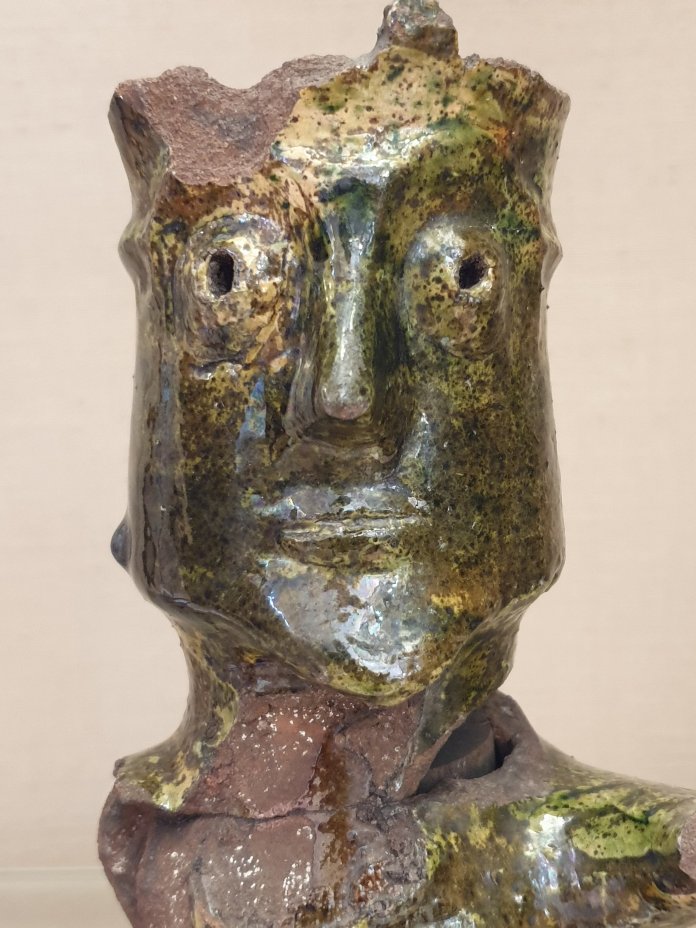
Downstairs, I spent more time than I have previously admiring the astonishing range and depth of the Glaisher collection of ceramics (Glaisher was a mathematician and fellow of Trinity).A 13th. century man from a ridge tile:-
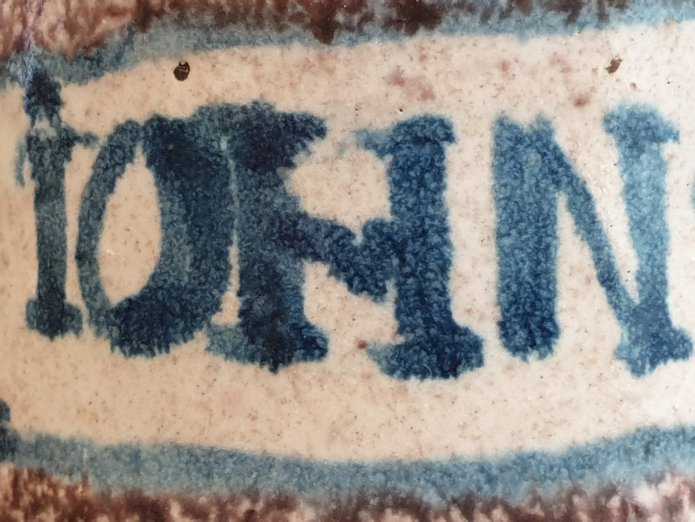
Mid 17th. century lettering on an earthenware bottle:-
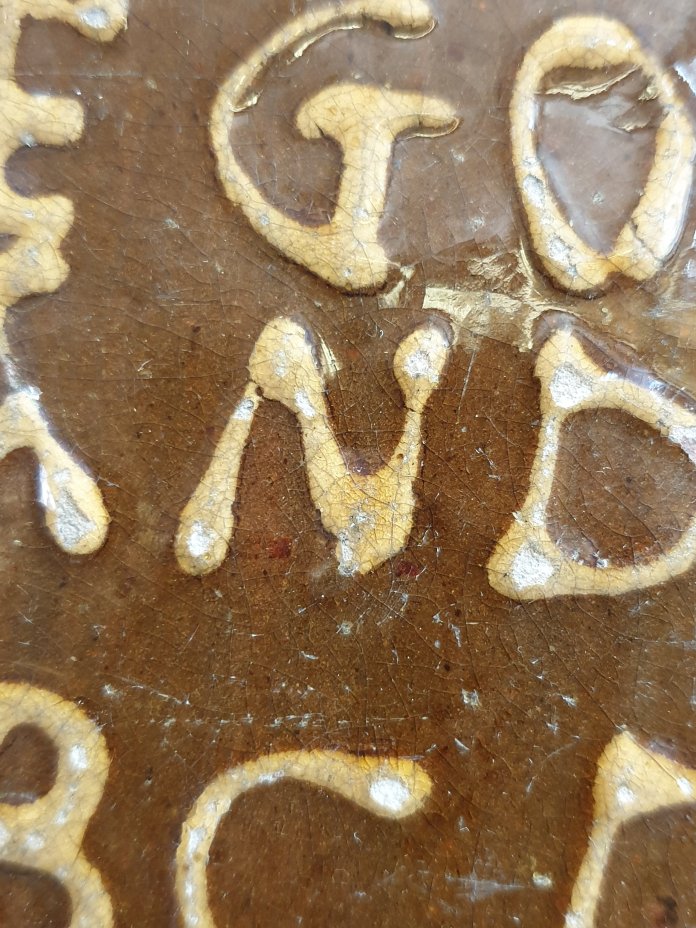
Lettering on a 1643 jug:-
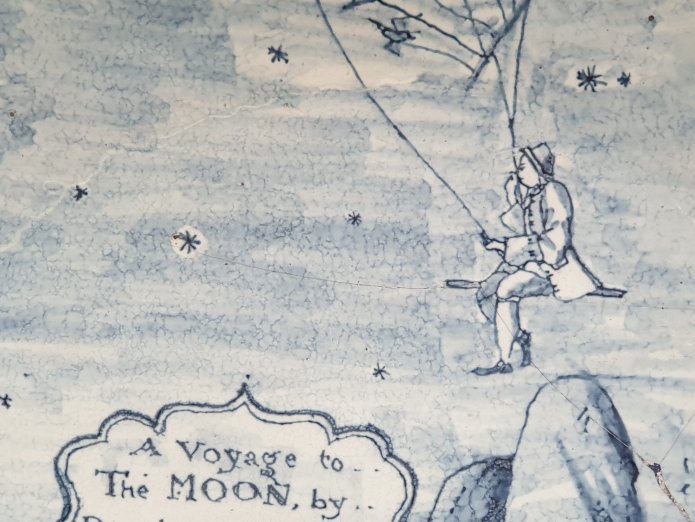
The Voyage to the Moon (c.1740):-
Glaisher had such a good eye and such an astonishing collection that the Fitzwilliam built a gallery specifically in order to house it.
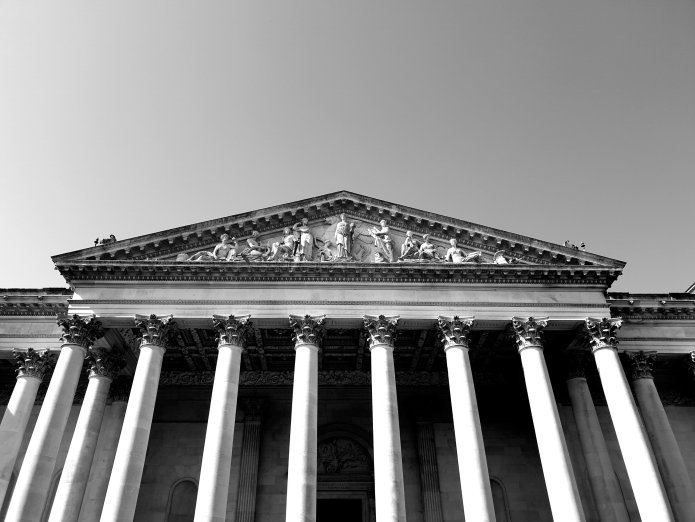
I had arranged to visit the Fitzwilliam Museum today, which I’ve managed to get to in spite of many cancelled trains and the suffocating heat. It’s worth it to see George Basevi’s magnificent entrance façade, built between 1837 and 1843, some time after the seventh Viscount Fitzwilliam had given £100,000 ‘to cause to be erected a good substantial museum repository’:-
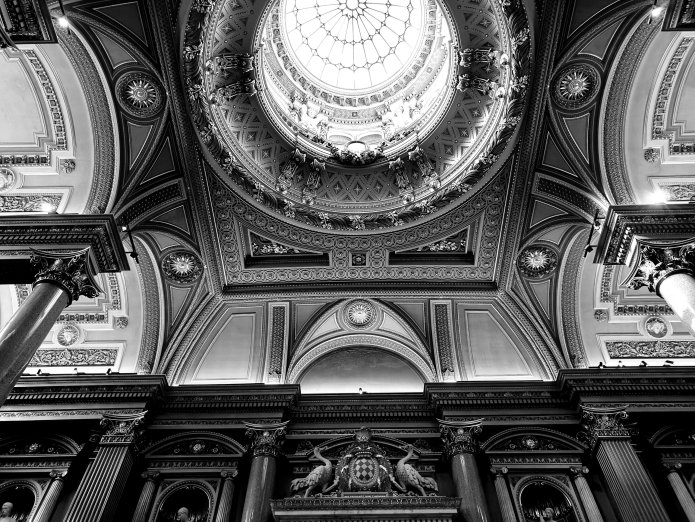
The great Entrance Hall is later, by Edward Middleton Barry, third son of Charles:-
I started in Gallery I.
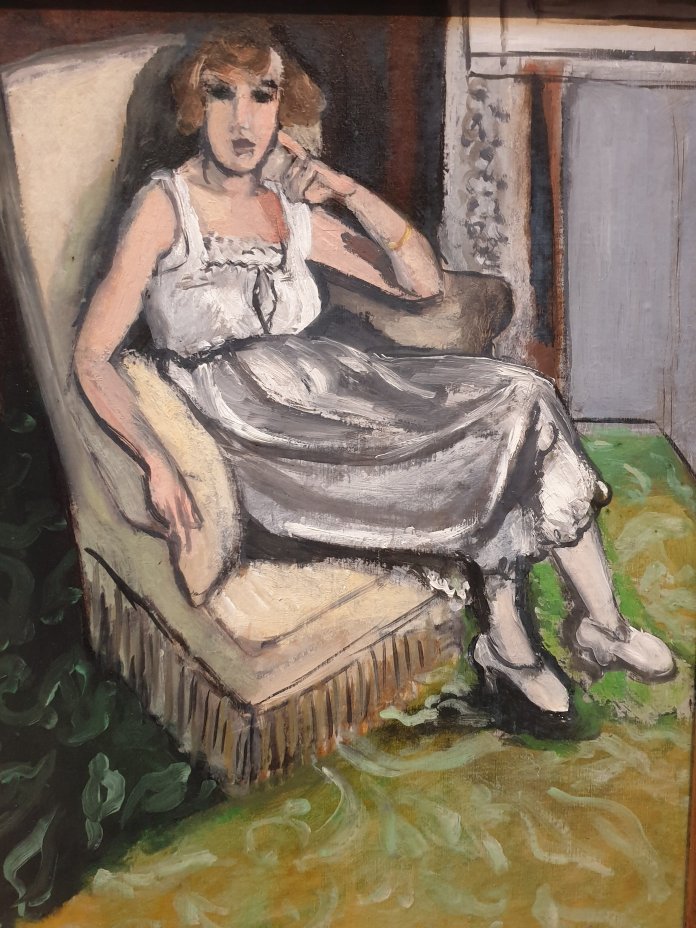
A Matisse acquired by Maynard Keynes on Vanessa Bell’s advice in 1919:-
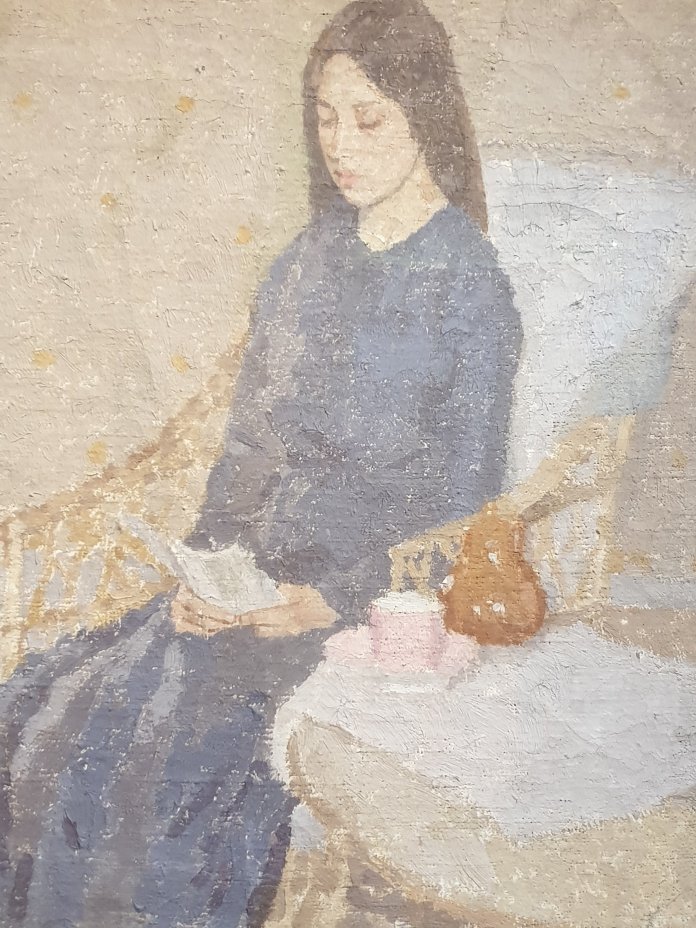
A very beautiful Gwen John, painted in the early 1920s, given to the Fitzwilliam by Eric Milner-White, Dean of King’s from 1923 to 1938:-
This is Louis Clarke, who was the Museum’s Director, in a bronze by Jacob Epstein:-
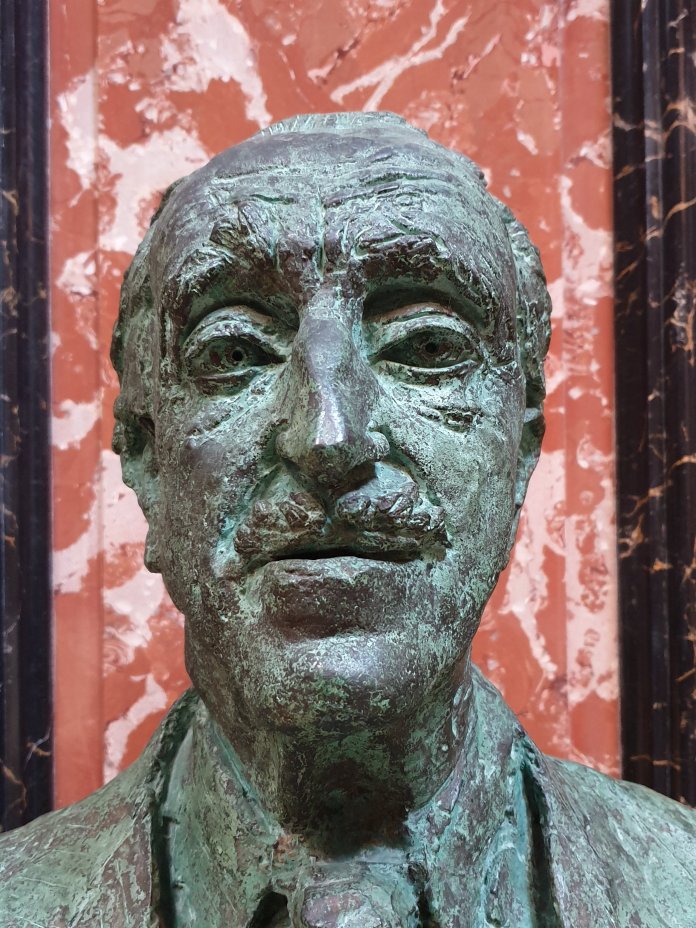
Gallery V is also in the original Founder’s Building – beautiful, well proportioned, mid-Victorian, neoclassical galleries :-
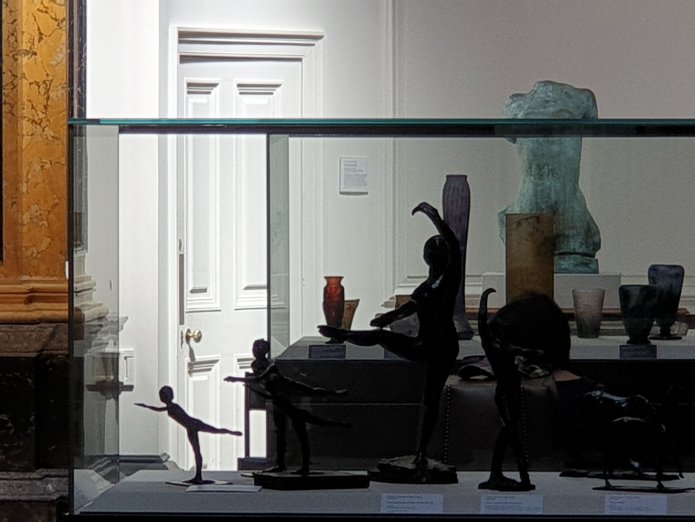
It has a very beautiful early Degas (surprising):-
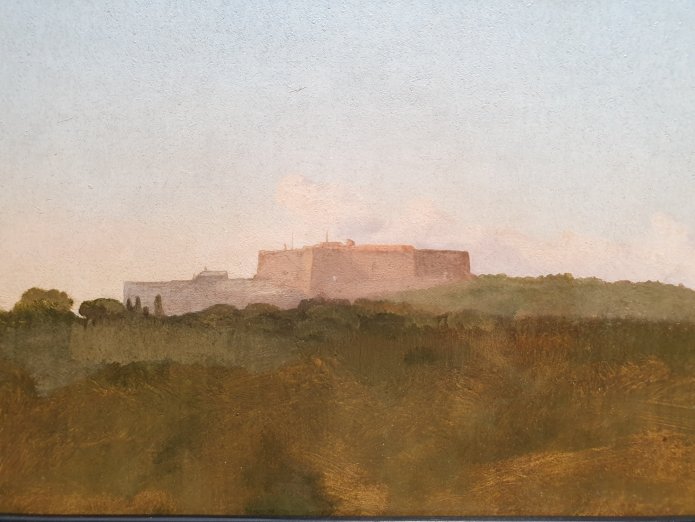
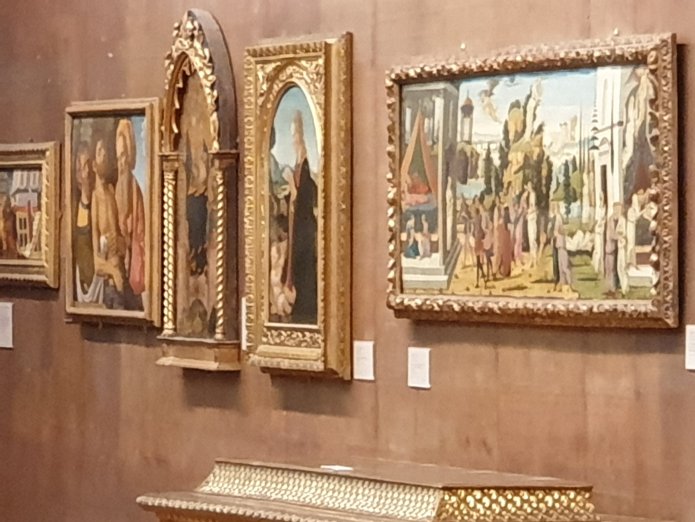
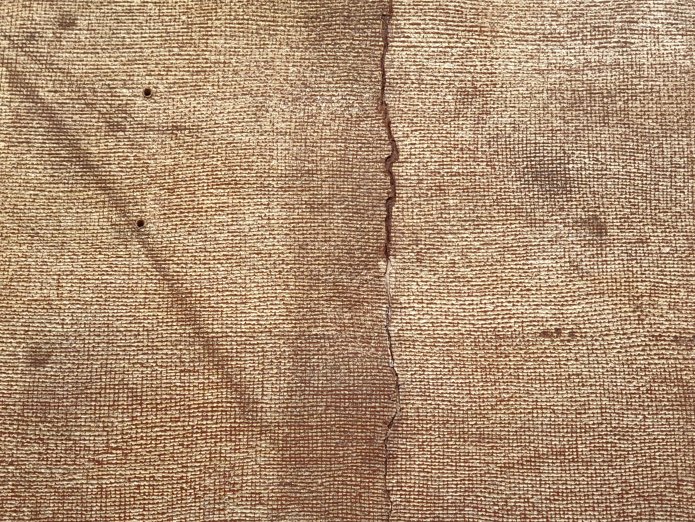
Gallery VI is the Upper Marlay, a wonderful gallery space, added by Sydney Cockerell in 1921 to designs by Arnold Dunbar Smith of Smith & Brewer, who Cockerell would have known through the Art Worker’s Guild. The early Italian pictures are hung on a background of Japanese gold wallpaper, like a jewel casket:-
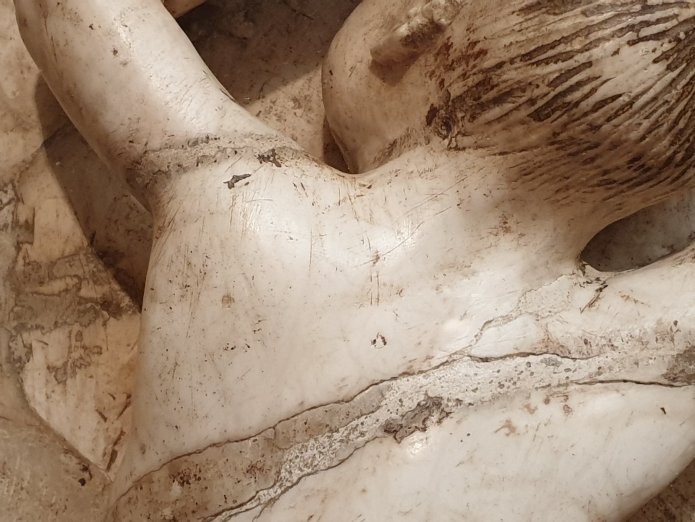
A piece of Spanish alabaster:-
Gallery VII is later Italian.
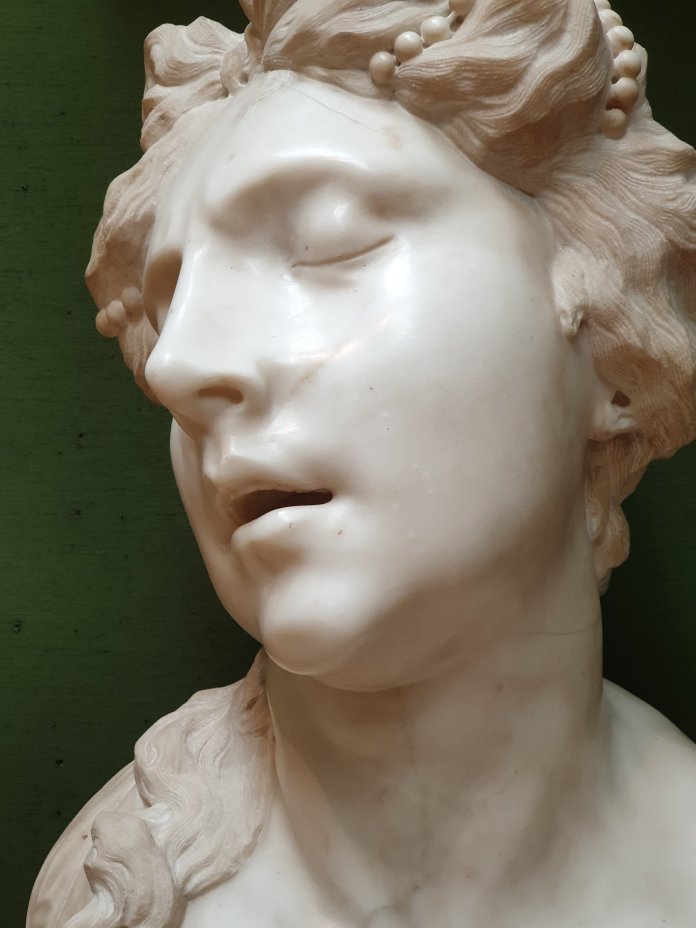
A head of Cleopatra by Parodi:-
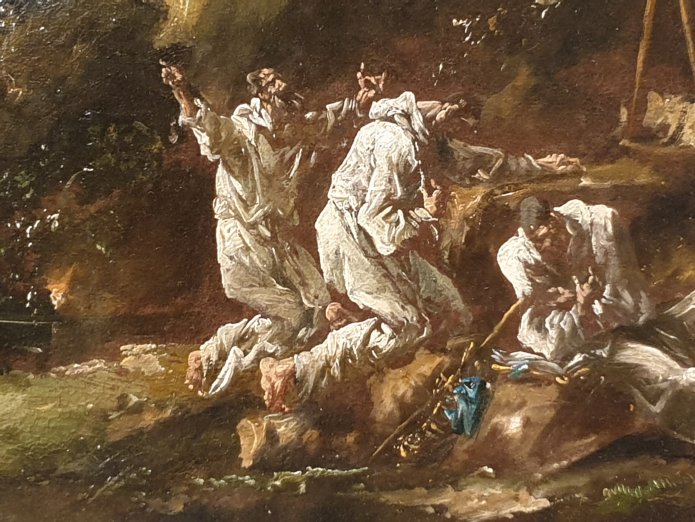
A Magnasco bequeathed by Steven Runciman:-
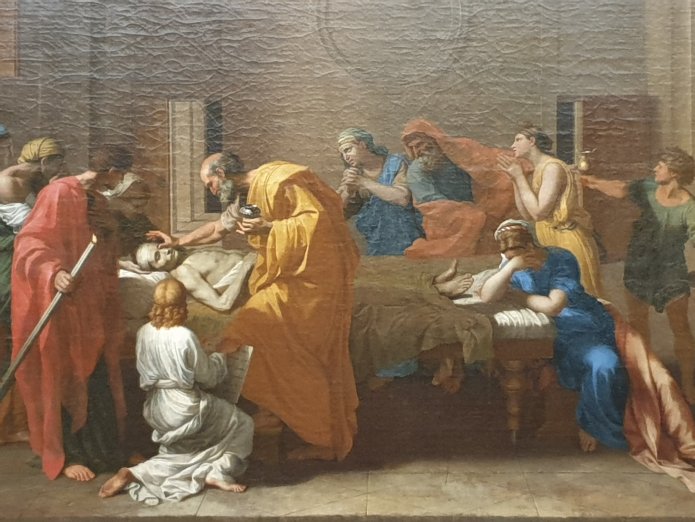
Extreme Unction, one of the Seven Sacraments from Belvoir:-
I had a bit of time to spare before a meeting in the City, so was able to call in on the exhibition of topographical paintings at the Guildhall Art Gallery.
The earliest is a view from Observatory Hill, which shows the old Tudor Palace of Placentia, next door to Greenwich Hospital, in the process of being demolished. Oliver Cromwell had turned it into a biscuit factory. Next is a view of the New River Head in Finsbury which supplied water to the city. Canaletto is, of course, familiar – his view through the arches of the new Westminster Bridge which was under construction when he arrived in London in 1746. Less familiar is Samuel Scott painting the palaces facing the river, including the Duke of Richmond’s house and the Duke of Montagu’s.
But what is notable is the number of modern artists who have painted the city. There’s a beautiful Algernon Newton painting the view from a back window in Wimpole Street in 1925. Lucian Freud painting the view from his studio on Gloucester Terrace in the early 1970s. A fine view of London Wall, painted in 1965. Anthony Eyton painting the back yards of Hanbury Street in 1975. Rachel Whiteread photographs of buildings being demolished. Lisa Milroy unexpectedly realist. John Virtue is included with a magnificently dark view of St. Paul’s, painted while he was artist-in-residence at the National Gallery. One of the last is by Carl Laubin, who drew the Ondaatje Wing so beautifully the it got us planning permission.
No photography.
We went to Loughton, the Essex town at the end of the Central Line, where the city merges into the countryside and you can look out over the valley of the River Roding towards Chigwell:-
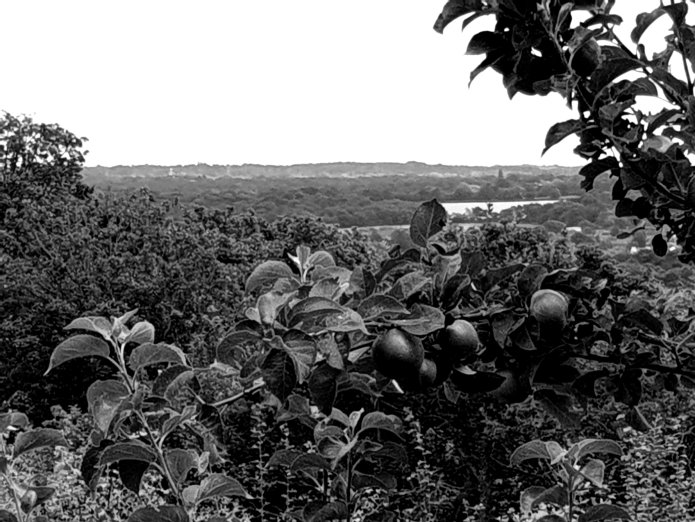
We passed the house where Jacob Epstein lived and the plot of land where he had his studio, demolished last year, at the back of where there used to be a paint factory.
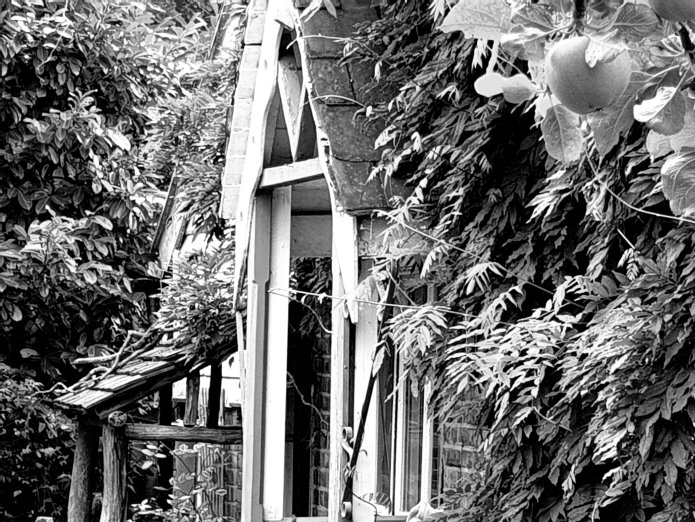
It’s surprisingly rustic, in a 1930s way:-


We sat on a balcony last night on the other side of Blackfriars Bridge from St. Paul’s and were able to admire the way that it still just about commands the horizon against the towers of the Barbican, looking more like Bramante’s Tempietto when seen from a distance, not that Wren had seen it, but he would have known it perfectly well from engravings in his extensive library of travel and architectural books:-

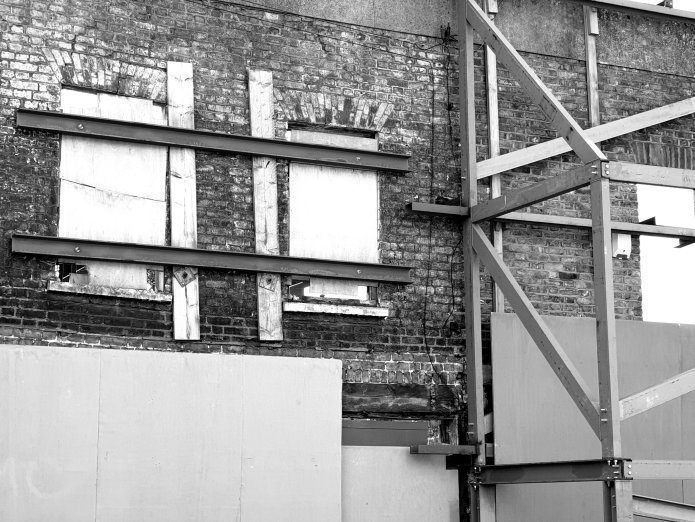
I have been following with interest the Gentle Author’s campaign against what he describes as ‘the creeping plague of ghastly facadism’. It is one of those things which, once noticed, is surprisingly common, a result presumably of developers doing deals with local authorities whereby they gut properties on condition that they retain the façade.
One of the odder examples is on Commercial Road on the edge of the Mercer’s estate, where there was an odd and old-fashioned group of shops, including a fishmonger’s open to the fumes of the passing traffic. It has nearly all been demolished, apart from one half-timbered shop which scarcely seems worth the effort of preserving :-

And two façades on White Horse Road where the old bakery used to be which also don’t seem to merit the effort of preserving:-

A question from Ellis Woodman as to whether or not there are still people alive who were students at the RA Schools when Albert Richardson taught architecture reminded me that Peter Smithson, the well known brutalist, enrolled as a student in 1948, after completing his studies, interrupted by the war, at the King’s College School of Architecture in Newcastle. What on earth will he have made of the teaching of Richardson who liked to be carried round Ampthill in a Sedan Chair ? Anyway, it was at the RA that Smithson met Anthony Caro, another improbable product of its conservative teaching.
Here we are, three directors of the NPG, Roy Strong, who was Director from 1967 to 1974, me from 1994 to 2002, Nick Cullinan who took over in 2015, together representing a mere fifty two years of the gallery’s history, only missing the late John Hayes and Sandy Nairne:-


You must be logged in to post a comment.