Peter Zumthor

The collection of models by Peter Zumthor, all from the collection of the Kunsthaus in Bregenz, makes it possible to see and survey (but not to photograph) key examples of his recent work.   The dates must relate to the modrls, not the projects themselves:  exhibition space for a sculpture by Walter de Maia at Dia Beacon (2005) – large, empty and top-lit;  a beautiful, circular hotel in Atacama, Chile (2010); the Perm State Art Gallery, a purely sensual, pod-like space (2012);  the new building for LACMA which sweeps away nearly all the existing buildings on the site to replace them with a new scultural vocabulary (2013);  his ground-hugging project for the Fondation Beyeler (2016).   It’s easy to see why he has such a central place in the Biennale.

Standard

The British Pavilion

I now feel a slight sense of embarrassment as I approach the British pavilion in the Venice Biennale.   The Biennale started in 1895, the British pavilion was designed by Edwin Alfred Rickards, the architect of Methodist Central Hall, and opened in 1909.   We were given a central place in the Celesteville view of national competition in culture.   I no longer feel we deserve this with our insular retreat in Little Englandism and xenophobia and our determination to renounce our historic links and collaboration with neighbouring countries in Europe;  and I am glad to be able to say this when freedom of speech has been so stifled amongst all those in any way on the payroll of the state.

Caruso St. John have just ignored the pavilion and built a temporary viewing platform on top:-

image

image

image

Standard

The Arsenale

In the discussion after the Annual Architecture Lecture last week, Grafton Architects claimed not to have been motivated in their choice of international architects by any consistent notions of style.   But, as one walks down the great spaces of the Corderie, it seems obvious that they are interested in low volume, social projects, which make good use of natural materials and create unrhetorical public spaces.

Níall McLaughlin opens, an Irish architect with an interest in Yeats:-

image

Opposite is a school building near Pune by Case Design:-

image

Z33, a House for Contemporary Art, designed by Francesca Torza is purely in this spirit: low-key, extremely sensual, built out of handmade bricks, an aesthetic retreat:-

image

I admired the work of De Blacam and Meagher, more Irish architects, who have reconstructed the central space of their Cork Institute of Technology as if it was drawn by Bellini.

What comes across most of all is a sense of materiality – the enjoyment of brick and stone in built form:-

image

image

image

Standard

Lord Burlington’s Streets

I was asked to speak last night at a party for the Westminster Property Forum. I found myself trying to explain the historical significance of the grid of streets immediately north of Burlington Gardens, all built on land acquired by the first Earl of Burlington between 1670 and 1683: Burlington Gardens, so called because it was the northern perimeter of the garden of Burlington House; Savile Row, which was laid out between 1731 and 1735 (the first two leases are dated March 1732) and named after Lady Dorothy Savile, the third Earl’s wife; Cork Street, so-called because the third Earl of Burlington was also the fourth Earl of Cork; and Clifford Street, named after the first Earl’s mother. In other words, they are an integrated piece of eighteenth-century town planning, designed after the third Earl had returned from his second Grand Tour, having seen admired the layout of the streets of Vicenza and planned in order to help pay off his debts.

Standard

Poster Bar

While I’m about it, I also want to promote the Poster Bar on the ground floor of Burlington Gardens, which opens every morning at 8am. At the moment, I am the only person using it at that hour, drinking a lonely cappuccino.

It serves coffee:-

image

Cakes:-

image

And meringues:-

image

Standard

The Senate Room

I am (unusually) doing a post purely in order to promote something at the Royal Academy, having had Sunday lunch in the new-ish Senate Room restaurant upstairs in Burlington Gardens where we were able to enjoy the attention to detail.

Pewter cutlery by Mepra:-

image

The ceiling painting, probably not original, but which has been retained:-

image

The view through to the Lloyd Dorfman Architecture Studio:-

image

And the mixed cured meat platter:-

image

Standard

Richard Woods

Until today, I knew nothing of Richard Woods, the landscape designer who designed the park at Wormsley in Buckinghamshire and a great number of other gardens, not just round London, including the grounds of Hartwell House, also in Buckinghamshire, where he designed ‘a new Garden Greenhouse and Pinery’, but also in Yorkshire, where he worked at Harewood, and in Wiltshire where he laid out the park round James Paine’s mansion at Wardour in a style that was admired by Capability Brown.   He was forgotten because his style, like Brown’s, was naturalistic, but much less well documented.

Standard

The Chilterns

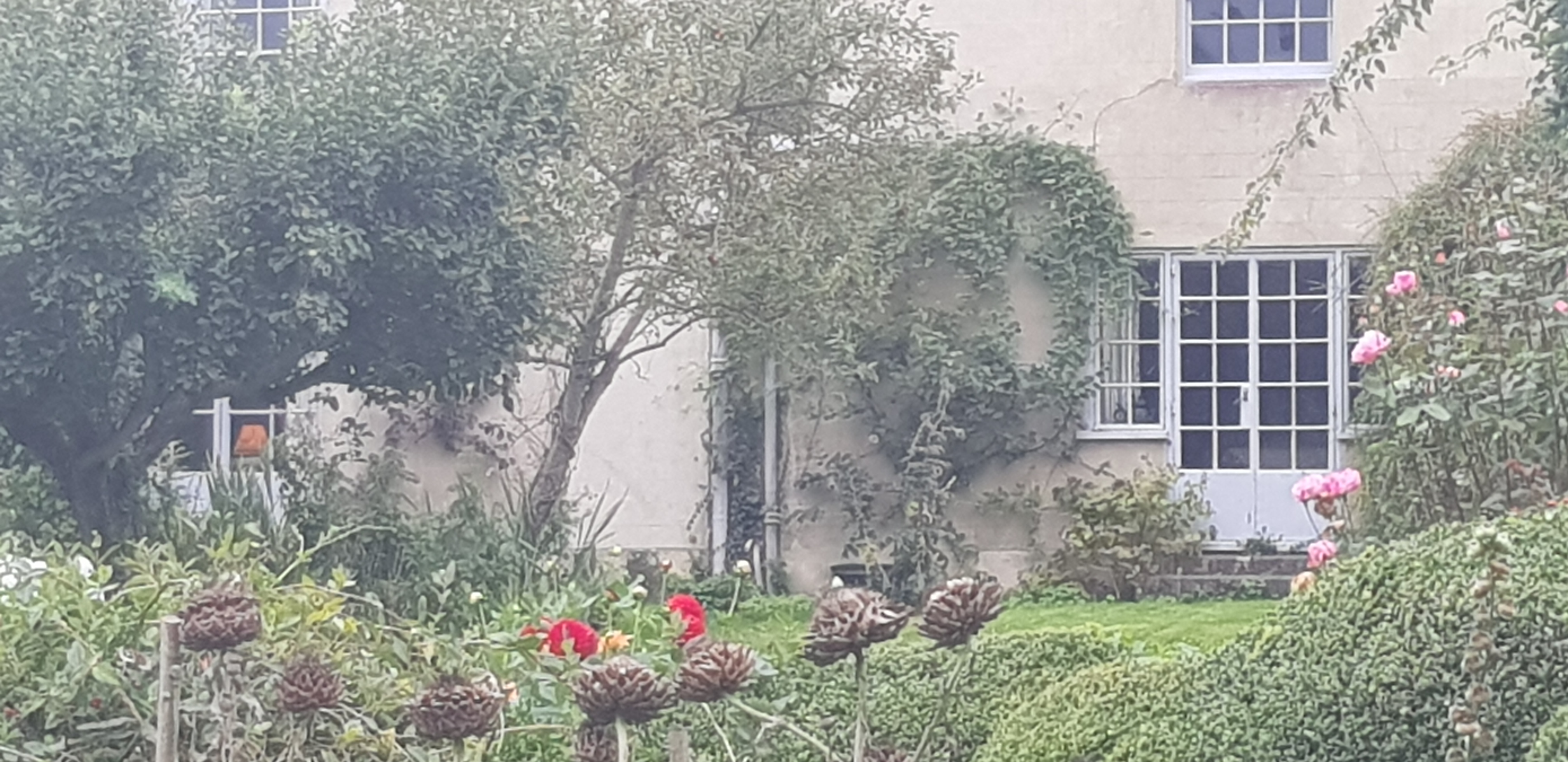
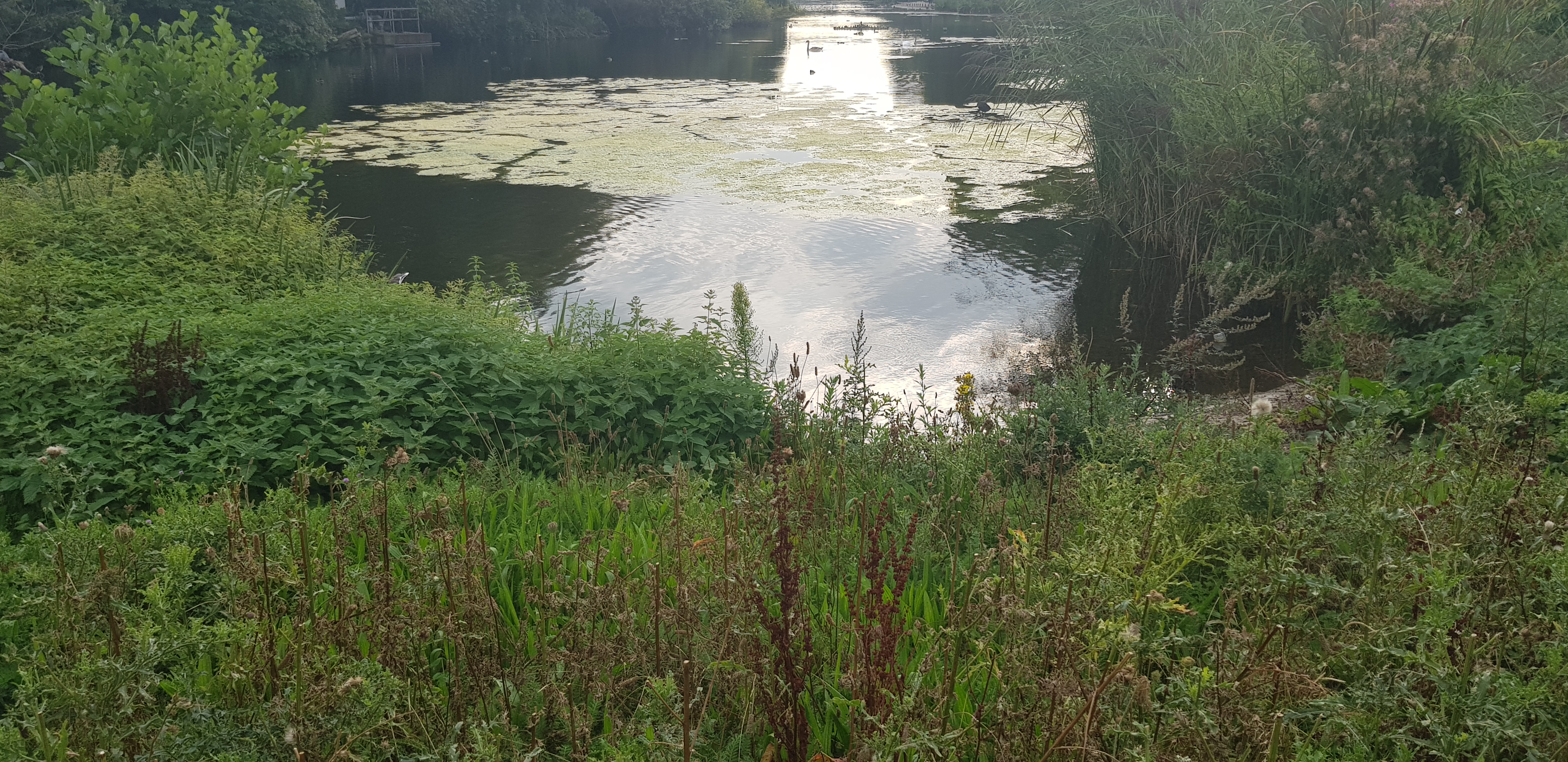
We had lunch in a remote valley of the Chilterns – strangely unspoilt given its proximity to London:-

image

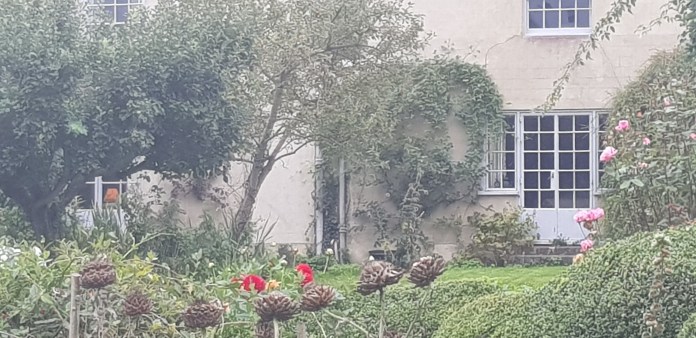
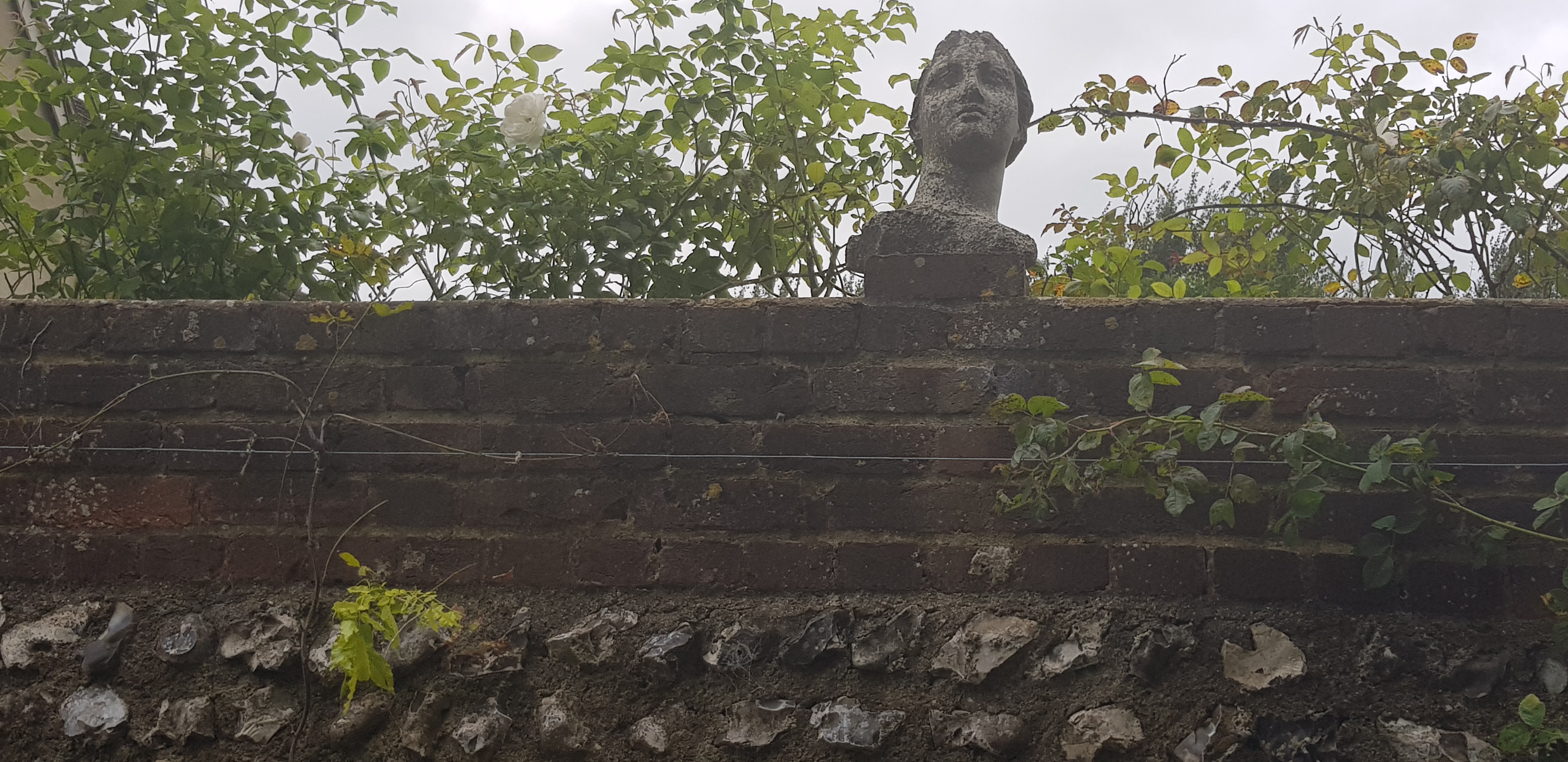
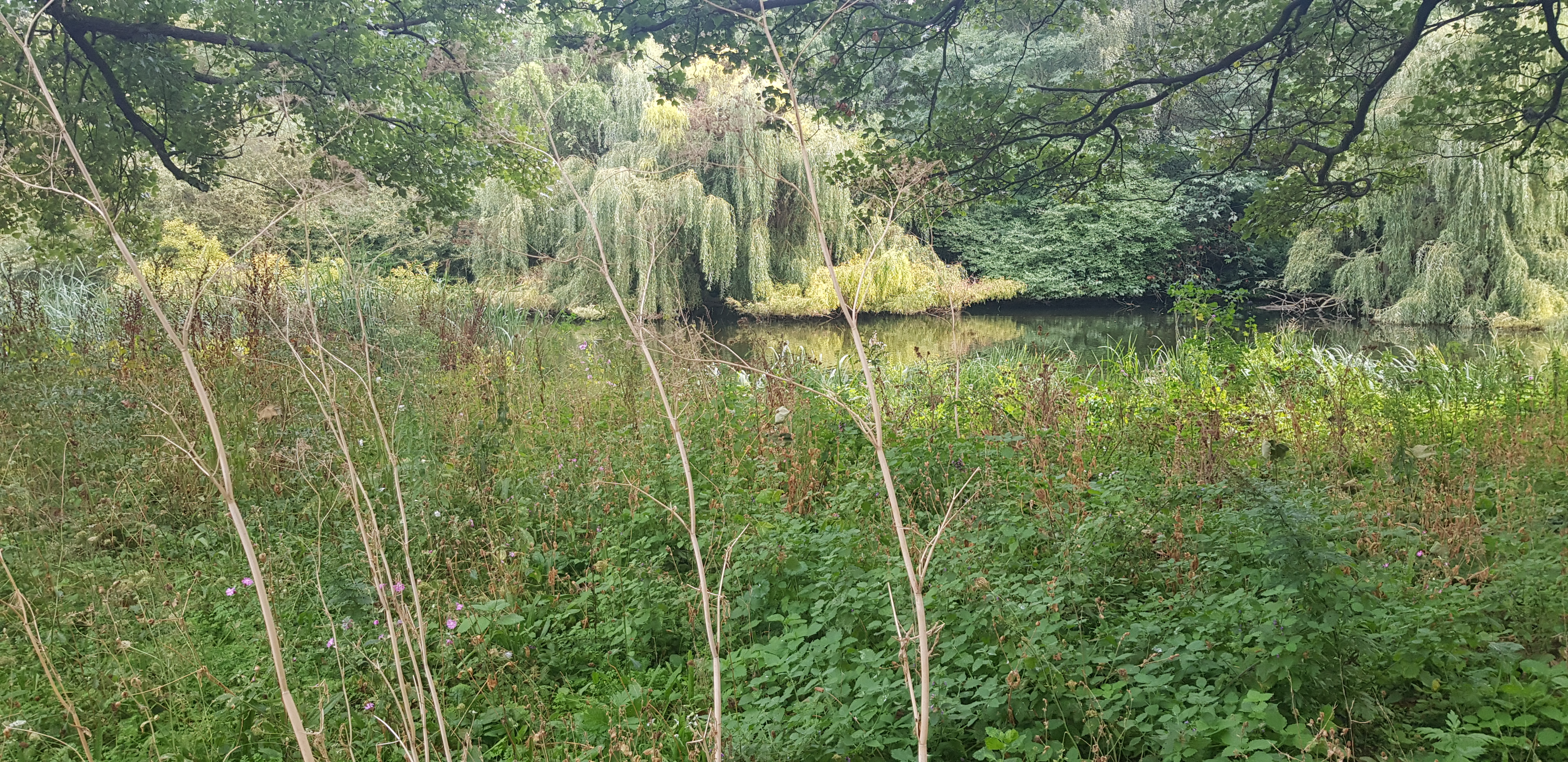
The walled garden looked out over a ha-ha, the residue presumably of the garden laid out by Richard Woods in 1775:-

image

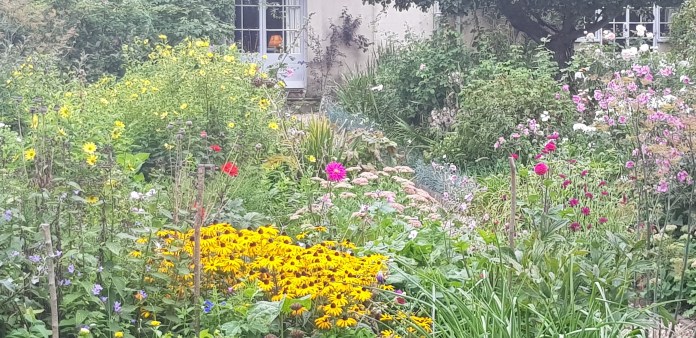
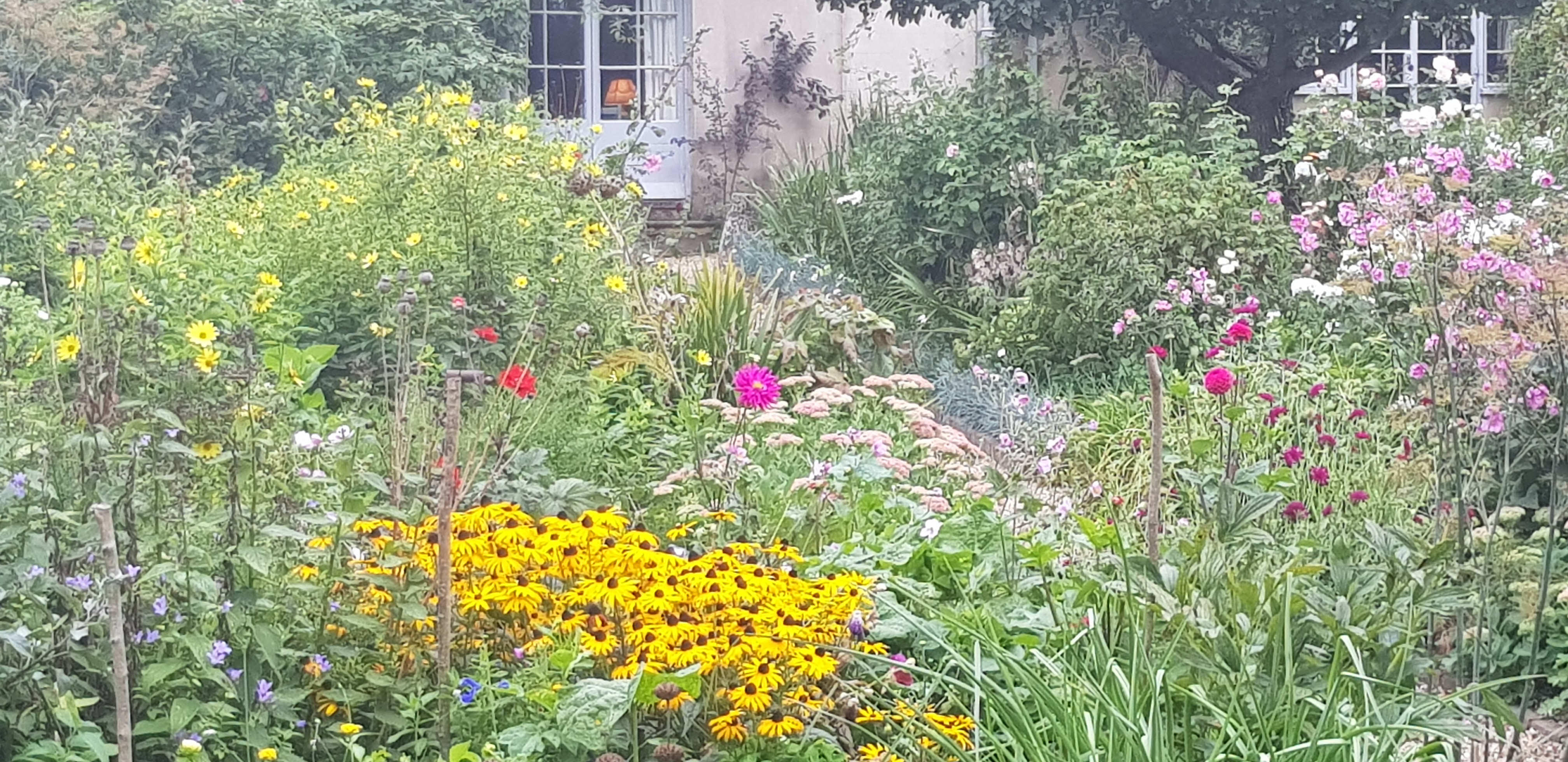
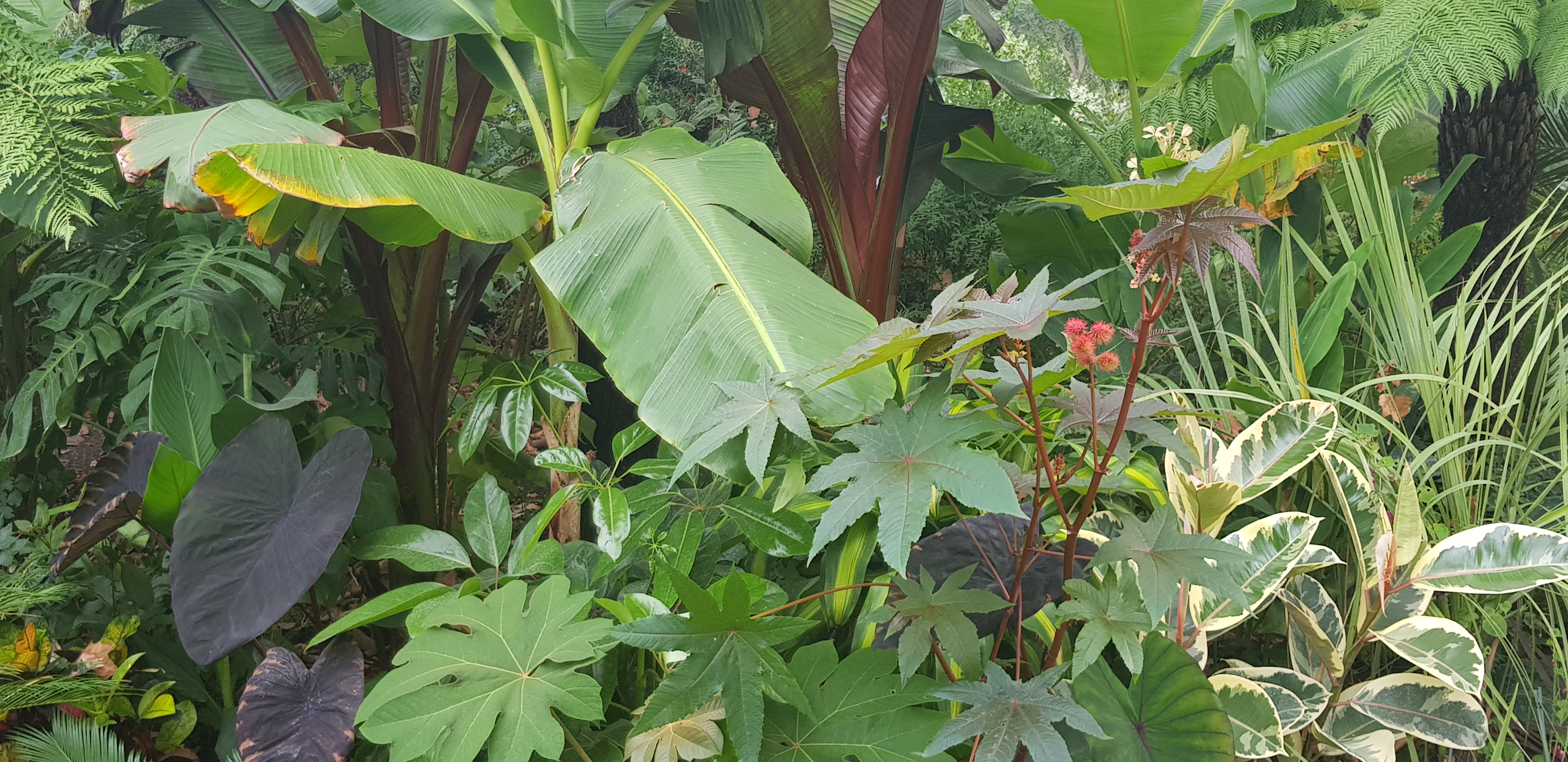
And had good wild planting:-

image

image

image

Standard

Denmark Hill

I had a meeting in Camberwell which meant that I took the Overground to Denmark Hill, a surprisingly grand Victorian station with passing wagon lits:-

image

image

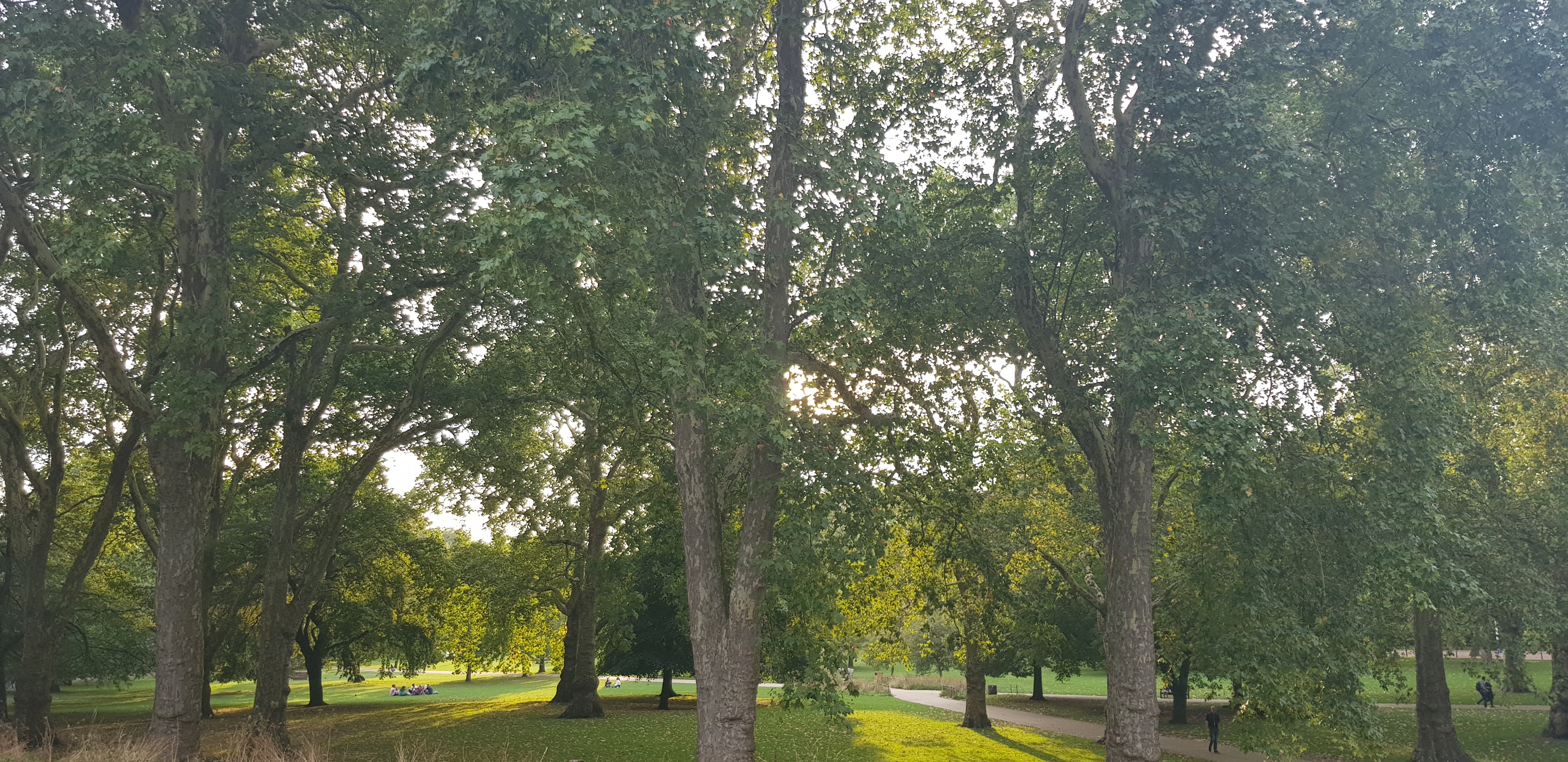
I was able to walk through the leafy late Georgian streets of Camberwell Grove, begun in the 1770s and with a few eighteenth-century houses surviving, and the grand terrace at the north end of Grove Lane:-

image

image

image

image

Standard