
I spent part of the morning poring over, and admiring, the documentary photographs taken by a relatively unknown photographer, David Granick, of the East End in the 1960s and 1970s. He apparently took them as illustrations for talks he gave for the monthly meetings of the East London History Society, but it is impossible to tell from the photographs what the talks might have been, as the photographs are neither particularly sociological (there are not many people in them) nor especially architectural, although they record the character of the streetscape. What is amazing is how decayed the area still was in the 1970s, still with very obvious signs of bomb damage. The docks were still working. That is by far the biggest change. Spitalfields, the subject of many of the photographs, including Fournier Street and Elder Street, has changed amazingly. But the photographs are not at all nostalgic, just straightforward, beautifully composed images, which are powerful precisely because they are not nostalgic.
Author Archives: Charles Saumarez Smith
David Watkin (2)
It is probably inevitable that I have been thinking more about David Watkin and what his influence was on a generation of architectural historians. He was at Trinity Hall in the early 1960s, but always regarded himself as a child of the 1950s, because he hated all aspects of the 1960s, its liberalism, its utopianism and its anti-authoritarianism. I think he must have been one of the first students of art history at Cambridge, but I don’t remember him having any interest whatever in fine art, only architecture, for which his tastes were actually much broader than his ostensibly narrow-minded classicism might suggest. His Ph.D on Thomas Hope was supervised by Nikolaus Pevsner and, for some reason, he bore a grudge against Pevsner – I think for not supporting him getting a first. By the time I got to Cambridge, he was very well established with luxurious book-lined rooms in the centre of St. Peter’s Terrace, which must have been owned by Peterhouse, where he would conduct his supervisions, accompanied by thin sherry at 6. But, although he seemed very old, I now realise he was in his early thirties, and every time I saw him subsequently seemed younger. At the time, he was pretty industrious, publishing a big biography of C.R. Cockerell in 1974, which won the Alice David Hitchcock Medallion in 1975, and Morality and Architecture, his most influential book in 1977. What was his influence ? He certainly encouraged a generation of students to treat architectural history as a serious scholarly disicipline.
Shadwell Basin
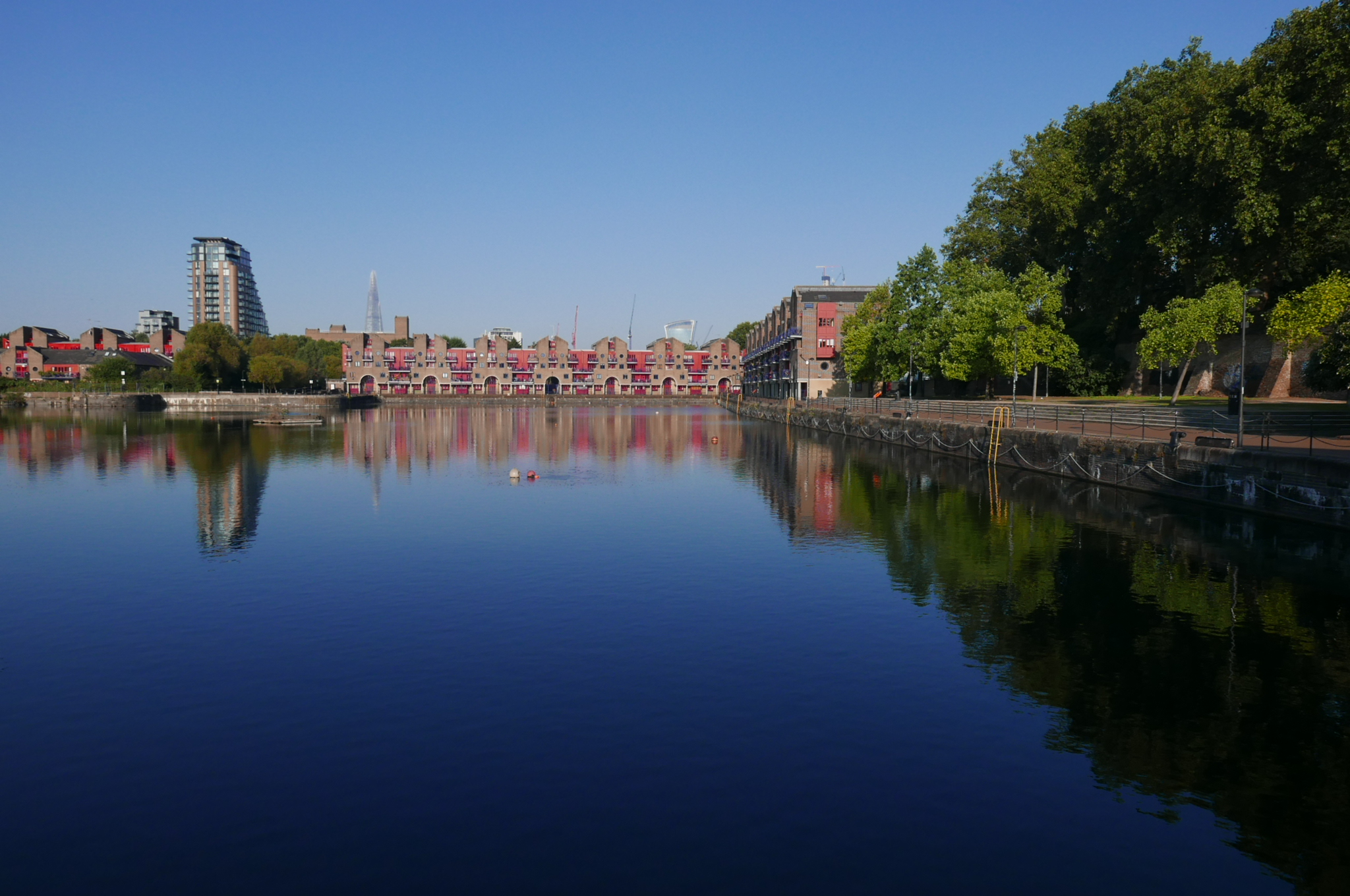
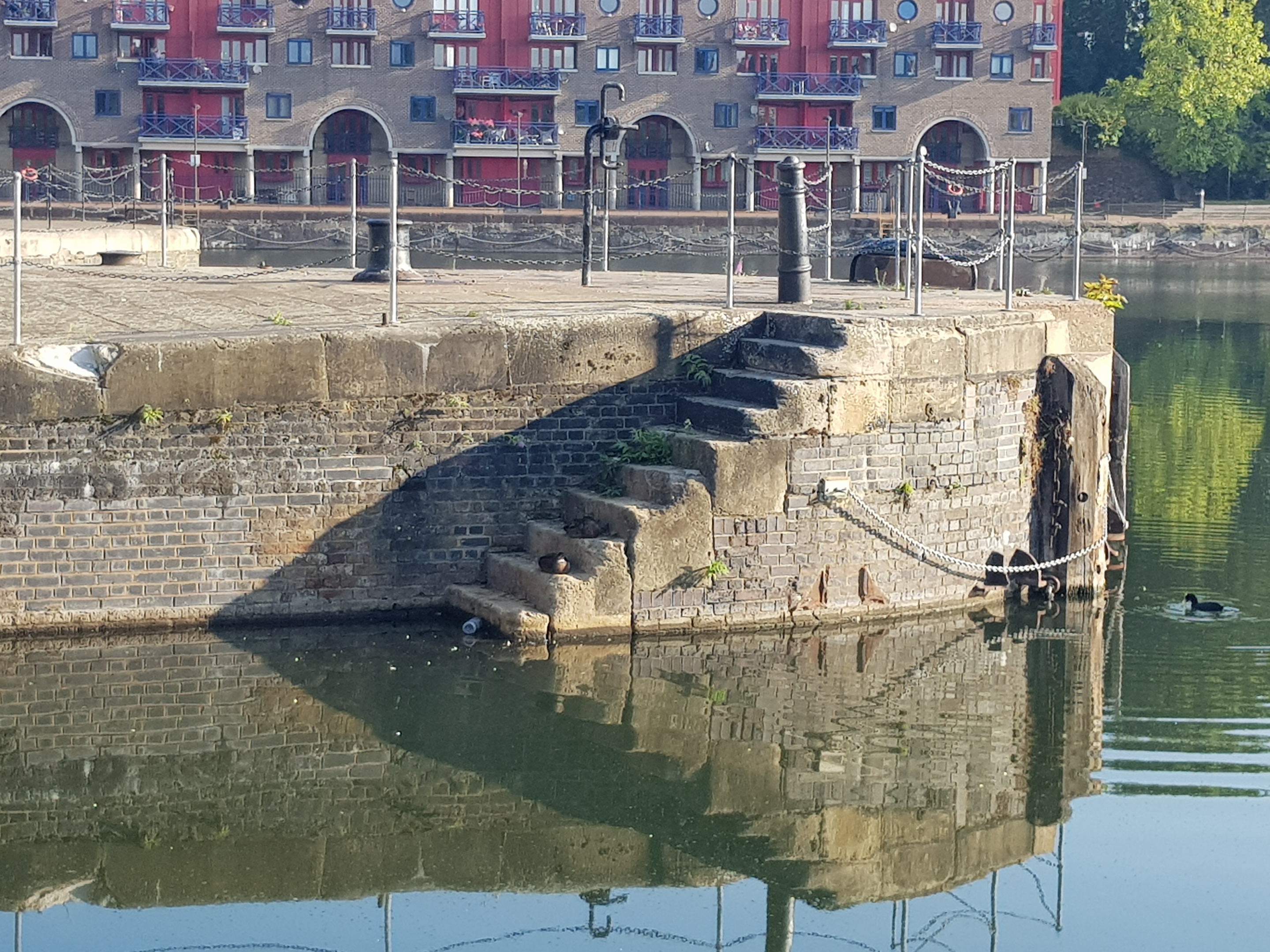
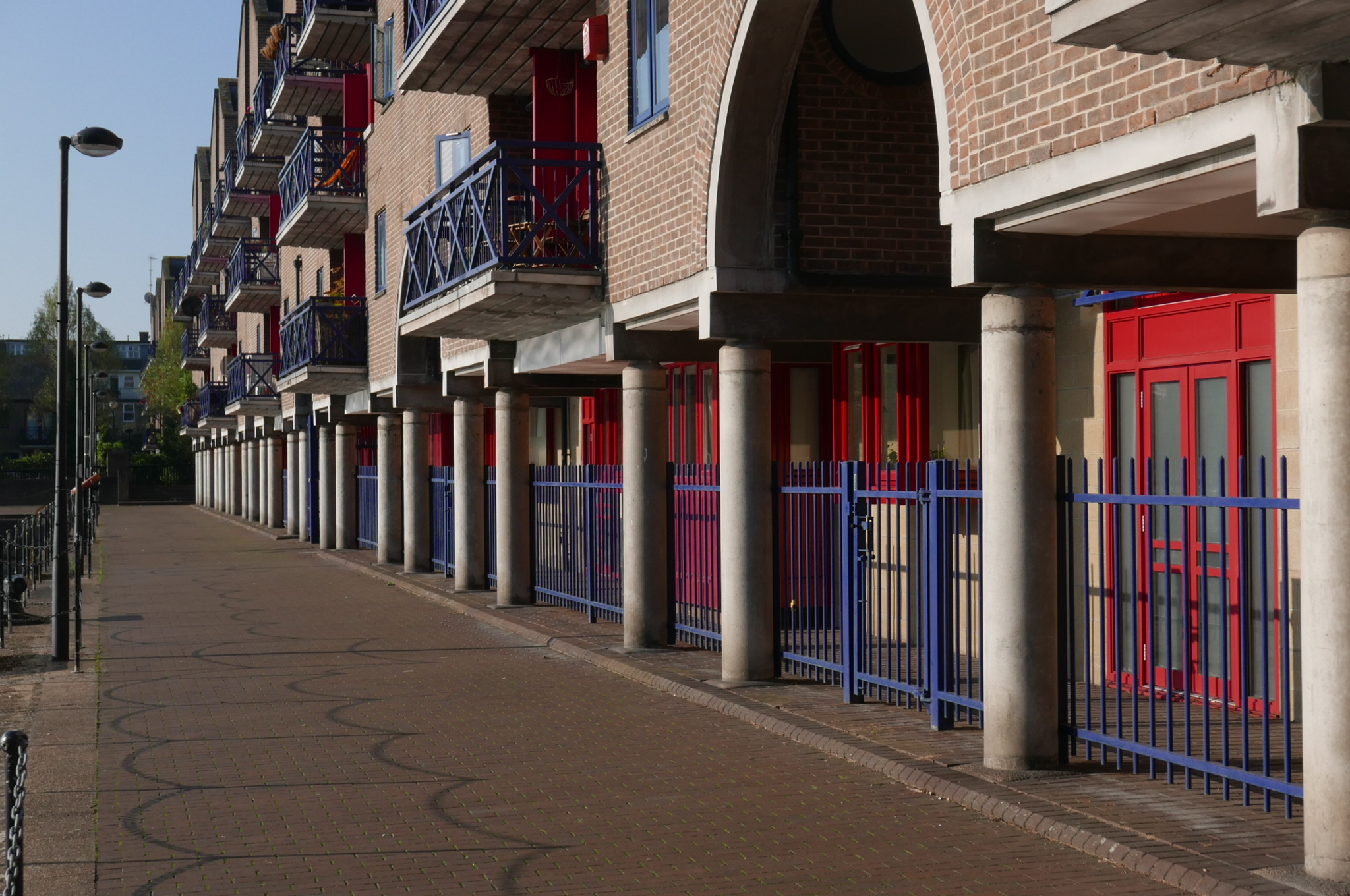
I walked down to Shadwell Basin to take photographs in preparation for an event about Richard MacCormac’s architecture the week after next.
I’ve always liked and admired this housing scheme, which was an early project by the LDDC in which Ted Hollamby as Director of Housing commissioned a well-known architect to make a design which was then implemented by a developer, with modifications to accommodate the wind requirements of the nearby sailing school. Richard gives it short shrift in the monograph about his work, but it’s worn well, is conceptually significant, and has just been listed:-


David Watkin (1)
I was a pupil of David Watkin and am very sad to hear of his unexpected death, although I knew that he had been extremely ill.
I was taught by him in the Michaelmas Term 1974, four weeks only, in a joint supervision with Malcolm Ramsay, who was at Peterhouse, did his dissertation on prisons, and became a government criminologist. I think I may have also been supervised for a paper on Approaches to the History of Architecture. It was the high noon of David’s – and, to an extent, Cambridge’s – conservative reaction to the 1960s and everything it stood for. He was aggressively conservative and part of a group which included Ed Shils, the Chicago sociologist, Roger Scruton, Edward Norman and John Casey, mostly based at Peterhouse.
I was greatly influenced by him – his deep love and knowledge of classical architecture, his support for his pupils, and his interest in them beyond the requirement of supervisions. I was later regarded as having gone to the bad, lost to his version of intense, high minded, but doctrinaire scholarship.
But I remain grateful to him.
Brexit in Anglesey
Having spent the last three weeks fairly far removed from the daily concerns of Brexit, I thought I should look up what the voting had actually been in Anglesey, which is as far removed from London, Westminster, the city and, indeed, Europe itself as it is possible to be; and I was intrigued to find that the voting had been extremely close, in fact, marginal with 50.9% in favour of Leaving and 49.1% in favour of Remaining. I found this interesting, given that so much of the current political rhetoric is about the vote having been so decisive and overwhelming and impossible to reverse, whereas looking back at the vote itself, it is revealed as having been marginal, even in areas which might have been expected to vote decisively in favour of Leaving and so, I would have thought, far from conclusive, particularly as people didn’t know what they were voting for, only what they were voting against. In fact, from casual conversations, anxieties amongst farmers and small traders about interference from Brussels have been replaced by infinitely much greater anxieties about the realities of Brexit and, paradoxically, precisely the uncertainties that it will introduce into trading with Europe.
Llanddwyn Island
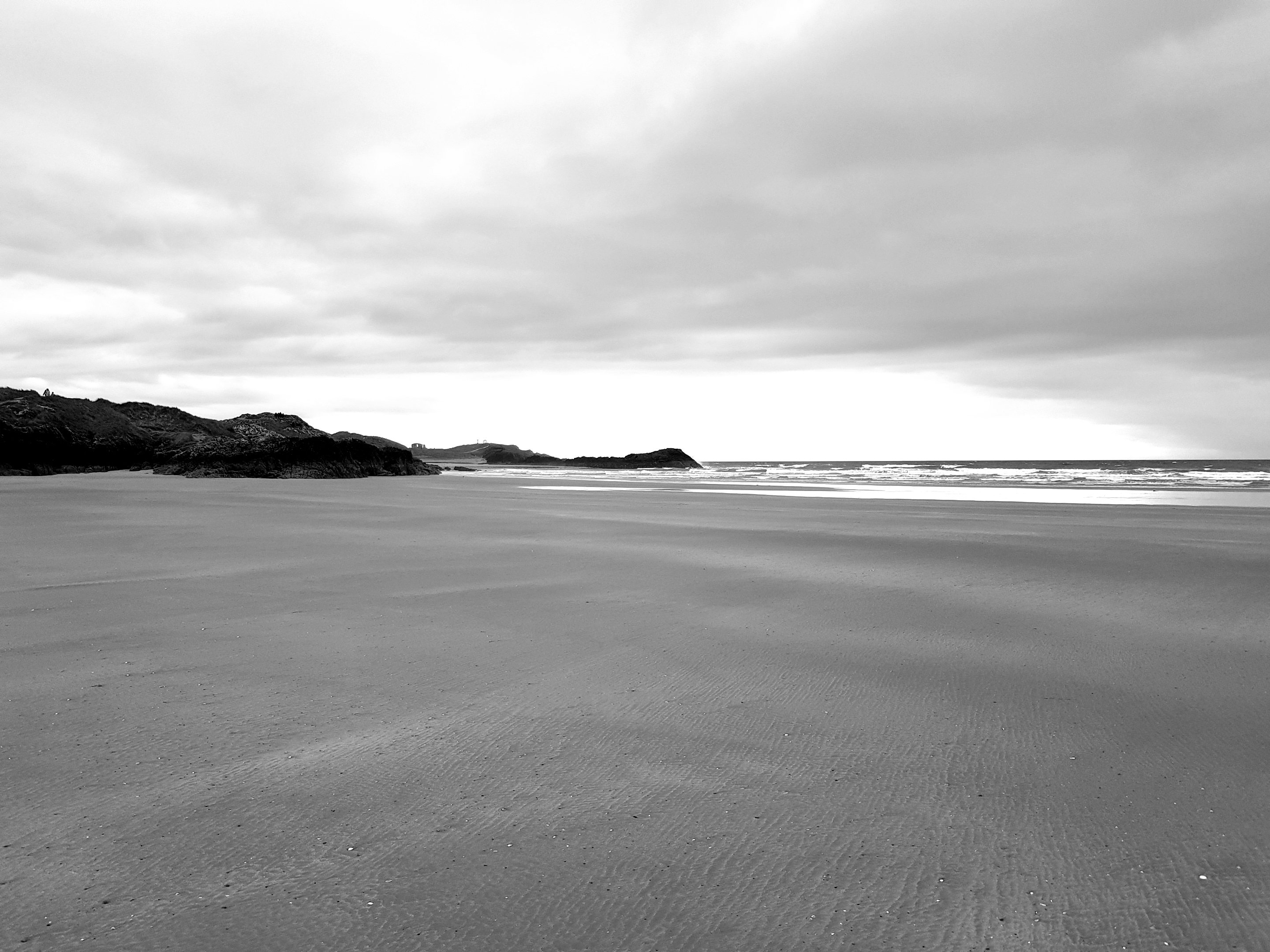
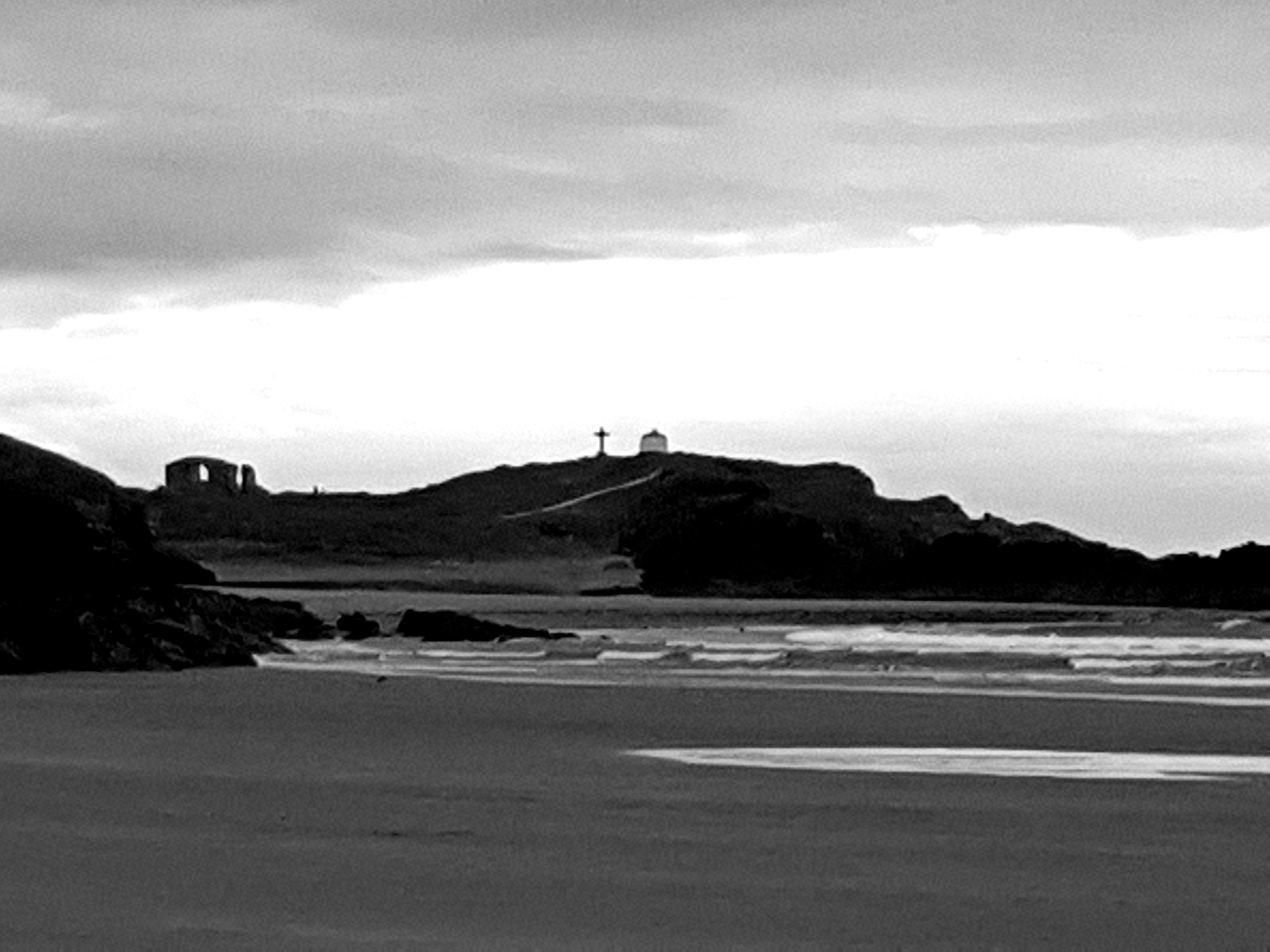
It being our last day in Anglesey, we went down to the beach at Llanddwyn for a last look, this summer, across the beach at the lighthouse, long disused and boarded up in March 1973, and what remains of St. Dwynwen, an early medieval chapel which was abandoned in the seventeenth century and which Clough Williams-Ellis proposed restoring in 1906, not long after he had left the AA:-
Oceania
I have been reading Islanders: The Pacific in the Age of Empire in preparation for our exhibition, Oceania, which opens next month. It’s written by Nicholas Thomas, the Director of the Museum of Archaeology and Anthropology in Cambridge and co-curator of the exhibition, together with Peter Brunt of Victoria University in Wellington NZ. The book is fascinating, but horrific, telling the story of how Europeans and, most especially, the British, discovered, appropriated, ruthlessly exploited, and pretty well destroyed the complex and polymorphous cultures of the Pacific islands during the nineteenth century. Captain Cook’s first expedition which set off from Plymouth in August 1768, 250 years ago, was relatively scientific, interested in exploration more than exploitation. It was mostly welcomed by those they met. But the narrative thereafter is of traders and missionaries, many of them vastly much more savage, arrogant and uncouth than the peoples they met and killed. It’s a history of which one can only be ashamed.
The Moon (2)
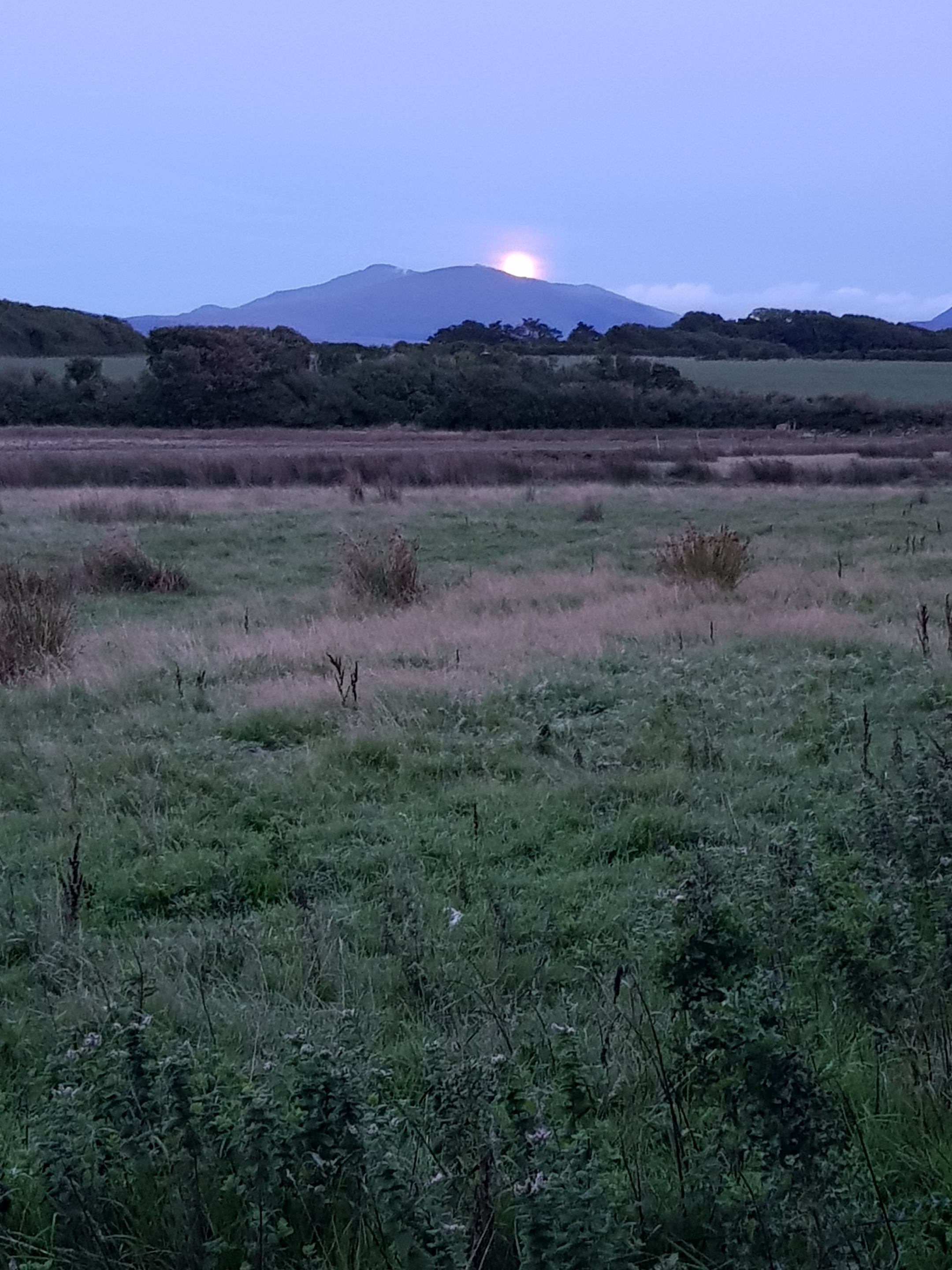
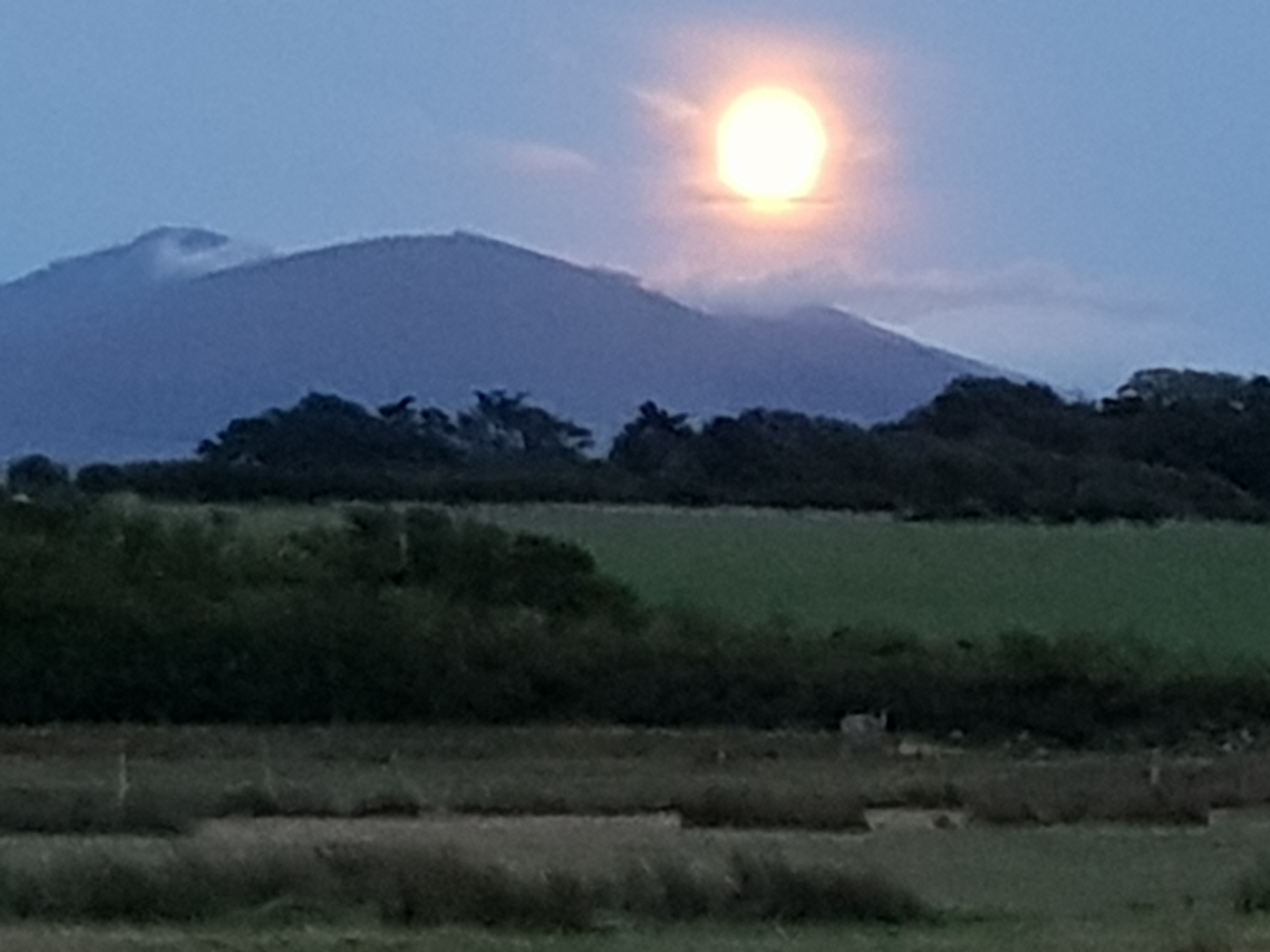
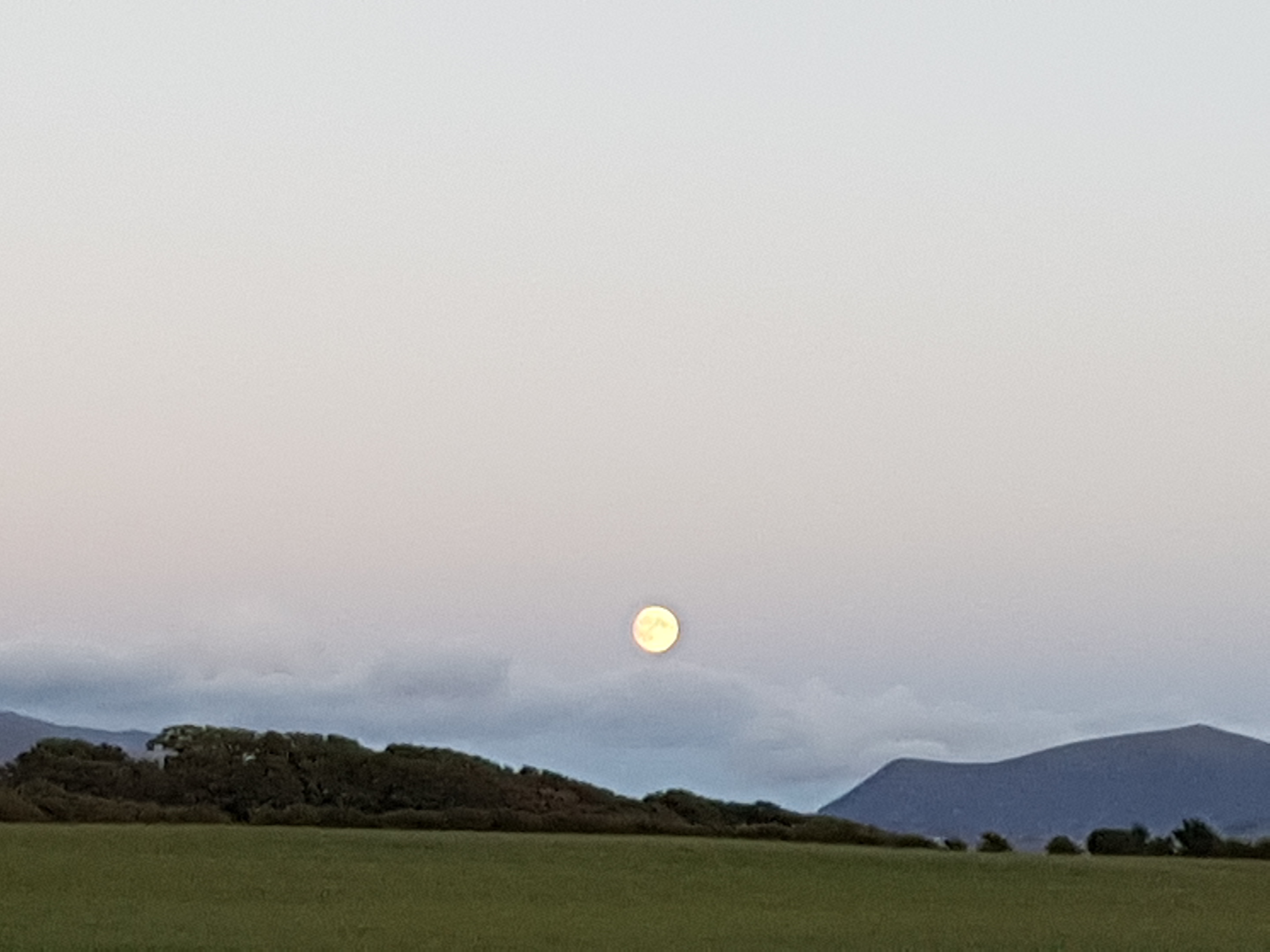
It’s one night off the full moon. We were able to watch it again rise behind Moel Eilio, but it’s nearly impossible to photograph, at least with a Samsung, not showing the Old Man and bleeding into the sky:-
Caernarvon (3)
Having visited Caernarvon twice in the last week, I can’t help but wonder why it is that a town with such a wealth of wonderful historic architecture, a well preserved medieval town plan, many good eighteenth and nineteenth century civic buildings, and one of the greatest medieval castles in Western Europe never feels quite as lively and economically energetic as it so easily could and should be.
The answer is fairly obvious. A lot of the life of the town has moved out to the main roads on the outskirts, with the big supermarkets, Tescos and Morrisons, lined up on the A487 which carved its way through the suburbs in the 1970s. There is one big new development of 2008, but it is 100% out of sympathy with the historic town, stands apart from it, and significantly damages the views of the Castle from across the Menai Straits.
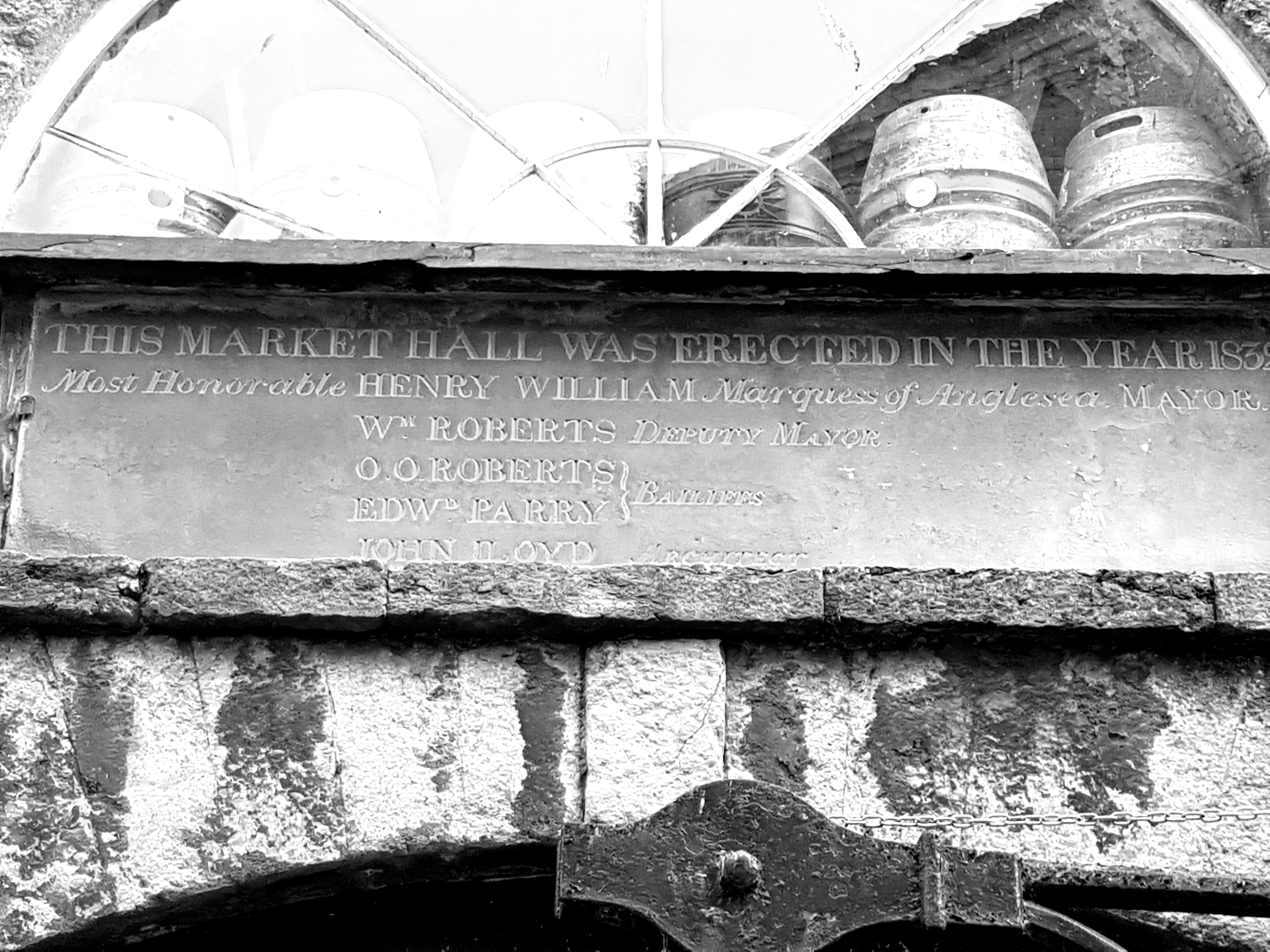
But what, one wonders, could be done about it ? I am posting the memorial stone marking the opening of the Market Hall, which now houses a Thai restaurant:-


You must be logged in to post a comment.