
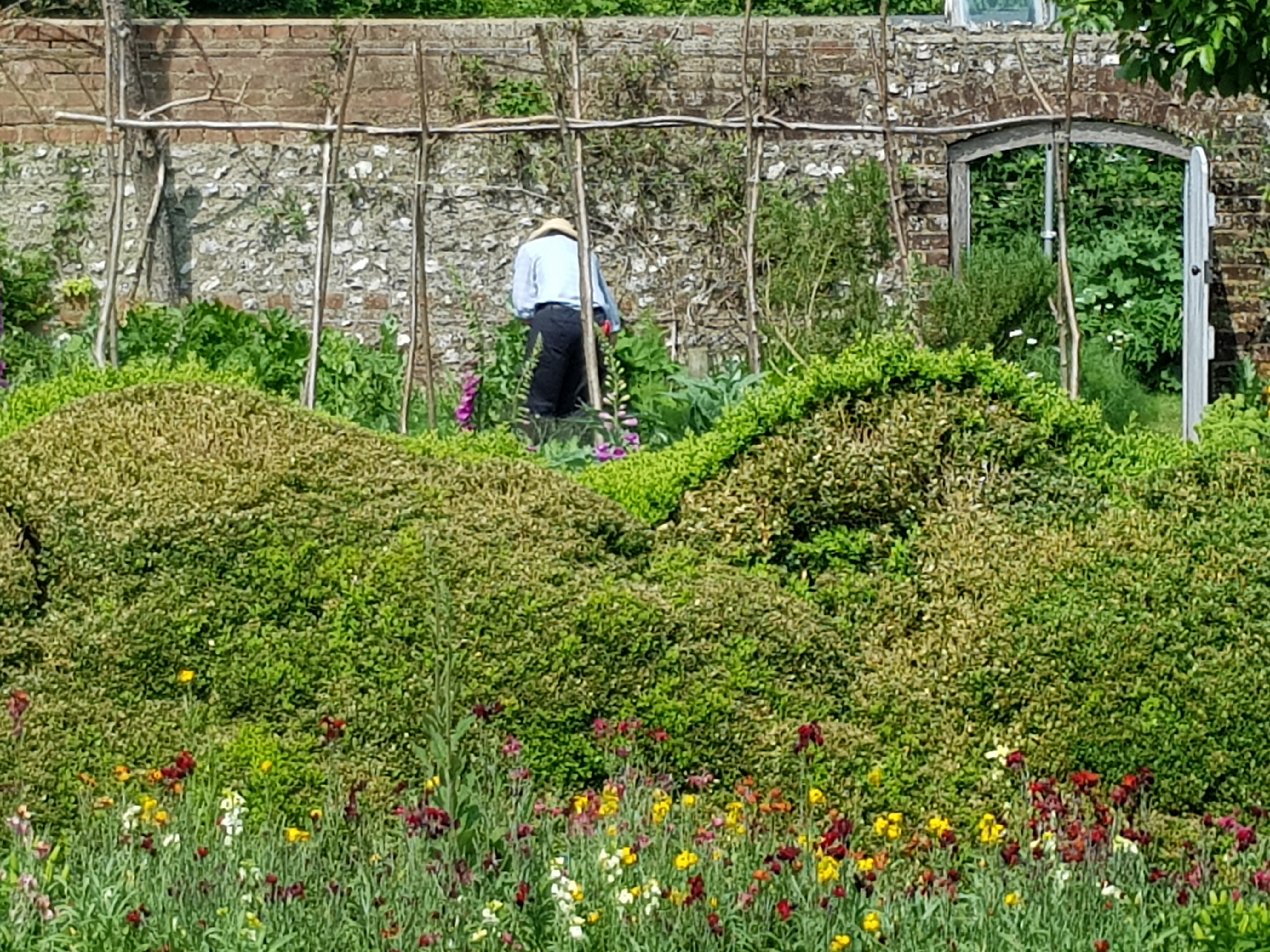
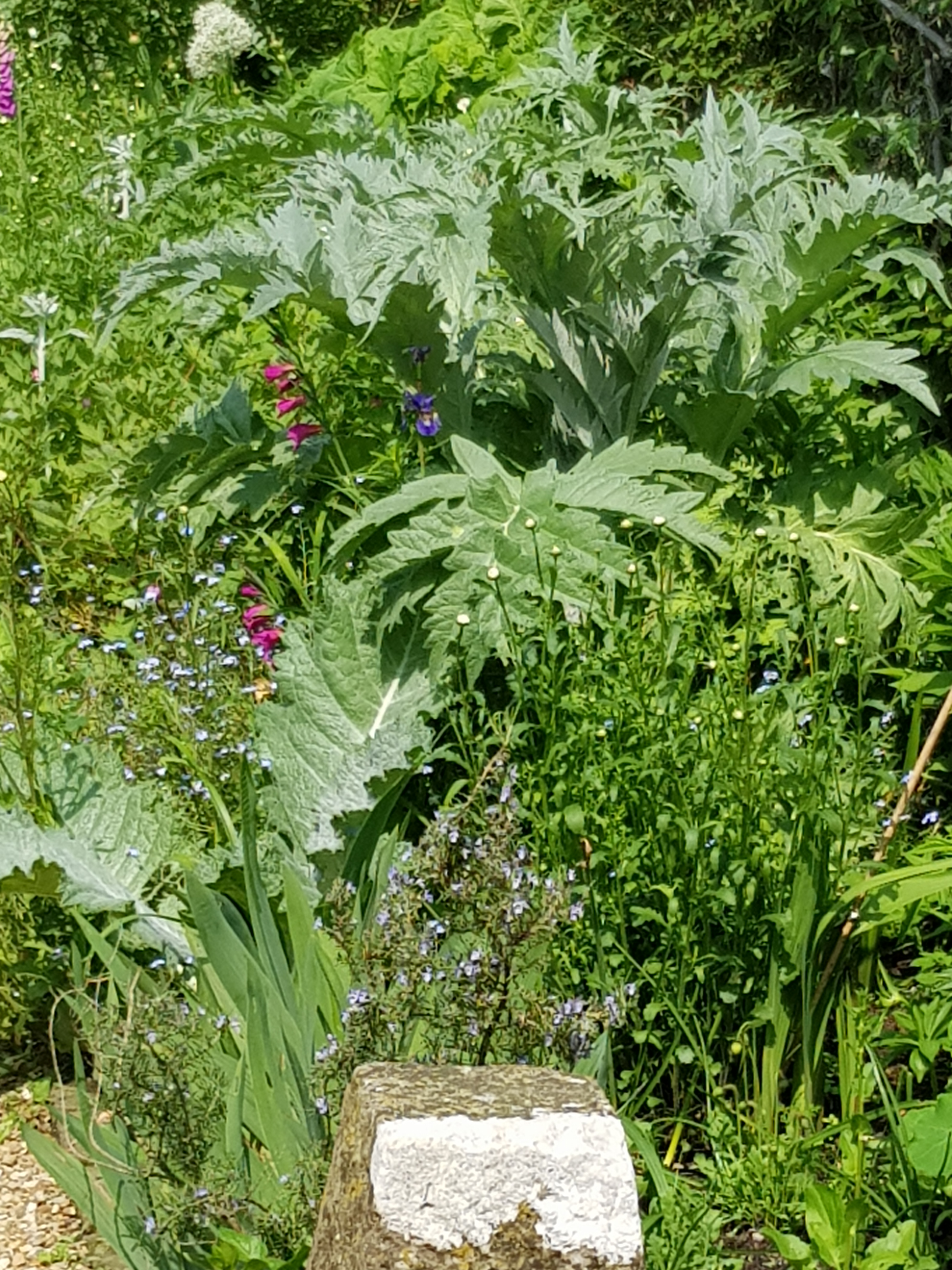
On the way back to London, we called in on Perch Hill Farm (not open to the public) in order to admire the cutting garden:-
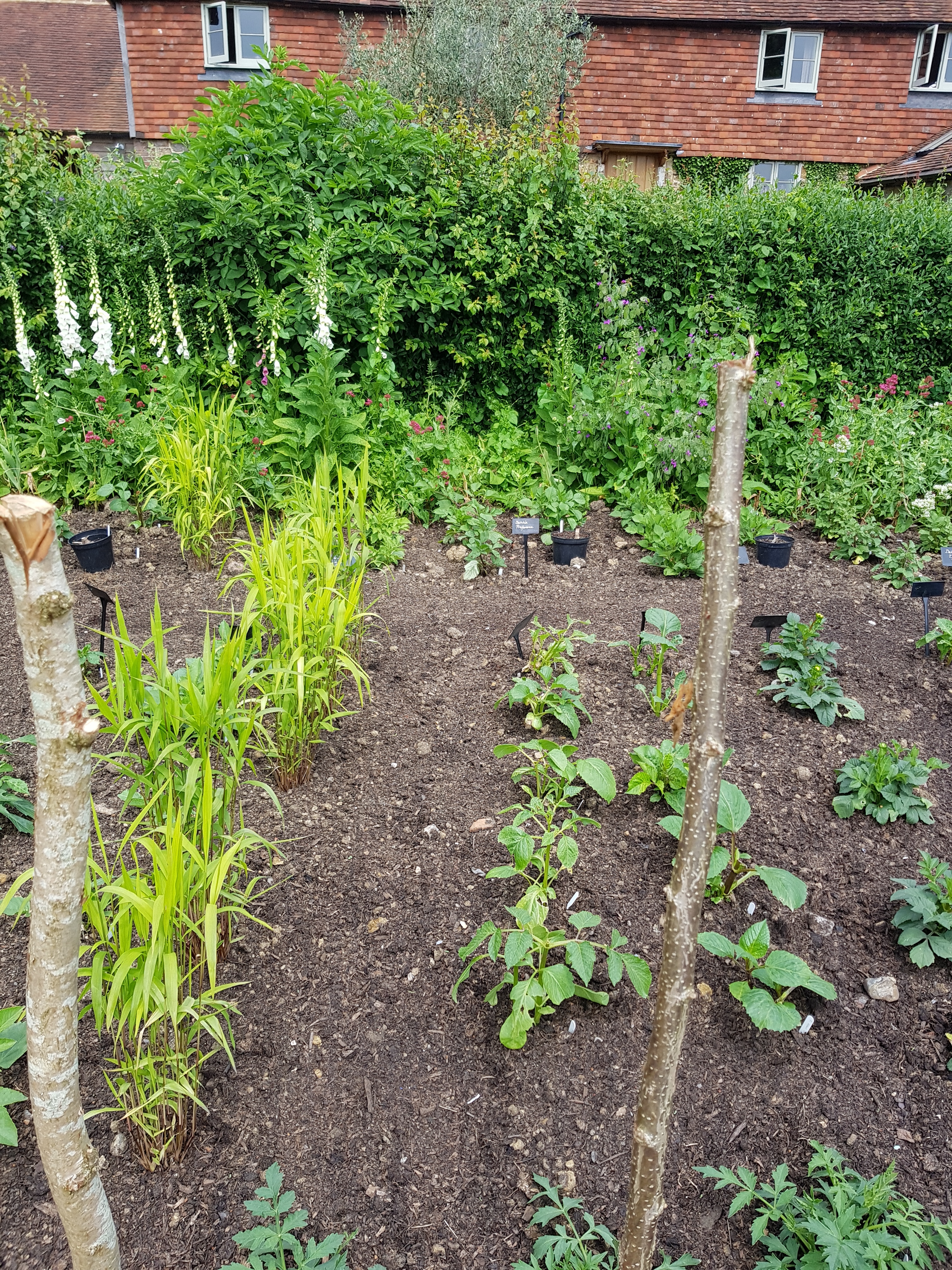
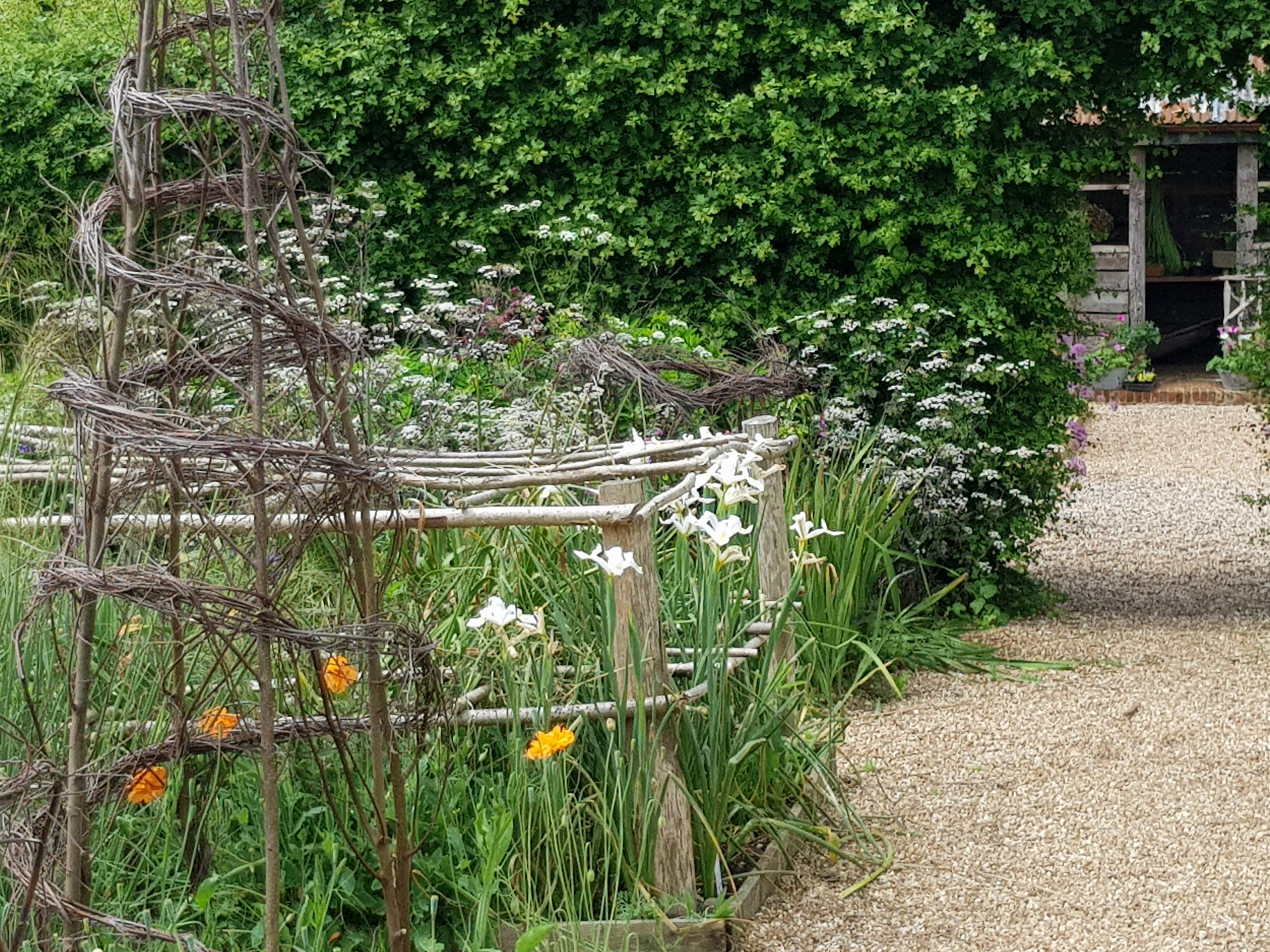
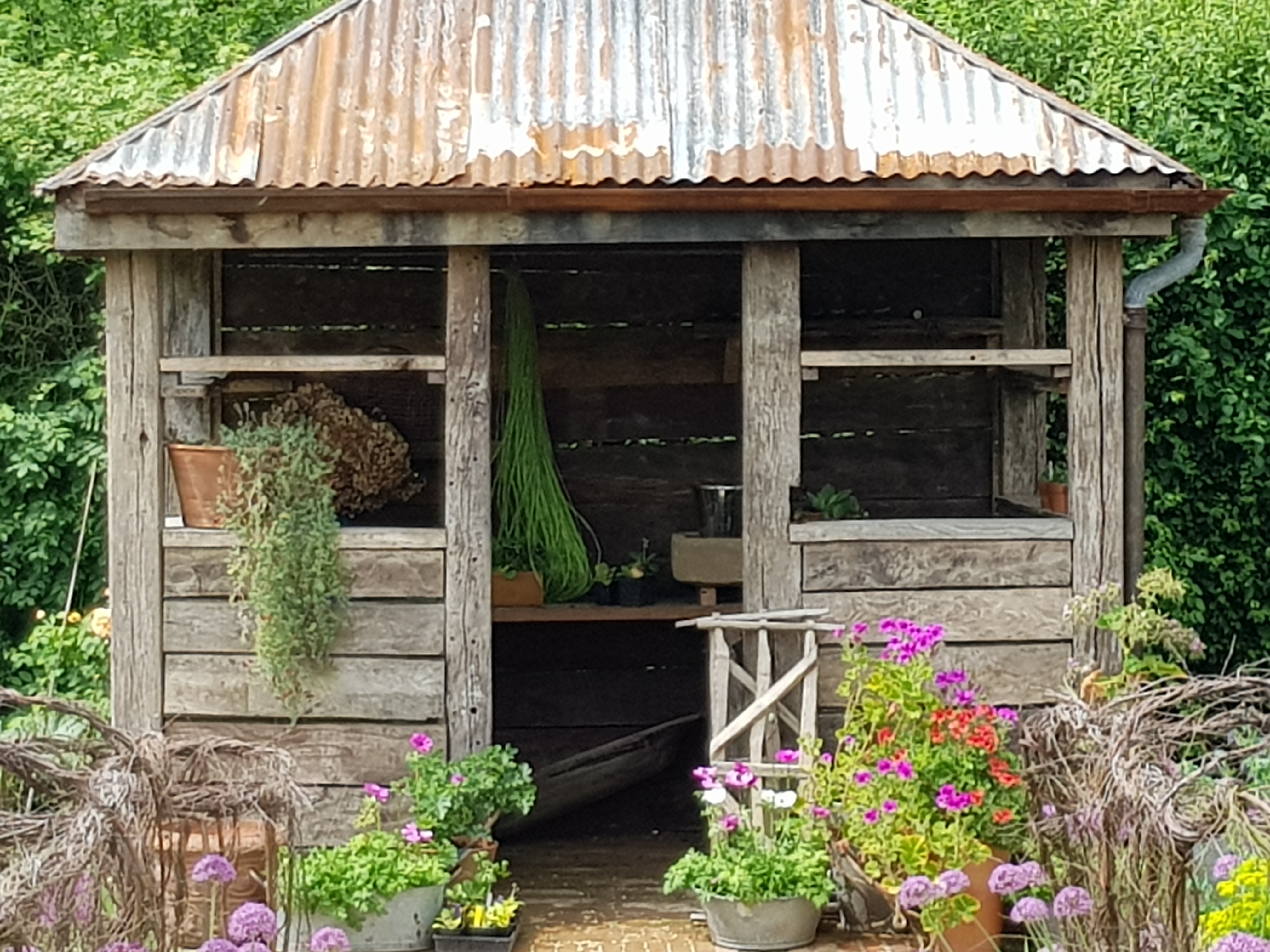
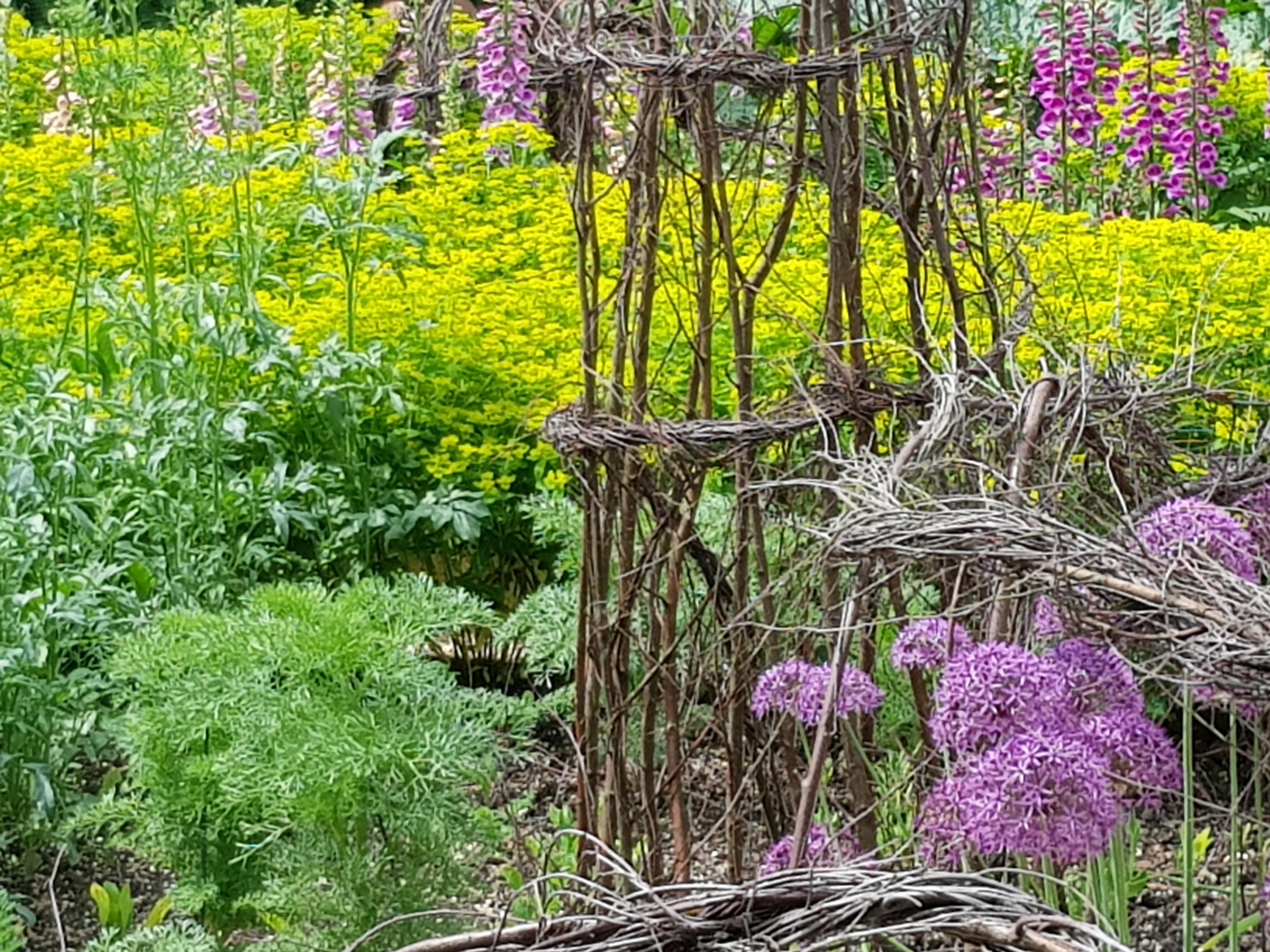
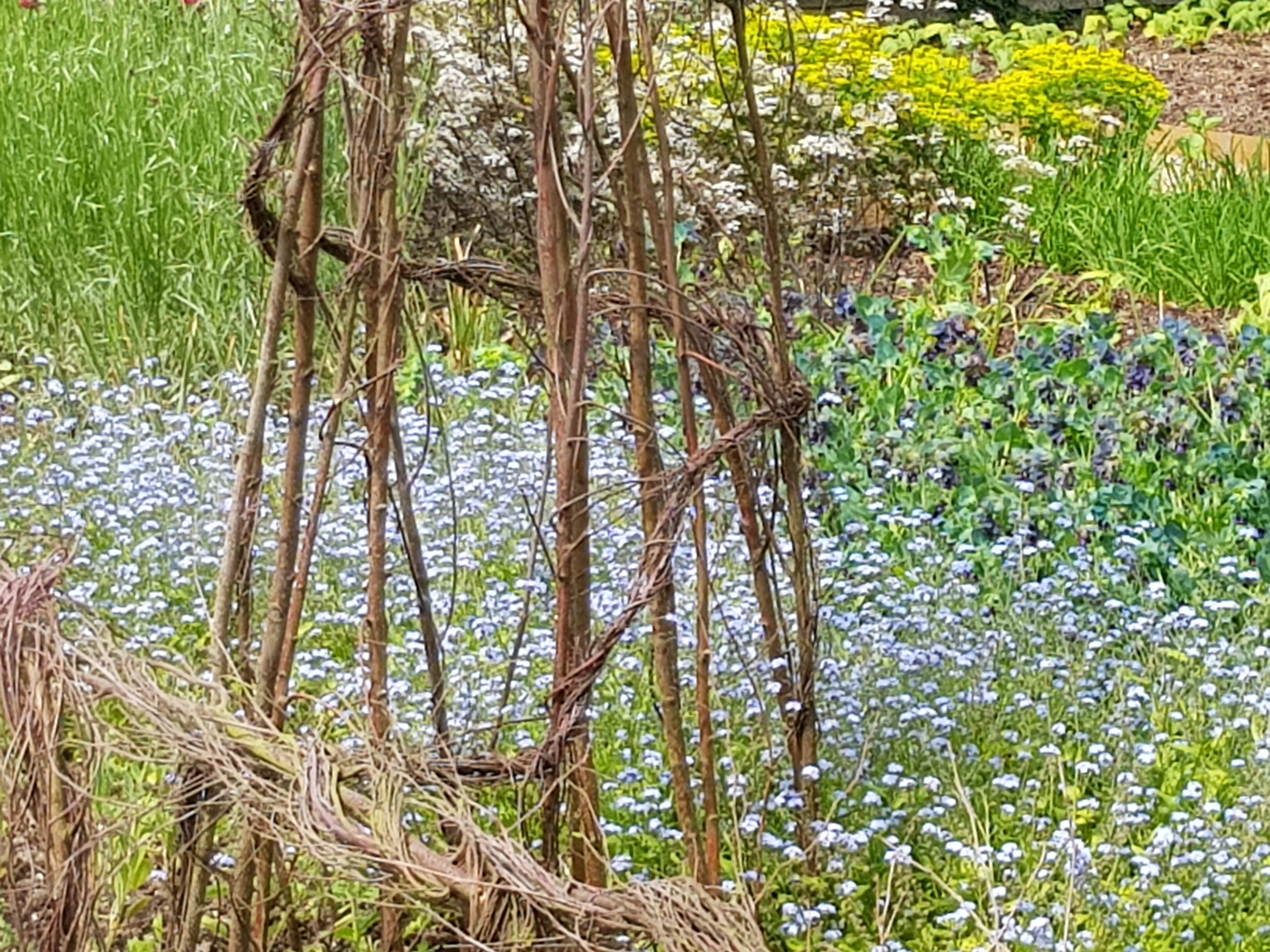
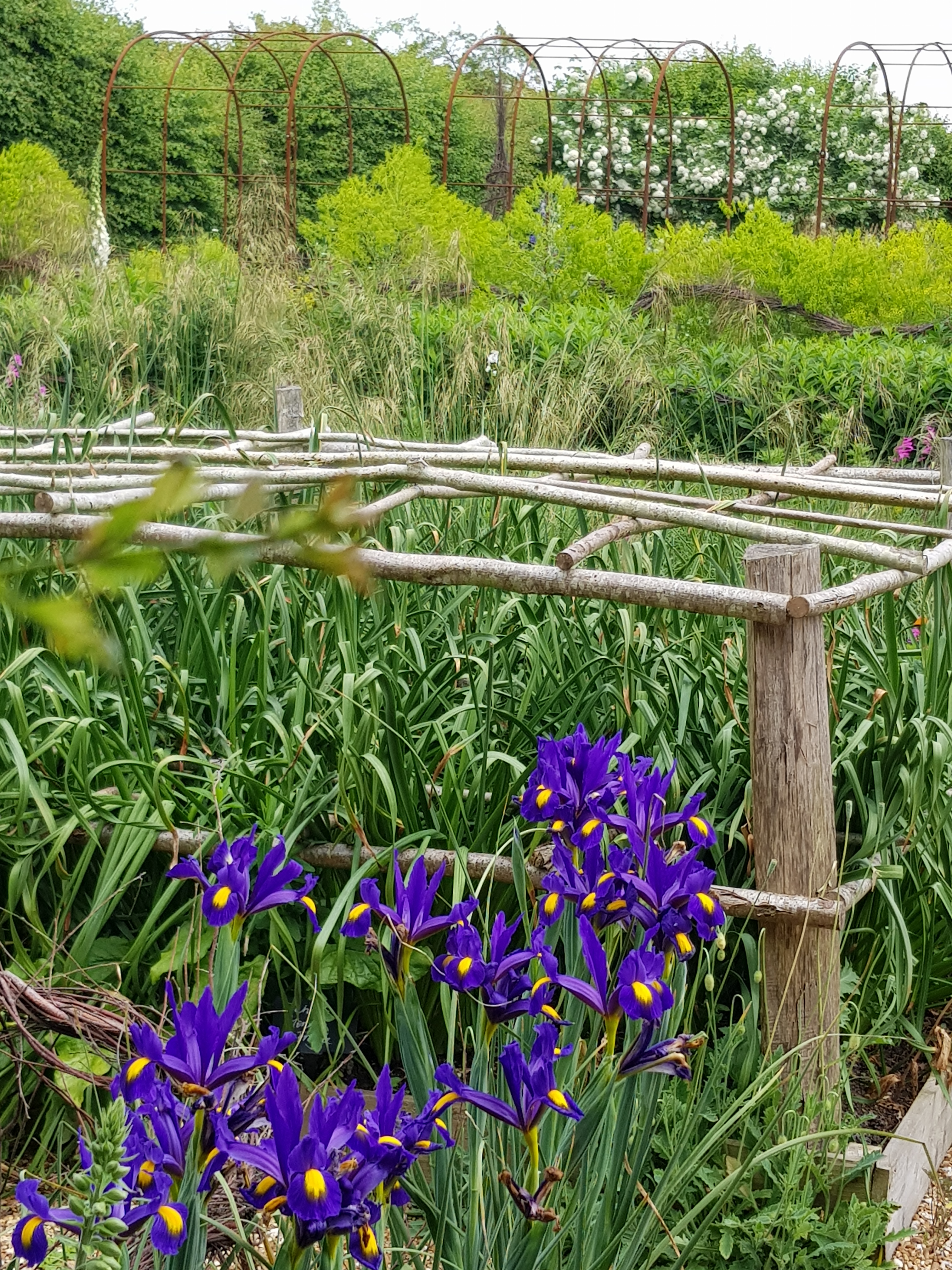
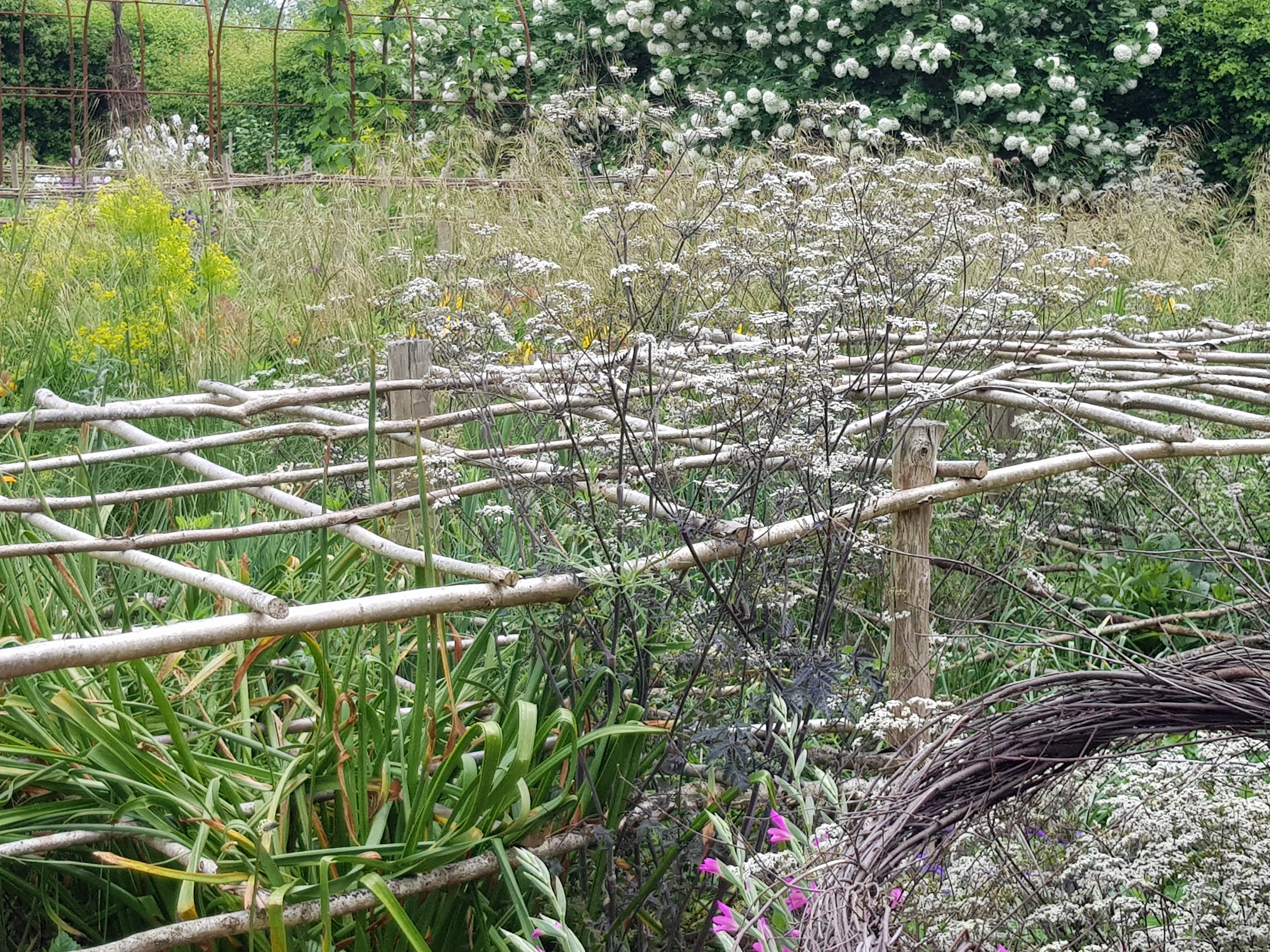
On the way back to London, we called in on Perch Hill Farm (not open to the public) in order to admire the cutting garden:-
I had wanted to walk along the old coach road from Firle to Charleston, remembering the first time that I visited the house in the early 1980s when it had just begun to be restored, walking along the track under Firle Beacon.
I started by walking across the fields from Charleston:-
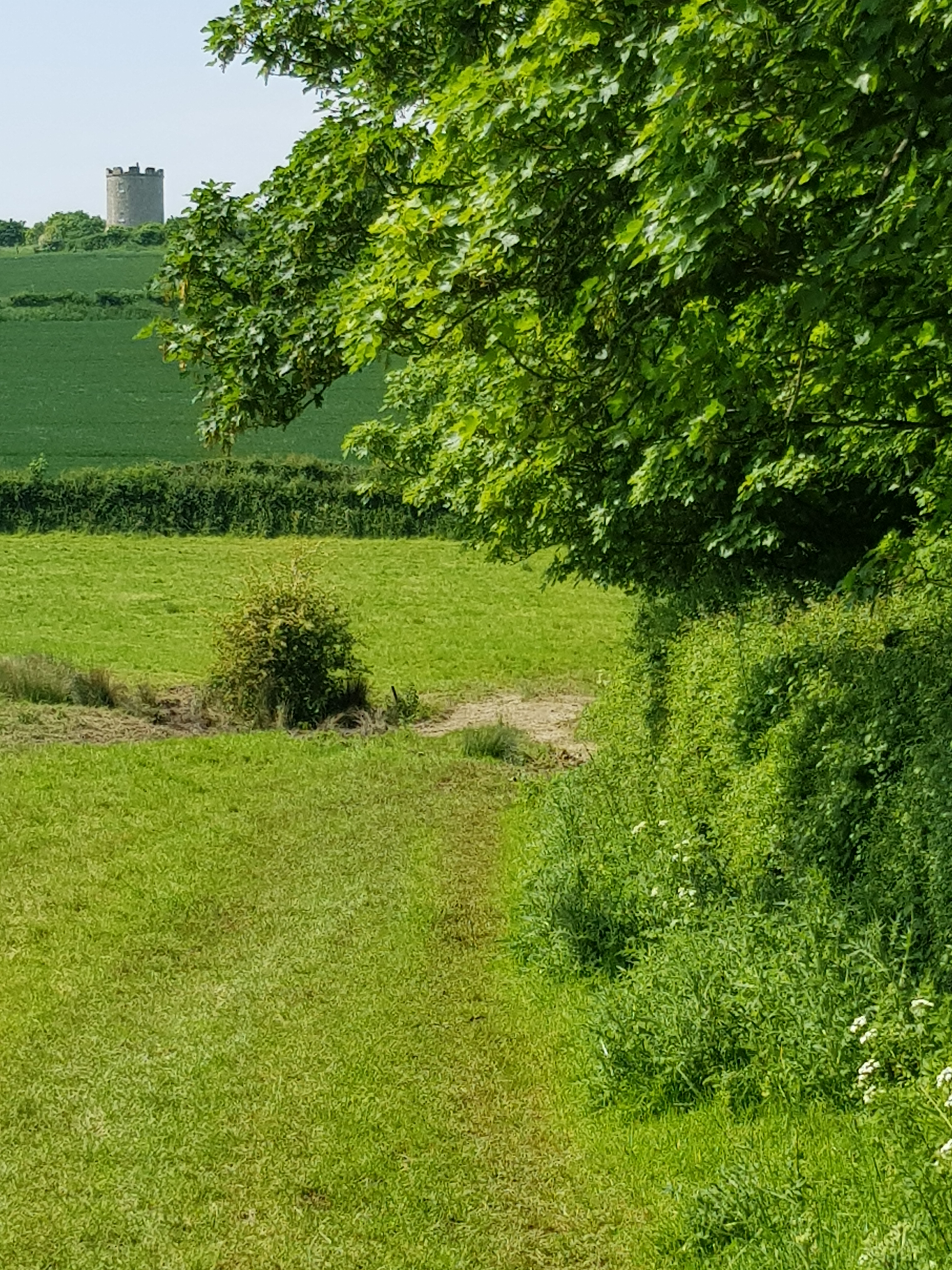
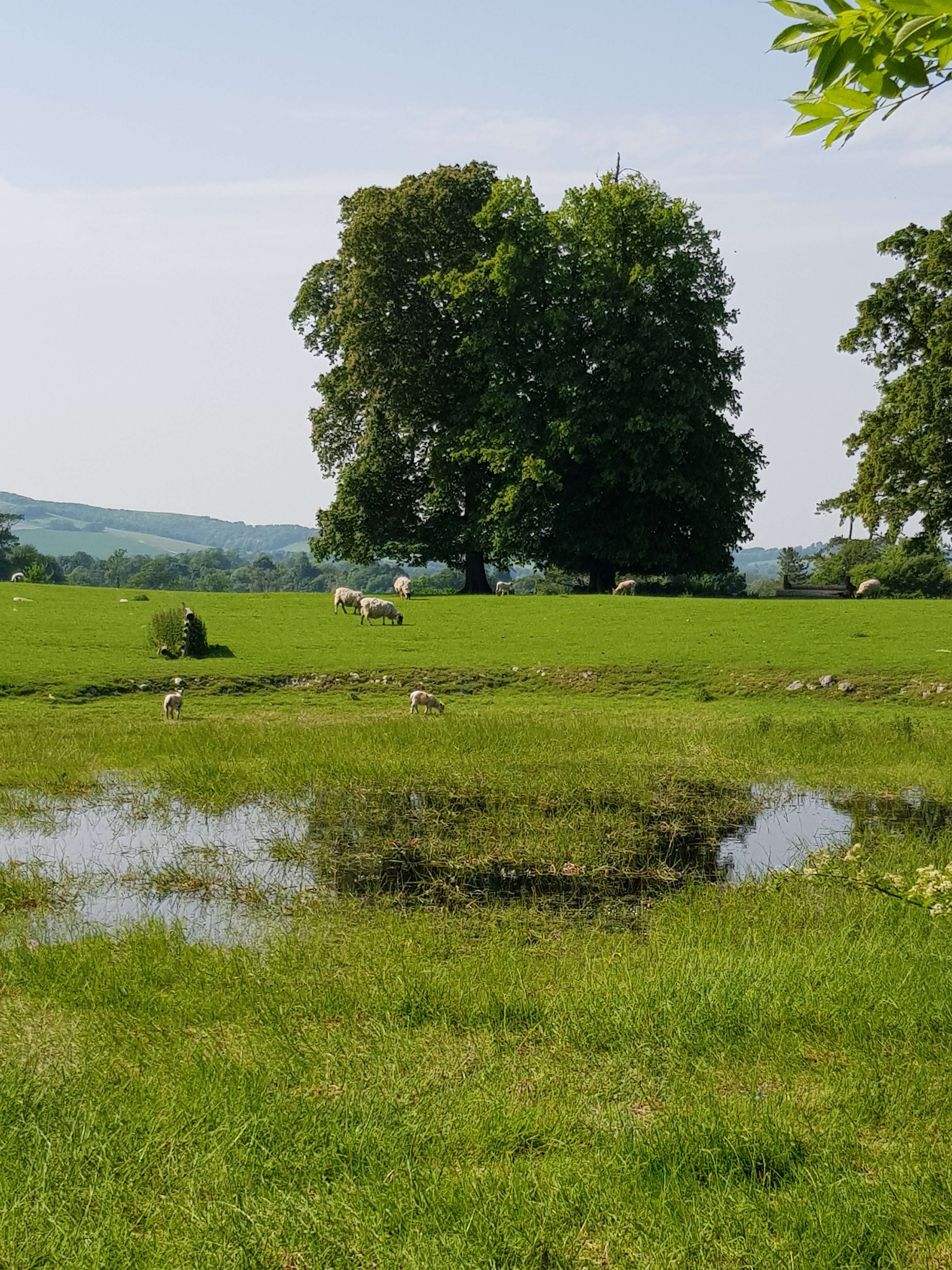
Looking out across Firle Estate:-
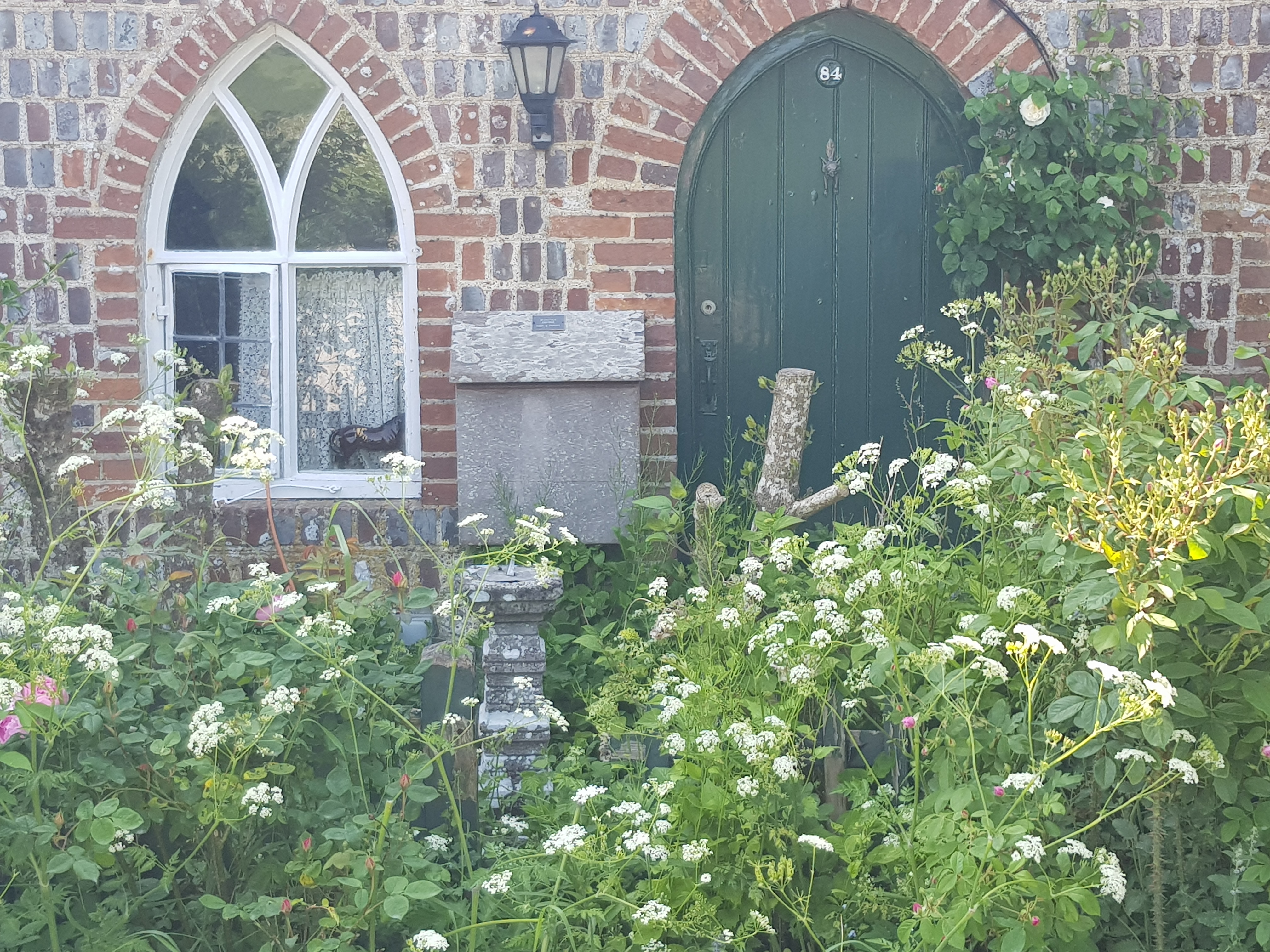
No tea available in Beanstalk Cottage:-
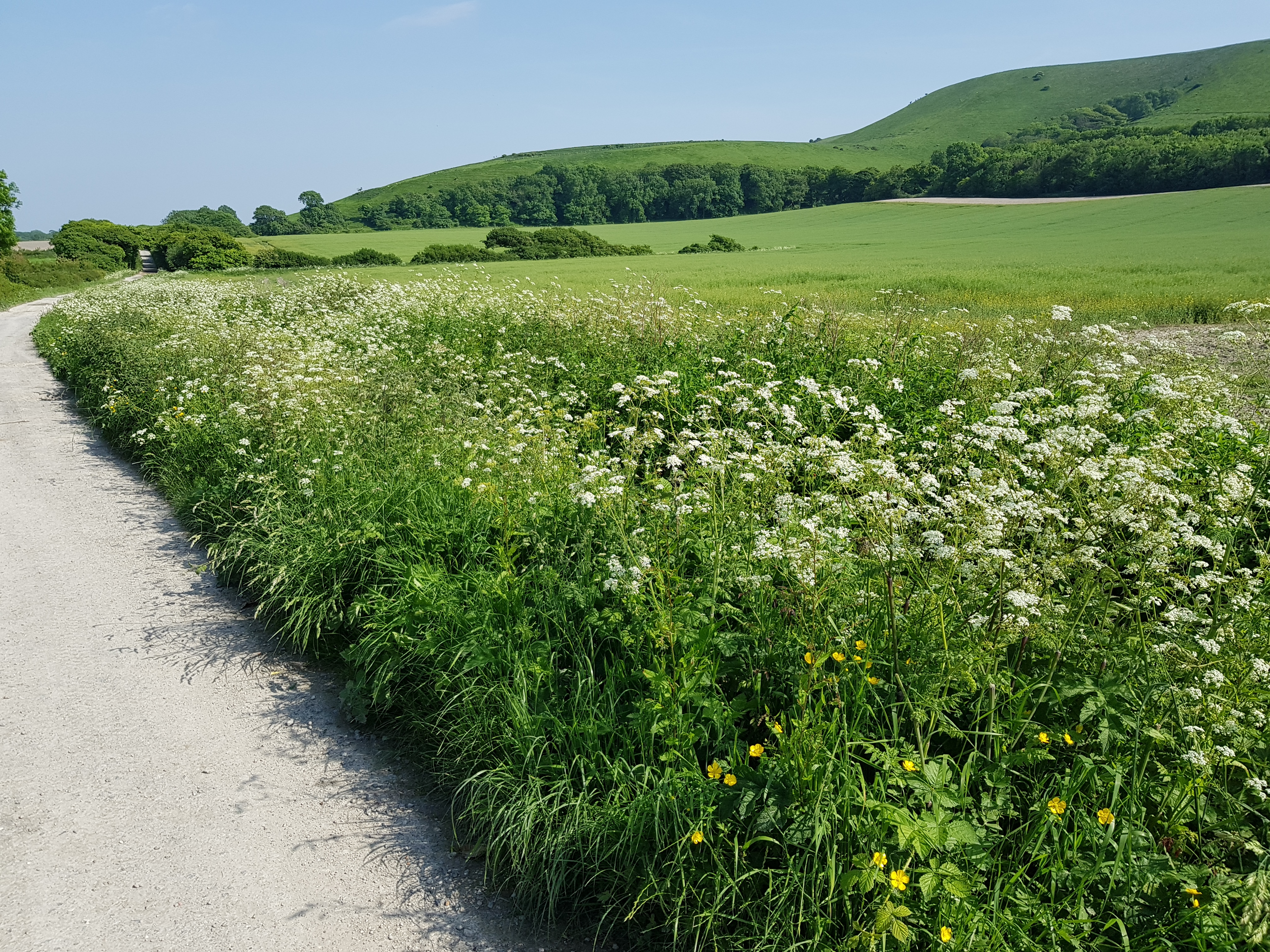
Then back along the track to Tilton:-
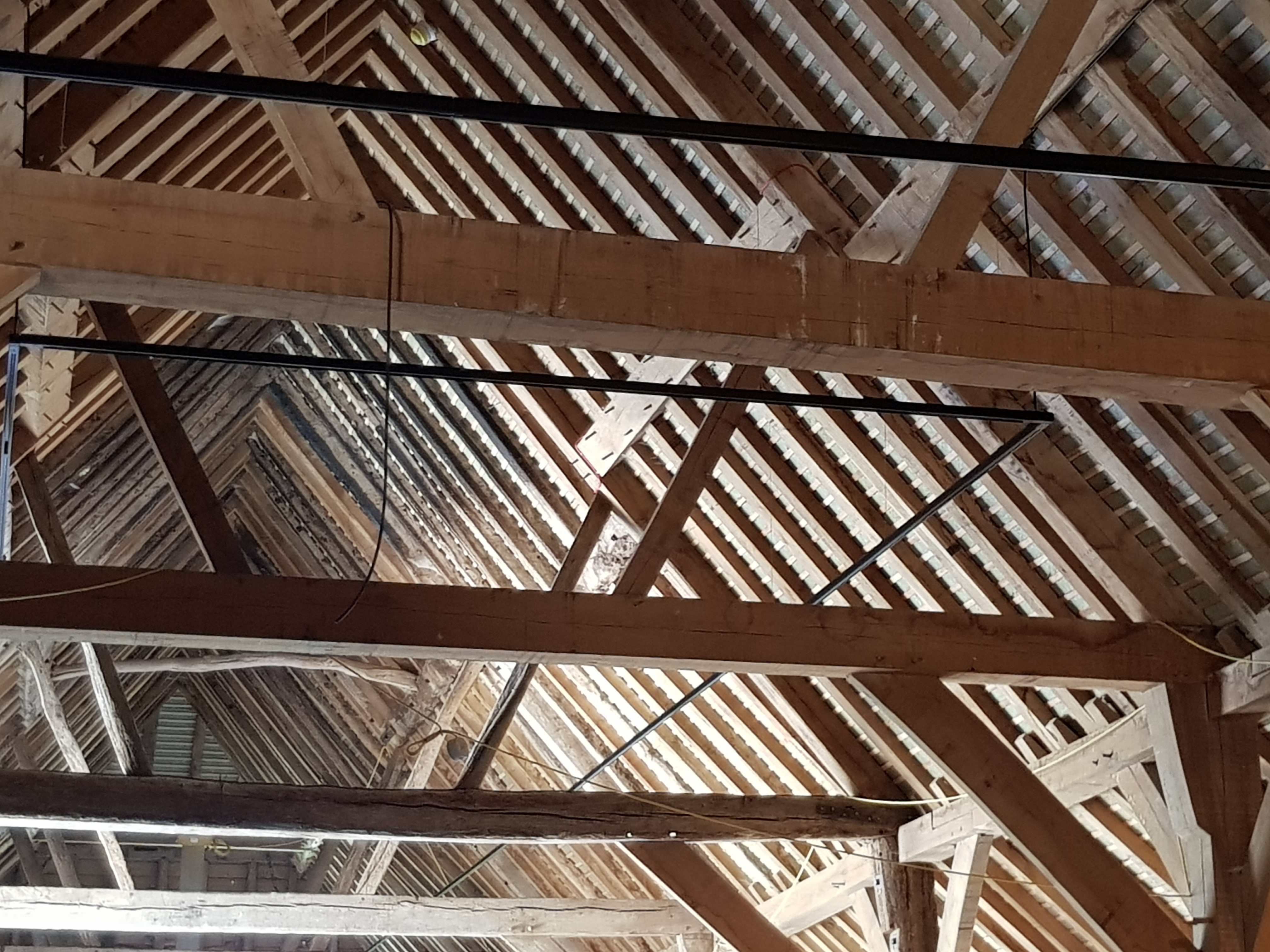
At lunchtime I saw the progress that has been made on the renovation of the Charleston Barns, which are looking good.
The eighteenth-century barn which had a fire in the 1990s and was then rebuilt:-
And the beautiful new daylit gallery spaces in the part added by Jamie Fobert:-
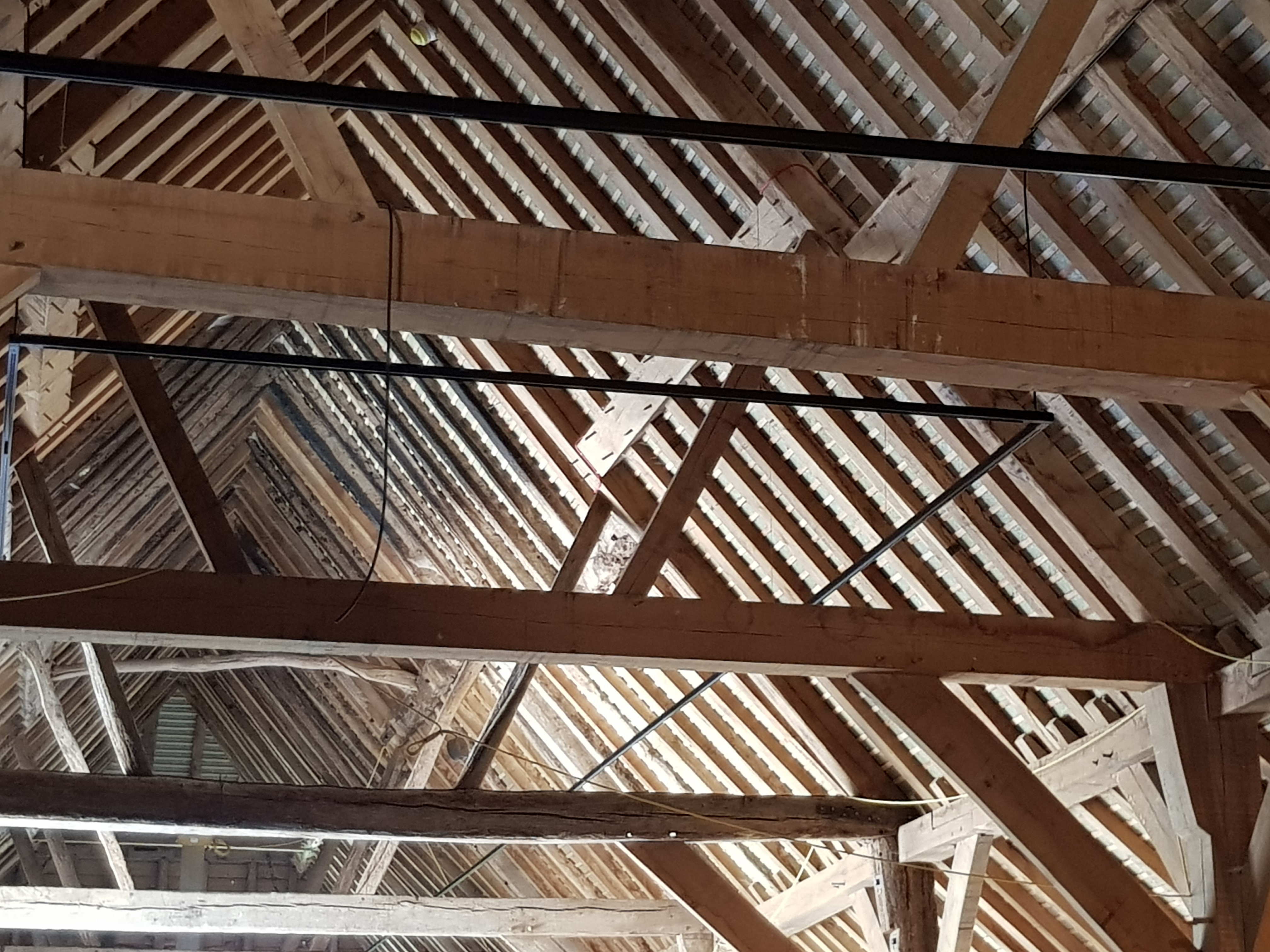
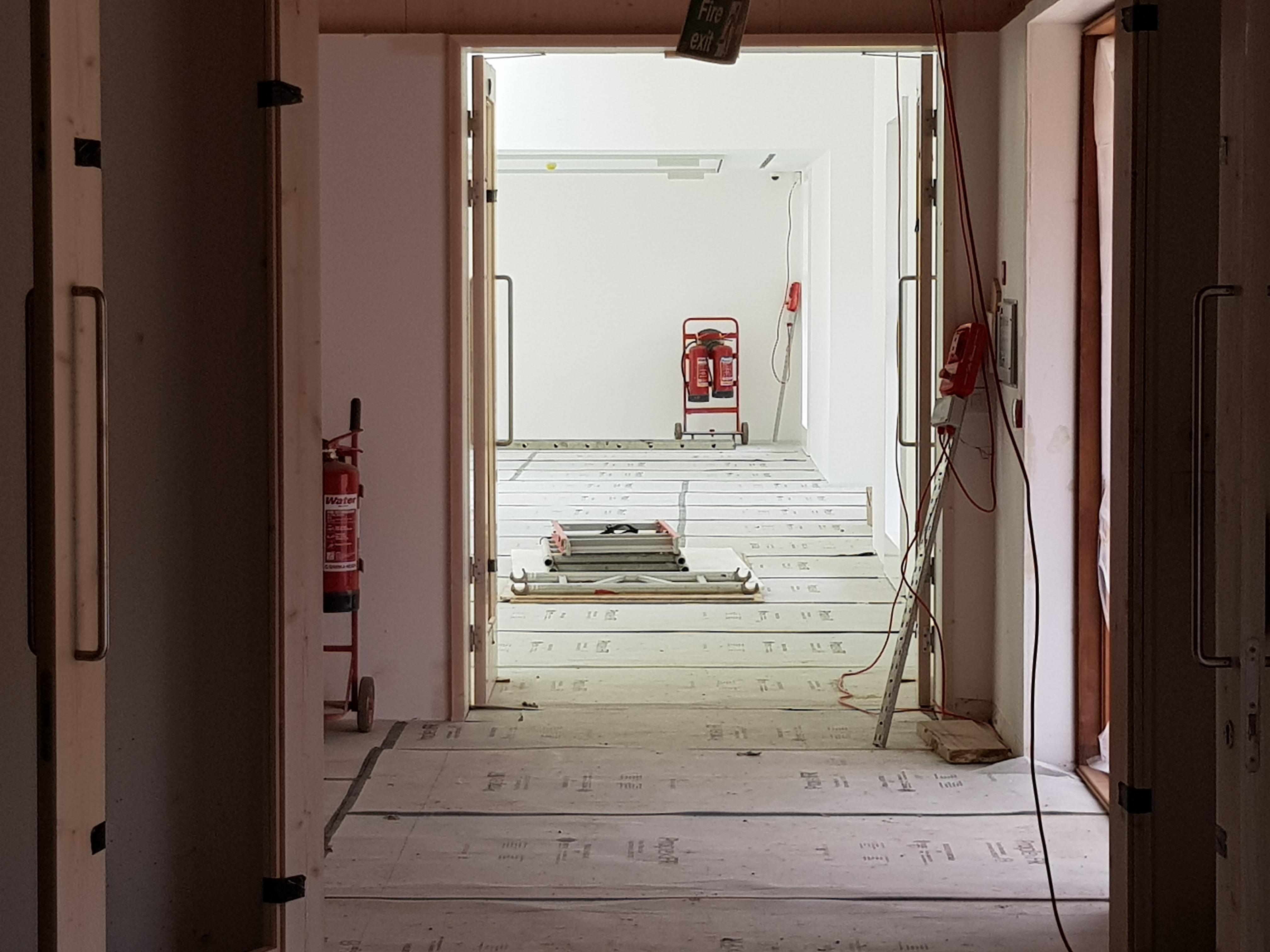
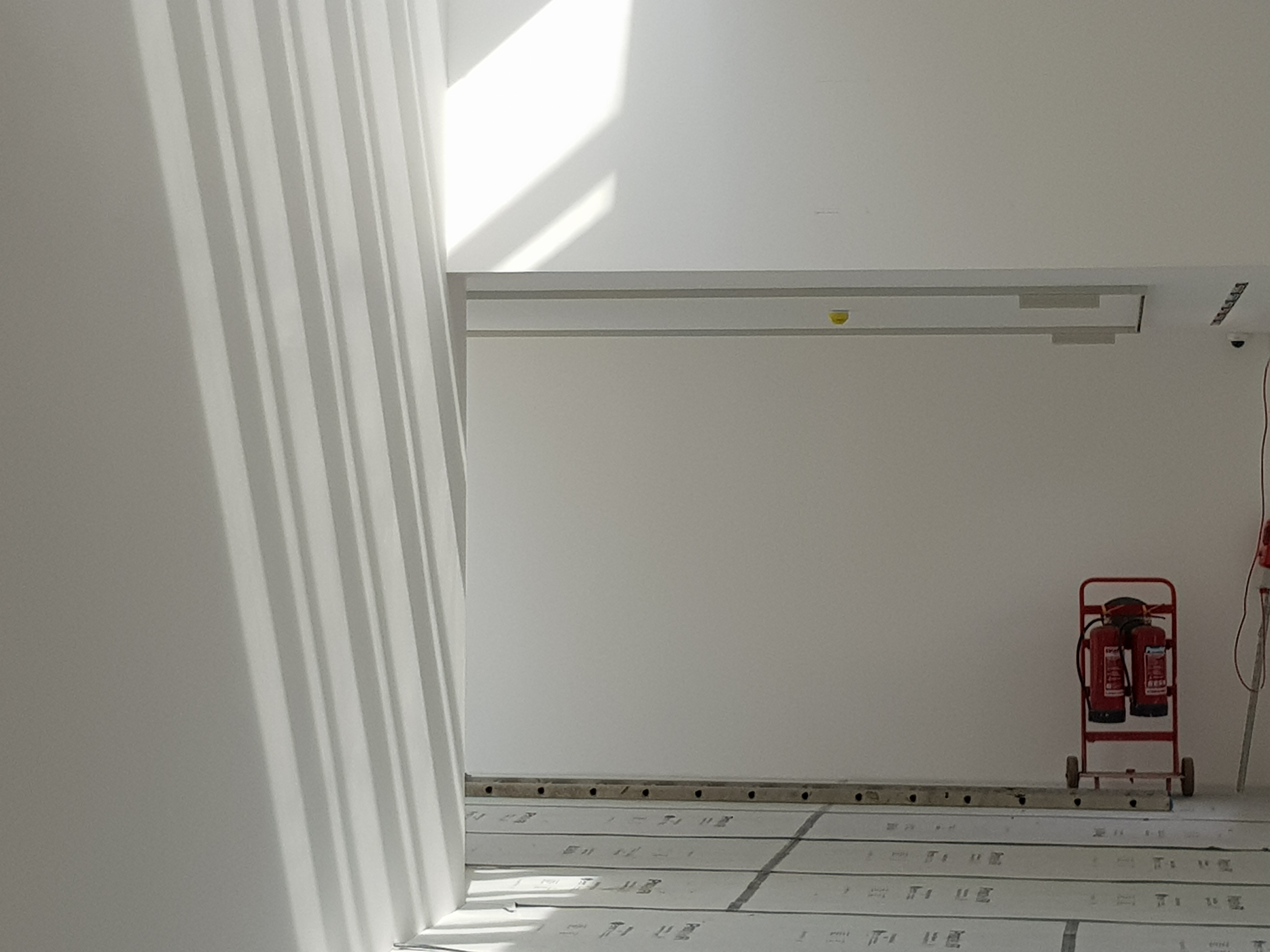
Due to open in September.
I do not think of Vanessa Bell as a product of the Royal Academy Schools because the whole of Bloomsbury was so implacably hostile to the the Royal Academy and everything it stood for. But it was then the leading art school and after lessons at home from Ebenezer Cooke and a period studying at Arthur Cope’s art school at Park Cottage in Pelham Street, she entered the Royal Academy Schools in 1901 where she learned anatomy and perspective from, amongst others, George Clausen and John Singer Sargent. Not much of her early work survives apart from her very beautiful silvery picture of Iceland Poppies which survives at Charleston and shows how accomplished she was as a painter before friendships with Roger Fry and Duncan Grant moved her in the direction of Post-Impressionism.
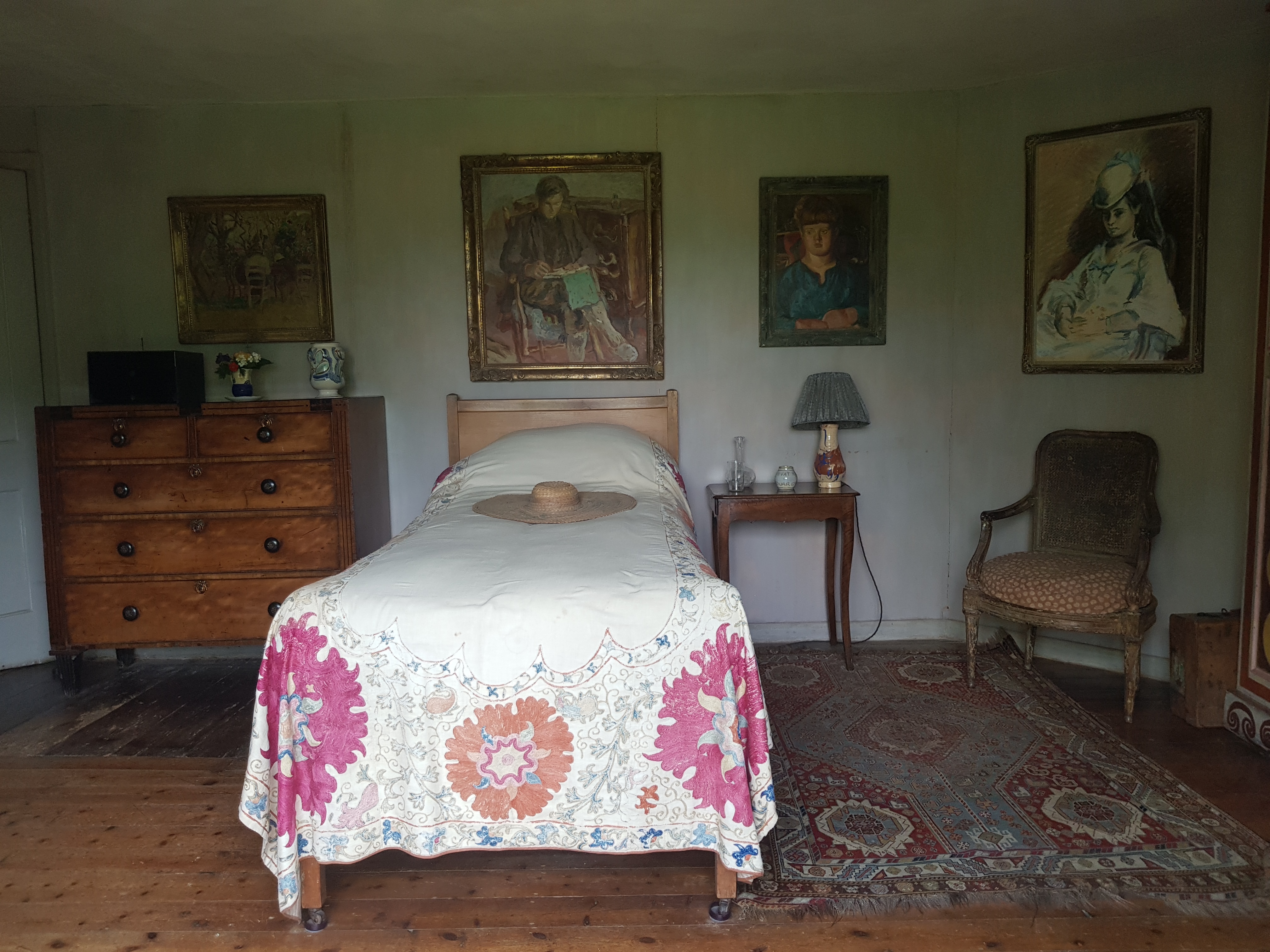
I had forgotten how redolent of Vanessa Bell’s paintings and personality the interiors of Charleston are, including the bedroom on the ground floor where she died on 7 April 1961 under a portrait of Julian from whose death she never wholly recovered:-
We have come on our annual pilgrimage to the Charleston Festival, not least to hear Sylvia Brownrigg in conversation with Amy Bloom about their respective books.
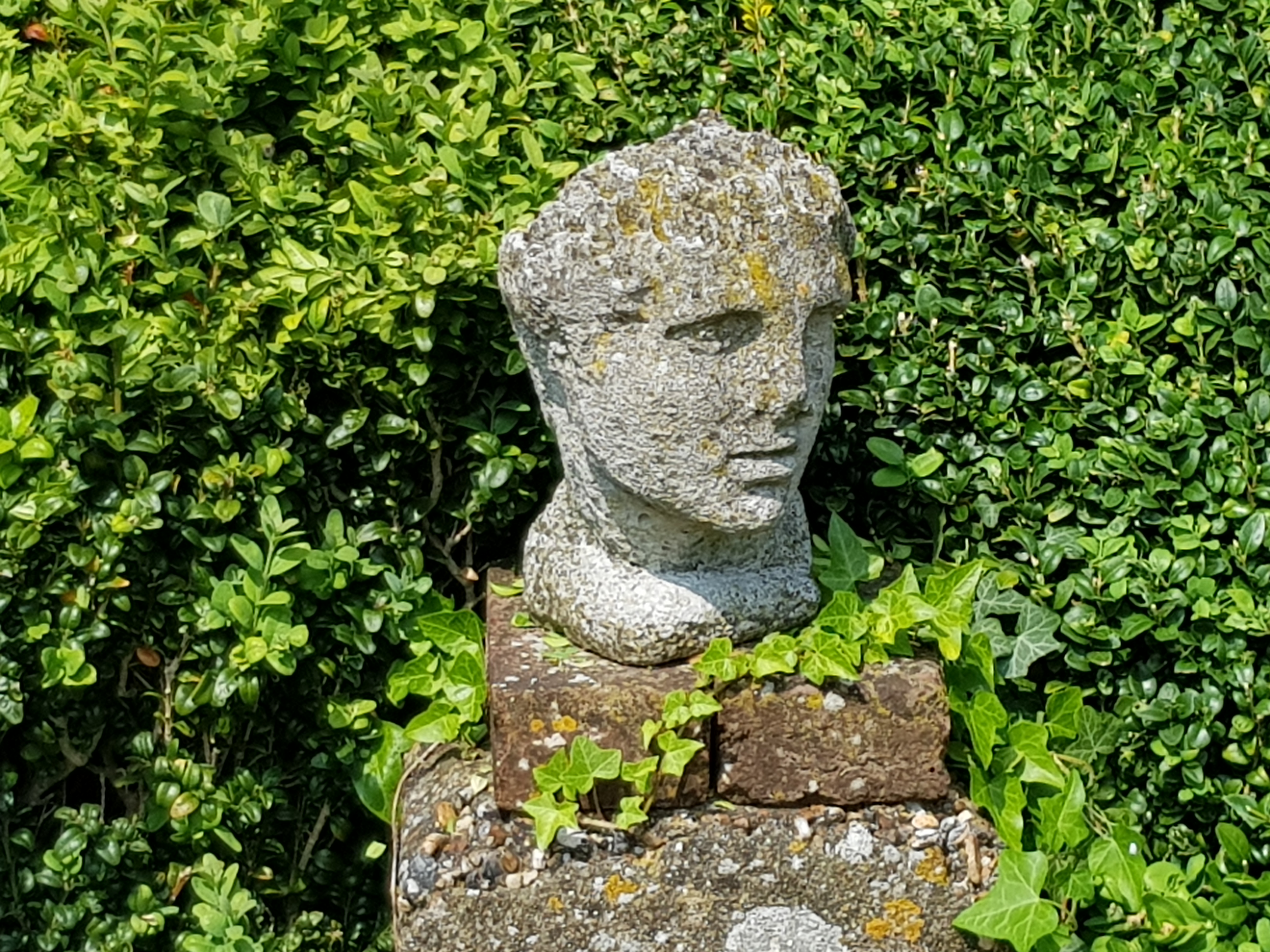
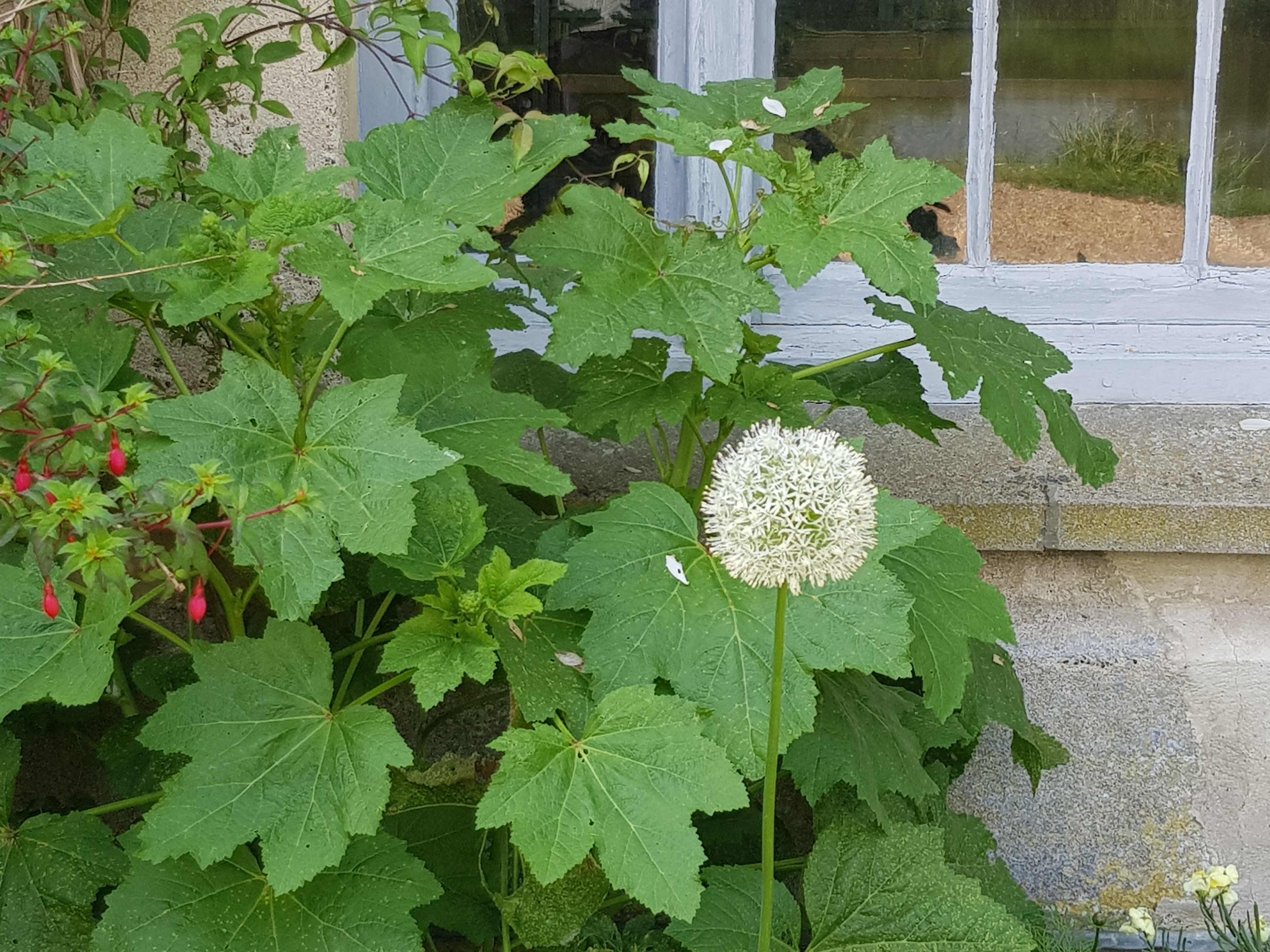
The house and garden look as good as ever:-

I started the day by going to see an exhibition of photographs of the Windrush generation by Jim Grover in the Oxo Gallery. He lives in Clapham and has won the trust of the local community which has enabled him to document the lives of the original settlers from the Caribbean, who came every year between 1948 when the SS Empire Windrush docked in Tilbury and 1962, the year of the Commonwealth Immigration Act. What it shows is the way their lives were built round the local church, family and community – and dominos and dancing. His photographs convey dignity and pride.
We had a meeting this morning with the Luxury Club of the French Chamber of Commerce – representatives of the ways in which Mayfair, and Bond Street in particular, represent so many of the world’s leading luxury brands, including Louis Vuitton, Cartier and Hermes, who dominate the local economy. Ever since we started developing Burlington Gardens a key question has been how far we connect with, or distance ourselves from, the local retail community. I’ve always been in favour of establishing close connections, partly because so many fine art and contemporary dealers are local and partly because I think it is in the Royal Academy’s interest to be able to attract cultural tourists (not to mention High Net Worth Individuals) in a way that in the past it may not have done. Some time ago, we commissioned a report on Culture and Commerce: the Royal Academy and Mayfair from Charles Landry, the writer and urban theorist; and I am looking forward to reading Please Do Not Touch And Other Things You Couldn’t Do at Moss, the Design Store That Changed Design, the recent book by Murray Moss, who gave advice to us on our shops.
We had an event last night to celebrate and thank all those people who have bought seats in the Lecture Theatre: a wonderful piece of collective philanthropy in which one person has bought seats in honour of a group of red collars; another in honour of Angelica Kauffman. People bought seats for their spouse or in memory of someone or just for themselves and came to sit in their seats for the first time in order to admire their handiwork and hear the differents strands of the story which has led finally to the completion of the building.
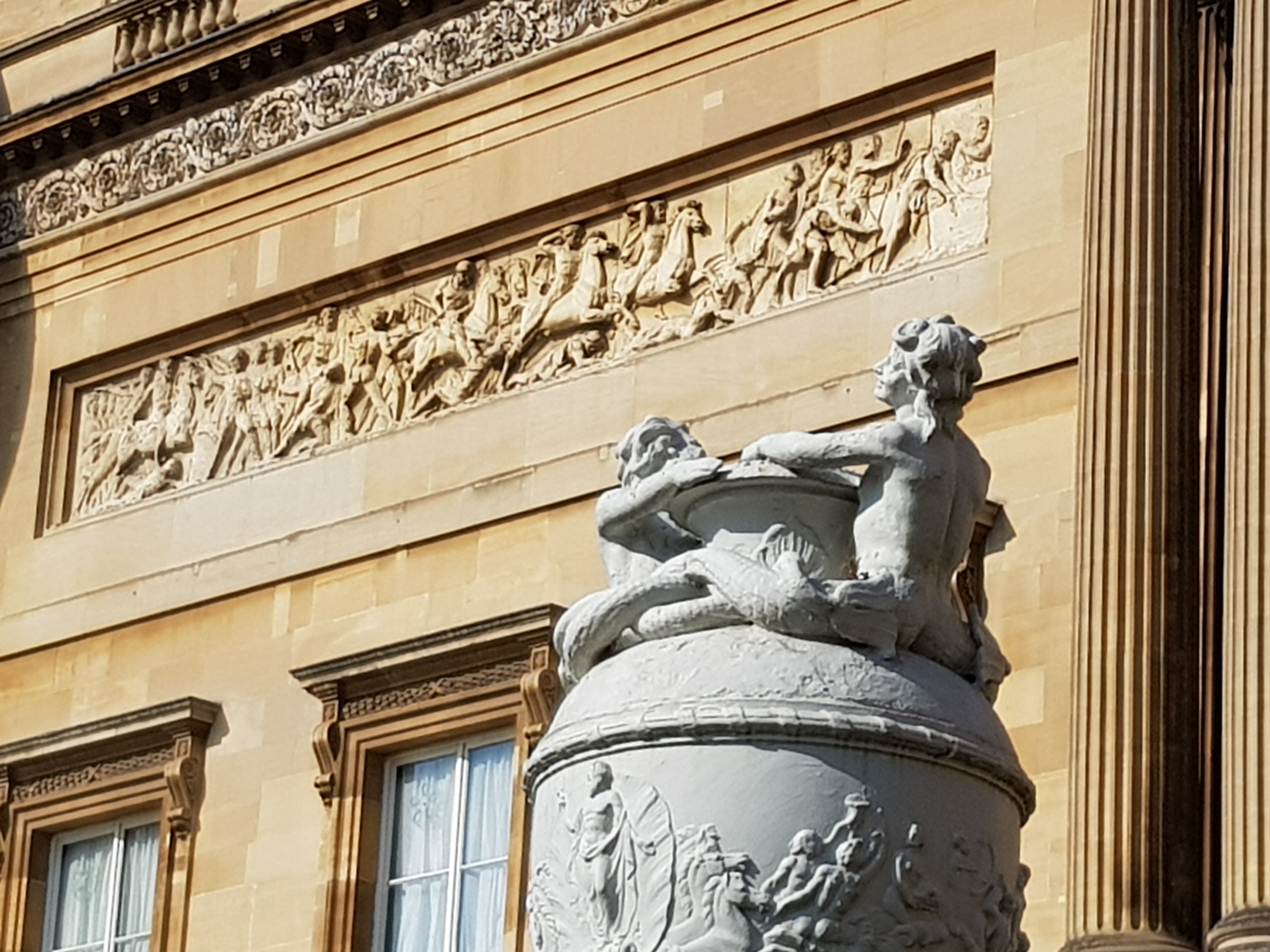
Since there was no possibility of my getting a view of Meghan, I concentrated my attention on the garden façade of Buckingham Palace. I always find the internal courtyard a bit dour, as designed by Edward Blore, but the garden façade is presumably still Nash in his most magnificent style – spending money like water on the most opulent visual effects, as if it was a Palace for a Tsar, with ornamental sculpture to match:-



You must be logged in to post a comment.