
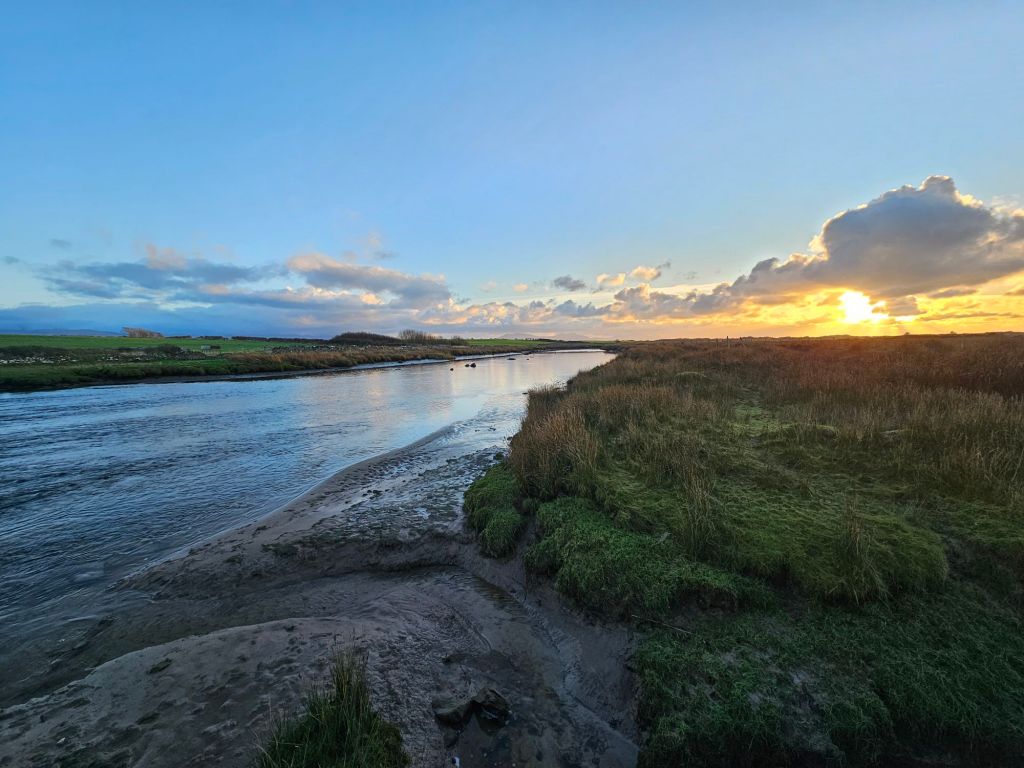

A beautiful January morning:-


There’s snow on the hills:-

We walked down to the river:-


There is quite a bit to look forward to in 2025:-
January 21
There is a second screening at the Barbican of Stardust, the film about Robert Venturi and Denise Scott Brown.
February
Jonathan Conlin’s new book about the National Gallery is due.
April
The new Frick opens with a new wing at the back and the whole reconfigured by Annabelle Selldorf. It will be interesting to see how such a precious set of interiors has fared their renovation. The public spaces can only be an improvement.
May 10
The Sainsbury Wing will re-open.
May 31
One half of V&A East – the Storehouse – will open. It should be a revelation of what the V&A holds in store, freely accessible.
October
Modern British Cities will be published by Lund Humphries, a big volume of essays edited by Simon Gunn, Peter Mandler and Otto Saumarez Smith.
October 28
Holly Smith’s first book, Up in the Air: A History of High Rise Britain will be published by Verso.
November
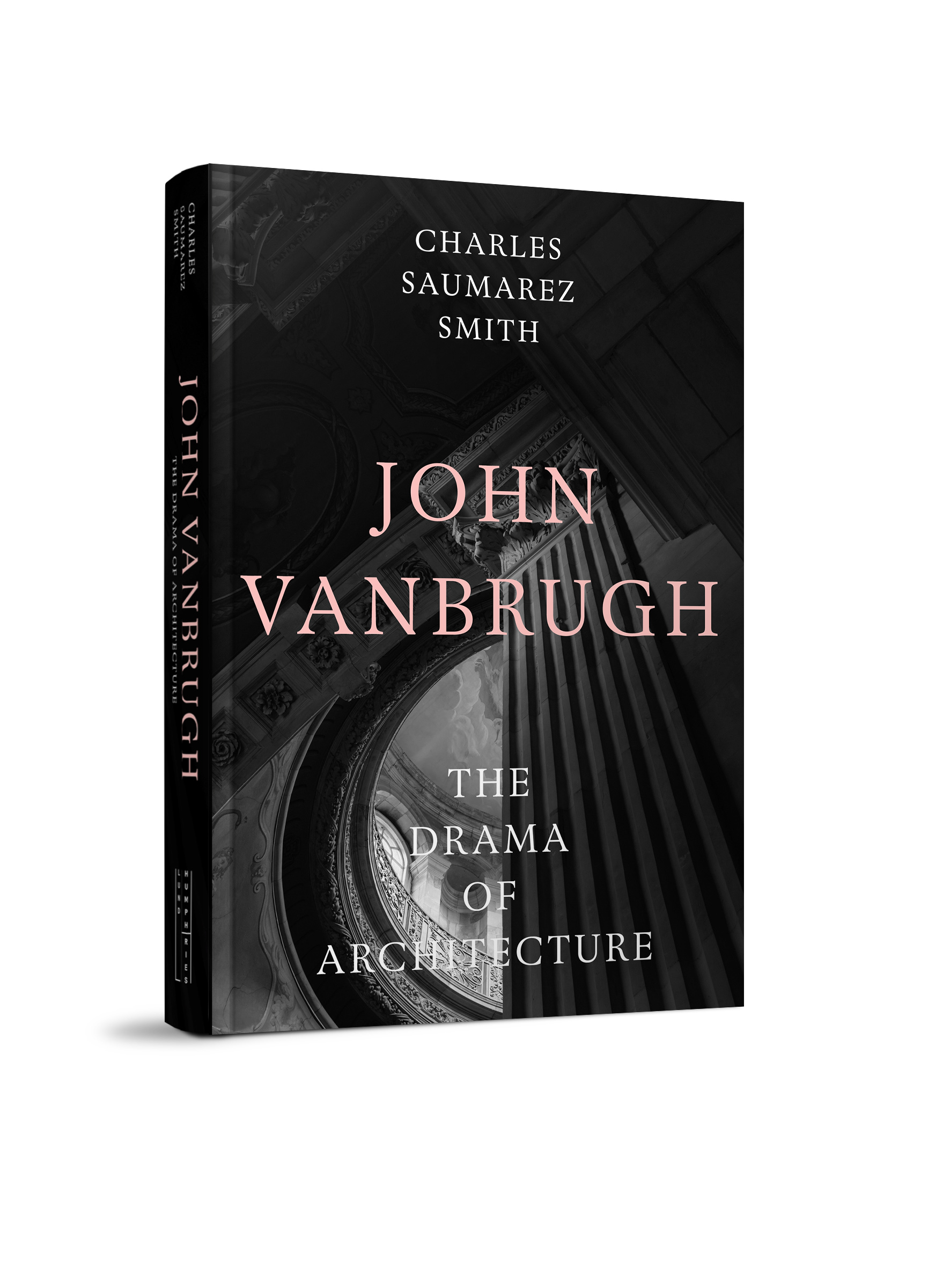
My book on Vanbrugh will appear:
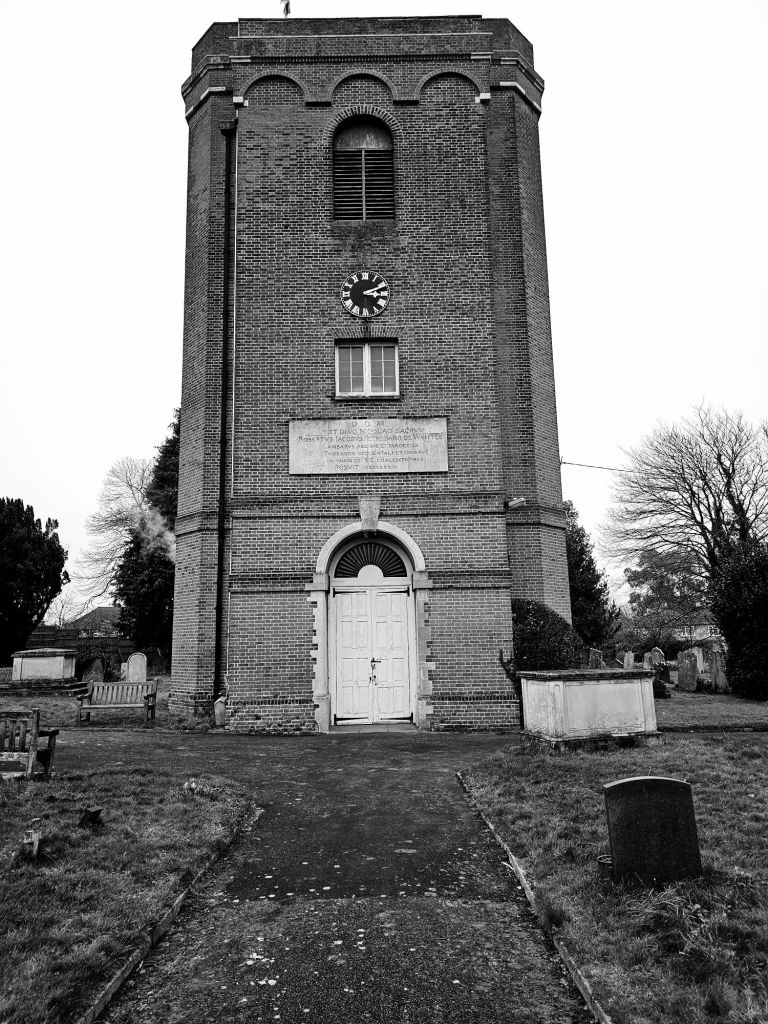
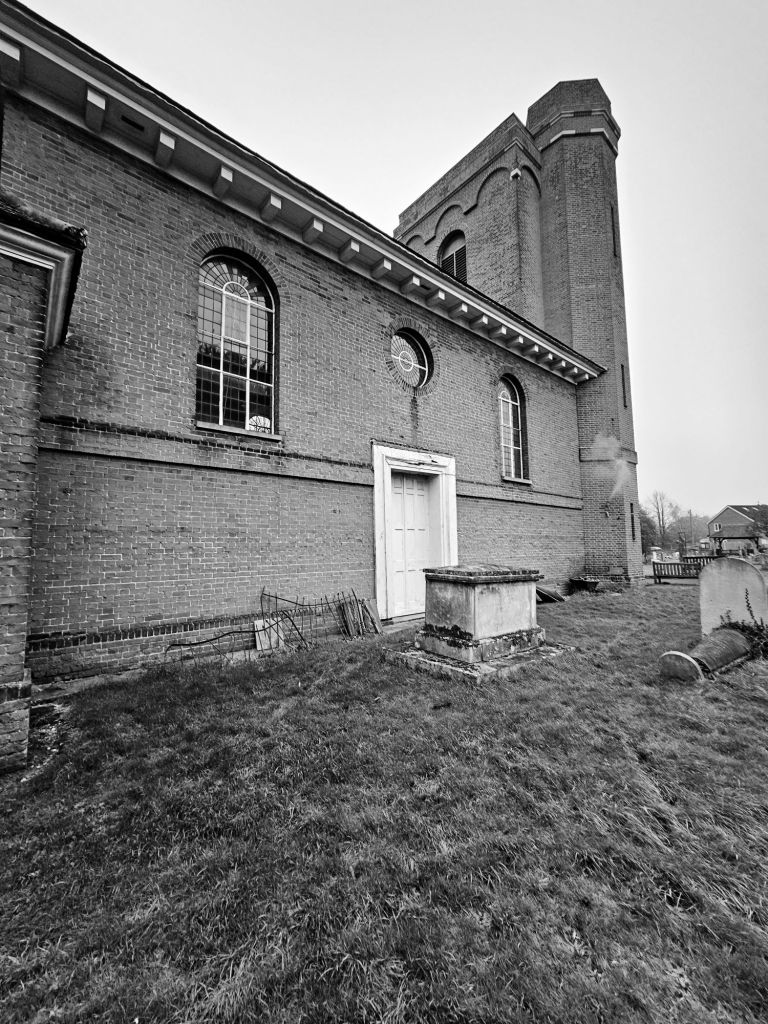
I forgot to mention St. Nicholas, Ingrave, an unexpected stop on yesterday’s church crawl: a strange, rugged, pure brick church of 1734, a most unlikely date for its style – but an argument in favour of Giles Worsley’s view that the eighteenth century should be viewed not in terms of linear stylistic development, but a more diverse aesthetic pluralism.
The church is thought to have been designed by Robert Petre, the local landowner. It’s possible. He would have been only twenty one, but had already been on the grand tour, got married in St. Paul’s, and taken over the management of his family’s house, Thorndon Hall, which he was busy replanning. His principal enthusiasm was for botany, growing rare species in the magnificent hothouses:-
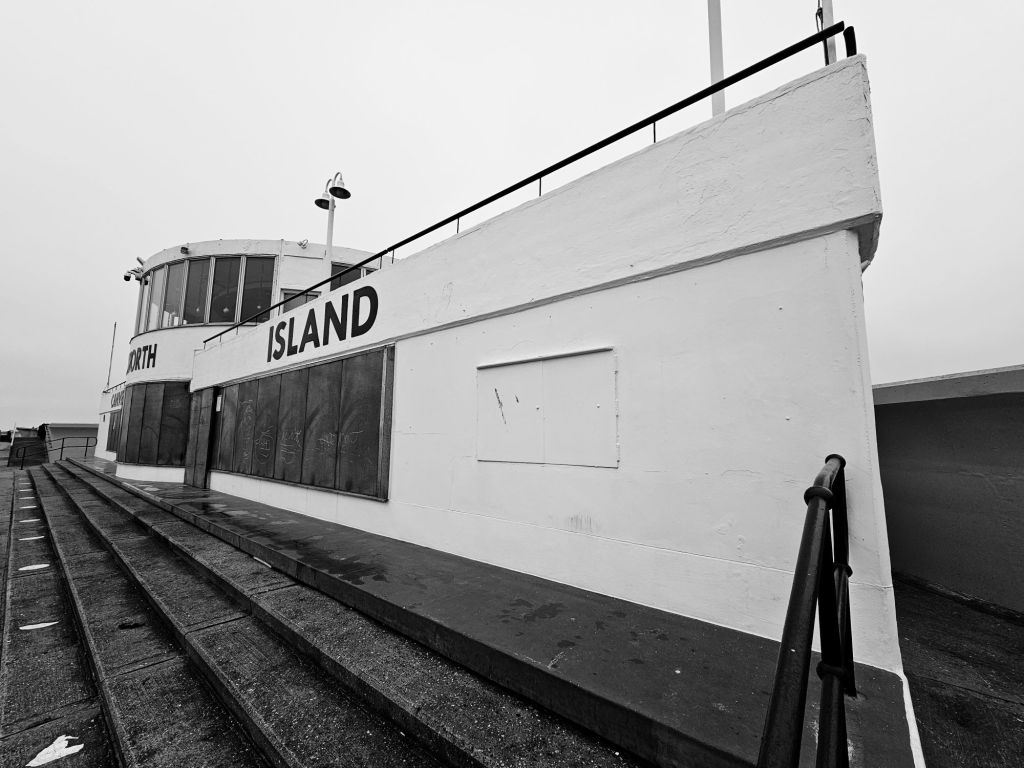
We hoped to have lunch in the Labworth Café, the only building ever designed by Ove Arup on the seafront at Canvey Island. No such luck. Maybe one could have lunch there at the height of the season, but not on Boxing Day:-
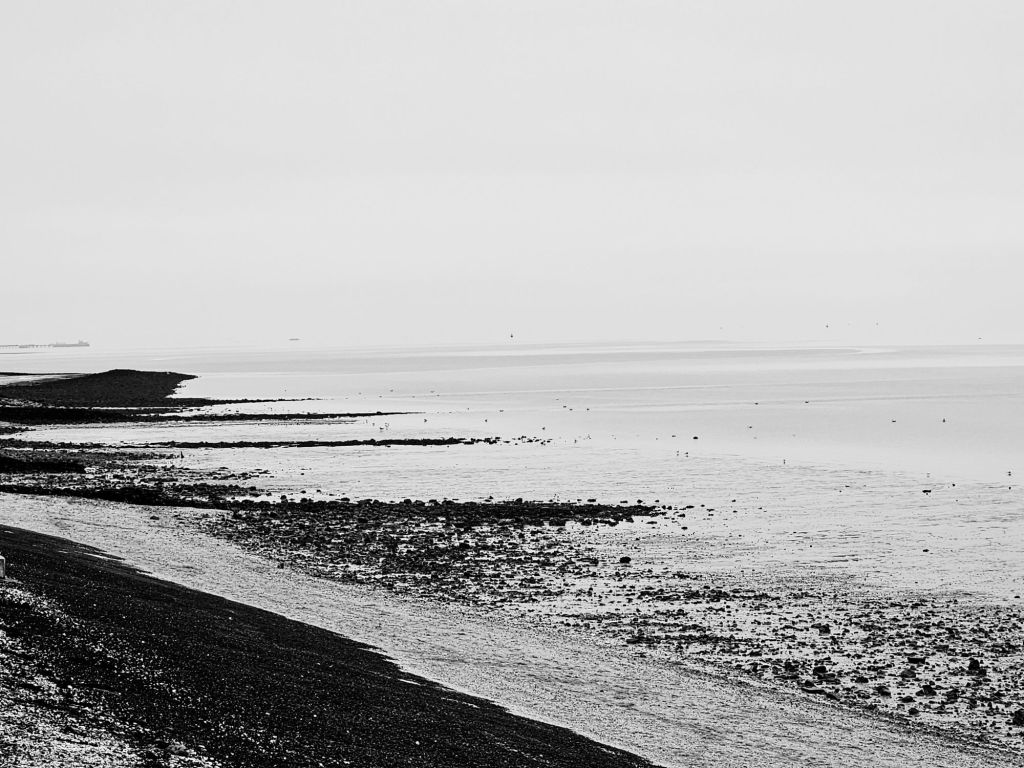
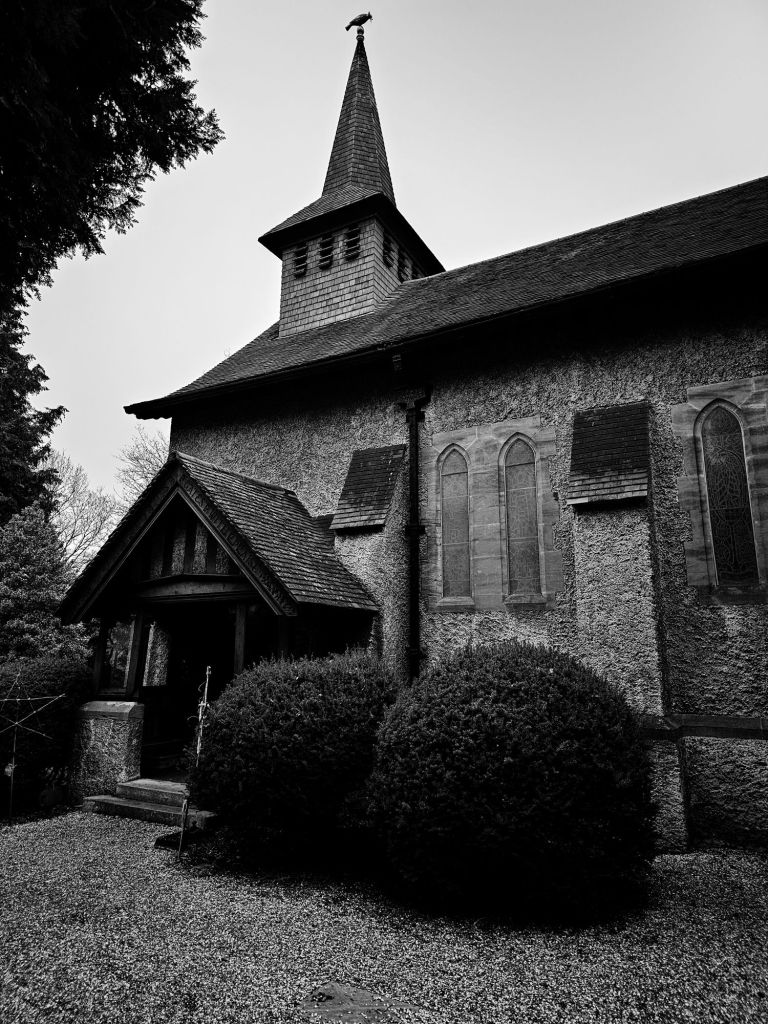
St. Mary, Great Warley was, perhaps not surprisingly, shut so we could only see its exterior in the gloaming. The church is by C. Harrison Townsend, architect of the Horniman Museum and Whitechapel Art Gallery. It was designed in 1902, the year after the Whitechapel Art Gallery opened. A beautiful approach through a lychgate with lettering by Eric Gill:-
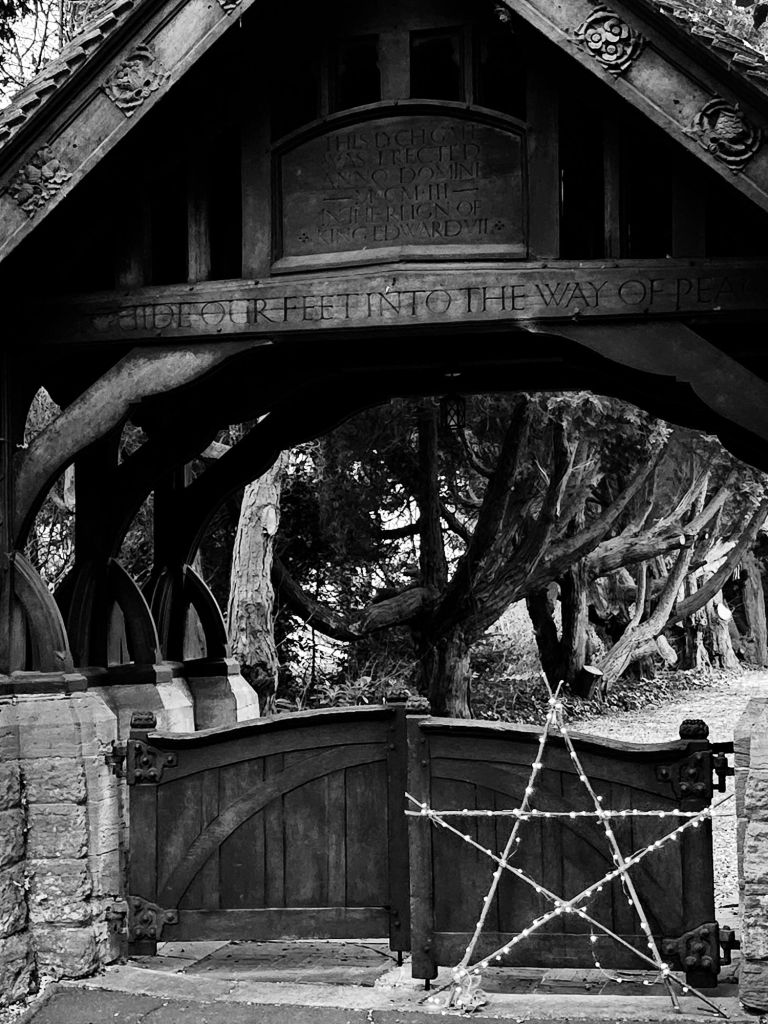
It’s impressive:-
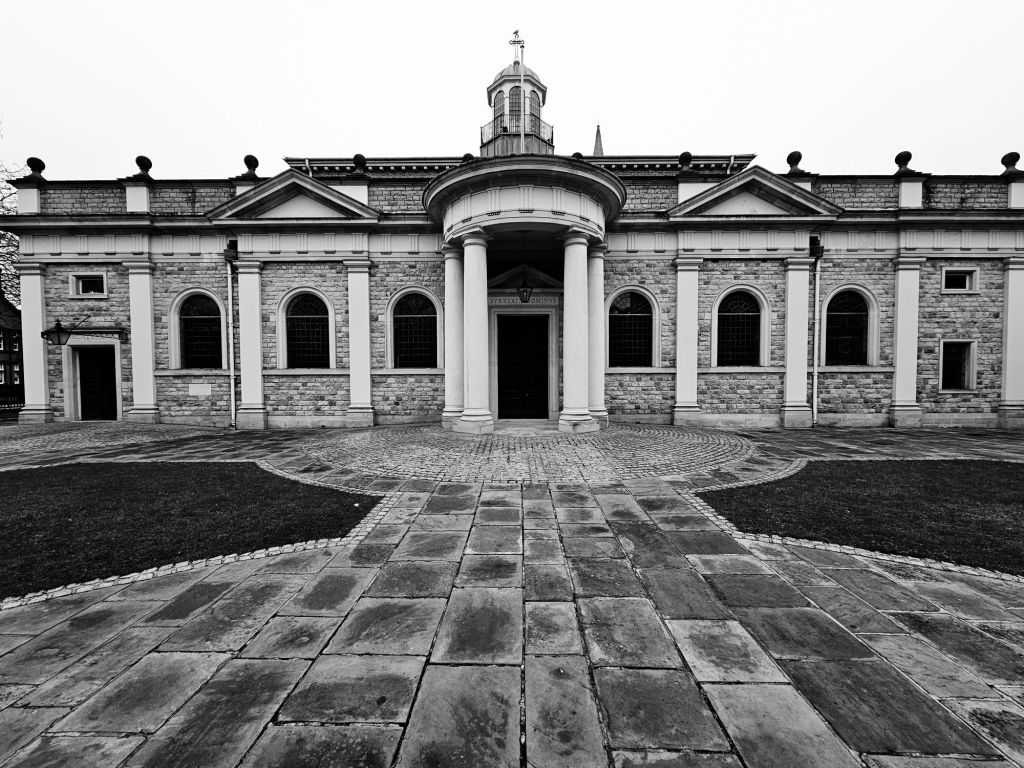
I have been meaning to go and see the Roman Catholic Cathedral in Brentwood, a work of 1970s neoclassicism by Quinlan Terry. It is hard to judge in photographs but in situ is extremely effective, the exterior quietly and calmly monumental, its interior remarkably Albertian, with a centralised ground plan and Florentine arcading, added to a Victorian gothic church which survives as a side chapel:-
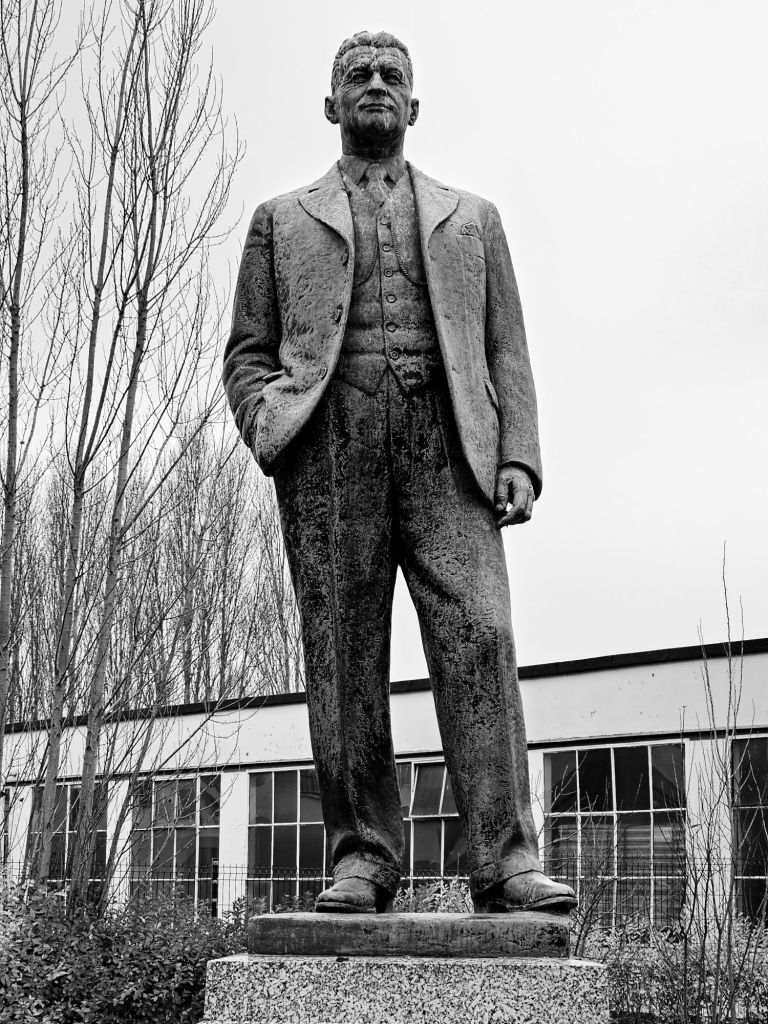
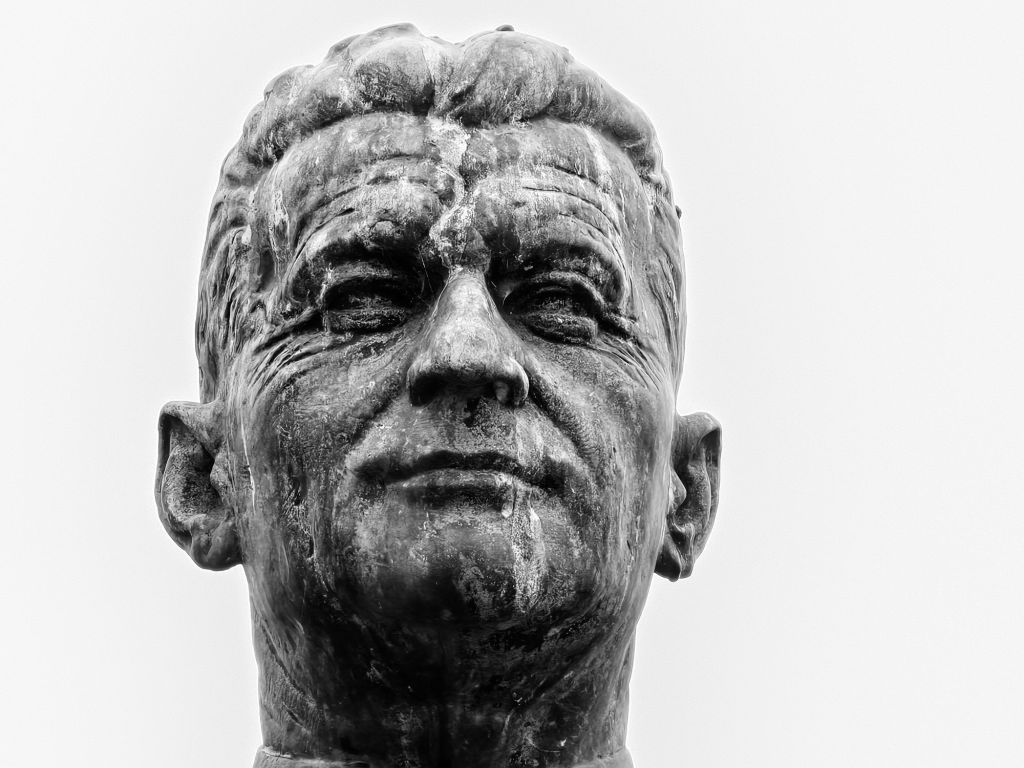
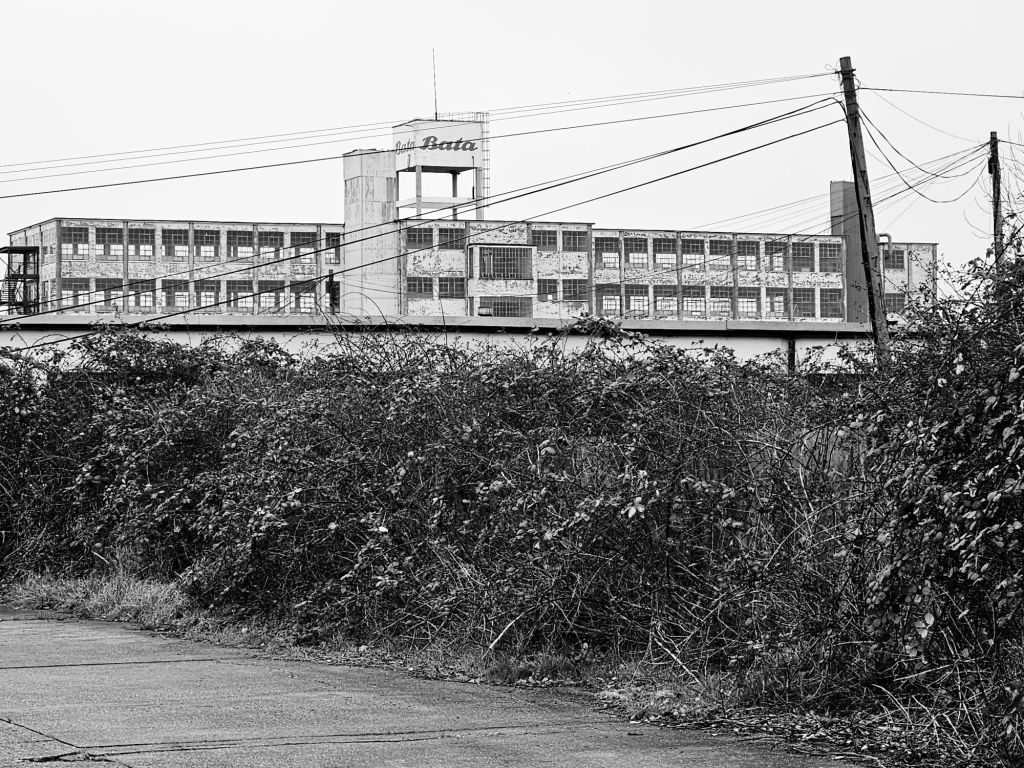
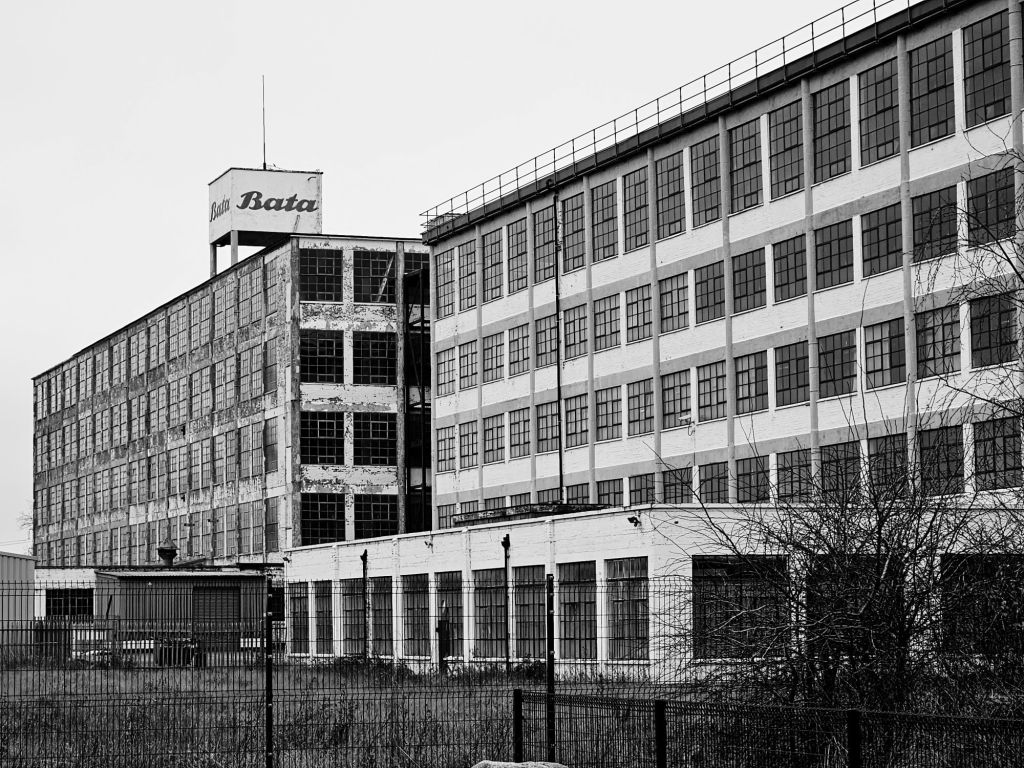
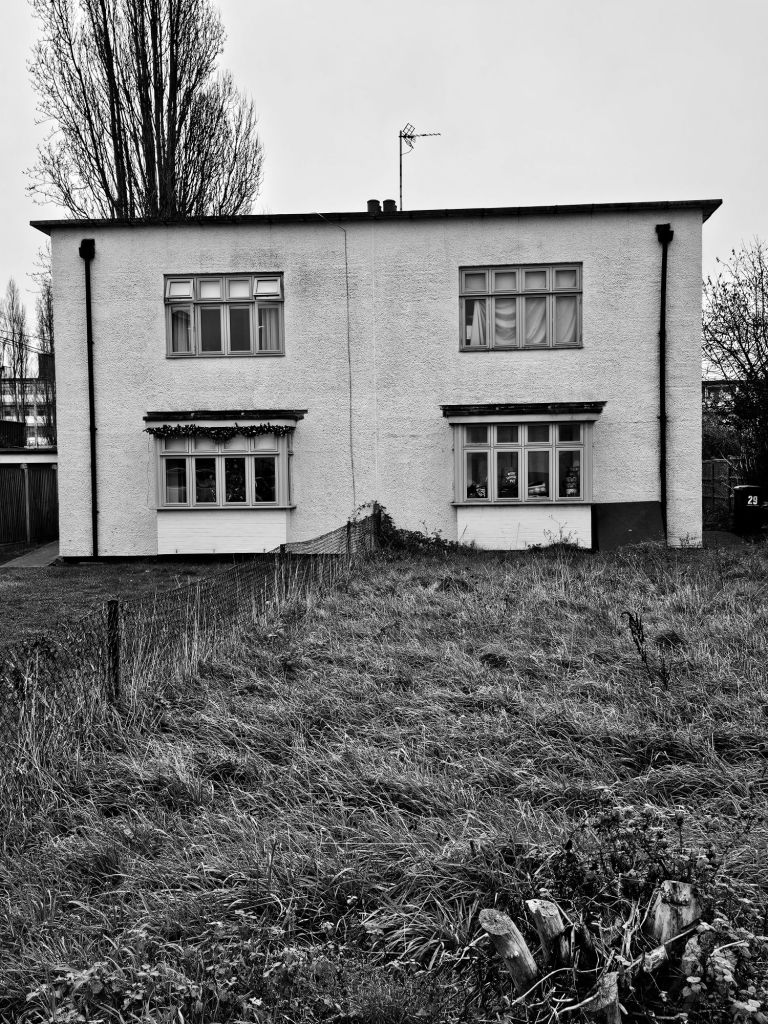
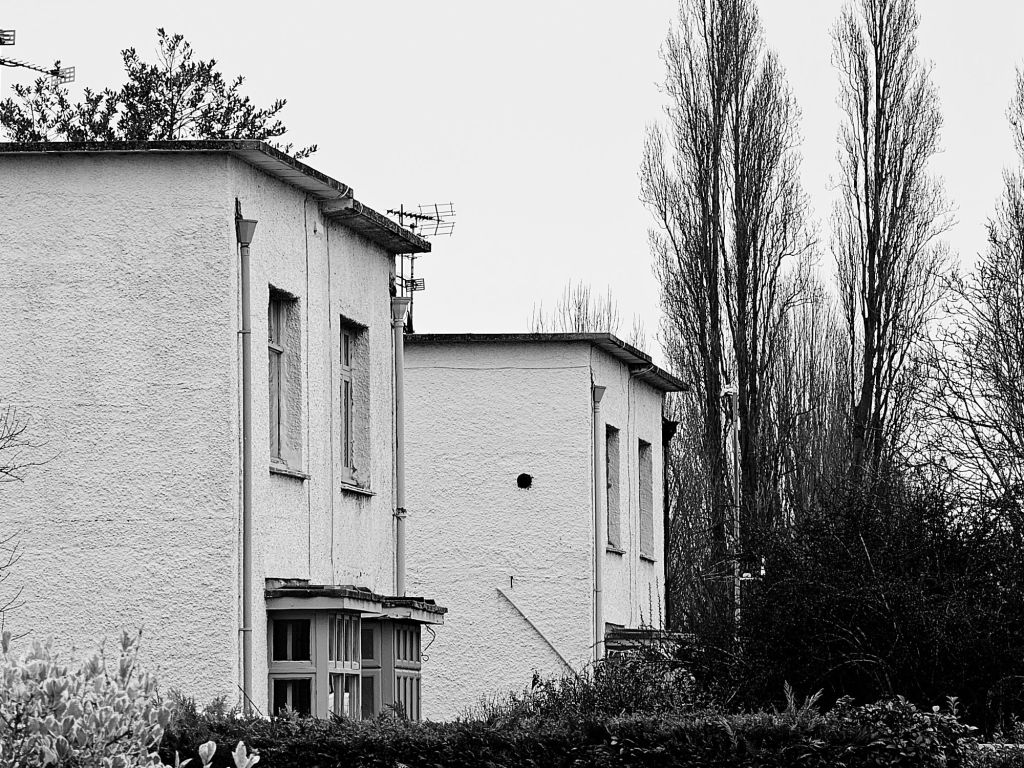
We had a slightly surreal Boxing Day outing to Bataville, the Czech model town established by Tomáš Baťa in a particularly bleak part of the Essex Marshes beyond Tilbury. Baťa himself died in a plane crash shortly afterwards, but is commemorated by a fine statue by Joseph Hermon Cawthra, a now forgotten monumental sculptor trained at Leeds School of Art, the Royal College of Art and then the Royal Academy Schools:-
This is the factory:-
And some of the model housing:-
I freely confess that I use my blog as an aid to memory, so have spent the first part of Christmas morning reconsidering 2024.
These are some of my highlights:-
The completion of Pevsner, Series 2
Pevsner, Series 1 was a remarkable achievement, mostly of one man, but with a willing band of supporters, one of whom, John Newman, took over as editor of the second series, but did not live to see it completed. Series 2 is as great an achievement of a slightly different order: meticulous updating, broadening the range, a monument to patience by its two editors, Simon Bradley, Charles O’Brien and since 2015, its copy-editor, Linda McQueen. One of the heroes of Series 2 was John Nicoll, the former Director of Yale University Press in London who took it under the wing of the press and ensured that it continued to be produced to the highest standards.
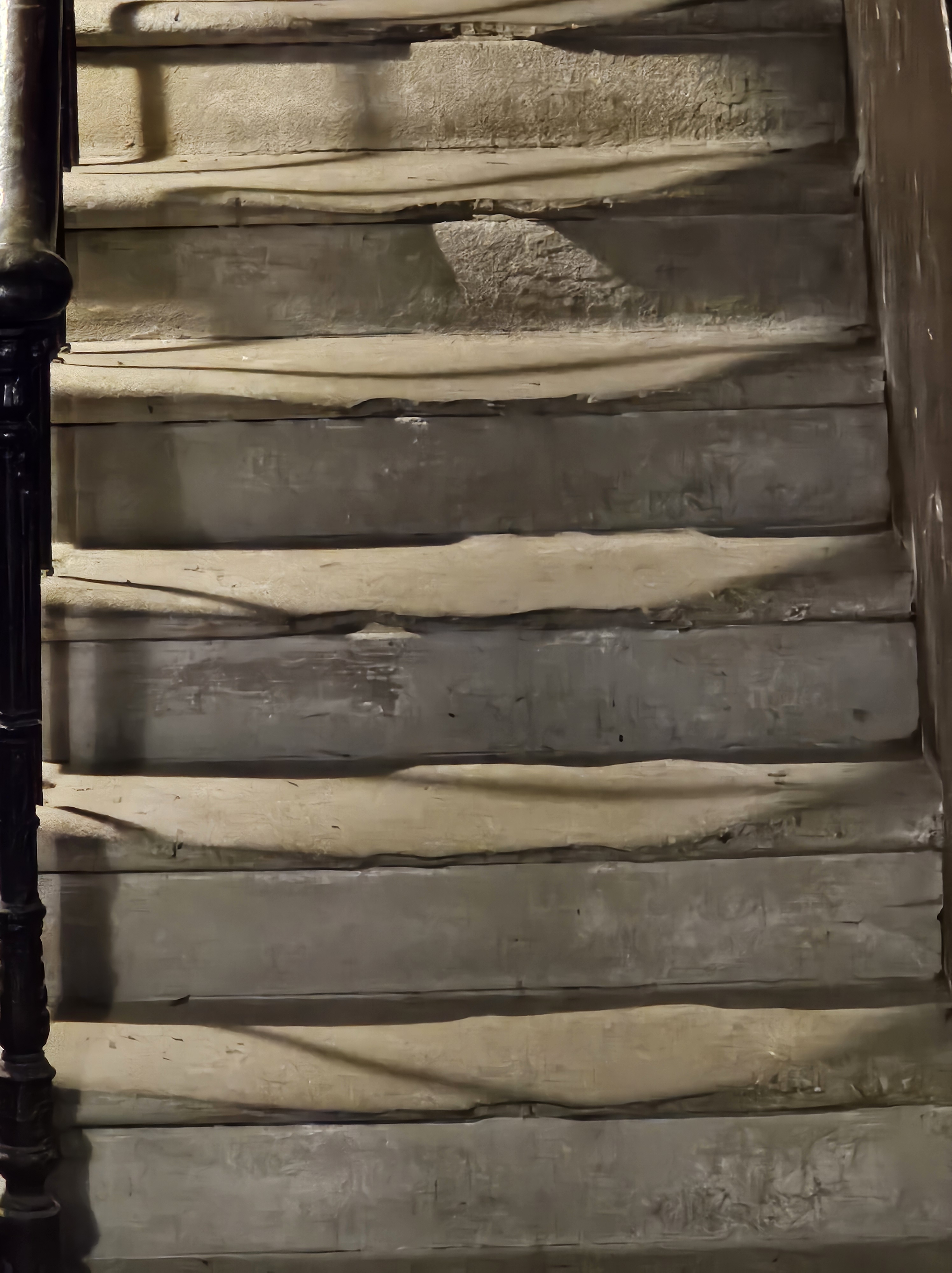
19, Princelet Street
The Spitalfields Trust has managed to reacquire the management of the synagogue in Princelet Street which it originally acquired in 1981 and then leased: it’s a deeply evocative survival of the different layers of Spitalfields’s history.
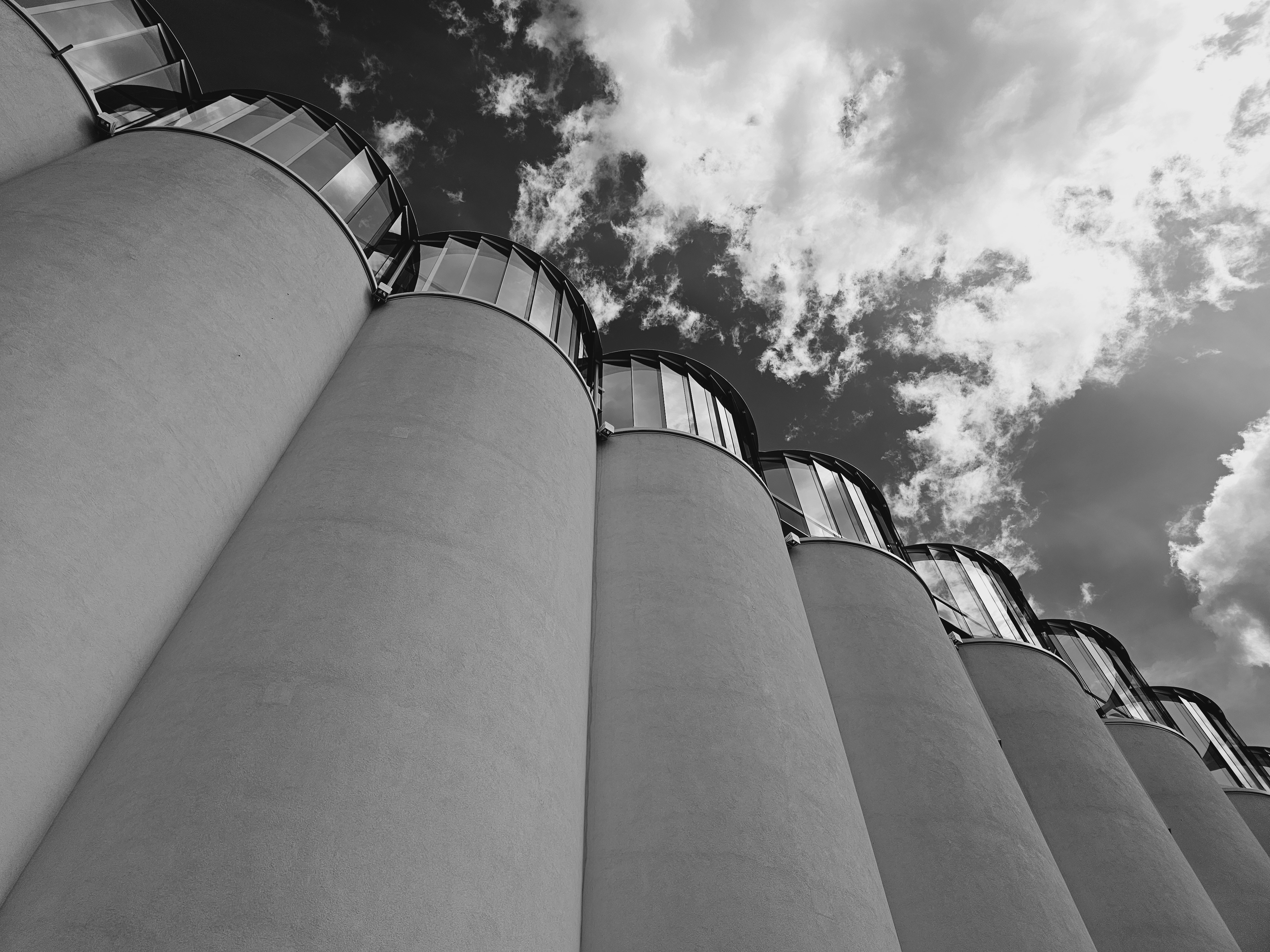
The Kunstsilo
An incredibly impressive conversion of an old grain silo in a small holiday resort in south Norway into an internationally significant museum to display post-war Norwegian art.
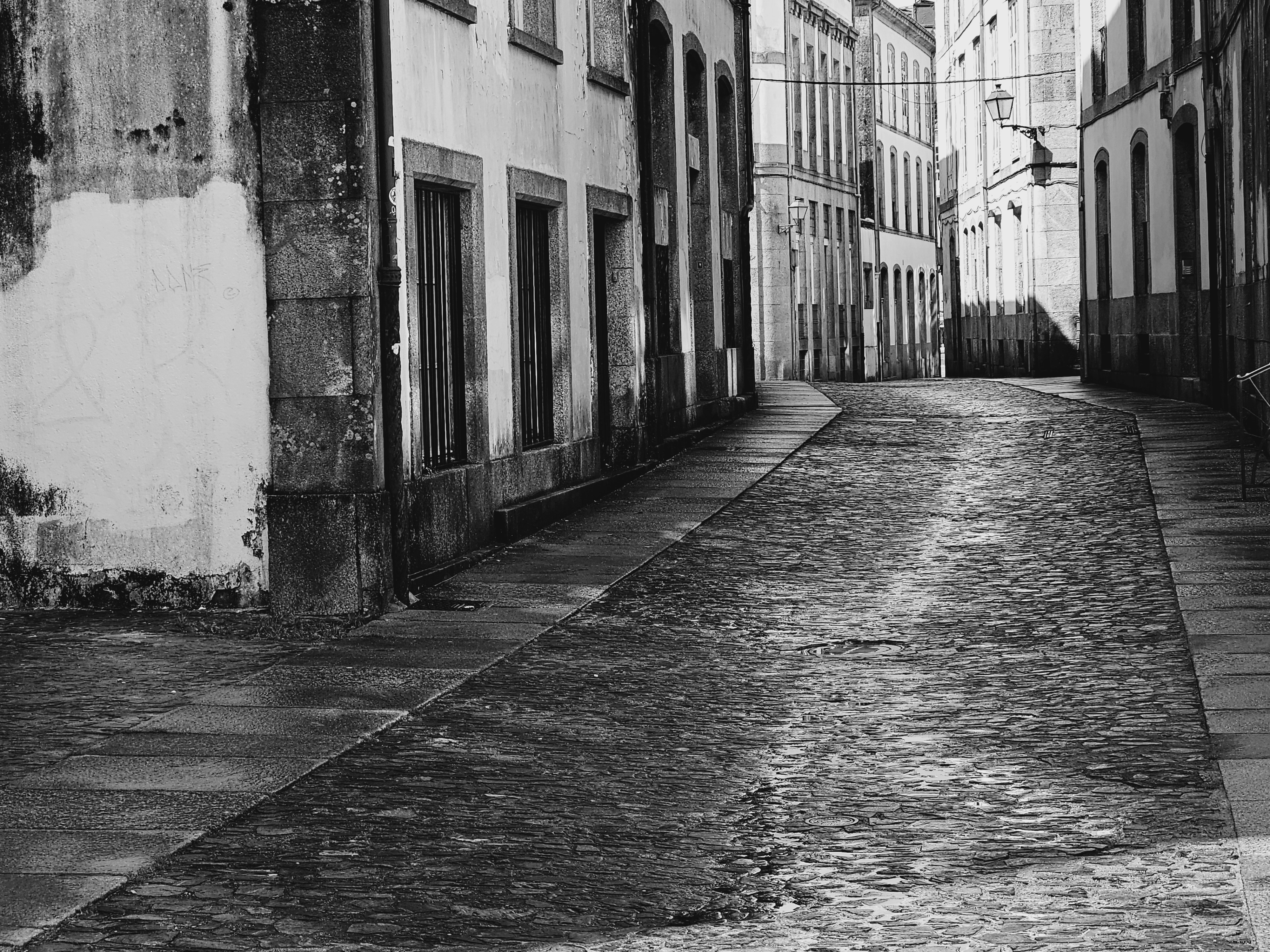
Santiago de Compostela
So well preserved, so much to see.
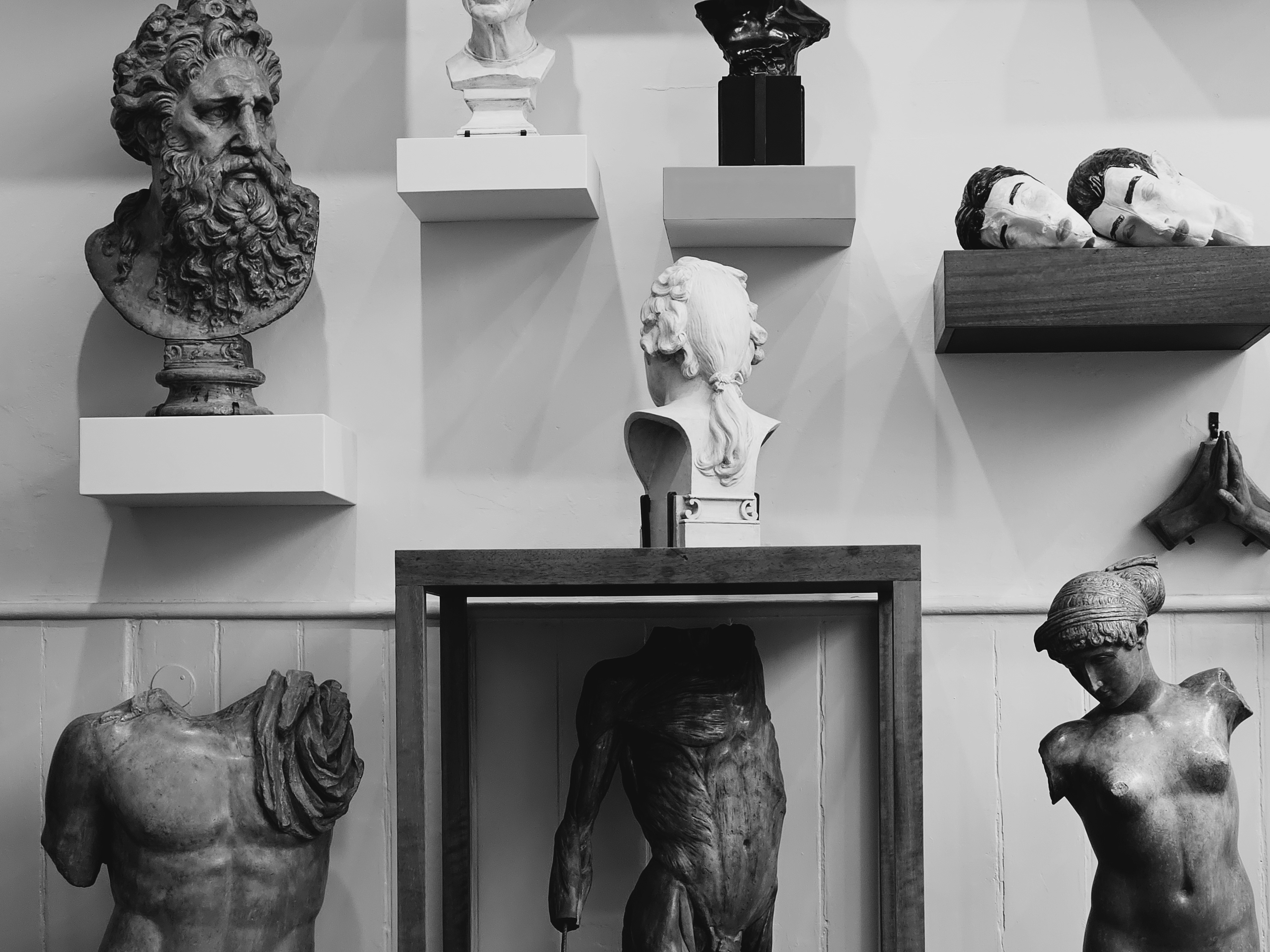
The Royal Academy Schools
The Royal Academy Schools have now been added to David Chipperfield’s intelligent and sensitive renovation of the building as a whole in 2018: beautifully done. He’s been working on the project since 2008. So has Julian Harrap. They are a remarkable double act.
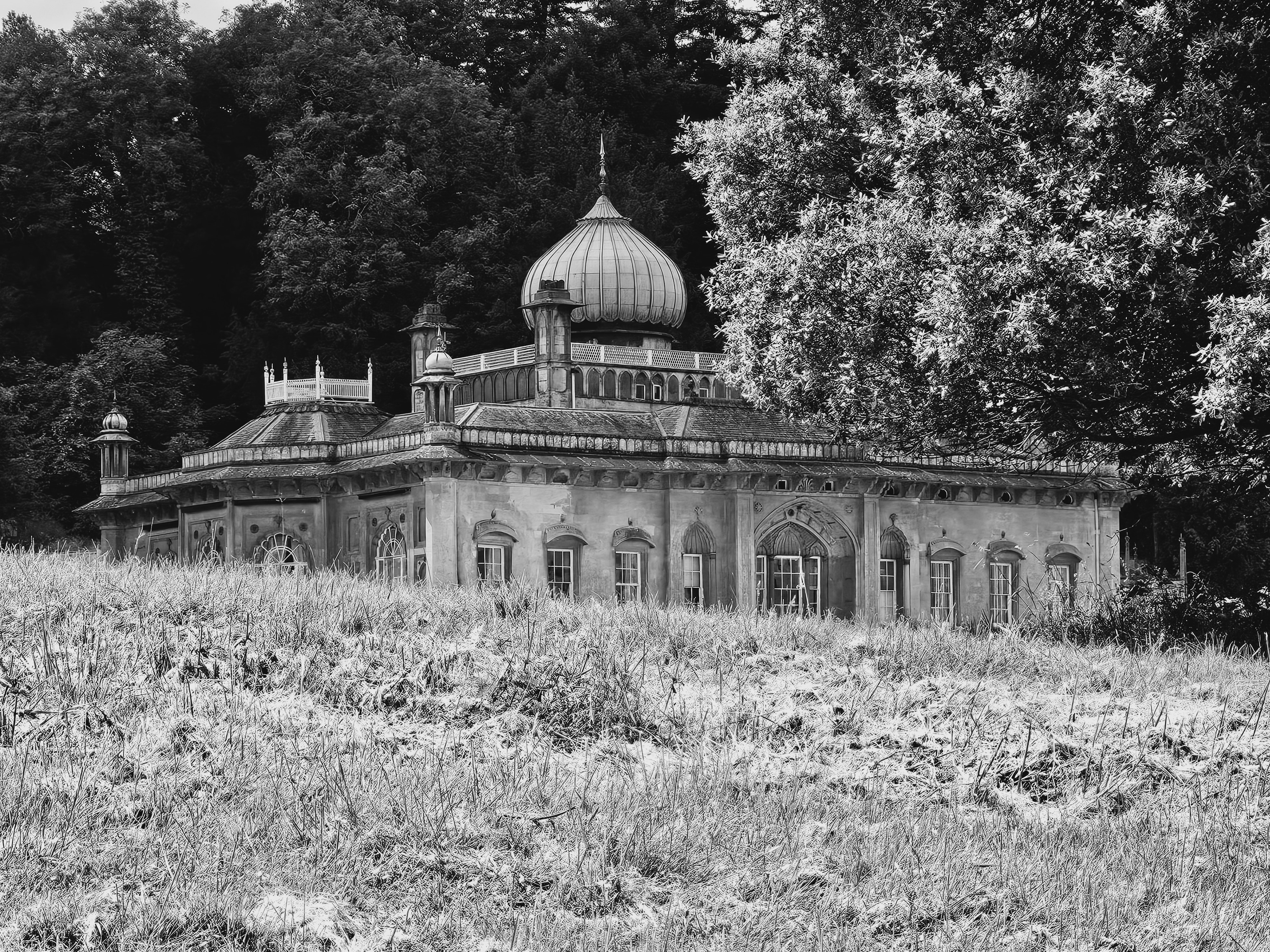
Sezincote
The Garden Museum has provided a multitude of pleasures during the year – talks, events, book launches, exhibitions – but few to match its annual literary festival, held this year at Sezincote:-
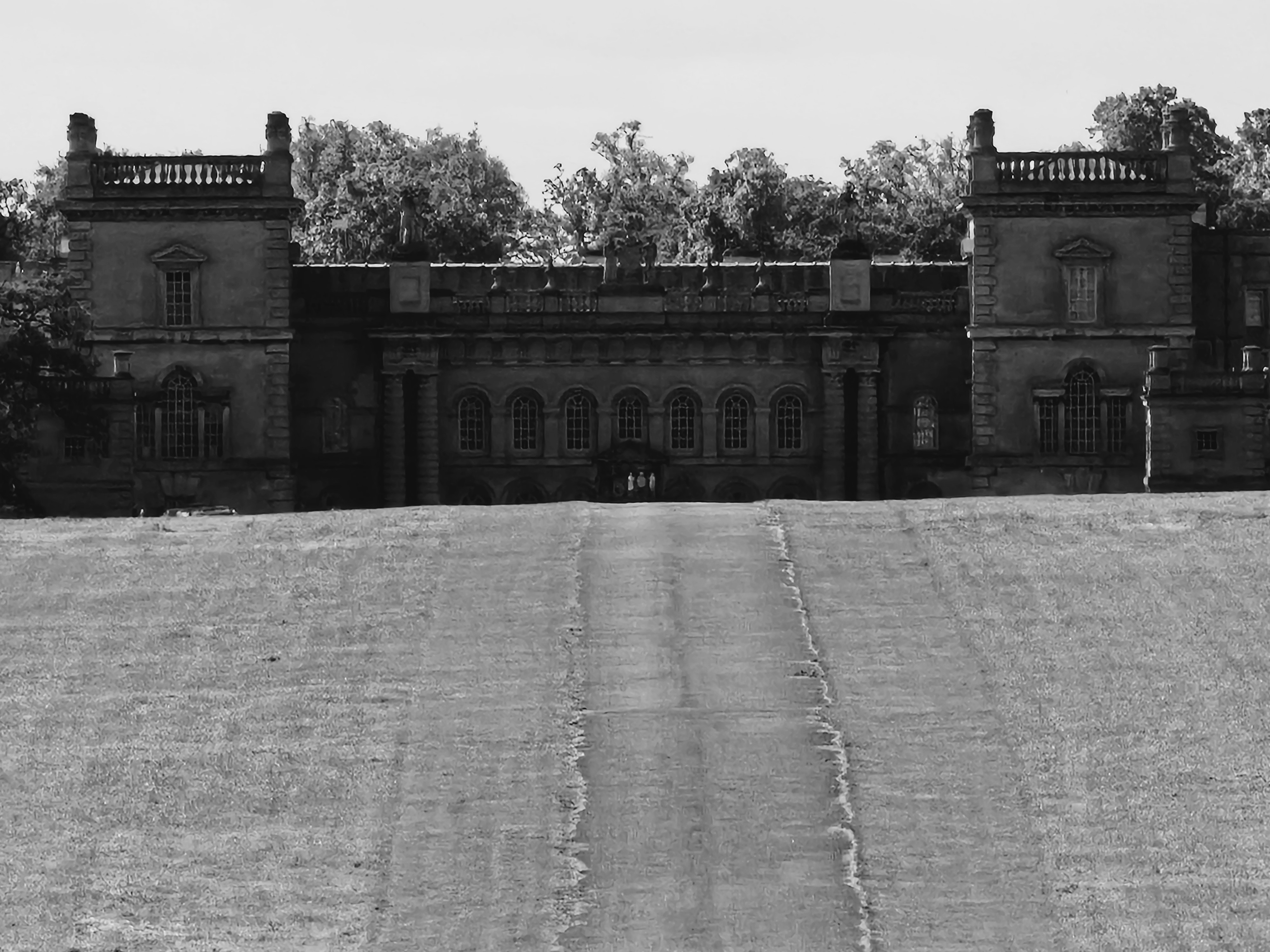
Grimsthorpe
I have been to Grimsthorpe before, but had forgotten how extraordinarily impressive it is, seen first from a distance across the fields of south Lincolnshire, then close-up, how unorthodox it is with its unexpectedly diminutive facade sandwiched between two monumental towers, and how beautifully well preserved.
Romilly Saumarez Smith/Edmund de Waal
Romilly’s first exhibition was in Edmund de Waal’s studio in West Norwood. He invited her to show her more recent work in early July, an act of the greatest generosity, particularly because he helped so much with the layout and display.
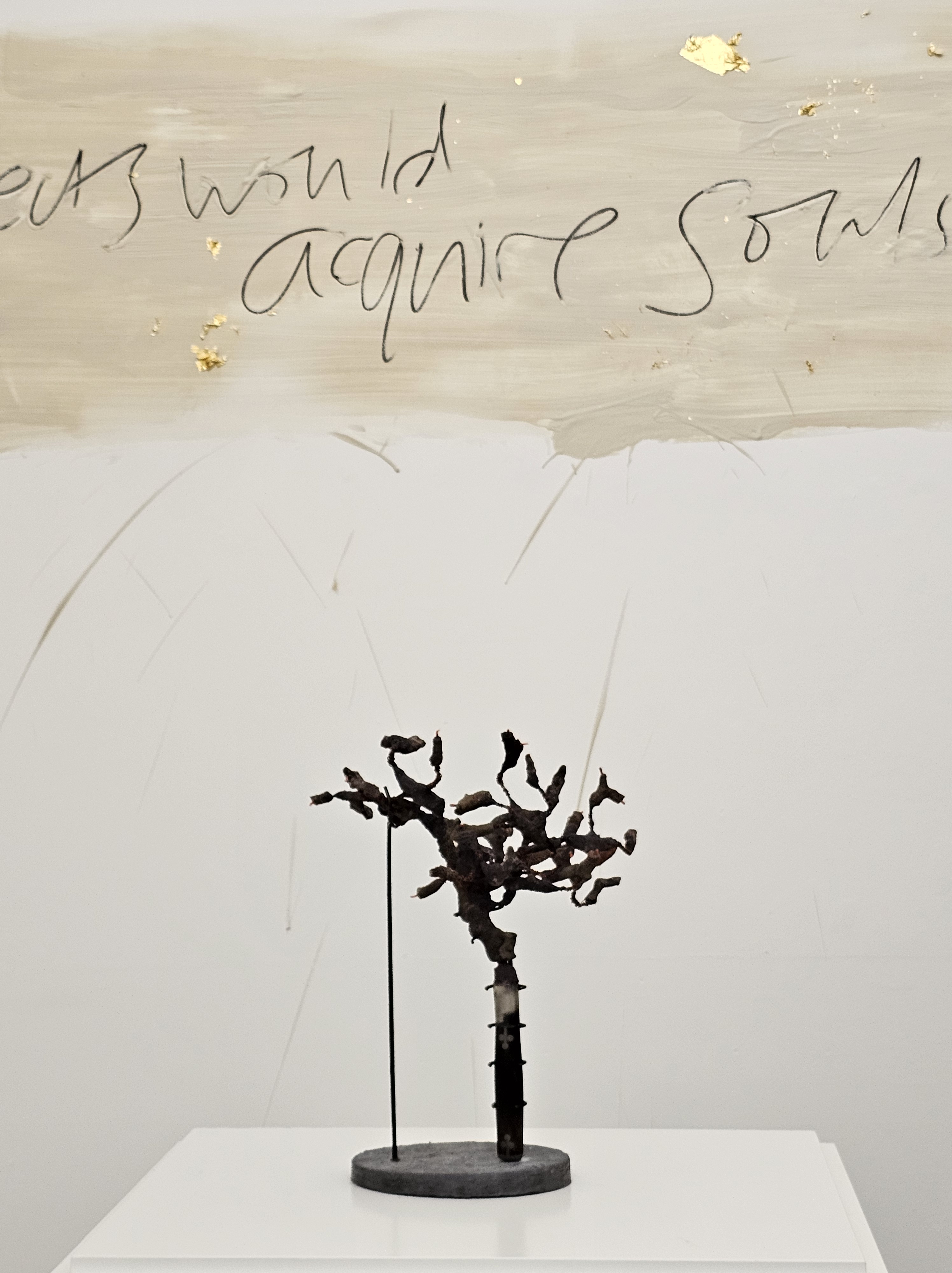
The Warburg Institute
The reconfiguring and addition of a lecture theatre in the courtyard of the Warburg Institute was a monument to intelligent architectural tact, keeping its original spirit of intellectual austerity, but making it a touch more user friendly, a brilliant achievement of Bill Sherman, its director.


You must be logged in to post a comment.