
Happy Christmas to all my readers and with best wishes for 2025.
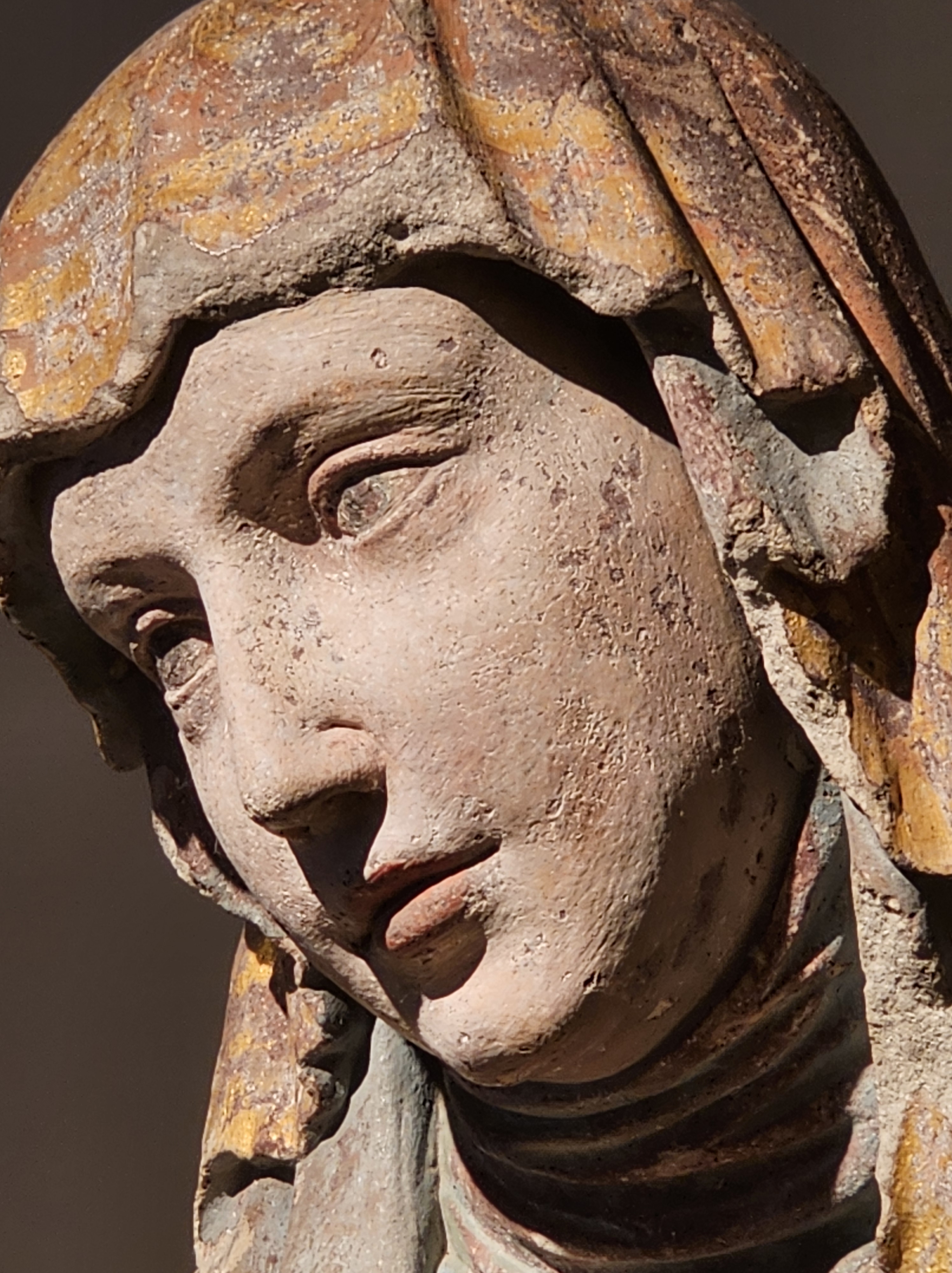
Now that I have decided to abandon Vanbrugh for Christmas, I am catching up on a large pile of neglected reading, including a volume kindly sent by its author, Francis Russell, entitled Twenty-Four Partial Portraits, the title more likely to be a homage to Henry James than to William Rothenstein.
I’ve discovered that it’s a book that is not easy to obtain because Amazon has apparently already sold out, but I have located copies at Heywood Hill (https://www.heywoodhill.com/shop/twenty-four-partial-portraits) and I was pleased to discover that John Sandoe have extensive holdings of Russell’s excellent travel books.
I can see that it may have been hard to persuade a conventional publisher to take on Russell’s meticulous pen portraits of his deceased friends, but they are fascinating records of a world we have lost – the post-war art world as it used to be.
Russell was introduced to it startlingly young. When he was a pupil at Westminster, he was already friendly with James Byam Shaw at Colnaghi’s and was already developing his encyclopedic knowledge of private picture collections. I’ve still got a few chapters to read, but have just enjoyed his account of the preparations made for the great Country House exhibition in Washington and the circumstances surrounding the acquisition of Calke Abbey for the National Trust.
It’s good Christmas reading….
My pre-Christmas reading has been the new book about the Messiah by Charles King, a Professor of Government at Georgetown University. It’s exemplary – so readable, so well researched, he manages to humanise and make vivid a period of history – Britain in the 1740s – which can often appear remote, complacent and frankly dull. Even Charles Jennens who wrote the libretto is made interesting, a non-juror and close friend and correspondent of Edward Holdsworth who designed the Palladian building at Magdalen College, Oxford.
We were encouraged to sing the Messiah at my prep school. It was regarded as in some way our patriotic duty, which put me off it. But King’s book has made me listen to it again with a completely different level of understanding and interest.
https://www.penguin.co.uk/books/464918/every-valley-by-king-charles/9781847928450
I’ve long been an admirer of the development north of King’s Cross which started out with the installation of Central St. Martin’s in the so-called Granary Building. So, I was very pleased to be taken on a walking tour of it by Bob Allies of Allies and Morrison the day after it failed to win this year’s Stirling Prize, a mere 24 years after they began drawing up plans for it. My article below is very closely based on his account of how it came about.
A book about it is being published by Lund Humphries in March which will no doubt give more detail, but I hope I have given the reasons for its success – the way it kept the existing buildings and used the topography of the site so creatively.
It’s a model for European town planners.
I wish it were a model for the City’s planners, but they seem to prefer to knock it down and then pile it up, without any regard for history, topography or the long-term future.
Richard Carew-Pole’s obituary has now appeared in the Times (https://www.thetimes.com/uk/obituaries/article/sir-richard-carew-pole-tp6g9s39q). It gives a very good sense of his charm, intelligence and practicality. I first met him when he was a trustee of the Heritage Lottery Fund. Christopher Le Brun very sensibly recruited him to help with fund-raising at the RA and we started at the same time. As the obituary makes clear, he was very good at it, both thoughtful and assiduous, attending every meeting, reassuring donors that it was a good cause, and raising a vast amount of money himself. He was good with everyone. A great loss.
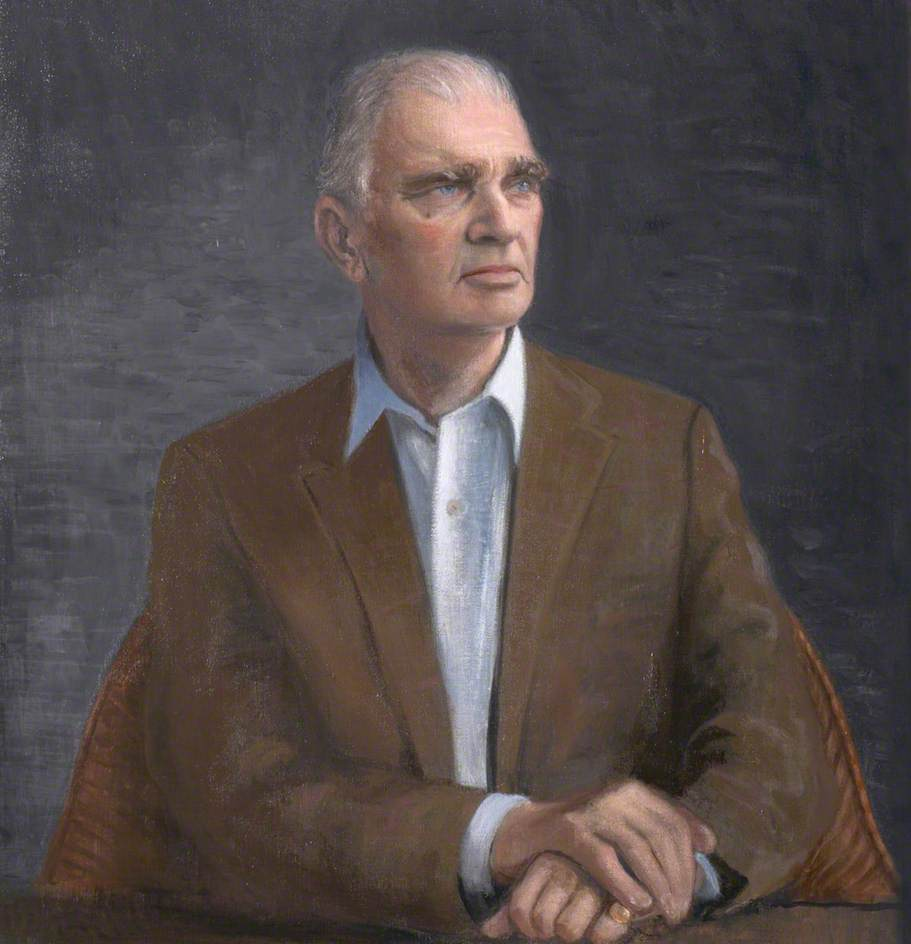
Reading another article about the closure of Old Town Clothing makes me want to weep. It has been known for nearly a year that the shutters were due to come down, so what has been done to keep it alive ? Nothing. That’s because no-one cares about or pays attention to a small, well-run, successful business with a loyal international clientele. It’s below the radar.
Someone told me recently how much the government spends on overnight accommodation. A fortune every day.
I feel that government should be interested in small-scale rural production and local businesses which use specialist hand skills. They are treated as the past, but they ought to, or could, be the future as well.
We went to a screening of Stardust, the very brilliant and extremely moving film which Jim Venturi and Anita Naughton have made about Jim’s parents, Robert Venturi and Denise Scott Brown.
I didn’t know quite what expect, but it is funny, deeply interesting and informative about them as architects, as people, and, most especially demonstrates how horribly badly Denise has been treated, subordinated and and the importance of her role in their partnership underestimated not least, as the film shows, by Bob.
Philip Johnson comes across as a total monster. The way they were treated as architects of the Sainsbury Wing is demonstrated only too clearly. The only person who comes across as understanding and appreciating the Sainsbury Wing and its galleries at the time of its opening is Andrew Graham Dixon who was magnificent in describing its virtues.
There is another screening on January 21st. It deserves the widest possible audience.
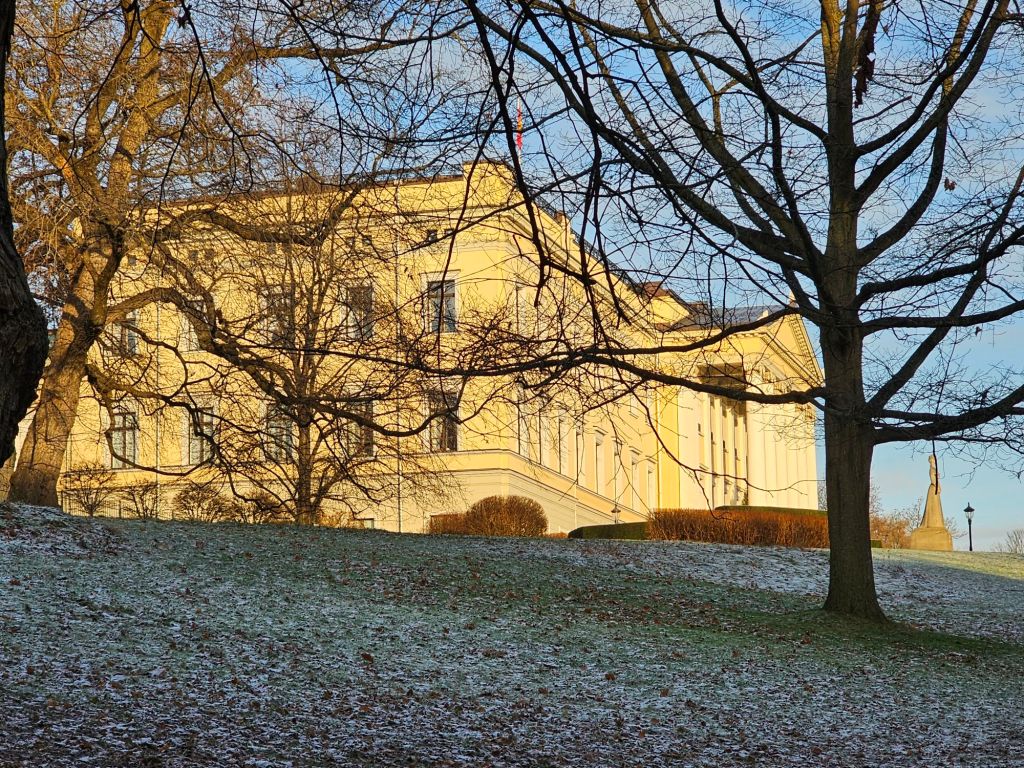
In case you think I only looked at examples of Norwegian modernism, I post a picture of the Royal Palace, constructed between 1 October 1825 and 26 July 1849: a fine example of Nordic neoclassicism surrounded by a public park:-

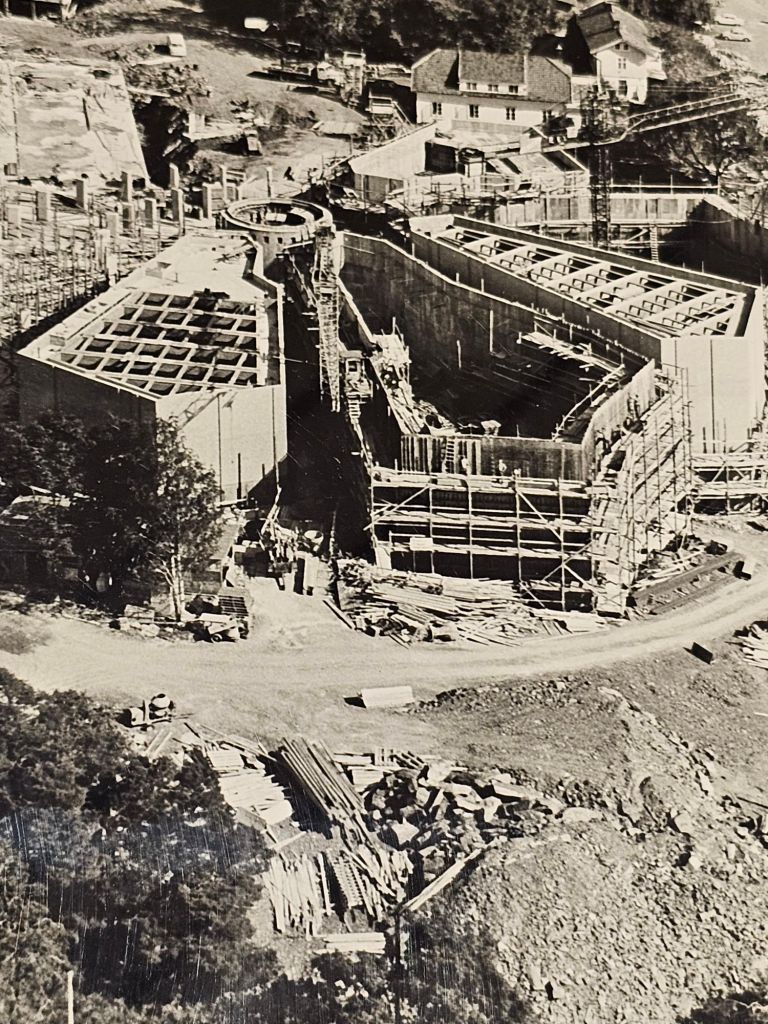
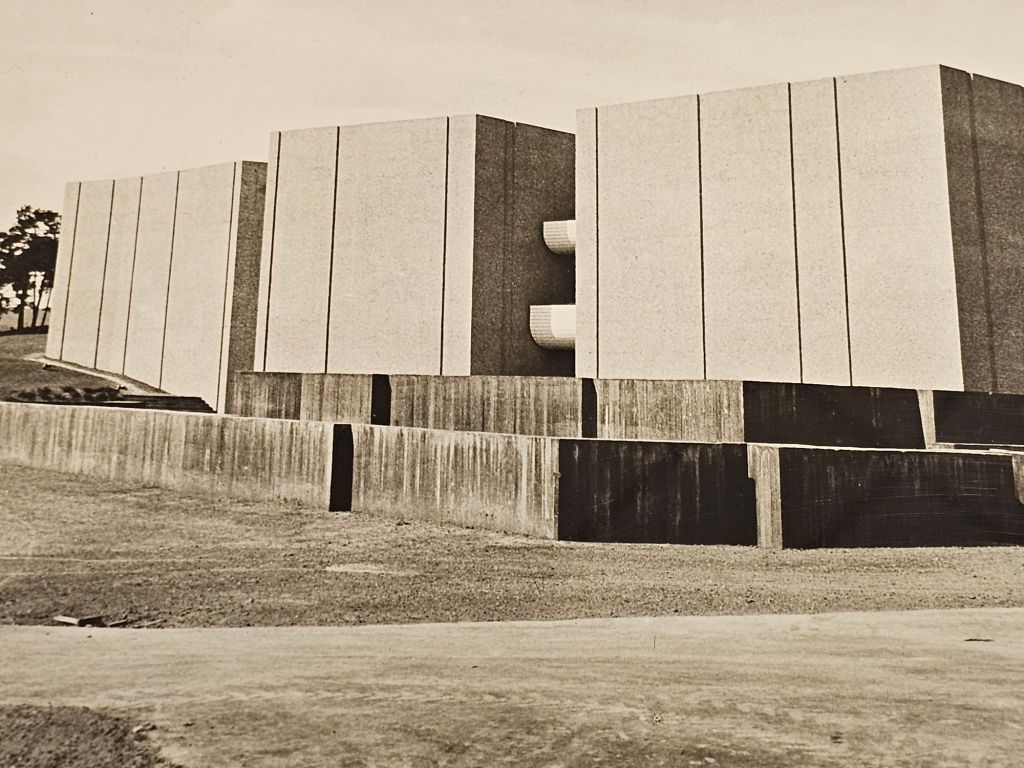
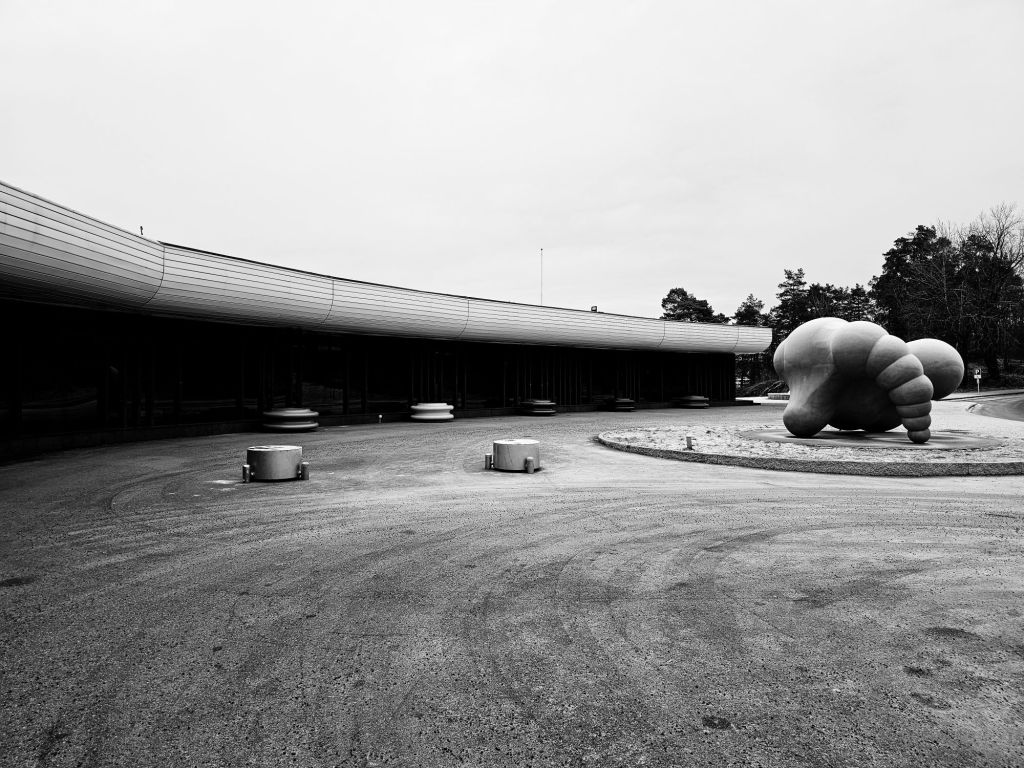
I didn’t include the Henie Onstad Art Center in my book on modern art museums because at the time I didn’t know about it: a new museum designed from scratch by Norwegian architects, Jon Eikvar and Sven Erik Engebretsen, paid for by Sonja Henie who had made a fortune from Olympic ice skating.
I thought it was particularly interesting in that it combined music and art and indeed is as important in the history of music as for its art exhibitions, including early concerts by Stockhausen and John Cage.
Henie Onstad was herself obviously closely involved in the project, including the choice of a dark red carpet from California.
Its aesthetic seems to have belonged to its proximity to the original site of Oslo airport, using materials and manufacturers employed in the design of aeroplanes.
Here it is under construction:-
From the rear:-
The entrance as it is now:-
The central staircase:-

And the palette of materials :-

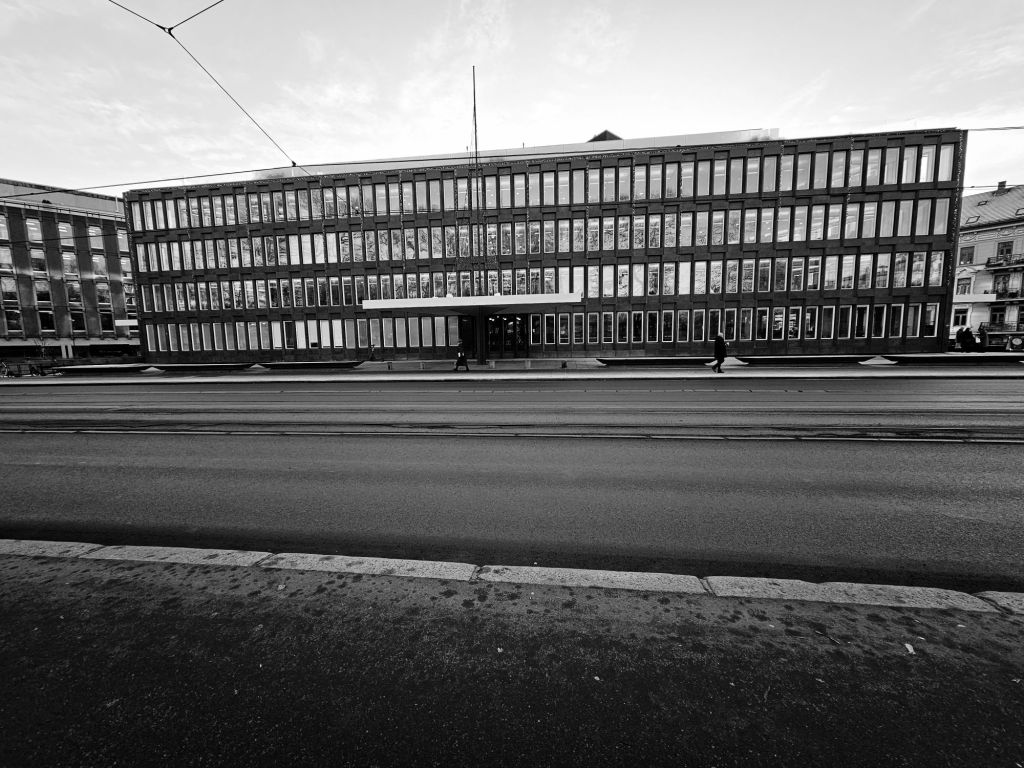
I spent yesterday morning on a tour of the old American embassy building designed by Eero Saarinen, the architect of Dulles International Airport in Washington DC and the ice rink at Yale. It was a vehicle of American democratic values with a cinema in the basement and a lending library upstairs, as well as a room at the top for the Ambassador to look out over the Royal Palace. It gradually became more like a fortress behind impenetrable fencing until the Embassy moved out into the suburbs and the Saarinen building was sold to a developer who has devoted immense care to its reconstruction:-


You must be logged in to post a comment.