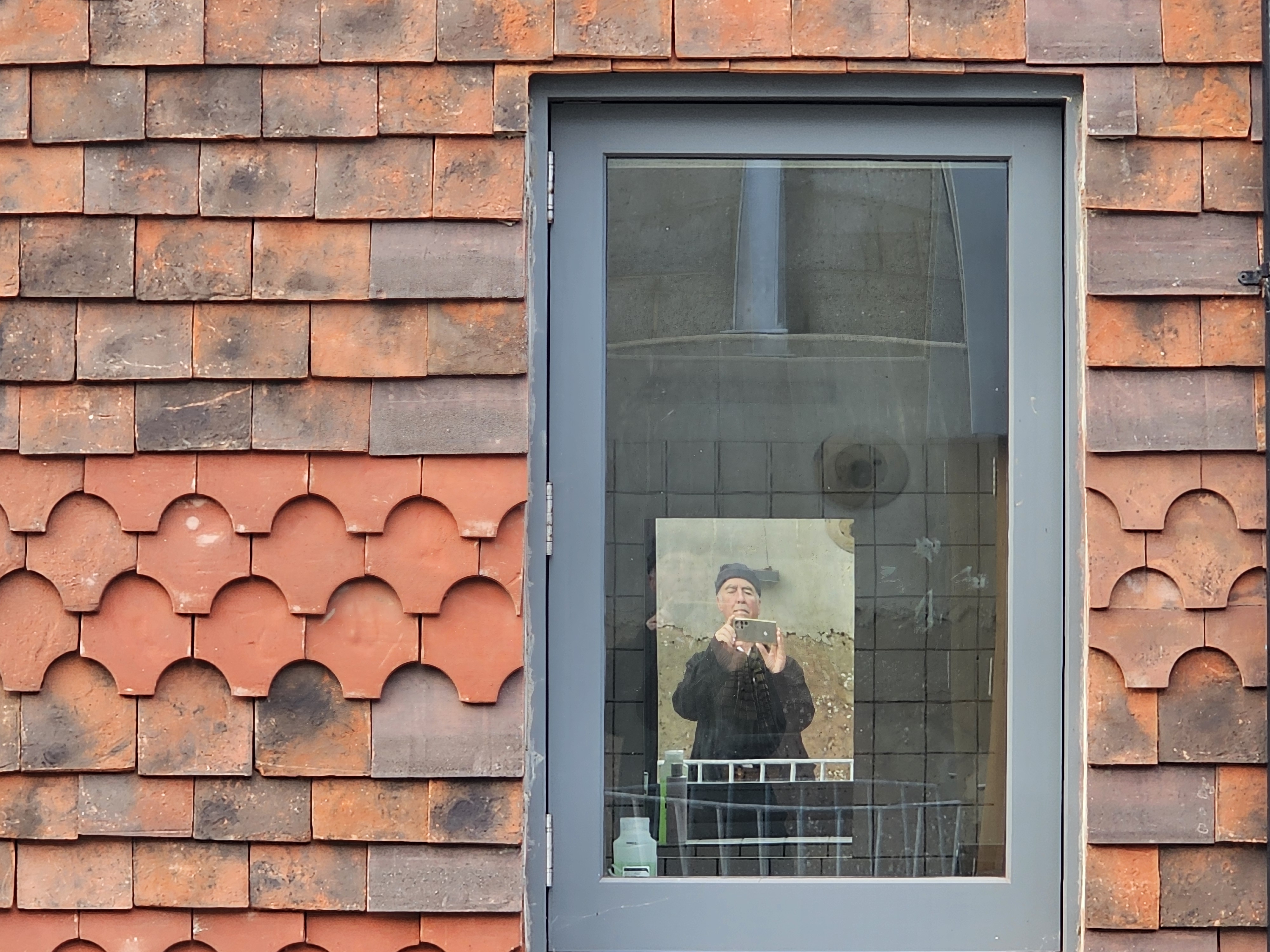
I drove down to Leigh-on-Sea to return the pictures to John Wonnacott which we showed when his book was published. I like going there because every view is like one of his paintings – the sea front, Marine Parade, the mud flats:-
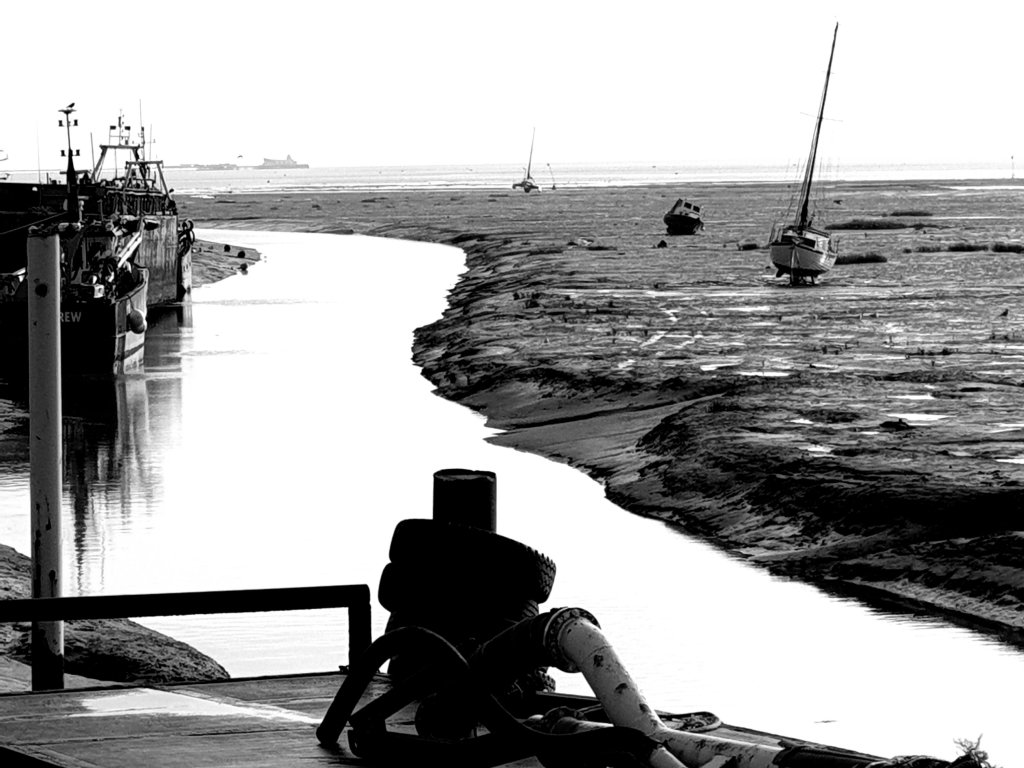
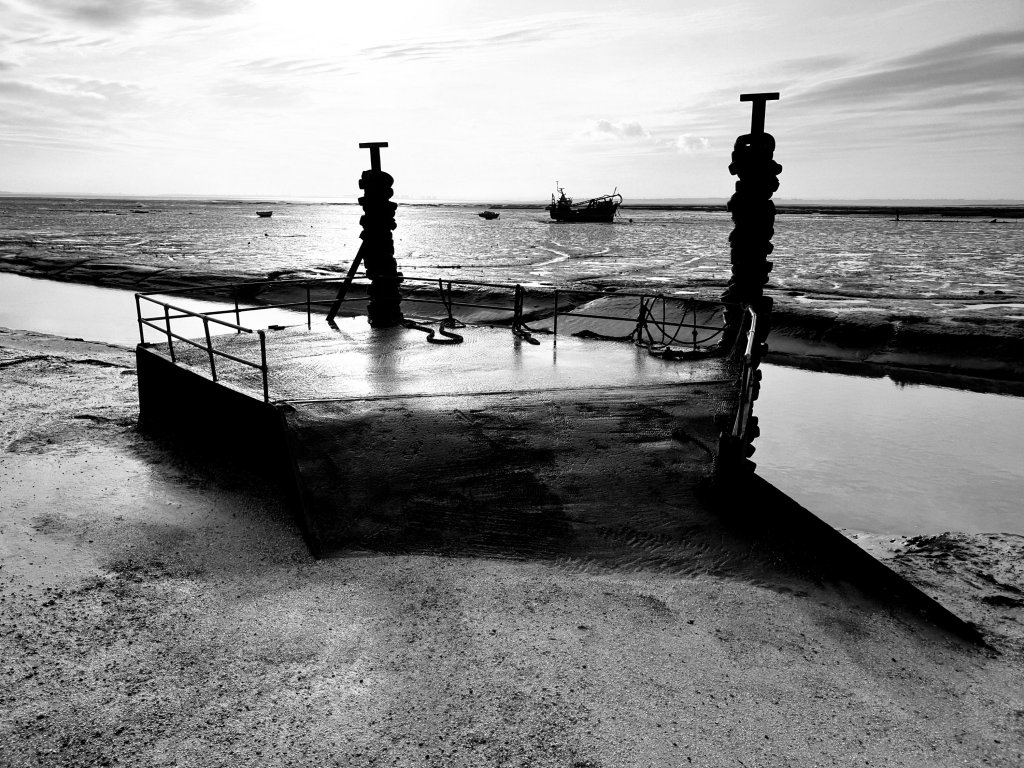

I drove down to Leigh-on-Sea to return the pictures to John Wonnacott which we showed when his book was published. I like going there because every view is like one of his paintings – the sea front, Marine Parade, the mud flats:-
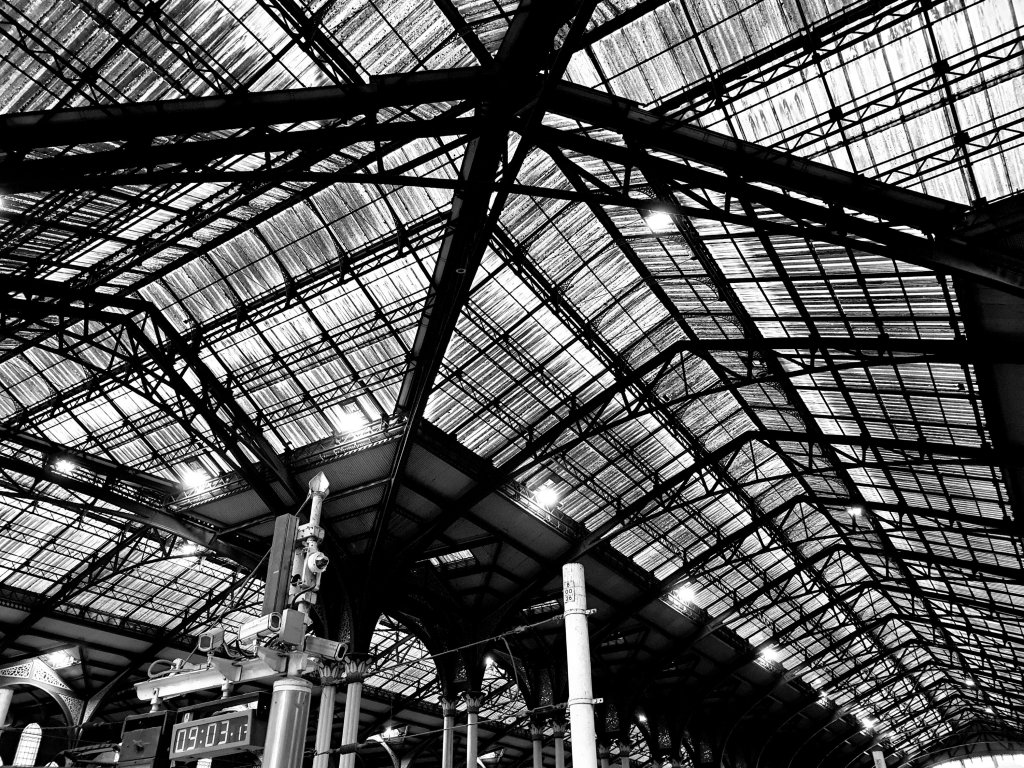
I went this morning to see the plans for the redeveloped Liverpool Street Station which I had read were being exhibited in a private room at the adjacent Andaz Hotel for two days. It turned out that the notice was published on Wednesday evening and Wednesday was one of the two days, so the plans have already been taken down. I suppose this is what the developer regards as a process of public consultation where in effect nobody has a chance to see and comment on what is proposed.
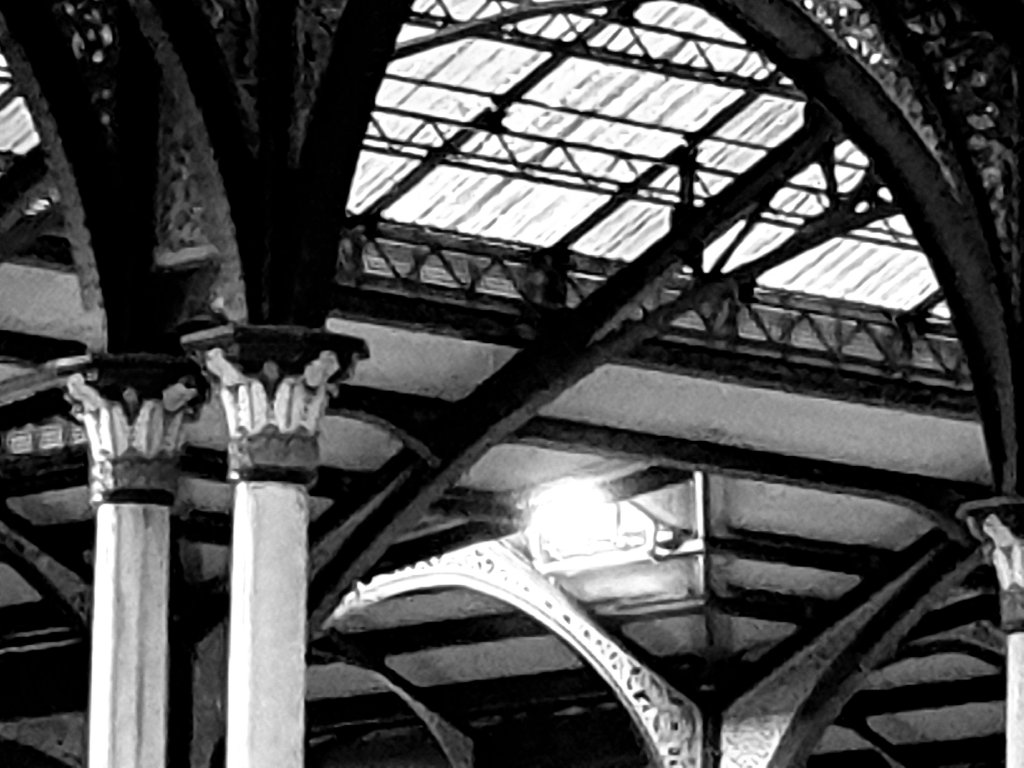
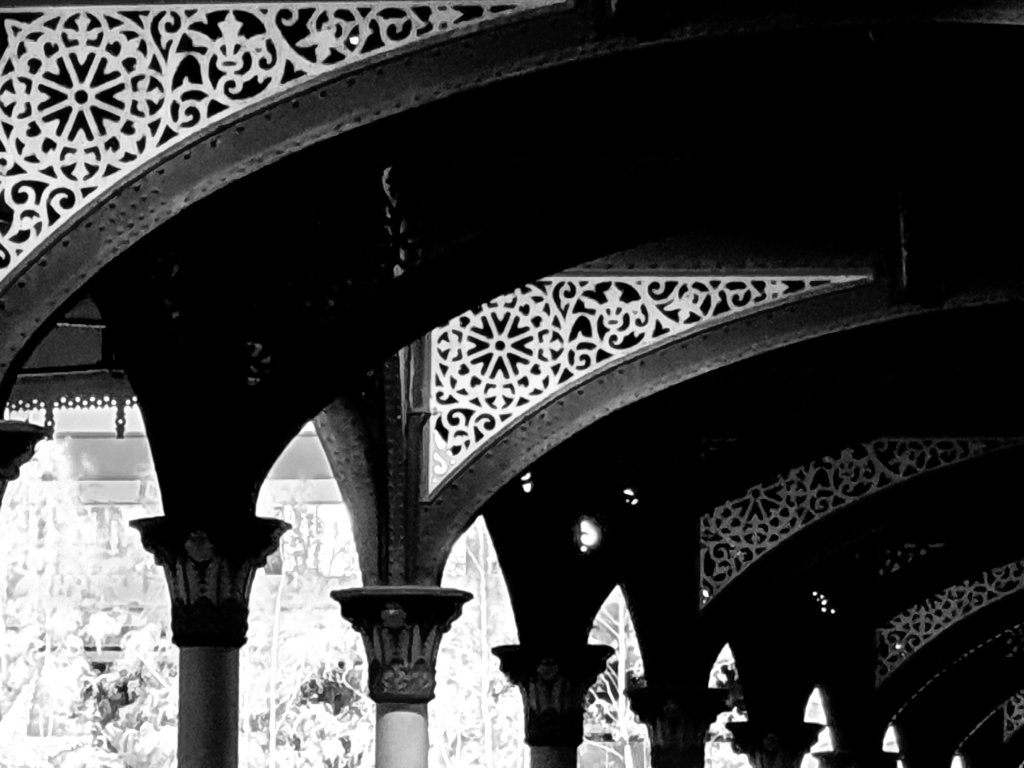
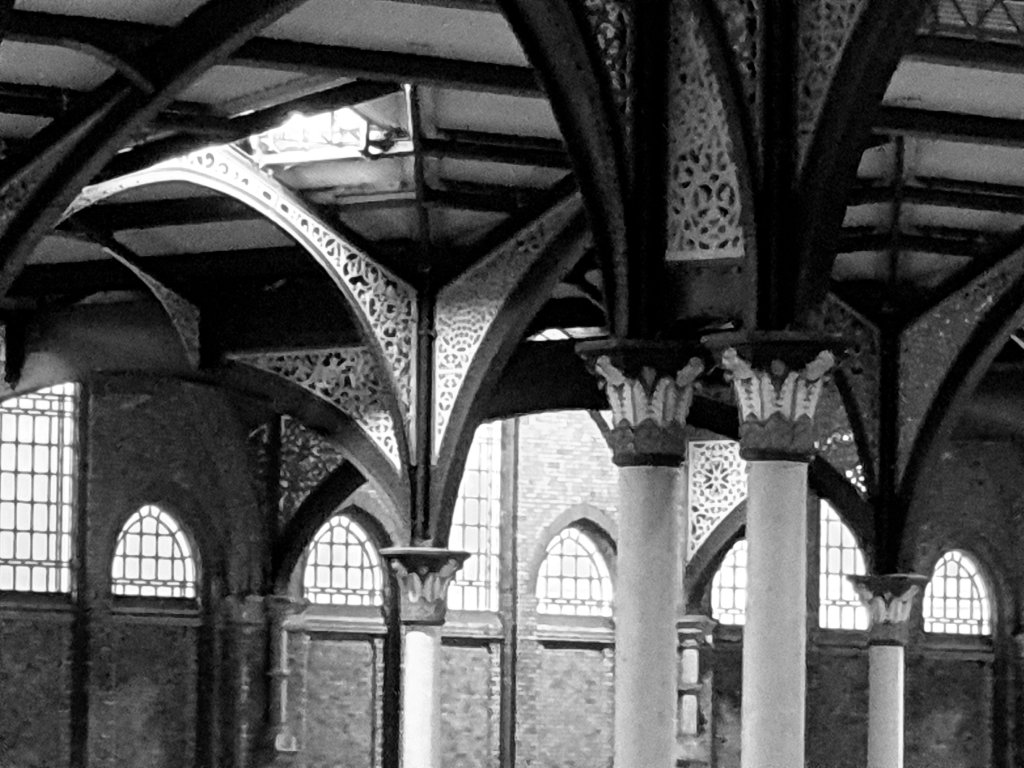
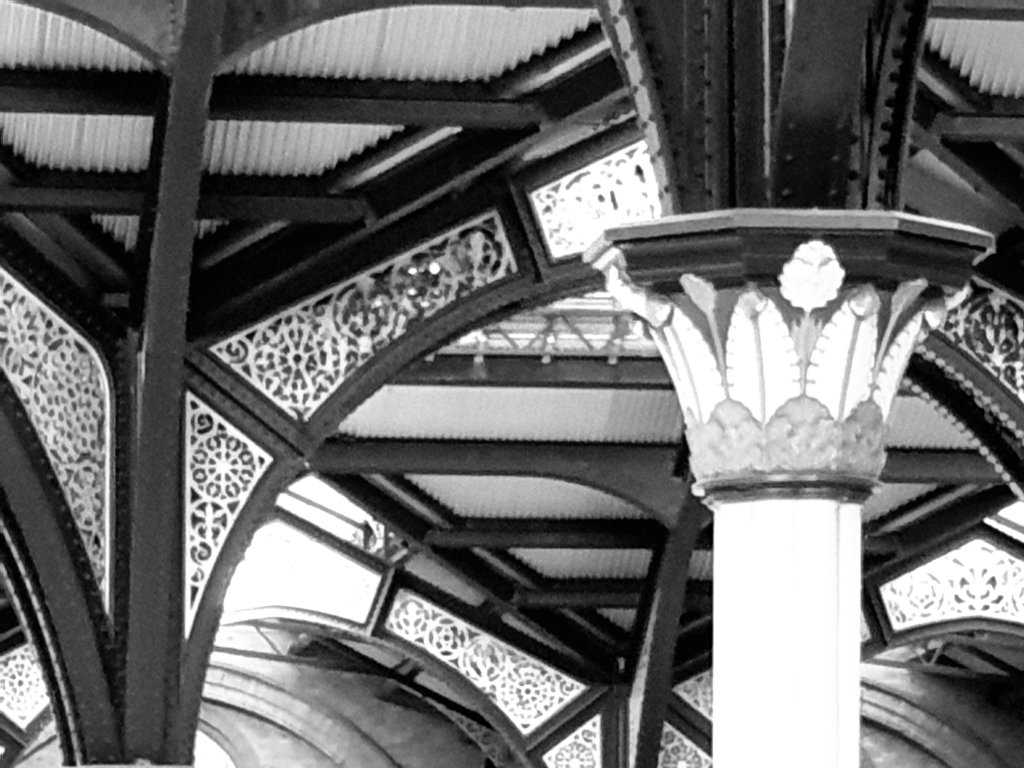
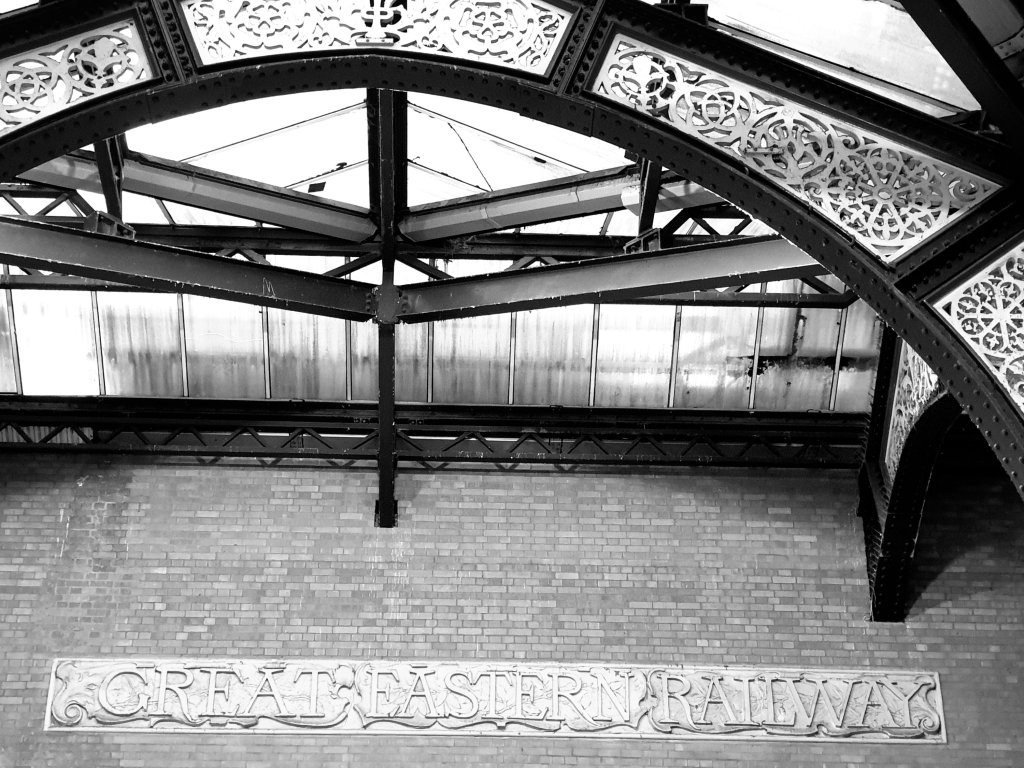
But I did manage to see and photograph the surviving railway sheds which will disappear under a tower block. They are spectacular and I urge you to go and look while you can:-
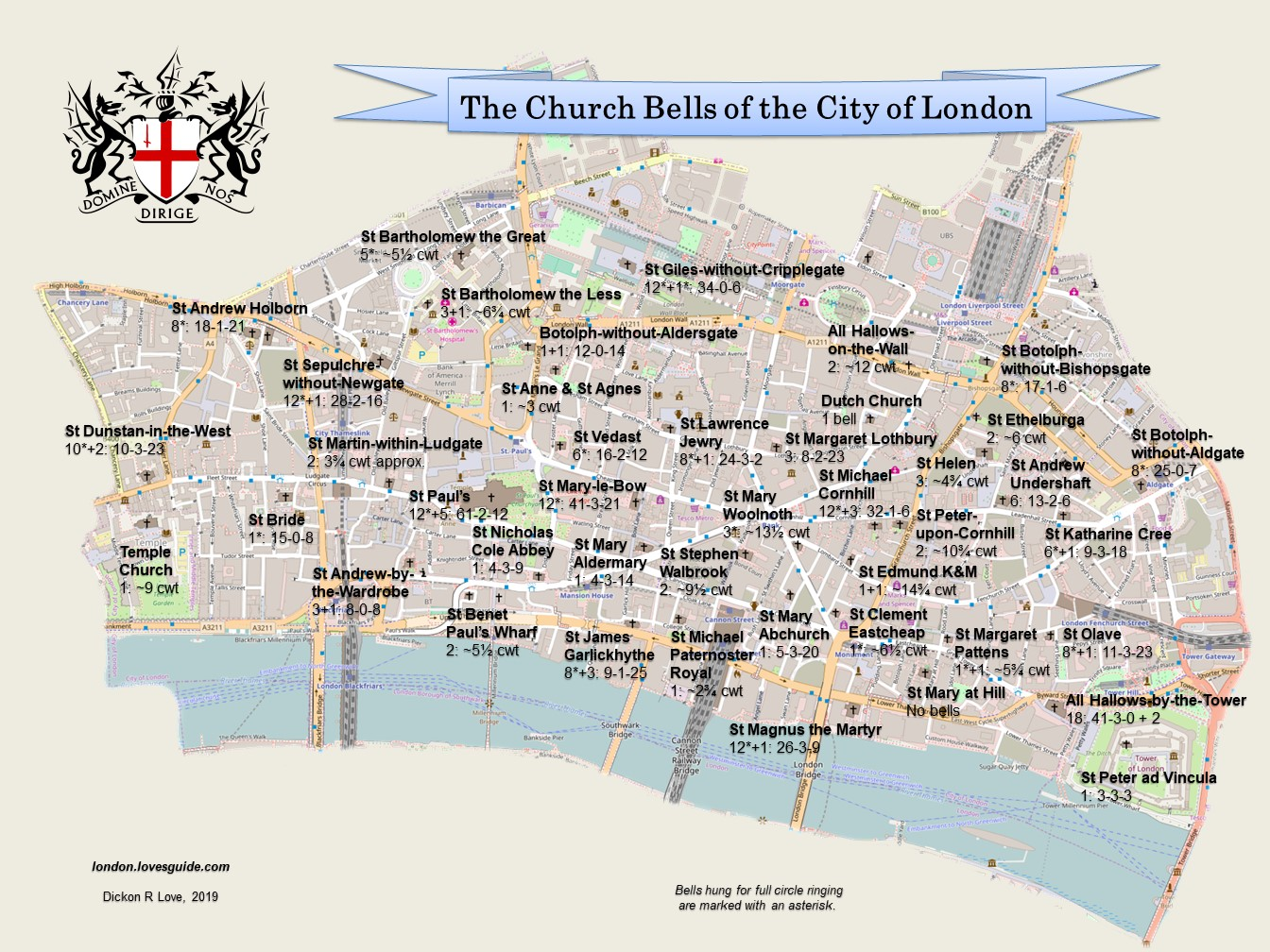
I did a talk last night at the London Salon alongside Dickon Love, the King of the London Bell Ringers. He talked movingly about bell ringing. I had not fully realised the extent to which quite a number of the most important bells in the City Churches are actually quite recent, all of them made by the Whitechapel Bell Foundry, which was extraordinarily important to the manufacture of bells in London not just in the eighteenth and nineteenth century, but also more recently, in the post-war period when so many city churches were bombed or their bells had been taken down and they then had to be re-cast or re-hung. Dickon made the point very clearly that the Bell Foundry was responsible not just for the casting of bells, but for the craft of installing them. He has a website ‘Love’s Guide to the Church Bells of London’ (http://london.lovesguide.com/) which has a map of all the church bells of the City:-
Someone made the point during the discussion afterwards, which is right, that we should have involved the City more in the effort to save the Bell Foundry, which is such an important part of its history, as well as of Whitechapel’s.
Then, I talked about what in retrospect was the tragedy of the failed campaign to save it – except that there is now hope that it could be saved after all. I realised that it was the first time that I had talked about it publicly because so much of the campaign was online during COVID. Some points emerged as I talked:-
But, there is now an opportunity to reinstate the Bell Foundry as a Foundry and I hope the current Secretary of State, Michael Gove, might address it.
The hotel scheme is dead. The land on which it was going to be built is no longer available. The building has been put on the market (on Right Move) for sale or rent. The London Bell Foundry which has been established to make bells by artists (https://www.thelondonbellfoundry.co.uk/) has a viable business plan and has made an offer to the agents handling the sale either to lease it or to buy it on the recommended commercial terms. The planning inquiry imposed conditions which require any lessee to reinstate a Bell Foundry.
What it now needs is for Bippy Siegal who bought the Bell Foundry in 2017 and his New York investors to recognise that this is the best solution to save the foundry which made the Liberty Bell. They might have to take a small financial loss, but it is possible that there is no alternative.
Someone somewhere must be in a position to persuade him that this would be the best and right thing to do.
In honour of the incipient campaign to preserve Liverpool Street Station, I bought Simon Jenkins’s excellent guide to Britain’s 100 Best Railway Stations, published in 2017 and still easily available. Liverpool Street is up there with five stars, equal to Paddington, King’s Cross and St. Pancras (and Bristol and Wemyss Bay). He gives a fascinating account of the 1970s campaign to save it, Betjeman to the fore, and the way it was restored and developed in the 1980s with sensitivity to its history. We seem to have to re-learn these lessons each generation, particularly now there are so many good environmental reasons for preservation instead of more new office development. Jenkins is unusual in having lived through these battles in the 1970s, apparently as Betjeman’s chauffeur, and still influential. It looks like there will be another battle.
I’m so pleased to have been sent the attached admirable account of Victor Margrie’s role in supporting the crafts in the 1970s through what became the Crafts Council. It tells one a lot about what happened to transform public perception of the crafts during his tenure.
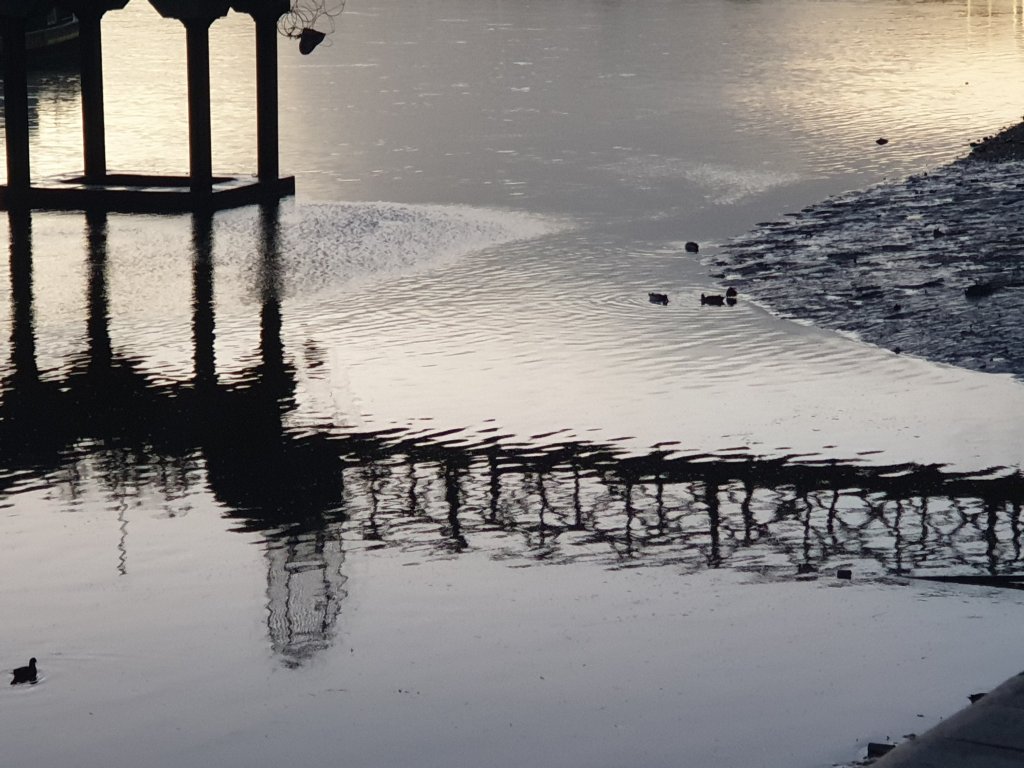
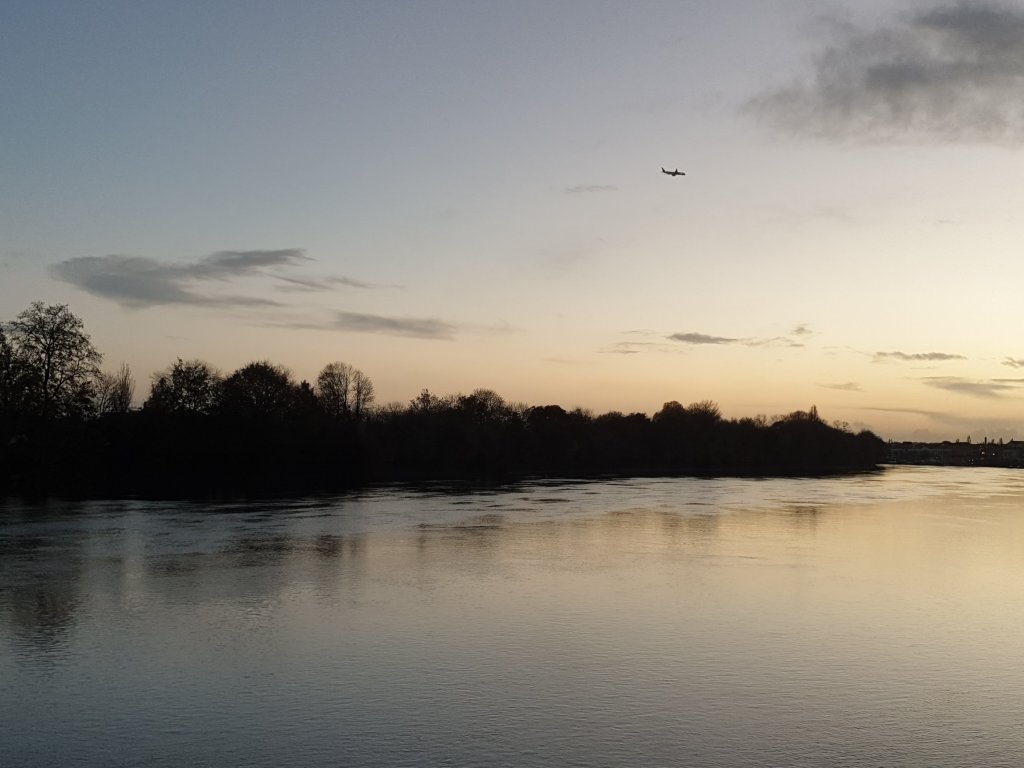
It’s a long time since I’ve walked along Hammersmith Mall: a place with memories; the Dove Press; the Dove pub; the William Morris Society, whose meetings MI5 attended; the house where Maria Bjørnson died in 2002; the boat race:-


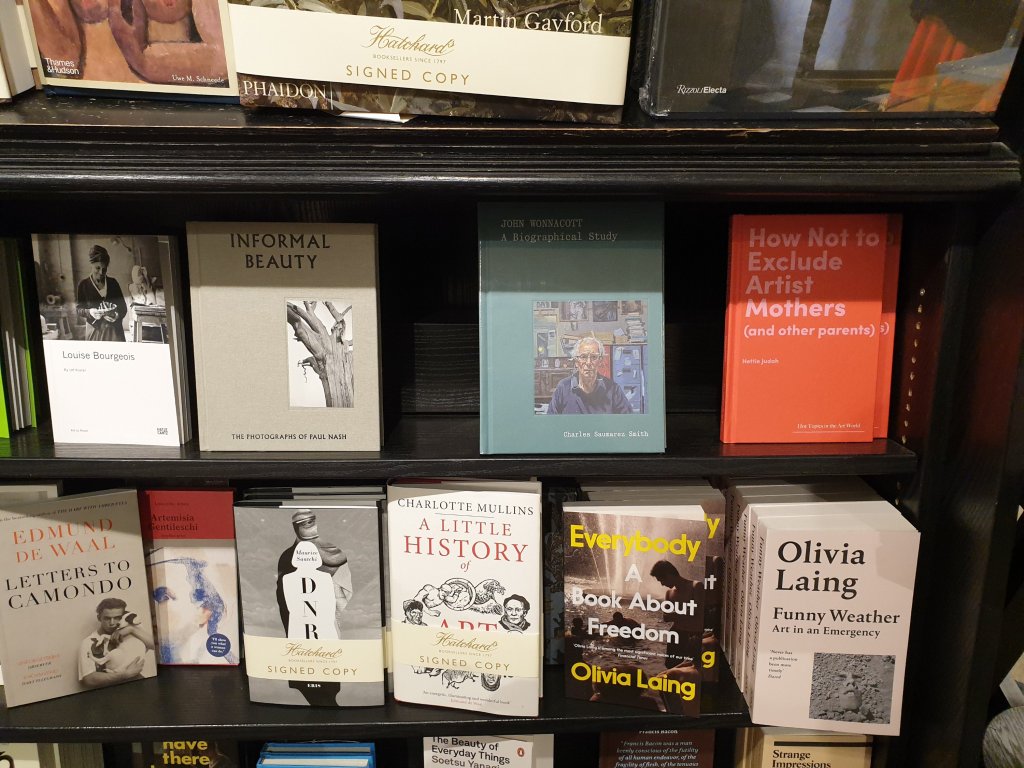
I was pleased to see my John Wonnacott book in the best possible company in the new books section of Hatchard’s – and on the third floor too:-
I have now realised why I had not known about the scale of the planned redevelopment of Liverpool Street Station – that is, images of the plans have only just been published and put on display at the hotel next door for all of two days, for purposes of public consultation. They show the scale of the scheme by making the tower blocks transparent, which feels a touch disingenuous. They presumably won’t be transparent when they are built:-
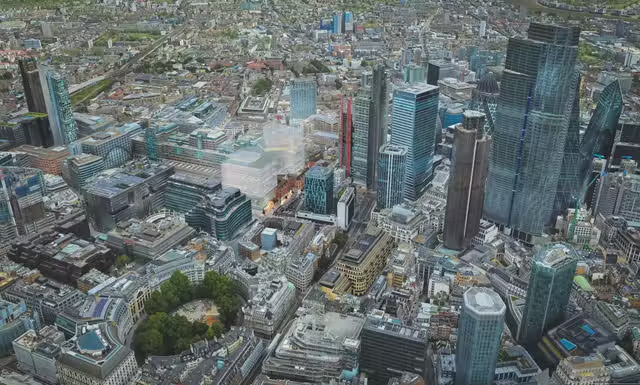
The people who have done the CGI’s have gone to great lengths to make it all look clean and glitzy:-

It is described by James Sellar, the developer, as ‘having a touch of Victorian ambition about it’.
Of course, what it really does is abolish the Victorian character of the surviving station and adjacent hotel and replace it with a dream of twenty-first century commercialism.
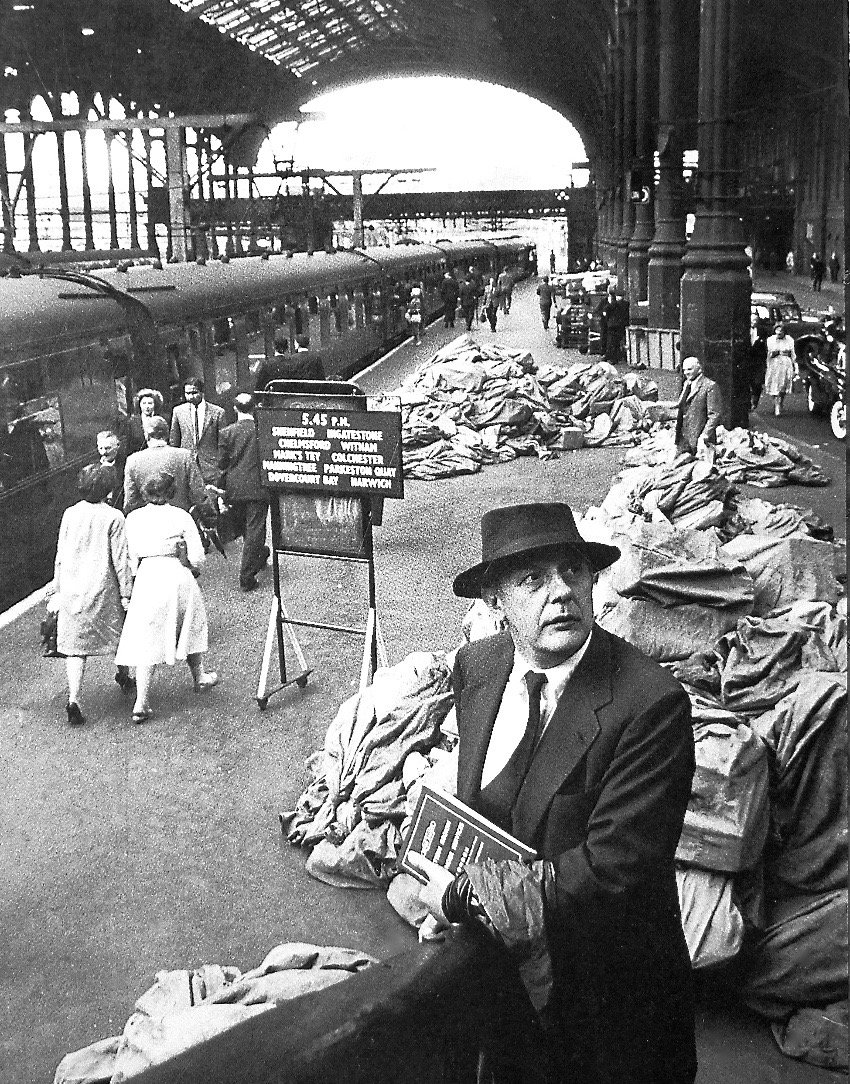
As ever, the Gentle Author is way ahead of me because I discovered that he had already found a photograph of John Betjeman during the campaign to save Liverpool Street Station during the 1970s – an image of Betjeman’s picturesque, but determined dishevelment which helped to protect the station then. Of course, he was passionate about railways and everything they stood for:-
 | Charles | Saumarez | Smith |
You must be logged in to post a comment.