Llanfairfechan (1)

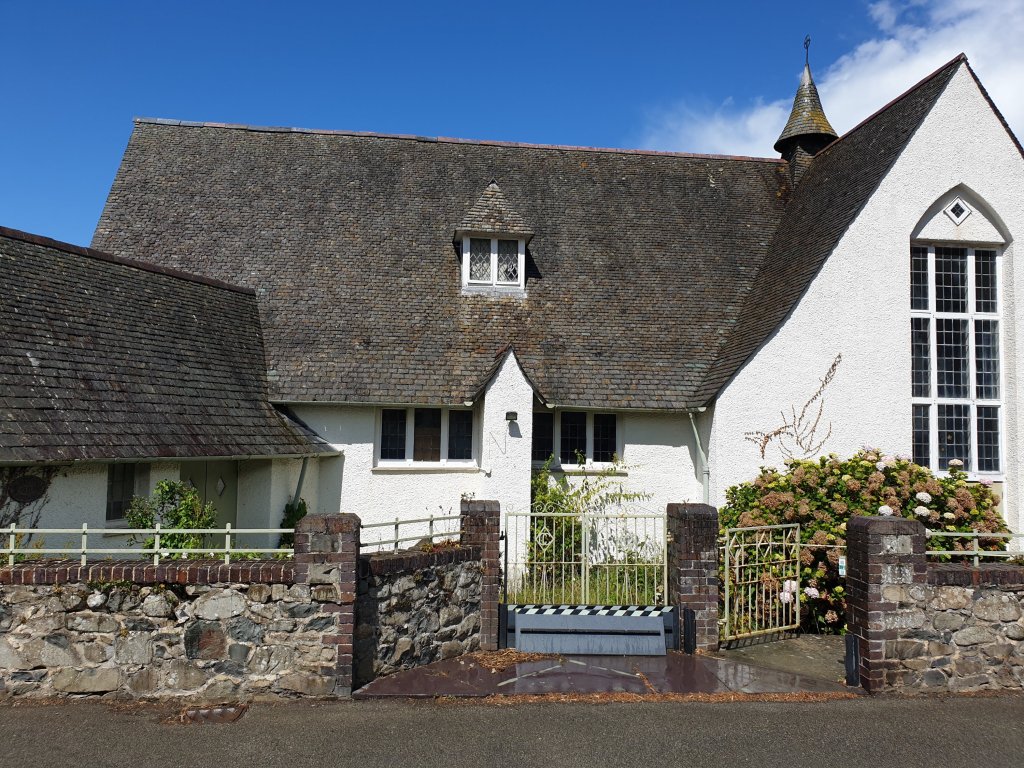
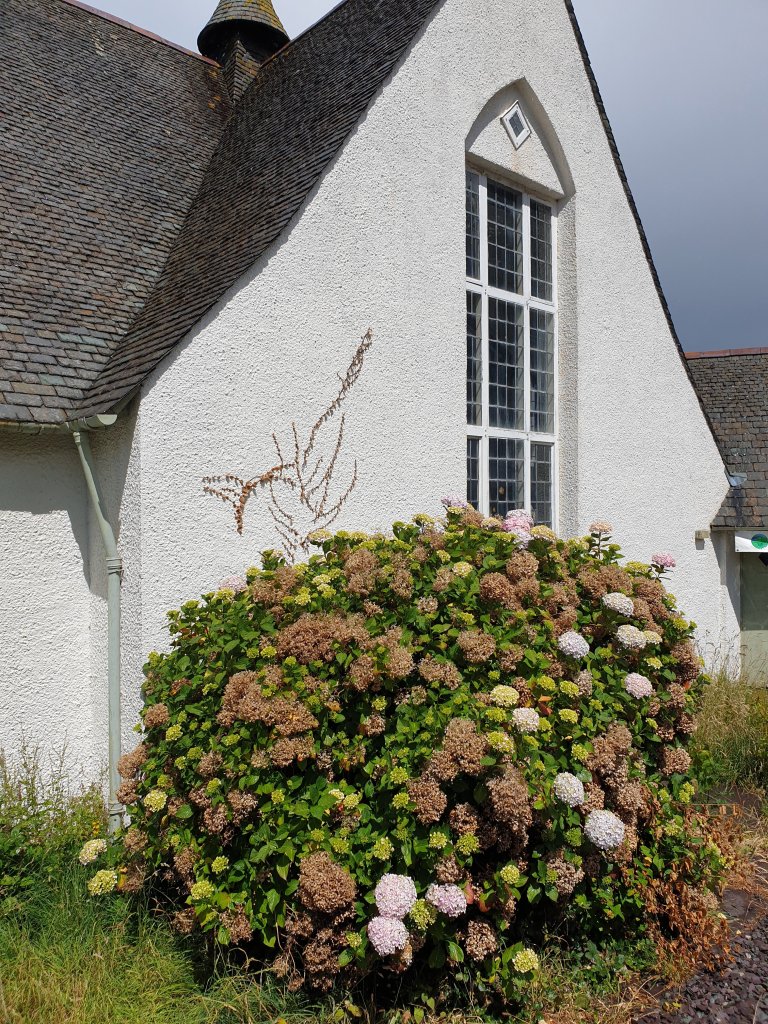
It’s a while since we’ve been to Llanfairfechan, the remarkably well-preserved Arts-and-Crafts village laid out by Herbert North, who had worked with Lutyens, as a model estate.

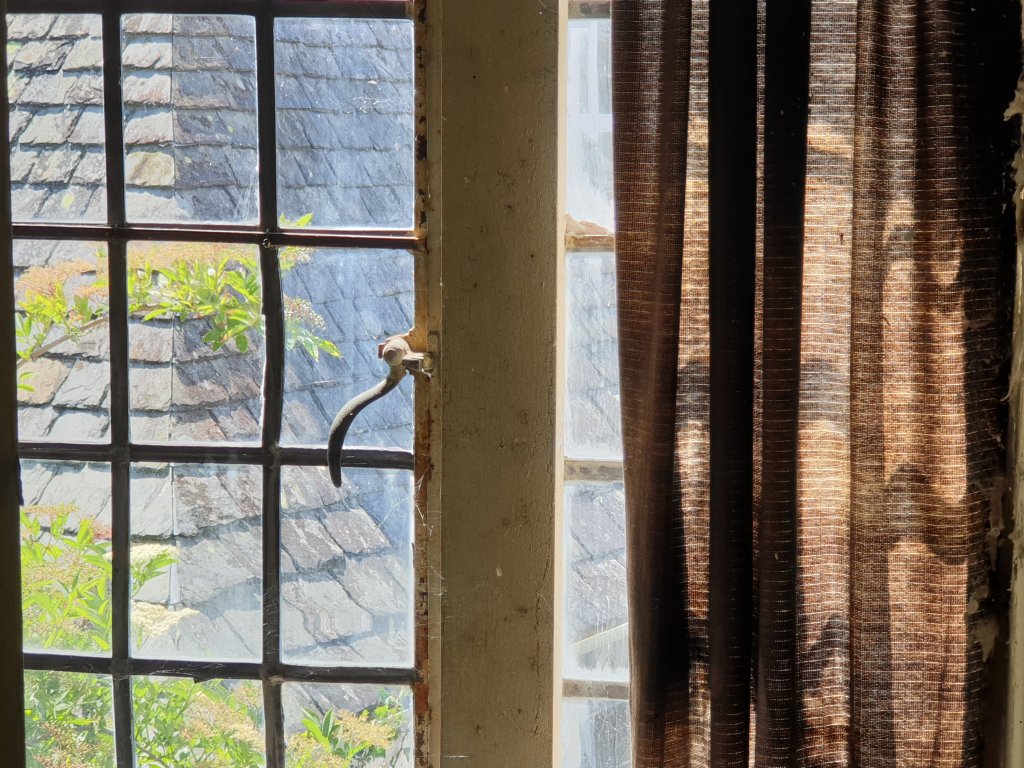
We started at the Church Institute, a fine, slate-hung village hall, with a stage, opened in 1912 and redolent of community activity between the wars:-
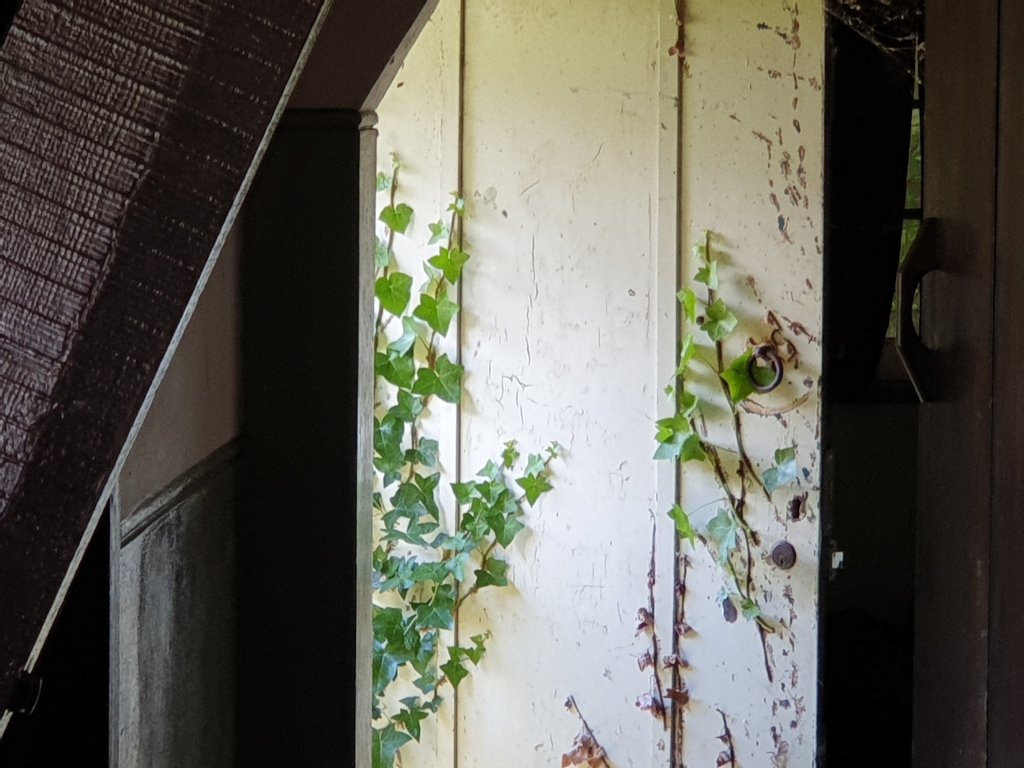
Tucked away down a path alongside it is the Churchmen’s Club, equally atmospheric, and in dire need of some tender living care:-
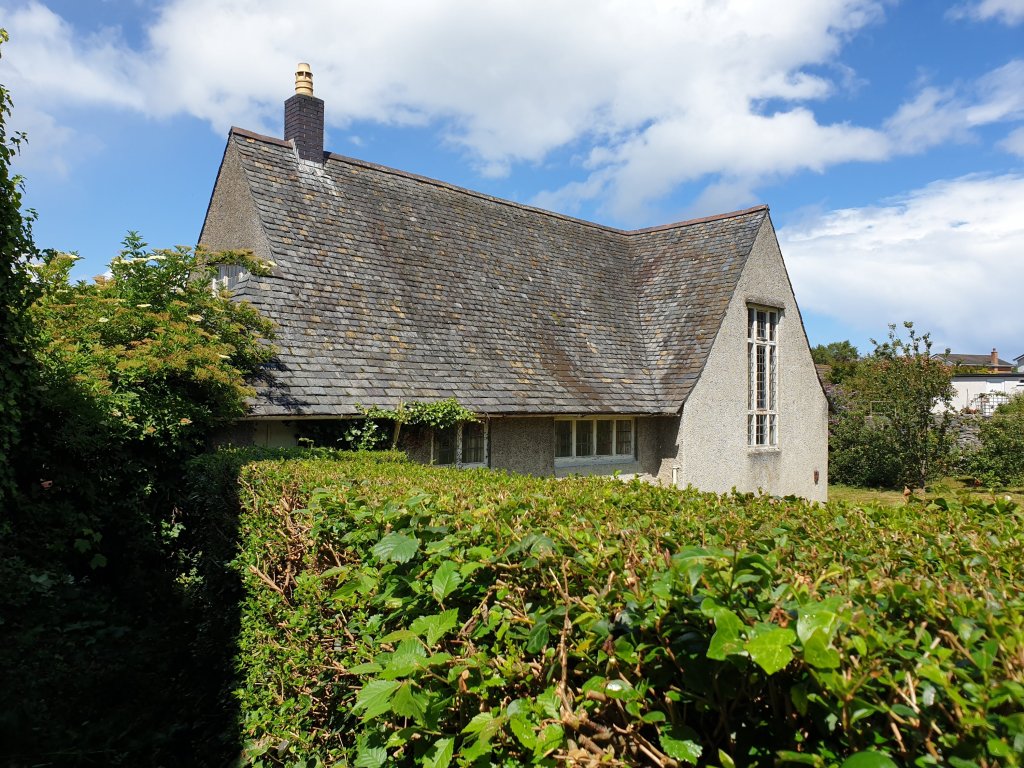
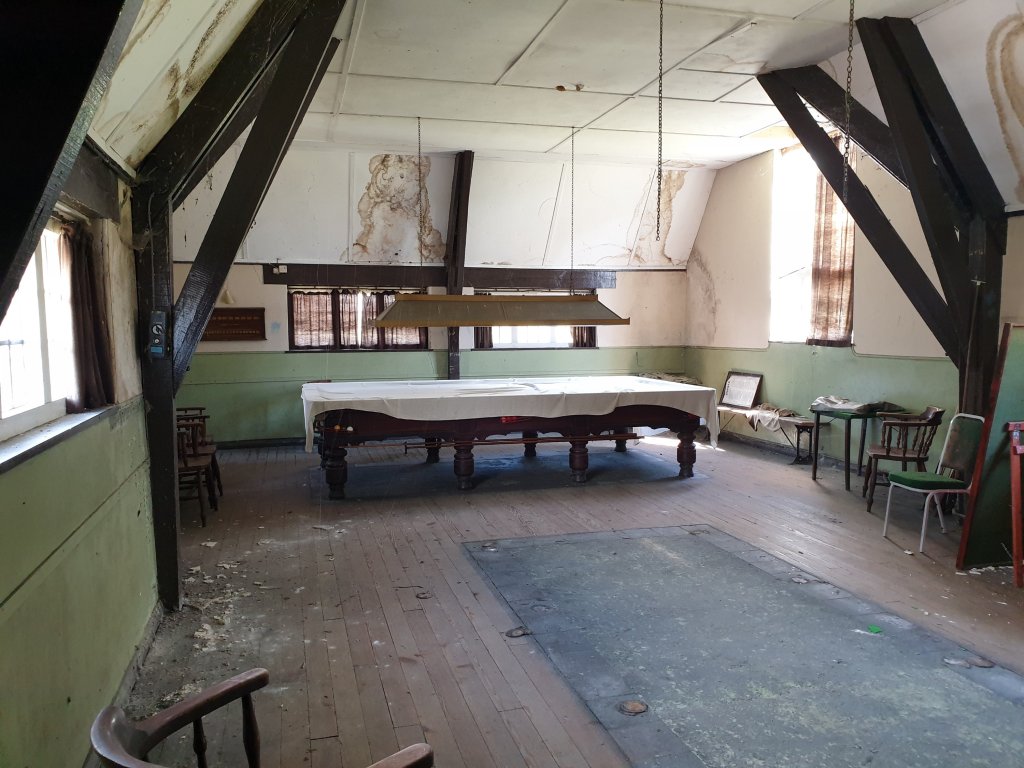
I feel it ought to be eligible for HLF funding, as a way of protecting it. But there is presumably no longer a call for snooker. Maybe the National Trust should consider it as a visitor centre to help the preservation of the village as a whole – a way of extending their activities into the early twentieth century.
Standard

Wrexham

I have been reading more about Wrexham. Population 65,000, the fourth largest town in Wales and the largest in North Wales. Recently made a city, although St. Asaph has the cathedral, not Wrexham. Elected a Tory in 2019, so part of the Red Wall. It felt like a classic large, reasonably prosperous market town, which suffered badly from de-industrialiation in the 1980s and from the hollowing out of the city centre because of out-of-town shopping (it remains an important regional centre). So, Ty Pawb is an attempt to re-invent city centre shopping through creating space for market stalls; but at the moment most of the city centre looked like being pubs and barber shops. Gentrification doesn’t feel like an option. An interesting problem.

Standard

Wrexham Lettering

Wrexham was obviously once grand: a market town with fine Victorian buildings, two markets and a big perpendicular church.

There was a surprising amount of good lettering:-

Standard

Roubiliac in Wrexham

St. Giles’s Church in Wrexham has the most sensational and unexpected monument by Louis-François Roubiliac, commemorating Mrs. Mary Middleton, the sister of the owner of Chirk Castle. The inscription is unusually sententious, ‘By a life of true religion and virtue, illustrated the eminence derived from birth, and the advantages flowing from an excellent education, her superior understanding and great politeness…’ The carving extraordinarily dramatic, even melodramatic, astonishing for its time, more art nouveau than rococo:-

Standard

Ty Pawb

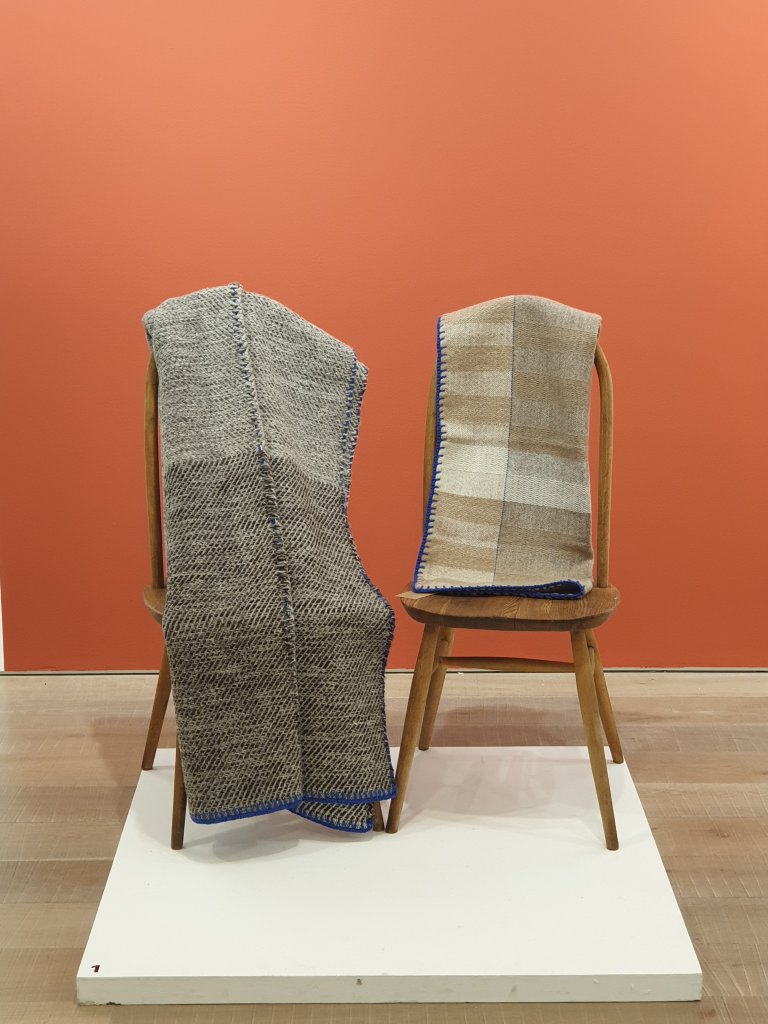
We went to Wrexham to see Ty Pawb, the multi-story car park which has been converted into an art centre, now shortlisted to be Museum of the Year. By bad luck, it was between exhibitions, but we were shown the fine space, with two exhibitions currently being mounted – one on the Wrexham Quilt, being lent by the National Museum of Wales, with accompanying work inspired by it, including work by Mark Hearld and Alexander McQueen, and another a travelling exhibition of blankets. If the prize is awarded on the basis of energy and enterprise and community activism, then Ty Pawb definitely deserves to win:-

Standard

Stirling Prize (1)

The long list for the Stirling Prize has been announced. They are selected from the regional awards, but it is not clear on what criteria and by whom. There are twelve projects in London and none in Wales and only one in Northern Ireland. Does this reflect the realities of the profession – that worthwhile new architecture is concentrated in the metropolis – or does it reflect the prejudices of the judges who pay more attention to what is going on in London, but less so in Edinburgh and Cardiff ?

It’s a somewhat opaque process in spite of the prestige attached to the awards.

https://www.dezeen.com/2022/06/23/riba-national-awards-best-british-buildings-2022/

Standard

Survey of London: Whitechapel

Toynbee Hall was an appropriate place for the launch of the new two volumes devoted to Whitechapel which have been in gestation since 2015, helped by a brilliant interactive website which contains all the information in the two volumes and more besides; but the official publication in hard covers still gives a sense of scholarly authority and finality to the enterprise, as well as an opportunity to see Whitechapel as a whole instead of as a series of individual places.

It’s good that it’s been done as the area has been subject to such an amazing amount of change: coming out of the west entrance of Aldgare East, one is faced by a new American city with scarcely any vestige of what was there before, including even the street layout. But I presume that the process of change is all now meticulously recorded.

The original hall opened in January 1885, designed by Elijah Hoole – ‘a manorial residence in Whitechapel’:-

Next door is a discrete intervention – I think by Richard Griffiths, but the Survey is less good on the new than the old:-

Beyond is the new town, stamping out any sense of history:-

Standard

The Covid Bell

I’m so pleased to see that the Gentle Author has written about Grayson Perry’s Covid Bell on display in the Summer Exhibition as a reminder that the Whitechapel Bell Foundry could – and indeed still could – have been turned into a working foundry if only Historic England had supported the proposal to keep it as a Foundry instead of turning into a boutique hotel: something which now looks unlikely to happen, so Historic England have effectively substantially contributed to its current dereliction.

It would be wonderful if a bell could be installed in the new public garden being created immediately next door to the London Hospital as a public memorial. Or, a possible alternative. Could one go into the new Tower Hamlets Town Hall due to open this autumn ?

https://spitalfieldslife.com/2022/06/21/grayson-perrys-end-of-covid-bell/?s=09

Standard

The Sainsbury Wing (2)

Although I thought I was pretty familiar with the secondary literature on the Sainsbury Wing, I happened on a lecture which Bob Venturi gave at the Royal Society of Arts just the week before the designs were made public which provides an absolutely excellent and exceptionally clear description of his approach to museum design. It includes the following paragraph, which is a particularly succinct summary of his views:-

When you enter the museum you might wonder, are you in a museum or an airport ?  And by the time you reach the art, you are either worn down by the banality of the maze you have traversed, or jaded by the drama of the spatial, symbolic or chromatic fantasies the architect has ejaculated you through.   The art, when you reach it, has become a kind of anti-climax — in fact, dull as you perceive it with your, by then, constricted pupils, jaded sensibilities, and loss of orientation.[1]

This, I realise, is a good argument for not trying to be too adventurous in how the entrance hall is treated under the currently planned revision by Annabelle Selldorf, but trying to keep it as a cool, calm space without too obvious or assertive an architectural character.


[1] Robert Venturi, ‘From Invention to Convention in Architecture’, Journal of the Royal Society if Arts, Vol. 136, January 1988, p. 92.

Standard