




The War in Ukraine (3)
In the mass of news coverage of the war in Ukraine, I found the attached article by Lawrence Freedman very helpful: because it is not merely about the problems that Kyiv and Mairupol face, but about the broader issues that the Russians face – the scale of Ukraine as a whole and the fact that their massed armies are essentially so far only nibbling at the frontiers, however devastating and destructive that clearly is. Also, it’s relatively dispassionate at a time of ferocious emotion.
https://samf.substack.com/p/space-and-time?utm_campaign=post&utm_medium=web&s=09


How can museums break away from white privilege ?
I have just been sent a long and thoughtful review of my museums book which appeared last week in Hyperallergic by David Carrier, a philosopher who has himself written about museums in Museum Slepticism: A History of the Display of Art in Public Galleries (2006). It suggests a dichotomy in the book between the historical narrative, which takes the story of museums from the Museum of Modern Art to the present and is, as he rightly says, generally optimistic about the role of museums and the ways in which they have changed and adapted to new demands; and the Concluding section, called Key Issues, which strikes a more pessimistic note.
Of course, he’s right. For most of their history in the last seventy years, museums have been confident in their sense of purpose – liberalising and modernising and attracting new audiences. But I added my final, more pessimistic Conclusion in April 2020, when it felt much harder to be so optimistic. I had not included much about restitution against the advice of my editor. I had lived through an era of generous philanthropy, but people were increasingly criticising the sources of such funding, although I never did make much headway in raising money from the Russian oligarchs. The confidence in the tradition western canon was being undermined.
I felt at the time, and have felt since, that I was describing the state of museums in a liberal, postwar, democratic era, when they were expanding their audiences through radical architectural experimentation and rethinking how collections should be presented and interpreted. But they feel less confident and more cautious now, as was so evident in the series of very good programmes about the Metroplolitan Museum on the BBC, where Daniel Weiss and Max Hollein exhibited not so much confidence as anxiety and guilt. And this seems to be the mood of the times.
War in Ukraine (2)
Two years ago, we escaped from the extreme anxieties of East London at the time of the outbreak of Coronavirus and before lockdown to North Wales and spent what in retrospect was an unreal time when the world felt on the verge of total collapse looking out to the mountains. Now we are here again and the situation of the world feels at least as bad, if not worse, as we sit listening to the radio reports of bombing and people fleeing, the apparently total powerlessness of the West owing to the very real threat of nuclear attack and the fear that it will all escalate, which it may anyway. So, what would we do if the tanks rolled into Estonia ? Or Finland ? We would be similarly powerless in the face of an aggressor who doesn’t respect the idea of a nuclear deterrent and is prepared to use what feel like very old-fashioned tactics of land war and siege, not worrying about the enormous loss of life on both sides, as well as being prepared to bomb cultural monuments, not respecting any of the conventions of modern war.
The Barbican Competition (4)
I missed Olly Wainwright’s excellent article about the Barbican yesterday, which states the case surrounding its redevelopment very clearly. People had problems navigating their way round the Barbican when it first opened, which gave it a bad reputation which has in some way become embedded in attitudes to it. But this is now forty years ago.
As a fairly regular user, I love both the concert hall and the theatre, although I find the exhibition spaces less easy to negotiate. I particularly like the generosity of its public spaces, the sense precisely that the flyers are big and empty for much of the day, although thronged in the evening. So, I look at what may be being planned for the current competition entries with a strong degree of caution, only because the shortlist consists mostly of big-hit, international practices who will want to transform the Barbican instead of preserving its integrity.
Save the George
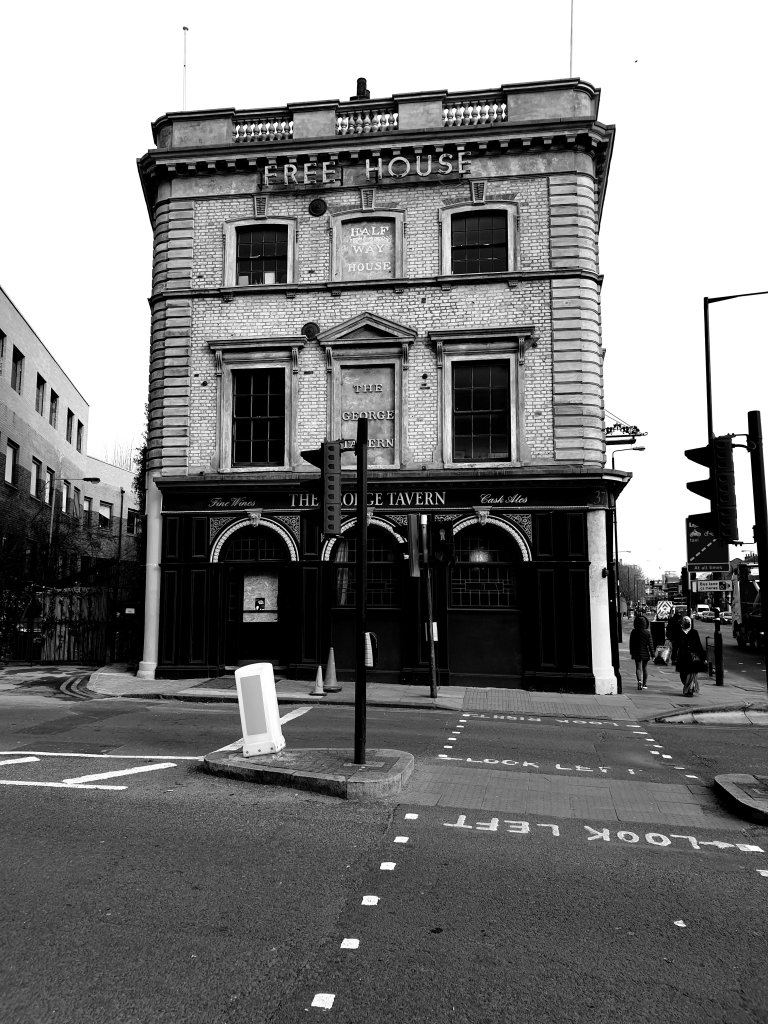
One of the consequences of having been involved in the long and ultimately unsuccessful campaign to save the Whitechapel Bell Foundry is that I am much more aware of – and much more sympathetic to – other local campaigns to preserve what is left of East End culture. Hence the invitation today to see the George Tavern on the corner of Commercial Road and Jubilee Street which, to my shame, I have never previously been to, even though it is only half a mile away and last week had a concert by the Orchestra in the Age of the Enlightenment.
There’s apparently been a pub on the site since the seventeenth century, known as the Halfway House for obvious reasons: it’s halfway from the City to the docks. The current building dates from c.1800. It was remodelled in 1862 and the interior in 1891, with good tilework showing its history. It is, for obvious reasons, listed. But the adjacent estate has been sold off by Tower Hamlets to something called Swan Estates who want to knock down the old Georgian theatre next door, also listed, and build two tower blocks on the green space which was part of the 1960s council estate. If this happens, the pub will almost certainly be unsustainable, particularly in its current form as a performance venue which is the only way that it is economically viable.
Since following what happened (or didn’t happen) to the Bell Foundry, I have become familiar with what happens in this sort of case. All the amenity societies express an interest, but don’t, or can’t, do anything because it falls somewhere in the gaps between them. It’s not quite Victorian enough for the Victorian Society. Historic England is in cahoots with Tower Hamlets and under its current management is pro-development. It will probably argue that it is a good example of creative adaptation, as they did with the Bell Foundry, to their eternal shame.
But this is an example of living culture, not exactly architectural, more about the survival of a community asset, a fragile ecology which is much more at risk than a more substantial architectural monument.
If you haven’t been, I strongly recommend it. It’s magnificent.
This is the pub from outside:-
This is the ornamental tilework:-
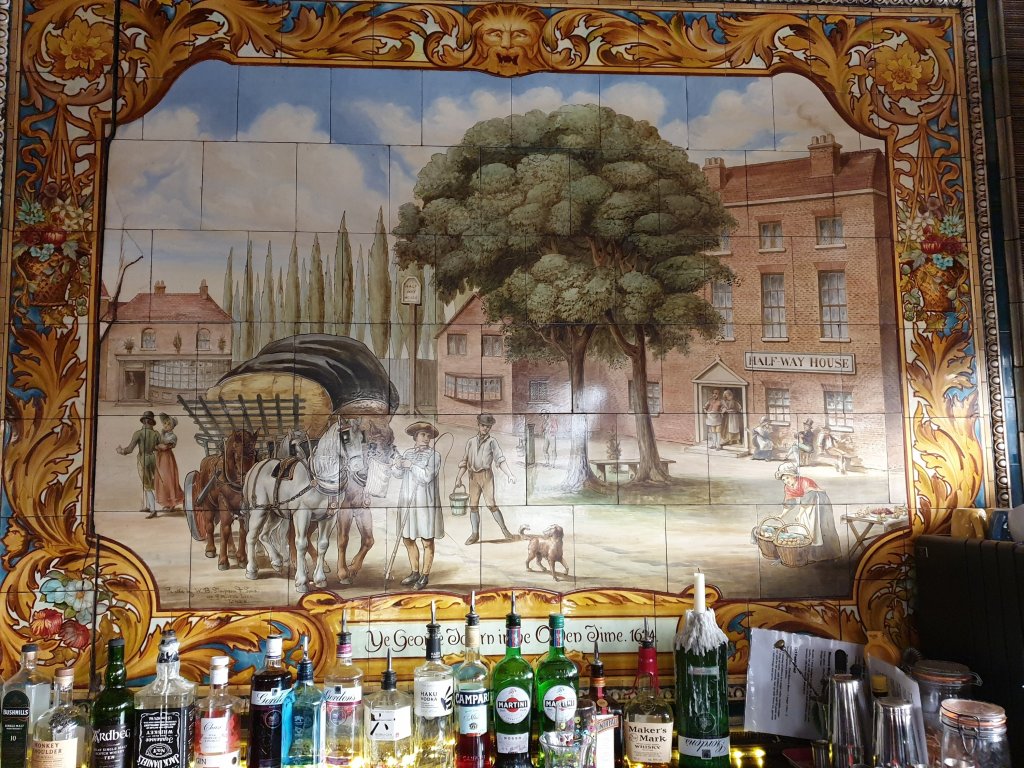
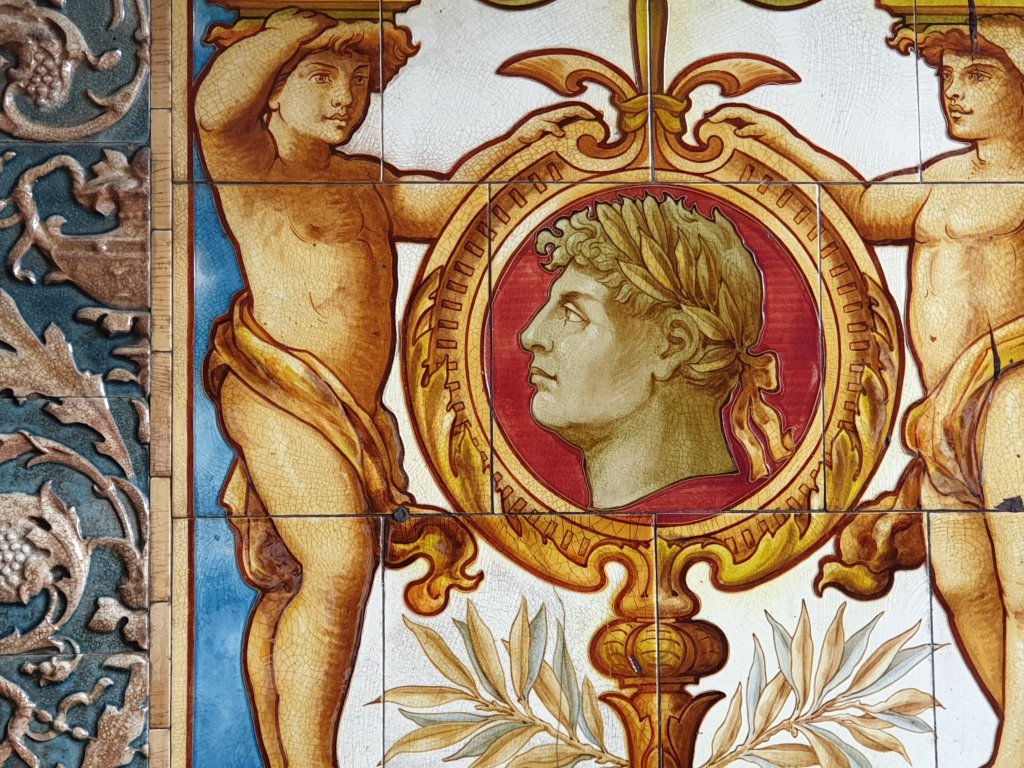
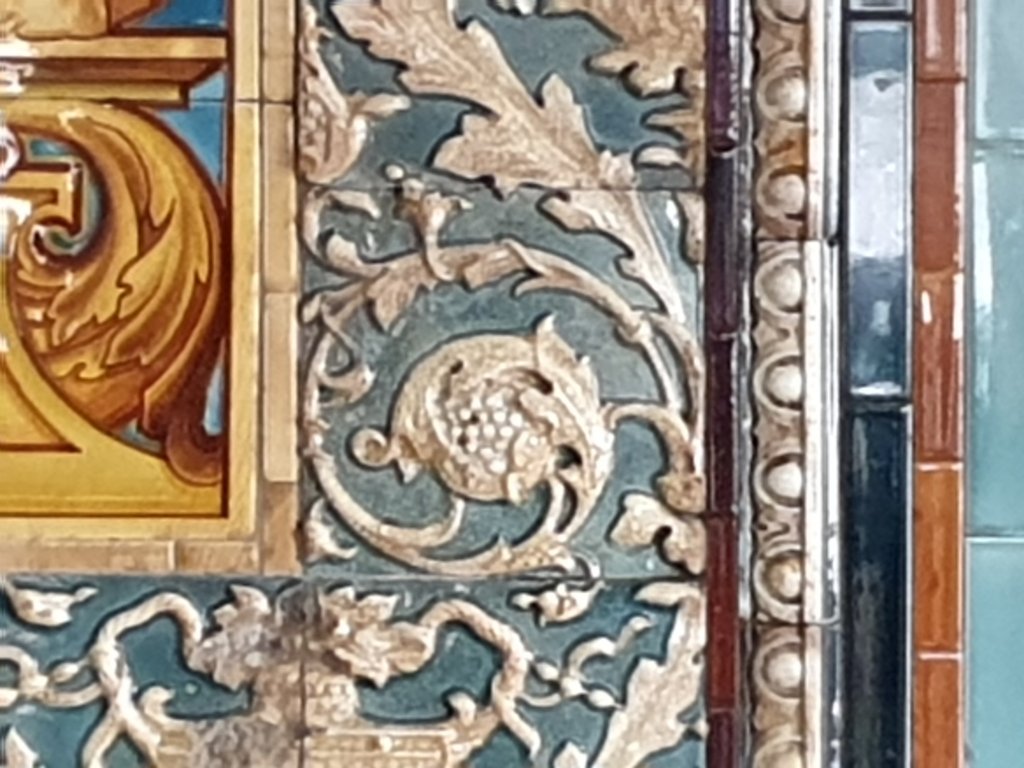
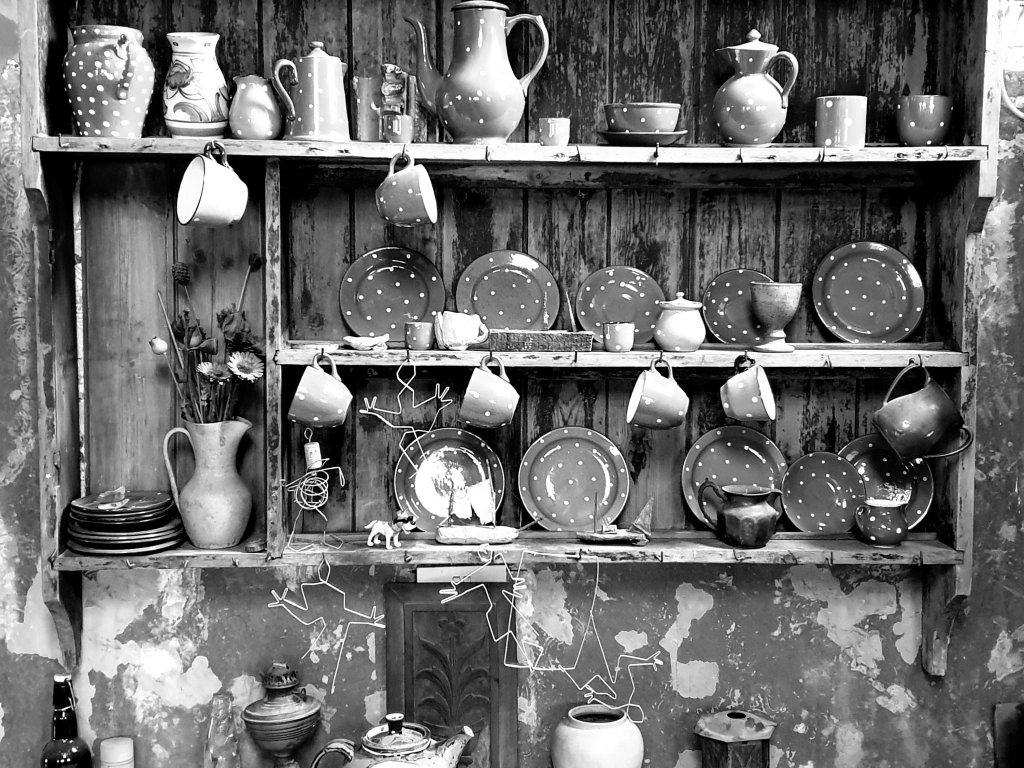
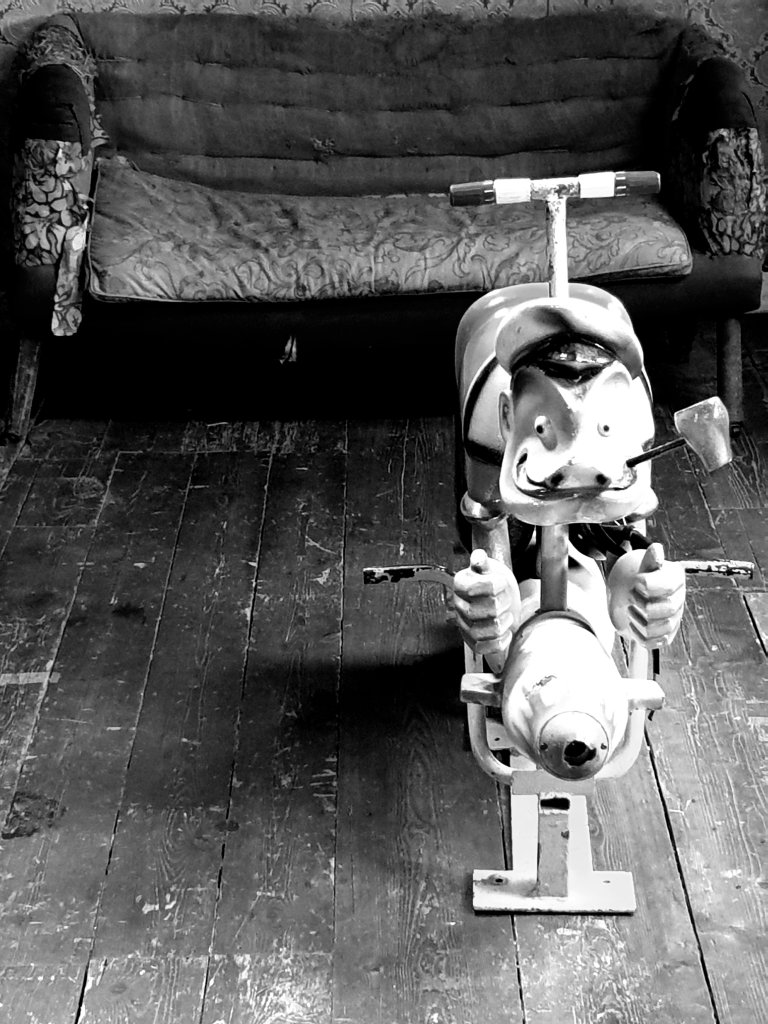
These are odd details which caught my eye:-
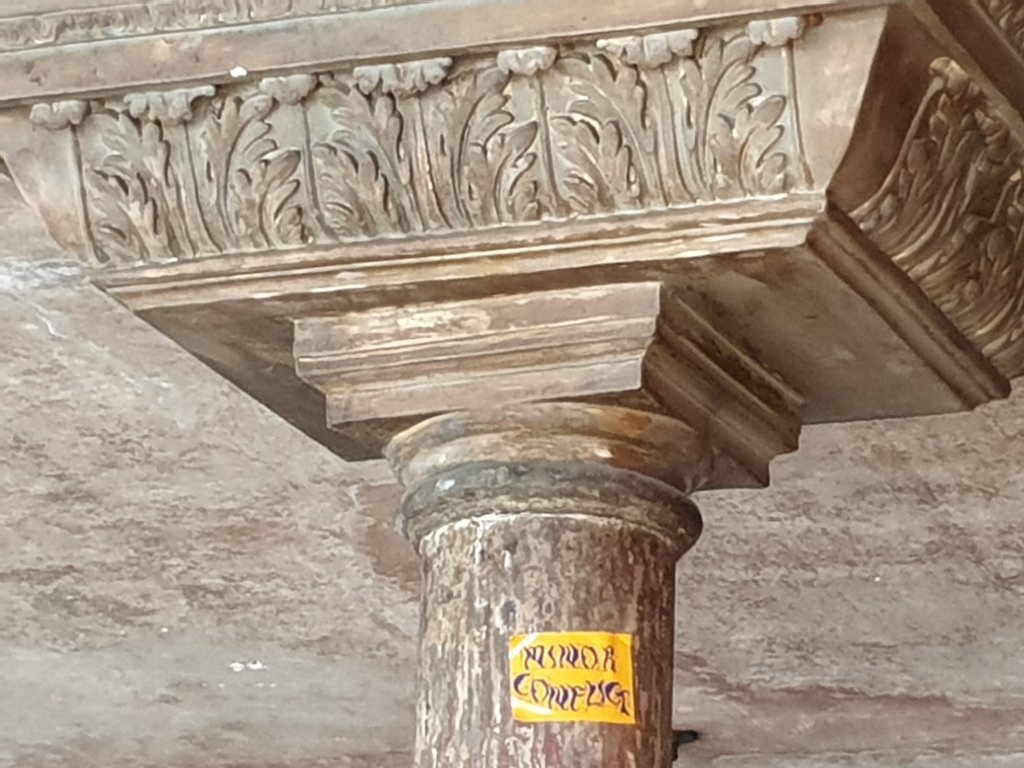
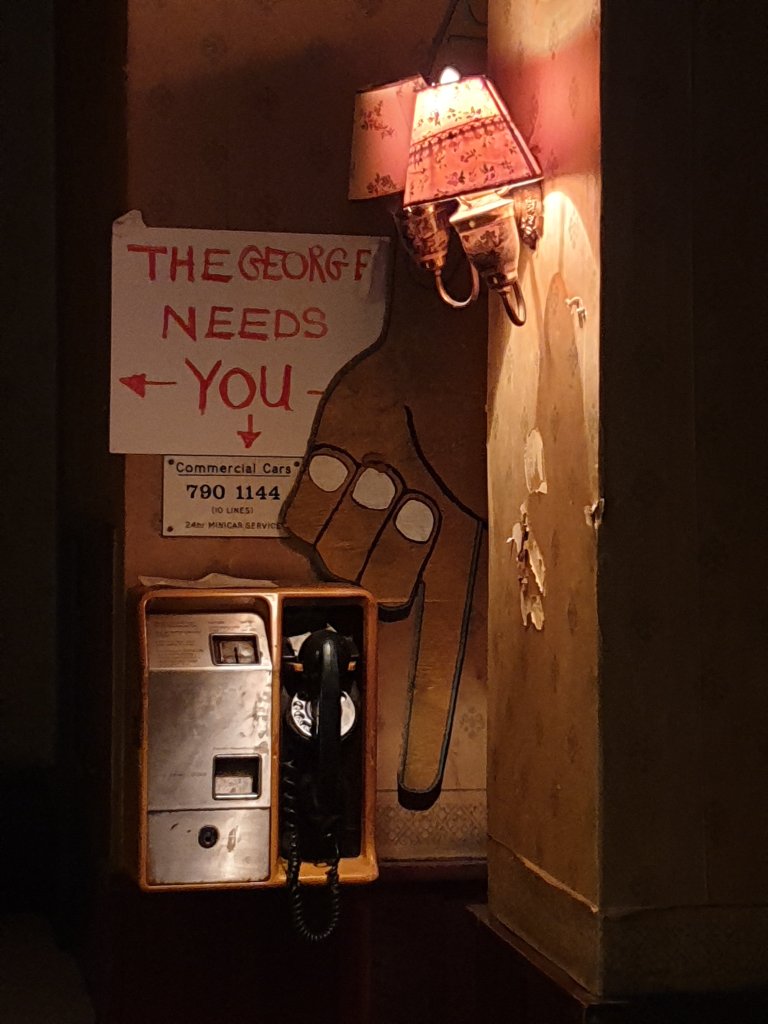
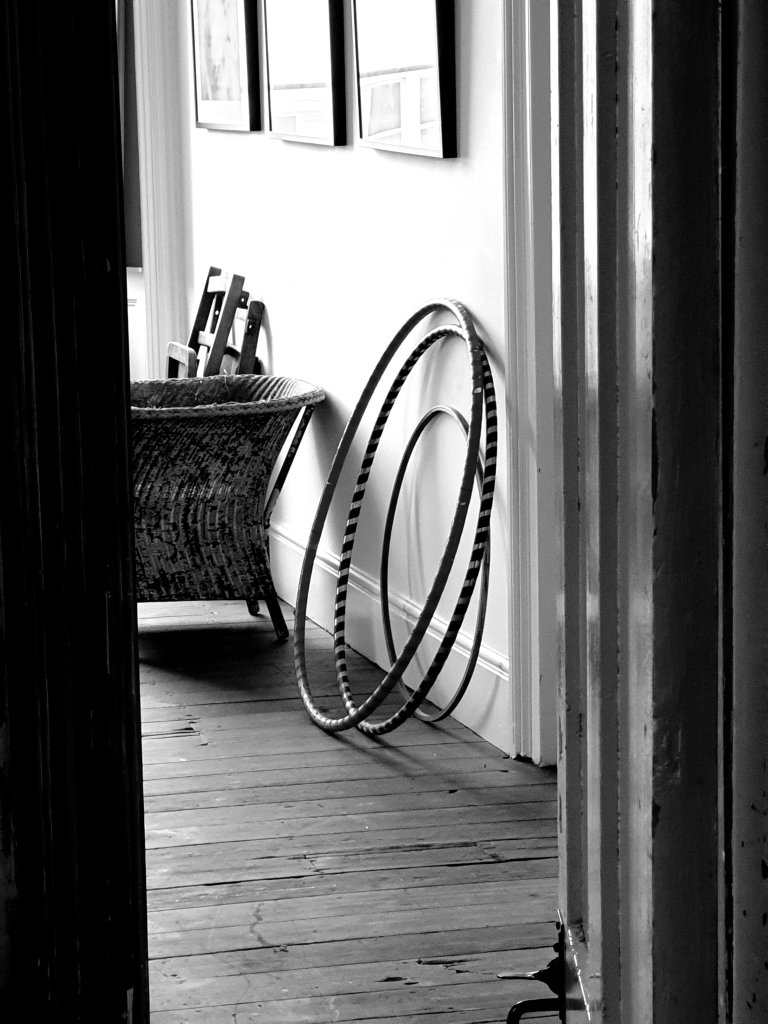
And this is what it looks like upstairs where I had a cup of tea:-
St. Mary le Strand
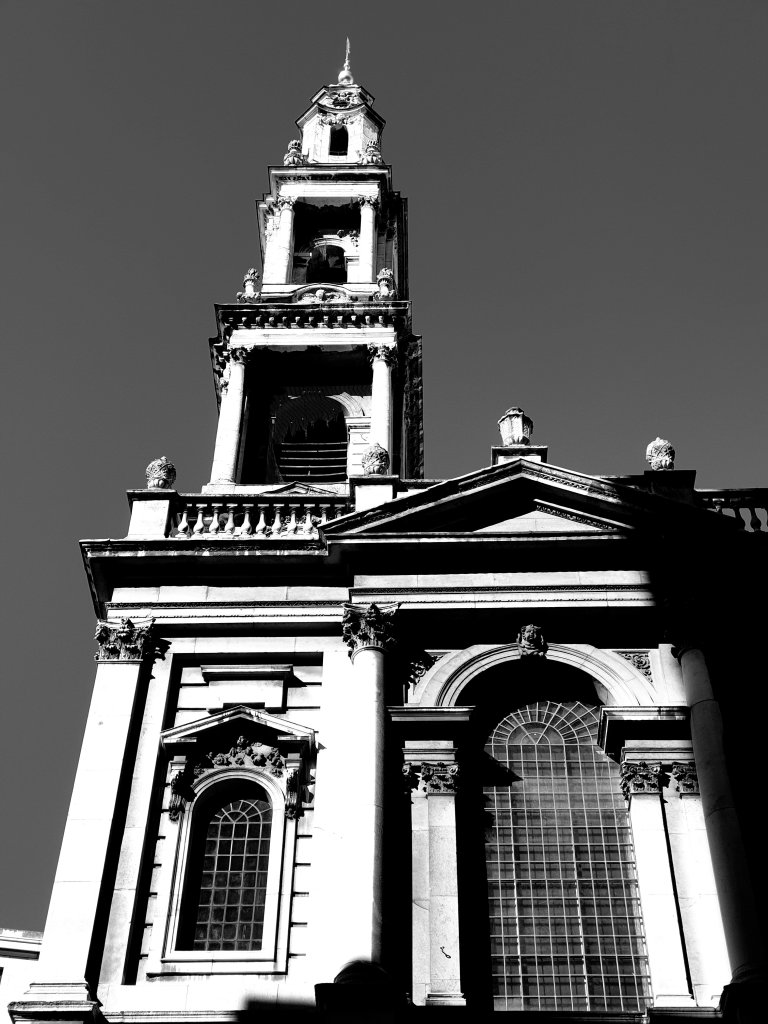
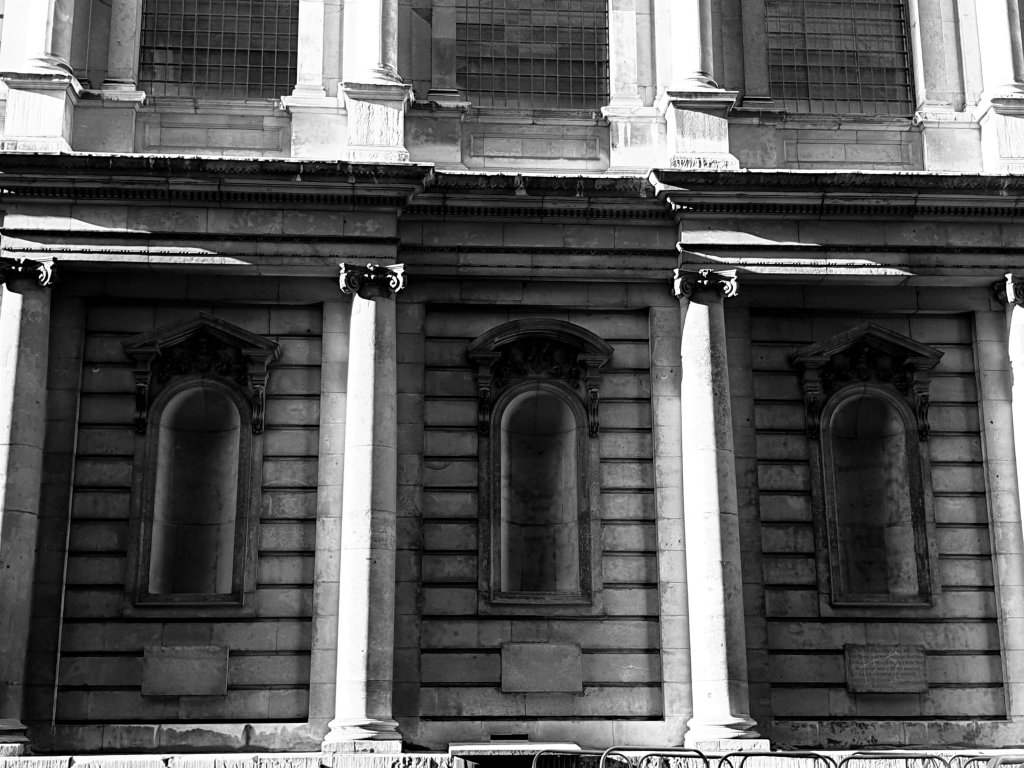
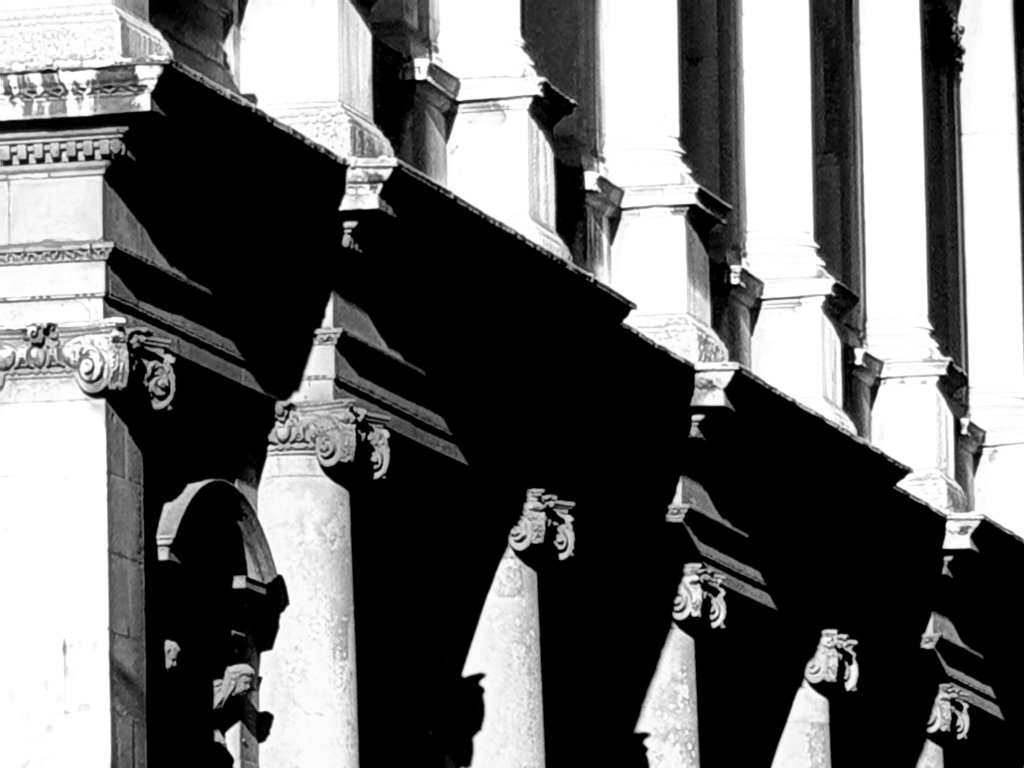
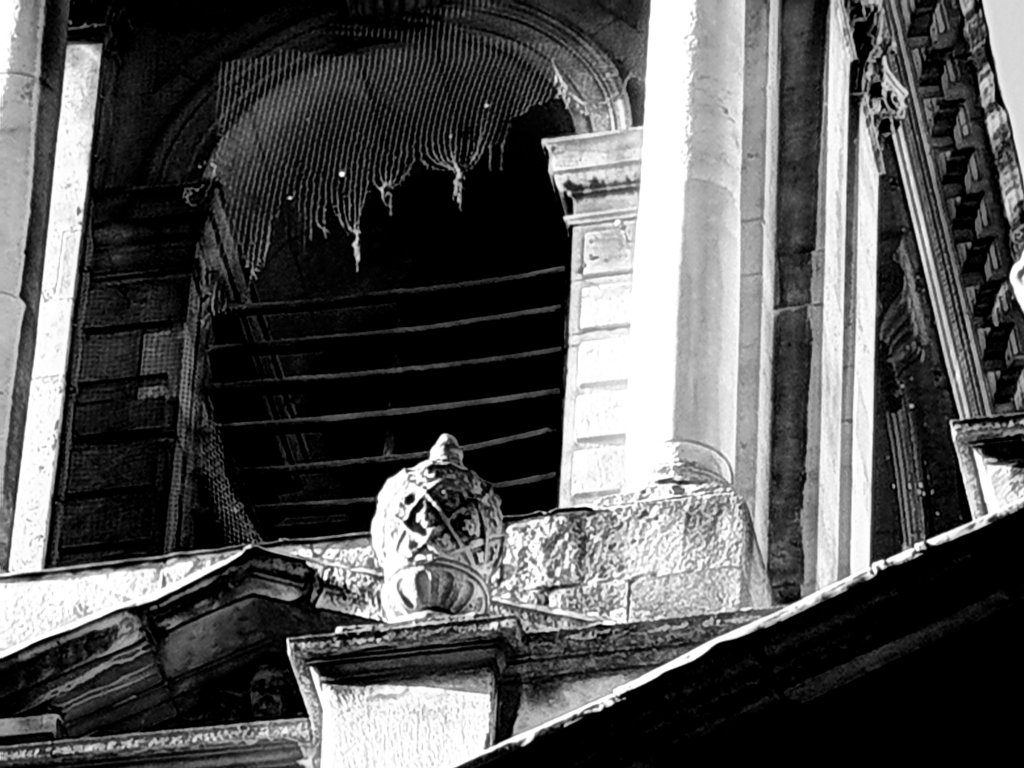
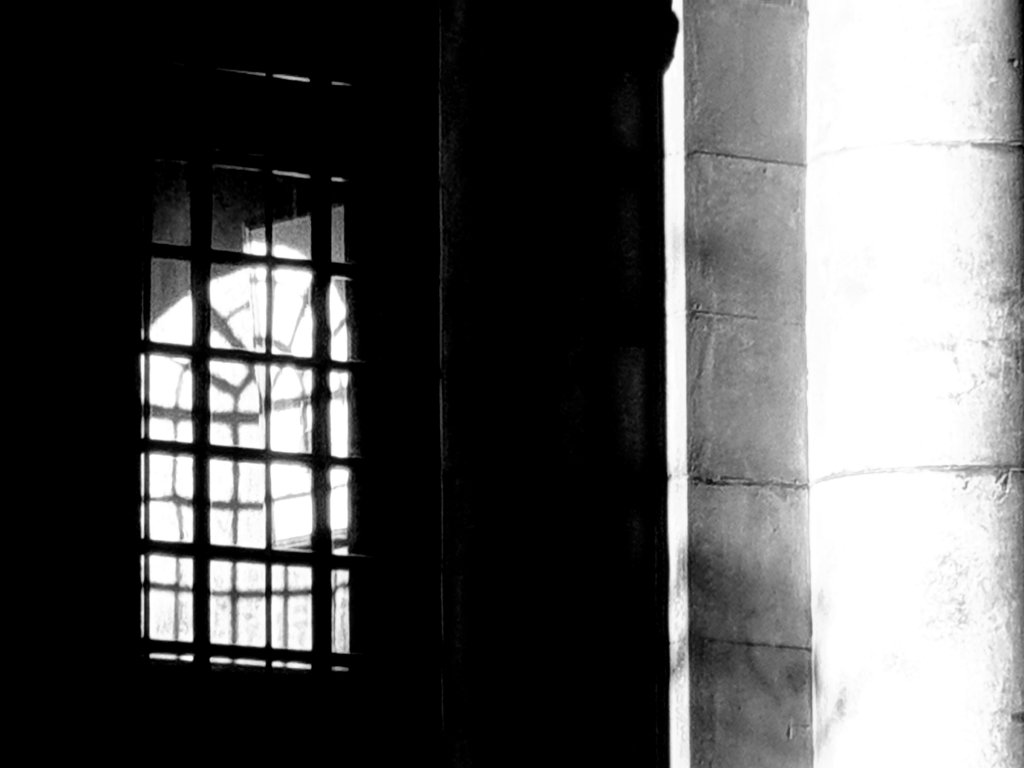
One of the benefits of the current pedestrianisation of the Strand is that St. Mary le Strand ceases to be a soot-drenched, traffic island and one can appreciate its quality – small scale, richly ornate, the first of the Fifty New Churches, designed by Gibbs when he was just back from Rome having studied under Carlo Fontana: a proper baroque church:-
 | Charles | Saumarez | Smith |
You must be logged in to post a comment.