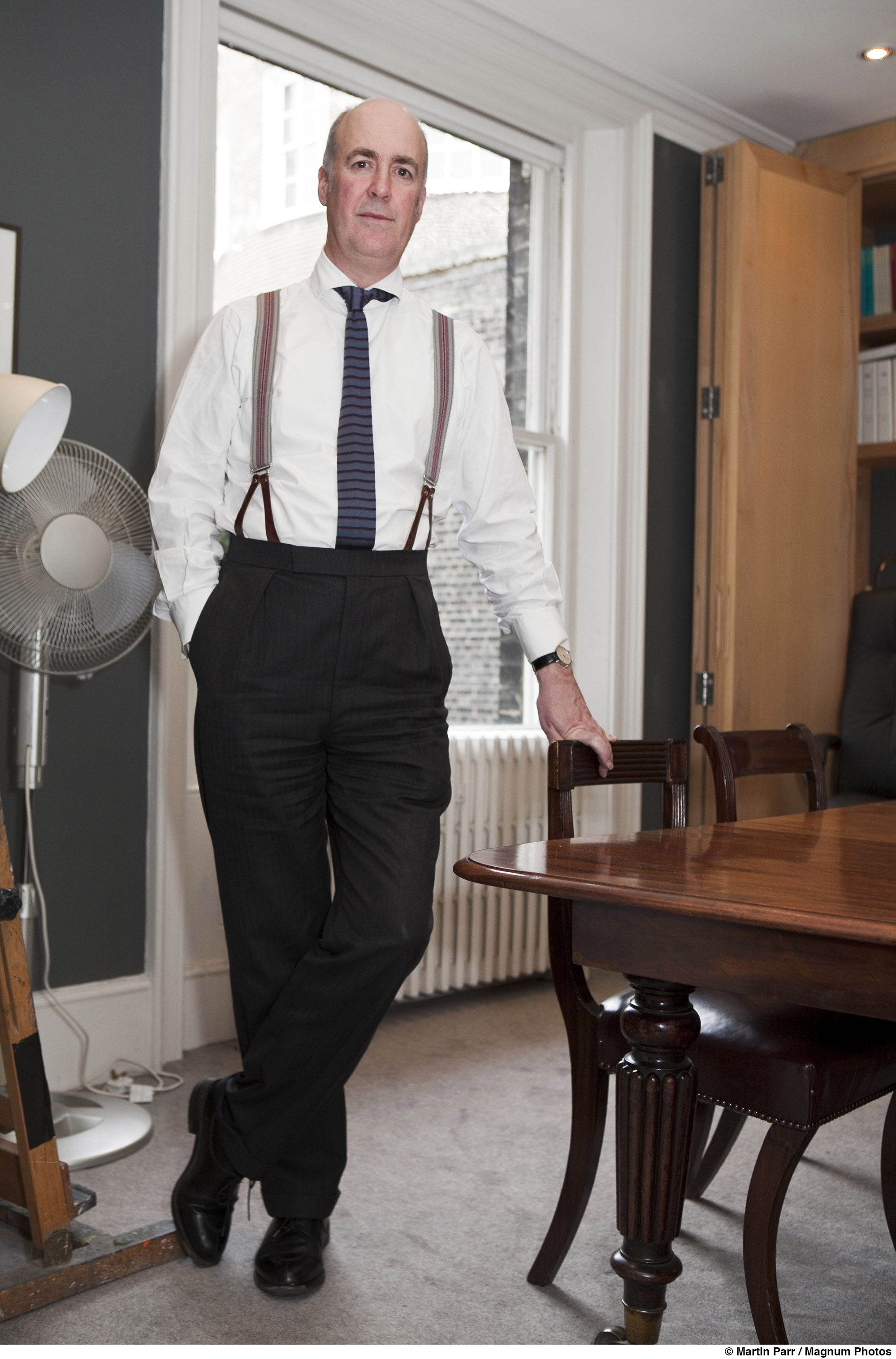
One of the pleasures of going to the new Courtauld was the opportunity to see the small exhibition/display of photography by Anthony Kersting, described as ‘the leading architectural photographer of his generation’, although I always thought of him as a double act with Edwin Smith – Kersting for good, straight photography and Smith for atmosphere. He was quite well-to-do and started working in a bank, but switched to photography after taking photographs of Peter Jones while it was under construction. The exhibition shows the photographs he took in Kurdistan after serving in Egypt during the war. Apparently, he always used a plate camera. Many of the photographs for the early Pevsners were supplied by Kersting. Now all his negatives are being digitised, so we will probably see more of them – good and accurate records of buildings as they were in the 1950s.
Downing Street Parties (5)
You can see the way the Gray Report will be spun in whatever form it is published – probably garrotted – from the way it has been reported in the weekend papers.
It was only a minor infringement of the law. How could the Prime Minister be expected to notice that it was a party when he was under the delusion that parties could legitimately be classified as a business meeting ? Certainly no reason for any further action, let alone the full enormity of resignation, and all the problems that would entail when it was only a minor offence.
But this is surely to miss the point. The law was his law. Many other people have been fined and prosecuted for much lesser offences on the very same day. The home secretary was encouraging people to shop their neighbours and the police to go in hard to enforce the law all over the rest of the country. Oliver Dowden was reminding people on television not to break the law just as the Prime Minister was doing so. The Conservative Party has traditionally been the party of law and order. Why should the Prime Minister be exempt ? He joined the party for twenty five minutes, long enough to realise it was a party.
A temporary (twenty-five minute) lapse of judgment is not normally regarded as a legitimate defence when someone breaks the law.
The Courtauld
We went to the new and beautifully re-instated Courtauld Institute Galleries, having missed their re-opening and then been deterred by Omicron.
I was very impressed by the way the galleries, which are not easy spaces, being so strong architecturally, have been hung: in a very lightly historical way on the first floor where the eighteenth-century decoration of the three Council Chambers is so hard to entirely ignore: and in a much more studiously neutral way on the second floor, where Samuel Courtauld’s great collection of Impressionists looks surprisingly at home in the Great Room, the site once-upon-a-time of the annual Summer Exhibition. There’s also a wonderful new display in a separate room of Antoine Seilern’s Kokoschkas and a small Bloomsbury room to add variety.
I was perfectly prepared to be critical, as there is a long and tricky history to the way these paintings have been installed in the past, but was completely impressed by the quality of the installation, labelling (slightly more academic than is now normal), hang, choice of paint colours and layout, not to mention the extraordinary quality of the collection.
Tower Hamlets Town Hall (1)
I was kindly invited to see the new Tower Hamlets Town Hall currently in process of construction in what was the old London Hospital.
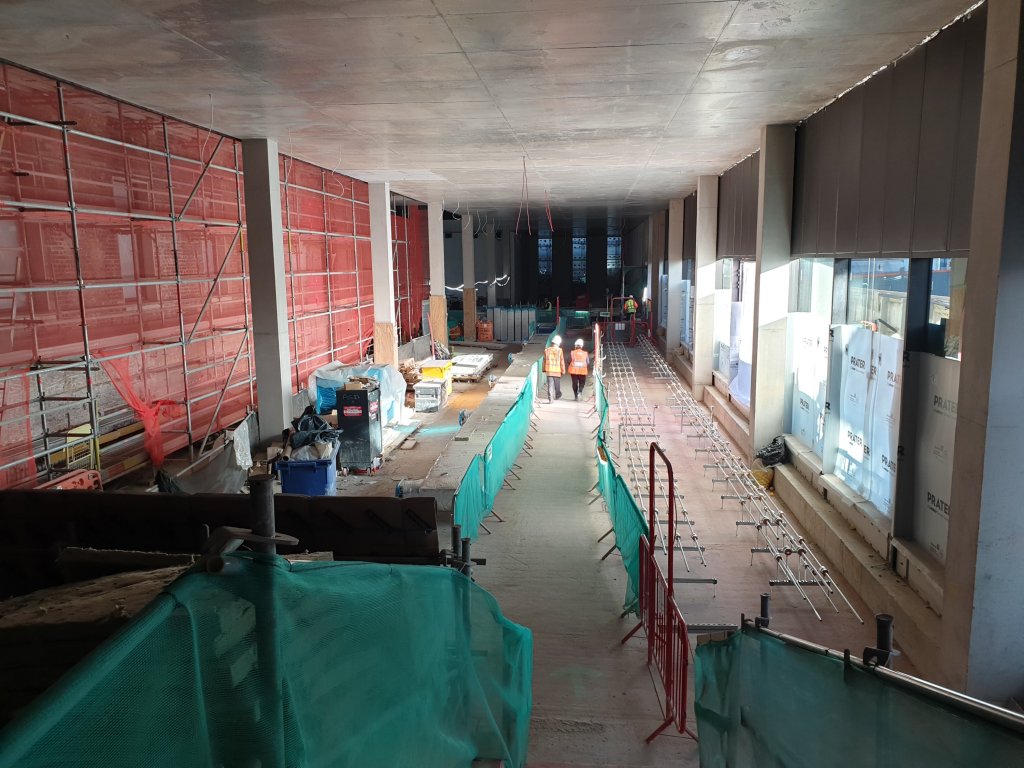
The old hospital was an incredibly complex site, beginning with a highly logical Enlightenment ground plan, with staff room at the front and wards behind, then almost immediately being extended with flanking wings. It then grew additively, with a west wing added in the 1830s, the Alexandra Wing in the 1860s, all of it remodelled at the turn of the century with the addition of a chapel and porte cochère at the front, Edwardianising it. When the hospital moved out to a huge new industrial building to the south, the old building was left unloved, but has been bought by the Council as its headquarters – a massive and extremely impressive project, involving keeping as much as possible of the old building to give character to the new. There will be a new Council Chamber, a vast new public reading room, and open plan offices for the staff.
This is one of the big public spaces under construction:-
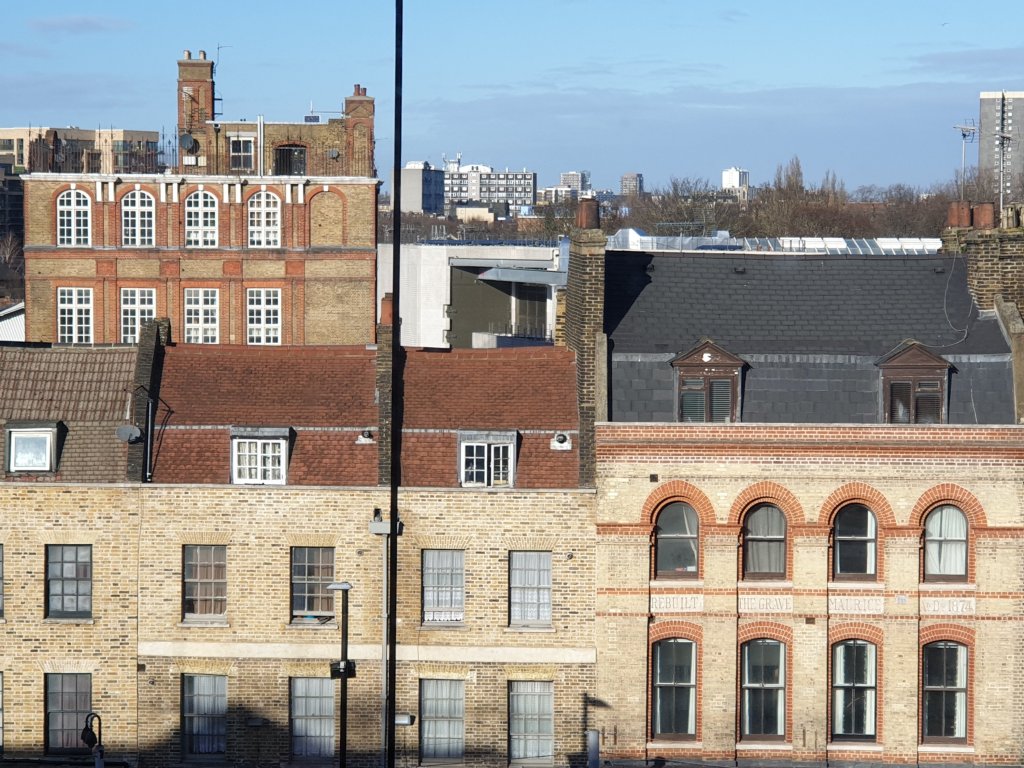
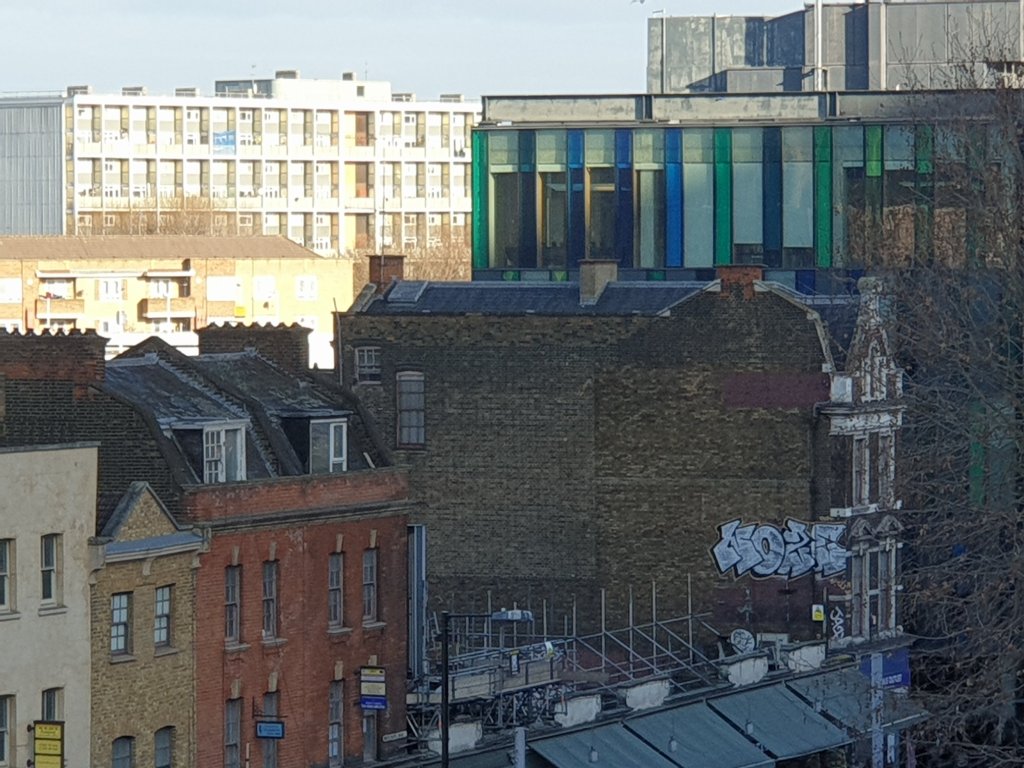
And the view over Whitechapel High Street from the top floor:-
Portraits of Prime Ministers
I was interested to read the attached account of Prime Minister’s portraits (see below).
When I went to the NPG in 1994, there was already the portrait of Attlee, but I don’t remember ever seeing it, and of Callaghan and Macmillan, both commissioned some time after they were in office.
I went to see Edward Heath who wanted to be painted by Lucian Freud; but Freud wouldn’t consider it. He didn’t mention that he had a good portrait by Derek Hill and I don’t remember seeing the portrait in his house in Salisbury. We commissioned John Wonnacott to paint John Major and caught the tail end of his time as Prime Minister (it’s the subject of a short chapter in my forthcoming book about Wonnacott). Then, we tried hard to get a portrait of Tony Blair early during his period of office. He originally wanted a drawing by Nicola Hicks, but the Sunday Times got wind of it and the plan was vetoed.
It’s far from straightforward and I think a pity if recent ones haven’t been done. Maybe they refused.
https://artuk.org/discover/stories/painting-power-britains-post-war-prime-ministers?s=09
The centre of town
It felt like my first trip back to the west end: an opportunity to go to the bank, an unfamiliar experience; and the London Library, which was packed.
The Mall was beautifully deserted:-

And Duke of York steps:-
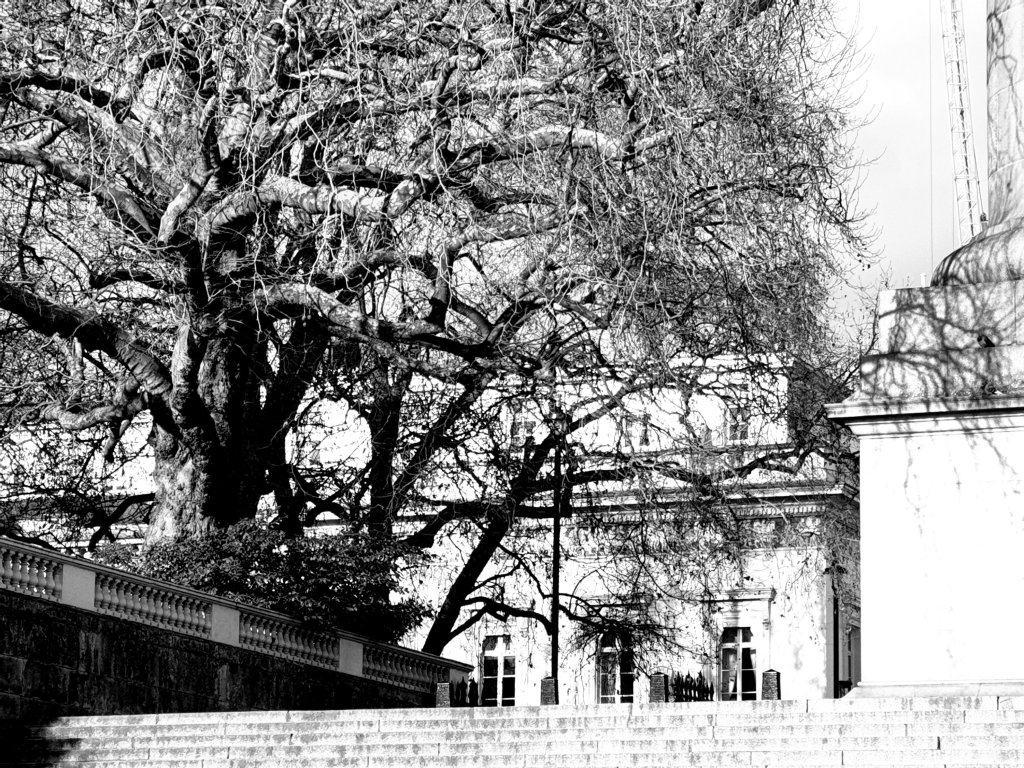
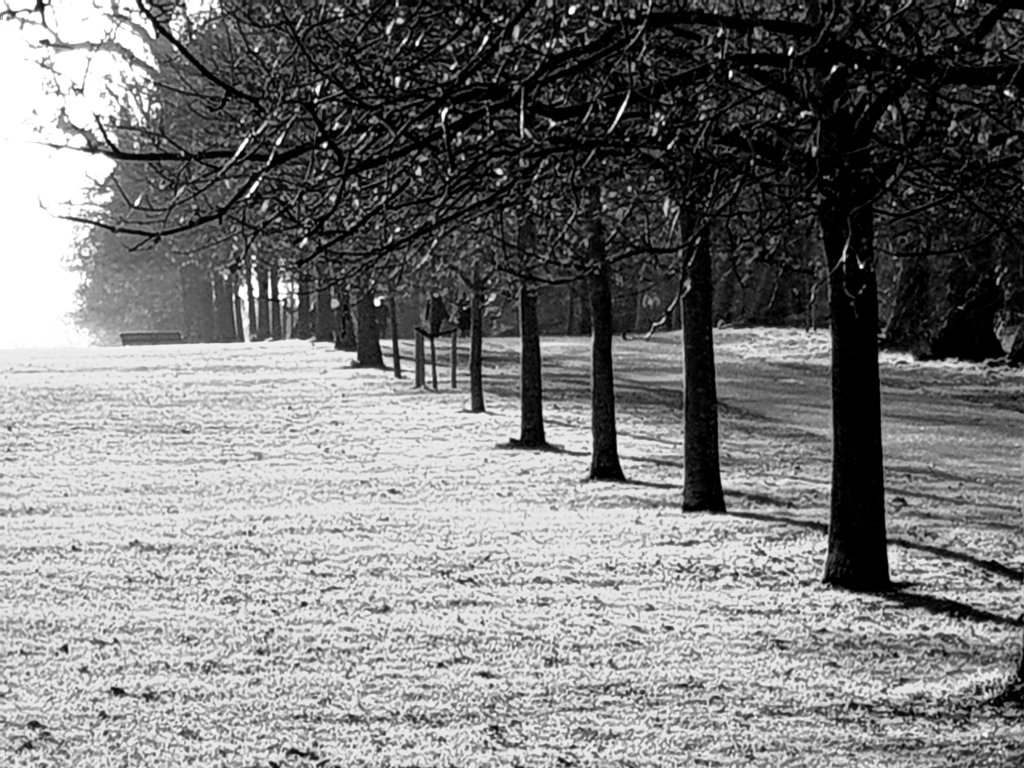
So was Kensington Gardens:-

Current events (2)
I may be the last person to have seen the attached, but if you haven’t I recommend it:-
Current events (1)
How much worse can it get ?
We now discover that on the day the Prime Minister instructed the country in a pre-recorded message that we all must stay at home, he himself jumped into the back of a chauffeur-driven limousine to drive out to Chequers – no doubt lovely, but quite obviously against the rules which he himself had just announced to the country as a whole. Of course, there was an excuse: he wanted to join his pregnant wife. But it was the moment of total, compulsory lockdown announced and enforced by the Prime Minister’s own edict.
And now he says lamely that no-one had told him that the party in the garden was a party in spite of at least one person willing to testify on oath that he had done.
It’s utterly lamentable: pathetic, if it wasn’t so tragic.
Weaver’s Fields
I walked across Weaver’s Fields to the Royal Drawing School today – a pleasure in the clean January sun.
Westhope House is one of those 1950s Corbusian blocks designed by the LCC Architects’ Department as part of the Hereford Estate, a bit identikit, but not bad:-

The north side of the Bethnal Green Road looking towards two of the many new vast housing blocks:-

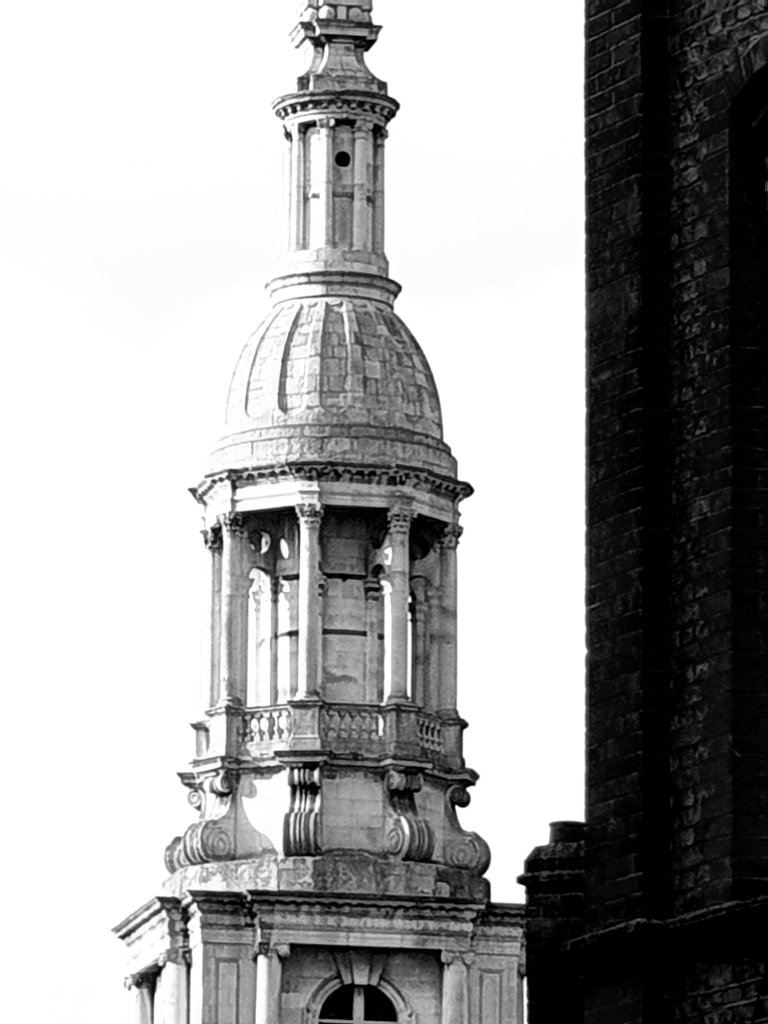
The steeple of St. Leonard’s Shoreditch seen from Arnold Circus:-
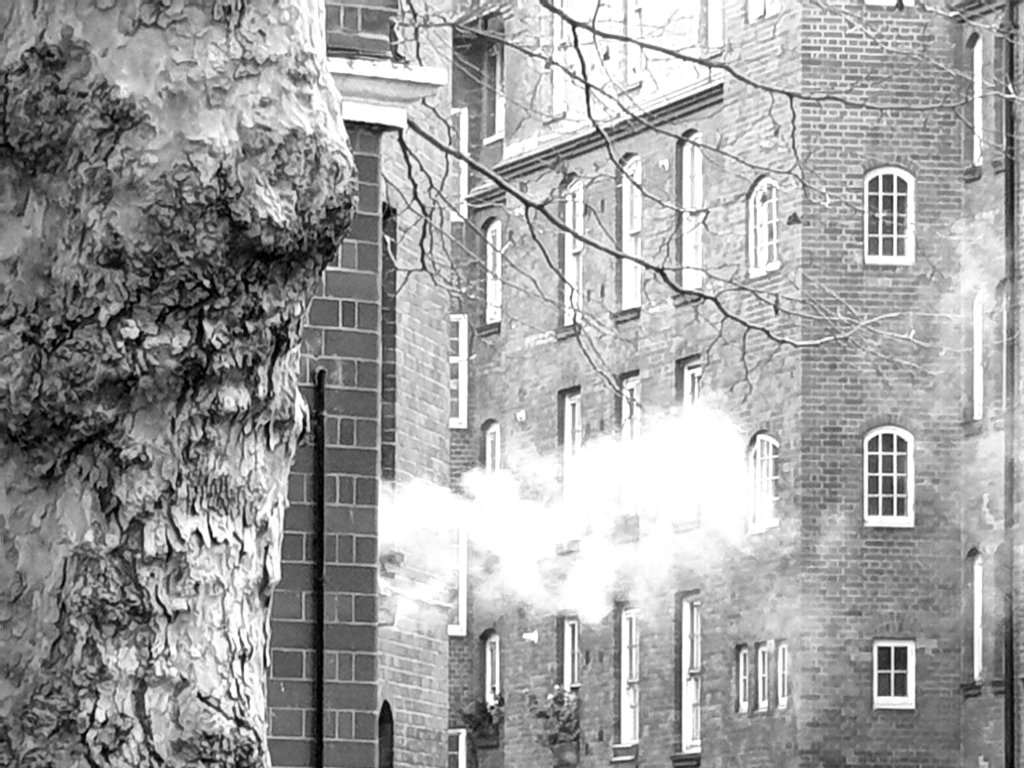
Smoke puffing out of the Boundary Estate:-
And on the way back, a view of the City like distant triffids:-

And one of those garages underneath the arches on Dunbridge Street:-

John Sainsbury
I was very pleased to read the attached article commemorating John Sainsbury’s amazing generosity to so many institutions through the Linbury Trust, including the Royal Opera House, the National Gallery (the three Sainsbury brothers not only paid for the Sainsbury Wing, but oversaw and organised all aspects of its construction), Dulwich Picture Gallery, the Ashmolean under Christopher Brown, and the British Museum, not to mention the role of Sainsbury’s when he was chairman in commissioning new architecture (eg the Camden branch by Nicholas Grimshaw and the Plymouth branch by Dixon.Jones) with Colin Amery acting as advisor. An extraordinary record of achievement.
 | Charles | Saumarez | Smith |
You must be logged in to post a comment.