Poussin and the Dance

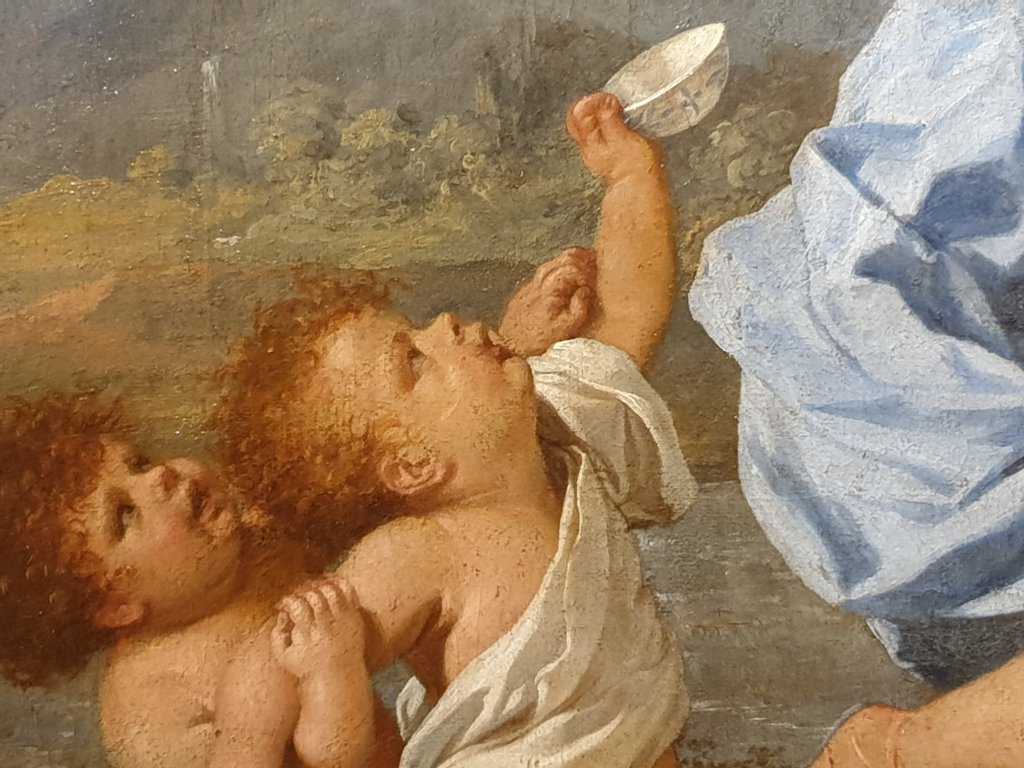
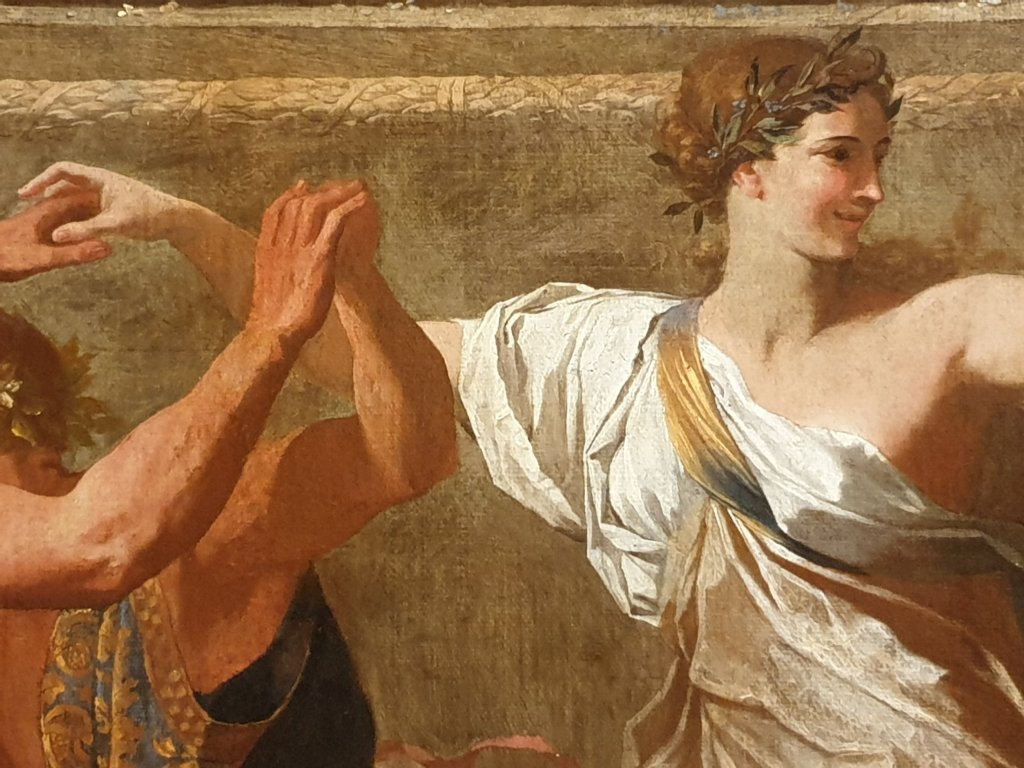
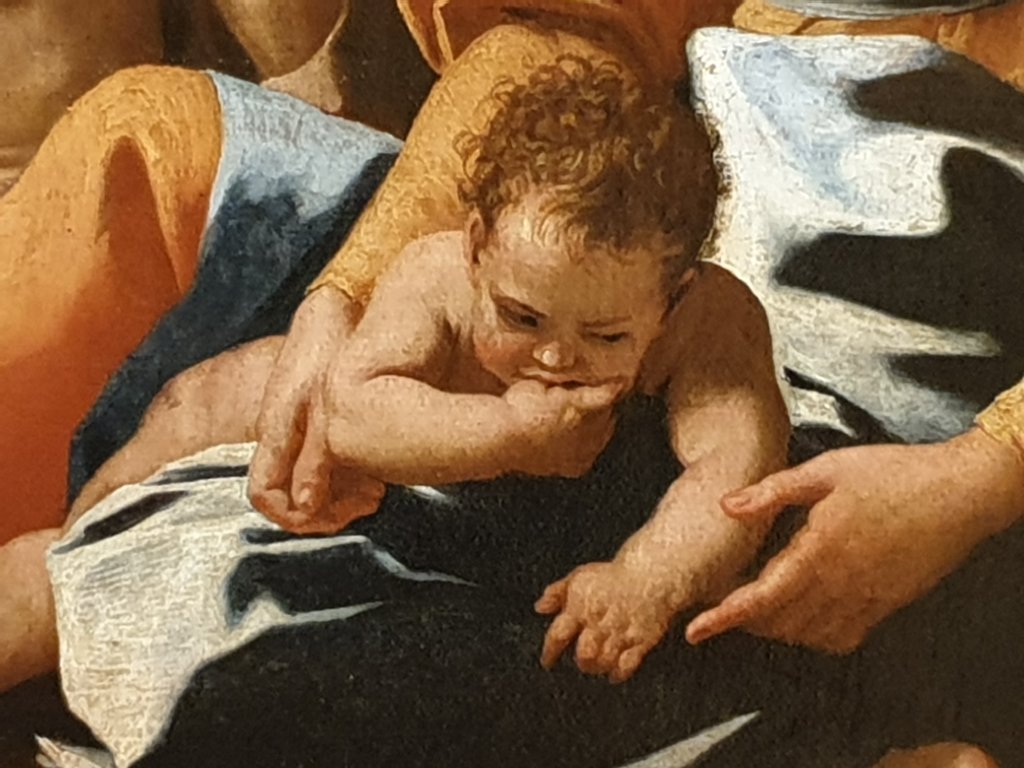
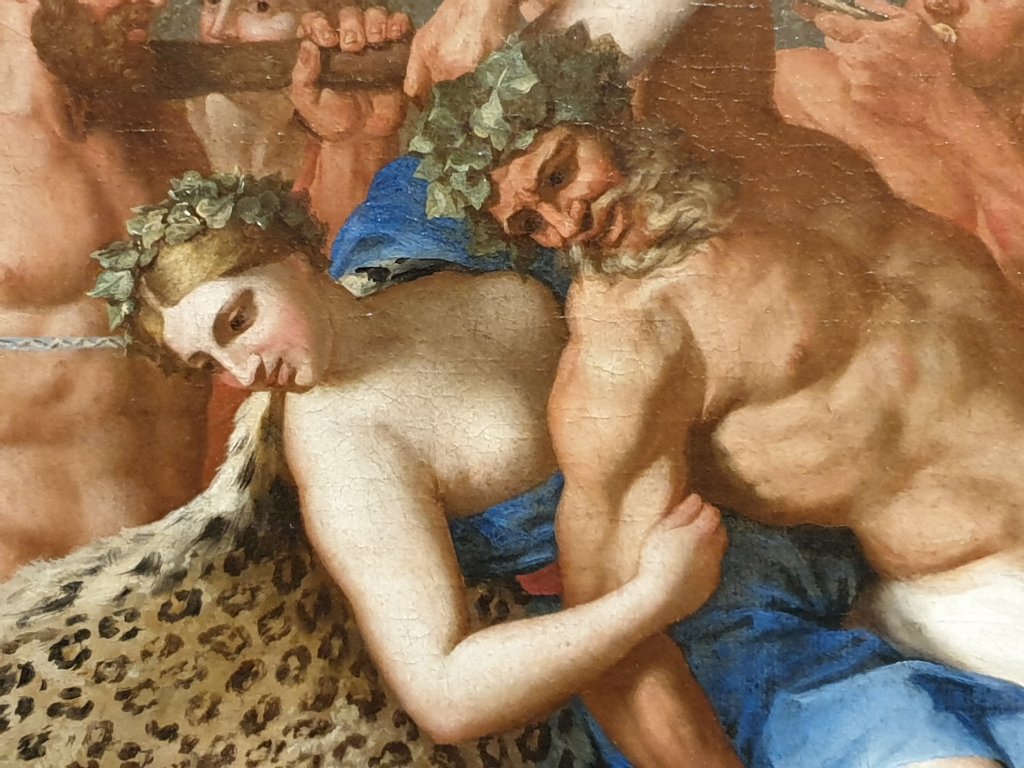
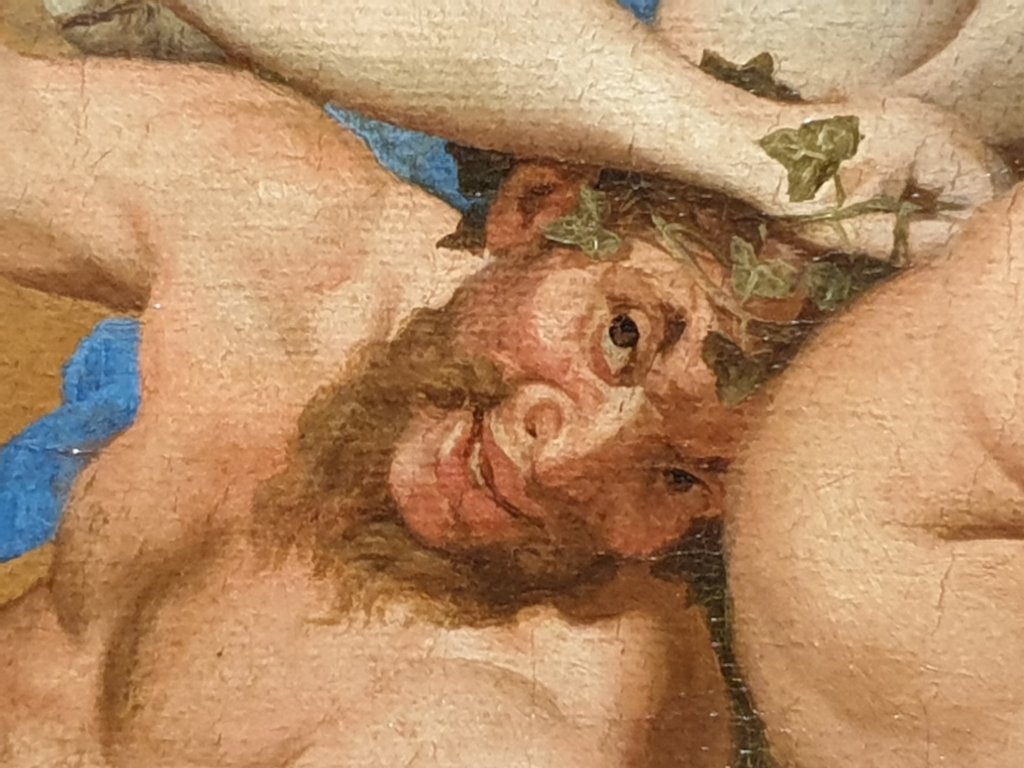
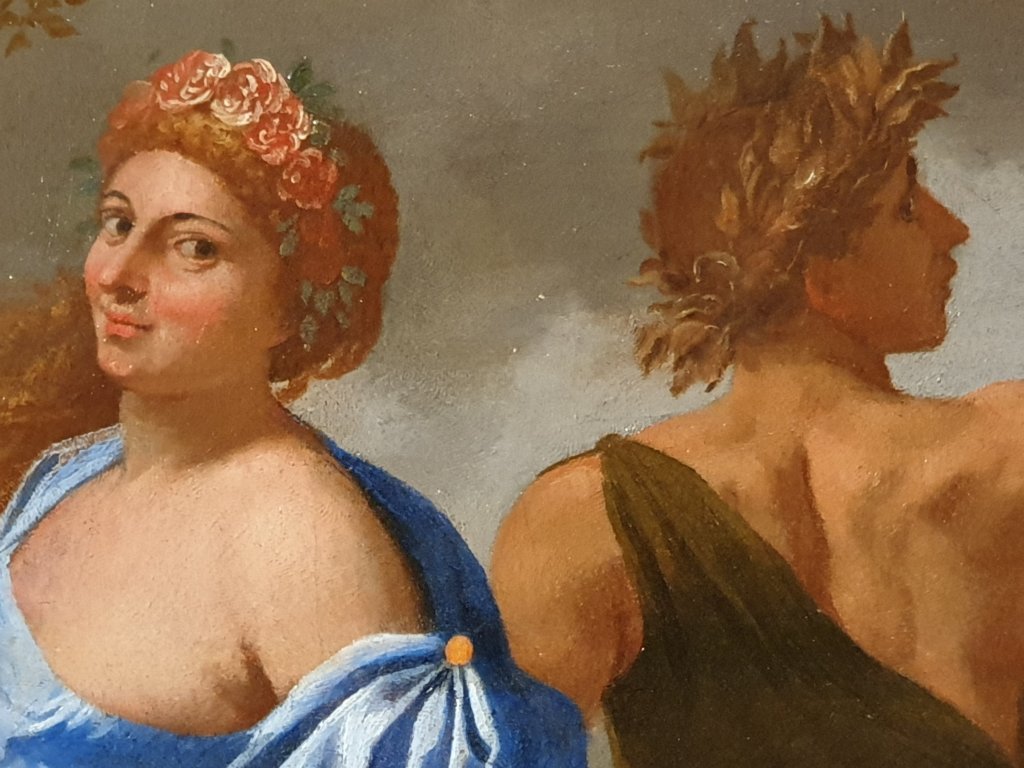
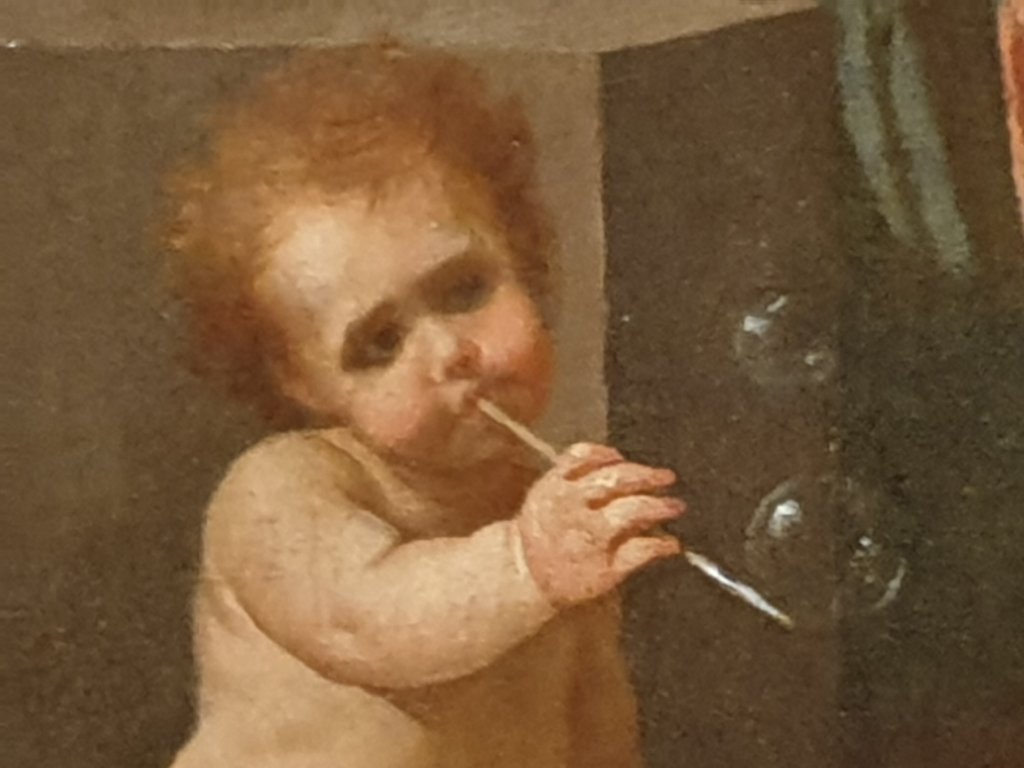
We went to Poussin and the Dance:  more sensual and much more bacchanalian than the conventional (Bluntian) view of Poussin as cool and calculating. Maybe that came later. A very choice exhibition for which the downstairs galleries at the National Gallery work well.

A Bacchanalian Revel before a Term (c.1632);-

The Adoration of the Golden Calf (1633-4):-

The Triumph of Bacchus (1635):-

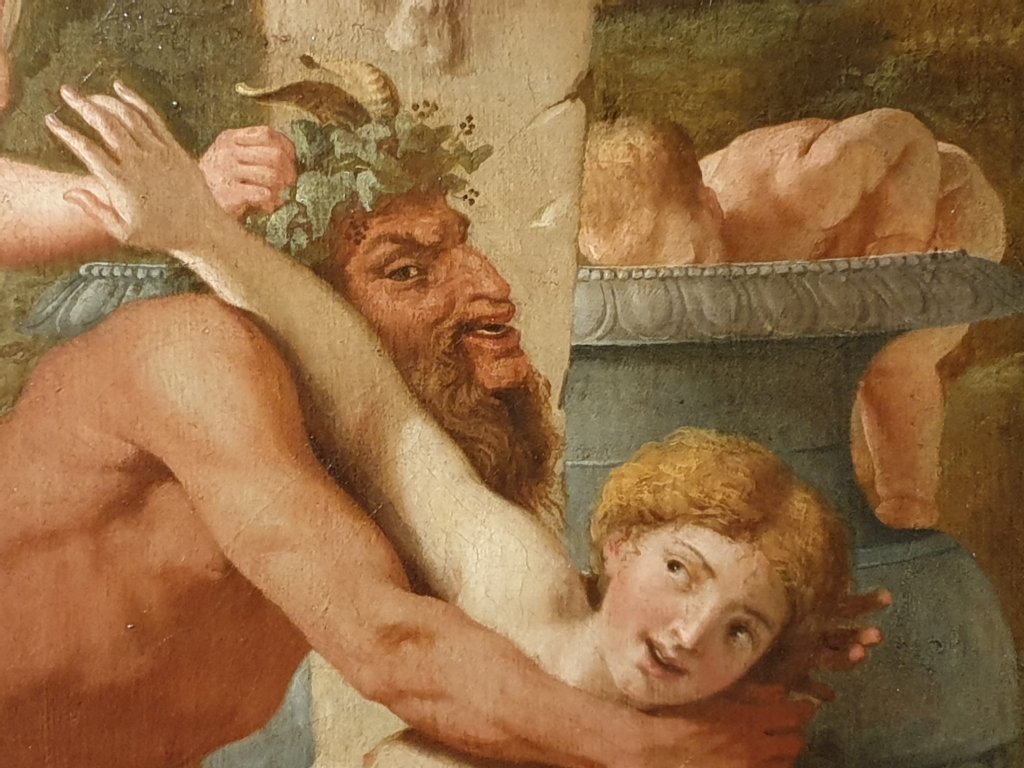
The Triumph of Pan (1636):-

A Dance to the Music of Time (c.1634):-

Standard

The role of the police

In reading the many stories about low-level or high-level corruption in today’s papers – the reports from Jennifer Arcuri’s diaries of her relationship with Boris Johnson, Jacob Rees-Mogg failing to report £6 million in loans from his company registered in the Cayman Islands, the sale of honours to former treasurers of the Conservative Party, the endless reports of double standards – it is invariably stated that the police have decided not to pursue further inquiries or decided there is not enough evidence to prosecute (as in Operation Lansdowne). One increasingly wonders why not: not just now, but in the past as well. They presumably thought that the cases were too political and did not want to upset their paymasters. But what is the police there for if not to uphold the rule of law ? Jennifer Arcuri seems to have been happy to hand over her diaries to someone making a television programme. So, did no-one think to talk to her when they were investigating his behaviour, rather than just sending her a questionnaire (and they didn’t think it ‘appropriate’ to interview Johnson, who was himself the subject of the investigation) ? Why is corruption not a police matter ? There is a law against Misconduct in Public Office and it is surely the police’s role to ensure it is upheld.

Standard

Hughie O’Donoghue (2)

For those who missed my conversation with Hughie O’Donoghue, it has now been reposted online on a New York website, The Daily Plinth. It coincides with the opening of Hughie’s exhibition, which I have yet to see, but I saw some of his recent work in his studio and thought it was incredibly impressive:-

http://dailyplinth.com/videos/hughie-odonoghue-in-conversation-with-charles-saumarez-smith/

Standard

Scratching the Surface

Over the last six months, I have done quite a few podcasts about my book on art museums; but few have been as thought-provoking as the most recent, recorded on September 1st, in which Jarrett Fuller quizzes me in detail about how and why I wrote the book, how it relates to my career as an ‘administrator’, the politics of museums, what it’s like to be a museum director, and the intersection between scholarship and administration. Jarrett Fuller assumes that he’s the only person interested in these issues. I hope he’s not right.

https://scratchingthesurface.fm/201-charles-saumarez-smith

Standard

The Cosmic House (2)

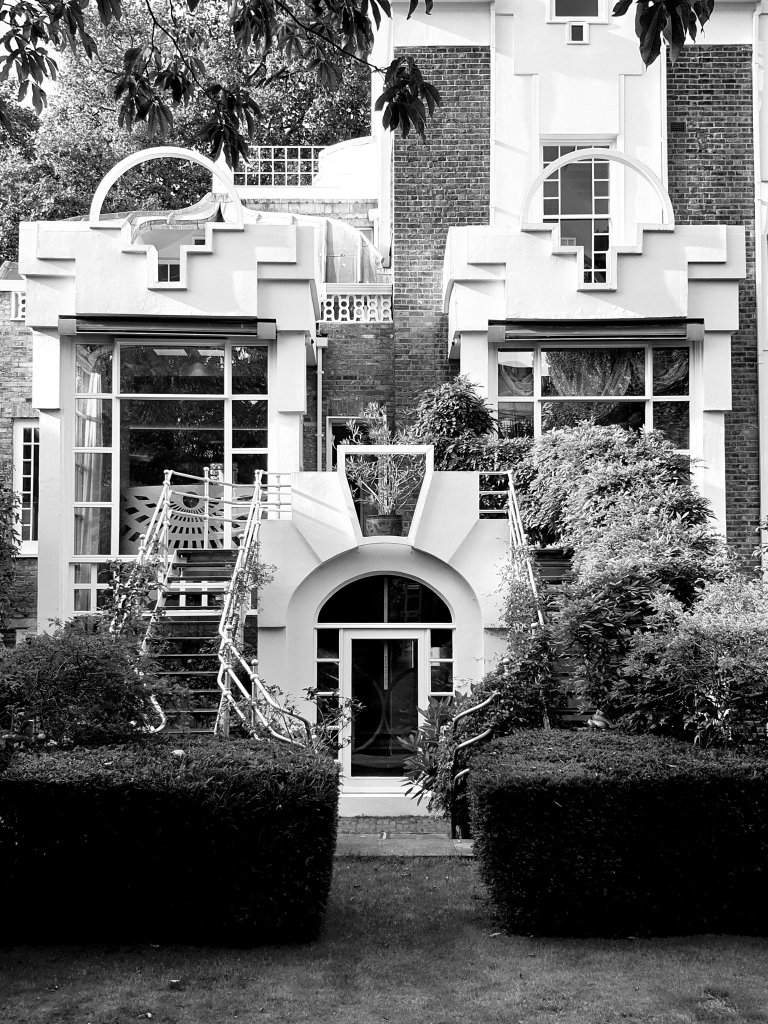
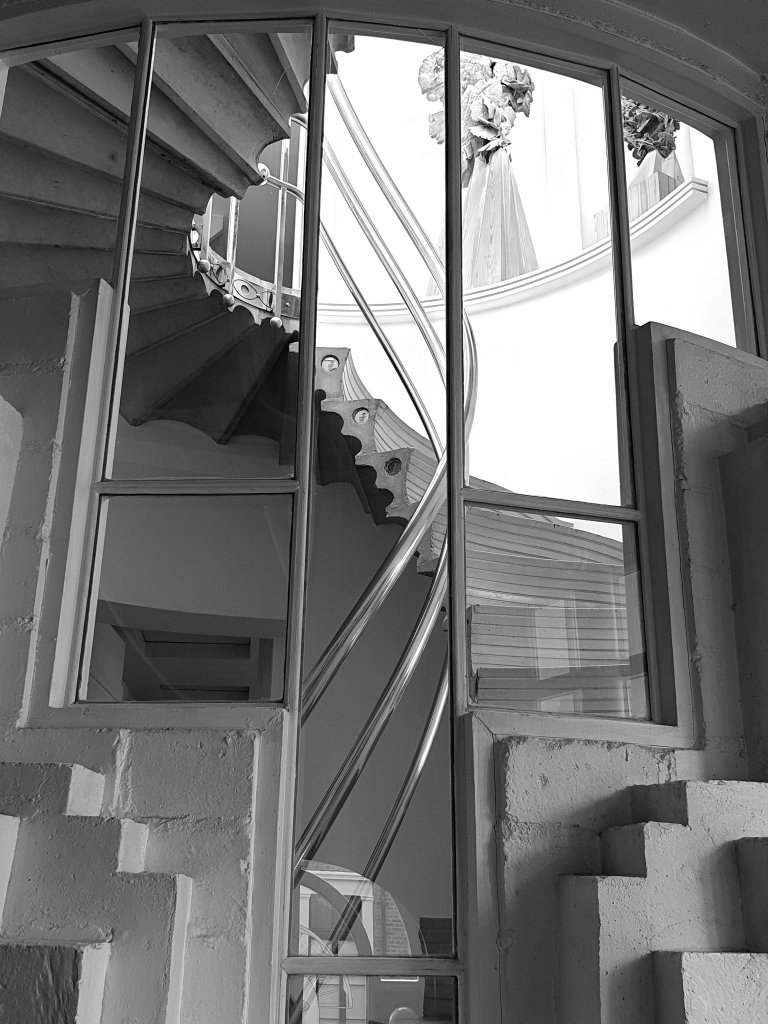
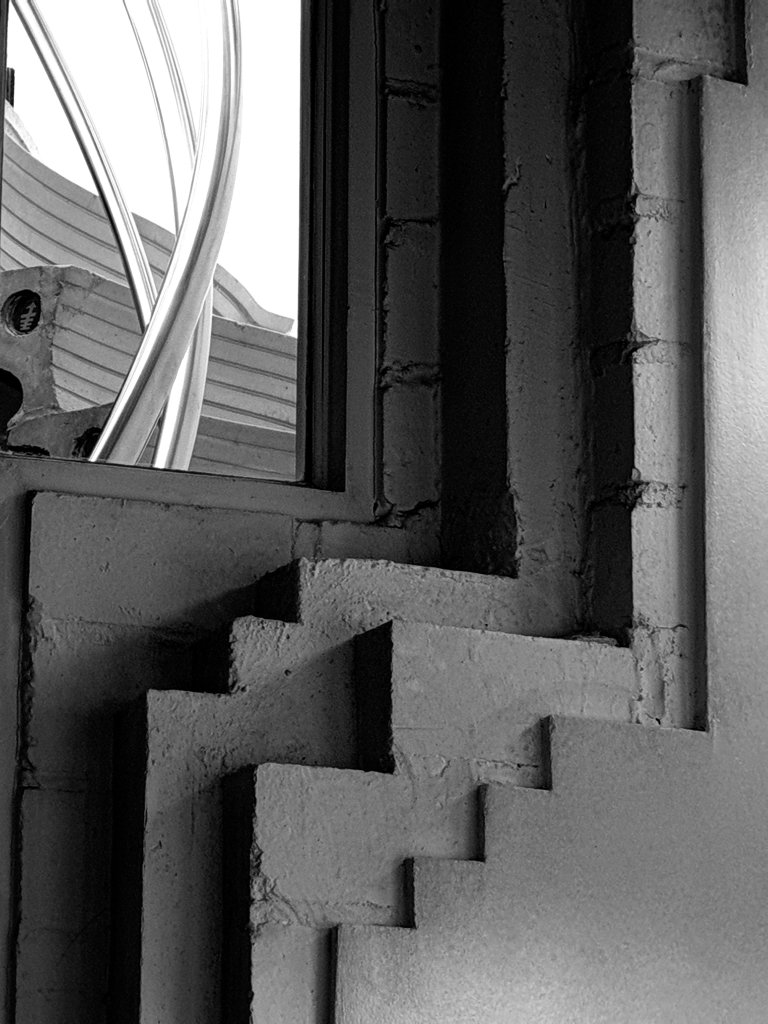
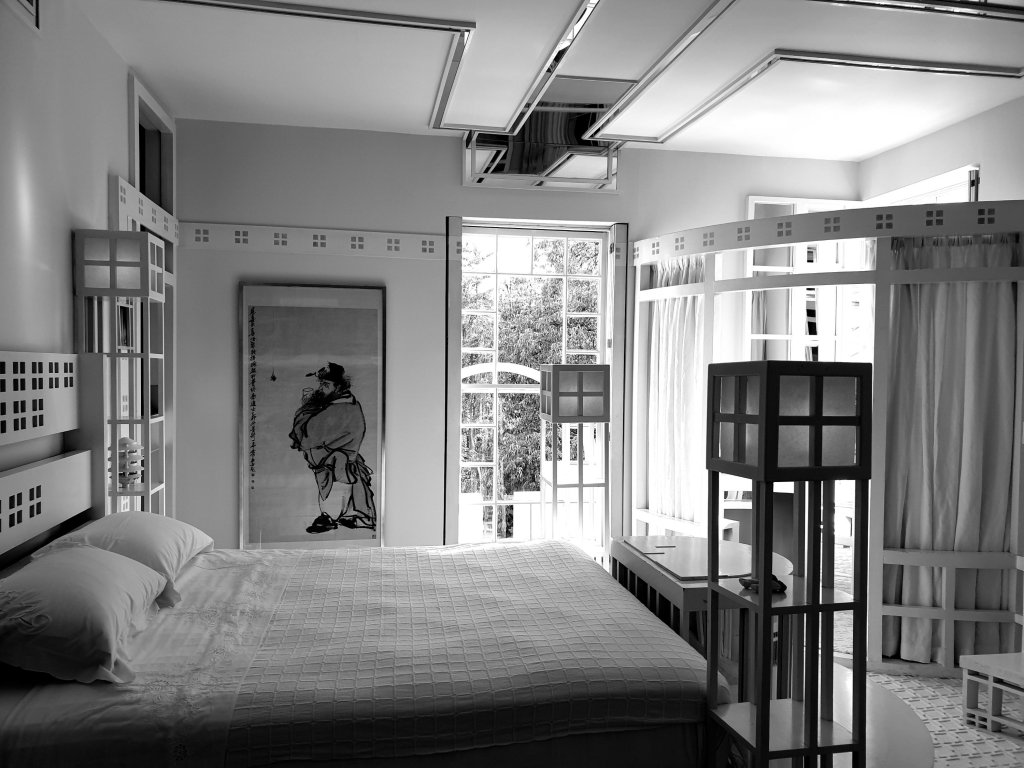
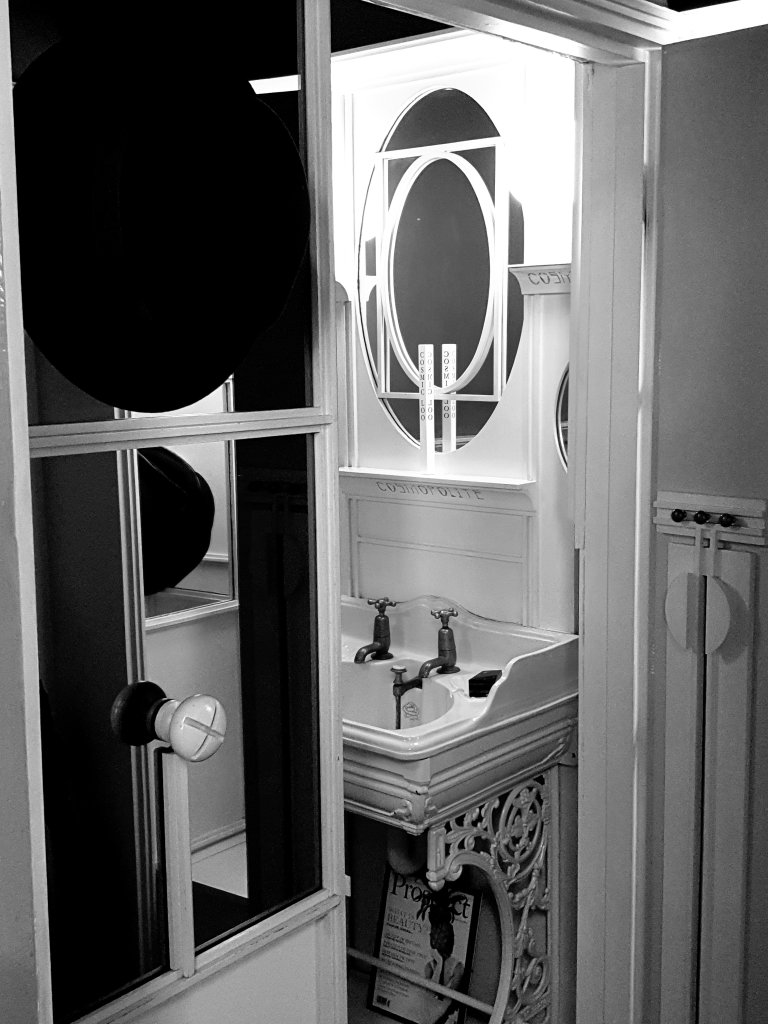
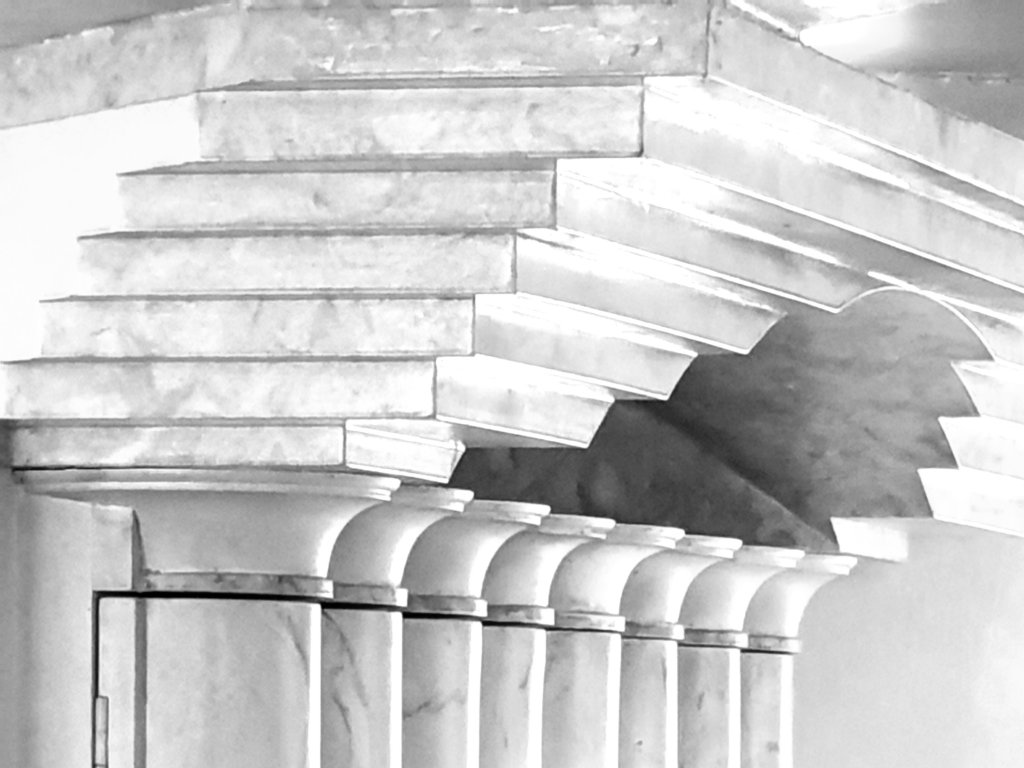
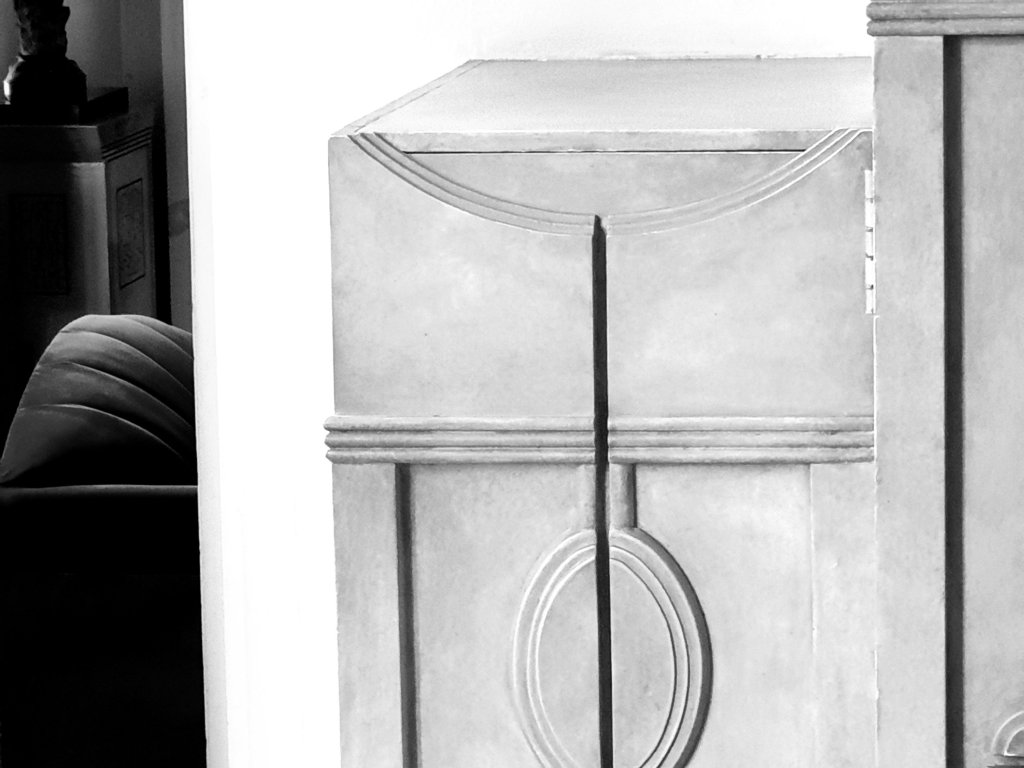
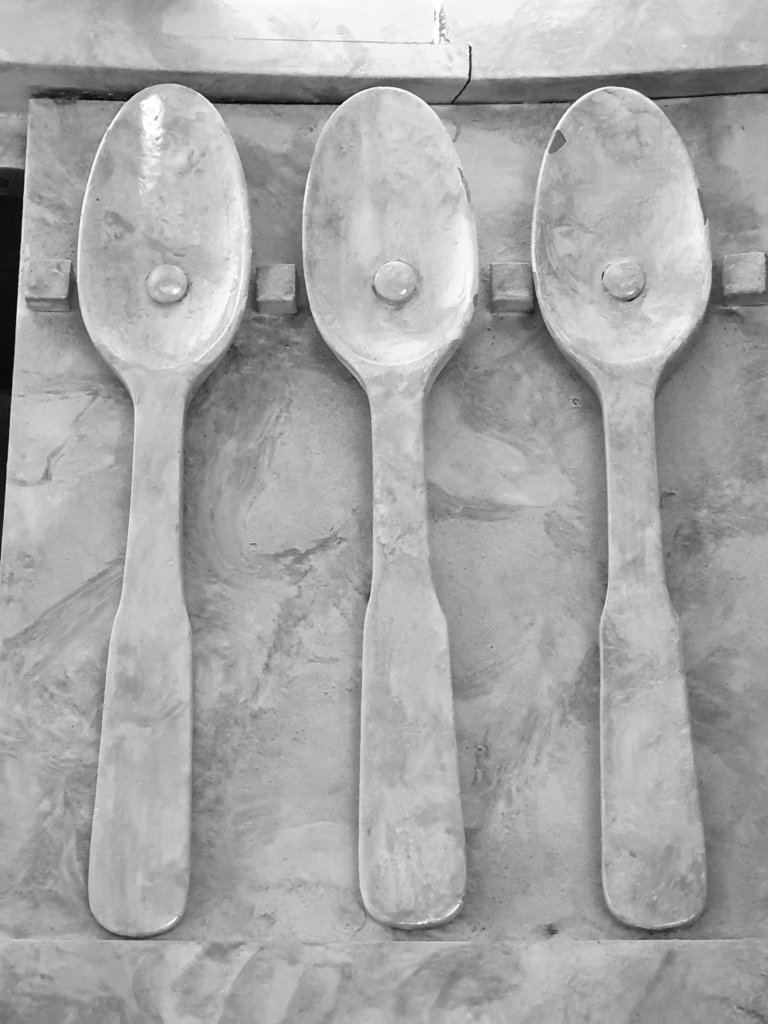
Now that my article on the Cosmic House is out, I can publish the photographs I took at the time of my visit, documenting the character and some of the amazing detail of Charles Jencks’s and Maggie Keswick’s Cosmic House.

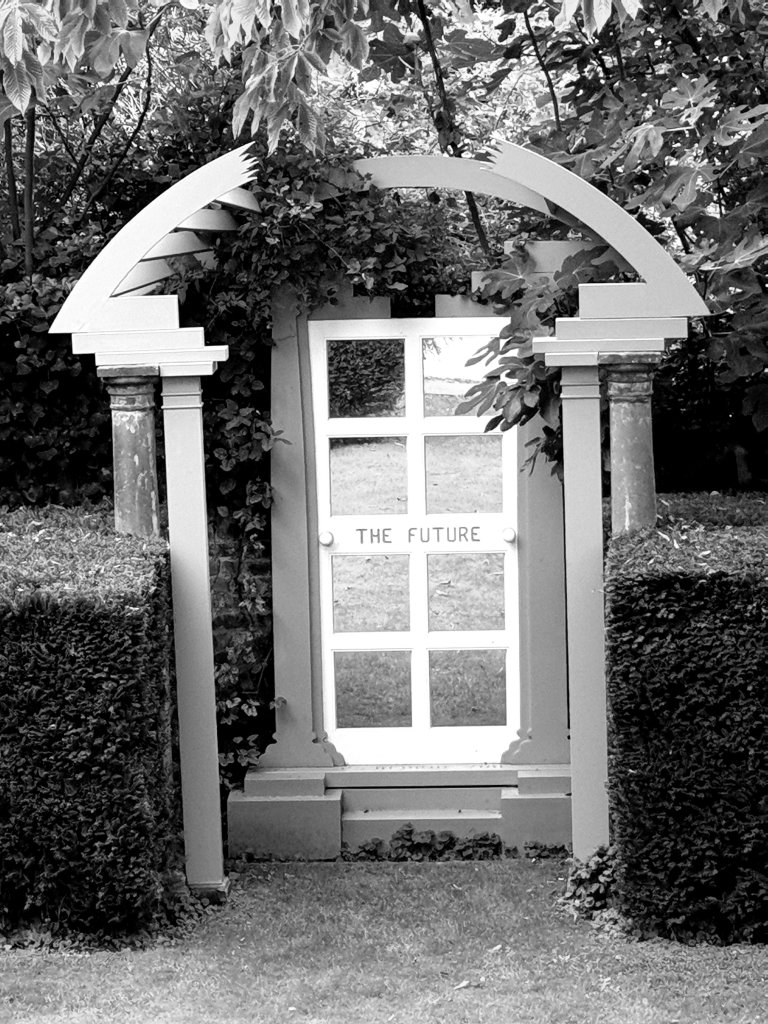
The house announces its peculiarities more from its garden than the street:-

The staircase in the middle of the house is a key feature:-

I only photographed two rooms. The bedroom:-

And the downstairs lavatory:-

It’s part art nouveau, part Arts-and-Crafts, part free invention.

I liked some of the classical detailing:-

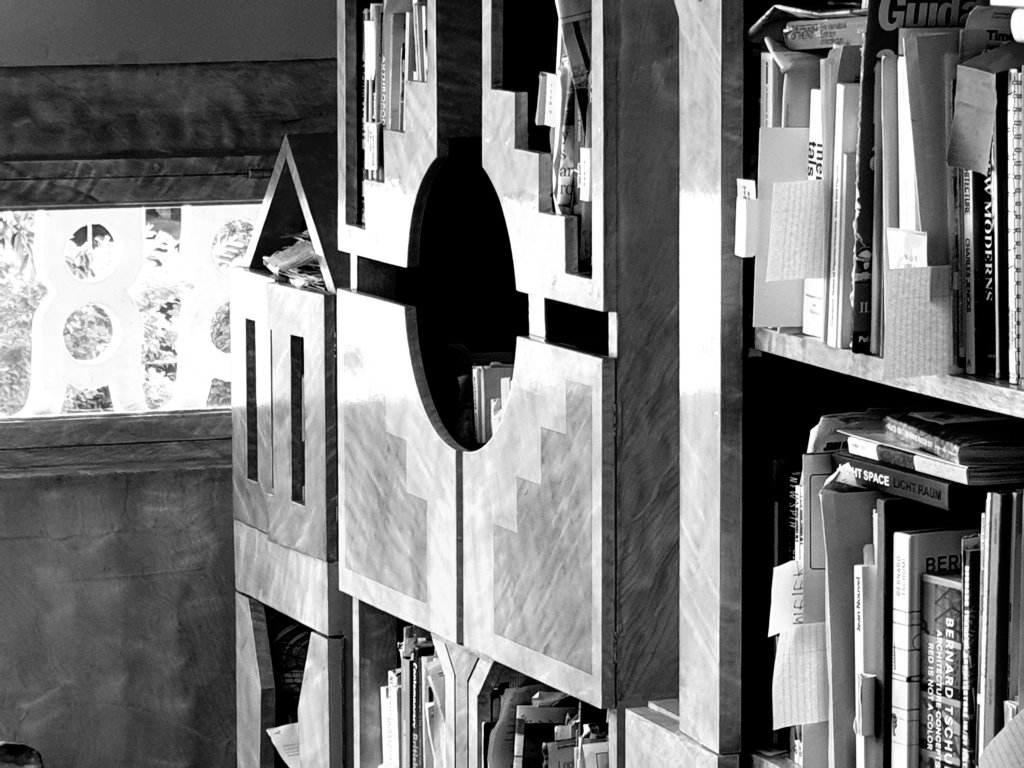
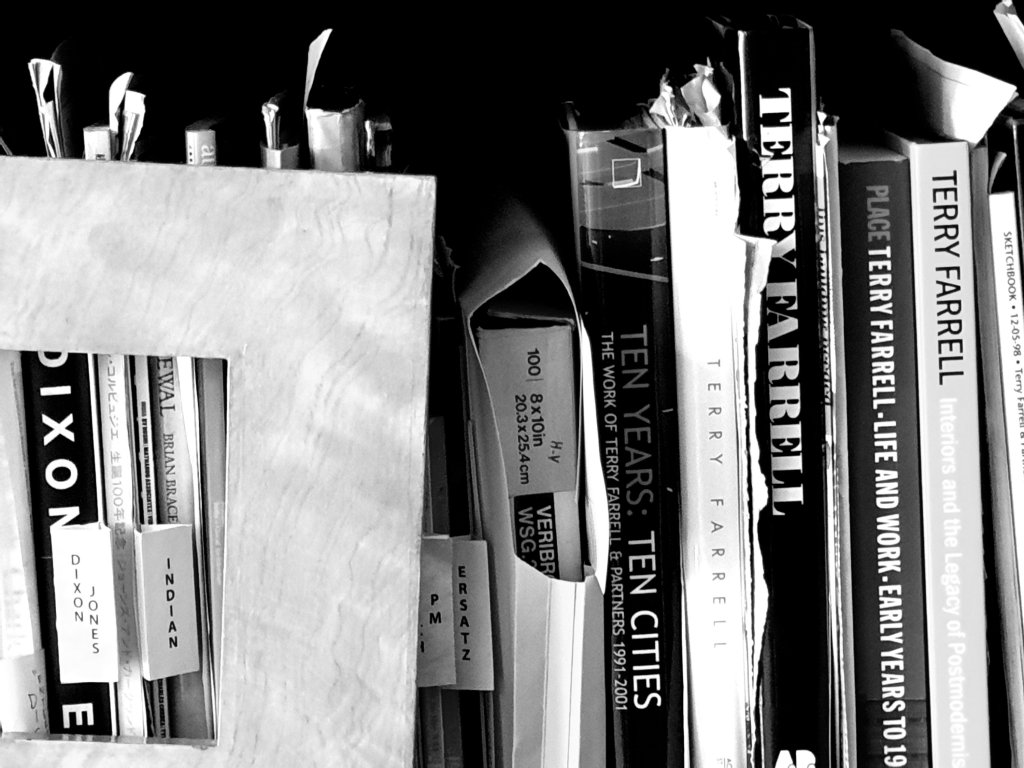
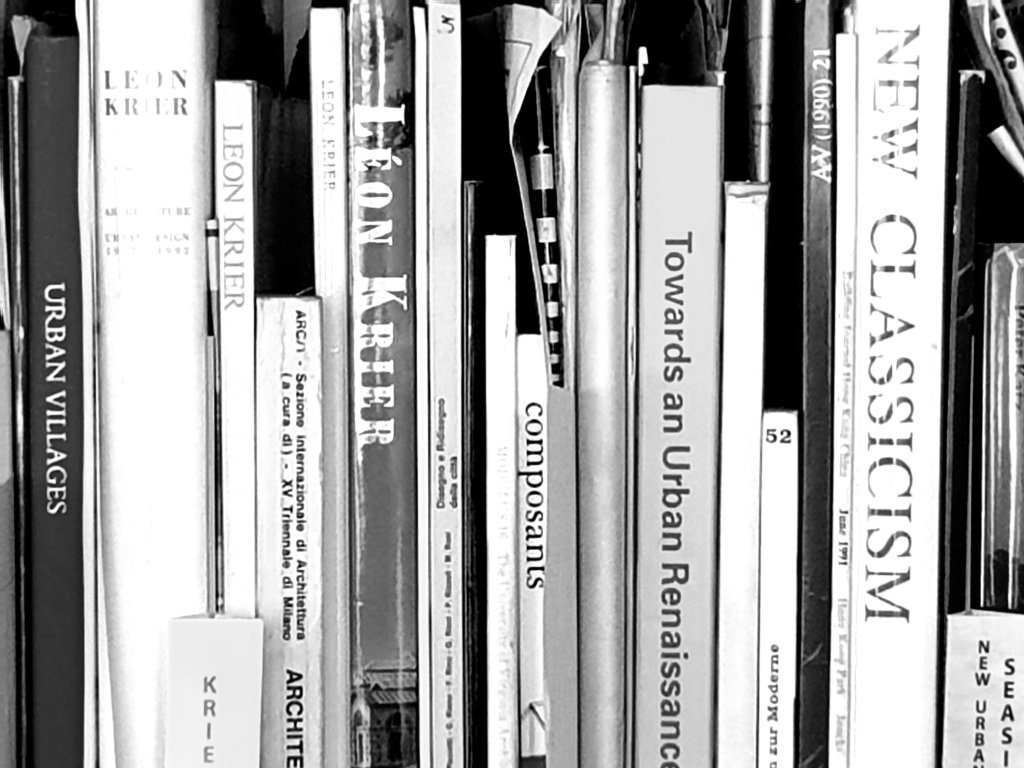
I was also fascinated by his library and what he had been reading:-

I strongly recommend a visit:-

Standard

The Cosmic House (1)

Towards the end of September, I went to see the Cosmic House, Charles Jencks’s extravaganza in Holland Park. I had been once before, but for a party, and didn’t really appreciate its quality and, most of all, its historical significance as a radical statement of post-modernism undertaken at the height of a movement of ideas, which was very much led and promoted by Jencks in his teaching about semiotics at the Architectural Association from 1967 onwards. I got interested in Jencks and his importance during the early 1970s as a thinker and agitator and have written about this in my column in this month’s The Critic.

https://thecritic.co.uk/issues/november-2021/house-of-fun

Standard

Conflicts of Interest

I have been reading with mounting horror and fascination – as many others must be – the increasing number of stories about those MPs who voted for Brexit and the ways in which they have been simultaneously taking money from companies to lobby on the companies behalf in the House of Commons (gambling, racing, Randox, private medicine) without recognising that it was against the rules and without being willing to countenance being punished for it: which is, of course, one increasingly realises, why they voted for Brexit so that they could deregulate, change the rules, and go and live in the British Virgin Islands while collecting their salaries as MPs. Of course, none of them appeared in the debate about corruption in the House of Commons because none of them think they are, and should be, accountable. The message has obviously gone out that this is only a storm in a Westminster teacup. But I enjoyed watching the sense of anger and outrage from conservative voters in Uxbridge. Some think that voters don’t really care about corruption. Let’s see.

Standard

Charleston Farmhouse

As someone very interested in Charleston and its history, I was pleased to read the excellent interview with Darren Clarke, its curator in the toa.st magazine (see below): most especially for his differentiation between continental modernism, full of machinery and maleness, and the Bloomsbury version of it, which had a different emphasis:

https://www.toa.st/blogs/magazine/a-curator-s-view-darren-clarke-the-charleston-trust?s=09

Standard

The Daily Telegraph

In the discussions about the current behaviour of the government and whether or not it might be open to investigation by the Commissioner for Standards in Public Life, there is a set of connections which I feel might be open to question:-

1. The Prime Minister, according to Dominic Cummings, describes the Daily Telegraph as his boss, if only in jest.

2. Last Christmas, the Daily Telegraph celebrated the fact that it had a guarantee from government that it would provide the Daily Telegraph with a guarantee of enough funding from government advertising to avoid redundancies.

3. I read somewhere, or was told, that a Russian donor was providing the Daily Telegraph with a big sum (I remember the figure £1.3 million) to enable them to continue to pay Boris Johnson a regular salary of £250,000 for occasional columns.

4. The Daily Telegraph is consistently used by the government and 10, Downing Street for advance information on government policy.

5. The Prime Minister left COP26 by private jet to have dinner at the Garrick Club with his old Telegraph colleagues, including Charles Moore, to discuss what he was going to do to protect Owen Paterson.

I don’t know how much of this is true, but it does seem to add up and if so is – at the very least – open to further investigation, since the Daily Telegraph is unlikely to be doing so itself.
Standard

John Major

I missed hearing John Major on the Today programme, but have caught up with Nick Robinson’s interview this evening. It’s an impressive exercise in restrained anger: someone who has been, and remains, a natural conservative, disappointed and incredibly upset at the direction the party is being taken: away from any sense or understanding of decency and morality towards a sense of self-serving entitlement. Of course, we know that the Johnsons couldn’t bear the John Lewis furniture they inherited and replaced it with overblown historicist nostalgia paid for in ways we still don’t fully understand, but will probably have involved the scattering of peerages. But at some point, won’t Middle England recognise that they have elected a monster who doesn’t in any way represent them ?

https://www.bbc.co.uk/sounds/play/p0b2mrh7

Standard