For anyone who has access to a Financial Times subscription, there is a long read in today’s paper on four recent books about museums, including I’m pleased to see, my own, not quite yet available (due March 25th.), which is complimented (I think it’s a compliment, but a very ambiguous one) for being written ‘with the crisp elegance found in Baedeker’s Guides, or even Edith Wharton’s writing on Italy’. Then, it is, equally legitimately, castigated for being ‘delightfully free of any critical ideas’. This is no doubt true. It is a celebration of art museums, not a condemnation of museums of archaeology, so I have not dealt with restitution, the hot topic of the moment, and of at least two of the other books.
Alan Bowness (3)
I have just been sent further information and a link (Alan Bowness and Artists’ Lives – Sound and vision blog) to Bowness’s involvement in Artists’ Lives, the best possible resource for recent history and not as well known as it should be. I also listened to Norman Reid on himself and Nick Serota on him too (https://www.bl.uk/voices-of-art/articles/nicholas-serota-norman-reid-as-director-of-the-tate-gallery). Highly recommended.
Alan Bowness (2)
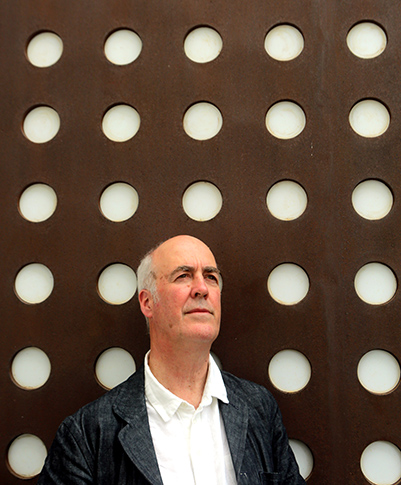
I was intrigued by a picture of Alan Bowness posted yesterday in twitter which showed him standing alongside John Summerson, who I recognised and Norman Reid, who I didn’t (see attached). Summerson had married Hepworth’s sister and Bowness one of her triplet daughters. It led me to a recording of Bowness describing what he thought he was like as a museum director (https://www.bl.uk/collection-items/alan-bowness-on-the-role-of-the-museum-director), presumably drawn from a much longer interview. It is characteristically diffident, describing himself as better as teacher and preacher than museum administrator. No bad thing.
Green Park
I had already been tipped off that Andrew Jones, an enterprising lawyer, had spent lockdown, not travelling round Africa as he normally does, but walking round his local neighbourhood, which happens to be Green Park. The result is a charming, deeply well-informed guide to the amazing range of buildings which surround the park – the relatively nondescript as well as the architecturally wonderful – and is packed full of social, as well as architectural information. Did you know that Rupert Murdoch lives in 25, St. James’s Place ? Does Arlington House really have a penthouse with a retractable roof ? The author stayed in the Royal Overseas League en route to school, had his stag party in a suite in the Ritz, and a relative eloped with King Zog, so he appears exceptionally well qualified to write about the area’s more exotic inhabitants. Just published.
Alan Bowness (1)
I was pleased to read Richard Calvocoressi’s long and thoughtful obituary of Alan Bowness (see below), having expected there to be others in the papers today. It feels as if it does justice to the full breadth of his achievements at the Tate, which can sometimes be overlooked – the opening of Tate Liverpool, the establishment of the Turner Prize and the two Patrons schemes to help with the funding of acquisitions. What I hadn’t fully appreciated was the astonishing range and depth of acquisitions during his time at the Tate.
There is a very good interview with Bowness in the recent volume, Living Museums: Conversations with Leading Museum Directors, by Donatien Grau which amplifies Calvocoressi’s account, including Bowness’s national service as a conscientious objector and the fact that he was shortlisted to be Director of the Tate in 1964.
https://www.theartnewspaper.com/feature/alan-bowness-obituary
Regent’s Park
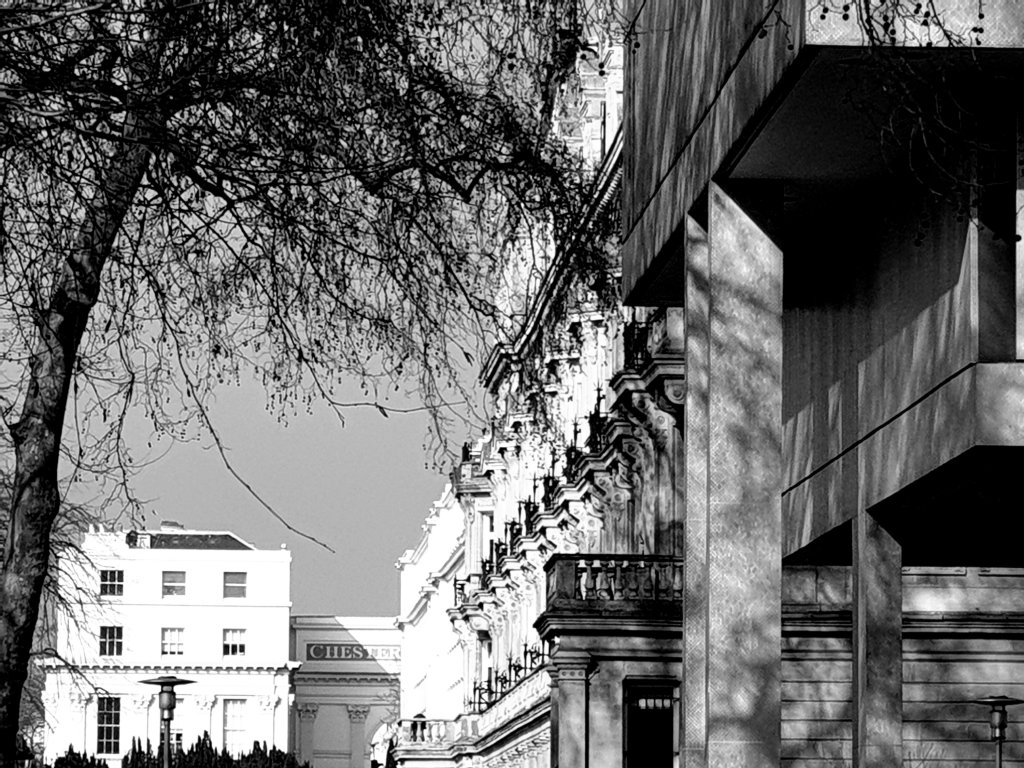
Some scenes from Regent’s Park in the sun this afternoon.
The front of Lasdun’s Royal College of Physicians looking north towards Chester Terrace:-
Some penguins also enjoying the sun:-

Cumberland Terrace:-

And Casson’s Elephant House (1964), described as ‘zoomorphic brutalism’:-


Spring Flowers
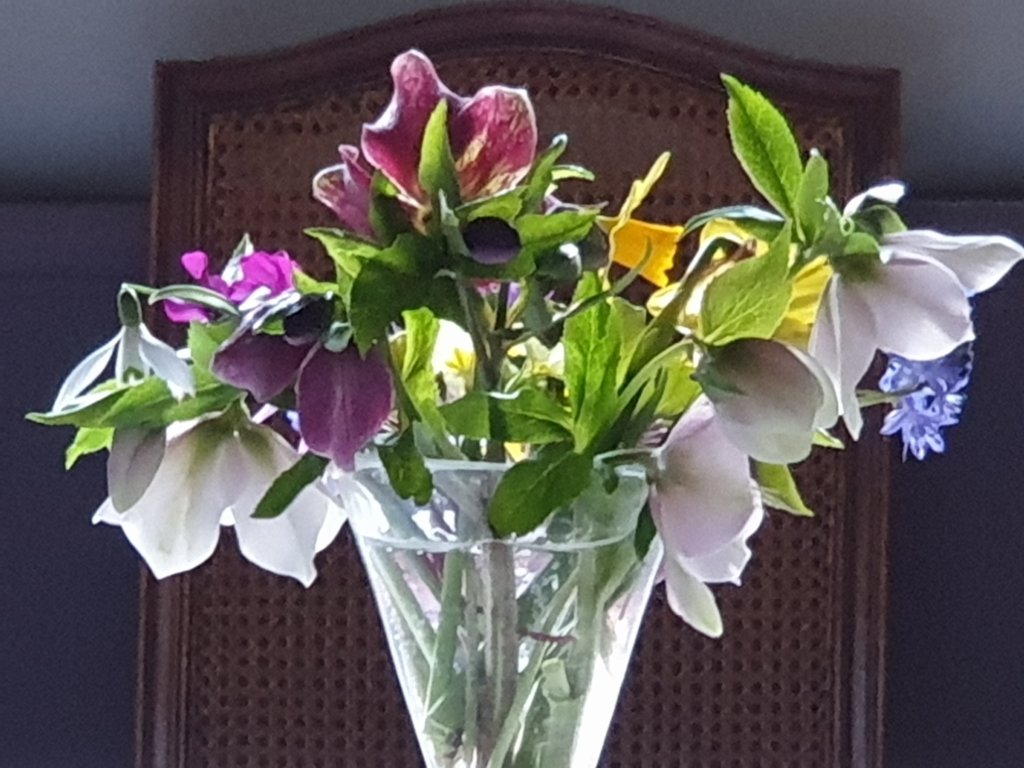
It happens so quickly. One week the croci come up, the next there is a whole wealth of flowers to enjoy:-
22, Bishopsgate
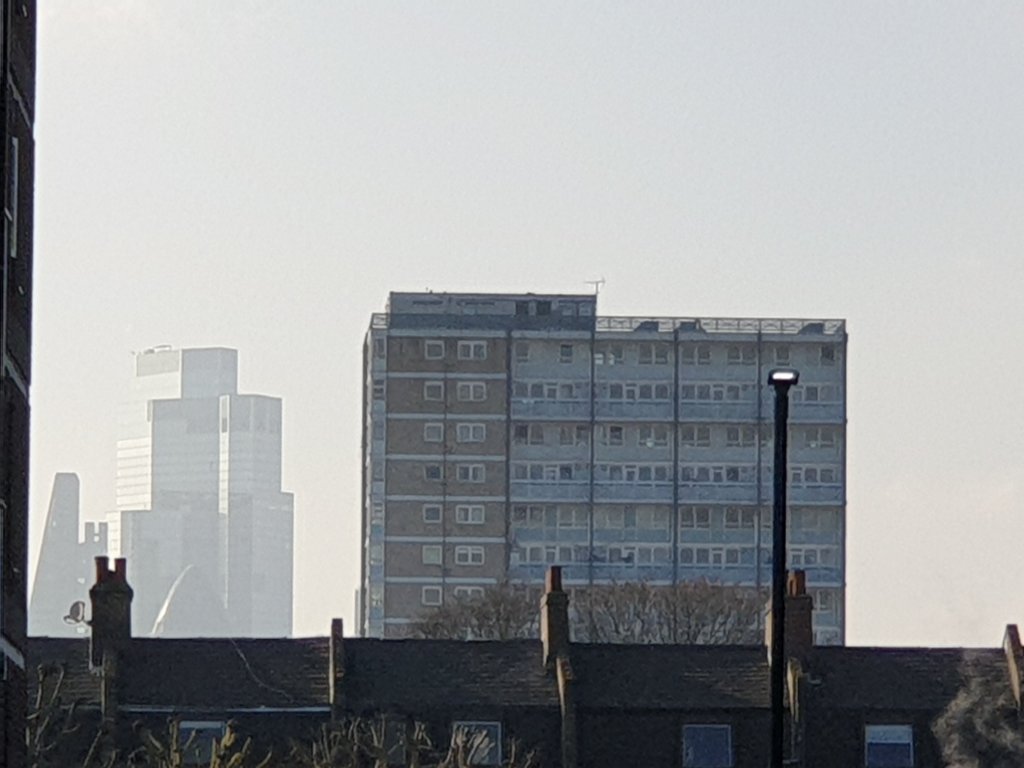
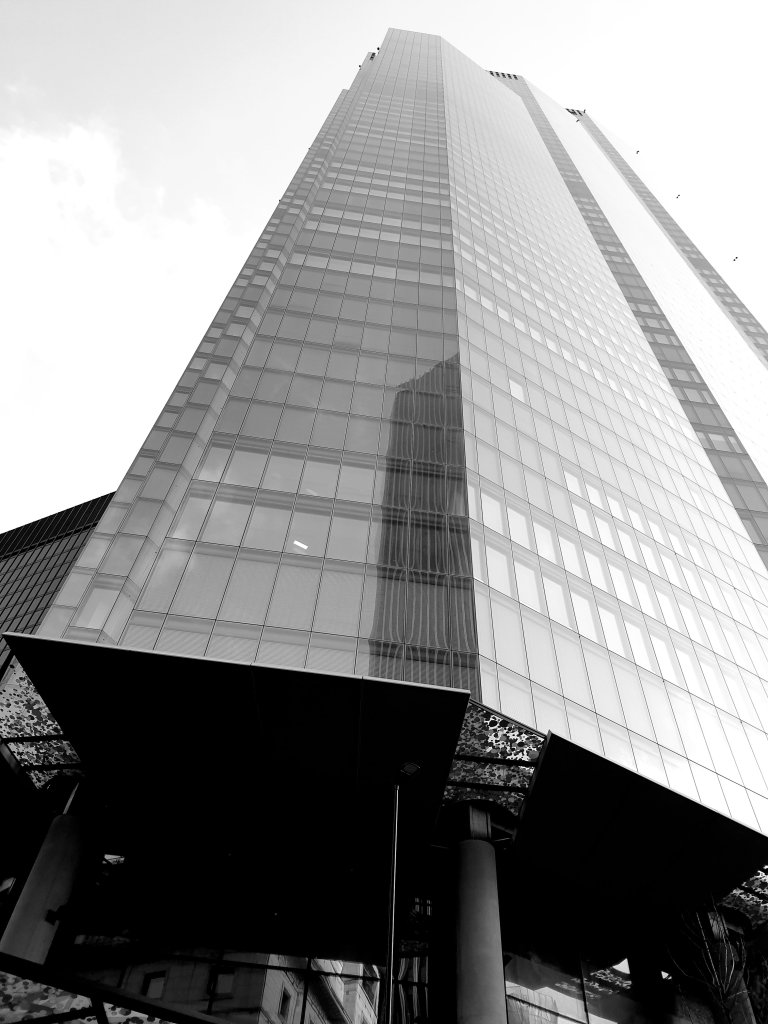
I am fascinated by 22, Bishopsgate, the massive new tower block which has appeared like a stealth bomber during COVID, dominating the skyline. It could be worse. It is strangely nondescript, as if it has been designed not to be too obtrusive. Probably it was:-
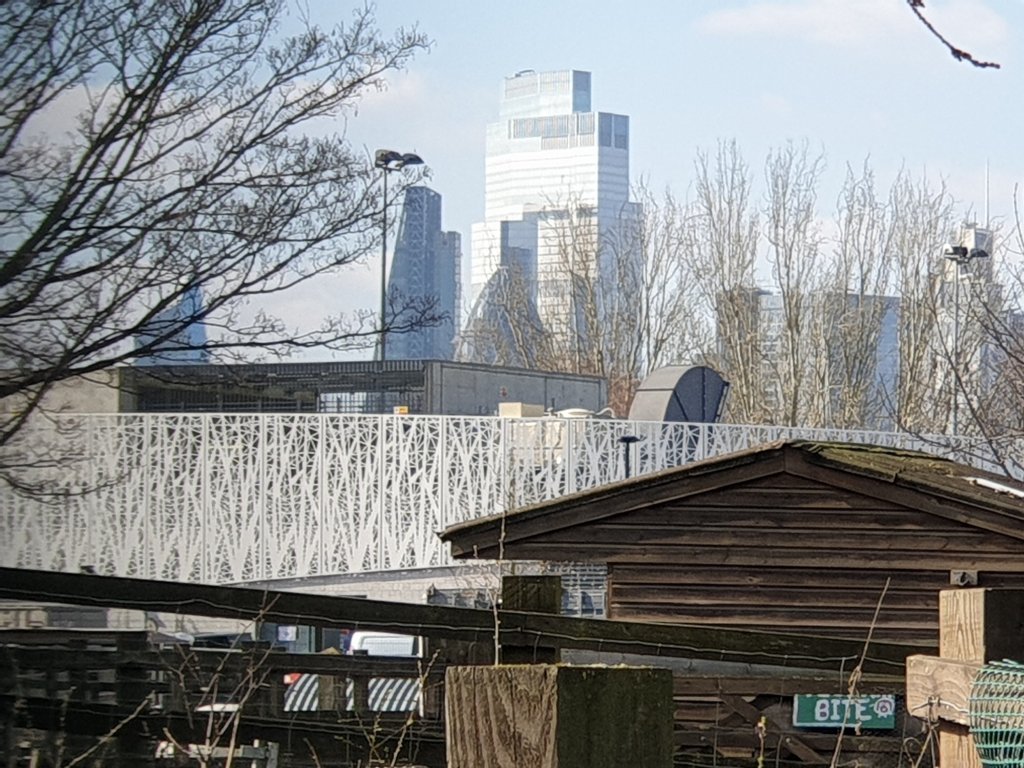
This is the view of it from outside our house:-
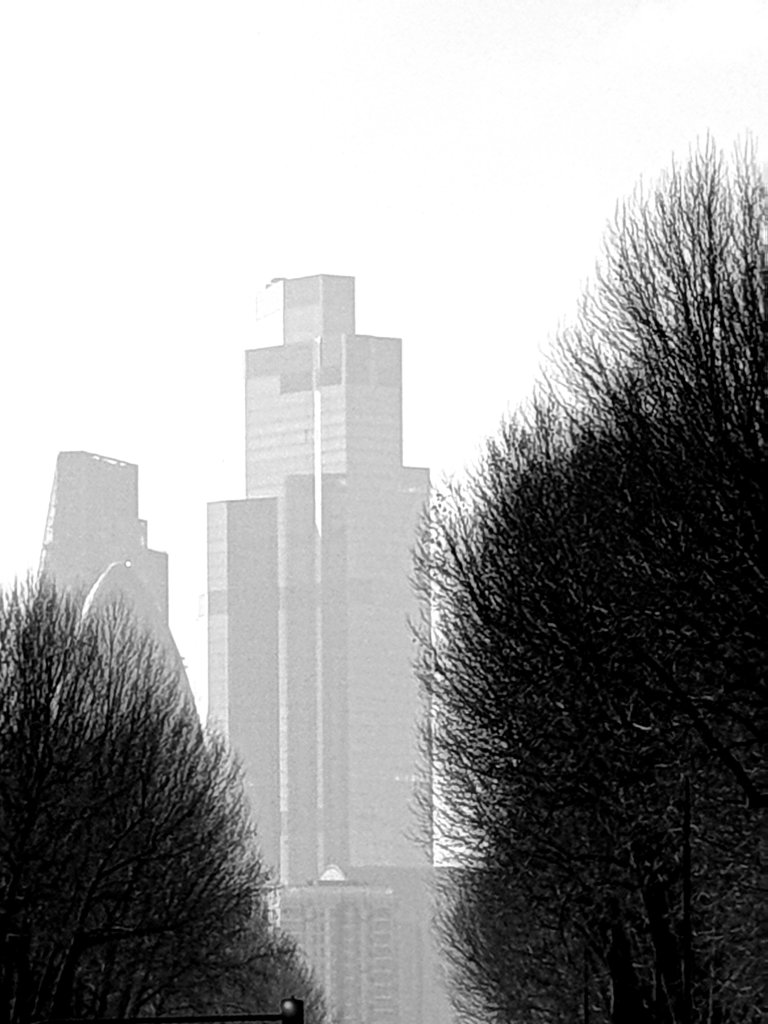
From further away:-
And up close:-
Hackney Downs
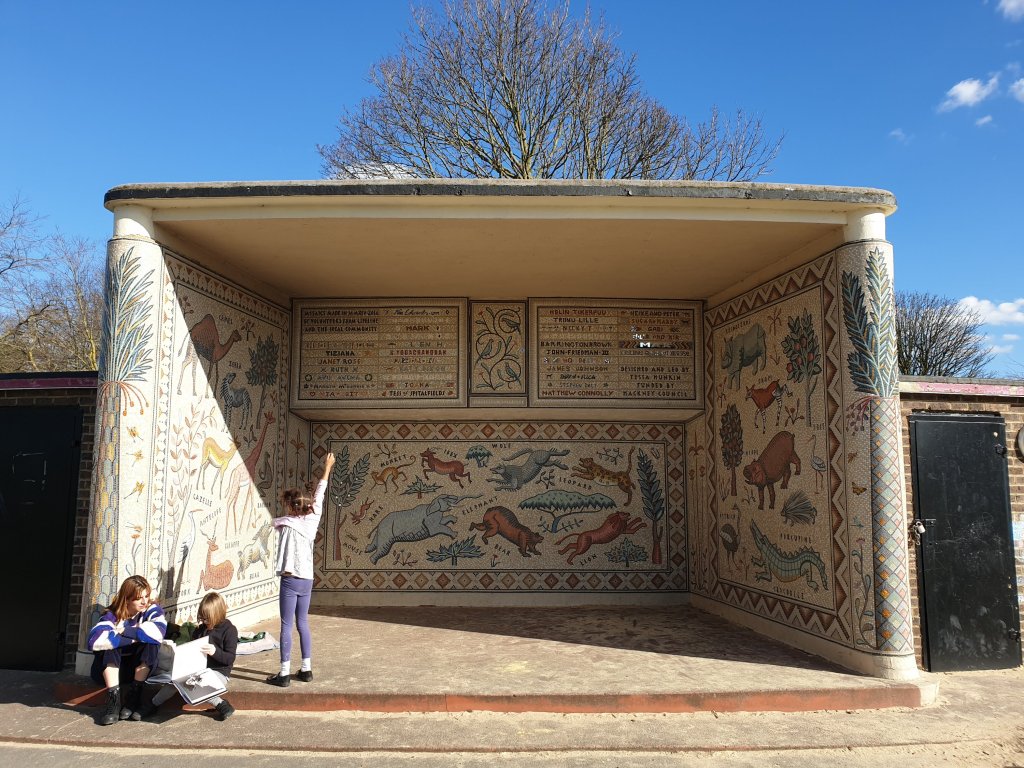
We went to see the wonderful mosaics in the children’s playground in Hackney Downs, done by Tessa Hunkin and her big team of helpers in the style of the Roman mosaics of Jordan:-
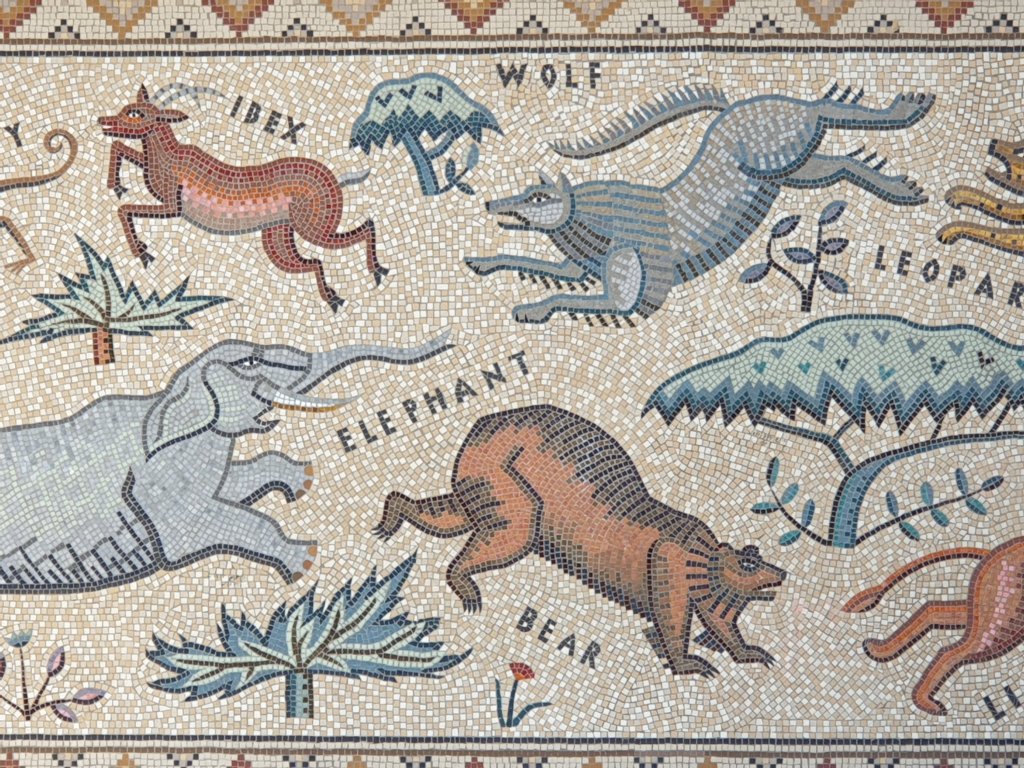
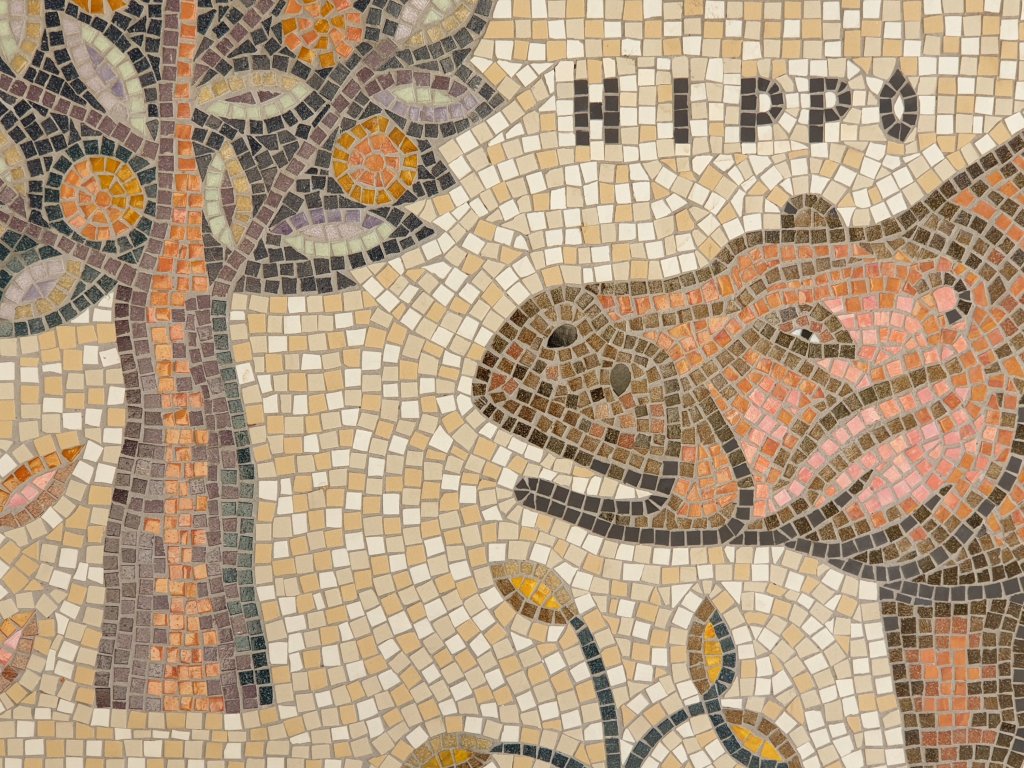
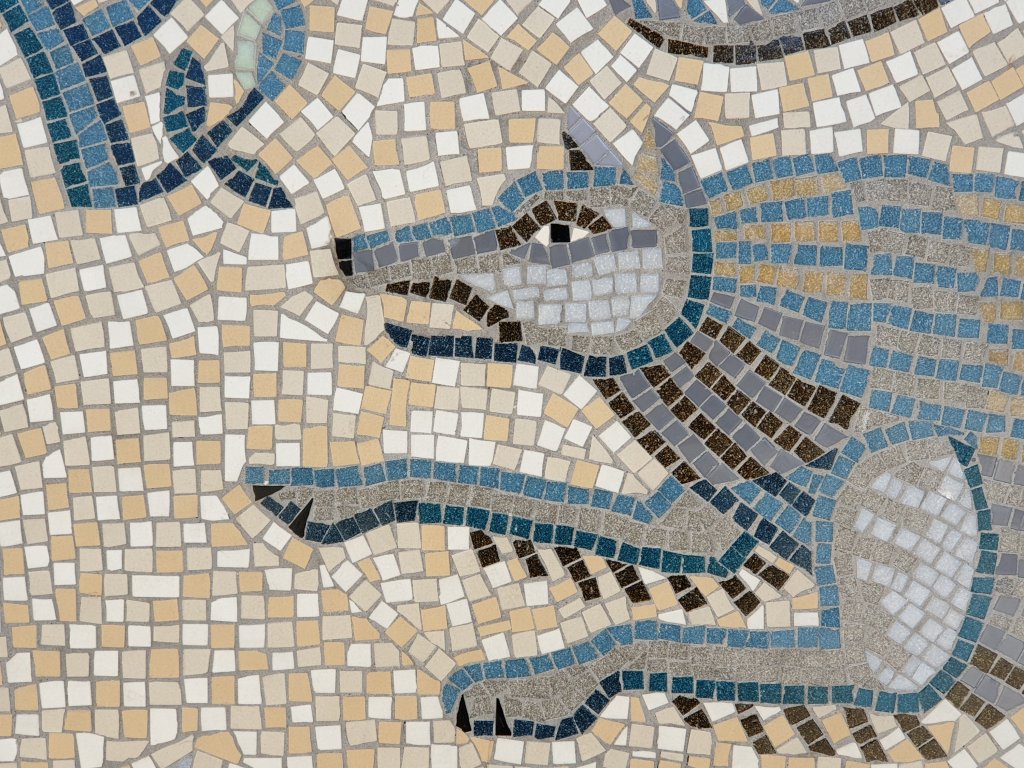
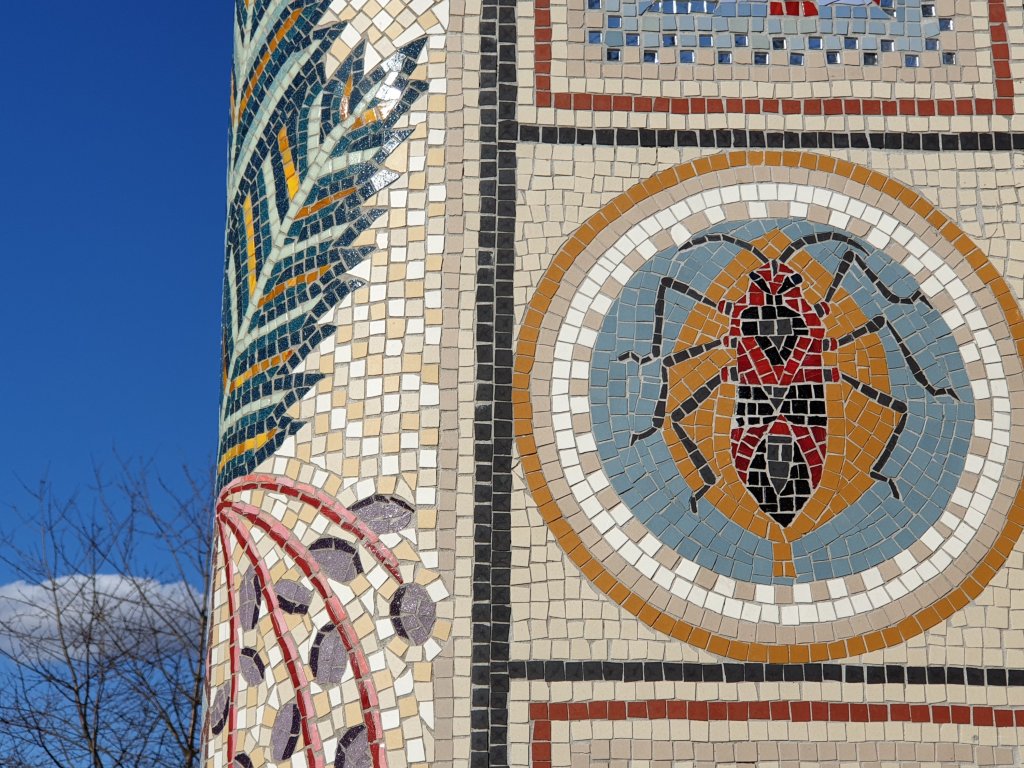
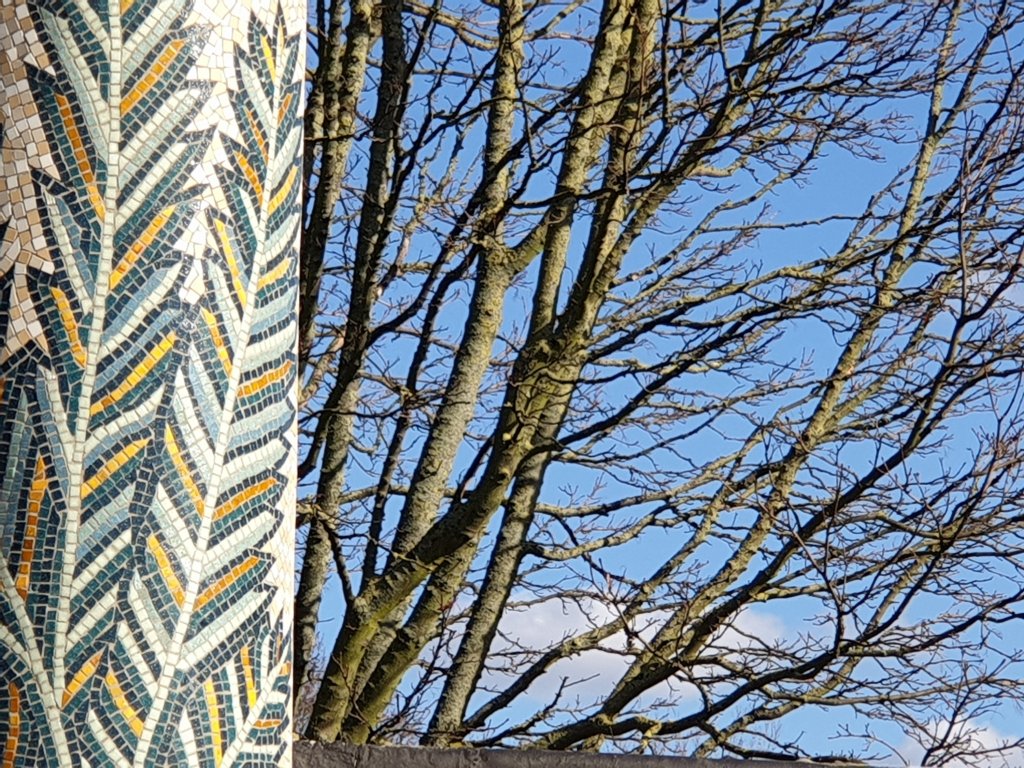
Nearby are the Hounds of Hackney:-
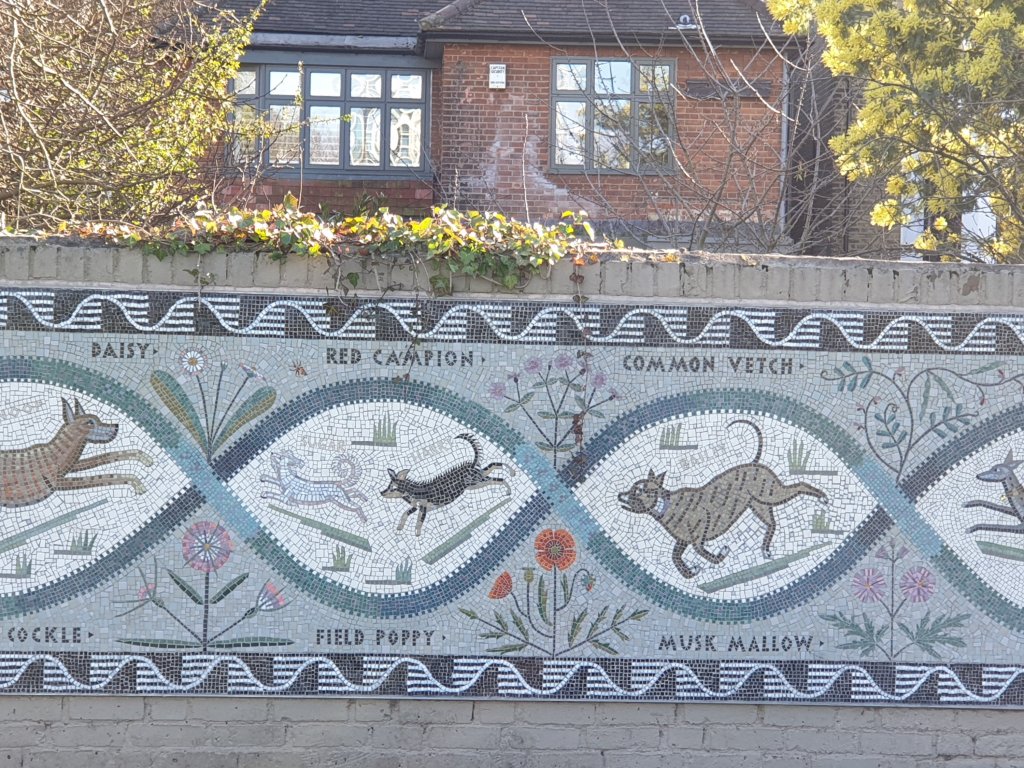
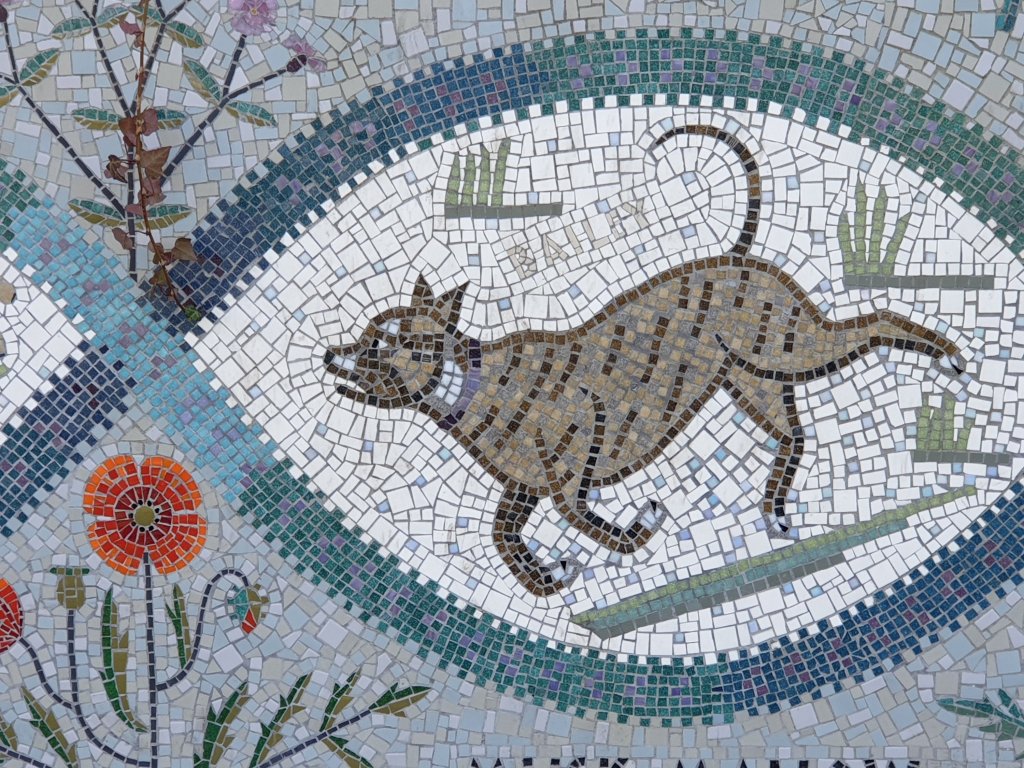
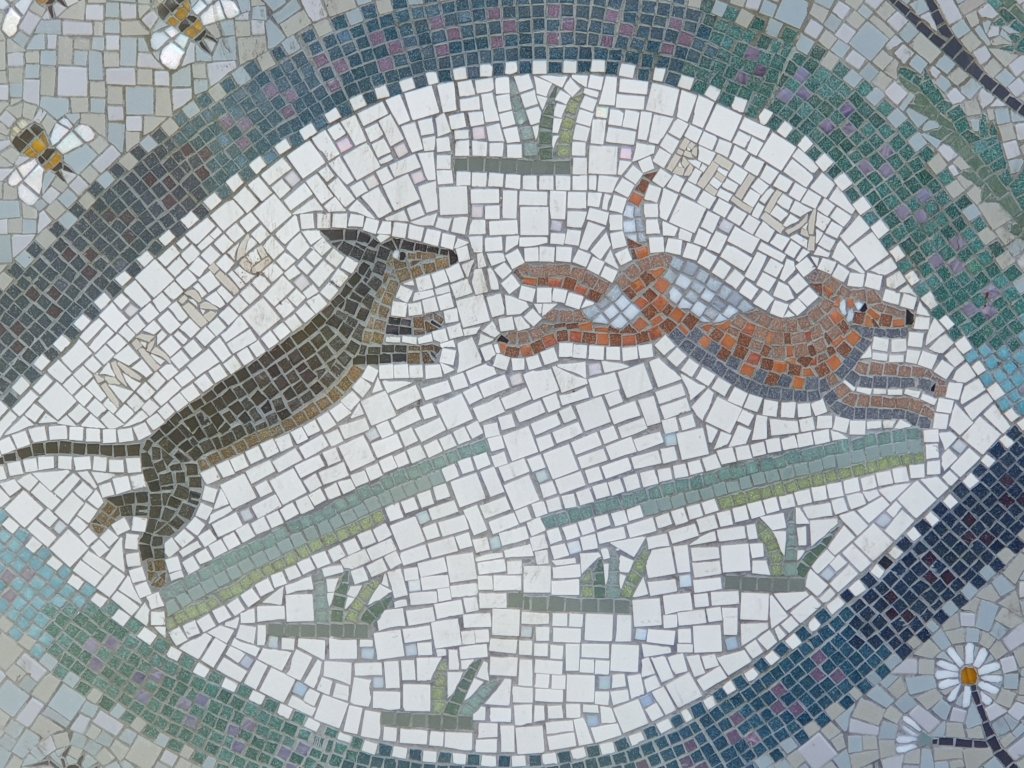
And tea at Brunswick House. It felt nearly like normal life.
The Society of Antiquaries
While I was at the Royal Academy, I was always very aware of the benefits of having a 999-year lease, while the other Learned Societies in the Burlington House courtyard were having to spend a disproportionate amount of their time and energies negotiating their leases from the Department of Communities and Local Government. This is an argument which seems to go round and round between the societies, the Treasury, and the department as their current landlord. Since the Society of Antiquaries, much more than any of the national museums, has devoted itself for over three centuries to the study and investigation of British history, maybe Oliver Dowden could devote some of his interest in British history to solving it by way of a private conversation with Robert Jenrick. A quick way to solve a real problem and win public applause.
https://thecritic.co.uk/issues/march-2021/putting-a-price-on-scholarship/
 | Charles | Saumarez | Smith |
You must be logged in to post a comment.