The Art of William Kent

A little while ago, I was asked by Andy Ellis, who runs ArtUK, if I would write something about William Kent as a painter, which I was pleased to do, because of his prominence, although somewhat disregarded, in painting a number of ceilings at Burlington House, and his close friendship and alliance with the third Earl.

Reading it again, I am not sure it makes a totally convincing case for his work, but at least it brings it to public attention.

https://artuk.org/discover/stories/remembering-the-art-of-william-kent

Standard

Leila’s Shop (1)

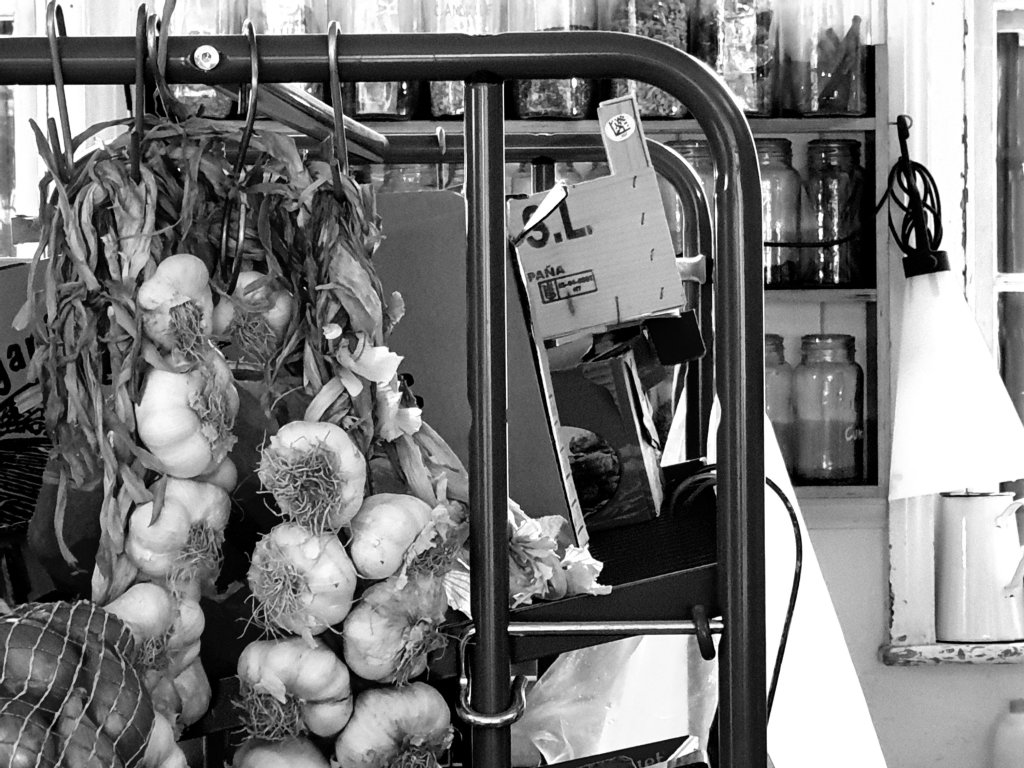
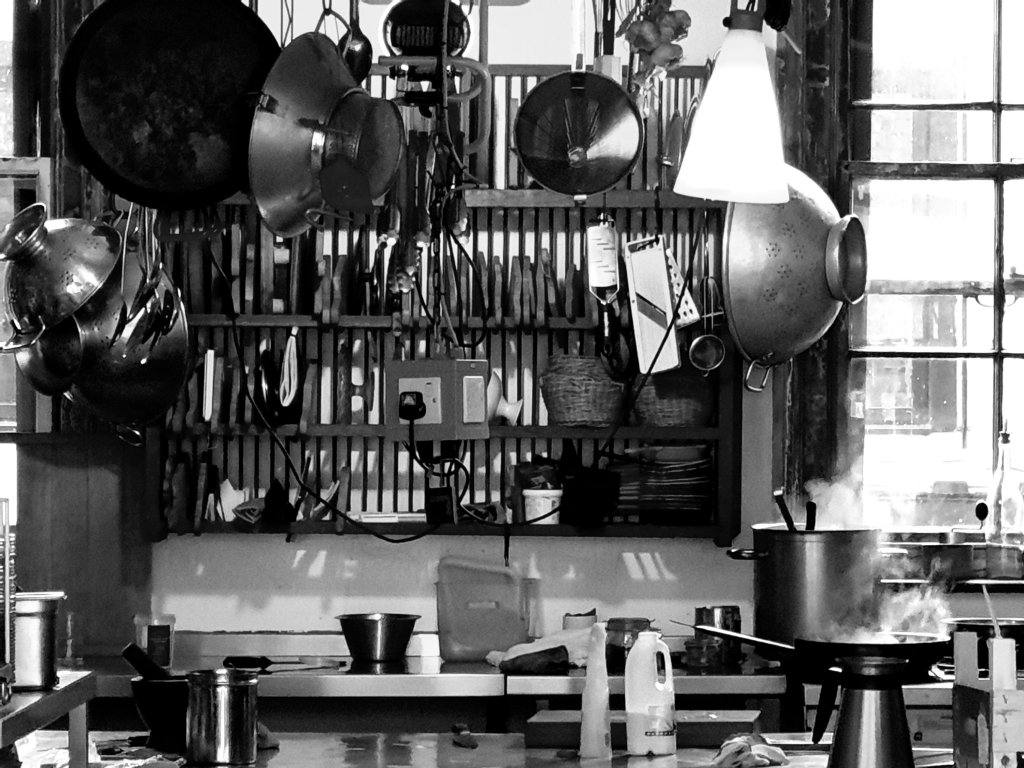
One of the signs of spring is that Leila’s lovely shop in Calvert Avenue is now open to the passing cyclist, instead of having to order in advance for collection later in the day. One person at a time. Hot cross buns are available. And Sally Clarke’s cheese biscuits. The most delicious Lancashire cheese. It feels like old times. And from Wednesday to Saturday, you can pick up hot lunch in a tiffin-tin:-

Standard

A Year of Coronavirus

I would not normally quote myself, but I was looking up something on my blog and was intrigued to read what I wrote a year ago yesterday:-

7 March 2020

In so far as my blog is a record of my routine preoccupations, which it half is, it would be odd not to make reference to the fact that the whole of the last week has been occupied by anxieties about the consequences of Coronavirus: from early in the week when it seemed odd and a bit discourteous not to shake hands and embrace to the end of the week when the best one could expect was a greeting elbow to elbow, when travelling on the underground meant standing stock still terrified of the first person who might sneeze, and even the Wolseley was half empty for breakfast. It is presumably sensible what we are all doing: making efforts to avoid crowded places; paying attention to the passage of germs; earnest hand washing to rid one of the taint of possible infection. But it is odd how a week can change everything.

8 March 2021

So, it has been a whole year of on and off lockdown, getting used to social isolation, not seeing people, listening to much more classical music, going out only to the local parks and shops. I don’t regard it as all bad – the need to slow down, not travelling, more time to think and reflect. Now, today, children are going back to school, spring is coming, one day we might be able to go back to Wales. More than anything, more than art galleries, I have missed a view of the mountains of Wales.

Standard

What to read in March

There’s plenty to read this month, not just my book, but also Paul Greenhalgh’s long awaited book on Ceramic, published by Bloomsbury, and Robin Muir on Lee Miller:-

https://theartssociety.org/arts-news-features/best-new-books-enjoy-march

Standard

A conversation about museums

On Friday afternoon, I had a psychologically intense and probing conversation about the current state of museums with Max Anderson, who, like me, ran several – the Art Gallery of Ontario, the Whitney Museum, the Indianapolis Museum and the Dallas Museum of Art. He now runs a weekly podcast out of his office in New York called Art Scoping in which he picks someone to have a wide-ranging discussion. So, this week, we talk about museums, how they’re changing, why they’re changing and whether or not it’s a good thing, including reference along the way to Oliver Dowden and the government’s desire to control museums and whether or not museum directors should still be art historians. It’s the first time I’ve talked at any length about my book. It’s half an hour.

http://www.maxwellanderson.com/artscoping/2021/3/5/episode-50-charles-saumarez-smith

Standard

Whitechapel Bell Foundry (72)

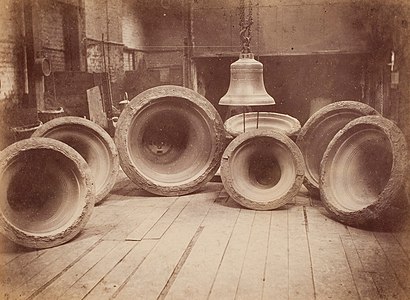
While I’m back on the subject of the Whitechapel Bell Foundry, I listened to a very good talk last week about how immensely important the Bell Foundry was to the casting of Big Ben. I had not known that the first version of the bell was cast not in London, but in Stockton-on-Tees, by a foundry called John Warner & Sons, But while their bell was being tested in New Palace Yard, it cracked beyond repair and so was melted down. So, a second version of the Great Bell was cast in Whitechapel, instead, taken on a trolley to Westminster, surrounded by cheering crowds, and then hauled up to the top of its tower in the Palace of Westminster, whereupon it too cracked, but luckily not irreparably. So, its particular sonorousness, which rings out everyday on the BBC News is a product of the craft skills of Whitechapel

Big Ben will ring out again later this year. I hope and pray that it will celebrate the restoration of the Whitechapel Bell Foundry as a British-run working Foundry, not as an American-owned luxury boutique hotel.

Standard

Whitechapel Bell Foundry (71)

After a long period of silence from the Secretary of State as to whether or not he will endorse the recommendation of his Planning Inspector and, as most people fervently hope, overturn the approval given by Tower Hamlets in a meeting of seven people to the wrecking of the Bell Foundry, a very disingenuous photograph has appeared in the business section of the Sunday Telegraph of HRH The Prince of Wales ringing one of the bells at Whitechapel with a caption which subtly implies, but does not state, that he might be in support of the destruction of the Bell Foundry.

I regard this as unlikely. He and his mother were great supporters of the Bell Foundry and visited it when it was in the fourth generation of the Hughes family and run as a family business, preserving long-established craft traditions. I cannot imagine that they are overjoyed that the Hughes then sold the business to a New York venture capitalist. Nor do I think the Sunday Telegraph should be lending its support to the recommendations of a notoriously corrupt Labour Council.

Please stand firm, Secretary of State, and allow the Bell Foundry to survive, and not as a hotel.

https://digitaleditions.telegraph.co.uk/data/531/reader/reader.html?#!preferred/0/package/531/pub/531/page/103/article/149023

Standard

Van Gogh’s Sunflowers

I’m interested in Martin Bailey’s blog post (see below) about the Sunflowers not because it reveals the Prime Minister’s enthusiasm for Van Gogh, but because the painting was acquired as a result of special pleading by Jim Ede, then an incredibly junior curator at the Tate, only just out of the Slade, on behalf of the National Gallery aka The National Gallery of British Art, and that Charles Aitken described himself as Director of the National Gallery tout seul, without apparent reference to Charles Holmes, the Director of the National Gallery in Trafalgar Square. It shows how symbiotic the two institutions were, and intriguing that such a young curator should have been so successful in acquiring it, when the tastes of the National Gallery in Trafalgar Square were still very conservative.

https://www.theartnewspaper.com/blog/sunflowers-exhibition-australia

Standard

Issues in the Architecture of Art Museums

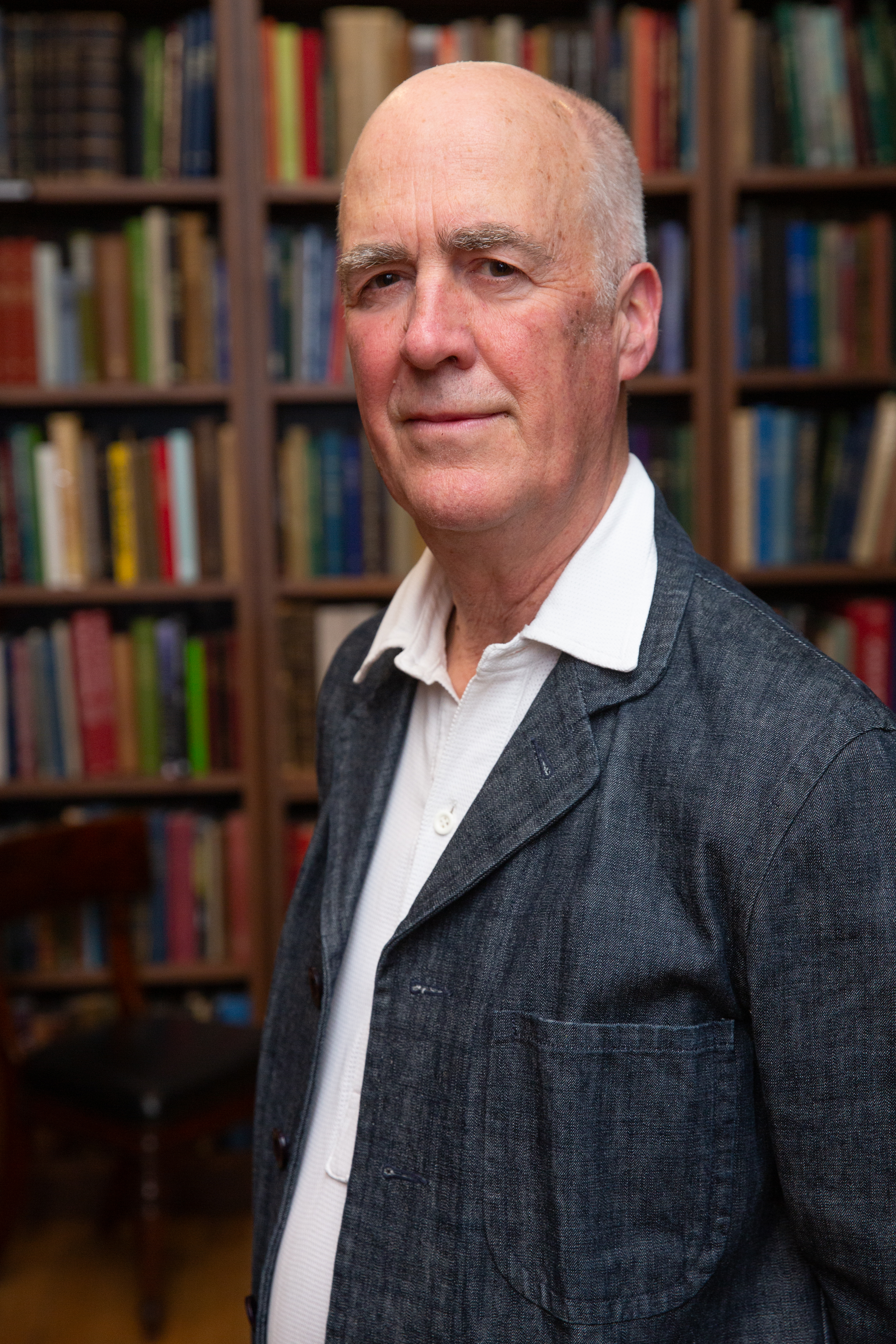
I’m afraid that readers of my blog are going to have to suffer a month of heavy-duty promotion for my museums book (The Art Museum in Modern Times available from all good bookshops, including John Sandoe), partly because of the amount of interest there seems to be in the fate of museums post-COVID, including at my alma mater, the V&A, and partly because the pistol seems to have been fired on advance publicity, even though the book doesn’t formally appear till March 25th.

There can, of course, be no physical book launch, but I am doing a long planned seminar paper for the Cambridge Architectural History seminar, which is open to anyone, under the title ‘Issues in the Architecture of Art Museums’. To join it, you will need to pre-register here:-

https://us02web.zoom.us/webinar/register/WN_3cZNPTISTHCpTFdXcU8SpQ 

The talk will be about some of the issues that I had to deal with in writing about the history of museums and their architecture over the last eighty years or so, since the opening of the Museum of Modern Art in its new building in 1939. I will be focussing not so much on the issues of museology – how attitudes to the display of art have changed over the period – but more about the problems of writing architectural history in the modern period, the frequent lack of good source material in spite of digitisation, the problems of the secondary literature, which is often published by the institutions concerned, so is seldom critical. I will be using the talk not so much as a presentation of the individual case studies, but more as a way of testing its thematic conclusions which I wrote after completing the book.

For any questions please contact the convenor, Jana Schuster: jana.c.schuster@gmail.com 

https://johnsandoe.com/product/the-art-museum-in-modern-times/
Standard

My Life at and after the Warburg

Some time ago, I was asked to record thoughts on my life after the Warburg in which I was able to describe my indebtedness to it as an institution, including, most especially, Joe Trapp and my supervisor, Michael Baxandall, neither of whom encouraged me to write like Edith Wharton (see previous blog). Both look a bit grim in their photographs, but they weren’t.

https://warburg.blogs.sas.ac.uk/2021/03/03/charles-saumarez-smith/

Standard