Today’s post about the Bell Foundry is one of the more unusual, but demonstrates the cultural reach and resonance of what is happening. It’s an episode of a programme called Celine’s Salon on Soho Radio in which Celine Hispiche, the host of the programme, sings a song of lament about the possibility that the Foundry might be destroyed. I found it unexpectedly moving that the ideas and issues which we have been struggling to get over should now have gone so mainstream in popular culture and she speaks very well about the issues as well as singing her lament.
It is the second item on her programme from three days ago, so you have to scroll through the first nineteen minutes. I recommend it:-
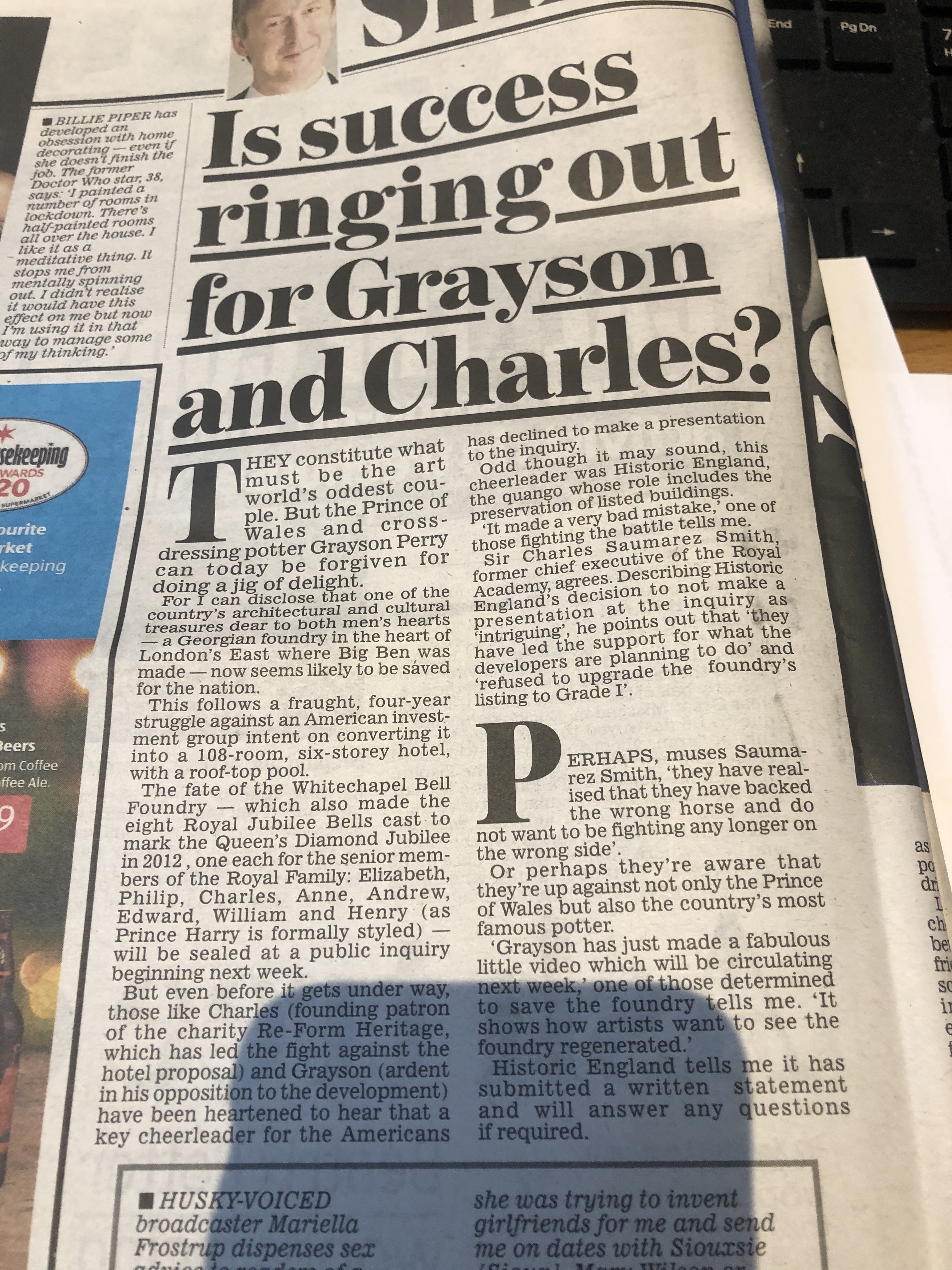
We’re moving in to the final stages of our fight to save the Whitechapel Bell Foundry after nearly four years of discussion and debate. Historic England have decided not to appear at the Inquiry. This is intriguing. They have led the support for what the developers are planning to do, they refused to upgrade the listing to Grade 1, they paid no attention to the fact that John Summerson recognised the historic importance of the Foundry in the first edition of Georgian London, published in 1945. Maybe they have realised that they have backed the wrong horse and do not want to be fighting any longer on the wrong side. Maybe it has dawned on them that treating the building only in terms of its building fabric and not in terms of what happened inside was the wrong approach. Whatever the views at Historic England’s headquarters, the public body which has supported the destruction of the bell foundry has withdrawn, leaving Tower Hamlets vulnerable to the view that they, too, have failed to recognise one the greatest heritage assets in the borough, complacently allowing commercial interests to win over local and community value. I hope you will all be watching and praying when the Public Inquiry opens on Tuesday that the Inspector will see that the wrong decision was made by Tower Hamlets Planning Committee and that it is right that that decision should be overturned.
We went to the British Museum today – partly out of a straightforward desire to see it and partly to catch up on its new display strategies. To judge from some of the newspapers, it has had an attack of the utmost wokeness, but we went through the Egyptian and Greek galleries and were disappointed to discover that the labelling was exactly as it was before: indeed, perhaps unchanged since the early 1980s, with no additional information that we could find about the circumstances of the objects’ acquisition, whether through plunder, purchase or archaeological digs, all of which would add to their interest. We missed the African galleries to have lunch, so the only change we detected was a display case of the utmost tastefulness in the Enlightenment gallery which acknowledges the extent to which Hans Sloane, the founder of the British Museum, was a beneficiary of slavery during the time that he was physician to the Governor of Jamaica, invested in the Africa Company, and married Elizabeth Langley Rose, a plantation owner. It felt like a wholly legitimate adjustment of the historical narrative, not exactly dethroning him from his centrality in any account of the British Museum, but acknowledging that, like so many of his generation, he was complicit, both actively through his investments, and passively through his time spent in Jamaica, with the slave trade. I suspect that many of those who have expressed outrage have not seen how it has been done:-
This is much the clearest account I’ve read of the current risks in the spread of Covid-19. The thing I find particularly odd having recently endured Self-isolation myself is that you can only be tested if you have the symptoms already, whereas it seems obvious that the only way to identify the spread of contagion and prevent it is to test those who think they might have it and have had contact with someone who has, get the test and results really fast, without having to drive to John O’Groats, and then get those people to self-isolate, not have to wait until one already knows, and shows the symptoms, that one has it:-
The attached post in Spitalfields Life is, as always, a very helpful summary of the state-of-play surrounding the forthcoming Public Inquiry. I think and hope that if you have submitted evidence in the past, it is not necessary to do so again. If you have not, please do.
I am assuming that the Inquiry will revolve round the legitimacy of Tower Hamlets allowing change-of-use from a bell foundry to a boutique hotel. Since no efforts whatsoever were made to keep it as a bell foundry, the foreman, Nigel Taylor, proposed a management buyout and Factum Foundation, an existing foundry, have a well-developed business plan to keep it as a Foundry, I can see no possible legal justification for permitting change-of-use.
We went to the Horniman, which feels psychologically a long way away, although not as the crow flies. I was interested to see its display policy, given that its combination of anthropology and evolutionary natural history is so wildly unfashionable. I thought it was handled well, making it obvious the extent to which its origins lie in Horniman’s wide-ranging interests as a tea planter, but emphasising the benefits of his internationalism and including contemporary works, like an I-phone. The displays were done by Ralph Appelbaum Associates, who also did the Weltmuseum in Vienna.
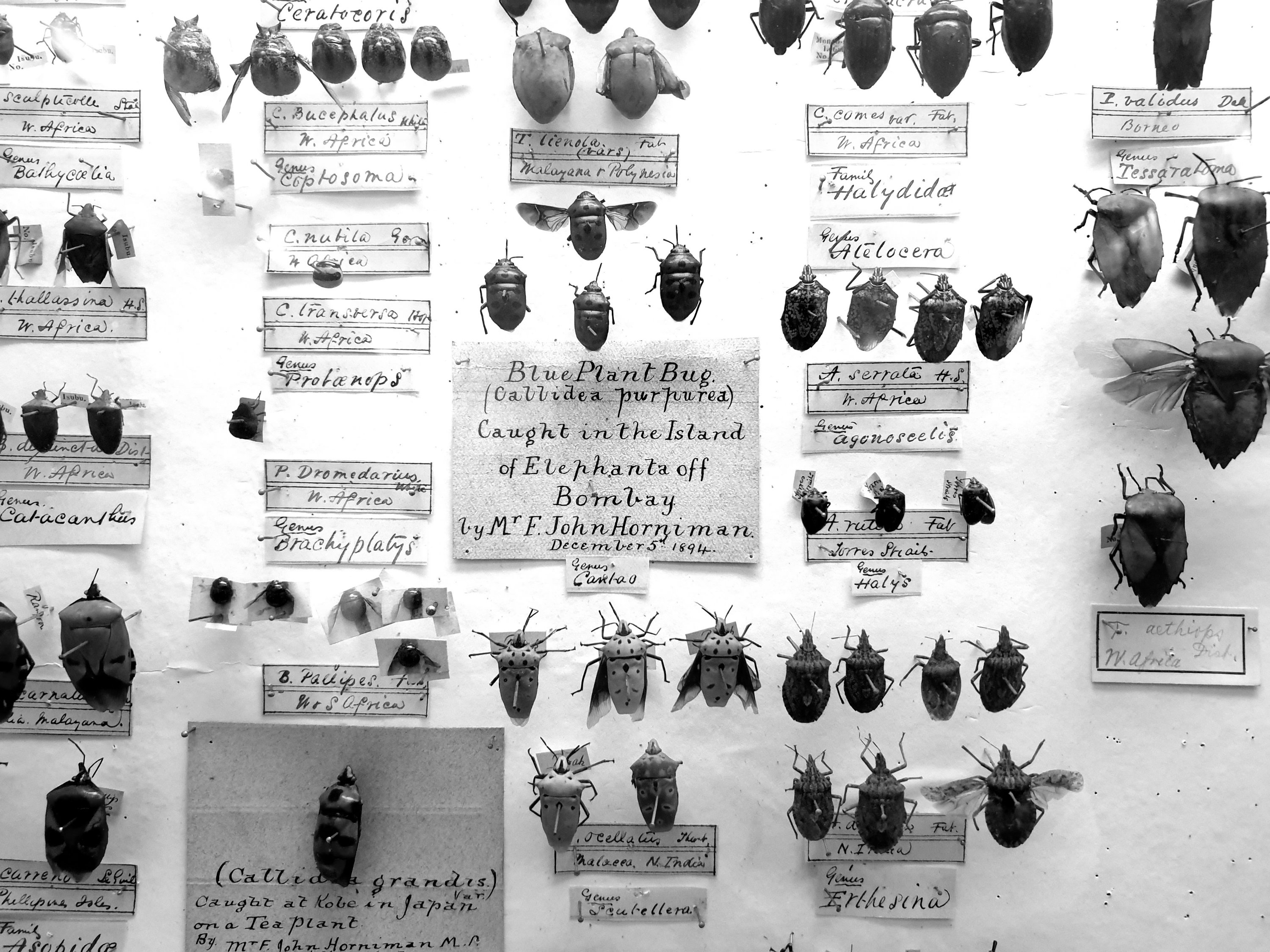
It begins with a display of Horniman’s beetles, which perfectly conveys his taxonomic interests:-
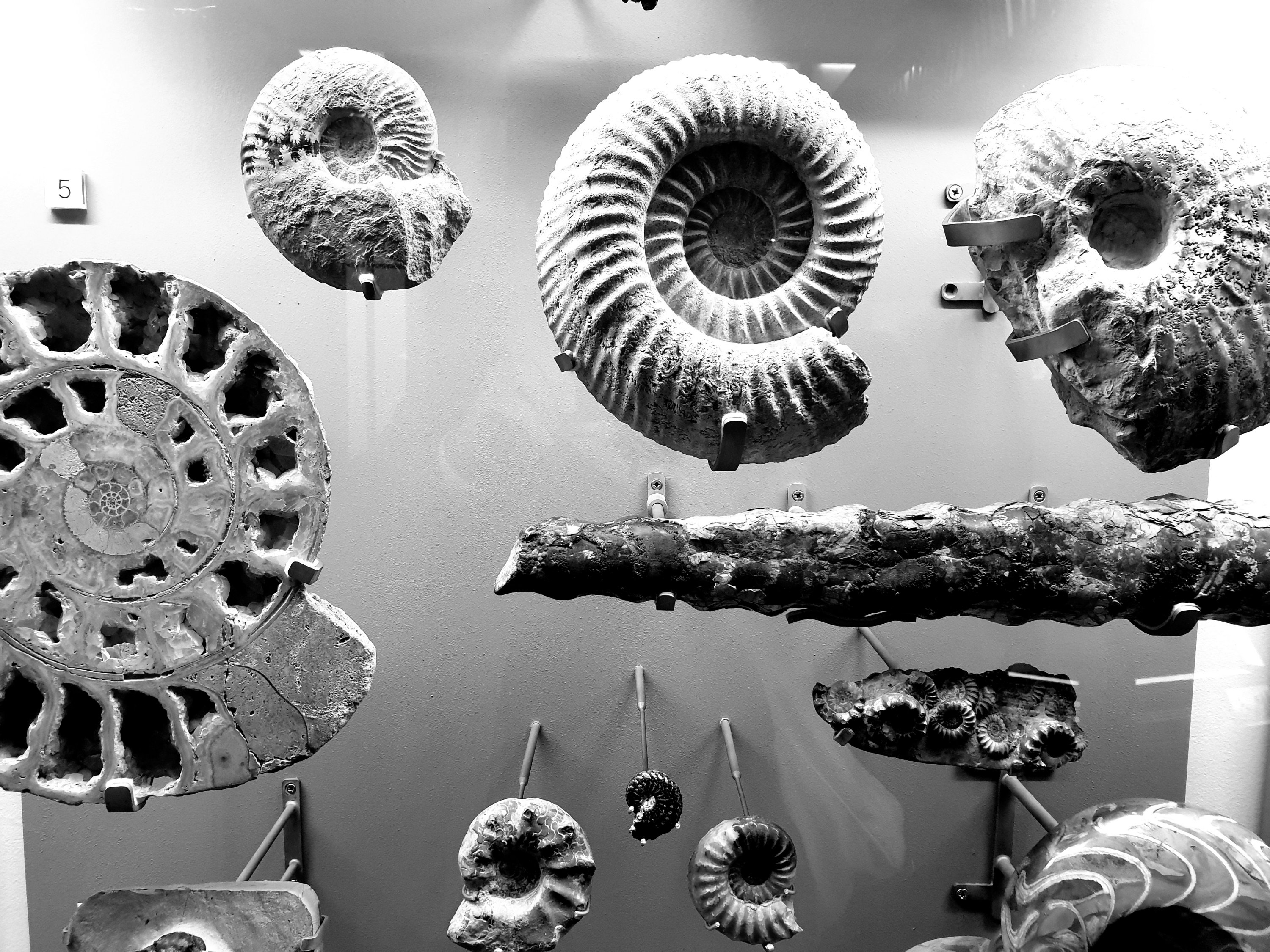
Ammonites:-
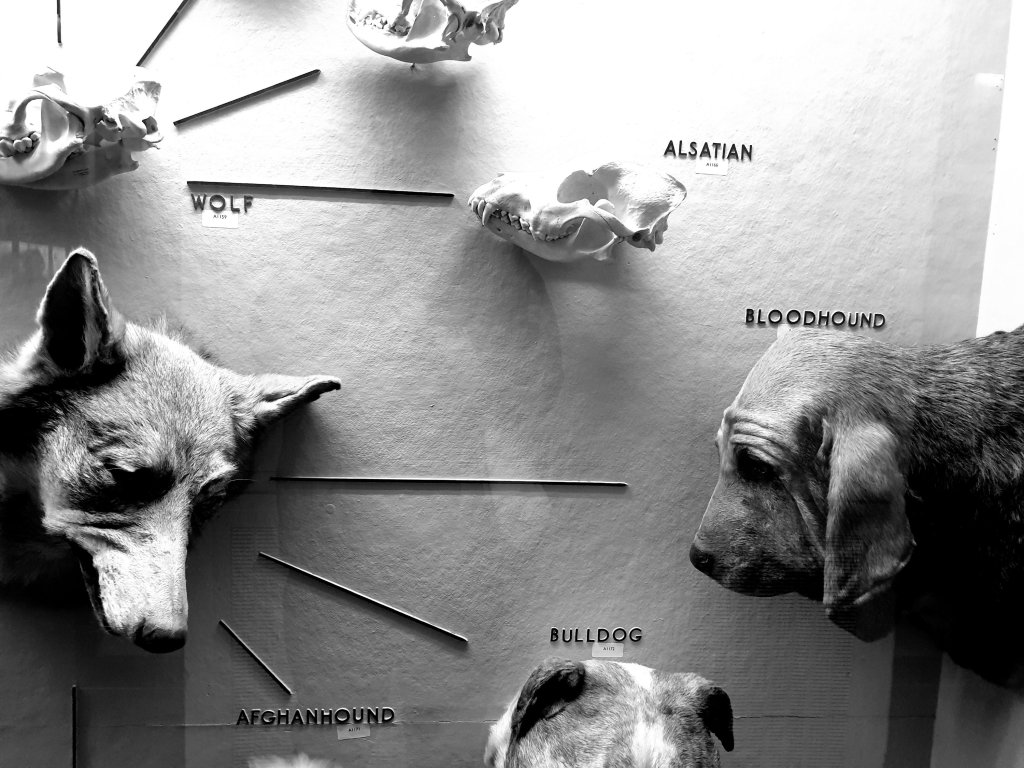
I liked this wolf eyeing up a bloodhound:-
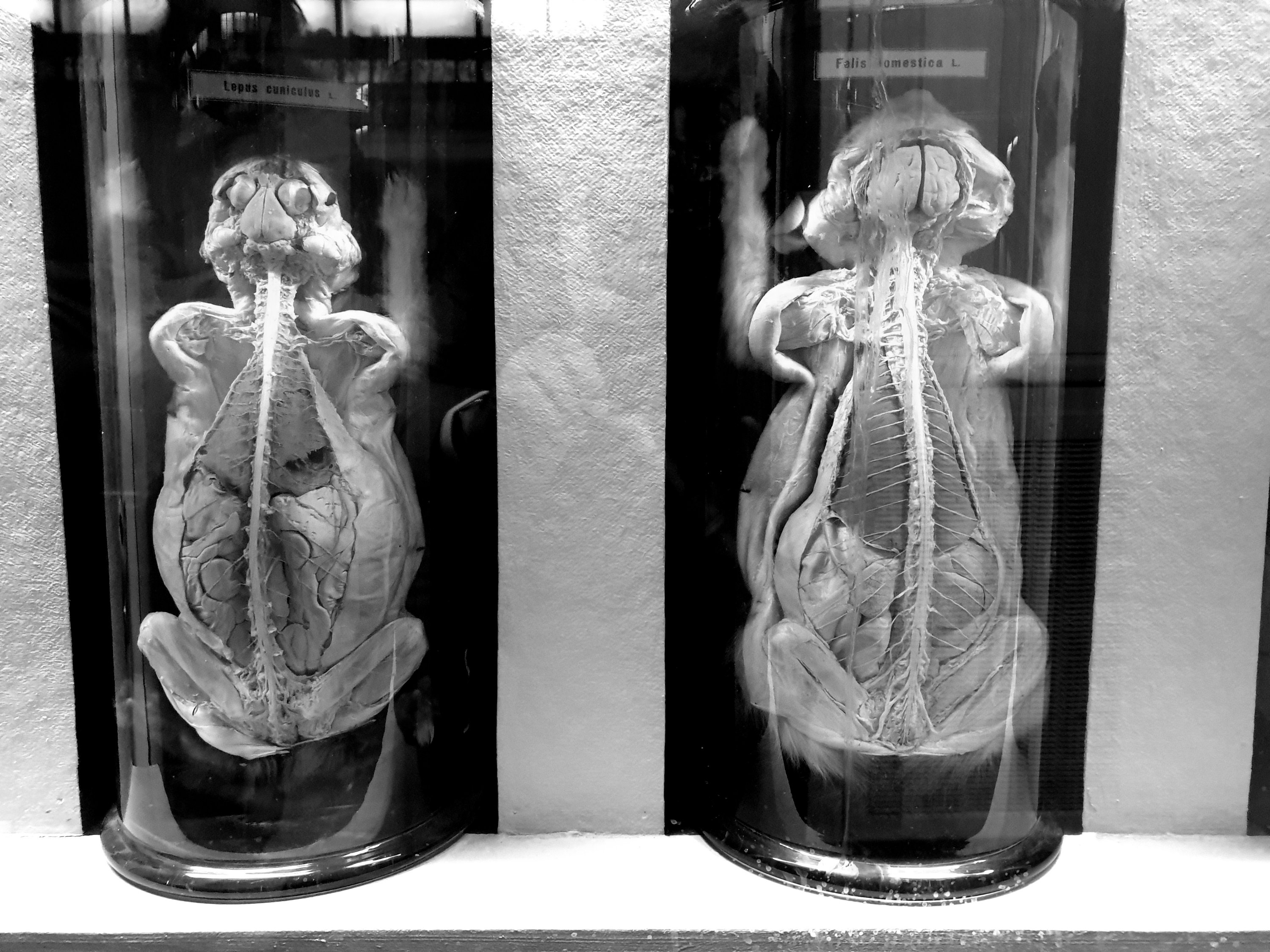
I can’t remember what these were (the nervous system of a cat ?):-
Guanaco hoof collar:-
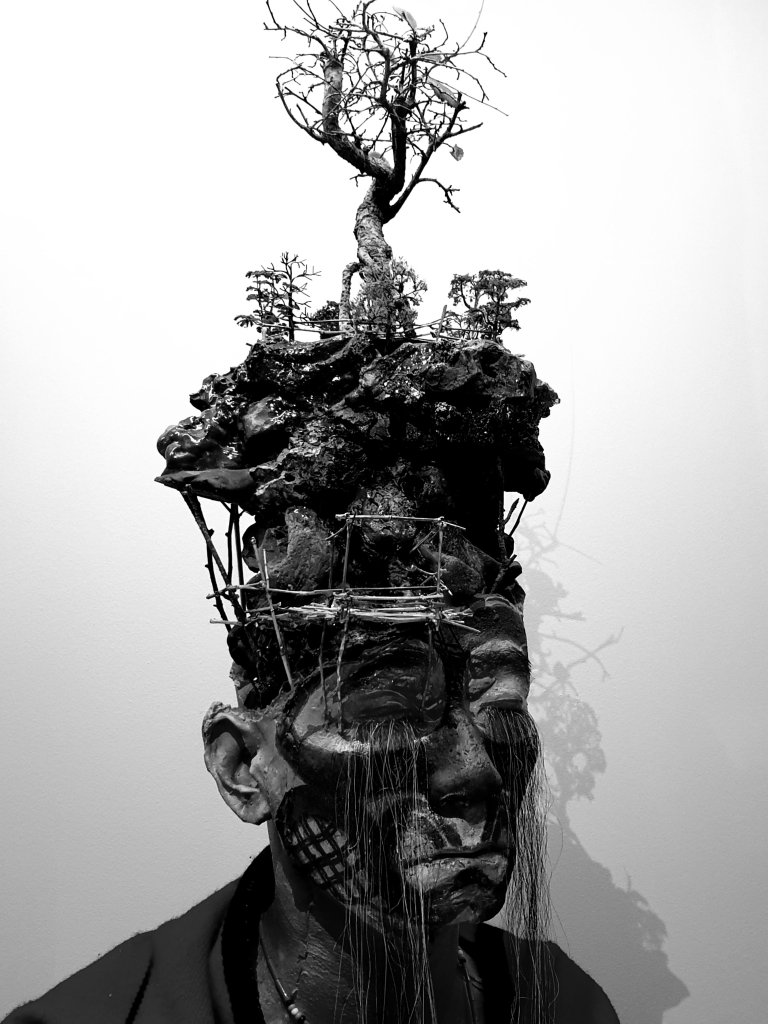
Tattooed Memory by Temsuyanger Longkumer:-
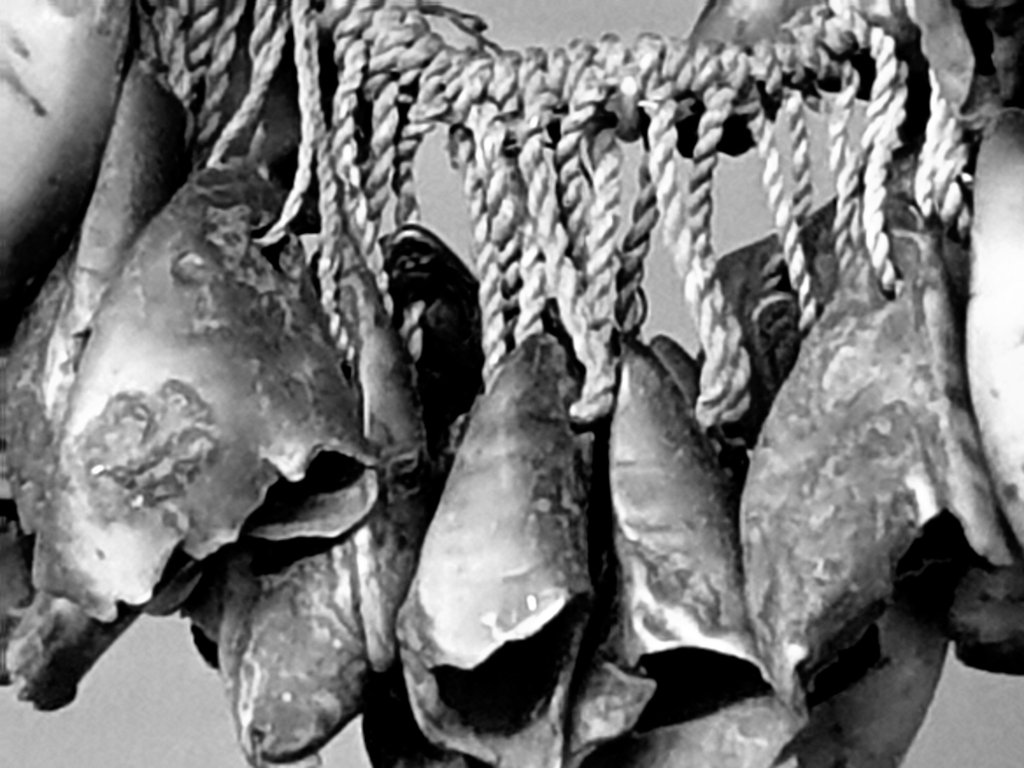
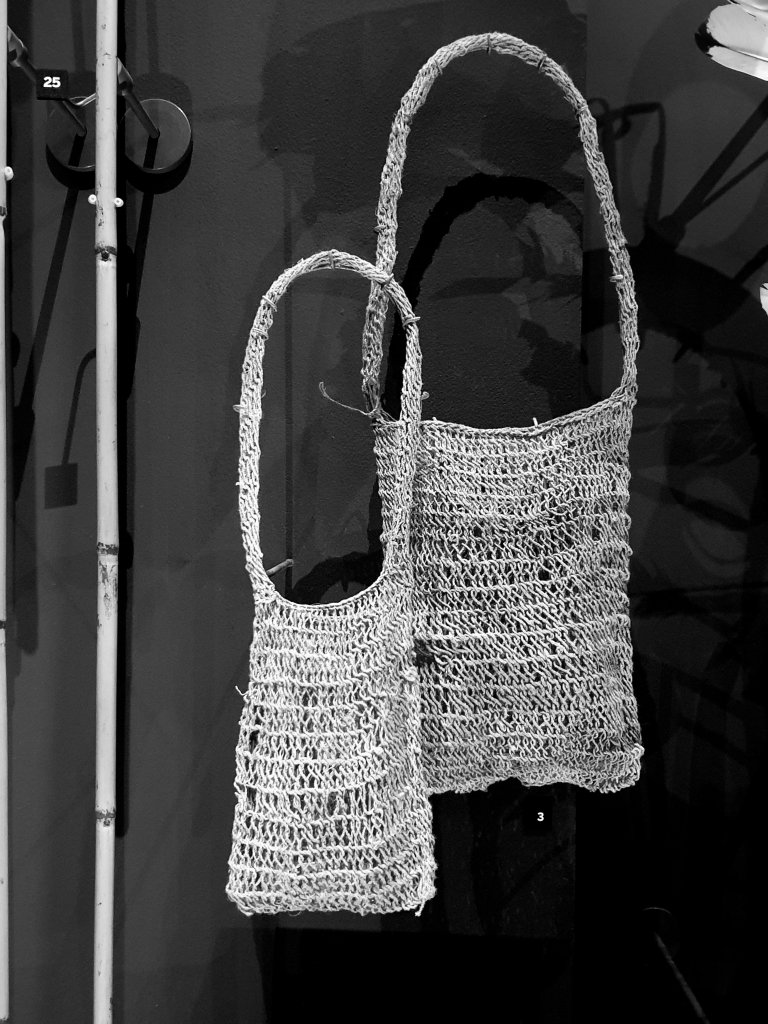
Net bags from Oceania:-
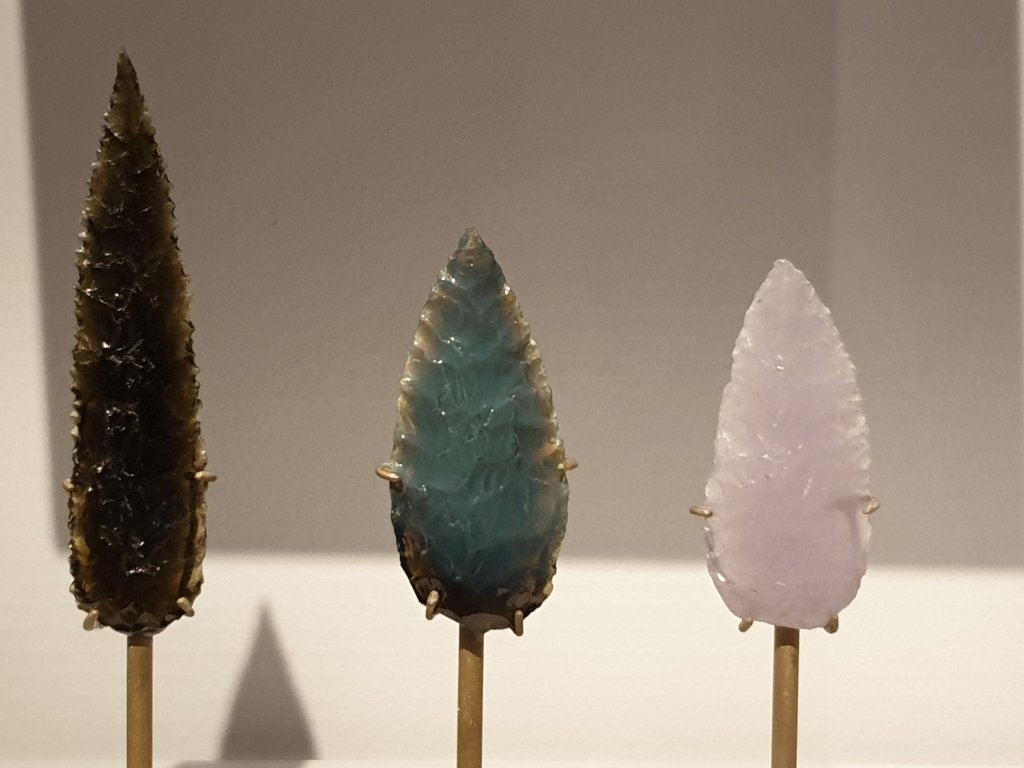
Glass spearheads:-
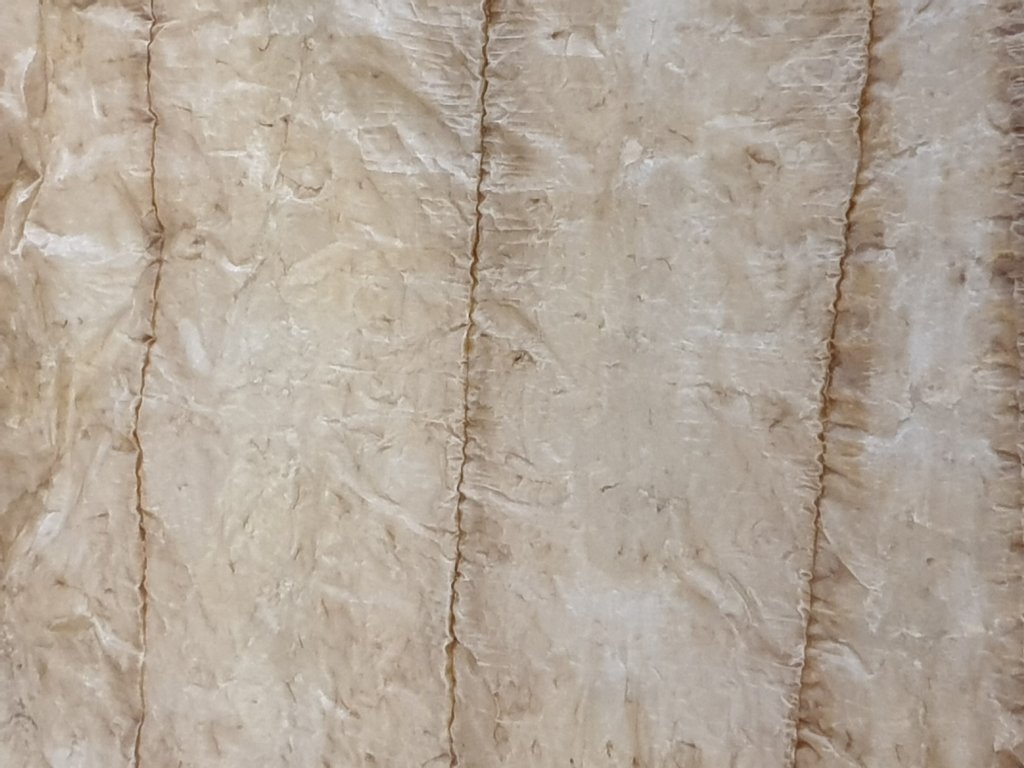
A gut parka:-
A kayak model:-
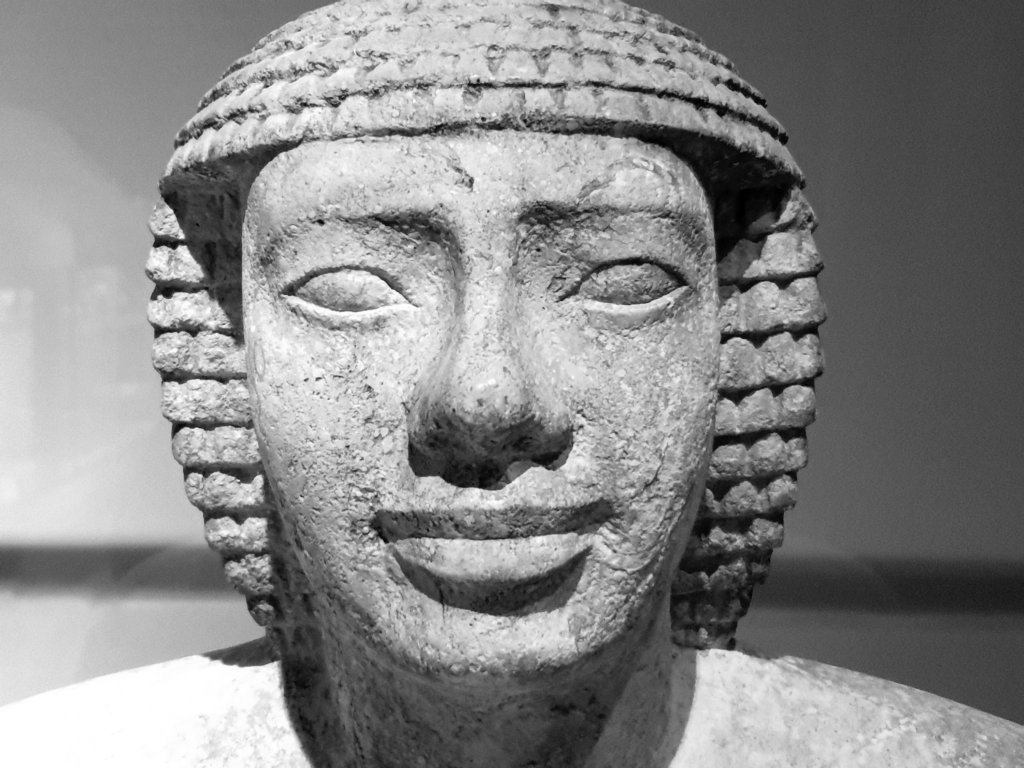
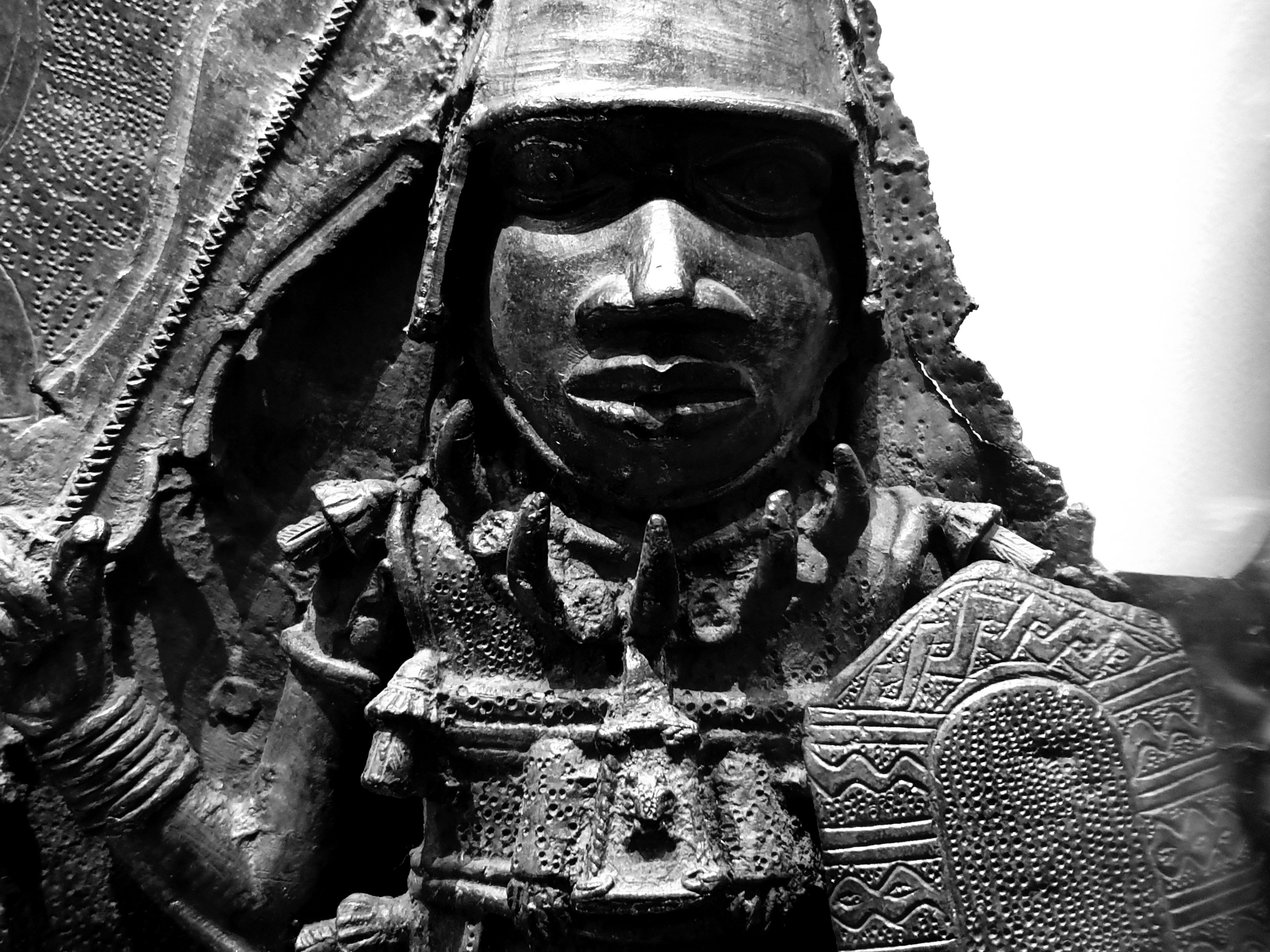
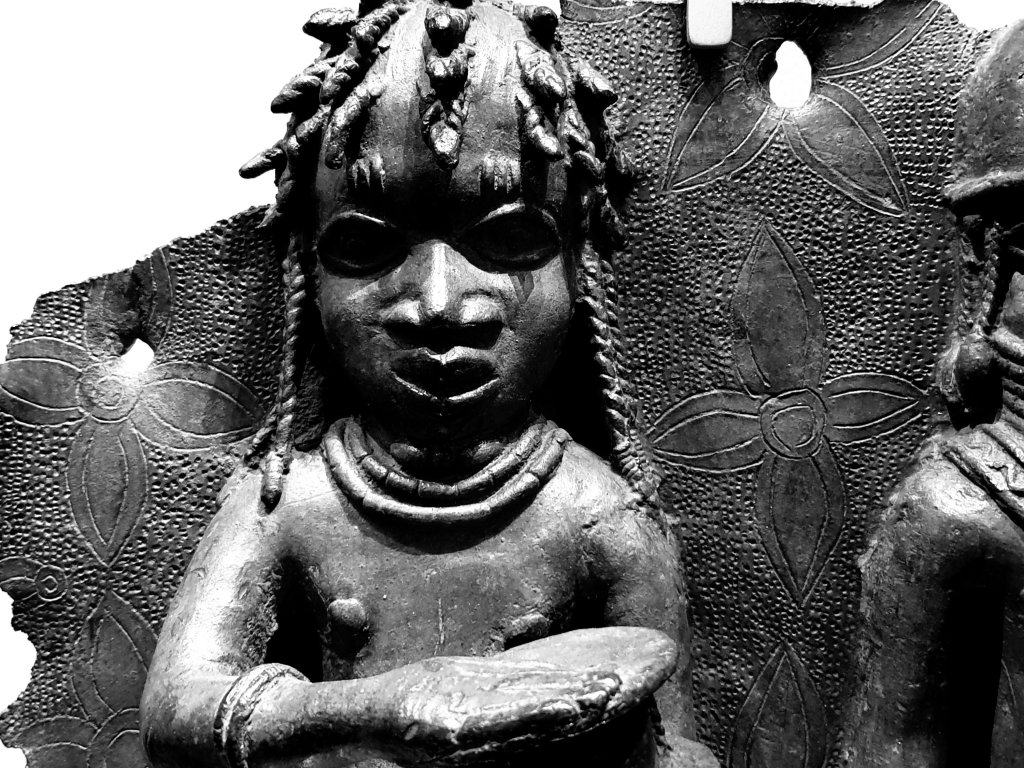
Agban, the deputy commander in chief of the Benin army:-
One more thing (well, I’m sure there will be others).
I have omitted to mention that Raycliff are employing an American company called the Major Food Group to put in a themed restaurant on the ground floor of the Bell Foundry. This is what they describe as ‘saving’ it. The Major Food Group are best known in New York for turning the historic Four Seasons Restaurant in the Seagram Building into a ‘themed’ restaurant called The Pool. Phyllis Lambert, daughter of Samuel Bronfman who founded the Seagram Company, said that the changes the Major Food Group proposed to the Seagram Building would ‘do irreparable damage’. Edgar Bronfman Jr., the former Chief Executive of the company said, ‘What is at stake here is whether ownership trumps preservation, whether deception triumphs over transparency and whether the wealth, power and influence of a building’s proprietors can trample both the fundamental integrity of an historic space and the commission created to protect and preserve such spaces’. An interesting choice of restaurant next to our local mosque and one which will doubtless receive the whole-hearted support of Historic England, who have so consistently applauded everything that Raycliff have proposed on the grounds of its great sensitivity.
Things are hotting up on the Whitechapel Bell Foundry front as the opening of the Inquiry approaches. Raycliff are using the resources of their considerable PR machine to distribute fake leaflets pretending that their plan is to ‘Save’ the Bell Foundry. It’s an odd form of salvation to demolish half of it, put a cafe/bar into most of the rest of it, and erect a towering hotel next door, but I suppose these are well known tactics in the media world.
Meanwhile, there is an interesting post on twitter which points out that there are already 15 hotels in E1, our postal district, including a large Travelodge which opened this week next door to us and a 280-room Hyatt Hotel right opposite the Bell Foundry on the Whitechapel Road. I presume that the legal arguments will revolve round whether or not it is legitimate to allow change of use. I would hope that Raycliff’ s expensive lawyers might find it difficult to argue that it is in the public interest to allow the ending of using the Bell Foundry as a foundry, an activity which is increasingly unusual, and converting it into a hotel when there are already over 1,000 hotel bedrooms available in just over a square mile.


 | Charles | Saumarez | Smith |
You must be logged in to post a comment.