The National Trust (2)

I was pleased to see Bendor Grosvenor’s piece about the planned changes in the National Trust (see below). He has obviously seen the internal review document which plans wide changes. I was particularly interested to read that the purpose is to ‘dial down’ the National Trust’s role as a ‘major national cultural institution’. Why, one might ask, should their marketing department be so keen to do this ?

They certainly seem to have chosen the best and most effective way of doing it. Maybe there will be a change of title soon, too, which will abolish those unhelpful words ‘National’ and ‘Trust’, both of which are now so clearly redundant.

https://www.theartnewspaper.com/comment/national-trust-restructuring-plan-job-cuts
Standard

The National Trust (1)

As I drove past the gates of Plas Newydd this morning and saw that its gates were firmly closed (I now discover owing to the storms), although the signs indicated very clearly that it was open, I couldn’t help but think about the news this morning that in future it plans to keep only twenty properties open, which is presumably very unlikely to include Plas Newydd with its Rex Whistler murals or Penrhyn Castle, which have both been good wet weather destinations for us over the years, let alone a host of other important historic properties from Berrington Hall in Herfordshire to Felbrigg in Norfolk.

I am, of course, aware that the move to take on responsibility for country houses is mainly post-war, owing to punitive taxation, and that in recent years, from Fiona Reynolds onwards, the National Trust has, for good reasons, re-emphasised its responsibilities towards landscape, the countryside and environmentalism. But only 20 ? Where does this leave its charitable responsibilities, its duties towards the owners from whom they took ownership on, and indeed their status as the primary national body responsible for the care, preservation and, most especially, access to, country houses ? Has its governing body, one wonders, discussed and agreed to this radical change ? And what are its over five million members going to think when it finds the gates to so many country houses closed as in the eighteenth century ?

Standard

The British Museum

Now that I have got deeper into John Tusa’s description of the role of trustees in his new book On Board: The Insider’s Guide to Surviving Life in the Boardroom, I have discovered that he provides a particularly fascinating textbook account of changes at the British Museum, which was at the time, and remains, one of the key places of management change over the last twenty years. John was a trustee from July 2000 to 2009, so was both a participant as Deputy Chairman and had a ringside seat. There is only one bit of it surprised me. It says the trustees debated the issue of charging for entry in March 1999. The chronology of this would have been odd, except as a threat to introduce them, as, although the incoming labour government had been keen on compulsory entrance charges, Geoffrey Robinson as Paymaster General had been convinced by the economic, let alone the political, arguments in favour of free admission, so by 1999 it had become an orthodoxy of government policy in national museums, not a heresy, as it thus far remains.

Standard

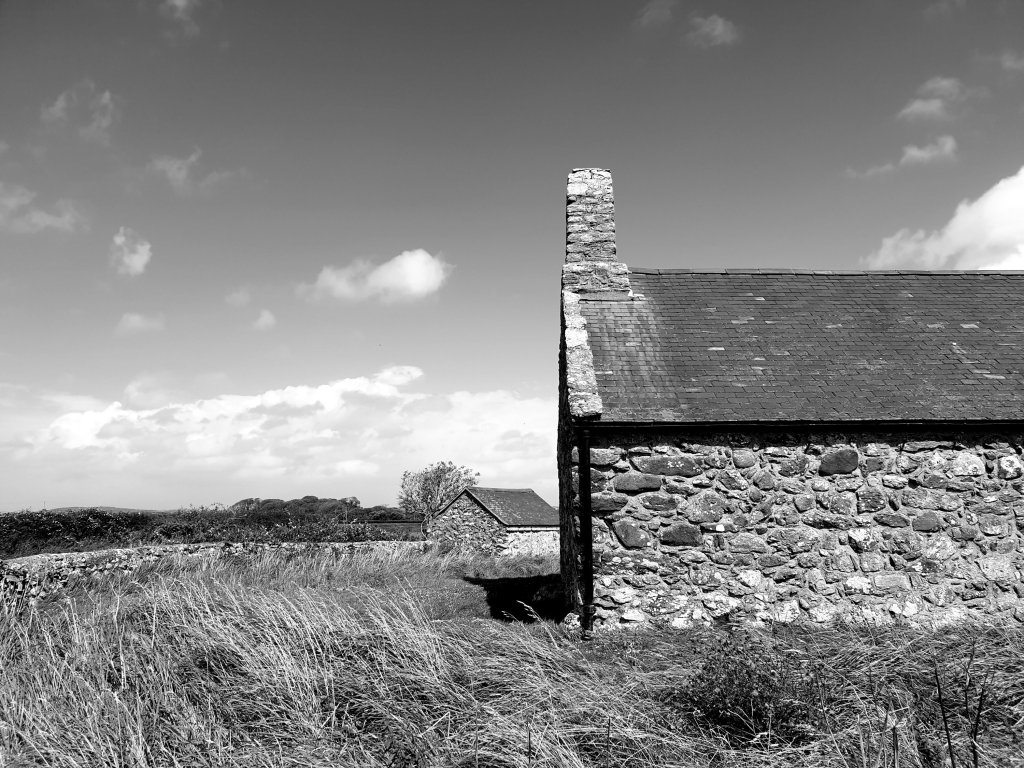
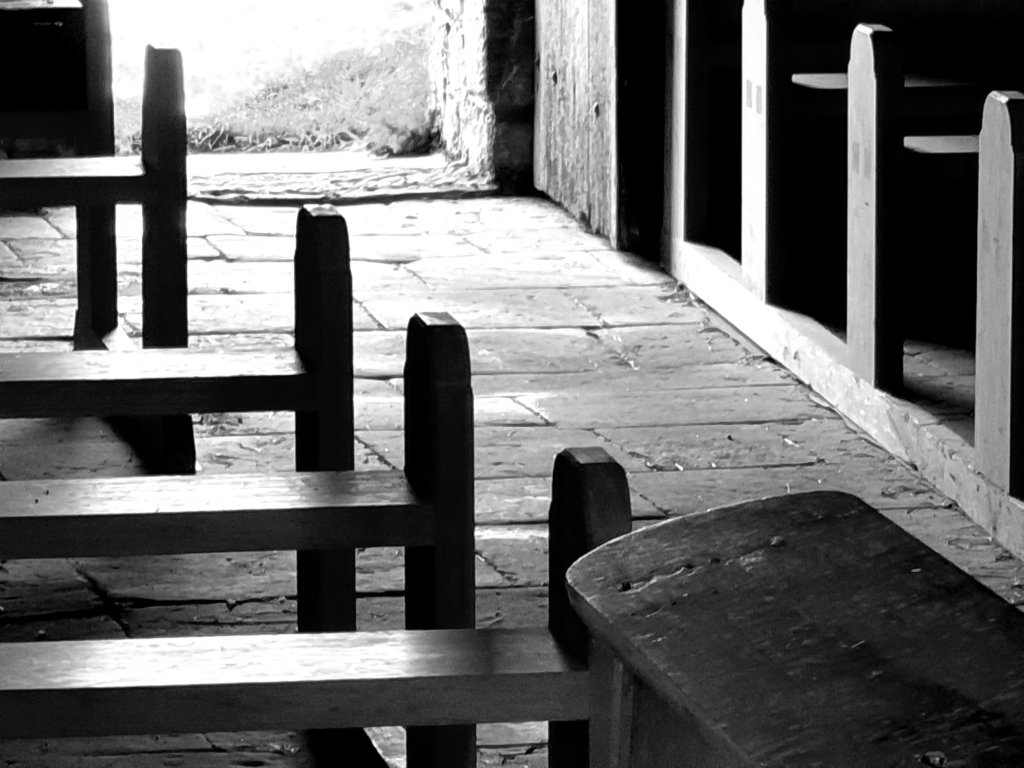
St. Mary, Tallyllyn

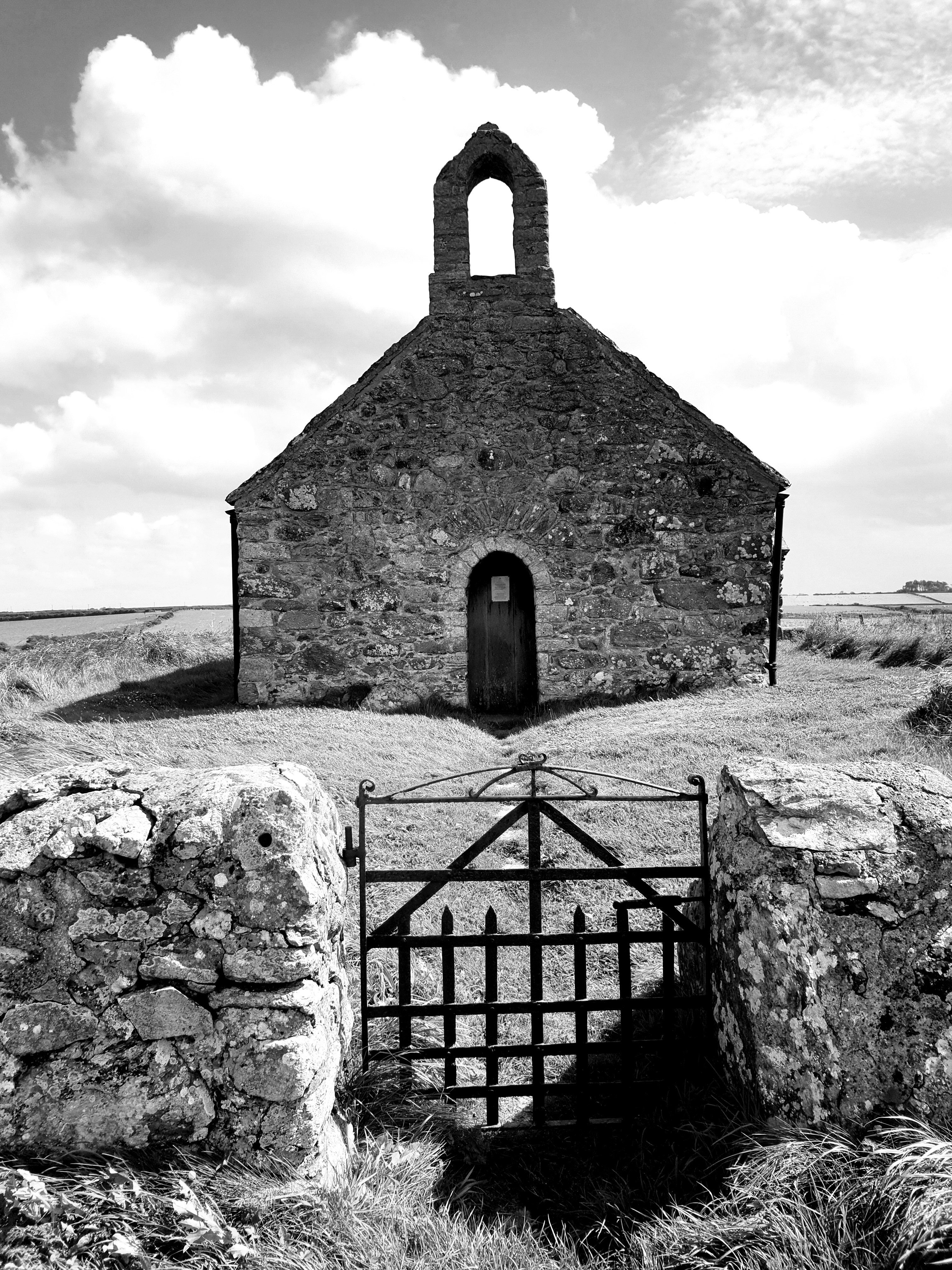
St. Mary, Tallyllyn is one of the most atmospheric of the churches looked after by the Friends of Friendless Churches in Anglesey: so remote, alone by the side of the road, always much further from Aberffraw than one expects:-

Standard

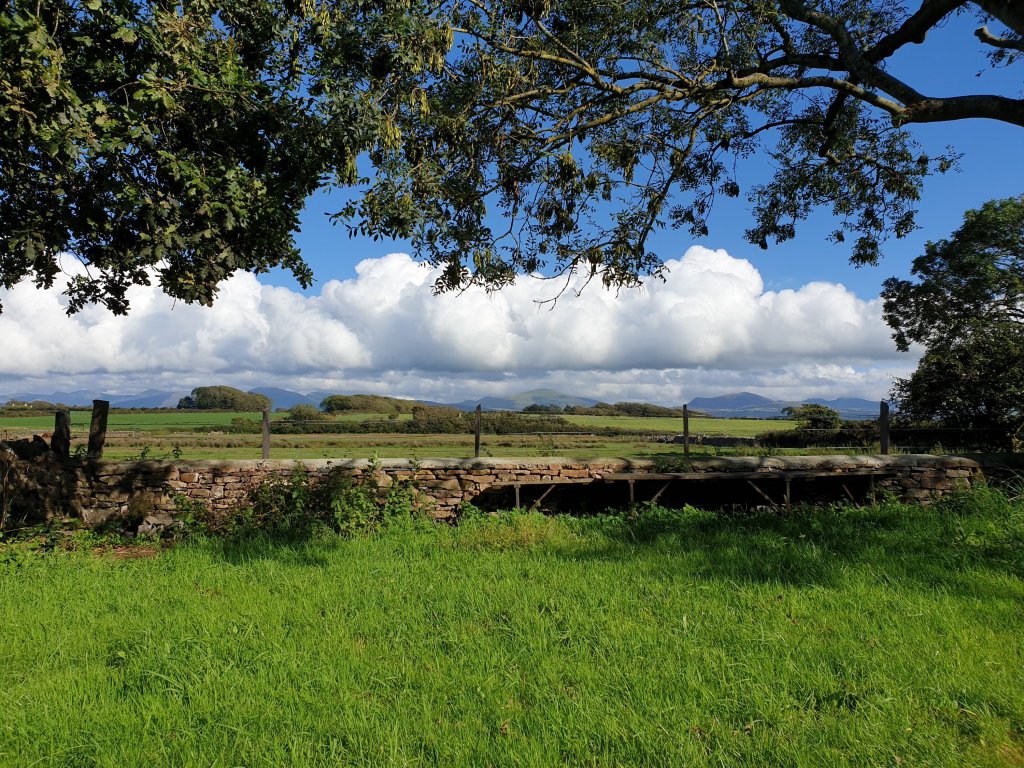
After the Rain

After two days of heavy rain, today has been unbelievably clear: beautiful views, with the green of the landscape and garden restored. I wasn’t sure if this would be obvious in photographs, but post two to give some idea of it:-

Standard

Stickelbract Zeus

I was tipped off early on in lockdown that one of the best ways of surviving it was to order a case or two of beer from The Kernel Brewery, which is based in Spa Terminus in Bermondsey, but it is hardly practical to carry a case of beer on a bicycle. They deliver instead. I am down to my last bottle, but wish to commemorate the pleasures of Stickelbracht Zeus which has kept me alive for the last four months:-

Standard

On Board

I’ve been dipping into John Tusa’s guide to life on a not-for-profit board. No-one has greater experience of what it’s like and to judge from those I know – the NPG where he was one of my trustees and the University of the Arts where he was my chairman – he gives a good, clear, shrewd account with all the lessons to be learned. Published this week (please note that I have remembered not to give the Amazon link):-

https://www.bloomsbury.com/uk/on-board-9781472975997/

Standard

Plas Cadnant (4)

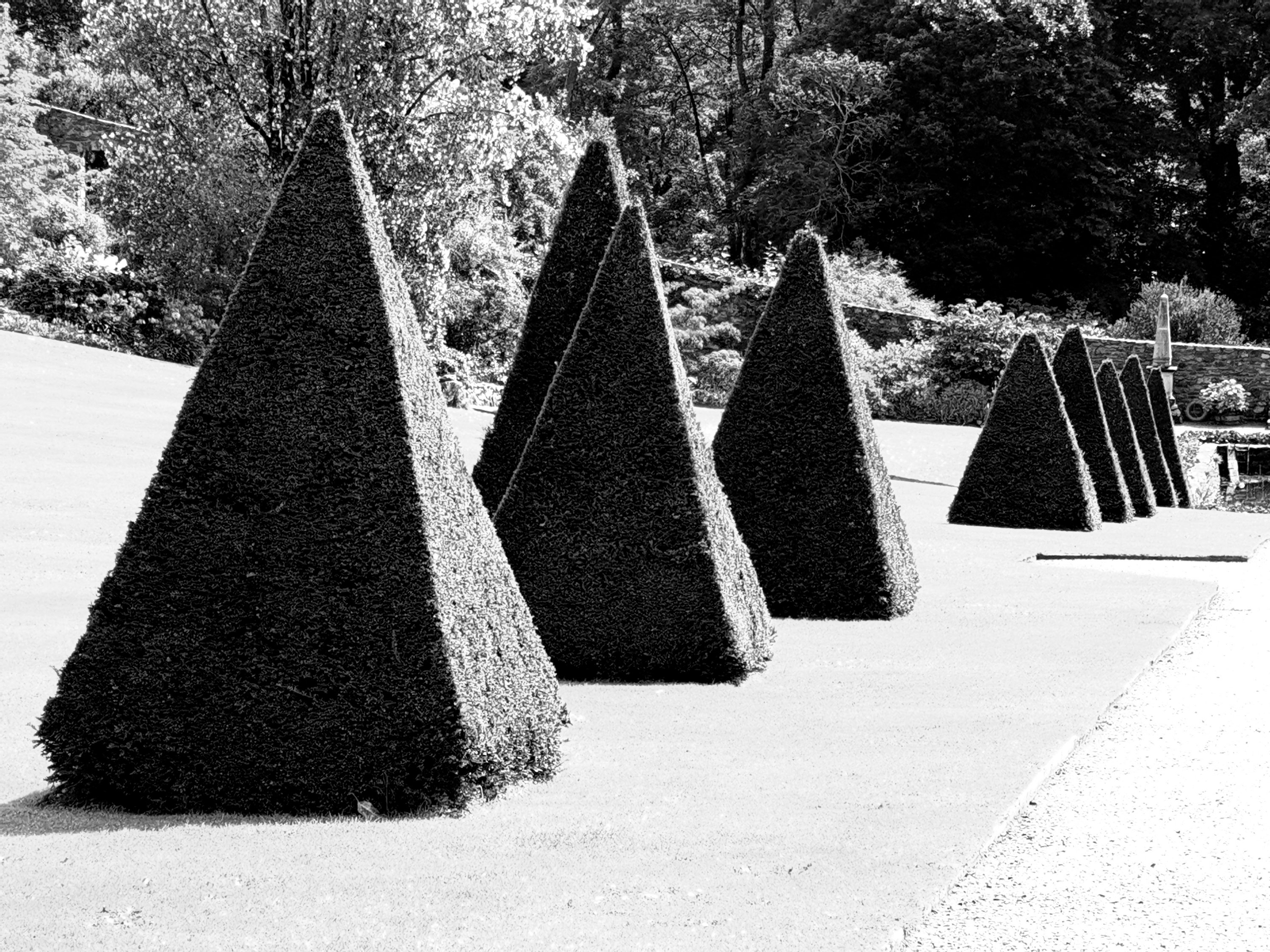
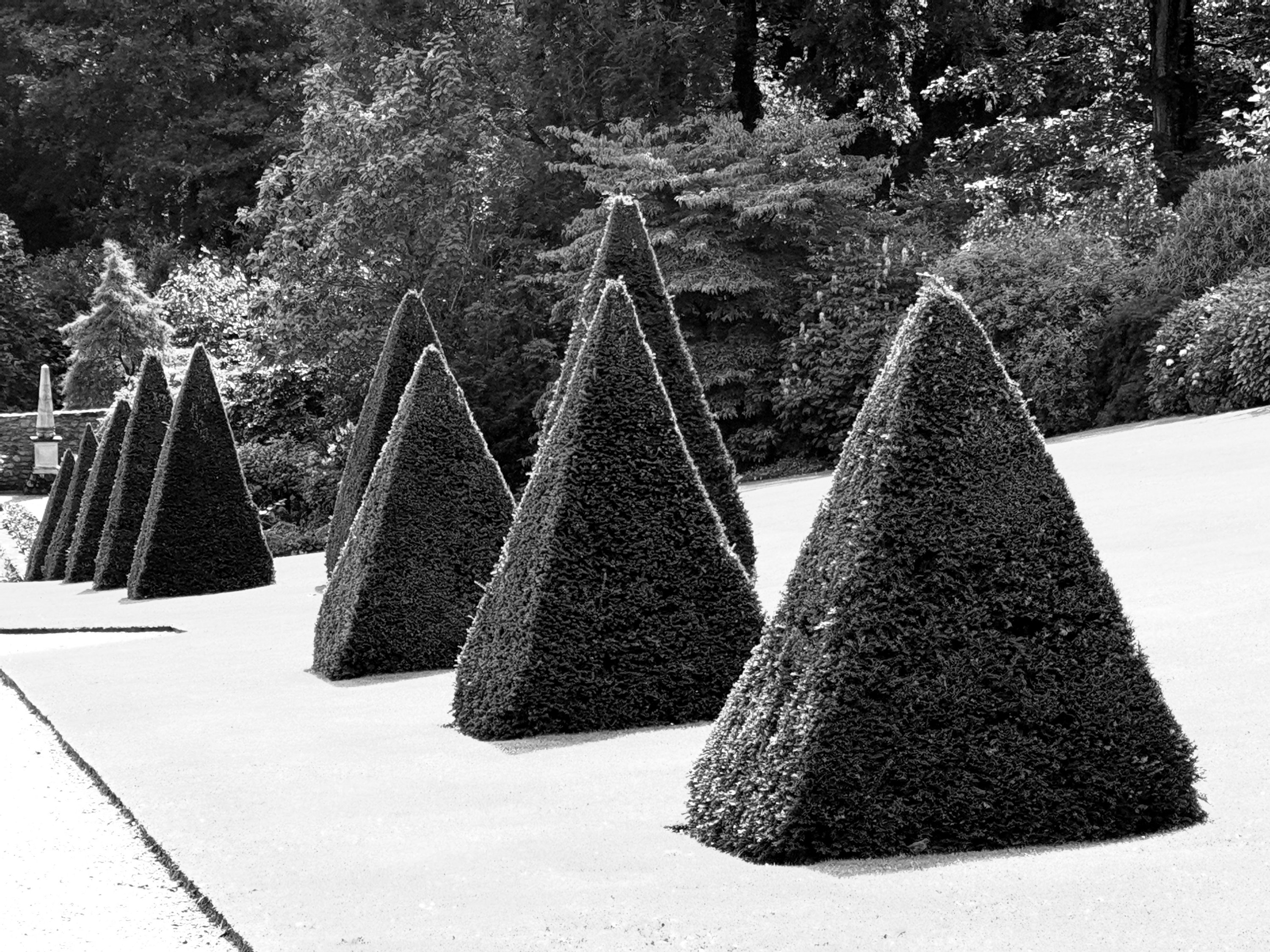
We love Plas Cadnant, the early nineteenth-century house (according to Pevsner, 1803) which Anthony Tavernor bought 24 years ago when the walled garden was totally overgrown and it had narrowly escaped being turned into an equestrian centre. Now, it is the perfect scale of garden with sloping lawns, ornamental topiary leading down to a steep woodland garden in a ravine, all of it immaculately maintained and groomed.

The topiary:-

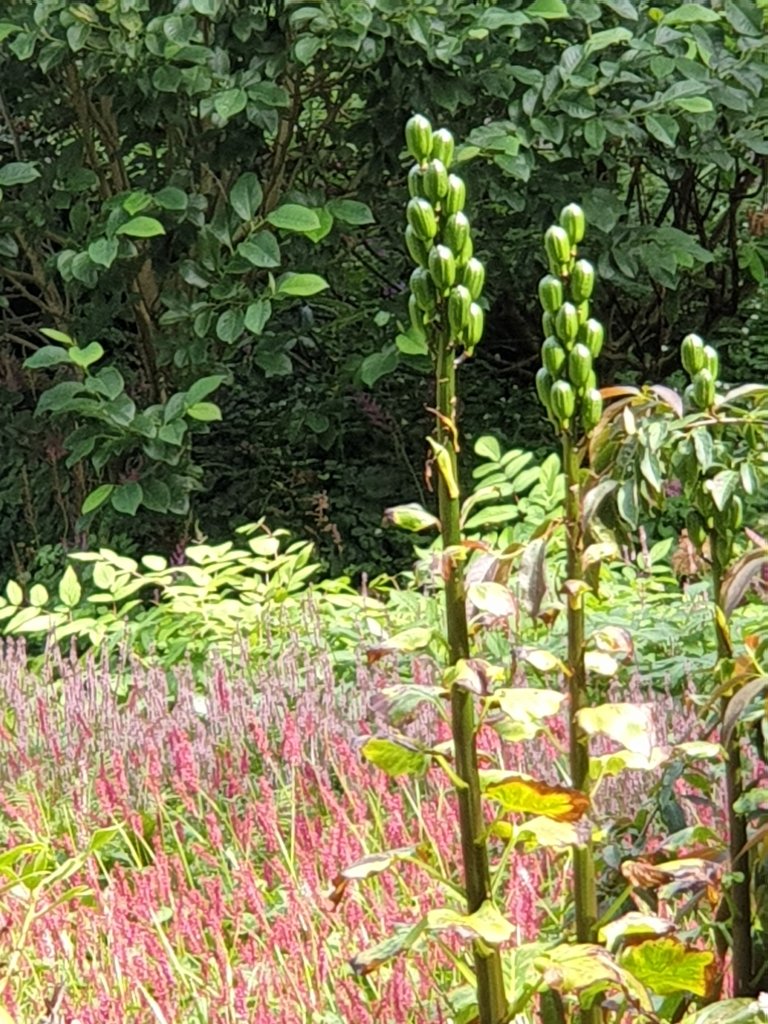
A globe artichoke gone to seed:-

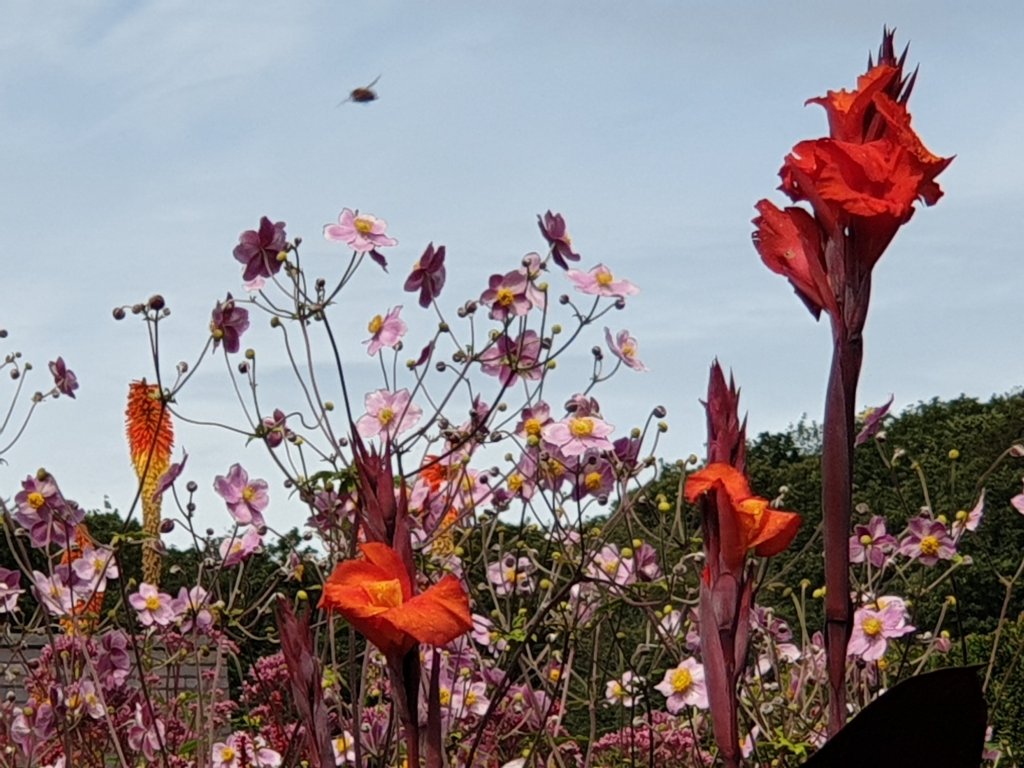
Herbaceous borders:-

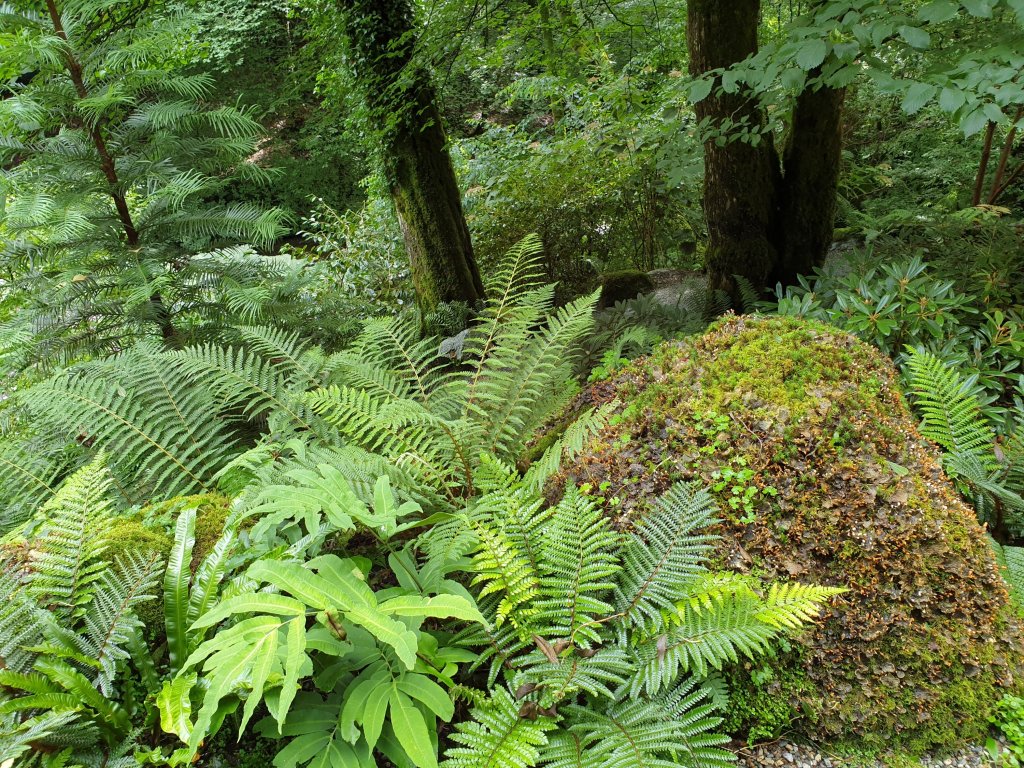
And then down into the fernery of the dell:-

Standard

St. Baglan

We went on a pilgrimage to St. Baglan, Llanfaglan, a church looked after very beautifully by the Friends of Friendless Churches, a wonderful charity, particularly in North Wales, where there are so many small but atmospheric churches, not modernised in Victorian times.

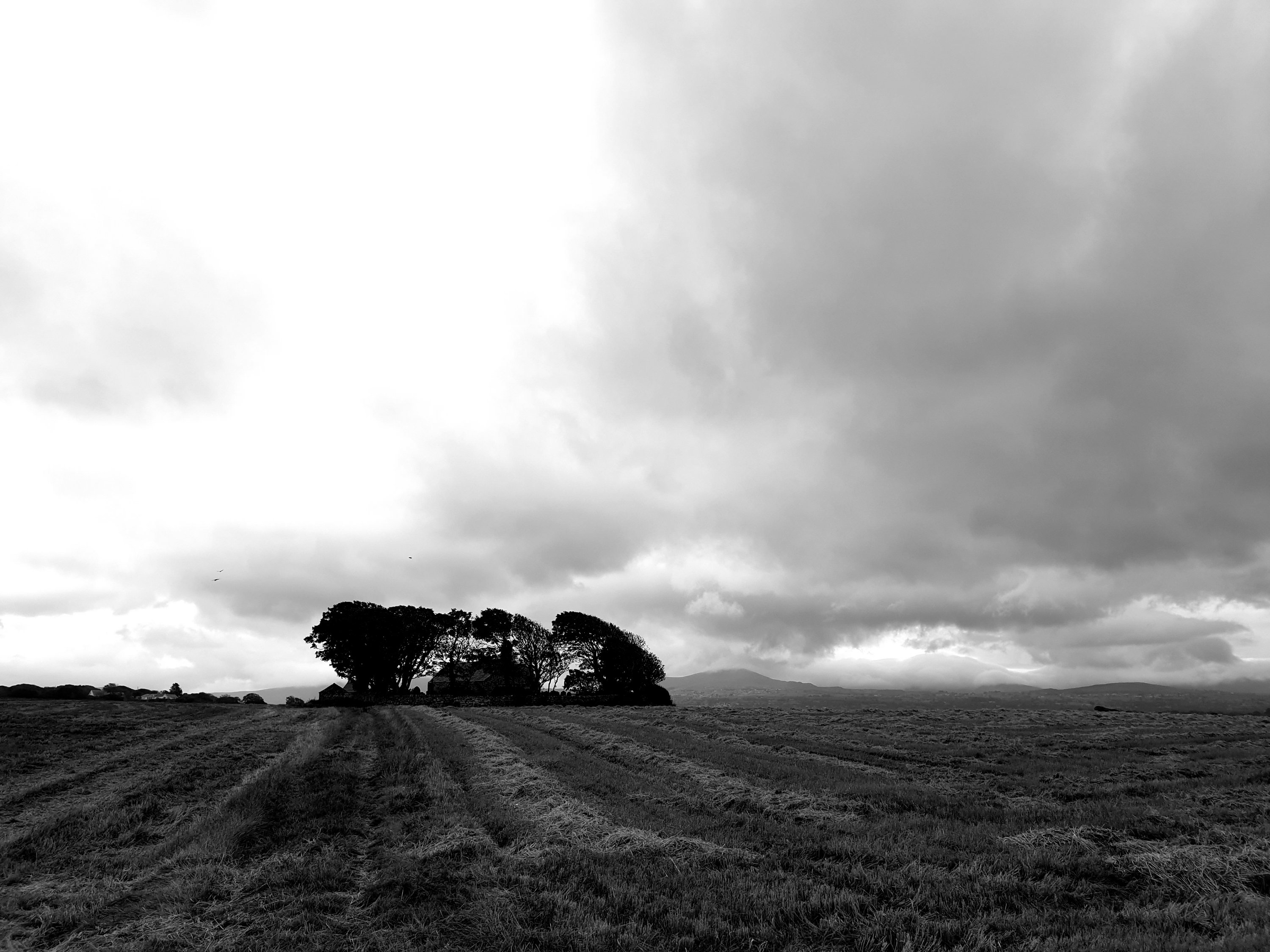
It sits on a small knoll in the middle of a field surrounded by trees:-

The inside is deeply atmospheric:-

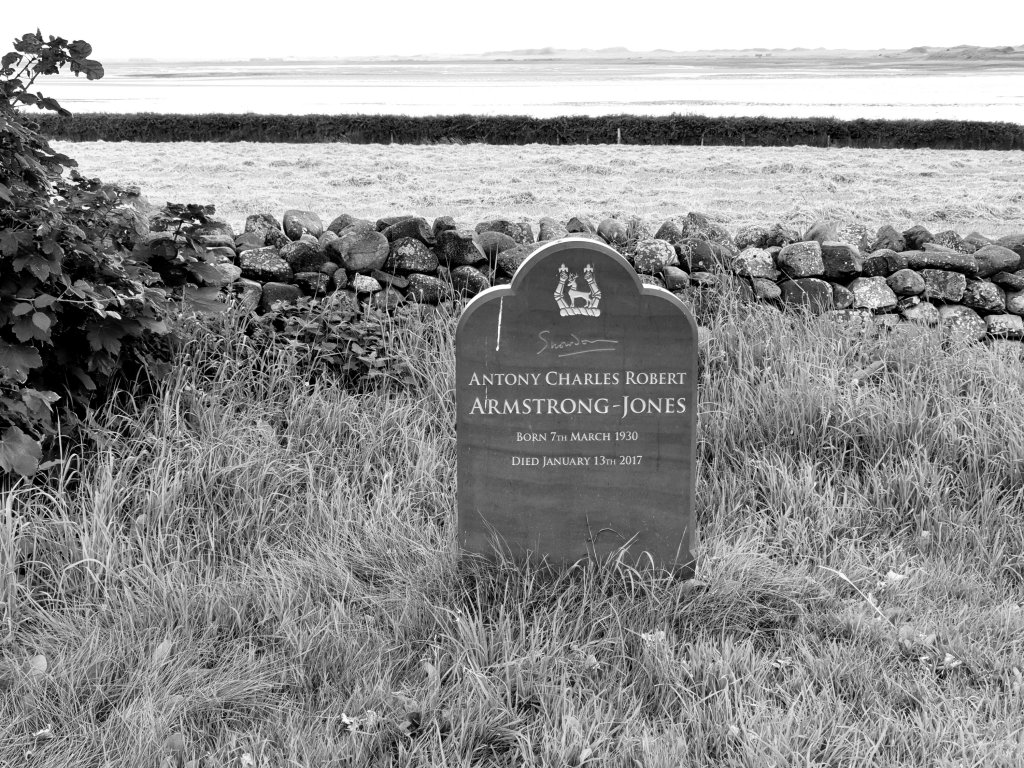
The only addition is Lord Snowdon’s headstone, buried close to his family estate:-

Standard