Golders Green Crematorium

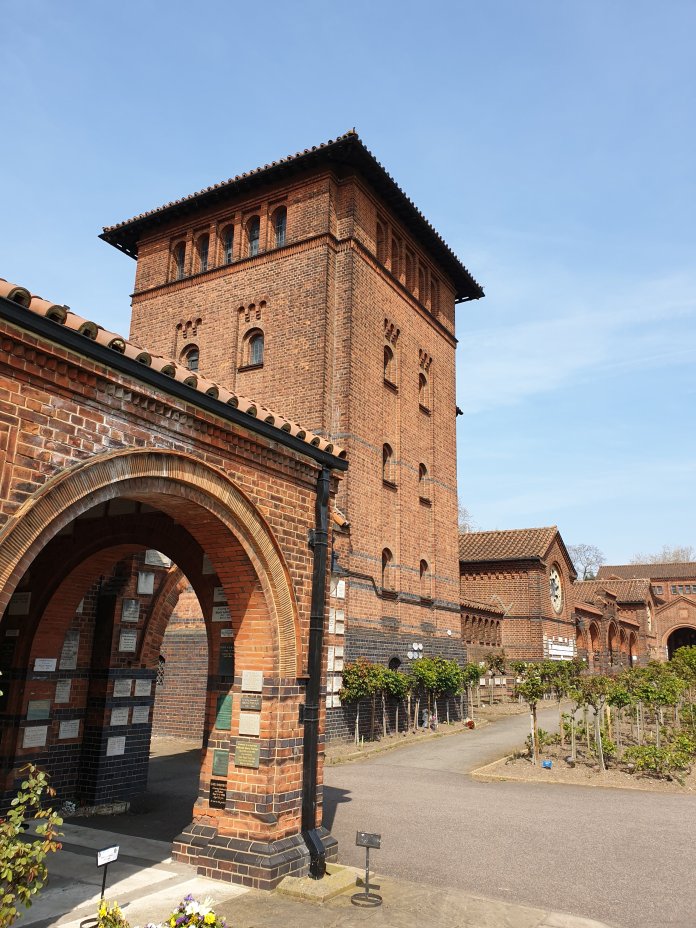
We went to the funeral of Michael Kaufman (not the former Director of the Courtauld Institute) in Golders Green Crematorium. Normally, I am not keen on the chapels of crematoria, which remind me too much of Evelyn Waugh’s The Loved One. But this is just next to Hampstead Garden Suburb and was designed by Sir Ernest George in red brick Lombardic, the garden by William Robinson, music by Debussy, Elgar and Schumann, and the address by Max:-

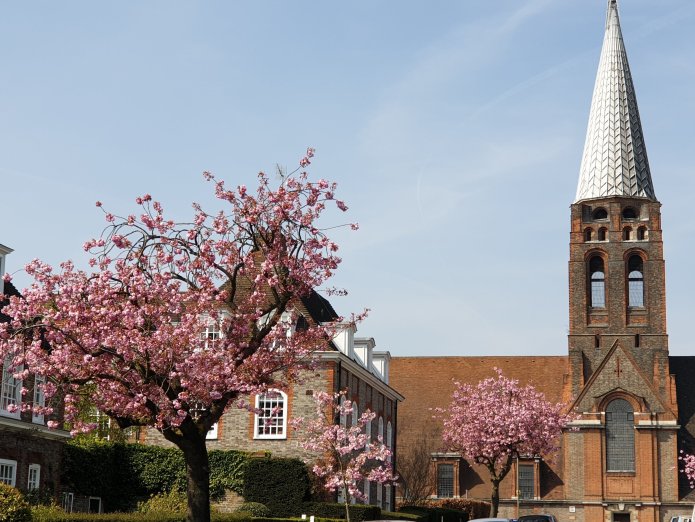
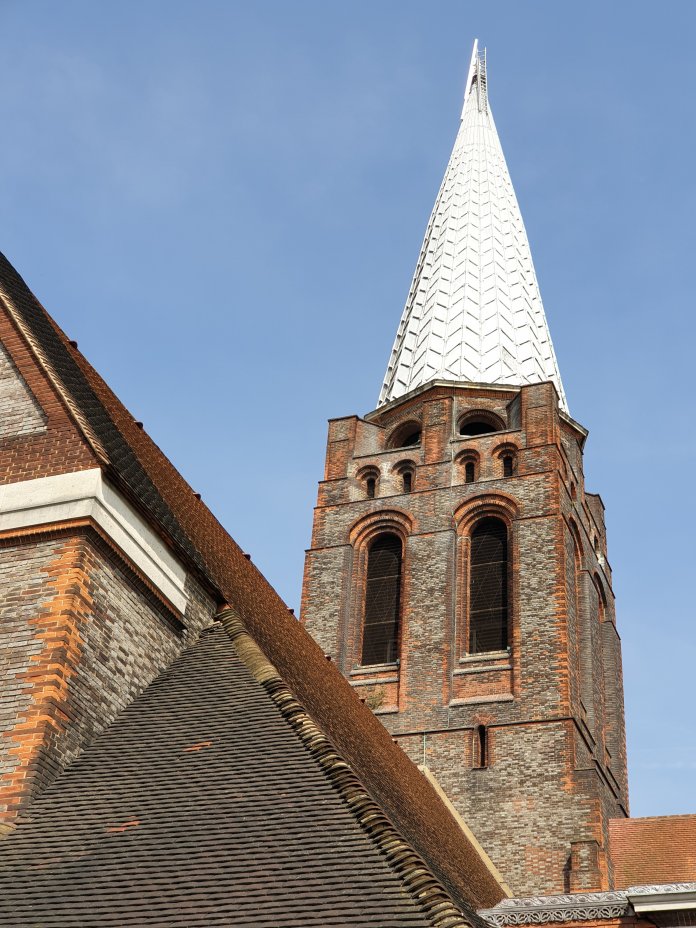
We stopped off to admire St. Jude’s by Lutyens (consecrated 1911) nearby:-

Standard

Sunday Morning Walk

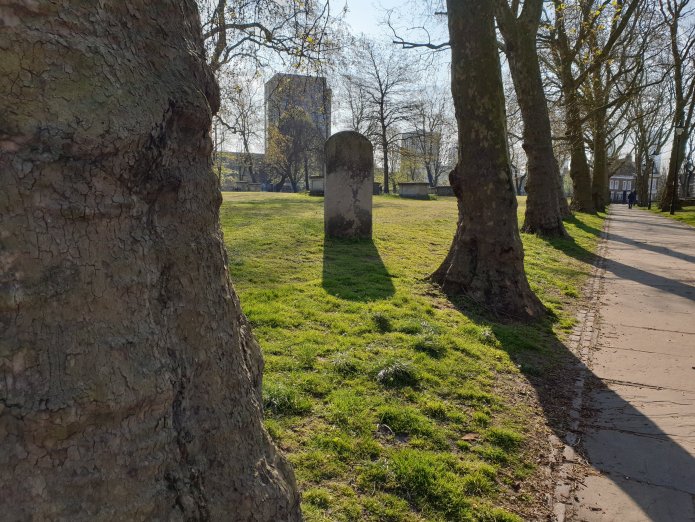
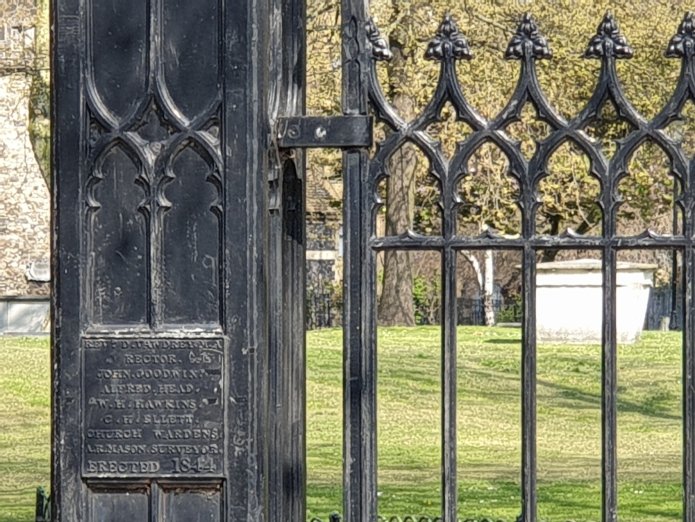
It was a beautiful clear light this Sunday, as I walked, as always, through St. Dunstan’s churchyard:-

Flamborough Walk:-

Limehouse Station:-

And back through the churchyard again:-

Standard

The Life of Stuff (2)

Reading Susannah Walker’s wonderful account of objects her mother had assembled and then metaphorically buried in her house in Worcester and how they could be used to understand and interpret her own life history has made me think about how far she was influenced by her experience of the teaching on the V&A/RCA MA Course in the History of Design, which she refers to in her acknowledgements. In particular, it has made me go back and listen to a talk which John Styles gave at the Open University in a conference on ‘the Domain of Design History: Looking Back Looking Forward’ on the Course and its origins in the V&A:-

http://www.openartsarchive.org/research/clips/teaching-architectural-and-design-history-2

Much of this is about the Course’s institutional origins and development in the museum. It perhaps misses out the aspect of the Course which I remember best: the idea that objects, and particularly objects in the museum, have their own life and history, which help to illuminate, and provide an understanding, of the past, which is what Susannah Walker’s book demonstrates so beautifully.

Standard

The Life of Stuff (1)

I read on twitter about a book which has been written by Susannah Walker, a former student on the V&A/RCA MA Course in the History of Design. It’s called The Life of Stuff: A memoir about the mess we leave behind. It’s a beautifully written, profound investigation of her feelings as she clears up the belongings left by her mother after her death in her tragically chaotic house in Worcester: a miniature design history of objects accumulated and hoarded and never thrown away – cutlery and vacuum cleaners, a black basalt teapot and a napkin ring, each of them inspiring a set of memories and thoughts about their design or history, why and how they were acquired and how they fit within her family history. It’s such a powerfully evocative description of her interest in the meaning of things, which she herself describes as partially originating in the seminar room, now demolished, hidden behind the eighteenth-century galleries of the V&A.

Standard

Bill Viola

In case people hadn’t registered, the day that Viola Michelangelo closed at the Royal Academy Blain|Southern opened a much smaller, more intimate exhibition of his video works down in the basement. There is a Self Portrait of Bill himself, drowning:-

Then a series of not just intimate, but extremely intense works, including Unspoken (Silver and Gold):-

Standard

Sean Scully

It has been a week of intense activity at Blain|Southern, celebrating Sean Scully.

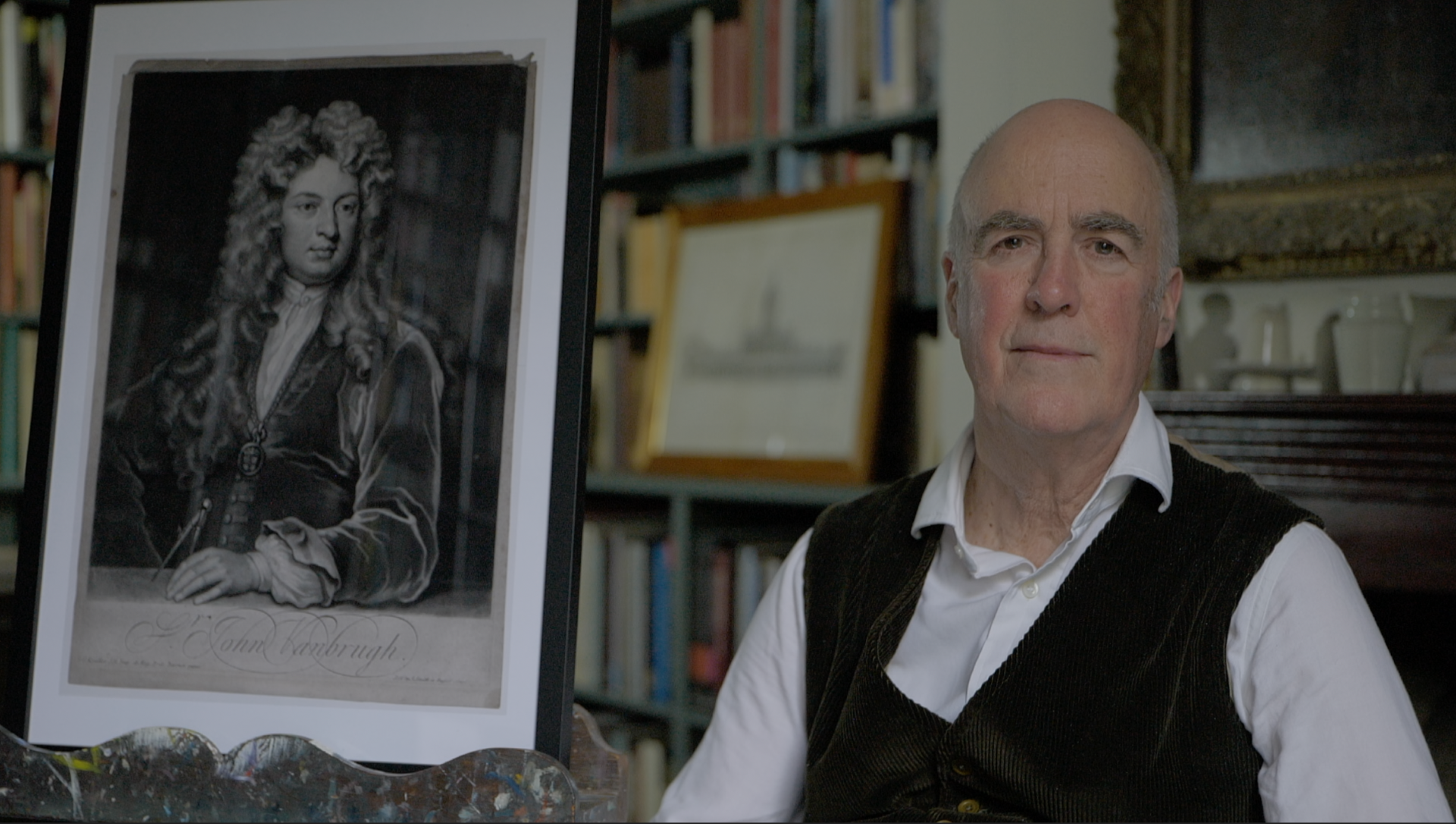
First, Nick Willing’s admirable and informative film, which showed the nature of his life, career and working methods.

Then, volume 2 of his catalogue raisonné was launched with a conversation at the gallery which showed a different, more intellectual and reflective aspect of his character, as he and Marla Price discussed the significance of each of his major works from the 1980s.

Tonight his exhibition at the National Gallery opened, which shows new work inspired by, or is, in some way, related to Turner’s deep, meditative seascapes, mood paintings, in which the horizon dissolves into pure colour, as represented by Turner’s Evening Star from upstairs. There are three galleries of Sean’s big, adventurous, recent work.

He spoke movingly at the opening of what Trafalgar Square, and the National Gallery, meant to him as a child, coming in from Sydenham on Christmas Eve to see the Norwegian Christmas tree (he did not mention how important Van Gogh’s Chair, then in the Tate, was to his decision to become an artist).

Much of the rationale of the National Gallery is based round the belief thar free access to the collection is an inspiration to children to become artists. Sean is the living exemplar that this policy works.

Standard

Art UK

For those who don’t have convenient access to Twitter, I am posting my recent account of the benefits of the website Art UK, which provides convenient online access to every painting, and now sculpture, in a British public collection, except, sadly, a small number of steadfast refuseniks, including my old college, King’s, which continues to insist, in contrast to nearly every other Oxbridge college, that it does not want to participate in this wonderful intellectual and scholarly resource:

Standard

Rochelle Canteen

I have been pondering the fact that after having a rather delicious breakfast (poached eggs and bacon) at the Rochelle Canteen in Arnold Circus, I was approached by a man who asked me if the Rochelle Canteen provided breakfast for the homeless. So, the questions I have been pondering are, was he homeless ? And did he think I was too ?

Standard

Molly Harrison

I left out of my abbreviated account of the Geffrye Museum (there is surprisingly little information online) that Molly Harrison took over from Marjorie Quennell as its curator in 1946 and ran it with great passion and enthusiasm till 1969, turning it into a resource for children and education, battling the officials in County Hall in high heels and a pink hat. She wrote a book about her work called Museum Adventure, the Story of the Geffrye Museum (1950). At a time when there is much discussion about how much attention to pay to visitor numbers, it is worth remembering her view that ‘reputation is a fickle guide and notoriety a poor indication’.

Standard