I’ve just been tipped off by a contact in Hong Kong about the appearance of a very full and even-handed article about the Whitechapel Bell Foundry in this morning’s Financial Times by James Pickford, who has managed to interview all those involved. Historic England, who have apparently acted as paid consultants to the new owners (this surely makes it difficult for them to maintain statutory impartiality), should now press them to retain the historic parts of the foundry, which is still in a good state of preservation, as a working foundry not an ersatz wine bar:-
https://www.ft.com/content/fb9d4f78-9579-11e8-b747-fb1e803ee64e
Holiday Reading
I’ve been asked about my holiday reading. I’m happy to record it, if only as a statement of intent:-
David Cannadine, Victorious Century
It’s been sitting by my bed since it appeared earlier in the year. I’ve always admired Cannadine’s gift for synthesis. Now I can digest his latest.
Jamie Camplin, Books do furnish a Painting
Not yet published: a treat in store.
Esther Kinsky, River
A post-Sebaldian, East London book by a German writer and translator, published by Fitzcarraldo Editions.
Salvatore Settis, If Venice Dies
A paean or lament (or both) by Settis, an Italian archaeologist who directed the Getty Center in the 1990s.
Leif Bersweden, The Orchid Hunter
I missed her talk at the Garden Museum.
Stella Tillyard, The Great Level
I haven’t brought much fiction, but this will be deeply informed, historical fiction.
Alan Jenkins, Morning
Again, I heard him talk at the Garden Museum and like the idea of making good use of the early morning (and admire The Observer Food Monthly which he edits).
Rupert Christiansen, The City of Light: the Reinvention of Paris
Since this is a blog, I am allowed to recommend books by friends.
Moya Carey, Persian Art: Collecting the Arts of Iran for the V&A
A book about an era when the V&A under Caspar Purdon Clarke was able to acquire Iranian antiquities with scholarly intent and no compunction.
Lilia Schwartz and Heloise Starling, Brazil: A Biography
Catching up on the history of Brazil, a new enthusiasm.
Then, there are assorted books about Anglesey which I luckily didn’t leave here or they would have been destroyed by the damp.
What these books demonstrate is that I buy more books than I get round to reading. But I like the idea that I can catch up on a year of not reading enough.
Tros-yr-Afon (1)
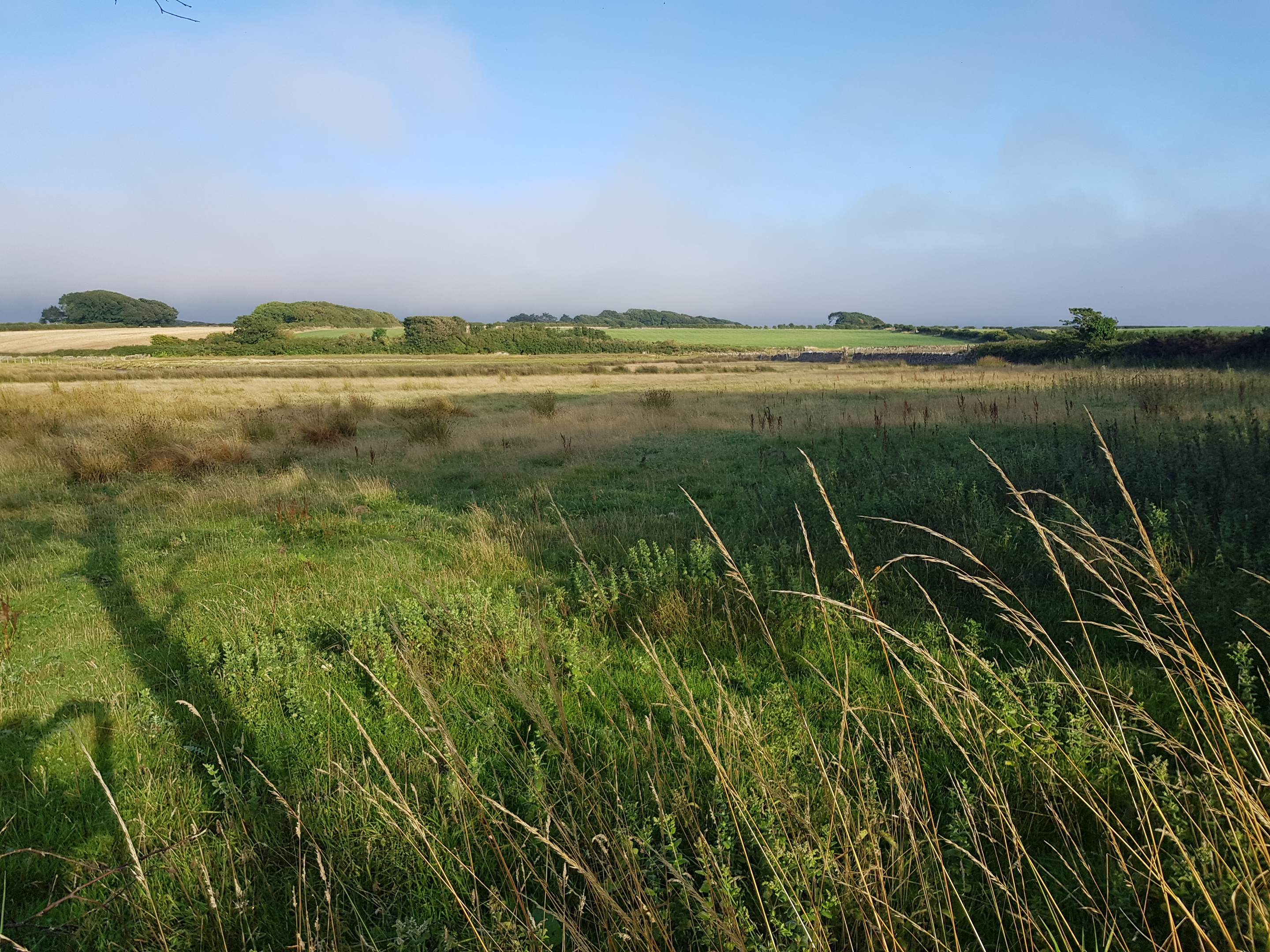
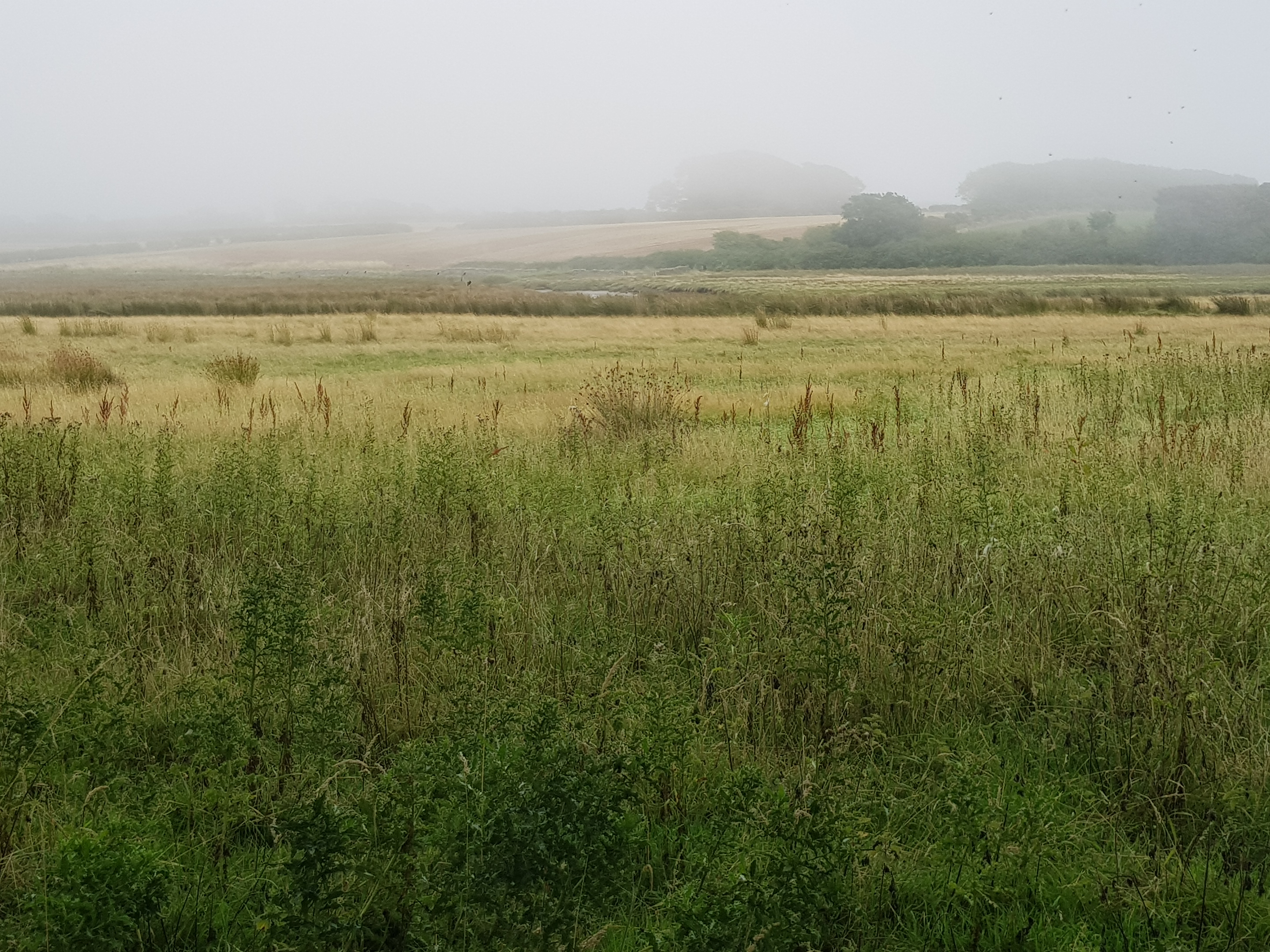
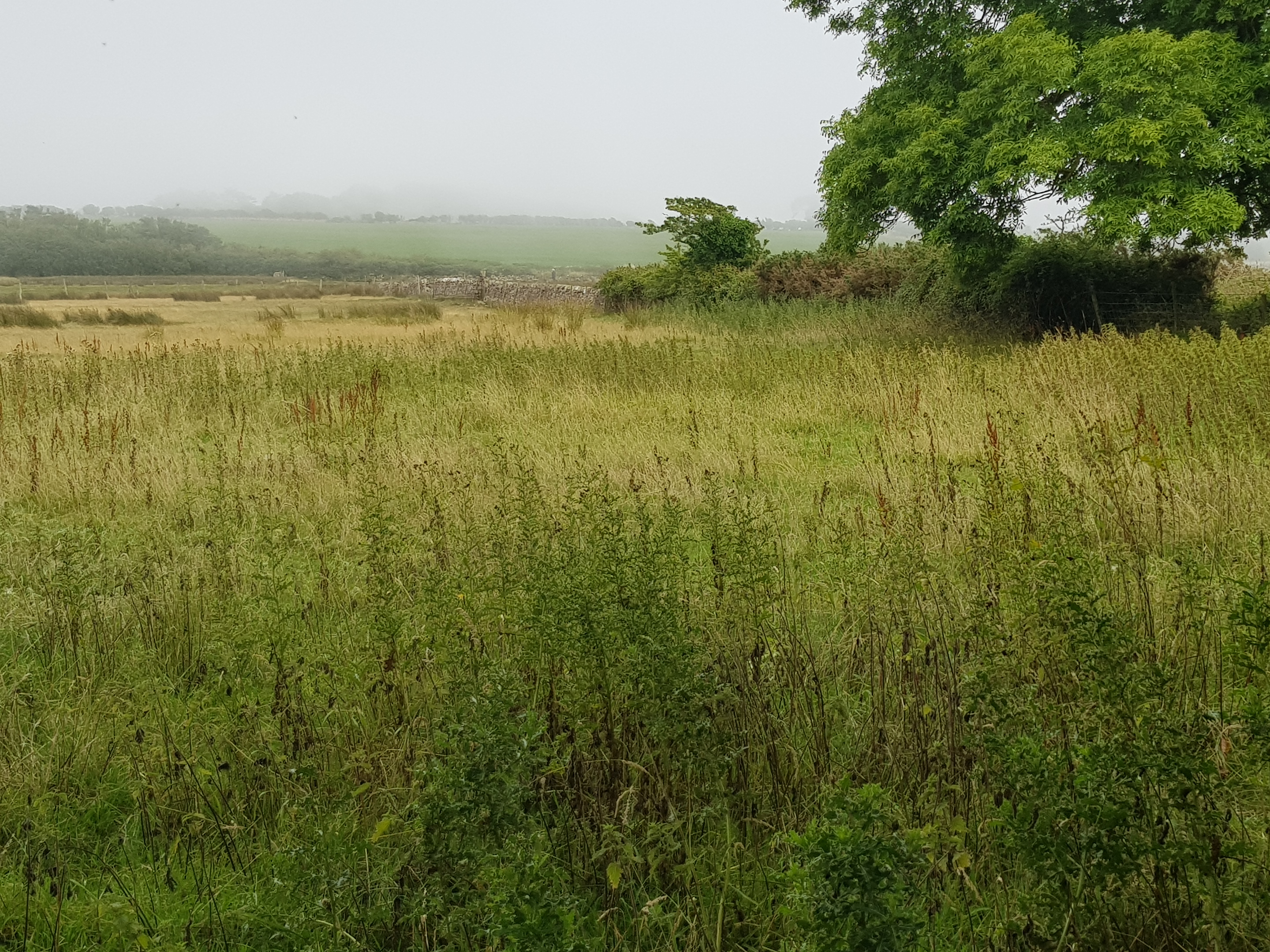
There was a brief moment of sunshine before the mist descended, as we contemplated the fields which lead down to the River Afon and the view of the trees beyond:-


Barons Court
We had dinner last night in Barons Court, an area of the city I hardly know, apart from sitting in a traffic jam outside St. Paul’s Studios, the rundown group of purpose built artists’ studios, designed in 1891 by Frederick Wheeler for bachelor artists, just before the Hammersmith Flyover. They have grand arched windows at the front and good terracotta detailing:-
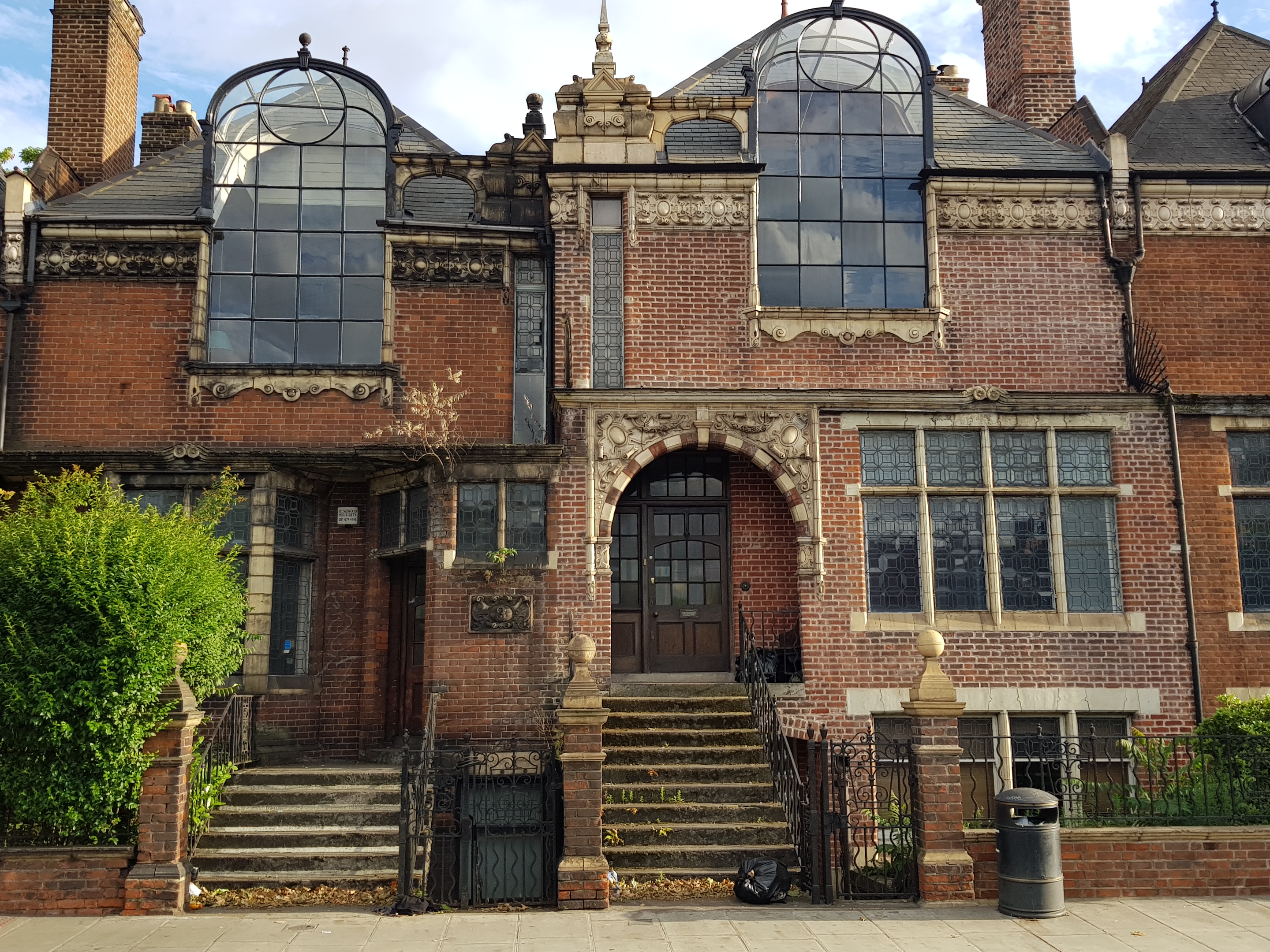
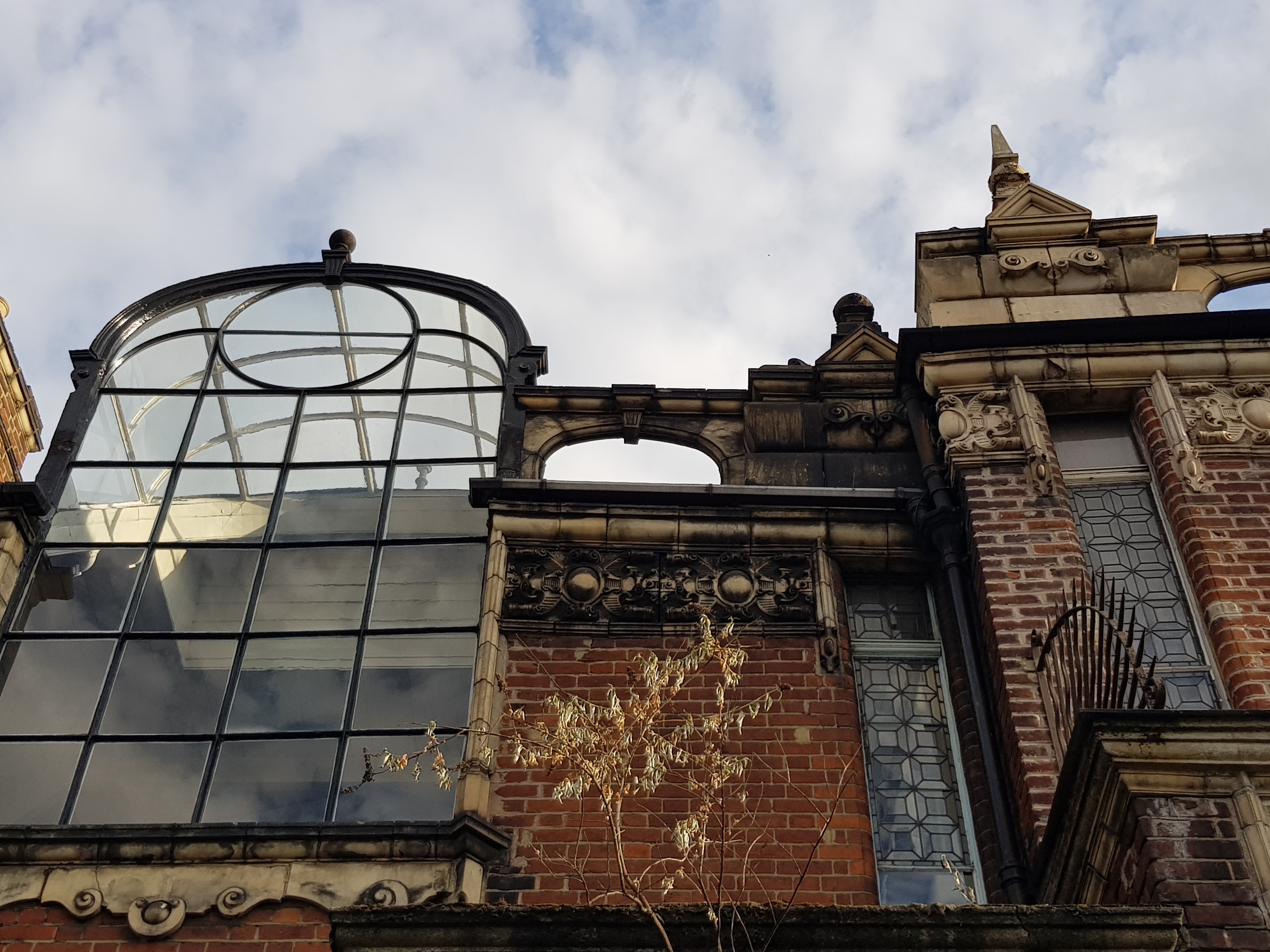
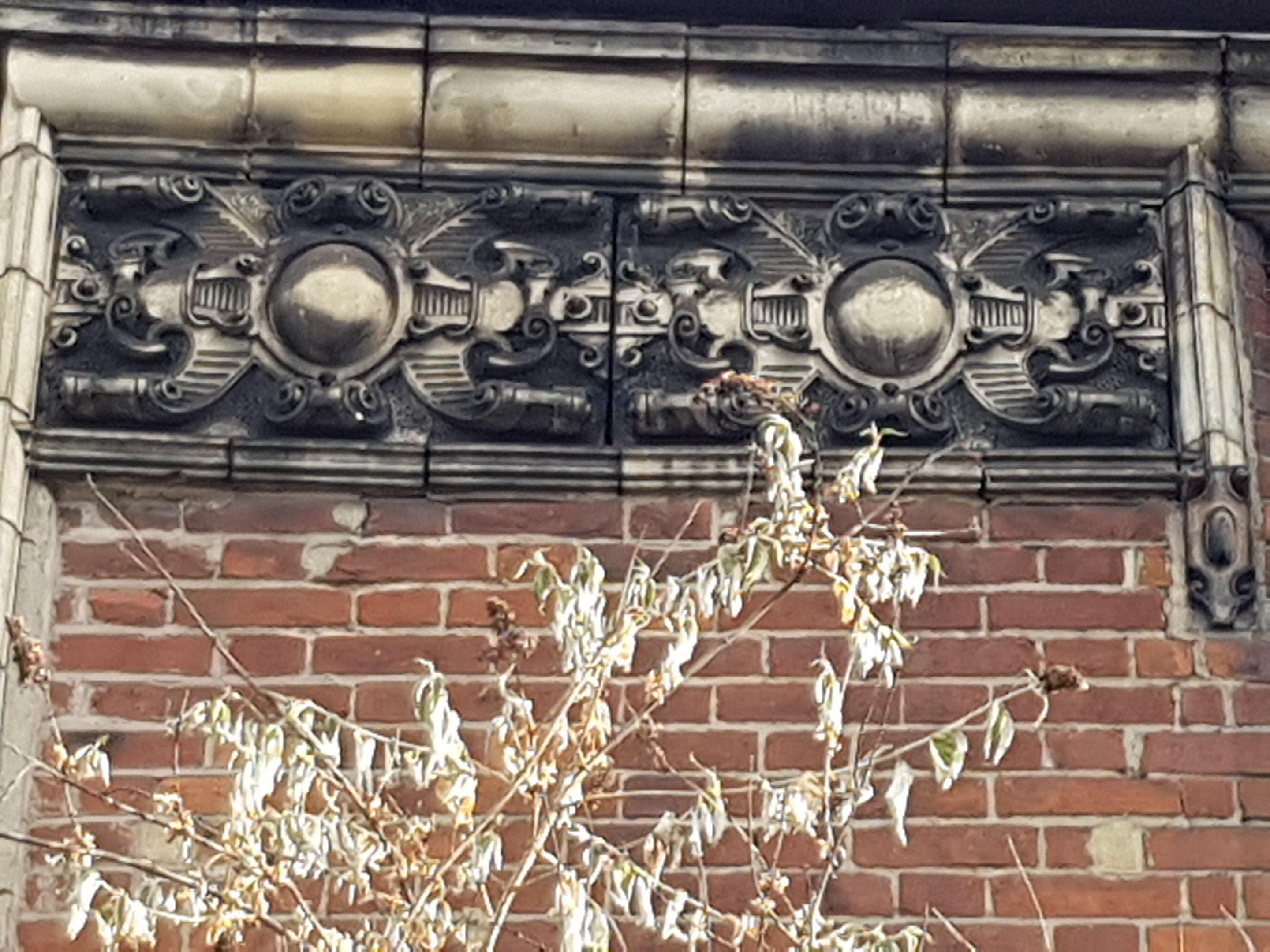
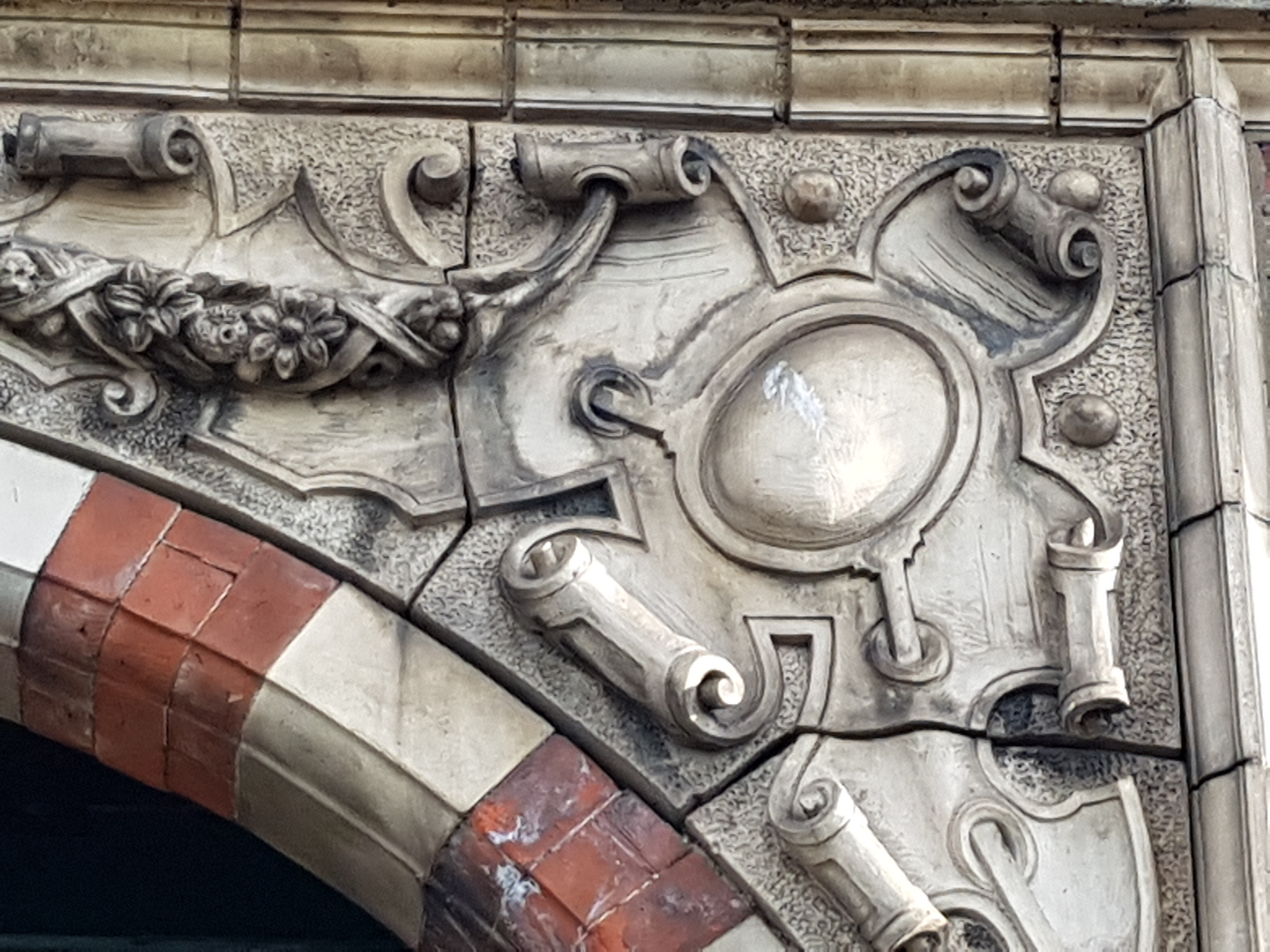
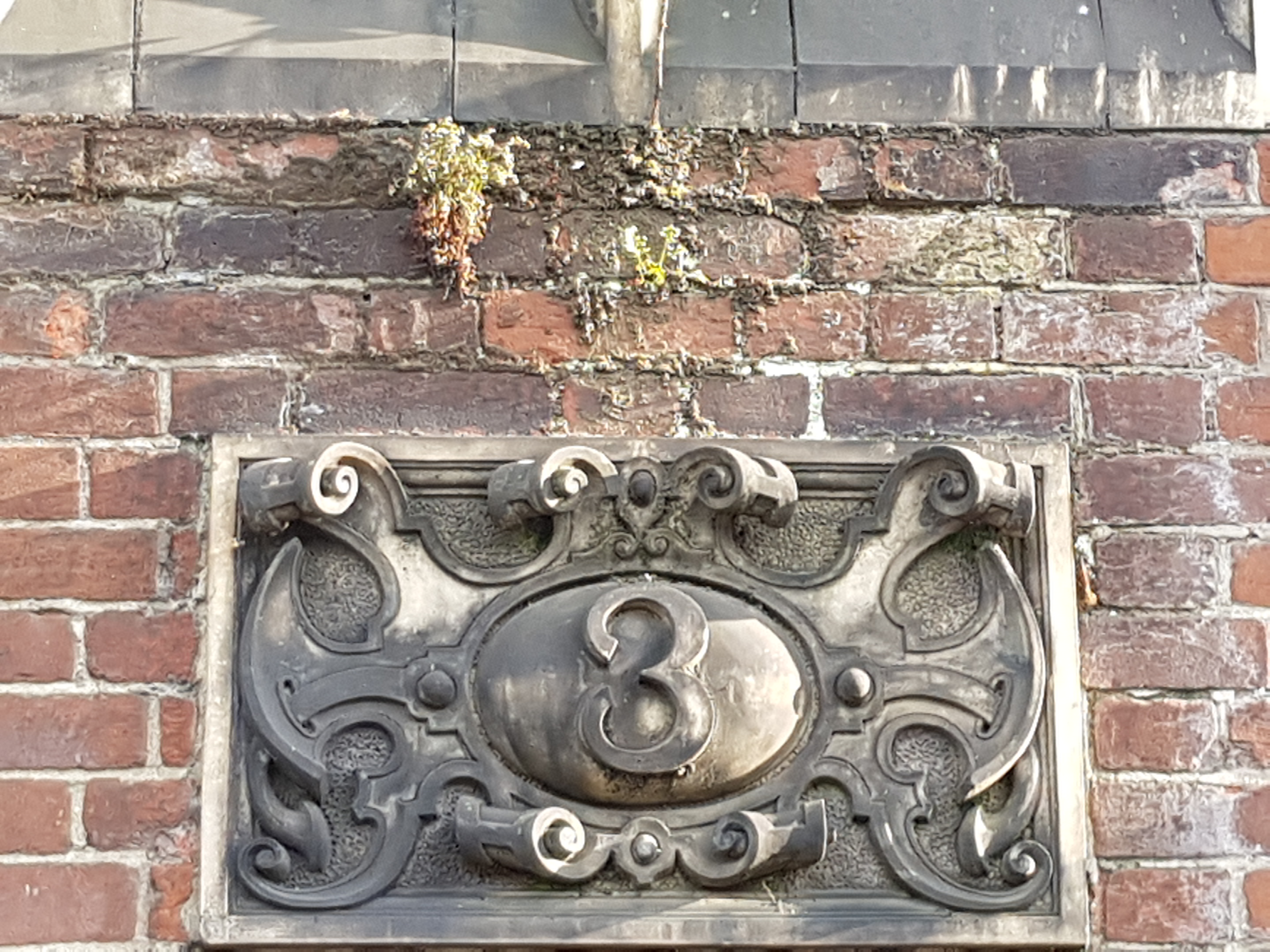
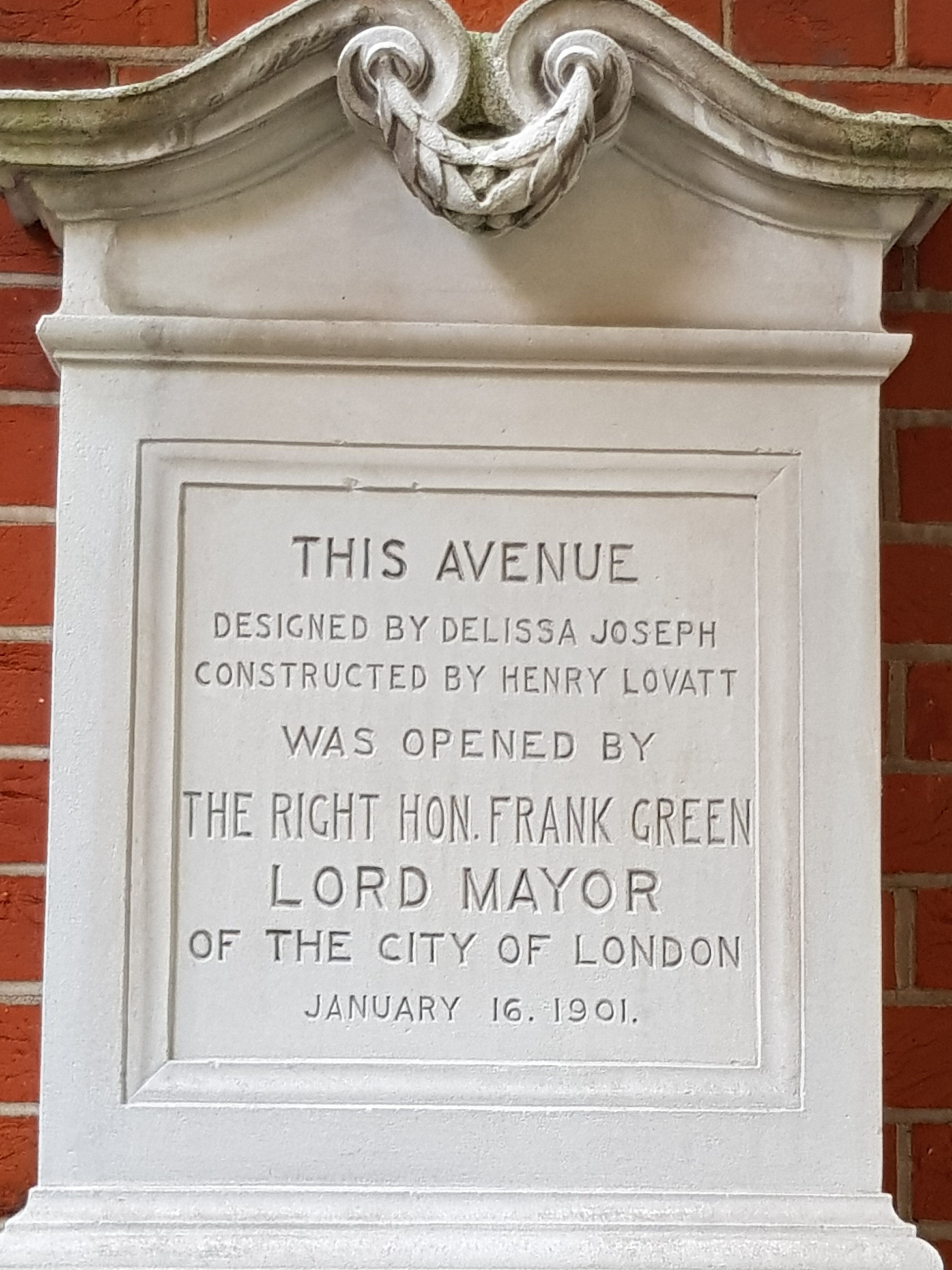
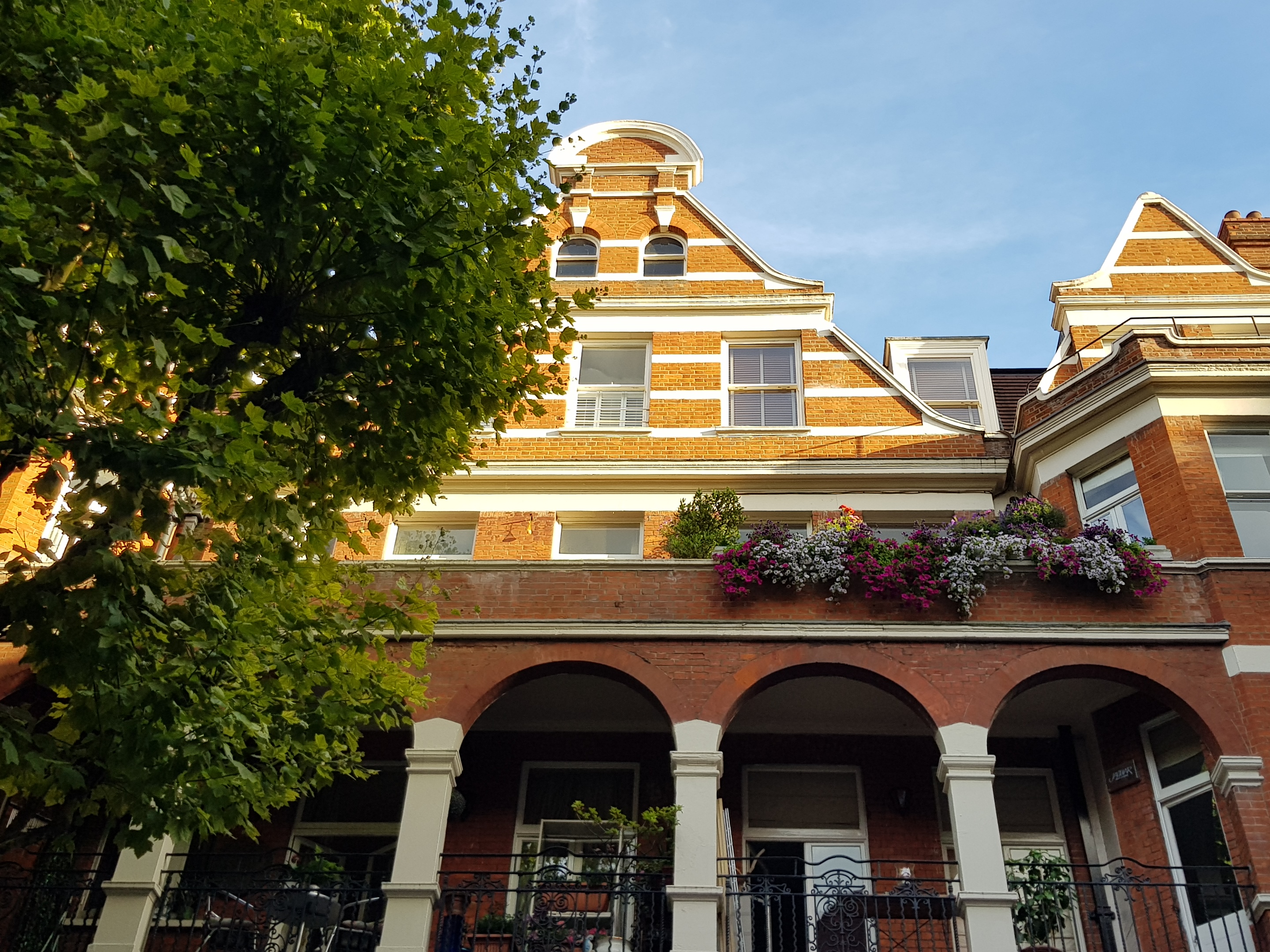
Fitz-George Avenue itself is unexpected. A plaque records its design by Delissa Joseph, who is mainly remembered for synagogues and campaigning for higher buildings and who built the street in open fields with a curve in the road:-
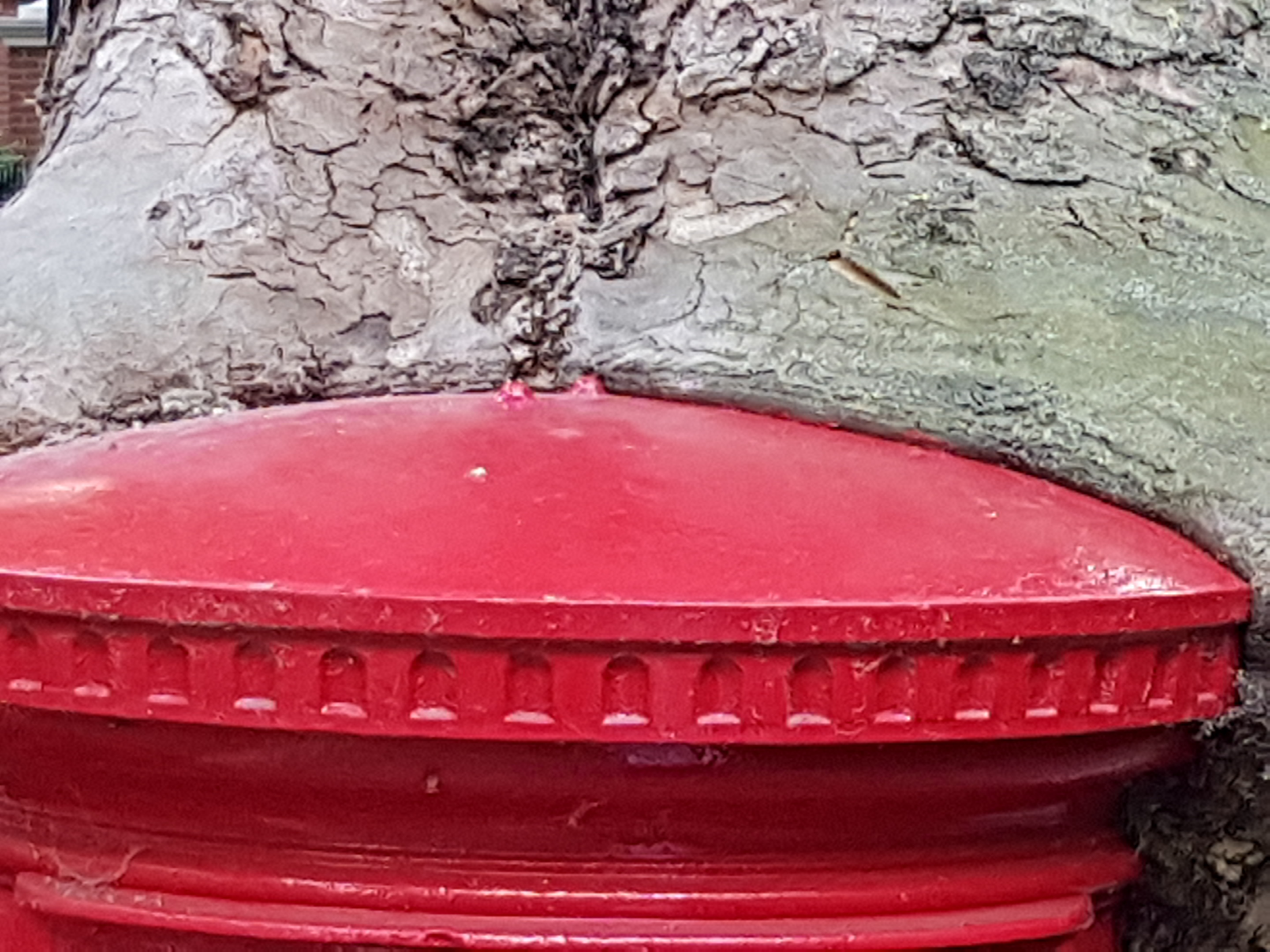
There’s a pillar box grown into a tree, like ingrown toenails:-
Olivier Bell (2)
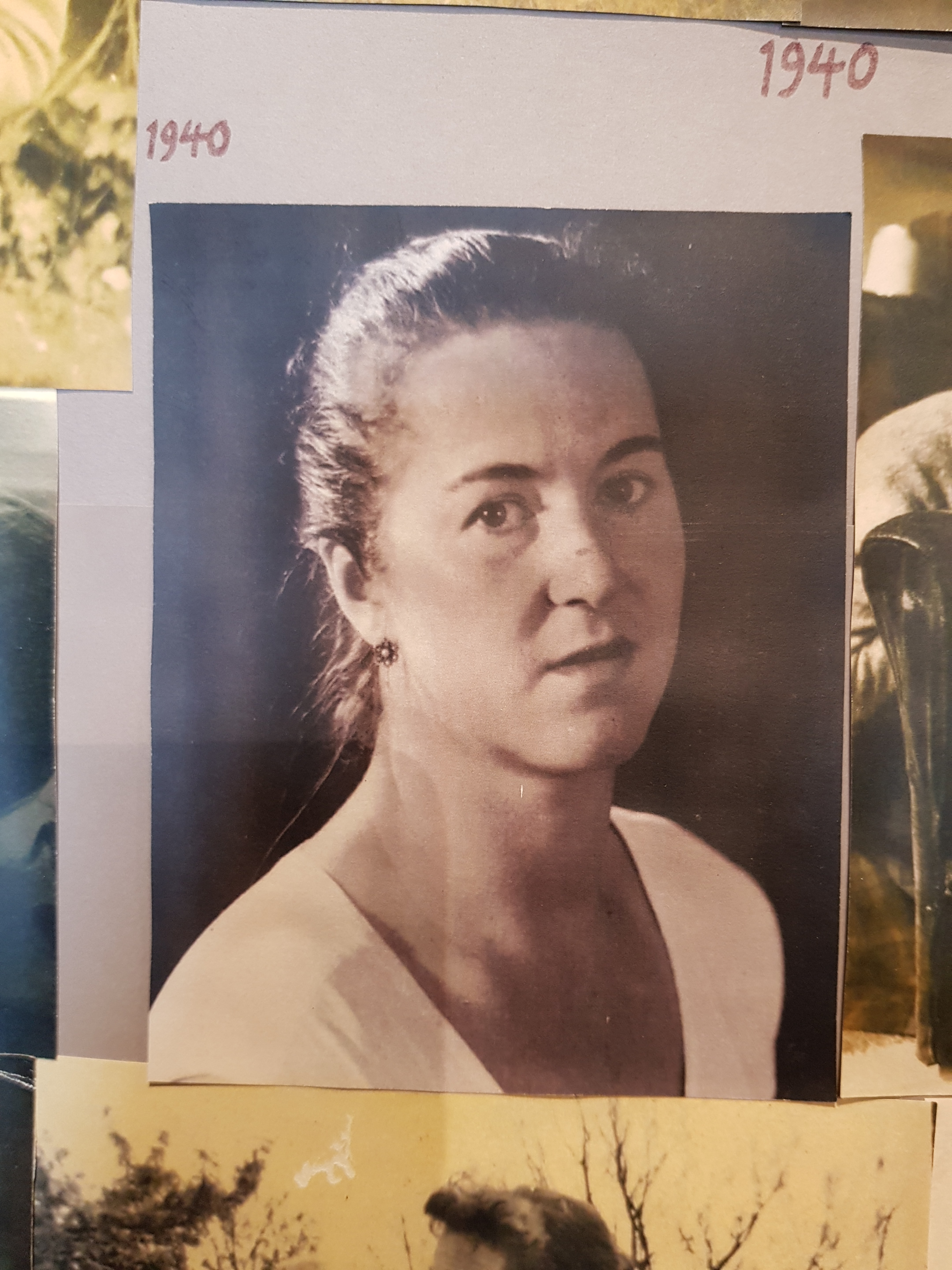
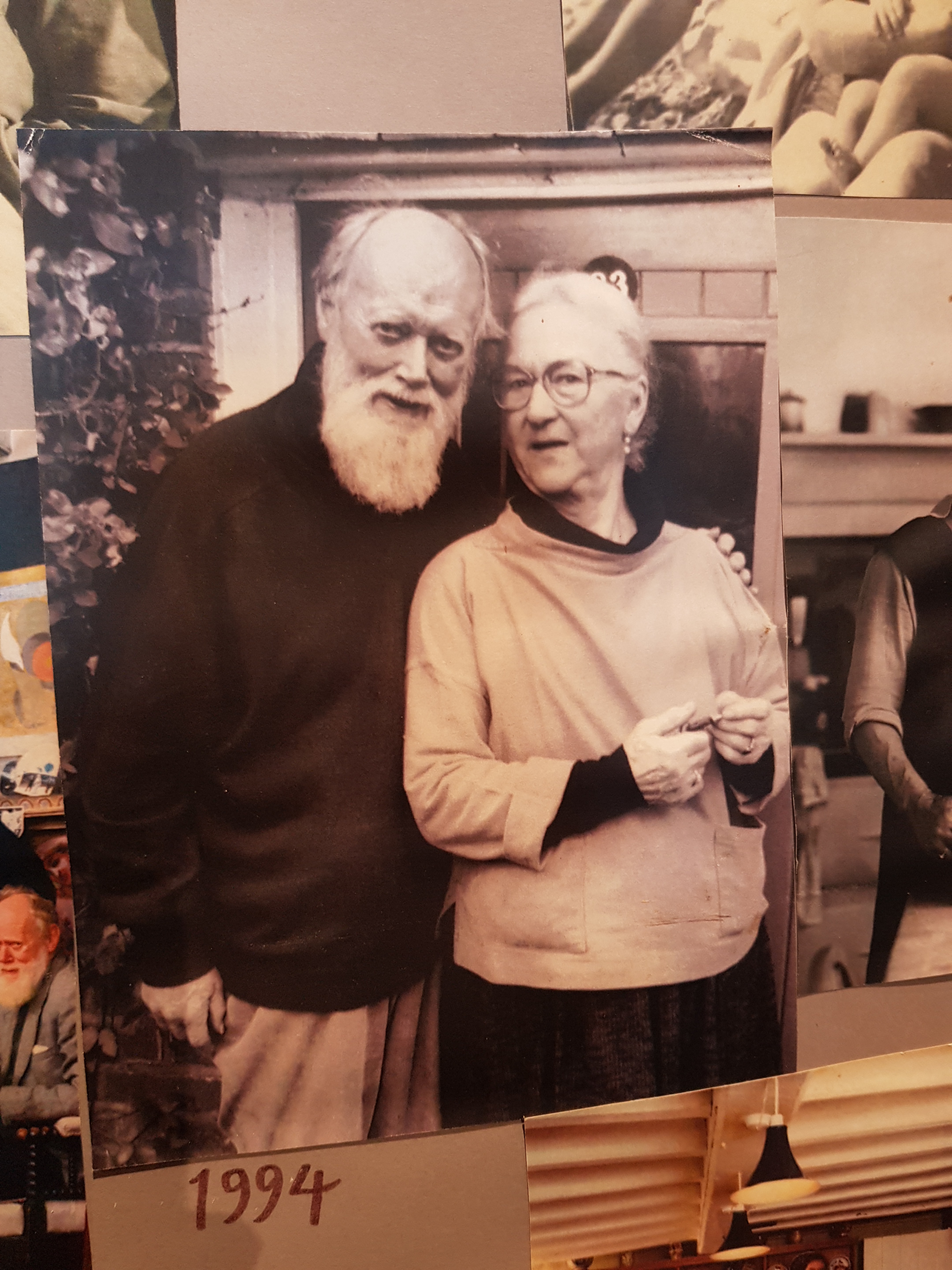
Olivier Bell was buried today on the edge of the churchyard in St. Peter’s, Firle, where she had always planned to go, not believing in an afterlife. I learned, which I had not known when I wrote her obituary, that in the early part of the war, she acted as research assistant to Ludwig Burchard who had arrived in London in 1935 and announced the publication of a 6-volume Rubens catalogue in 1939 which became the Corpus Rubeniarum, now based in Antwerp and ever expanding in the scale of its published volumes. He was interned in the Isle of Man and she just carried on, living in Dover with Graham Bell. It was possibly this experience which gave her the intellectual precision, more than her unhappy childhood and education at the Courtauld Institute, which she later applied to her edition of Virginia Woolf’s Diary.
This is a picture of her in 1940:-
And when I knew her with Quentin Bell:-
Florence Deedes
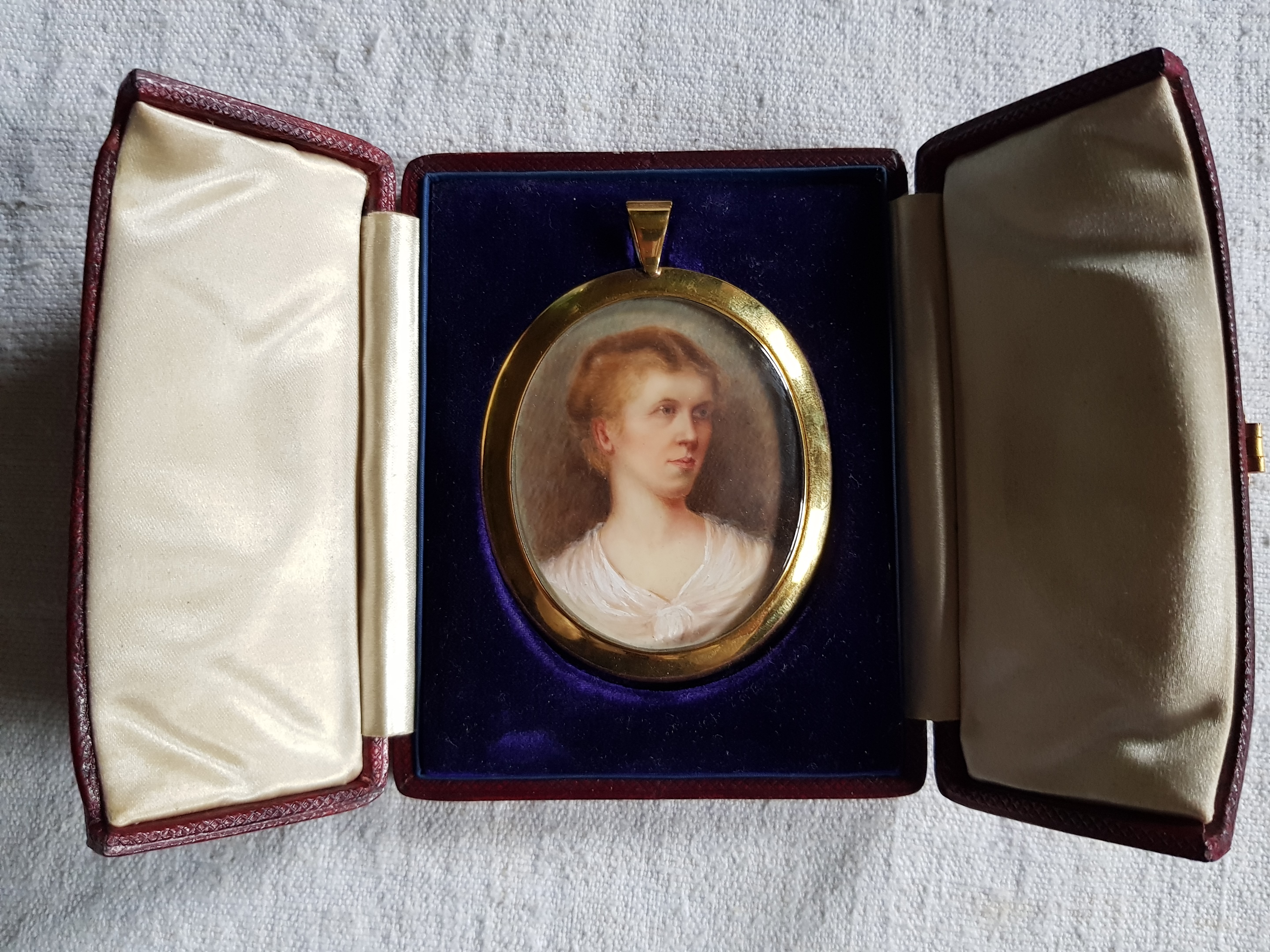
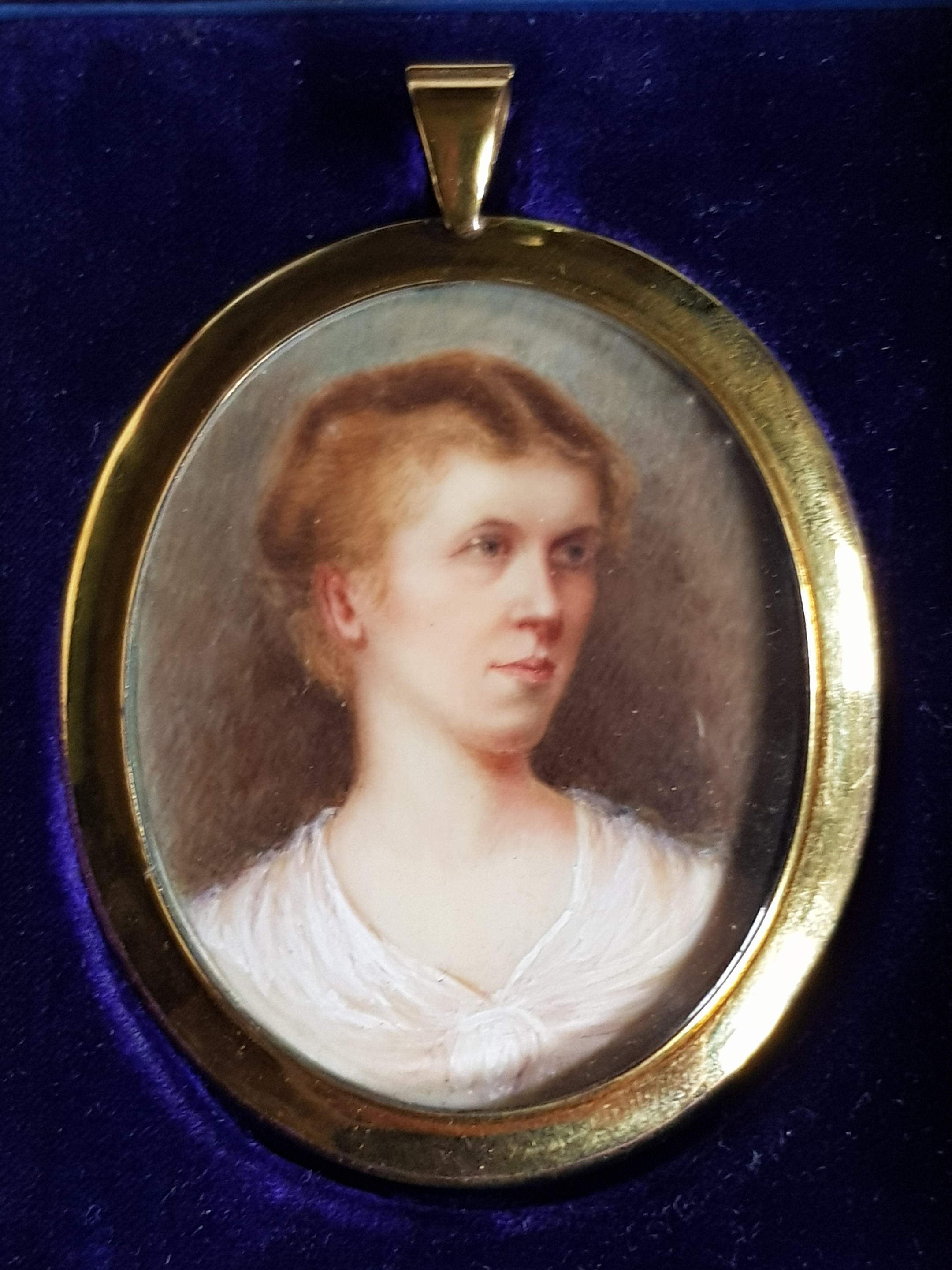
A week or so ago, I was sent information about an item in an auction due to be held in Cirencester the following day. It was of a miniature believed to be of Florence Deedes, who married my great grandfather, William Saumarez Smith, in 1870. I thought I should put in a bid for it out of a sense of great grand filial duty. It turned out that the auction had already taken place, but the miniature was unsold, so I was able to acquire it surprisingly cheaply. It has now arrived, in perfect condition, still in its original case. It has scarcely been opened. There is no evidence whatsoever as to whether or not the identification is correct, but it seems an implausible identity to invent. Her father, the Rev. Lewis Deedes, had been vicar of Bramfield in Hertfordshire, which was local to Woodhall in Hertfordshire, a stronghold of the Abel Smiths, so I guess this is how they met.
I realise that these facts are of zero interest to anyone but me, but I find it intriguing the distant presence of a remote piece of family history and post it in case some of my Australian relations can tell me more about her:-
The Announcement
Just in case any of my loyal readers haven’t already heard, the attached news item had 279,000 readers:-
https://news.artnet.com/art-world/charles-saumarez-smith-blain-southern-1324928
I had forgotten about Bicester village. It’s funny what one is remembered for.
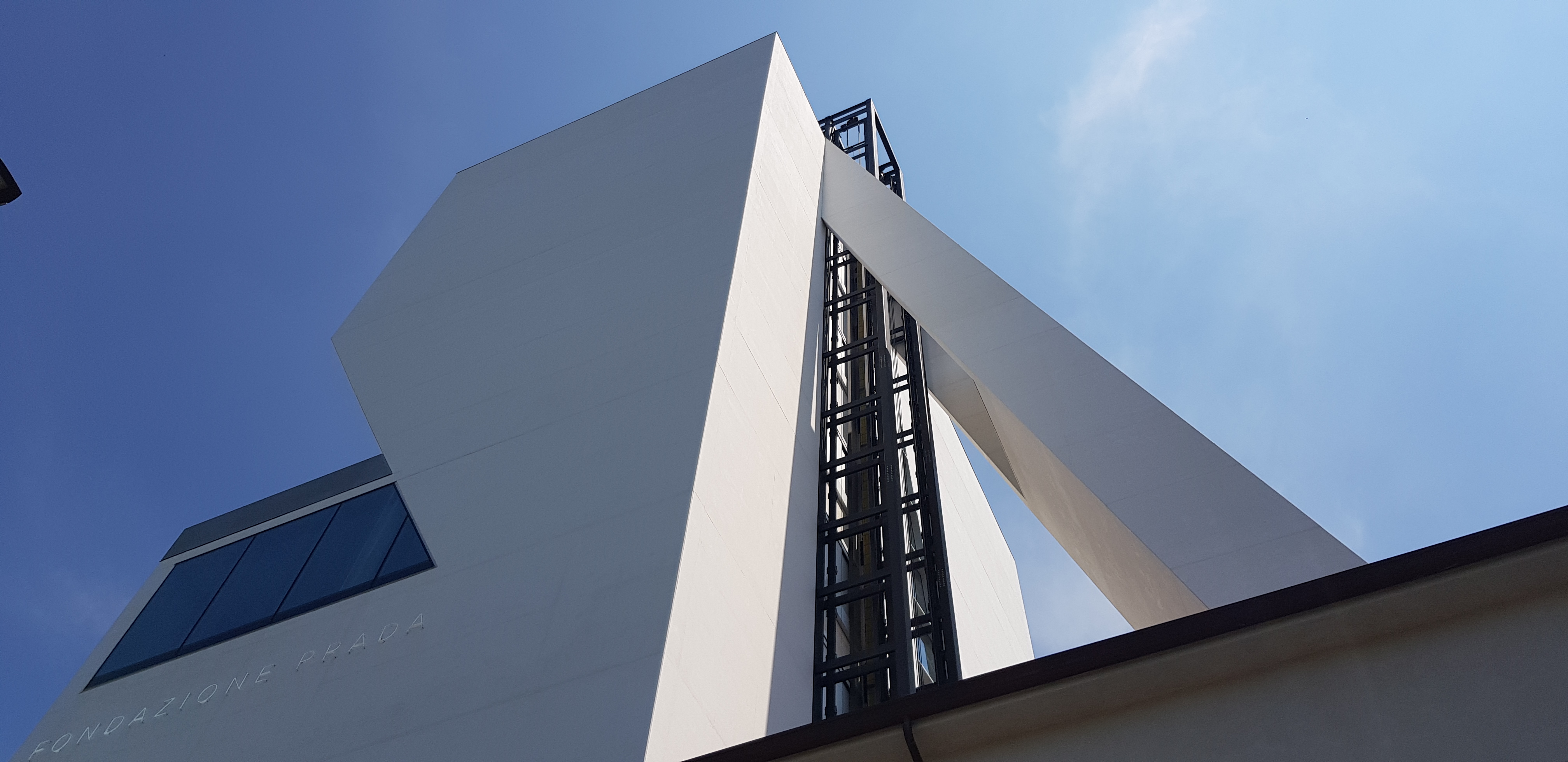
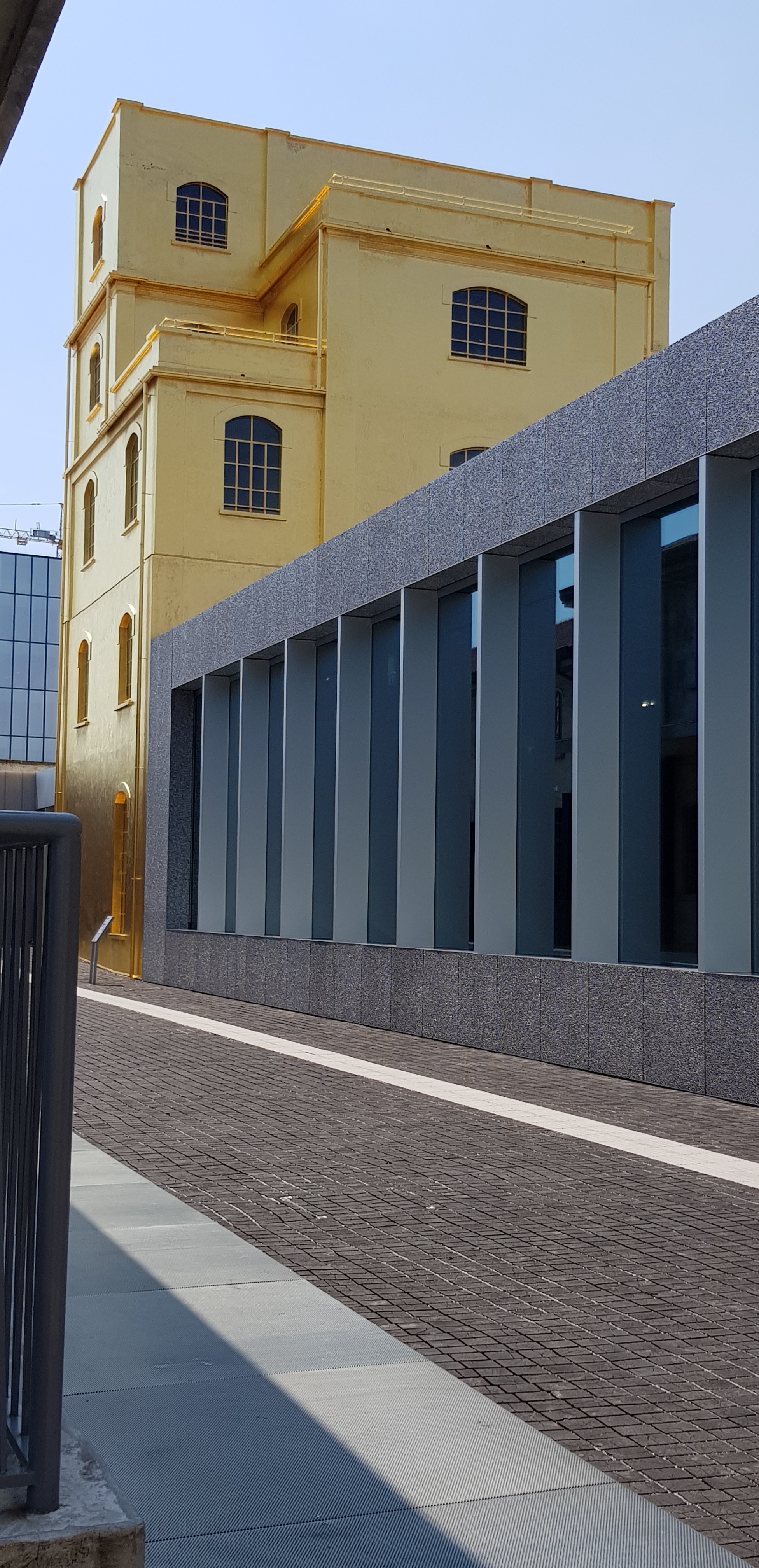
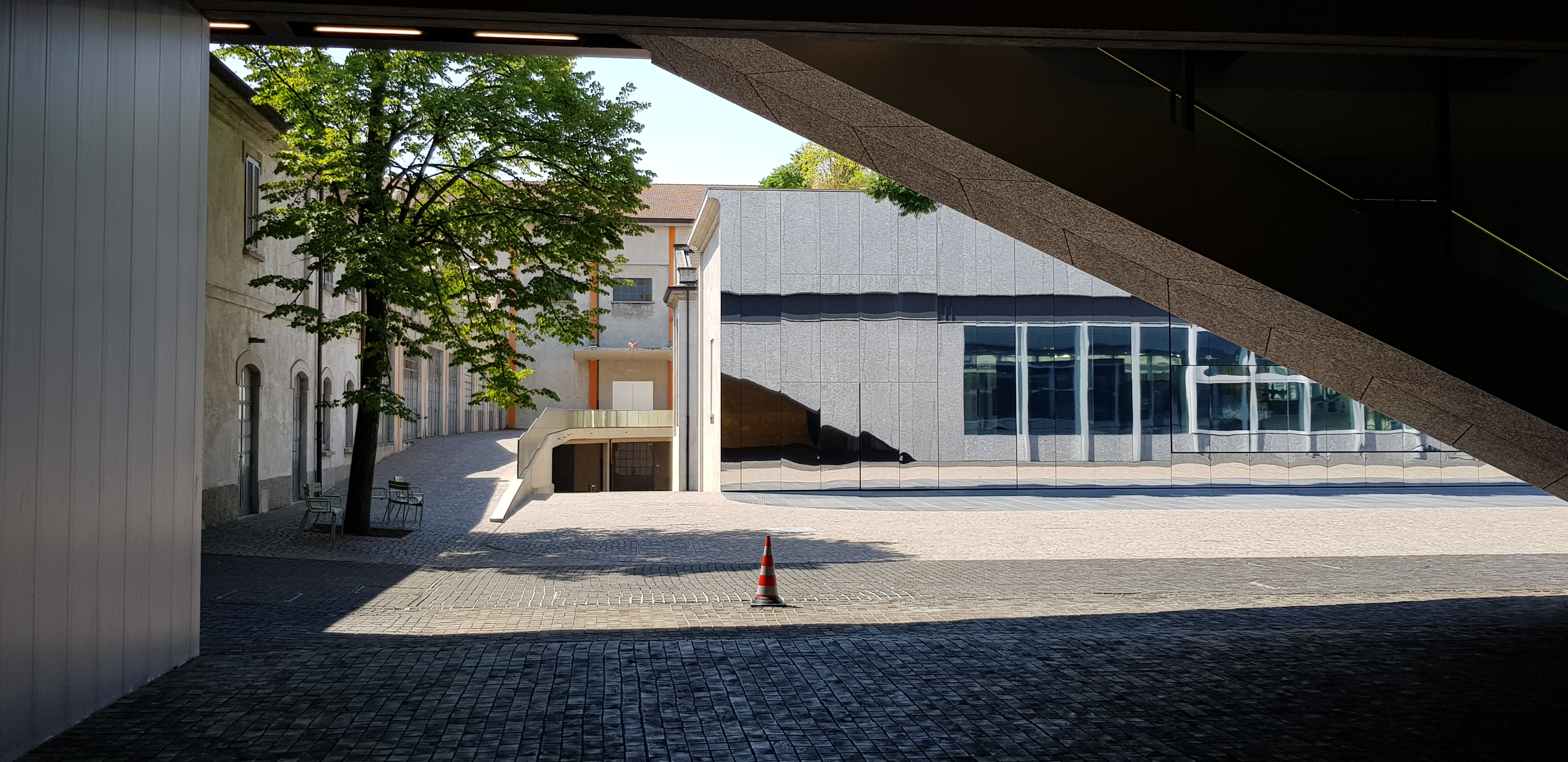
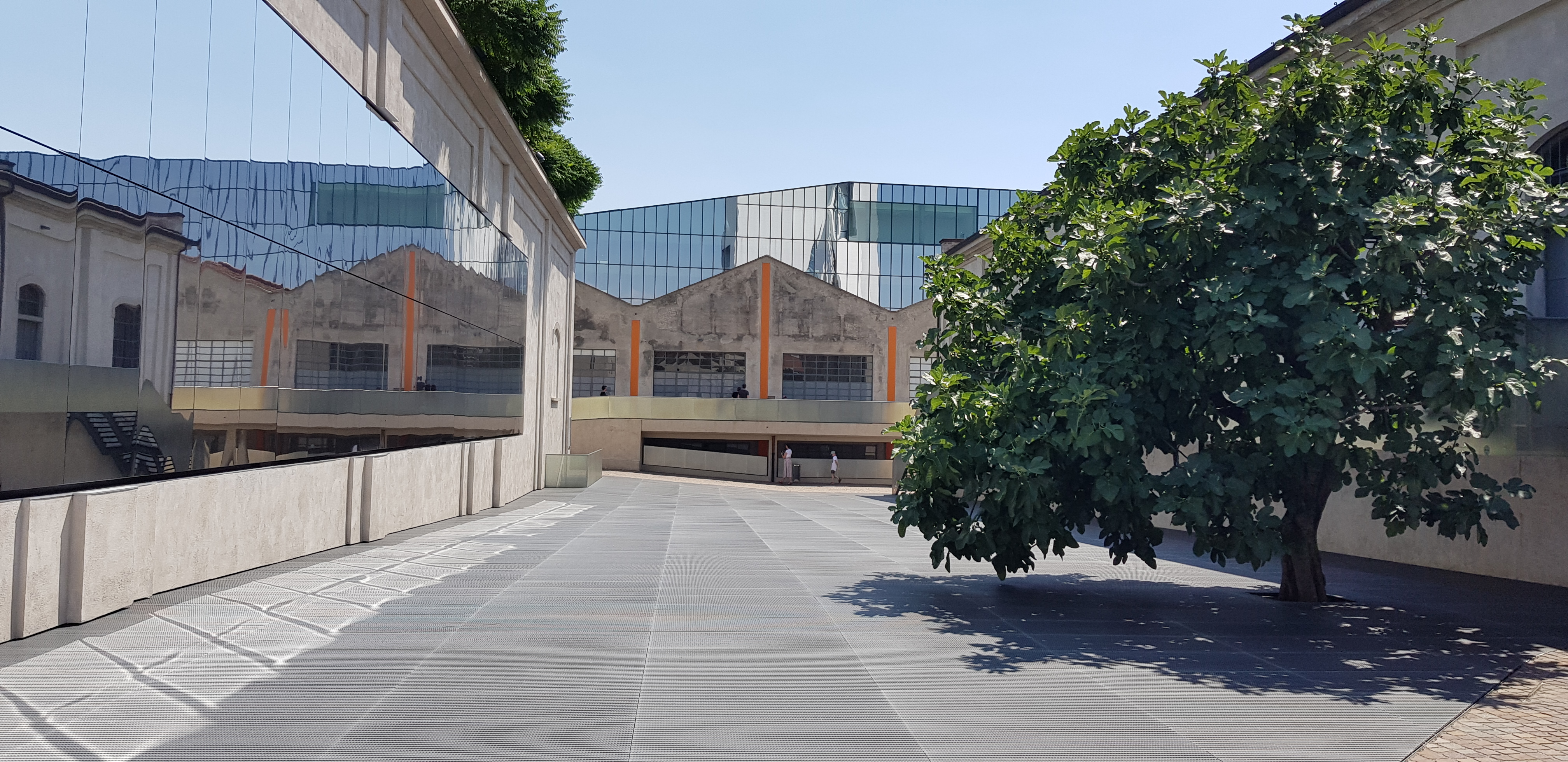
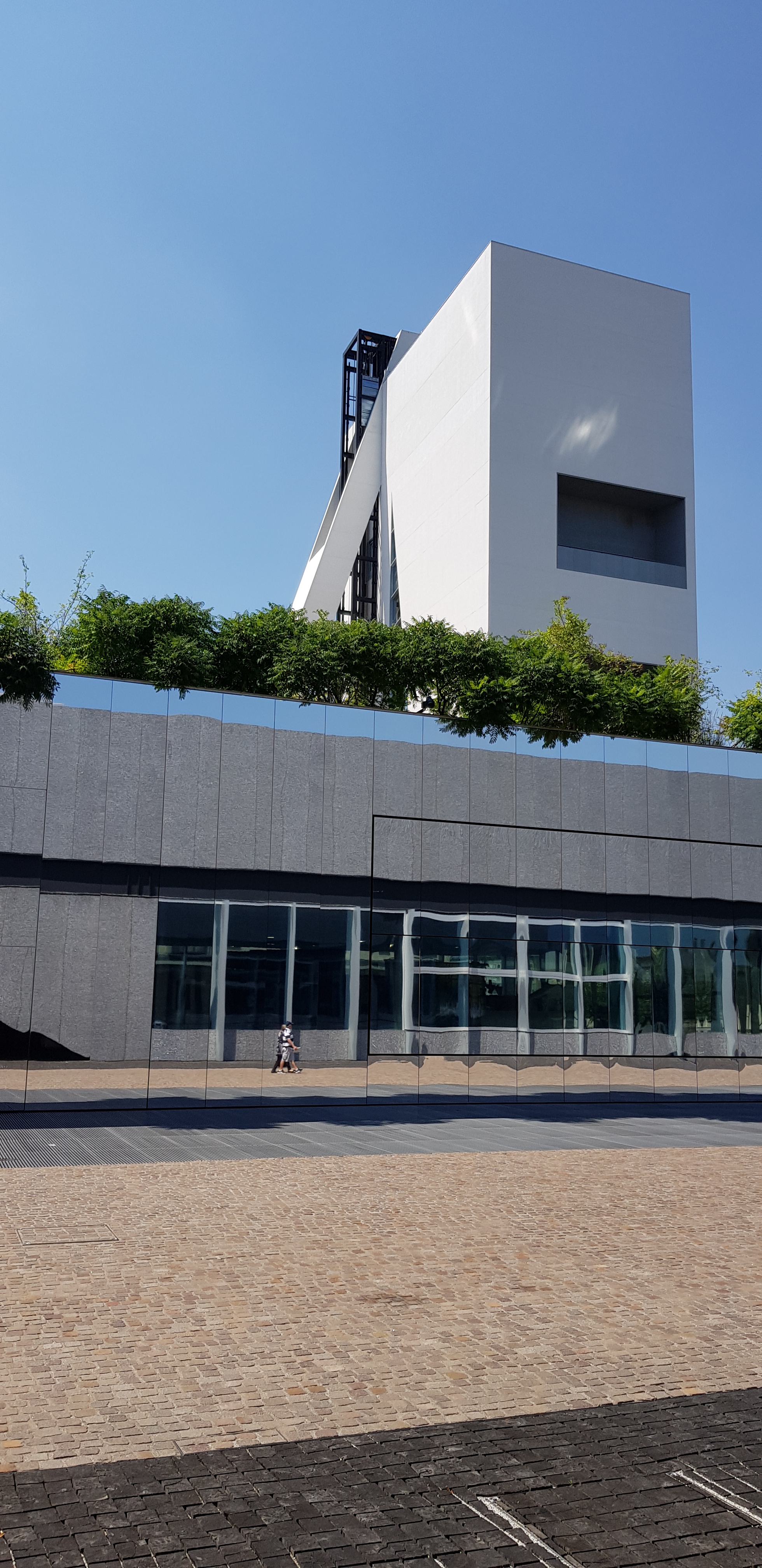
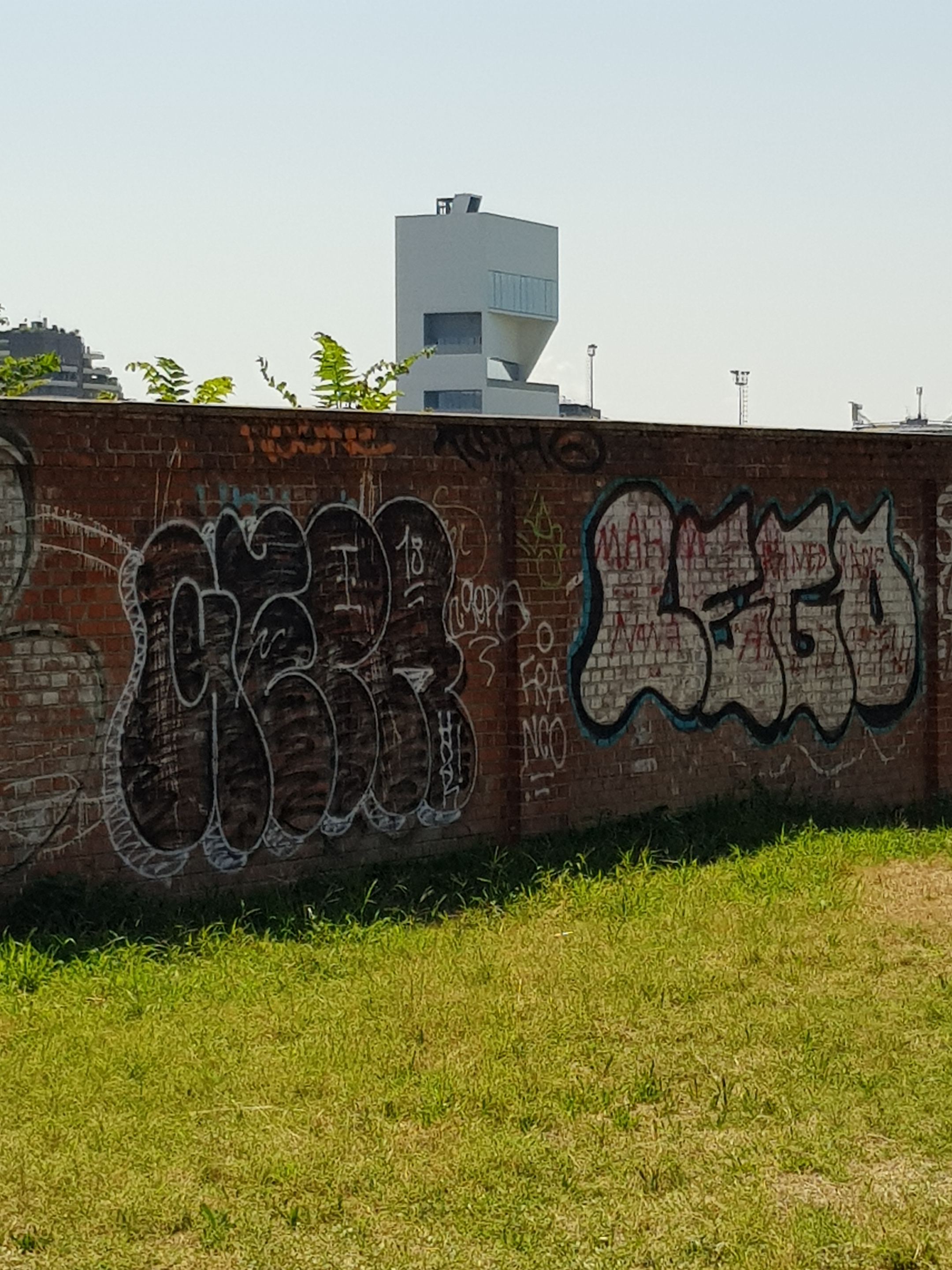
Fondazione Prada
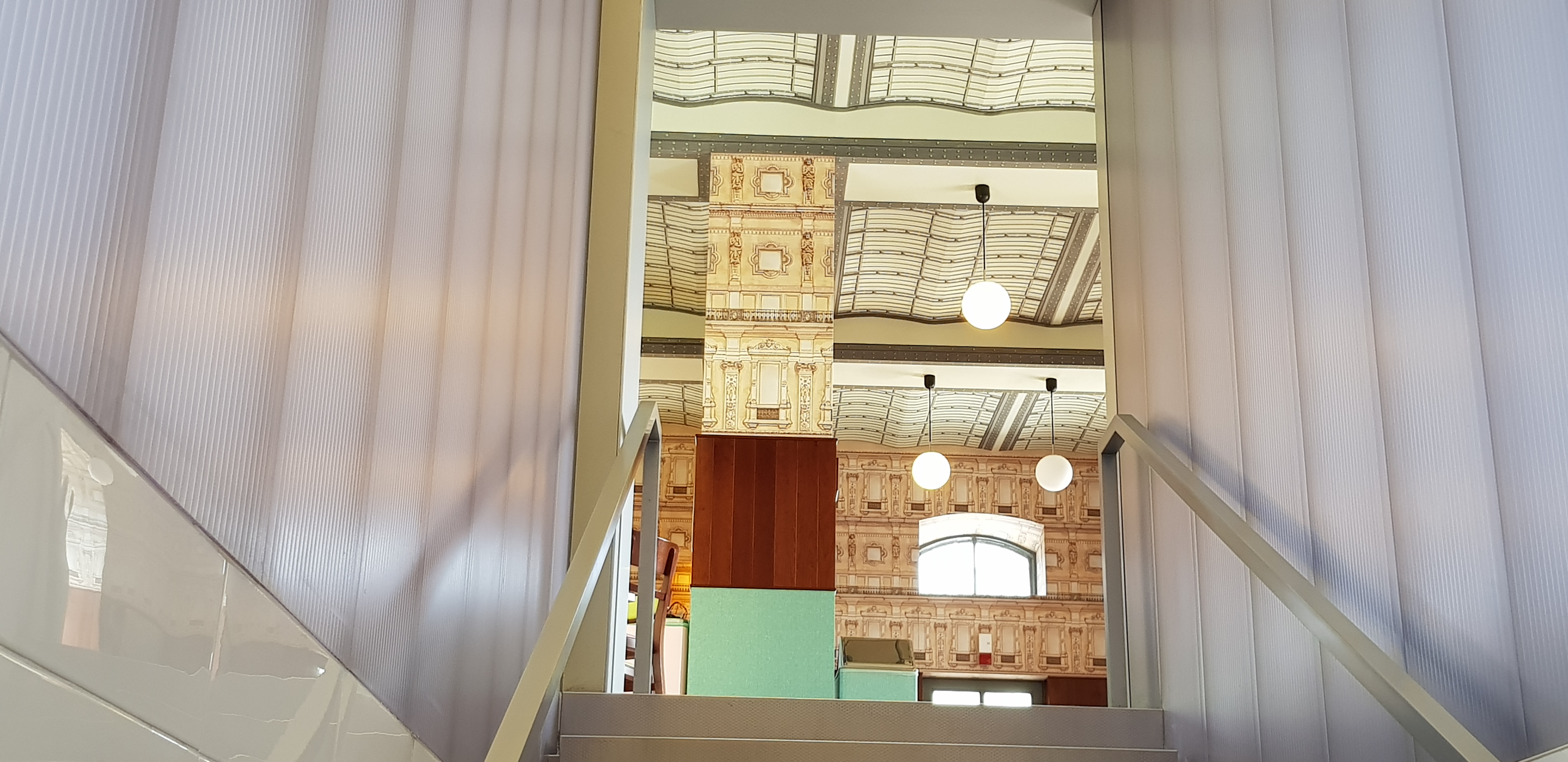
The Fondazione Prada was even further out from the centre than the Bocconi University: like walking to Hoxton from Charing Cross. At least it has a jolly nice café, the Bar Luce, a reconstruction of an imagined 1950s bar by Wes Anderson:-
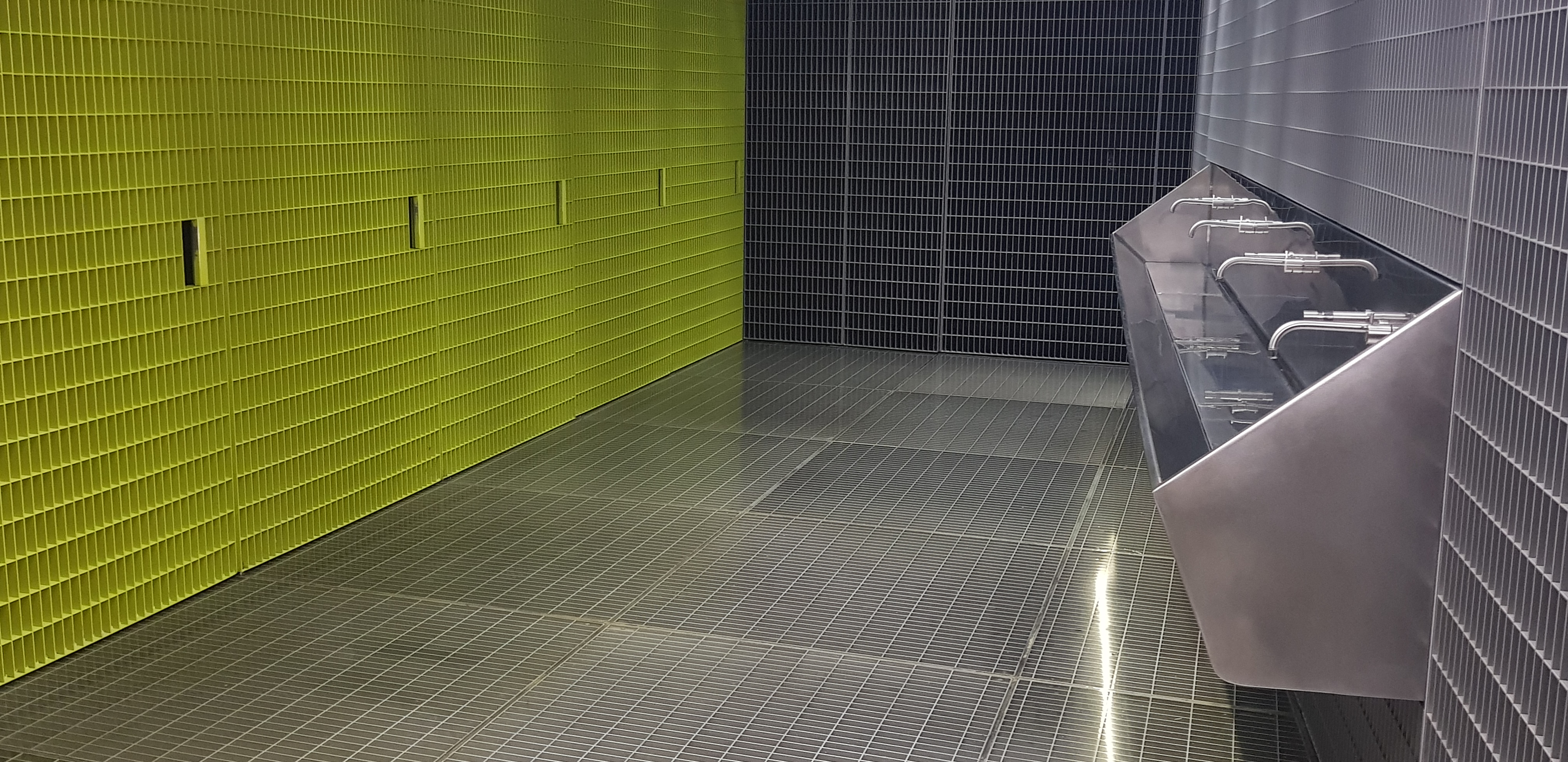
And a fairly impressive Gents as well:-
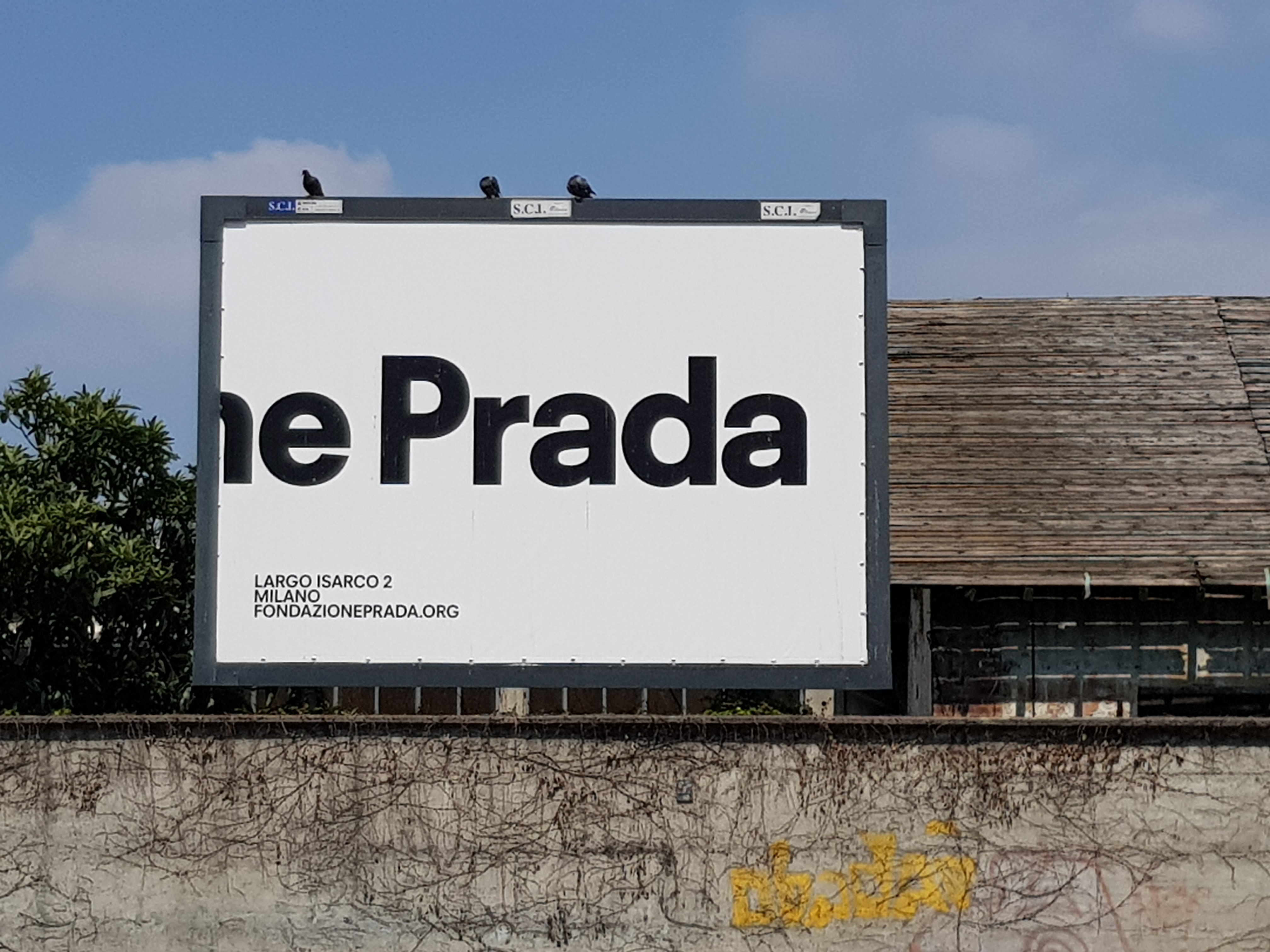
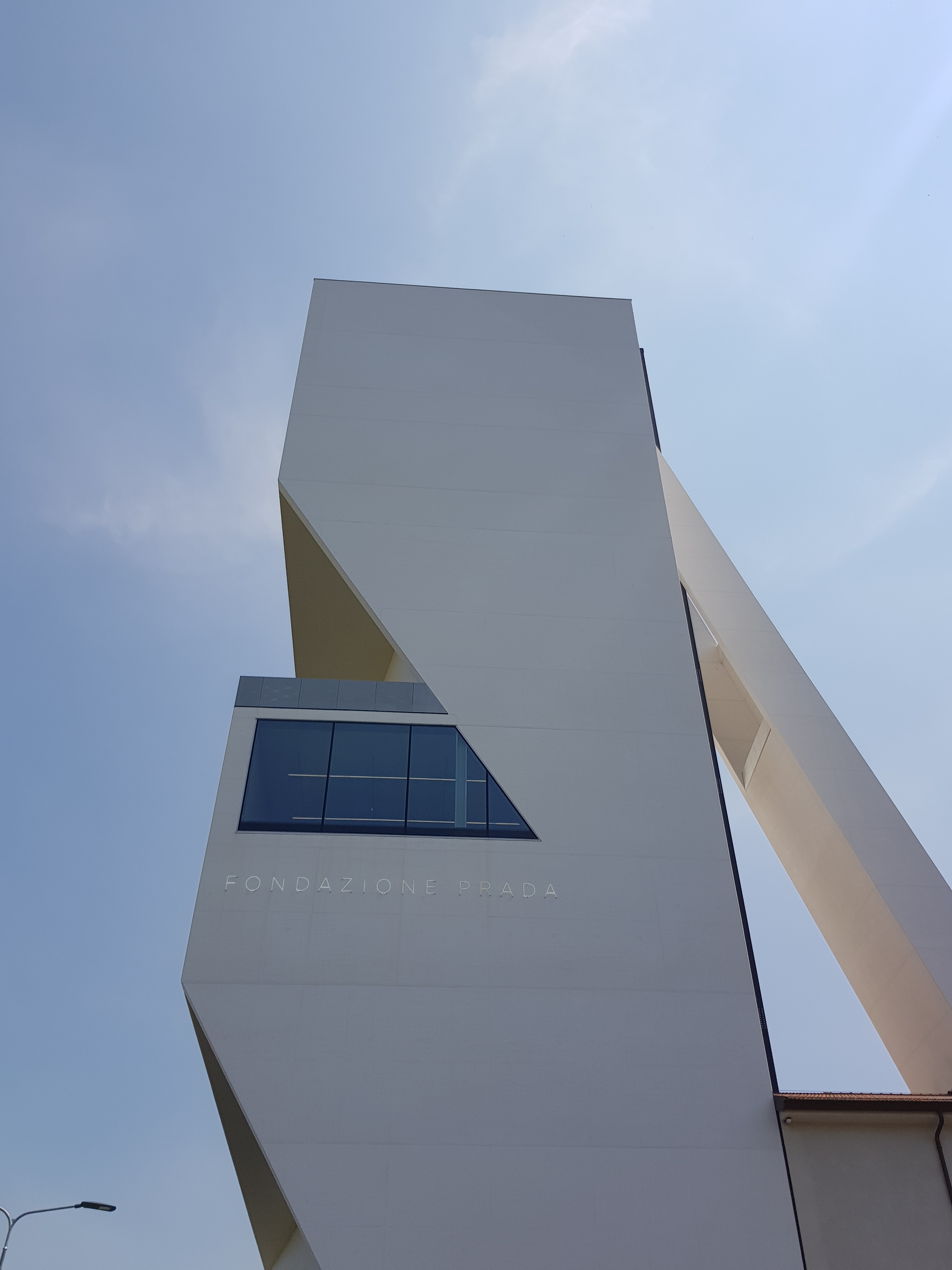
It’s a kind of post-industrial dream, oddly, unlike Corso Como to the north, stripped of all commerce:-
Bocconi University
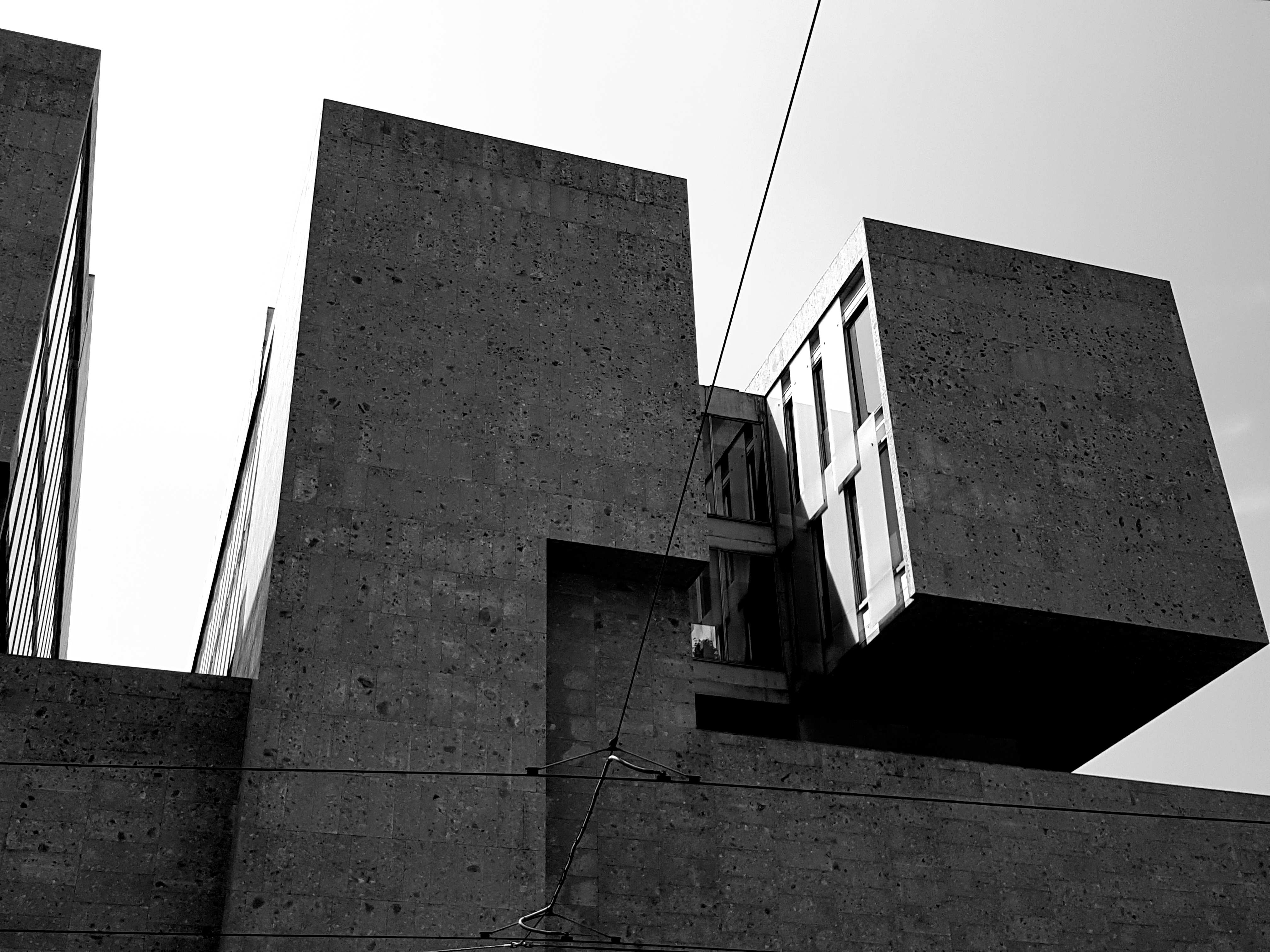
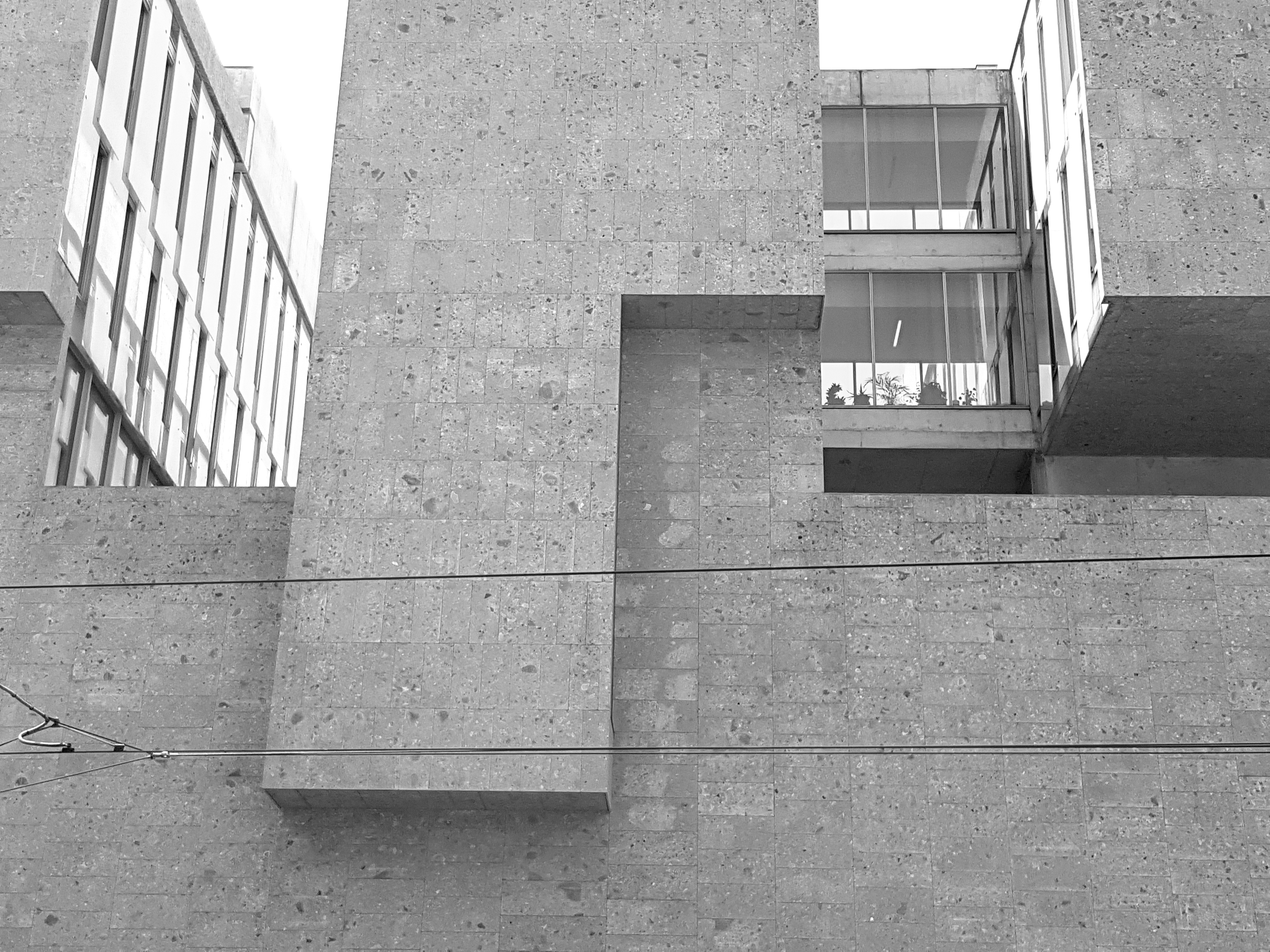
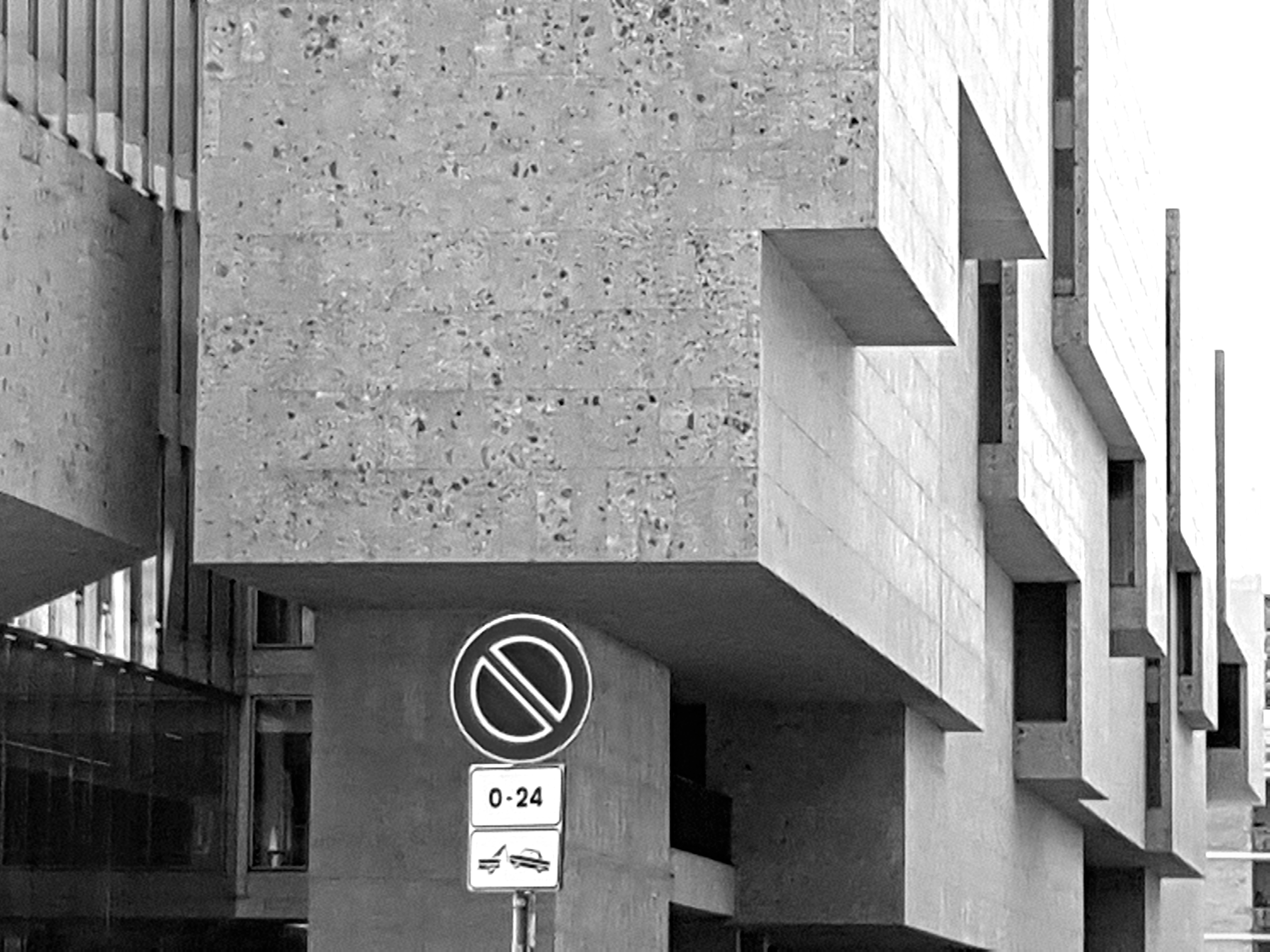
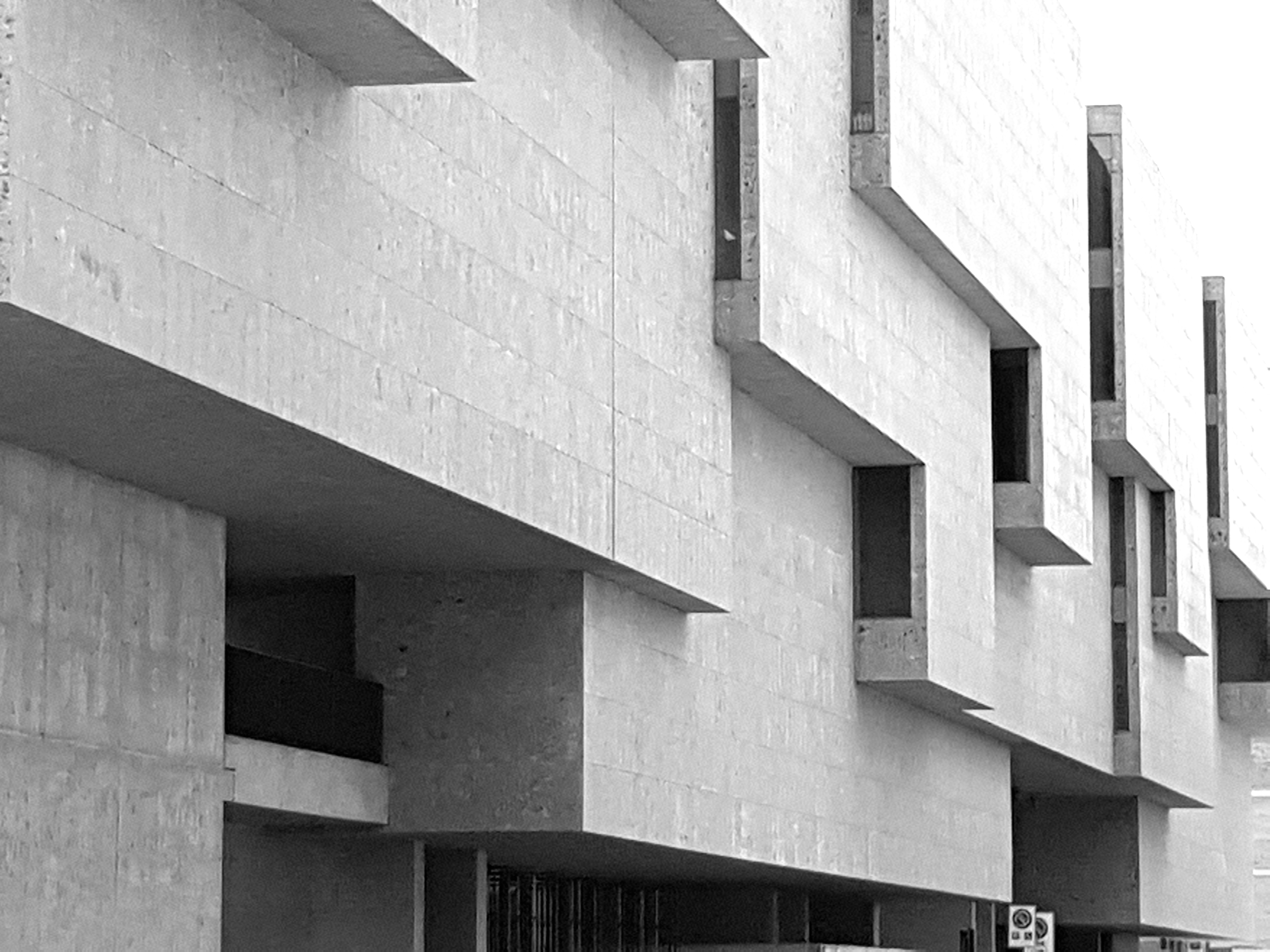
Having heard Grafton Architects give the Annual Architecture Lecture at the RA (but about the Biennale, not their architecture), I was keen to see their biggest project, a private university in south Milan. It’s impressive, on a large scale, filling a city block with a set of free style, sculptural forms, in keeping with the idiom of 1950s Italian modernism in Milan:-
Pinacoteca di Brera
I wanted to see the Brera, which has been run for the last three years by James Bradburne, brought in as part of a cohort of international directors to modernise Italian museum practice.
The Brera was established on 15 August 1809 by Napoleon, no less, as a way of centralising the art treasures of northern Italy in a single location. He presides:-
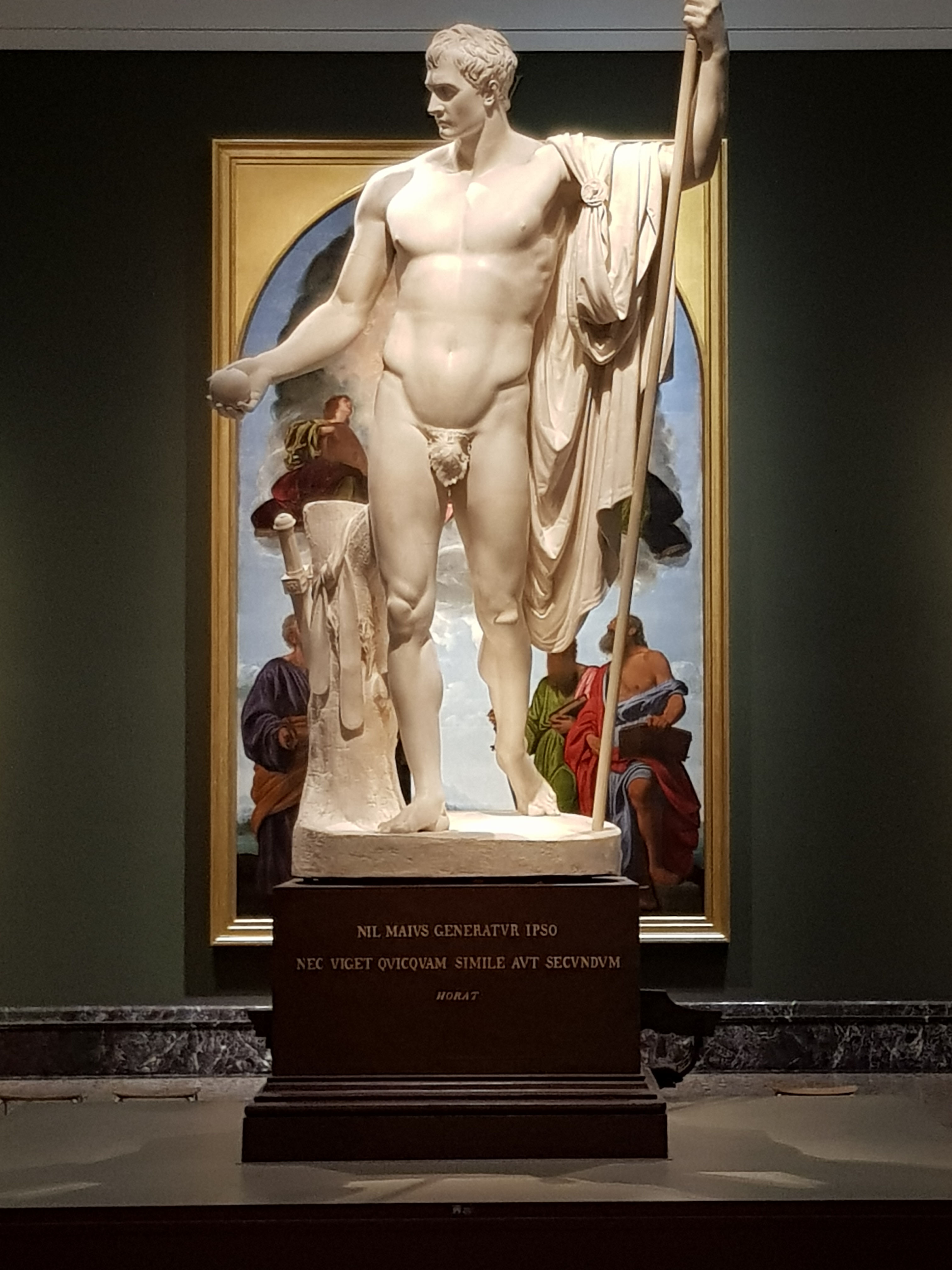
James likes a slightly theatrical style of display with ample labels, more than is normal, written conversationally.
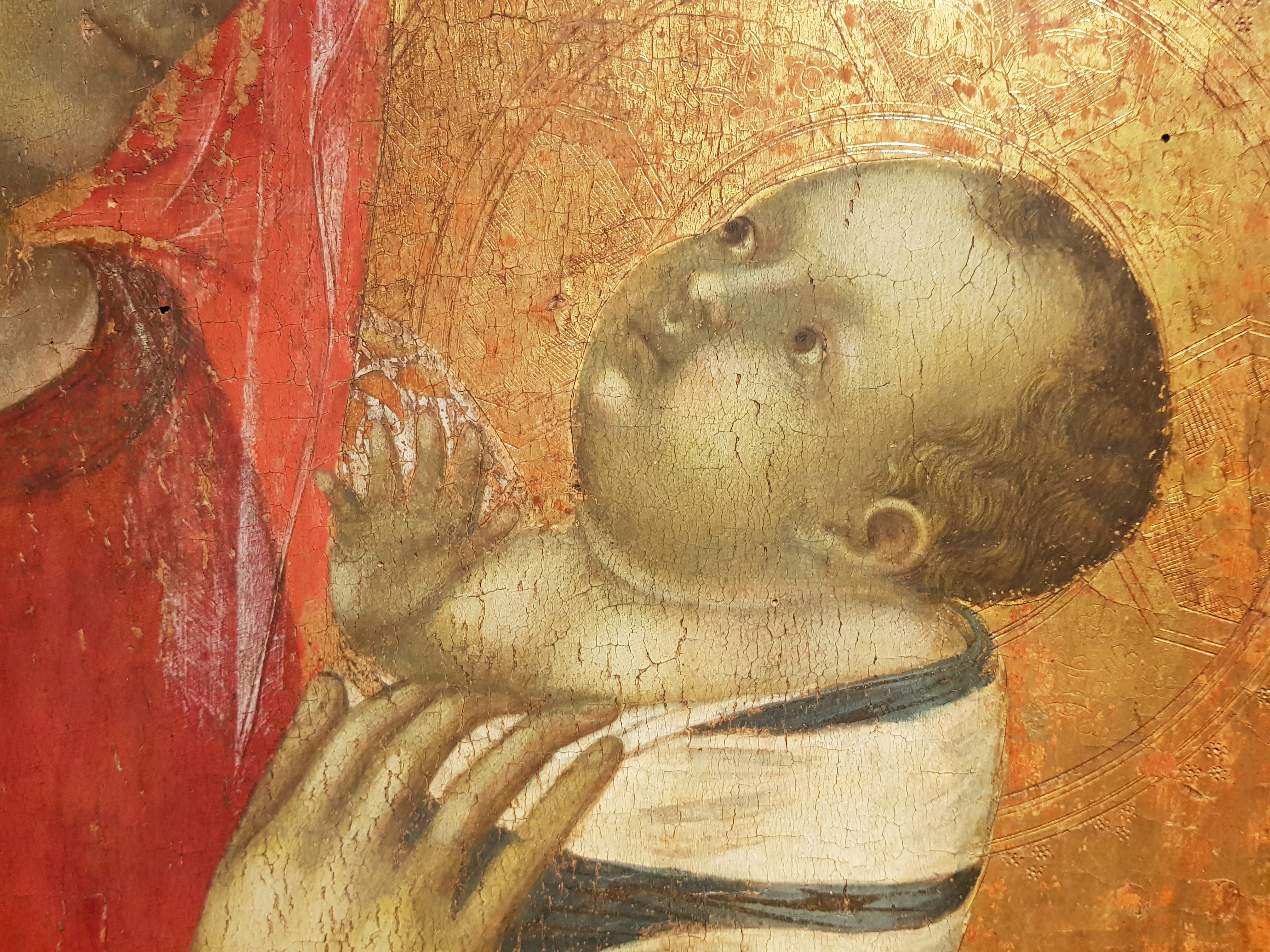
Ambrogio Lorenzetti:-
Two heavenly Bellinis. A Pieta (1460):-
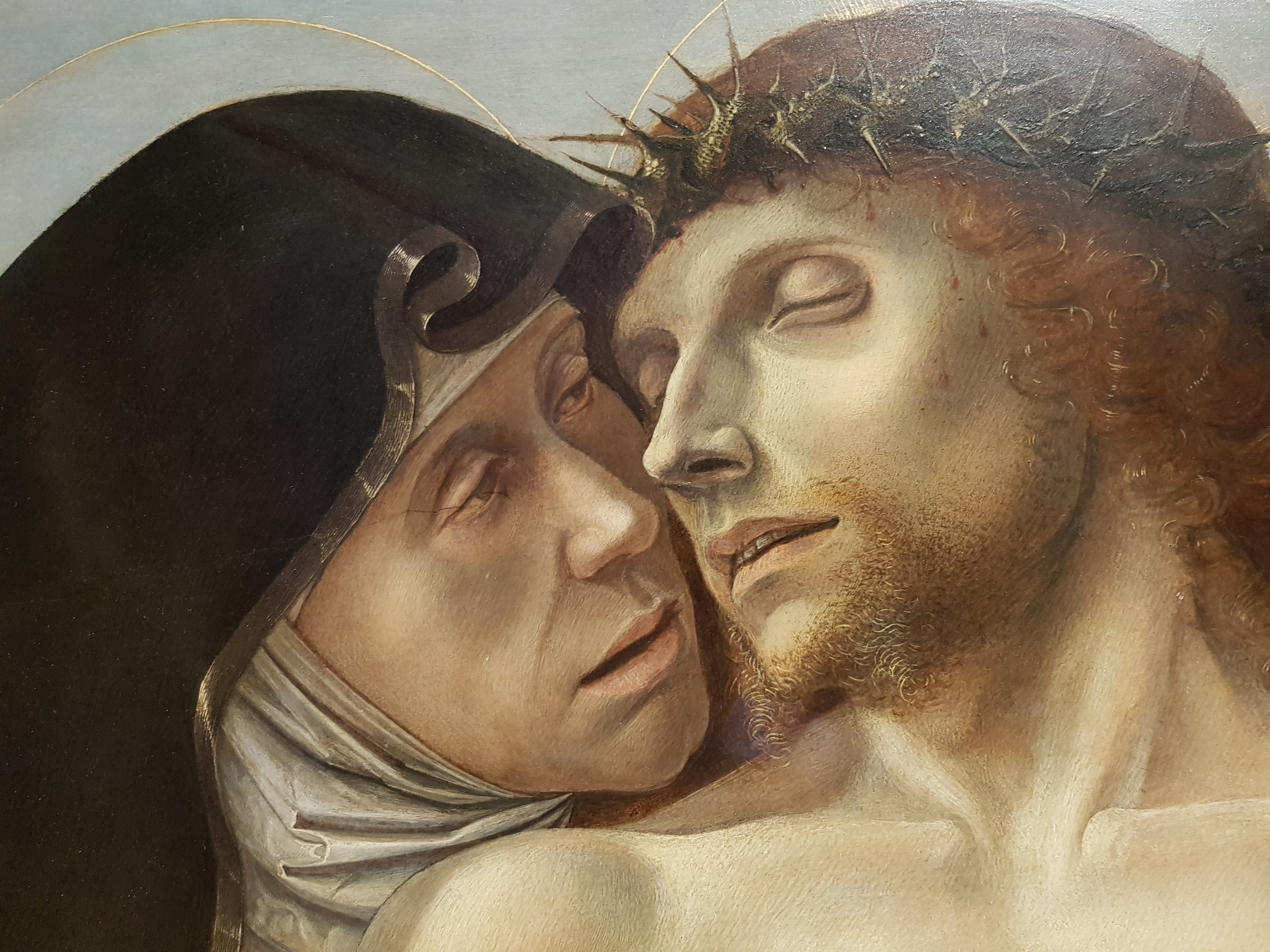
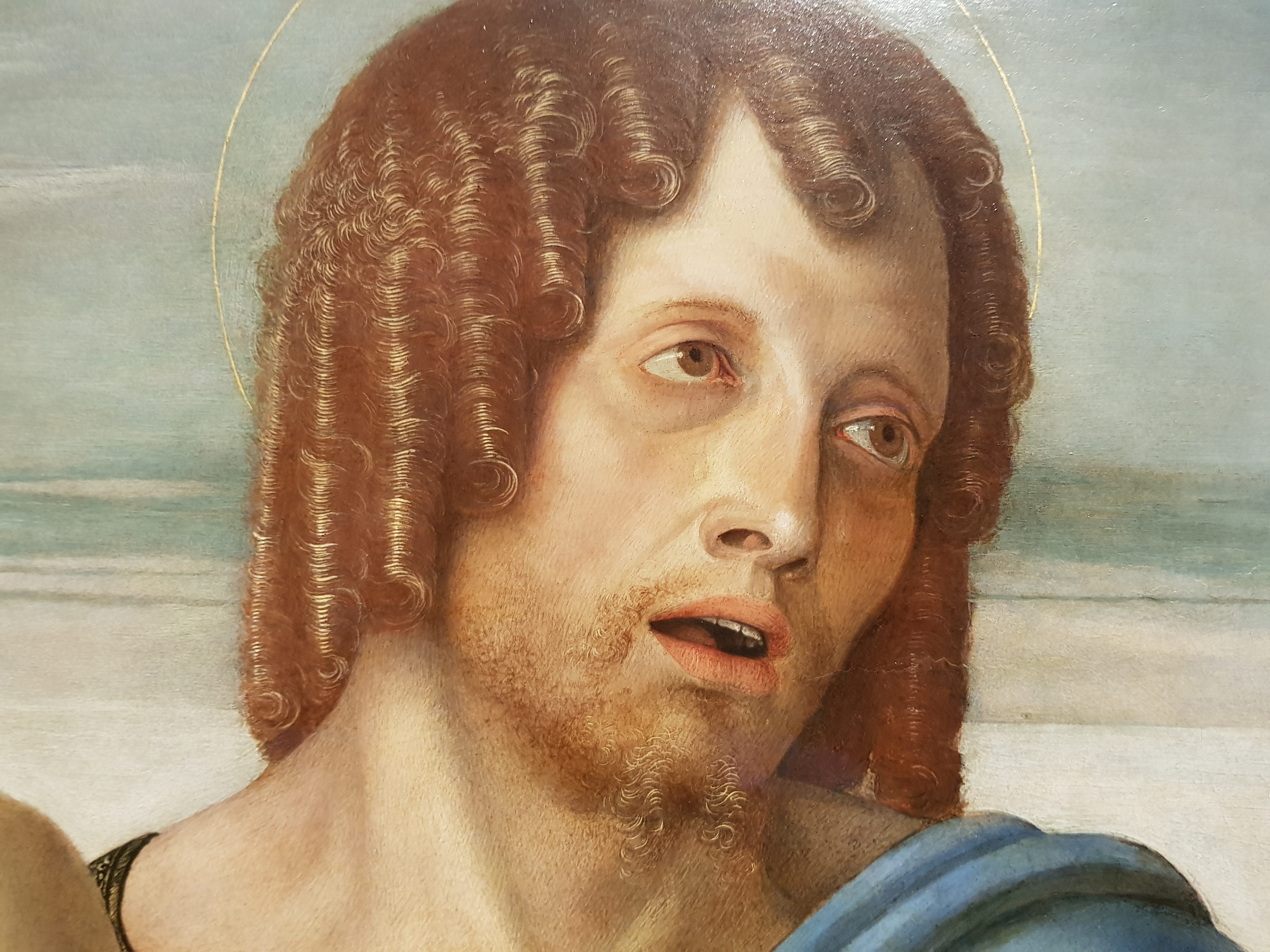
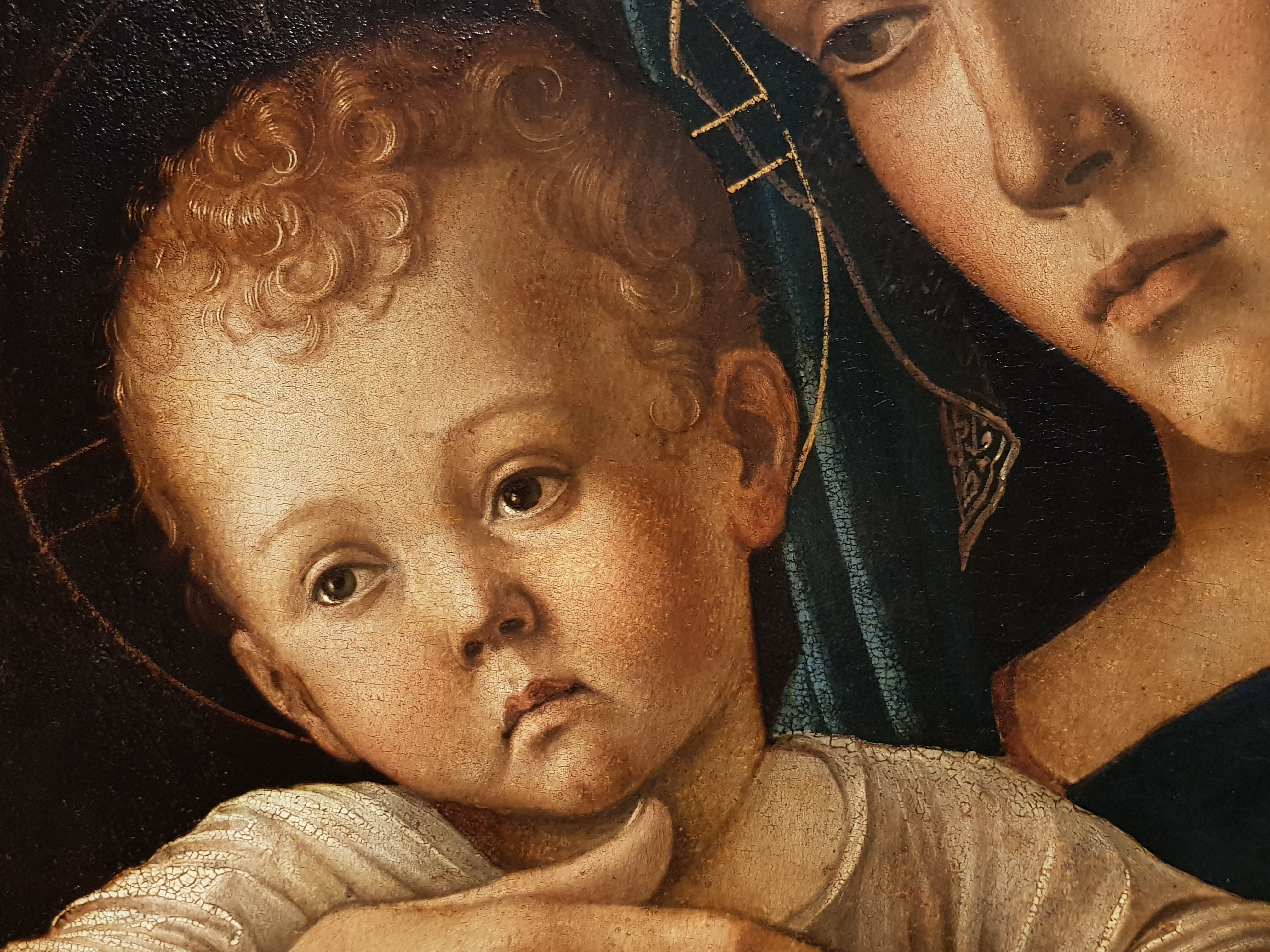
And a Madonna and Child:-
And a late Mantegna (c.1485):-
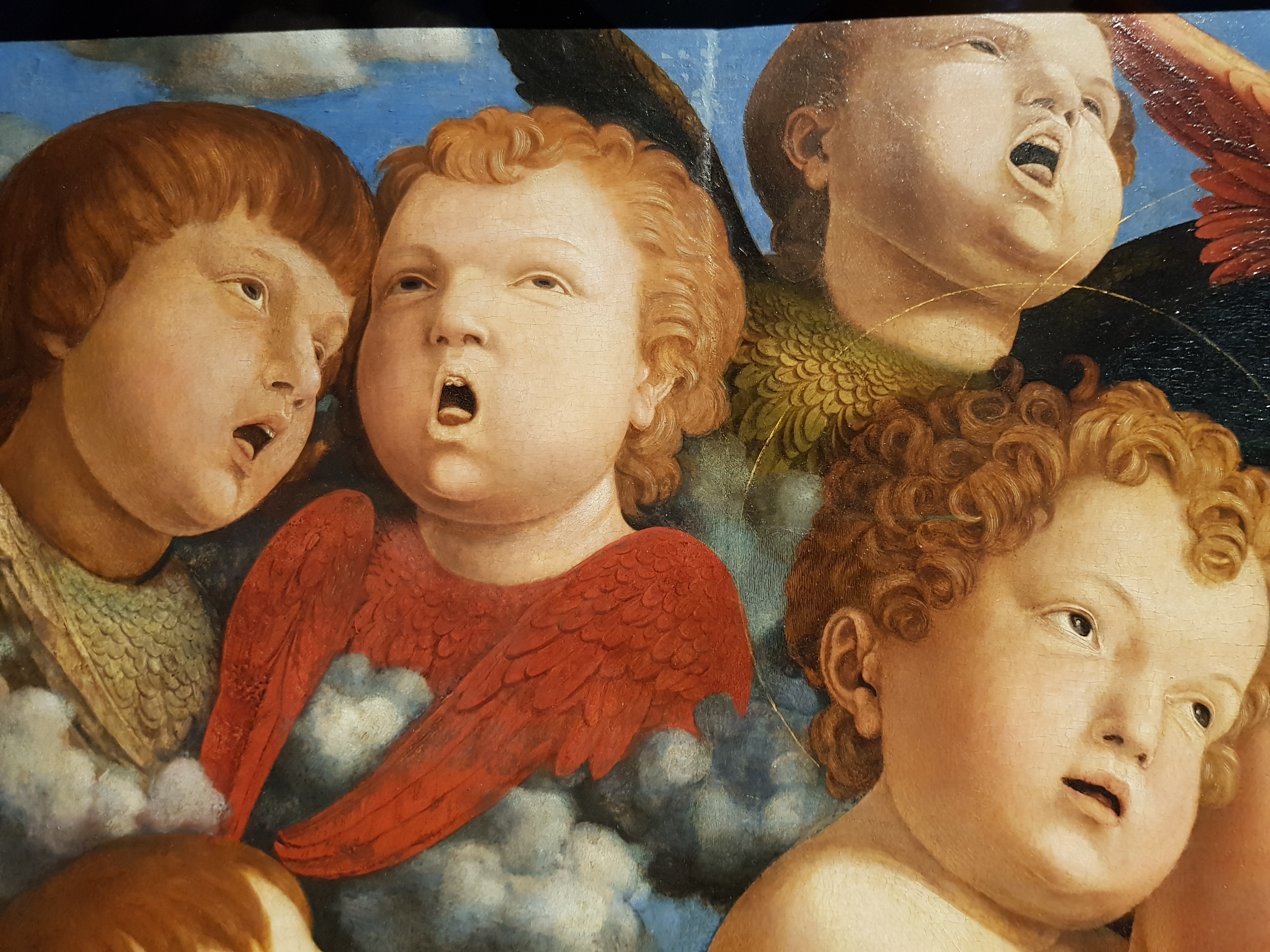
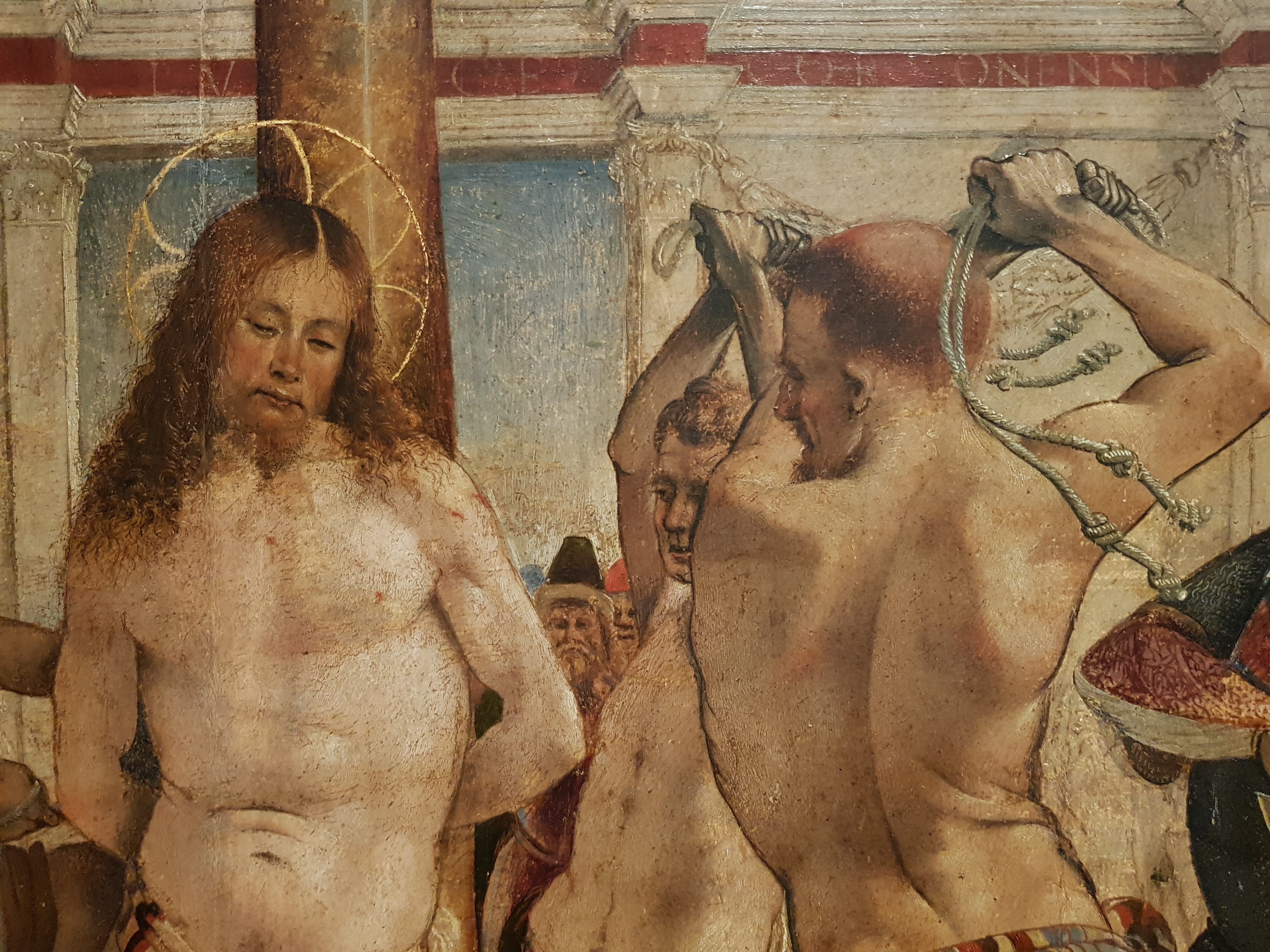
Signorelli’s Flagellation (1482-5):-
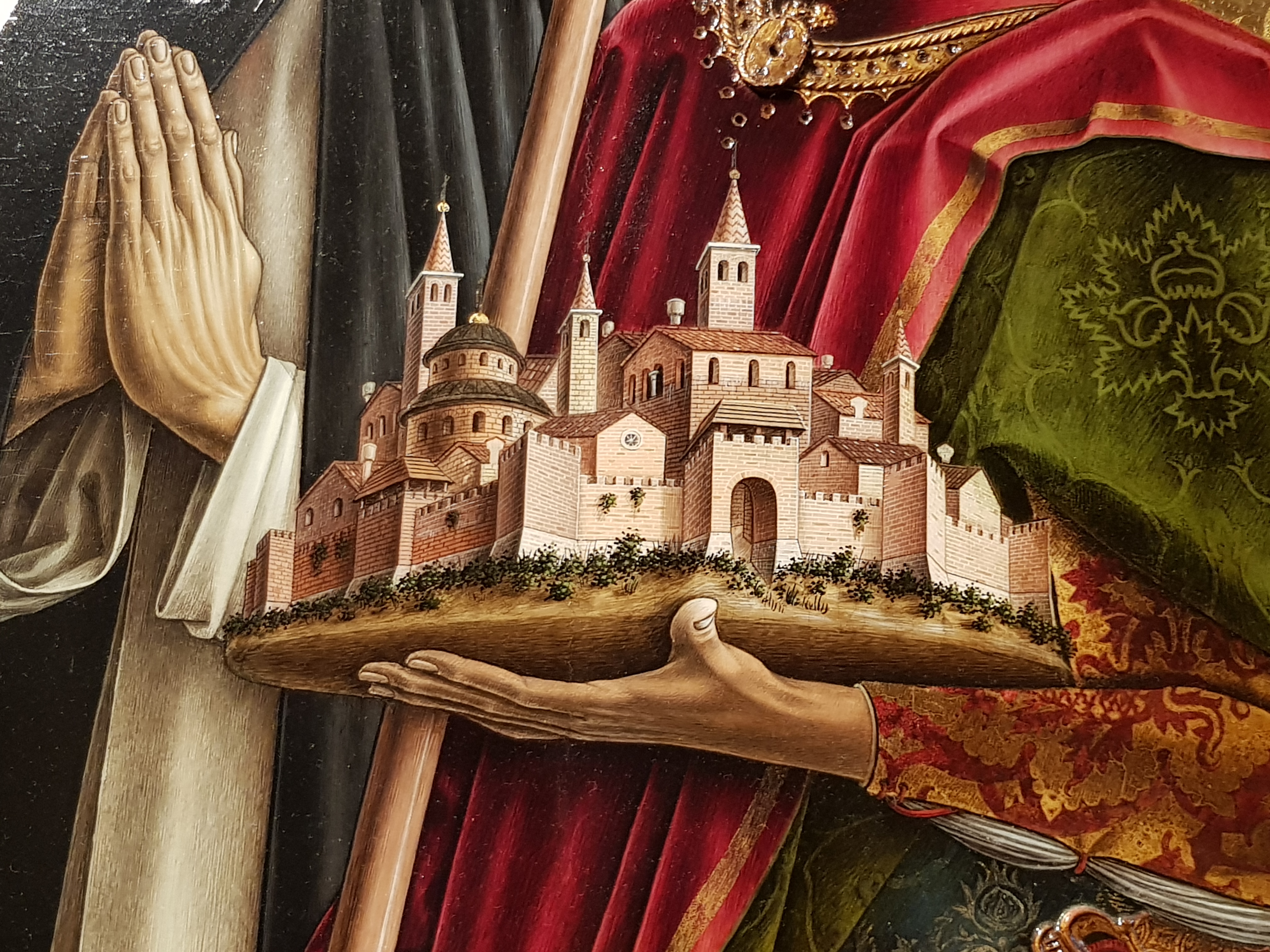
More wonderful Crivelli’s, including an altarpiece from Camerino with a view of the city:-
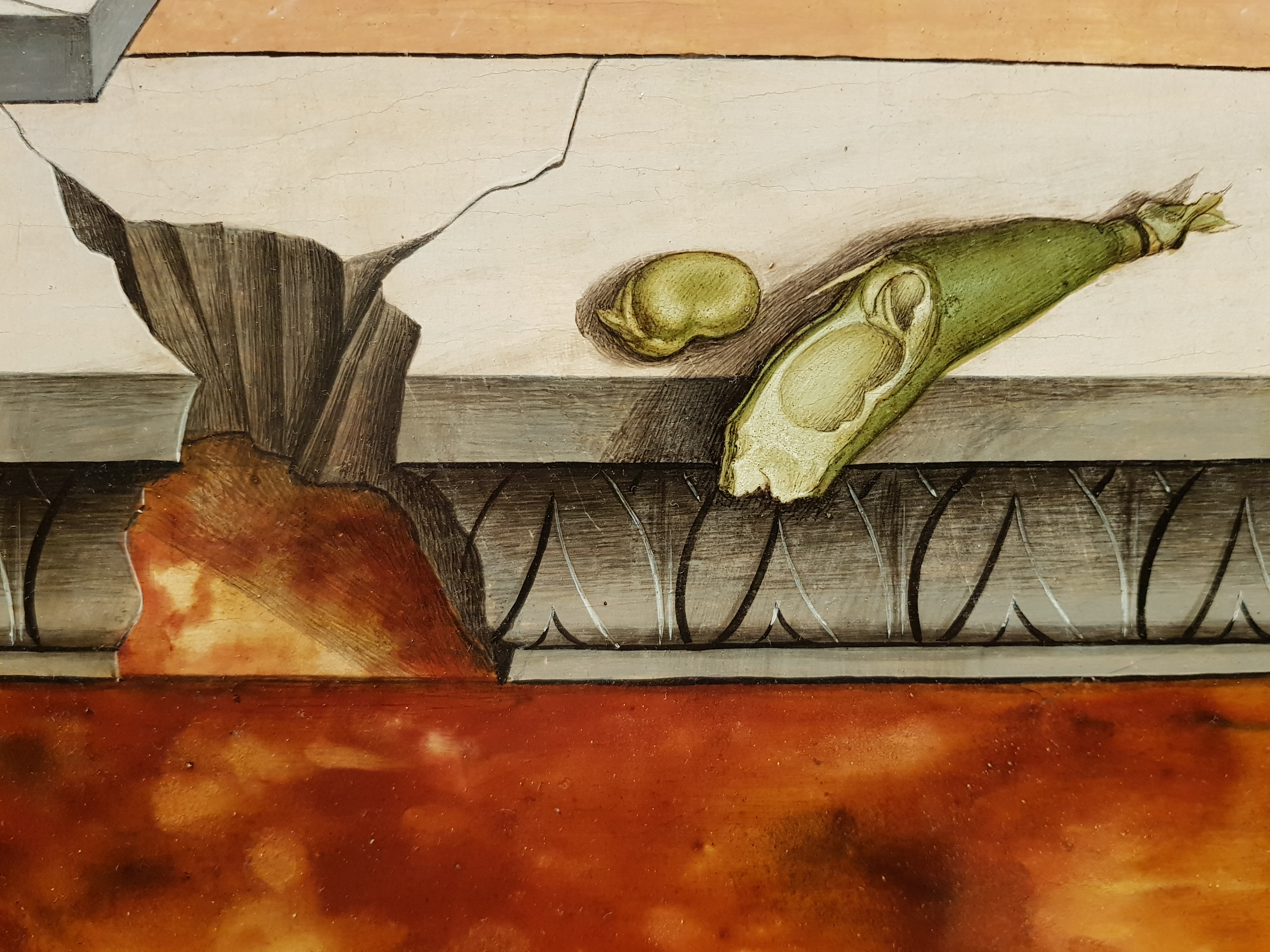
And the broken pod of a broad bean:-
 | Charles | Saumarez | Smith |
You must be logged in to post a comment.