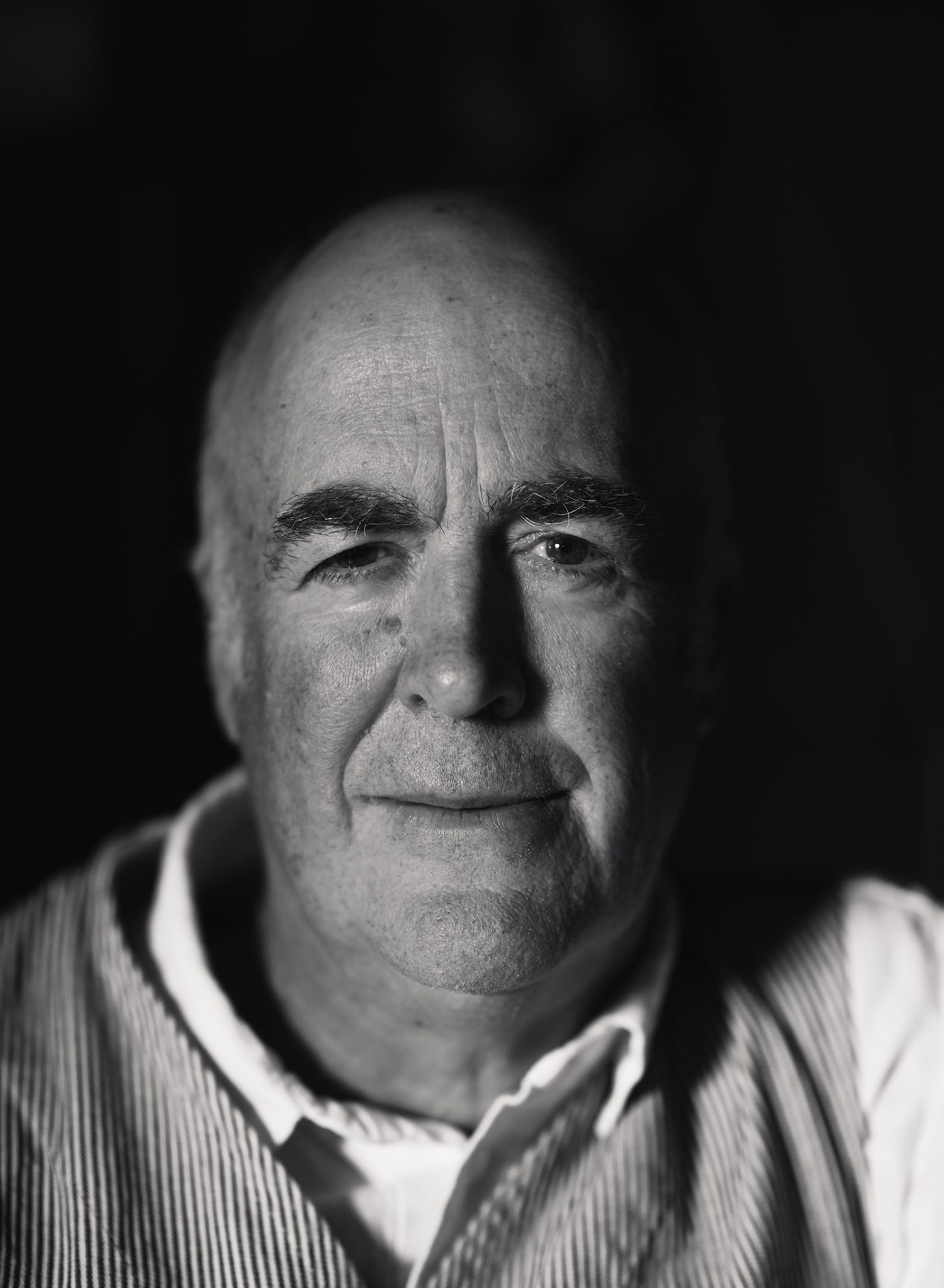
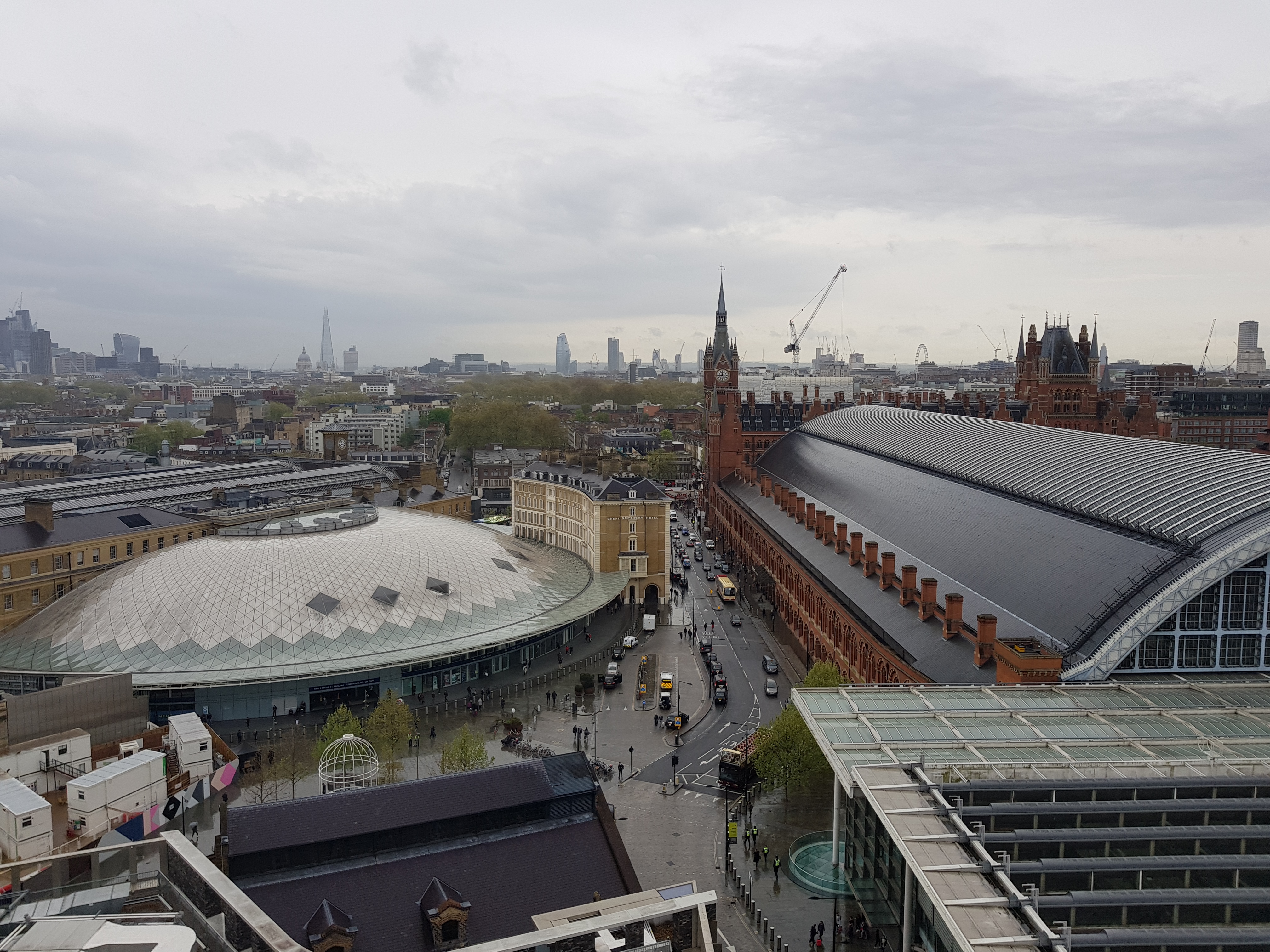
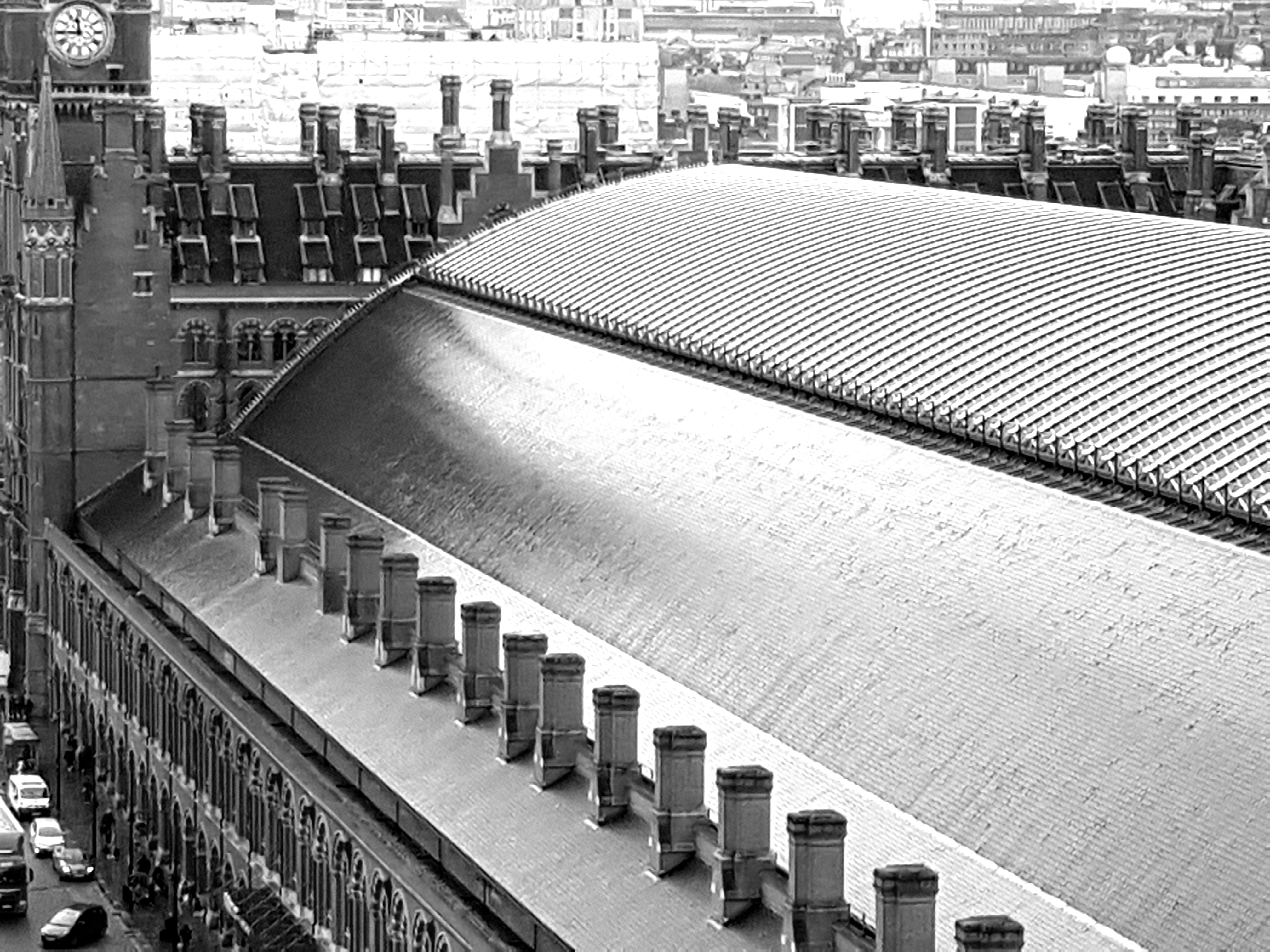
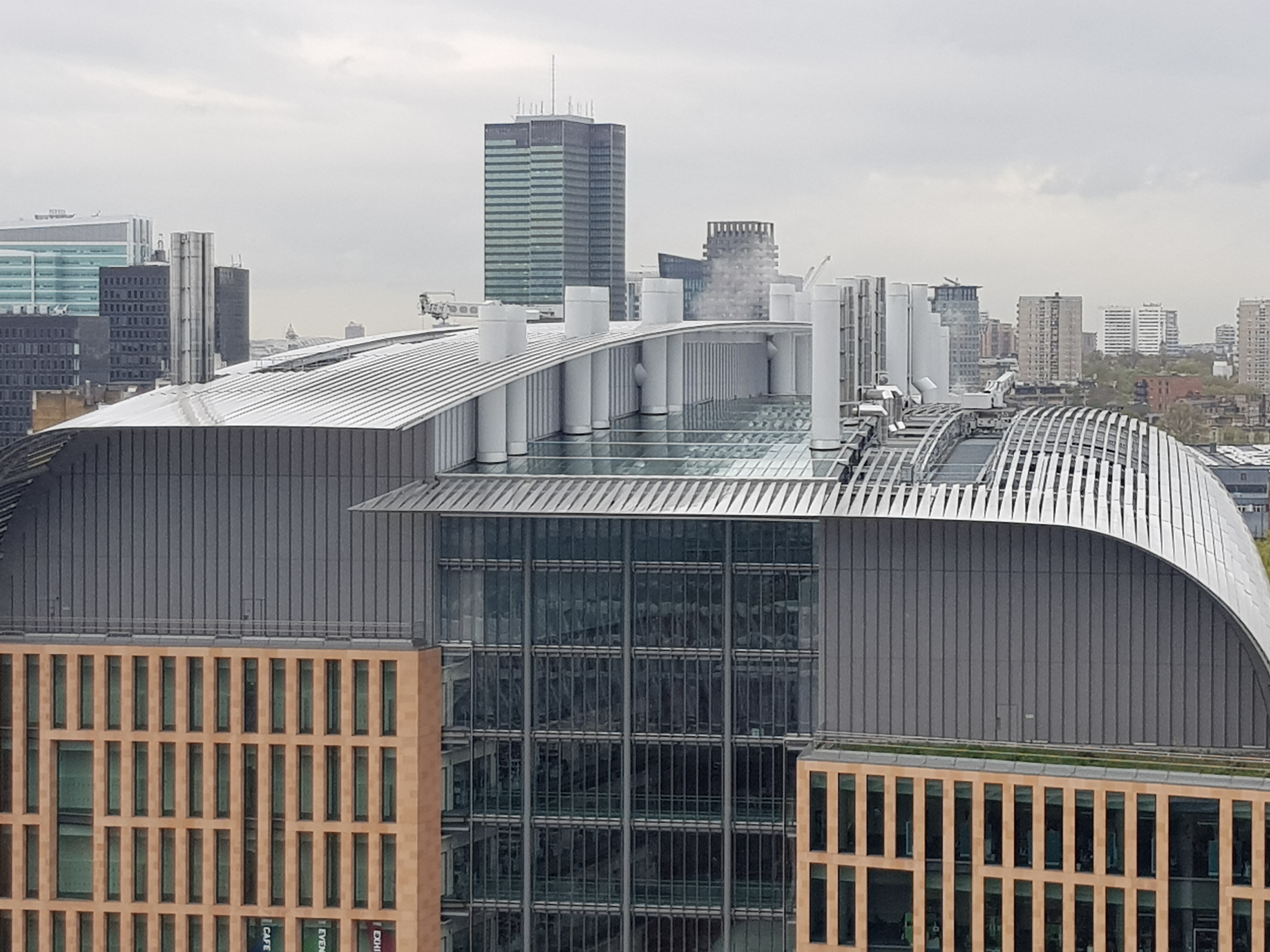
On a visit to the current Google HQ just north of King’s Cross (we glimpsed a model of the new one planned by Thomas Heatherwick RA), one has to sign an affidavit that one will not take photographs. But I was given special permission to take photographs from the balcony outside the Ninth Floor which has a fairly spectacular view out over the St. Pancras station train shed, designed by William Barlow, the Midland Hotel, Gilbert Scott’s masterpiece, John McAslan’s recent additions to King’s Cross, the Crick Institute, and the rest of central London to the South Downs in the distance:-
Academy Catalogues
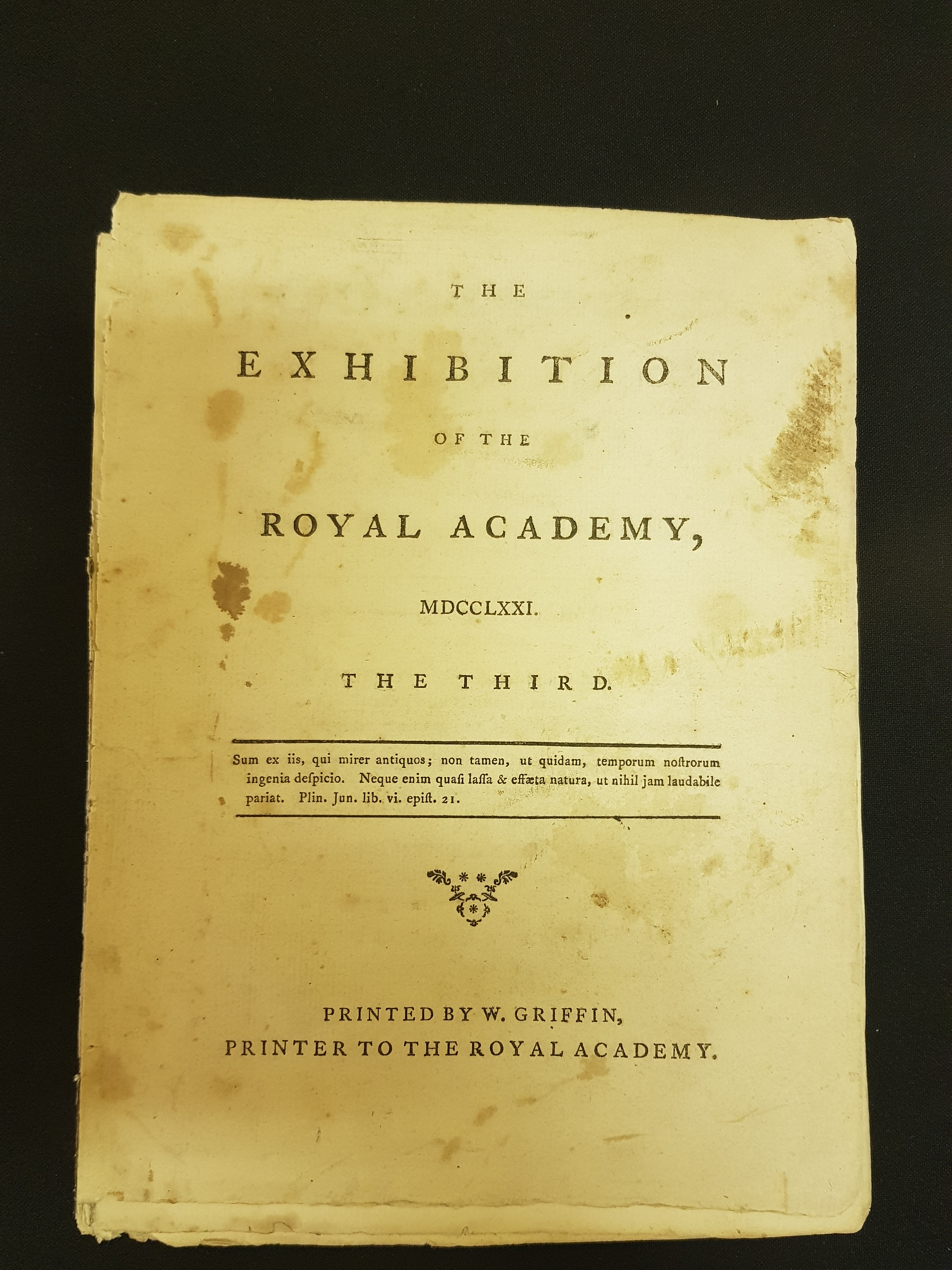
Downstairs the Barber has a case display of Royal Academy exhibition catalogues from their library, beginning with an early listing of the works in THE THIRD exhibition, held in 1771:-
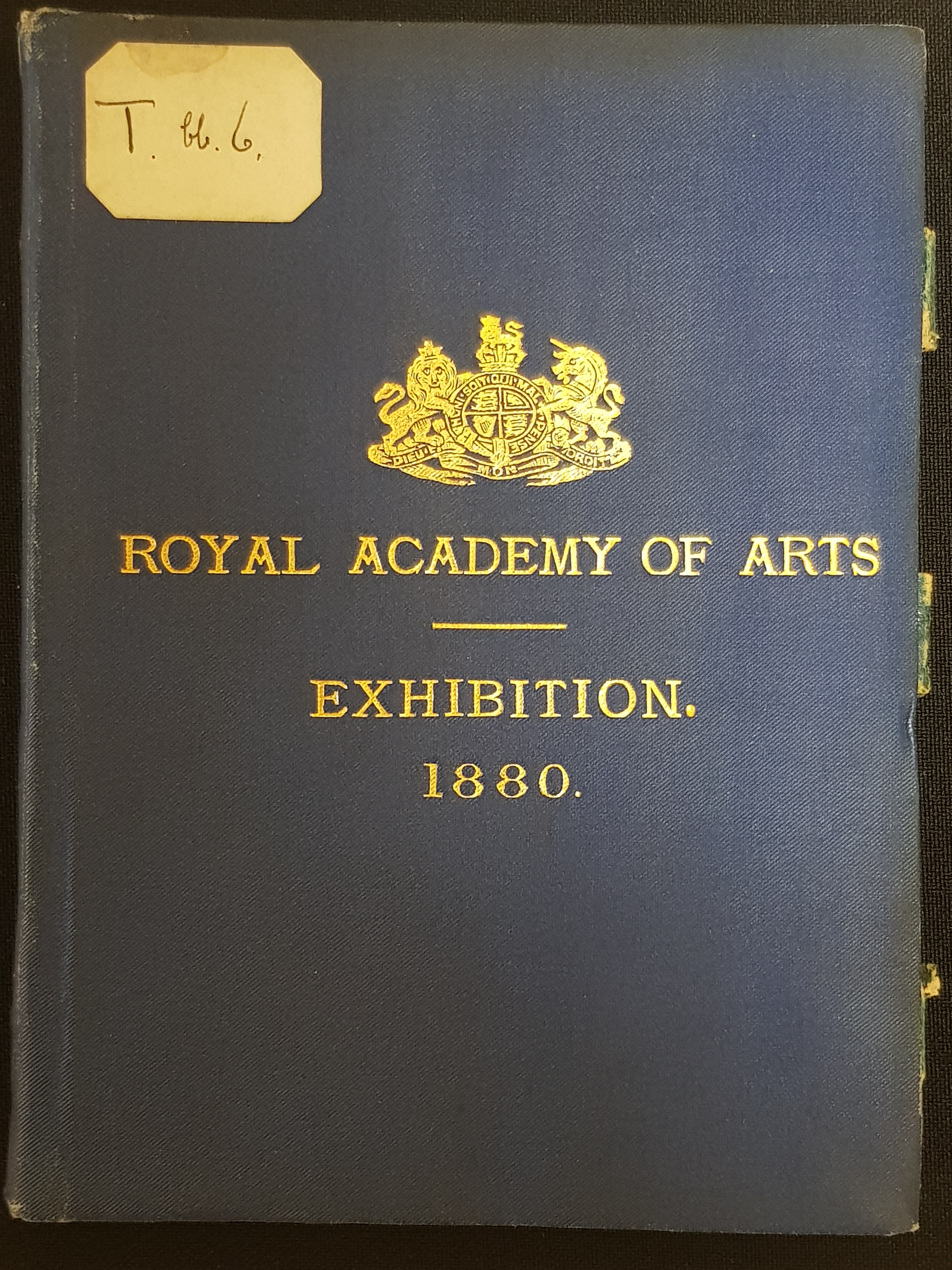
The catalogue had shrunk to a handlist by 1880:-
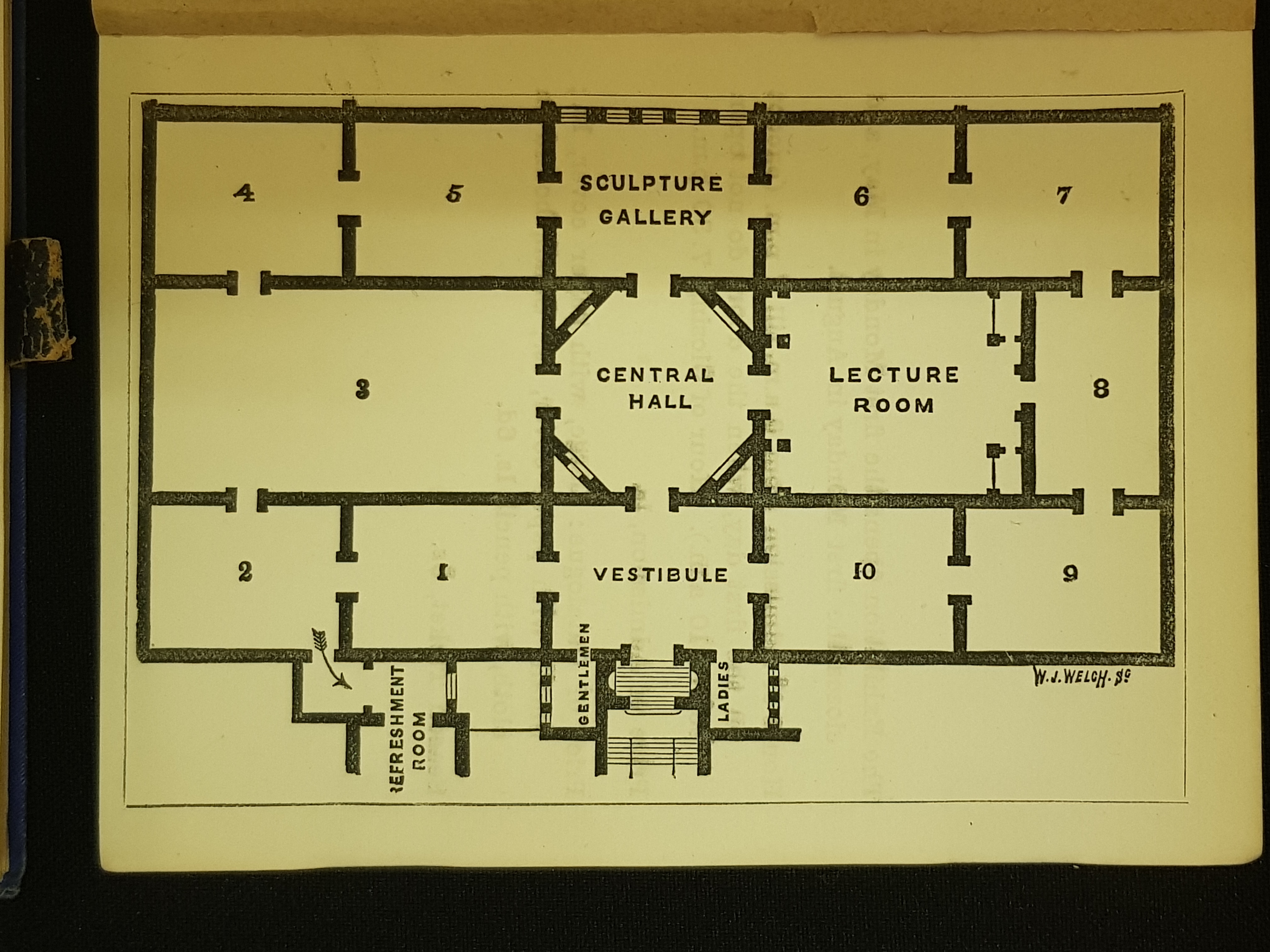
But at least it had a plan of the galleries, with a SCULPTURE GALLERY (the current Gallery 6) and a LECTURE ROOM next to the OCTAGON, as well as a route out of Gallery 2 into a REFRESHMENT ROOM:-
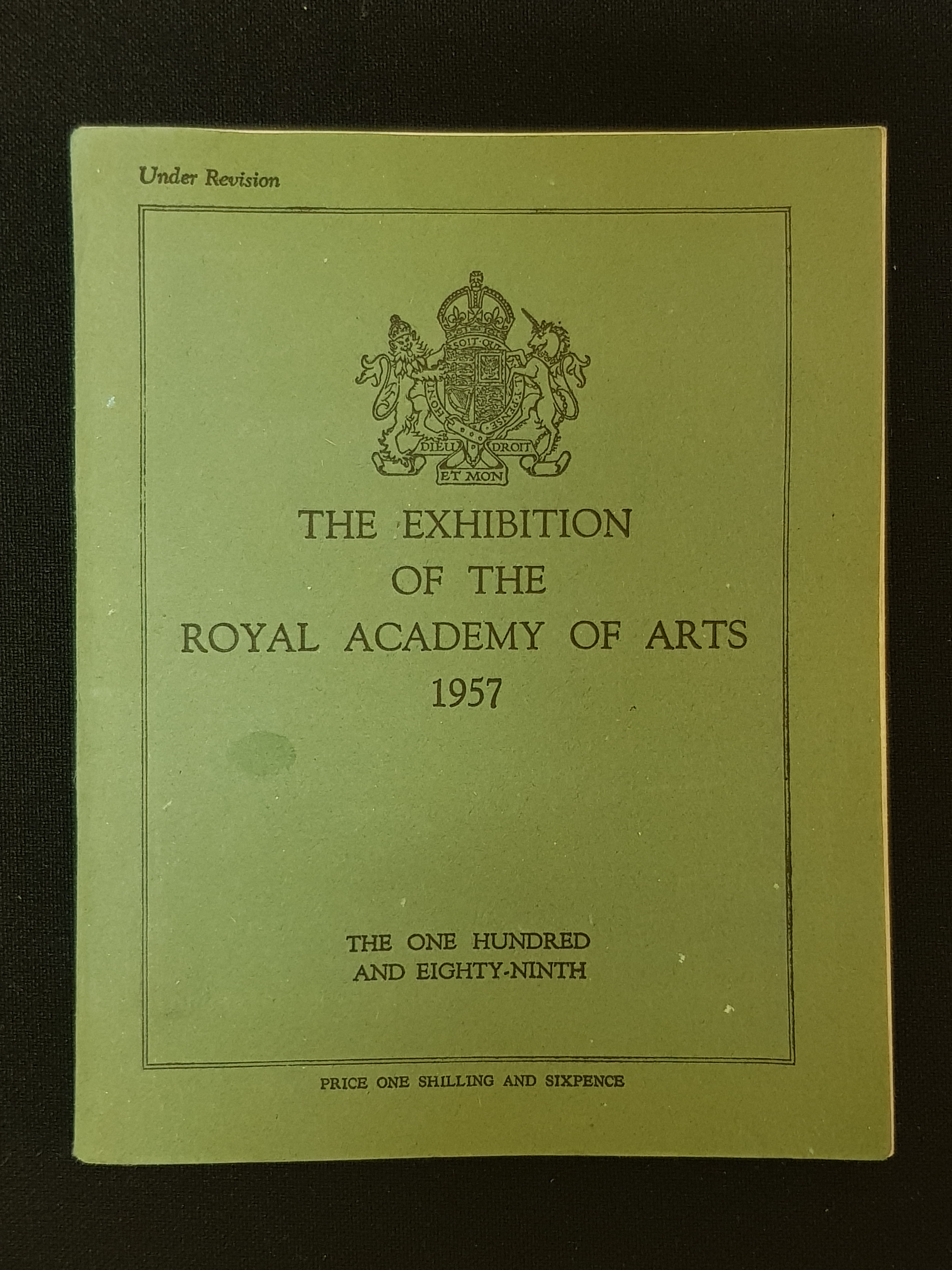
By 1957, it had shrunk further (was this to save on printing costs or was people’s eyesight better ?):-
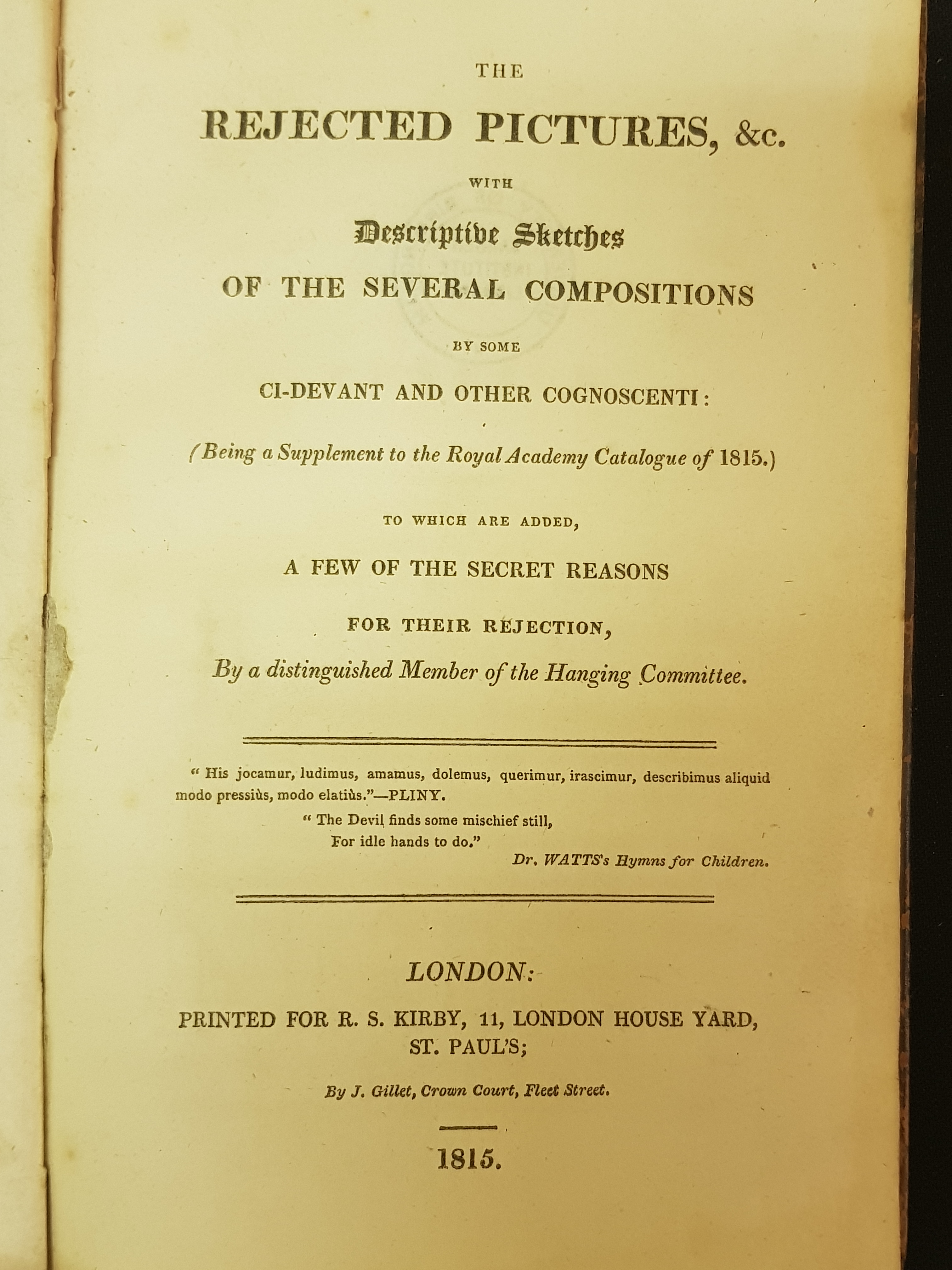
Then there is a curiosity. In 1815, someone printed a catalogue of The Rejected Pictures…by a distinguished member of the hanging committee:-
Sir Joshua Reynolds PRA
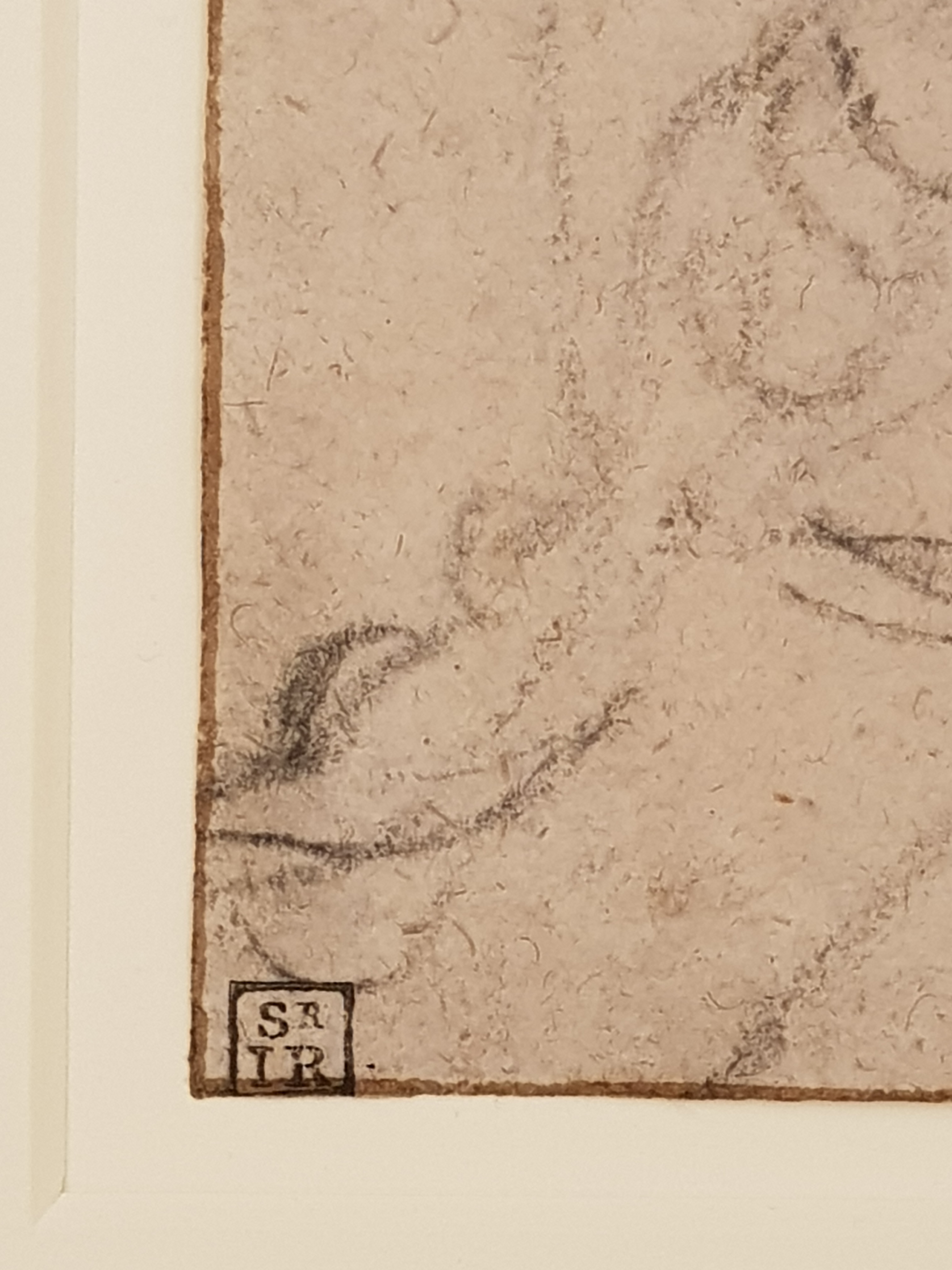
I was asked to give a lecture at the Barber Institute who have mounted a small, but choice display about Joshua Reynolds and his collection to celebrate the RA’s 250th. anniversary. Most people think of Reynolds only as a fashionable portrait painter, but he was also a passionate student of the history of art, hauntimg the auction rooms and buying work not least to strip them down and find out how they were painted. There’s a drawing attributed to Tintoretto with his collector’s mark clearly visible:-
Next door is a painting which Reynolds thought (most likely, wrongly) was by Rubens of his second wife, Hélène Fourment (also wrongly).
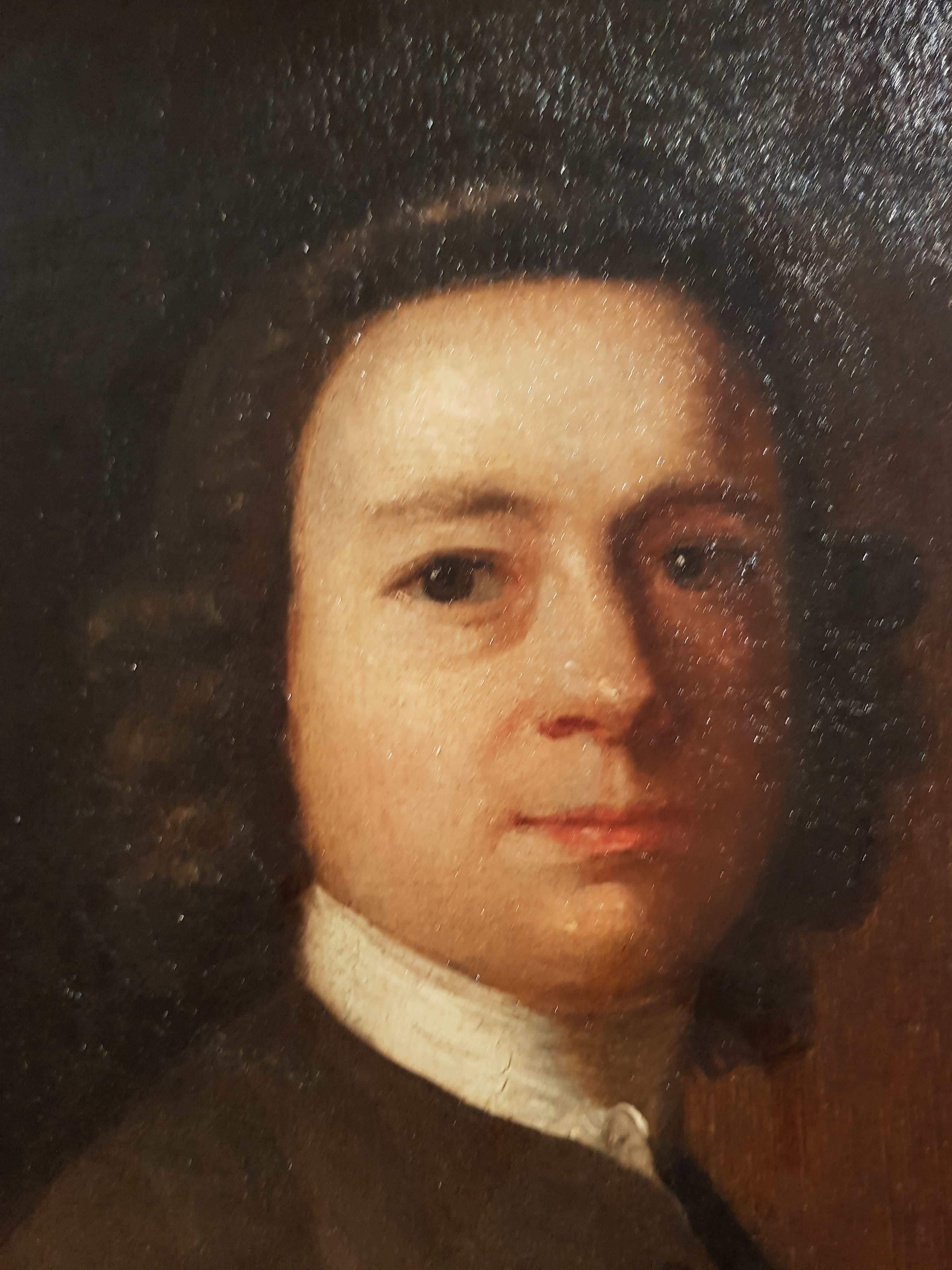
Then an early work, when he was a jobbing artist in Devonport:-
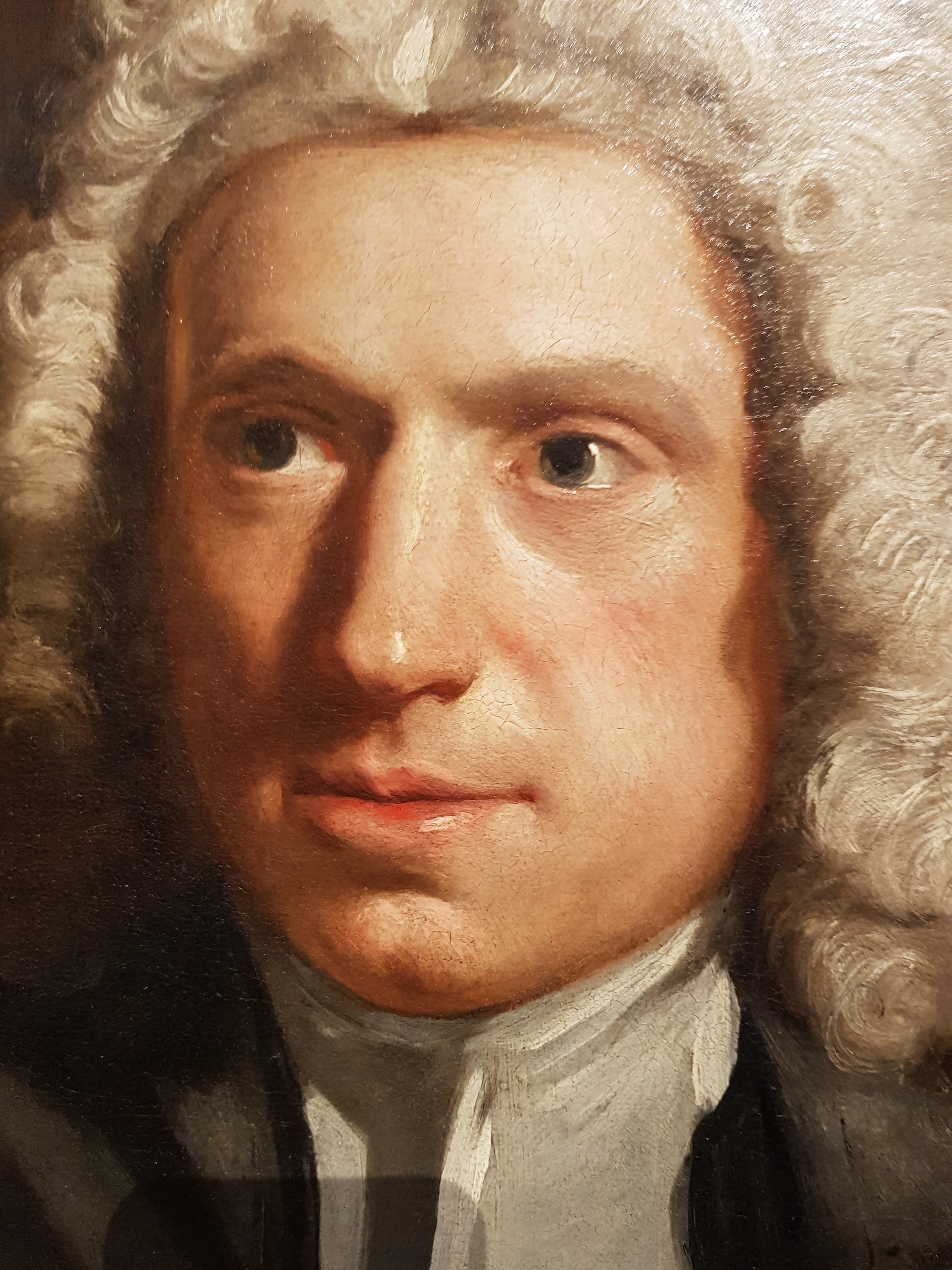
The Rev. William Beele, also from the late 1749s, when he went to Italy (what a vast improvement):-
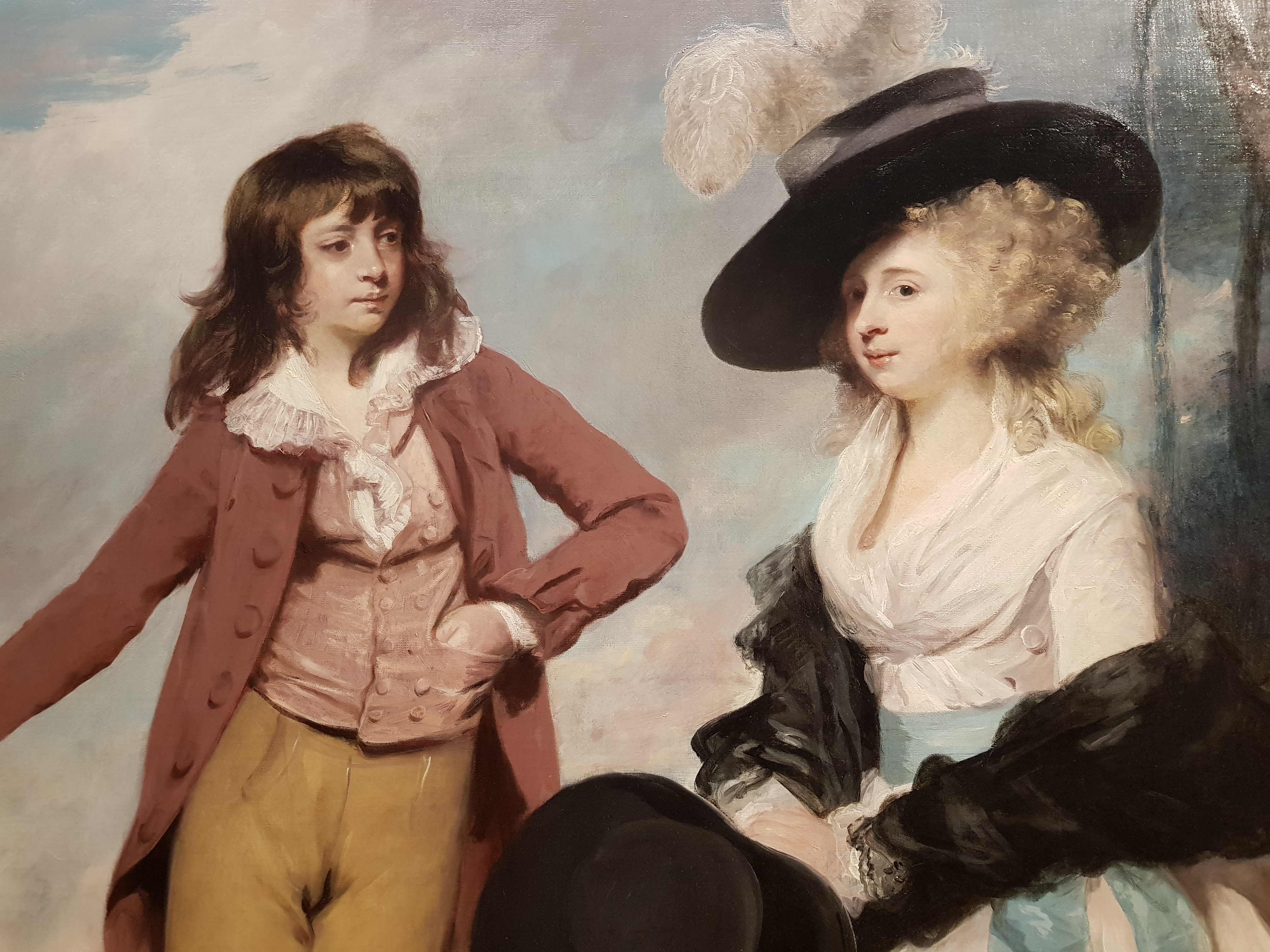
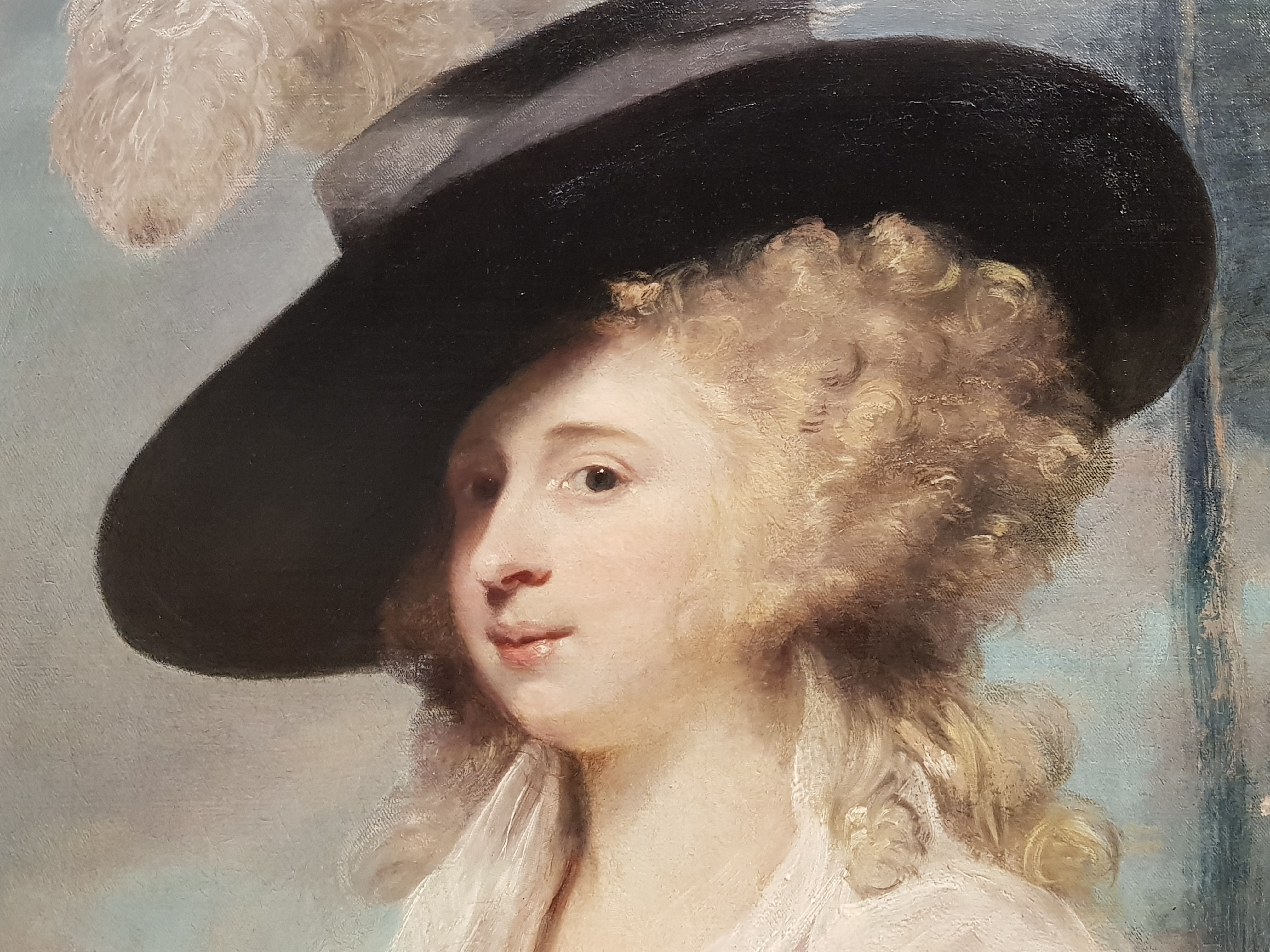
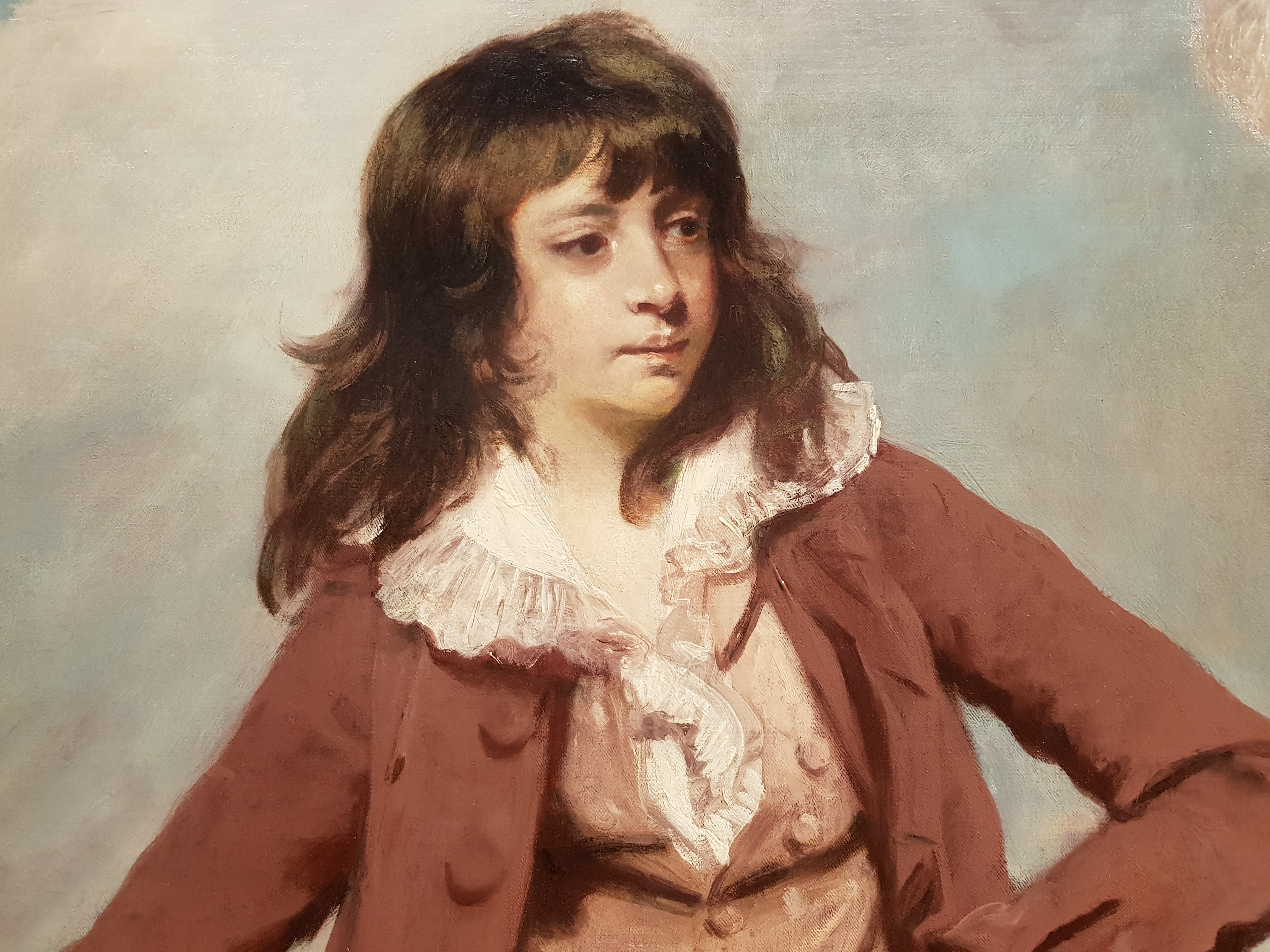
The Gideon children, painted in the mid-1780s, for which he was paid £300, a huge sum:-
Then it was closing time.
Burlington House
I have found it harder than I expected to find a nineteenth-century photograph of the façade of Burlington House after Sydney Smirke had raised its height to add the extra diploma galleries on the leven above William Kent’s enfilade of rooms on the first floor. Smirke has had a bad press for adapting the eighteenth-century façade, designed by Colen Campbell, presumably under the eagle supervision of the third Earl, but surviving photographs of the façade pre-1868 show an oddly undistinguished building which Smirke enriched with height, statuary and flanking Venetian windows.
Anyway, today, by chance, I walked into the courtyard and found it unusually empty and the façade bannerless, so have recorded it as it would have been, more or less, in 1868:-
Benjamin West PRA
One of the benefits of writing my blog is that I learn something every day, including today, that I have muddled the authorship of the paintings in the Burlington House front entrance hall. The ones in the middle are not by Angelica Kaufman, but were commissioned from Benjamin West, but are now thought to be by Gilbert Stuart who was working in West’s studio from 1777 to 1782. The paintings only came to Burlington House when the Front Entrance Hall was reconfigured by T.G. (Anglo) Jackson in 1899. My apologies for the mistake:-
Angelica Kauffman RA
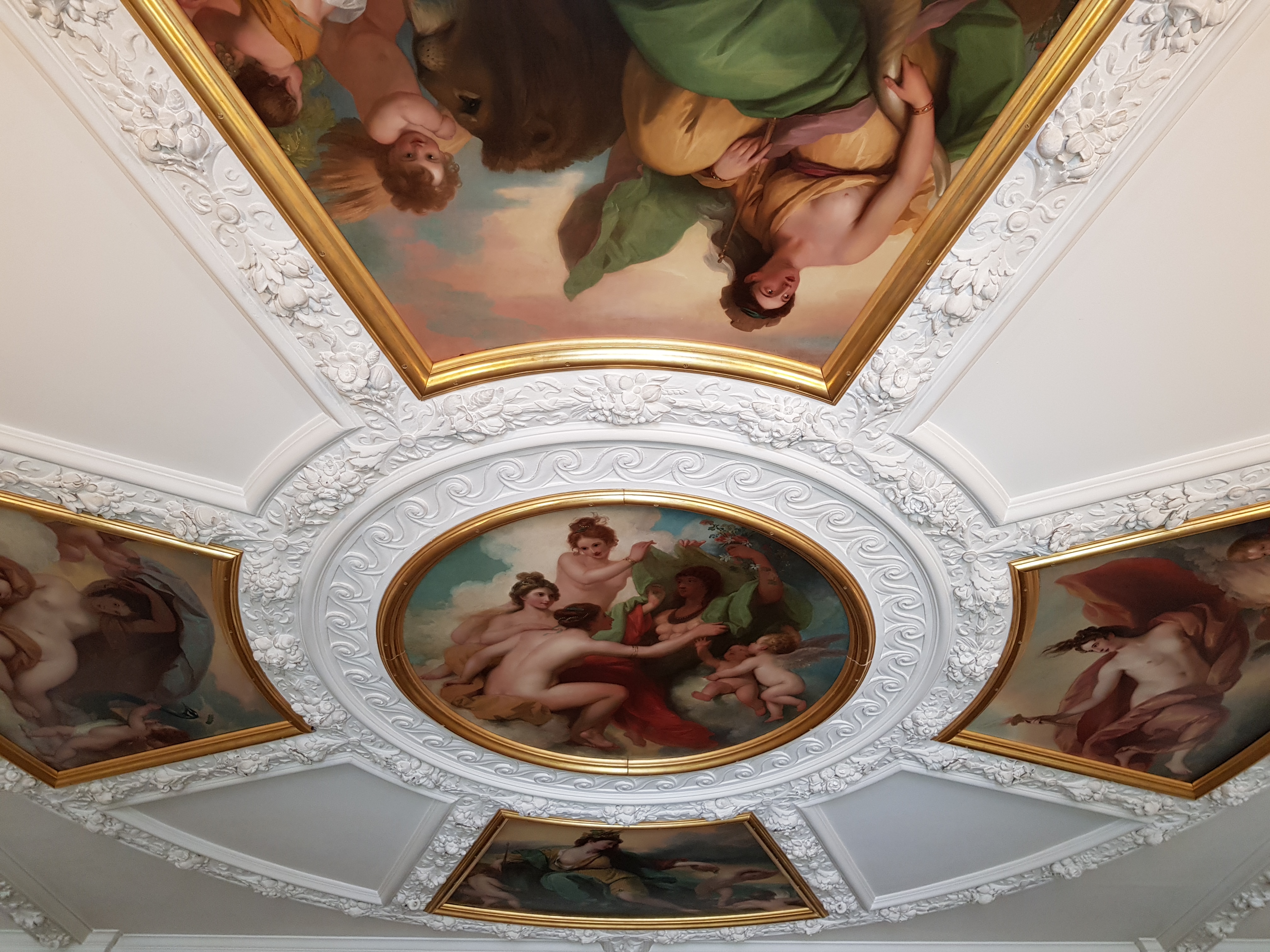
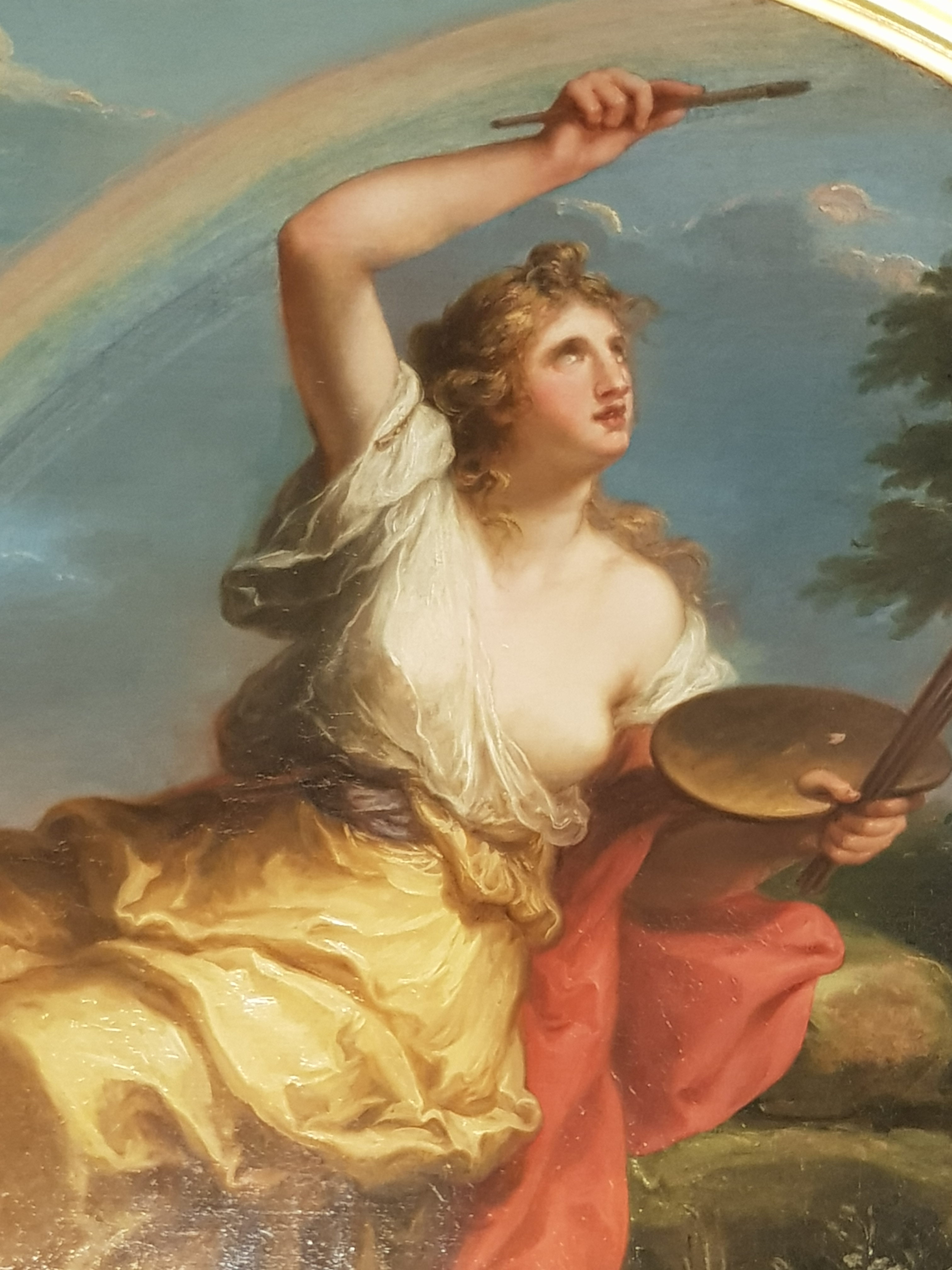
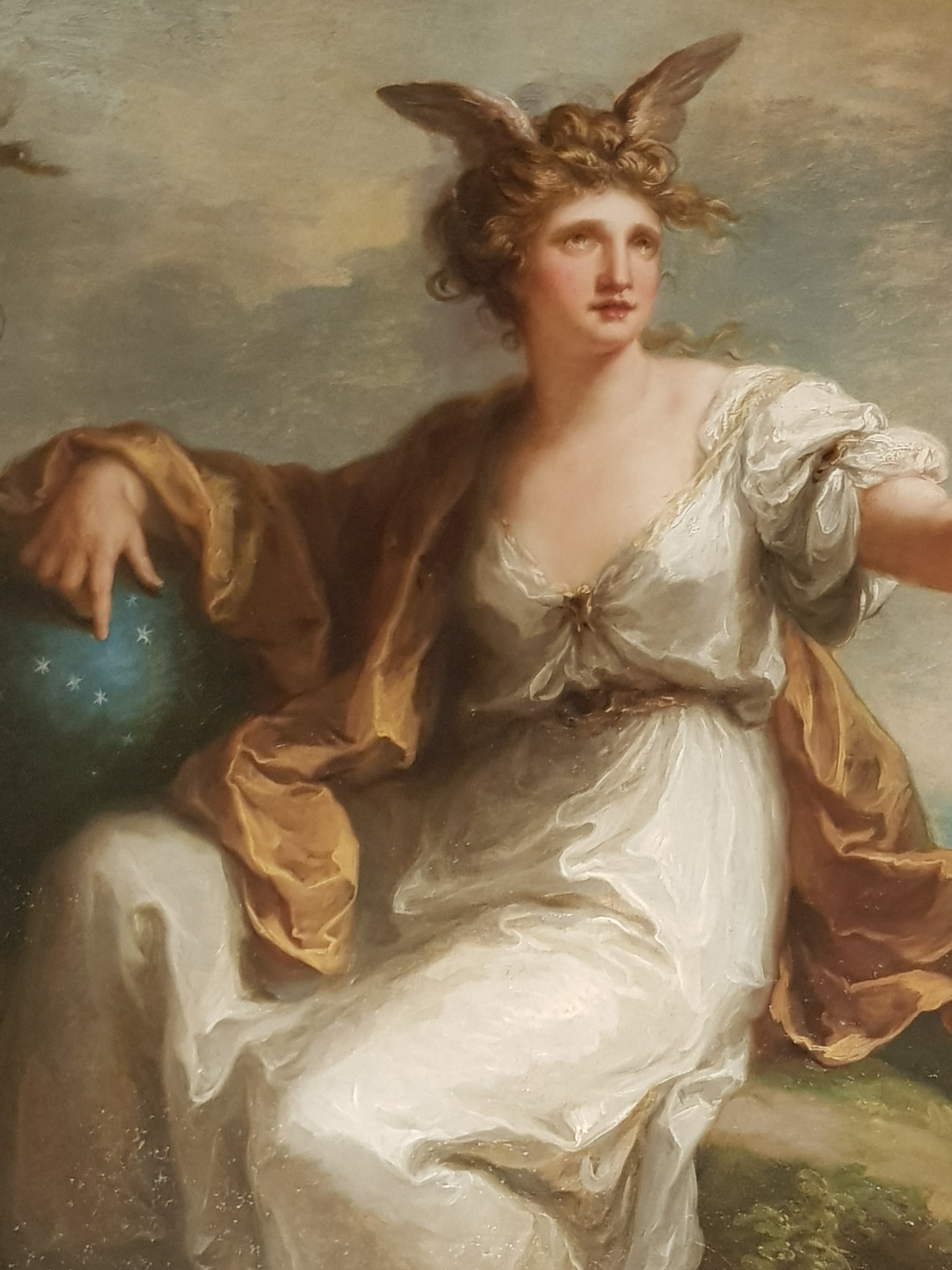
One of the things I really liked about the film about The Private Life of the Royal Academy was the extent to which it showed the work of the staff – curators, conservators, collections managers, our archivist heroically carrying the Roll of Obligation back and forth to meetings, the Head of Collections overseeing a hang in the General Assembly Room. The Angelica Kauffmans are shown being taken down from the corners of the front entrance hall in Burlingto House. They are the Four Elements of Art – Invention, Composition, Design and Colour – and were originally painted for the ceiling of the Council Room in Somerset House. Three of the four are now back in place.
The Private Life of the Royal Academy
We had a private screening last night of a film which Adam Low and Martin Rosenbaum of Lonestar Productions have made called The Private Life of the Royal Academy. They have been following what the public doesn’t see for the last five years: the meetings, the rituals, discussions and life behind closed doors. These fly-on-the-wall documentaries have a history which has not always been happy for their subjects: Molly Dineen’s The Ark (1993) ends with the Chief Executive leaving; and I don’t think The House (1995) was beneficial for the Royal Opera House or the arts as a whole. But the mood last night felt wry, occasionally ironic, and generally benign. Olwyn Bowey RA is the star. It is expected to go out on BBC2 on Saturday 12 May.
Sebald and Book Design
I published my post on Michael Mitchell before I had discovered that there is, of course, more information than I had initially found online on Sebald’s attitude to book design and typography, in particular an article by Robin Kinross in his volume of essays Unjustified Texts, which compares the Harvill editions unfavourably with the original German editions, published by Die Andere Bibliothek. But given the personality and temperament of both Sebald, who was deeply interested in typography and the layout of books, and Mitchell, who had such a good, if, like Sebald, somewhat old-fashioned view of typography, not to mention Bill Swainson, Sebald’s Harvill editor, I find it hard to imagine that Mitchell did not bring his characteristic sensitivity to the layout of type to Sebald’s first English publications.
Adam and Eve
We went to a wedding yesterday in St. James’s, Piccadilly. My eye was caught by the carving on the amazing late seventeenth-century font, attributed to Grinling Gibbons, but without, so far as I can find, documentary evidence, other than an inscription by George Vertue on its engraving:-
Michael Mitchell
I learned last week that Michael Mitchell, the great printer, typographer and book designer, had died in November 2017, without my having known. I greatly admired him. We got to know him in the early 1990s when he was still working as a dentist in Newbury, but had begun to produce books on a press in the front room in his house on the north side of the Green in Marlborough. He produced an annual catalogue, copies of which are available on Abe, and I see from Abe that he produced poems selected by Christopher Logue in 1984 and an essay on Cats by L.P. Hartley in 1986, illustrated by Richard Shirley-Smith, who had taught art at Marlborough and gave Mitchell his first Albion Press. We bought a copy of Portable Pleasures by Margot Coatts, illustrated by Ian Beck, which he published in 1992. I first used him as a printer to design and print THE RESEARCH POLICY OF THE VICTORIA AND ALBERT MUSEUM, which was published in 1993 and exists in two editions, the first of which lacks Alan Fletcher’s then new logo, which I was reprimanded for not using. It’s a beautiful piece of intelligent typography, which helped give the pamphlet authority. I used him more when I went to the National Gallery. He printed David Cannadine’s 2002 Linbury Lecture on Kenneth Clark: From National Gallery to National Icon (the then new logo of the National Gallery included) and my own essay on the Mond Bequest. By this time, he had teamed up with Christopher MacLehose and had become at least as much a book designer as printer, working on the design of books for the Harvill Press, including W.G. Sebald’s The Emigrants and The Rings of Saturn. I think, but have been unable to verify it – in spite of the huge literature about Sebald – that Mitchell’s typographic style is evident in the layout and visual qualities of Sebald’s books, which, if true, would give Mitchell, alongside Sebald, a form of immortality.


You must be logged in to post a comment.