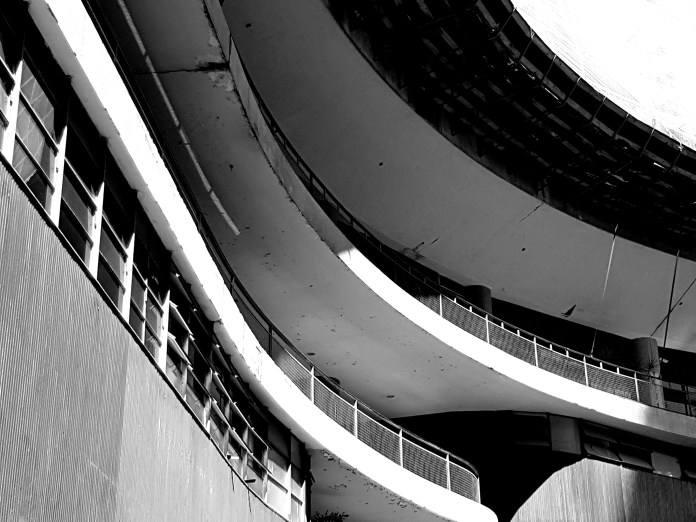
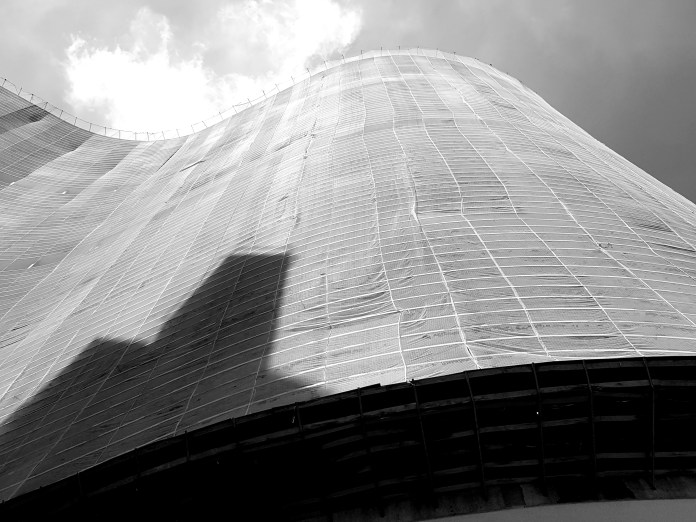
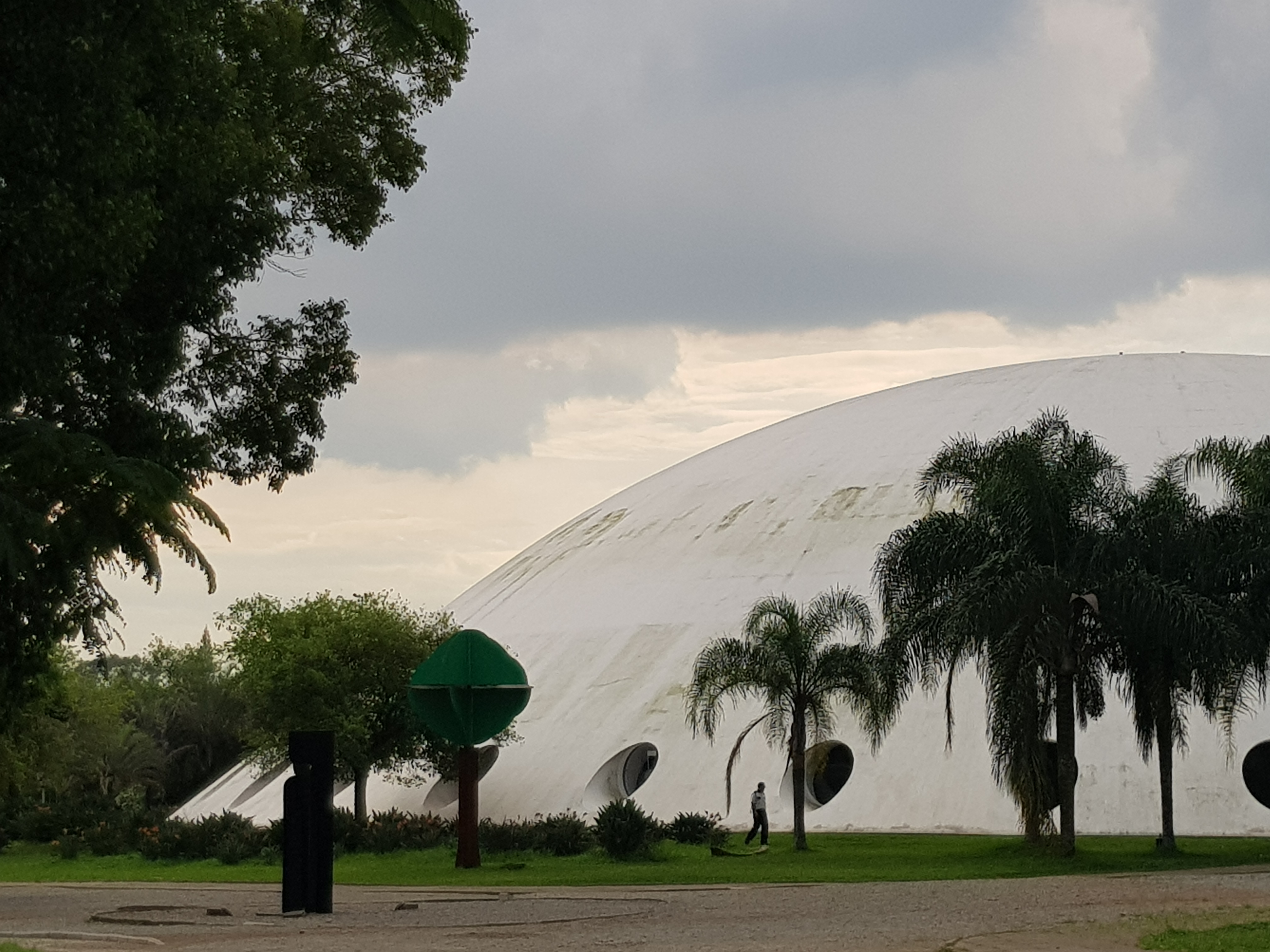
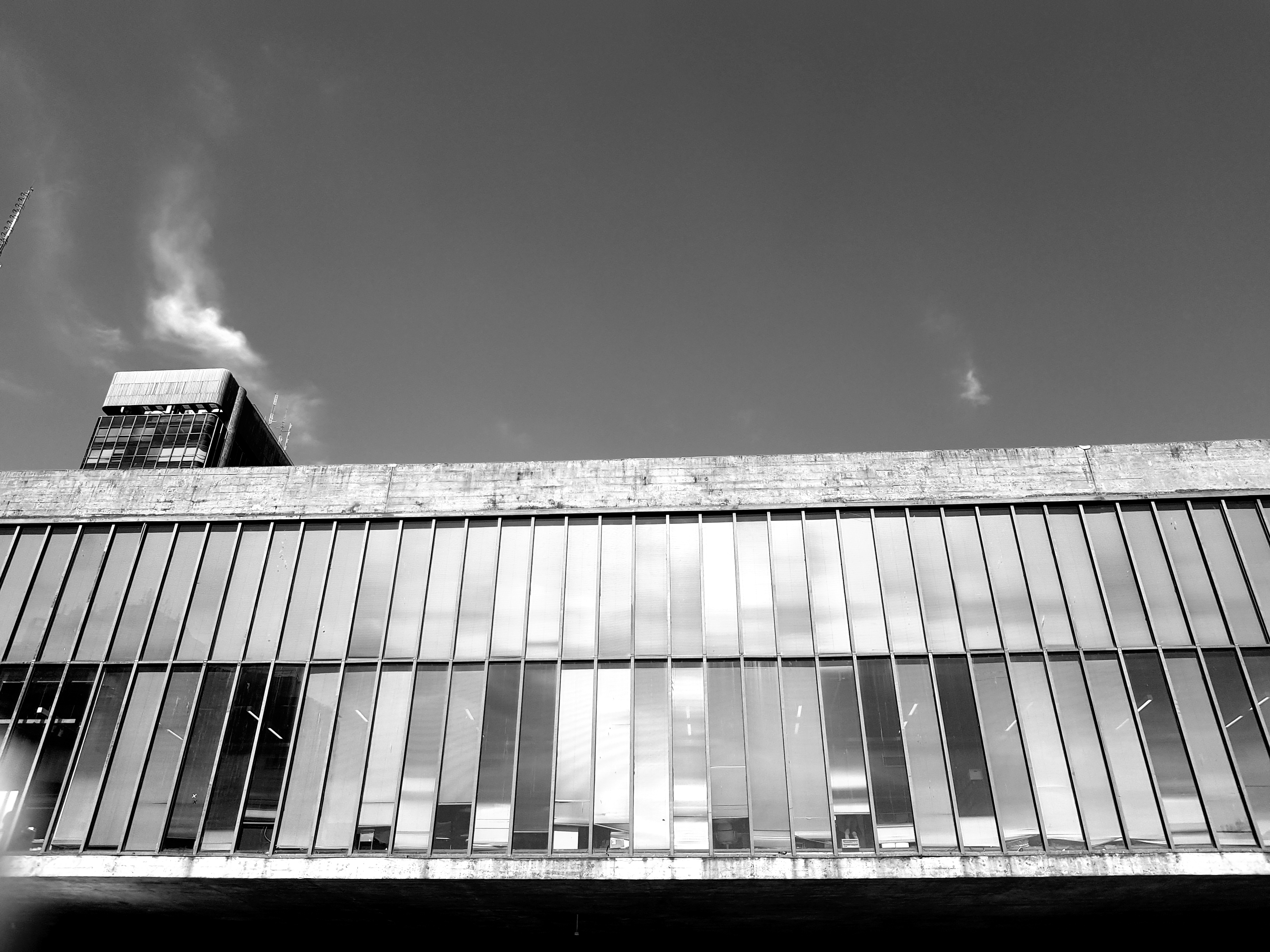
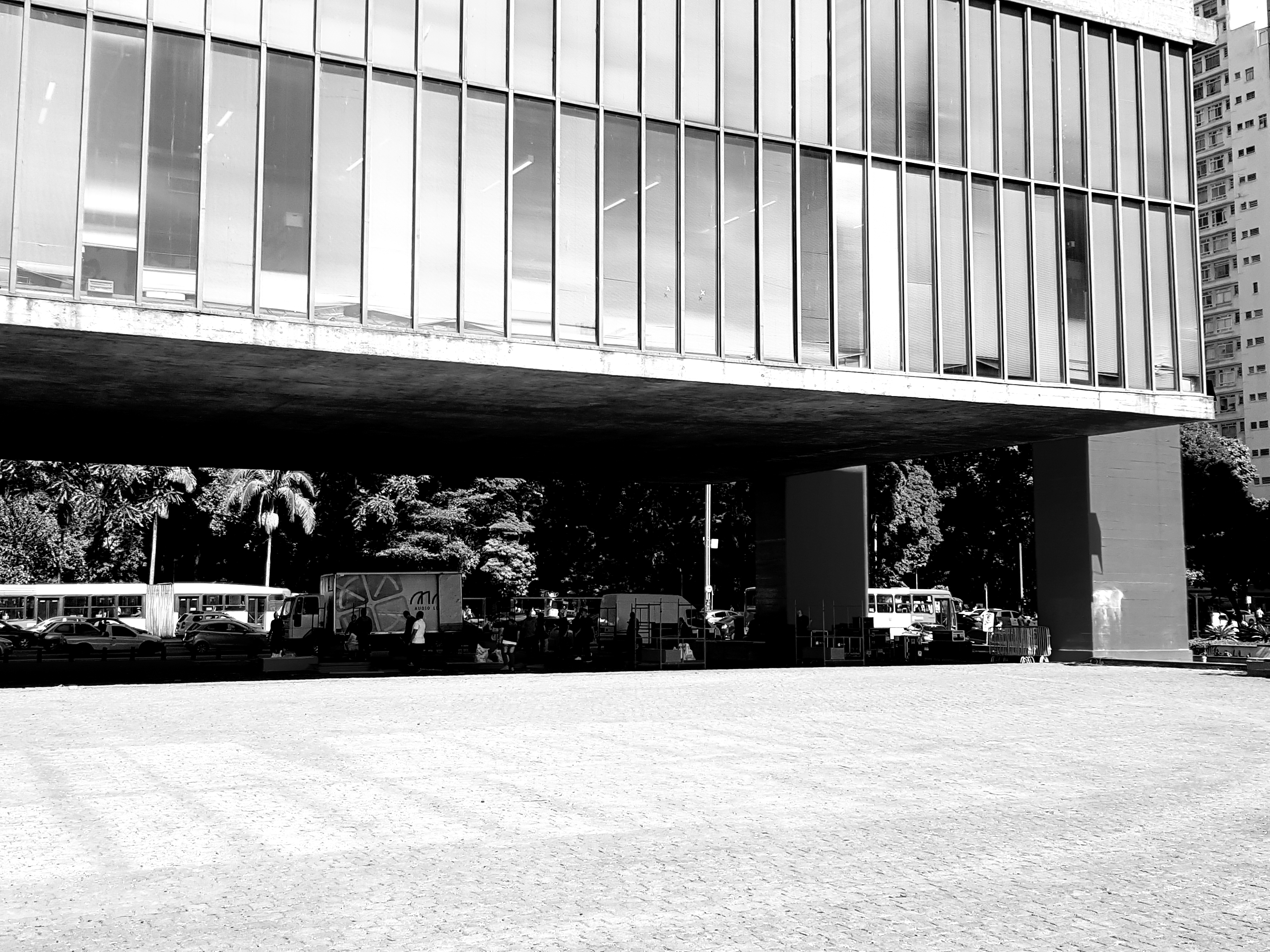
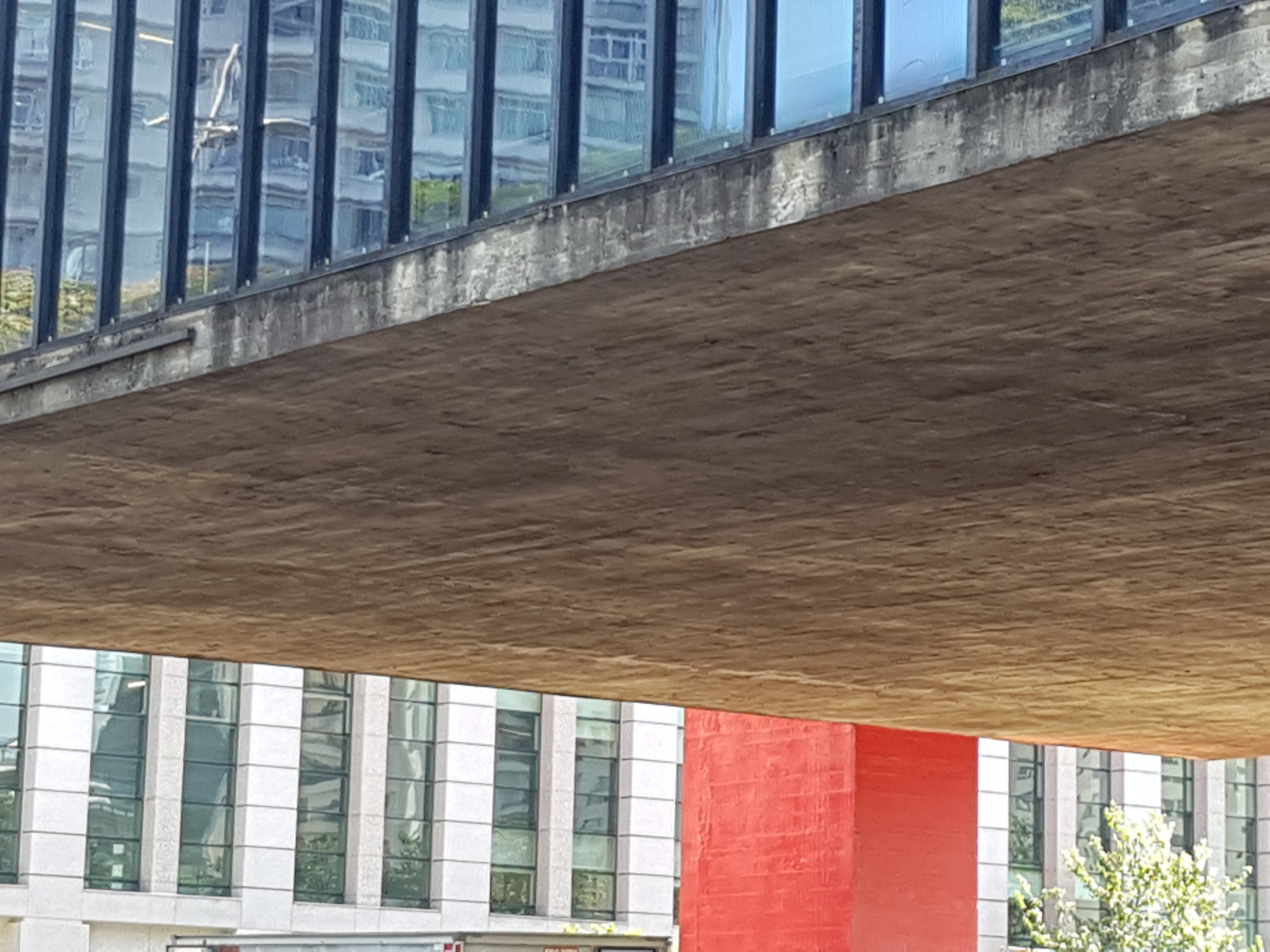
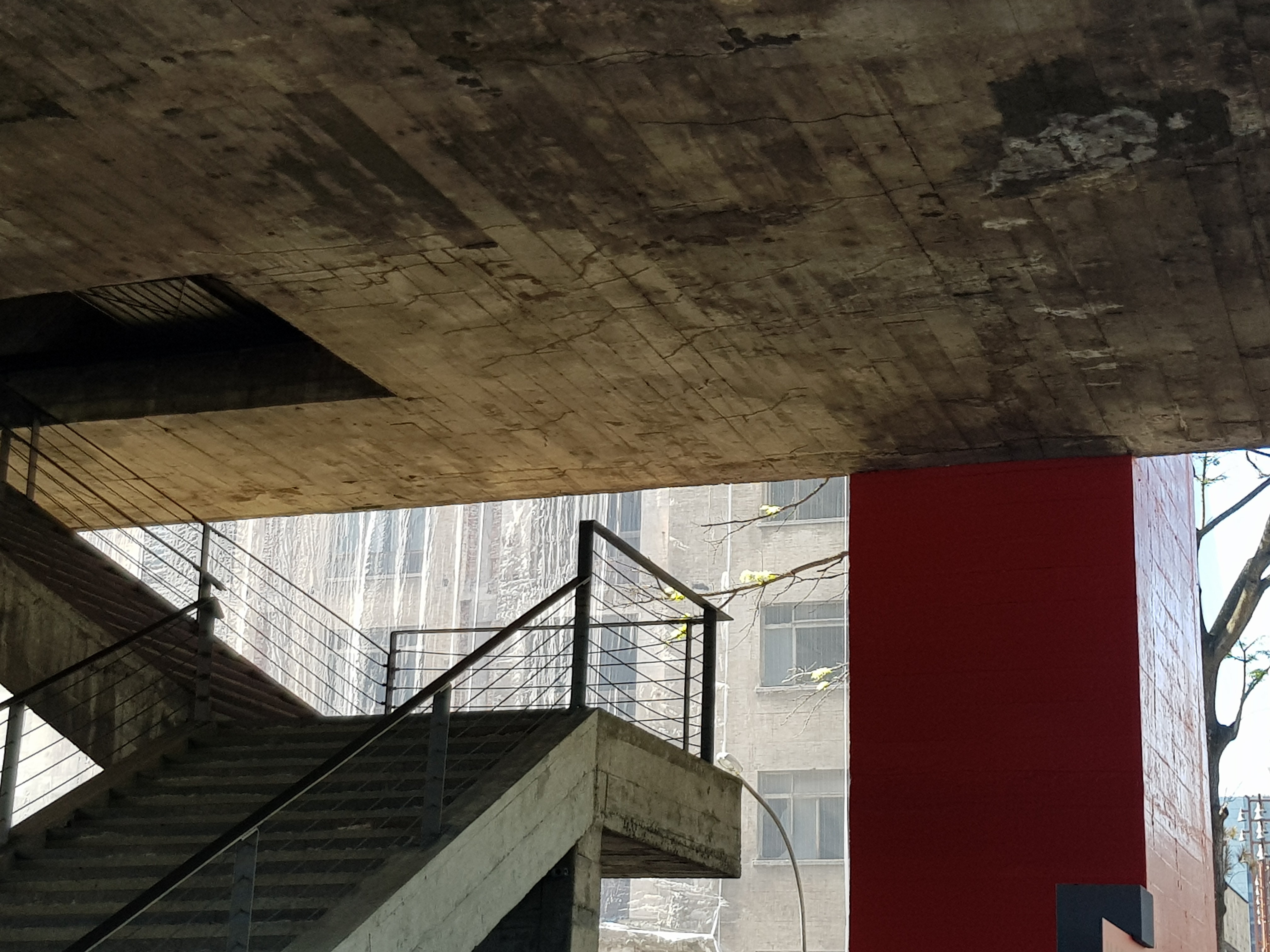
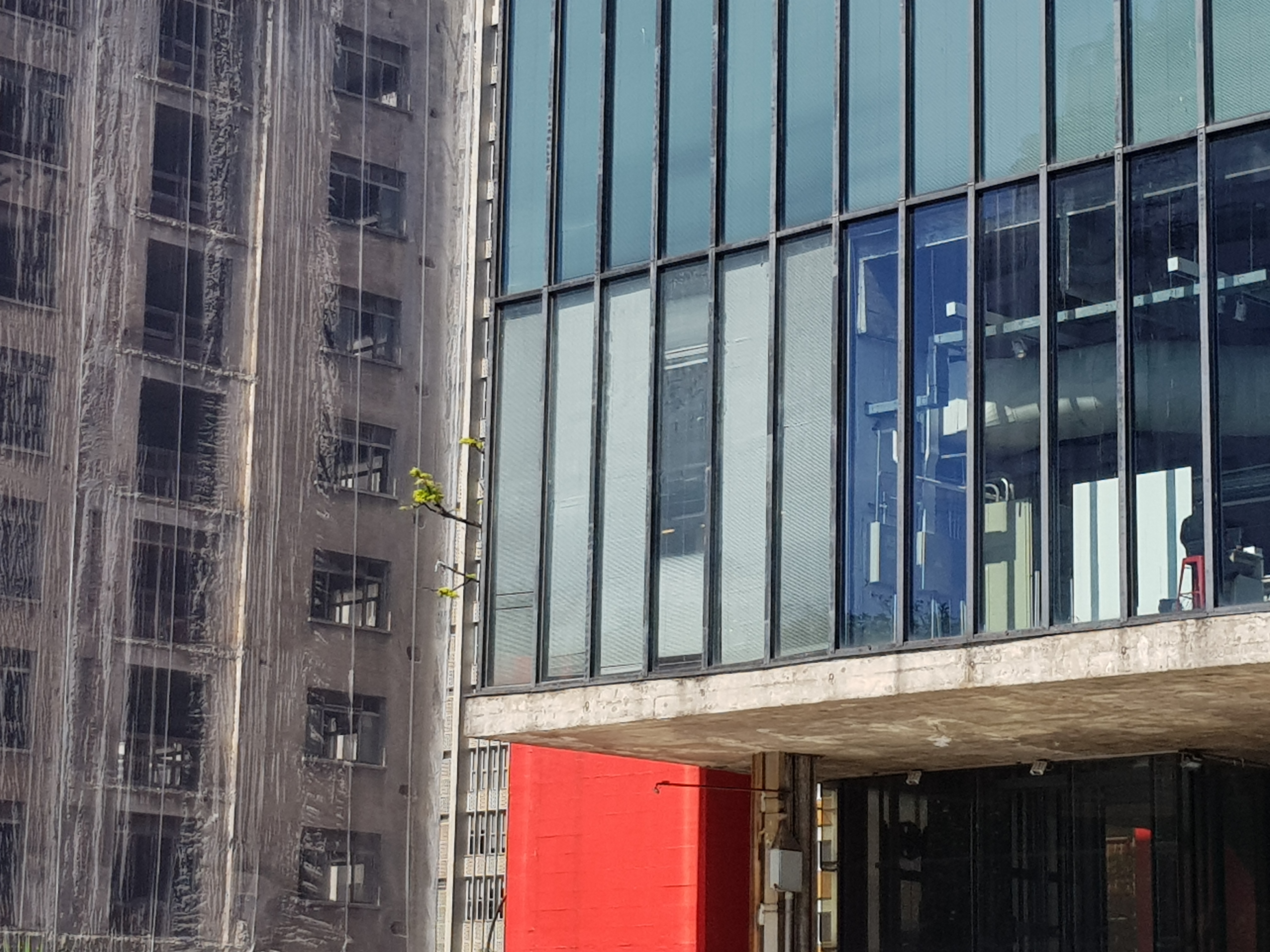
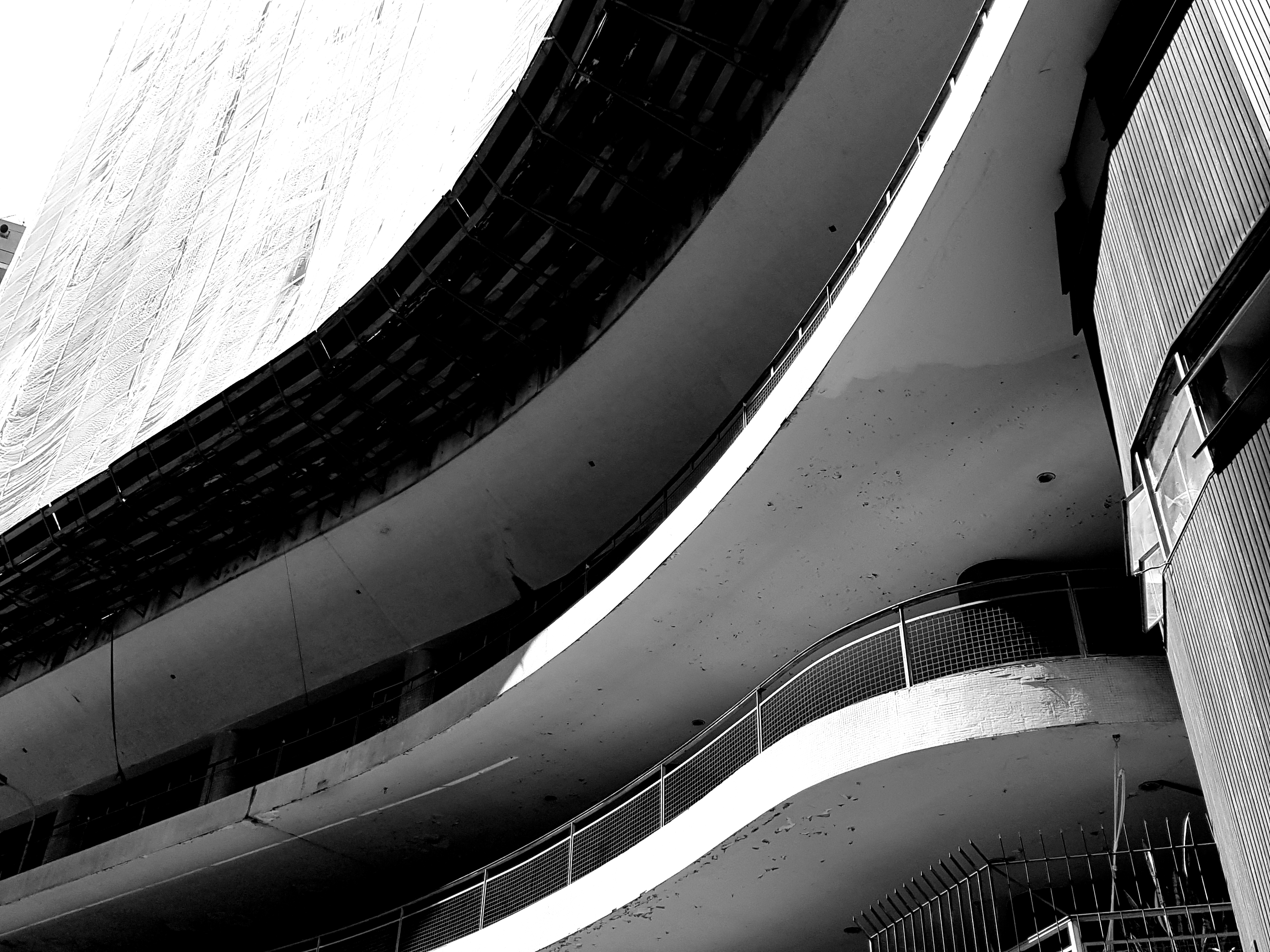
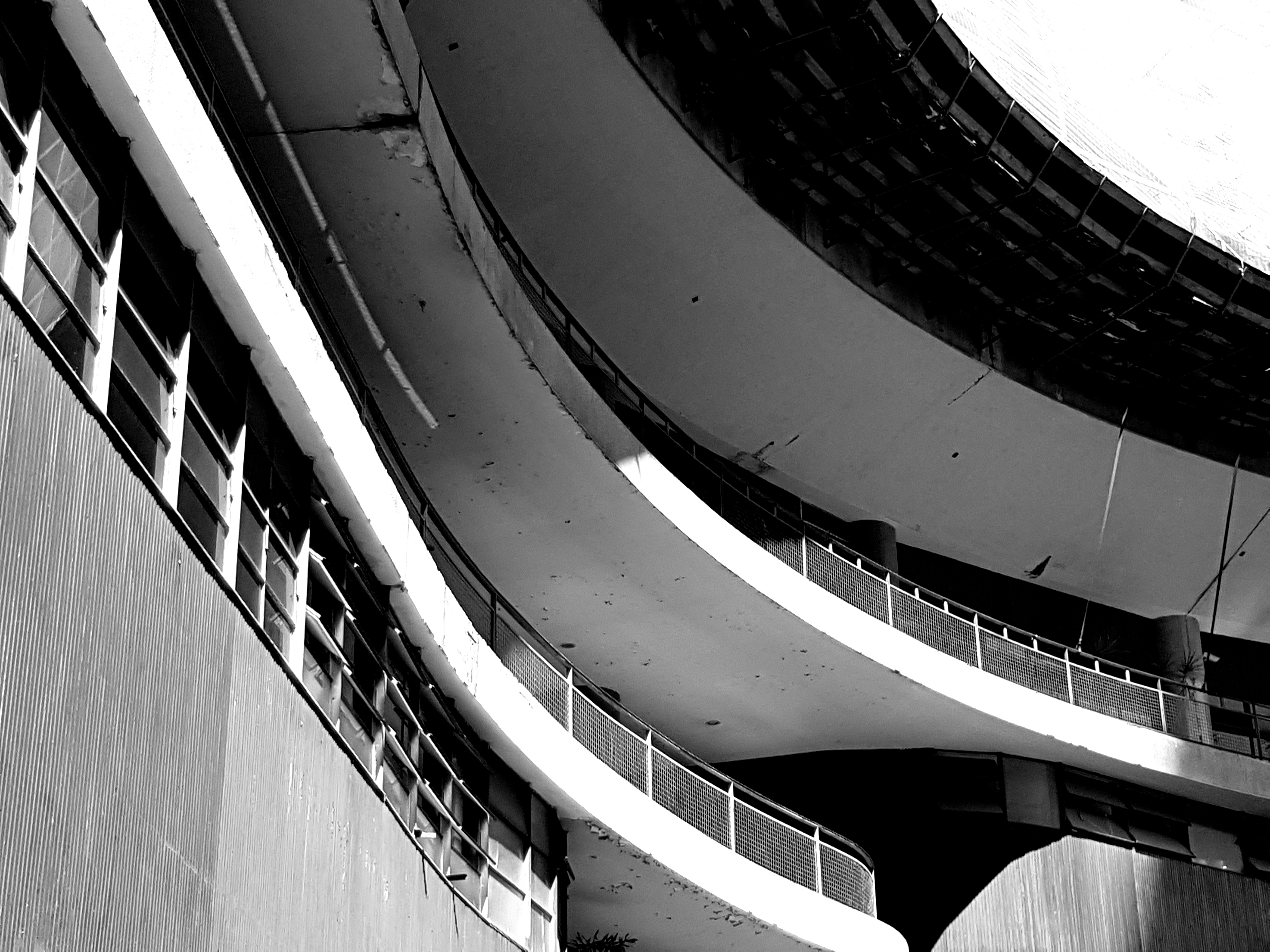
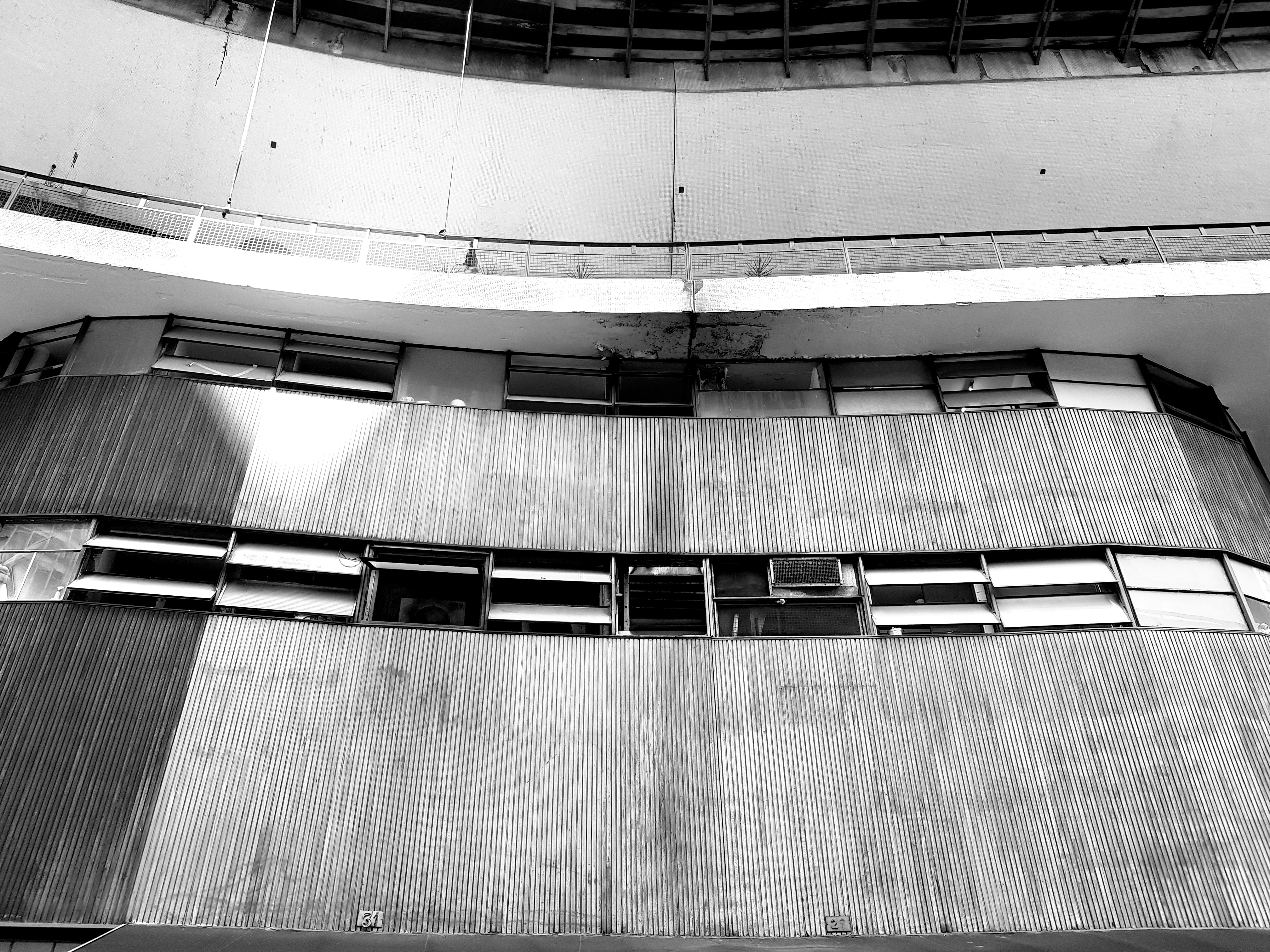
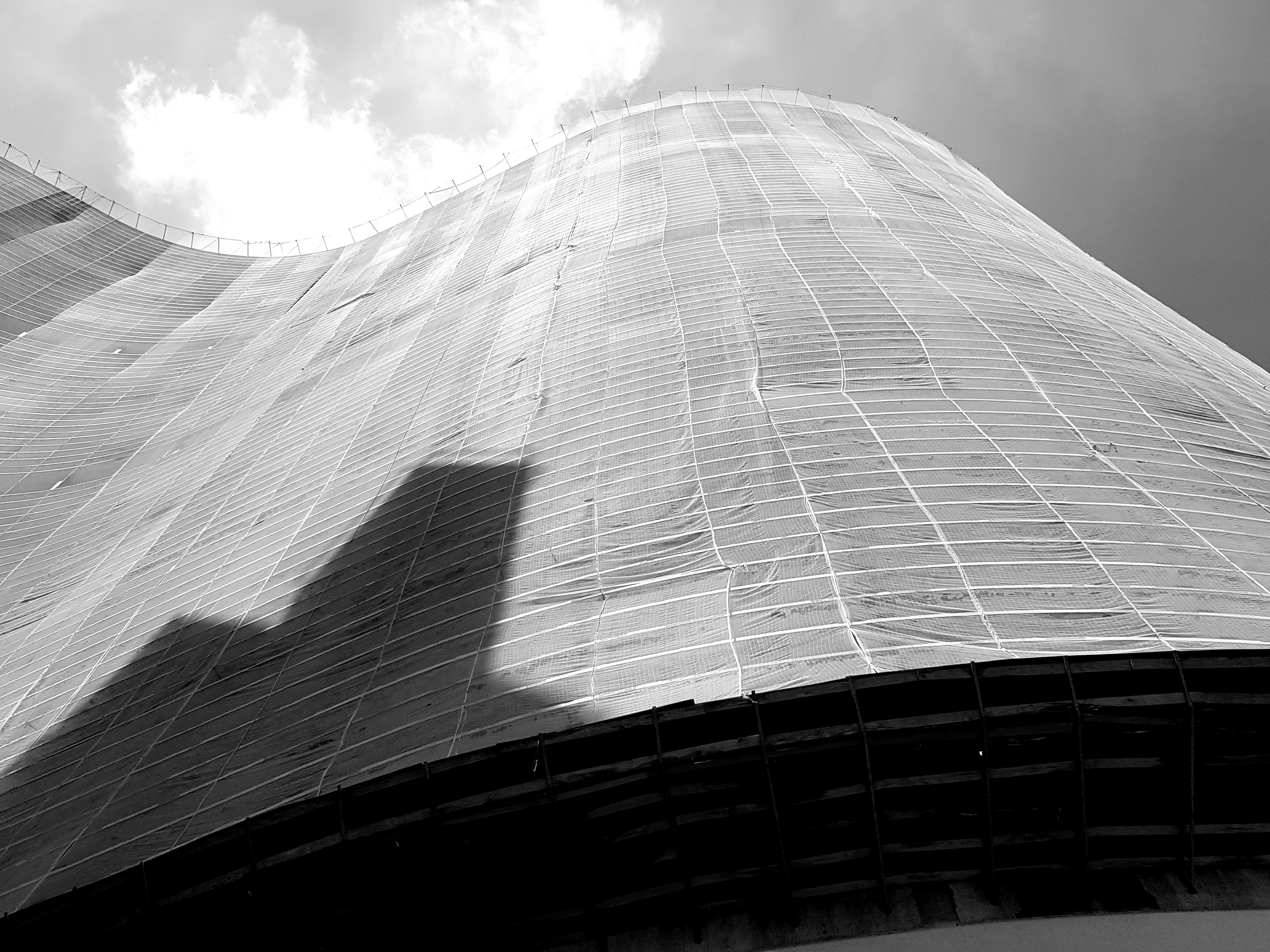
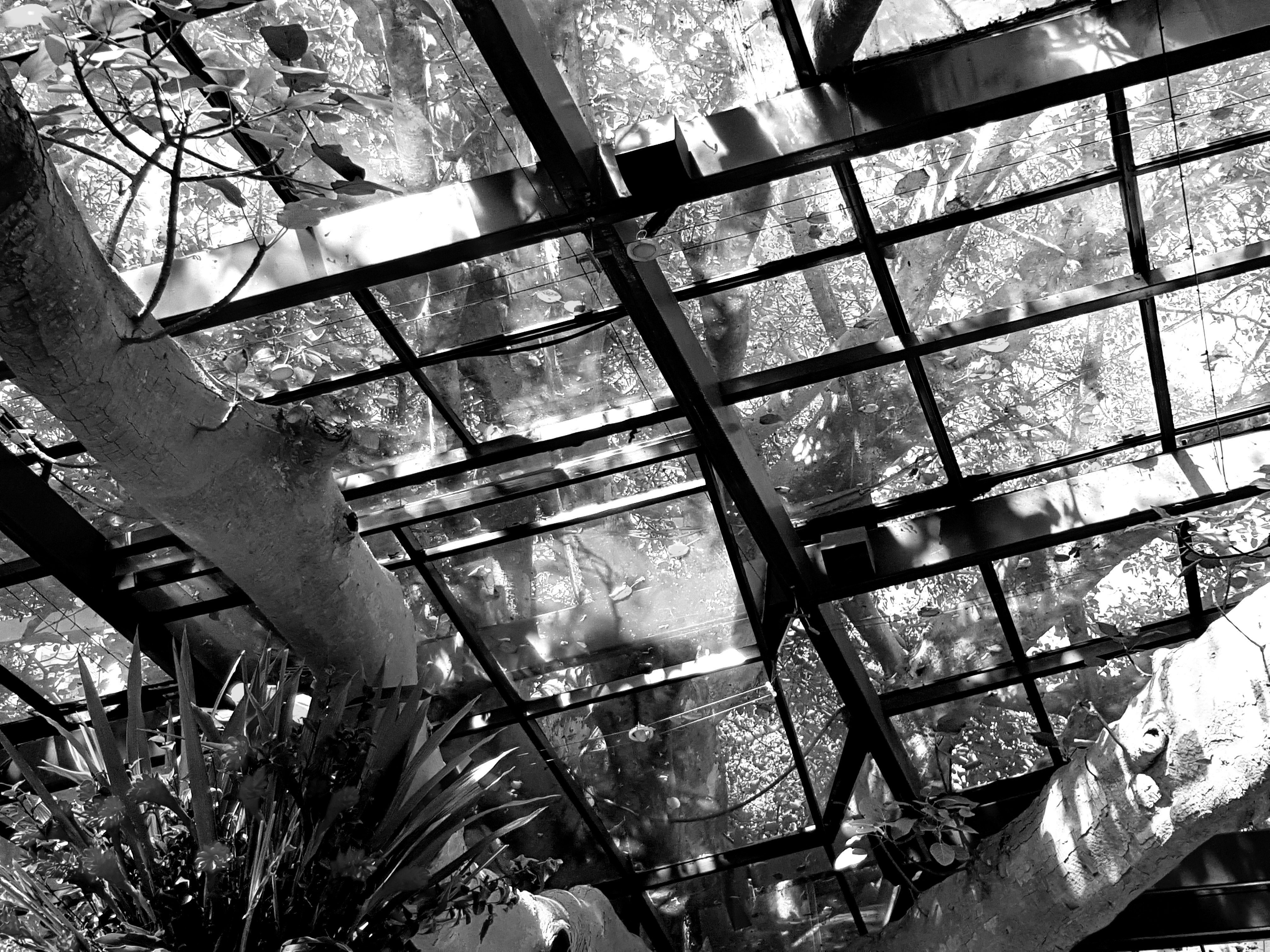
The last of my posts from Brazil today is of the Pavilhão Lucas Nogueira Garces, commonly known as the Oca, designed by Oscar Niemeyer in 1951 for the Ibirapuera Park, originally as a Museum of Folklore, now used as a venue for exhibitions, and looking otherworldly in the afternoon light:-
Museu de Arte de São Paulo (2)
The amazing quality of the collection is owing to the fact that Lina Bo Bardi was married to Pietro Maria Bardi, an Italian journalist and art critic, who established the museum in 1947 and only died in 1999.
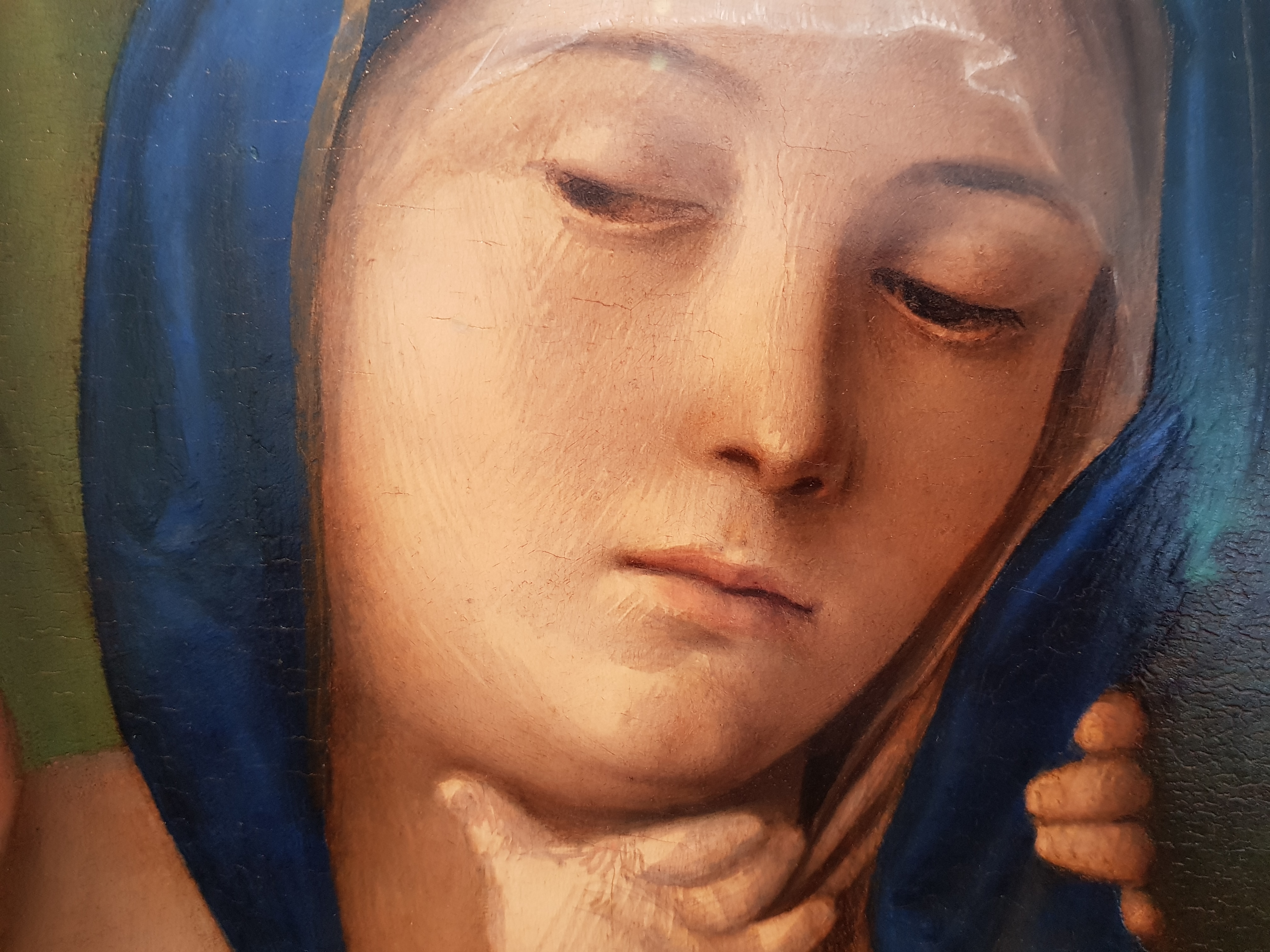
Bellini, Madonna with Standing Child (1480-90):-
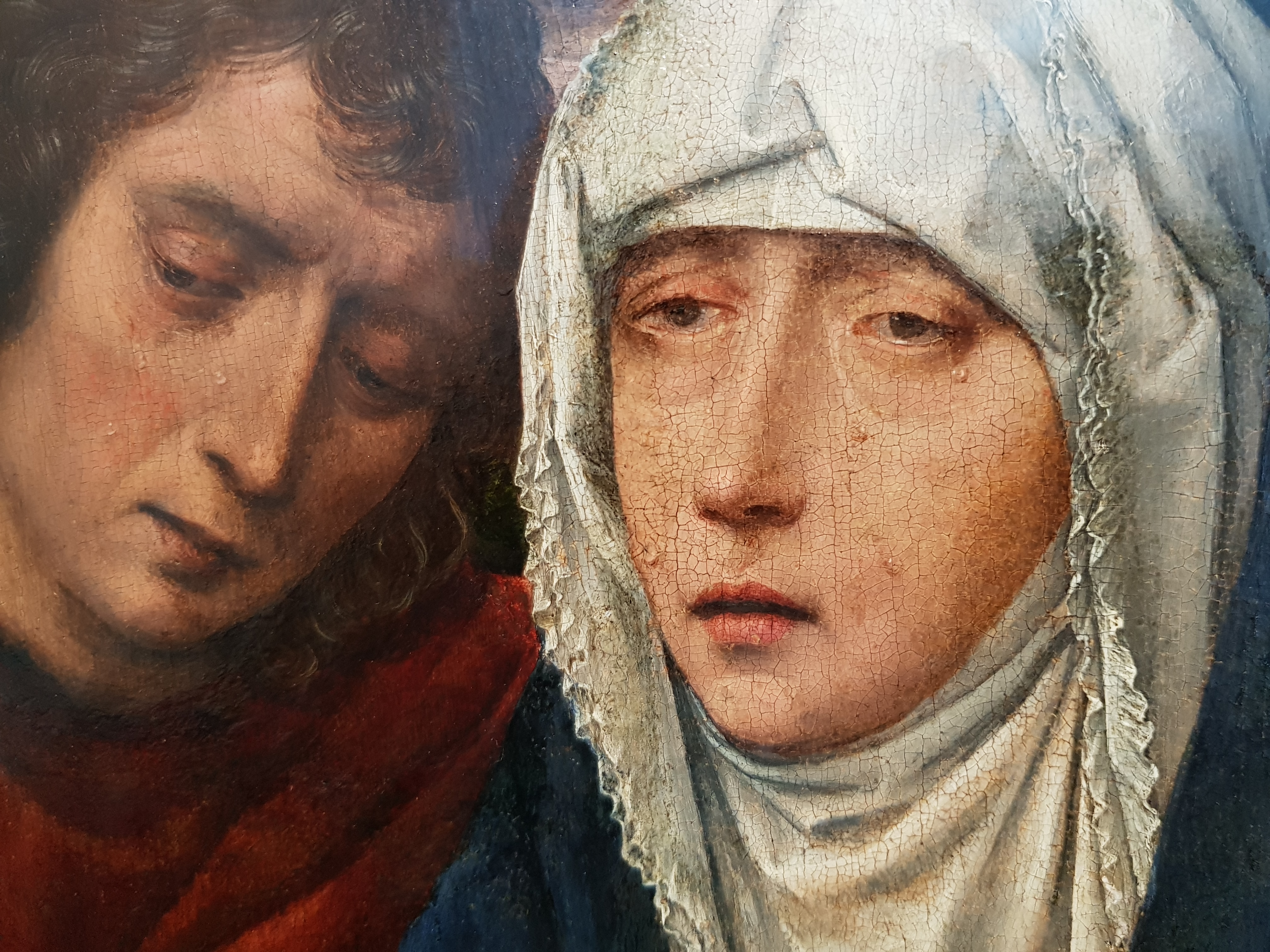
Memling, The Virgin Lamenting (1485-90):-
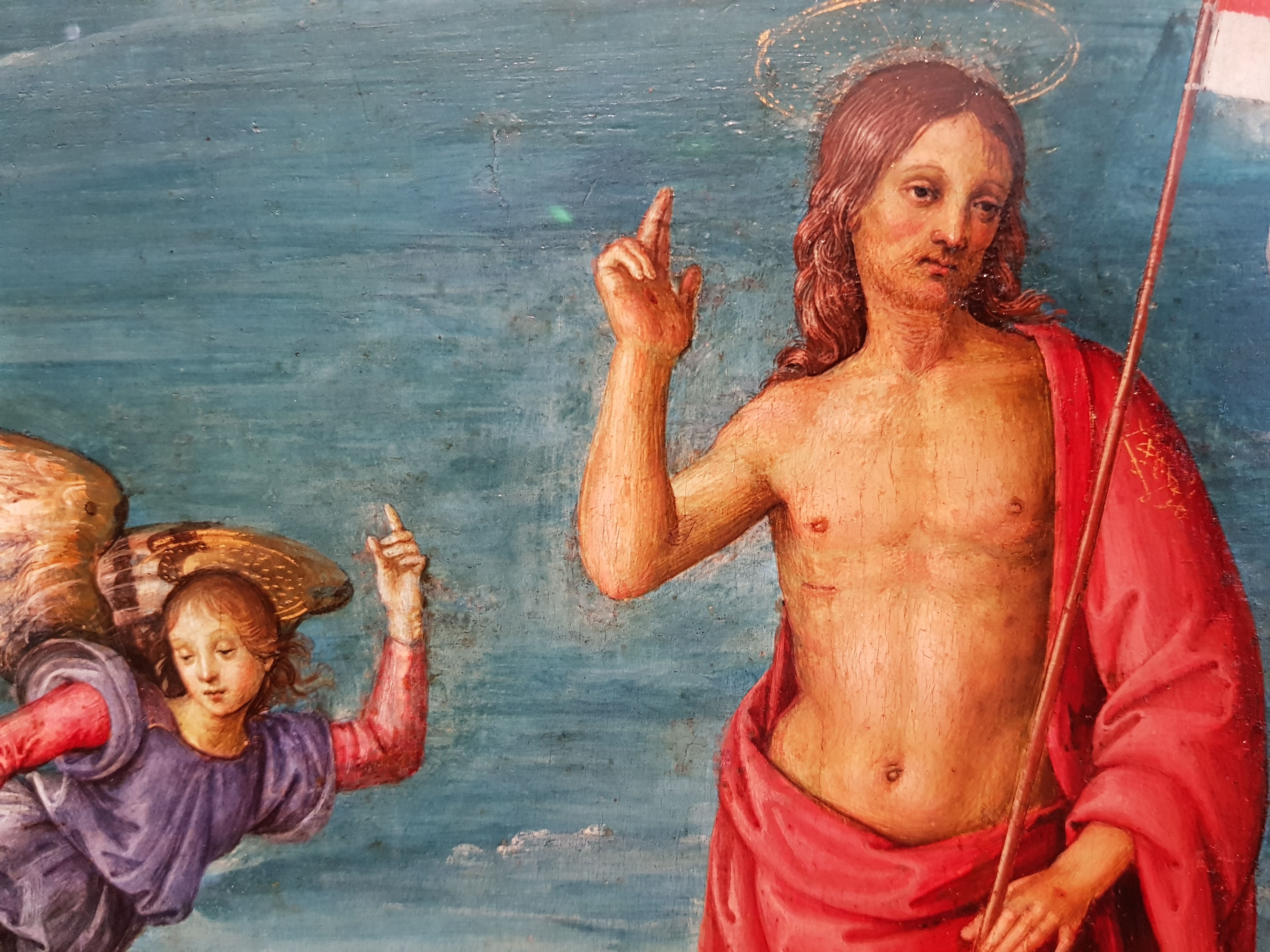
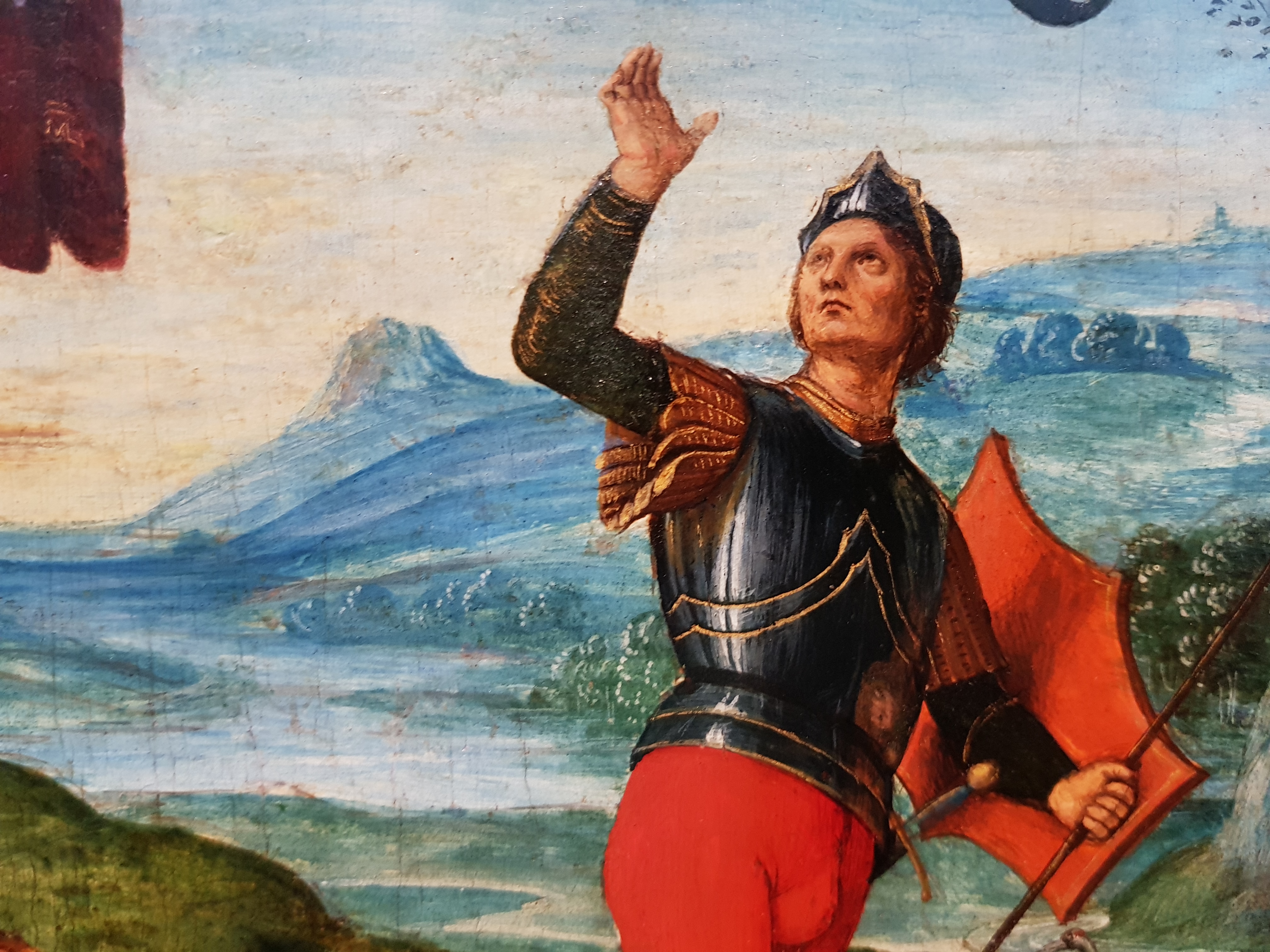
A very early Raphael Resurrection, painted just after he had left the workshop of Perugino:-
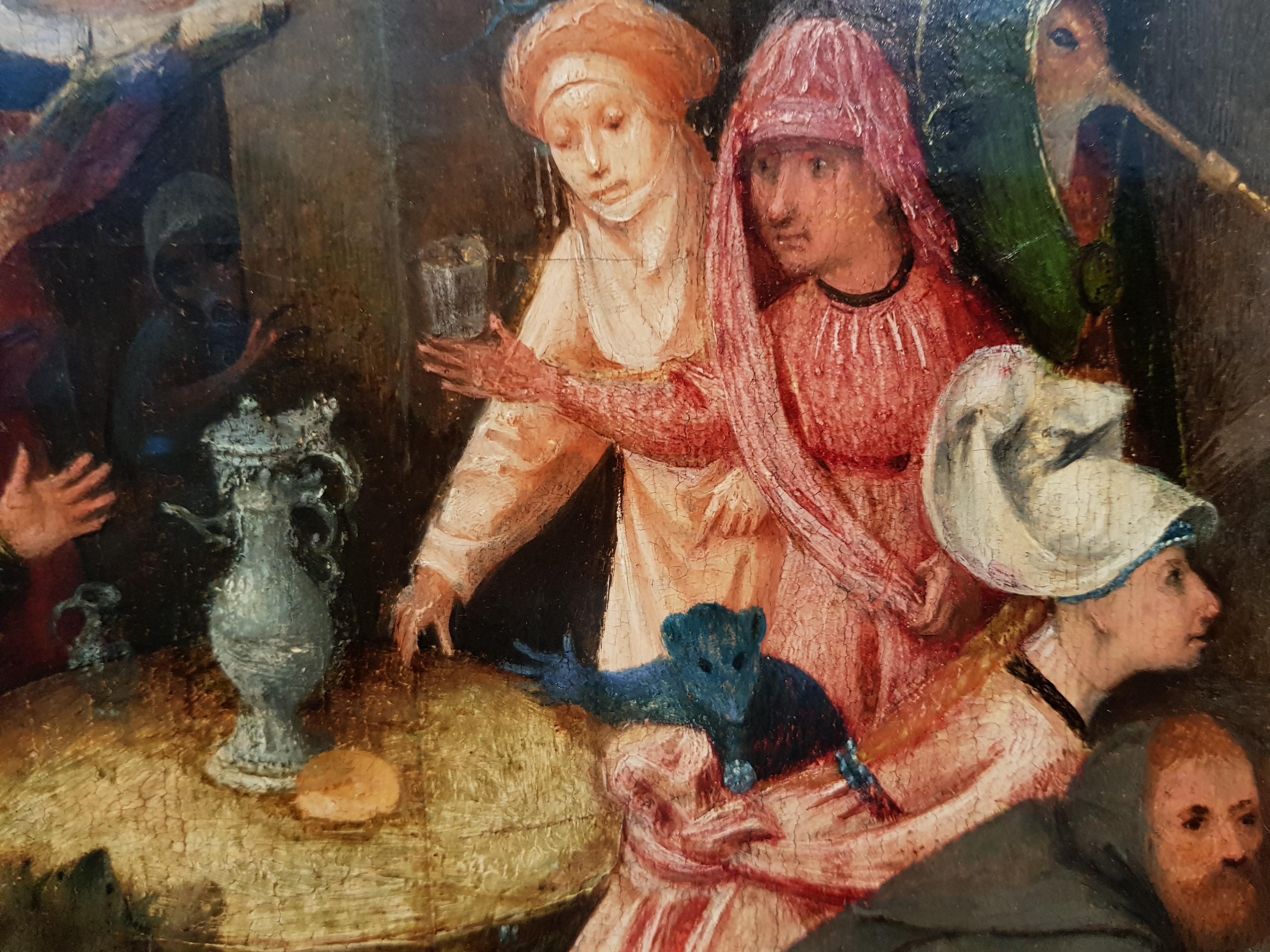
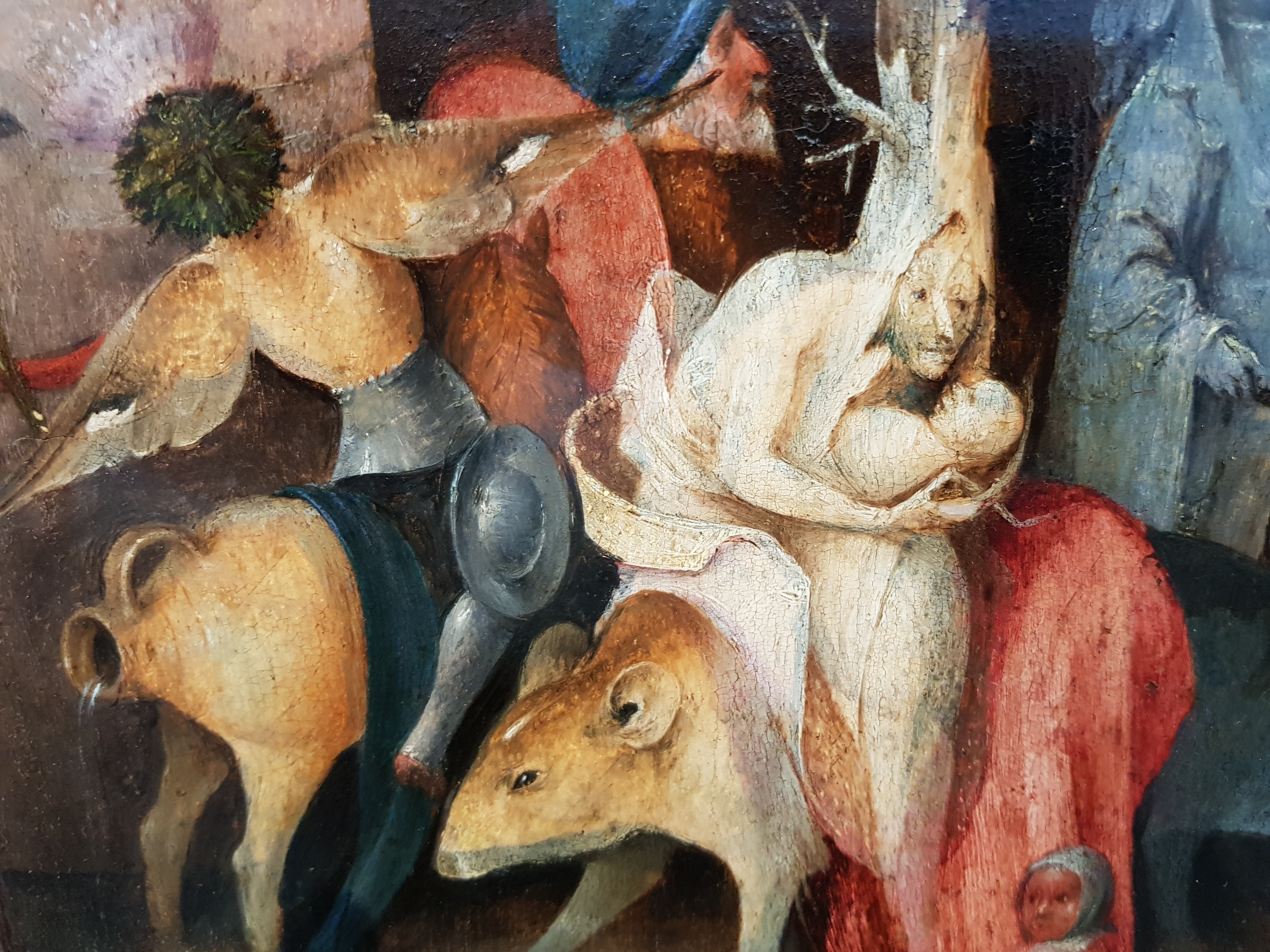
A Bosch Temptation of St. Anthony:-
Museu de Arte de São Paulo (1)
I was very keen to see Lino Bo Bardi’s masterpiece, the Museu de Arte de São Paulo on the Avenue Paolista, first planned in 1957, begun in 1961, and not opened officially till 1968 by HM the Queen (Brazil was a dictatorship) and to the general public in 1969:-
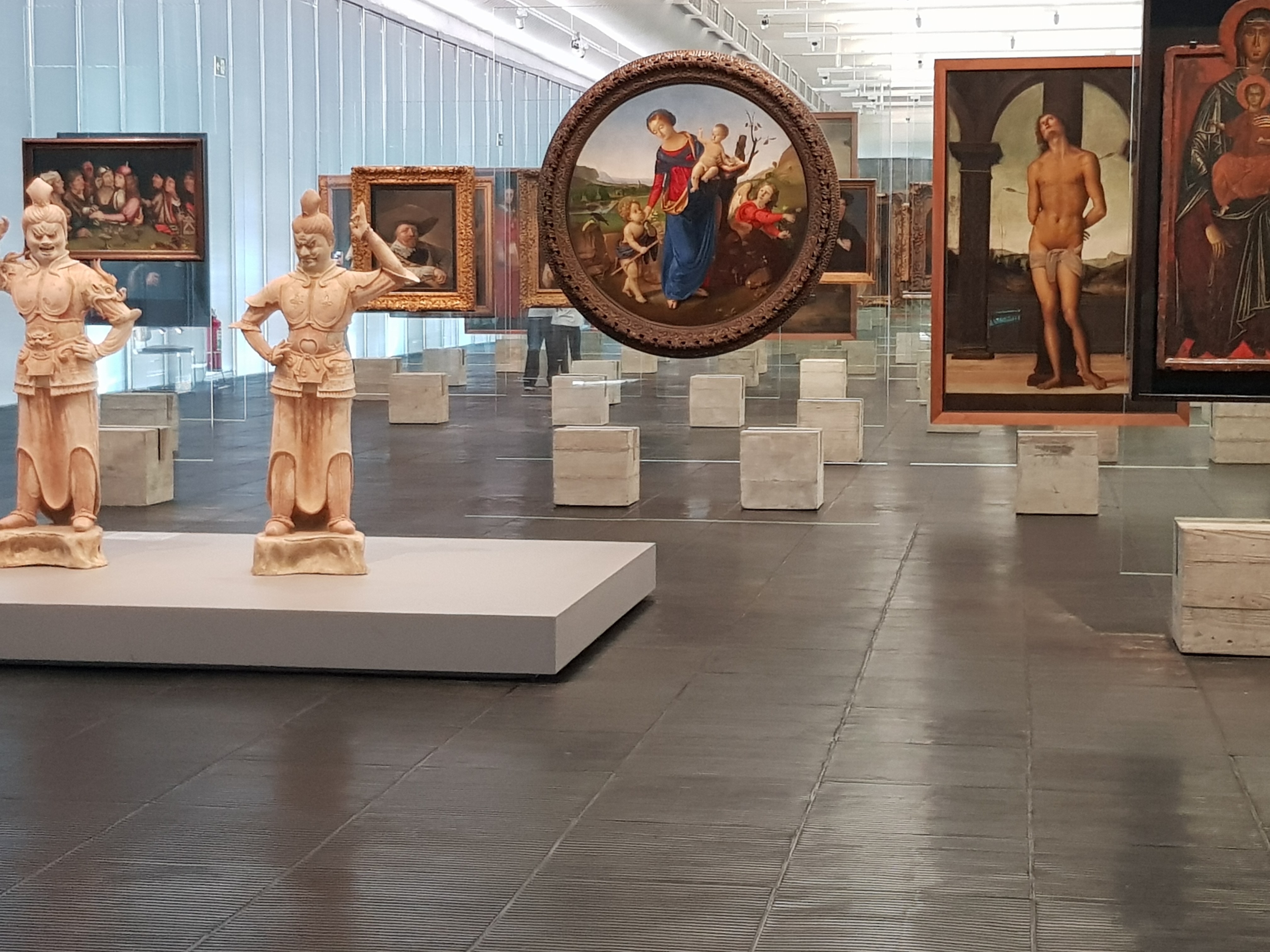
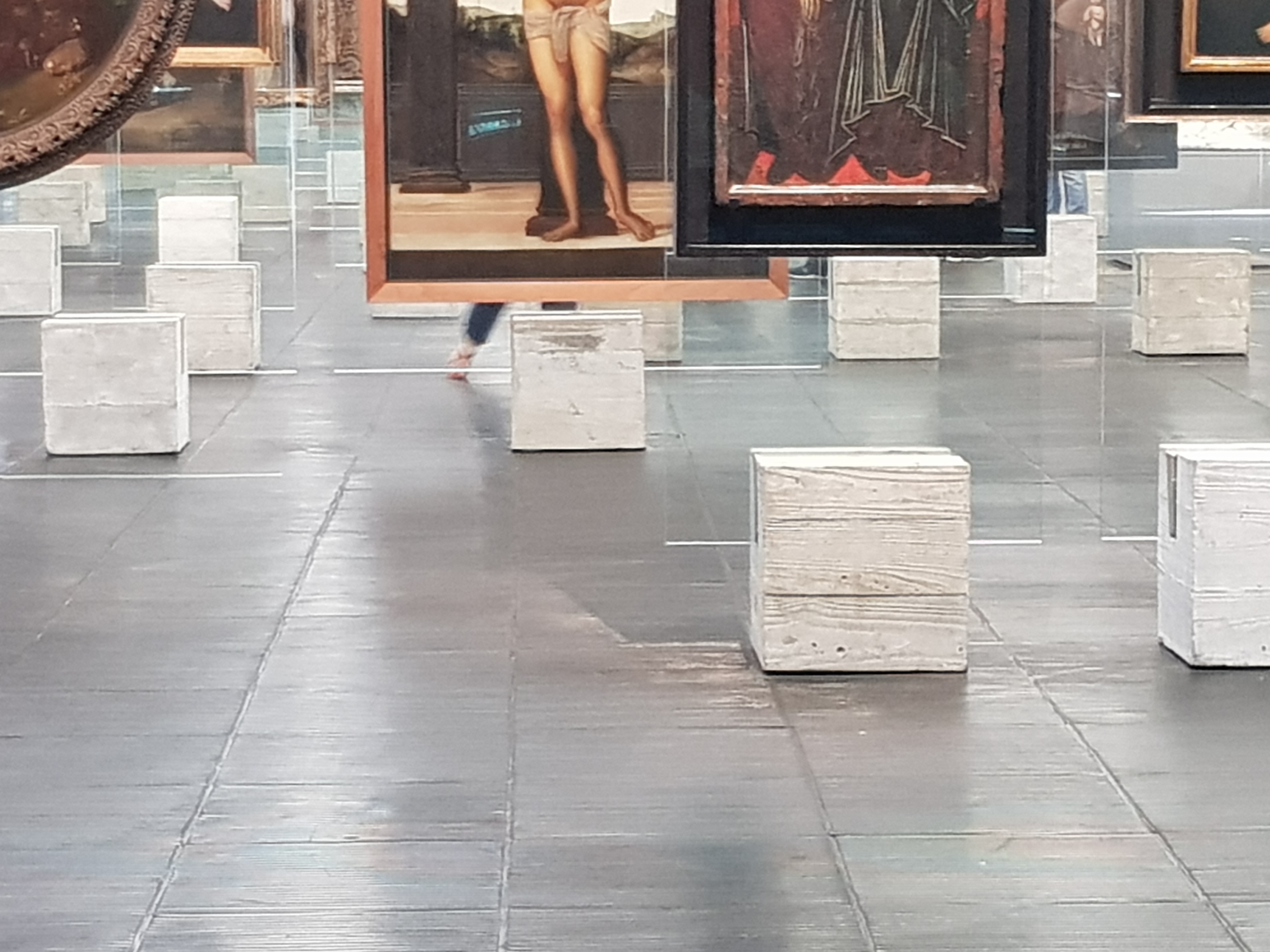
They have reinstated Bo Bardi’s original system of display on the top floor, which is now more strictly chronological than it was when originally established:-
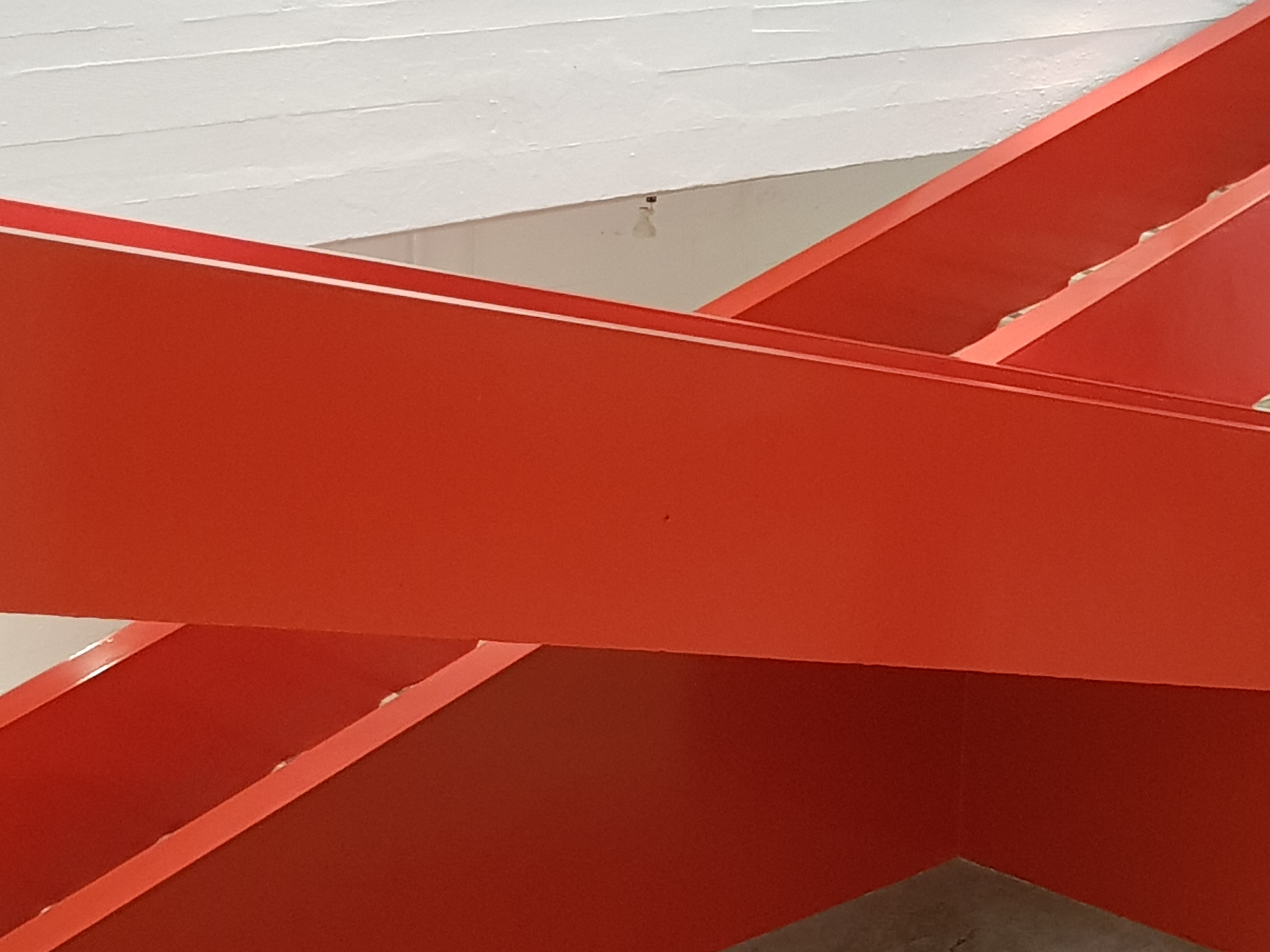
Down in the basement is a bright red scissor staircase, which presumably was the inspiration for Amanda Levete’s new staircases at the V&A:-
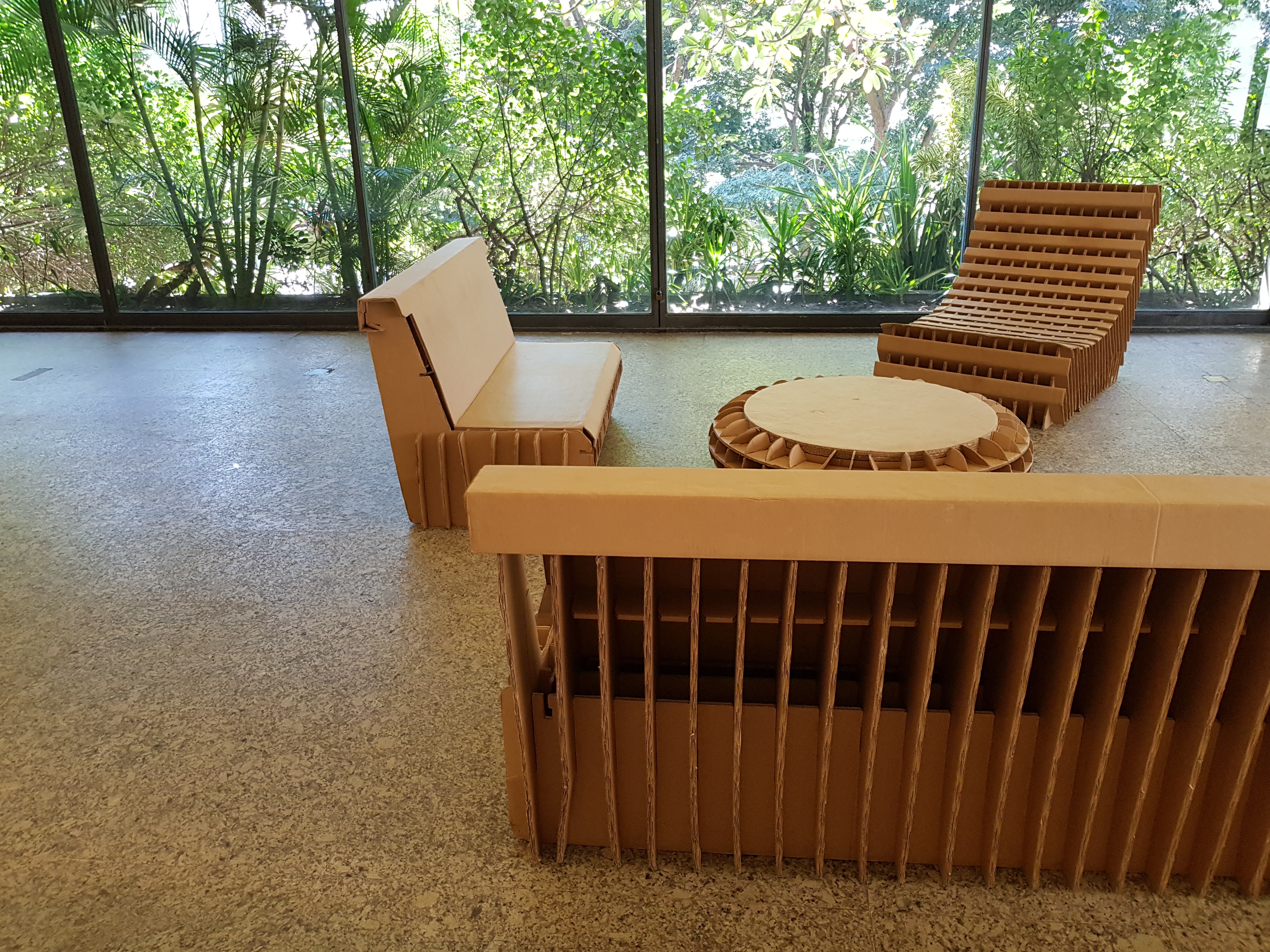
And chairs which must be original:-
Aleijadinho
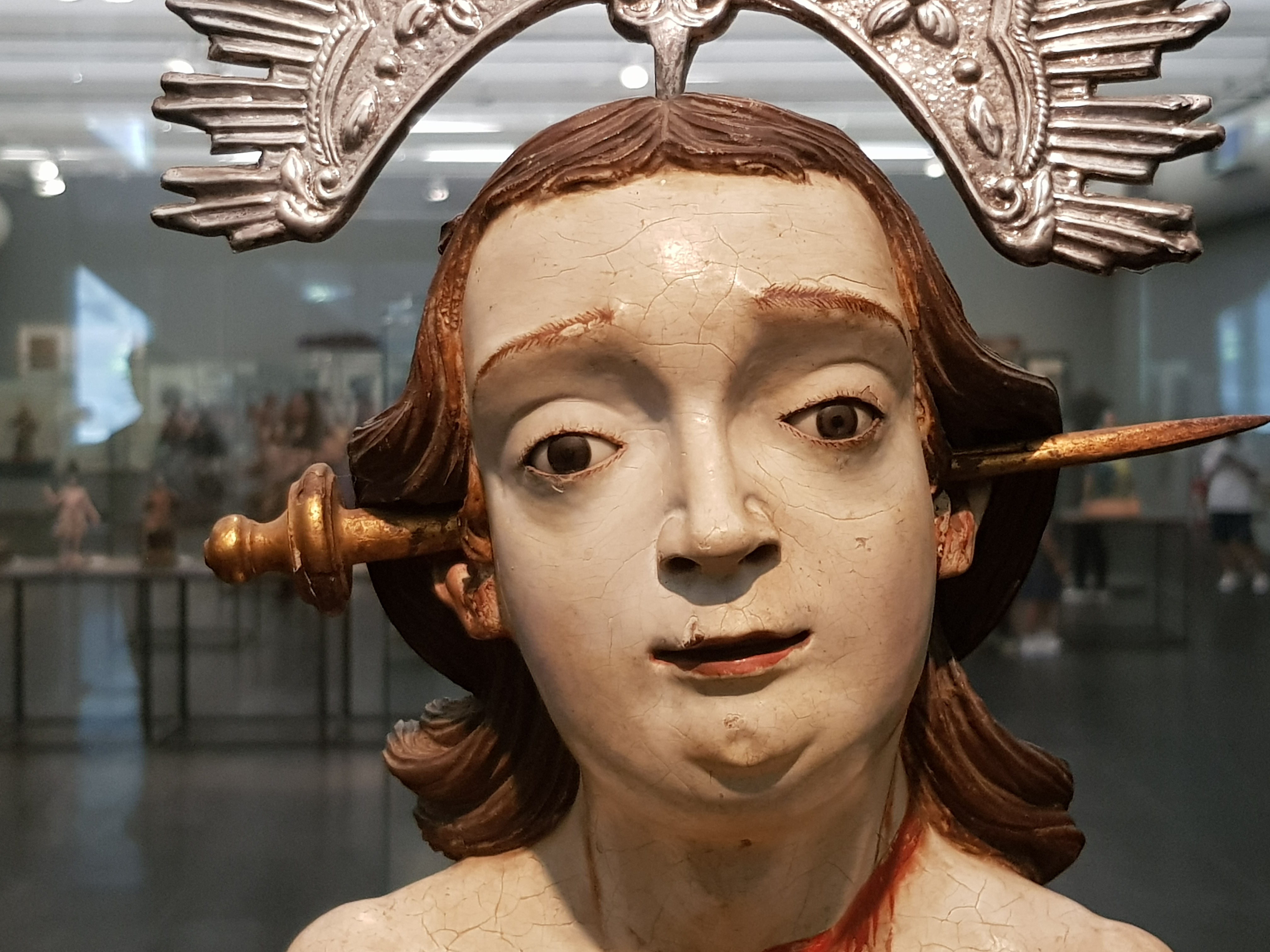
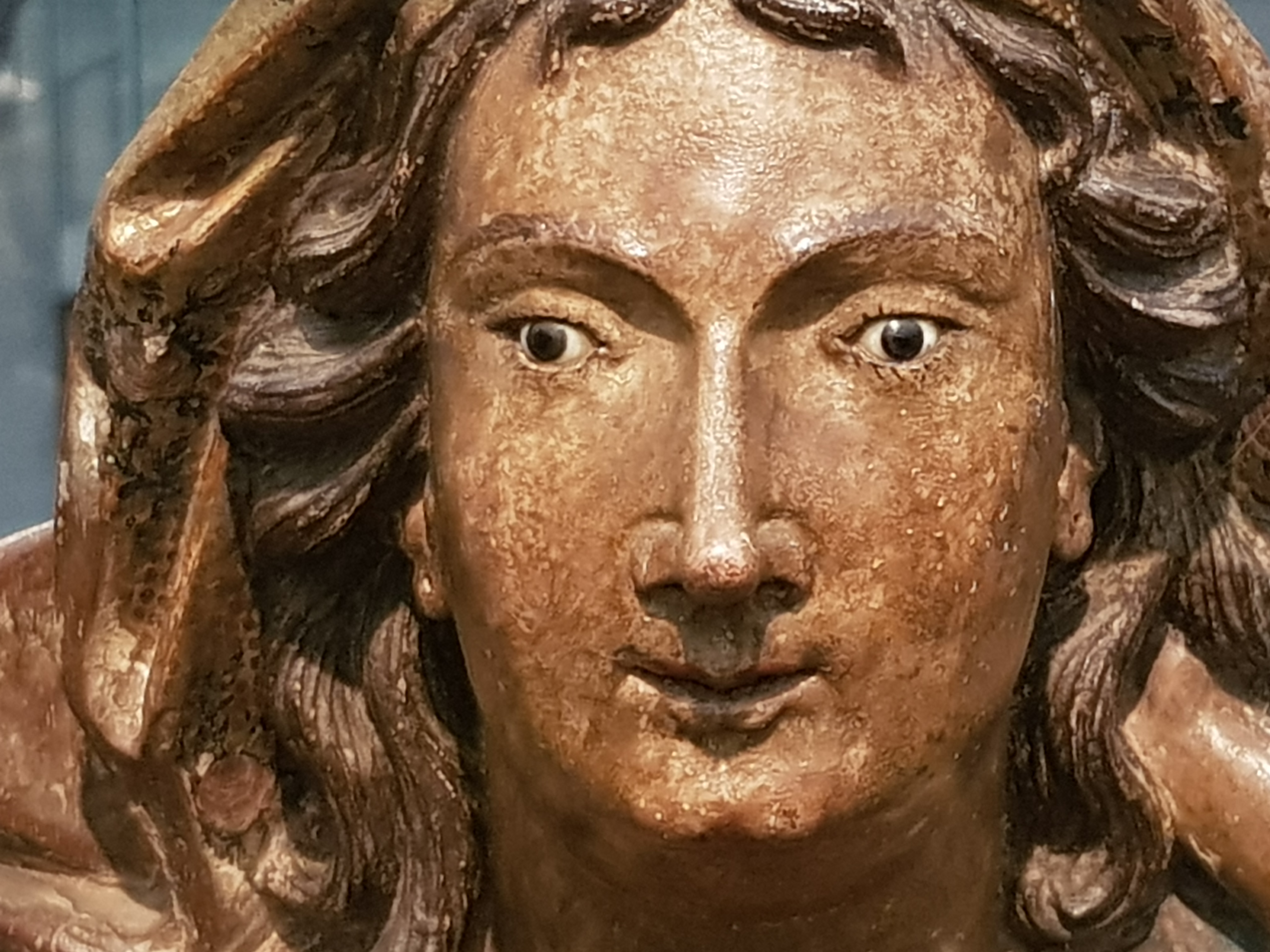
We started the day by seeing an exhibition of work attributed to Antônio Francisco Lisboa, known as the Aleijadinho (‘the little cripple’), the son of a Portuguese master of works and his slave until freed. He produced a large collection of devotional works.
São Manuel (c.1760):-
Christ of the Scourging (1791-1812):-
Our Lady of the Rosary:-
Our Lady of Sorrows:-

The exhibition is a way of exploring the Portuguese diaspora, its derivation from Austrian and German, as well as Portuguese baroque, and the abolition of slavery only in 1888.
Jeremy Hutchinson (2)
I have been puzzling over one aspect of Jeremy Hutchinson’s life which I learned from Simon Rendell, the typographer and grandson of Edward McKnight Kauffer, which was that, in the early stages of the war, when Hutchinson had already joined the navy, he visited New York and was entertained by Kauffer in the saloon bars of Harlem, listening to jazz. The answer is that Jeremy’s mother Mary, as well as being painted by Vanessa Bell and sleeping with Clive, was a friend of Kauffer and T.S. Eliot, who consulted them both on the original manuscript of The Four Quartets, although paid no attention to whatever advice they gave (although Kauffer illustrated A Song for Simeon published by the Ariel Press in September 1928). So, it is perhaps not so surprising that Hutchinson was the guest of Kauffer in the slums of New York.
Gillian Ayres RA
I have been mourning the death of Gillian Ayres, an RA, although in recent years not a very active one, because in Devon and temperamentally not at all keen on committees or, indeed, organisations (she briefly resigned over Sensation); but even in Devon, and especially on her occasional visits to show work at Alan Cristea, she managed to convey a smoky joie-de-vivre, vitality and moral support. I wrote an introduction to an exhibition held not long ago in Beijing and realised what a life force and art force she had been from the time she went to Camberwell alongside Howard Hodgkin, teaching at Corsham, again alongside Hodgkin, working on the Lleyn Peninsula in north Wales (I sadly missed her recent exhibition at the National Museum of Wales), before moving to north Devon. A great painter and a great loss.
São Paulo (1)
I am a touch discombobulated having flown to São Paulo overnight, following a generous invitation to visit SP-Arte, the annual South American art fair. So, a new country, a new continent. So far, so good. It’s as if Los Angeles had mated with New York (the infinite extent of Los Angeles and the high-rise energy of New York).
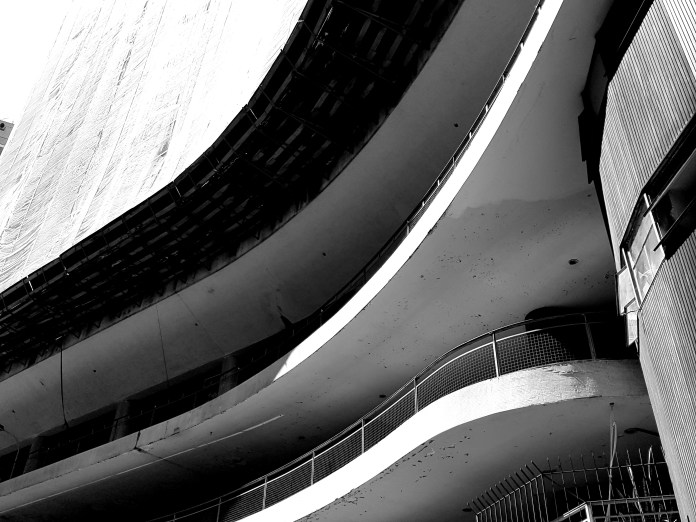
We started with a visit to Pivô, a small experimental space in the ground floor of Oscar Niemeyer’s great curved, Corbusian Edificio Copan, designed in 1951 as apartments for singles and as a leisure complex as well:-
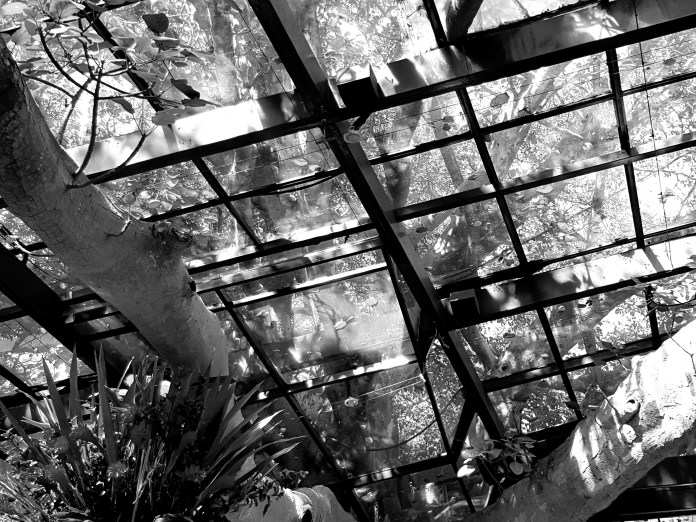
Steak in Figuera Rubaiyat, a local restaurant in Jardins under a tropical fig tree:-
Then to SP-Arte, which is held in the pavilion designed by Oscar Niemeyer in 1957 for the Bienal de São Paulo. It is an art fair which is much more fun than its European equivalents because the art is (to me) so totally unfamiliar and because I was introduced in succession to nearly all the gallery owners who talked me through the work on display.
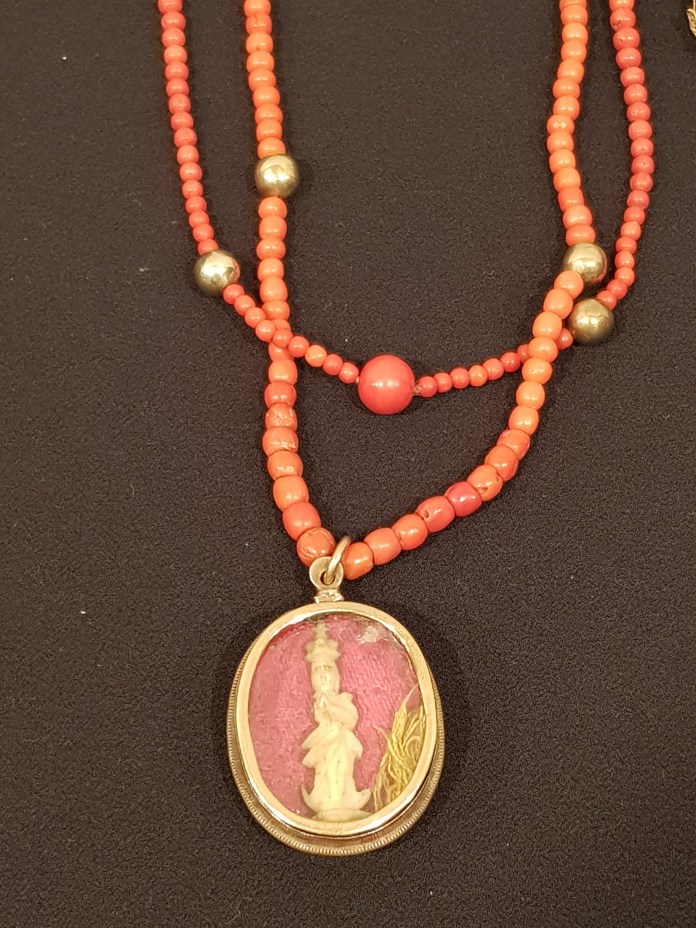
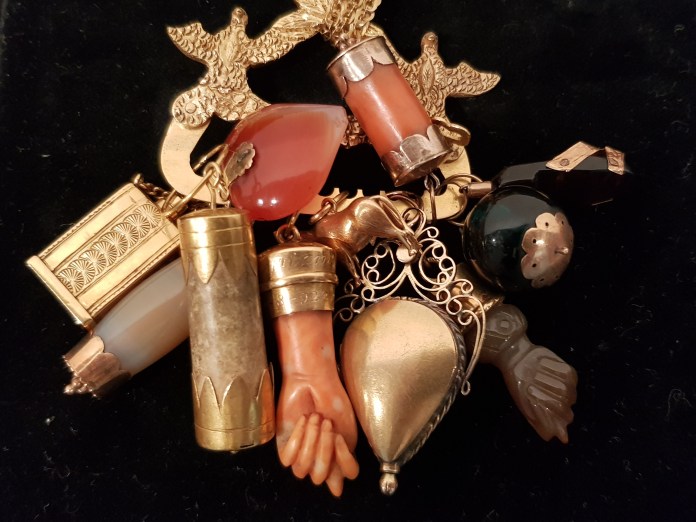
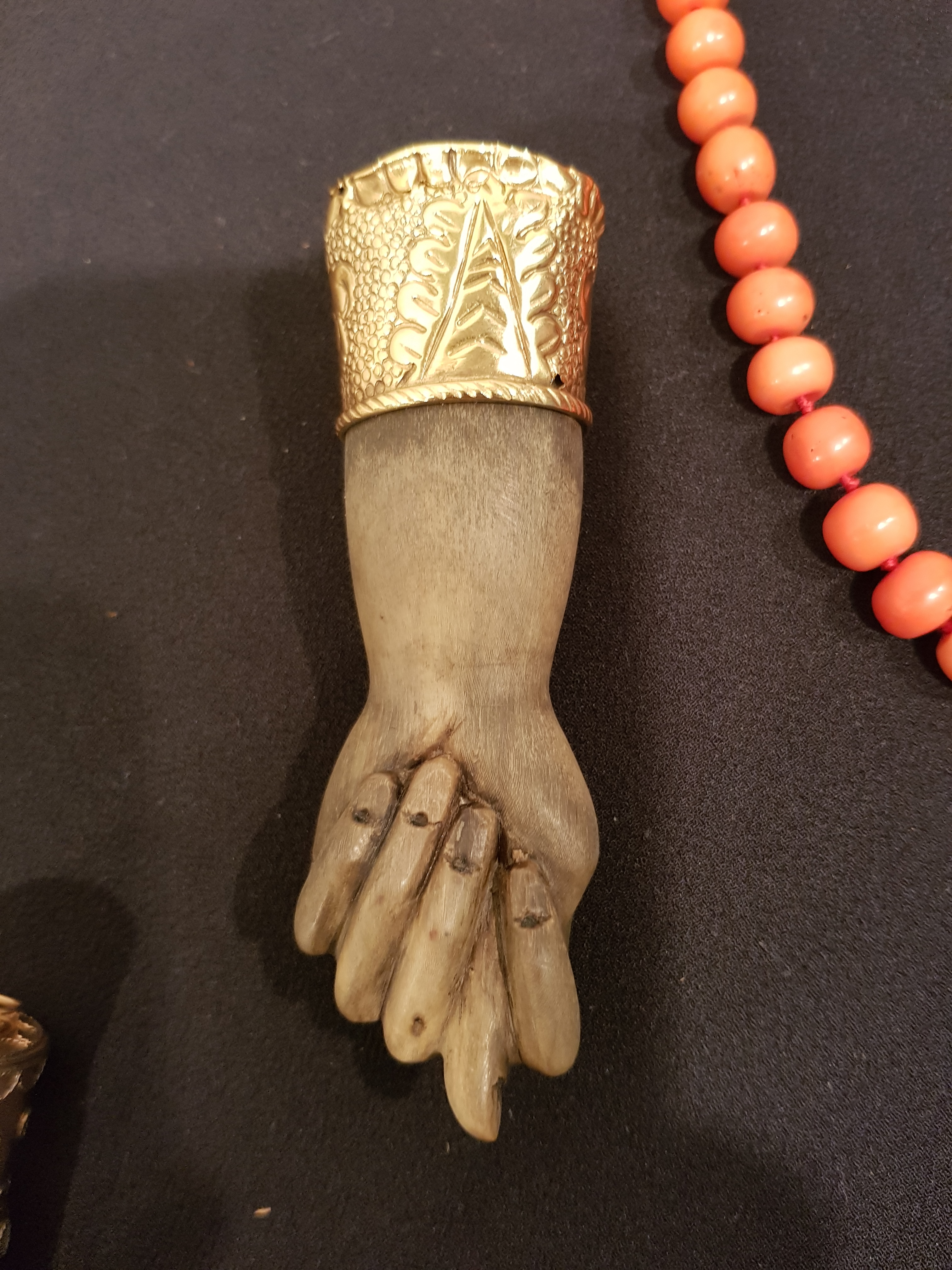
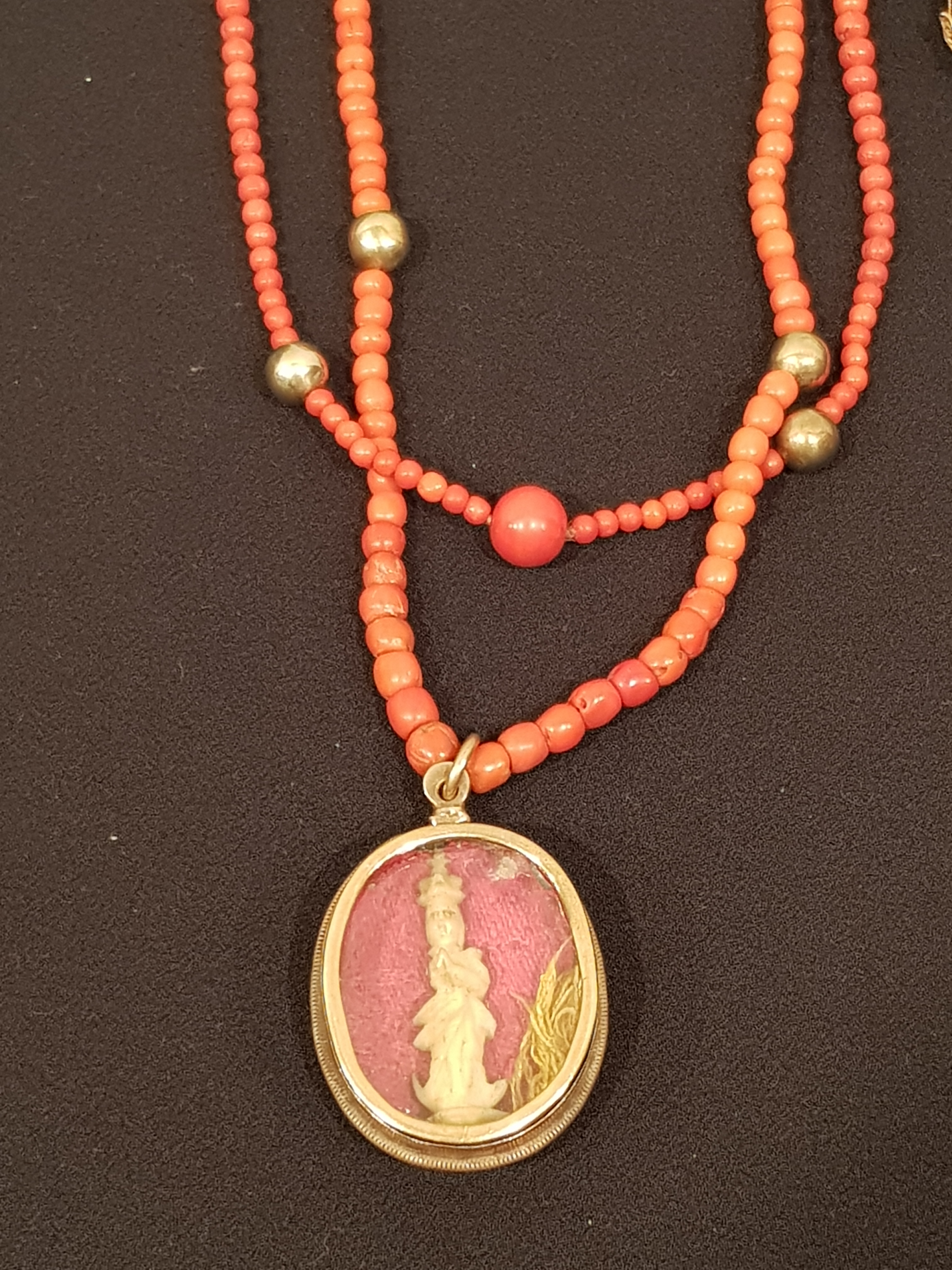
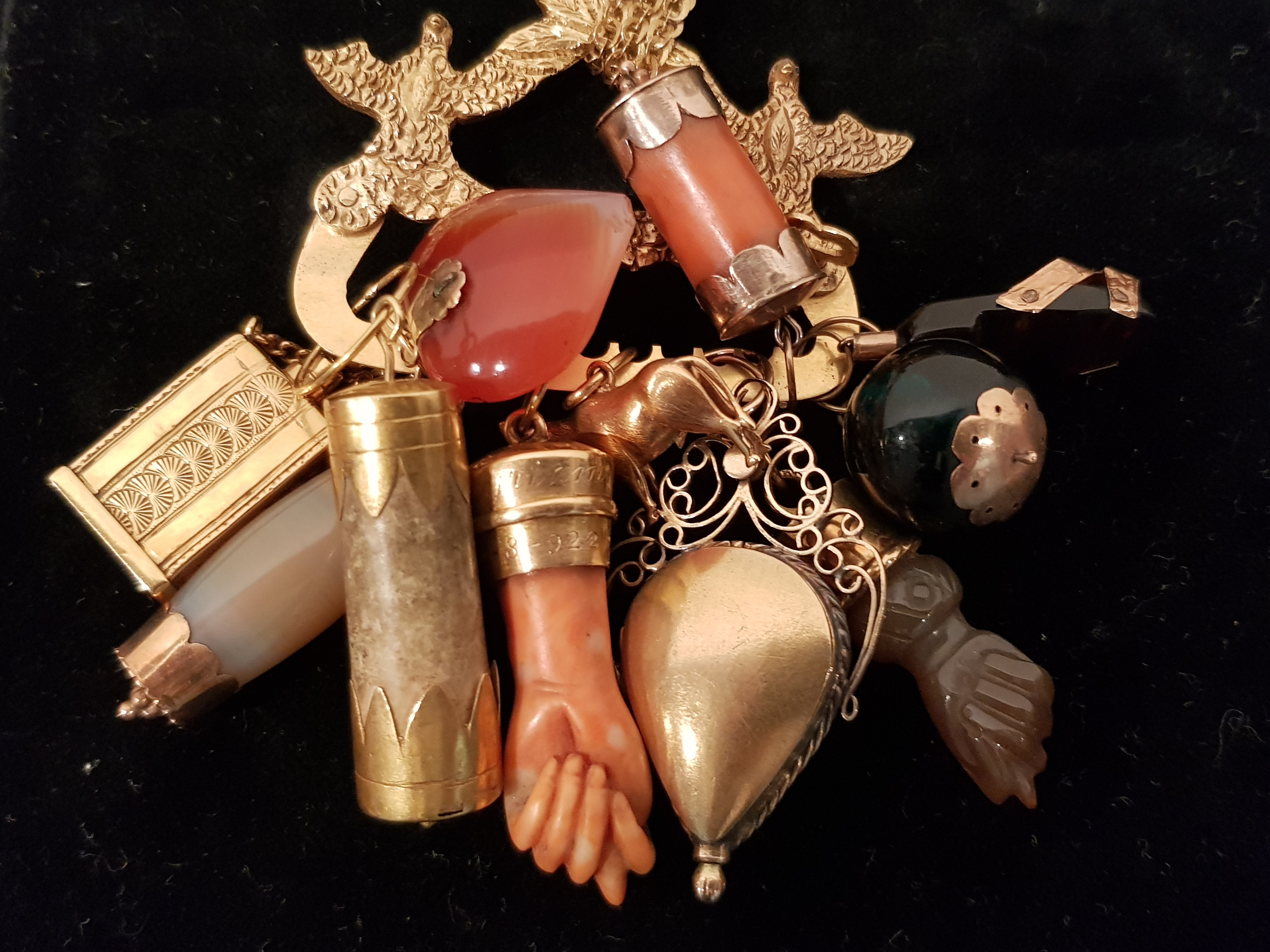
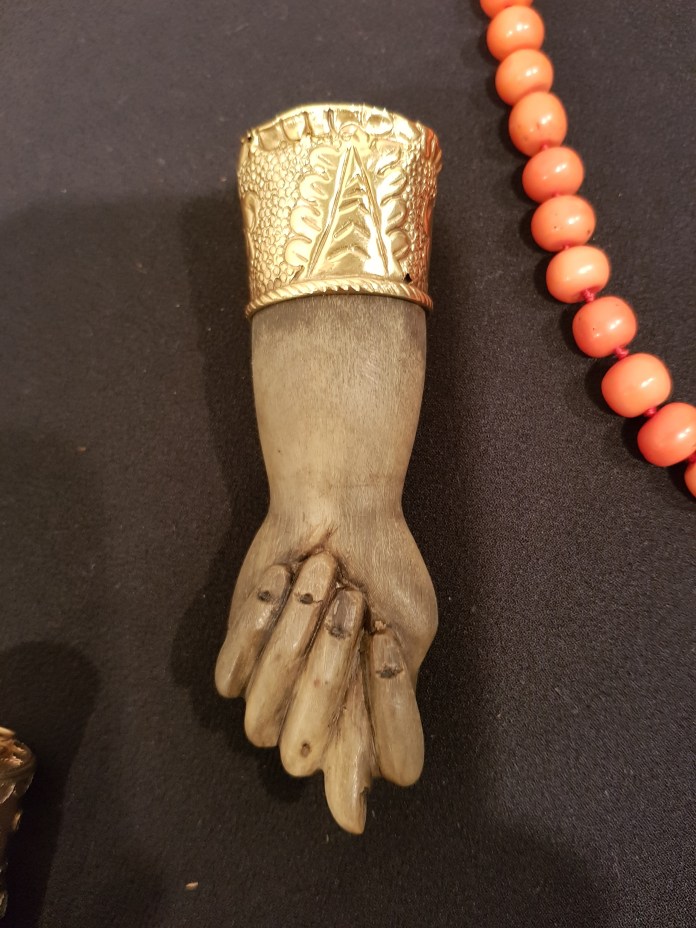
The biggest and most unexpected surprise was in a back room of Rafael Moraes on the top floor, where there was a display of eighteenth and nineteenth-century slave jewellery – something I had never seen or heard of before – apparently given as gifts from owners to their slaves:-
Jeremy Hutchinson (1)
I waa pleased to find a place in the back row of the stalls for the memorial service of Jeremy Hutchinson – the brilliant, clever, funny and sharp advocate who was apparently regarded by Mrs. Thatcher as representing everything that was wrong with liberal Britain, but more likely represented everything that was right about 1960s liberal culture (when, according to Grey Gowrie, the British changed from being Romans to Italians). Even Lucy Winkett did the Blessing with theatrical flouish; and then the whole congregation accompanied Nick Hutchinson singing Que Sera.
Janet Stone
One of the pleasures of coming back from Portugal is finding a dishevelled copy (it has been mashed by Amazon) of the new book of photographs by Janet Stone (Through the Lens of Janet Stone: Portraits, 1953-1979), which have been selected by her son-in-law, Archie Beck, and published by the Bodleian Library, custodians of her archive (including the many love letters from Kenneth Clark which have been embargoed for thirty years). She was a very good amateur portrait photographer and had the benefit of an amazing number of well-known friends (as Sylvia Townsend Warner described, ‘she is a bishop’s daughter and has lion hunting in the blood’). John Bayley is photographed eating breakfast in bed. There’s an amazing photograph of Siegfried Sassoon in old age. Laurence Whistler is seen lying beside a tennis court with a donkey grazing next door. There’s a particularly impressive photograph of Kenneth Clark looking like an egret and a picture of the young Daniel Day-Lewis in plastic armour. I thought that all her best photographs were held by the NPG, but these have been apparently printed from the original negatives and appear very fresh. It’s a treat.
Casa no Tempo
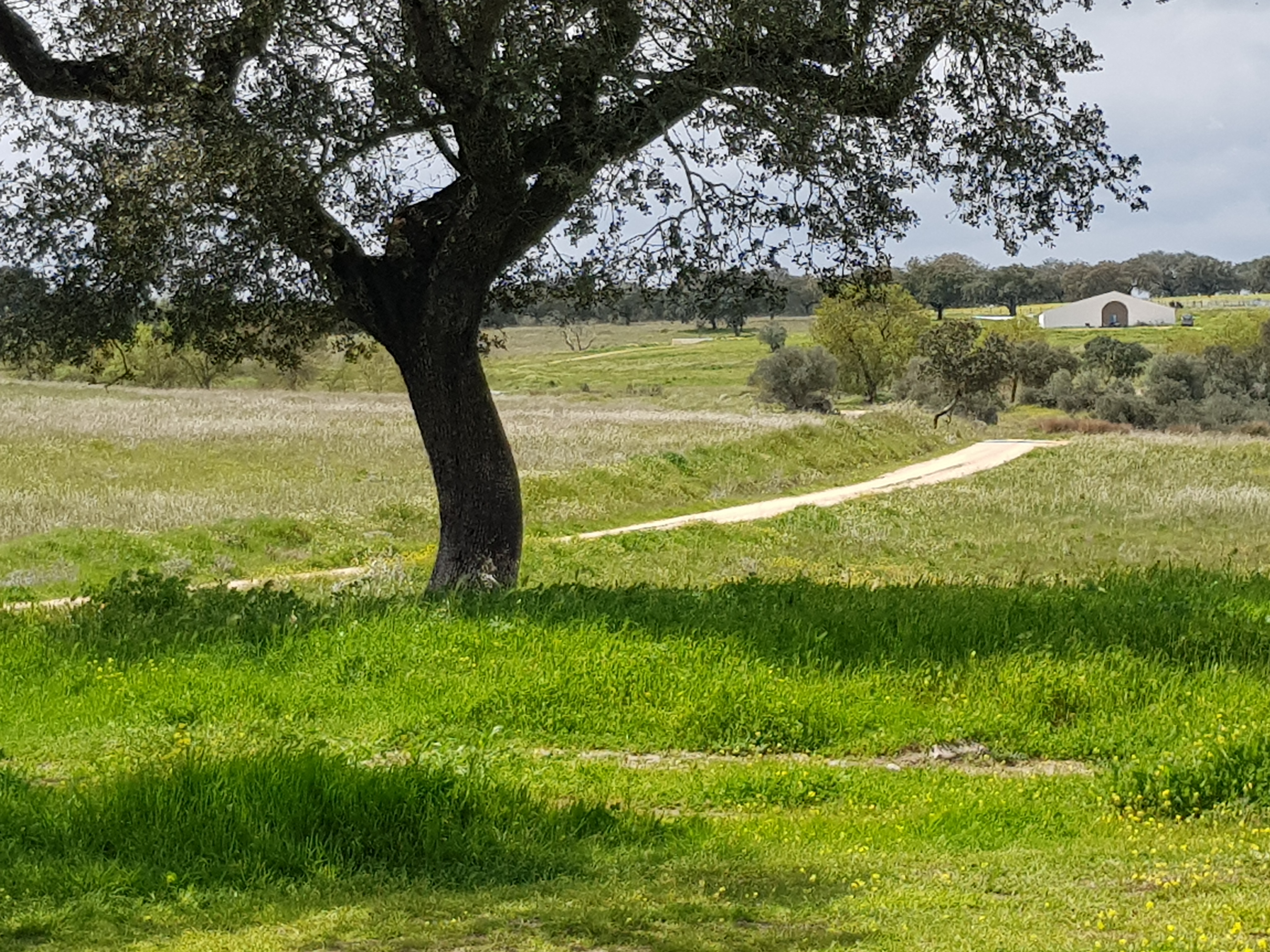
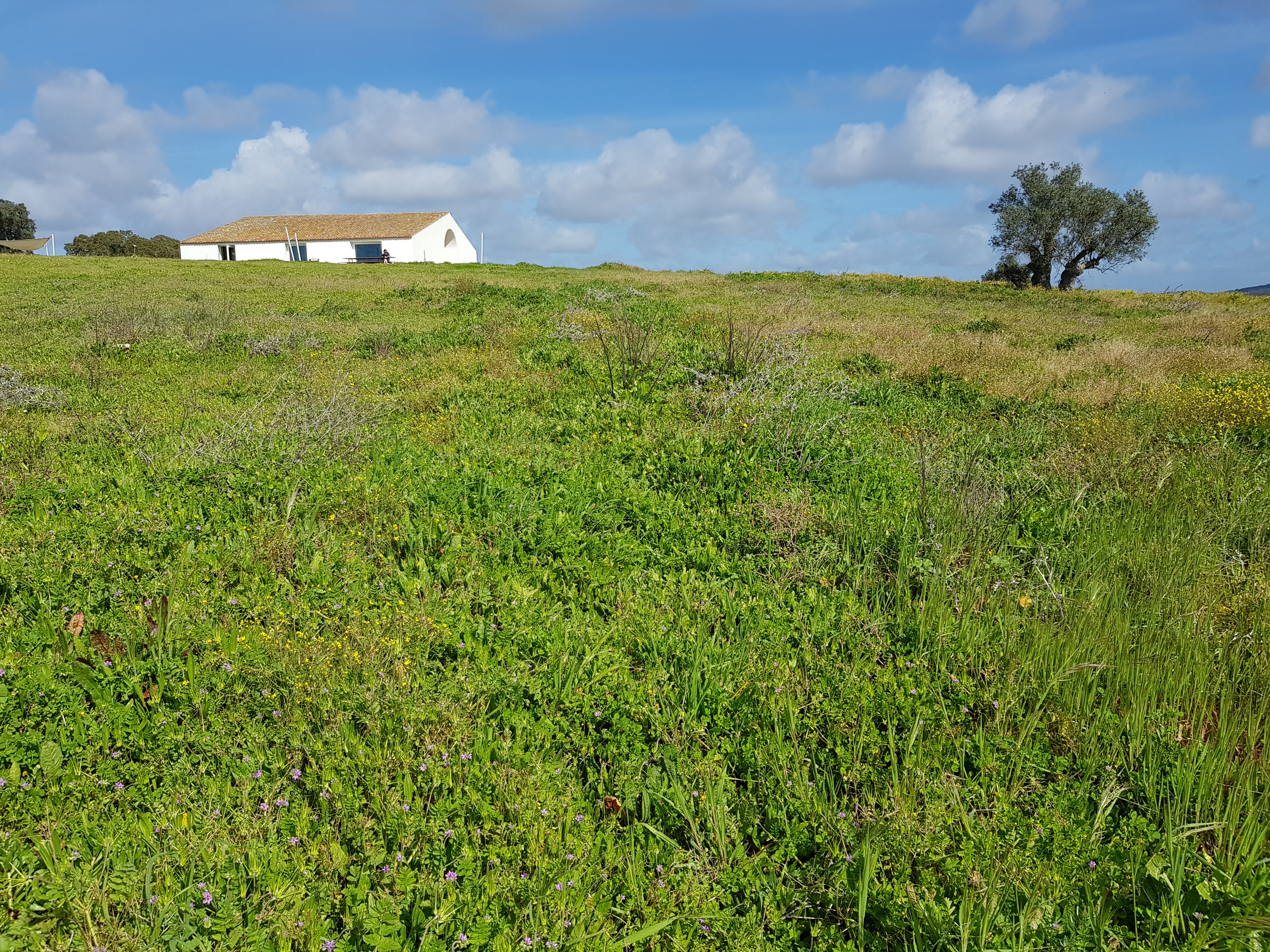
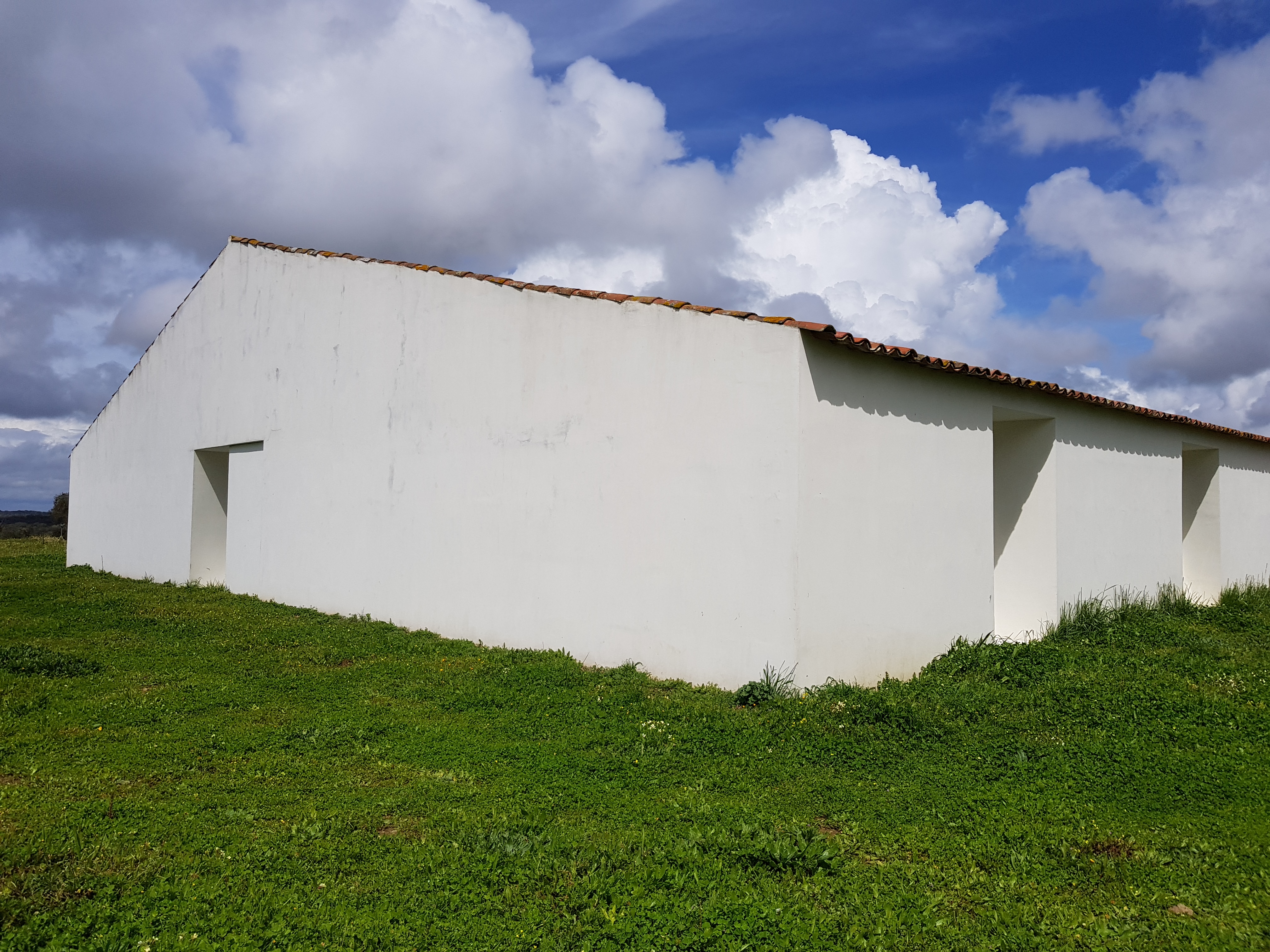
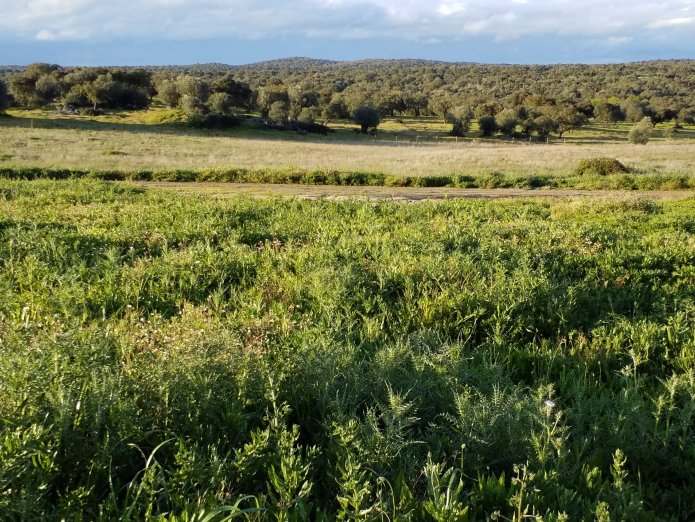
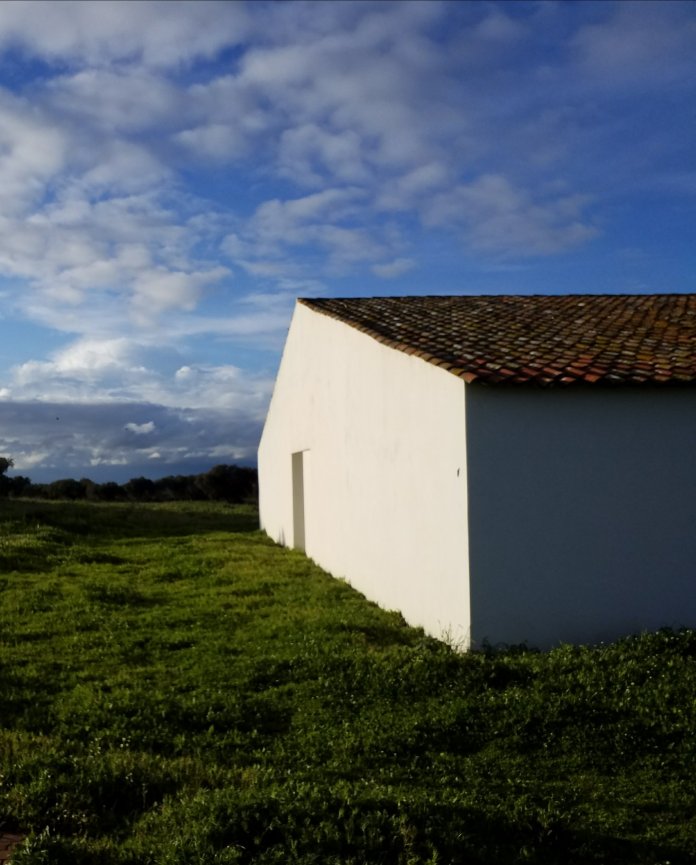
We’ve really enjoyed staying in Casa no Tempo, a project by Aires Mateus, making use of the Alentejo vernacular tradition, but giving it a sense of neo-Palladian geometry:-
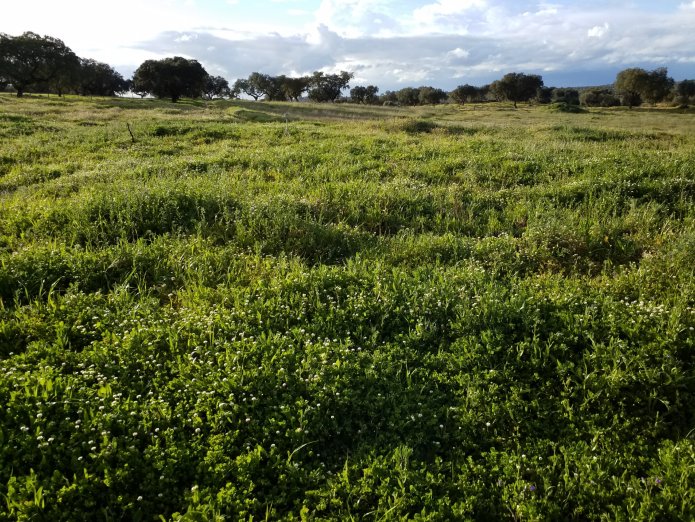
These were the views from our bedroom window:-


You must be logged in to post a comment.