Downtown Philadelphia (2)

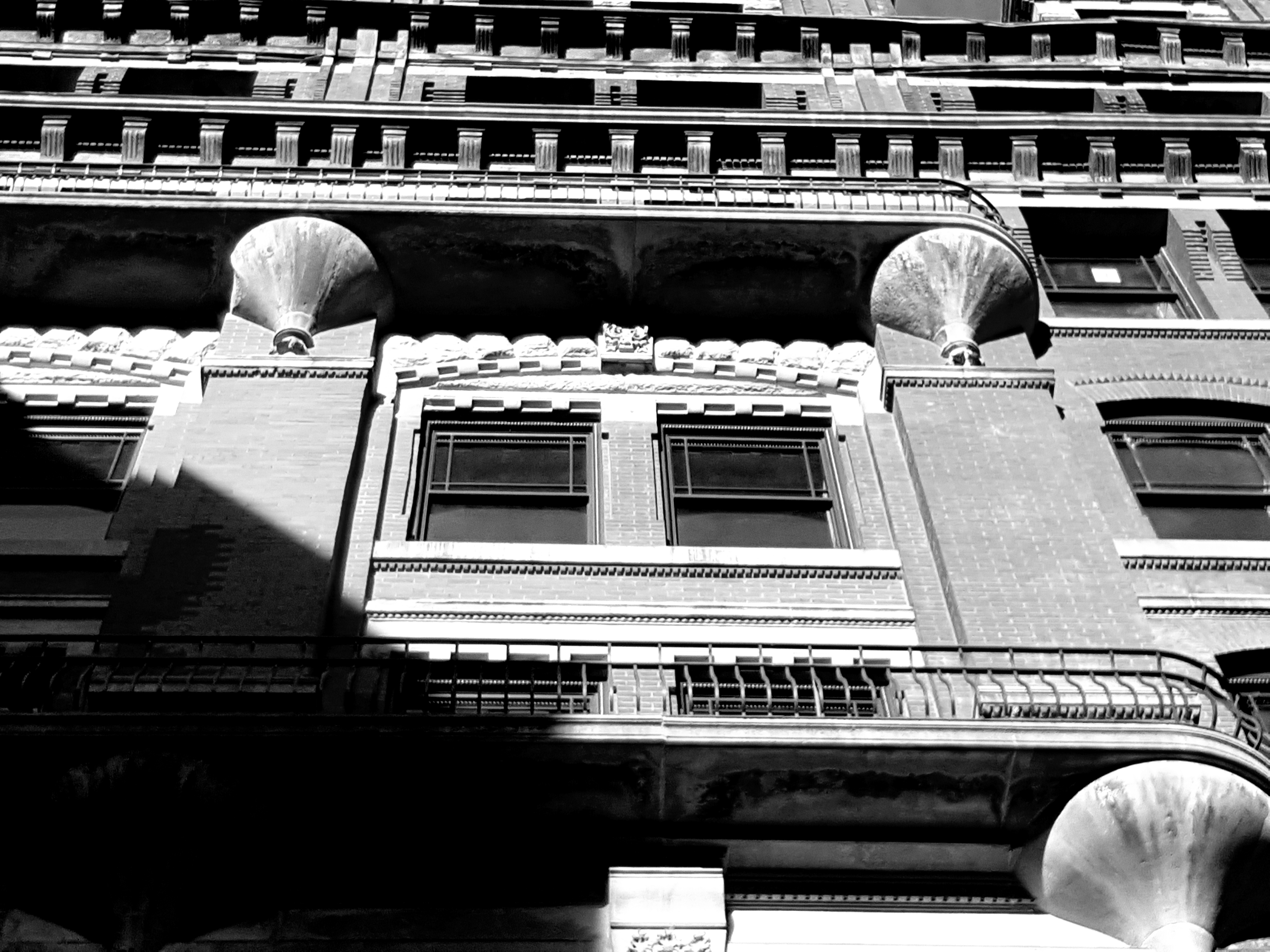
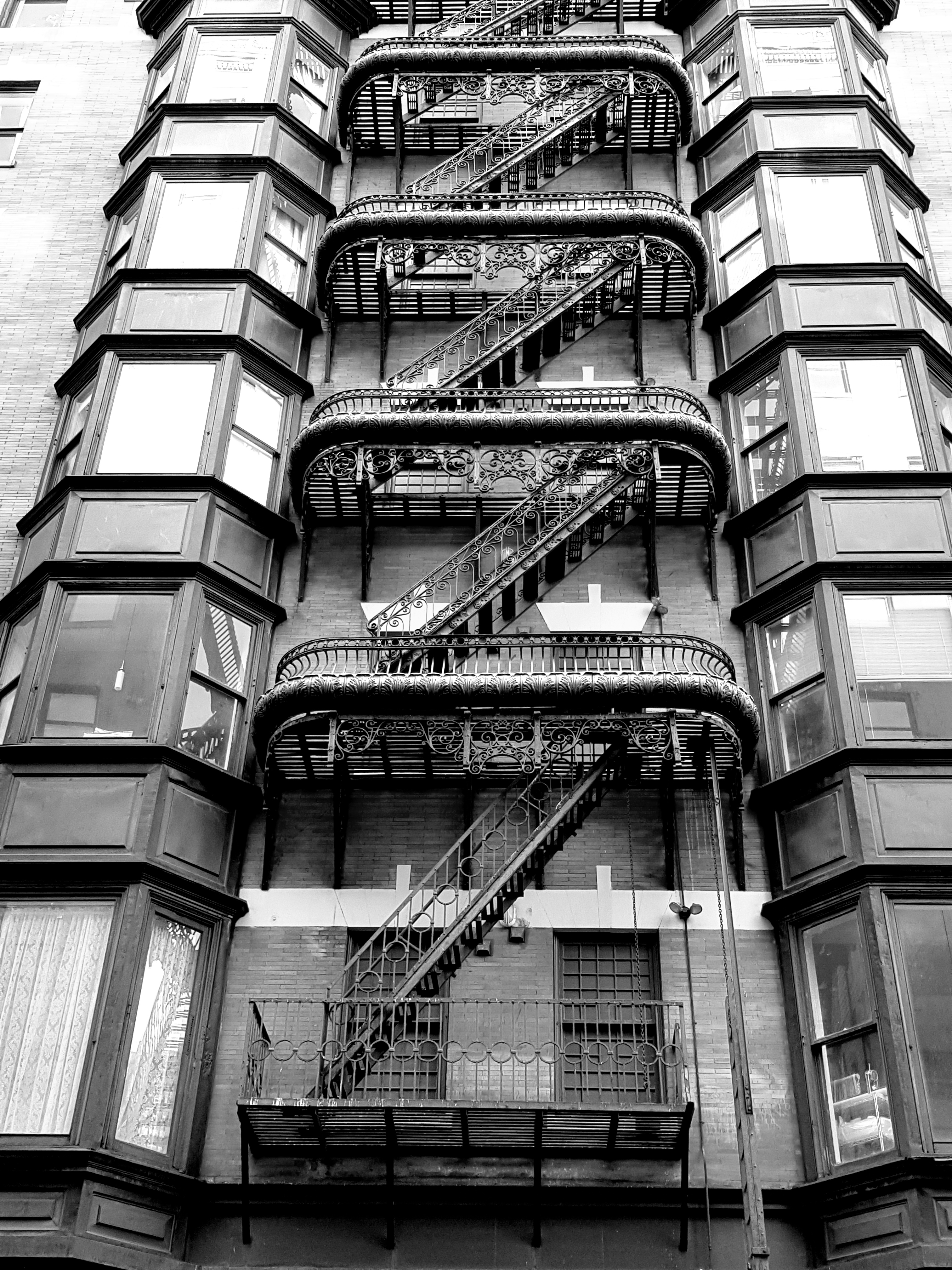
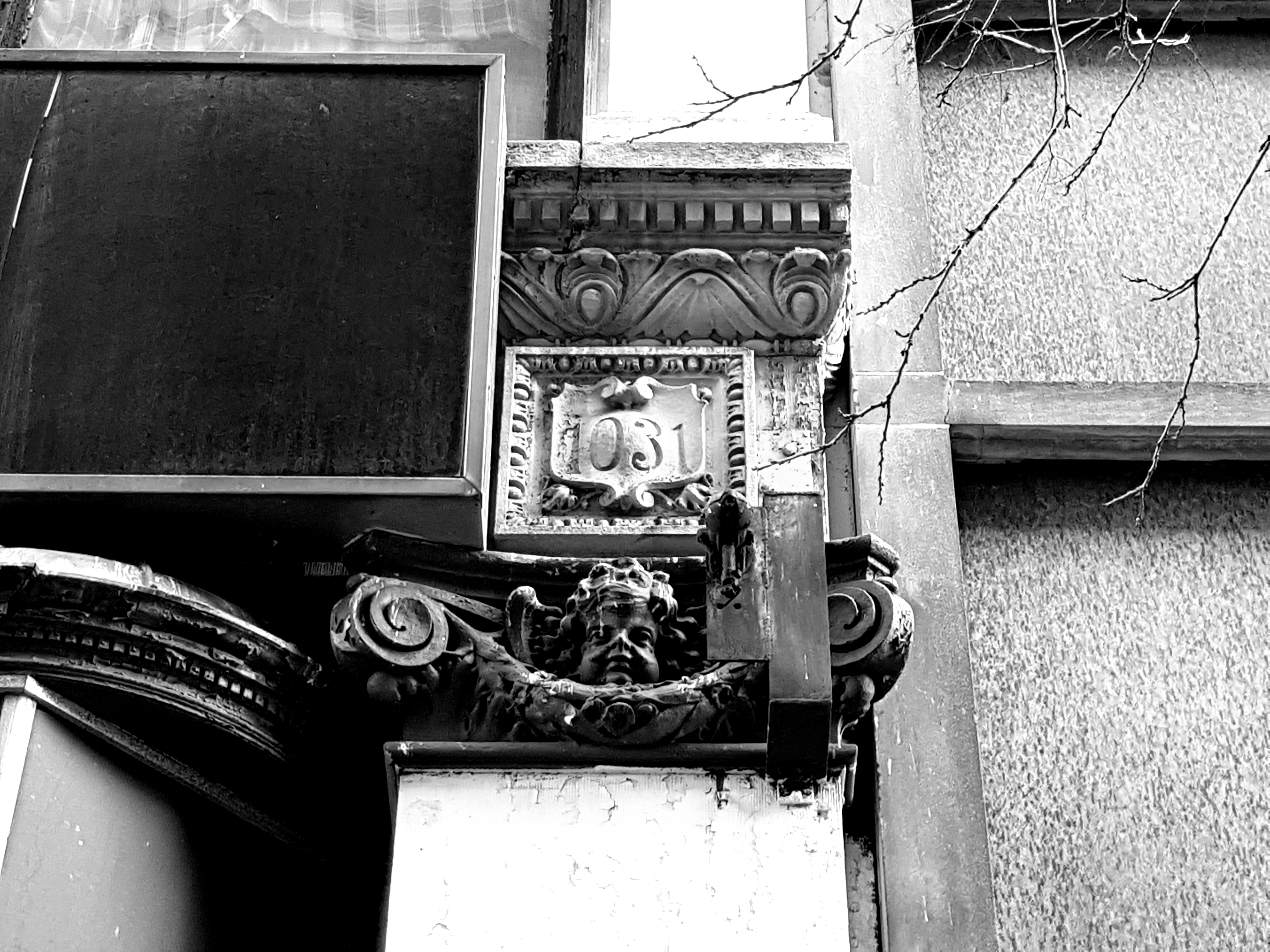
I admit there could be worse places to be holed up than Philadelphia. It has given me an opportunity to explore the downtown a bit more.

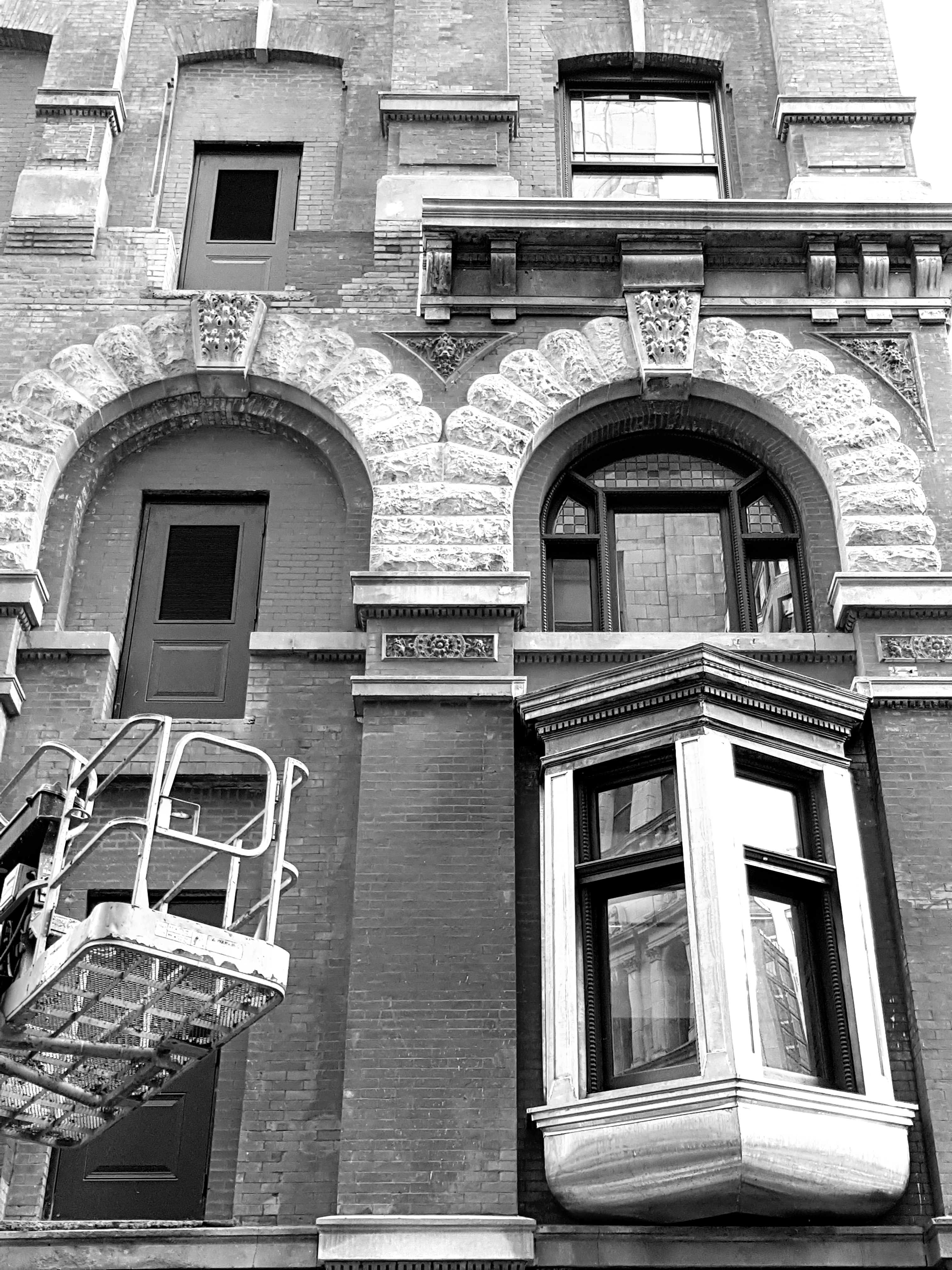
The building on Juniper Street I had seen and admired:-

image

image

The DeLong Building on 13th:-

image

Chestnut Street:-

image

image

image

The Witherspoon Building on Walnut:-

image

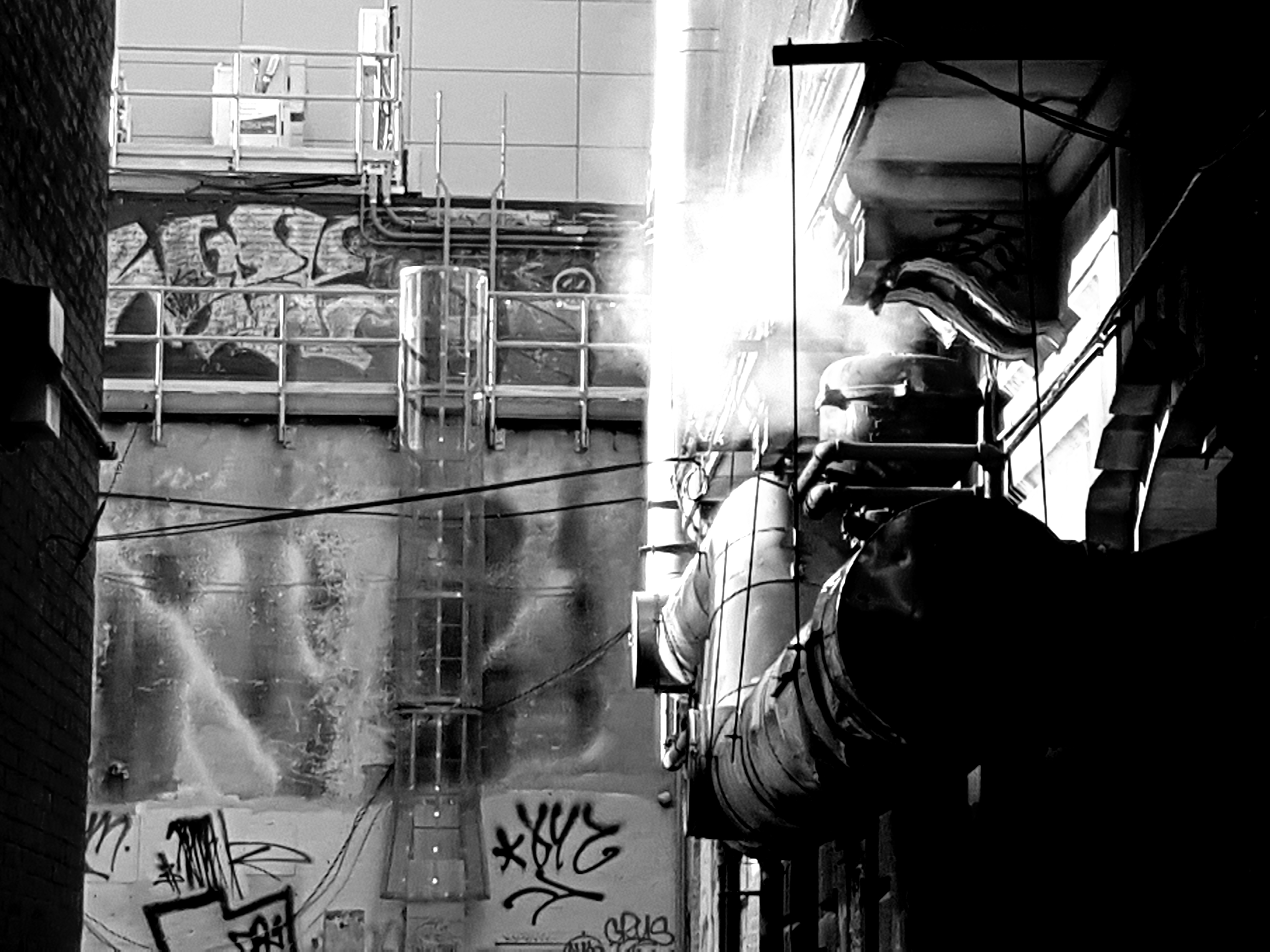
And a fine example of American central heating:-

image

Standard

Henry P. McIlhenny (2)

Since it looks likely that we will be holed up in Philadelphia for the forseeable future with all flights cancelled and most of yesterday spent waiting for cancelled trains, I have been trying to find out how it was that Henry McIlhenny acquired the painting now known, non-judgmentally, as Intérieur, the title by which it was first exhibited by Durand-Ruel in 1905, rather than Le Viol, as it was called from 1912 at least by friends and associates of Degas, which assumes that it is, in some way unspecified, about rape.

It was sold for 100,000 francs on 30 August 1909 by Durand-Ruel to M.Jacacci, a dealer in New York, who in turn sold it to Alfred Atmore Pope, a collector in Farmington, Connecticut in 1911, when it was exhibited and much admired at the Fogg. Pope either sold or gave it to Harris Whittemore, a friend and fellow collector. McIlhenny apparently bought it from Whittemore in 1936, the year in which he organised an exhibition on Degas. By then, he had already himself become a serious and passionate collector, buying bronze stauettes while on holiday in Egypt aged 15, and a Still Life by Chardin as a sophomore at Harvard.

Standard

Pennsylvania Academy of Fine Arts (2)

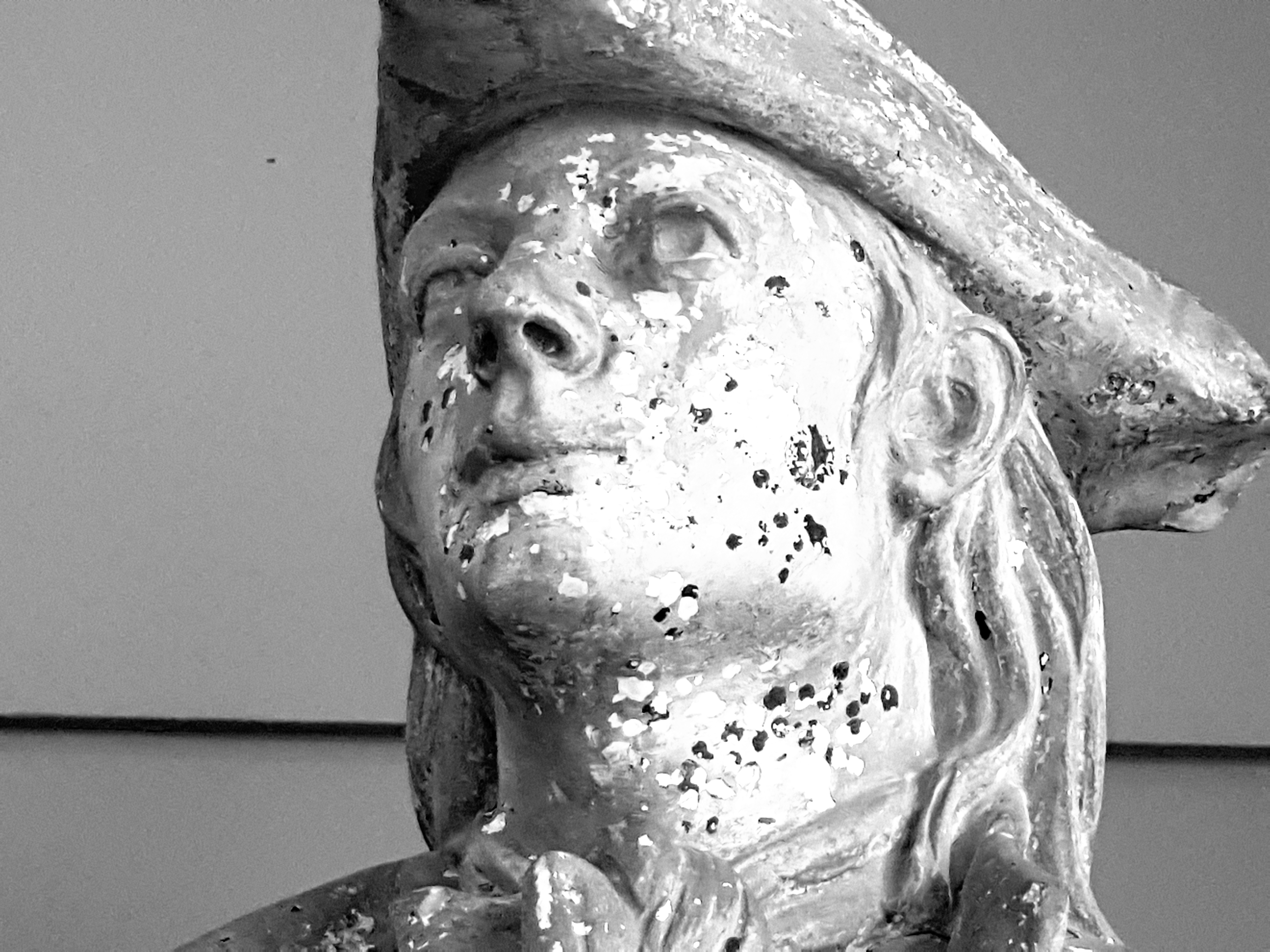
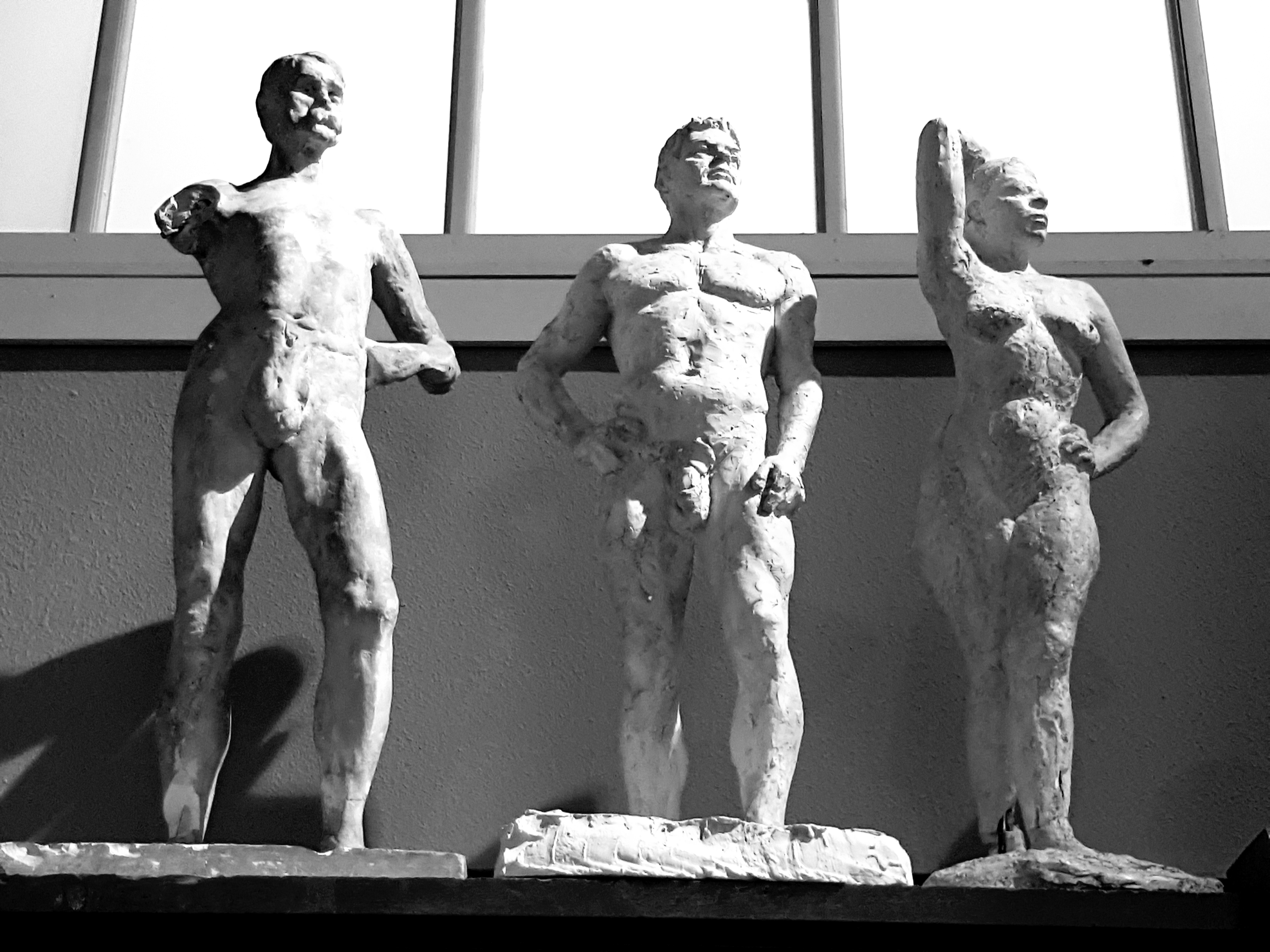
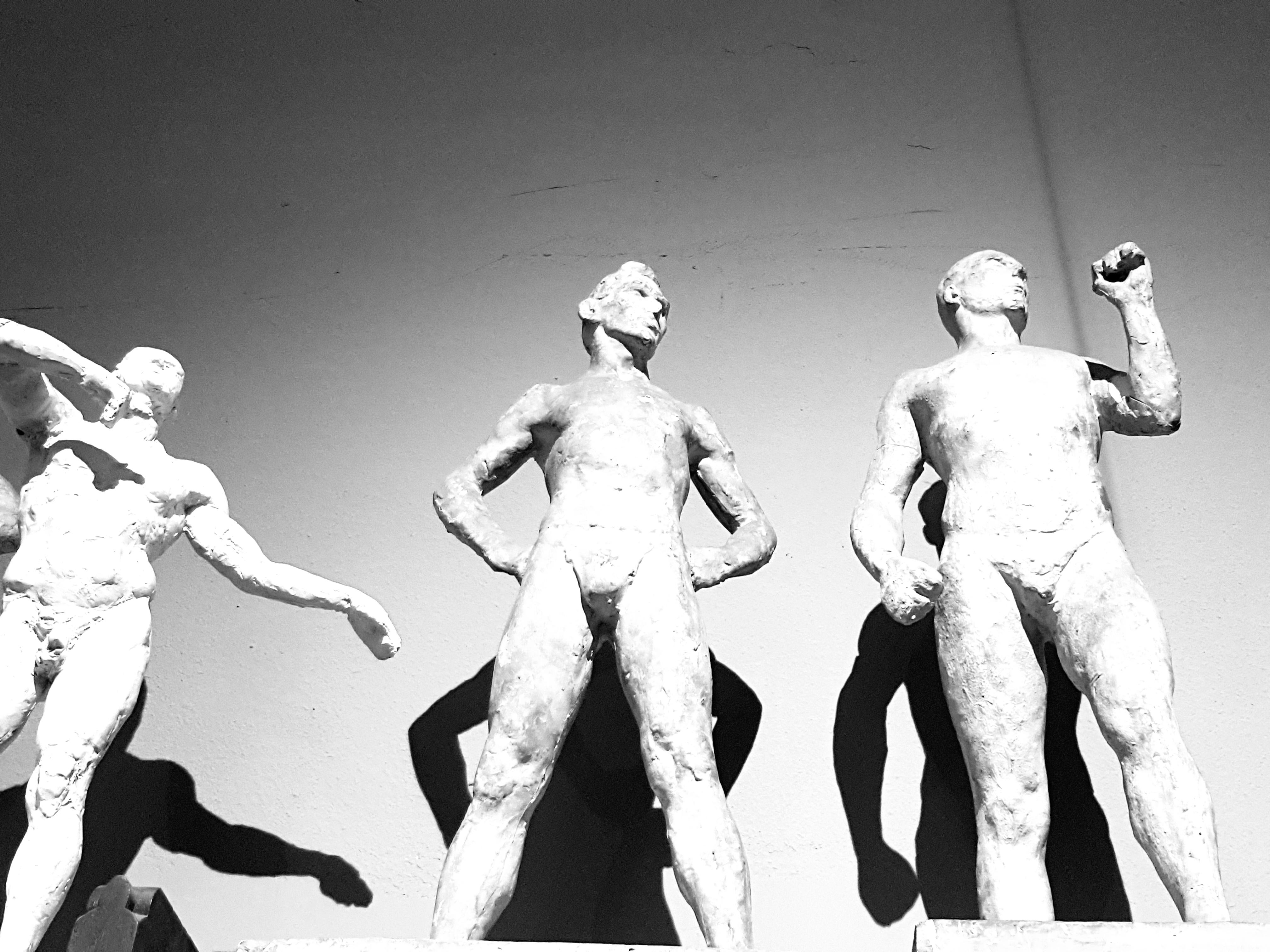
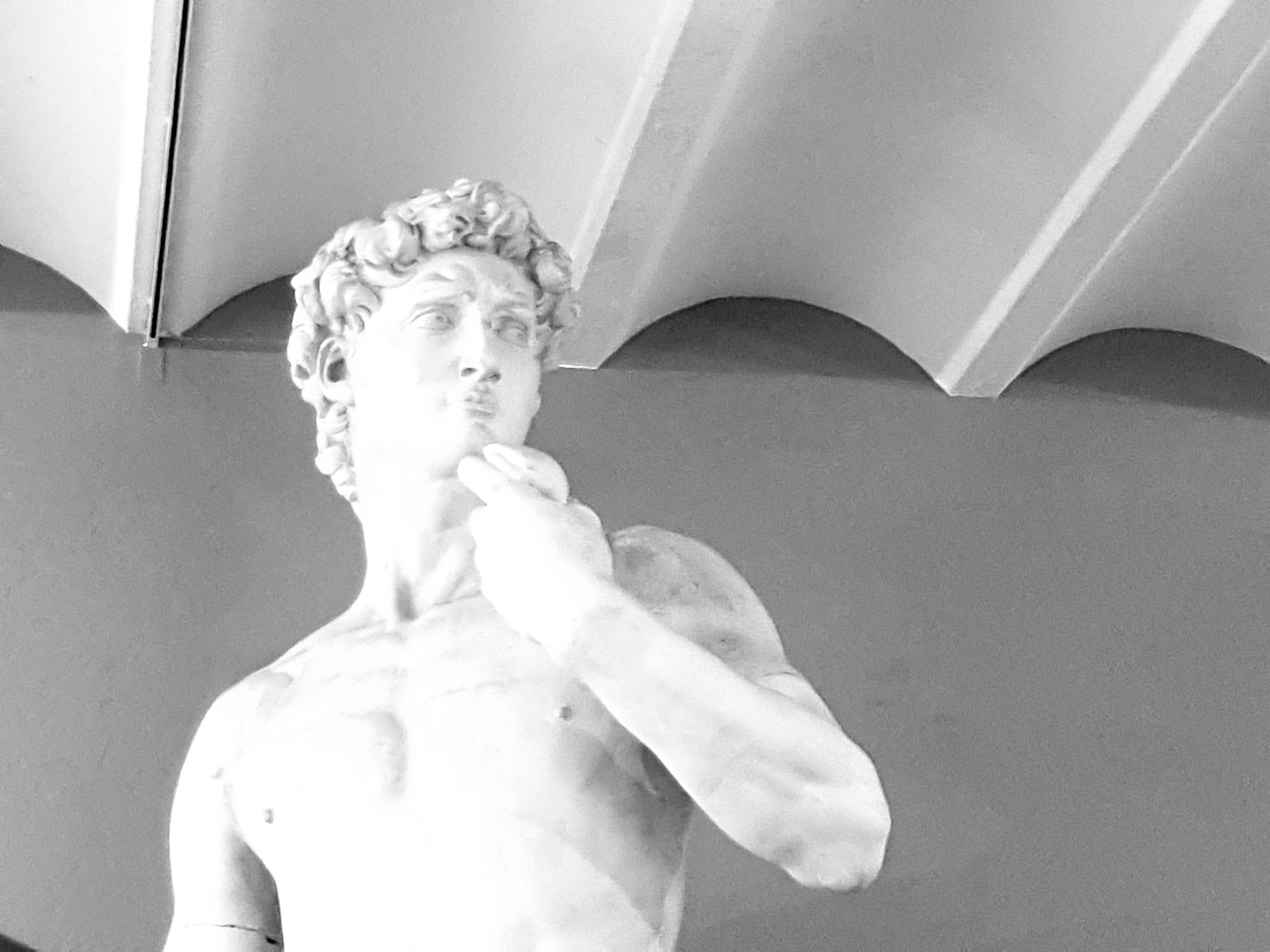
Our 250th. Birthday was celebrated in some style with a special birthday cake in amongst the cast collection of the Pennsylvania Academy, on the ground floor below the top-lit galleries and in amongst the classrooms in order to provide models of European works of art to the students:-
image

image

image

image

image

Standard

Henry P. McIlhenny (1)

Coming to Philadelphia makes me think about a trip here in December 1976. Henry McIlhenny had asked me to come and see his house in Rittenhouse Square (he was a member of the visiting committee at Harvard and had pulled me out of the student line-up). We were greeted not by him, but by his butler who showed us (I think) into the dining room where Degas’s Rape hung, one of the more baffling, complex and sinister of Degas’s paintings, described by Degas as ‘my genre picture’. McIlhenny had been a pupil of Paul Sachs at Harvard and had begun collecting as a student. He served as a curator of the Philadelphia Museum on a salary of $1 a year. I was pleased to have a chance to see the Rape again (but the reflections make it nearly impossible to photograph):-

image

Standard

Portrait of Dr. Samuel D. Gross

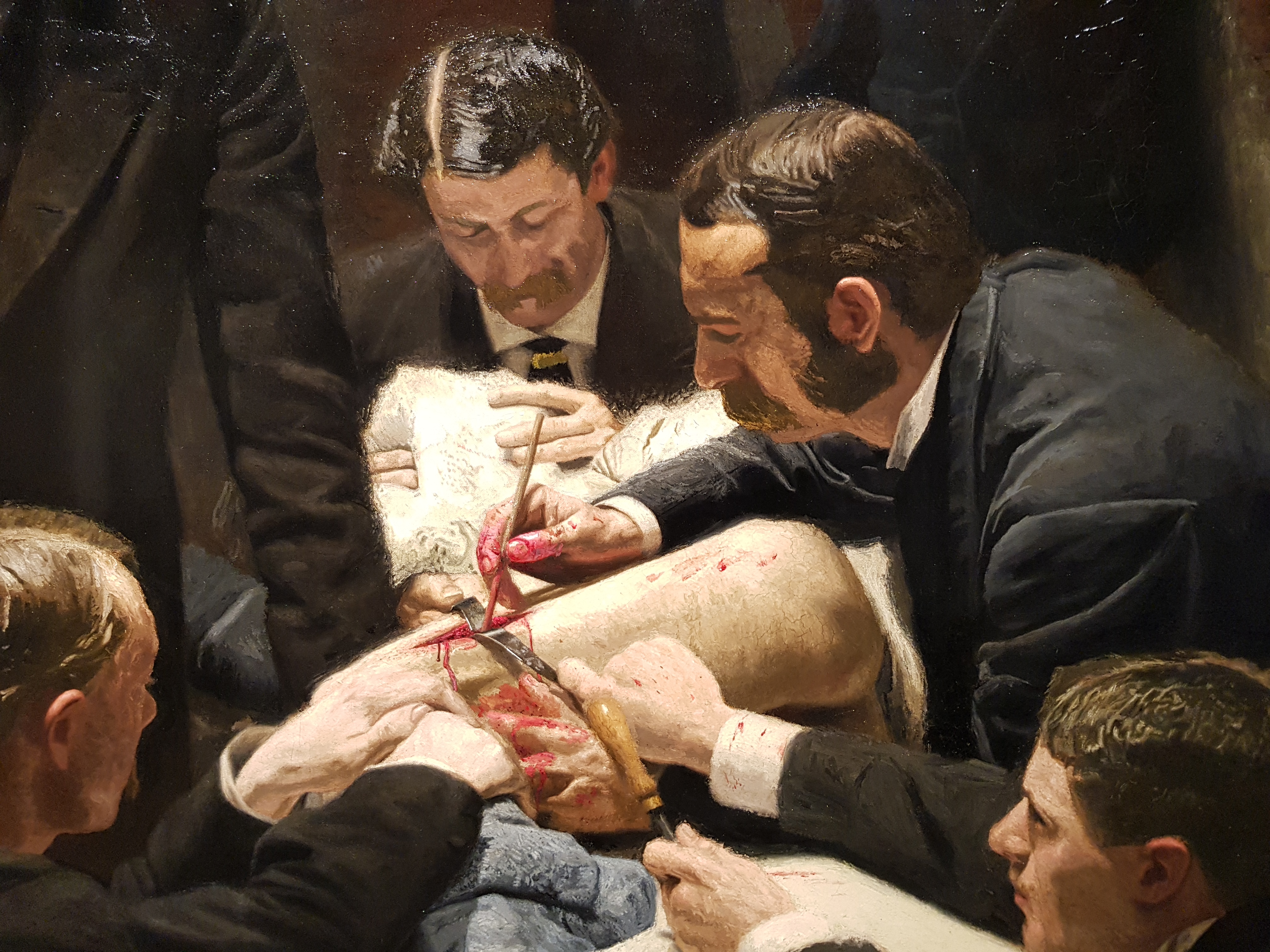
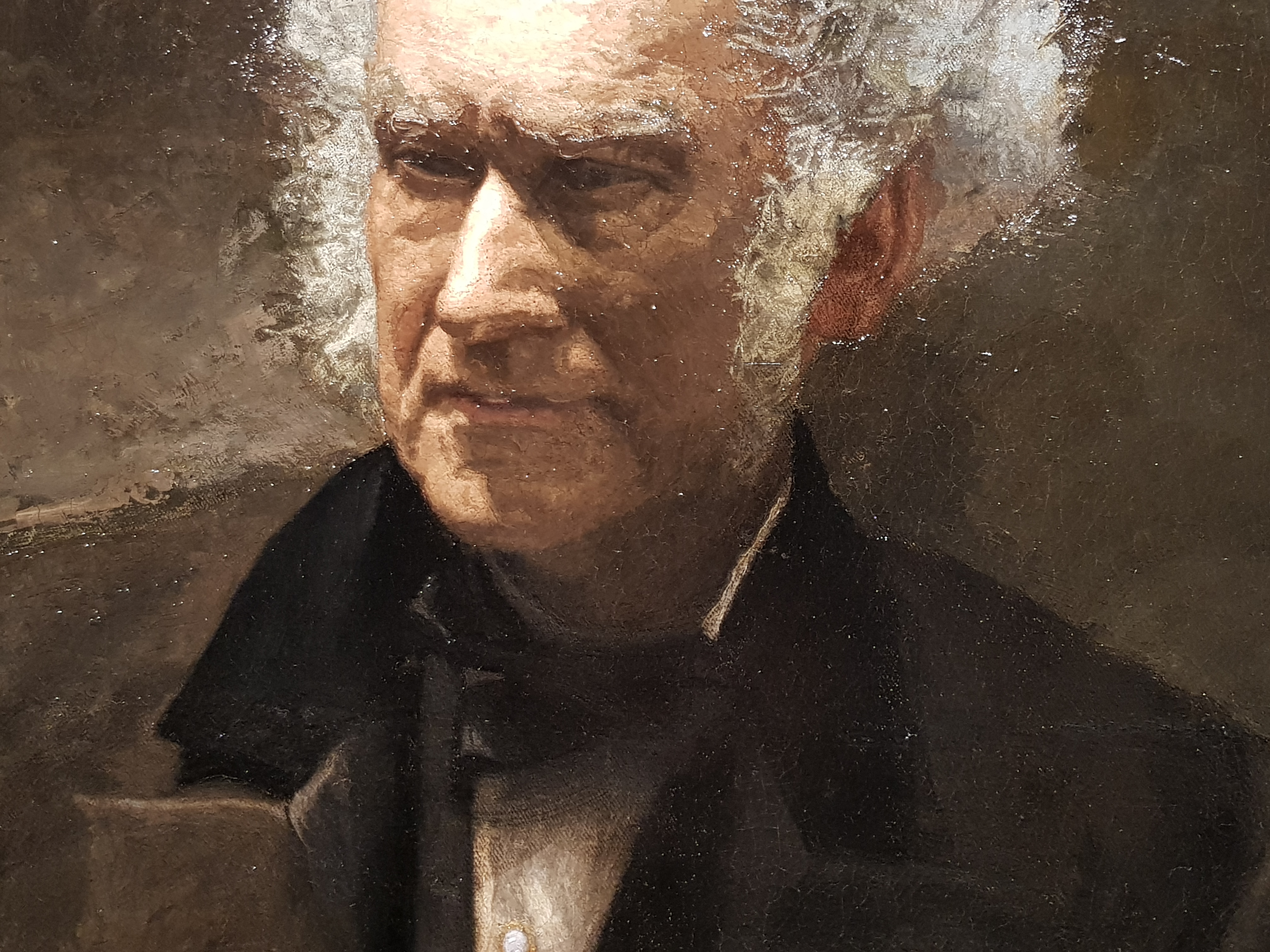
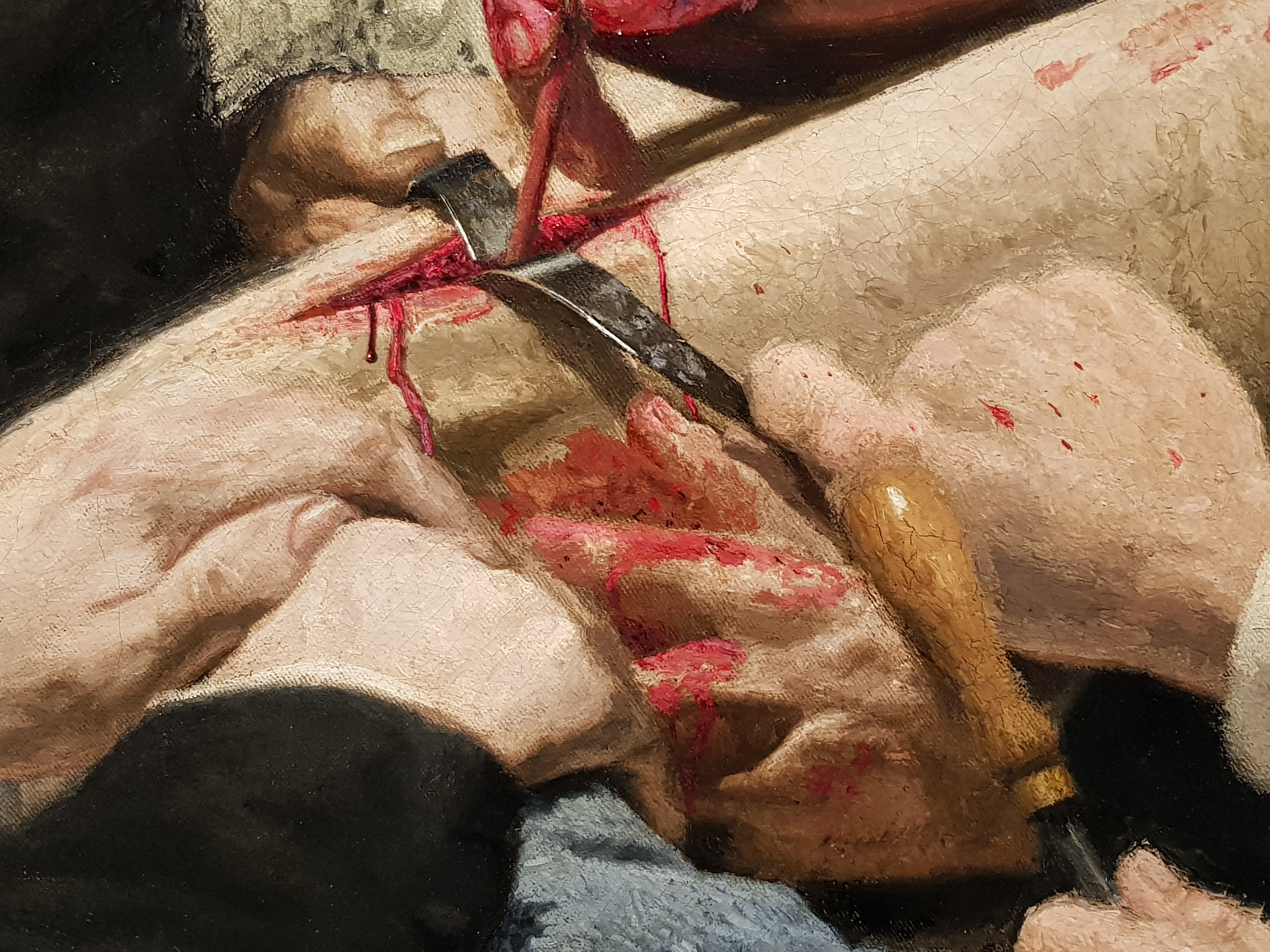
I didn’t know the story of Thomas Eakins’s portrait of Dr. Samuel D. Gross, known as The Clinic of Dr. Gross:  that it was agreed that it should be sold by Jefferson Medical College on 11 November 2006 with a proviso which allowed the city of Philadelphia to make a pre-emptive bid for a matching price of $68 million if it could raise the necessary funds by December 26th.   This led to a huge and successful fund-raising campaign by the Pennsylvania Academy and the Philadelphia Museum of Art which led to this great painting, turned down for display in the 1876 Centennial, to remain in Philadelphia, and to be seen currently in the Pennsylvania Academy:-

image

image

image

Standard

Benjamin West

The Pennsylvania Academy of Fine Art has an exhibition on First Academies:  Benjamin West and the Founding of the Royal Academy of Arts and the Pennsylvania Academy of Fine Arts.

Born on 10 October 1738 in Springfield, Pennsylvania, West was indeed one of the key people in the founding of the RA, a young Turk, hot from Italy, a protegé of the King and keen to make his reputation in grand, large-scale history painting.

Here is Penn’s Treaty with the Indians, exhibited at the RA in 1772:-

image

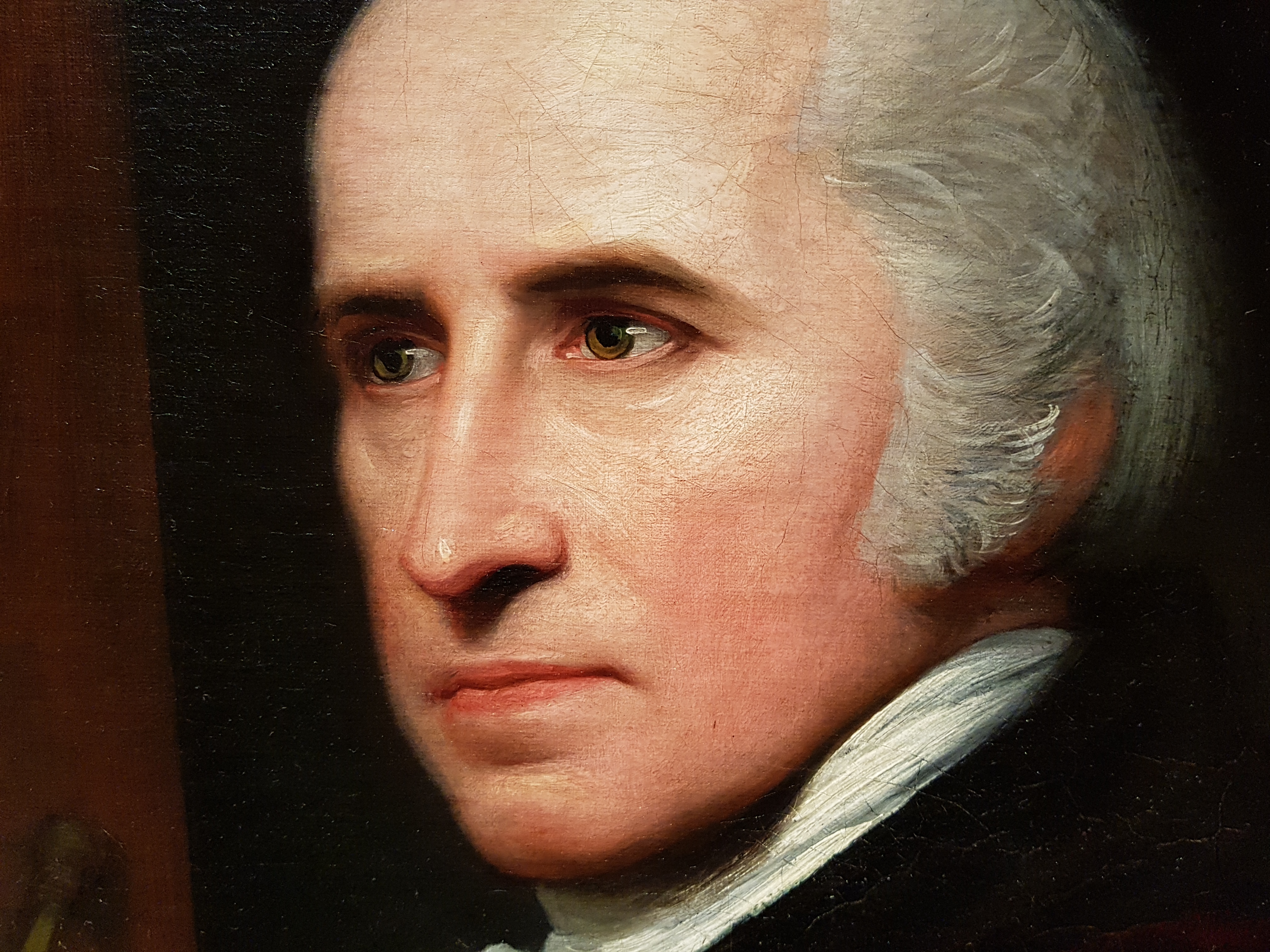
This is his Self-portrait (1806), just after the foundation of the Pennsylvania Academy, which he vigorously supported :-

image

And his wife, Elizabeth:-

image

Finally, there is an example of his huge great machine painting in Death on a Pale Horse (1817), acquired by the Pennsylvania Academy in 1836:-

image

Standard

Pennsylvania Academy of Fine Arts (1)

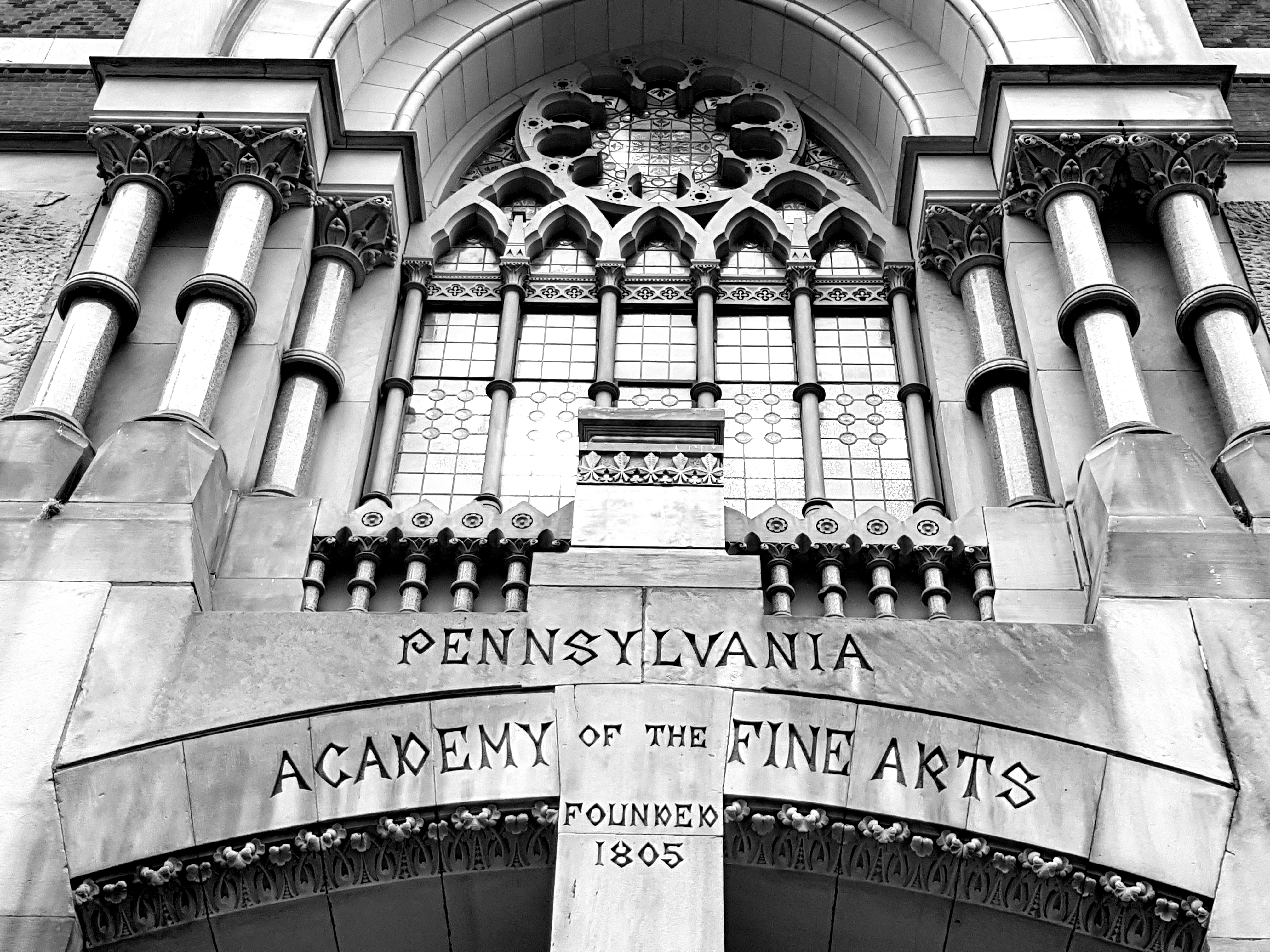
The evening’s discussion about the nature of academies was held in the Pennsylvania Academy of Fine Arts, Frank Furness’s great Ruskinian gothic building, which opened in 1876, the year of the Centennial, complete with carved panels showing the benefits of an art school education:-

image

image

image

image

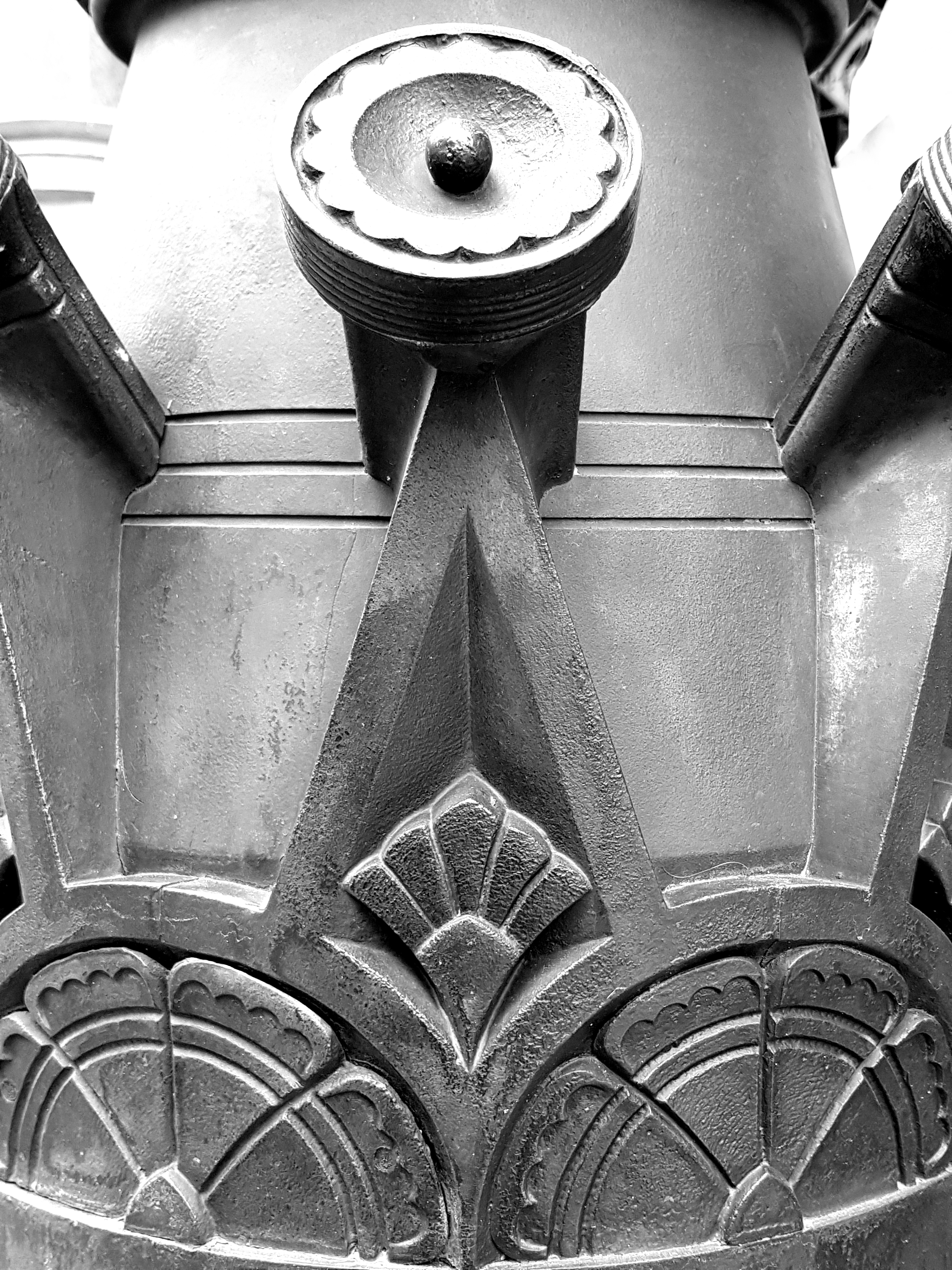
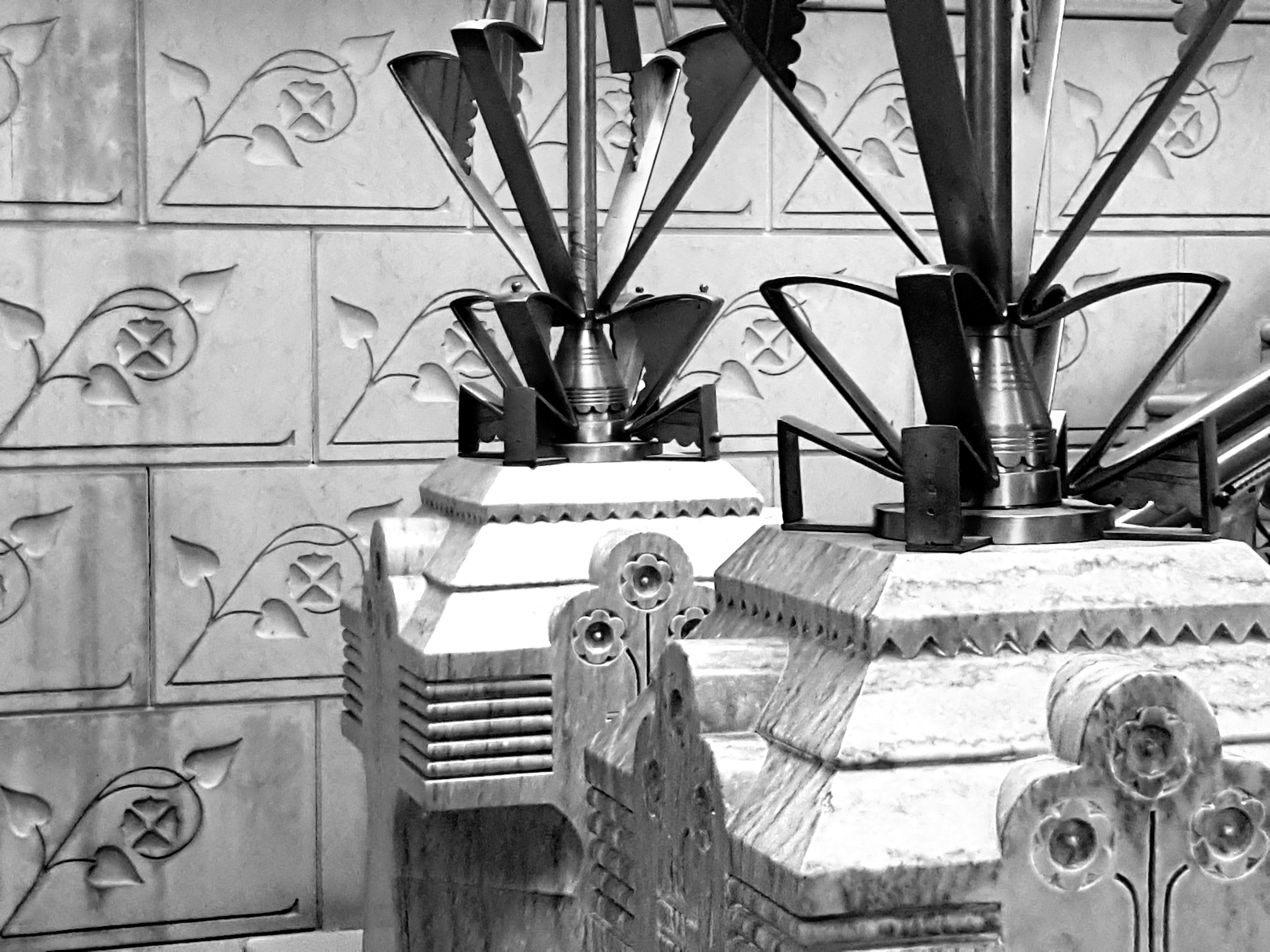
Inside, I admired the beautiful, early Arts-and-Crafts lamps and the richly carved staircase hall:-

image

image

Standard

Philadelphia Museum of Art (2)

More visual pleasures.

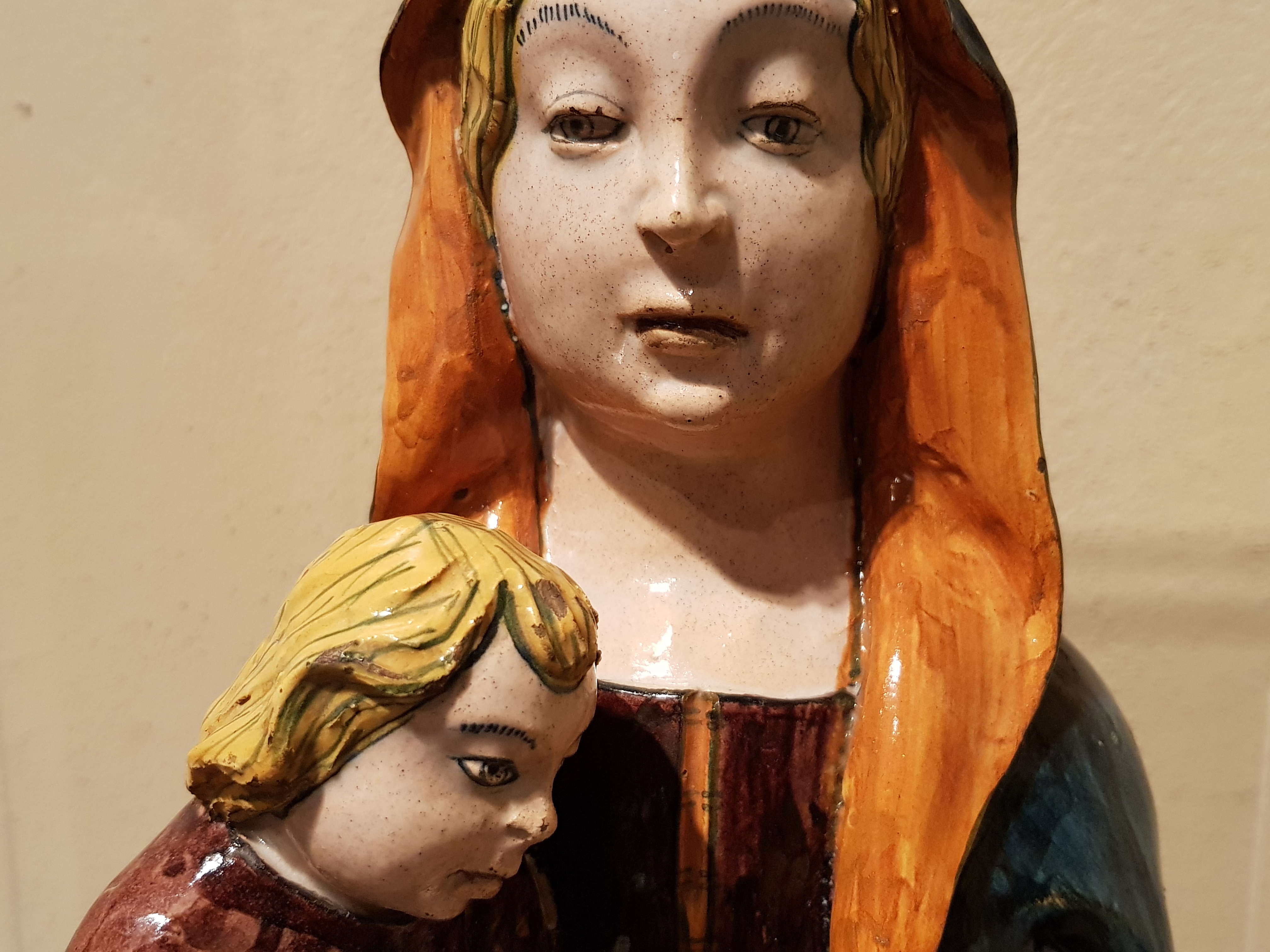
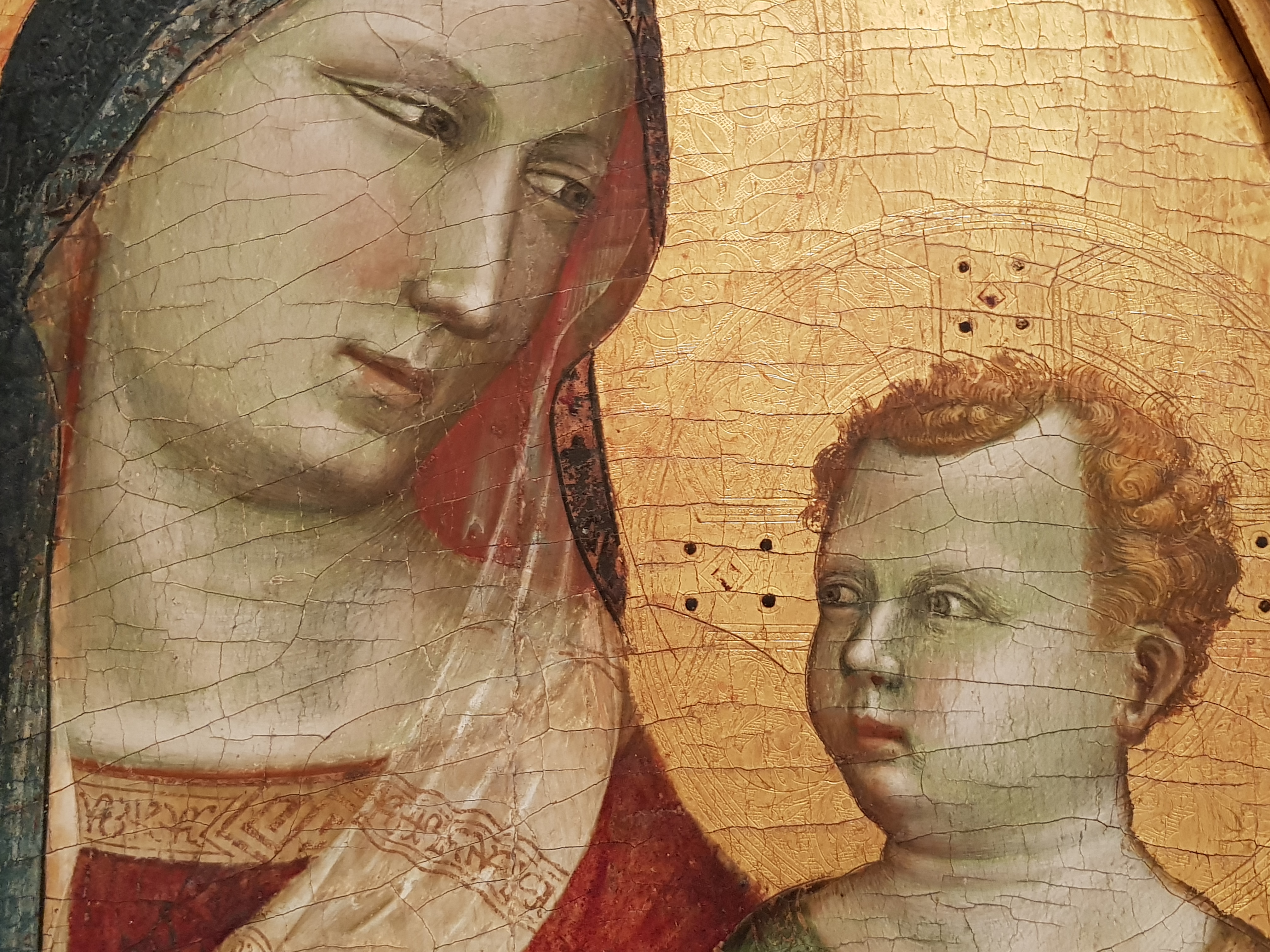
An earthenware Virgin and Child (gift of Henry McIlhenny):-

image

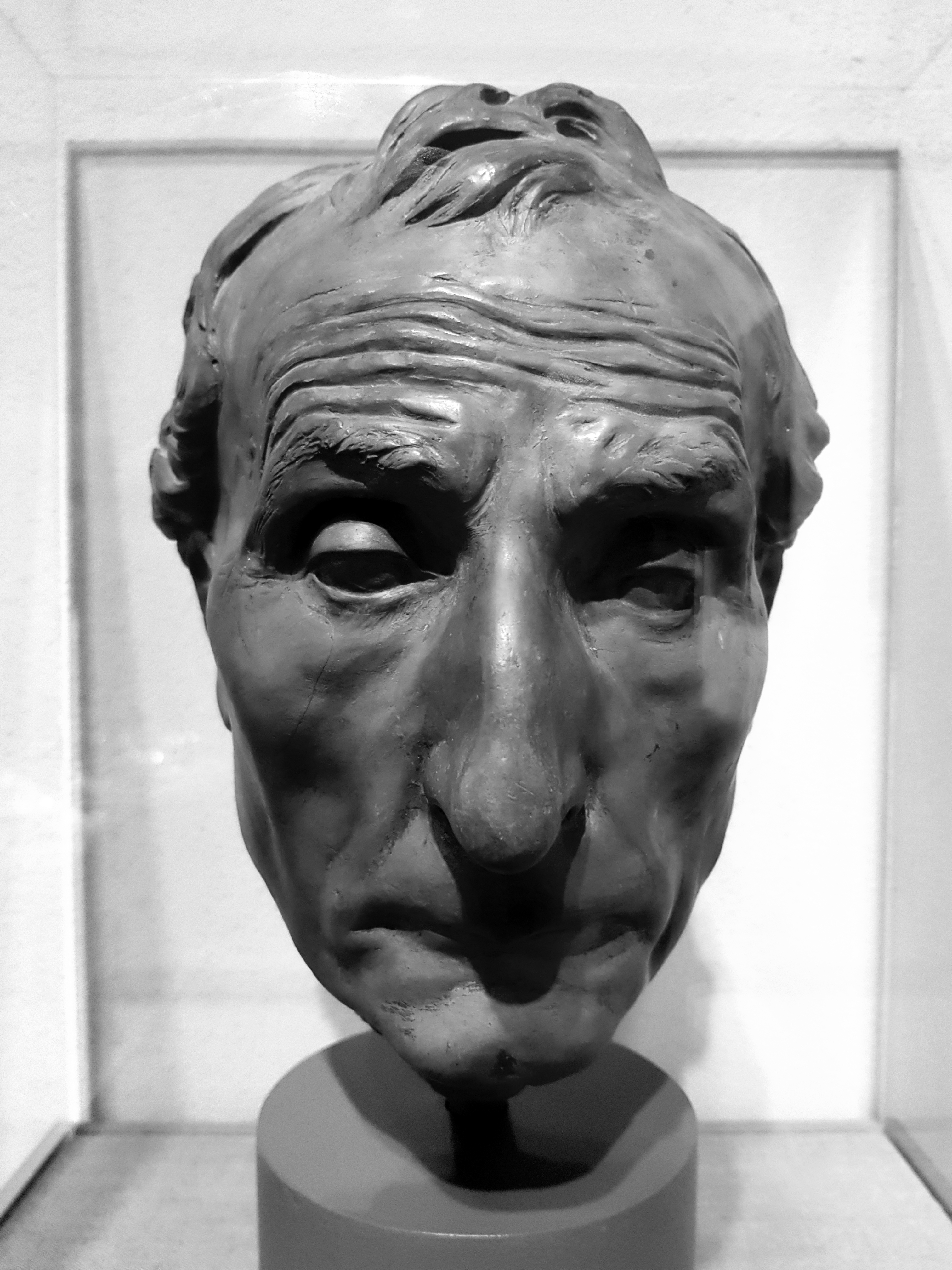
A fifteenth-century terracotta head:-

image

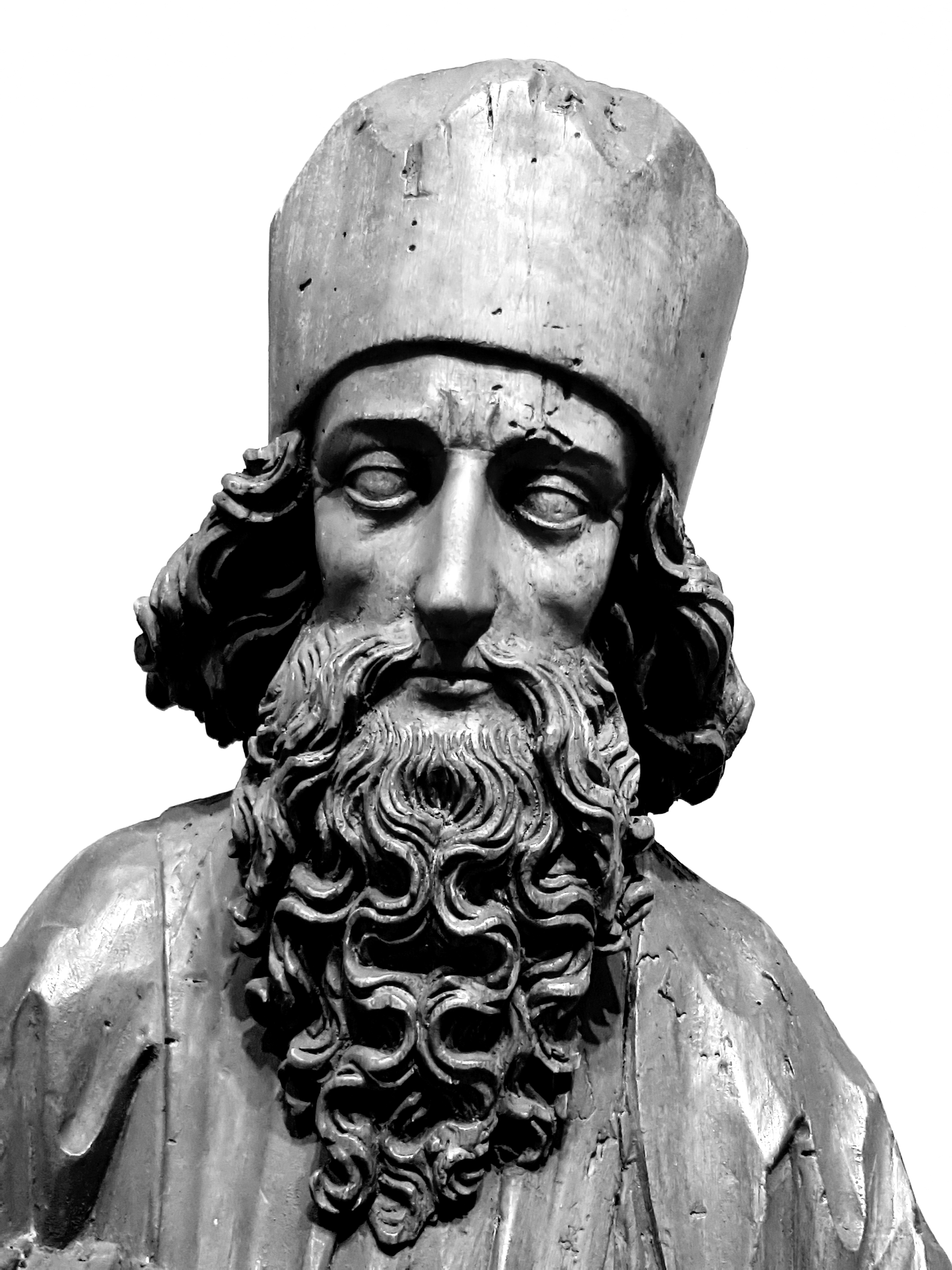
St. Anthony (c.1500):-

image
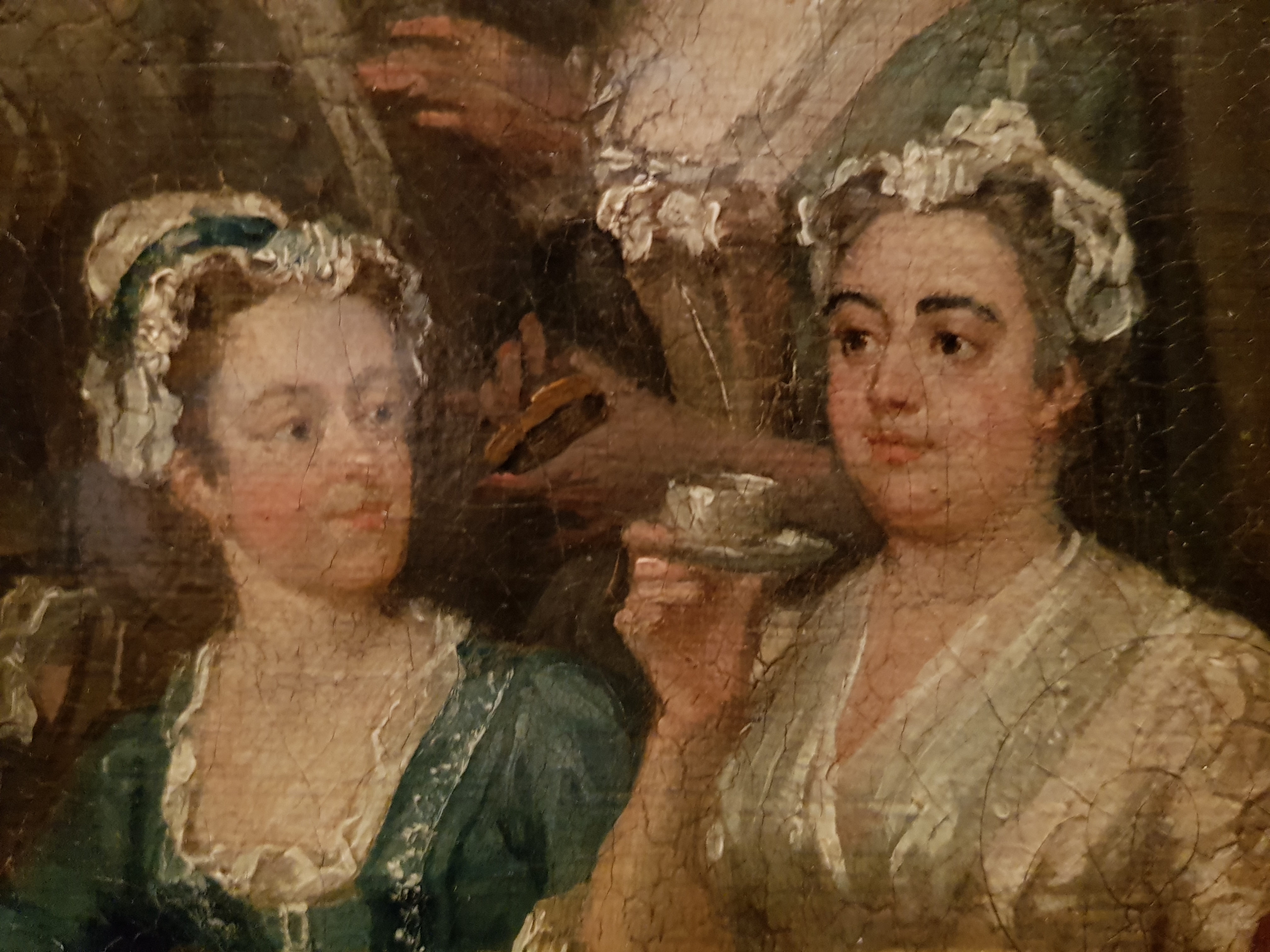
Hogarth’s Assembly at Wanstead House (1728-31):-

image

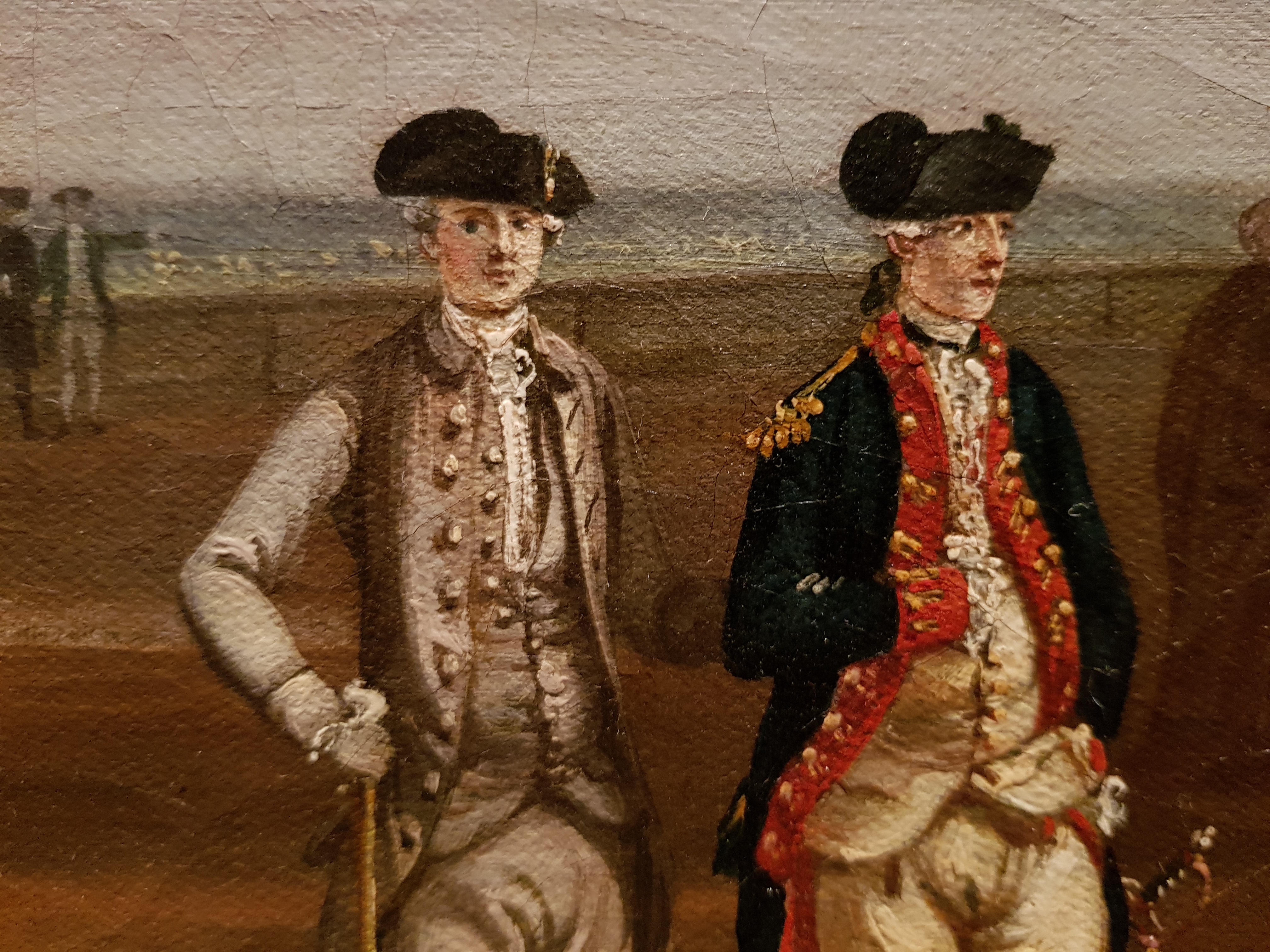
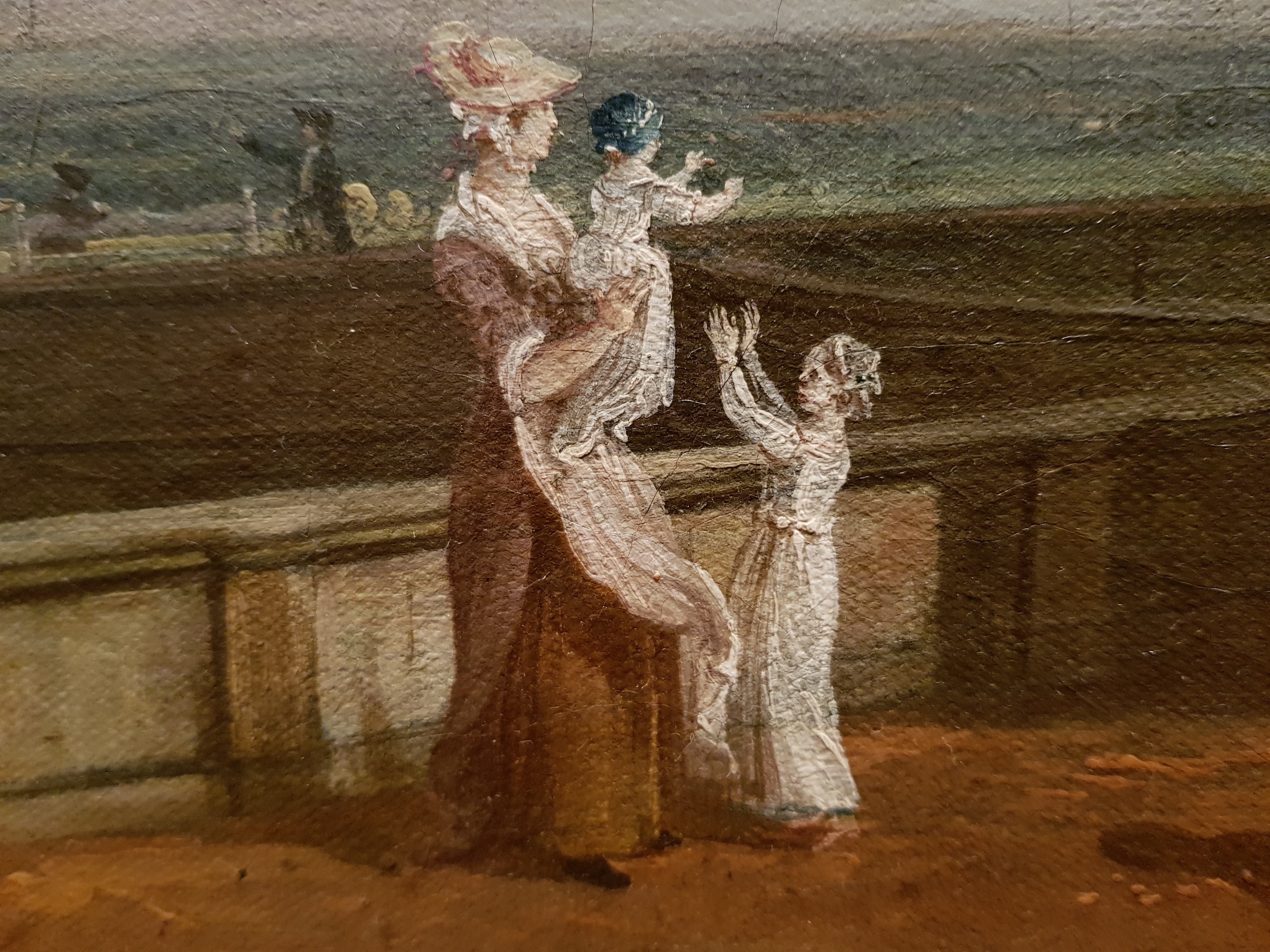
Paul Sandby’s North Terrace at Windsor Castle (c.1775):-

image

image

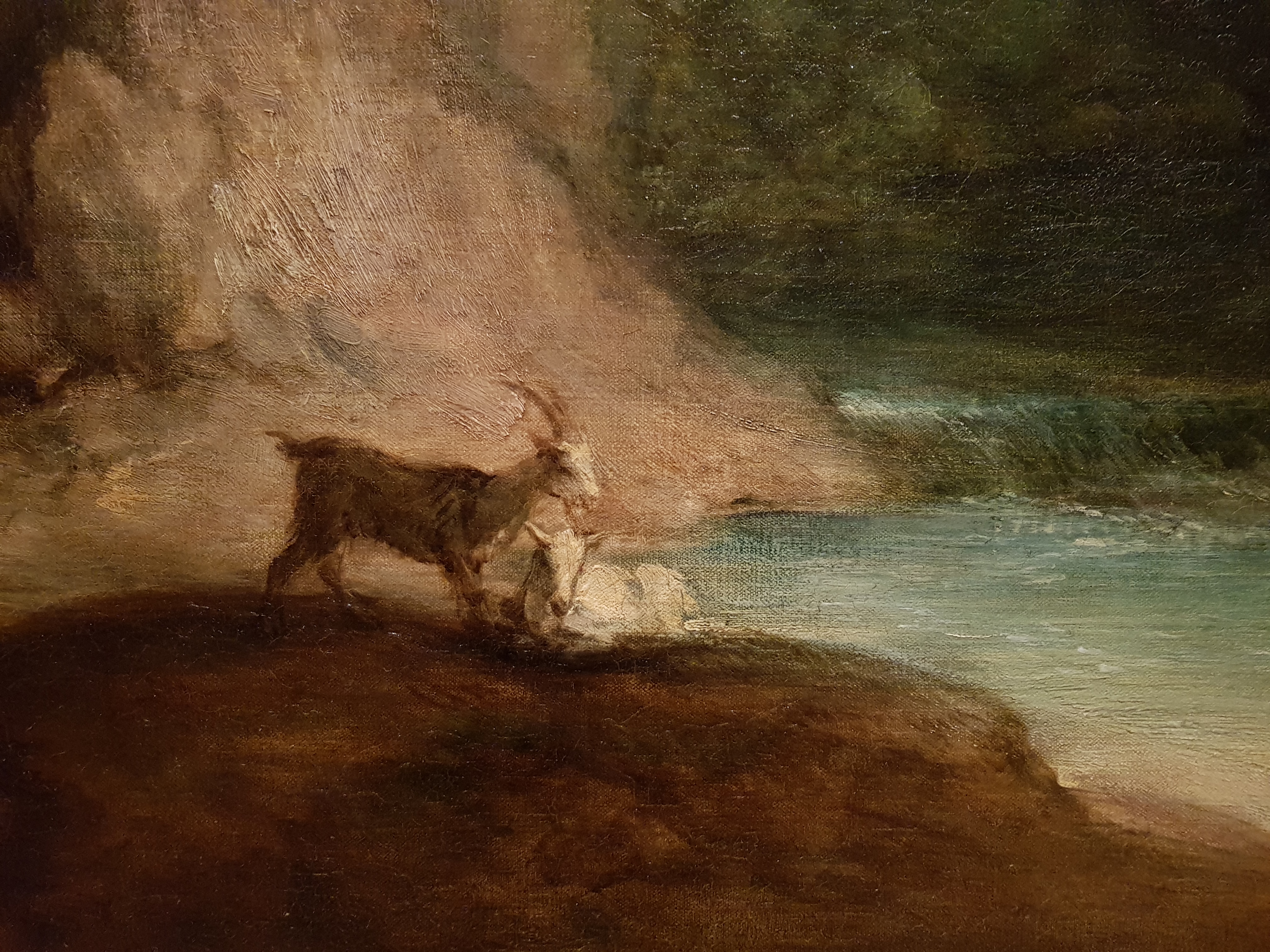
Gainsborough (c.1783):-

image

Standard

John G. Johnson Collection

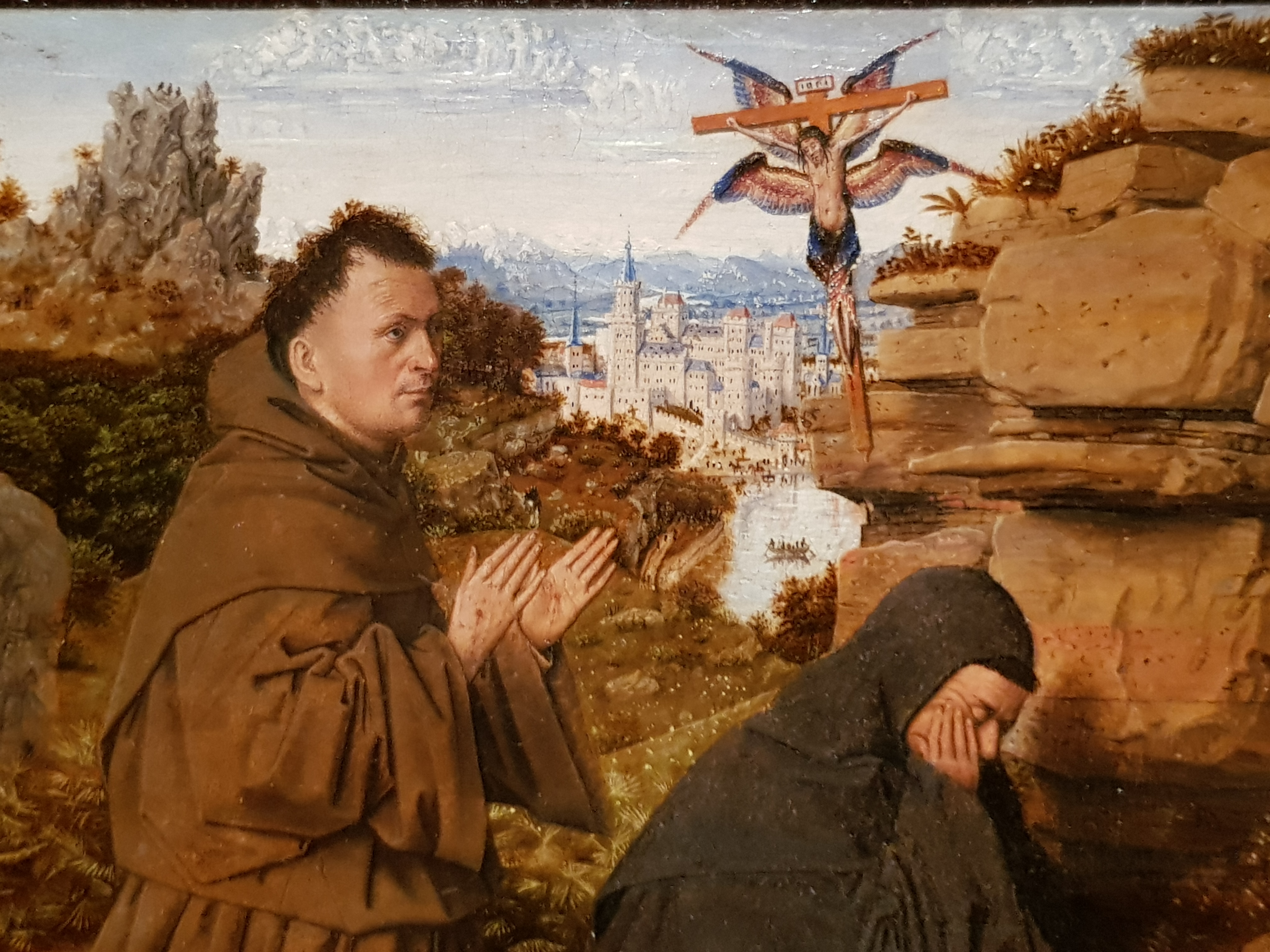
I spent what remained of the morning in the John G. Johnson Collection, acquired by a public spirited lawyer in the years after the Civil War, travelling to Europe with P.A.B. Widener, a schoolfriend and seeking advice on his acquisitions from the likes of Berenson and Roger Fry:-

image

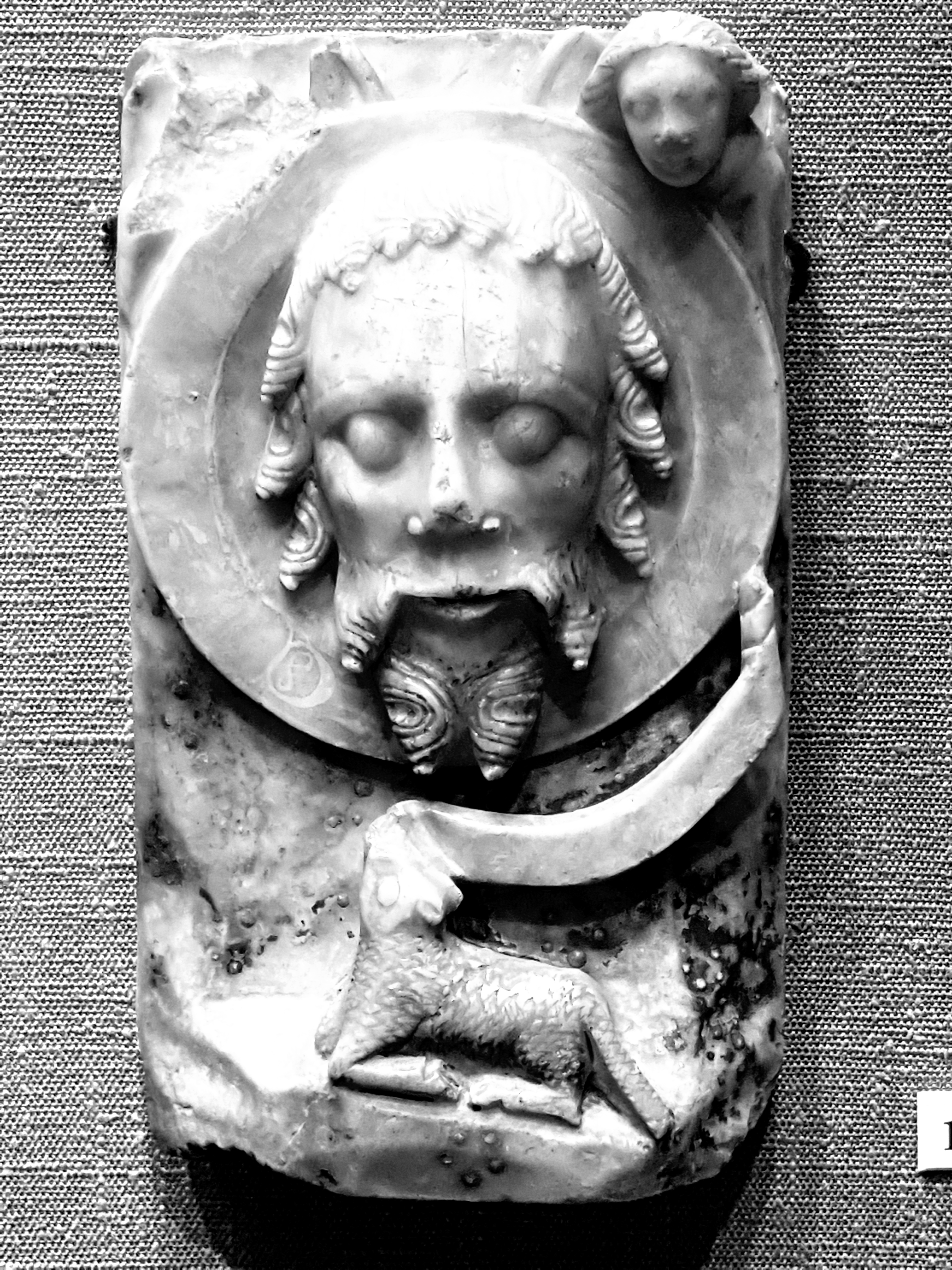
A head of St. John the Baptist:-

image

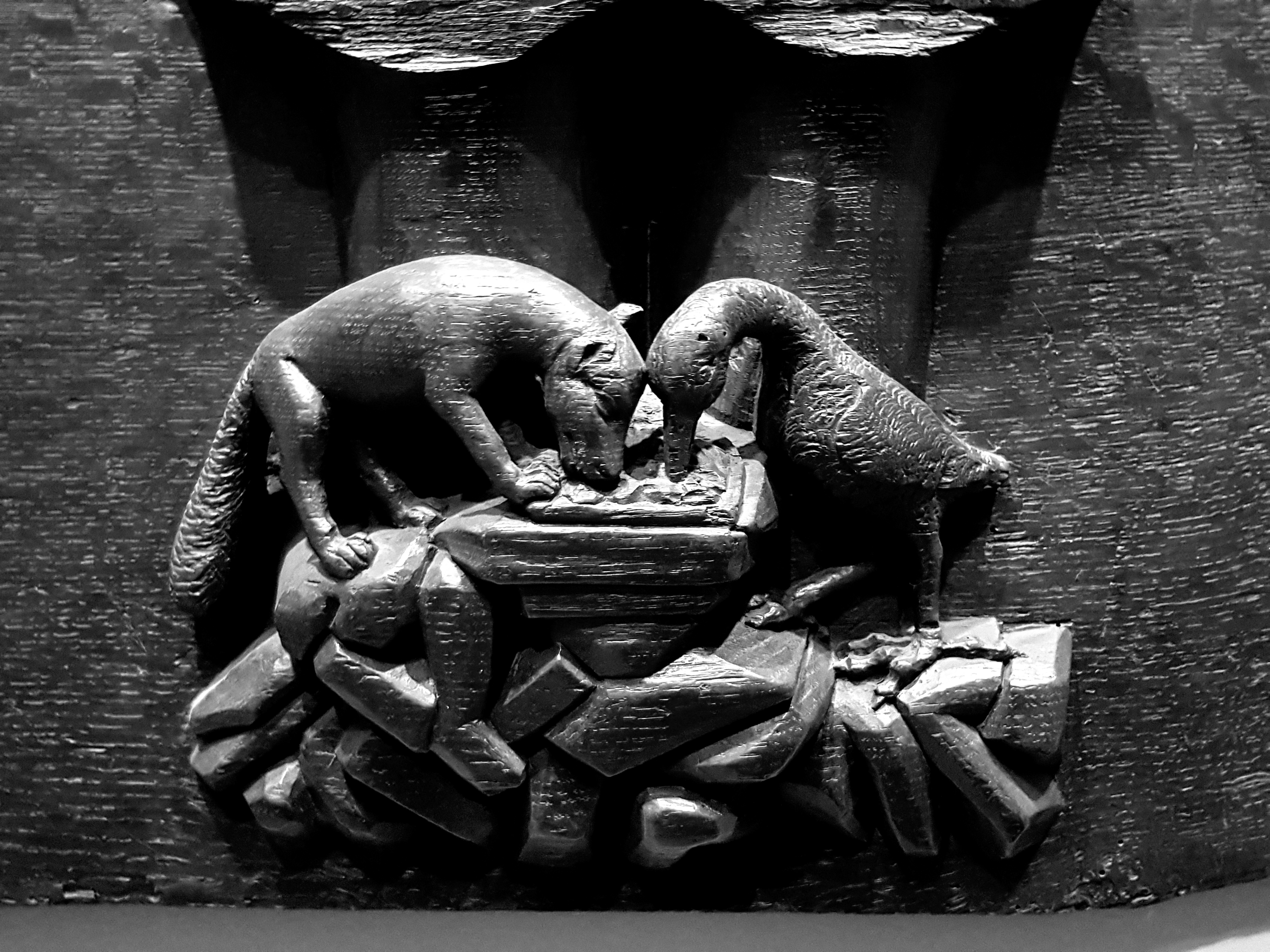
A German miserichord:-

image

A Bernardo Daddi Altarpiece (1334):-

image

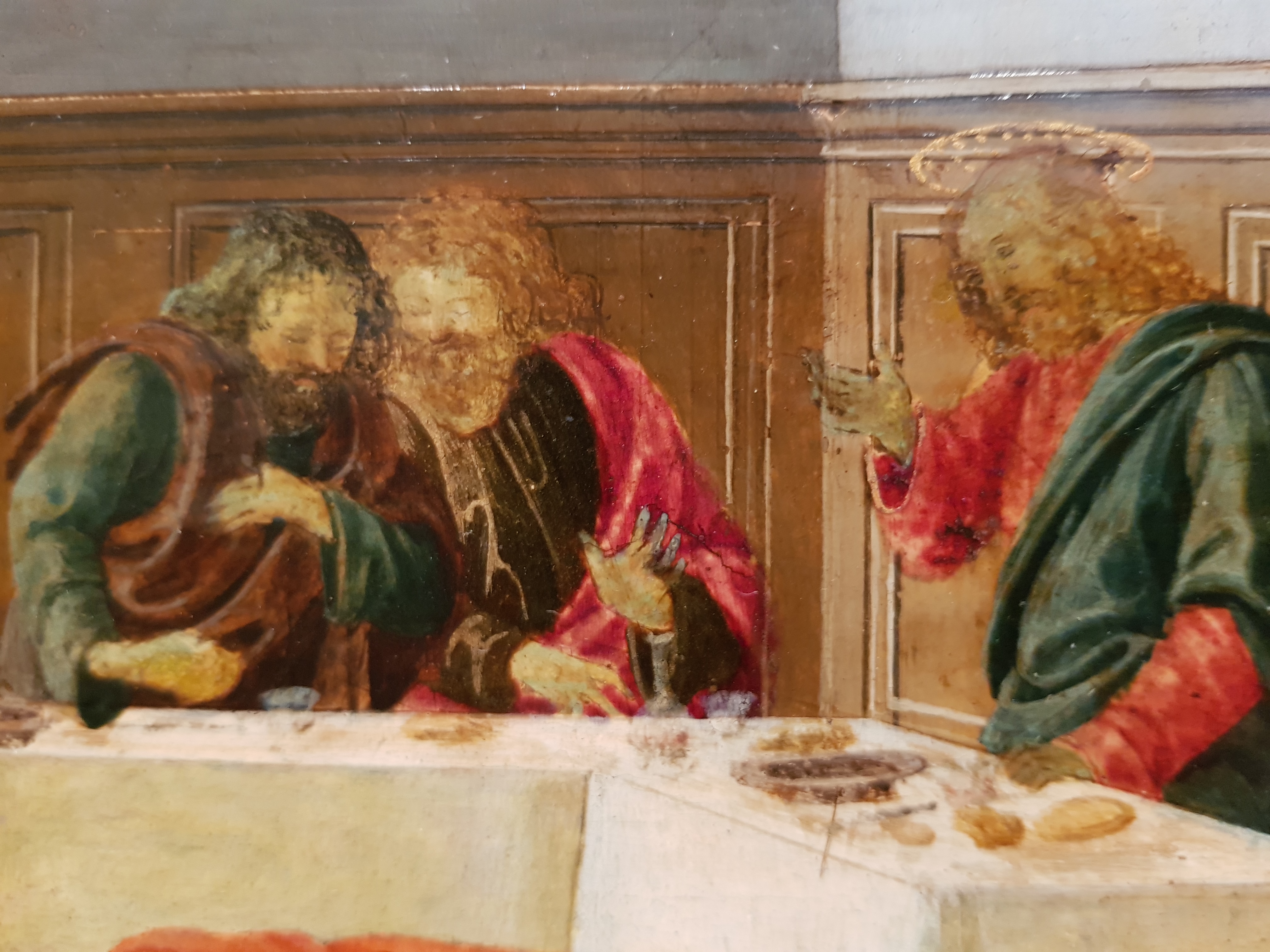
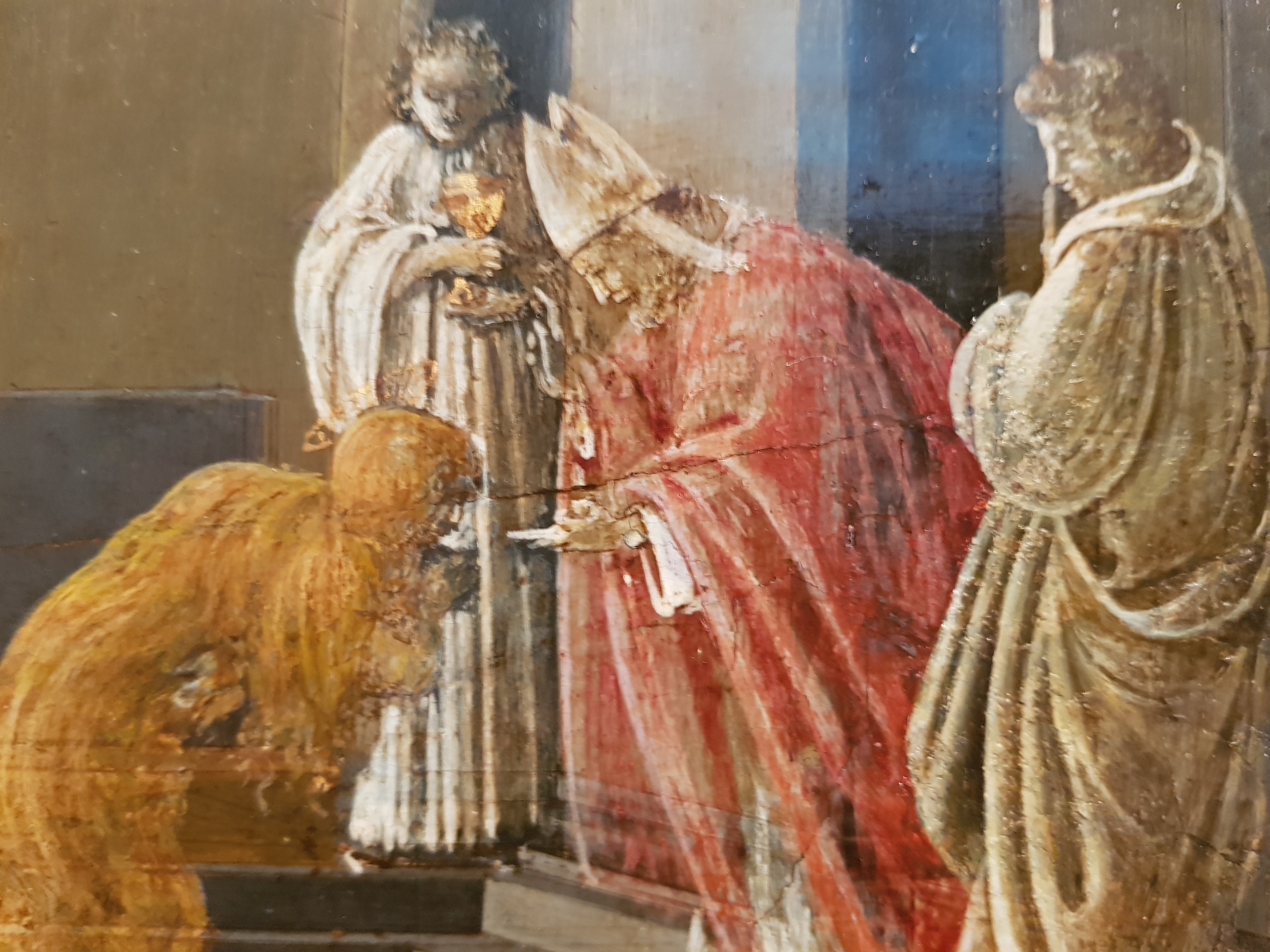
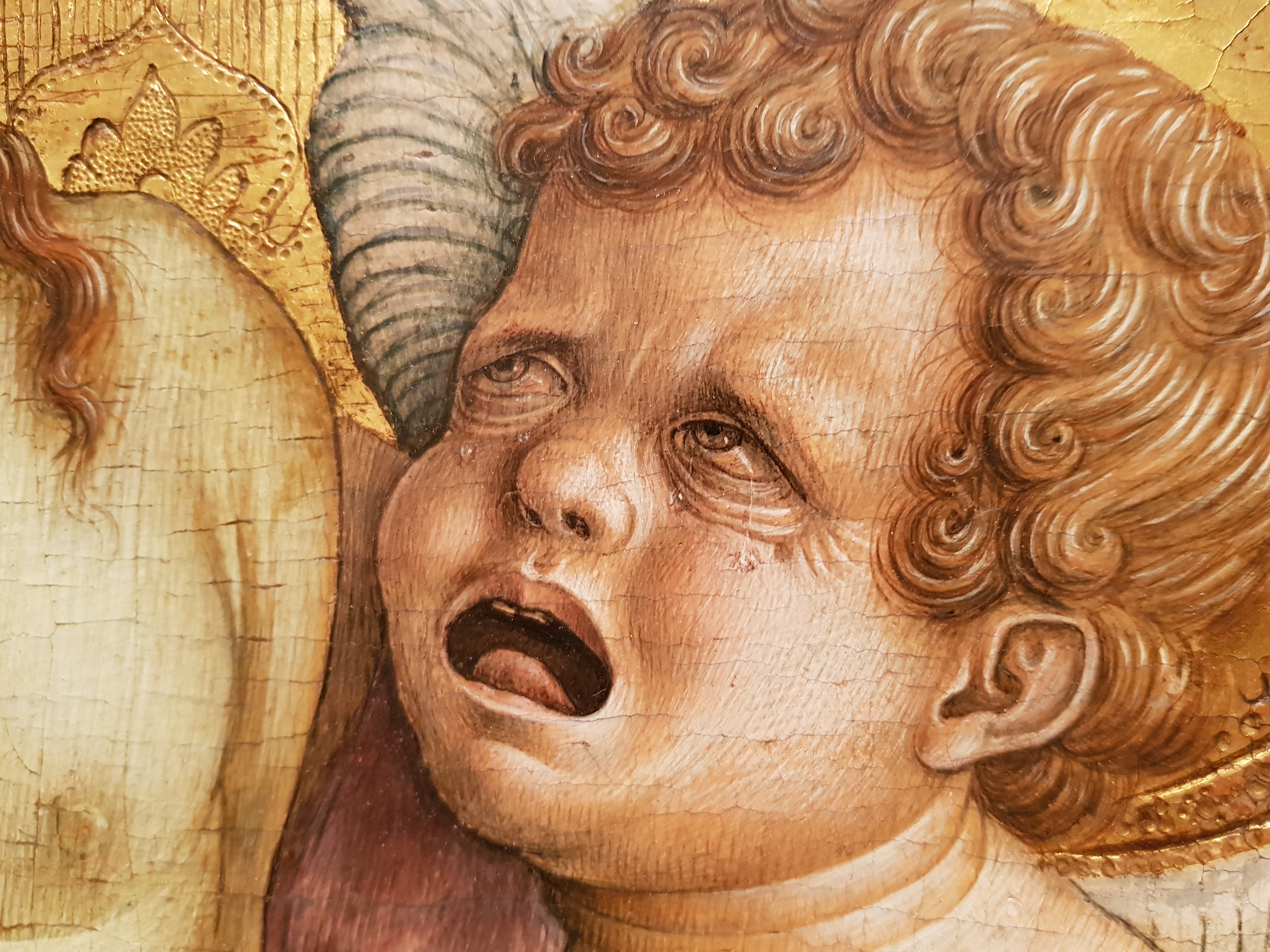
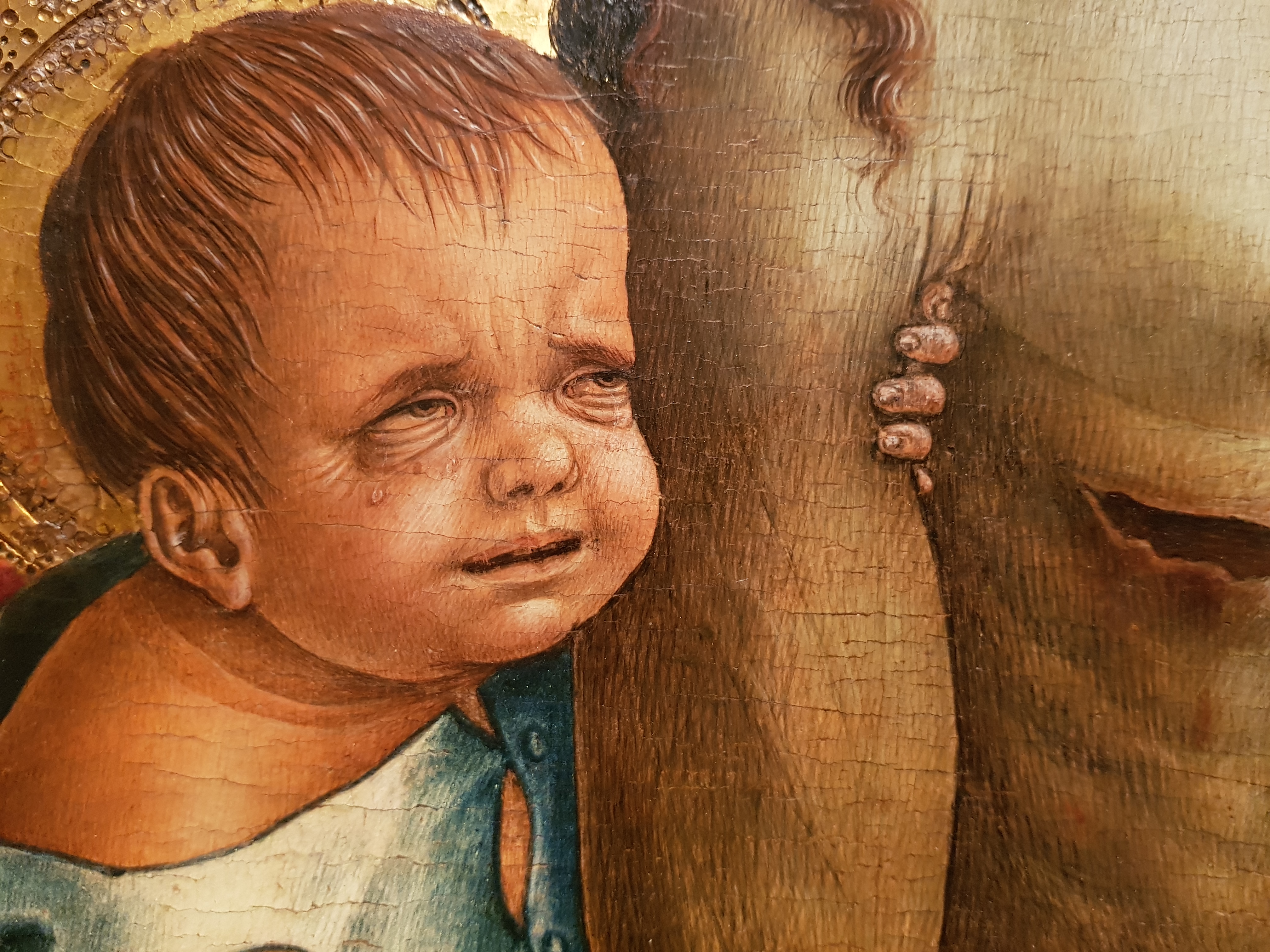
A Botticelli Predella:-

image

image

A Crivelli:-

image

image

He had a van Eyck of St. Francis of Assisi Receiving the Stigmata:-

image

Standard

Philadelphia Museum of Art (1)

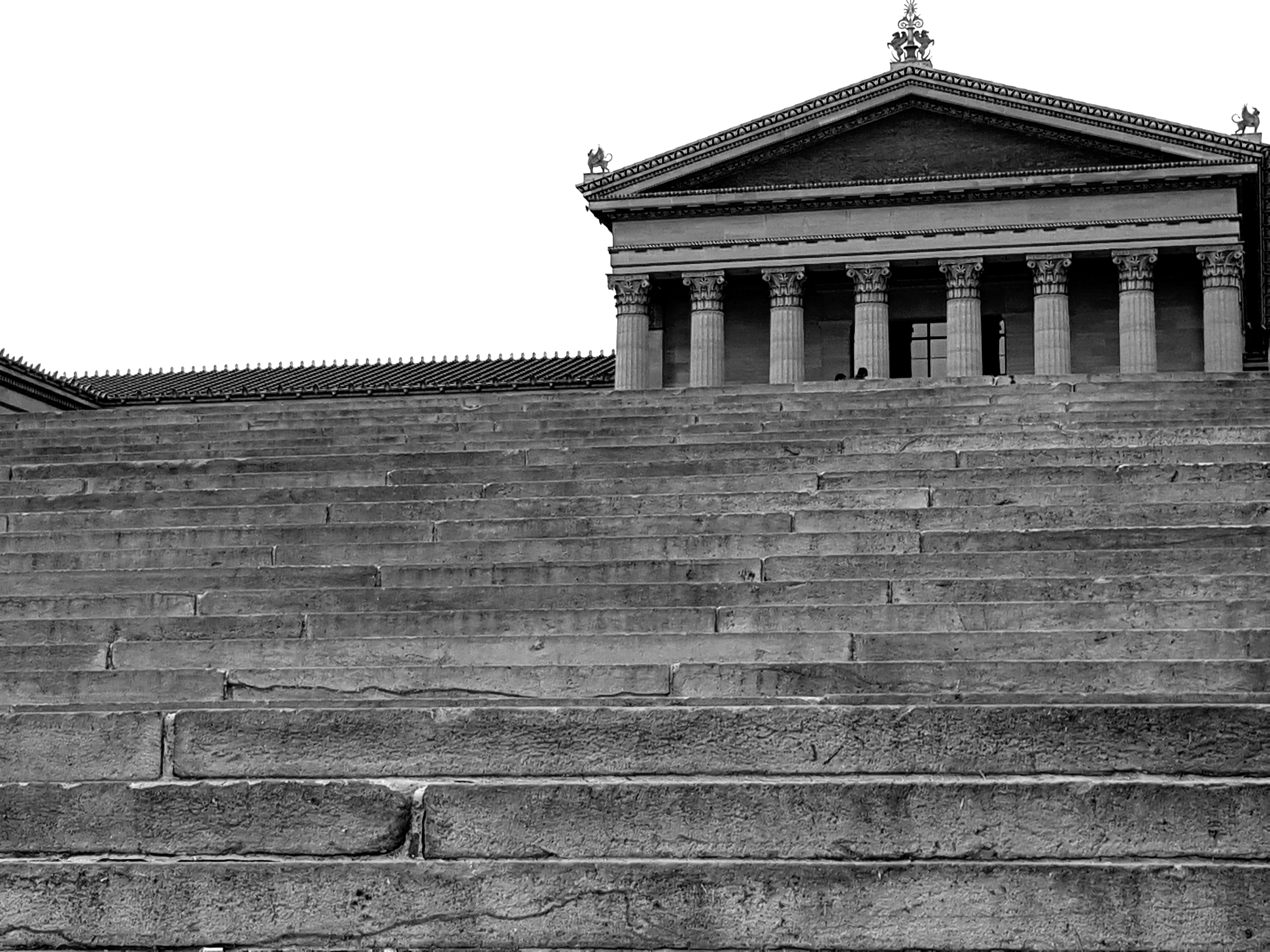
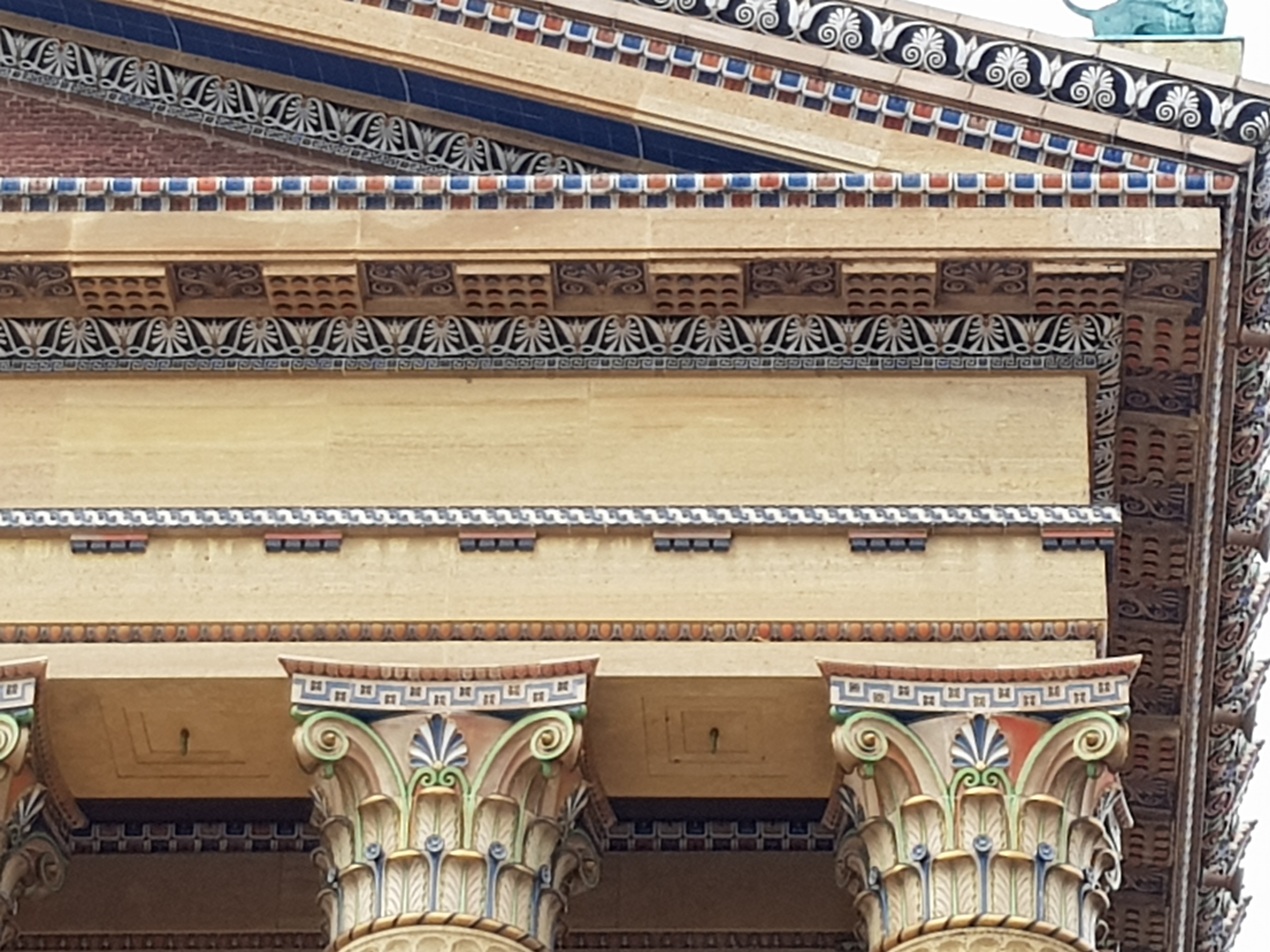
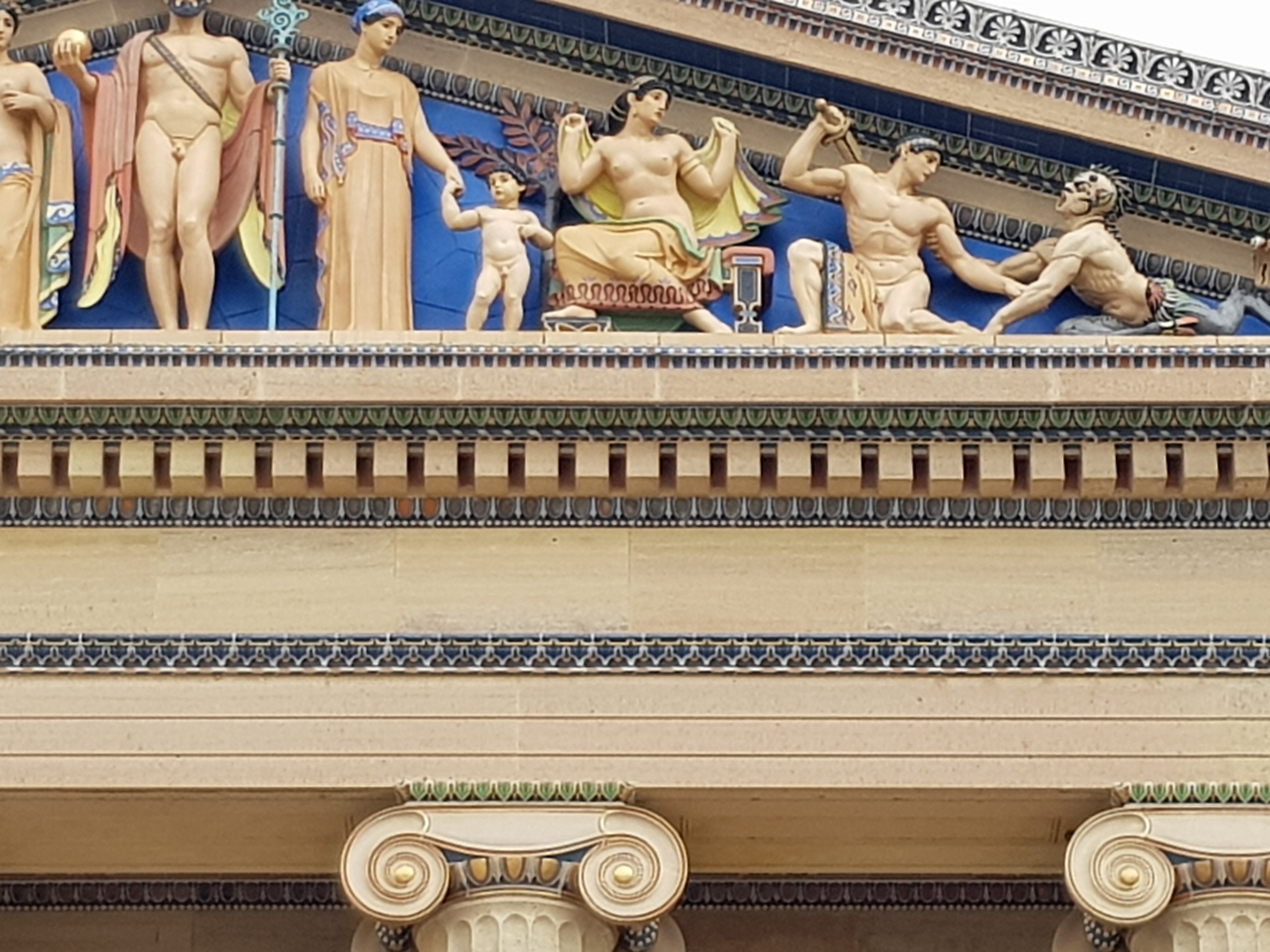
We walked up the Rocky steps to the East Entrance of the Philadelphia Museum of Art, as fine and confident a statement of beaux arts neoclassicism as it is possible to imagine.   The Museum was founded in 1876, the year of the Centennial, the new building first planned in 1907, construction beginning in 1919, and opened on 26 March 1928:-

image

image

image

Standard