LA Collectors

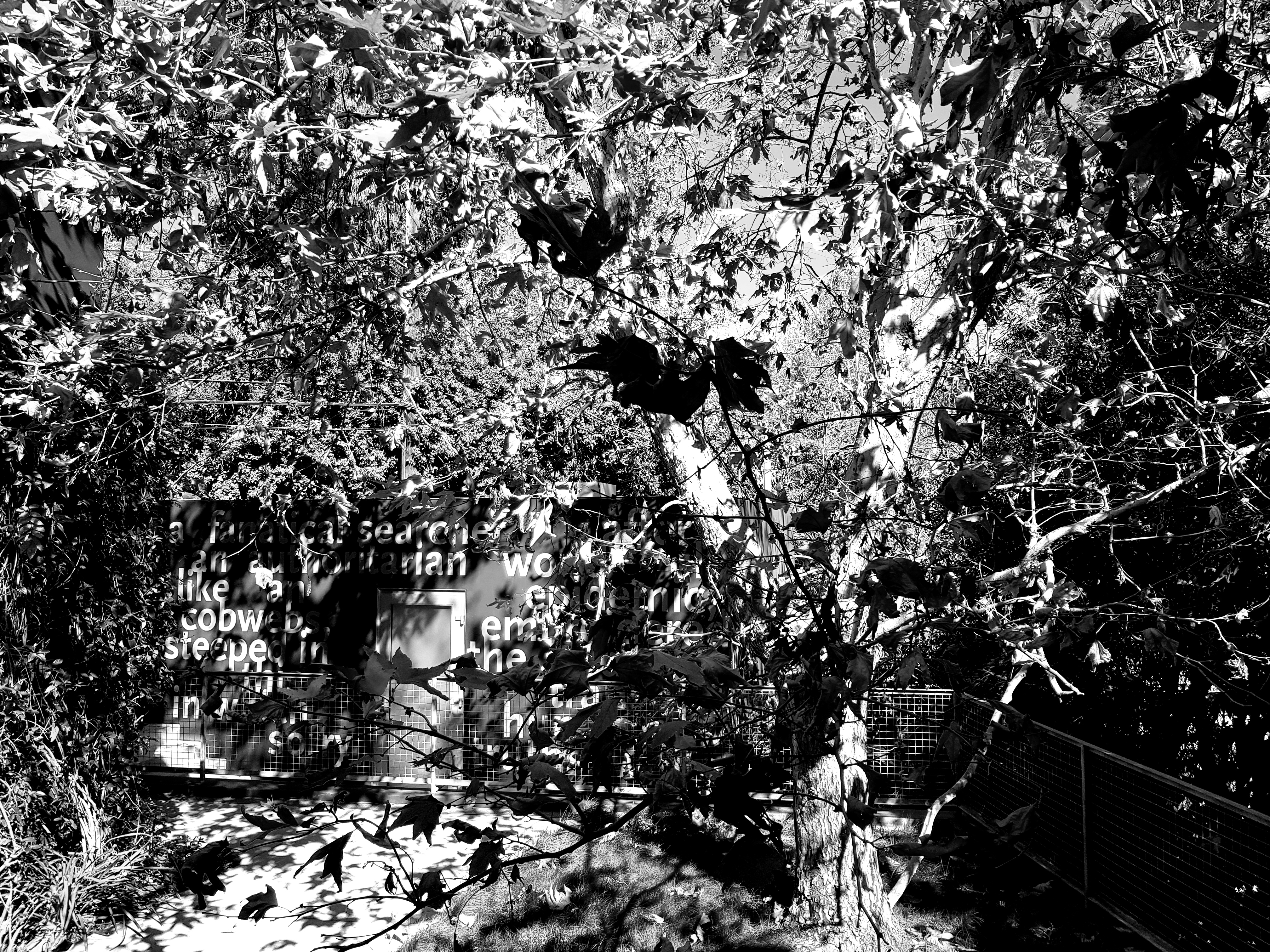
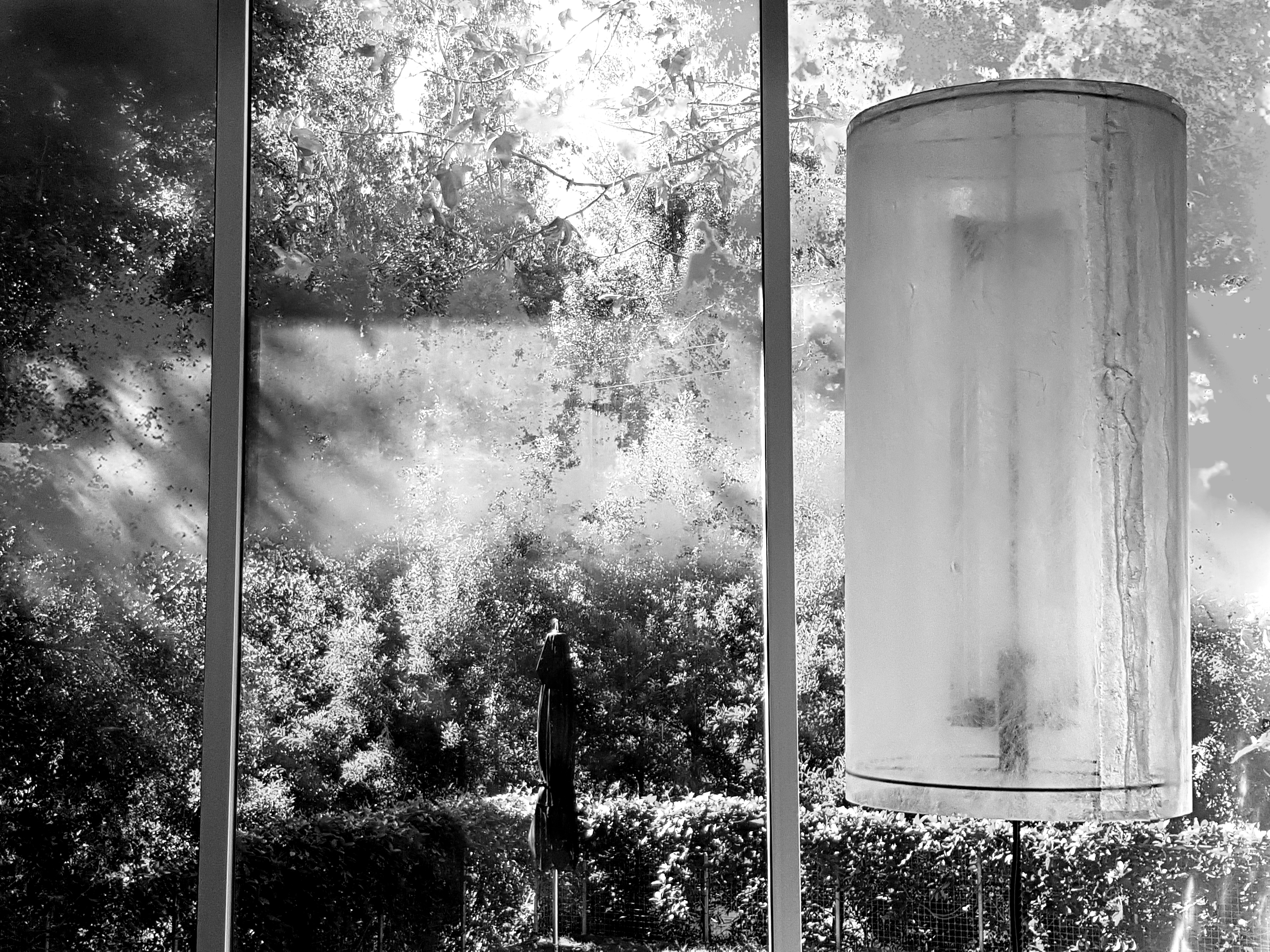
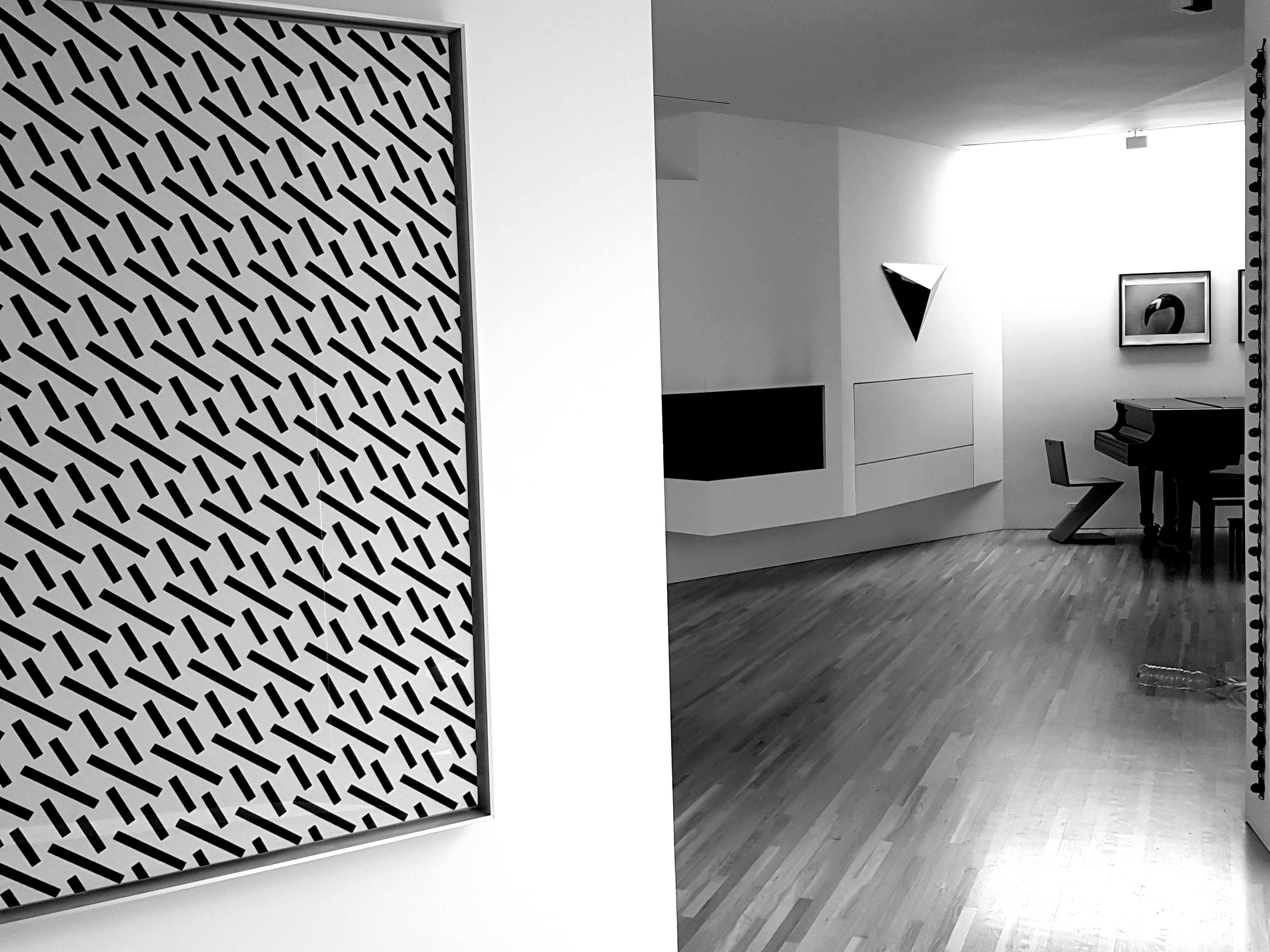
We spent the day in the Santa Monica mountains above Sunset Boulevard, looking at private collections:  impressed by the internationalism of Los Angeles collectors and the extent to which they owned work by British artists – not just Damien Hirst and Anish Kapoor, but also Sean Scully, Julian Opie and Cecily Brown:-

image

image

image

Standard

Downtown LA (1)

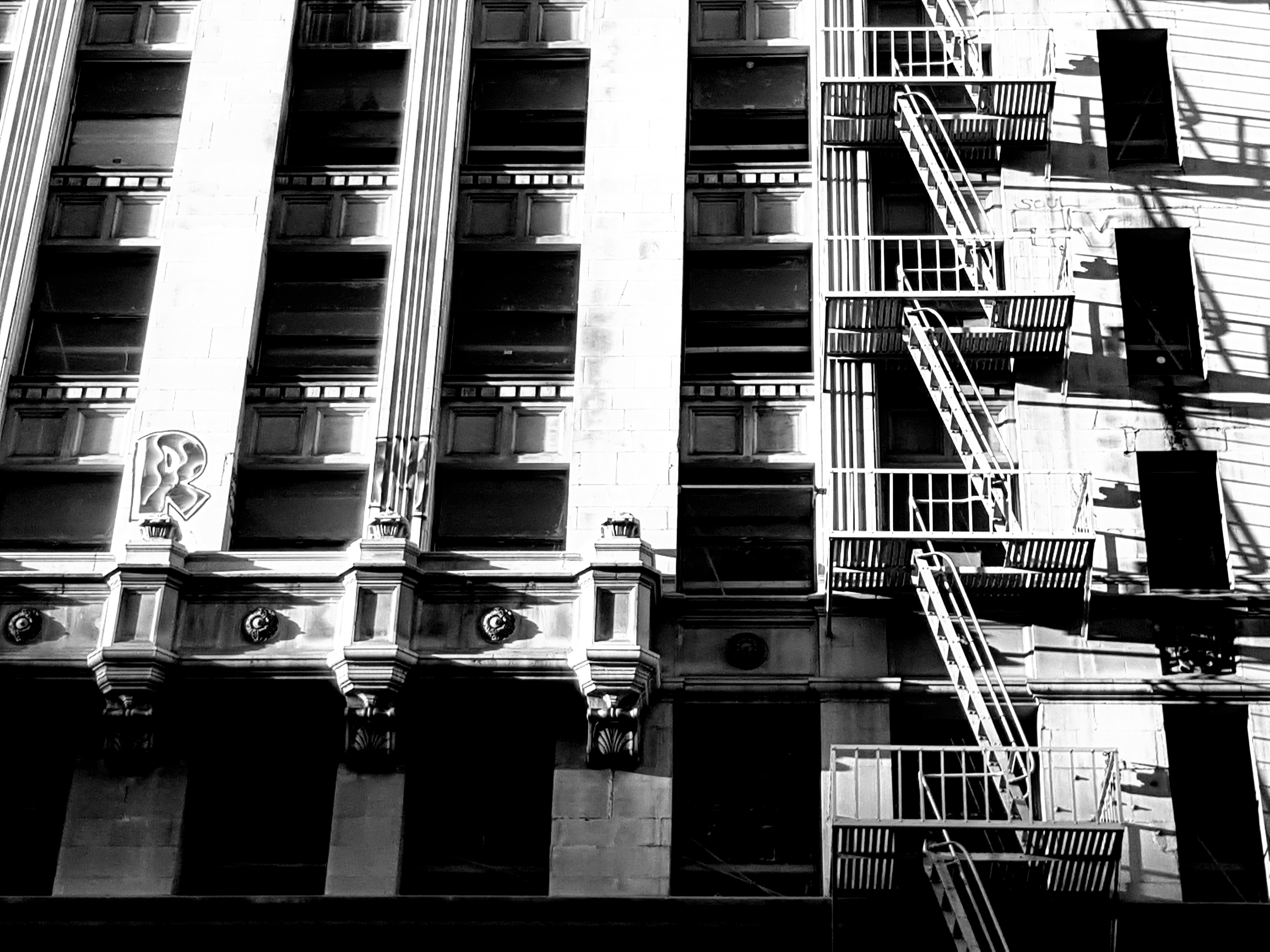
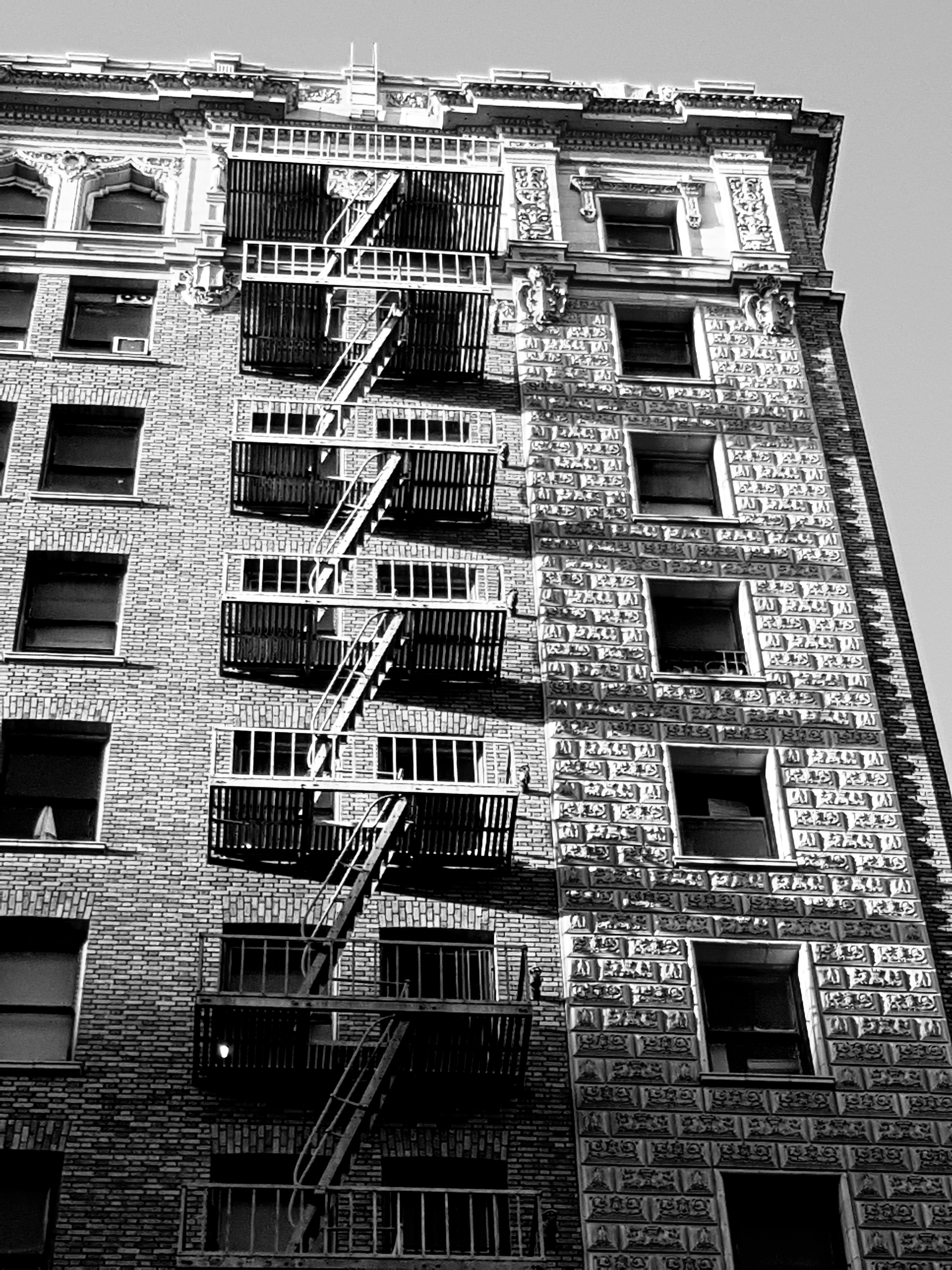
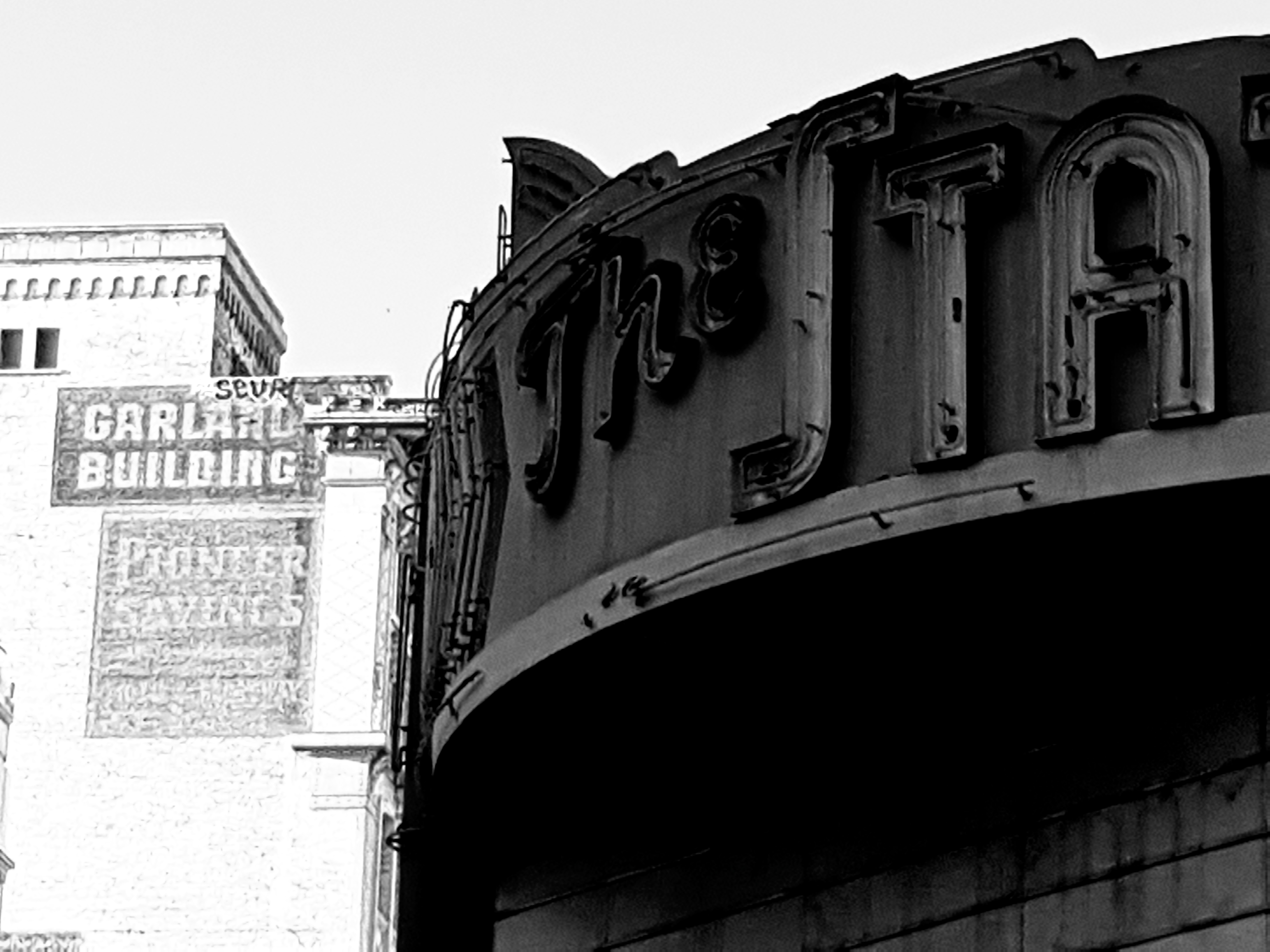
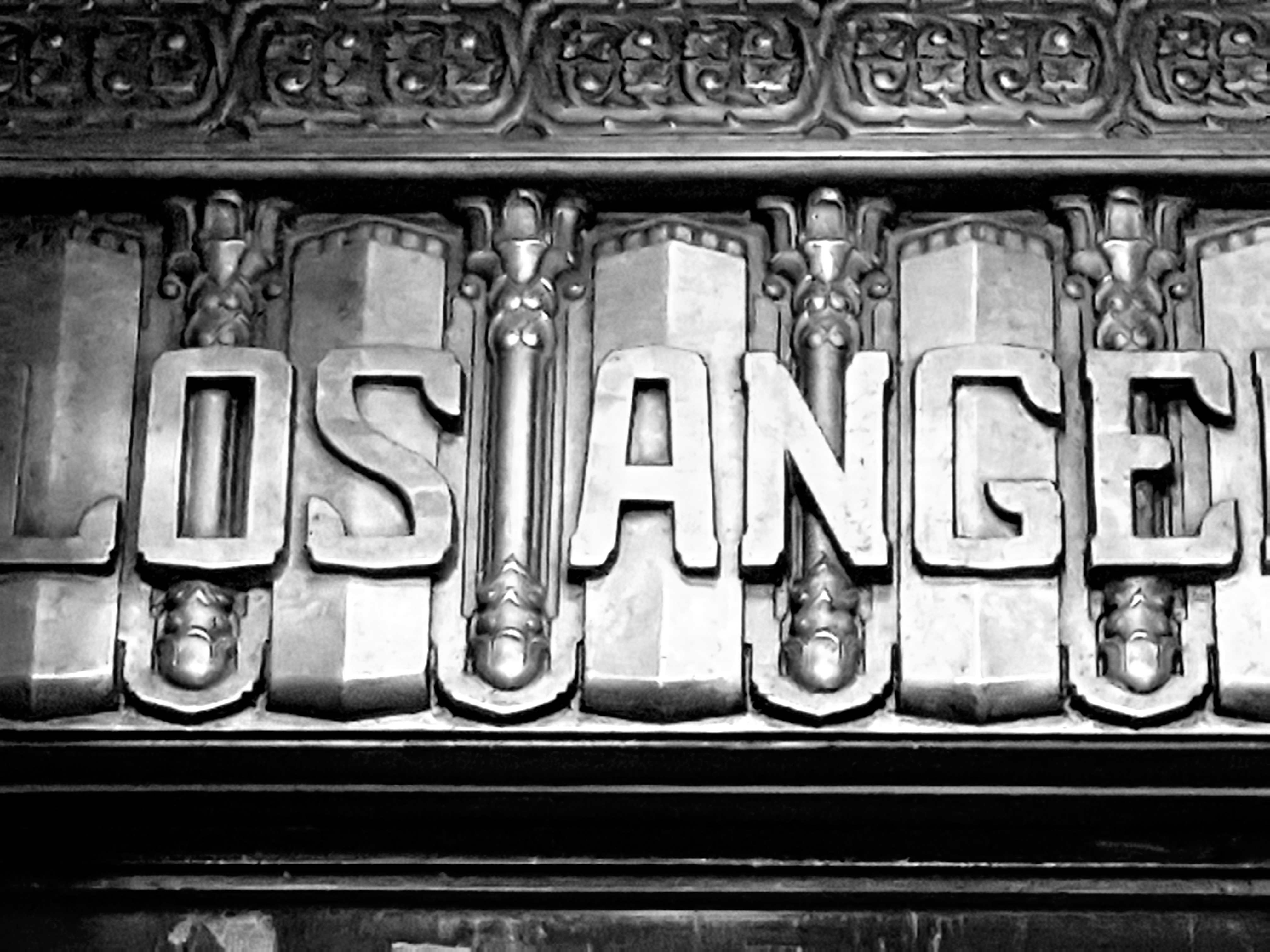
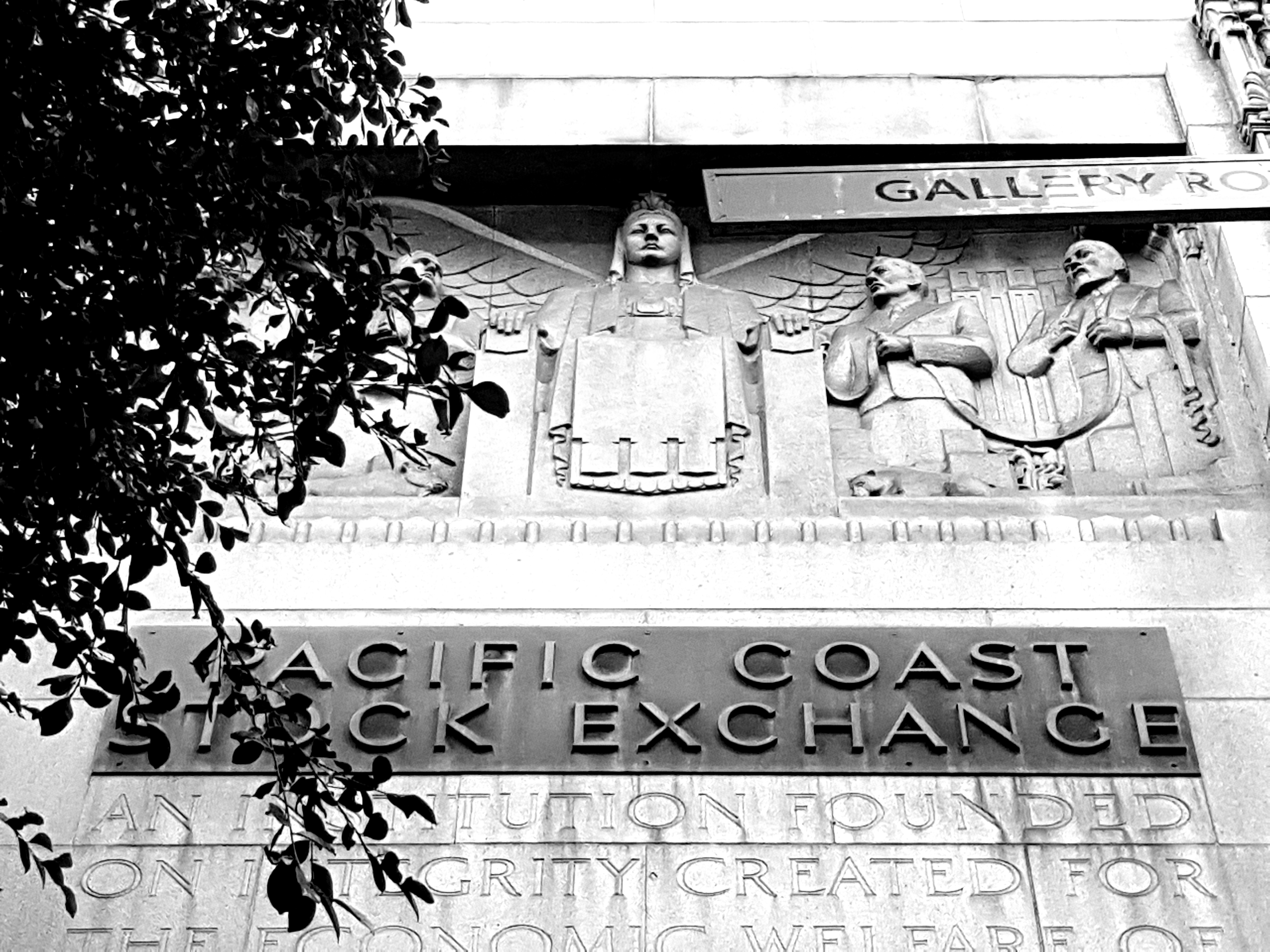
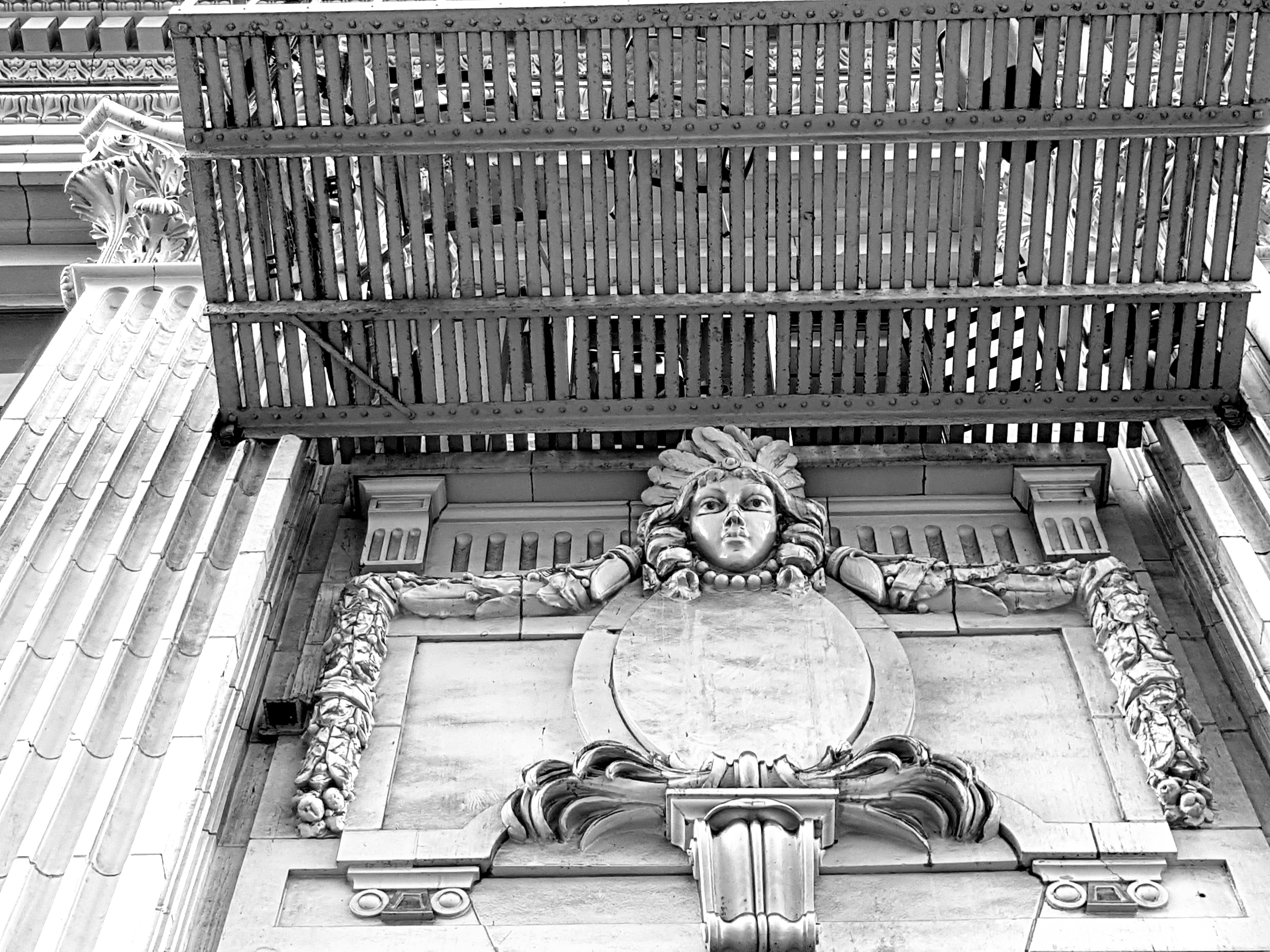
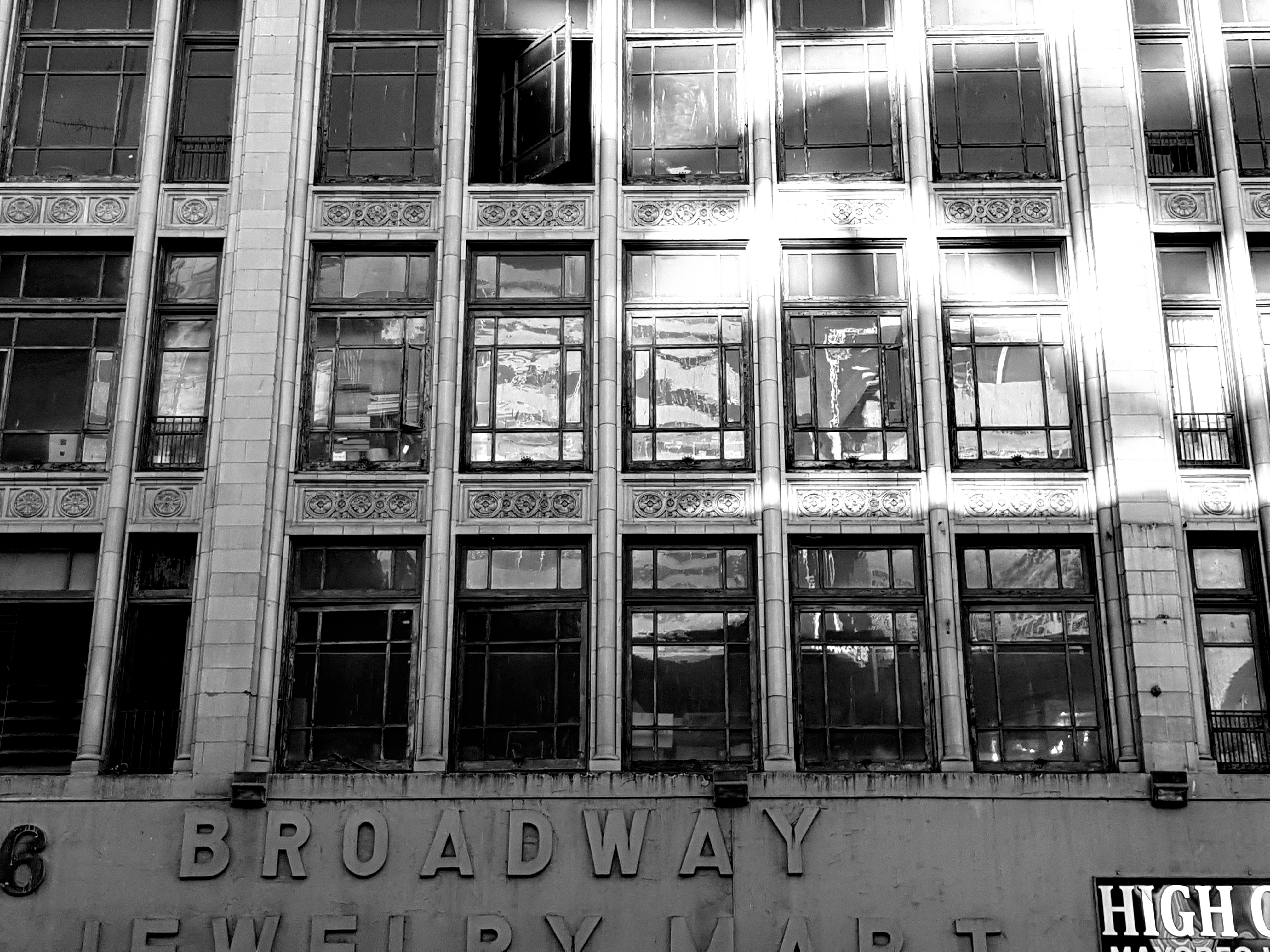
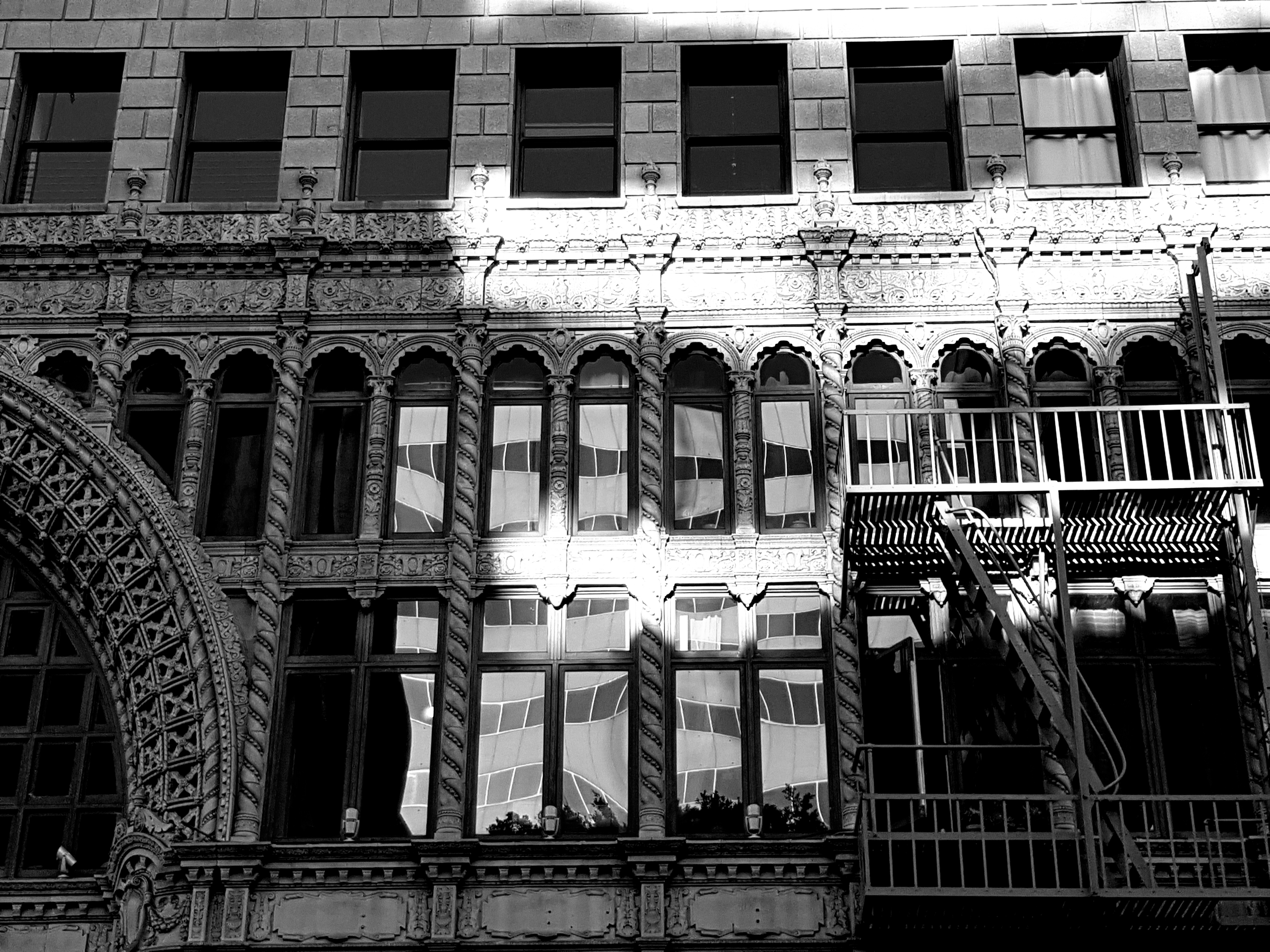
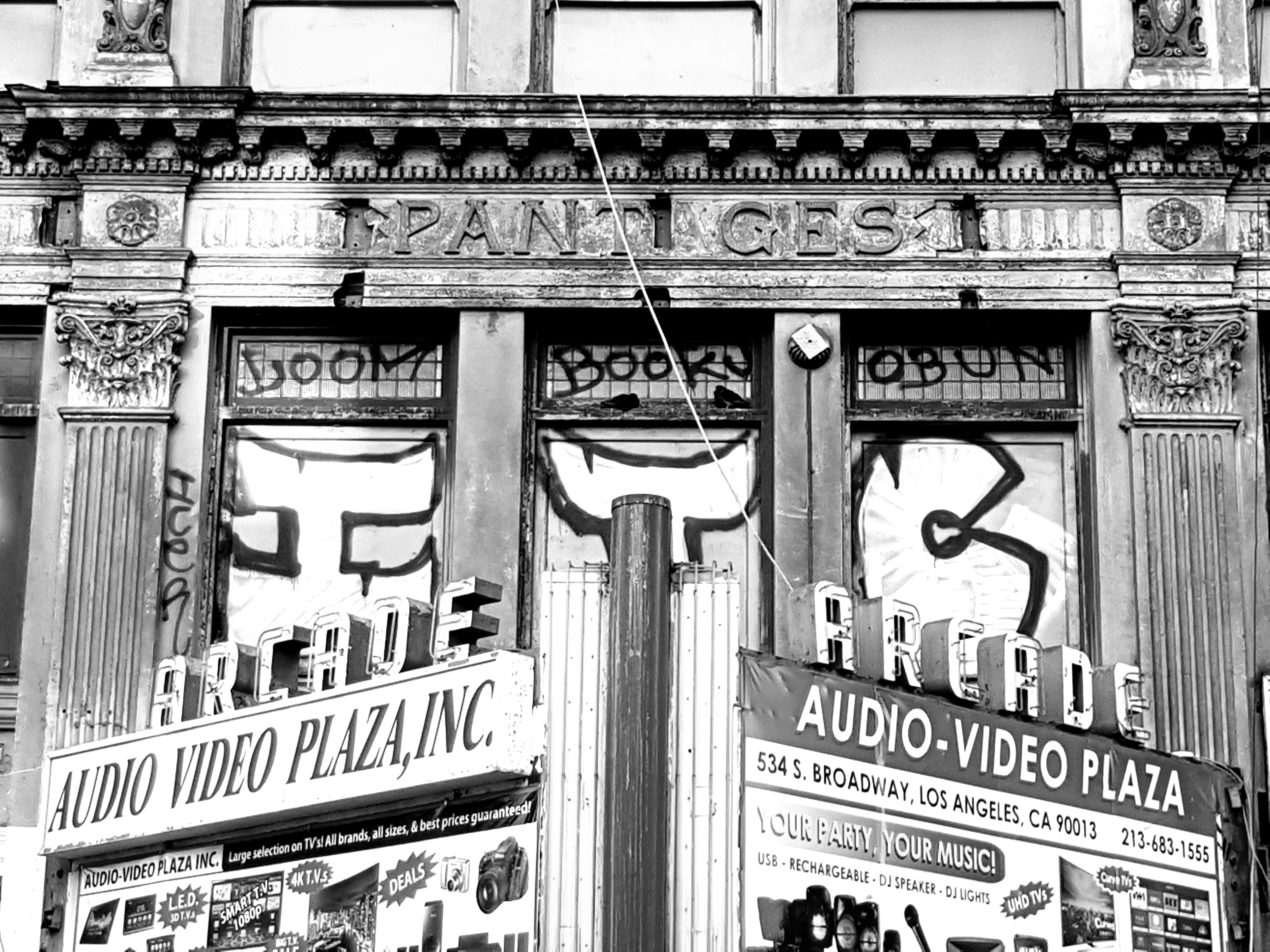
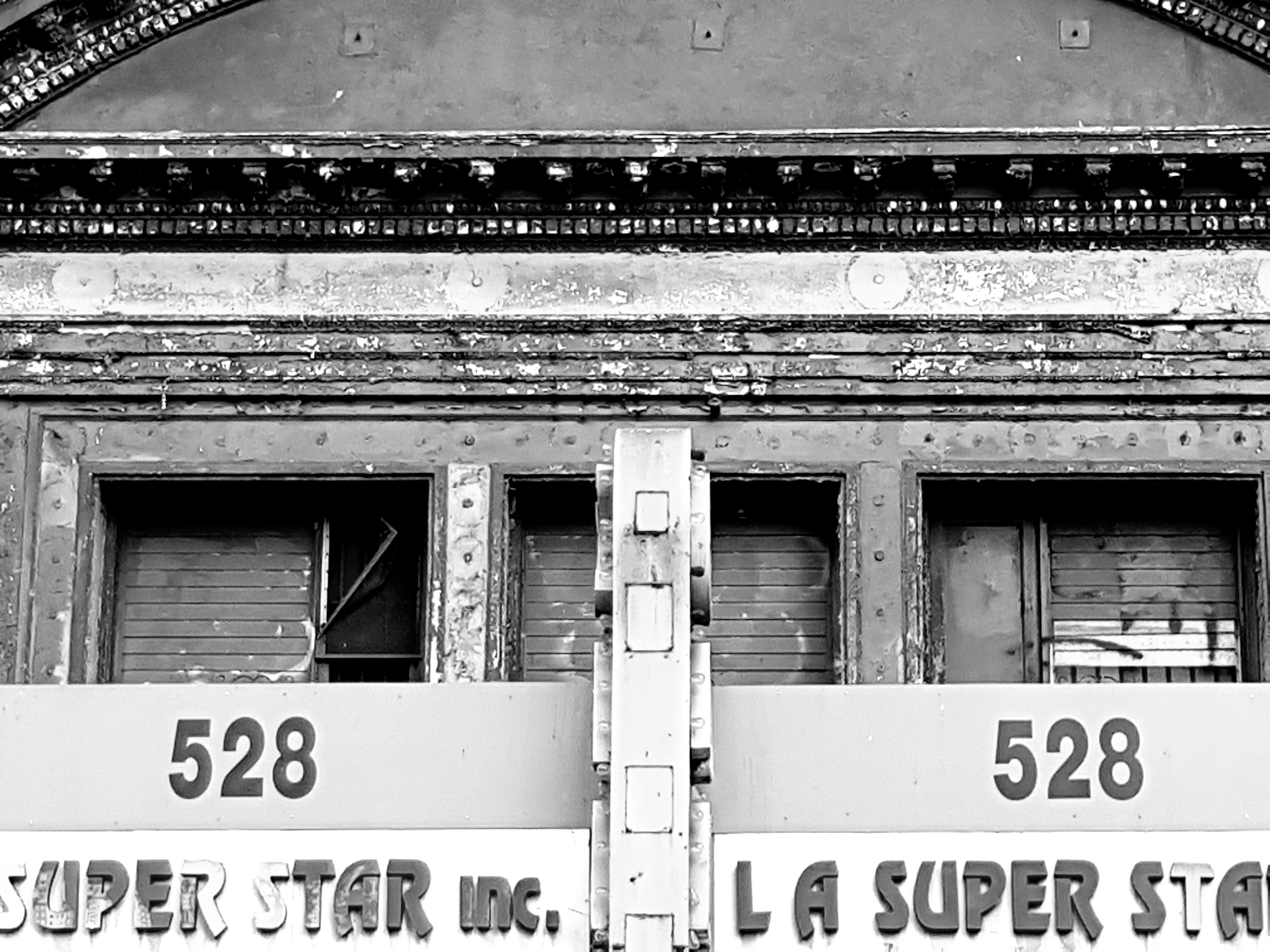
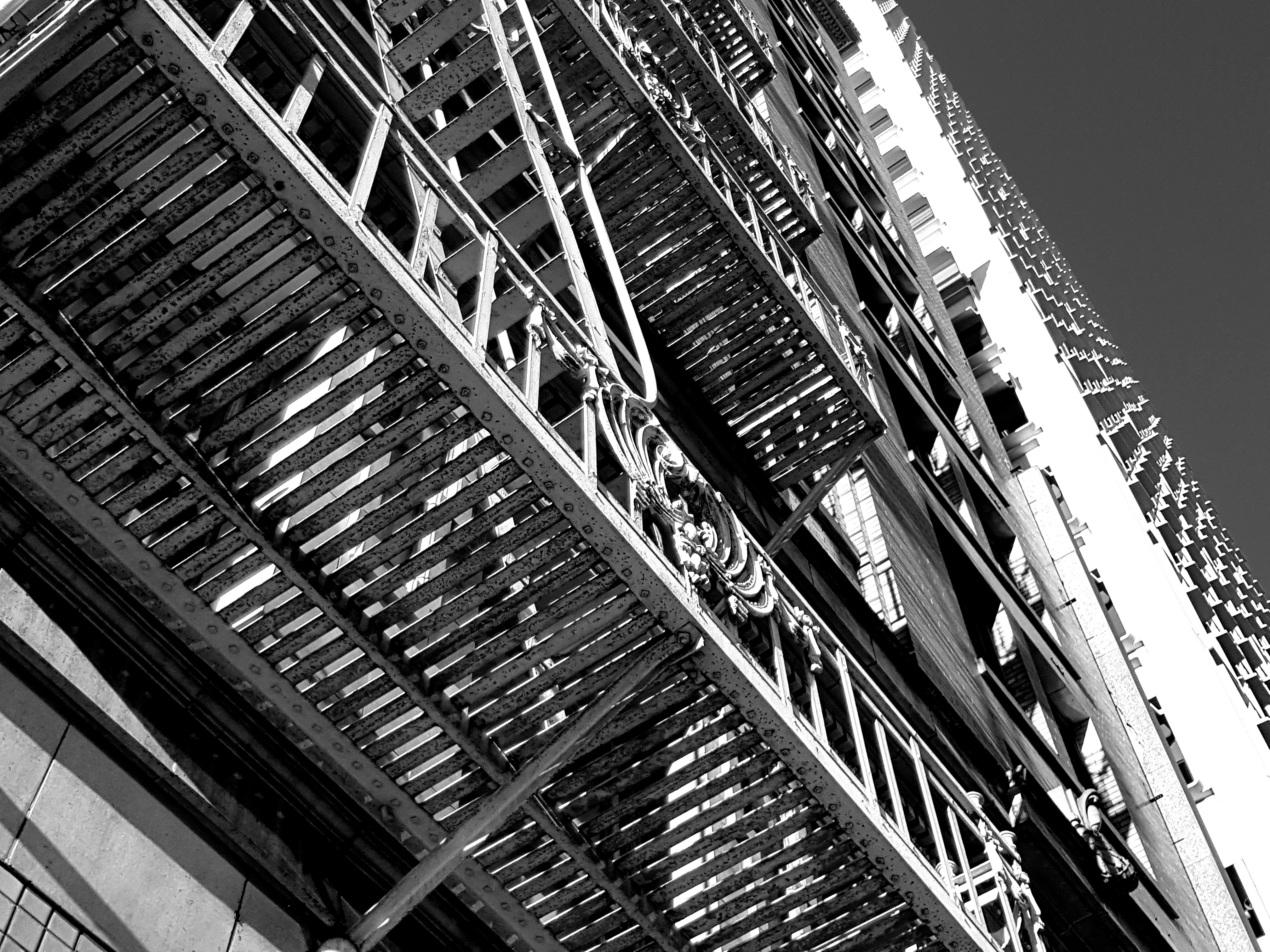
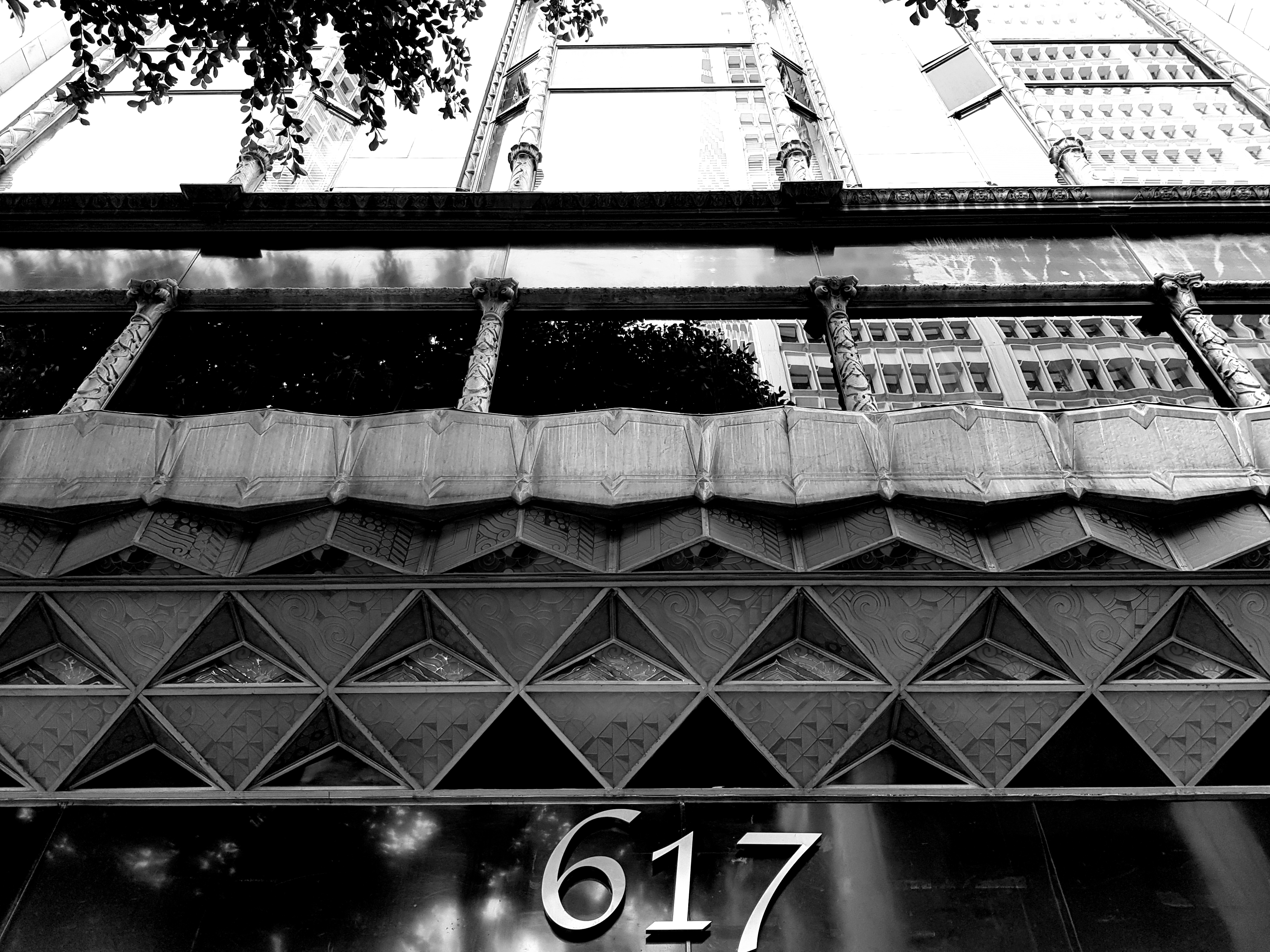
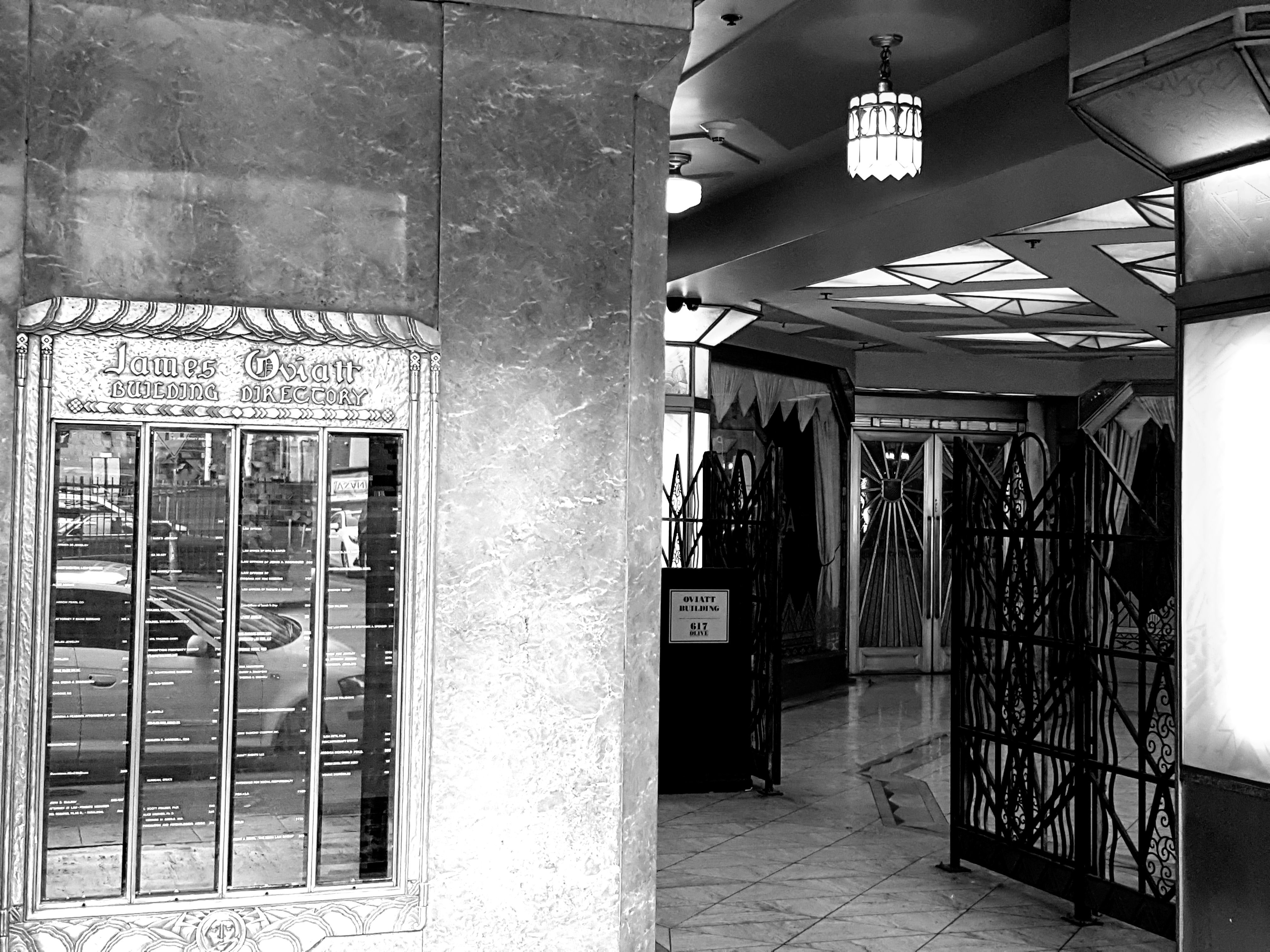
I took an early morning stroll round the glories of the still deeply neglected streets of downtown LA, with their grand 1920s building turned into dime stores and thrift shops and the magnificent terracotta decoration and classical ornament intermingled with art deco shop signs:-

image

image

image

image

image

image

image

image

image

image

image

image

image

image

Standard

LACMA (2)

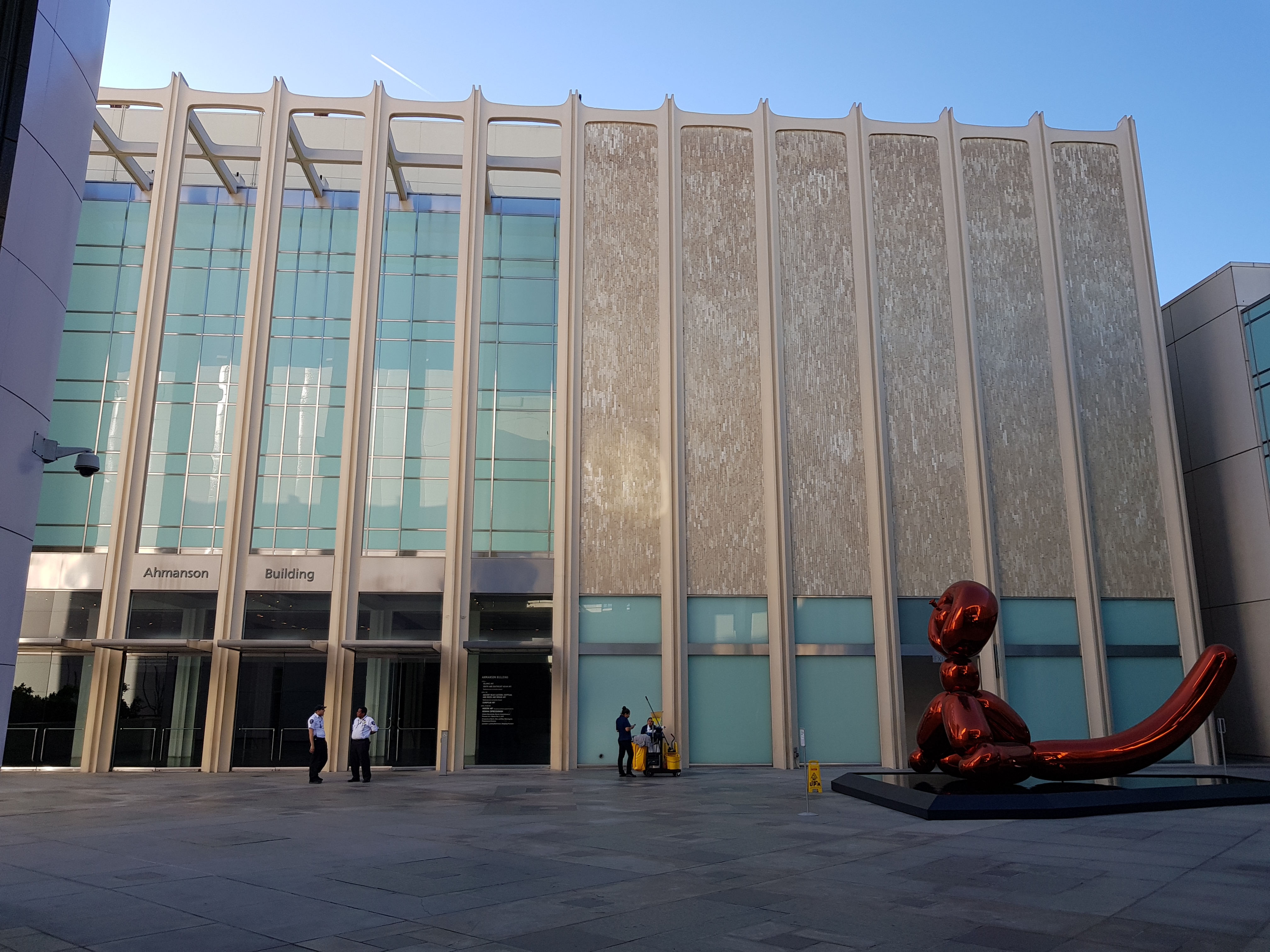
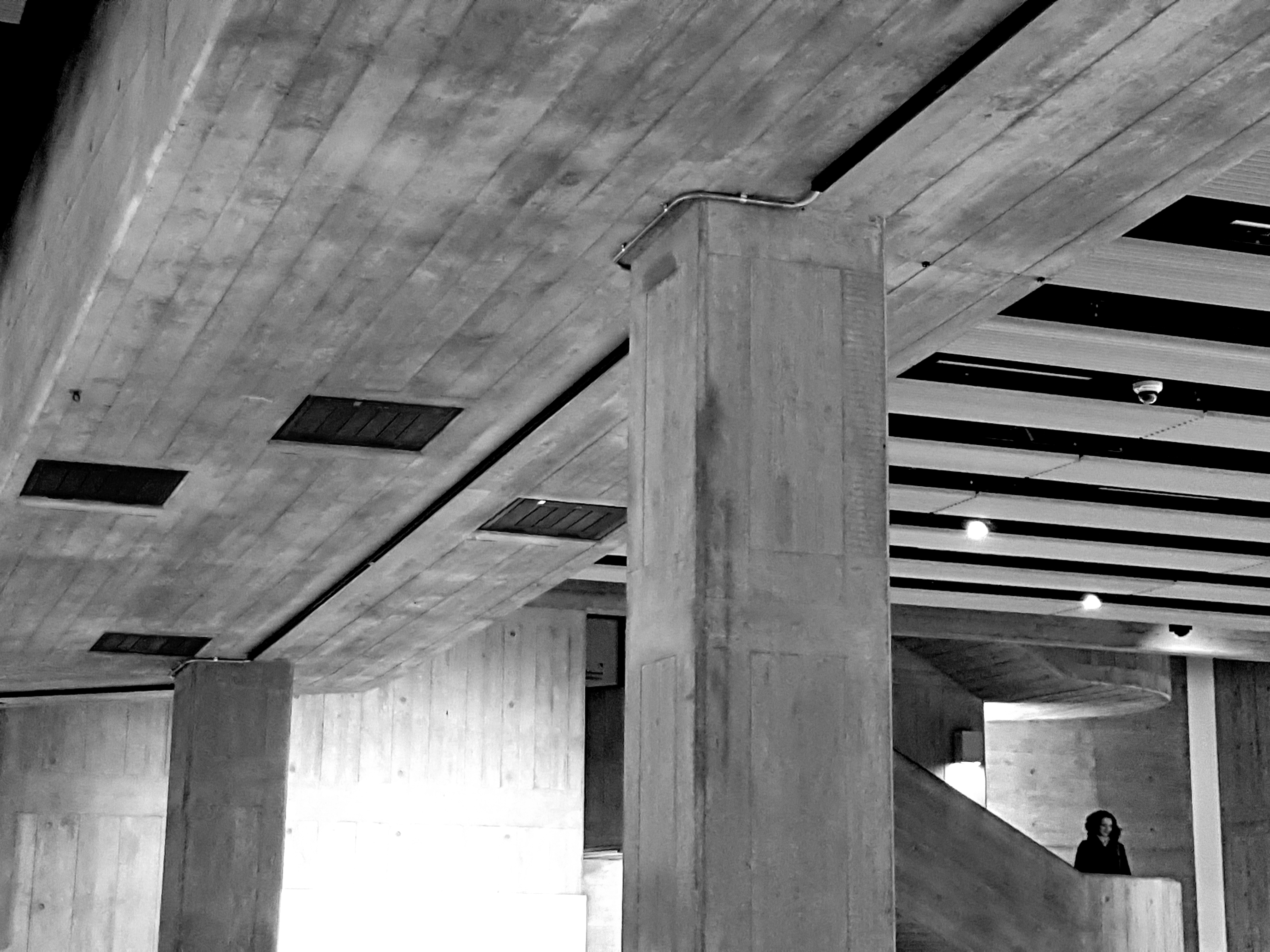
I took a photograph of the 1965 Ahmanson Building at LACMA, named after Howard Ahmanson Sr. and designed in 1965 by William Pereira in preference to Mies van der Rohe and soon to be demolished as part of the new building project by Peter Zumthor:-

image

There’s something impressively buccaneer about an institution willing (and able to afford) to sweep aside its existing buildings and build a brand new one, particularly as the 60s building, modelled on the Lincoln Center, looks so fine.

Standard

LACMA (1)

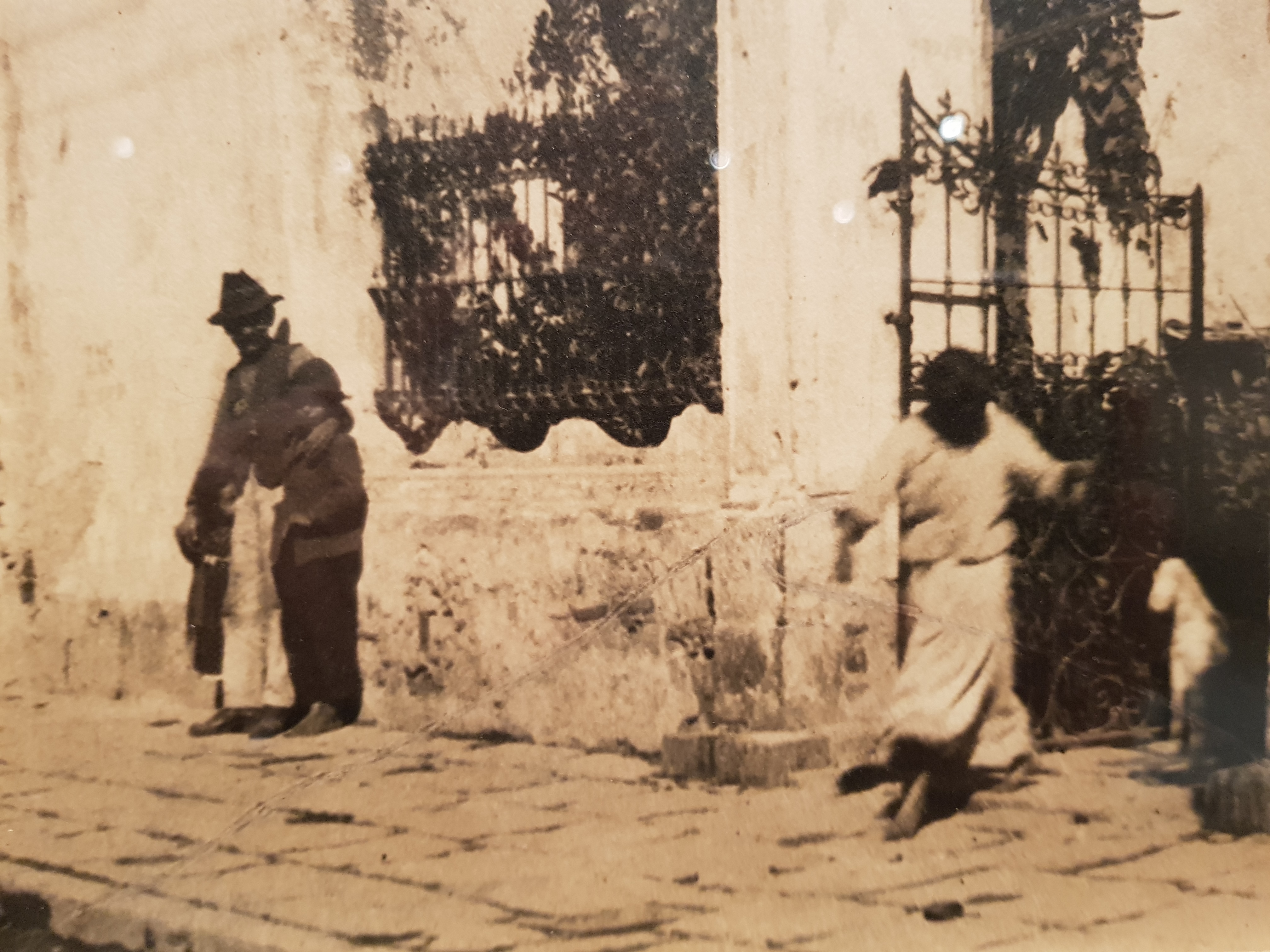
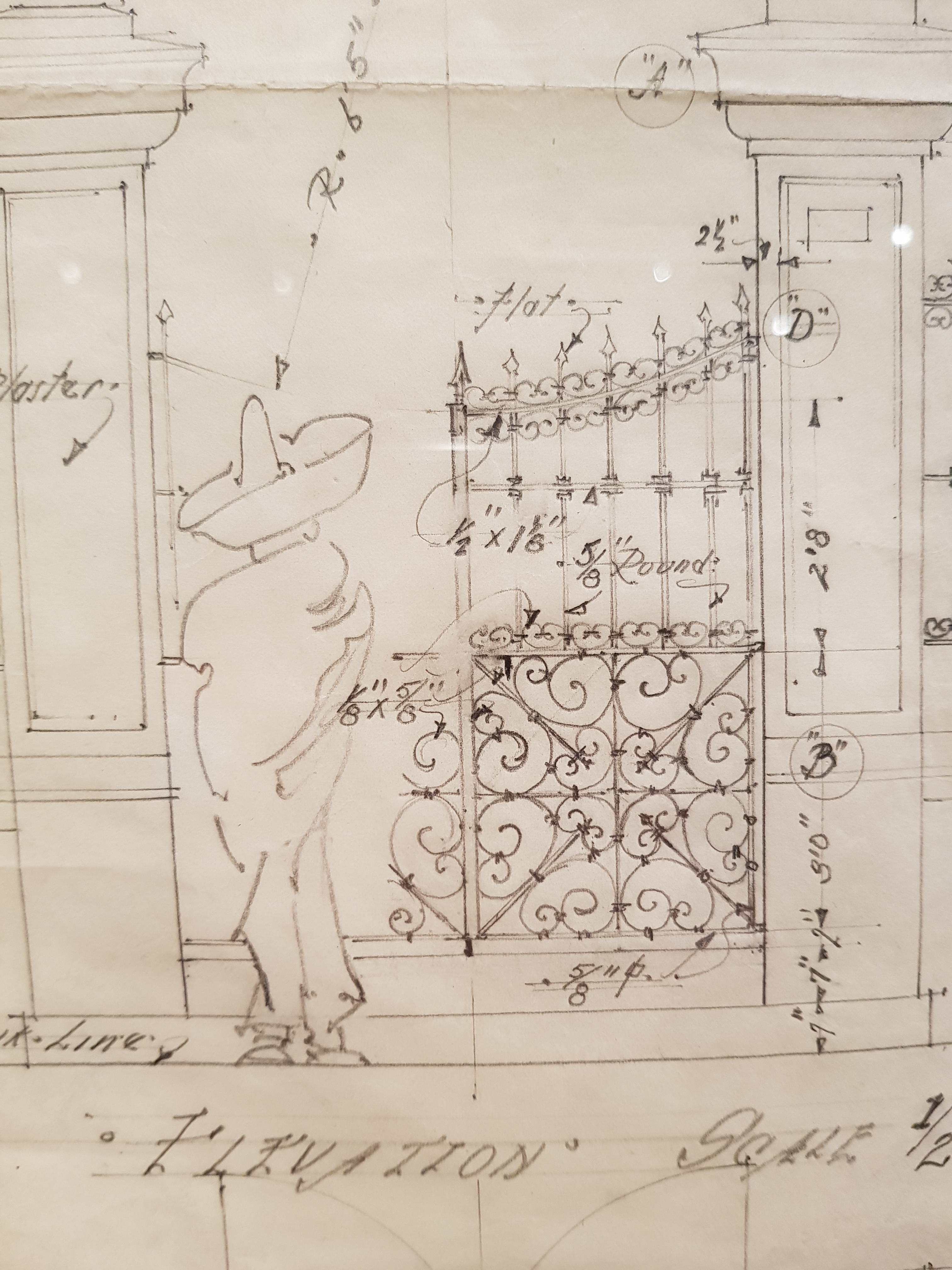
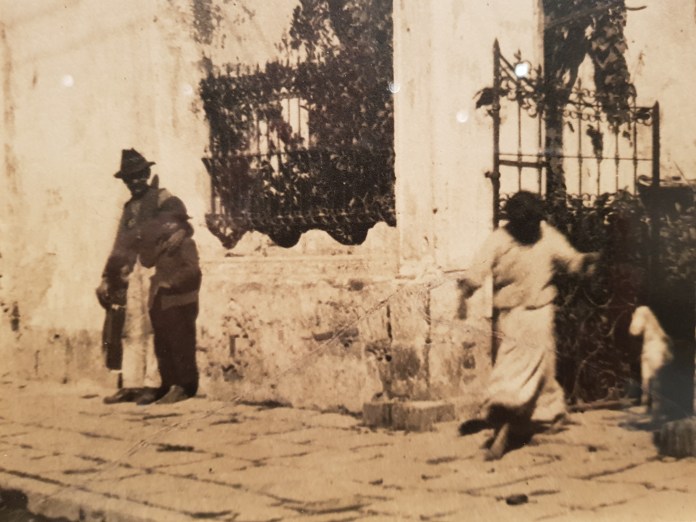
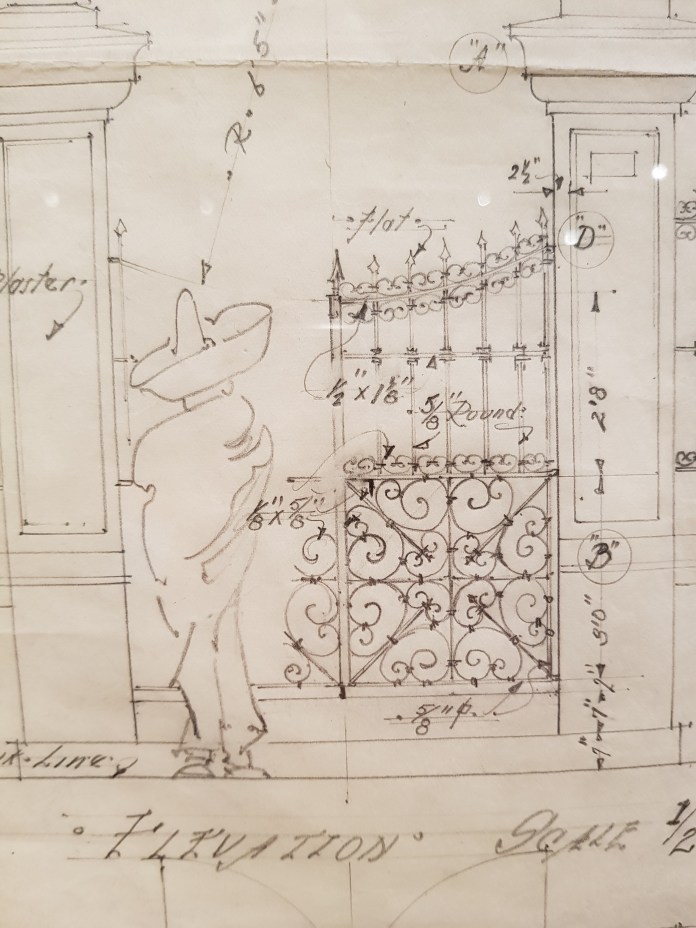
I called in at the Los Angeles County Museum in order to see the exhibition of Design in California and Mexico 1915-1985, which shows the long-standing and deep interconnections between Californian and Mexican culture, beginning with the Spanish Colonial Style, much of which was actually based on copying buildings in Mexico. See, for example, the attached photograph of a street in Mexico by Lutah Maria Riggs and her subsequent architectural design for a house in Santa Barbara, described (wrongly) as ‘A Bit of Andalusia’:-
image

image

I particularly loved the clips of Reyner Banham Loves LA which shows him fully bearded (and unexpectedly driving) eulogising the neo-colonial style.

There’s a massive and beautifully produced catalogue.

Standard

Museum Directors

The long flight out to Los Angeles gave me a chance to catch up on some reading, including a set of interviews with (mostly) current museum directors, Eleven Museums Eleven Directors, compiled by Michael Shapiro as he was standing down as Director of the High Museum in Atlanta.   There is a generational aspect to it.   Several were at Williams College – Shapiro himself, Glenn Lowry, Michael Govan – and several in nearly the same class at Harvard – Shapiro, Lowry, Gary Tinterow and Max Anderson.   What comes across are the needs to be much more attentive to audience, as articulated by Kay Feldman in Minneapolis, and new, multicultural identities, as voiced cogently by Thelma Golden, as the next generation takes over.

Standard

Civilisations

I went to the launch of Civilisations, a new nine-part series by the BBC, which was held in the lecture theatre of the National Gallery and so haunted by the ghost of Kenneth Clark, patrician and tweed suited and with his terrible teeth, standing in front of the Cathedral of Notre Dame and pronouncing in thirteen programmes about the qualities and characteristics of western European culture.   The odd thing was that all the sophistication of current tv technology – the global range, thoughtfulness and intelligence of the forthcoming programmes – was trumped by David Attenborough appearing on stage afterwards, greeted like a rock star, and describing how the original programmes were commissioned in 1965 in order to demonstrate the virtues of colour television to a sceptical British public, thereby creating an accidental masterpiece.

Standard

Inigo Jones

I strolled in to the Charles I exhibition and was struck by the inscription on the very first exhibit, which is a pen and ink drawing of Inigo Jones by Van Dyck. The inscription states that it is ‘Vandyke’s original Drawing, from which the Print by Van. Voerst was taken, in the Book of Vandyke’s Heads. Given me by the Duke of Devonshire’. Signed ‘Burlington’. It has always been known that the third Earl of Burlington was as keen on the work of Inigo Jones as he was on Palladio (there is a statue of Inigo Jones outside Chiswick House), but there is something touching about the Earl himself hand writing (I assume it’s his hand) such a carefully worded inscription to the drawing given him by, apparently, the third Duke, although subsequently inherited by the fourth Duke, who married Burlington’s daughter, Charlotte.

Standard

Natural History Museum

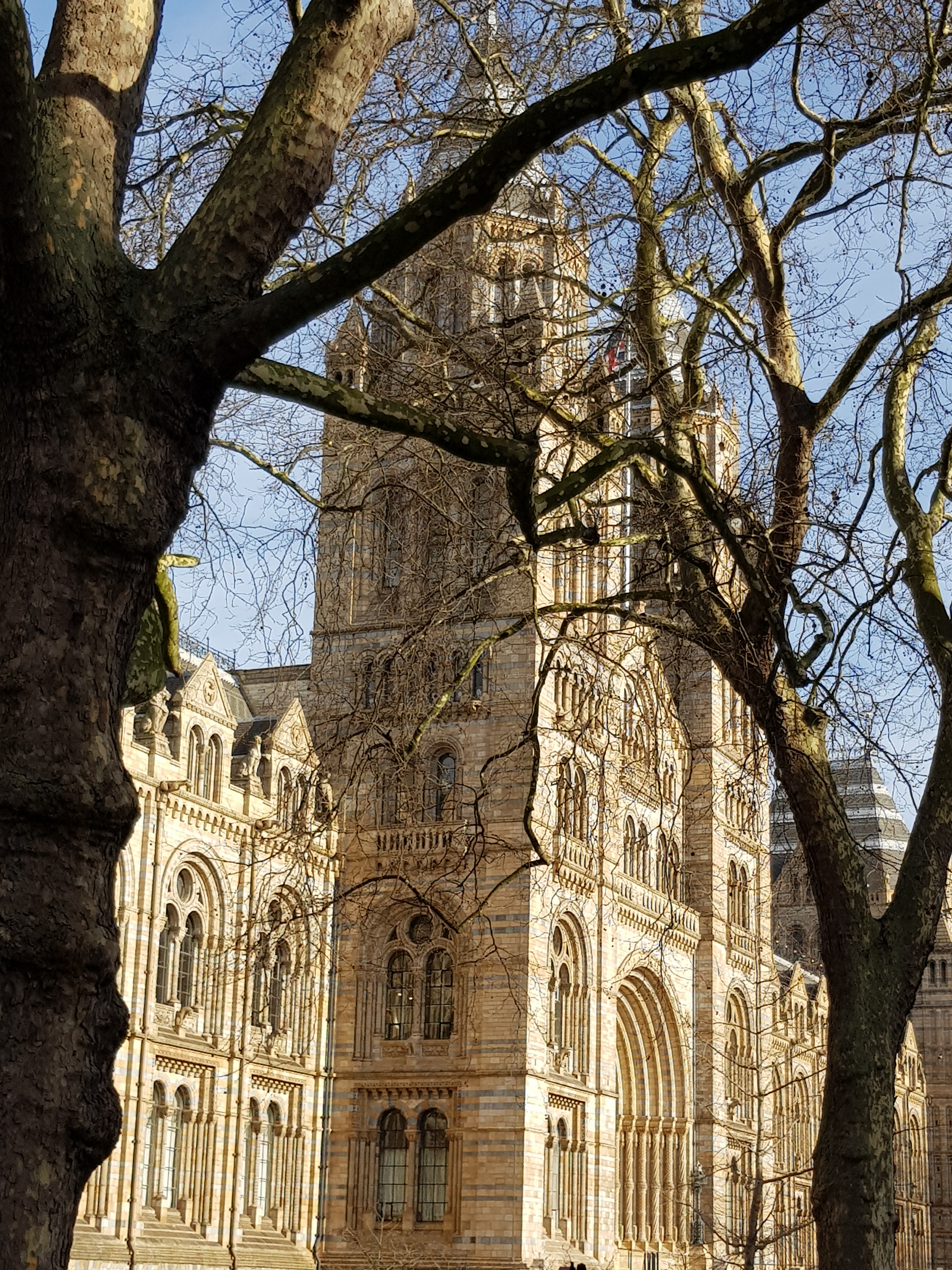
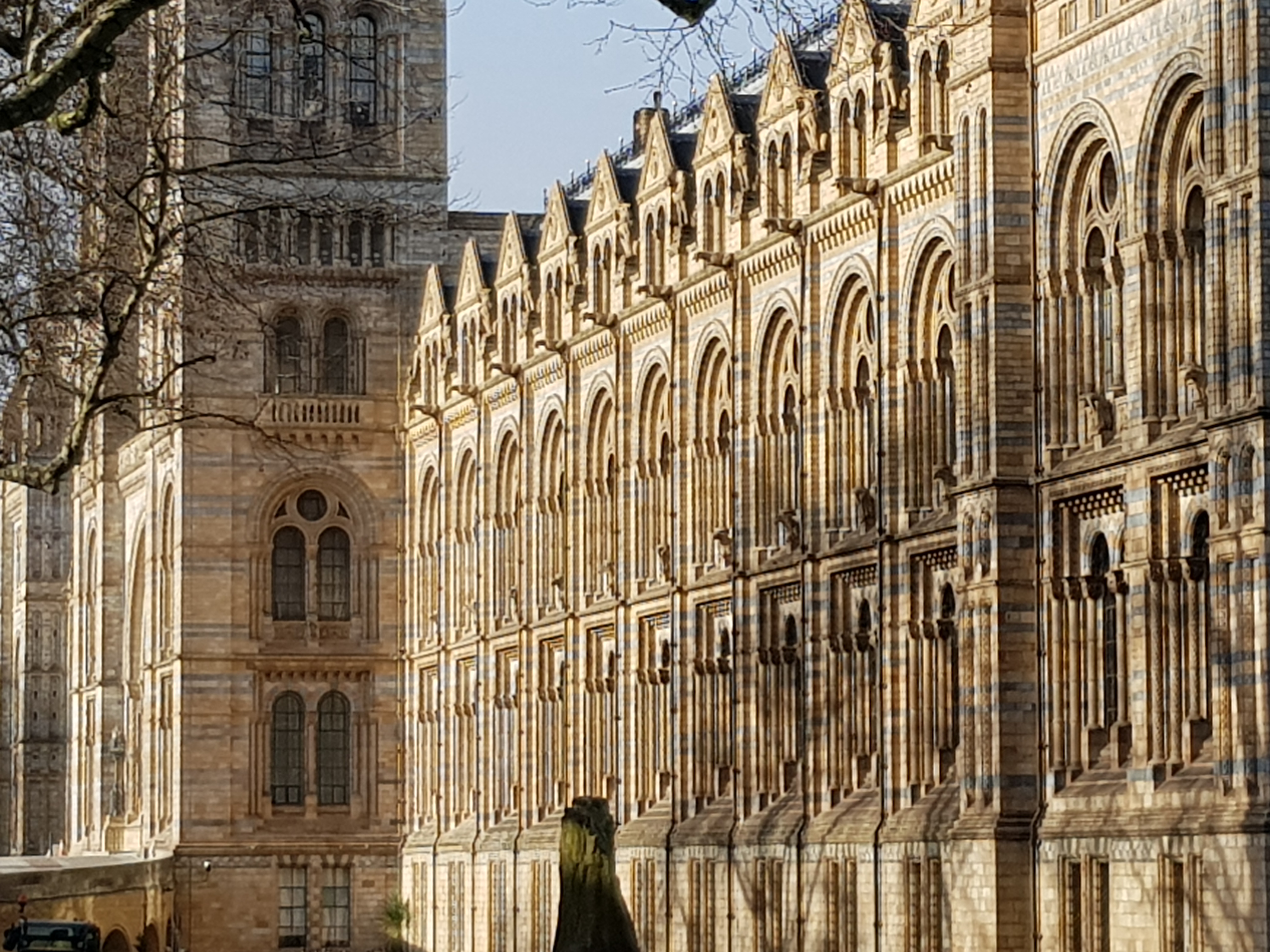
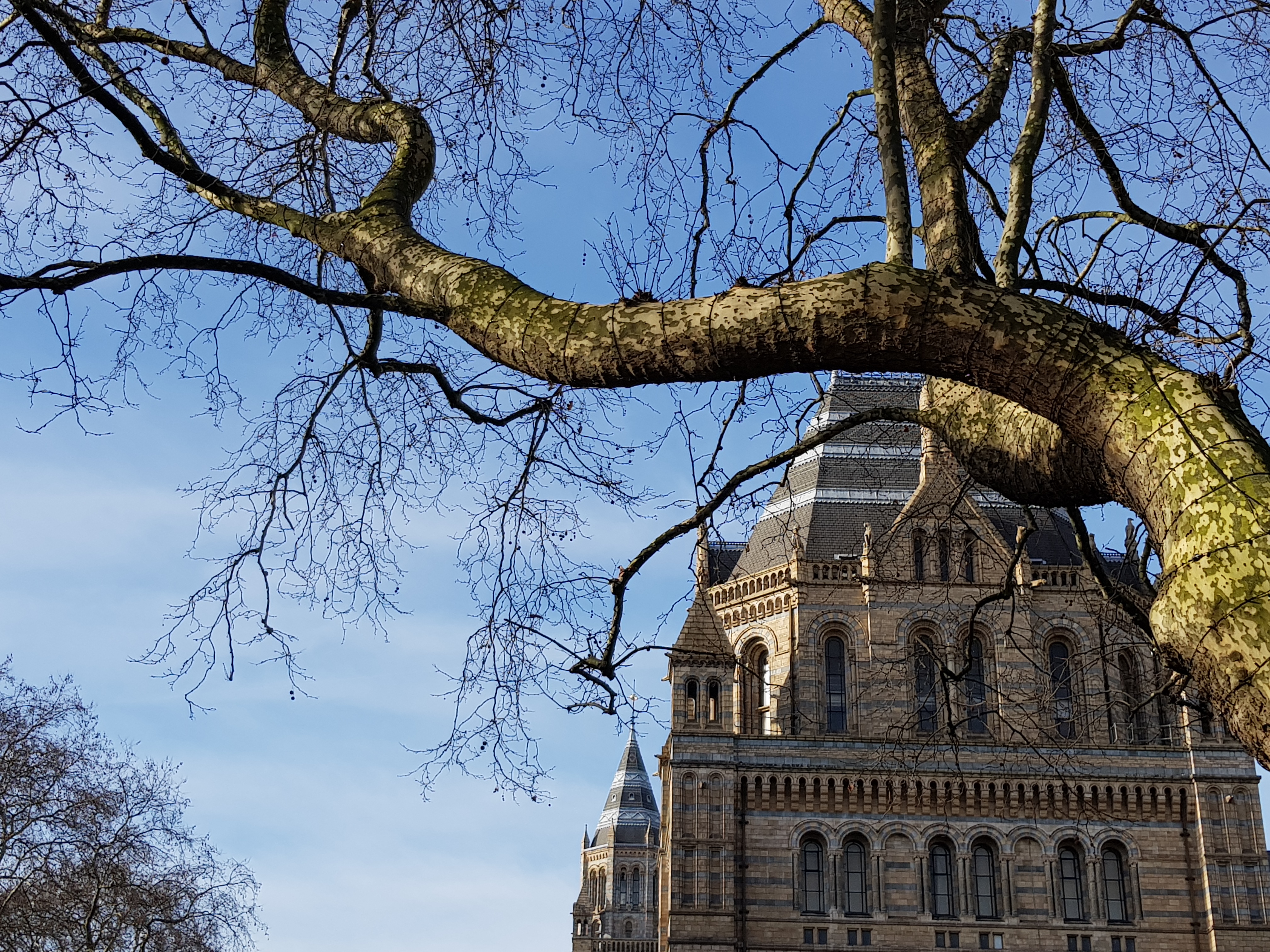
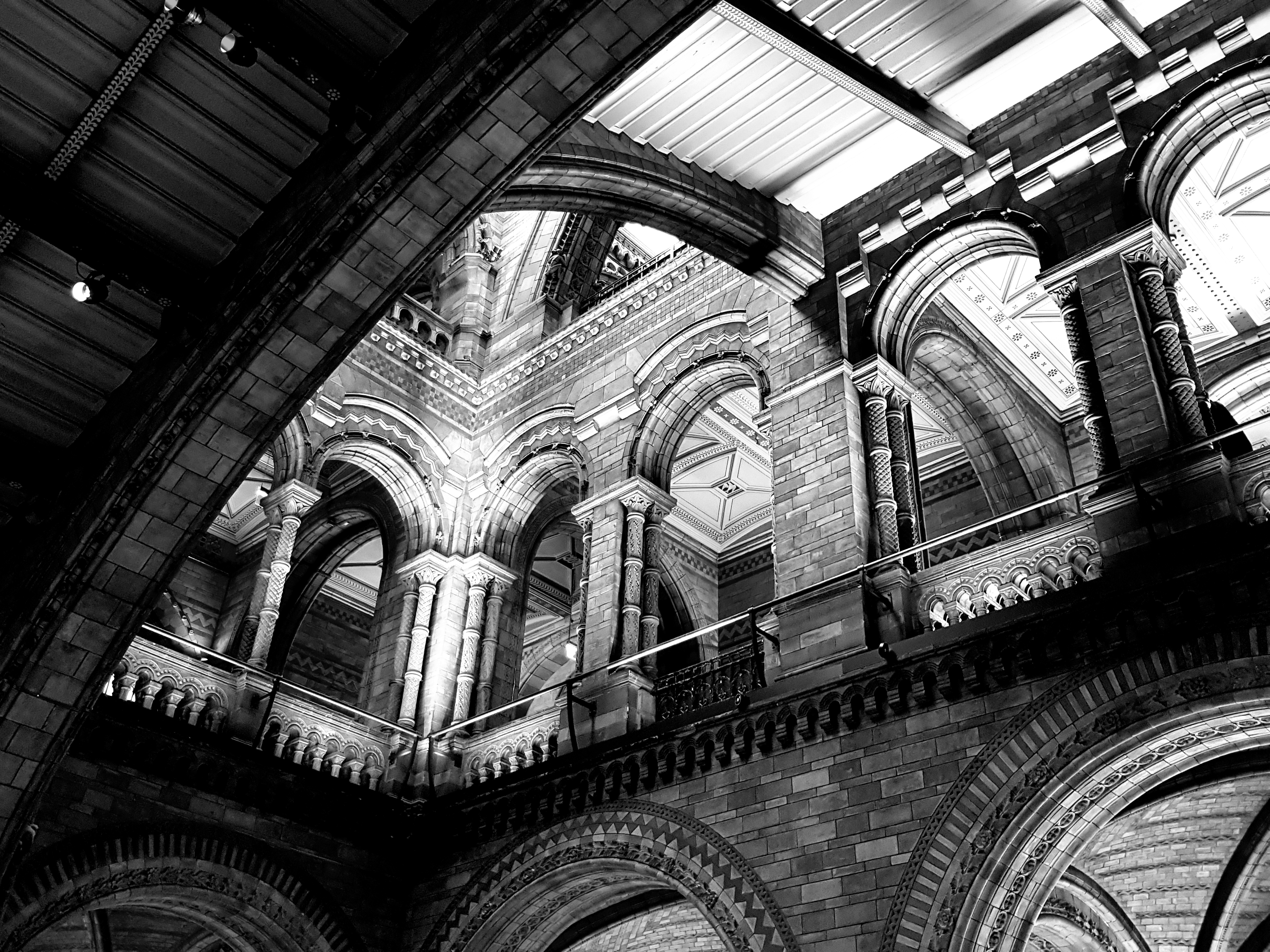
For some reason, I didn’t post the photographs I took last week of the Natural History Museum, Alfred Waterhouse’s great terracotta palace.   Its front doors were mysteriously shut, but this didn’t prevent it being stuffed full of dinosaur-loving schoolchildren:-

image

image

image

image

image

Standard

Hayward Gallery

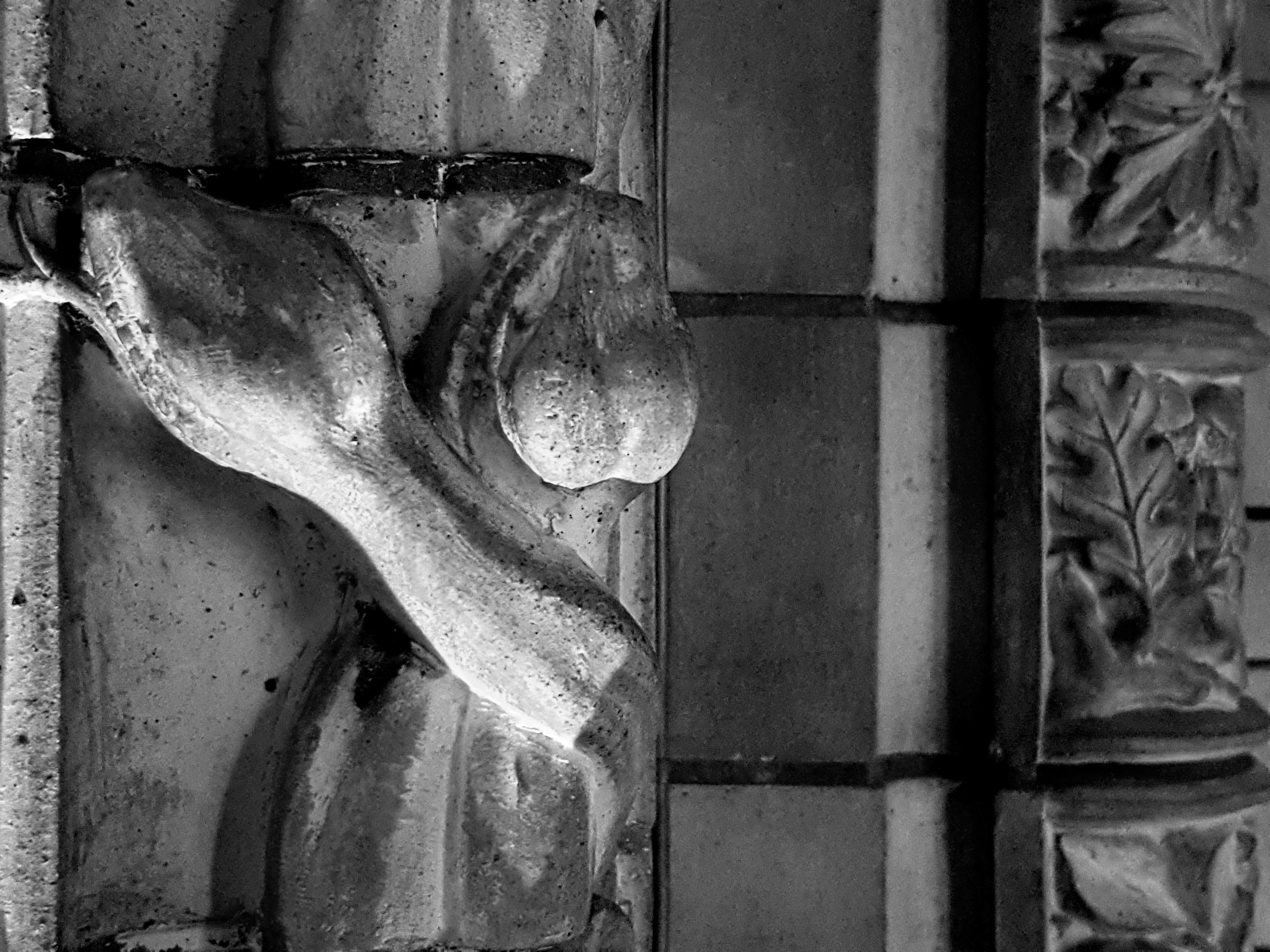
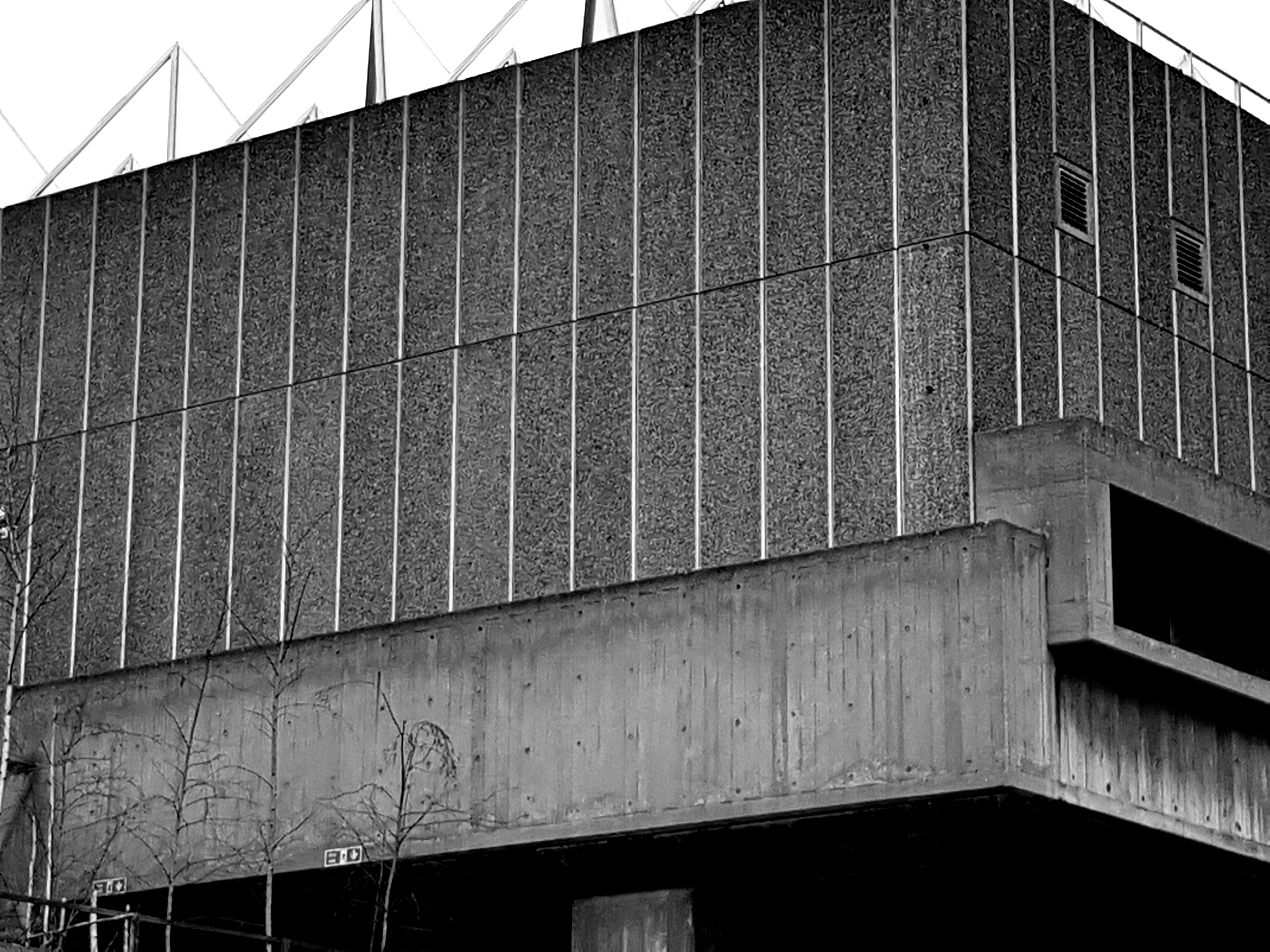
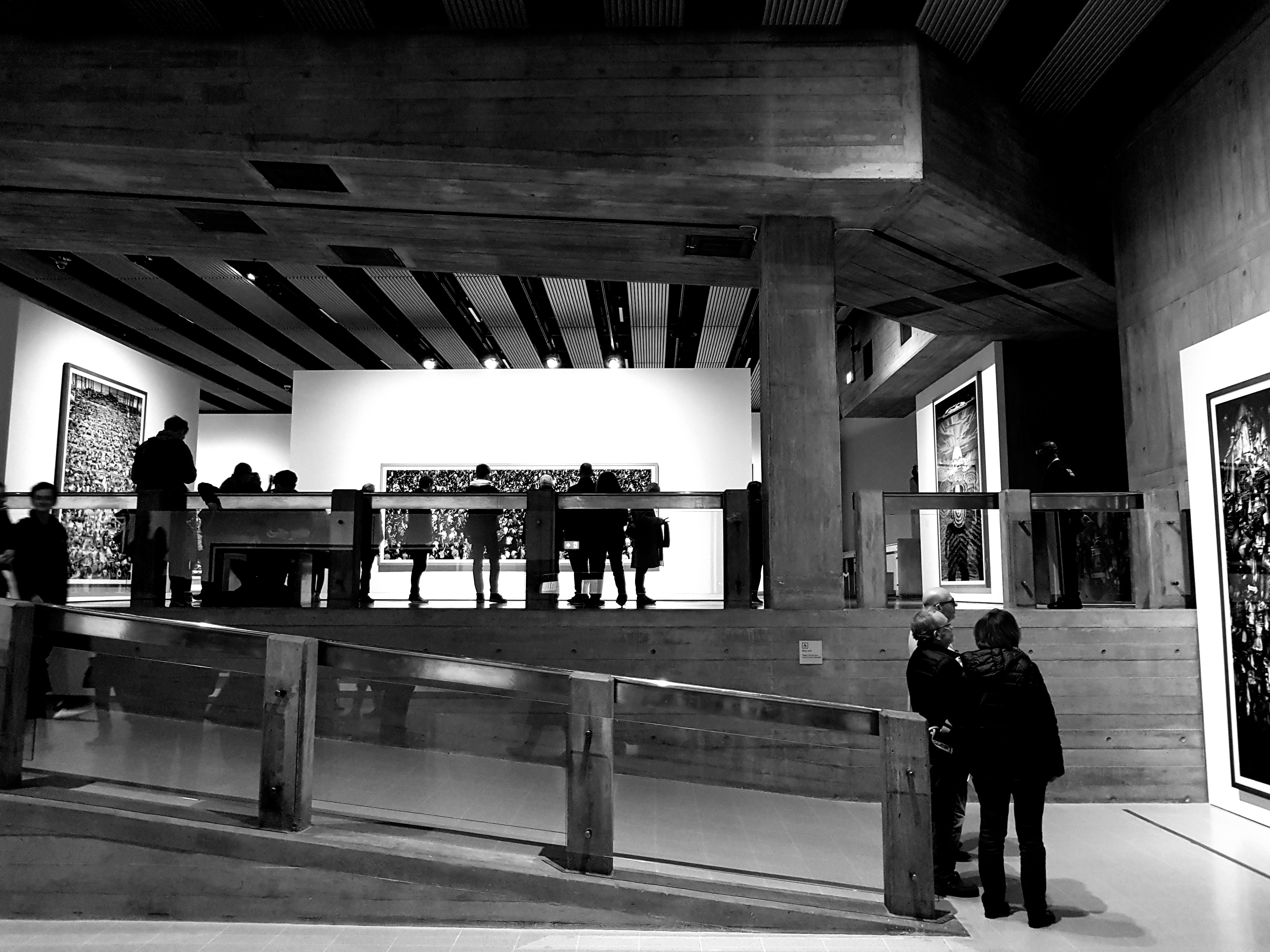
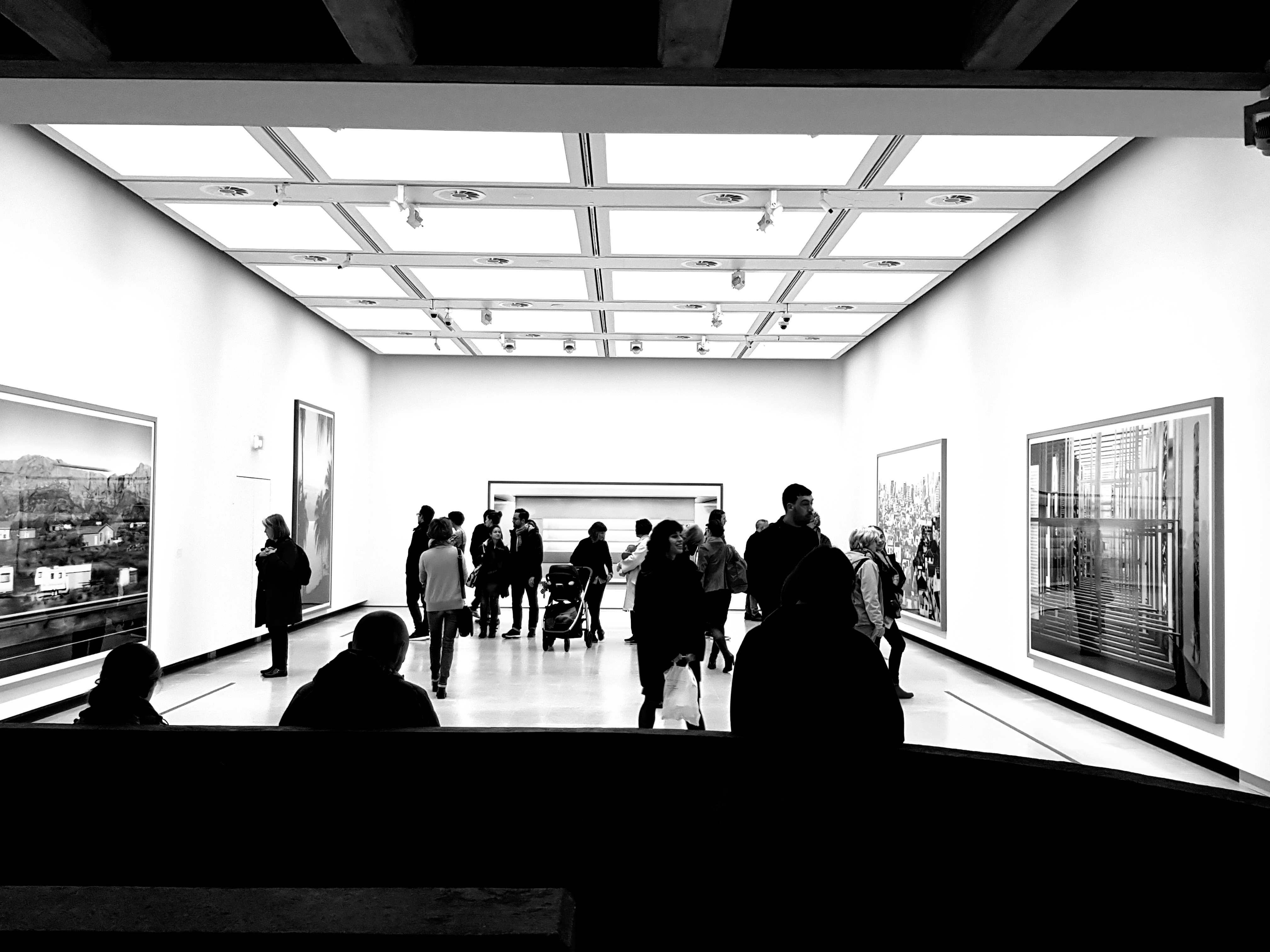
We went to the newly refurbished Hayward Gallery, which the South Bank Centre had wanted pulled down, to see the Andreas Gursky exhibition which was packed, full of his big images of multiple repetition, which make one see the world through the same lens of deadpan, digital multiplication.   I couldn’t see much difference in the Hayward, except that its bronze banisters had been buffed up and the terrace closed:-

image

image

image

image

Standard

Nick Coker

Seeing the exhibition of Charles II at the Queen’s Gallery inevitably reminded me of Nick Coker, Peter Coker’s only son, who wrote his MA dissertation at the Courtauld Institute on Peter Lely, was going to work on iconoclasm under the Commonwealth and was the historical advisor to Peter Greenaway’s film The Draughtsman’s Contract, which celebrated the late seventeenth-century and its combination of art, sex and scandal, with a score by Michael Nyman based on the music of Purcell. It came out in 1982, just after the tv version of Brideshead Revisited and presumably belongs to the same moment of historical neo-romanticism.

Standard