
As a tourist, I’m a sucker for Soho: cobbled streets, old industrial building, a place to buy braces (If); it’s got everything:-
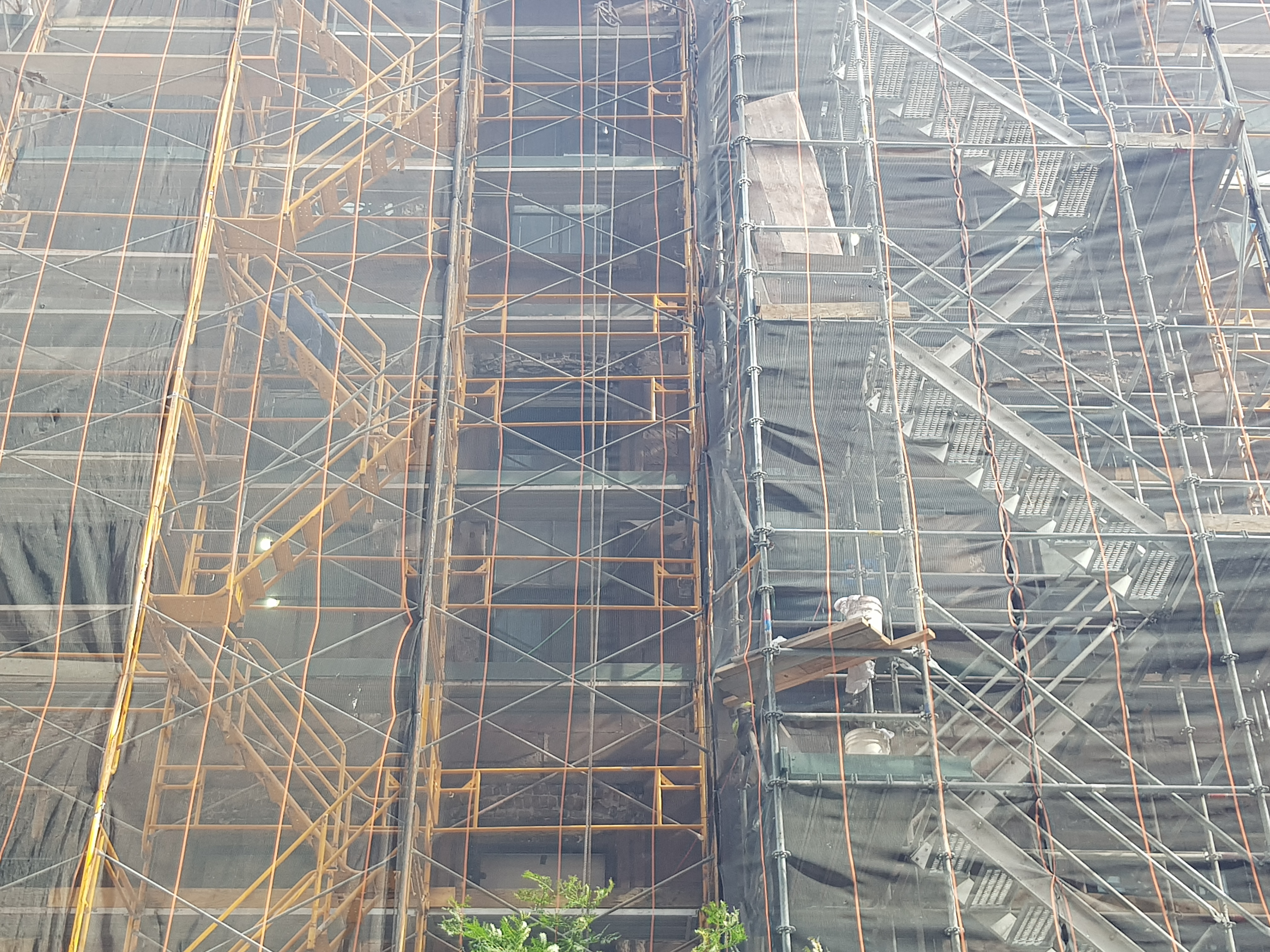
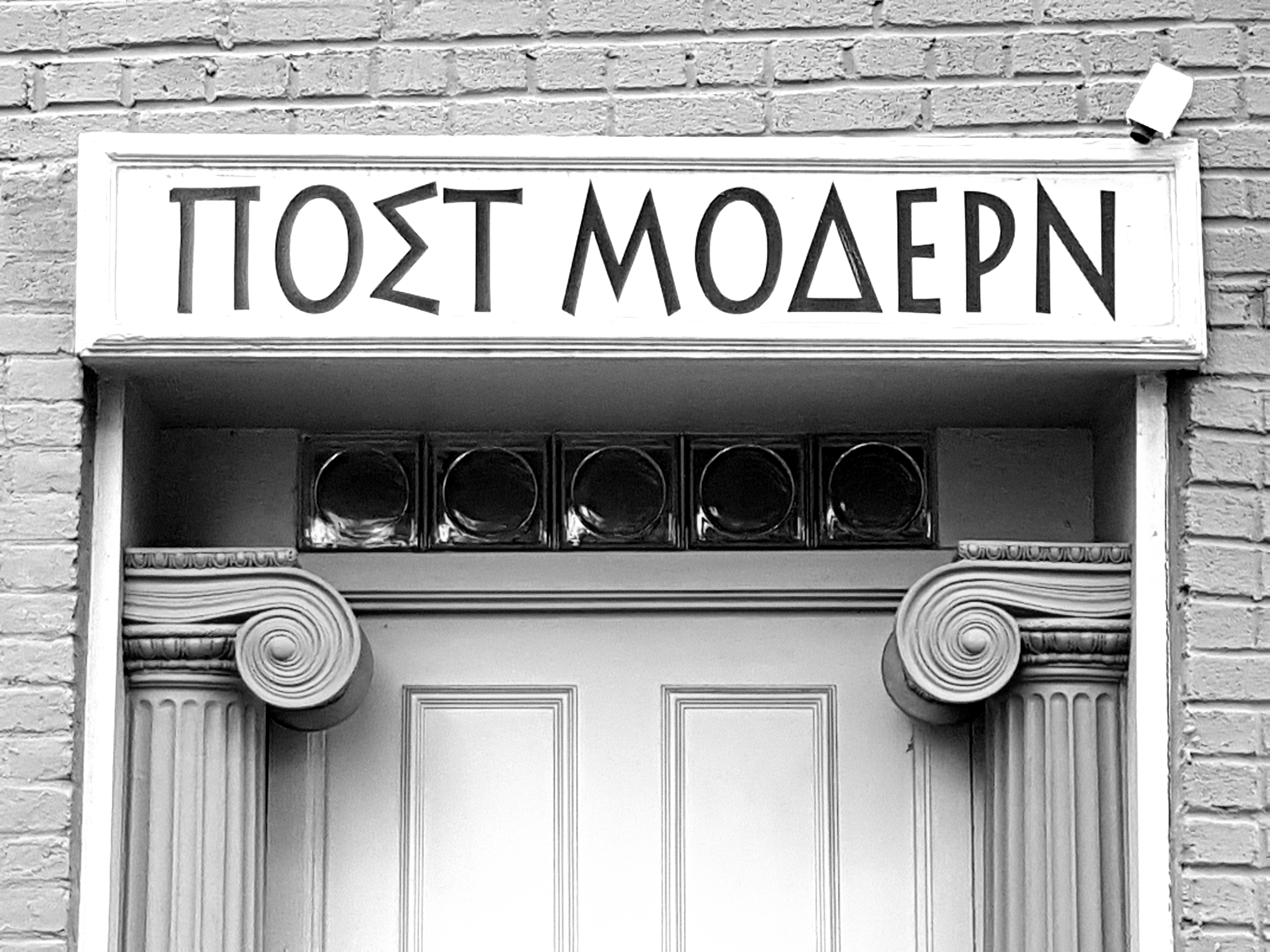
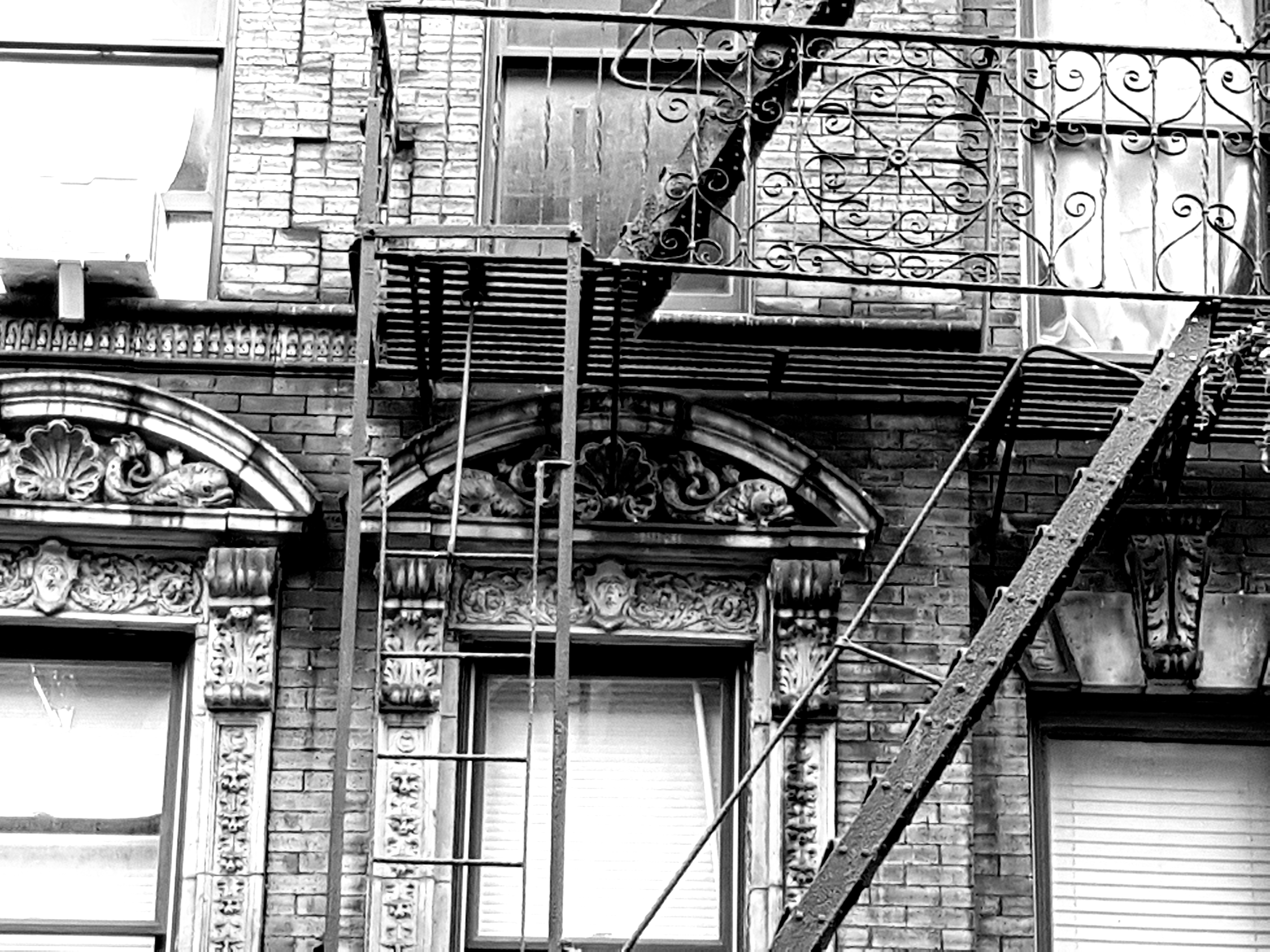
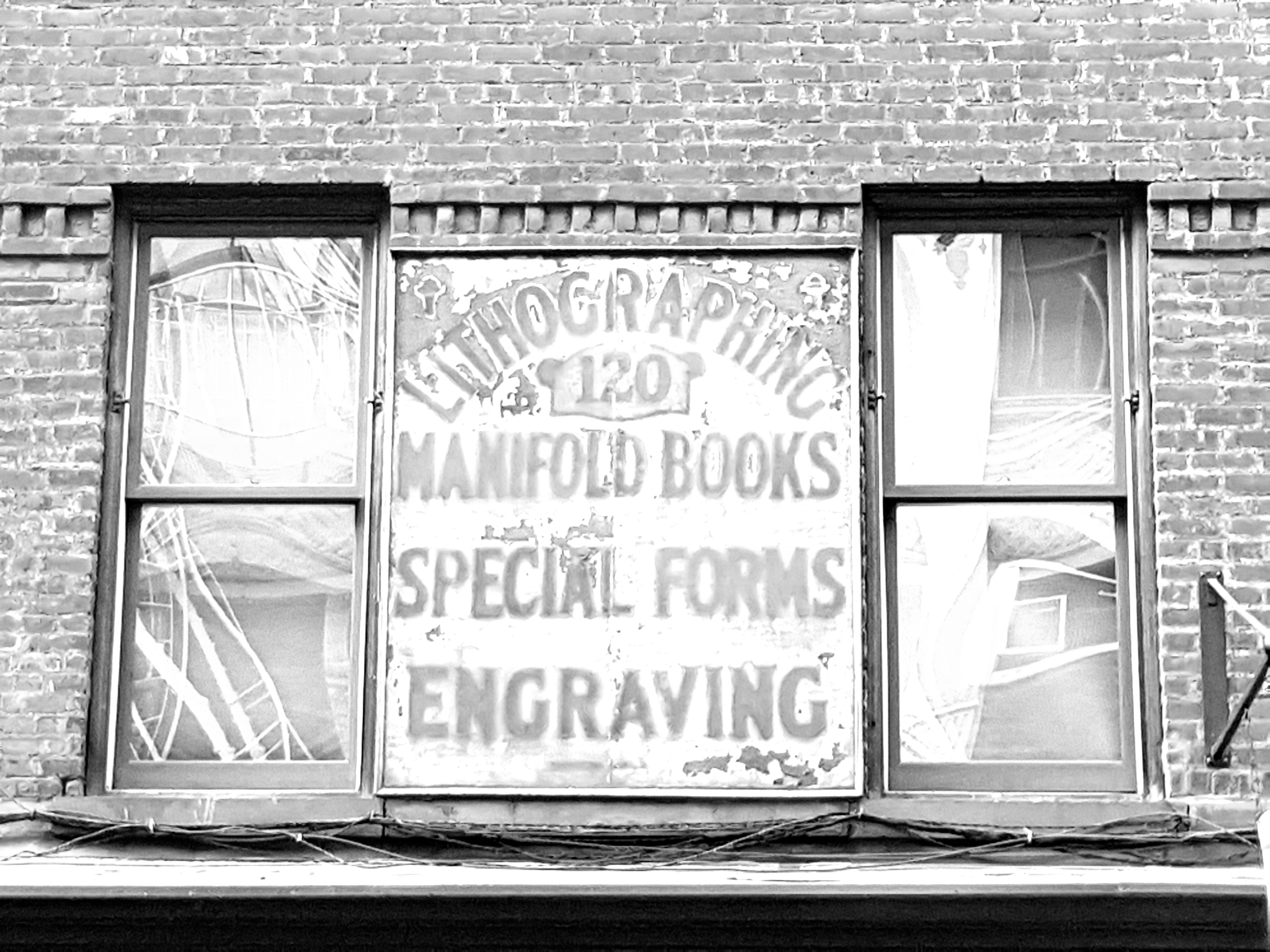
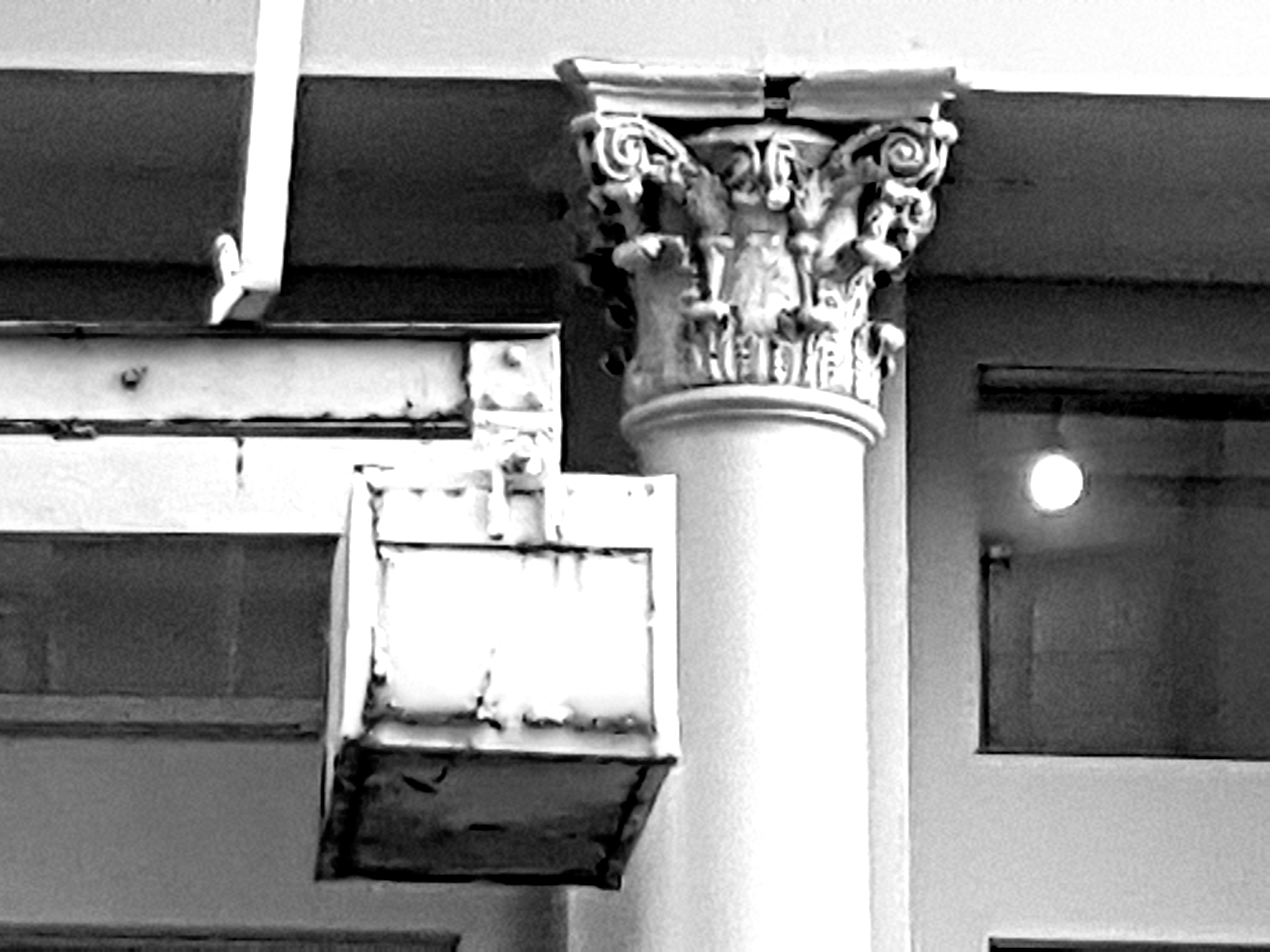
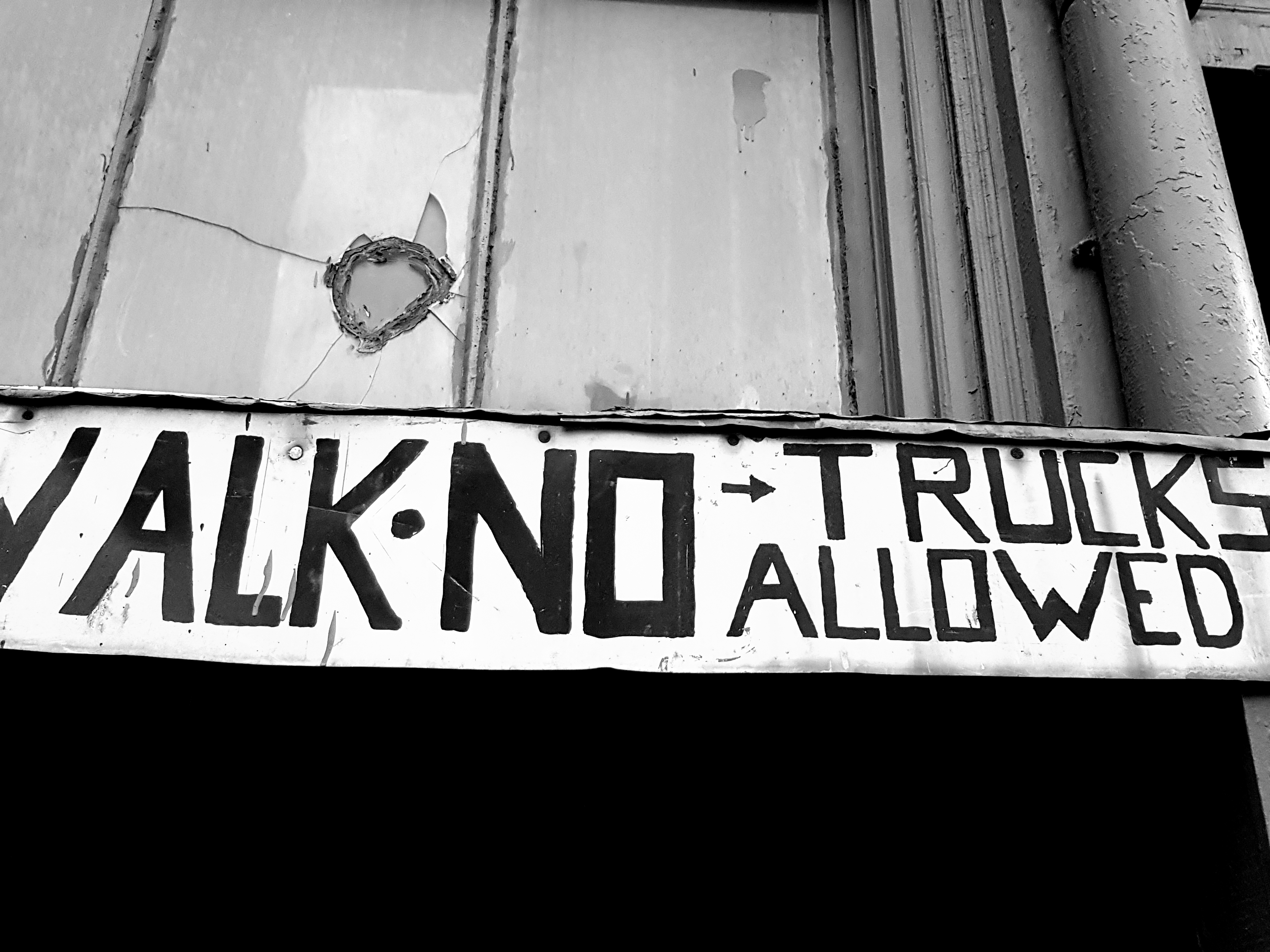
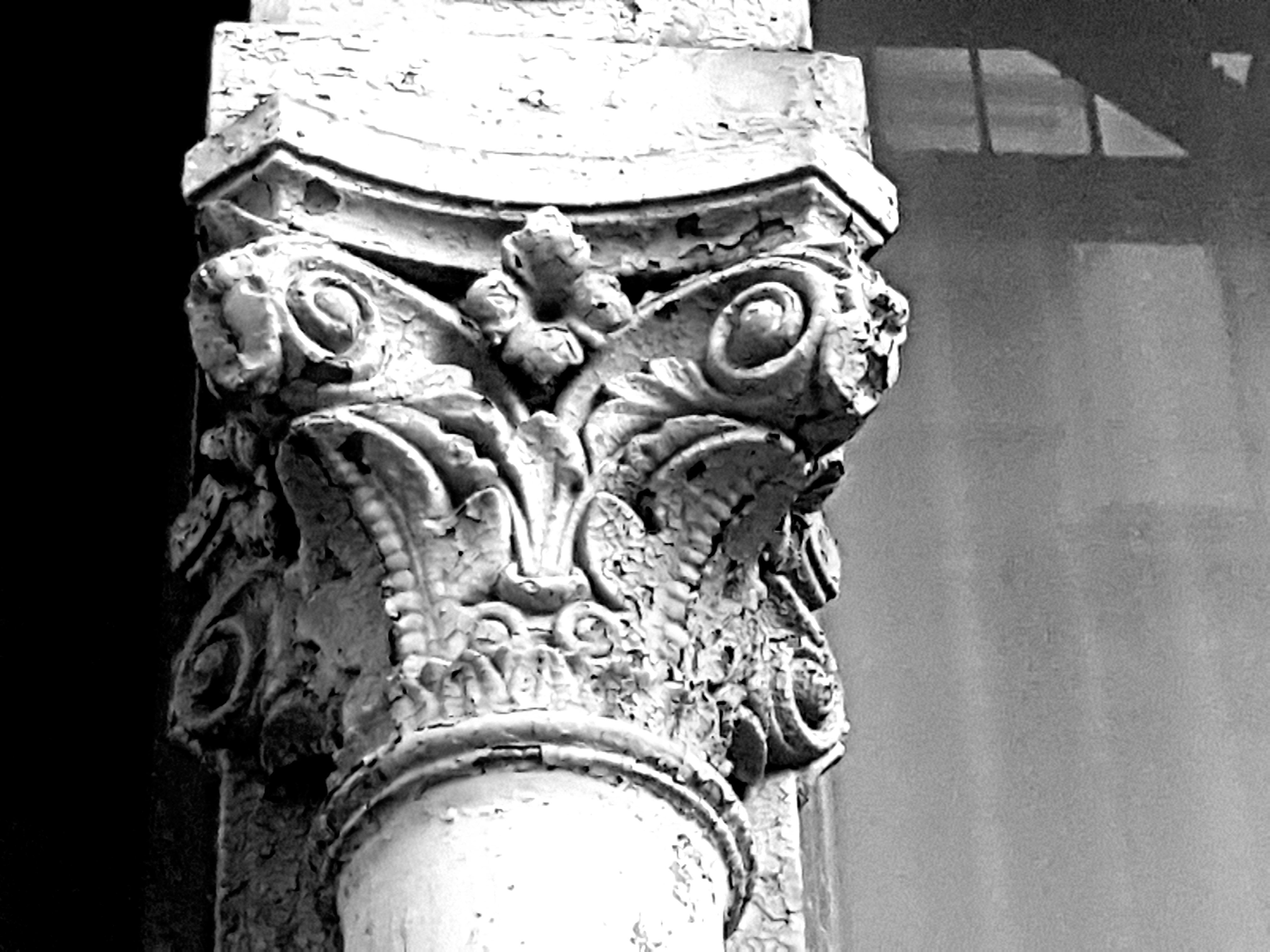
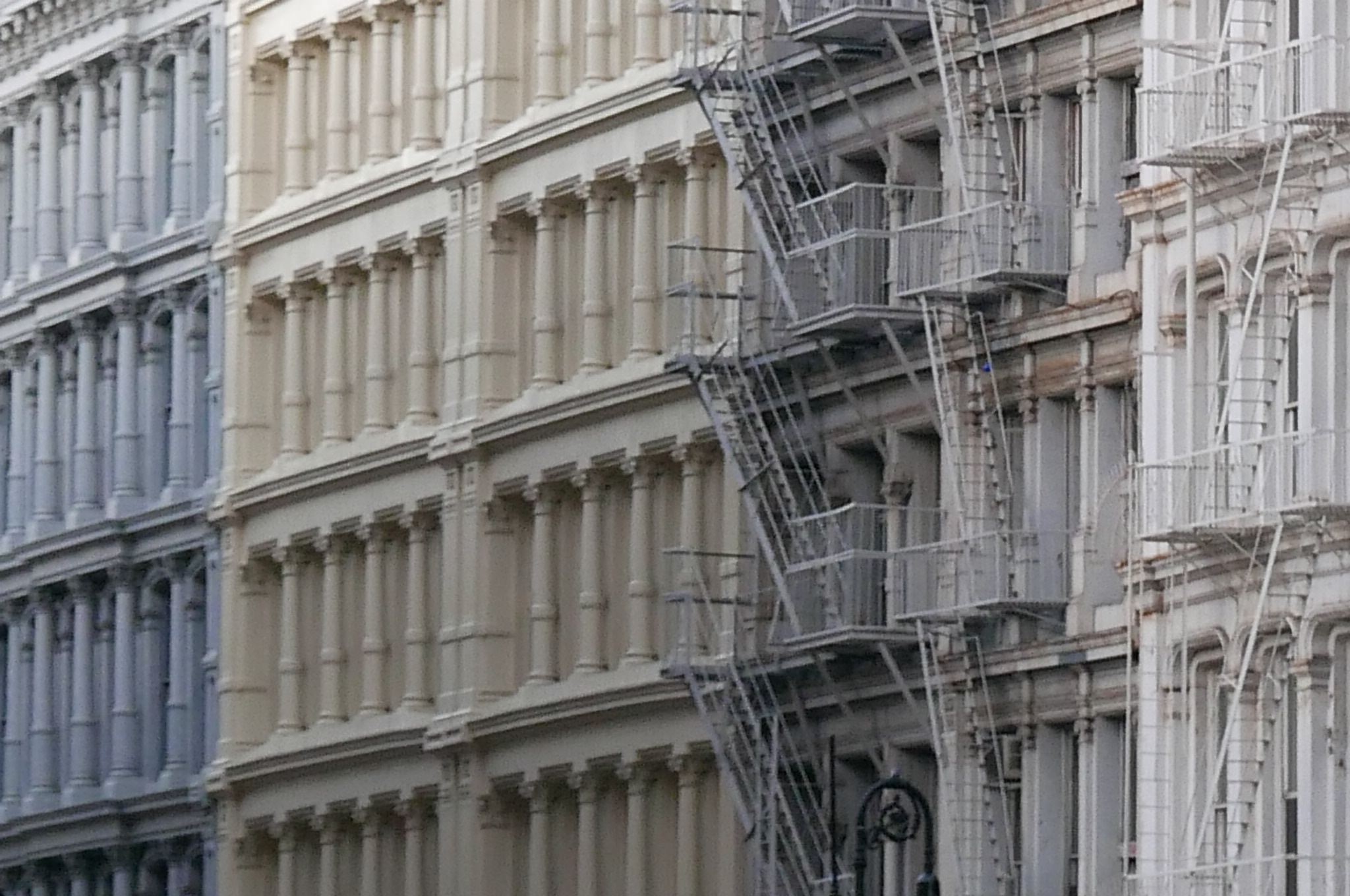
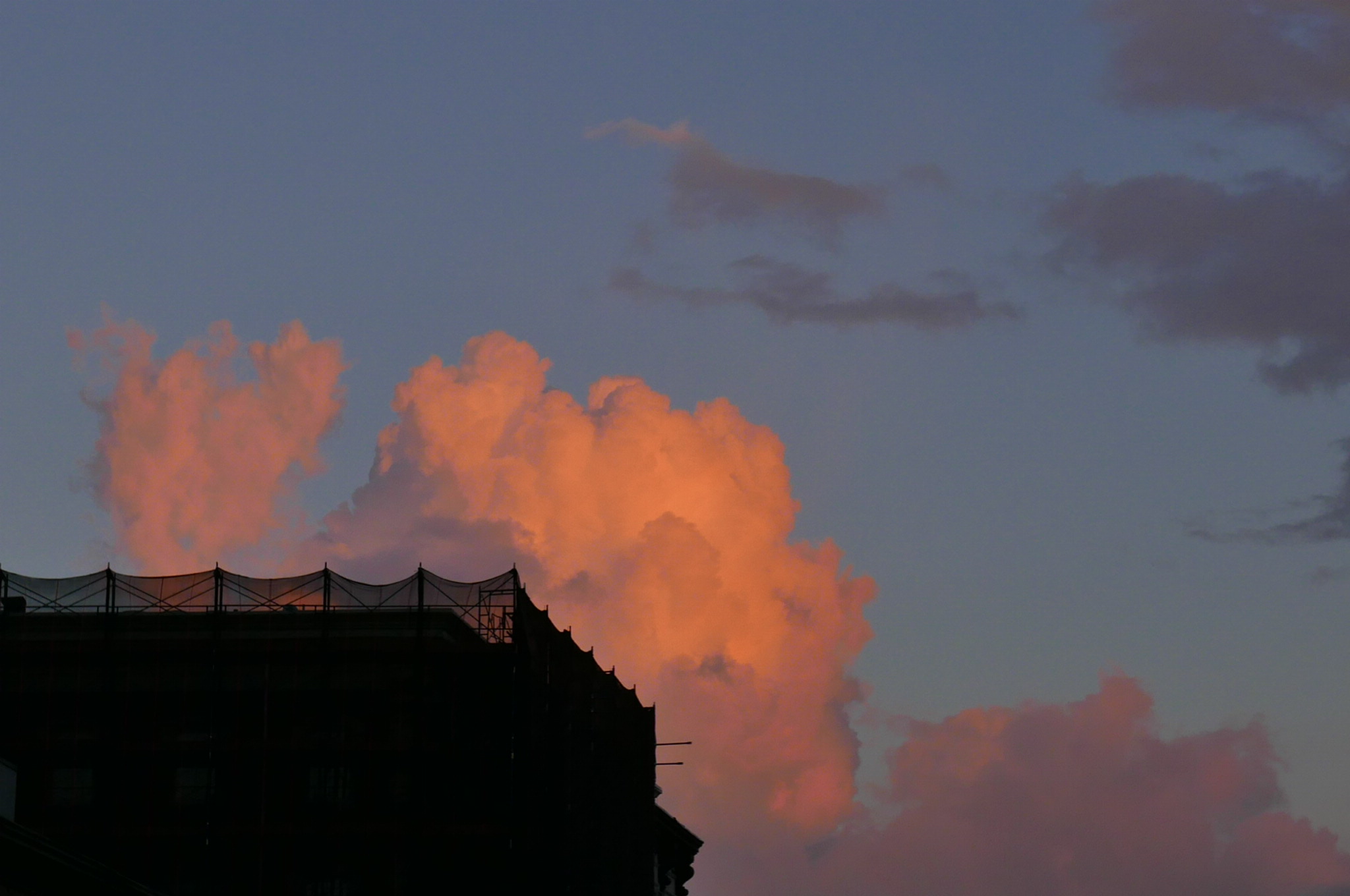
As a tourist, I’m a sucker for Soho: cobbled streets, old industrial building, a place to buy braces (If); it’s got everything:-
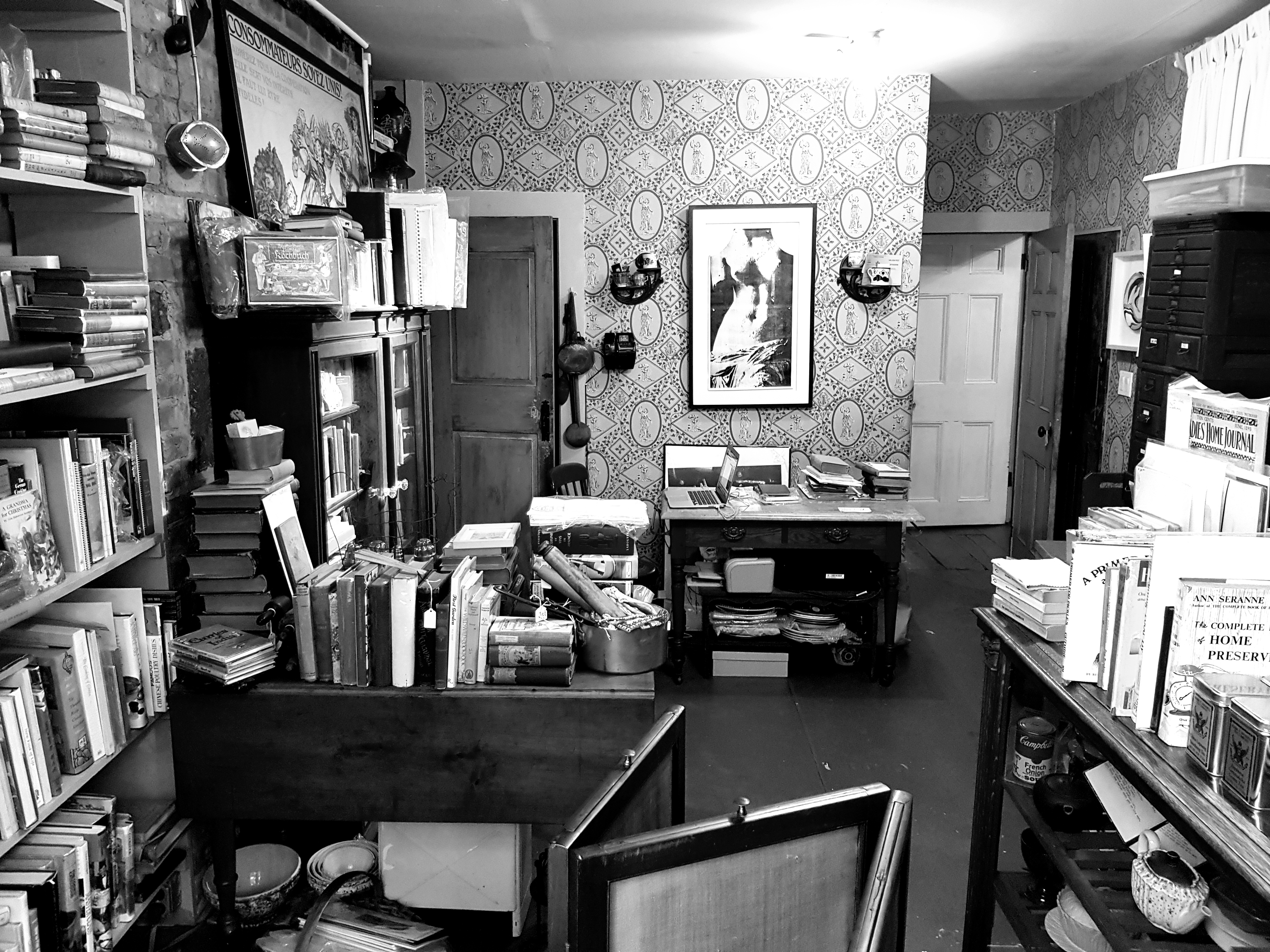
I went for an early evening stroll south of where I’m staying, into Tribeca. Past a shop specialising in the sale of Cook Books:-
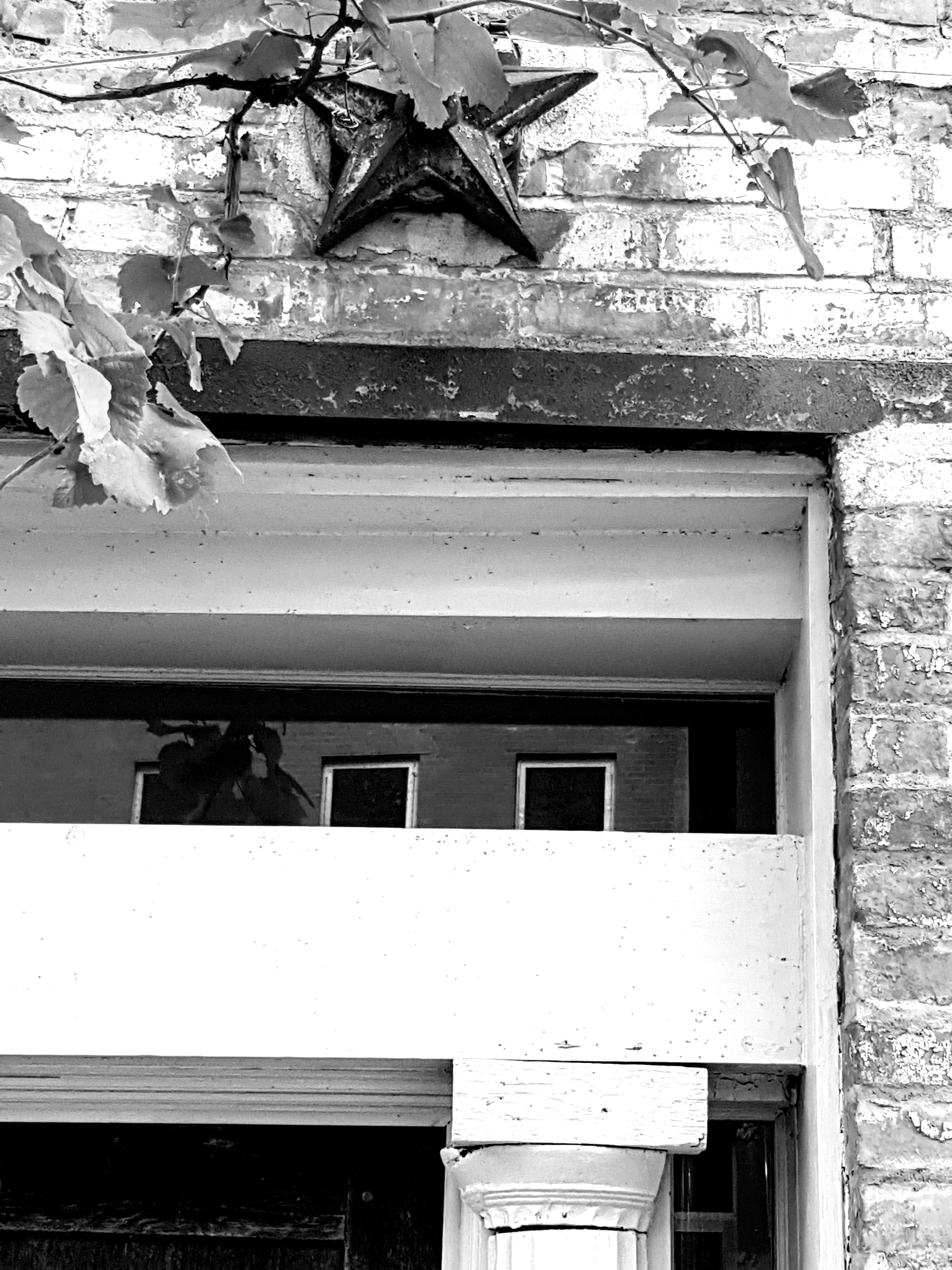
Down Washington Street:-
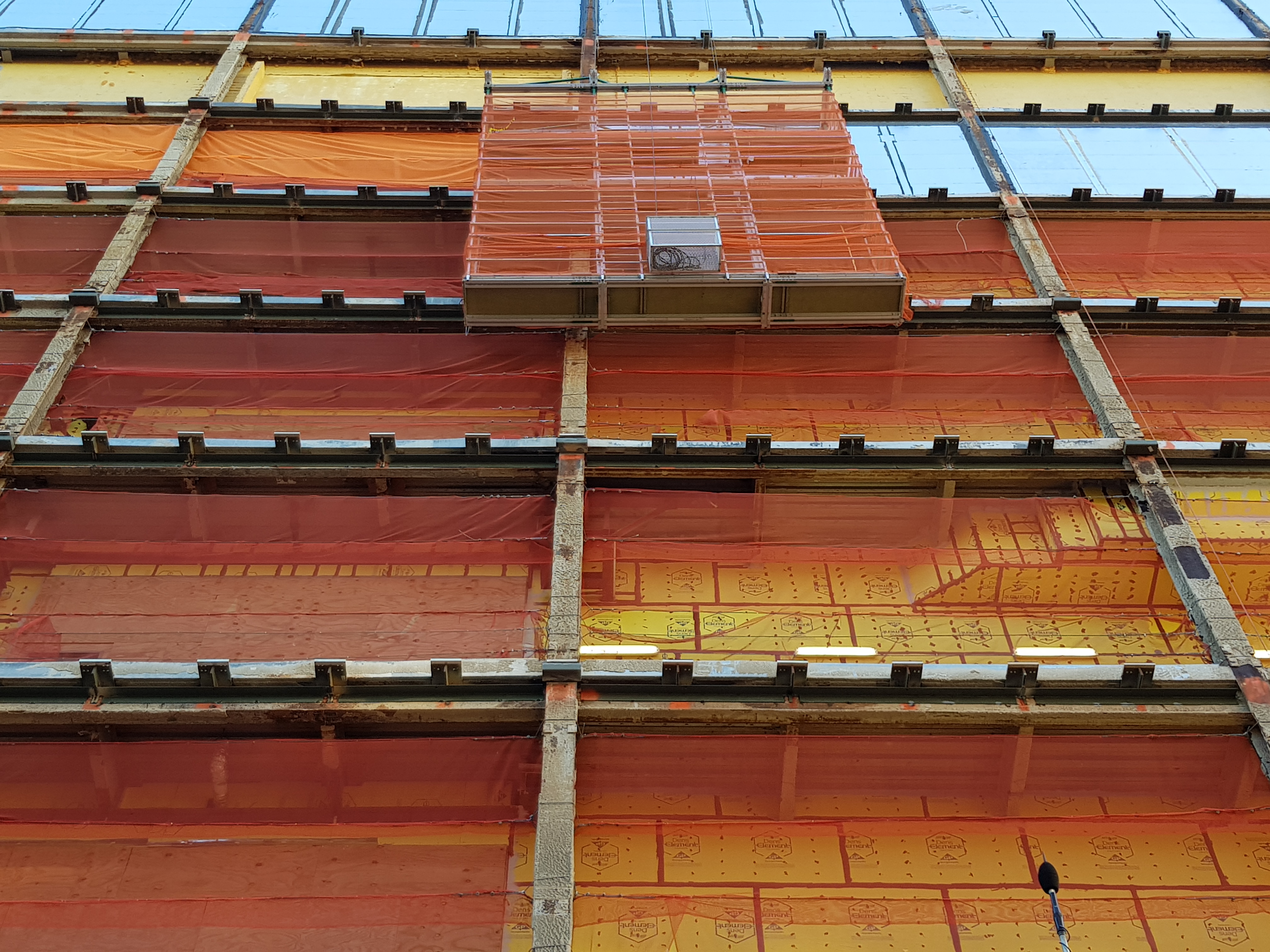
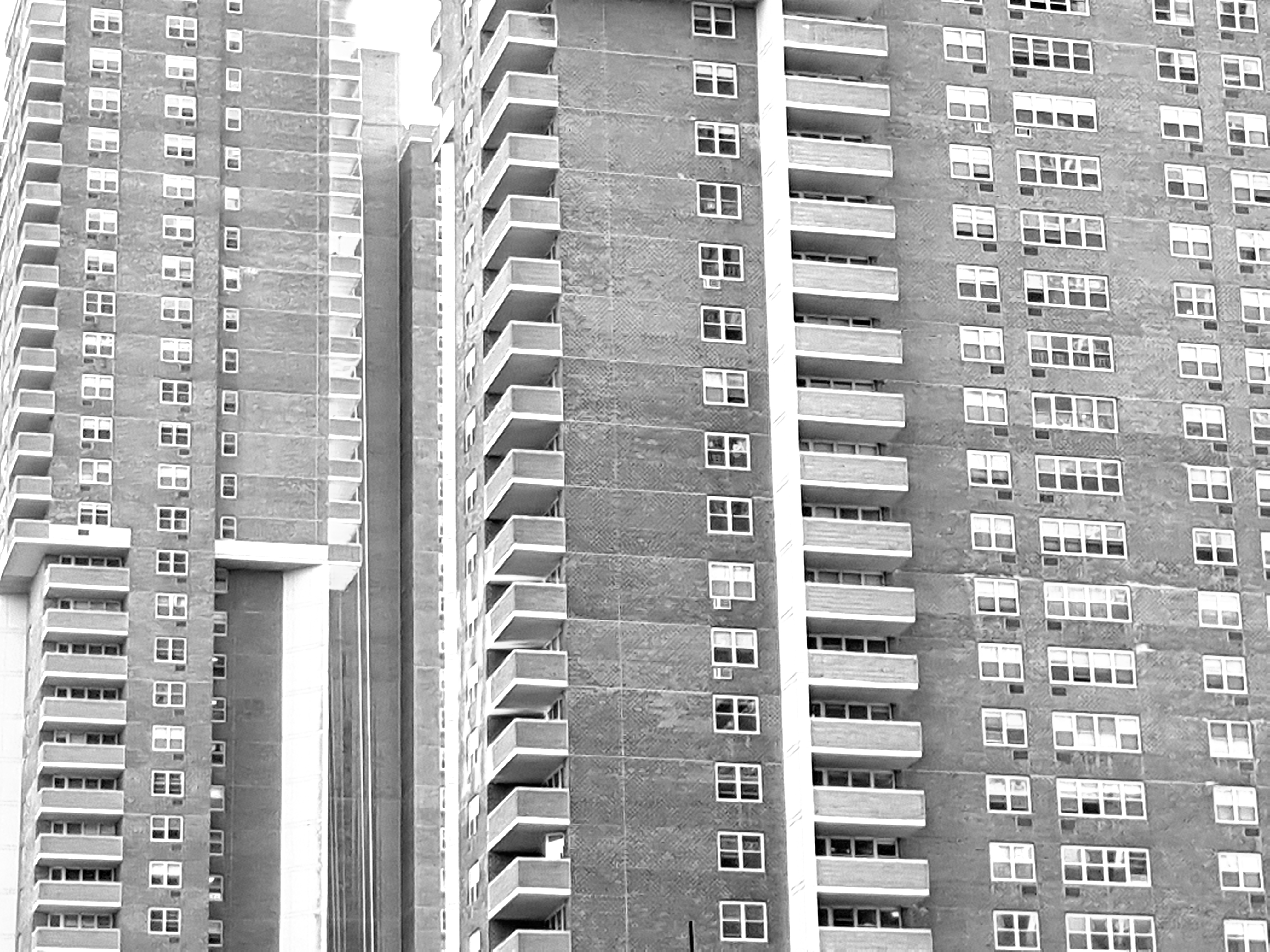
I think this is CUNY, described as a megastructure and damaged in 9/11:-
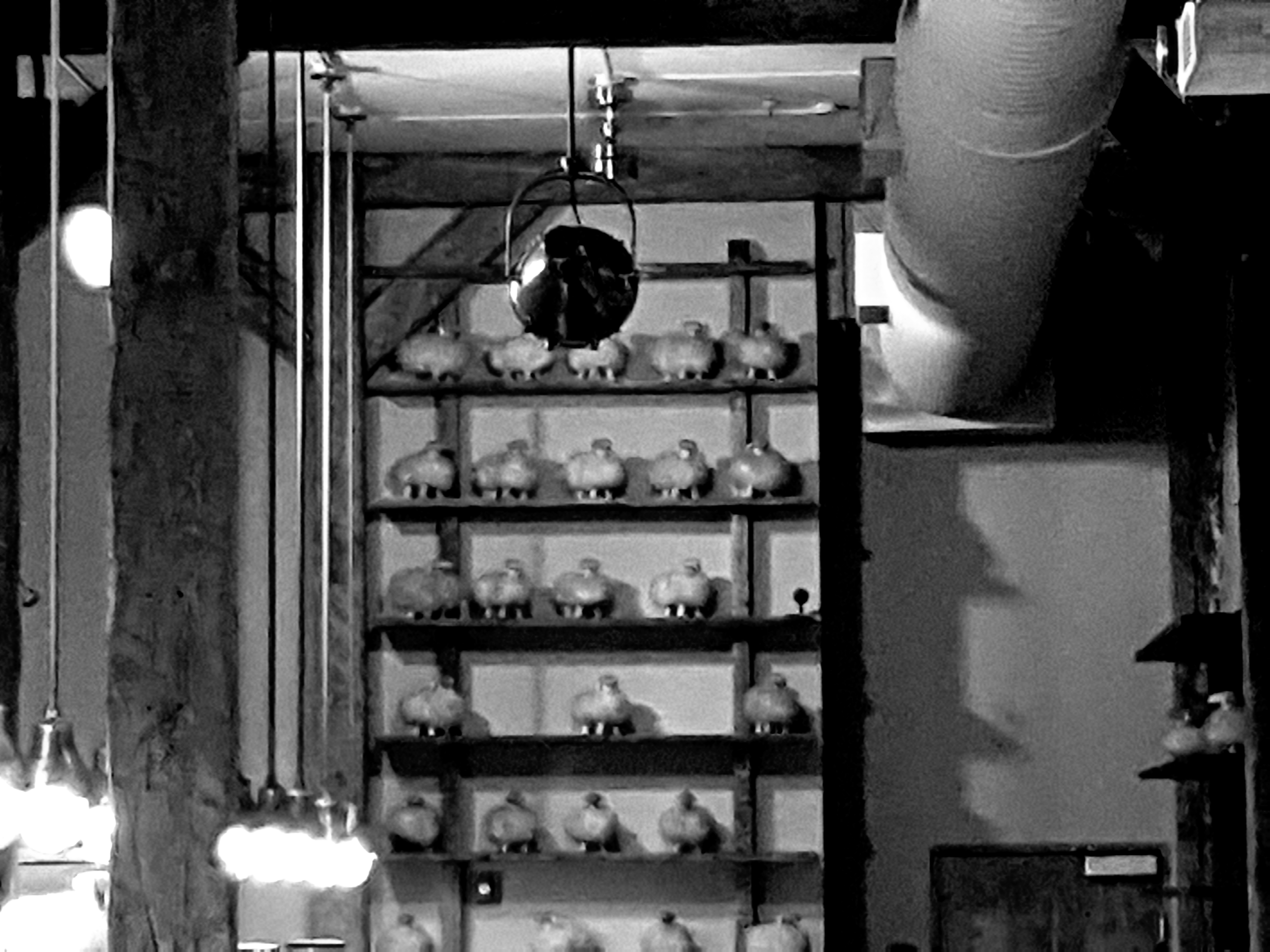
I liked Kaffe 1668, an eccentric coffee shop:-
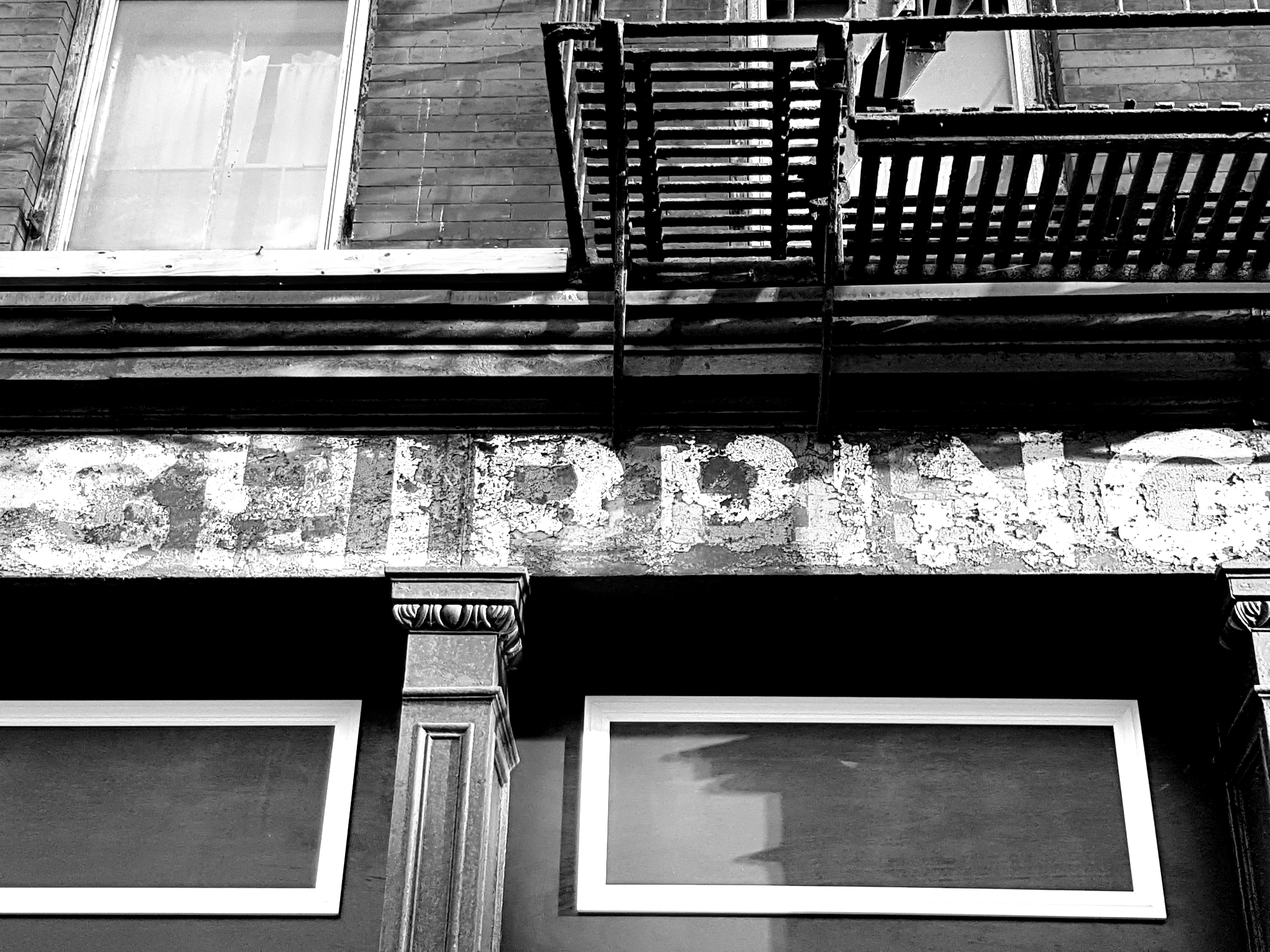
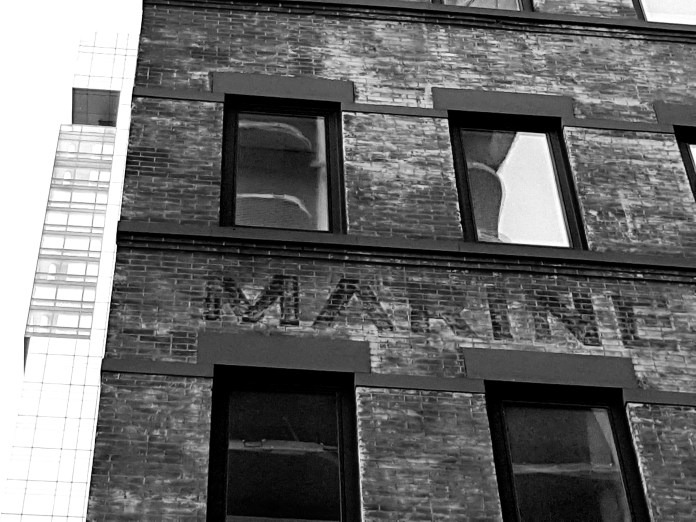
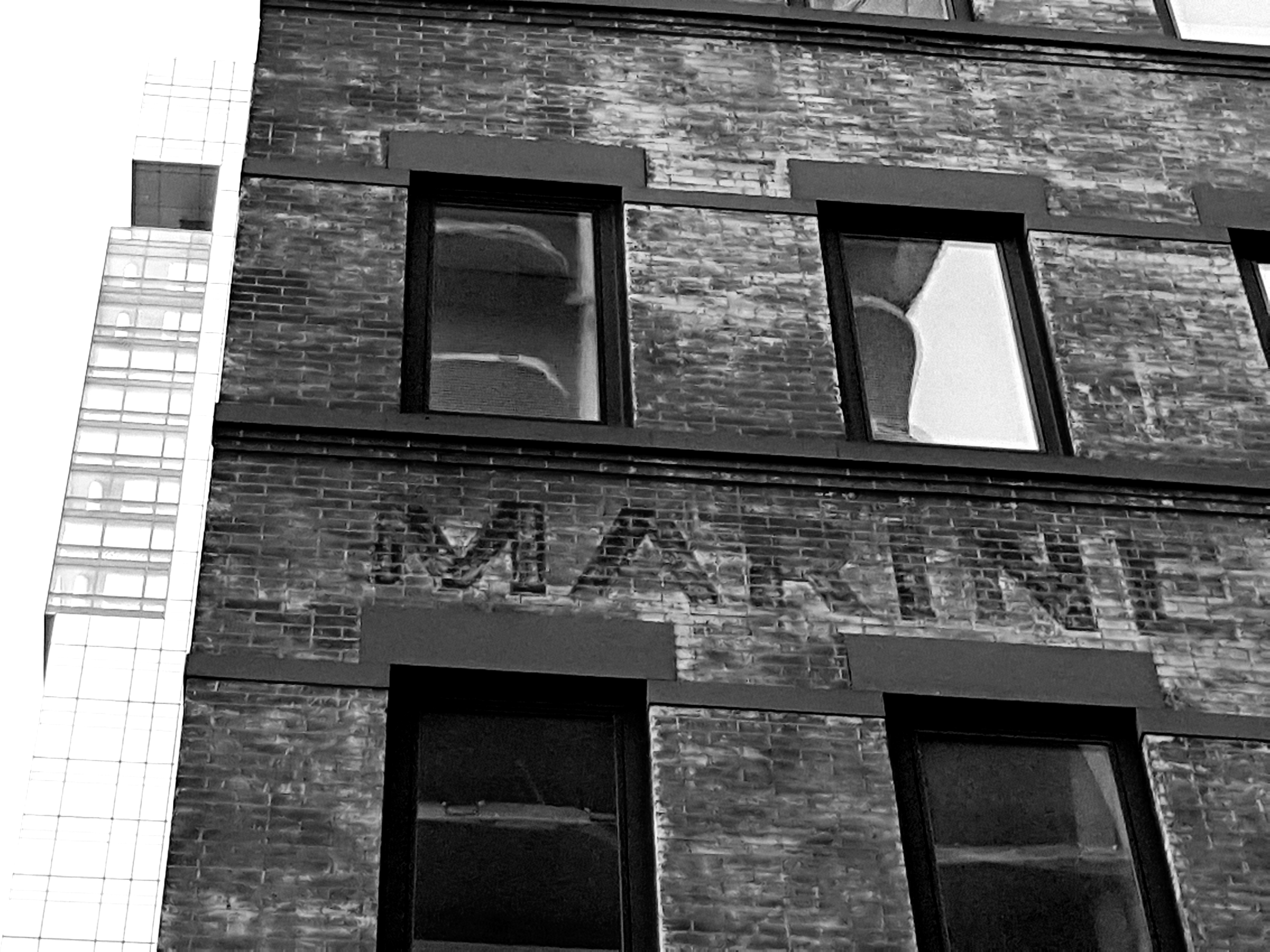
More signs:-
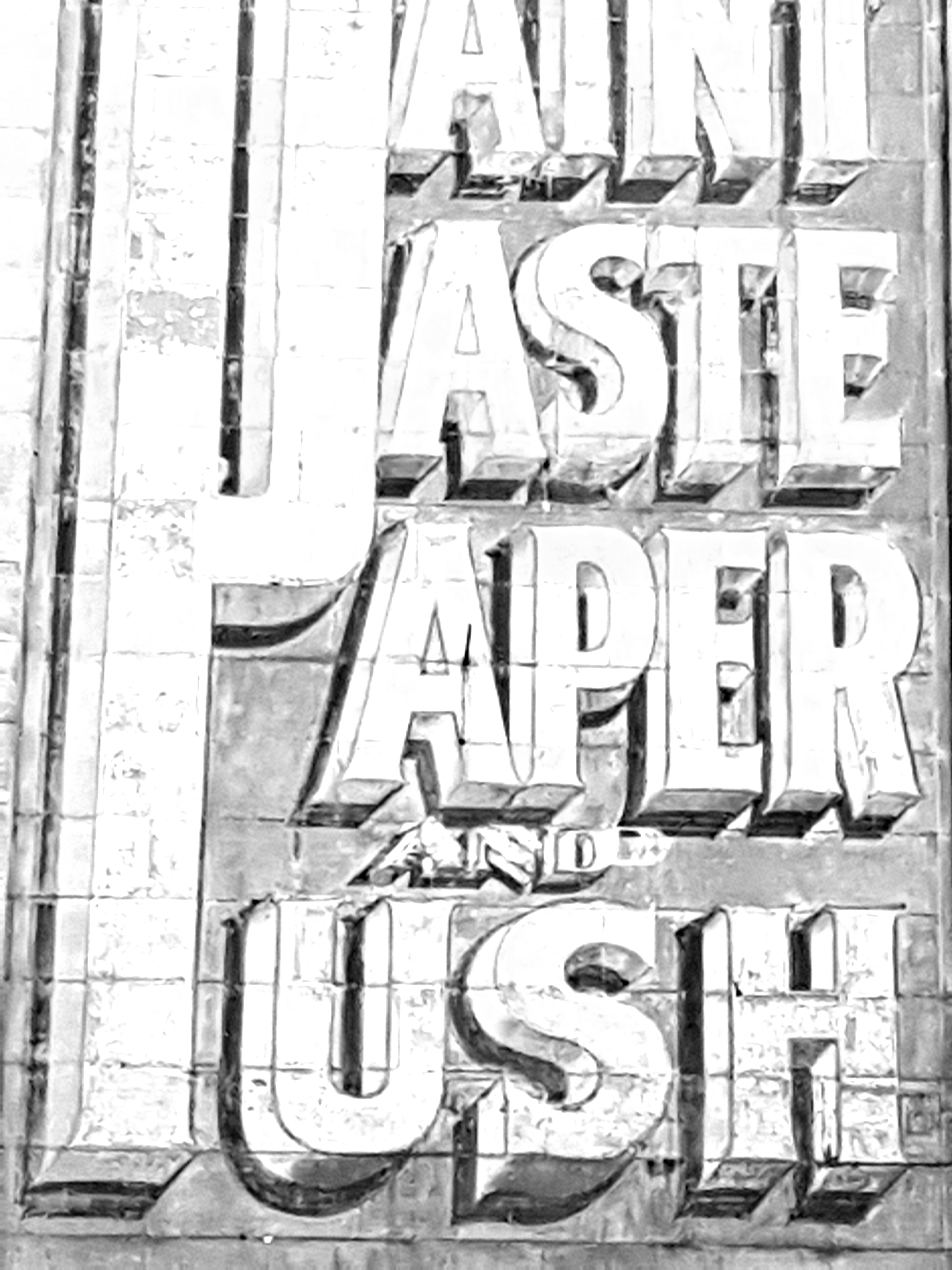
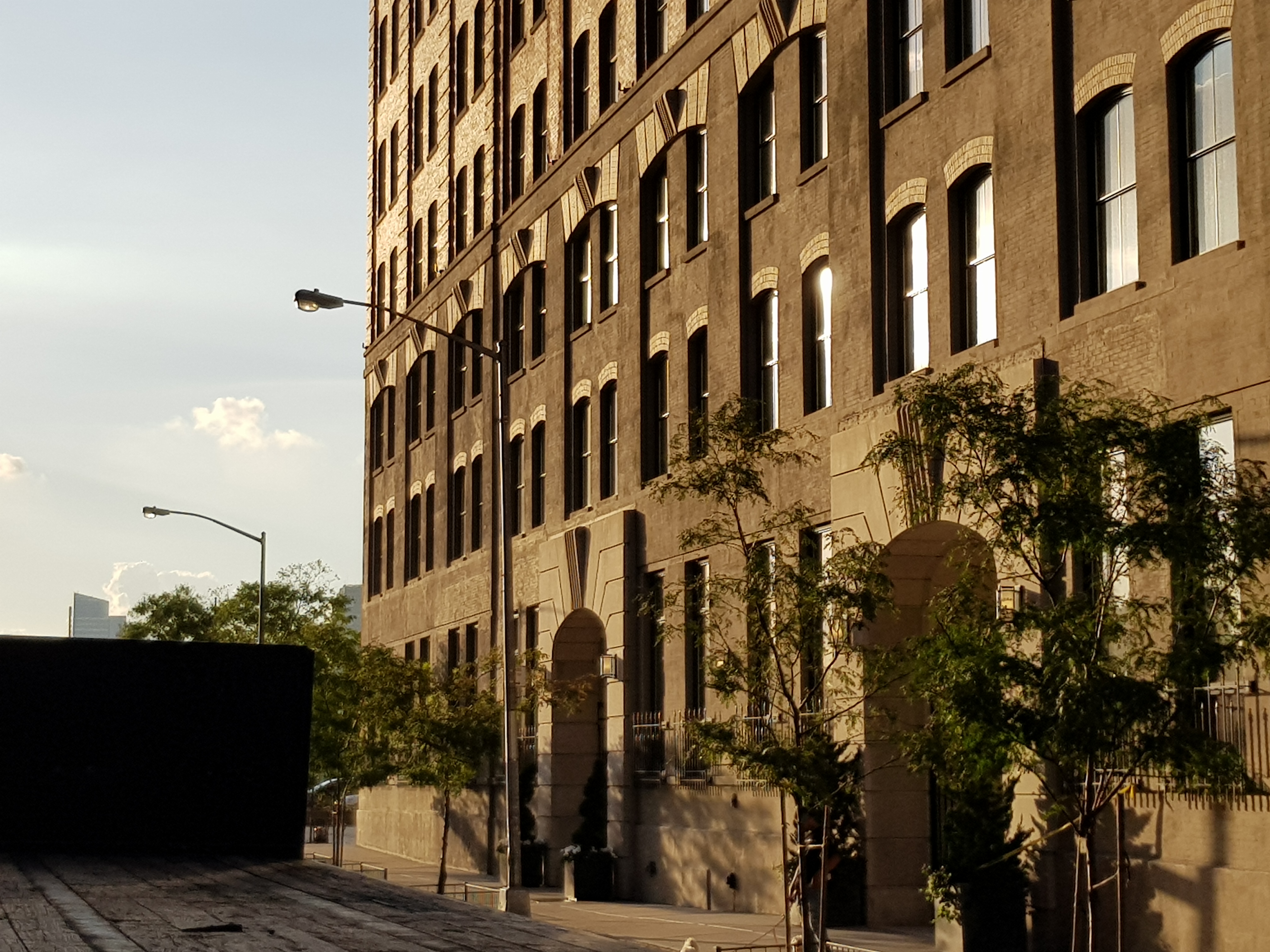
Everywhere, there was wonderful, surviving, old industrial architecture:-
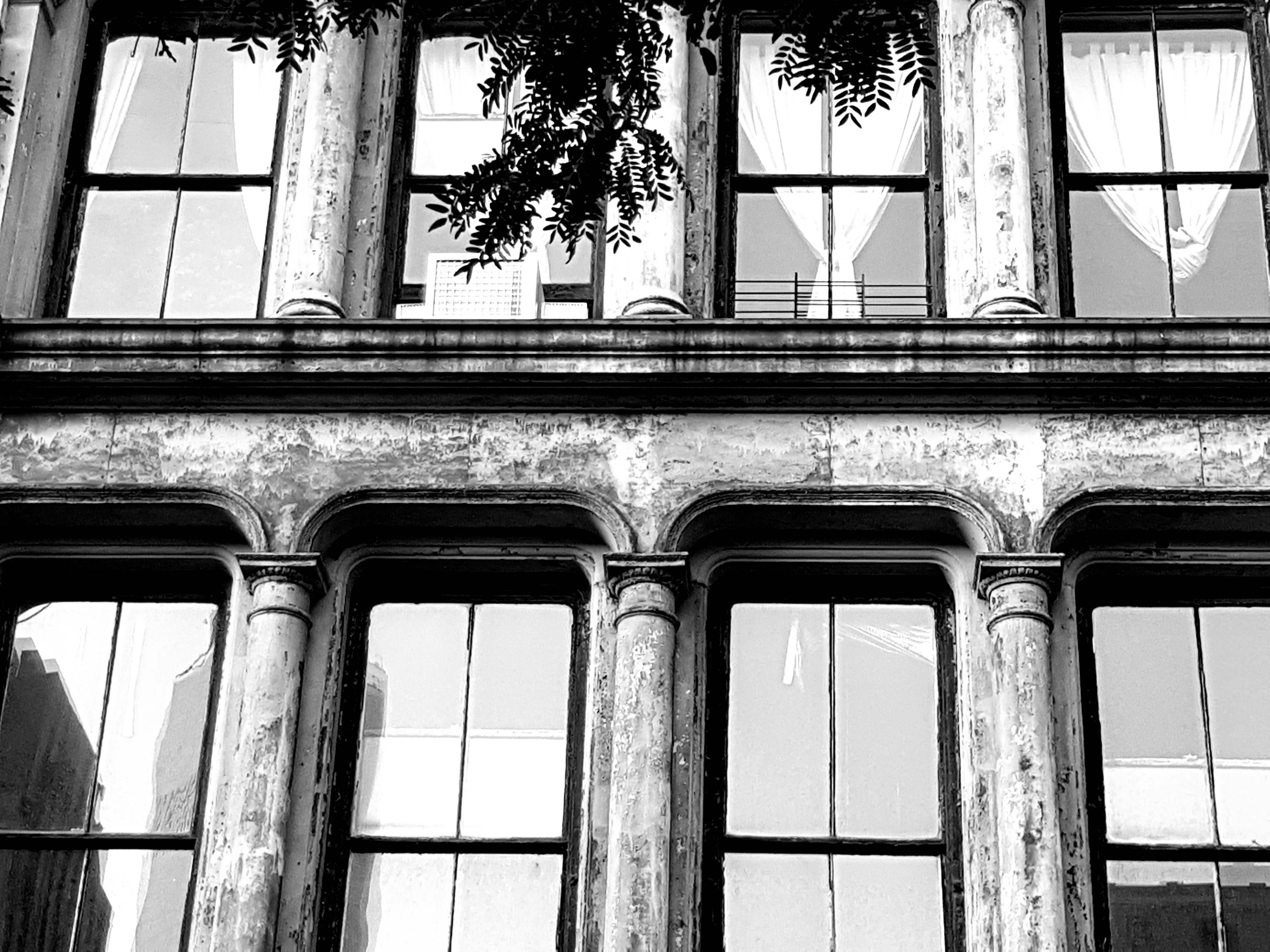
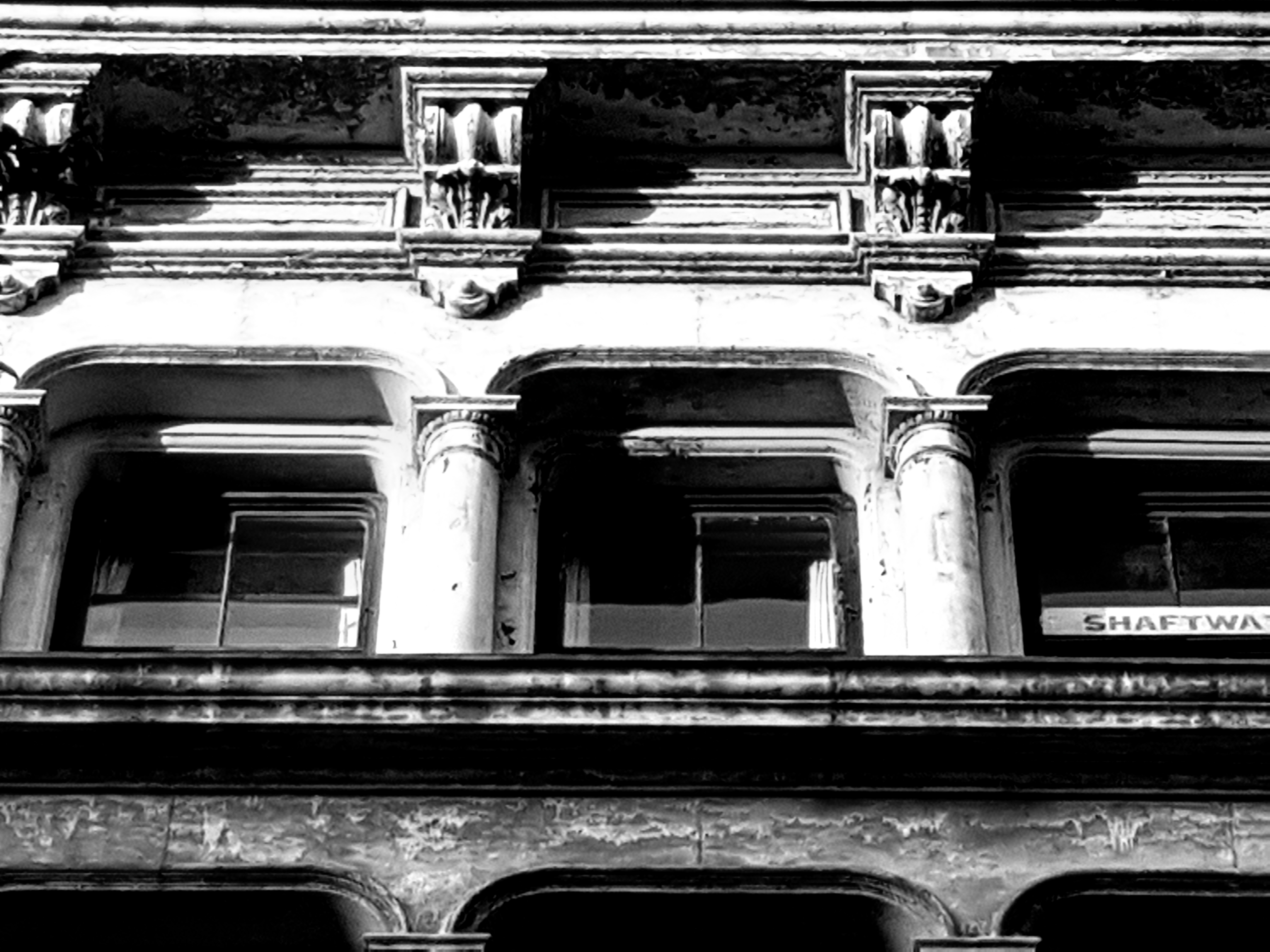
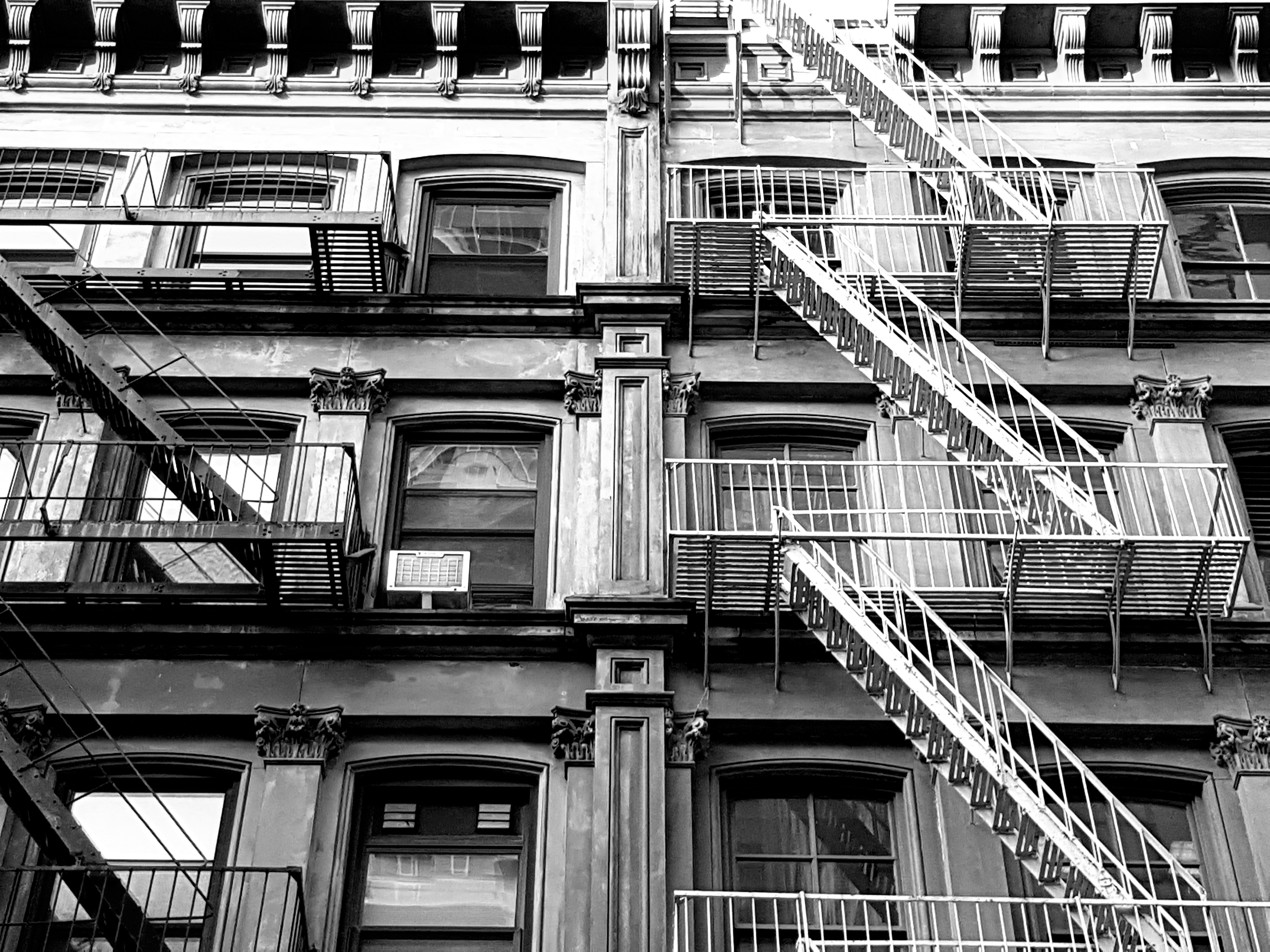
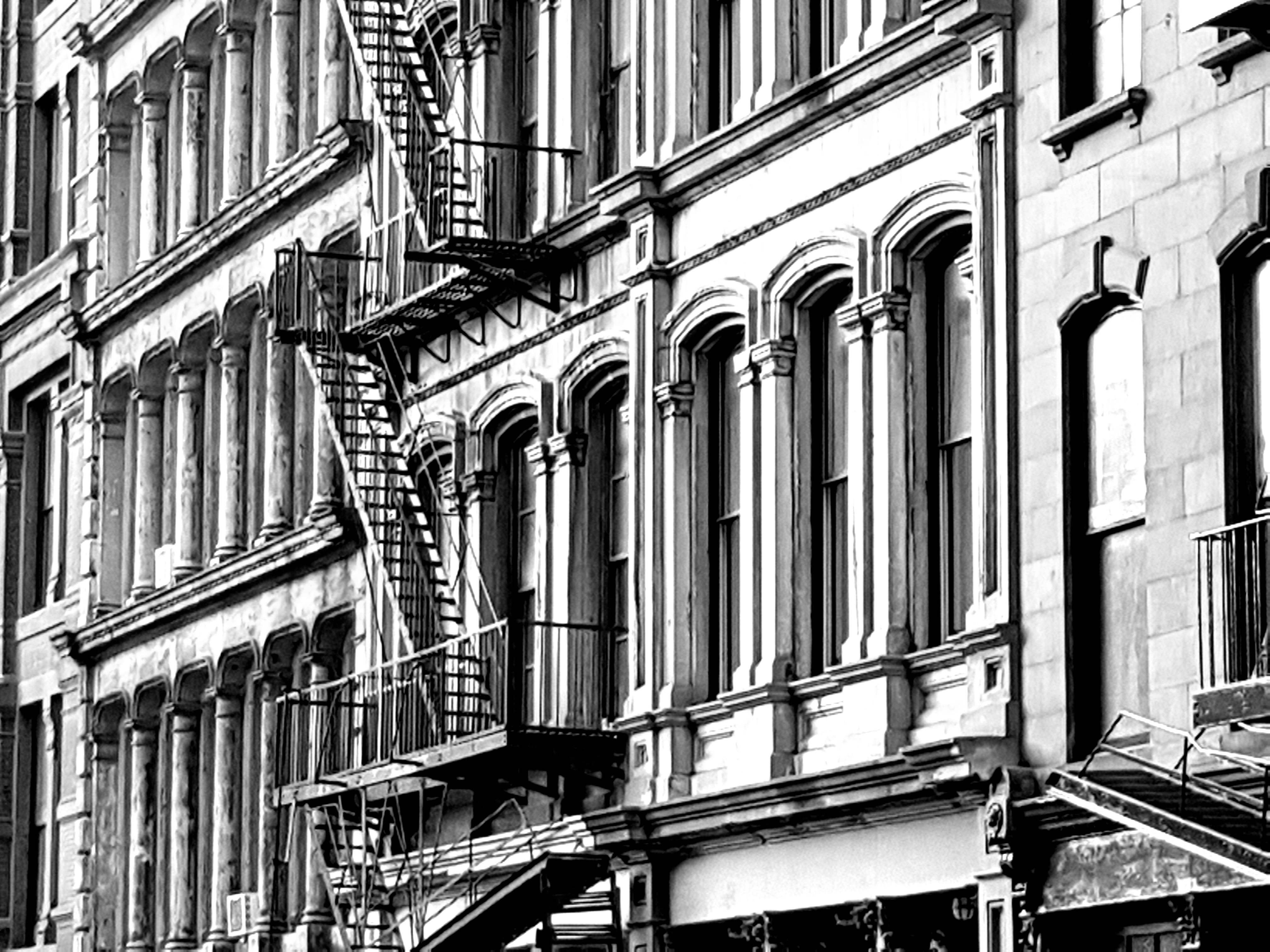
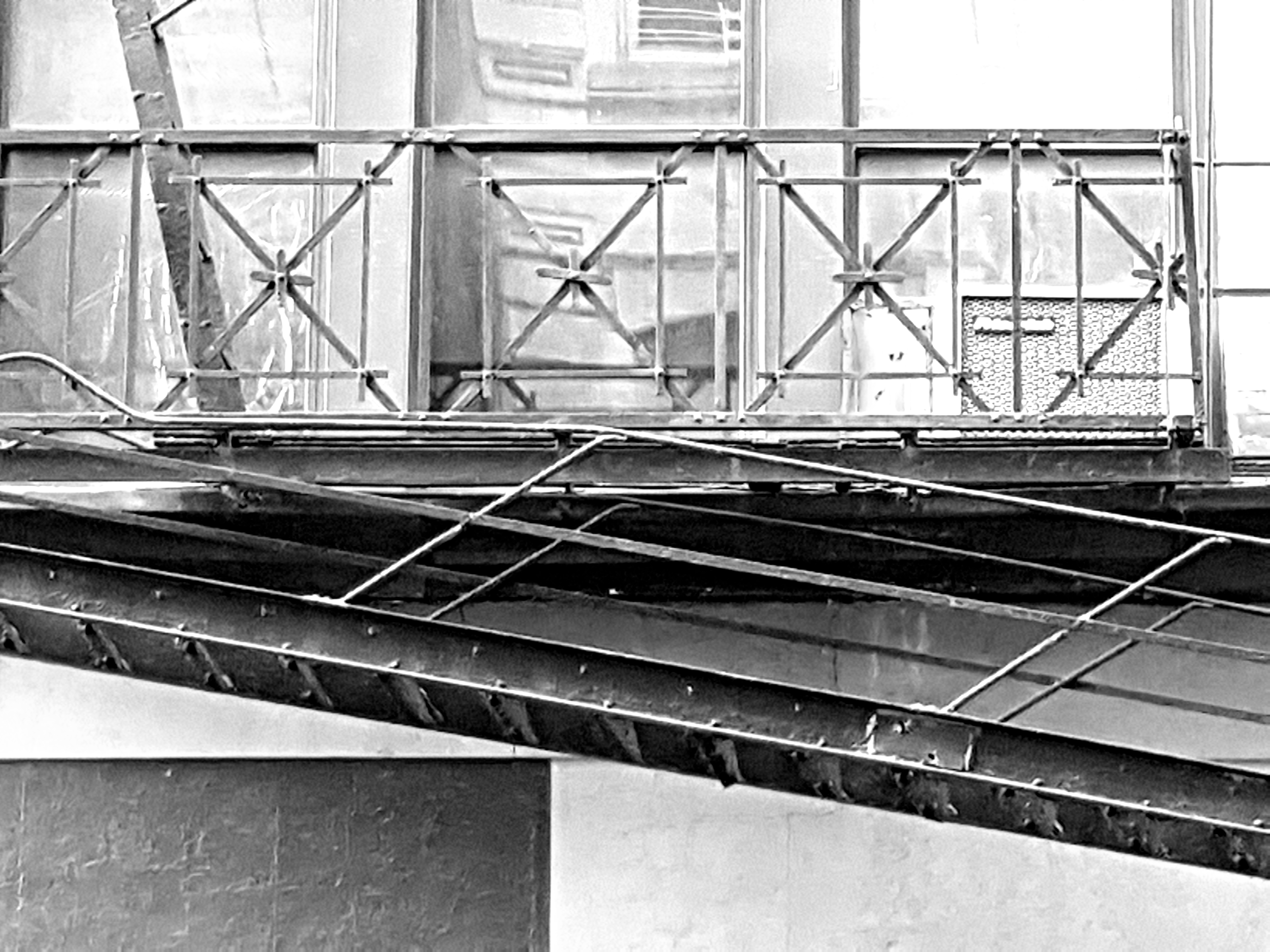
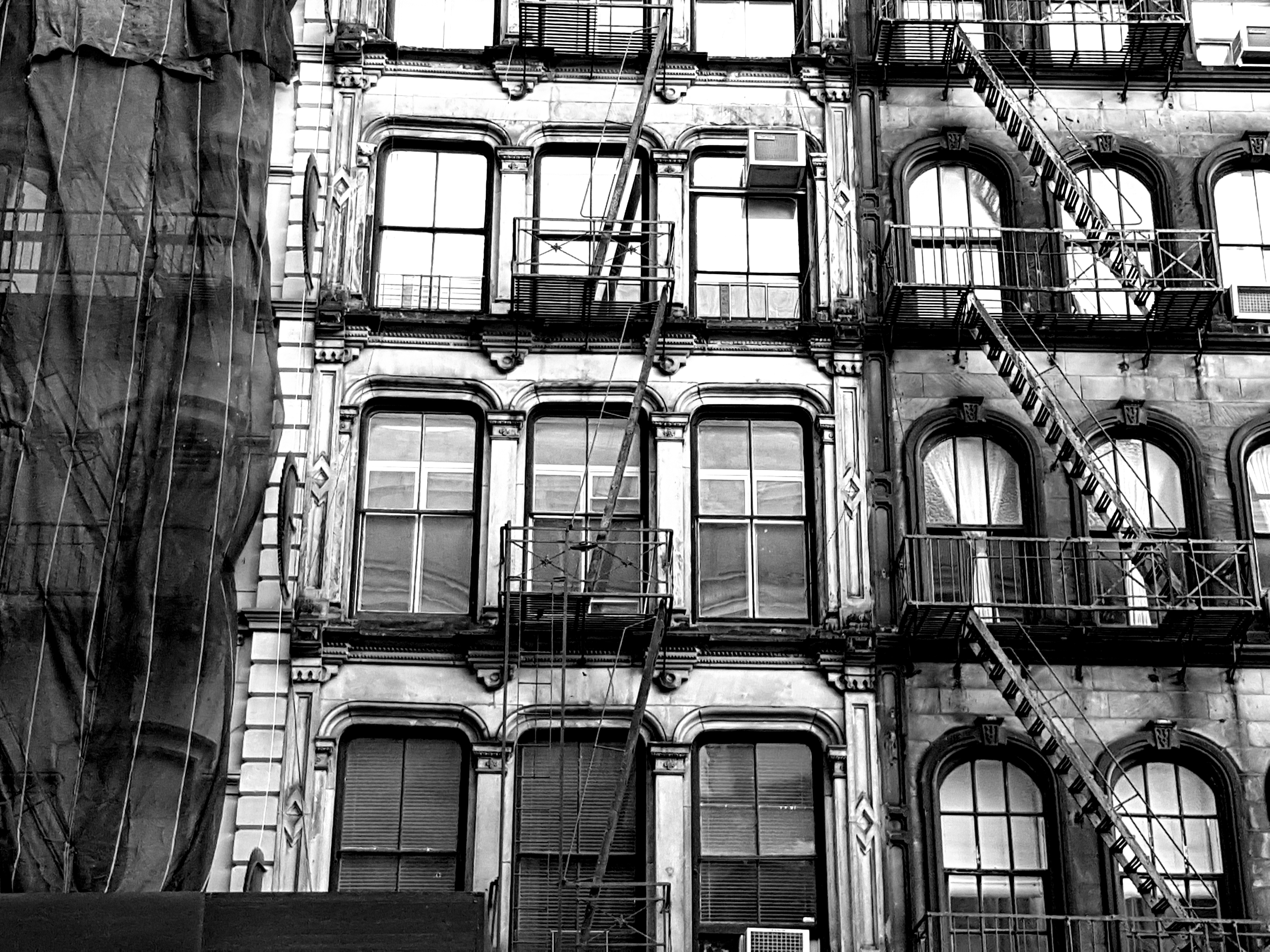
I ended up buying socks from my friends in Best Made.
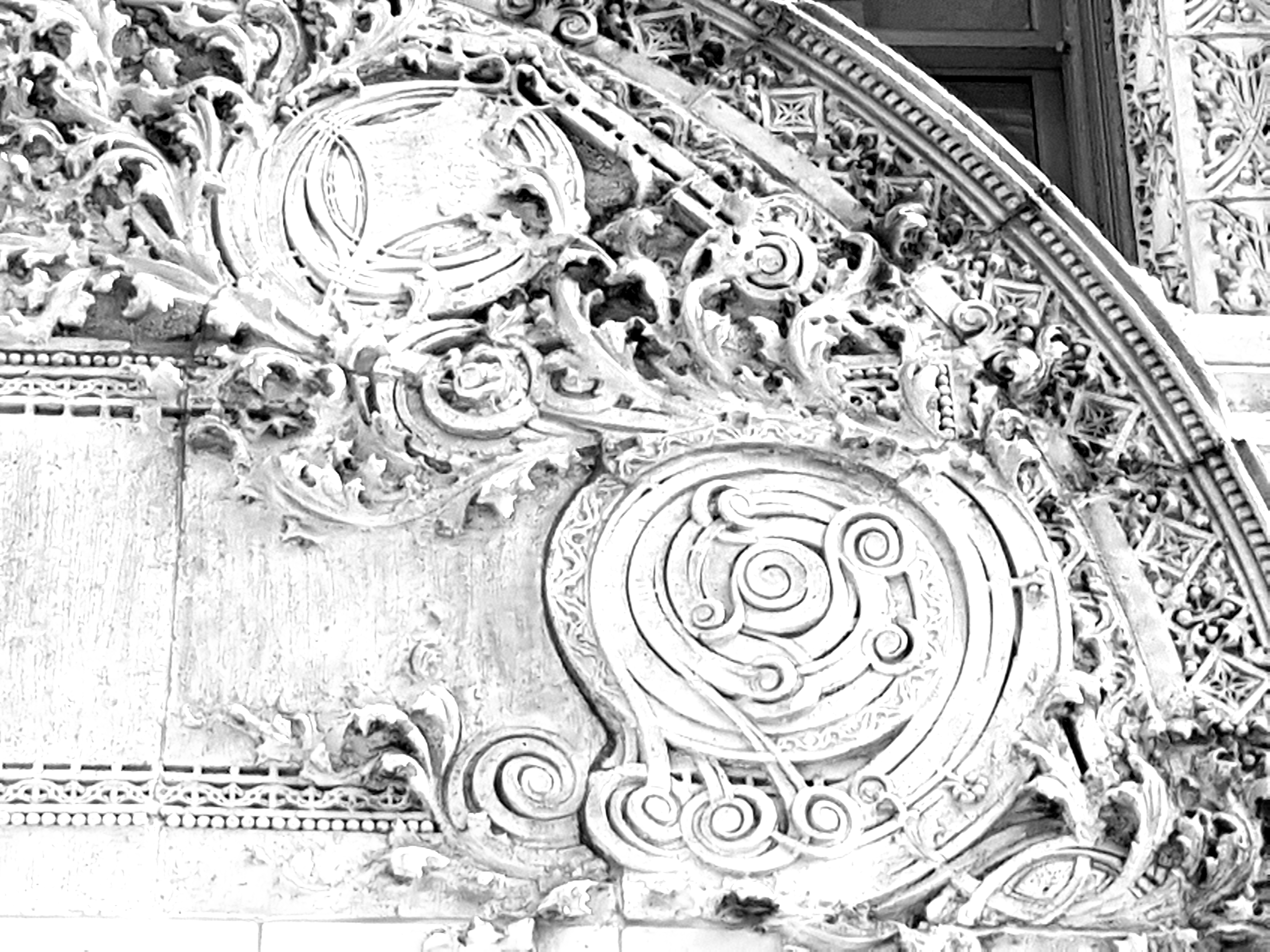
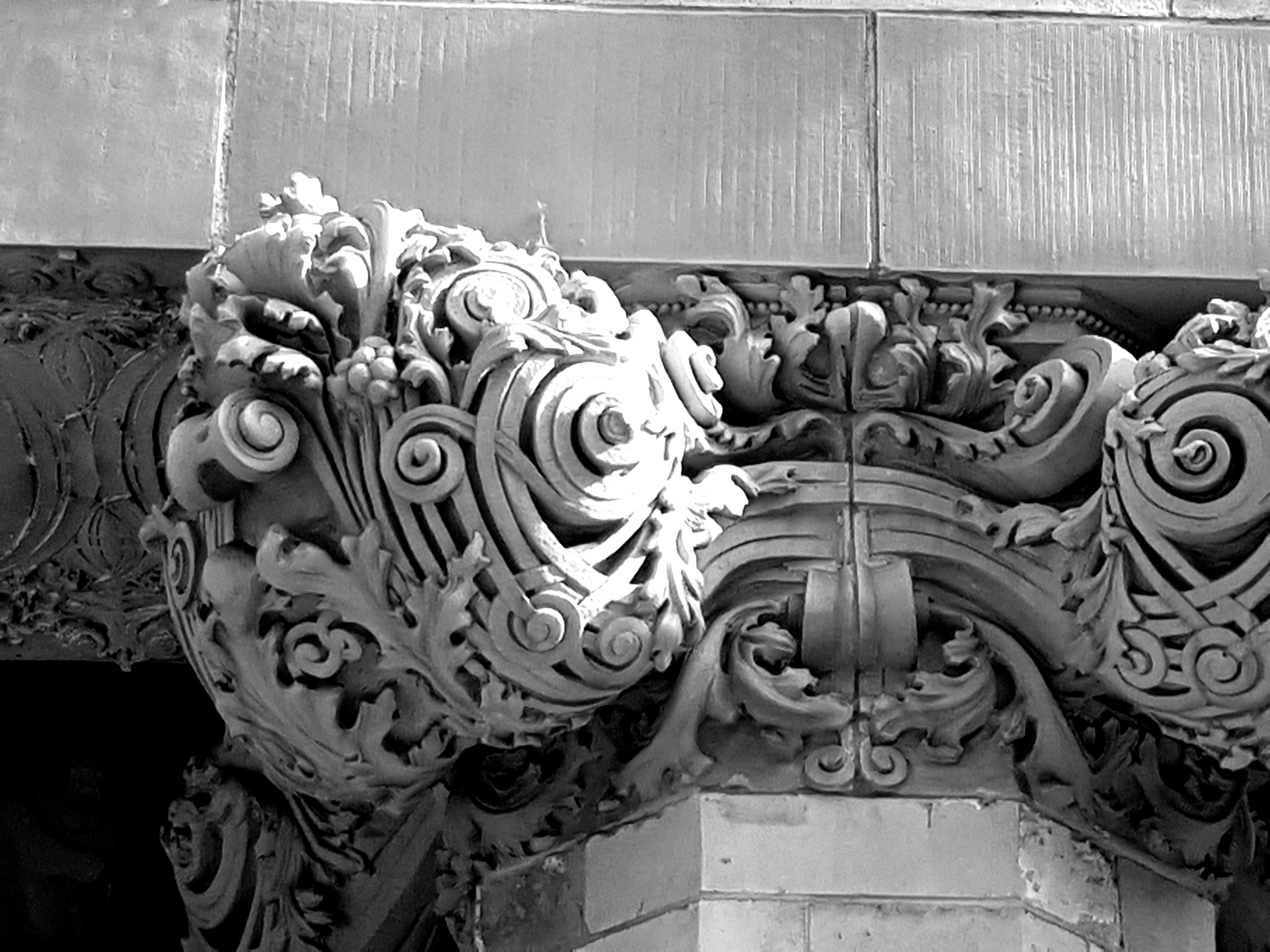
One of my readers has kindly alerted me to 65, Bleecker Street, which I might well have passed without paying proper attention and turns out to be a well-preserved work by Louis Sullivan (Frank Lloyd Wright’s lieber meister). Hard to spot the angels with outstretched arms at the top, added at the behest of Silas Alden Condict, client of the building, after whom it was originally named:-
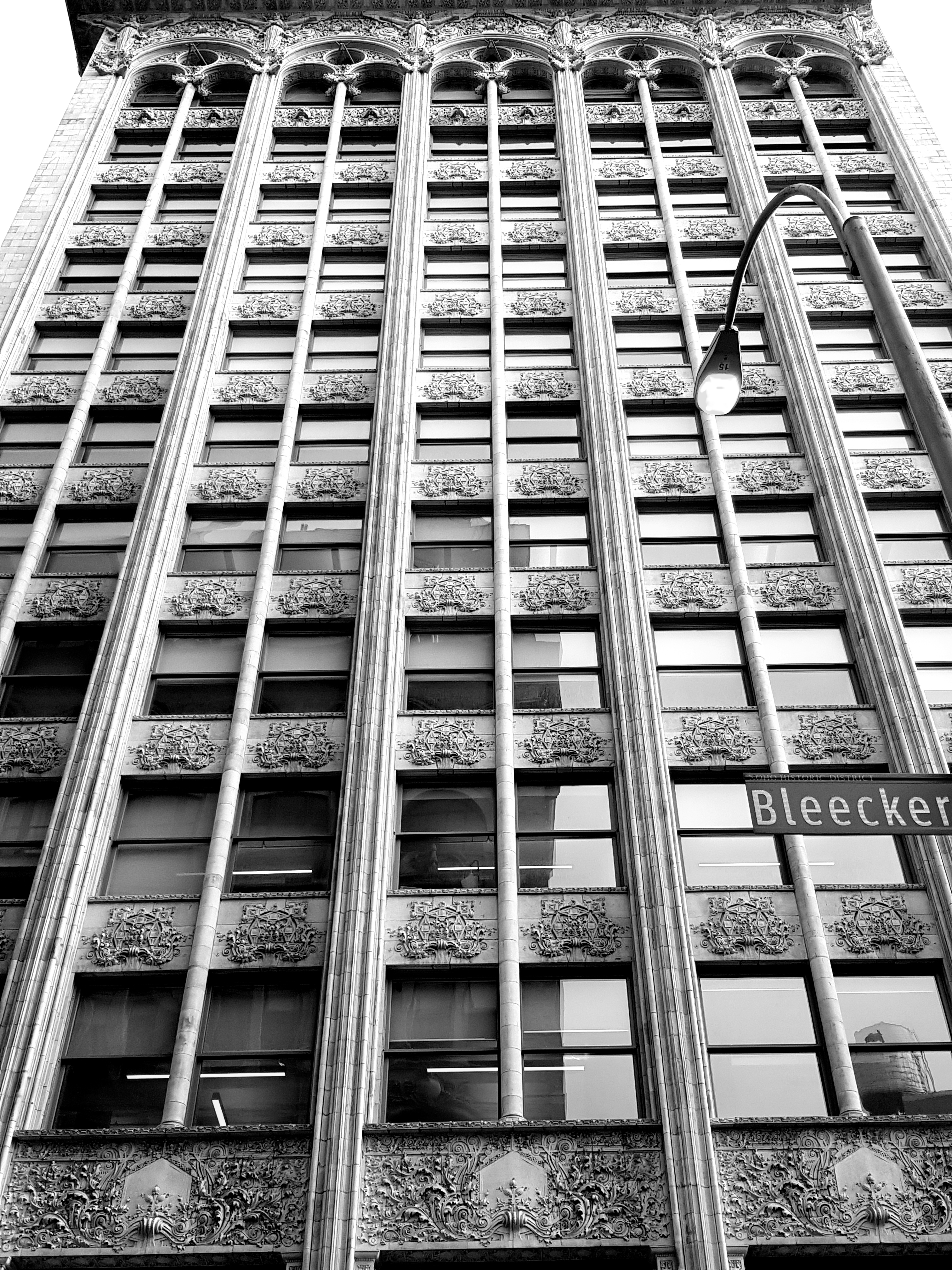
The details of the façade:-
I had previously approached the new Whitney Museum from the north by way of Chelsea and the Highline. I hadn’t realised how closely connected it is to the smart streets of Greenwich village with their rows of Federal houses.
It’s not an easy building to photograph as it it’s right up against the Highline to the east and the highway to the west.
Here it is from the west:-

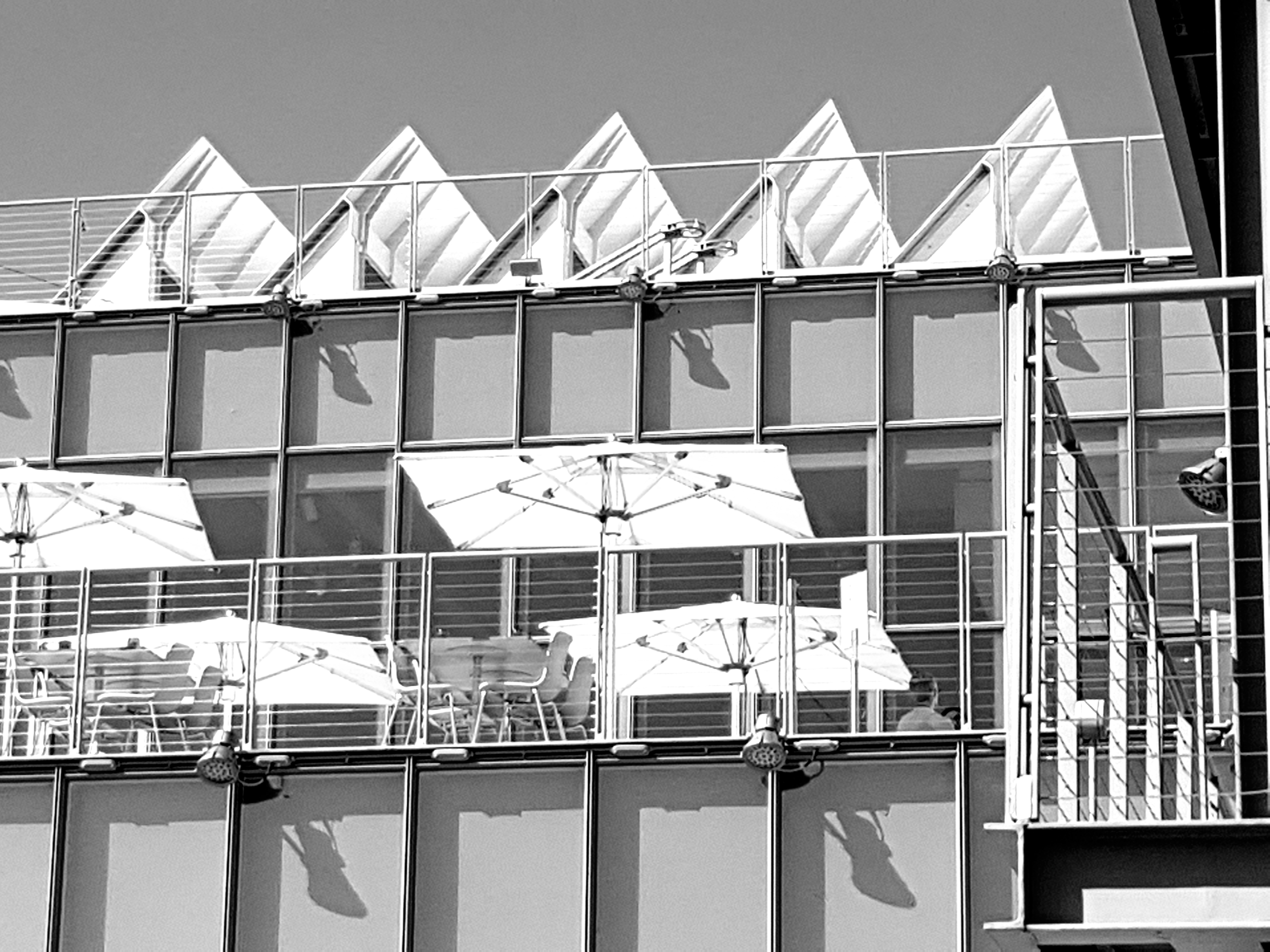
It certainly makes spectacularly good use of its situation, with decks of outside viewing stations with views south the length of, and across Manhattan:-
After an early breakfast on the Upper West Side, I realised I could take the A train to the Cloisters, which John D. Rockefeller built in the 1930s to house the collection of George Grey Barnard, a collector, dealer and sculptor, who had acquired relics, carvings and indeed whole cloisters from his travels round France and Spain in the 1920s. René Gimpel said of Barnard that ‘he talks of art as if it were a cabalistic science of which he is the only astrologer…He’s a sort of Rasputin of criticism’.
This is the building:-

The Cuxa Cloister from Saint-Michel-de-Cuxa near Perpignan:-
 A Virgin and Child (c.1130) from near Autun:-
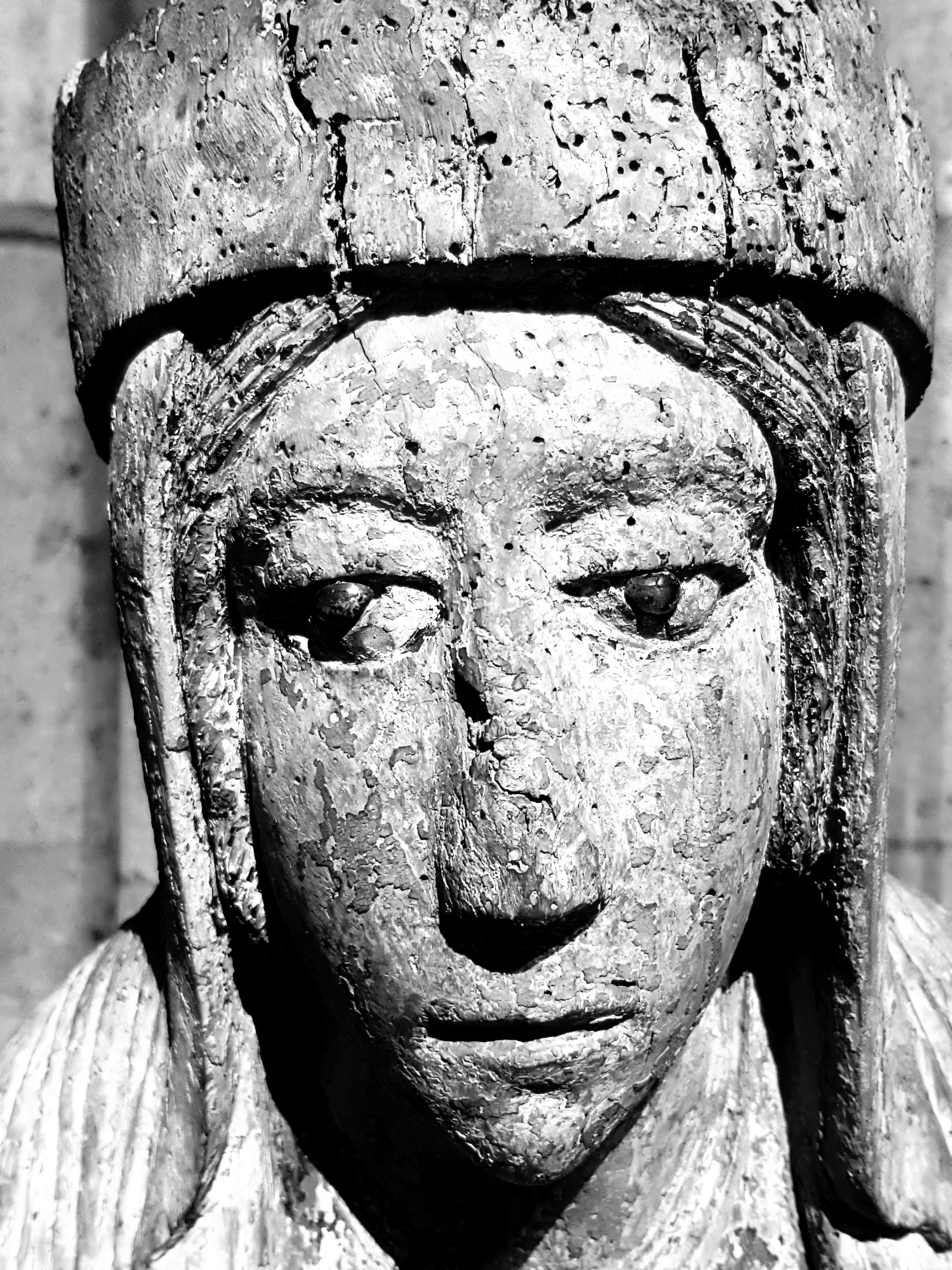
A Seated Bishop by Riemenschneider:-

A limewood Virgin and Chikd (c.1510):-

However much I admired many of the individual objects, I found the setting left me cold, apart from the Treasury in the basement which isn’t trying to be something it isn’t and has some very beautiful objects, including this ivory Christ (c.1300):-

I don’t know why the building feels sterile because conceptually it’s not so different from the Musée de Cluny, apart from being the wrong side of the Atlantic.
I feel a bit like a cat, checking out the neighbourhood where I’m staying. There is a prominent new building south in Tribeca, which I’ve discovered is 56, Leonard, a new and playful building of horizontally stacked and projecting apartments (mighty expensive) by Herzog & de Meuron:-

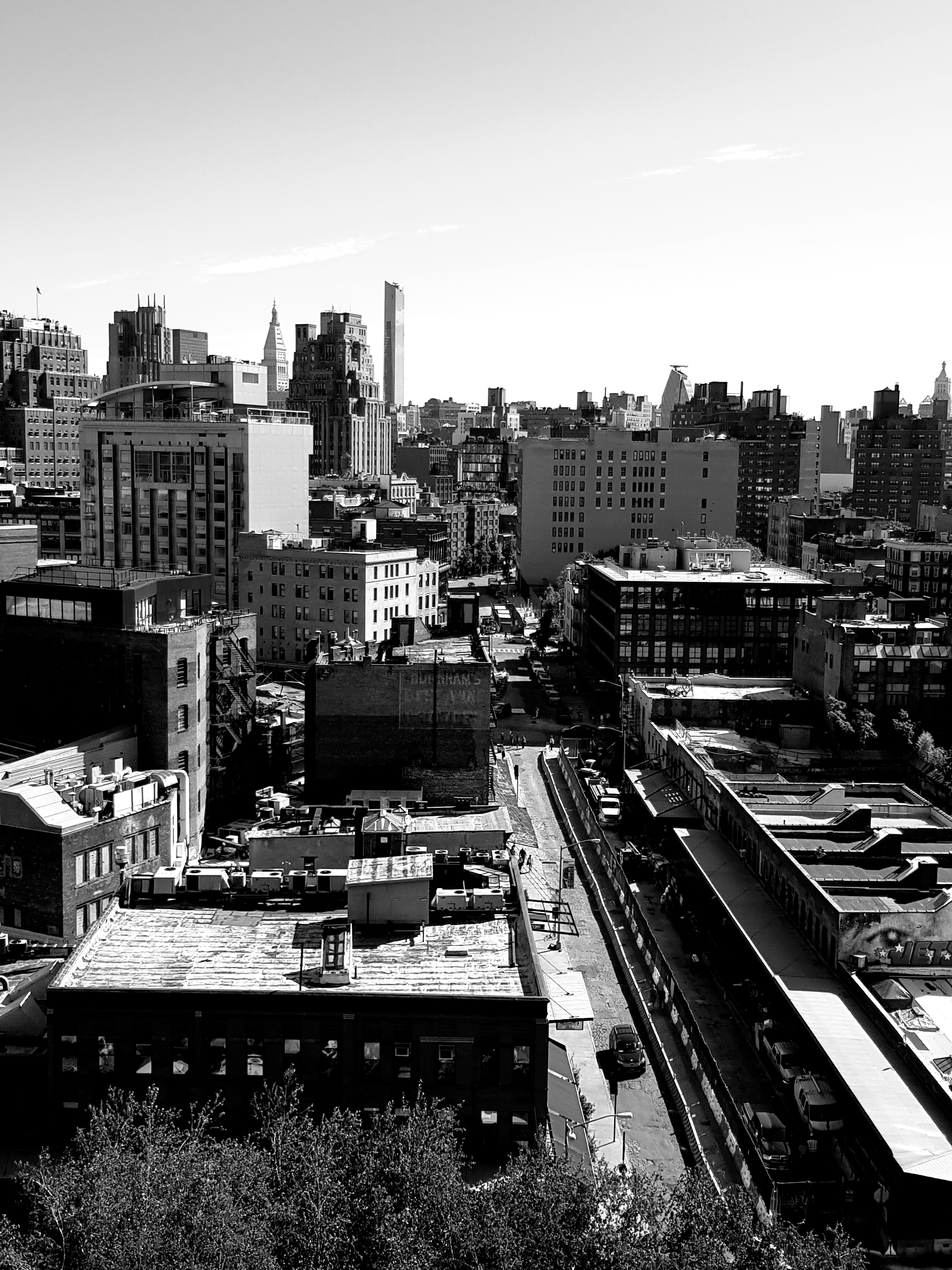
Otherwise, it’s nondescript territory on the edge of Soho, ex-industrial, with a great deal of new building:-


In going round the Barnes Collection, I couldn’t help but be impressed by the range and quality of Barnes’s taste for French art – early Picassos, Matisses, Modigliani, Soutine, alongside the more orthodox Post-Impressionists – but also its apparent randomness, intermingling primitive American paintings with great French ones. He was a research chemist, first visiting Paris in June 1912 when he was 40, after his former classmate, William Glackens, had bought 33 works on his behalf, including van Gogh’s Postman, in February. The collection got a bad press when it was first exhibited at the Pennsylvania Academy in 1923 (although apparently less so when first shown in 1921) and he has had a bad press from art historians, whom he disliked and did not admit to see the collection (K. Clark apparently said that ‘one could have struck a match on his neck’). But he was clearly remarkably and impressively independent minded in his commitment to, and belief in, public art education (he held seminars on philosophy at his factory).
I went to visit the Barnes Collection when it was still in Merion County, wanting to see its idiosyncratic system of stacked display before it was moved downtown after much controversy to a new and grandly corporate building on the Parkway leading to the Philadelphia Museum (I initially mistook it for a research laboratory). It was designed by Tod Williams and Billie Tsien Architects, who were responsible for the American Folk Art Museum next door to MOMA and the Asia Society building in Hong Kong. What I had forgotten (I half knew) is that the compromise struck with the original terms of the bequest is that one walks out of the grandly neutral central court into a replica of the original rooms, with the pictures – Renoirs by the yard, a fantastic Seurat (Poseuses), Cézanne’s Card Players (no labels, no photography) – still hung floor to ceiling on yellow burlap, interspersed by the wrought iron ornaments which he collected in the 1930s and, in other rooms, American folk arts.
I was initially sceptical, but was won round by the integrity with which the original settings and ensembles have been maintained:-


Ever since we gave up running down by the river in Wapping, I have scarcely visited the muddy riverbank, which one can reach by occasional steps onto the shore, for example by the Prospect of Whitby. It’s an atmospheric space, totally neglected, where one can watch the passing boats, including an occasional Victorian pleasure steamer:-


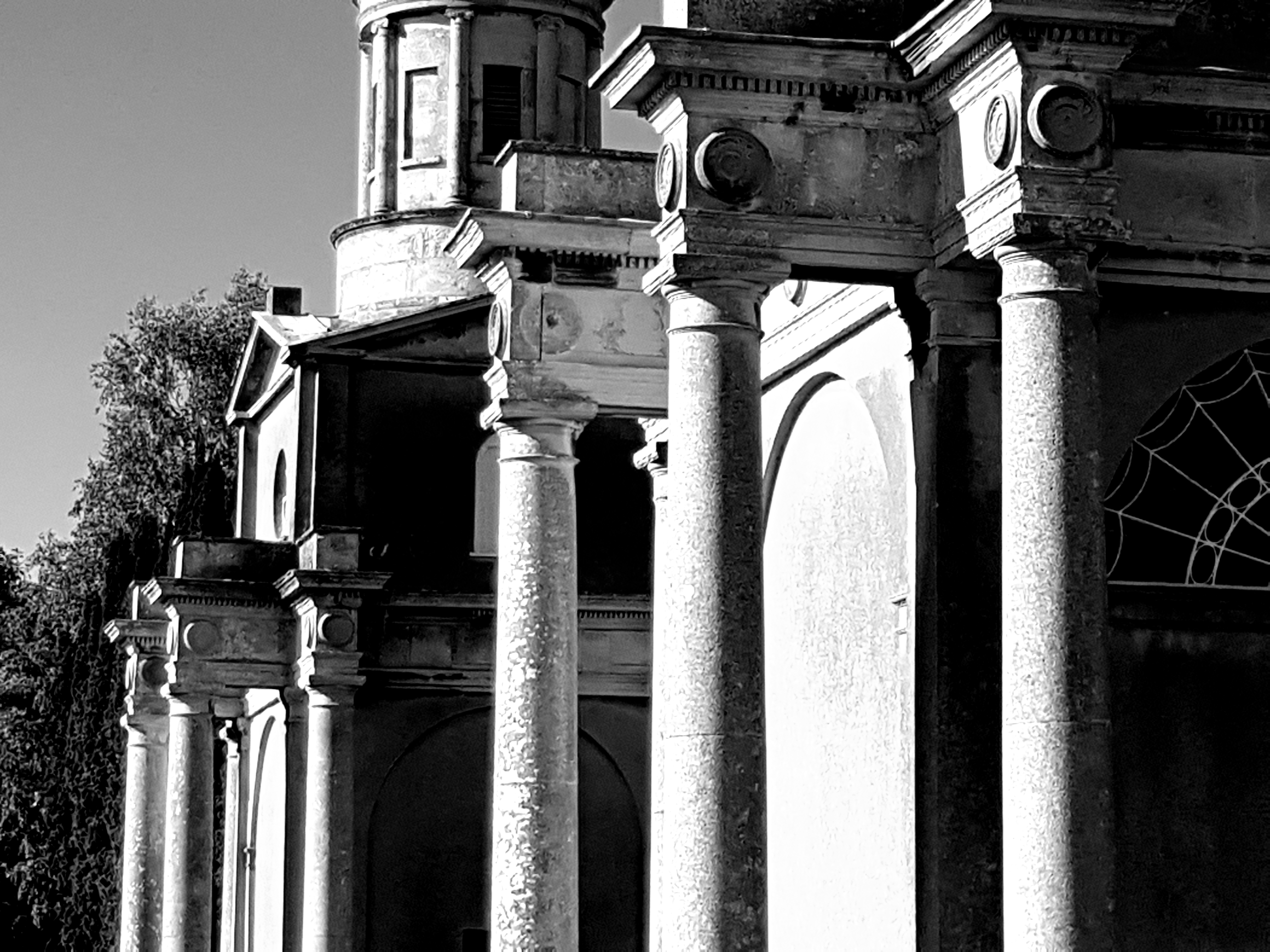
I have always wanted to see what survives of the church at Mistley – the two neoclassical towers which were added at either end of eighteenth-century church by Robert Adam at the behest of Robert Rigby, Paymaster General and proprietor of Mistley Hall, who planned to turn Mistley Thorn into a spa town:-




 | Charles | Saumarez | Smith |
You must be logged in to post a comment.