18 Folgate Street

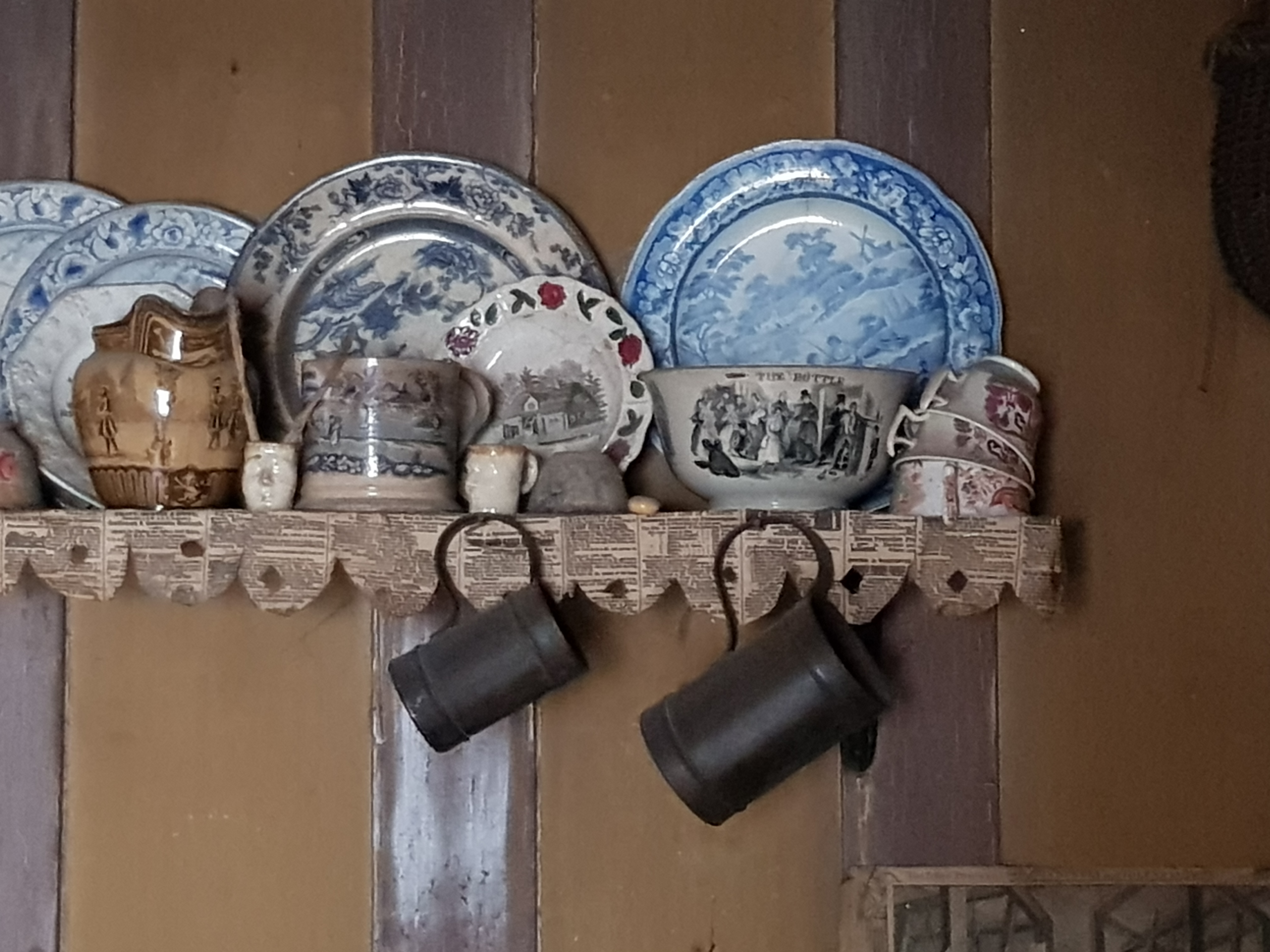
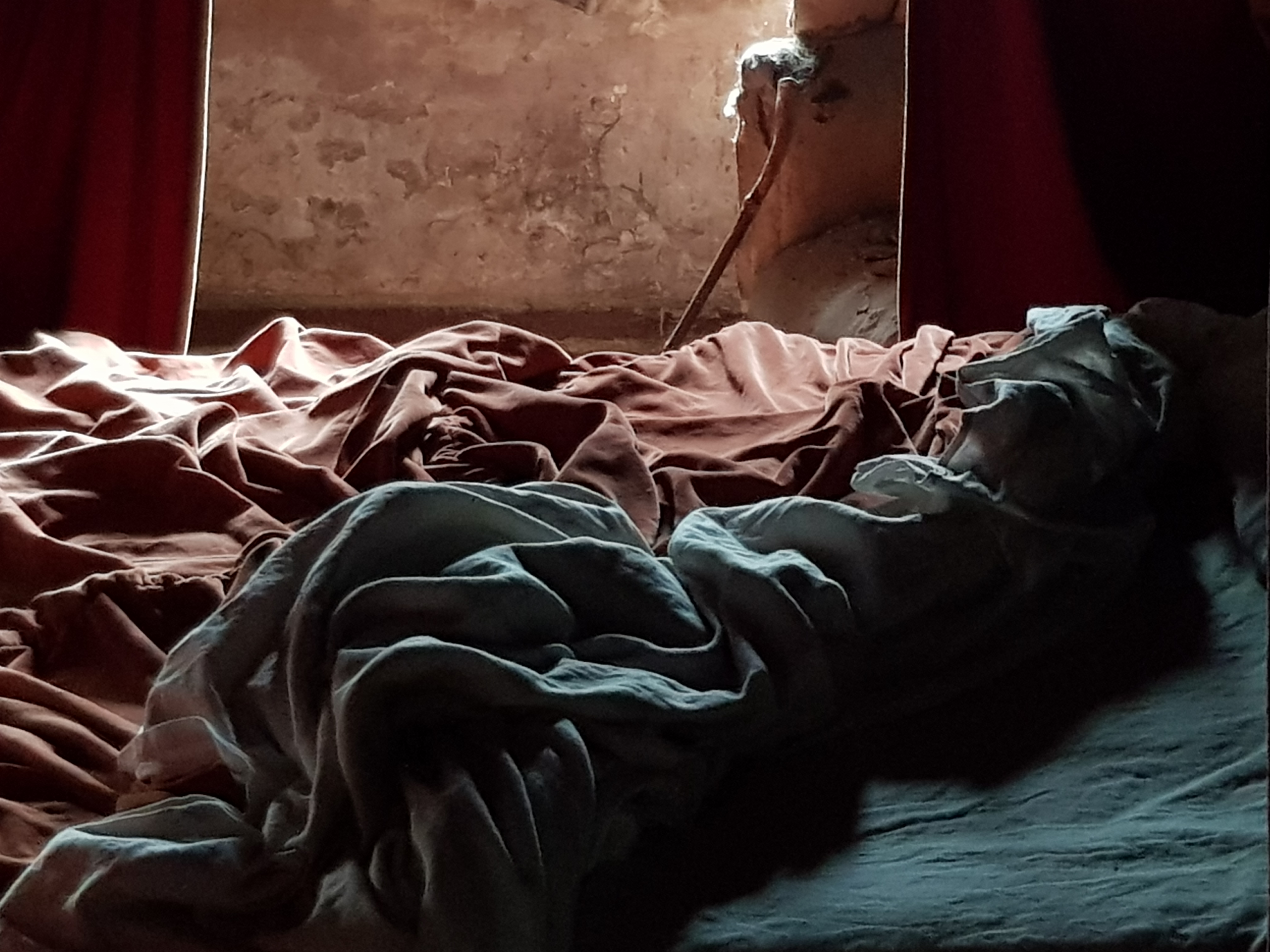
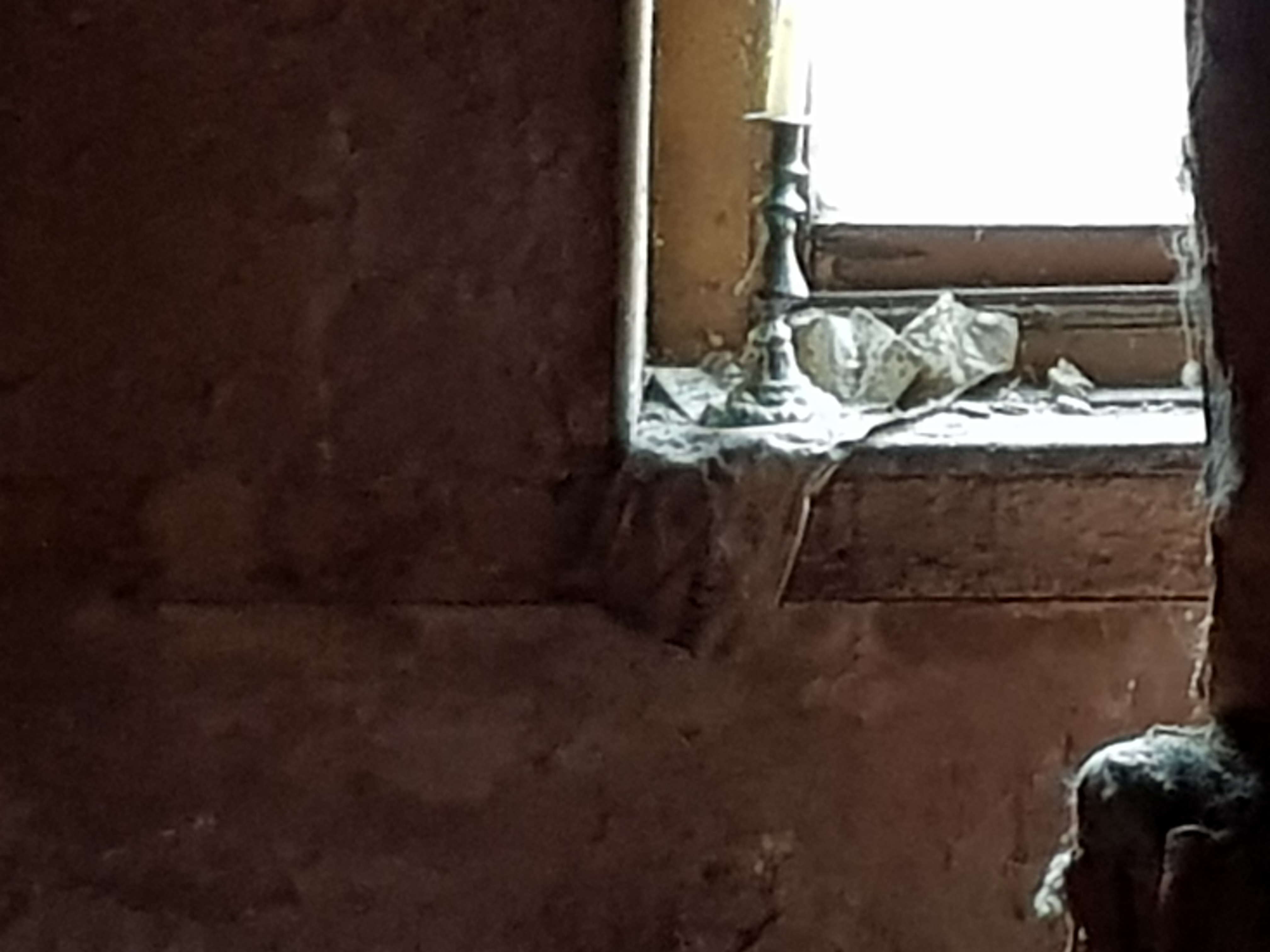
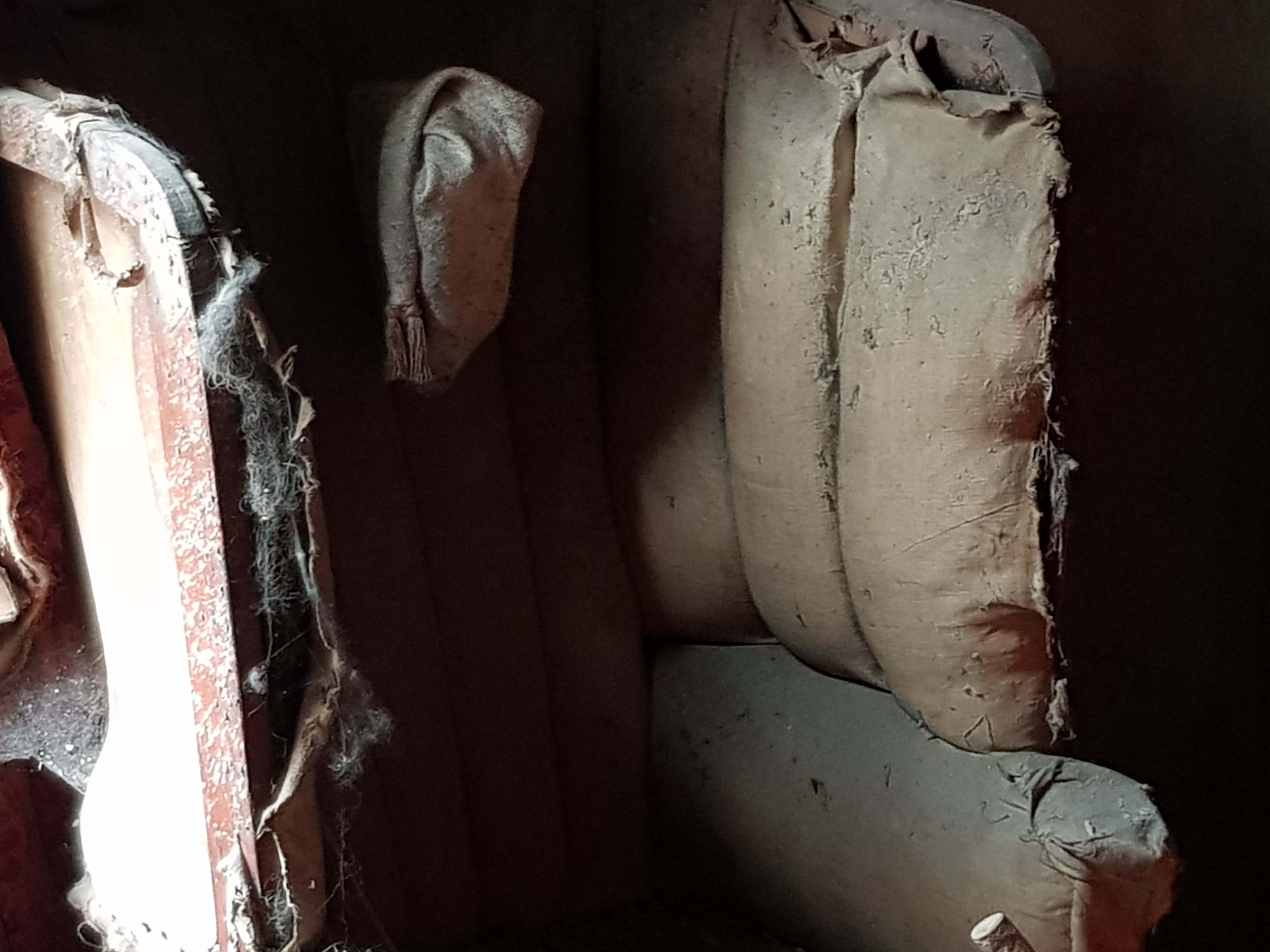
I went to the Spitalfields Trust Summer Party not just for the drink, but for an opportunity to see Dennis Severs’s house, which I have only seen once before, long ago when he was still alive and I went on one of his theatrical tours with students from the HF du Pont Winterthur Museum.   I preferred seeing it without the narrative accompaniment, so that I was able to appreciate the brilliance of its wholly fictional, but atmospheric installation, the way that it conjures an imagined past with dust and dirt and trivia far more evocatively than more historically correct, but sterile interiors, including those at Winterthur itself.

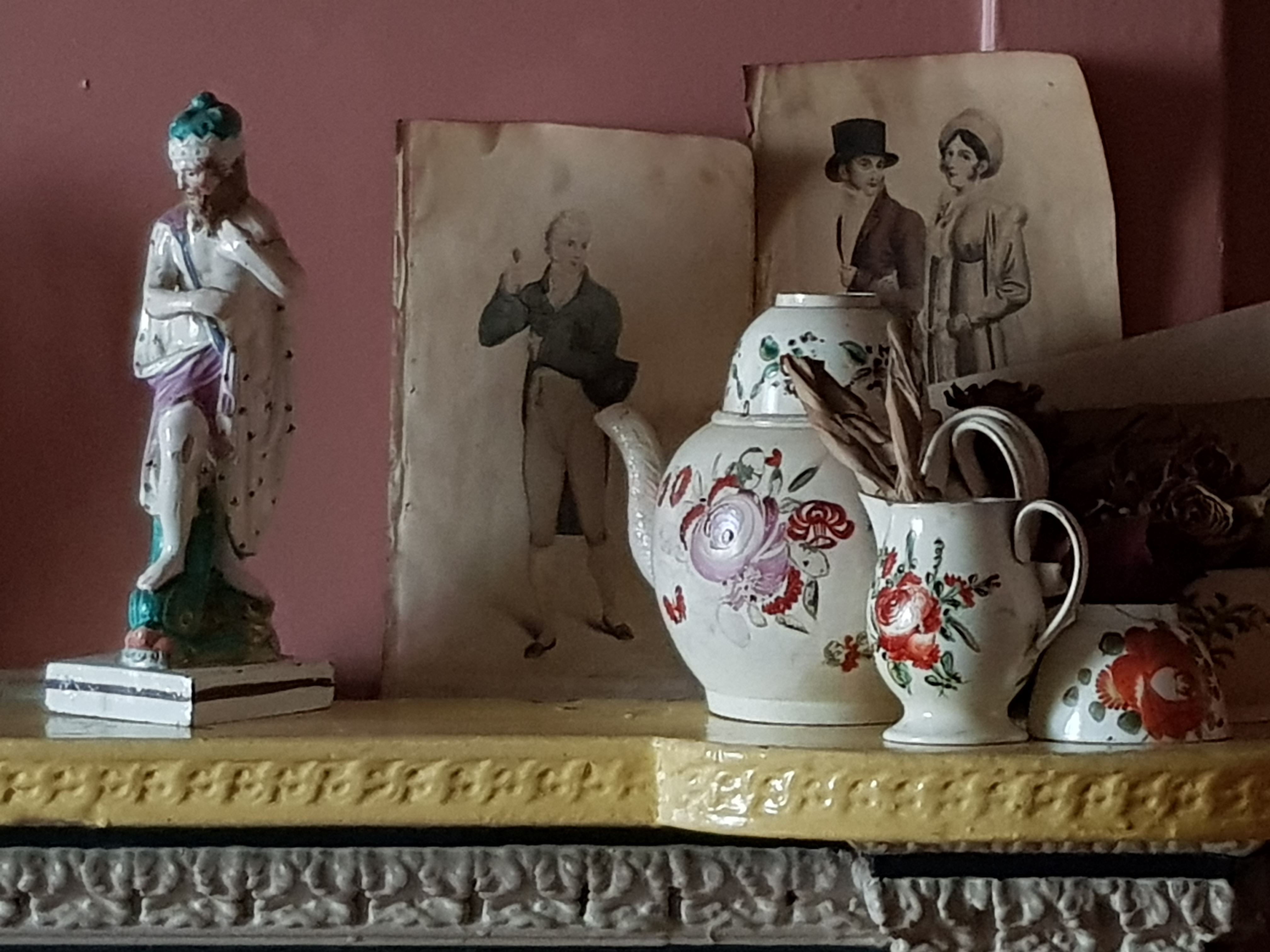
I started on the ground floor in the room at the back (I must have lent my copy of his book, or it has been purloined, so can’t reconstruct his names for the rooms):-
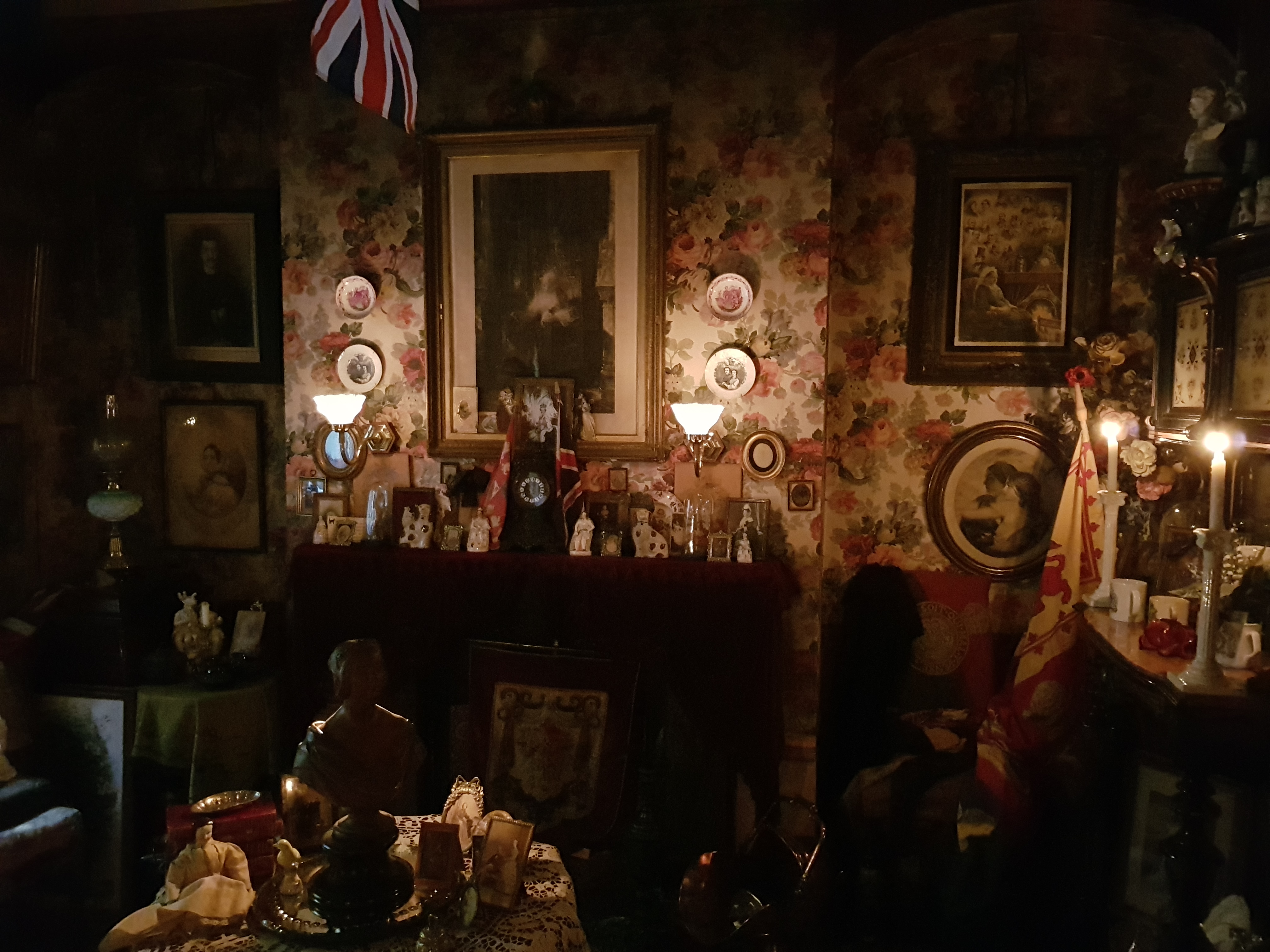
Then, down the back staircase into the basement:-

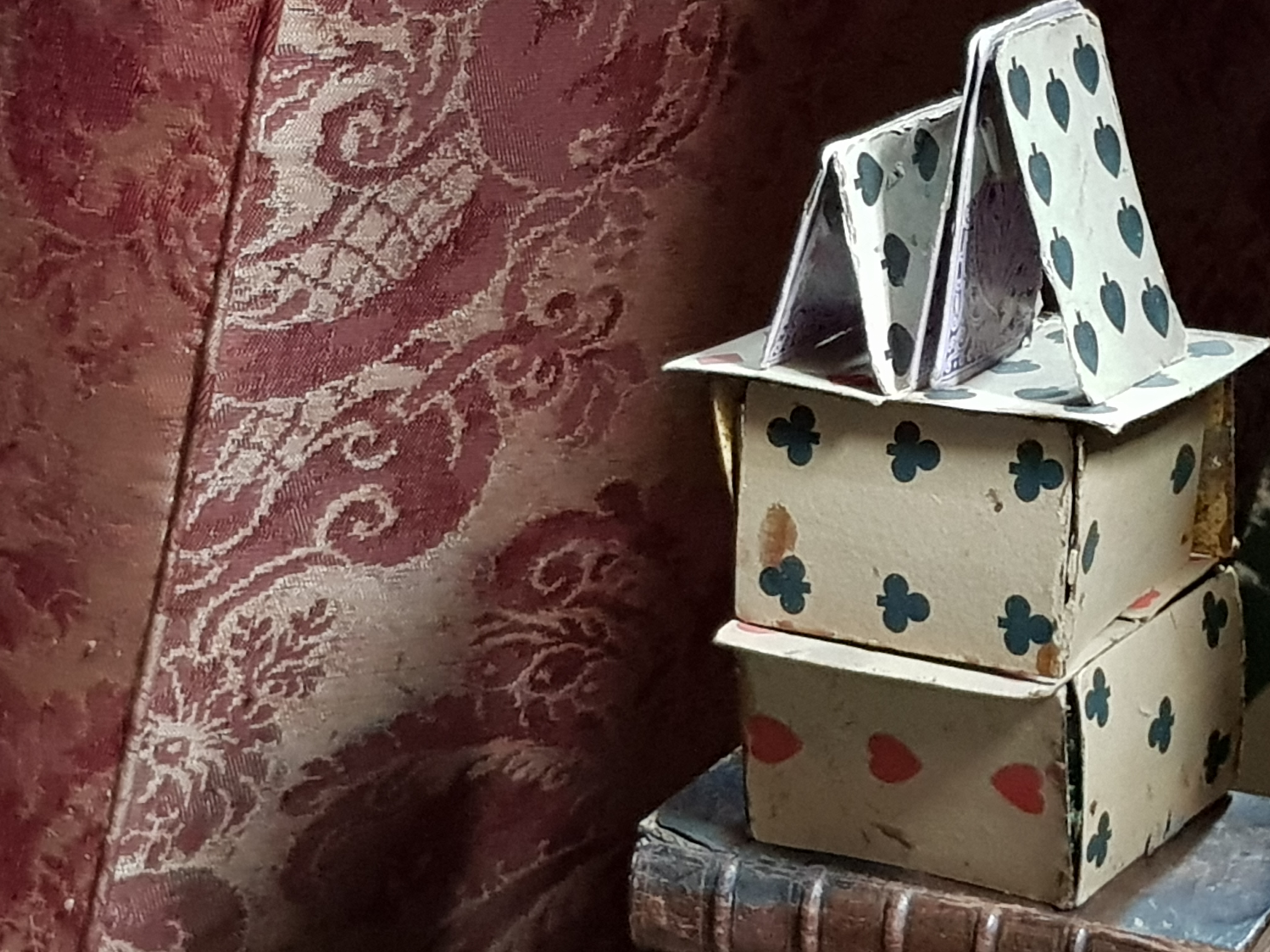
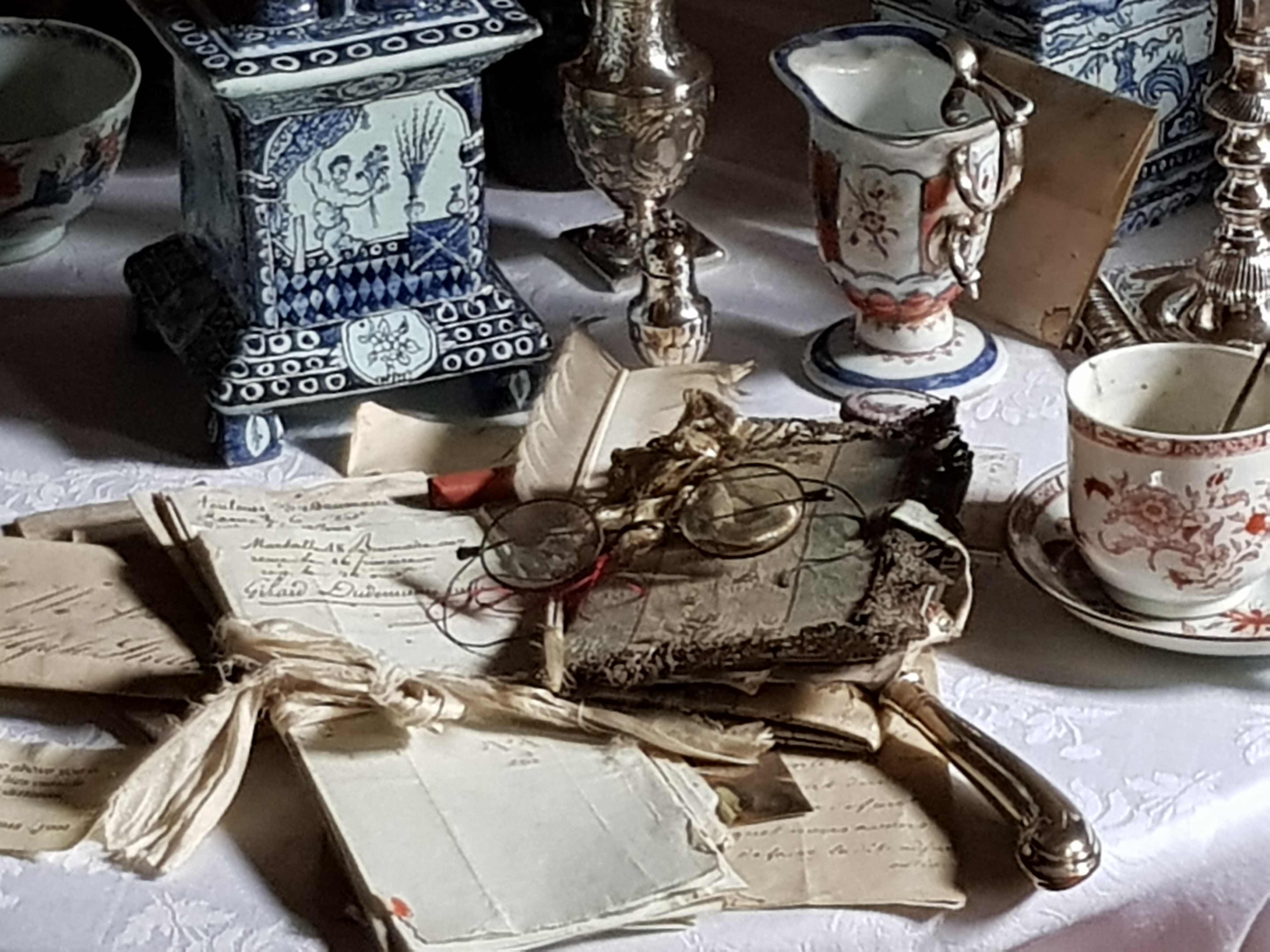
Up into the first floor room at the back:-
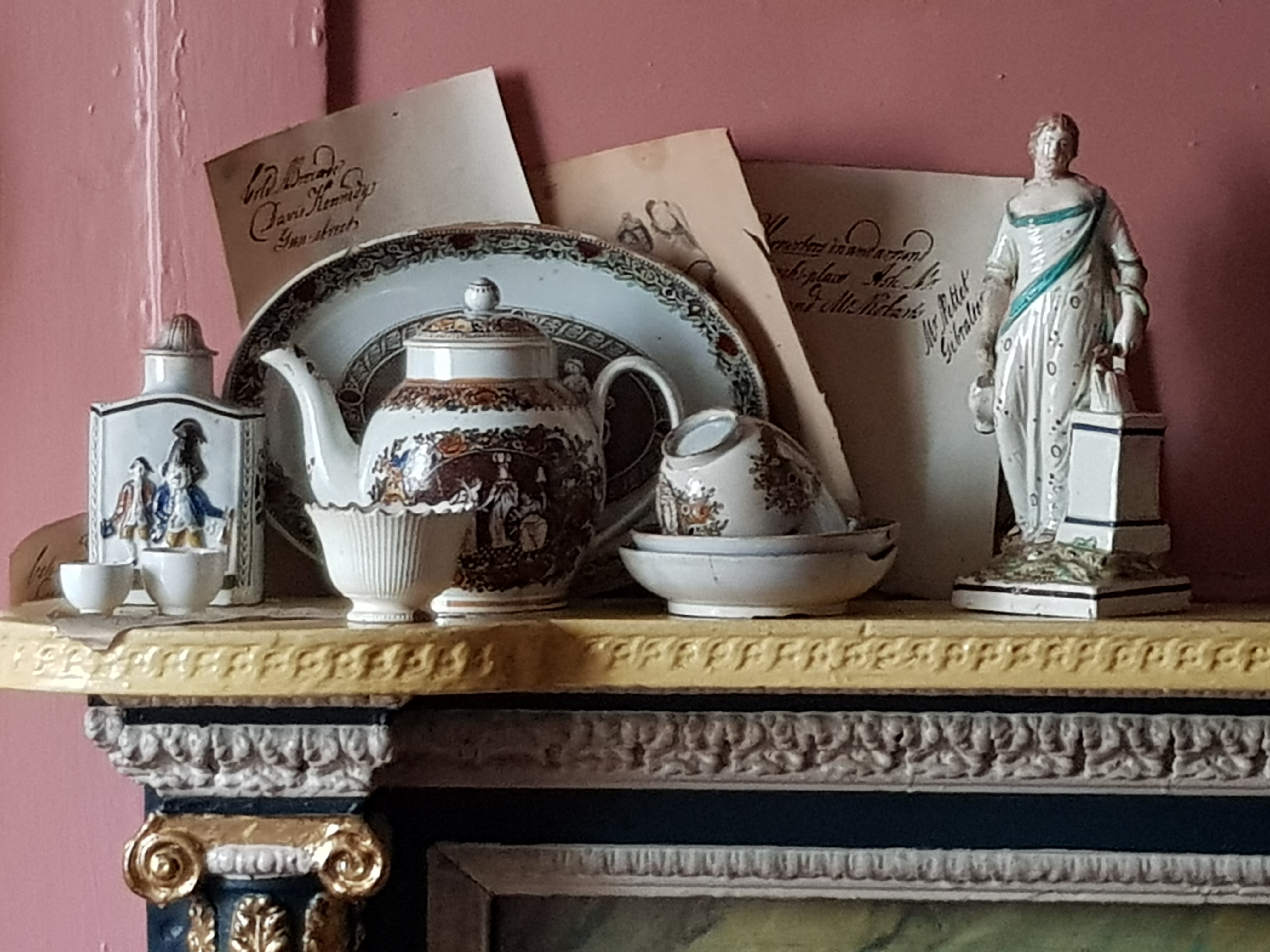
I think this could be the mirror in the front bedroom on the first floor:-
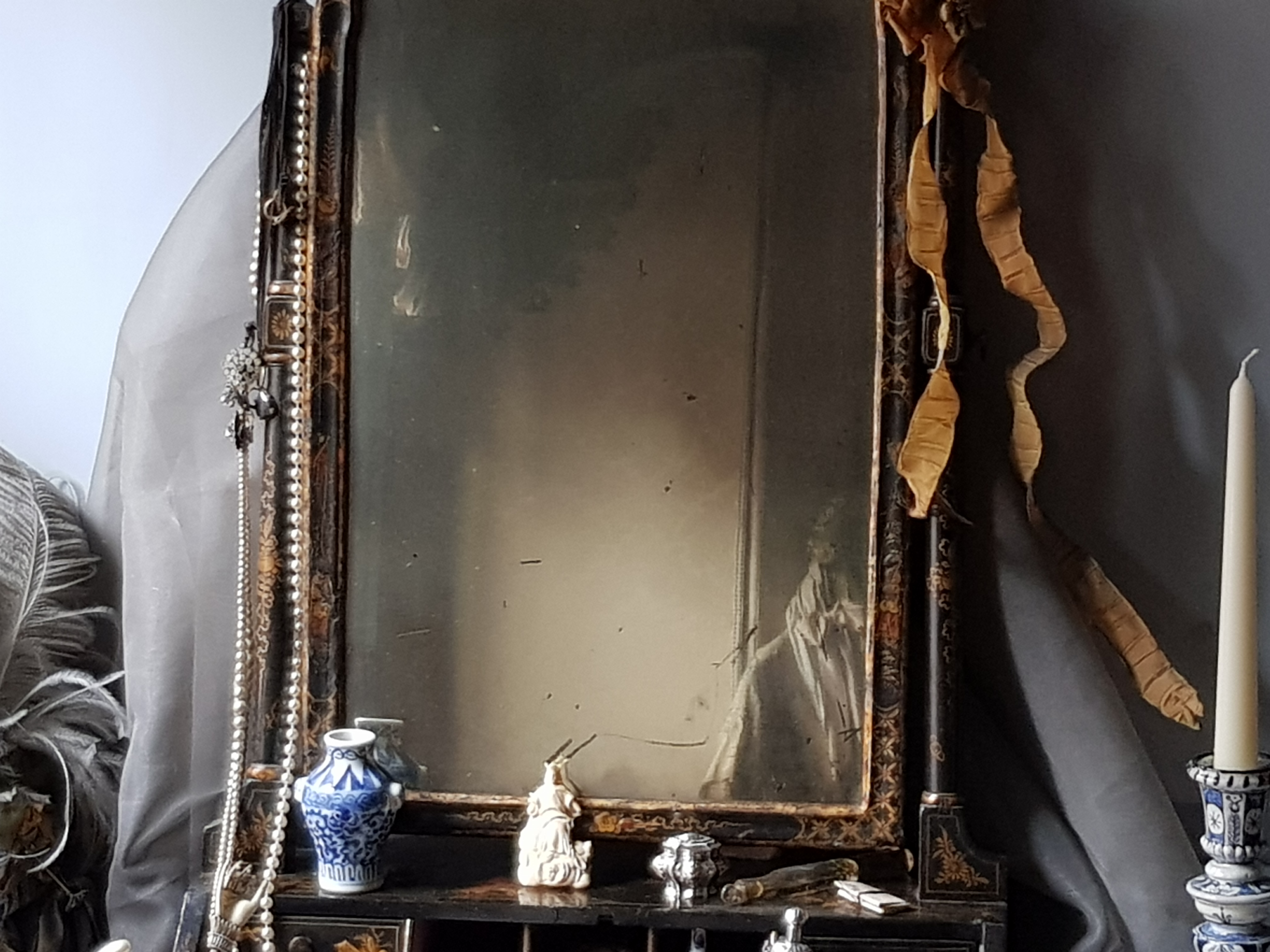
And the room above:-
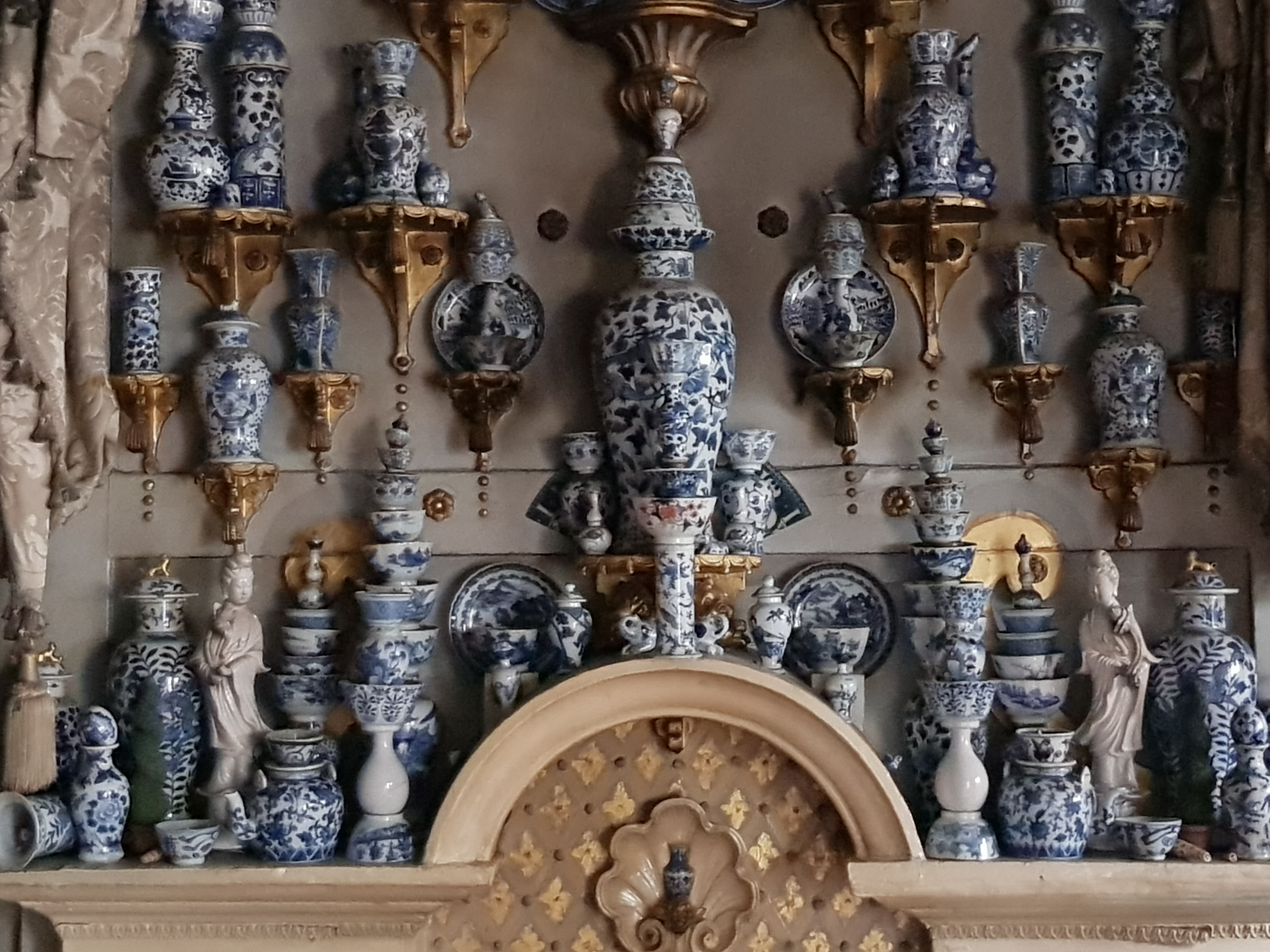
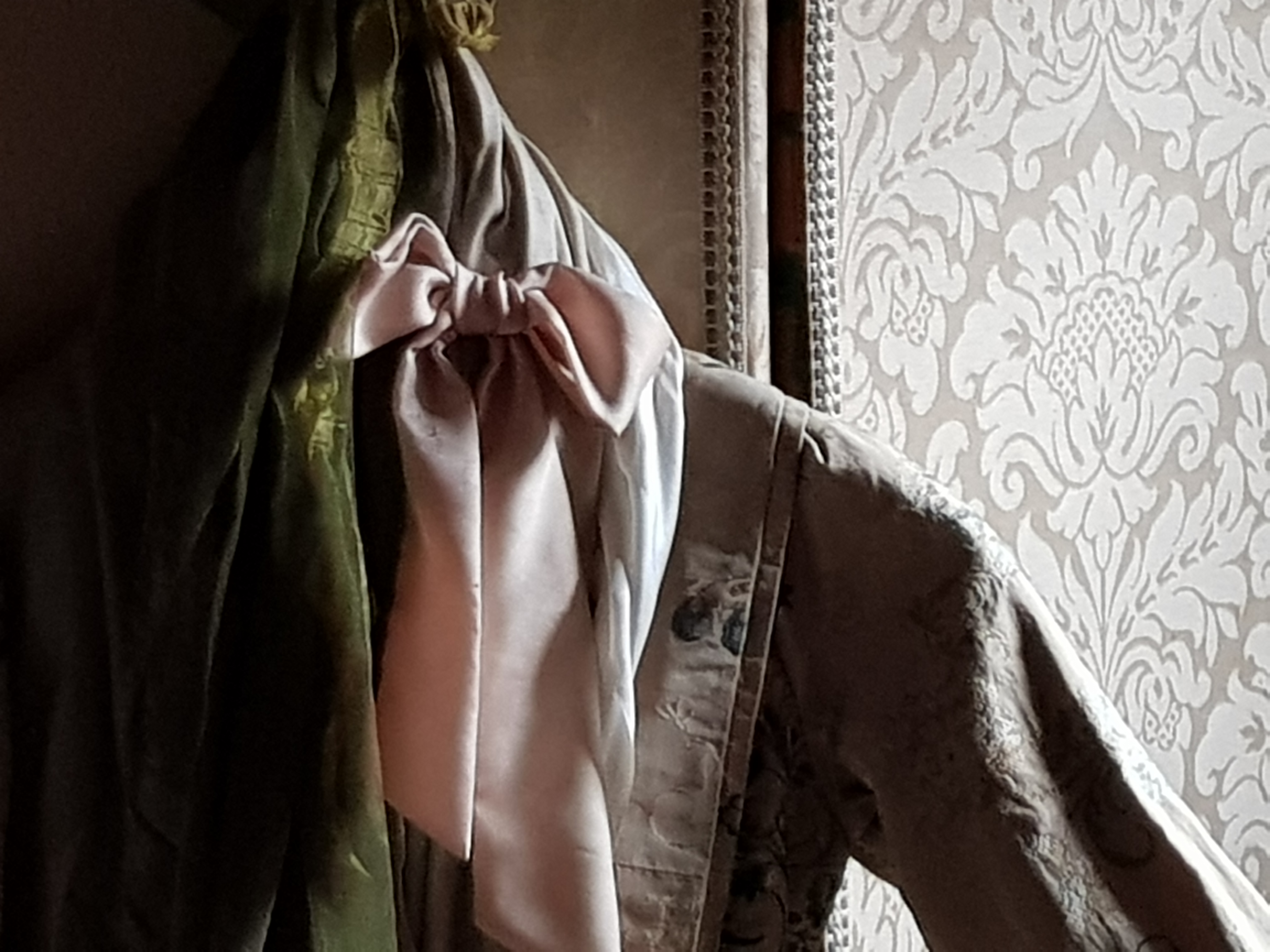
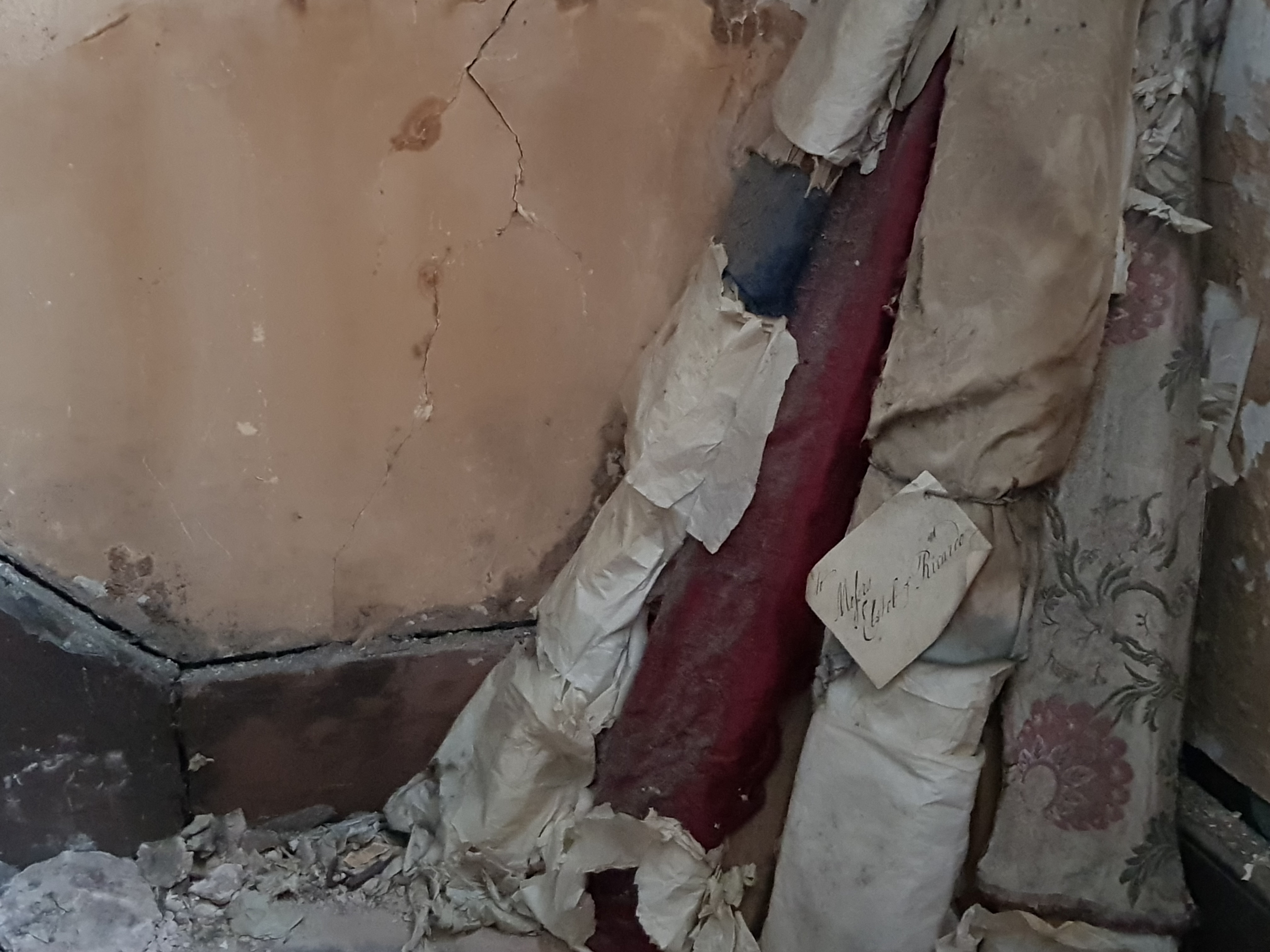
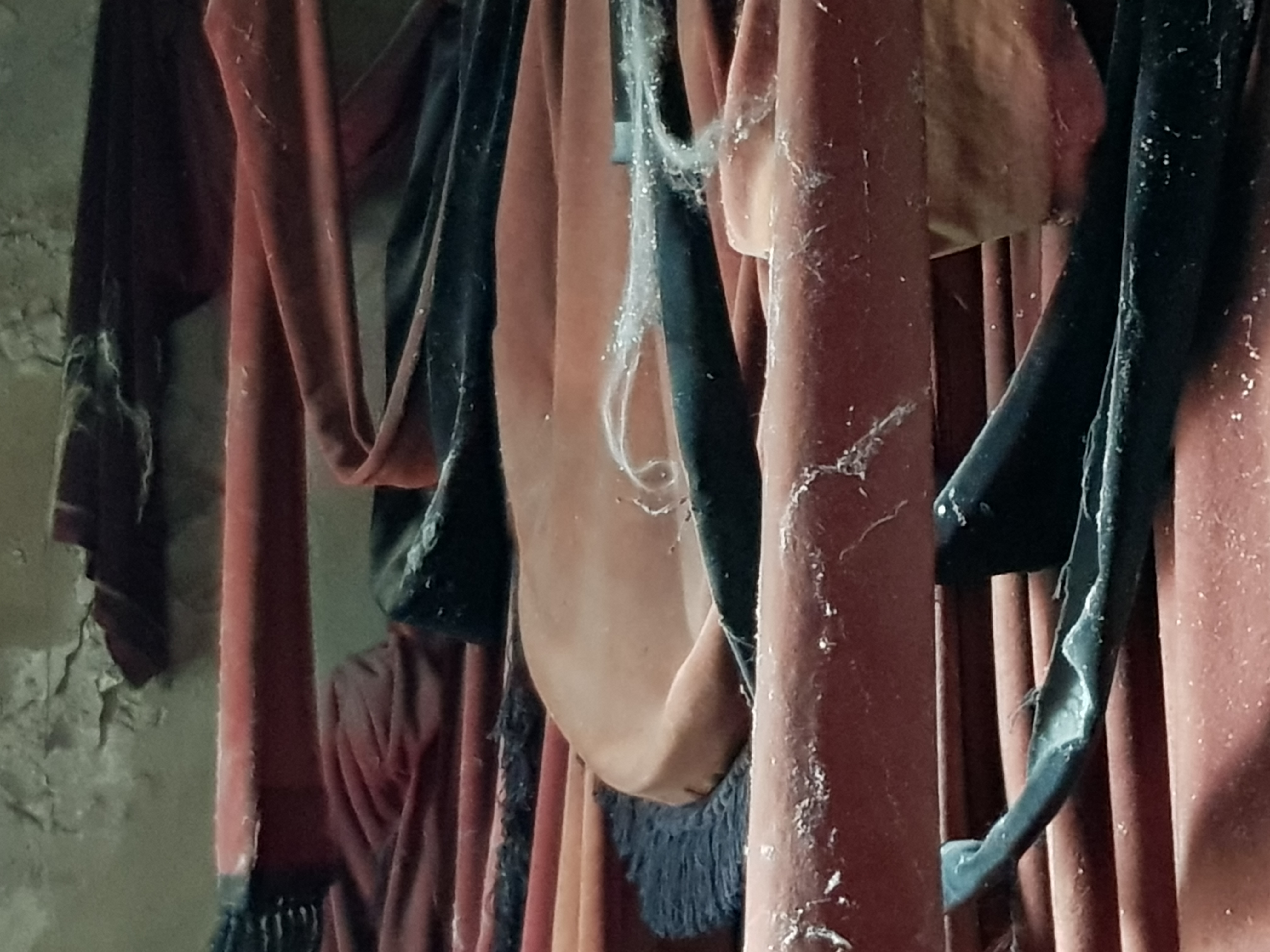
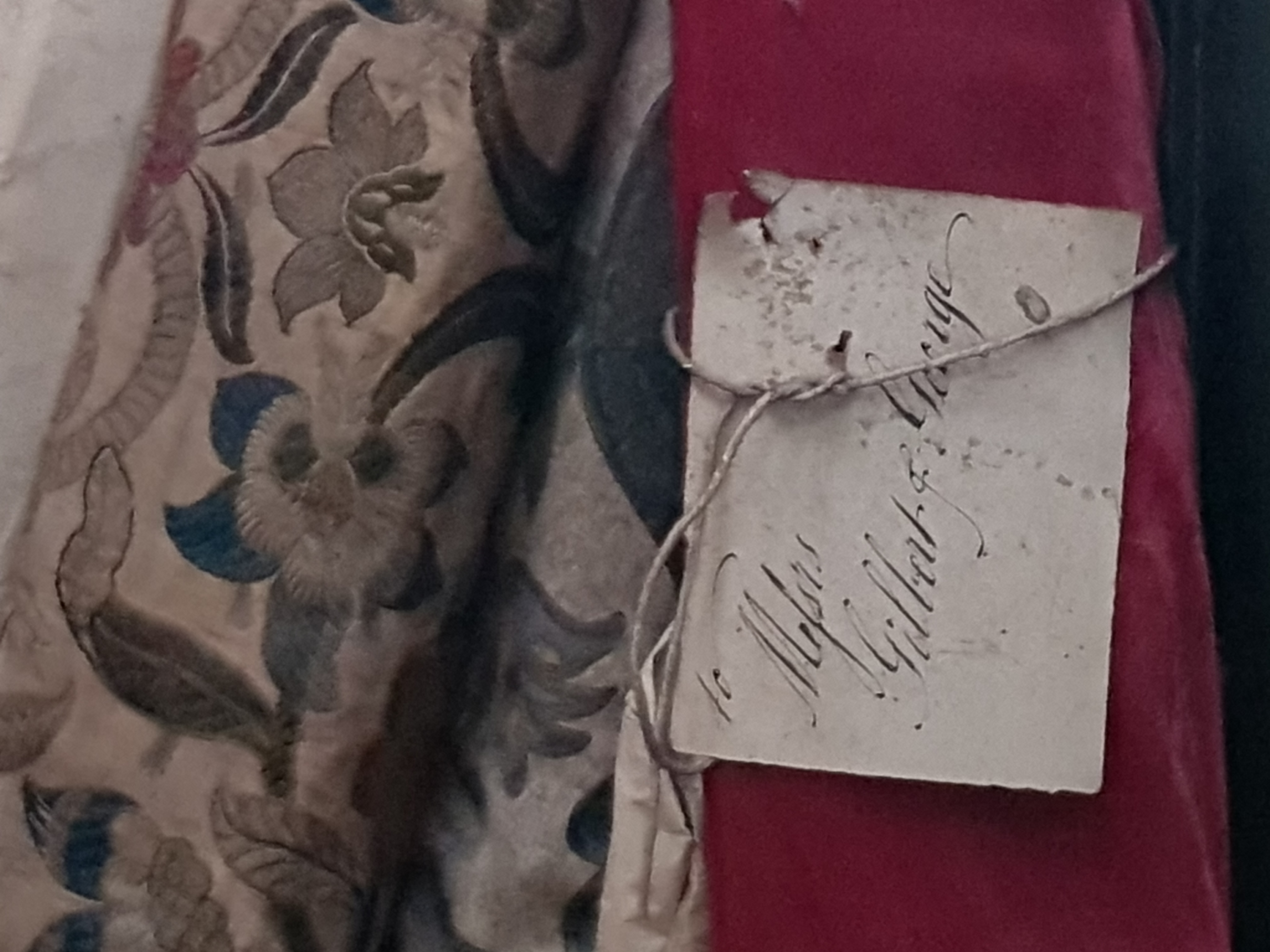
There are bundles of silks left in disarray on the staircase:-
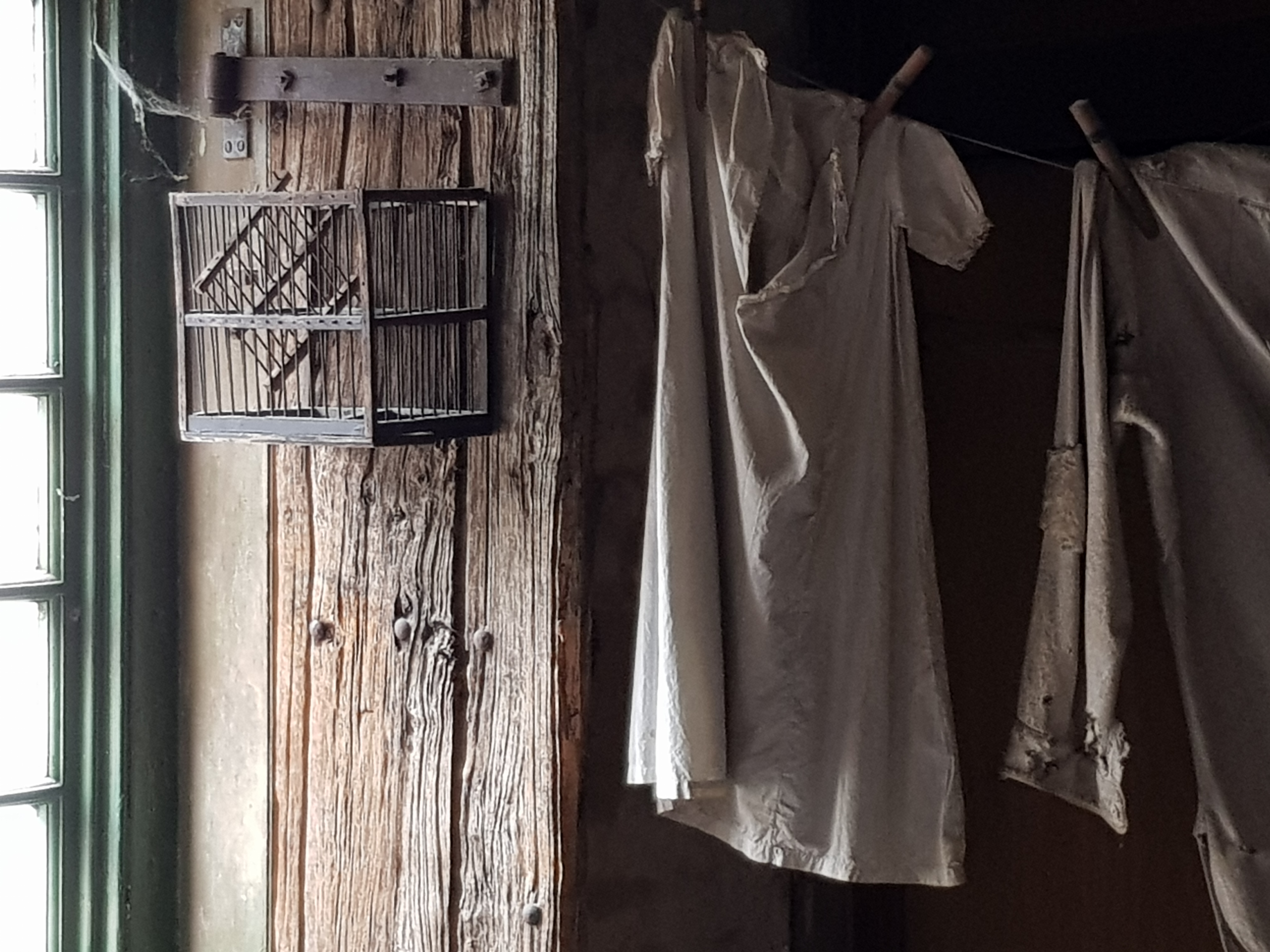
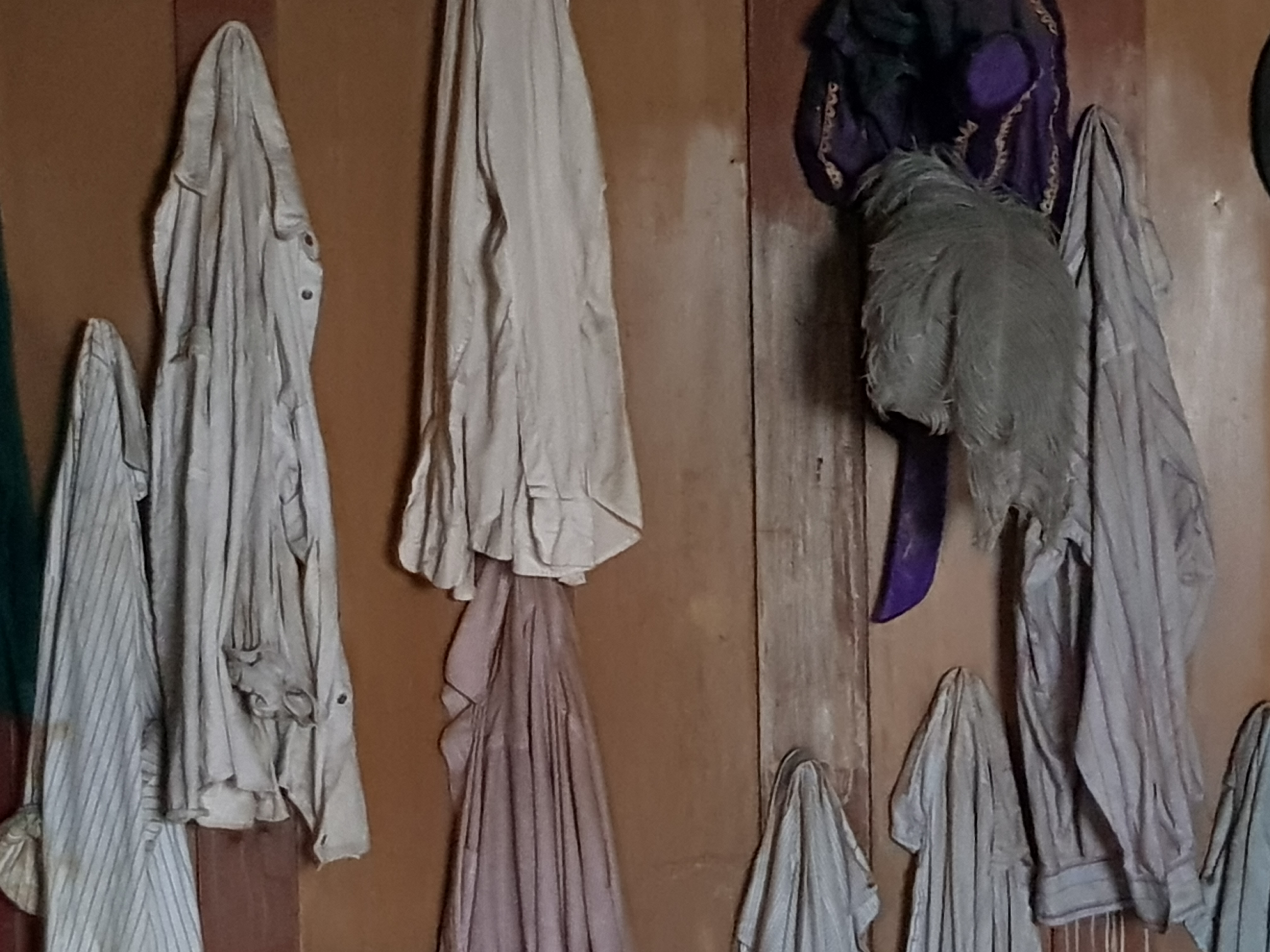
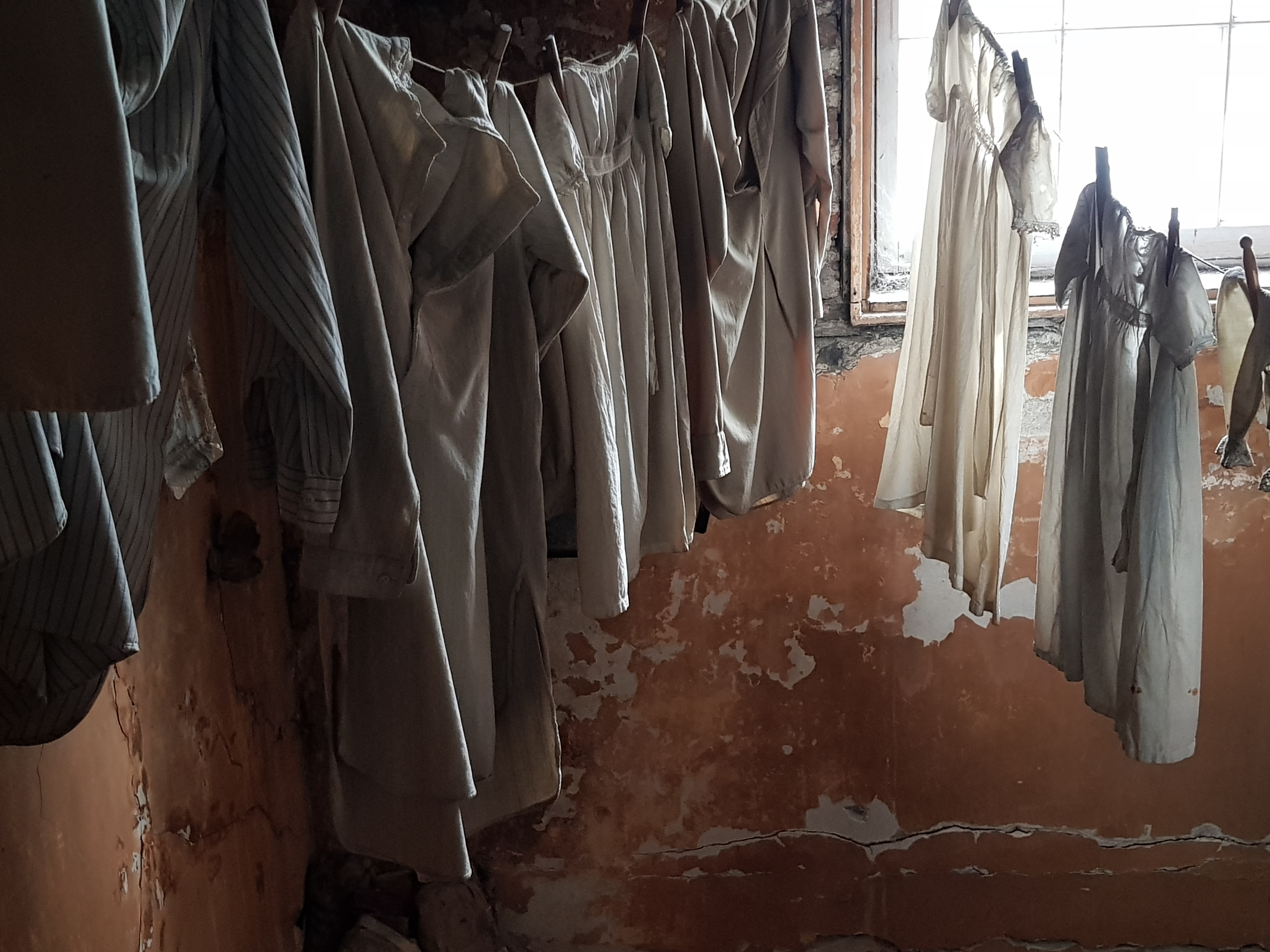
And the washing left out to dry:-
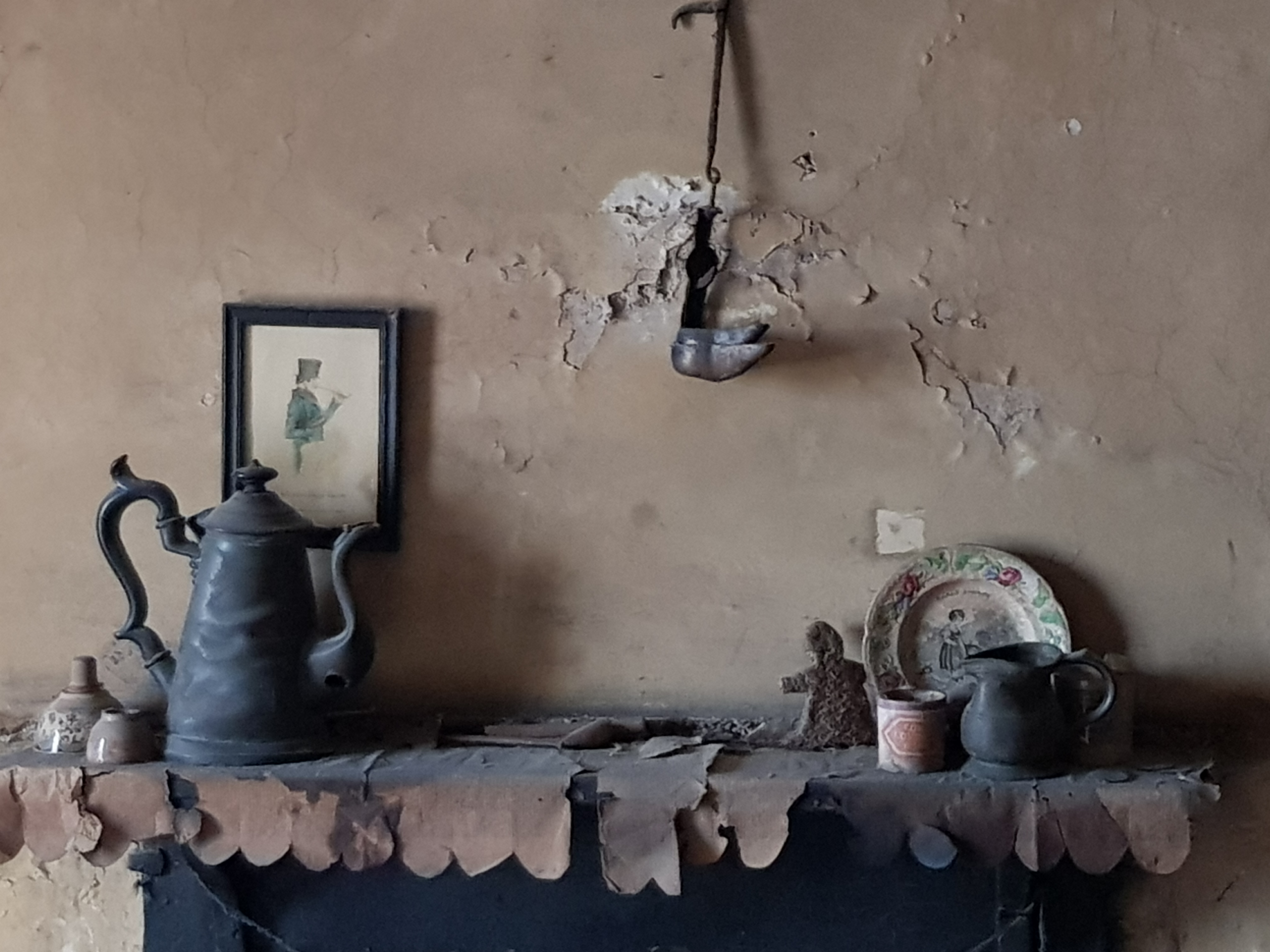
In the attics are the paupers’ rooms:-
It’s a tour de force of historical invention.

Standard

John Brinckerhoff Jackson (2)

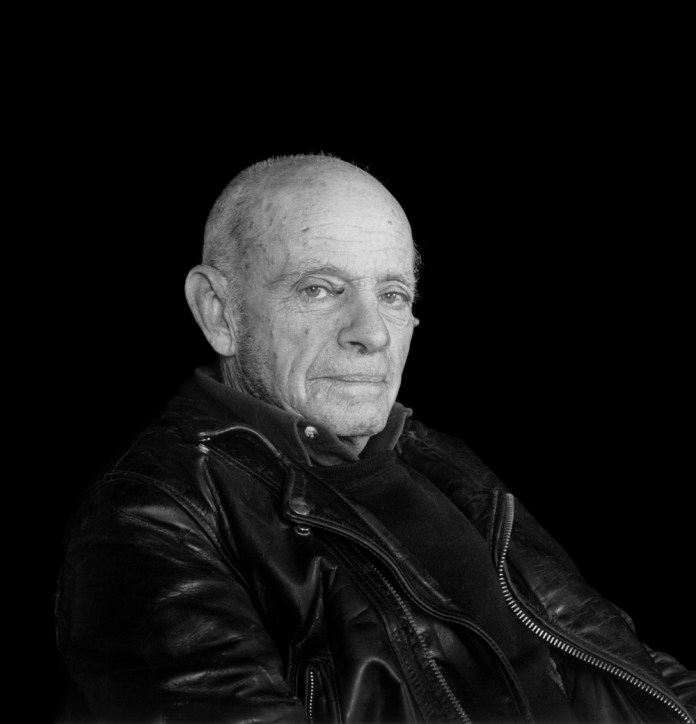
Those of you who read my post on John Brinckerhoff Jackson yesterday morning may have missed the photograph of him by Mariana Cook which was added halfway through the afternoon.   Mariana took the photograph in January 1990 in Cienega, the ranch where he lived in New Mexico – old and a bit rough, as she depicts him, in a battered leather jacket, once a biker, having had a privileged childhood in Switzerland and New York, a solitary.   There is a symbolic significance in the photograph in that Mariana was the last pupil of Ansel Adams and Adams was one of the photographers whose work Jackson published, promoted and admired as a recorder of the American wilderness.   I recommend that you scroll back two.

Standard

Burlington Gardens

Every so often, there’s a moment of revelation in our building project when one realises that the end is finally in sight.   Today was one of those moments, standing at the top of what were once the old garden steps and looking up into the lime-washed vaults:  a realisation that David Chipperfield understood the quality of monumentalism which would be achieved once the original floor level was dropped:-

And Newton is preparing to receive the first million visitors:-

Standard

John Brinckerhoff Jackson (1)

After talking to David Lowenthal about John Brinckerhoff Jackson last night, I went back to the Material Culture section of my library to find out more about Brinck as he was known to his students.   He was a remarkable figure:  born of wealthy American parents;  educated in Switzerland and then private schools (Choate and Deerfield) before studying history and literature at Harvard and, briefly, architecture at MIT;  was interested in the baroque;  became interested in the study of landscape, maps and aerial photographs while working as an intelligence officer in World War Two;  inherited a farm in New Mexico from an uncle;  established the magazine Landscape in 1951 which pioneered the study of the vernacular;  taught intermittently at Harvard and Berkeley;  ended his life after retirement doing labouring jobs at gas stations.   Published many volumes of essays, beginning with Landscapes (1970) and including The Necessity for Ruins (1980).   Good holiday reading.

2194_Jackson, John Brinkerhoff.psd

J.B. Jackson in Cienega © Mariana Cook 1990

Standard

Pages of Hackney

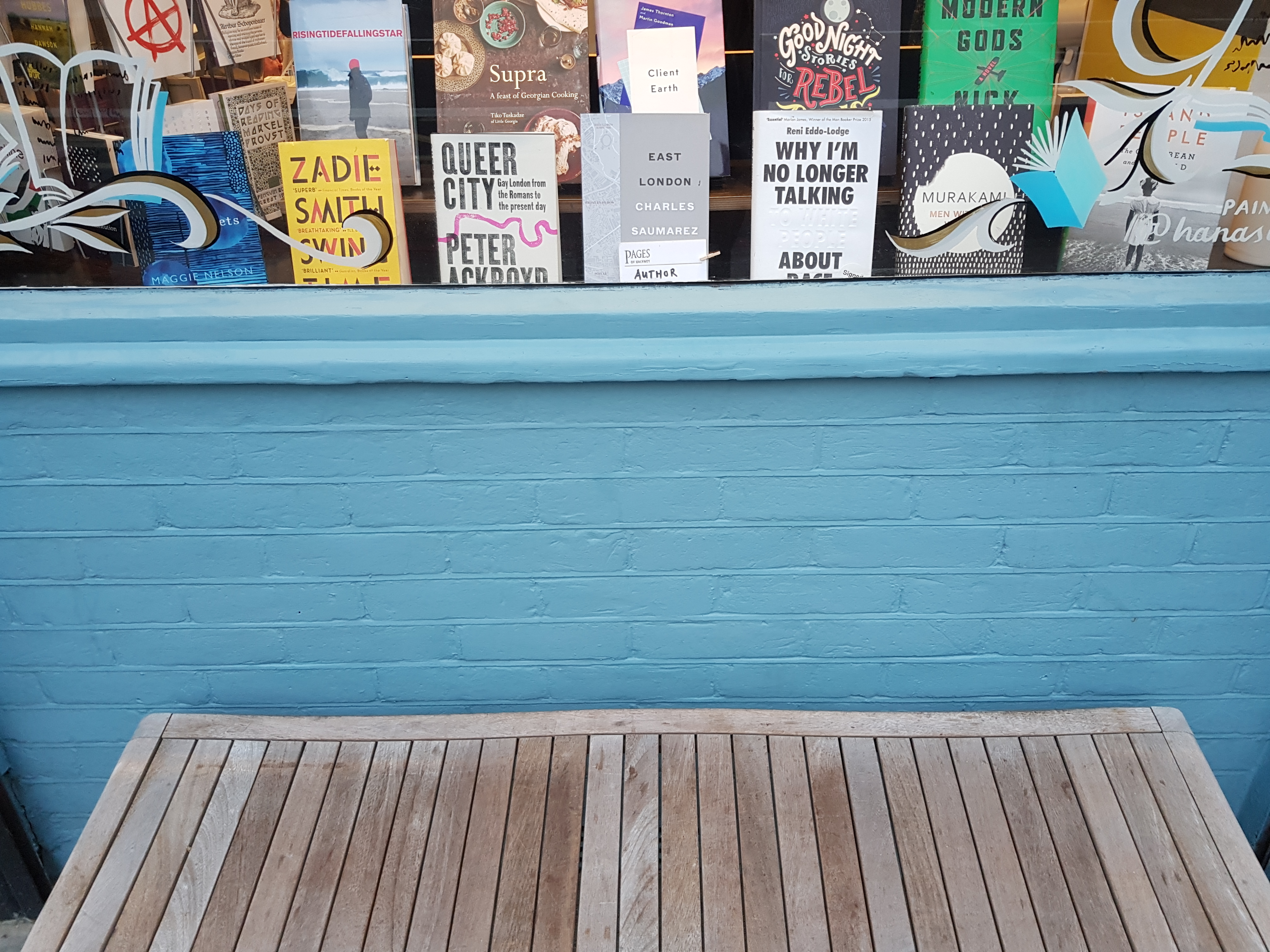
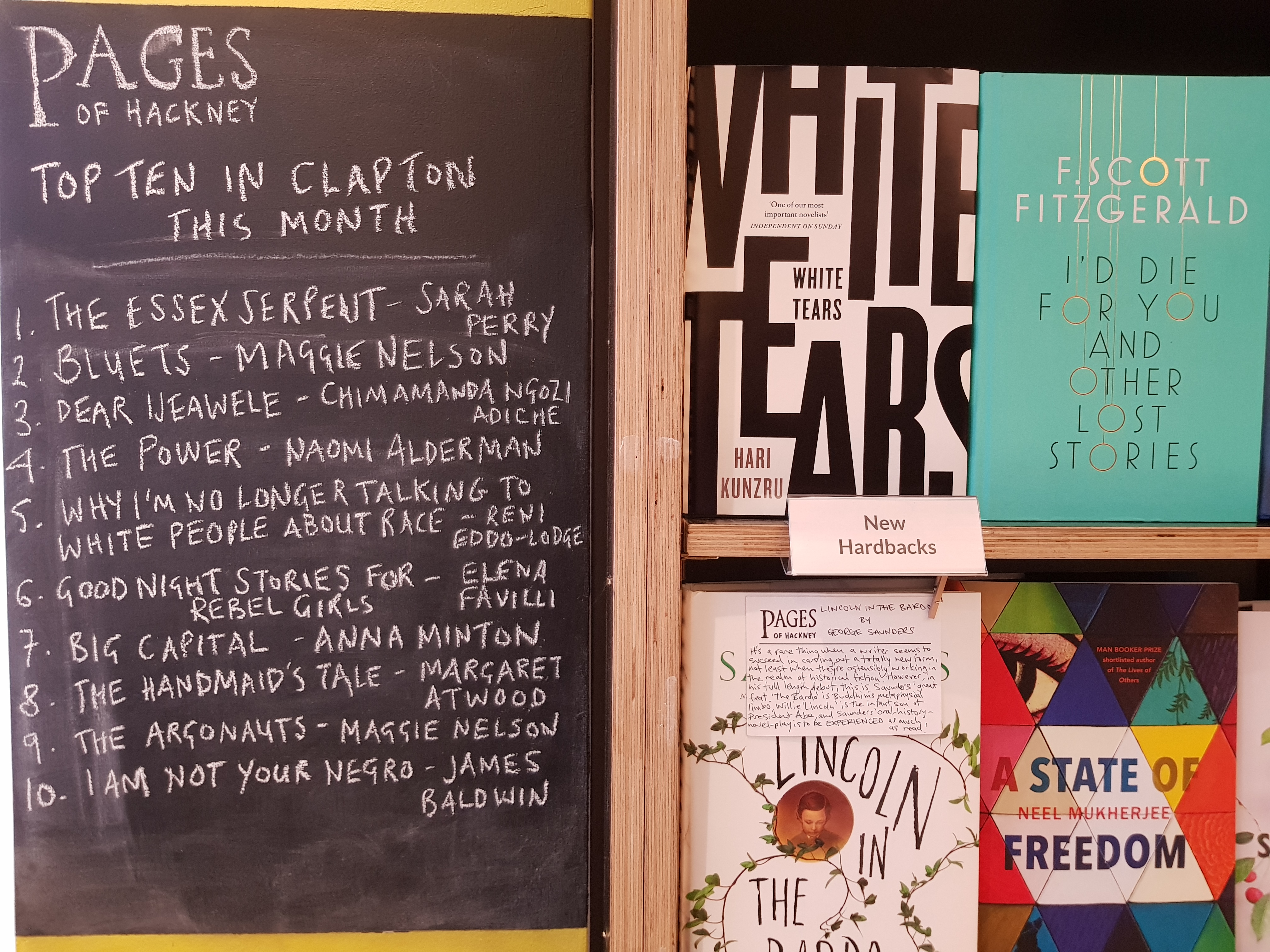
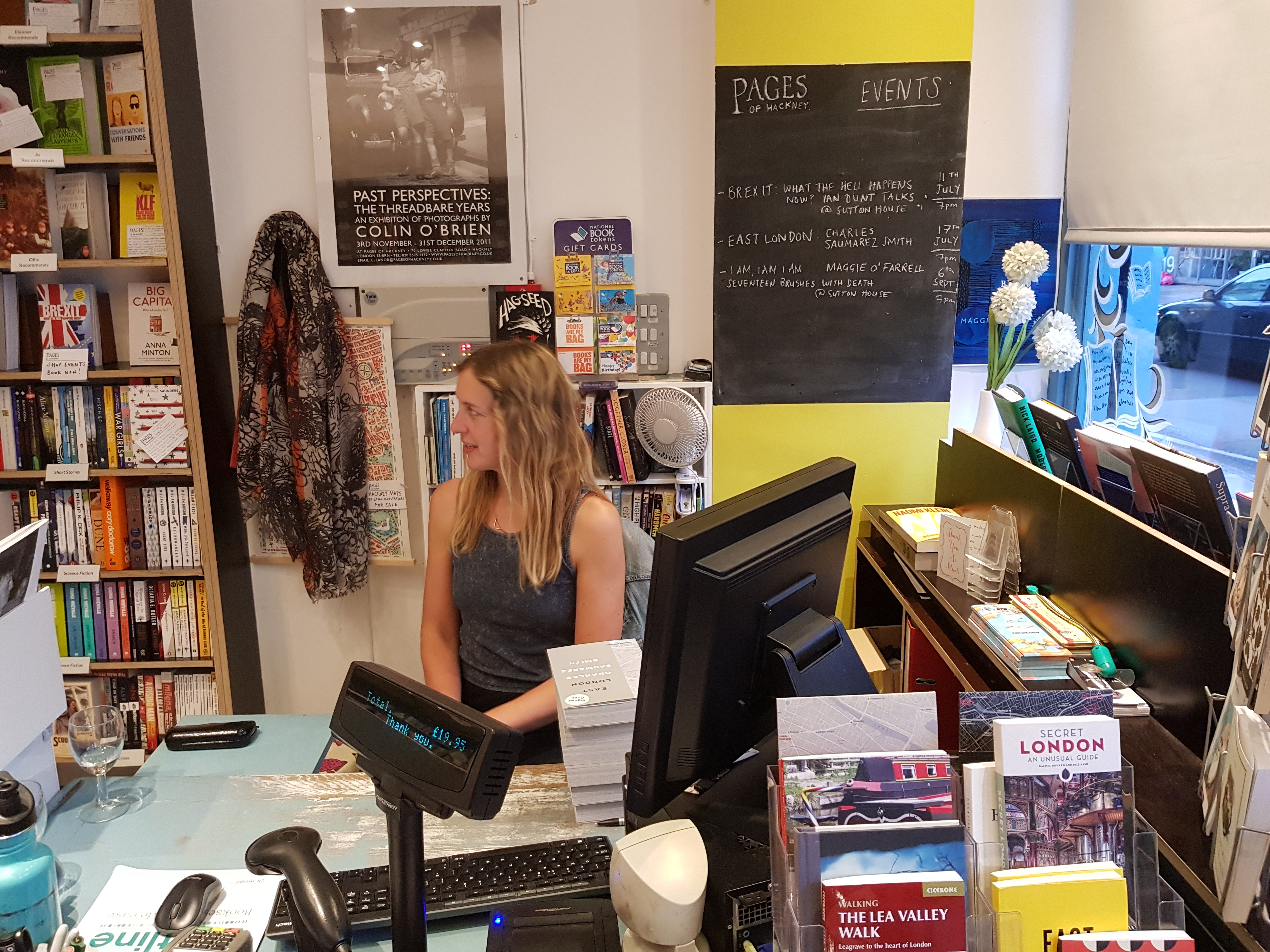
I did the last of the events to promote my East London book in Pages of Hackney, a small, well stocked, neighbourhood bookshop established in 2008 on Lower Clapton Road, then known as Murder Mile.   Nearly in the front row was David Lowenthal, the great historian and geographer (The Past is a Foreign Country), father of the proprietor.   He turned out to have belonged to a movement of documentary photography in the 1950s, believing in photography as a medium of social and geographical record (in the early 1950s, Lowenthal was teaching in the Department of Geography in Vassar, before moving to the West Indies).   The group, which included John Brinkerhoff Jackson, took photographs of rural America, which have recently been rediscovered and exhibited in Montpellier under the title Notes on the asphalt:  A mobile and insecure America:-

Standard

Mudchute

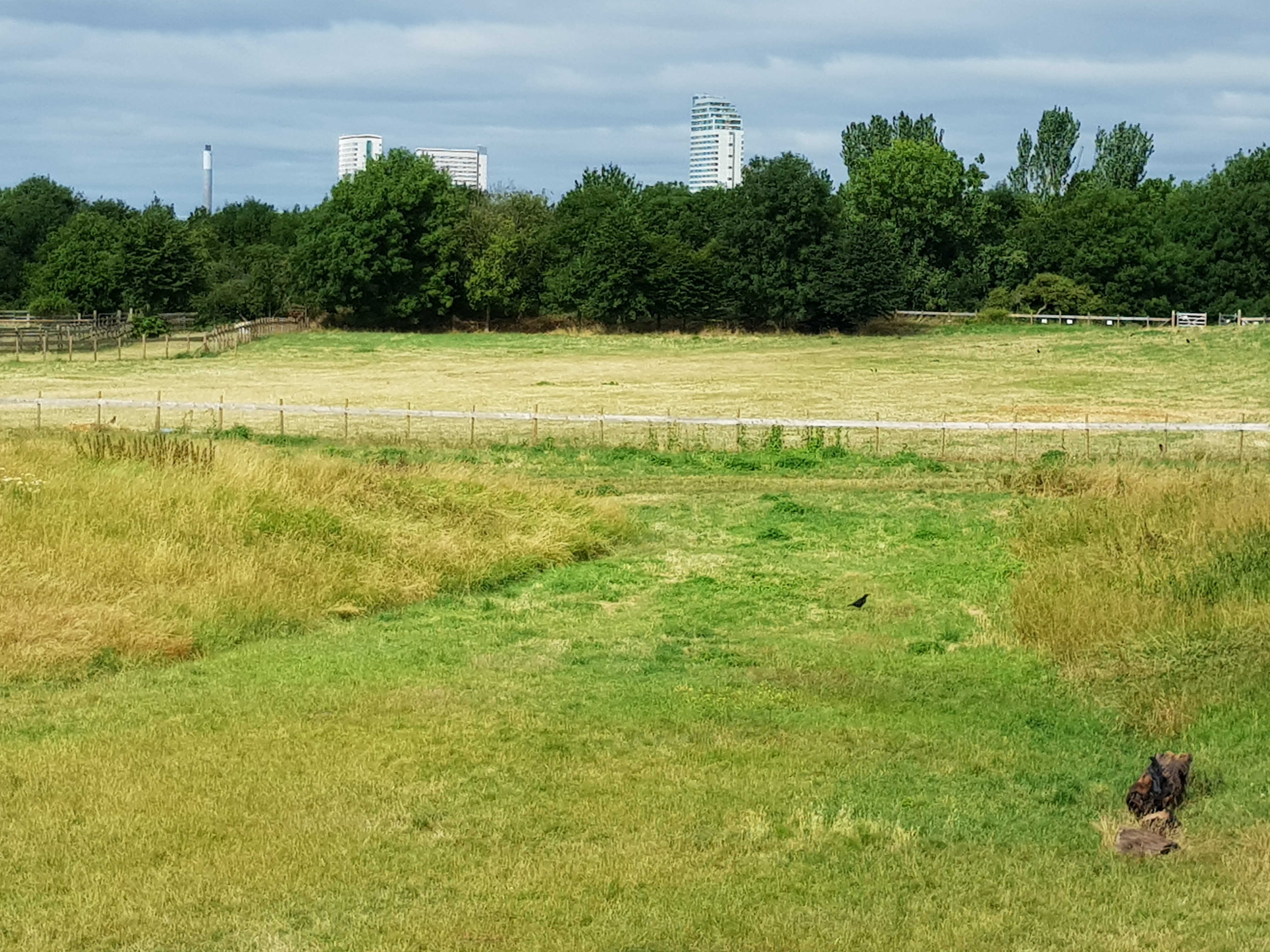
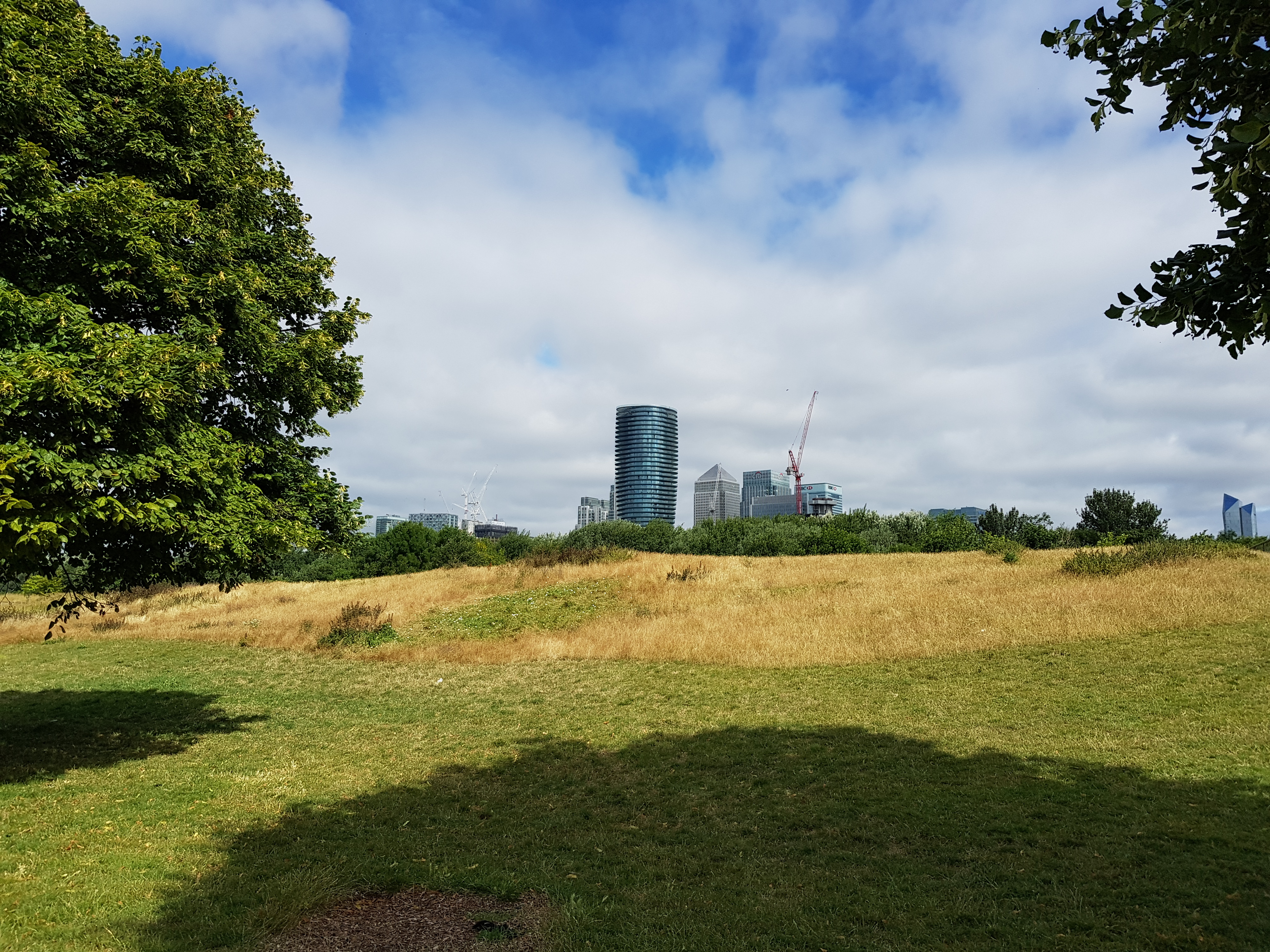
After exploring the north of the Isle of Dogs a couple of weekends ago, we ventured further south, across Millwall Dock and up onto the Mudchute, which was constructed out of the mud removed from the dock, which stank and caused diphtheria.   It was sold off by the Port of London Authority in the early 1970s and converted into a farm and nature reserve:-

Standard

The Streets of Florence

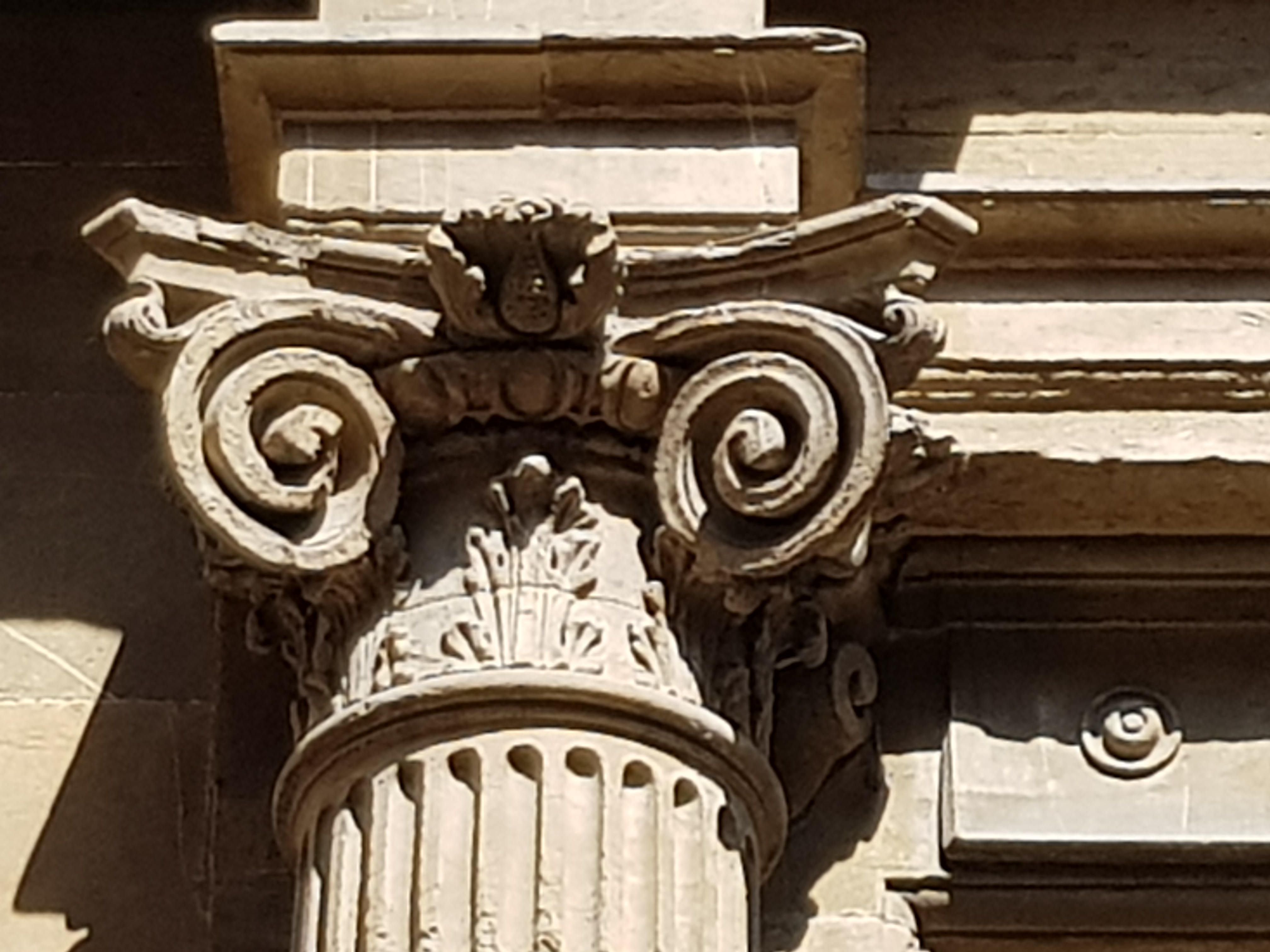
I find it hard to leave the subject of Florence without a few photographs of its streets.

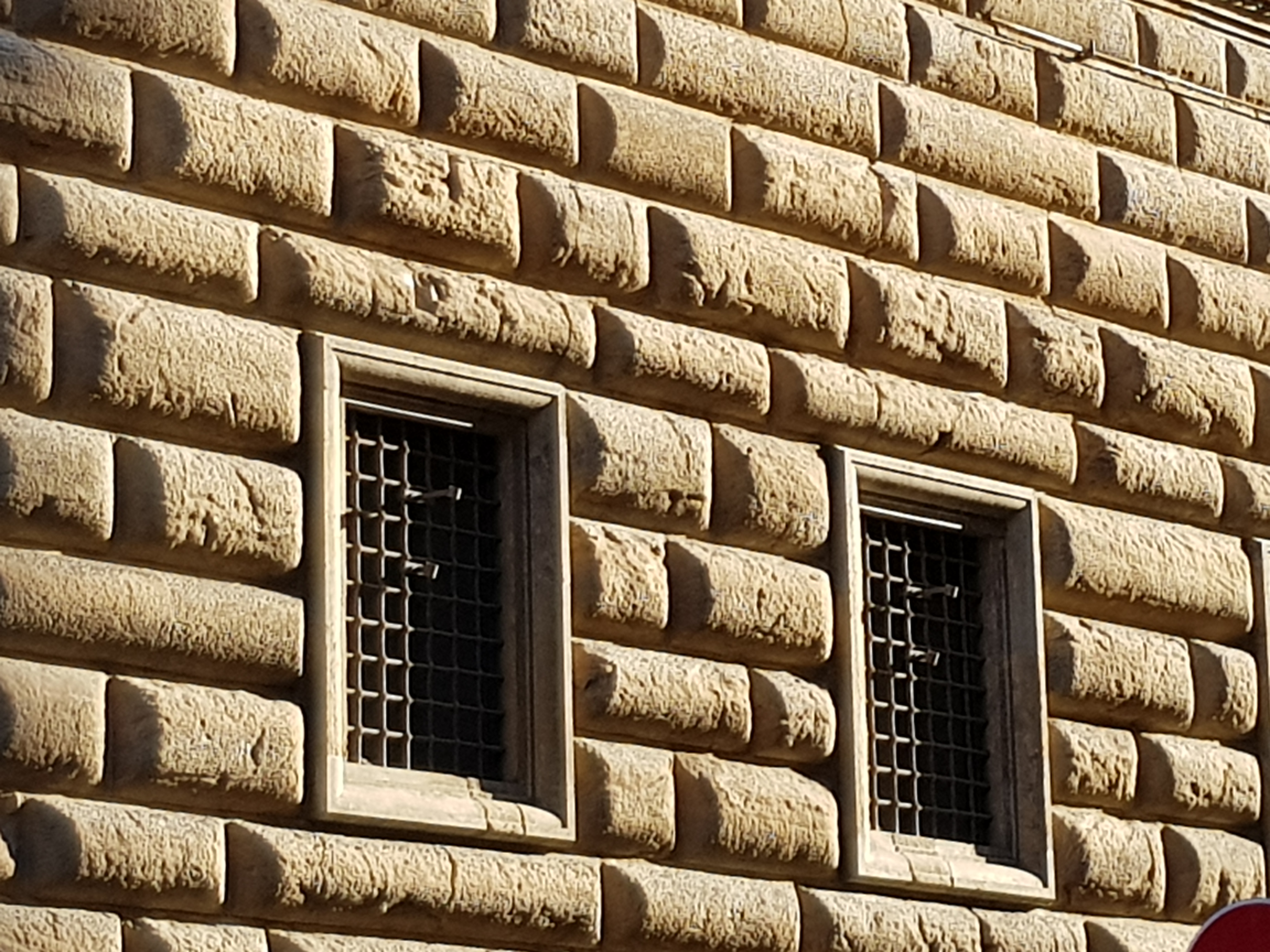
The rustication of the Palazzo Strozzi:-

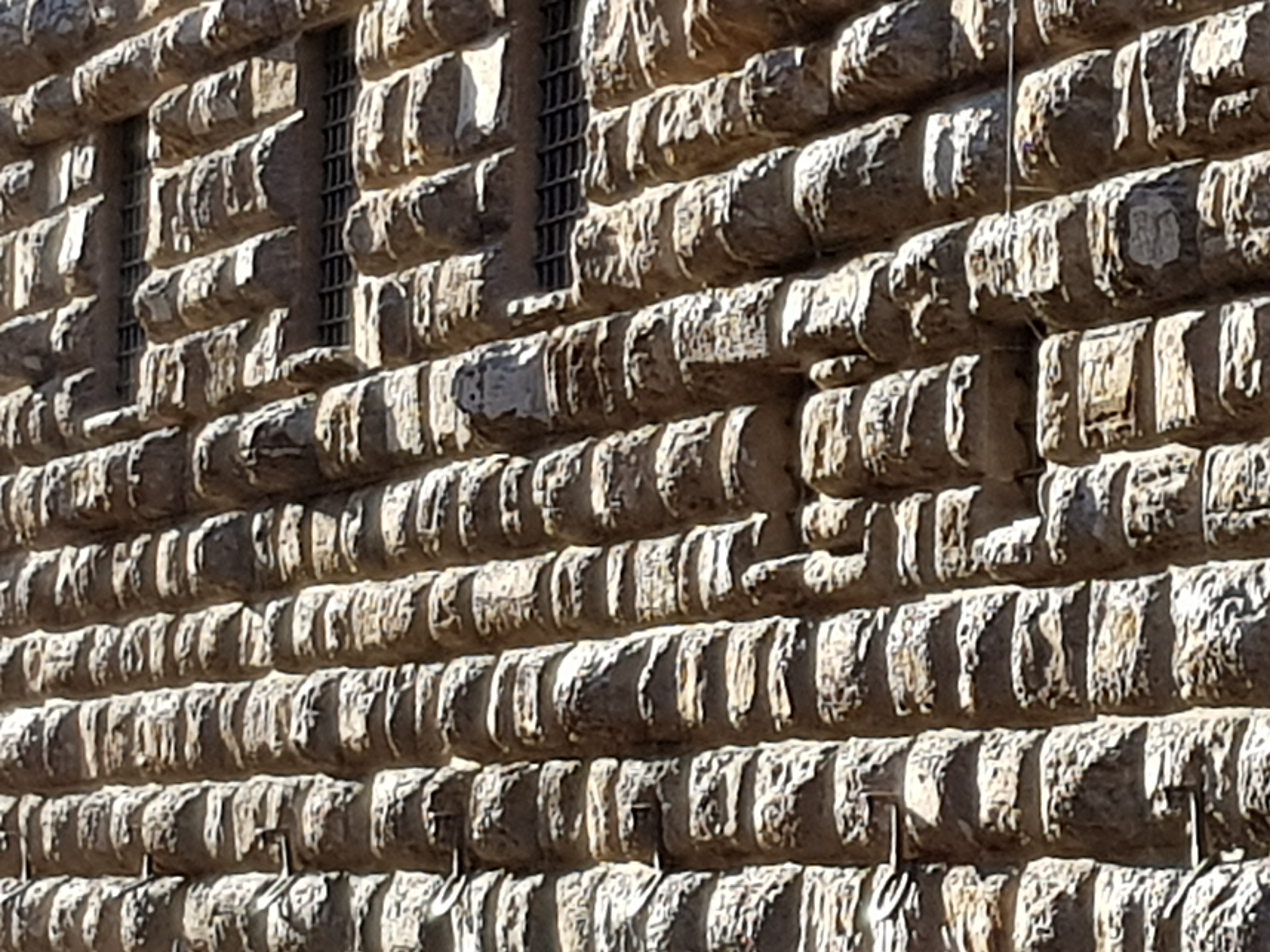
The same of the Palazzo Medici:-

And a few odd bits and pieces of sculptural decoratiin as I walked to the trattoria Cibreo, which was James Bradburne’s recommendation of where to eat:-

Standard

Baltimore Tower

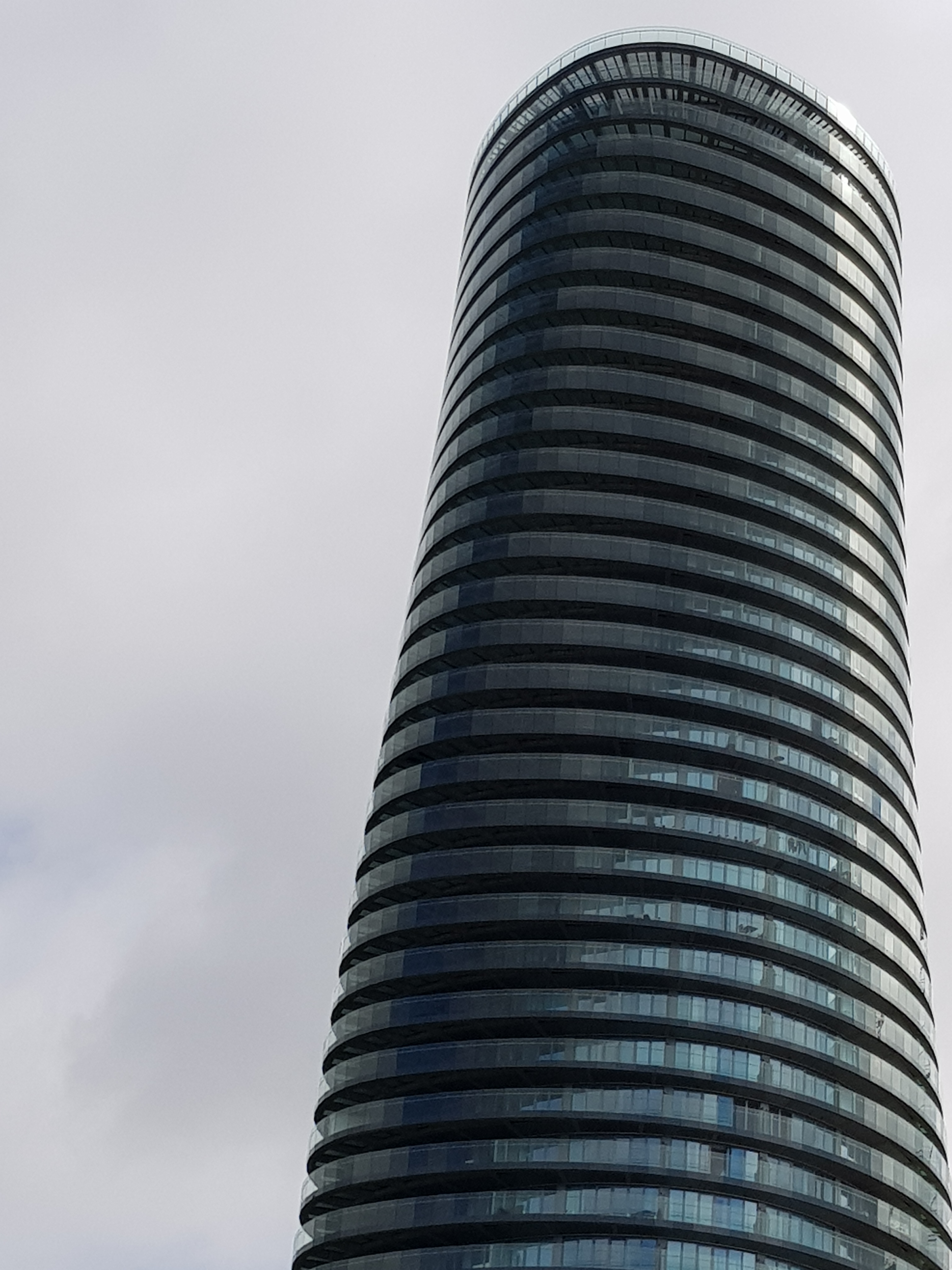
I have now found out the architect and verified the identity of the strange bulbous tower which has appeared on Millwall Dock.   It is indeed Baltimore Tower and was designed by Skidmore, Owings and Merrill on the site of the London Arena:-

Standard

S. Gaetano

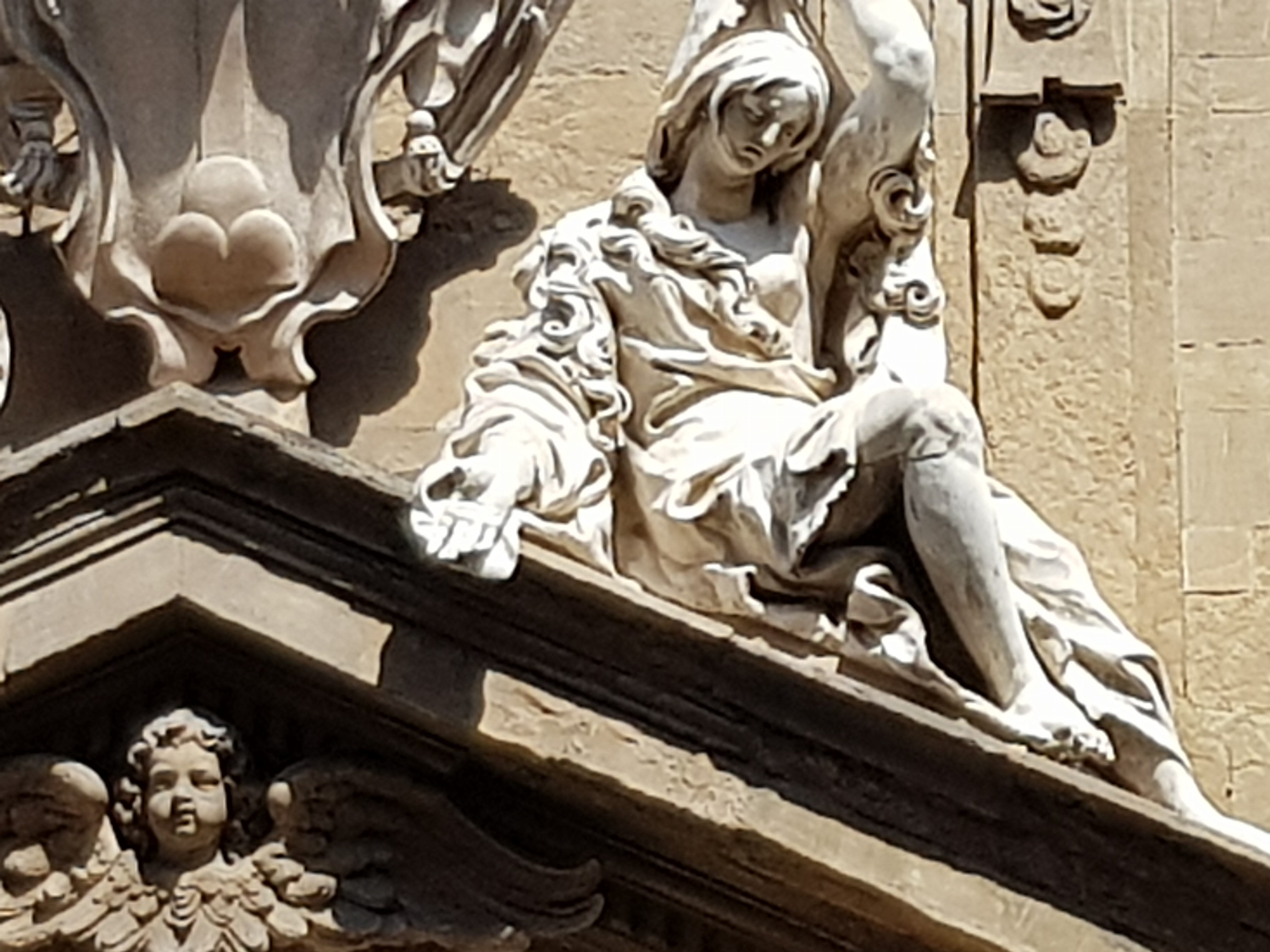
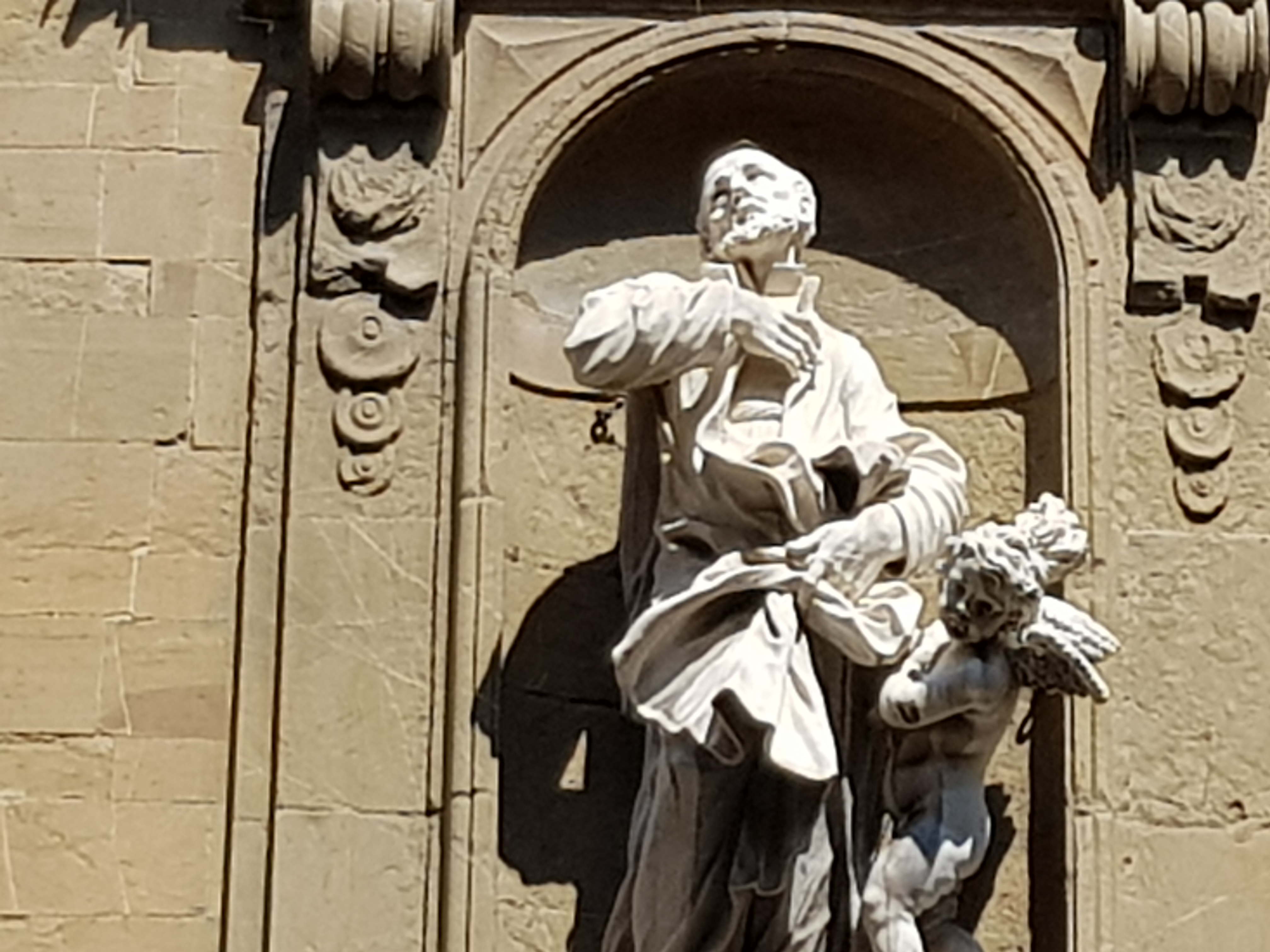
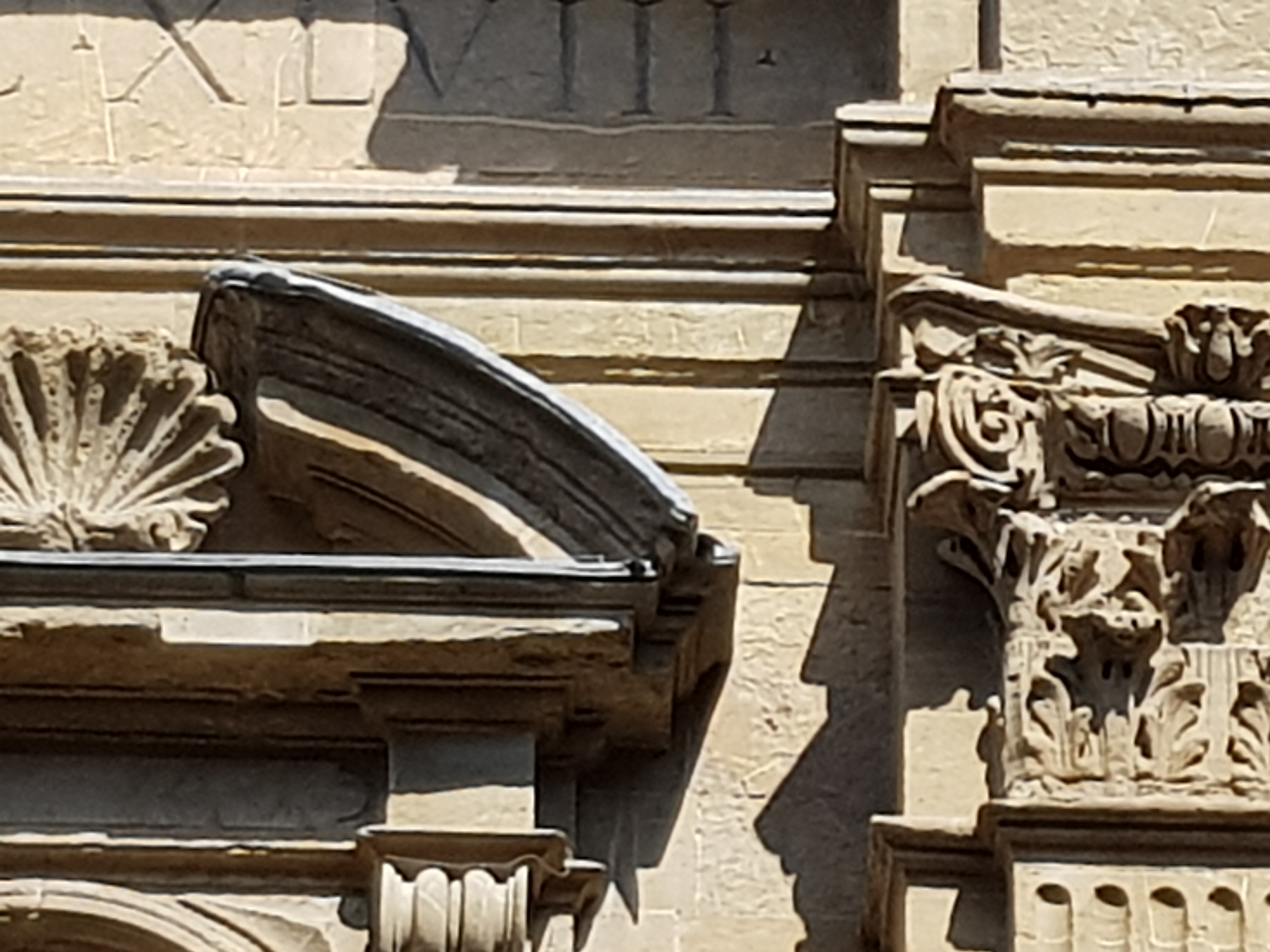
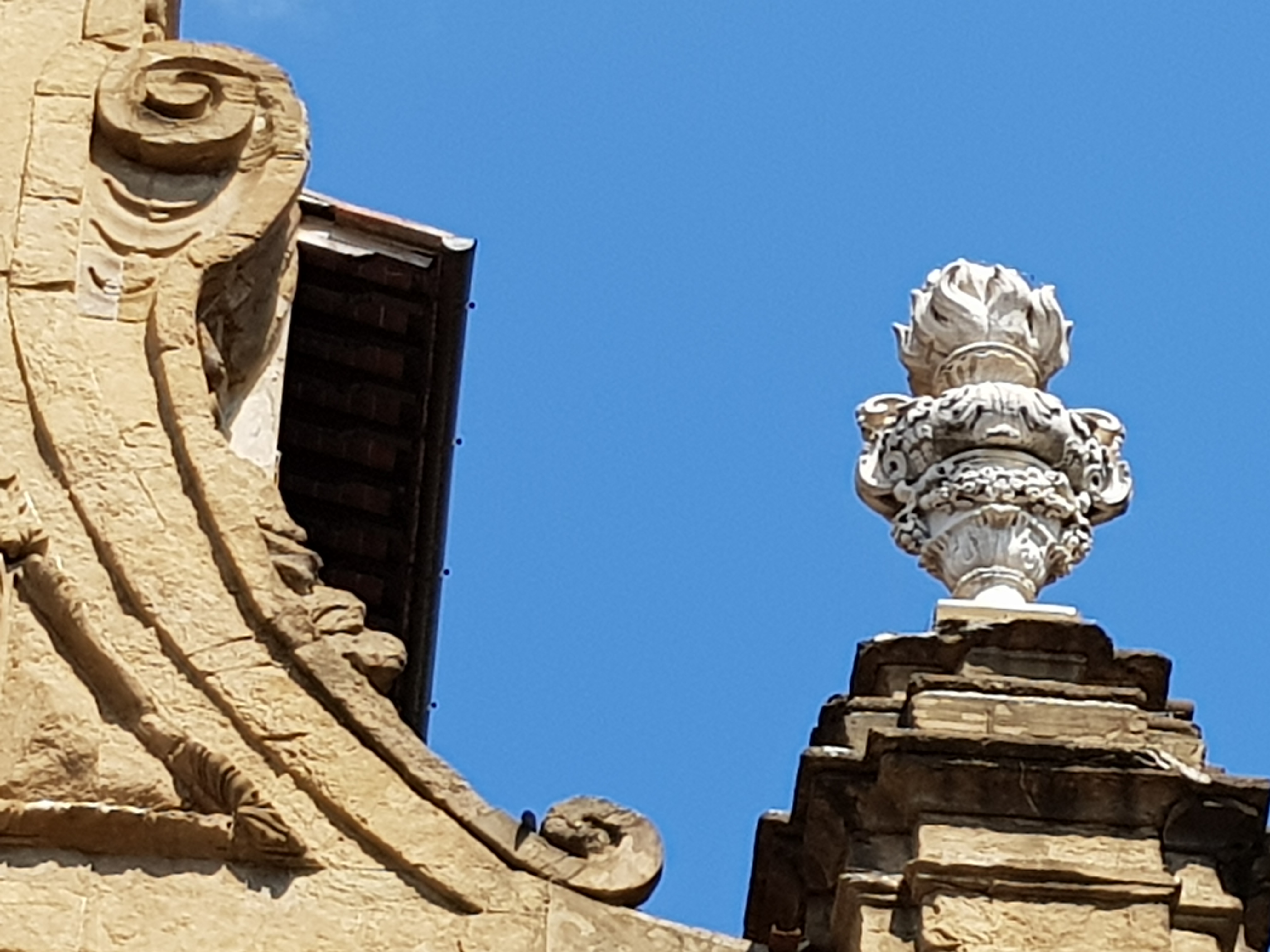
It’s not the first time that I’ve admired S. Gaetano with its crumbling, seventeenth-century baroque façade and vividly white urns and statuary, built for the Theatines between 1604 and 1648.   It doesn’t seem to get into the standard tourist guides, no doubt because it’s seventeenth century, but is described with great enthusiasm by Michael Levey as ‘rising like a tree peony in a prison cell’:-

Standard

Bill Viola Hon RA

I had arranged to see Bill Viola’s big retrospective exhibition at the Palazzo Strozzi well before he was elected an Honorary RA, having been an admirer of his work ever since seeing The Messenger in the nave of Durham Cathedral in 1996, the date of The Crossing, the first work in his current exhibition (he also has exhibitions in Hamburg and Bilbao).   The Crossing is a powerful introduction:  stripped back to the essentials of the desert and pillar of fire.   Next door is The Greeting, shown alongside Pontormo’s Visitation, borrowed from Carmignano, a tough double act which demonstrates, if it’s necessary, how much his work is imbued with Renaissance imagery.   I liked The Four Hands (2001), a very simple, black-and-white work about the expressive power of hands – fingers clasped, touching and in prayer.   Then you come across Uccello’s Flood  and the effect is that you very much want it to move.   Viola certainly knows how to use the sacramental qualities of slow-moving film to powerful visual effect and is not at all afraid of – in fact embraces – traditional biblical imagery with its layers of history and meaning.

Standard