Berlin (2)

I was staying on the edge of Mitte, the area of east Berlin which was first colonised by artists before the Wall came down and has now been perhaps over gentrified, but is still full of parks and galleries and bookshops:-

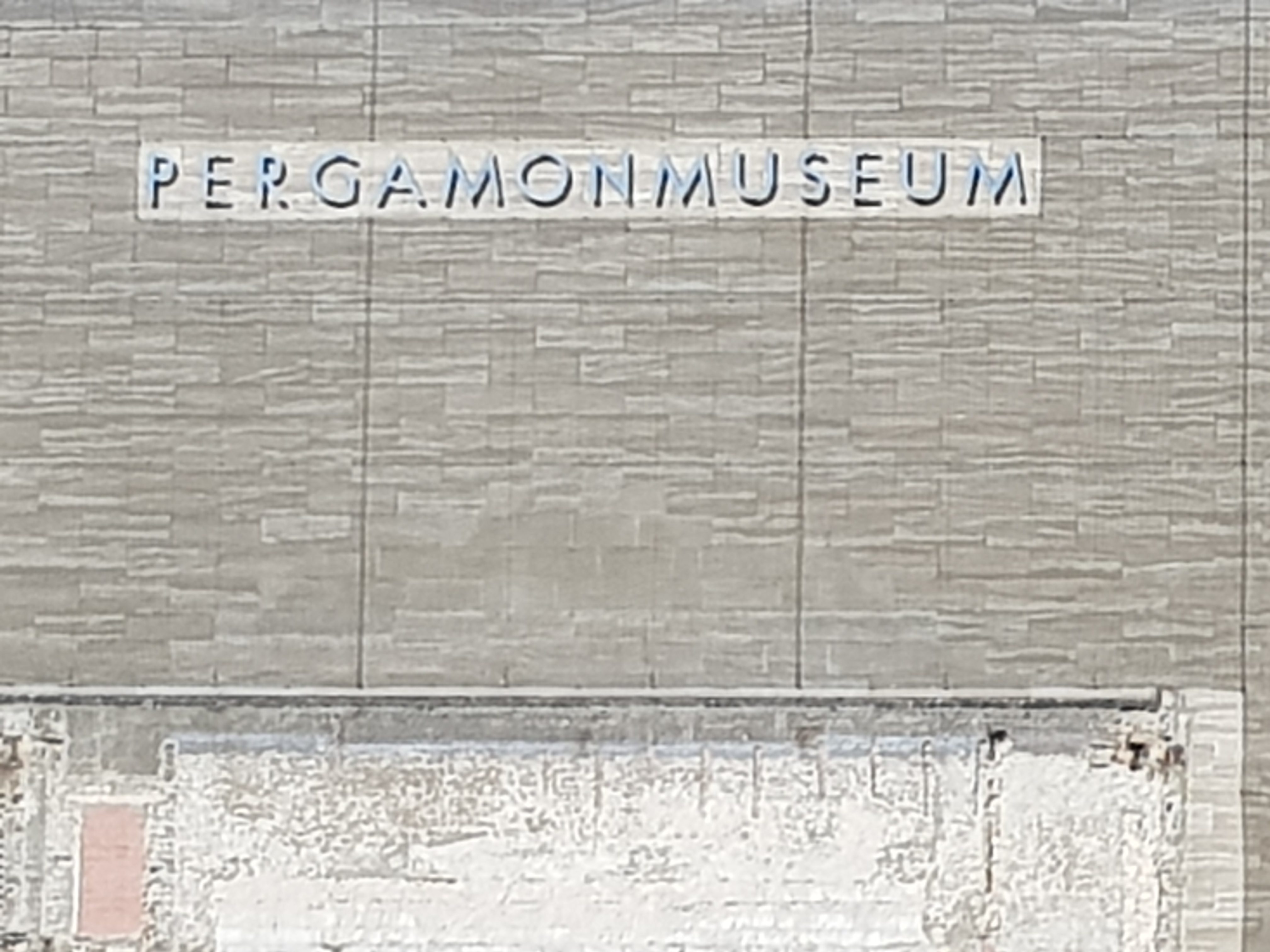
I walked past the Pergamon Museum, now being renovated:-

And back down Auguststrasse:-

Standard

Cultural Institutions (2)

It wasn’t really a conference, more a conversation, held in the Orangery on the roof of the Robert Bosch Academy with the heads of mainly Berlin cultural institutions.   We started with new ways of working:  the ways in which the patterns of work are changing with less conventional workspace, a blurring of the lines between work and home, the use of so-called flexispace.   This is undeniable, but the question is whether there is a similar dissolution of boundaries in cultural practice.   I can see that there is much more emphasis on debate, audience needs and participation.   But does this abrogate the need for conventional, historical buildings ?  What I came away with was a sense of anxiety, if not disillusionment, with conventional historical institutions, including, most especially, plans for the Humboldt Forum, which are funded by goverment to promote tourism (I didn’t know that only 10% of visitors to the Guggenheim in Bilbao are locals), as compared to more democratic, artist-run, local initiatives, of which there are said to be many up the Hudson River;  and that, in terms of cultural practice, content is more important than the container, as demonstrated by the original ICA and by theatres, where the interaction with the audience is more important than the setting.  

Standard

Berlin (1)

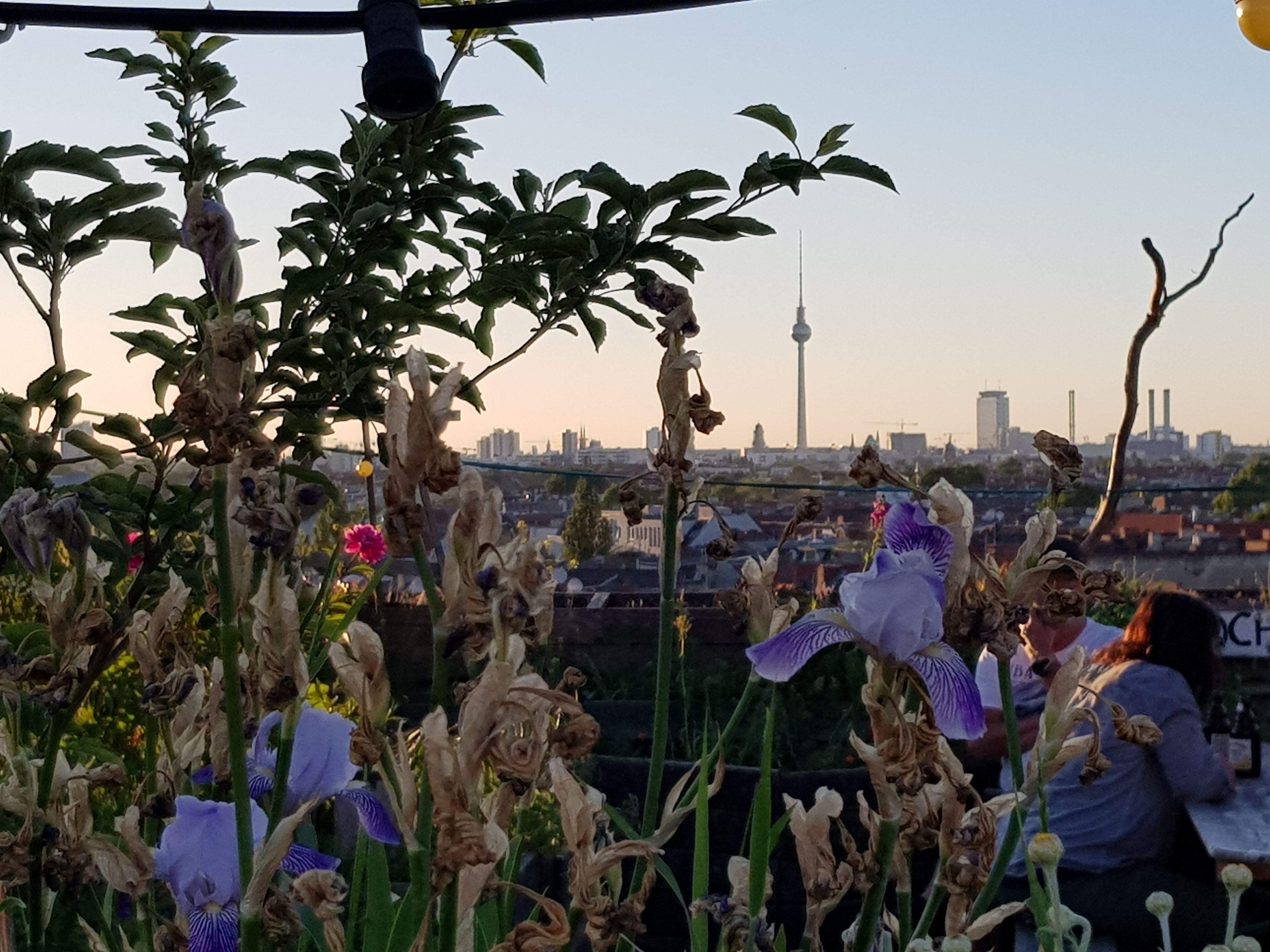
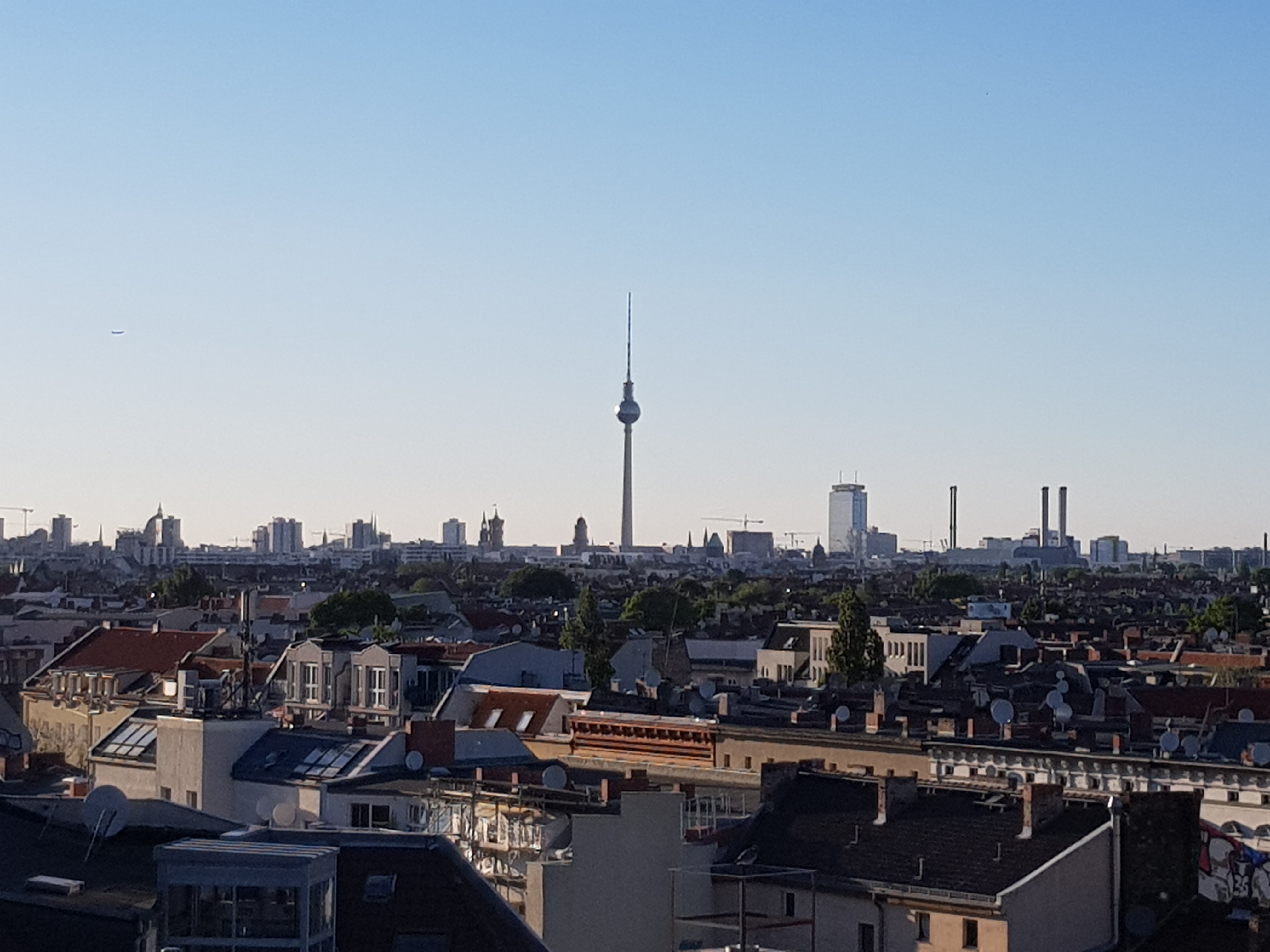
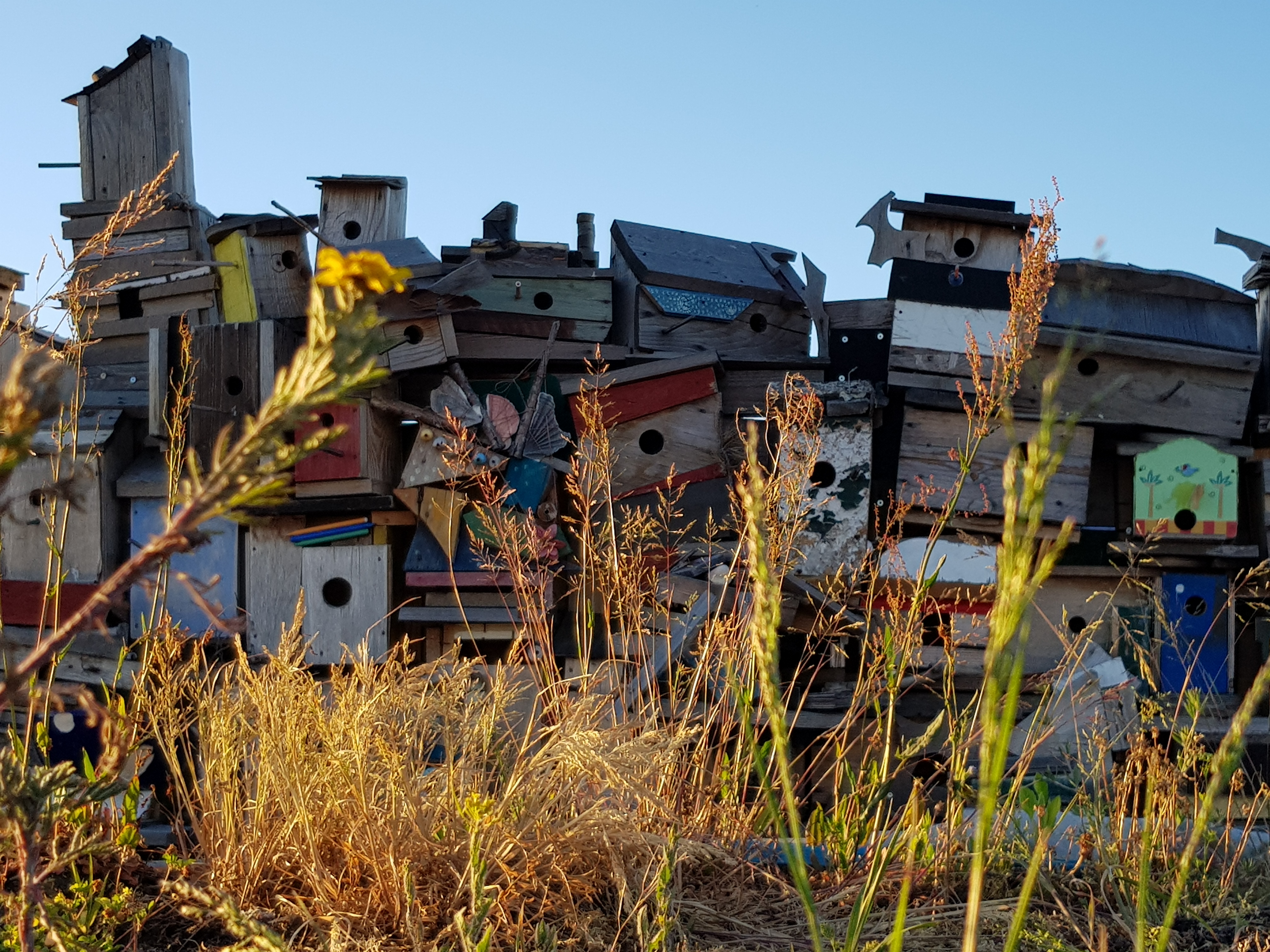
I was taken on a tour of those parts of Berlin which I would not normally see as a tourist.   First, a grand, popular drinking establishment called Klunkerkranich and situated on the top of a car park in Kreuzkölln, in the old East, with a spectacular view of central Berlin:-

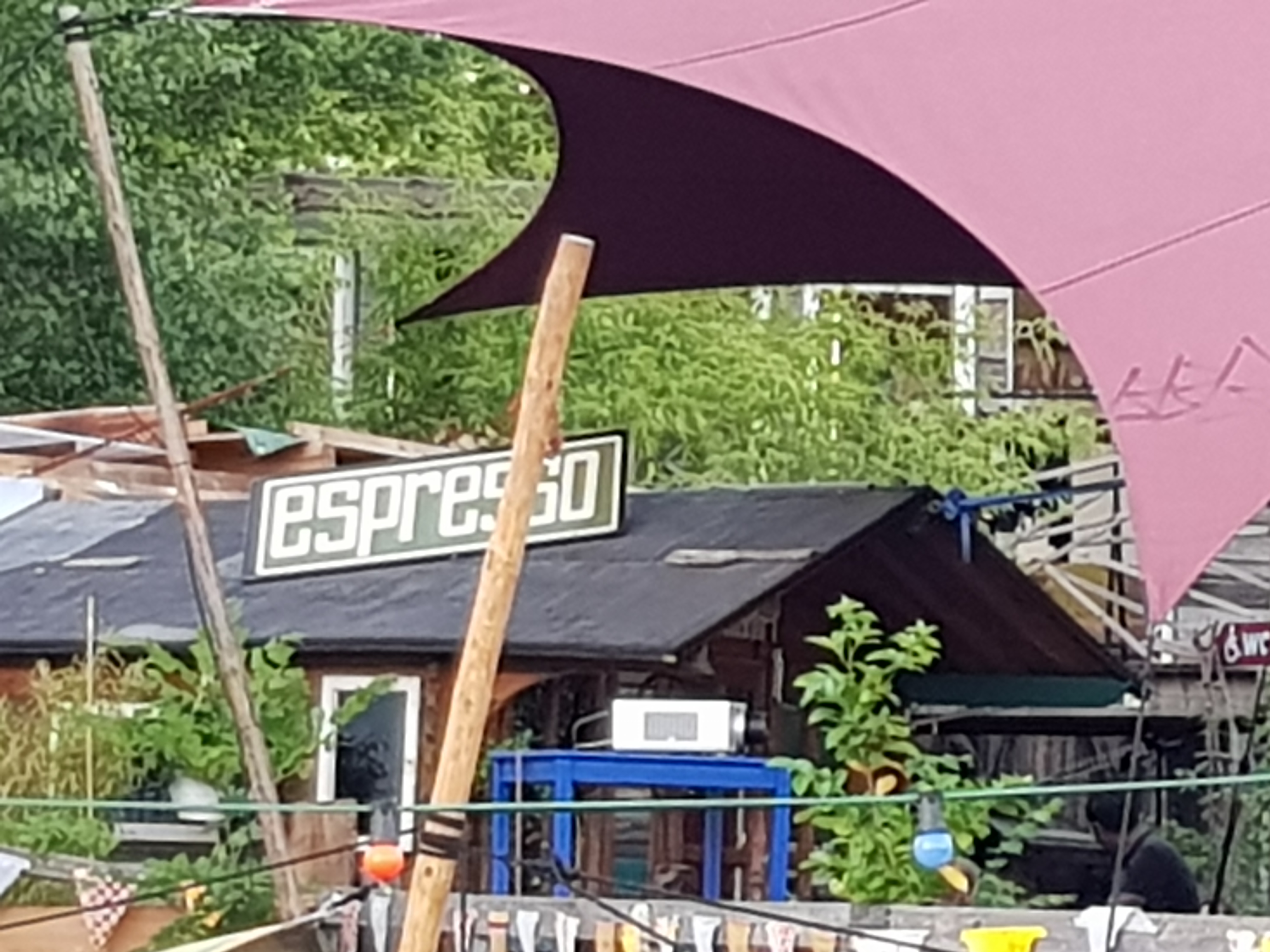
It had the atmosphere of an allotment, full of huts and flowers:-

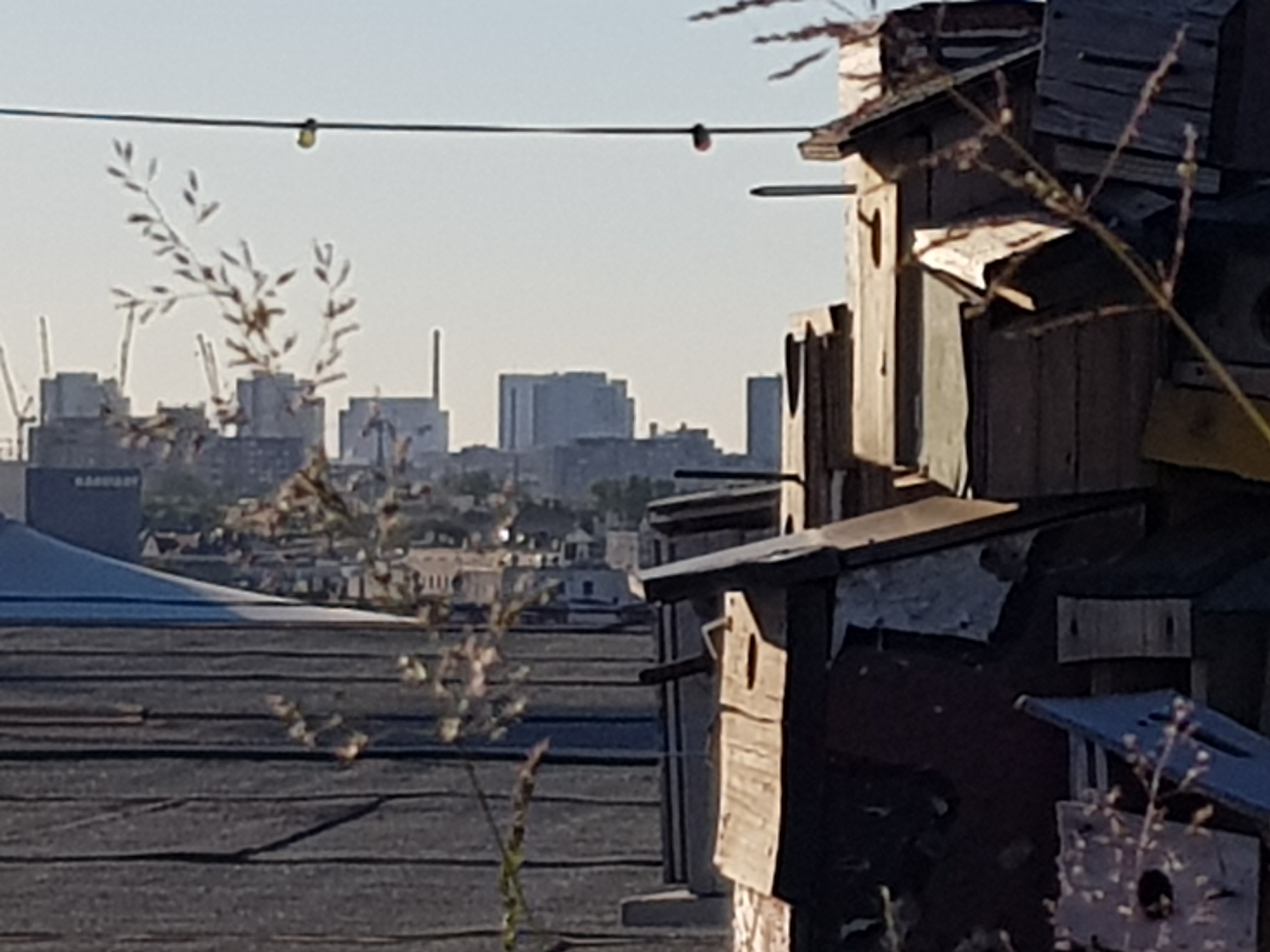
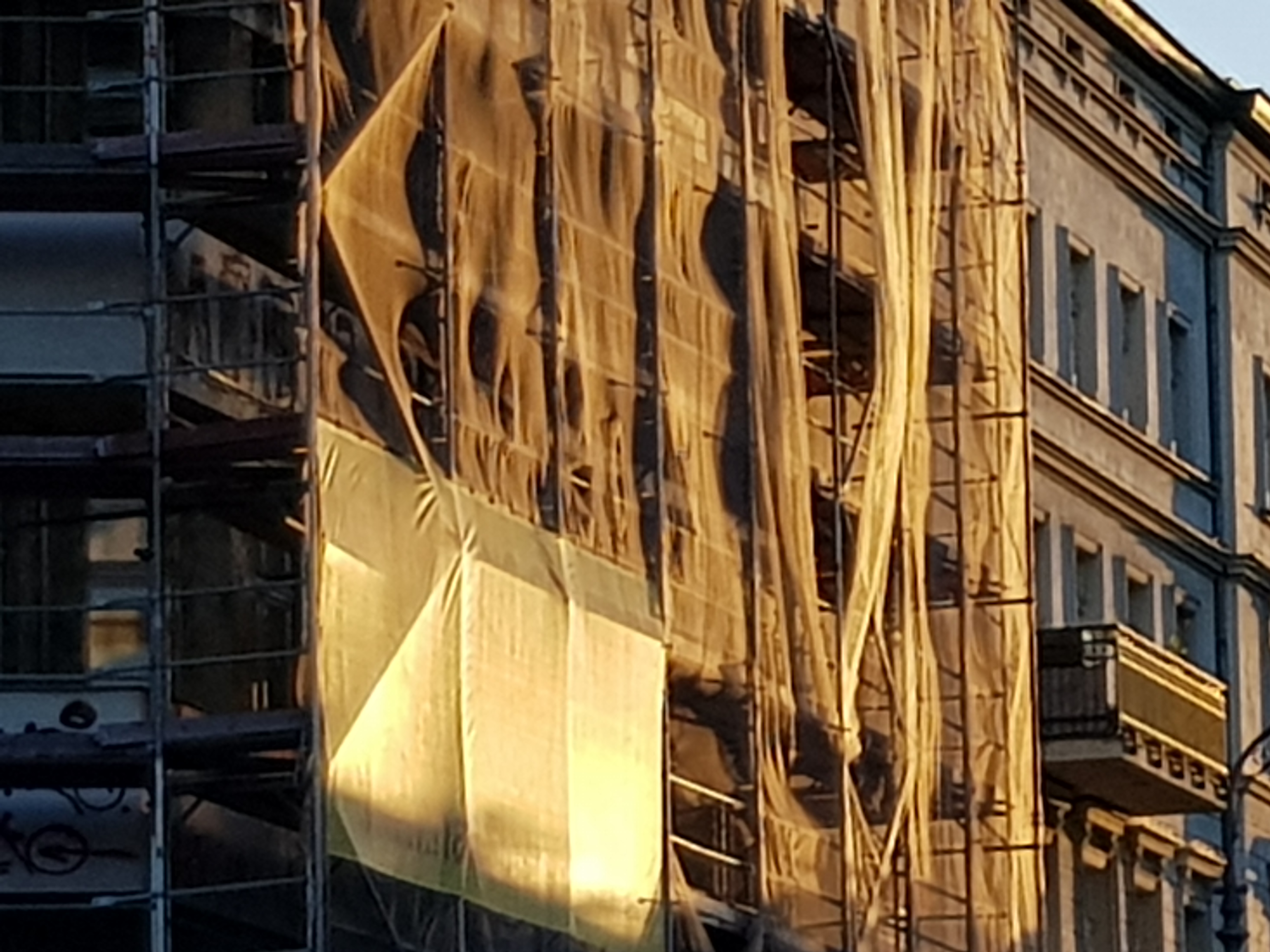
En route to our next stop, we passed a building which I photographed out of the taxi window:-

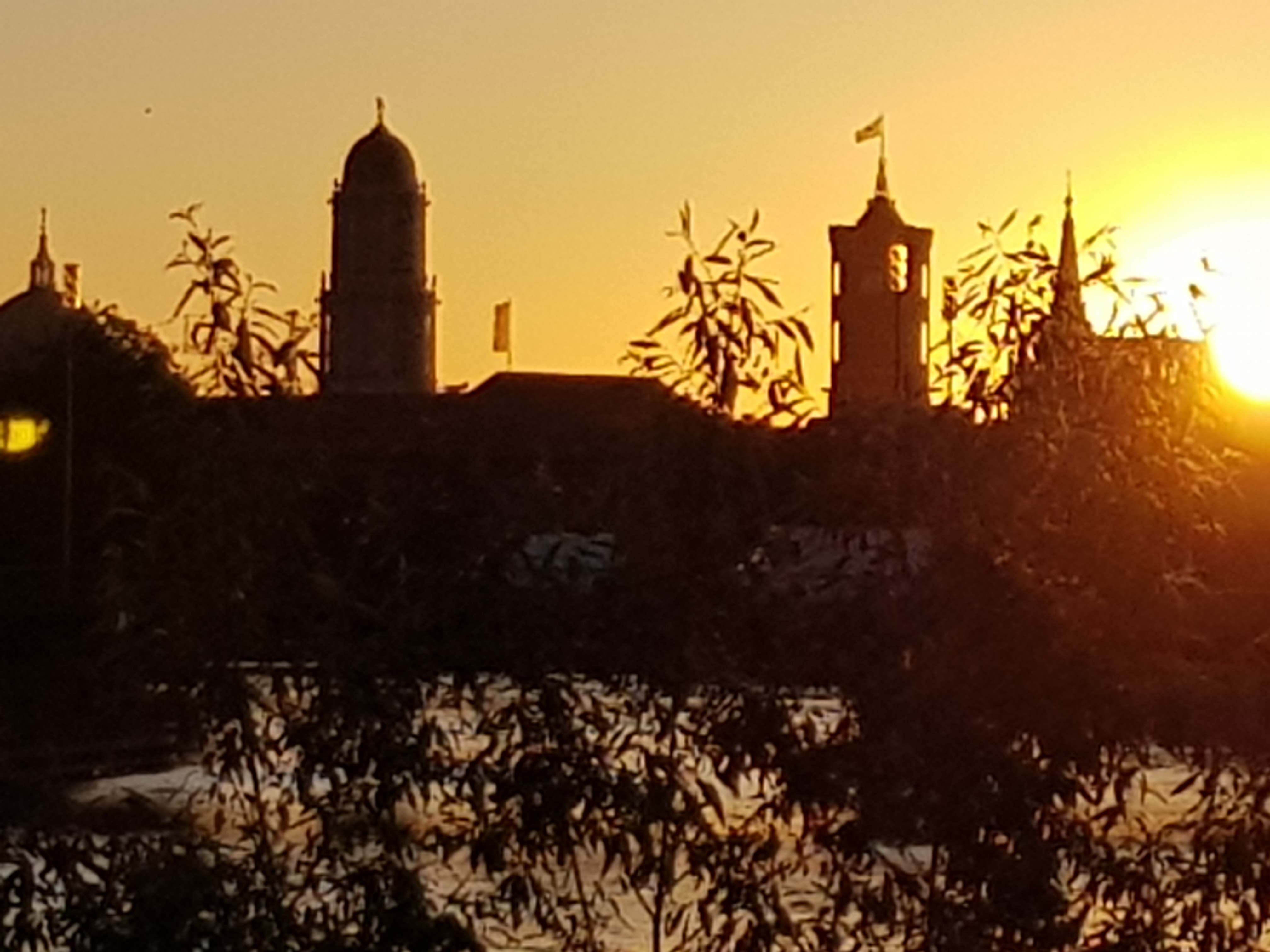
We had supper in Kater Blau, part of a large co-operative on the banks of the river Spree, with views downriver towards the centre of town:-

Standard

David Chipperfield RA

I went on the Chipperfield tour of central Berlin.   The building he did for Heiner Bastian – its beautiful big galleries filled with work by Anselm Kiefer on one floor and Emma Stibbon on the floor above.

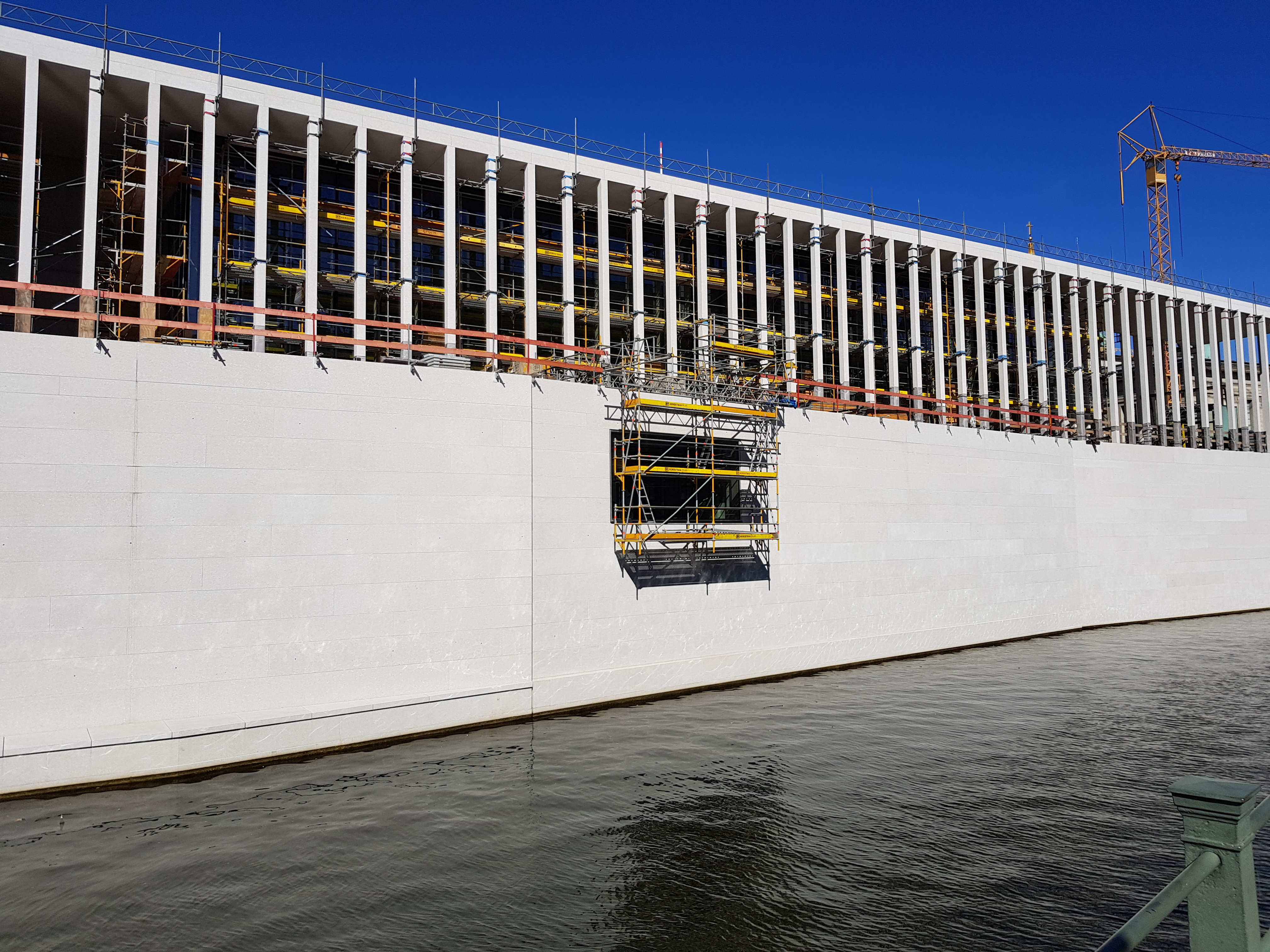
Immediately opposite, the James Simon Gallery, which is making good progress:-

A building on Friedrichstrasse which has been part refurbished (I don’t know why the photographs have turned out thin):-

And his offices on Joachimstrasse:-

Standard

Bode Museum

In preparing for my one-day conference on cultural institutions, I have been asked to reflect on what have been powerful cultural experiences during my lifetime.   This has led me to revisit the Bode Museum (the old Kaiser-Friedrich Museum) as homework, which, alongside the Neues Museum and the old Ethnologisches Museum in Dahlem, I think of as amongst the most powerful cultural experiences in Berlin, itself one of the most culture-laden, museological experiences.   Of course, on entering it, I immediately realise that I like it for what are probably all the wrong reasons:  it’s quiet;  it has a strong sense of its own history;  it is not part of the tourist gravy train;  and it has a great collection, much of it displayed in daylight with a minimum of interpretation.   But there is also the memory of my first visit to Berlin, crossing the border to East Berlin in September 1972;  and of other visits to the Bode Museum.   I would be sorry if the demand for new types of museological experience negated the old.

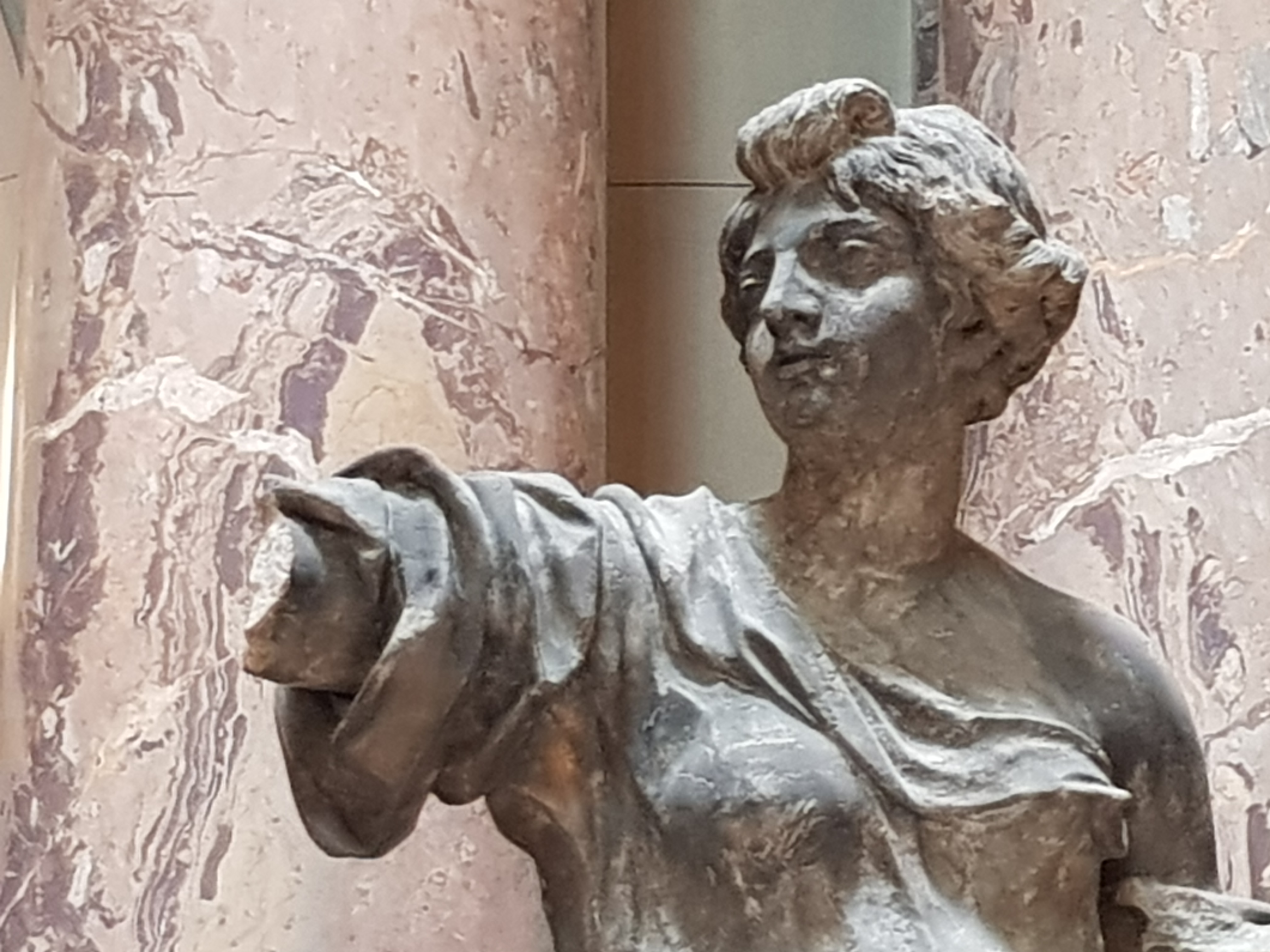
The display of the sculptures from the parapet, charred by war, give it an immediate sense of history:-

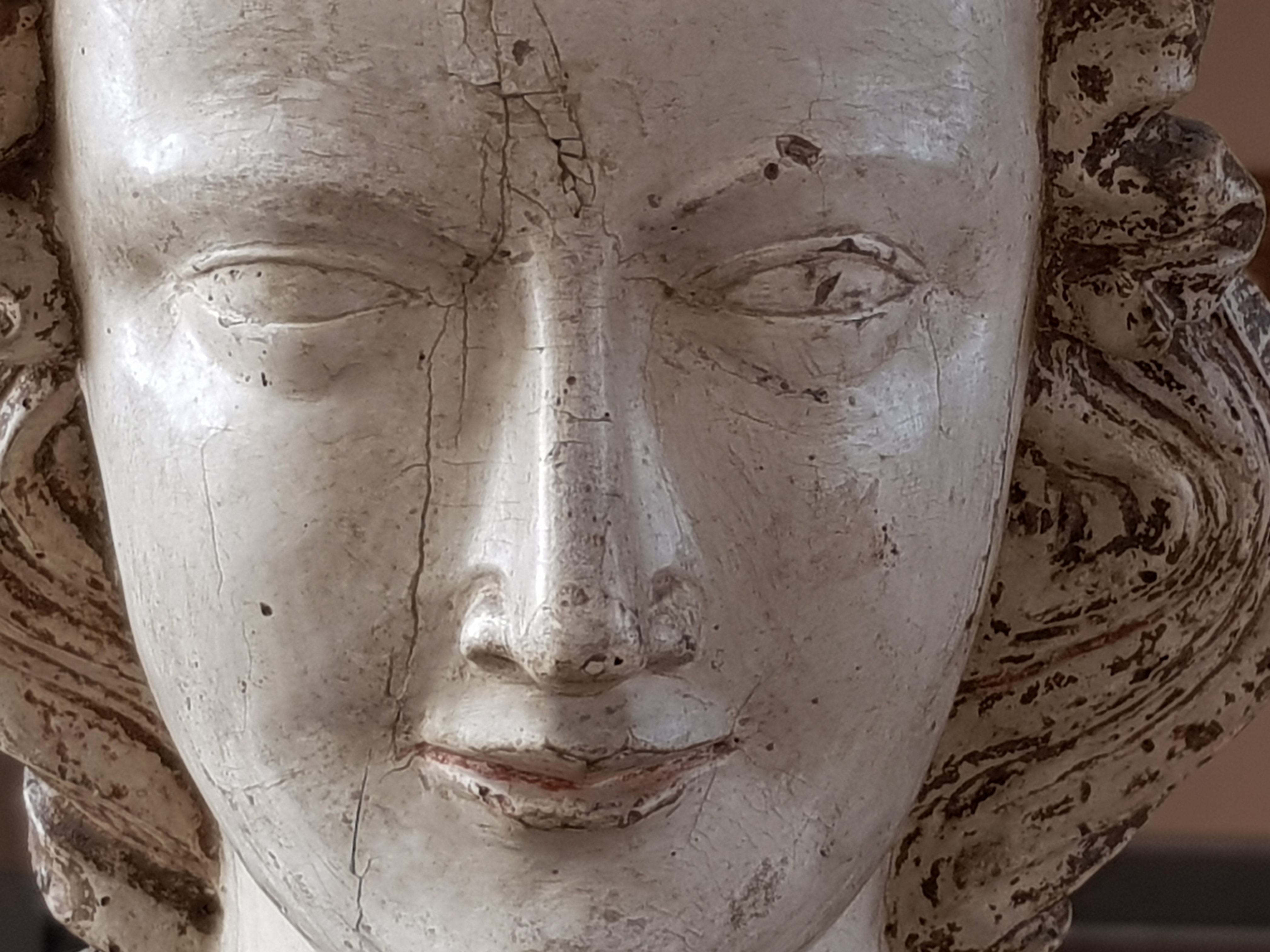
This is a reliquary bust:-

 A bust of King David (c.1460):-

    Standard

    Cultural Institutions (1)

    I have been invited to a one-day conference at the Robert Bosch Academy in Berlin to discuss the nature and character of existing cultural institutions and their continuing legitimacy in the future under the title ‘What if ?…there were no cultural institutions and we reinvented them’.   This is obviously a germane discussion, coming, as I do, as a representative of an Academy – by origin, a sixteenth-century cultural genre – which is in the process of reinventing itself for the purposes of the twenty first century.   I have been thinking and reflecting on what I regard as the key issues which have been debated during the course of drawing up plans for our new building.   The first has been – probably inevitably – the nature of the relationship between cultural and consumer experience:  how far should a cultural building located in the heart of Mayfair relate to, or differentiate itself from, the surrounding high end, consumer culture ?  The second has been the extent to which the displays should be determined by the demands of the audience or by the artist as curator.   The third (closely related to the second) is the extent to which it is possible to rely on pure visual experience without historical explanation.  As I read the recent secondary literature, I keep remembering an unexpected finding of a consultative forum held last year in which it became clear that people in their twenties were much more hostile than older people to receiving information on tablets or their mobile phones, so that any presumption that we are moving into a world in which all information is received digitally may be wrong.

    Standard

    British Airways (3)

    Several people have commented that they thought my previous posts on the performance of British Airways were surprisingly restrained.   It is true that I have not wanted to think that a major international airline, once a flagship carrier, could be so apparently uncontrollably incompetent as to send five pieces of luggage to Madrid after they should have known the passengers had returned and four days after they were informed – in person and not by machine – that one of those pieces of luggage contained essential medical supplies.   I think of the moment when I looked over the barriers in the baggage hall at Heathrow and saw trollies and trollies of luggage lined up in endless rows and a single person, perhaps the last remaining baggage handler, aimlessly wandering around inspecting the luggage tickets and doing nothing whatsoever about it.

    Standard

    The Suitcase (1)

    We got back to Heathrow yesterday.   Of course, it was folly to think that our suitcases might still be there.   Instead, according to a computer generated message to which it is, of course, impossible to answer, they may be on their way to Madrid even in spite of the fact that British Airways, if their computer systems were operating, ought to know that we have returned.   So, I have spent this morning realising how much of my life is contained in a suitcase:  the suit that I want to wear this evening;  my best shirt;  my only operating alarm clock;  the books that were going to be gifts to friends in Madrid;  my braces.   This is as nothing to the suitcase of my wife which contained the pills that keep her alive (luckily, we obtained some from a helpful Spanish pharmacist).   The suitcases are said to be in a warehouse somewhere in Heathrow, no doubt in the care of a subcontractor, awaiting reassignment.   One day we can hope to see them again, but no-one can tell us when.

    Standard

    Factum Arte (2)

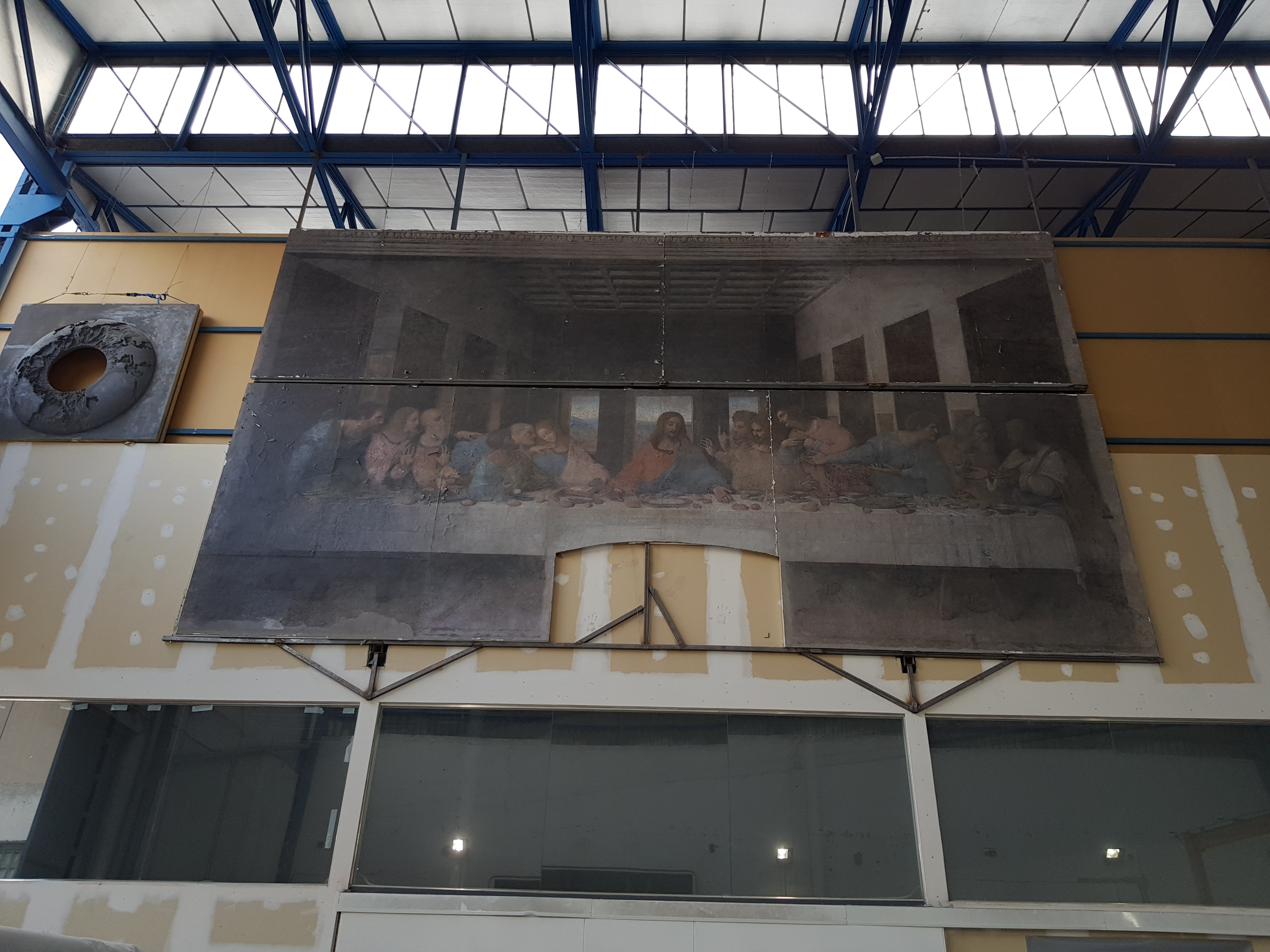
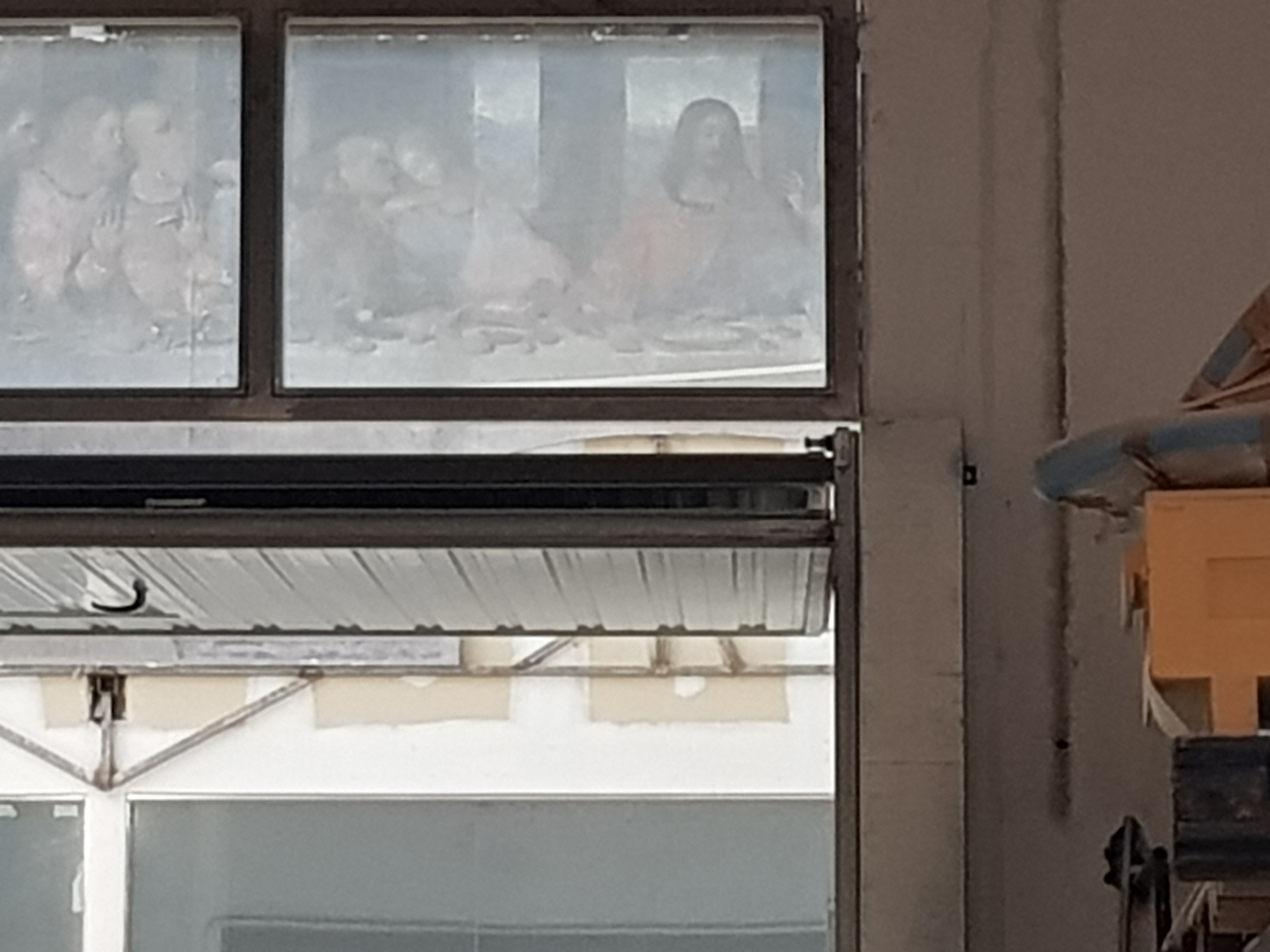
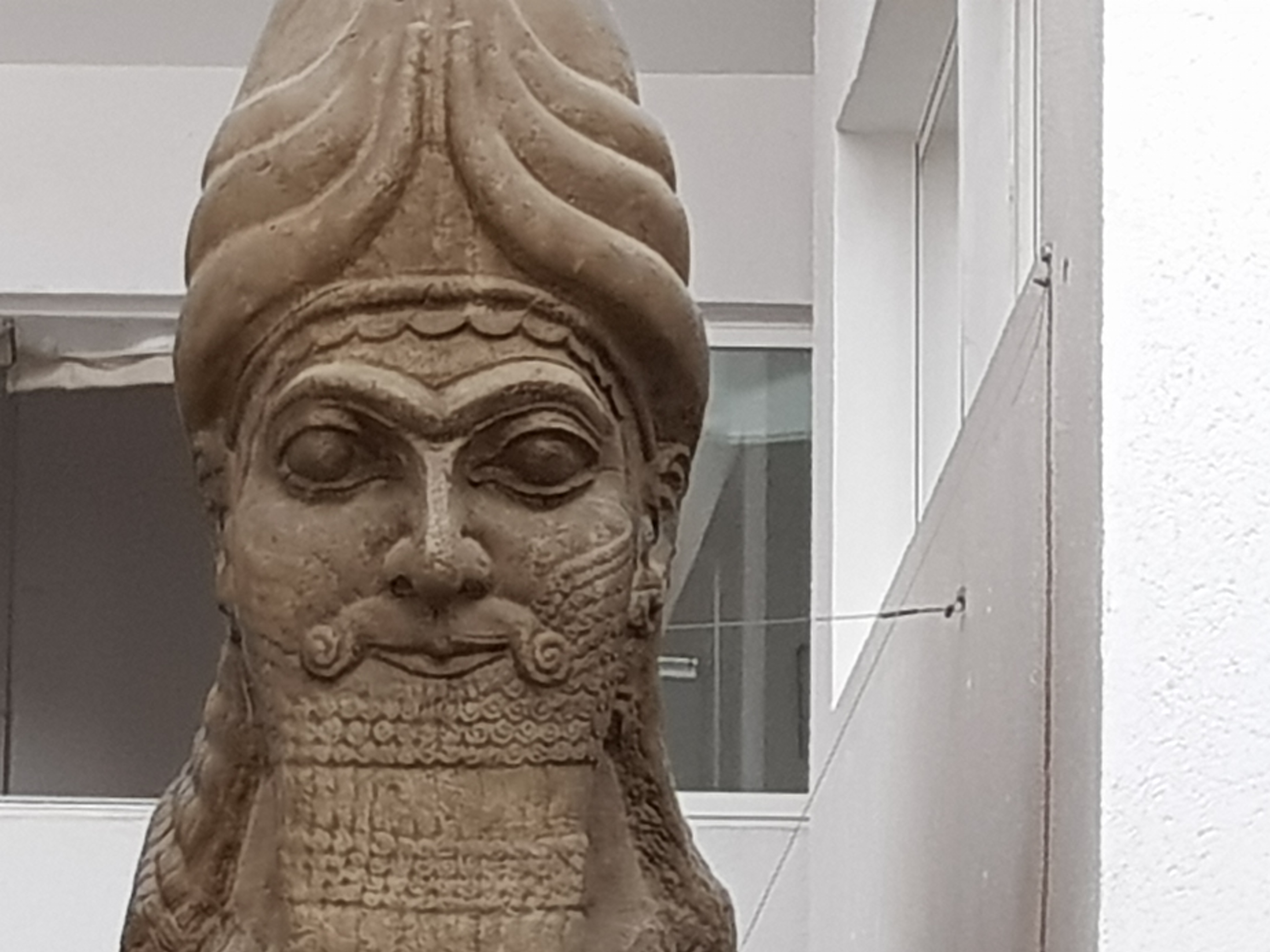
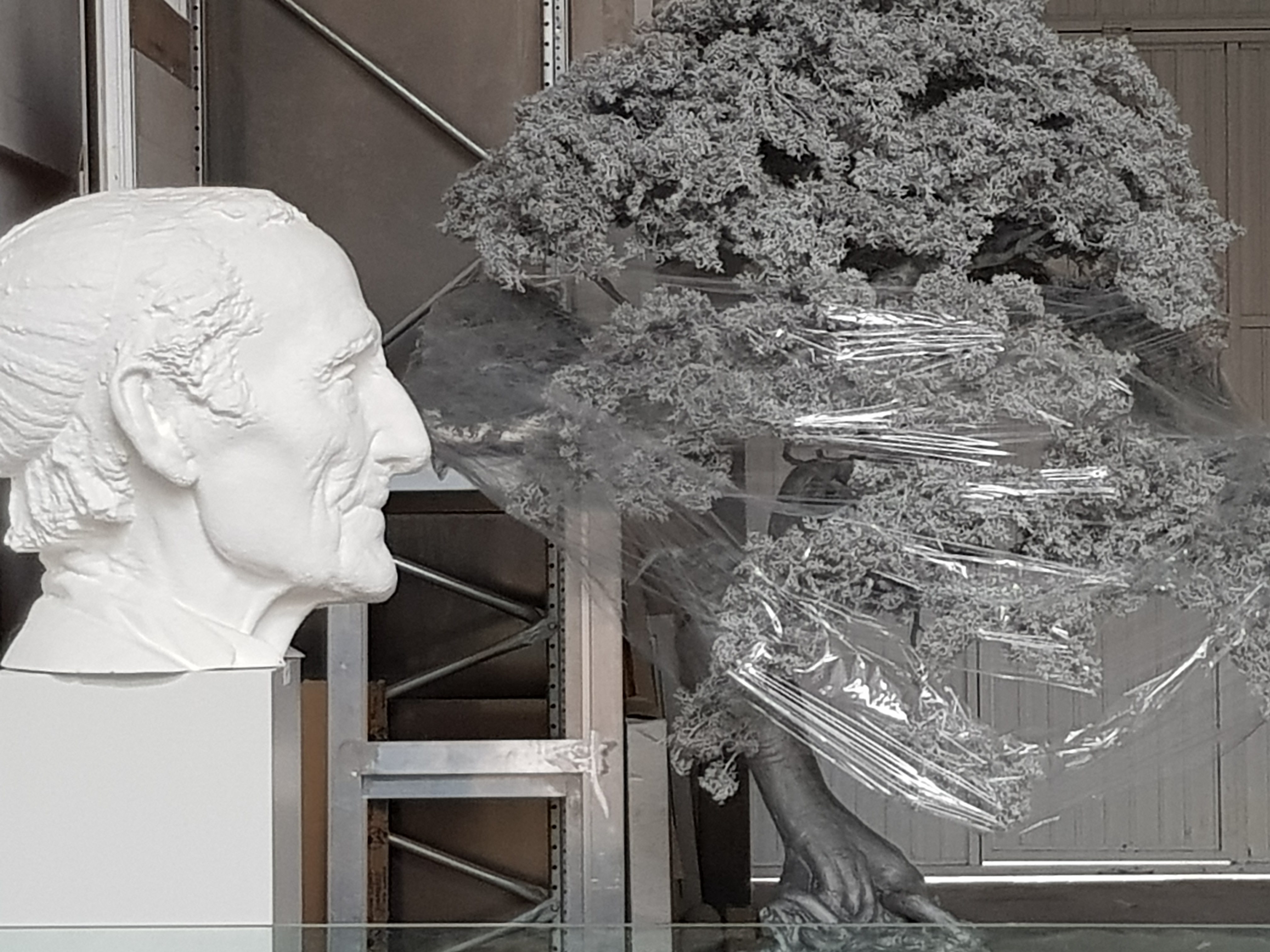
    I’m not sure that I did full justice to the experience of visiting Factum Arte, particularly to the odd surrealism of seeing a lifesize copy of the Last Supper suspended in an empty warehouse, not to mention my birthday feast:-

    Standard

    Madrid (2)

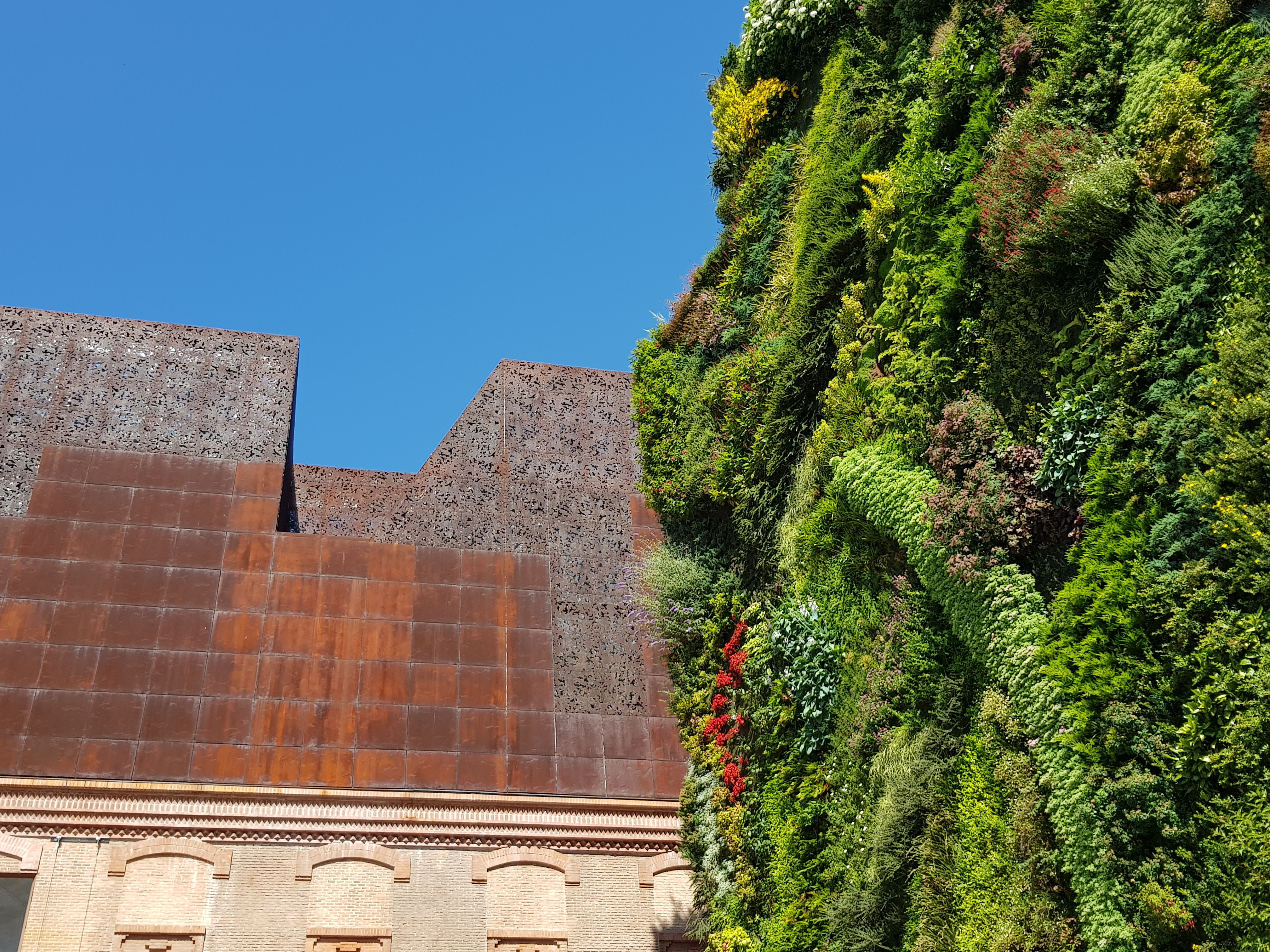
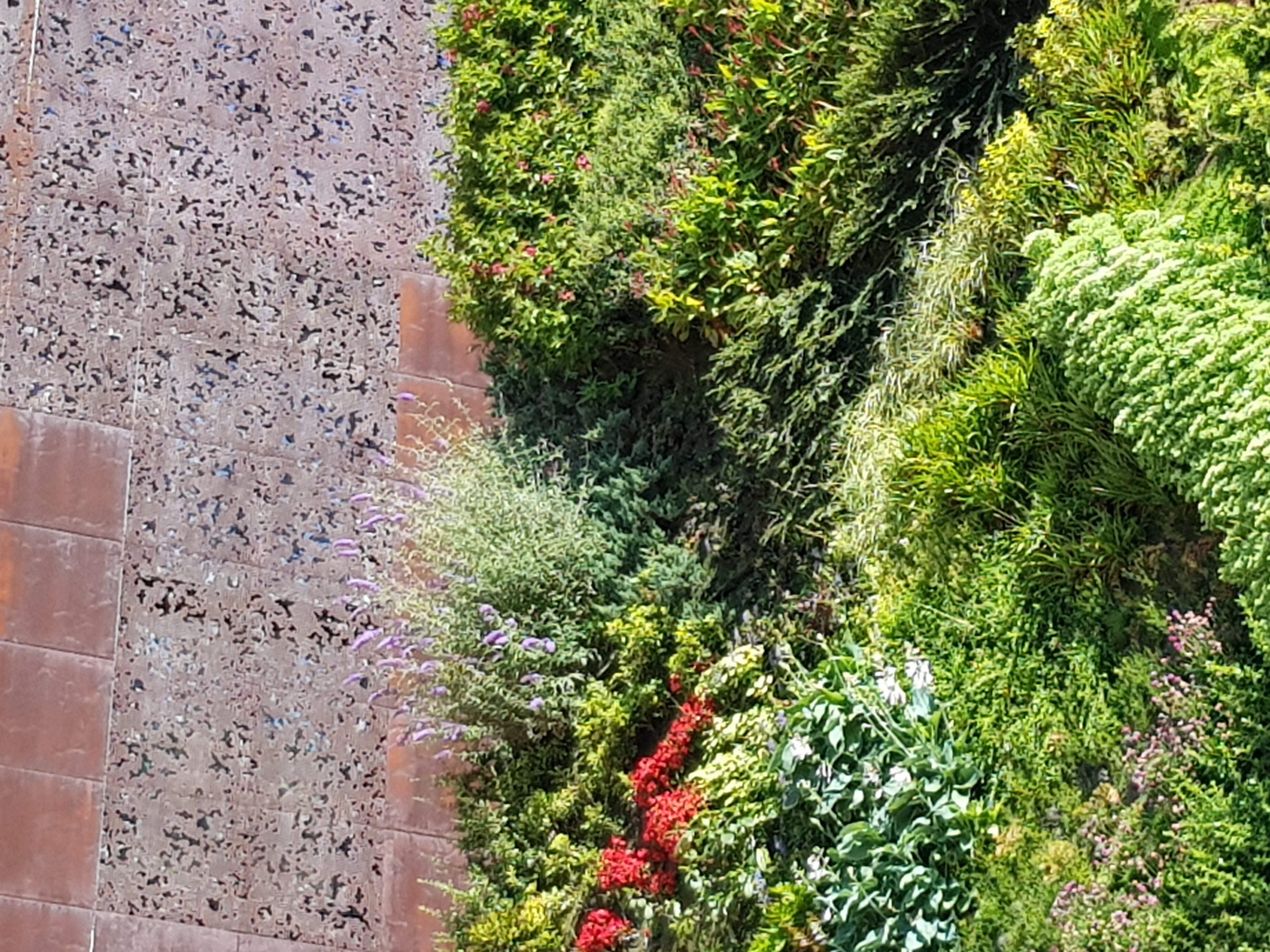
    Tuesday morning in Madrid.   There’s a taxi strike which feels more like a General Strike.   Every taxi driver is assembled for a big march down the Paseo del Prado, armed with firecrackers.   Most of the shops are closed.   I left the hotel to explore more of the local neighbourhood, including the Caixa Forum, which was converted by Herzog and de Meuron out of a local power station, with a vertical garden by Patrick Blanc:-

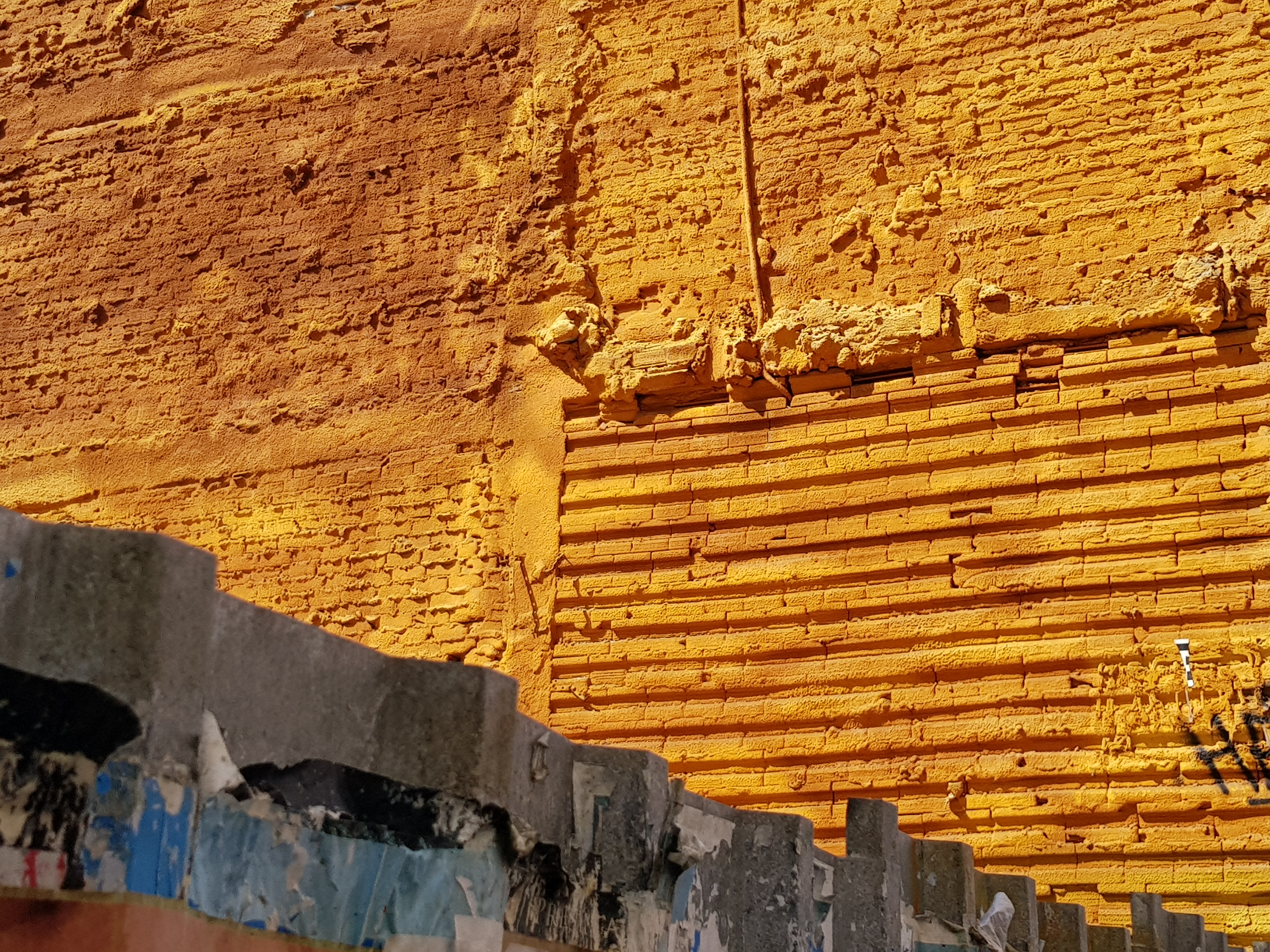
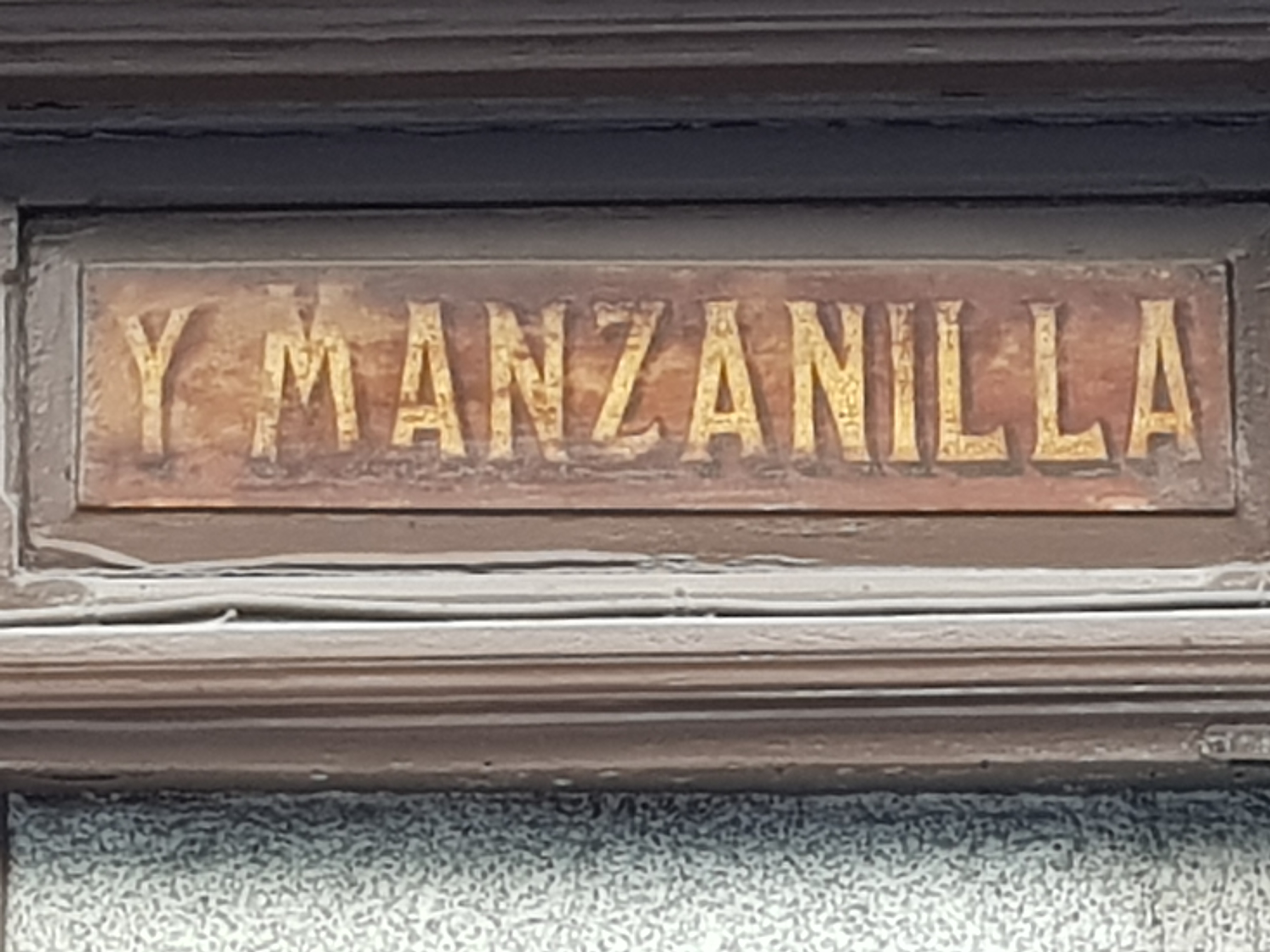
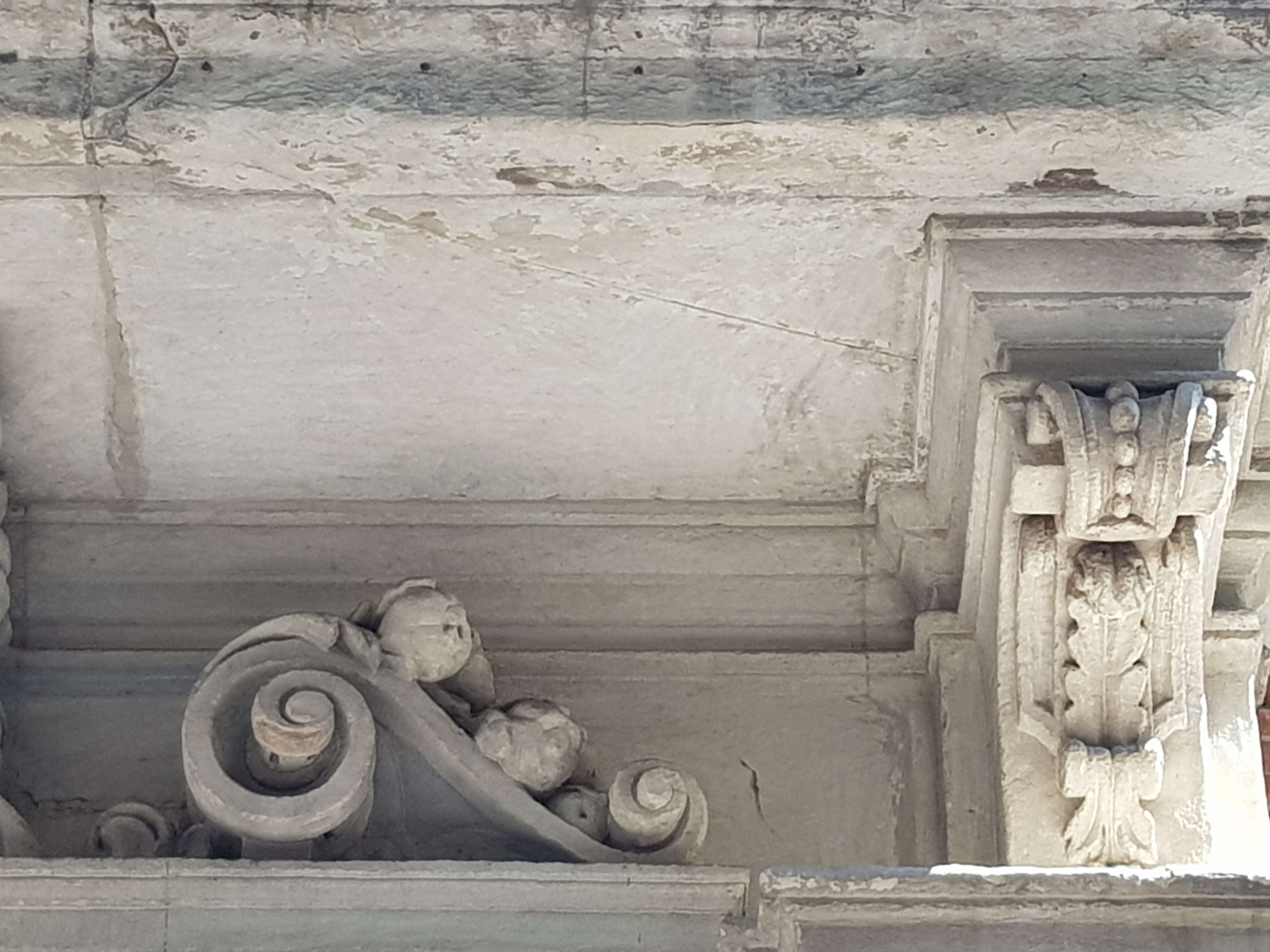
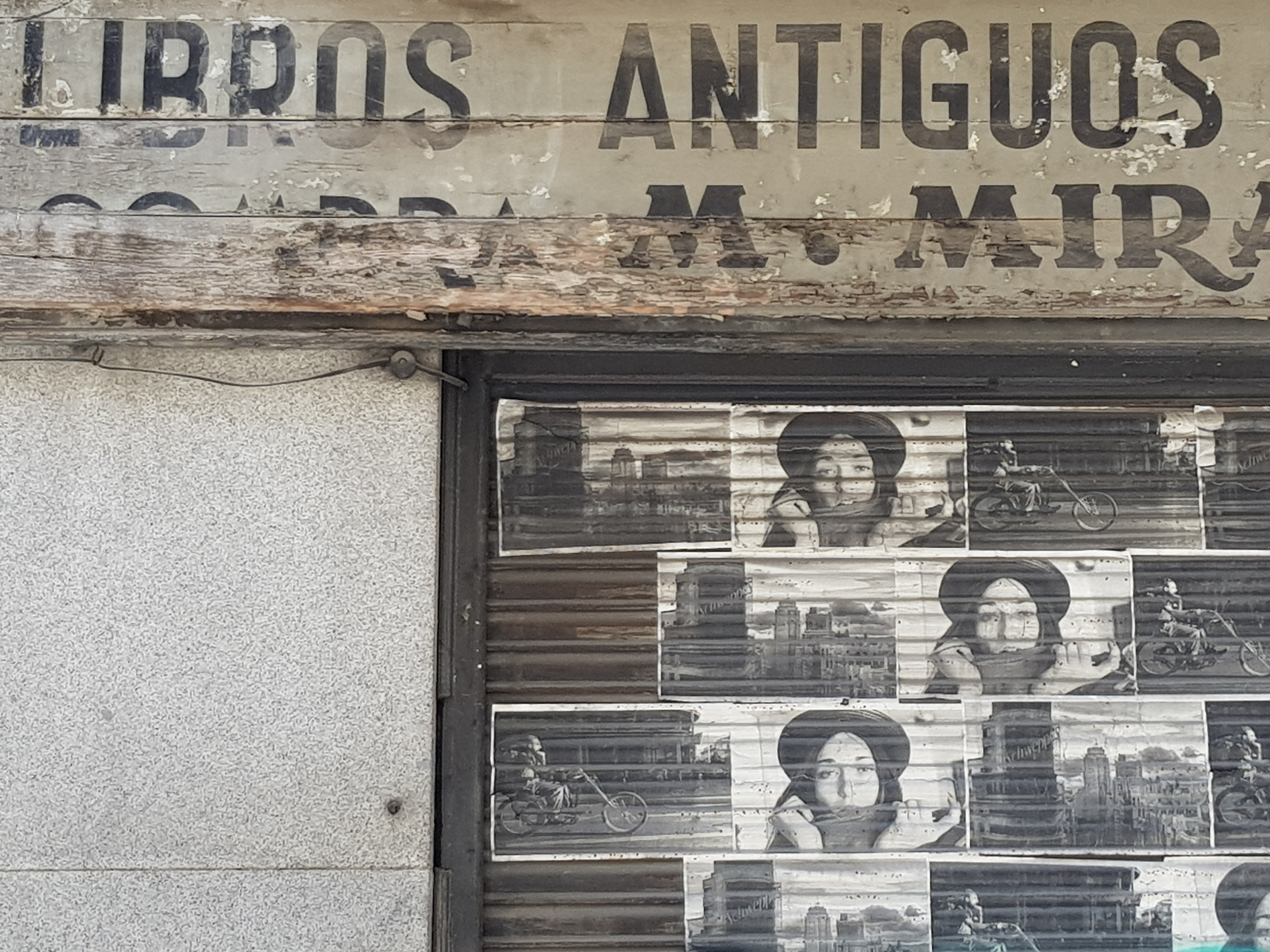
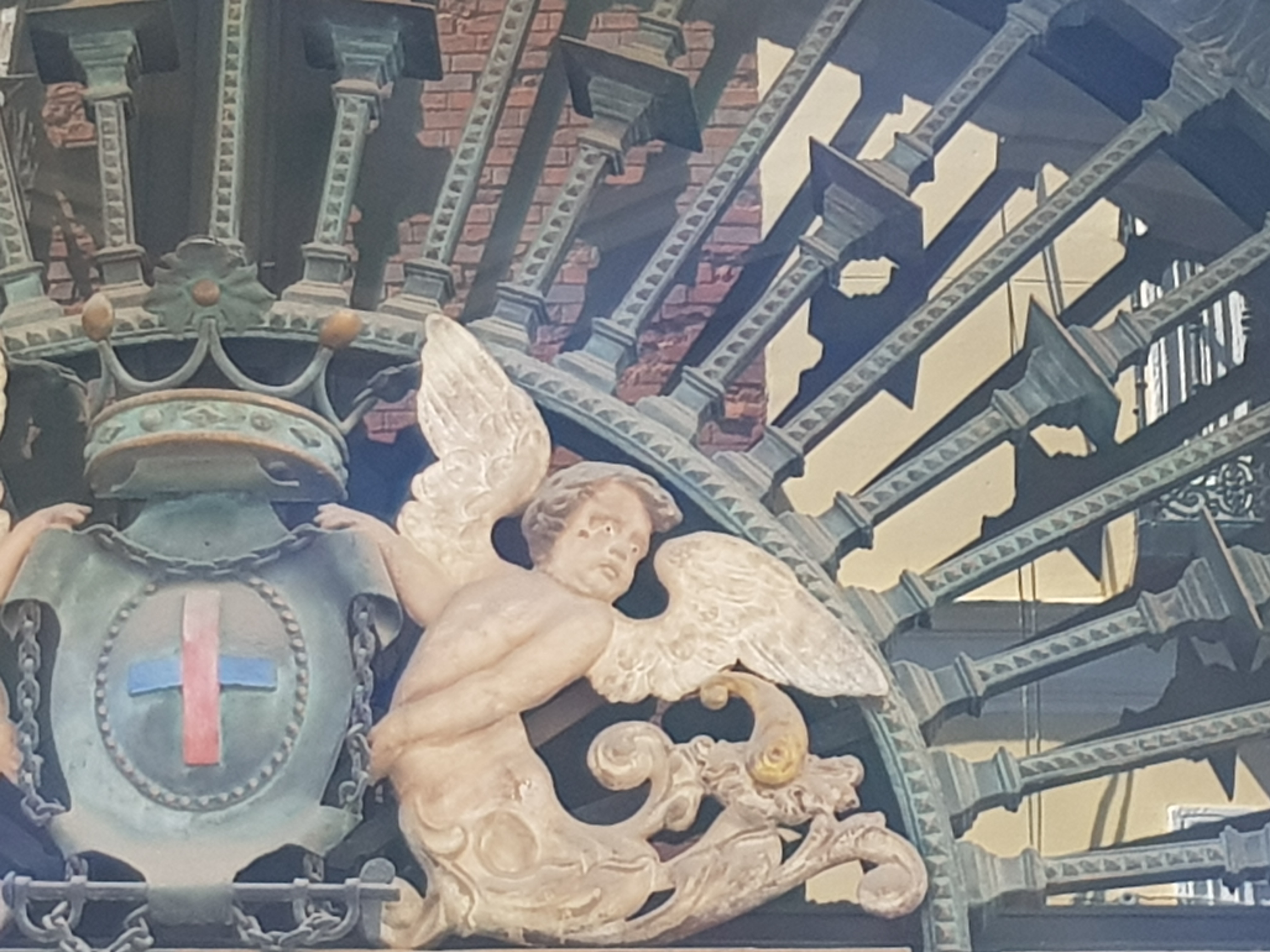
    From here, I walked through the old working class district of Lavapiés, admiring the occasional remains of nineteenth-century Madrid – the lettering on old shops and bars, the squares created by Joseph Bonaparte by his demolition of convents and monasteries – back to the more densely populated and prosperous Barrio de las Letras:-

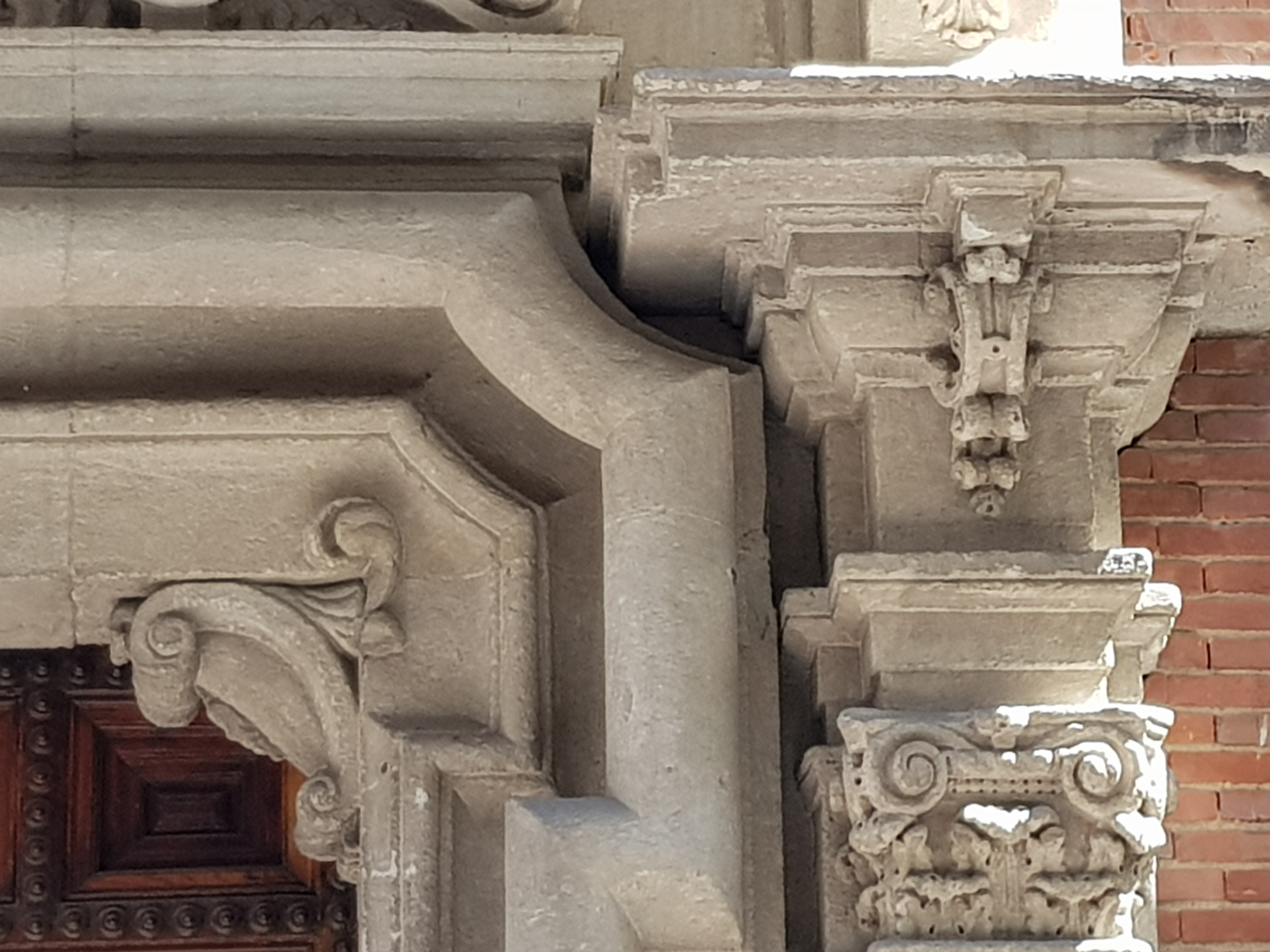
    This is no. 13, Calle de las Huertas with an elaborate ornamental doorway by Pedro de Ribera, dated 1734:-

    So, back to the hotel:-

    Standard