Gladstone Pottery Museum

The best of the places we went to on our tour of Stoke-on- Trent was the Gladstone Pottery Museum, a beautifully preserved set of old industrial buildings in Longton, one of the Six Towns, some parts of it dating back to 1787 when a pottery first opened on the site.

What came across was the diversity of skills involved in the making of even quite ordonary earthenware, particularly once jiggering and jolleying had been brought in.

We started (wrongly) in one of the bottle oven kilns, filled with saggars:-

Then we went into the Engine House:-

Then, we saw the room in which the saggars were made:-
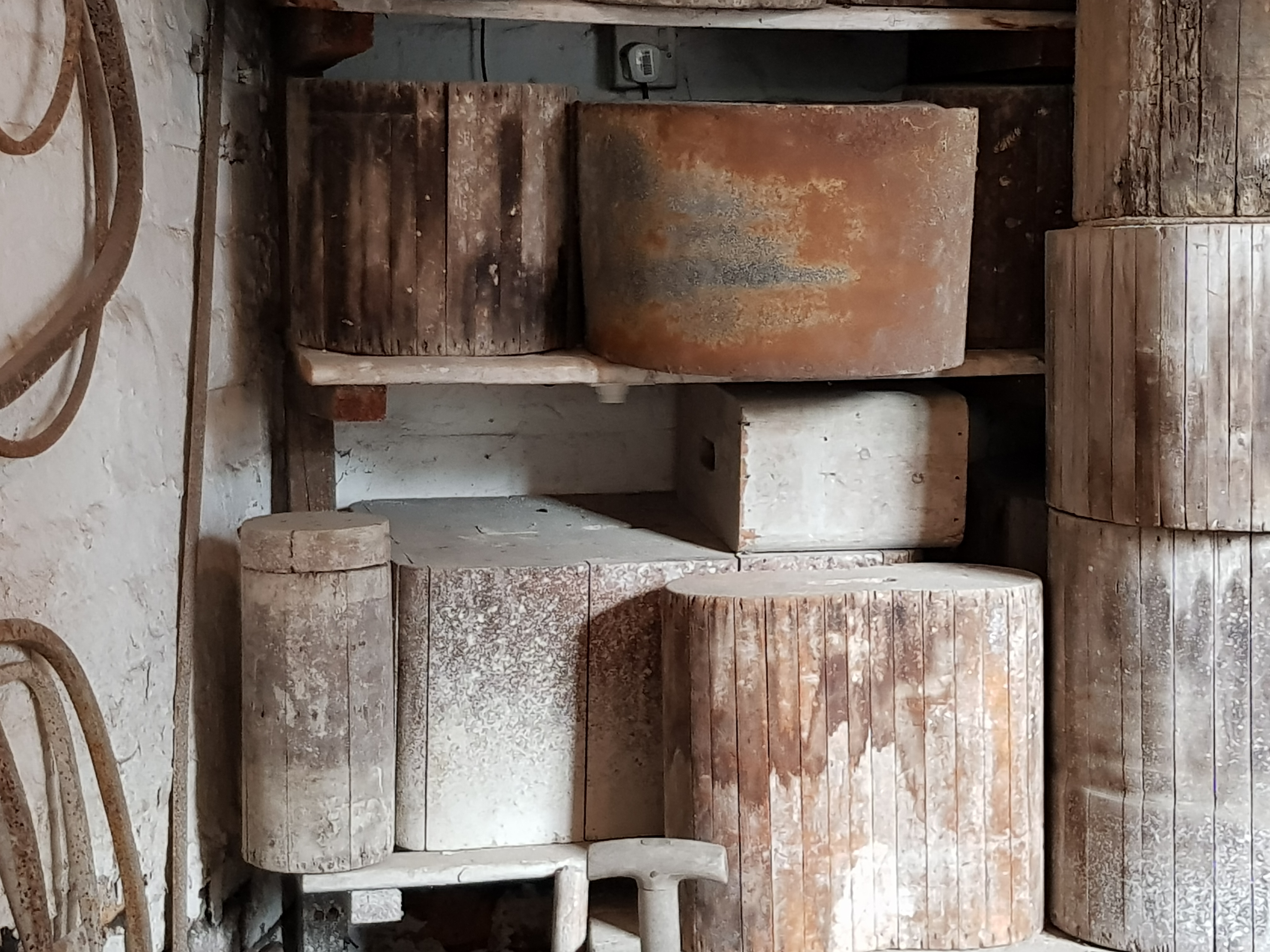
 

It reminded me of the terrible loss of the Whitechapel Bell Foundry, which likewise shows the processes of early industrial manufacture and the small-scale production and hand skills it involved, vivid and unromanticised.
Standard

Jobn Talbot, 16th. Earl of Shrewsbury

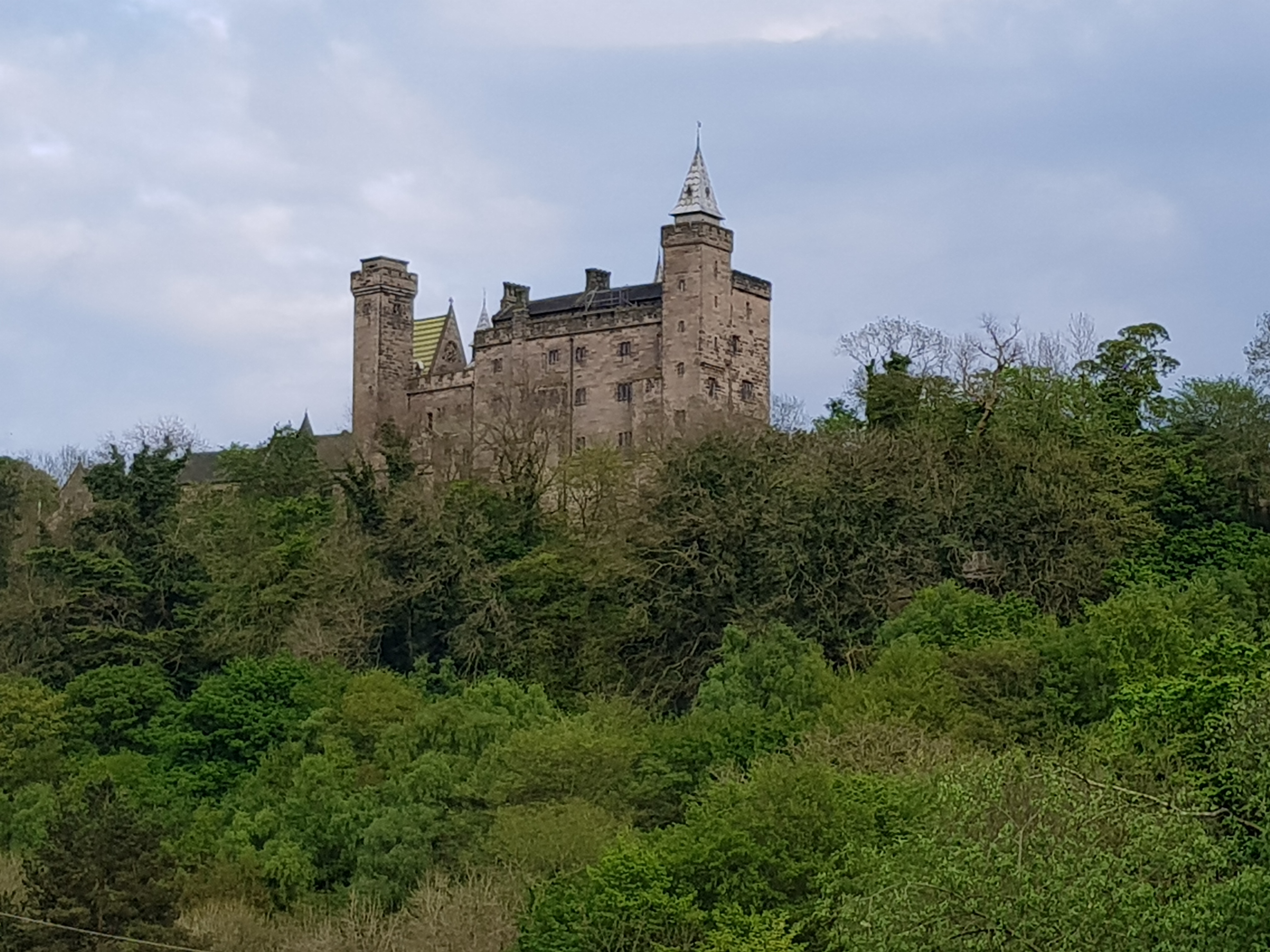
I have been swotting up on the life of the 16th. Earl of Shrewsbury, who was responsible for the fantastic gothicism of Alton Towers, by reading the relevant chapter of Rosemary Hill’s biography of Pugin.   He only inherited Alton Abbey, as it then was, in 1827 on the death of his uncle, the 15th. Earl, and it was the 15th. Earl who had created a grand picturesque garden, with gothic temples, a pagoda and a reconstruction of Stonehenge, described by John Claudius Loudon in 1833 as ‘the work of a morbid imagination joined to the command of unlimited resources’.   Once, the 16th. Earl had succeeded to the title, he was at the heart of the Catholic revival, a friend of Ambrose Phillipps, patron of Pugin, and commissioned him to add to Alton Towers and to build a great Castle on the other side of the Churnet Valley:-

Standard

Alton Station

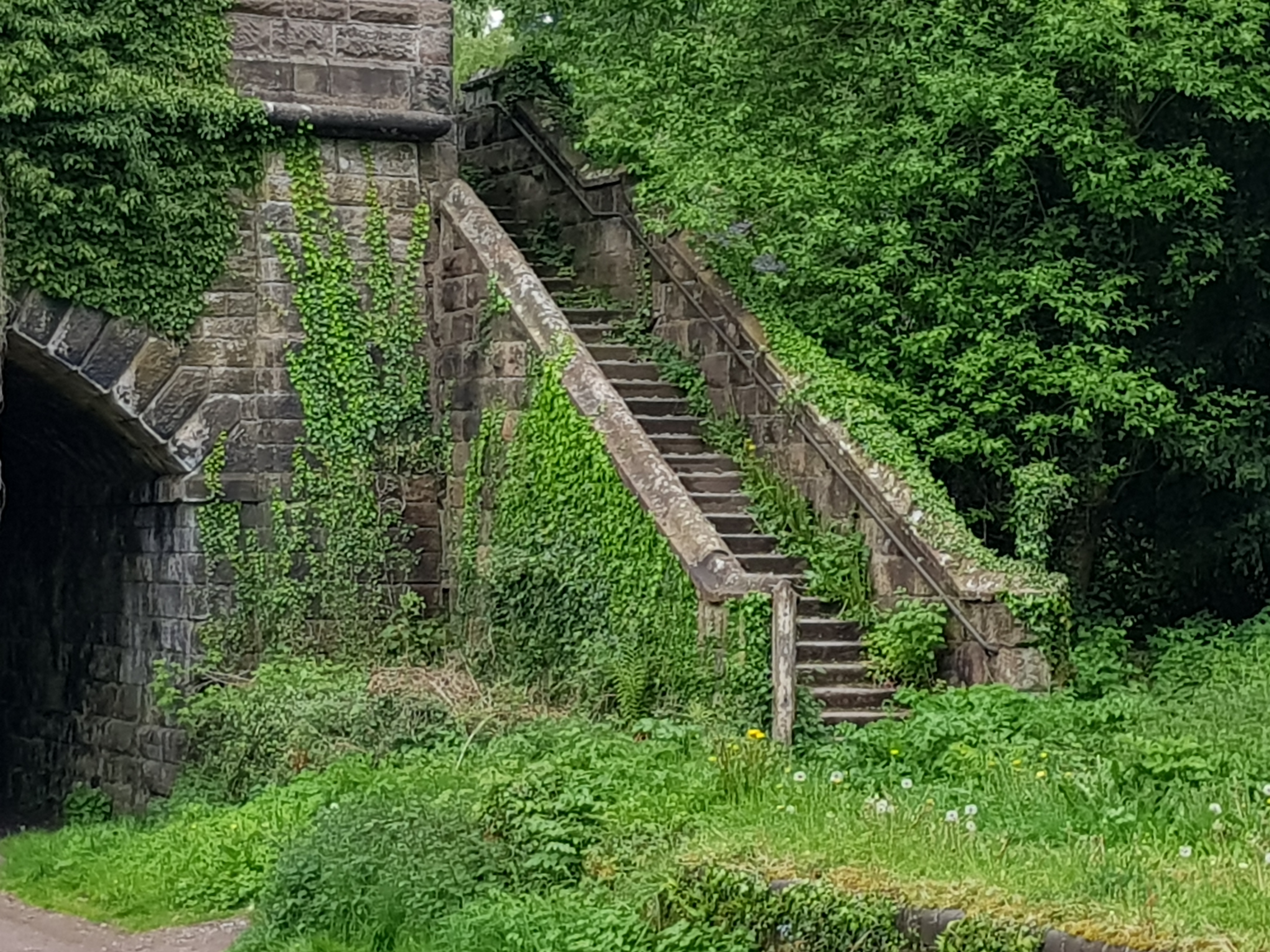
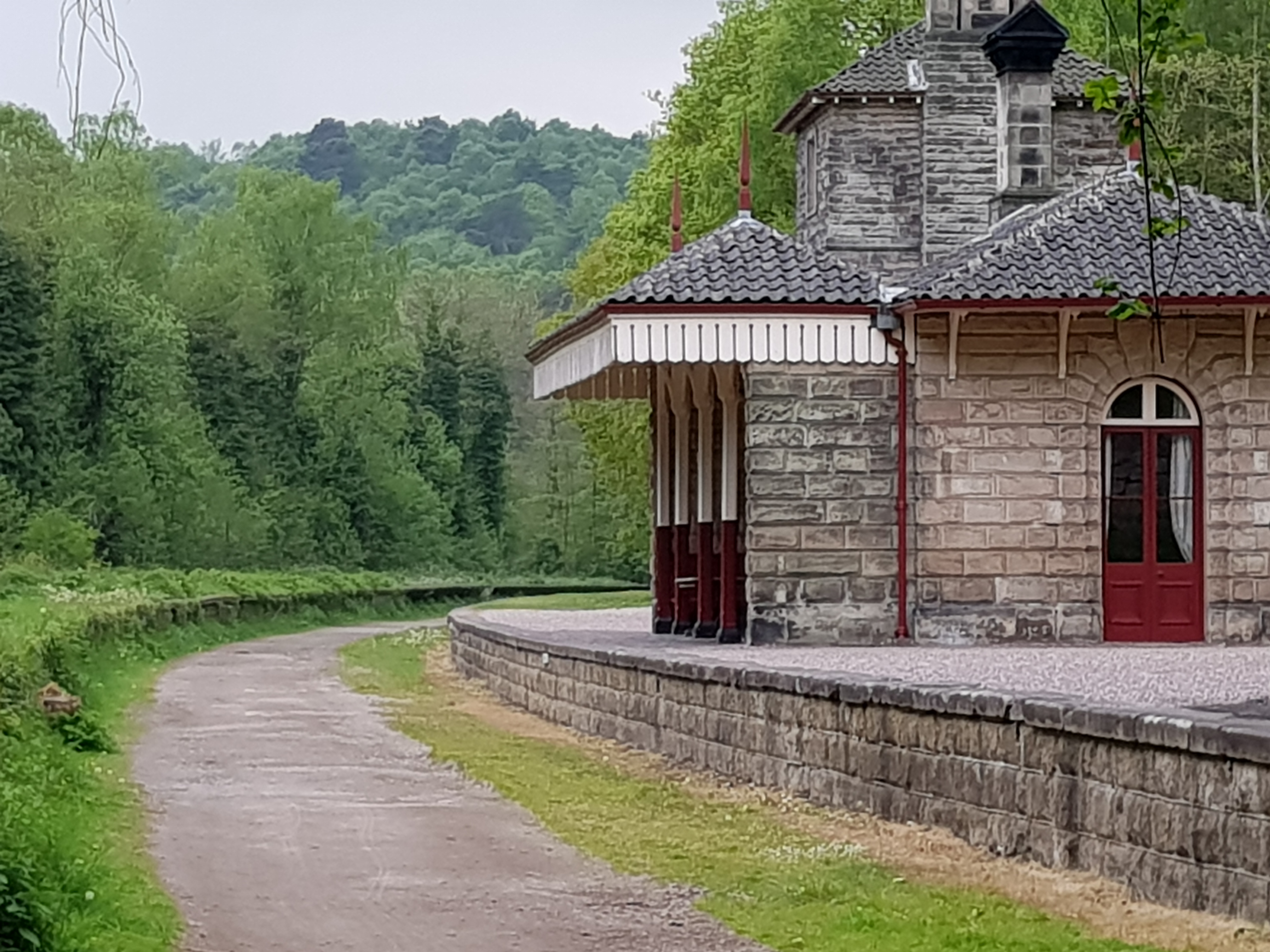
We arrived at dusk, driving down the Churnet Valley, with banks full of bluebells and wild garlic.   The station itself is castellated Italianate, opened in July 1849 and presumed to have been desogned by Henry Arthur Hunt, the architect for the North Staffordshire Railway, which ran alongside the river and brought day trippers out from the Potteries to visit Alton Towers:-

Standard

Chatsworth

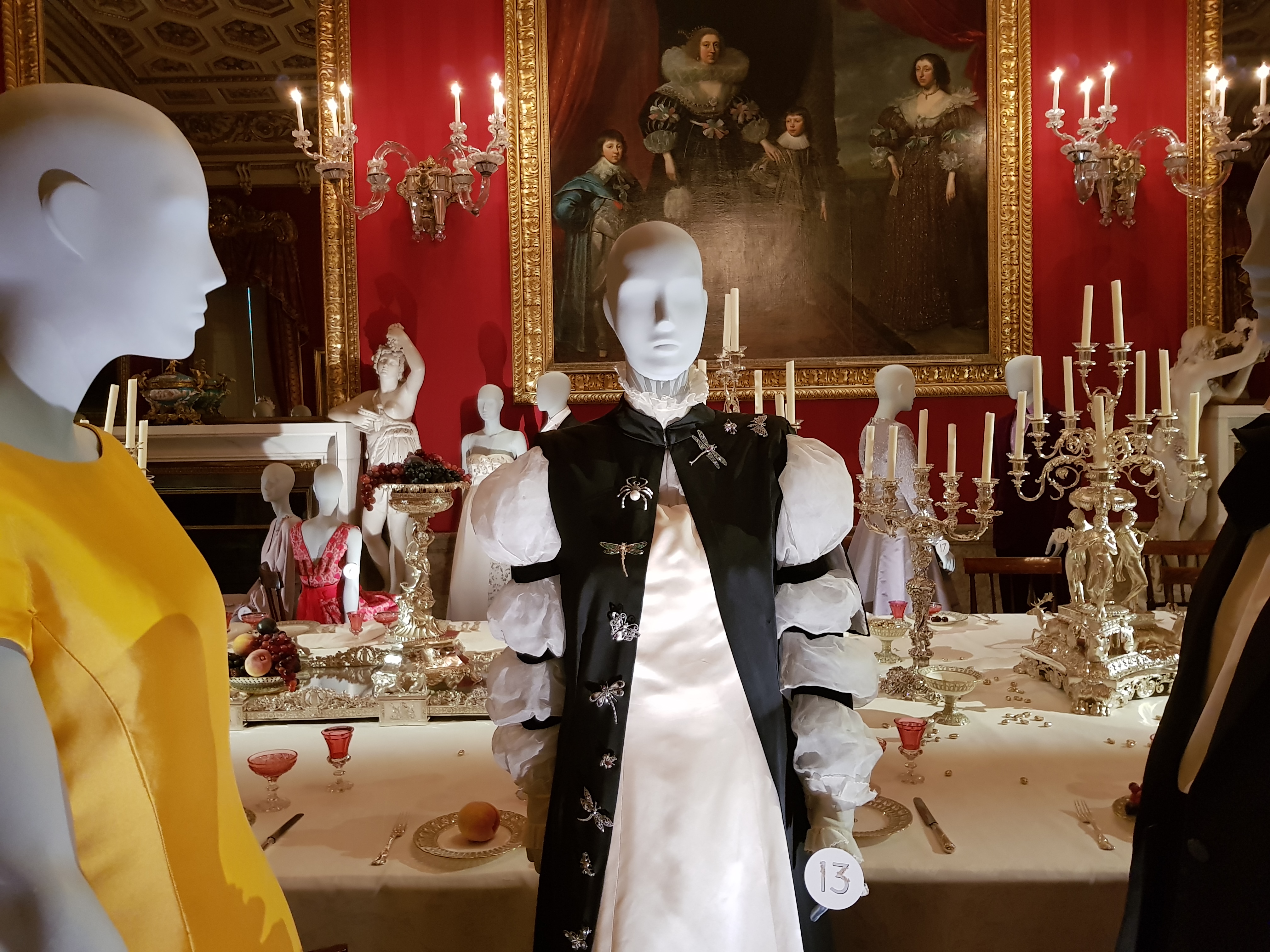
We had already arranged to go and see Patrick Kinmonth’s fashion exhibition in Chatsworth, but being in the neighbourhood, gave ourselves a sneak preview.   The state rooms on the second floor have all been blackened out in order to provide a theatrical installation of the ball gowns and state apparel of the Victorian Dukes, interspersed with the extravagant fashion outfits worn by Stella Tennant when she was a model:-

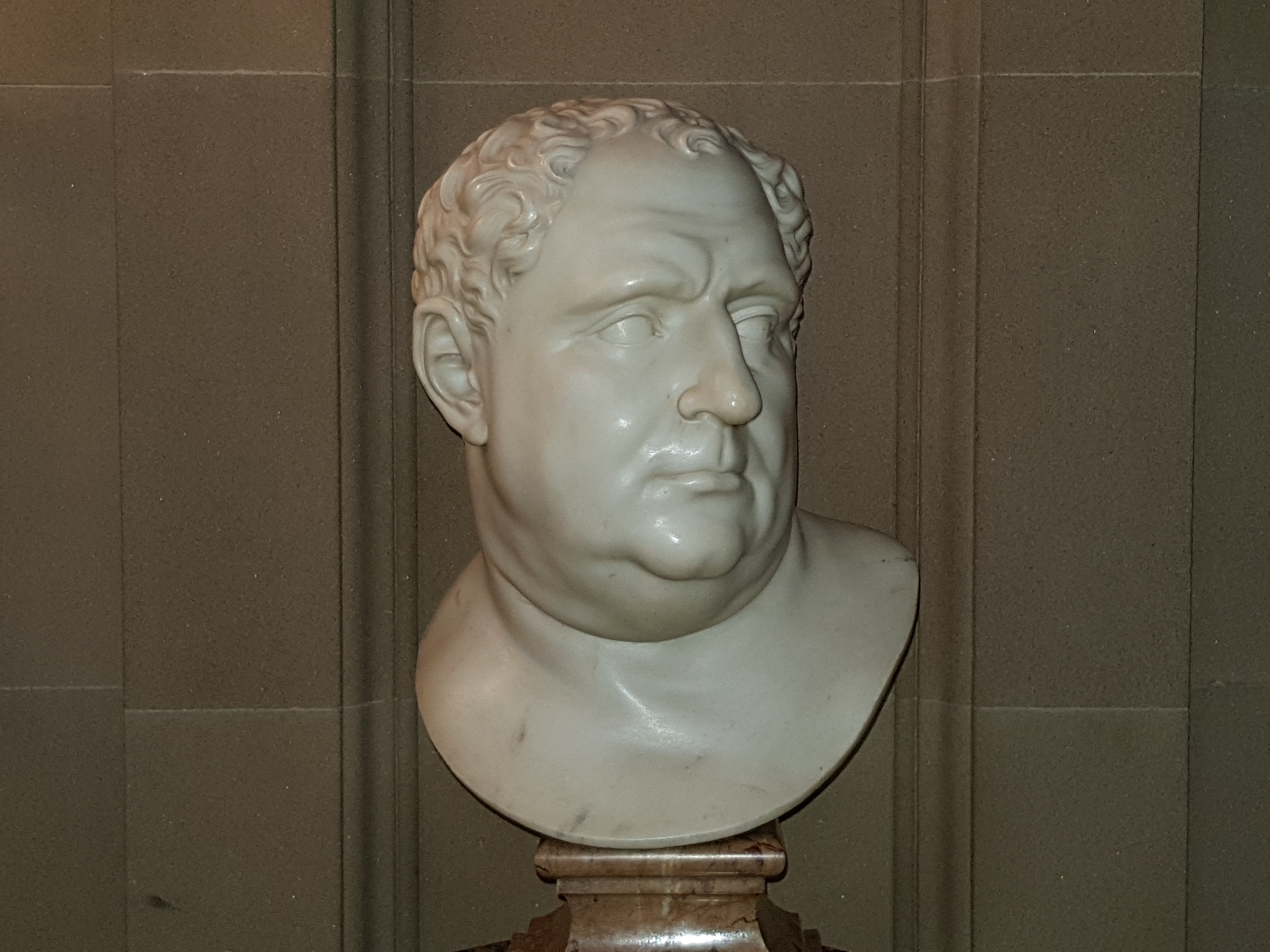
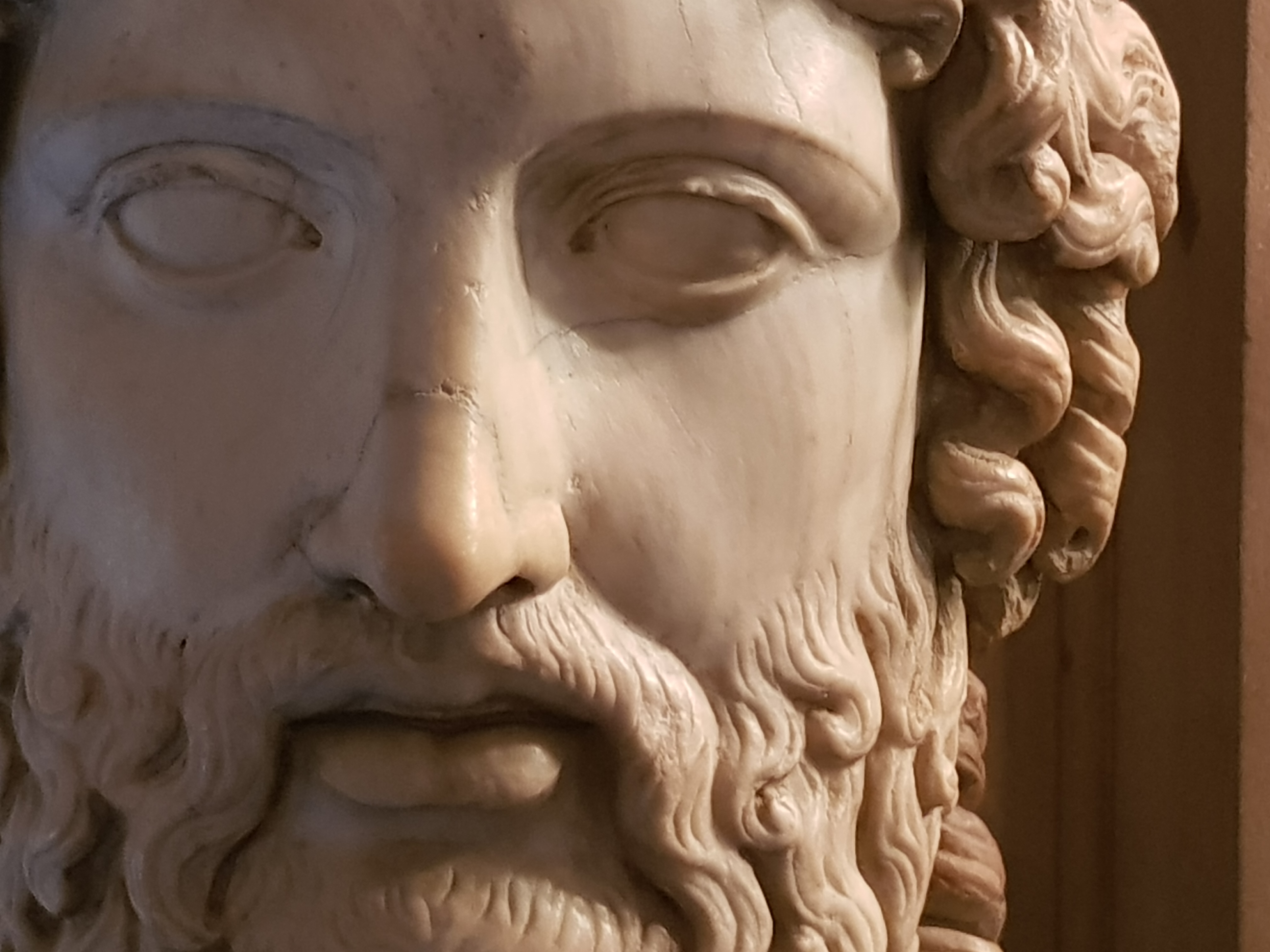
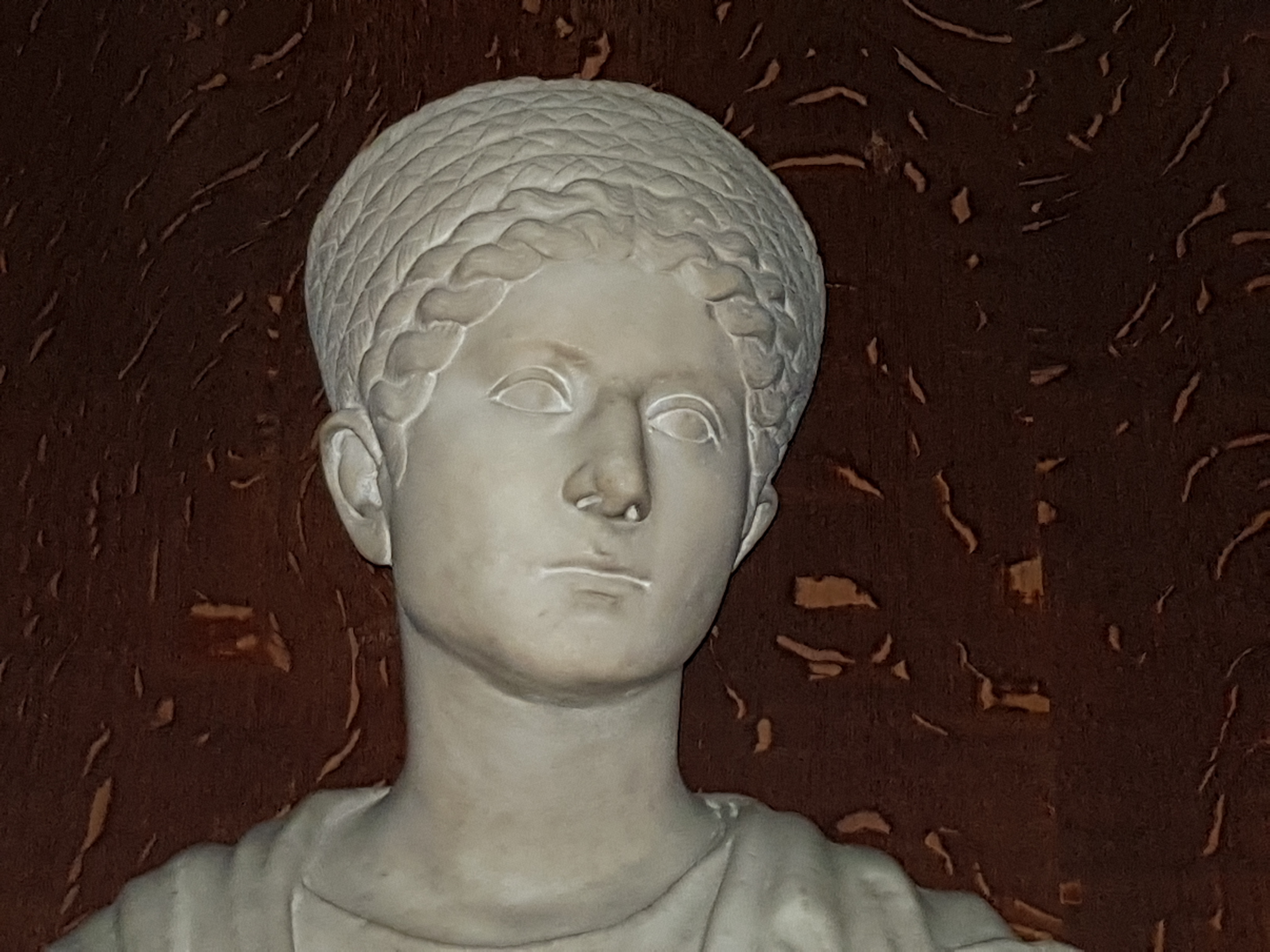
I preferred the gloomy Roman portrait busts:-


I was pleased to see the accounts of the second Duke’s grand tour in 1689 to 1691 as he travelled down through Germany, presumably to keep out of the way of events back home, while Chatsworth was being built:-

I liked the stiff collars of the eighth Duke:-

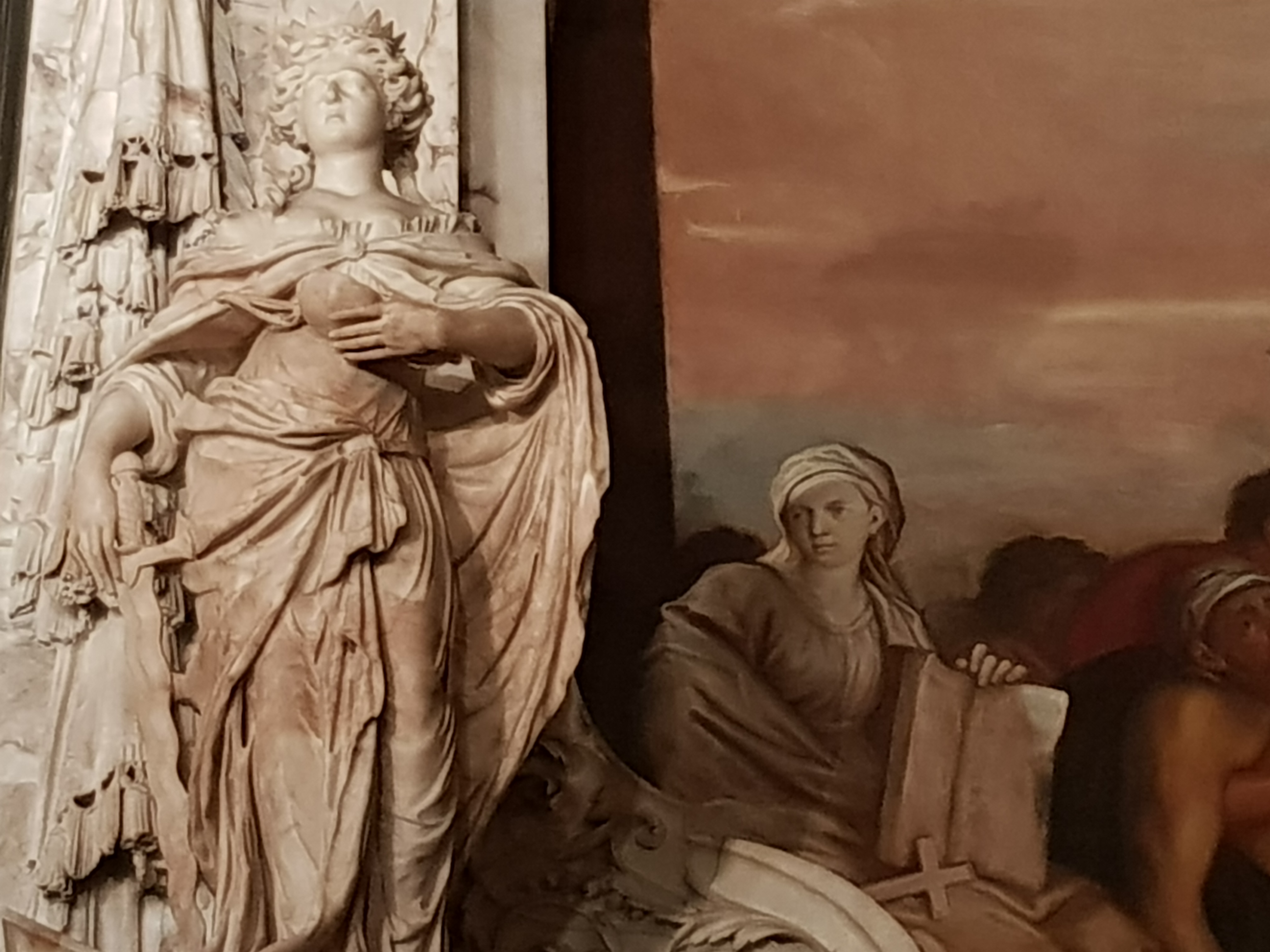
And it’s always a treat to see the Chapel, with its rich reredos, with a figure of Justice by Caius Gabriel Cibber:-

Standard

St. Giles, Cheadle

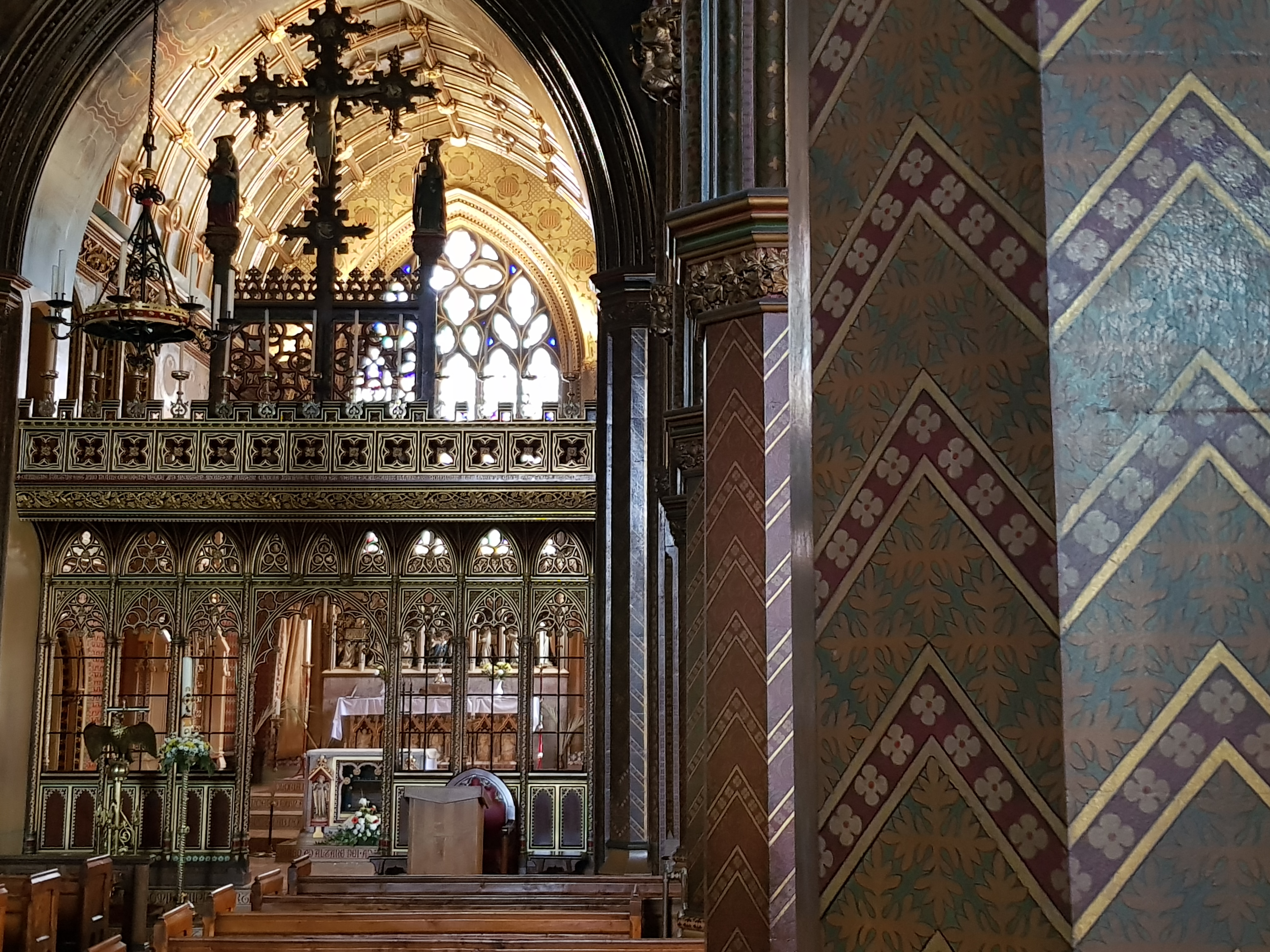
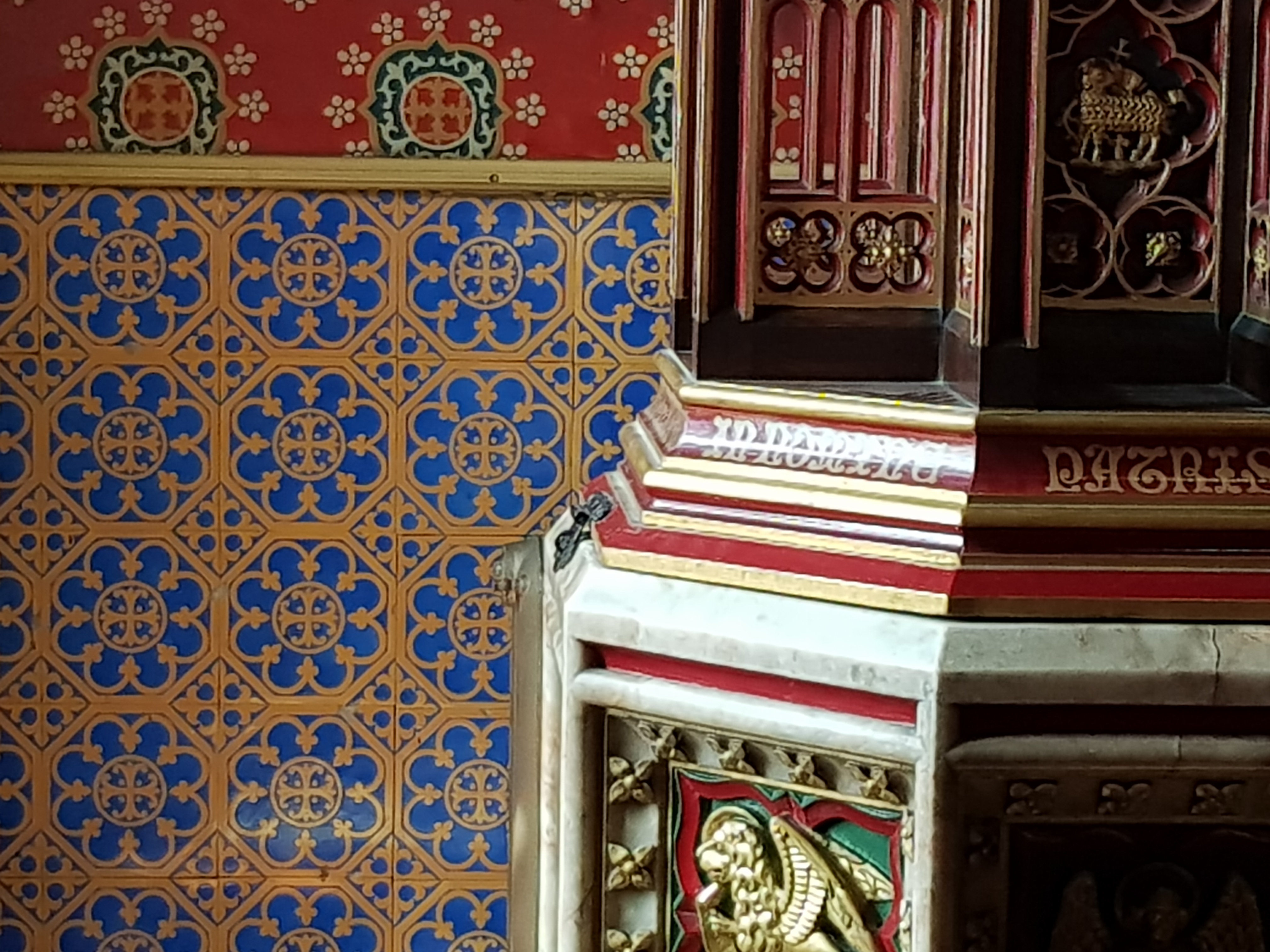
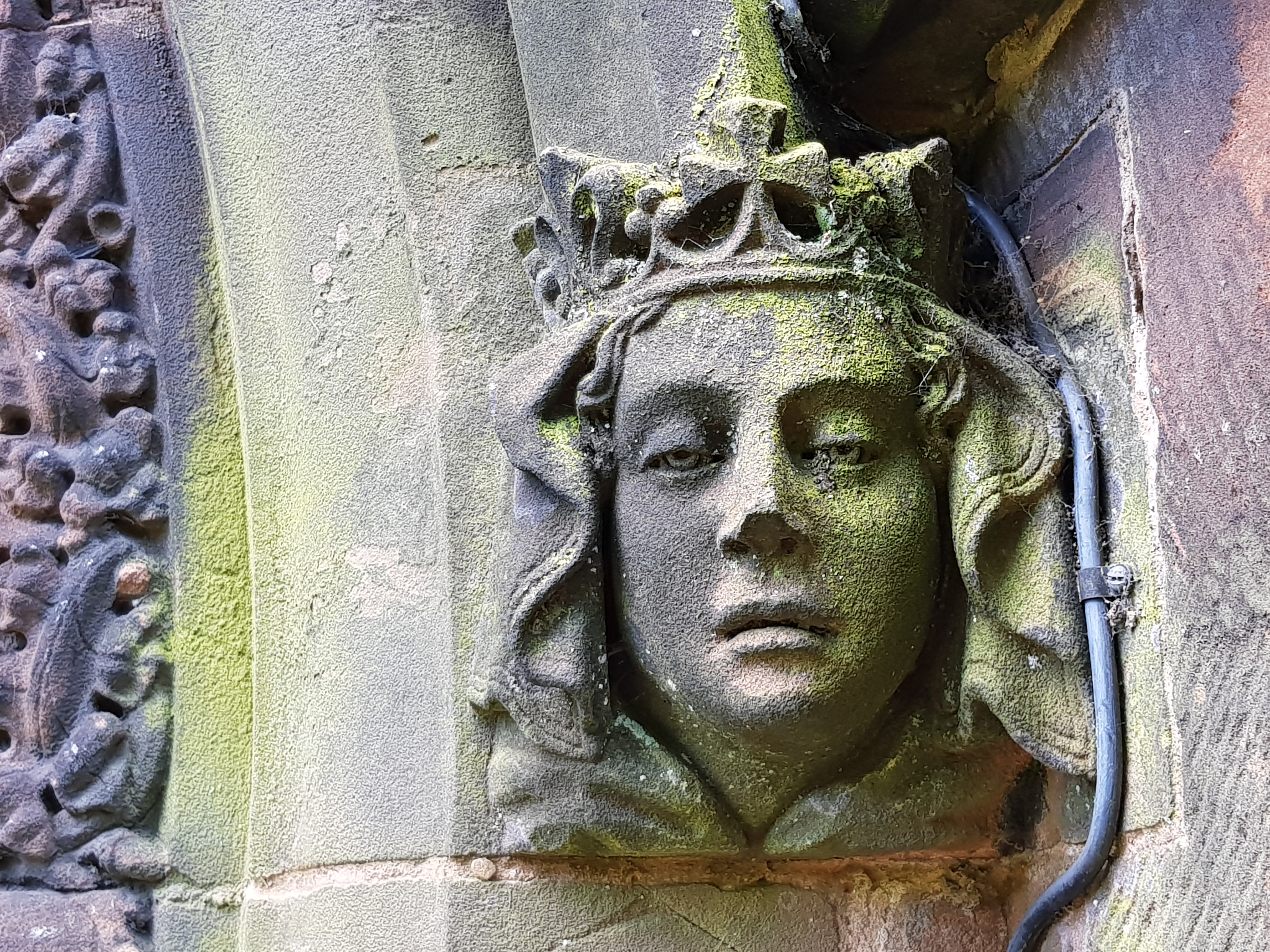
Last stop on our Staffordshire tour was St. Giles, Cheadle, Pugin’s ‘perfect revival of an English parish church of the time of Edward I’, commissioned by the Earl of Shrewsbury and full of incense, encaustic tiles and polychromatic decoration:-

Standard

Stoke-on-Trent

We spent yesterday going round Stoke-on-Trent with a very knowledgeable local guide who knew and was able to tell us the whole history of the Six Towns – their origins in sixteenth-century coal mining, the beginnings of pottery making in the 1680s, the still rural character of the industry in the eighteenth century (there was a model of Etruria in the Stoke Museum with worker’s housing alongside the factory and the canal), the municipal grandeur of the civic administration in the nineteenth century and the amalgamation of the Six Towns in 1910.   This seems to have led to the progressive collapse of the industry, following the passing of the Clean Air Act, with absentee proprietors, slum clearance after the war and increasing conservatism in design.

But I can’t post any photographs until I have access to wifi.

Standard

Eleven Spitalfields

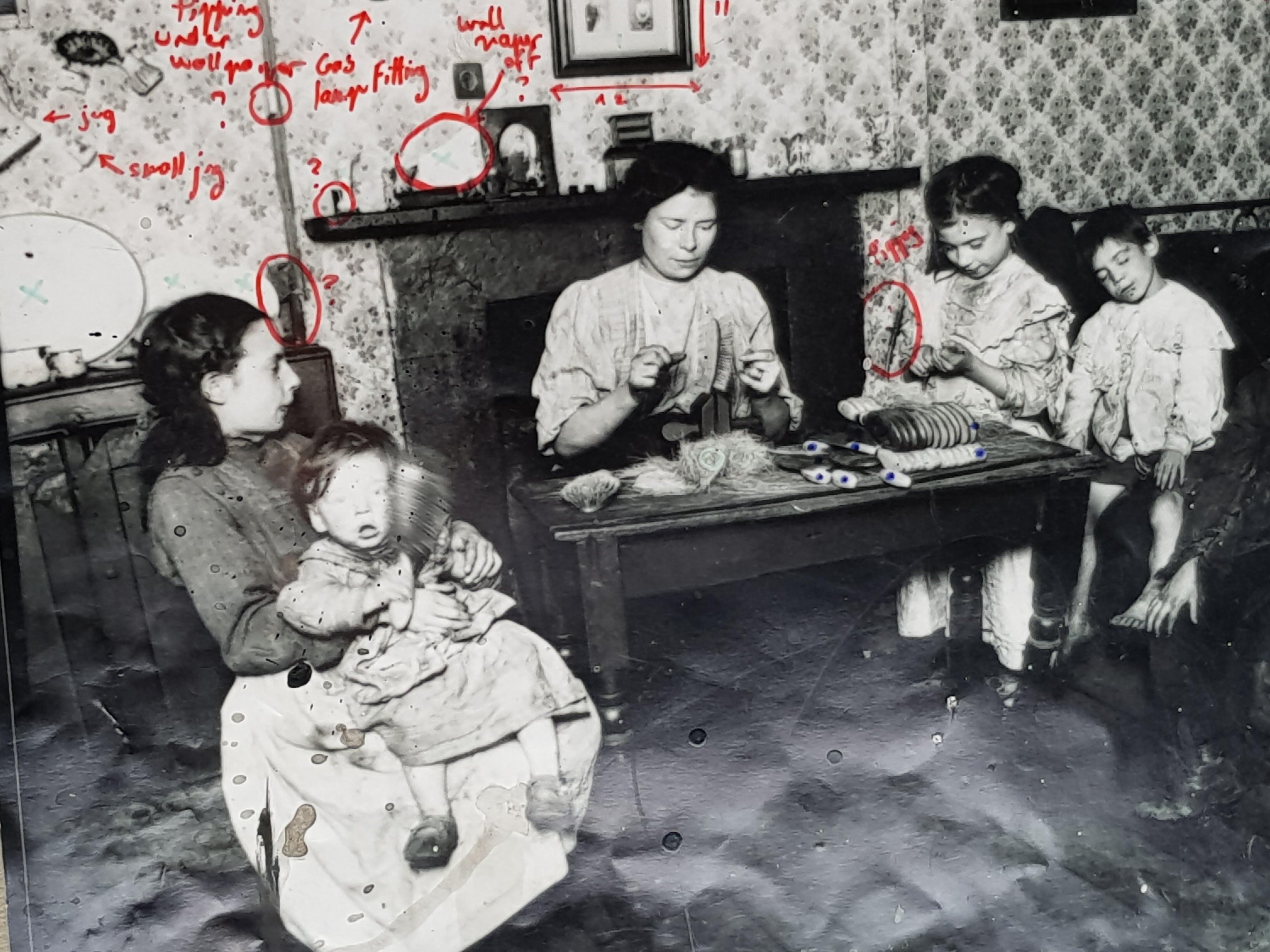
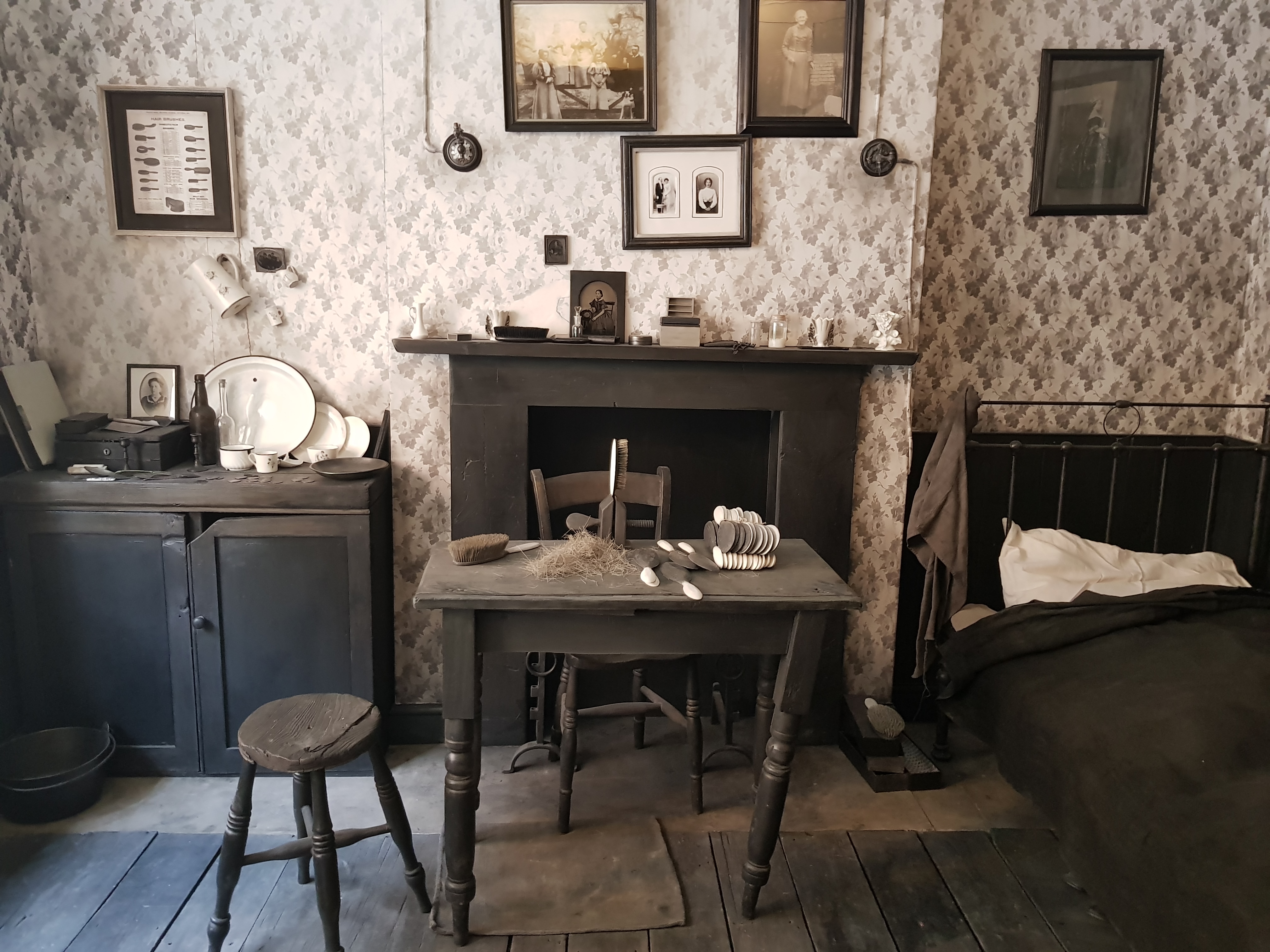
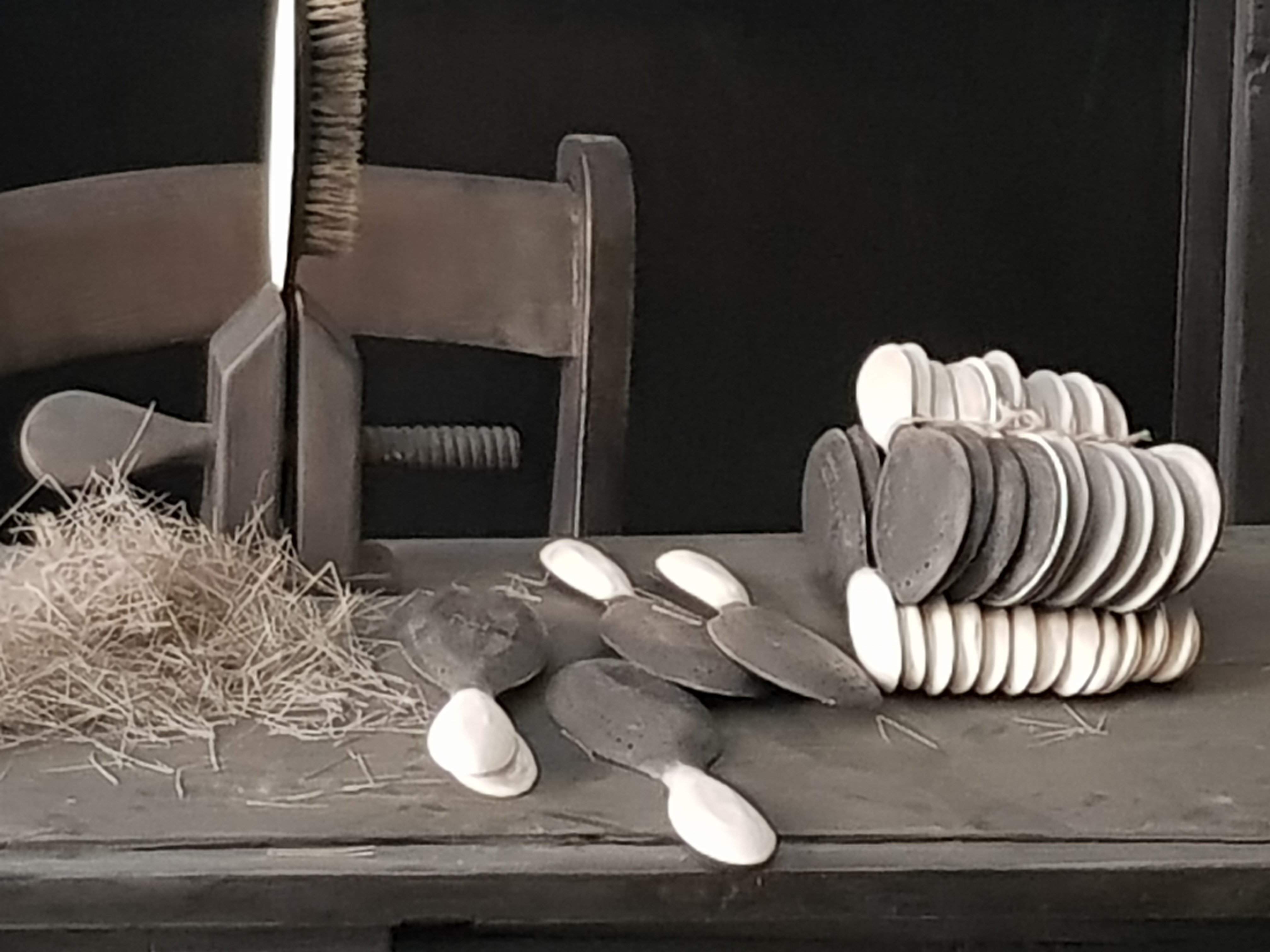
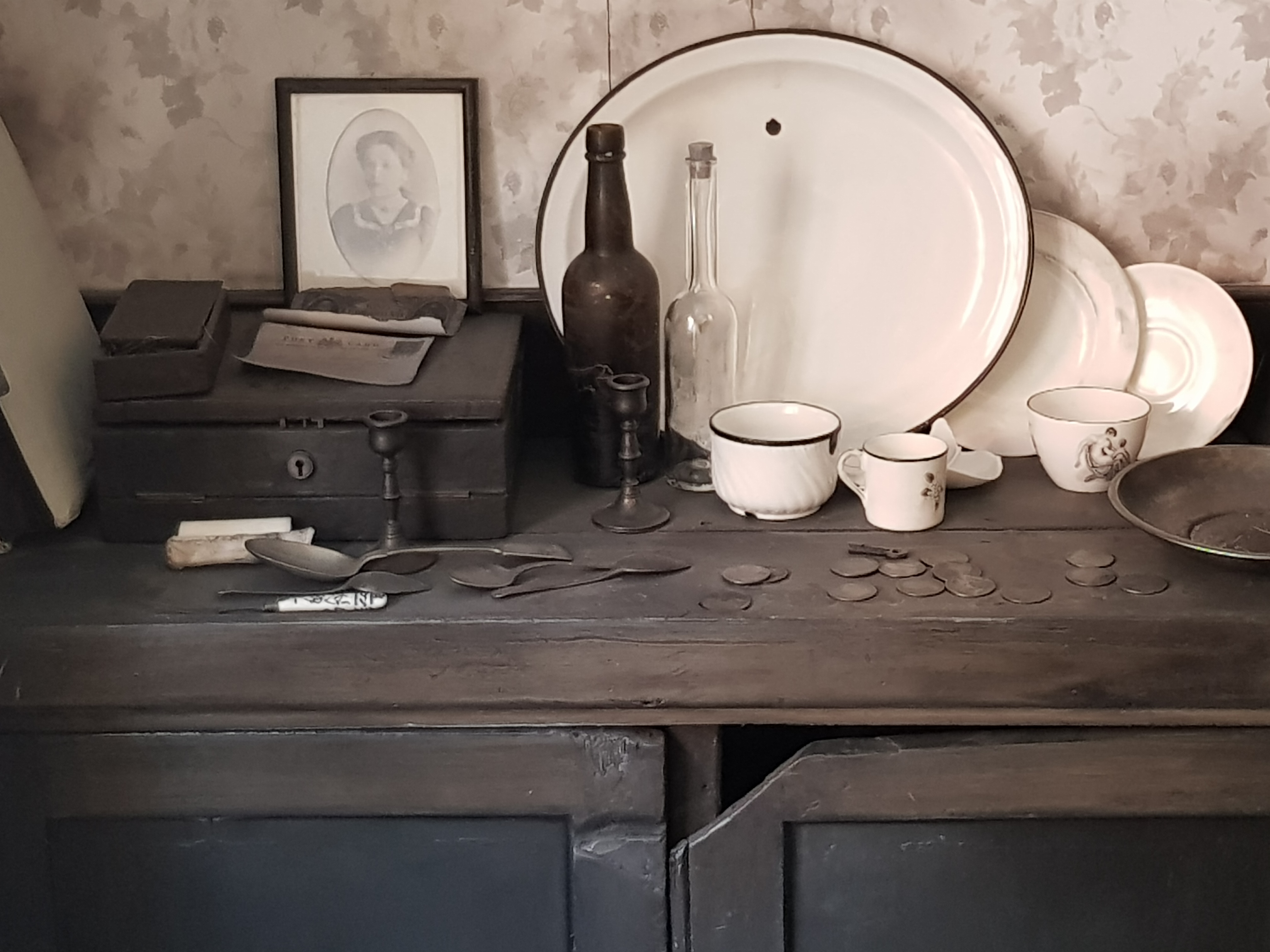
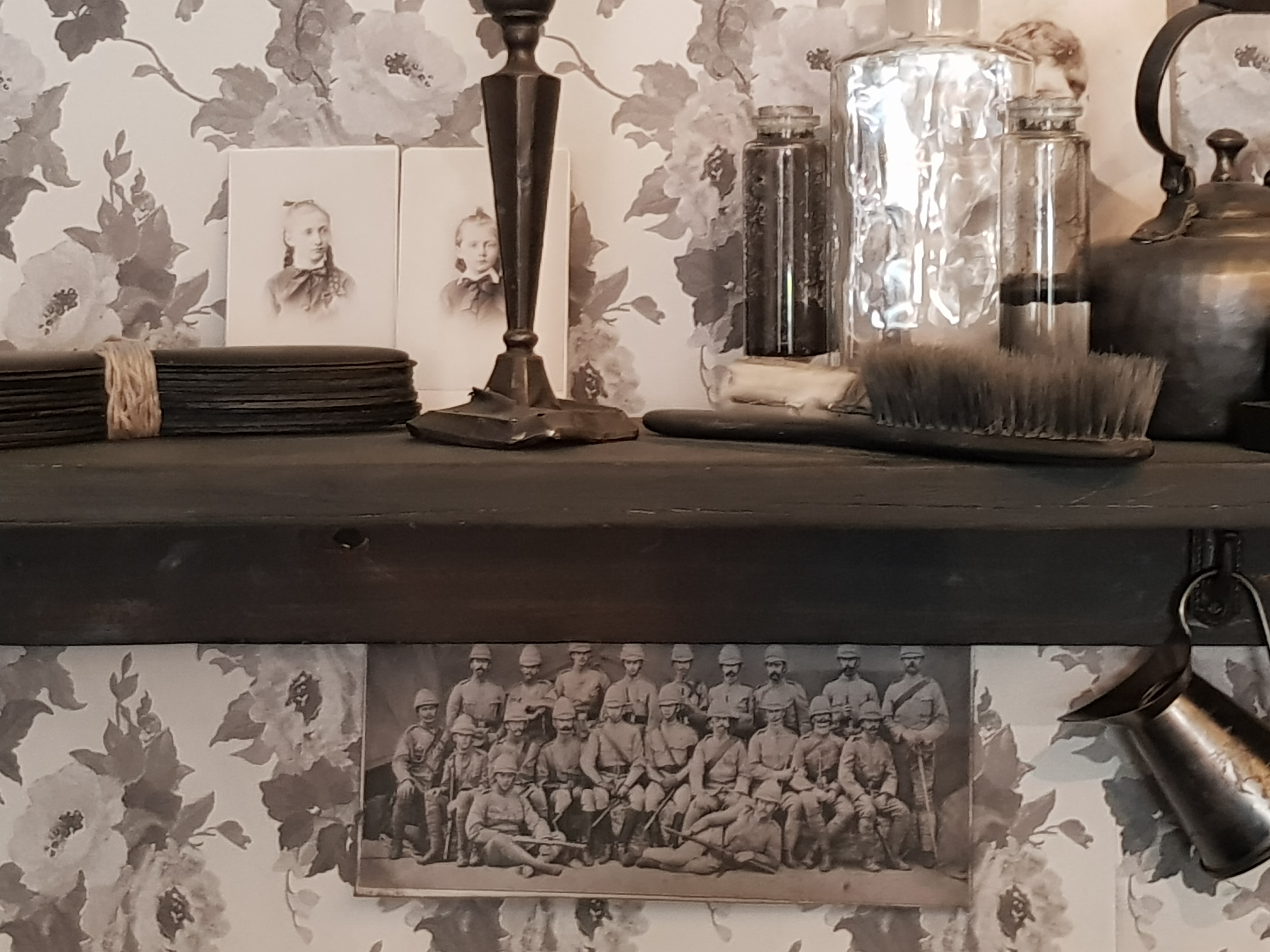
I was on my way yesterday to see the new exhibition of work by Anthony Eyton RA and Julie Held in the newly built gallery behind Eleven Spitalfields.   Much as I admire Eyton’s work – the fact that he still goes out and paints every day aged 94 – I was also impressed by the installation by Clarisse d’Arcimoles in which she has painstakingly recreated the front room of an impoverished Irish hairbrush maker, as shown in a photograph of 1902.

This is the photograph:-

And this is the reconstruction:-

Standard

W.G. Sebald

Before the discussion in the Comments section goes any further, I wish to declare – and have on other occasions – my deep and abiding admiration for the writings of W.G. Sebald.   I first came across The Rings of Saturn in the Travel Bookshop (I have long misrembered it as the Norfolk section of Stanford’s Map Shop in Long Acre).   I was so impressed by its qualities of deep rumination about history, memory and the past that I asked Robert McCrum, the then books editor at the Observer, if I could write about Austerlitz on its publication (https://www.the guardian.com/books/2001/sep/30/travel.highereducation).   I have looked the review up to remind myself of what I thought and felt when I first came across his writings and it is – rightly – a long eulogy, half written in the style of Sebald himself.   So, I have been influenced not just by Sebald’s style – the long rambling sentences – but also by his awareness and understanding of the relationships between people, places and history. 

One of my deepest regrets is that the Trustees of the National Portrait Gallery turned down a commissioned portrait of Sebald by Michael Sandle and I have been trying to persuade the University of East Anglia – so far unsuccessfully – to commission him retrospectively.

Standard

Spitalfields (1)

If by any chance you’re interested, I’ve just been tipped off how to locate the programme I recorded a couple of months ago with several current residents of Spitalfields, including Dan Cruickshank, Marianna Kennedy, who lives in Fournier Street, the printmaker, Adam Dant, who lives in Club Row, and Tim Whittaker who runs the Spitalfields Trust.   It’s not straightforward to find.   You go to https://www.mixcloud.com/Resonance/ and enter Charles Saumarez Smith.   The programme is almost entirely about the politics of conservation, beginning with the battle to preserve Elder Street from its destruction by British Land in the mid-1970s, the establishment of the Spitalfields Trust in 1977, the gradual gentrification of Fournier Street, to the more recent battles over Spitalfields Market, Bishopsgate Yard and, most recently, Norton Folgate.   It’s a bit messy because it was unscripted and recorded live, but not necessarily the worse for that.

Standard