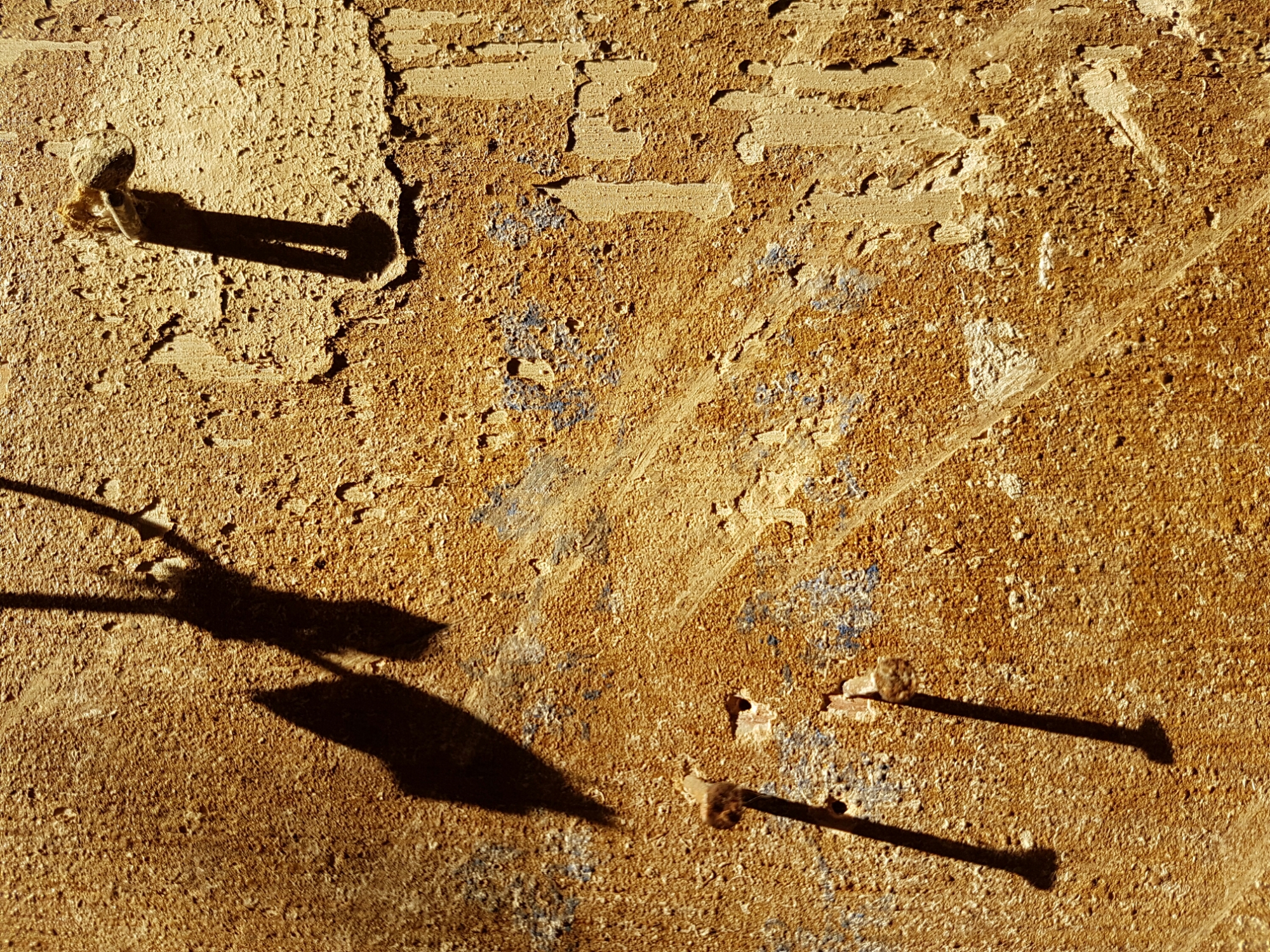
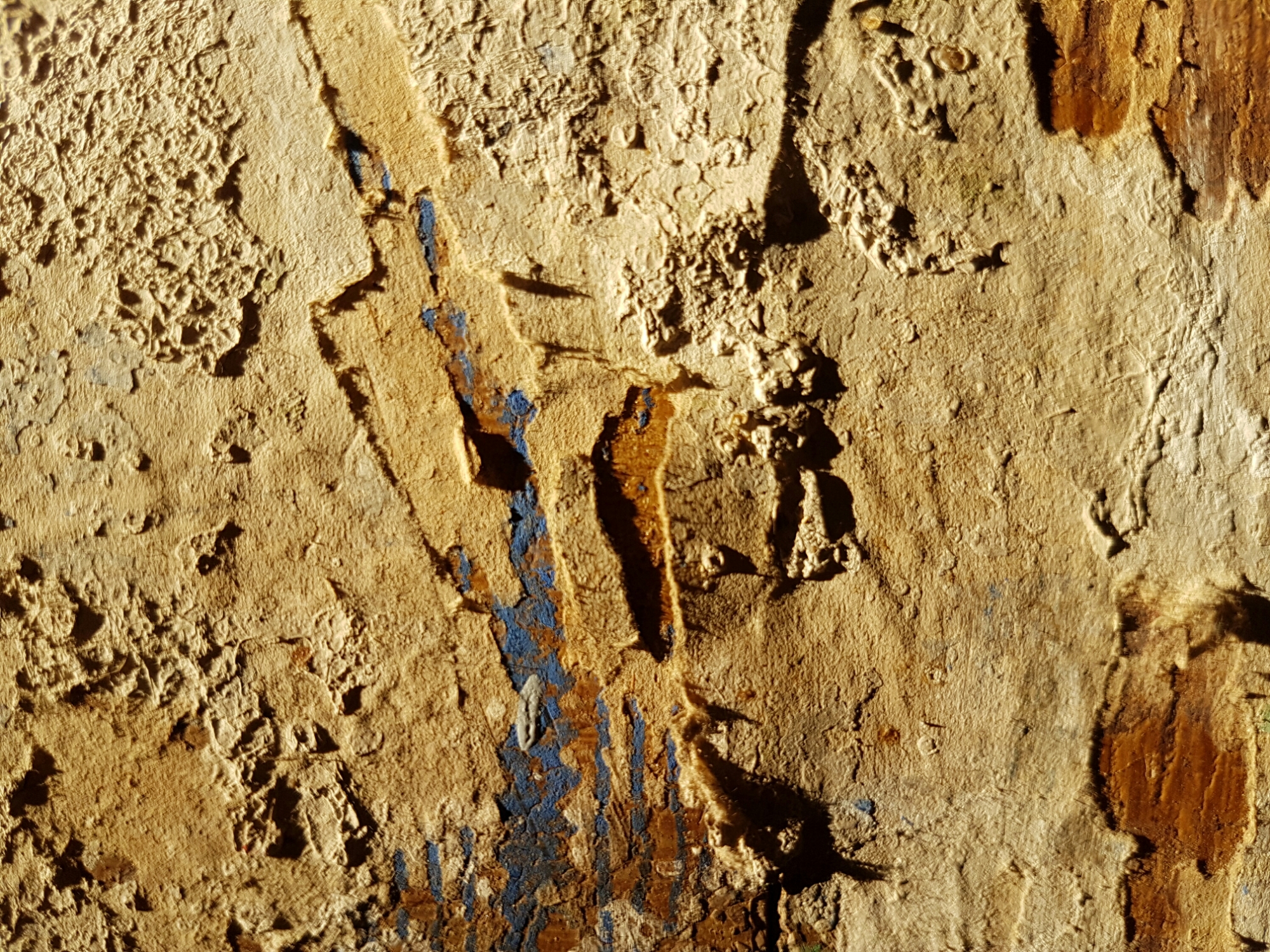
Norton Folgate (3)

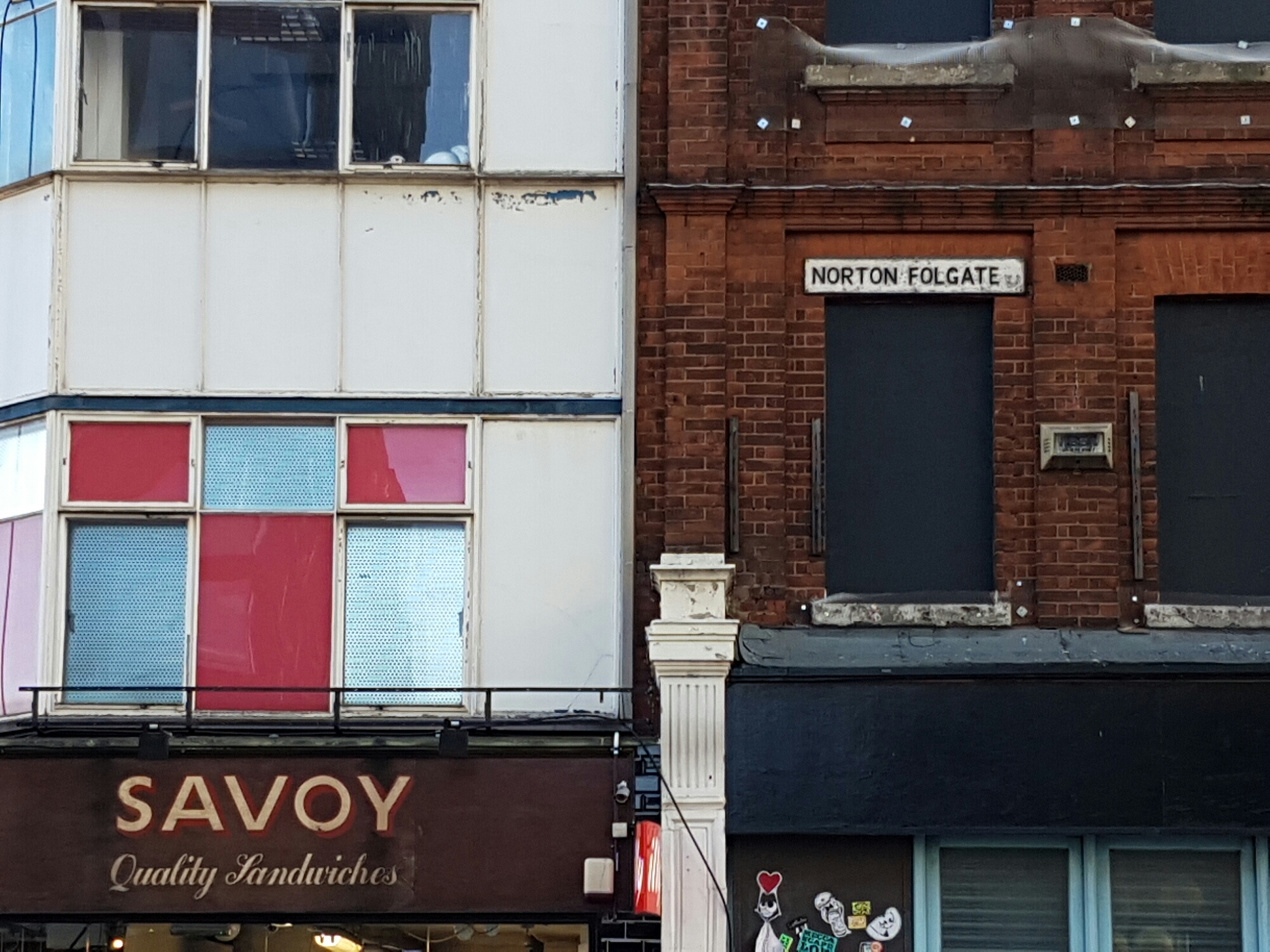
I walked past Norton Folgate today which still stands derelict, awaiting redevelopment after Boris gave the new scheme planning permission as one of his last acts as Mayor.   Like the Whitechapel Bell Foundry, it’s a reminder that London’s prosperity was once industrial as well as commercial and is the reason why Dan Cruickshank’s recent book about Spitalfields ends so pessimistically.   After forty years of fighting to save the historic character of Spitalfields, he feels the battle is now lost:-

Continue reading

Standard

Spitalfields

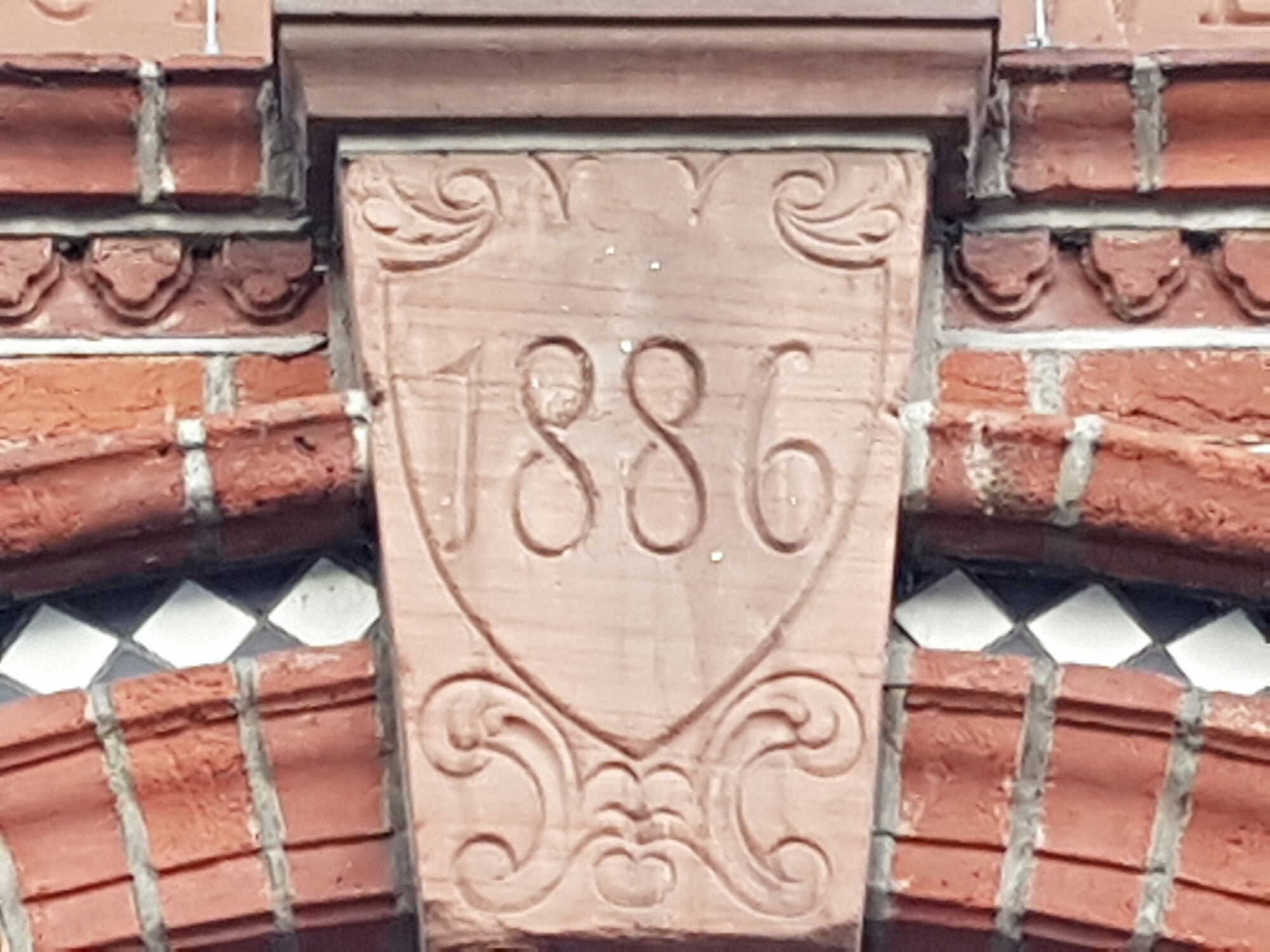
Since the weather was so fine, I walked up from the Whitechapel Bell Foundry into Spitalfields, passing the surviving entry to model dwellings constructed in 1886 by Nathaniel Rothschild’s Four per cent Industrial Dwellings Company:-

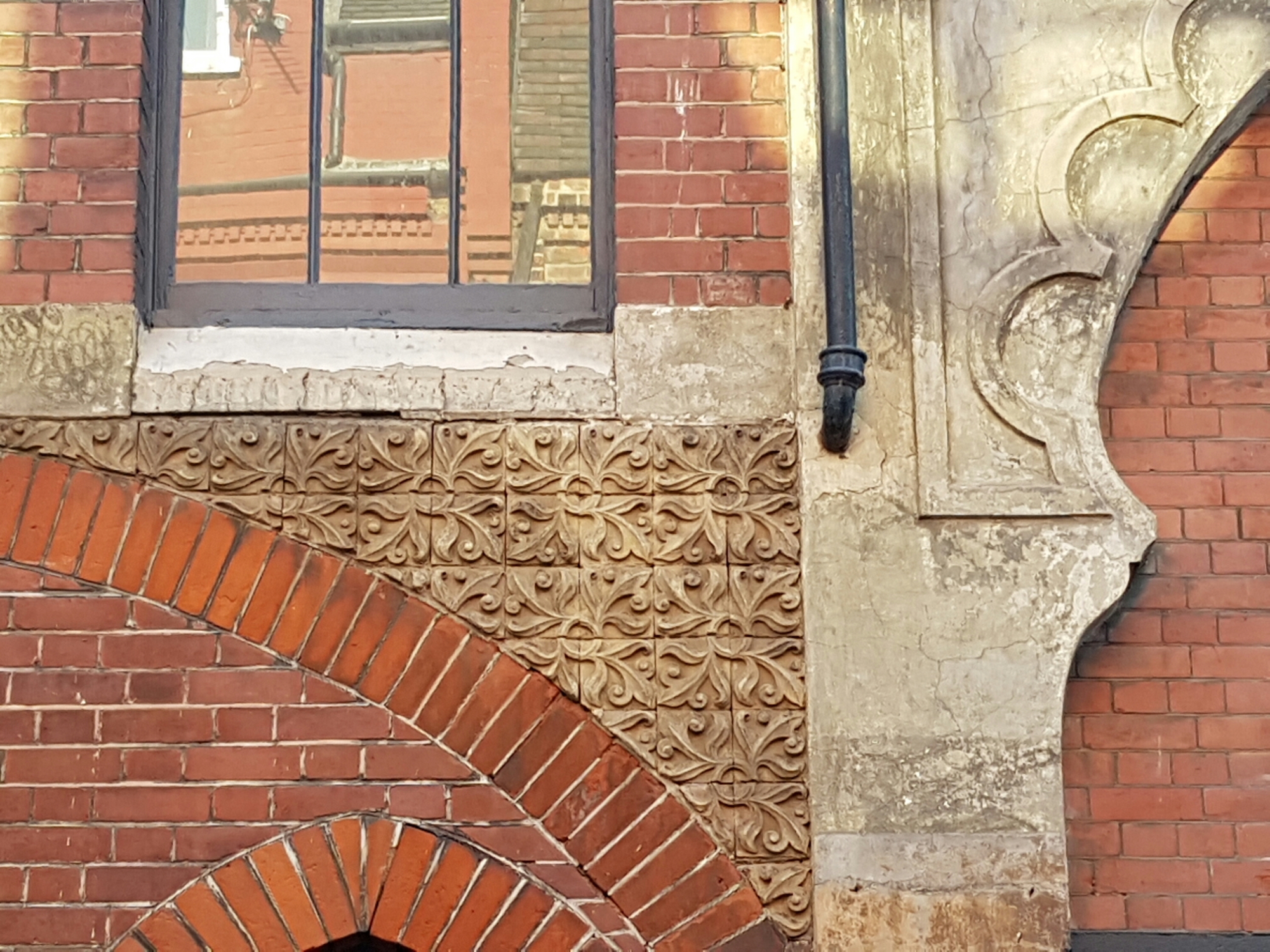
I had never actually walked down Fashion Street before, with its Moorish-style arcade of 1905:-

Continue reading

Standard

Whitechapel Bell Foundry (1)

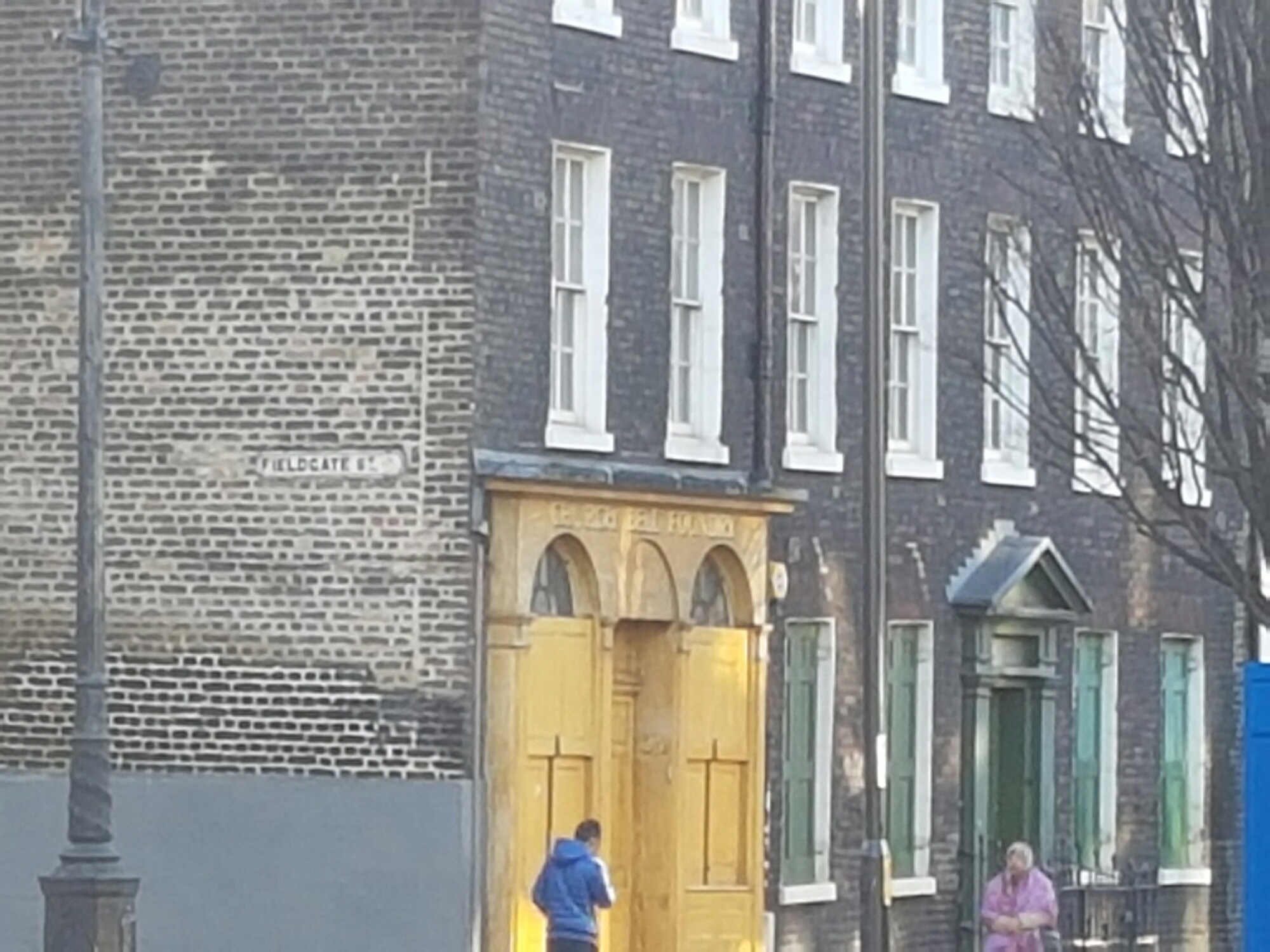
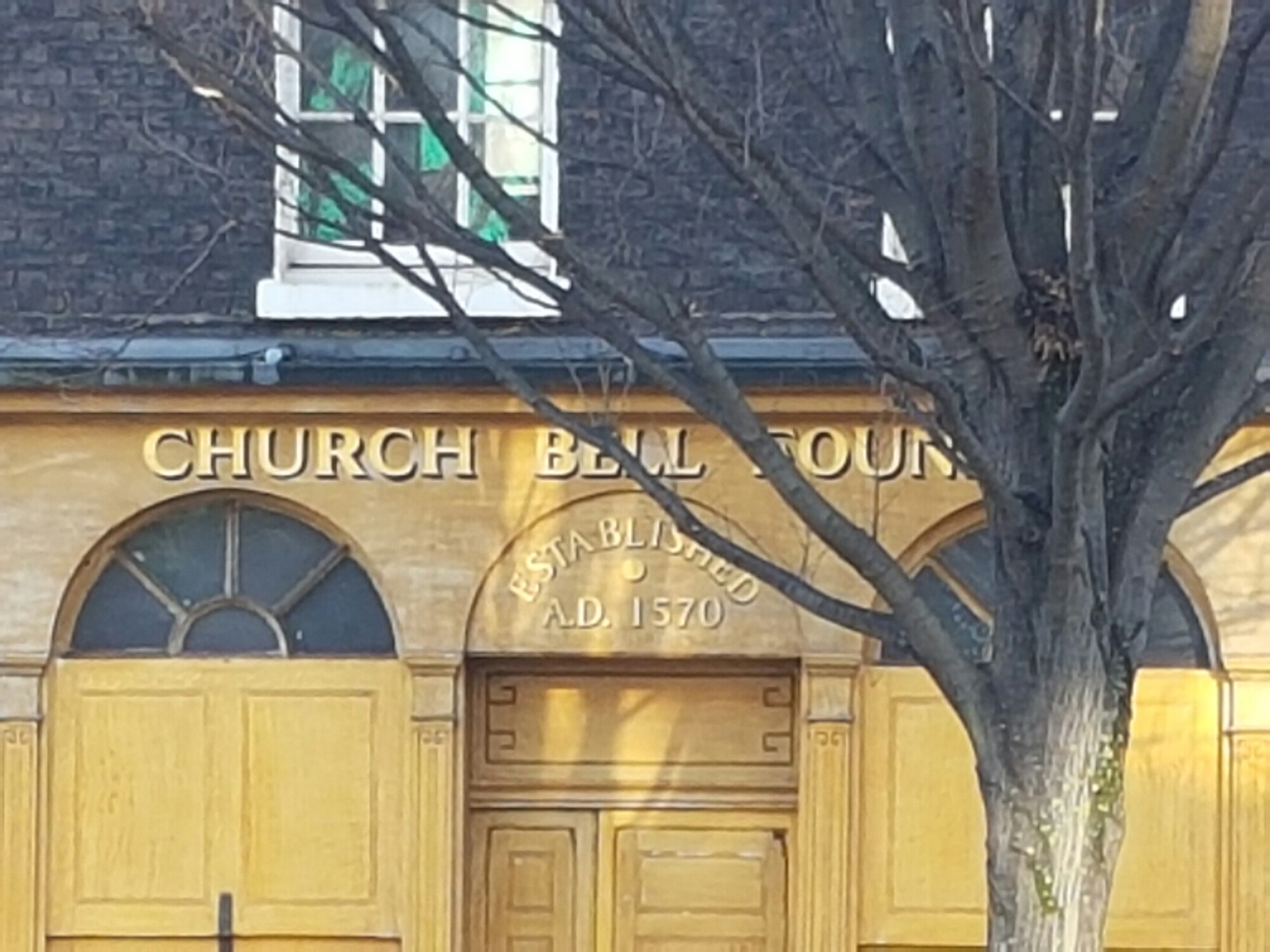
Having spent the morning writing about the fate of the Whitechapel Bell Foundry which is due to be either closed or moved in May this year, I thought I should go and have a look at it, even though I knew it would be closed.   It’s always been said to be a building of 1738, owing to an entry in the company history, but recent research by the Survey of London has discovered that the lease on the so-called ‘Old Artichoke Alehouse’ was advertised in the Daily Advertiser on 31 August 1743 and it was only in 1747 that the site was described as ‘a new built messuage’.   It’s a remarkably well preserved piece of industrial architecture and good if it can be preserved as a working museum, as the SPAB apparently plan:-

Continue reading

Standard

Victoria Park Lido

Stimulated by reading Roger Deakin’s Waterlogged, I remembered that I had friends who used to go swimming every morning in Victoria Park.   But where ?  The answer must have been in the Lido, designed in 1934 by H.A. Rowbotham and T.L. Smithson with a shingle beach and diving boards and opened in May 1936 by Herbert Morrison as part of a three-year ‘Labour Plan for Health for London’.   Re-opened after war damage in May 1952, with accommodation for a thousand swimmers, it was closed (dates vary) in 1989, demolished in 1990 and not re-instated when the Park was recently revived.

Standard

John Nash RA

I have been trying to figure out the relationship between Paul Nash and John Nash, apart from the fact that they were brothers and exhibited together at the Dorien Leigh Gallery in Pelham Street in November 1913.   It is Paul who gets the retrospective at the Tate and John who, so far as I could see, goes unmentioned.   But it was John who lived longer, till 1977, became an RA, and had what is described as the first retrospective by a living RA in 1967.   I think the answer must lie in a photograph of the two brothers taken in 1937 by Lance Sieveking and now in the NPG, which has a large collection of photographs of John Nash, donated by Ronald Blythe, who now lives in Nash’s house, Bottengoms Farm, in the Stour valley.   John is dressed conventionally and looks a bit quizzical.   Paul has wide lapels, is wearing a bow tie and lives in Hampstead.   The only clue I can find to what they thought of one another is in Ronald Blythe’s obit. of John in which he says that they hated being described, as they were in their first exhibition, as ‘the brothers Nash’.

Happy New Year !

Standard

Paul Nash

We went this afternoon to the Paul Nash exhibition at Tate Britain.   We felt he was never completely convincing as a painter – a bit too dry, too graphic, and as the exhibition demonstrates, a bit too susceptible to outside influences.   I was pleased to discover on getting home that I have a copy of his Shell Guide to Dorset, which I see I bought rather expensively and is in shabby condition (Travel and Topography is housed in a damp cupboard).   It is illustrated on the title page with a picture of a Scelidosaurus, which one is presumably unlikely to run into in Dorset, even in the 1930s, includes a section on SPORT by Brigadier-General F.R. Patch with a listing of all the golf courses, and is dedicated to THE LANDOWNERS OF DORSET, THE COUNCIL FOR THE PRESERVATION OF RURAL ENGLAND, THE SOCIETY FOR THE PROTECTION OF ANCIENT BUILDINGS AND ALL THOSE COURAGEOUS ENEMIES OF ‘DEVELOPMENT’ TO WHOM WE OWE WHAT IS LEFT OF ENGLAND.   

Standard

2016

I suppose it is inevitable that one is ruminative as the old year passes into the new.

At our Christmas Eve dinner, we were encouraged to reflect on what the experience of 2016 has been.   It has been a ghastly year.   The first since 1979, in my adult lifetime, when there has been a big shift in the public and political mood towards the unpredictability and ominousness of the future and the possible irrationality and destructiveness of democratic choice:  moving away from the postwar European settlement, formed in order to prevent the possibility of there ever being another European war;  a strange, hoodlum President taking the helm of what has been considered the greatest country in the world.

On the other hand, I’m enjoying slipping into the New Year with Waterlog:  A Swimmer’s Journey through Britain as Roger Deakin describes ever more adventurous and arduous swims, off the coast of Dorset, in the Dales of Yorkshire and now on Jura.   There are more books to look forward to, by Deakin and other authors.
Standard

Chiswick House (2)

Having spent the morning struggling with the very complex building history of Chiswick, I have realised that the building of most of the temples in the garden actually preceded the construction of the villa, beginning with a bagnio designed by Burlington himself in 1717 and illustrated in Vitruvius Britannicus as ‘the first essay of his Lordship’s happy invention’.   The bagnio and other small-scale garden buildings at the end of the vistas of the patte d’oie were followed not long afterwards by the building of the small Ionic temple which happily survives and which, from my reading of an article by Cinzia Sicca in the Journal of Garden History (Spring 1982, pp.36-69), was designed by Colen Campbell, who was at least responsible for overseeing work on it while Burlington was travelling in Italy in September and October 1719.   But I’m happy to be corrected on this by my correspondents.

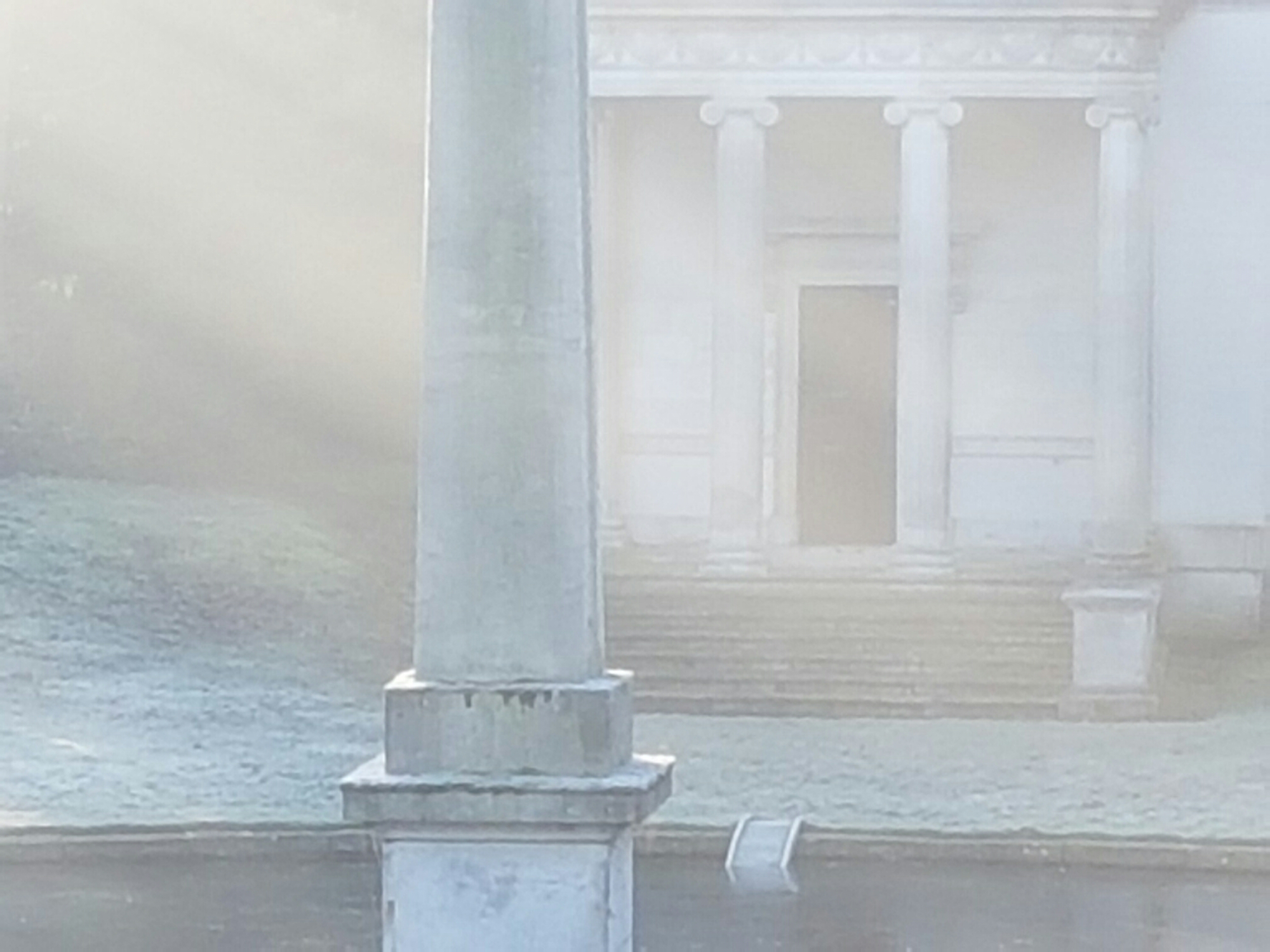
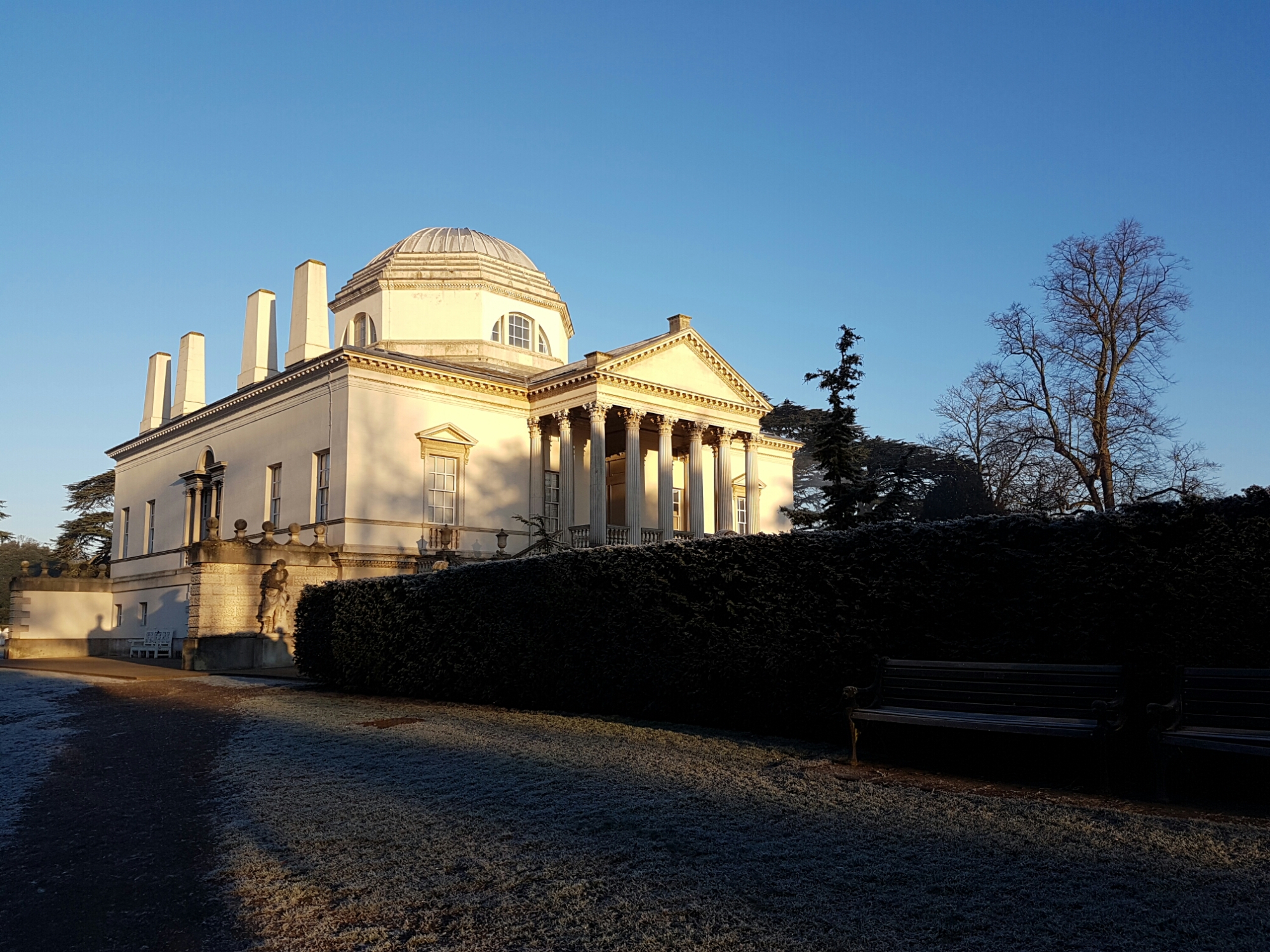
Meanwhile, I’m posting an atmospheric view of it which I took after eating breakfast:-

Standard

Chiswick House (1)

Remembering that I have to give a talk on the third Earl of Burlington some time in mid-January, I thought I would make an early morning expedition out to Chiswick House, the villa which he constructed in the late 1720s – it was completed in 1729 – as a weekend retreat, to house his art collection and demonstrate his knowledge and expertise in a strict form of Palladianism, drawn up and designed with reference to a detailed study of I quattro libri.

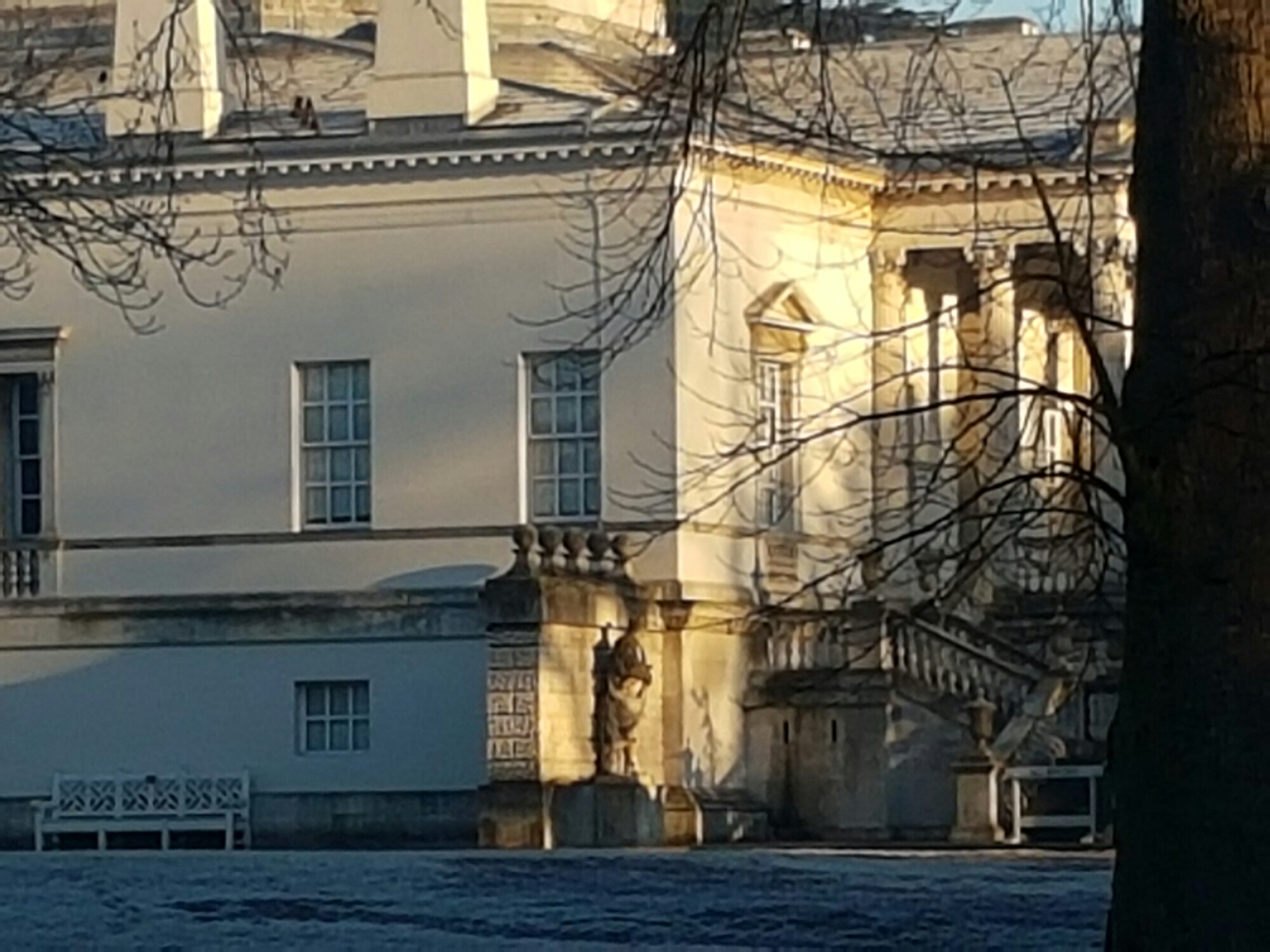
Unfortunately, the house is closed (I knew that) and the garden was full of oriental floats for a production of Cinderella.   But it’s hard to resist the beauty of the house in the morning frost:-

Continue reading

Standard

Indoors

Spending more time indoors has made me more attentive to what survives of the old house which was here before we moved in – a house turned into a carriage works and then a garage.   We have always tried to work out the history of the wall surface of the dining room which is a composite of wood, fabric and maybe streaks of surviving wallpaper:-

Continue reading

Standard