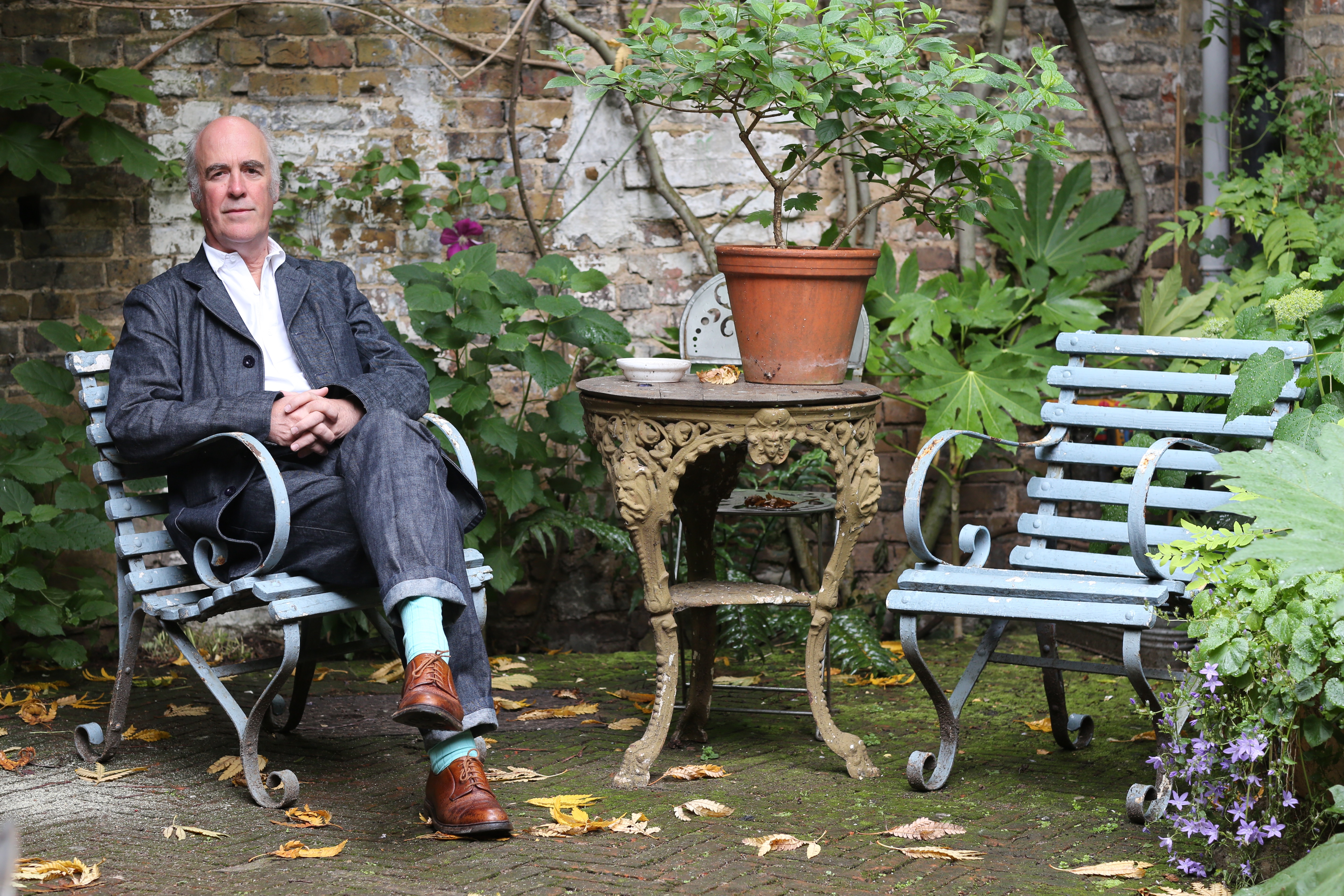
I have been mourning the death of Giles Waterfield, who died wholly unexpectedly of a massive heart attack on Saturday, although aged only 67. I admired him for what he achieved as the Director of Dulwich Picture Gallery, where he went after a brief period working under John Morley as an Education Officer at Brighton Art Gallery. He wrote about the history of Dulwich and transformed it from a forgotten oddity into a flourishing independent museum with an active Board of Trustees and a small endowment. He brought John Sainsbury in as chairman of Trustees and then satirised him in The Hound in the Left Hand Corner. But his best novel was probably his first, The Long Afternoon, based on the lives of his parents. I’m glad that he had at least published his magnificently authoritative history of municipal art museums, which derived from the exhibition, Art Treasures of England, which he curated in 1998 at the Royal Academy. He was very dry and very knowledgeable, on every committee in the country, including chairman of Charleston Trust.
Trinity Church
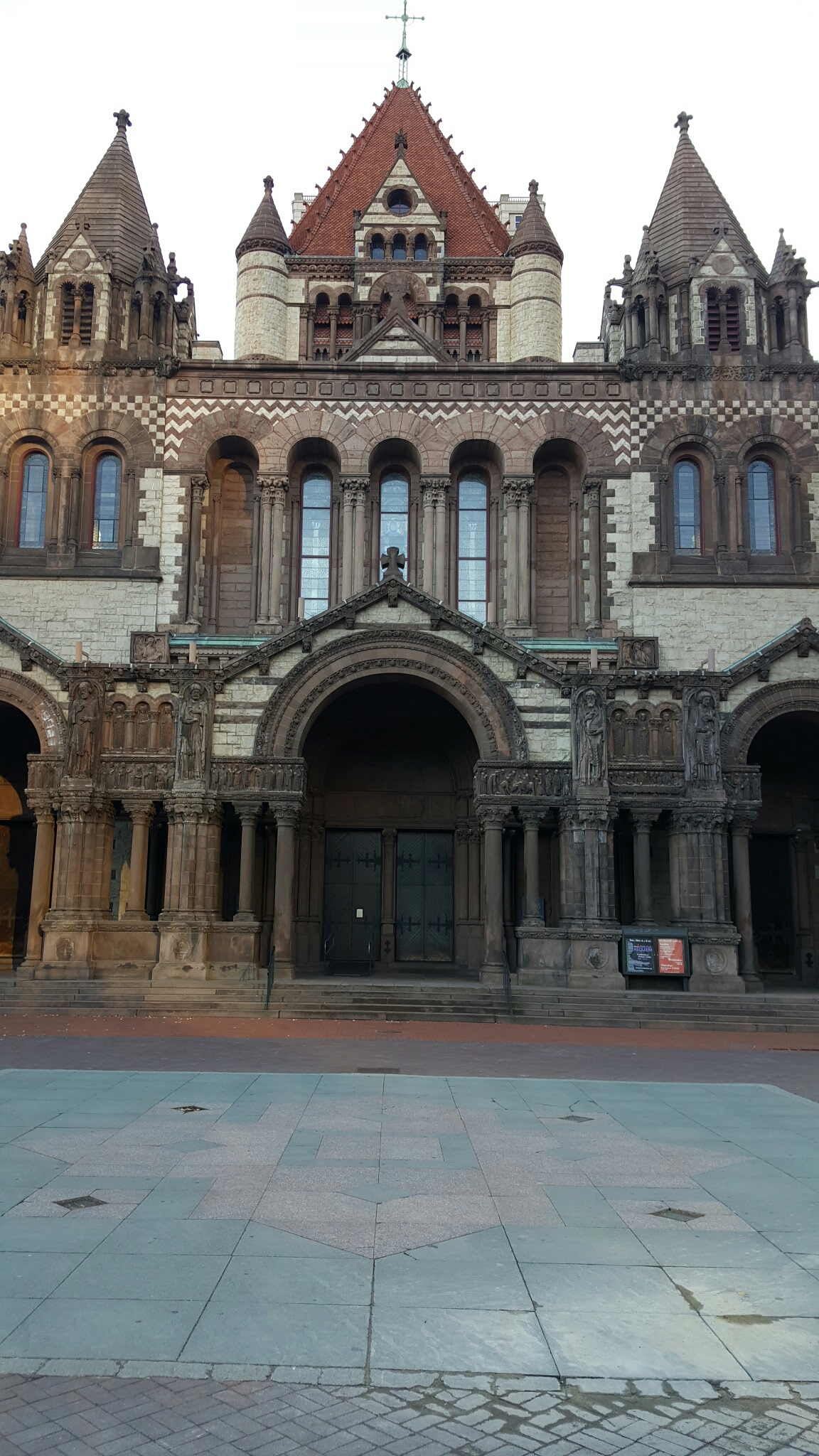
I am pleased to have a chance to see and get to know H.H. Richardson’s Trinity Church, which dominates Copley Square opposite the Public Library, squat, but grandly ornate, an idiosyncratic composite of Romanesque design, as much German as French, with a magnificent interior space and much good stone carving. Richardson had been trained at the École des Beaux Arts, returned to the States in 1865, and designed a lunatic asylum in Buffalo before the commission to design Trinity Church:-
Museum of Fine Arts, Boston
We spent the afternoon in the MFA, seeing and admiring the new wing devoted to the Art of the Americas, designed by Norman Foster and opened in November 2010.
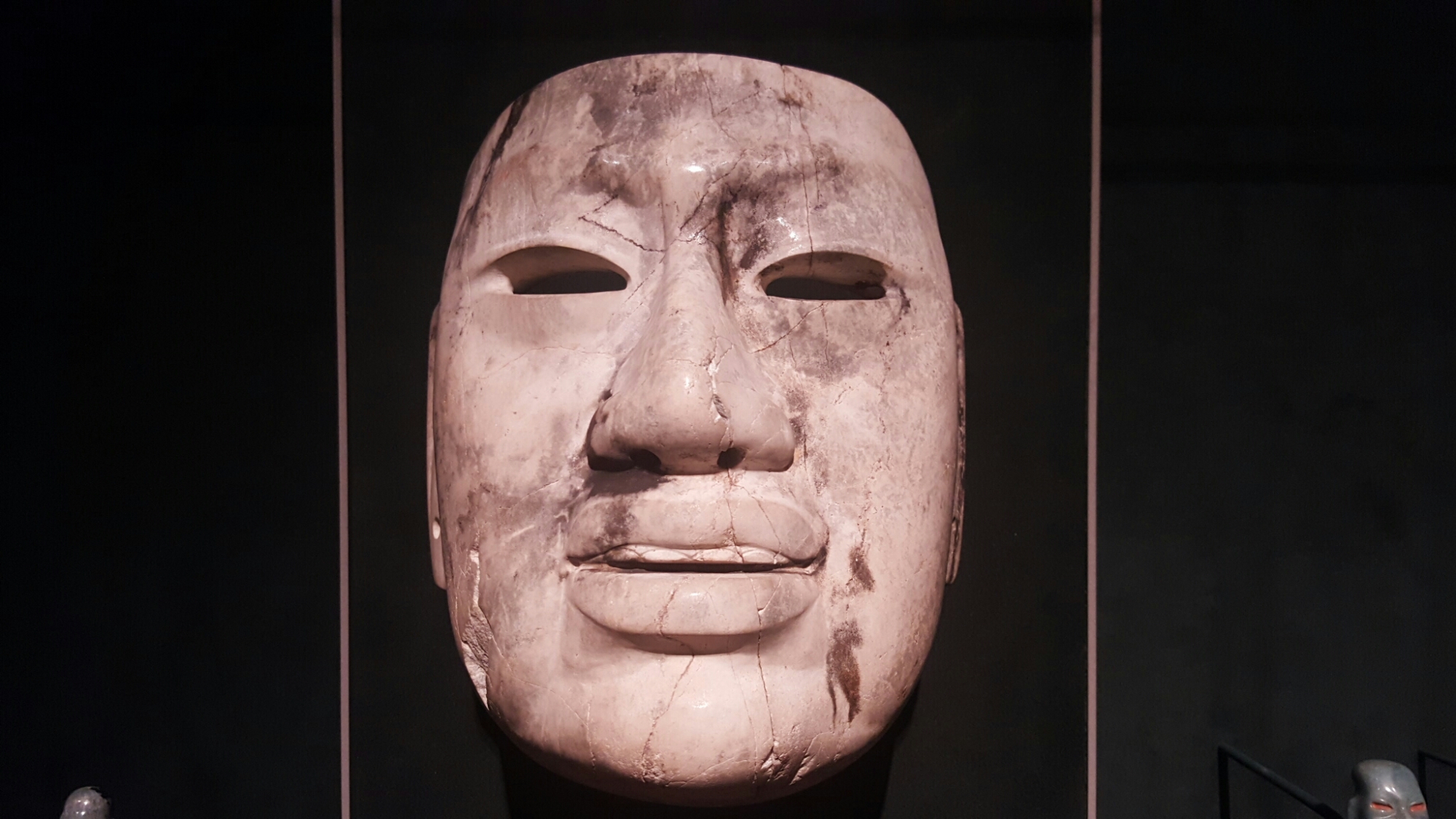
In the basement, there are displays relating to Central America, including an early Olmec mask:-
On the third floor is the great Sargent portrait of The Daughters of Edward Darley Boit, which came to London for the exhibition Americans in Paris and is shown in a gallery flanked by the two great Chinese urns which Boit had in his apartment in Paris:-

Isabella Stewart Gardner Museum
We spent the morning in the Isabella Stewart Gardner Museum, always a heady experience, now entered through the back by way of the lightweight extension recently added by Renzo Piano:-

John Hancock Tower
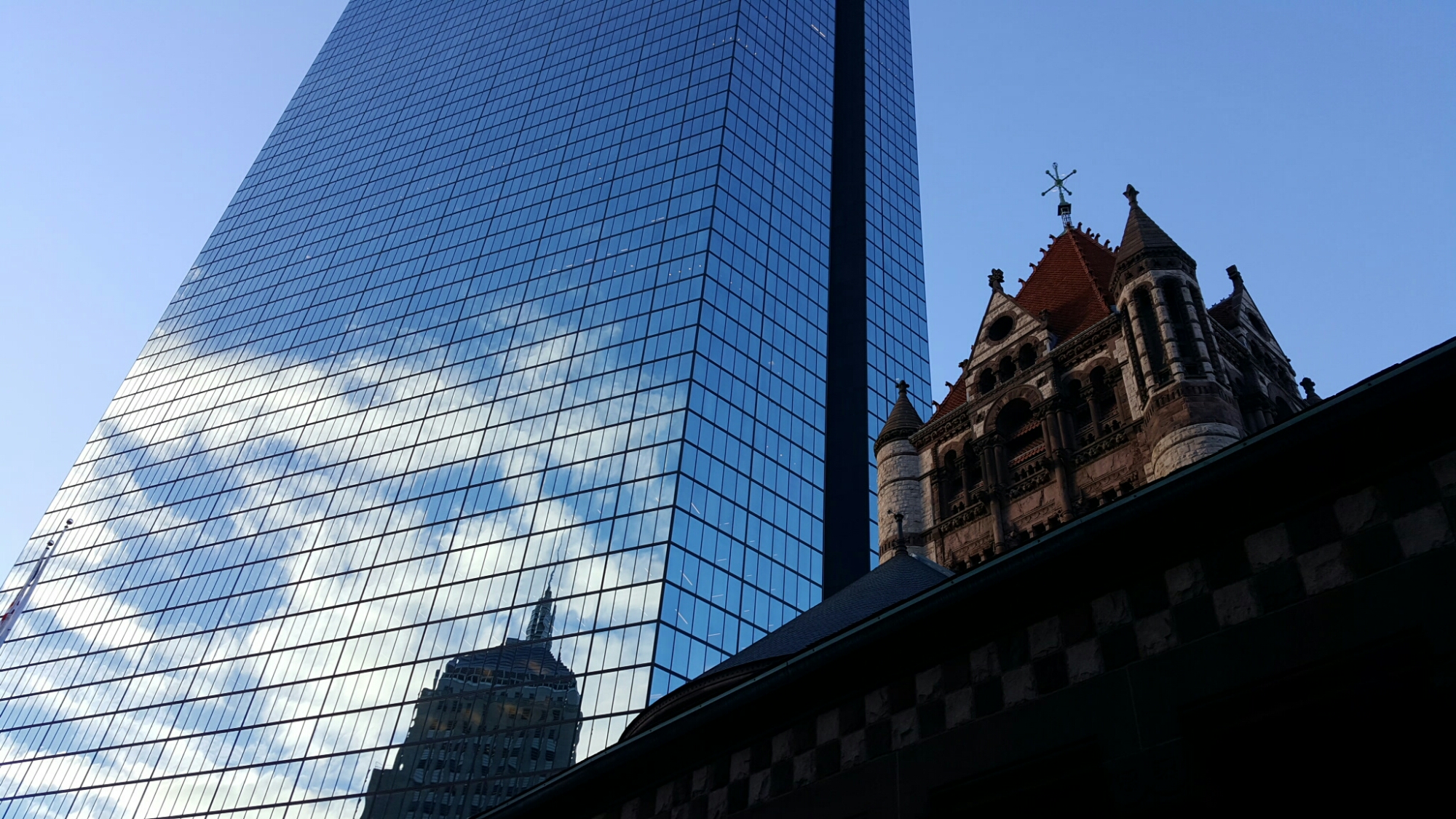
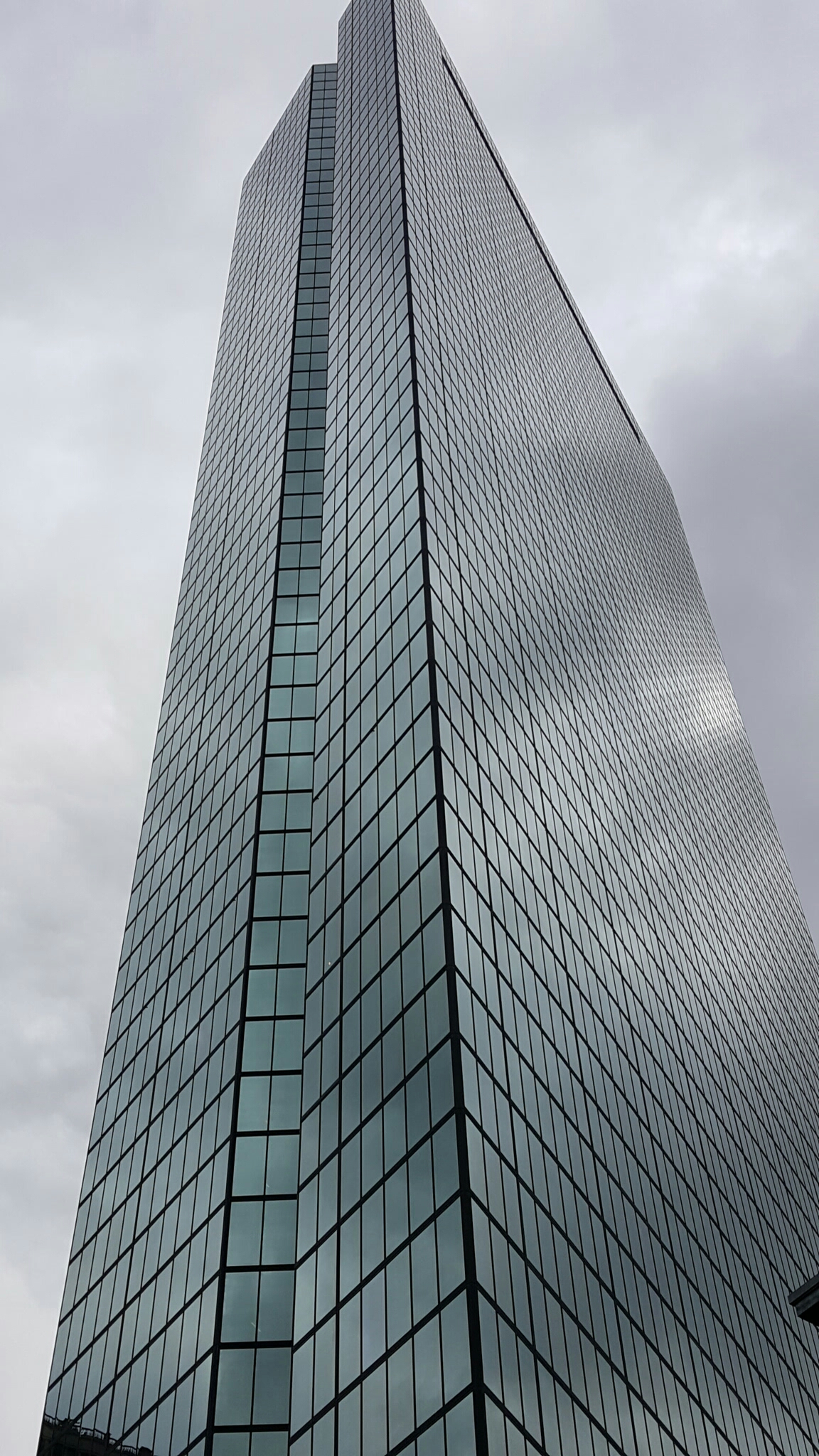
I’m an admirer of the John Hancock Tower and always have been: post-brutalist, it provides an elegant and sleek reflective presence to the Boston skyline, always there, but never domineering, tactfully deferential to H.H. Richardson’s wonderful Trinity Church. It was designed by Henry Cobb, working in partnership with IM. Pei:-
Boston Public Library
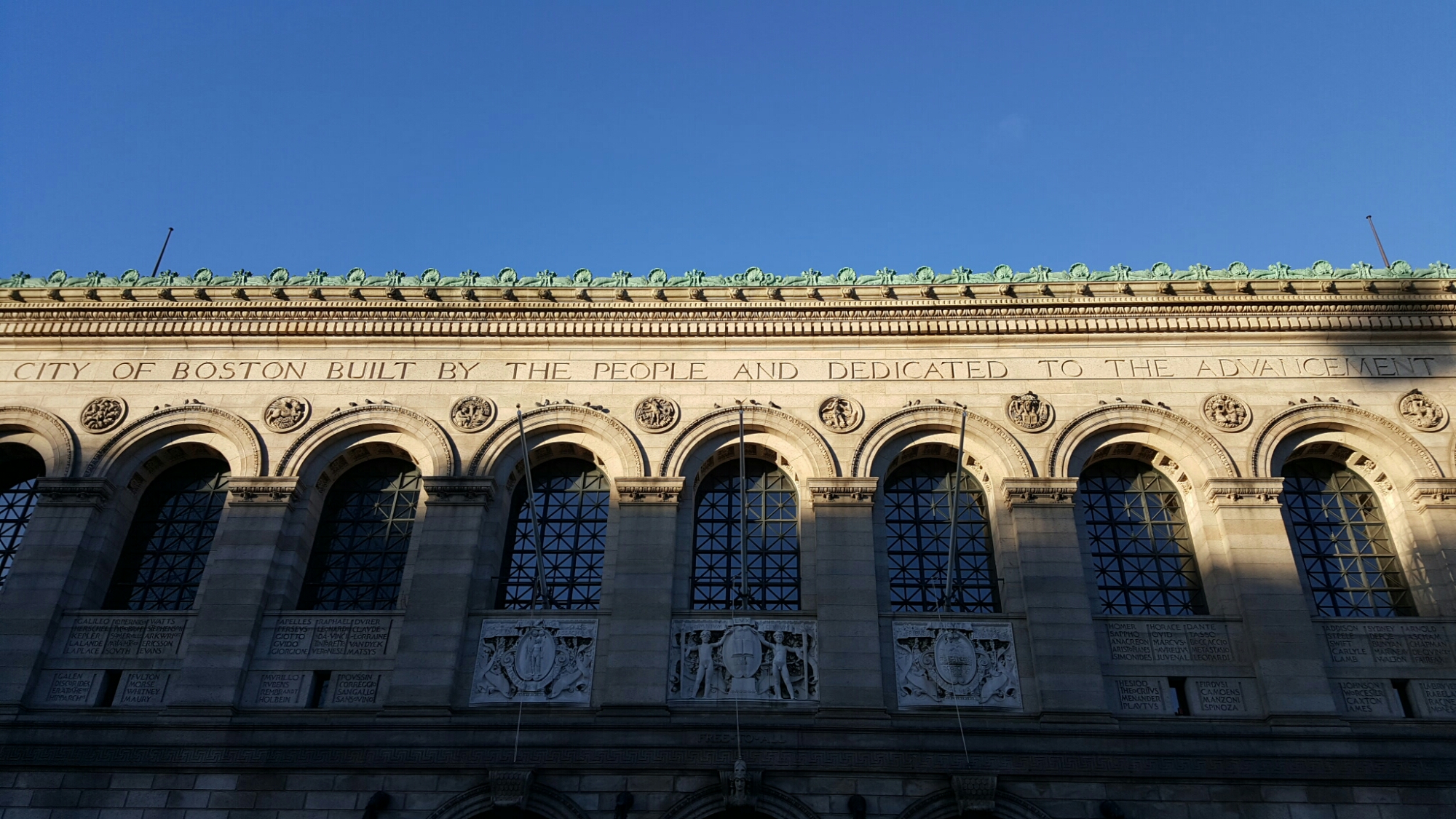
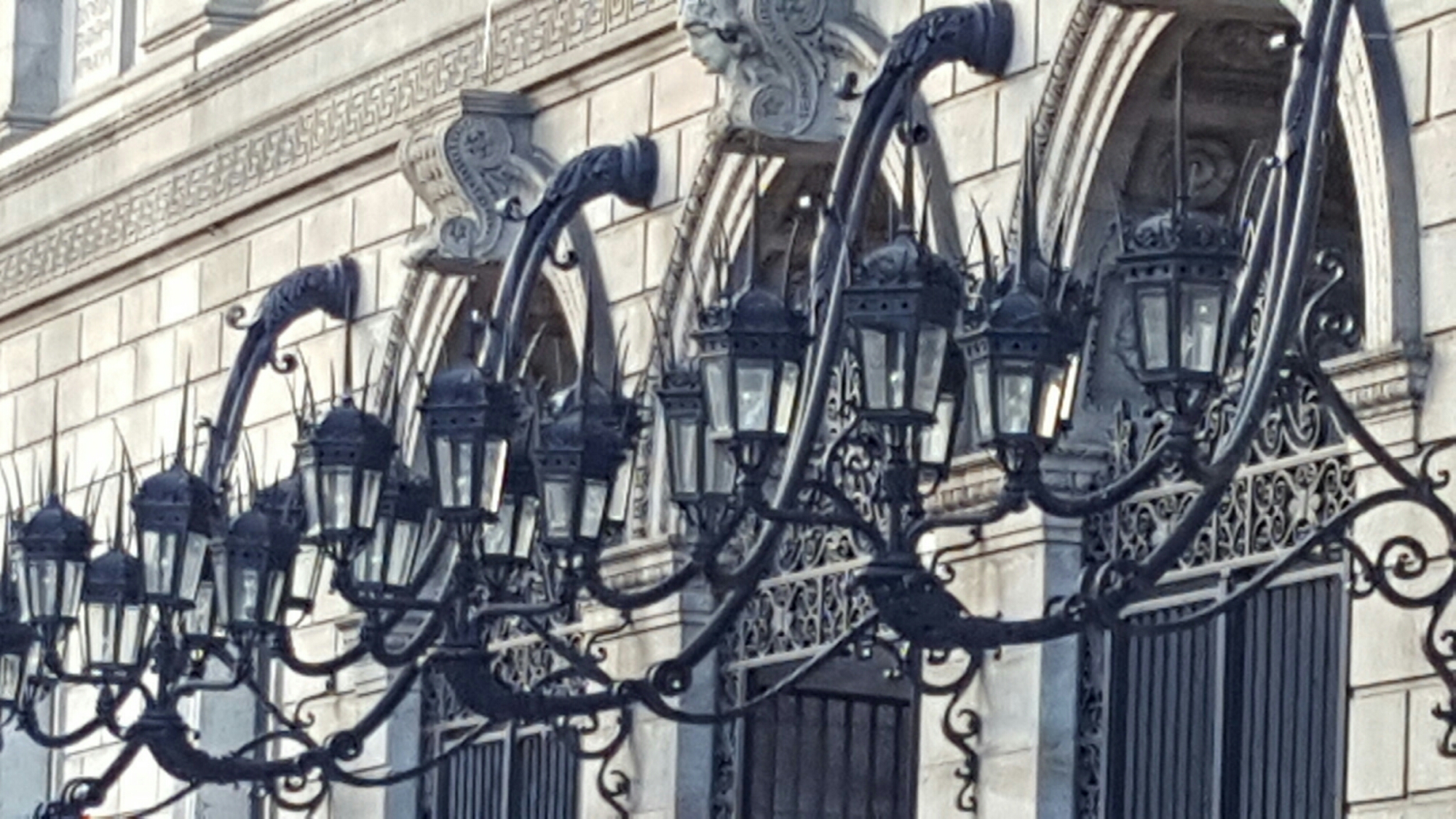
I nipped out first thing in the morning to catch the early morning light on Boston Public Library, McKim Mead and White’s great classical monument to the idea of public learning, with the names of all the great writers boldly inscribed on its façades. Charles McKim had been at Harvard – of course – and had been apprenticed to H.H. Richardson. Based on Alberti and Labrouste’s Bibliotheque Ste. Geneviève in Paris, it represents the turn to classicism in American architecture:-
Trump
No signs of the election, of course (elections are fought in the head), apart from a few crazies outside the Boston Public Library:-

Government Service Center
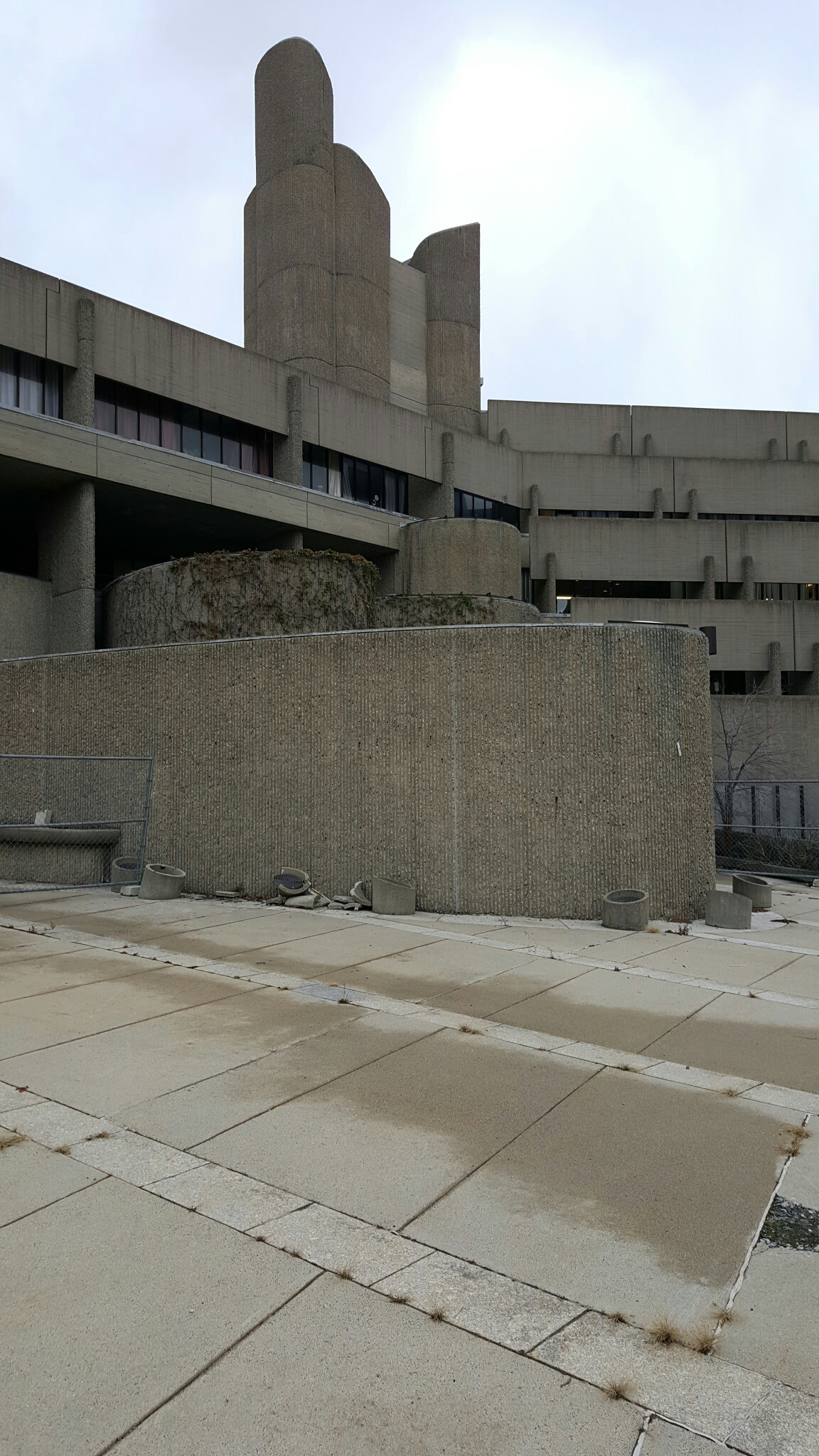
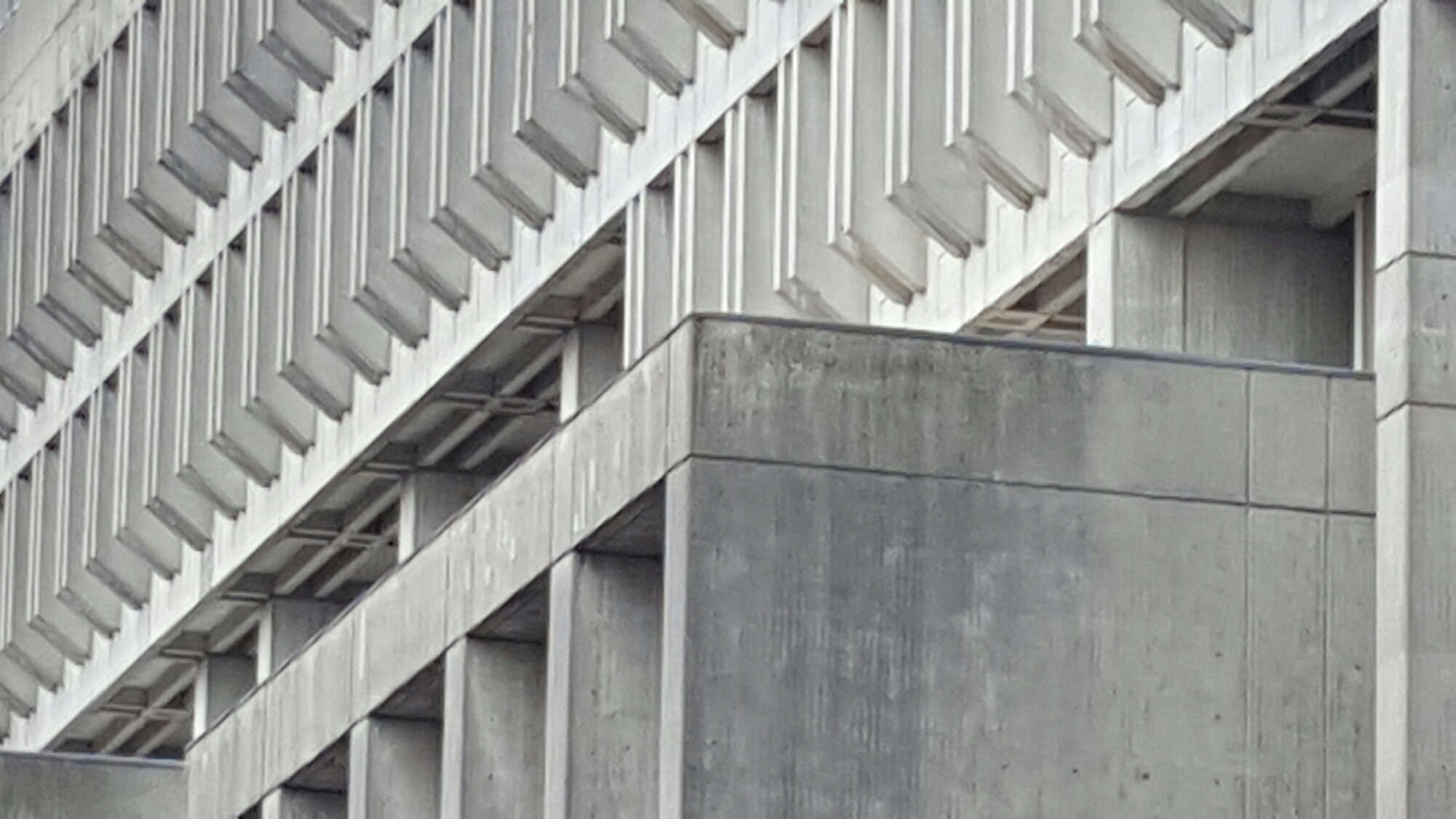
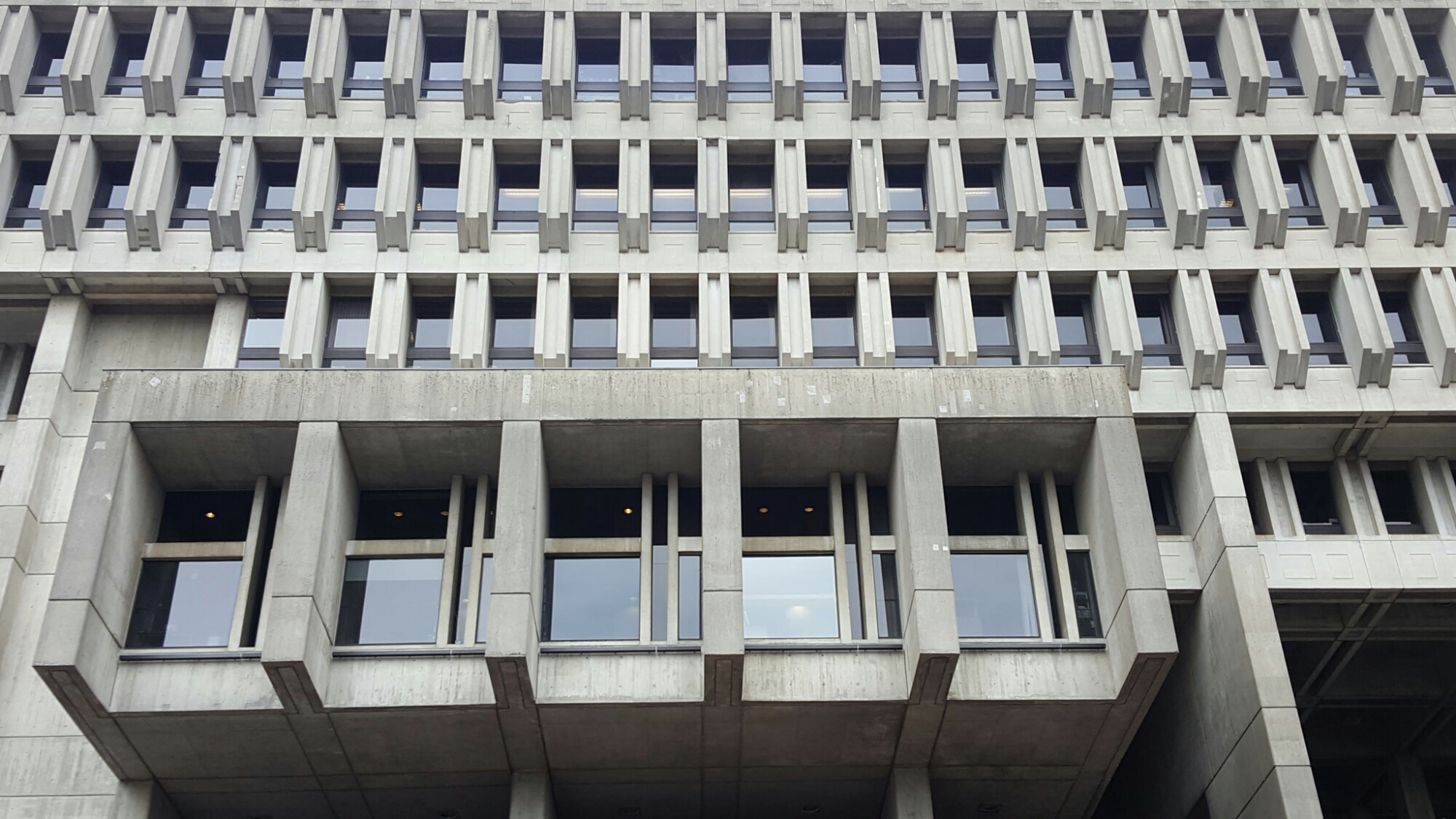
Much more impressive than City Hall, although also much bleaker, is Paul Rudolph’s Government Service Center. Rudolph was the chair of the architecture school at Yale and designed the building in the manner of an Italian town (not my idea of an Italian town). The complex is said to demonstrate all the characteristics of his style – ‘rough-aggregate corrugated surfaces, rhythmically repeated piers, overhanging cornices, and sculpturally articulated service cores, multiplying the Brutalist aesthetic close to a point of delirium’:-
Boston City Hall
I was reading on the aeroplane about the glories of Boston City Hall – the importance of preserving it as a monument to the heroic days of city government. I didn’t remember ever seeing it, although in some ways it is hard to miss: a grand and neo-expressionist piece of concrete sculpture, which has thus far resisted demolition:-
Beacon Hill
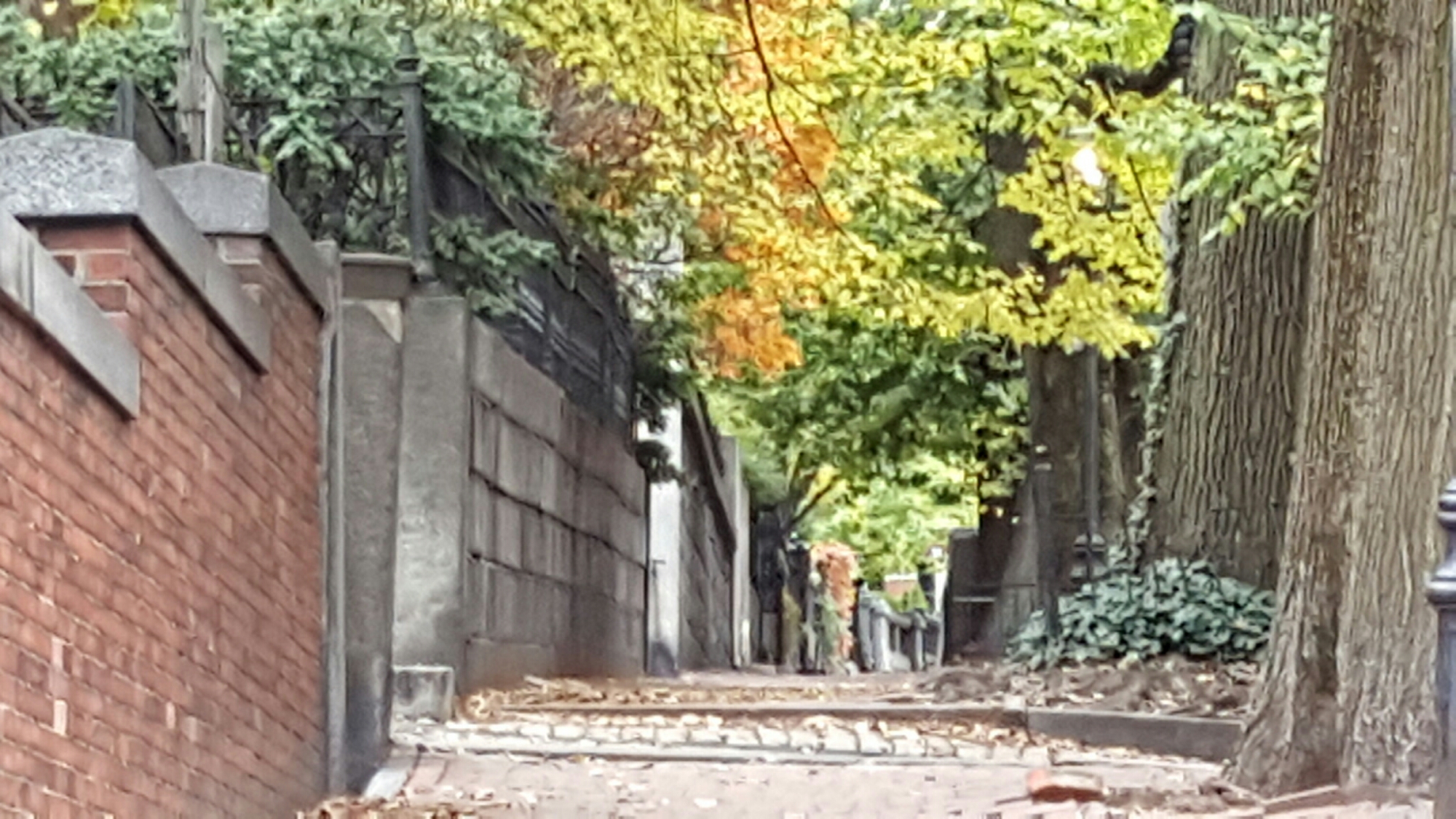
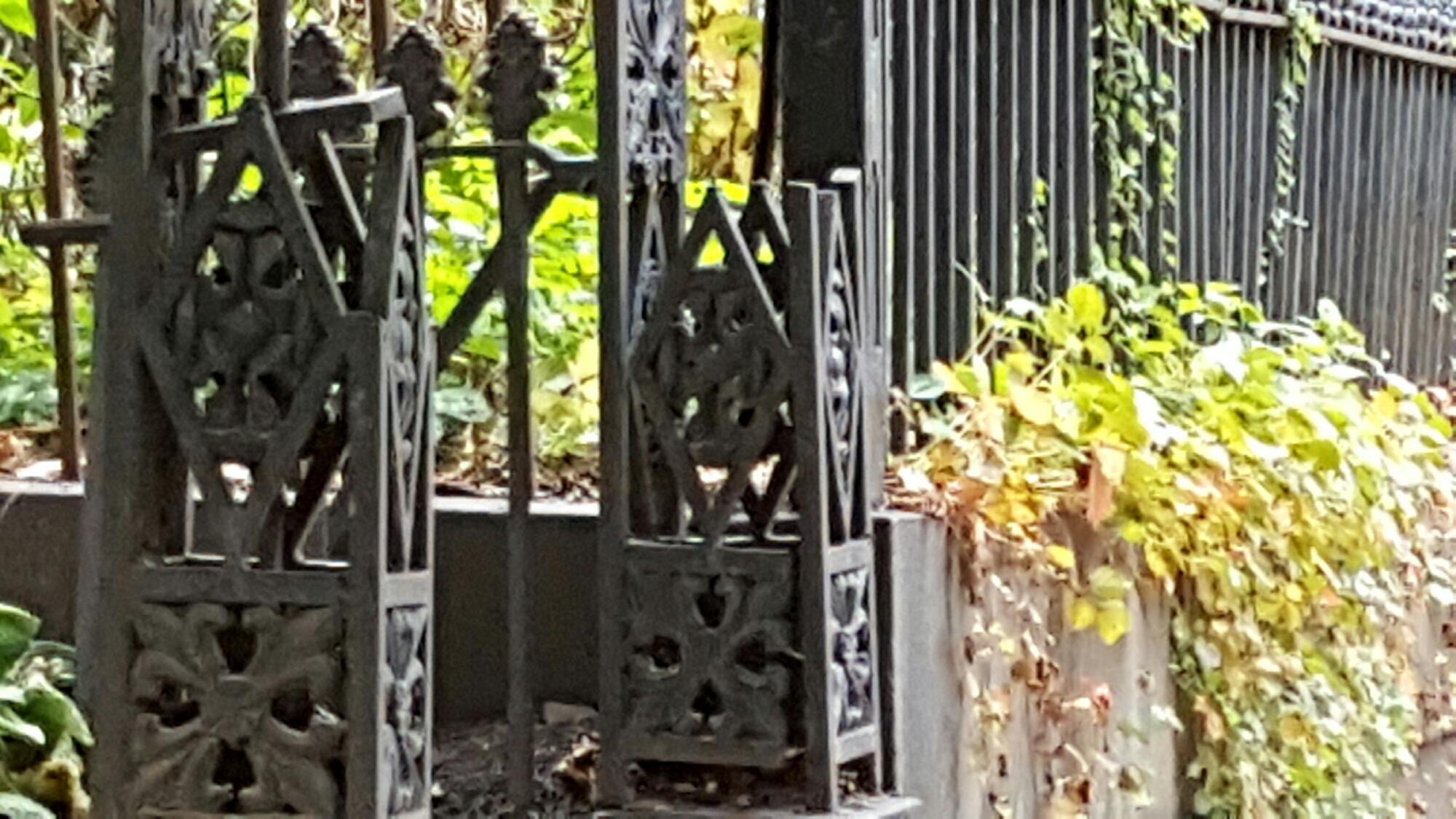
I wish I had acquired the habit of walking when I was in Boston in 1976. I always regarded Boston as a distant city, to be reached only on the T, so never got to know the pleasures of Beacon Hill – its steep brick streets and Federal houses, home of the brahmins. This afternoon I walked up Mt. Vernon Street and enjoyed the shabbiness of its Greek Revival detailing:-
 | Charles | Saumarez | Smith |
You must be logged in to post a comment.